Brussels Travel Guide 2025: The Complete Guide to Europe's Capital
Brussels is a city of delightful contradictions - where medieval alleyways wind between EU headquarters' gleaming towers, where the aroma of fresh waffles mingles with craft beer hops, and where the cheeky Manneken Pis stands proudly near magnificent Gothic cathedrals. As Belgium's capital and the unofficial capital of Europe, Brussels captivates visitors with its unique atmosphere, world-class cuisine, and extraordinarily rich cultural heritage. This comprehensive 2025 guide reveals everything you need to know for an unforgettable visit to this fascinating city.
Best Time to Visit Brussels
Brussels welcomes visitors year-round, with each season offering distinct experiences and opportunities.
Spring (April-May)
The ideal time to explore Brussels. Temperatures range from 10-18°C (50-64°F), parks burst into bloom, and tourist crowds remain manageable compared to summer. April brings the magical Royal Greenhouses of Laeken opening - a unique three-week opportunity available only once yearly. May energizes the city with numerous festivals and outdoor events. The flower carpet on Grand Place occurs every two years (next in August 2026) - one of Europe's most spectacular sights.
Summer (June-August)
Peak season with temperatures of 18-25°C (64-77°F). The city pulses with life: street concerts, festivals, and café terraces buzzing late into the evening. Brussels Jazz Marathon and Ommegang (historical pageant) headline the cultural calendar. However, this period brings maximum tourist numbers, meaning longer museum queues and higher hotel prices. Advance booking is strongly recommended.
Autumn (September-November)
September extends the mild summer with fewer tourists. Heritage Days open normally closed buildings to the public. October paints the parks in autumn colors and brings harvest celebrations. November marks the start of Christmas markets and the chocolate festival, with temperatures dropping to 5-10°C (41-50°F) and frequent rain.
Winter (December-March)
The Plaisirs d'Hiver Christmas market transforms the city center into a wonderland from December through January: ice skating, carousels, mulled wine, and Belgian waffles. Temperatures hover between 0-7°C (32-45°F), snow is rare but cold rain is common. February is the quietest month for tourism - excellent for museums without queues. Carnival in March brings festivities and parades.
Weather Considerations
Brussels weather is famously unpredictable - rain can start any moment, even in summer. Always carry an umbrella or rain jacket. Dress in layers as temperatures can shift throughout the day. North Sea winds make the perceived temperature feel colder than actual readings.
Getting to Brussels
As one of Europe's major transportation hubs, Brussels enjoys excellent connections from all continents.
By Air
Brussels Airport (BRU) in Zaventem serves as the main international gateway, located 12km from the city center. It's the hub for Brussels Airlines with direct flights throughout Europe, Africa, North America, and the Middle East. From the United States, direct flights operate from New York (JFK, EWR), Washington DC, Atlanta, and Chicago. Delta, United, and Brussels Airlines offer these routes, with flights taking 7-9 hours and prices ranging from $400-1,200 round-trip depending on season.
Brussels South Charleroi Airport (CRL), 60km south, serves as Ryanair and Wizzair's hub. Significantly cheaper but requires a longer journey to the center (1-hour bus, €17). Consider if savings justify the extra travel time.
From Zaventem to the city center: Airport Express train (17 minutes to Gare Centrale, €14), bus (30-40 minutes, €6), or taxi (€30-50). Brussels City Shuttle offers a budget alternative.
By Train
Brussels sits at the heart of Europe's high-speed rail network. Three main stations serve the city: Gare du Midi/Zuid (international trains), Gare Centrale (city center), and Gare du Nord. High-speed services include: Eurostar from London (2 hours), Thalys/Eurostar from Paris (1 hour 22 minutes), ICE from Frankfurt and Cologne (2-3 hours), and Thalys from Amsterdam (1 hour 50 minutes). Prices vary from €30-150 depending on class and advance booking. Book early for best fares.
By Bus
FlixBus and BlaBlaBus connect Brussels throughout Europe. From Paris starting at €15 (3-4 hours), Amsterdam from €12 (3 hours), Cologne from €10 (3 hours). The main bus station is at Gare du Nord. Budget-friendly but tiring for longer routes.
By Car
Excellent motorways connect Brussels to neighboring countries. From Paris 3 hours, Amsterdam 2.5 hours, Cologne 2.5 hours. City center parking is expensive (up to €30/day) and limited. As of 2025, the Low Emission Zone (LEZ) has expanded - older diesel vehicles are prohibited. Park & Ride facilities on the outskirts with metro access to the center are recommended.
Getting Around Brussels
Brussels' compact center is easily walkable, but an excellent public transport system serves longer distances.
Metro, Tram, and Bus (STIB/MIVB)
A unified system with shared tickets. 4 metro lines plus extensive tram and bus networks. Single journey ticket: €2.50 when purchased in advance, €3 from drivers. Day pass: €8, 3-day pass: €17. MOBIB card (rechargeable) is convenient for frequent use. Services run 5:30am to midnight, with night buses on weekends.
Brussels Card
Tourist card offering free transport and entry to 50+ museums. 24 hours: €32, 48 hours: €42, 72 hours: €52. Pays off with active museum visits. Discounts at restaurants and shops as bonus. Available online or at tourist offices.
Bicycles
Villo! city bike-share operates 350+ stations. Day subscription €3, first 30 minutes free. Electric scooters (Lime, Dott, Tier) available throughout the center. Cycling infrastructure is expanding but traffic remains challenging - stay alert.
Taxi and Rideshare
Official taxis display checkered signs and use meters. Initial fare €2.40, then €1.80/km. Uber operates but prices compare to taxis. Bolt often cheaper. For airport transfers, book ahead for fixed fares around €35.
On Foot
Central Brussels is compact - walking from Grand Place to Atomium takes about 45 minutes. Hilly terrain: lower town (commercial) and upper town (royal). Pedestrian zones continue expanding - Boulevard Anspach fully pedestrianized since 2016.
Brussels Neighborhoods
Brussels is officially bilingual (French and Dutch), reflected in dual-language street names and neighborhood designations.
Grand Place and Center (Ilot Sacré)
Brussels' heart and UNESCO World Heritage site. Grand Place ranks among Europe's most beautiful squares with its Gothic town hall and baroque guild houses. The narrow streets of Ilot Sacré (Sacred Isle) overflow with restaurants, chocolate shops, and tourists. Here stands the famous Manneken Pis. Perfect for initial city discovery, though prices are inflated and restaurant quality often mediocre - locals avoid eating here.
Sablon
Elegant antiques district south of the center. Grand Sablon square hosts the antiques trade with Saturday markets. Home to the city's finest chocolatiers: Wittamer, Pierre Marcolini. Notre-Dame du Sablon church is a Gothic gem. Refined cafés and galleries provide a calmer atmosphere than the center.
Marolles
Bohemian working-class neighborhood with genuine character. Daily flea market at Place du Jeu de Balle offers treasure hunting opportunities. Locals speak Brusseleir dialect (French-Dutch mix). Affordable cafés, vintage shops, and street art. Authentic Brussels atmosphere without tourist polish.
European Quarter
Headquarters of the EU, NATO, and numerous international organizations. Modern architecture, skyscrapers, expensive restaurants catering to eurocrats. Parlamentarium offers a free European Parliament museum. Parc Léopold provides a green oasis. Interesting for understanding how Europe functions, though the area empties on evenings and weekends.
Ixelles
Trendy neighborhood with two centers: around Église Saint-Boniface - bohemian cafés, galleries, restaurants; around Place Flagey - student atmosphere, bars, cinema. Ixelles Ponds offer a beautiful park setting. Excellent area to live like a local with quality restaurants at reasonable prices.
Saint-Gilles
Multicultural neighborhood with magnificent Art Nouveau architecture. Saint-Gilles Town Hall showcases eclectic style. Rue du Bailli features restaurant row with global cuisines. More affordable accommodation, young creative crowd. Parc de Forest nearby perfect for picnics.
Laeken
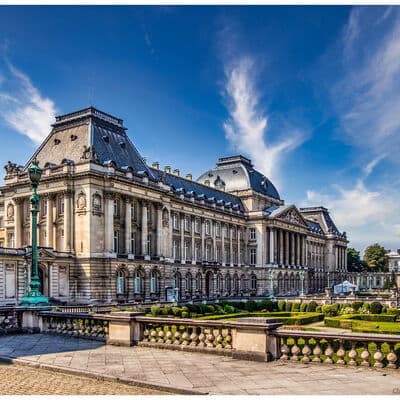
Royal district in the north. Royal Palace and famous Royal Greenhouses (open spring only). Atomium and Mini-Europe are major attractions. Japanese Tower and Chinese Pavilion. Less touristy than the center with parkland atmosphere.
Molenbeek and Anderlecht
Working-class neighborhoods with challenging reputations but gradually regenerating. Erasmus House museum preserves the humanist's residence. Brussels-Charleroi Canal emerging as creative hub with galleries. Authentic Maghreb cuisine. Best visited during daytime with awareness of surroundings.
Top Attractions
From medieval squares to futuristic monuments - Brussels surprises with its diversity.
Grand Place (Grote Markt)
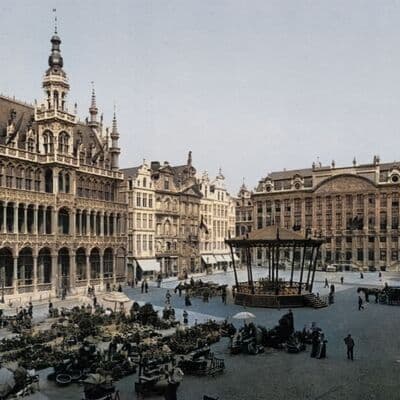
Brussels' central square, UNESCO-listed since 1998. Gothic Town Hall from the 15th century features a 96-meter tower. Maison du Roi (Brussels City Museum) presents neo-Gothic splendor opposite. Baroque guild houses display gilded facades. Every two years (next August 2026), the square transforms into a flower carpet. Evening illumination creates magical atmosphere. Free access anytime.
Manneken Pis
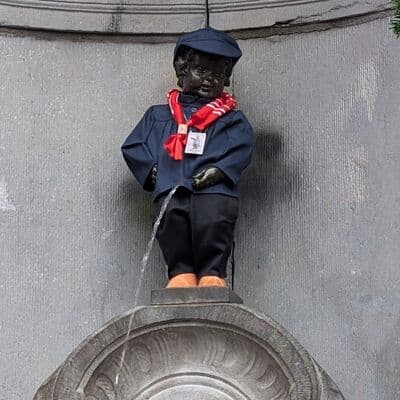
Brussels' most famous and simultaneously overrated symbol - a 61cm bronze statue. Installed in 1619, surrounded by legends. His wardrobe exceeds 1,000 costumes, changed for holidays - collection displayed at Grand Place museum. Lesser-known "relatives" exist: Jeanneke-Pis (girl) and Zinneke Pis (dog). Worth seeing but don't expect a masterpiece.
Atomium
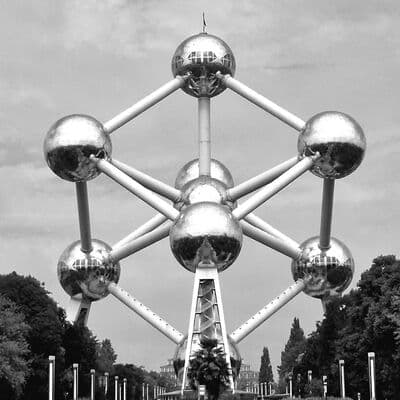
Futuristic 1958 monument, an iron crystal structure magnified 165 billion times. Standing 102 meters tall with 9 spheres connected by tubes. Inside: exhibitions, panoramic viewing platform, restaurant. Symbol of postwar optimism and technological progress. Tickets €16, combo with Mini-Europe €31. Essential for first-time visitors.
Royal Museums of Fine Arts
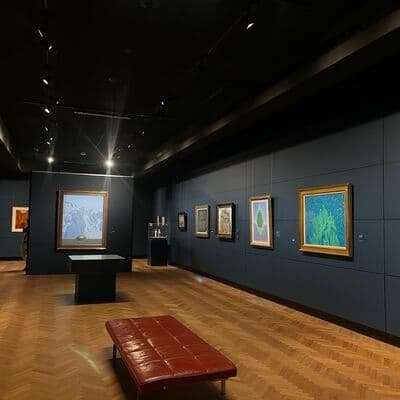
Complex of six museums. Old Masters Museum: Bruegel, Rubens, Van Dyck. Modern Art Museum: Magritte, Delvaux, Surrealists. Magritte Museum - dedicated museum for Belgium's great surrealist (200 works). Fin-de-Siècle Museum - late 19th-century art. Plan at least half a day. Combined ticket €15, first Wednesday of month after 1pm - free.
Cathedral of St. Michael and St. Gudula
Brussels' main Gothic cathedral, built over 300 years (13th-15th centuries). Magnificent 16th-century stained glass windows. Venue for royal weddings and state ceremonies. Free entry, tower climb €5. Impressive organ - concerts sometimes held.
Cinquantenaire Park
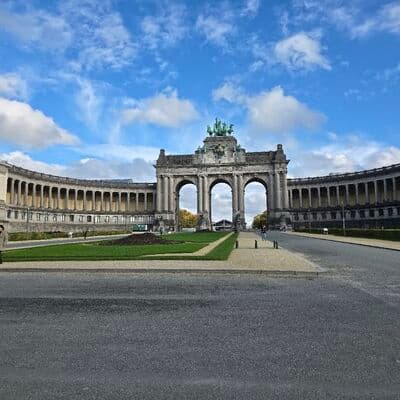
Grand park created for Belgium's 50th independence anniversary. Triumphal arch offers excellent viewpoint. Three museums on-site: Autoworld (500 historic vehicles), Royal Museum of the Armed Forces (free!), Art & History Museum. Perfect for sunny-day picnics.
Palace of Justice
Monumental 19th-century building - one of the world's largest courthouses. Controversial eclectic architecture. Panoramic lower-city views from Place Poelaert. Building under renovation since the 1980s (scaffolding became part of the landscape), but interior accessible on weekdays.
Art Nouveau Streets
Brussels claims Art Nouveau capital status with hundreds of early 20th-century buildings. Horta Museum occupies architect Victor Horta's home. Musical Instruments Museum (MIM) - collection housed in Art Nouveau building with panoramic café. Art Nouveau walking maps available at tourist offices. Saint-Gilles quarter is particularly rich in examples.
Mini-Europe
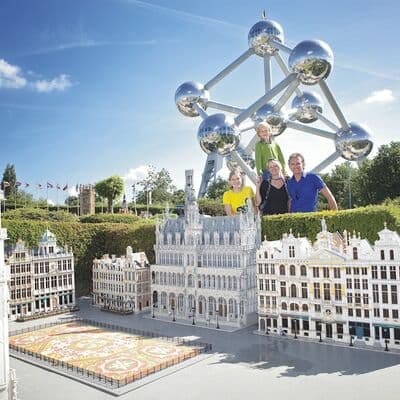
Miniature park at Atomium's base. 350 models of famous European buildings at 1:25 scale. Interactive elements: Vesuvius eruption, Berlin Wall fall. Excellent for children and European architecture overview. Tickets €18, combo with Atomium €31.
What's New in Brussels 2025
The city continues evolving, offering fresh experiences for visitors.
Midi Station Renovation Complete
The main international station finally concludes its years-long modernization. New spacious halls, improved navigation, more shops and cafés. New metro connection is more convenient and safer. Arriving in Brussels now begins with positive impressions.
Low Emission Zone Expansion
From January 1, 2025, diesel vehicles Euro 5 and older are banned. By 2030, all diesel vehicles will be prohibited citywide. This means cleaner air but also necessity to check your vehicle before visiting at avfreg.be.
New Belgian Beer Museum
Belgian Beer World at the Brussels Bourse fully renovated for 2025. Interactive exhibition covering 500 Belgian beer varieties. Tasting hall with panoramic city views. Modern technology makes the museum engaging even for non-beer enthusiasts. Ticket with tasting: €21.
Grand Place Underground Museum Opening
Archaeological route beneath Grand Place opened late 2024. Ruins of the medieval ducal palace and finds from various eras. Understanding how the square evolved over centuries. Ticket €12, combo with City Museum €18.
New Cycling Infrastructure
Cycling network expanded by 50km in 2024-2025. Connection between Atomium and center now fully safe for cyclists. New Villo! stations in previously underserved areas. Brussels becoming increasingly cyclist-friendly.
Royal Museum for Central Africa Update
AfricaMuseum in Tervuren continues decolonizing its exhibition. New sections addressing colonial past with critical perspective. Renovated botanical garden surroundings. Tram 44 offers scenic route from center through Woluwe Park.
2025 Festival Calendar
Brussels Summer Festival - June, outdoor music stages. Ommegang - July, historical procession on Grand Place. Jazz Marathon Weekend - May, jazz throughout the city. Iris Festival - May 8, Brussels region celebration. Couleur Café - late June, world music. New festivals continue emerging.
Food and Restaurants
Belgian cuisine ranks among Europe's finest, and Brussels serves as its capital. Food here is serious business.
Classic Belgian Dishes
Moules-frites - mussels with fries. The classic, eaten September through April (months containing "r"). Multiple sauce options: white wine, cream, beer. Expect €18-25 per portion. Best places are away from tourist Rue des Bouchers!
Carbonade flamande - beef stewed in Belgian beer with onions and spices. Deep flavors, served with fries or mashed potatoes. Bistro classic at €15-20.
Waterzooi - creamy stew-soup with chicken or fish, vegetables, and herbs. A Ghent specialty popular in Brussels. Hearty and warming on cold days.
Stoemp - mashed potatoes with vegetables (carrot, leek, spinach). Side dish or main course with sausages. Simple home cooking.
Frites (French Fries)
Belgians invented fries and take them seriously. Double-fried in beef fat, served in paper cones. Dozens of sauces: mayonnaise (the main one!), andalouse, samurai, American. Fritkoten - fry stands on every corner. Best: Maison Antoine (Place Jourdan), Fritland (center). Large portion €3-5.
Waffles
Two types of Belgian waffles: Brussels - light, rectangular, crispy, with whipped cream and fruit. Liège - denser, round, with caramelized sugar inside, eaten plain. Tourist spots sell mediocre waffles for €5-8. Authentic ones at bakeries: Dandoy, Mokafé. Fresh-baked waffle around €3.
Chocolate
Belgium leads the world in chocolate quality. Pierre Marcolini and Patrick Roger - artisanal luxury. Neuhaus invented the praline in 1912. Leonidas - quality at accessible prices. Wittamer - Sablon's oldest chocolatier. Galler - wide selection everywhere. Chocolate workshop tours provide excellent experiences.
Beer
Belgium boasts 1,500+ beer varieties. Trappist beers (Chimay, Orval, Westmalle, Westvleteren) - brewed by monks. Lambic and gueuze - sour spontaneously fermented beer, unique to Brussels region. Kriek - cherry lambic. Tastings at bars: Delirium Café (3,000 varieties!), Moeder Lambic, À la Mort Subite. Beer tours from €30 with tastings.
Where to Eat
Avoid Rue des Bouchers (mediocre quality, inflated prices). Seek places where locals dine.
Fine dining: Bon-Bon (2 Michelin stars), Sea Grill (2 stars), Comme Chez Soi (traditional Belgian). Book a month ahead, budget €100-200/person.
Quality bistros: Fin de Siècle (Belgian classics, no reservations), Le Perroquet (Art Deco interior), Les Brigittines (Brabançonne cuisine). €25-40 for dinner.
Budget: Pita Simonis (best shawarma), Mer du Nord (seafood at counter), Flagey market (Sunday brunch). €10-15.
Nightlife
Brussels offers diverse nightlife - from historic bars to contemporary clubs.
Historic Bars
À la Mort Subite - bar since 1928, unchanged interior, gueuze beer in authentic atmosphere. Le Cirio - belle époque interior, half-en-half (beer with champagne). Falstaff - Art Nouveau interior, lively and loud. Poechenellekelder - opposite Manneken Pis, puppets and lambic. A la Bécasse - wooden tables, gueuze from ceramic jugs.
Craft Beer Bars
Moeder Lambic - best Belgian craft selection in Saint-Gilles. Delirium Café - 3,000+ varieties, crowded. Brussels Beer Project - local craft brewery with tap room. En Stoemelings - Brussels brewery with pub.
Cocktail Bars
The Pharmacy - speakeasy behind pharmacy facade, innovative cocktails. Jardin Secret - hidden bar with garden. Spirito Brussels - club in former church. Cocktail bar Le Bar - elegant and professional.
Clubs and Dance Floors
Fuse - Belgium's main techno club since 1994, international DJs. C12 - underground in old hotel basements. Bonnefooi - free entry, student vibe. Bazaar - ethnic music, live concerts. Most clubs open Thursday through Saturday, entry €10-20.
Live Music
Ancienne Belgique (AB) - main concert venue, international stars. Botanique - former greenhouses, now cultural center. Jazz Station - jazz club in former train station. Flagey - classical and jazz in Art Deco building. Halles de Schaerbeek - big concerts in industrial space.
LGBTQ+ Scene
Rue du Marché au Charbon - historic LGBTQ+ street. Le Belgica - welcoming bar for all. Rainbow House - cultural center. Pride - second Saturday of May, among Europe's largest.
Shopping in Brussels
From chocolate to fashion, antiques to designer finds - Brussels satisfies any shopaholic.
Main Shopping Streets
Rue Neuve/Nieuwstraat - main pedestrian shopping street. City2 - large shopping center. Mass-market brands: Zara, H&M, Primark. Crowded, especially Saturdays. Avenue Louise - luxury boutiques: Louis Vuitton, Hermès, Delvaux (Belgian bags since 1829). Rue Antoine Dansaert - Belgian designers: Stijl, Hunting & Collecting, Nicolas Bentley. Avant-garde fashion: Dries Van Noten, Ann Demeulemeester (Belgian!).
Markets
Marché du Jeu de Balle (daily, best Sundays) - huge flea market in Marolles. Antiques, vintage, curiosities. Arrive early for best finds. Grand Sablon (Saturday-Sunday) - upscale antiques market. Pricier but higher quality. Marché du Midi (Sunday) - Belgium's largest market. Food, clothing, everything! 450 stalls. Place Flagey (Sunday) - organic produce, cozy atmosphere.
Chocolate Shops
Galerie de la Reine - arcade with top chocolatiers: Neuhaus, Godiva, Corné Port-Royal. Grand Sablon - concentration of elite chocolate: Pierre Marcolini, Wittamer, Patrick Roger. For gifts: ready boxes from €15. For yourself: piece selection €3-6/100g.
Comics and Books
Brussels claims world comic capital status. Tintin Shop - everything Tintin. Brüsel - independent Franco-Belgian BD store. Belgian Comic Strip Center - museum with shop. Comic mural walls throughout the city - free gallery.
Lace
Brussels lace - traditional souvenir. Manufacture Belge de Dentelle - quality items. Beware Chinese fakes in tourist shops. Genuine lace is expensive: doilies from €50.
Practical Tips
Shops open 10am-6pm, larger until 7pm. Sundays many closed except markets. VAT refund for non-EU residents on purchases over €125 at one store. Tax-free forms at shop, refund at airport.
Trip Budget
Brussels isn't cheap, but options exist for all budgets.
Budget Travel ($90-140/day)
Hostel or budget hotel: $35-60/night. Meininger, Jacques Brel (hostels), Motel One (budget hotel). Breakfast at hotel or café: $6-12. Lunch: sandwich or fritkot: $6-12. Dinner: ethnic food or bistro: $18-25. Transport: day pass $9 or walking. Entertainment: free attractions + 1 museum: $18. Beer at bar: $5-7.
Mid-Range ($170-280/day)
3-4 star hotel: $115-175/night. Recommendations: The Dominican, Rocco Forte Hotel Amigo. Breakfast: café with waffles: $14-21. Lunch: bistro: $18-30. Dinner: good restaurant: $45-70. Brussels Card with transport: $37/day. Museums and attractions included. Beer or chocolate tasting: $23-45.
Premium ($400+/day)
5-star hotel: $280-580/night. Hotel Amigo, Steigenberger Wiltcher's. Breakfast at hotel or Le Pain Quotidien: $23-40. Lunch: gastro-bistro: $45-70. Dinner: Michelin restaurant: $115-230. Private guide: $175-290/half-day. VIP tastings, spa, unlimited shopping.
Money-Saving Tips
Free museums: Royal Museum of Armed Forces, Parlamentarium, first Wednesday after 1pm many museums. Free events: summer park concerts, street art always. Food: lunch at Delhaize or Carrefour supermarkets (ready meals $6-9). Beer cheaper at stores ($1-2/bottle) than bars ($5-7). Transport: city is compact - walk.
Attraction Prices
Atomium: €16. Magritte Museum: €10. Royal Museums: €15 (complex). Musical Instruments Museum: €15. Belgian Beer World: €21 with tasting. Mini-Europe: €18. Horta Museum: €12. Autoworld: €12. Comic Strip Museum: €12. Parlamentarium: free.
Culture and Etiquette
Understanding local customs enhances your stay.
Language Question
Brussels is officially bilingual: French and Dutch (Flemish). Over 80% speak French primarily. All signage in both languages. Start conversations with "Bonjour" - always safe. English widely spoken, especially in tourist areas and among youth. Attempting French is appreciated, even if they switch to English.
Tipping and Payment
Service included in bill by law (service compris). Additional 5-10% for excellent service, not mandatory. At bars - round up or €1. Taxis - round up. Contactless payment accepted everywhere, but small shops and markets may need cash.
Pace of Life
Lunch: 12:00-2:00pm. Dinner: from 7pm, restaurants busy by 8pm. Shops: 10am-6pm, Sunday closed. Belgians value punctuality - don't be late. Life pace calmer than Paris or London.
Communication
Belgians are initially reserved but friendly once acquainted. Small talk matters before business. Good conversation topics: food, beer, football (especially "Red Devils"). Avoid: Flemish-Walloon tensions, language conflicts. Self-deprecation is national trait - Belgians enjoy laughing at themselves.
Dress Code
Smart-casual is norm for restaurants and bars. More formal for Michelin restaurants. Comfortable shoes essential - cobblestones! Umbrella or rain jacket always handy.
Smoking and Alcohol
Smoking banned in all indoor spaces. Terraces - depends on venue. Alcohol purchase from age 18. Street drinking technically illegal but tolerated within reason.
Practical Tips
Essential information for comfortable travel.
Safety
Brussels is generally safe, but like any major city - stay alert. Pickpockets active in metro, at Grand Place, in crowds. Avoid dark streets around Gare du Midi at night. Molenbeek neighborhood safe during day, not recommended at night. Emergency services: 112 (general), 101 (police). Keep document copies in cloud storage.
Connectivity
EU citizens - roaming at home rates. Others - local SIM card (Proximus, Orange, Base): €15-20 for week with data. Free Wi-Fi at cafés, hotels, metro. Works well everywhere.
Electricity
Type C and E plugs (European). Voltage 230V, 50Hz. US/UK travelers need adapters.
Healthcare
European Health Insurance Card (EHIC) for EU citizens. Others need travel insurance. Pharmacies (Pharmacie) everywhere, 24-hour ones available. Hospitals with emergency rooms: Saint-Luc, Erasme, UZ Brussel.
Useful Apps
STIB/MIVB - public transport. CityMapper - multimodal navigation. Too Good To Go - discounted end-of-day food. Brussels Museums - tickets and info. Uber/Bolt - taxis. Google Translate - French on the go.
Common Tourist Mistakes
Eating on Rue des Bouchers - low quality, high prices. Buying waffles at tourist kiosks - find bakeries. Believing "closed" museum from random passersby. Not booking Royal Greenhouses ahead - only open 3 weeks. Not checking opening days - Mondays many museums closed.
With Children
Mini-Europe and Atomium - ideal for kids. Natural Sciences Museum - dinosaurs! Laeken Park - playgrounds. Chocolate workshops - delicious and educational. Belgian Comic Strip Center - for Tintin fans. Restaurants are child-friendly, children's menus common.
Brussels Itineraries
Optimal plans for various visit lengths.
One Day (Express Tour)
Morning: Grand Place (explore square, town hall, guild houses). Manneken Pis (quick). Galeries Saint-Hubert (chocolate!). Lunch: waffle at Dandoy + fries at Fritland. Afternoon: Cathedral of St. Michael and St. Gudula. Walk up Mont des Arts - panorama. Magritte Museum (if time). Evening: Sablon (stroll). Dinner at Fin de Siècle. Beer at À la Mort Subite.
Two Days (Ideal)
Day 1: Grand Place and center (morning). Magritte Museum or Royal Museums (2-3 hours). Sablon and Marolles (afternoon). Flea market if Sunday. Dinner and bars in Saint-Gilles.
Day 2: Atomium and Mini-Europe (morning, 3-4 hours). Laeken - Royal Greenhouses if in season. European Quarter (afternoon): Parlamentarium. Cinquantenaire Park. Dinner in Ixelles, bars at Flagey.
Three Days (Comfortable)
Day 1: Center and art museums. Day 2: Atomium, Laeken, Art Nouveau tour (Horta Museum, MIM). Day 3: Antwerp or Bruges day trip (1 hour by train). Or: deeper exploration - AfricaMuseum in Tervuren, chocolate workshop, beer tour.
One Week (Immersion)
Add: Ghent (Flanders gem, 30 minutes), Bruges (fairytale city, 1 hour), Antwerp (fashion and diamonds, 40 minutes), Waterloo (history buffs), Leuven (university town with best beer). Daily trips from Brussels + evenings in town.
Art Nouveau Route
Horta Museum → Musical Instruments Museum → Saint-Gilles walking (Defacqz, Vanderschrick streets) → Saint-Gilles Town Hall → Ixelles and Forest neighborhoods. Walking maps available at Visit Brussels. Many buildings private - exterior viewing only.
Frequently Asked Questions
How many days do I need for Brussels?
Minimum 2 days for main attractions. 3-4 days ideal with museums and atmosphere. One week if planning Belgian excursions.
What language should I speak?
French is primary, but English understood nearly everywhere. "Bonjour" and "Merci" - minimum courtesy. Dutch in certain neighborhoods and institutions.
When's the best time to visit?
April-May optimal: warm, not too crowded, blooming. September also excellent. Christmas - magical but cold. Summer - many tourists. February - most budget-friendly.
Is Brussels dangerous?
No, the city is safe. Standard precautions in crowds and at night. Some areas less pleasant after dark (Midi, Molenbeek), but no danger to tourists.
What to bring from Brussels?
Chocolate (Neuhaus, Pierre Marcolini). Beer (Trappist, lambic). Lace (genuine!). Speculoos cookies. Atomium souvenirs. Comics (Tintin!).
How to save money?
Brussels Card if planning 3+ museums daily. Free museums (Parlamentarium, Armed Forces). Supermarket lunches. Store-bought beer. Walk everywhere.
Do I need a visa?
US, UK, Canadian, Australian citizens: no visa for stays up to 90 days. Check current Schengen requirements for other nationalities.
What currency?
Euro. Cards accepted nearly everywhere. Cash needed at markets and small shops. Airport exchange unfavorable - better to use ATMs.
Where should I stay?
Center (Grand Place) - convenient but noisy and expensive. Sablon - elegant. Saint-Gilles/Ixelles - like a local, with restaurants. Near Midi - only if departing early by train.
Is Brussels good for kids?
Excellent! Atomium, Mini-Europe, Natural Sciences Museum (dinosaurs), Comic Strip Center, chocolate workshops. City welcomes families.