About
Saudi Arabia: The Complete Guide to the Kingdom of Deserts, Holy Sites, and Futuristic Megaprojects
Why Visit Saudi Arabia
Just a decade ago, Saudi Arabia was essentially closed to tourists. Only pilgrims and business travelers could enter this conservative kingdom. Today, everything has changed. The Vision 2030 program is transforming Saudi Arabia from the world's most restrictive country into one of its most ambitious tourist destinations. Electronic visas, world-class concerts, Formula 1, and even ski resorts in the desert - this is the new Saudi Arabia.
What can you find here that exists nowhere else? The ancient Nabataean city of Hegra (Mada'in Salih) - Petra's lesser-known sister, but without the crowds. AlUla with its Martian landscapes and millennia-old tombs. Red Sea coastlines with coral reefs rivaling Egypt's best. And of course, Mecca and Medina - the spiritual heart of 1.8 billion Muslims worldwide.
For Western travelers, Saudi Arabia offers something increasingly rare: authentic experiences without over-tourism. The kingdom has world-class infrastructure (think immaculate highways, modern airports, luxury hotels) but has not yet been discovered by mass tourism. You can explore UNESCO sites practically alone, dive pristine reefs, and experience genuine Bedouin hospitality.
The contrasts here are extraordinary. Ultramodern Riyadh with world-class skyscrapers sits alongside caravan routes unchanged for millennia. Strict Islamic traditions coexist with concerts by international stars and Grand Prix racing. The Rub' al Khali - the world's largest sand desert - borders the futuristic NEOM project, where The Line, a 170-kilometer linear city, is rising from the sand.
Regions: Where to Go
Central Region (Riyadh and Najd)
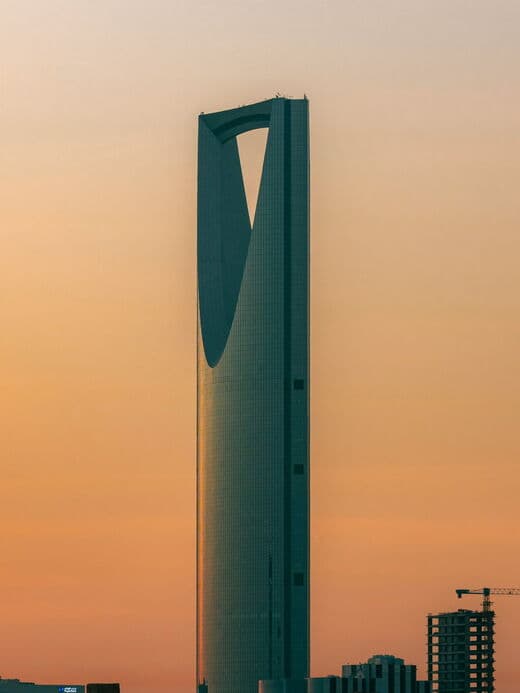
The heart of the kingdom and its political center. Riyadh is a city of nearly 8 million people, a place of striking contrasts and boundless ambition. The Kingdom Centre tower with its iconic sky bridge observation deck stands alongside the mud-brick quarters of historic Diriyah, ancestral home of the ruling Al Saud family.
The city's crown jewel is the National Museum of Saudi Arabia, where you can trace the entire history of the Arabian Peninsula from pre-Islamic times to the present in just a few hours. Al Masmak Fortress marks the spot where young Abdulaziz ibn Saud captured Riyadh in 1902, beginning the unification of the kingdom.
Beyond the city, stunning landscapes await. Edge of the World - dramatic 300-meter cliffs of the Tuwaiq Escarpment overlooking endless desert. Red Sand Dunes south of the capital offer safaris and nights under stars. Wadi Hanifa is a green valley transformed into a modern park in the middle of the desert.
For entertainment, Boulevard City and Boulevard World deliver restaurants, concerts, and shows. VIA Riyadh is the newest luxury shopping destination. The King Abdullah Financial District (KAFD) impresses with cutting-edge architecture.
Historic Diriyah lies just 20 minutes from central Riyadh. This UNESCO World Heritage site was the first capital of the Saudi state, destroyed by Egyptians in 1818 and now being meticulously restored. Adjacent Al Bujairi Heritage Park offers restaurants with views of the ancient ruins.
Riyadh also serves as the gateway to some extraordinary natural phenomena. The city's position on the edge of the Tuwaiq Plateau means dramatic landscapes are just a short drive away. The plateau itself is a massive limestone escarpment running 800 kilometers through central Arabia, and its edges offer some of the most photogenic viewpoints in the Middle East.
Western Region (Hejaz)
Historically the most important region of Arabia. Here lie Islam's two holiest cities - Mecca and Medina - as well as cosmopolitan Jeddah, the kingdom's main gateway.
Jeddah is Saudi Arabia's second-largest city, its commercial and cultural hub. Historic Al-Balad district is a UNESCO site: coral stone houses with ornate wooden balconies, narrow alleyways, traditional souks. The Corniche stretches 30 kilometers along the coast - a promenade with beaches, parks, and sculptures. King Fahd Fountain shoots water 312 meters high - the world's tallest.
Jeddah has always been more cosmopolitan than other Saudi cities, owing to its role as the entry point for millions of pilgrims over centuries. This has created a uniquely diverse culture, reflected in its cuisine, architecture, and atmosphere. The city's art scene is thriving, with galleries and public sculptures making it Saudi Arabia's cultural capital.
From Jeddah, Red Sea resorts are easily accessible. The coral reefs here rival Egypt's, though diving infrastructure is still developing. The Farasan Islands to the south are a marine sanctuary with dugongs and mangroves. For those seeking underwater adventure, the Saudi Red Sea coast offers pristine conditions that more developed destinations have long lost.
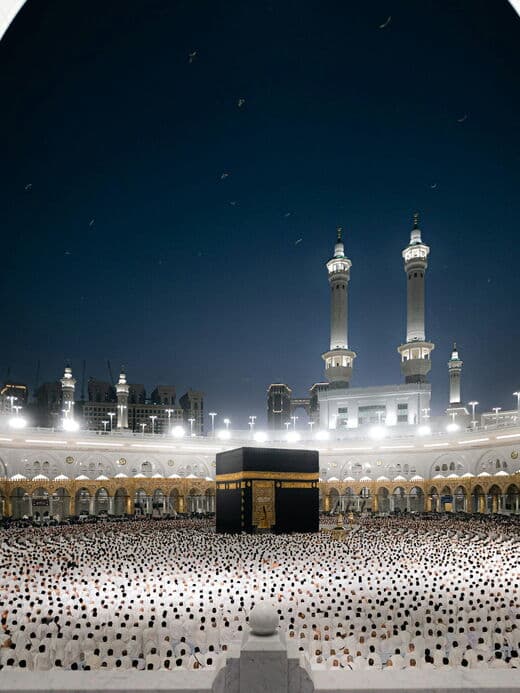
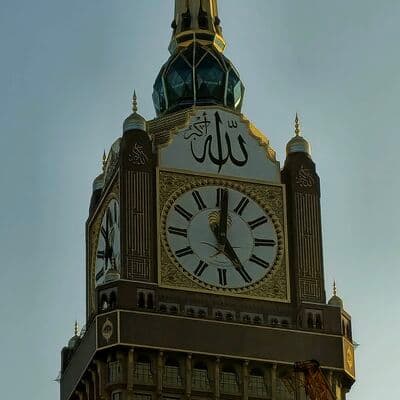
Mecca is Islam's holiest city, where non-Muslims are not permitted to enter. For Muslims, this is the destination for Hajj and Umrah pilgrimages. Masjid al-Haram (The Grand Mosque) can accommodate 4 million worshippers, and at its center stands the Kaaba, Islam's most sacred site. Nearby, Abraj Al-Bait Clock Tower is one of the world's tallest and most massive buildings.
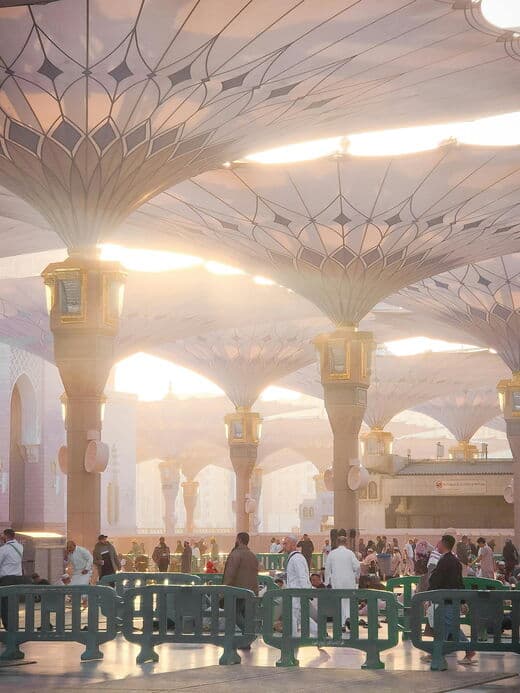
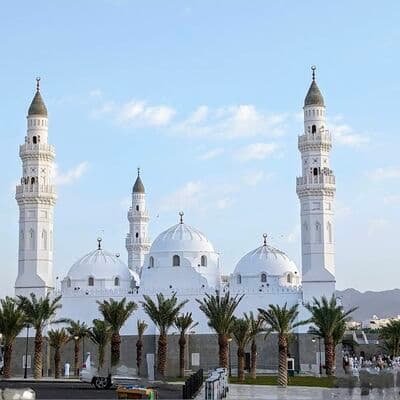
Medina is the second holiest city, where the Prophet Muhammad is buried. Al-Masjid an-Nabawi (Prophet's Mosque) is Islam's second most important mosque. The city is open to non-Muslims except for the central area around the mosque. Quba Mosque is the first mosque ever built in Islamic history. Mount Uhud is the site of the famous 625 CE battle.
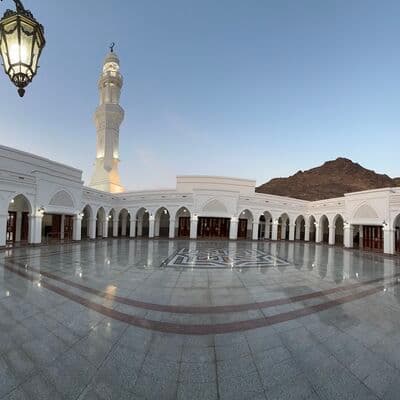
Beyond the holy sites, Medina offers peaceful exploration of Islamic history. The Seven Mosques complex marks the site of the Battle of the Trench. Jannat al-Baqi cemetery holds the graves of many of the Prophet's companions. The city's date markets are legendary, offering varieties unavailable anywhere else.
Northwest Region (AlUla and Tabuk)
The most developed tourist region in the country. AlUla is Saudi Arabia's premier non-religious attraction - a place worth flying to the kingdom specifically to see.
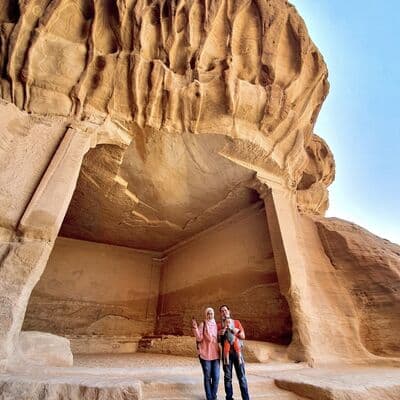
Hegra (Mada'in Salih) is Saudi Arabia's first UNESCO World Heritage site. This 1st-century Nabataean city is Petra's 'younger sister,' with over 130 monumental tombs carved into sandstone cliffs, preserved in remarkable condition. Visitor numbers are a fraction of Petra's, yet the experience is equally powerful.
What makes Hegra special beyond its archaeological significance is the setting. Unlike Petra, which is surrounded by modern development, Hegra sits in pristine desert landscape. The tombs emerge from golden sandstone formations, and the silence is profound. At dawn or dusk, when the light transforms the stone from pink to amber to deep red, the effect is transcendent.
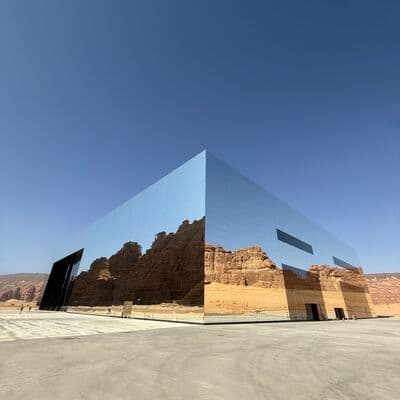
AlUla Old Town is a labyrinth of 900 mud-brick houses, abandoned in the 1980s and now transformed into an atmospheric space with restaurants and galleries. Elephant Rock (Jabal AlFil) is a natural wonder - a massive sandstone formation shaped like an elephant in the desert. Maraya is a concert hall entirely covered in mirrors, reflecting the surrounding cliffs.
Around AlUla lie canyons, oases, and rock art dating back 10,000 years. You could spend 3-4 days here without repeating yourself: jeep safaris, hot air balloon flights, stargazing tours, cycling routes through dramatic terrain. The pre-Islamic civilizations of Dadan and Lihyan left their own monuments here, predating the Nabataeans by centuries.
The Tabuk region to the north borders Jordan and Egypt. Here rises the future NEOM megaproject with The Line city, Sindalah Island, and Trojena ski resort. While these projects are under construction, Sindalah is scheduled to open in 2025-2026.
Southern Region (Asir)
A mountainous region in the southwest, completely different from stereotypical Arabia. Abha is the regional capital at 2,200 meters elevation, where summers are cool and green while the rest of the country swelters.
Asir National Park offers juniper forests, mountain trails, and terraced villages. The landscapes resemble Yemen or Ethiopia more than Saudi Arabia. Habala Village is a 'hanging village' on sheer cliffs, once accessible only by rope, now served by a cable car.
The region's unique character comes from its isolation. Historically, these mountains were difficult to access, allowing distinct traditions to develop. The architecture differs from elsewhere in the kingdom - colorful painted houses, distinctive stone construction, terraced agriculture on steep hillsides. The Asiri people maintain cultural traditions found nowhere else in Saudi Arabia.
From Abha, you can descend to the Red Sea via mountain switchbacks - one of the country's most scenic drives. At the bottom lie Jizan city and the Farasan Islands with their endemic gazelles. This route drops nearly 3,000 meters in dramatic switchbacks, passing through multiple climate zones in a single journey.
Eastern Region (Ash-Sharqiyah)
The oil heartland and home of Saudi Aramco. Dammam, Al Khobar, and Dhahran form an urban agglomeration on the Persian Gulf coast. From here, the King Fahd Causeway reaches Bahrain in 30 minutes (visa required).
The region's main attraction is Al-Ahsa Oasis, the world's largest (UNESCO site). Over 2.5 million palm trees, historic forts, traditional markets. Qara Cave is a massive karst cavern where travelers have sheltered for centuries. The oasis has been cultivated for over 6,000 years, making it one of the oldest continuously farmed areas on Earth.
The Gulf coast offers beach resorts: Half Moon Bay, offshore islands. Diving is less spectacular than the Red Sea, but there are shipwrecks and oil platforms to explore. For a unique experience, some operators offer night diving among the artificial reef ecosystems that have developed around oil infrastructure.
The Eastern Province also offers glimpses into the oil industry that built modern Saudi Arabia. While facilities are not open to tourists, the landscape tells a story - pipelines crossing the desert, flare stacks on the horizon, the massive compounds that house industry workers. This is where the wealth that funds Vision 2030 originates.
Unique Features of Saudi Arabia
Vision 2030 Megaprojects
Saudi Arabia is literally building the future. NEOM is a Belgium-sized region in the northwest where projects that seemed like science fiction are becoming reality.
The Line is a 170km-long city just 200 meters wide, with no cars and no streets - all transportation underground. Nine million residents, 100% renewable energy, vertical farms. Construction is in full swing, with initial sections planned to open by 2030.
Trojena is a ski resort in the NEOM mountains at 2,600 meters elevation. Snow falls naturally in winter, and summers are comfortable. The resort will host the 2029 Asian Winter Games. For a country associated with scorching desert, the idea of skiing seems impossible - yet the geography makes it feasible.
Sindalah is the first NEOM project opening to tourists. A luxury island in the Red Sea with a yacht marina, beach clubs, and ultra-high-end hotels. This represents a new direction for Saudi tourism - explicitly competing with Mediterranean luxury destinations.
Beyond NEOM, other megaprojects are rising: Qiddiya (an entertainment city with the world's largest roller coasters), Red Sea Project (luxury resorts across 50+ islands), Diriyah Gate (reconstruction of the historic capital). The scale of investment is unprecedented in tourism history.
Islamic Heritage
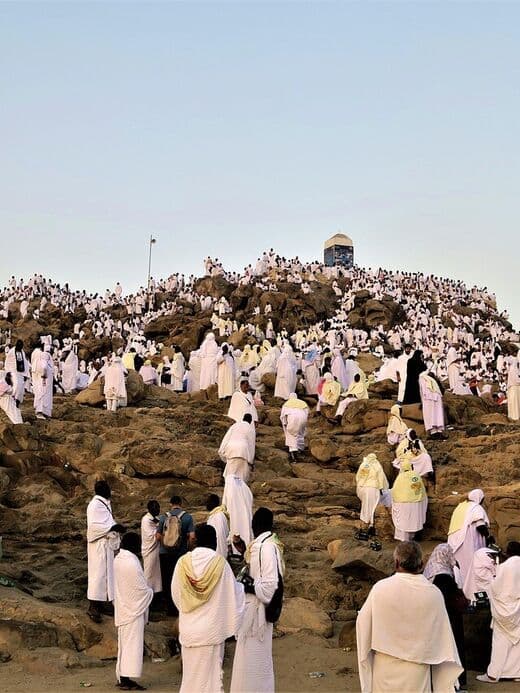
For Muslims, Saudi Arabia means the holy sites above all else. The Grand Mosque in Mecca is the direction of prayer for 1.8 billion Muslims. Around 2 million perform Hajj annually, with millions more making Umrah (the lesser pilgrimage).
In Medina stands The Prophet's Mosque containing Muhammad's tomb. Quba Mosque is Islam's first mosque - prayer here equals an Umrah. The Mosque of Two Qiblas marks where the Prophet received revelation to change the prayer direction from Jerusalem to Mecca.
Even for non-Muslims, the scale of Islamic heritage is impressive. The Grand Mosque expansion is the world's largest construction project. Islamic art and calligraphy in mosques and museums reach the highest levels of the tradition. The hospitality traditions rooted in prophetic teachings create genuinely warm welcomes throughout the country.
Rub' al Khali (The Empty Quarter)
The world's largest sand desert occupies the kingdom's southeast. Dunes up to 250 meters high, absolute silence, night skies without light pollution. Multi-day expeditions on jeeps and camels explore this wilderness.
Adventurers cross the desert following routes of pioneer explorers like British traveler Wilfred Thesiger, who passed through in the 1940s. His book 'Arabian Sands' remains the definitive account of desert travel here. Day safaris from Riyadh or the eastern cities are available for regular tourists, but the true Empty Quarter experience requires committing to the emptiness.
The desert is not actually empty - Bedouin communities have lived here for millennia, and their hospitality traditions make overnight stays profoundly memorable. Sharing coffee under the stars, hearing stories of desert navigation, experiencing the absolute darkness of a night without artificial light - these are experiences that fundamentally shift perspective.
When to Visit
Saudi Arabia has an extreme climate, and timing your visit is crucial.
Best Time (November-February): Winter is ideal for the entire country. In Riyadh and central Saudi Arabia, expect 15-25C (59-77F) during the day, dropping to 5C (41F) at night. Red Sea coast temperatures of 25-30C (77-86F) are perfect for beaches and diving. AlUla and Asir mountains are cool but sunny. This is high season with peak prices and tourists.
Shoulder Season (March-April, October): Still or already comfortable, but hot days appear. Sandstorms possible in March. Lower prices, fewer tourists - a good balance.
Hot Season (May-September): Central and eastern regions hit 45-50C (113-122F) - dangerous to health. Even locals avoid daytime outdoors. Exception: Asir mountains - Abha sees 25-30C (77-86F) with monsoon rains, making it the local resort season for Saudis. The Red Sea is hot (35-40C/95-104F air), but early morning diving works.
Ramadan: The fasting month (dates shift annually). Daytime restaurants close, life pauses until evening. Tourists do not need to fast, but eating and drinking in public is prohibited. After sunset - festive atmosphere, night markets, special foods. Interesting for cultural immersion, but challenging for ordinary tourism.
Hajj: Annual pilgrimage to Mecca (dates follow the lunar calendar). The entire western region is overwhelmed, prices peak, book a year ahead. If you are not a pilgrim - avoid these dates.
Saudi Season: Since 2019, the kingdom hosts festivals from October through March - concerts, sports events, exhibitions. Riyadh Season, Jeddah Season, AlUla Season offer excellent opportunities to experience the country in festive mode.
Getting There
From the US/UK: Multiple daily flights from major hubs. Saudia flies direct from Washington, New York, and Los Angeles to Riyadh and Jeddah. British Airways and Saudia connect London direct. Emirates via Dubai and Qatar Airways via Doha offer excellent connections from anywhere.
Airport Hubs:
- Riyadh (RUH) - King Khalid International, main Saudia hub, best for central Saudi Arabia
- Jeddah (JED) - King Abdulaziz International, gateway for pilgrims and Red Sea coast
- Dammam (DMM) - for the Eastern Region
- AlUla (ULH) - small airport with flights from Riyadh, Jeddah, Dubai
- Abha (AHB) - for the mountain region
- NEOM Bay (NUM) - new airport, limited operations currently
Visa: Citizens of 49 countries including the US, UK, EU, and Australia can obtain electronic visas online at visa.visitsaudi.com in minutes. Cost approximately USD 150 (including insurance). One-year multiple-entry visa, up to 90 days per visit. Hajj and Umrah require separate religious visas through accredited agencies.
ESTA Countries: Most ESTA-eligible nationalities also qualify for Saudi e-visas. The process is similarly straightforward - apply online, receive approval within minutes to 24 hours.
Getting Around
Air Travel
Saudi Arabia is vast - 1,500 km from Tabuk in the north to Jizan in the south. Domestic flights are the primary means of inter-regional travel.
Saudia is the national carrier with extensive network. Flynas and flyadeal are low-cost options with reasonable fares (from SAR 100-200 / USD 30-55 one way). Book ahead, especially in season.
Car Rental
The best way to explore the country. Roads are excellent - wide highways between cities, fuel stations every 50-100 km. Gasoline is cheap (about SAR 2.5/liter, roughly USD 0.70). Rental from SAR 150/day (about USD 40) for a basic sedan.
Driving tips:
- Traffic drives on the right, same as the US
- Speed limits 120-140 km/h (75-87 mph) on highways, cameras everywhere
- Local driving style is aggressive - stay alert
- GPS essential, not all roads are mapped accurately
- 4WD recommended for AlUla and desert routes
- Women can drive (since 2018)
International driving permits recognized for 90 days. Insurance included in rental, but verify off-road coverage.
Trains
Rail network is limited but growing:
- Haramain High-Speed Rail - high-speed train Mecca-Medina via Jeddah (2 hours vs 5 by car). Tickets from SAR 150.
- SAR - Riyadh-Dammam line (4 hours), expansion planned.
- Riyadh Metro - 6 metro lines opening 2024-2025, will dramatically improve capital navigation.
Buses
SAPTCO is the national bus company connecting all major cities. Comfortable coaches with AC, wifi, toilets. Cheap (Riyadh-Jeddah about SAR 150) but slow (10+ hours). Good for budget travelers wanting to see the country from ground level.
Taxis and Rideshare
Uber and Careem (local equivalent) operate in all major cities. Reasonable prices, card payment. Regular taxis - negotiate fare beforehand or insist on meter.
Cultural Code
Saudi Arabia is changing rapidly but remains a deeply conservative country. Understanding local norms is not just politeness - it is essential.
Dress Code: Women no longer must wear abayas (black robes), but clothing should be modest - shoulders and knees covered, not tight-fitting. Tourist zones (AlUla, resorts) are more relaxed. Men should wear long trousers and shirts. Shorts are acceptable at beaches and in hotels.
Religious Observance: During prayer times (5 times daily), shops close for 20-30 minutes. Do not photograph people praying. During Ramadan, do not eat or drink in public during daylight. Respect mosques - remove shoes, women need headscarves.
Alcohol: Completely prohibited. Import, sale, consumption - criminal offense. Do not try to bring it in your luggage. In 2025, alcohol zones in tourist complexes were being discussed, but not yet implemented.
Gender Interaction: Situation has relaxed: restaurants no longer have separate 'family' and 'male' sections, women can travel unaccompanied. But public displays of affection (even between spouses) are inappropriate.
Photography: Do not photograph military installations, government buildings, police. Ask permission before photographing people, especially women. Violations can result in camera or phone confiscation.
Tipping: Not mandatory but appreciated. 10-15% in restaurants, SAR 5-10 to porters, SAR 20-50 to guides. Hotel service charges often included.
Greetings: 'Assalamu alaykum' (peace be upon you) is universal. Reply 'Wa alaykum assalam.' Handshakes between men are normal; between men and women - only if the woman extends her hand first.
Friday: Holy day, like Sunday in the West. Morning hours many things close, life resumes after noon prayer. Weekend is Friday-Saturday.
Safety
Saudi Arabia is one of the world's safest countries for tourists. Crime rates are extremely low thanks to strict laws and effective policing.
Crime: Pickpocketing is rare, muggings virtually non-existent. You can walk safely at night anywhere. However, do not flaunt wealth and watch your belongings in crowds - prevention never hurts.
Terrorism: Threat exists near the Yemen border (Houthi missiles and drones). Avoid Najran, Jizan provinces, border areas. Central and western regions are safe.
Road Safety: The real danger. Saudis drive aggressively, traffic accidents are a leading cause of death. Exercise extra caution on highways and in cities.
Natural Hazards: Summer heat is life-threatening - heatstroke, dehydration. Sandstorms in spring. Flash floods in wadis after rain (especially in Asir).
Police: Professional and courteous. Tourist police speak English and assist with problems. Never argue with police - it is a criminal offense.
Laws: Extremely strict. Drugs - death penalty. Insulting religion or royal family - prison. LGBTQ+ - criminal prosecution. Adultery - prison and deportation. Follow laws literally.
Emergency Numbers:
- Police: 999
- Ambulance: 997
- Fire: 998
- Traffic Police: 993
- Tourist Police: 930
Embassies: US Embassy in Riyadh, Consulate General in Jeddah. UK Embassy in Riyadh. Save contacts before traveling.
Health and Medical Care
Healthcare in Saudi Arabia is high quality but expensive. Insurance is mandatory (included in visa, but check coverage).
Vaccinations: None required, but Hepatitis A/B and Typhoid recommended. Hajj requires meningitis vaccination (Neisseria meningitidis).
Heat: Drink minimum 3-4 liters of water daily in summer. Wear hats and sunscreen. Avoid activity during midday (11:00-16:00).
Pharmacies: Al-Dawaa, Nahdi, and other chains are everywhere, open late. Many medications available without prescription. Some drugs (codeine painkillers, sleeping pills) are prohibited - check lists before traveling.
Hospitals: Government hospitals free for emergency care but crowded. Private clinics (King Faisal Specialist Hospital, Dr. Soliman Fakeeh Hospital) are excellent but expensive. English widely spoken among doctors.
Money and Budget
Currency: Saudi Riyal (SAR), pegged to the US dollar (1 USD = 3.75 SAR). Exchange rate is stable.
Exchange: Exchange offices everywhere, reasonable rates. Airport slightly worse. US dollars and euros exchanged easily. British pounds accepted at major exchangers.
Cards: Visa and MasterCard accepted everywhere. American Express widely accepted at hotels and larger establishments. Contactless payments standard.
Budget (per person per day):
- Budget: SAR 300-500 (USD 80-135). Hostels/budget hotels, fast food and local dining, public transport, free attractions.
- Mid-range: SAR 700-1200 (USD 185-320). 3-4 star hotels, restaurants, taxis, tours.
- Comfortable: SAR 1500-3000 (USD 400-800). 5-star hotels, fine dining, guides, 4WD rental.
- Luxury: SAR 5000+ (USD 1350+). Ultra-luxury resorts, private tours, helicopters.
Typical Costs:
- Lunch at local restaurant: SAR 30-50 (USD 8-13)
- Dinner at nice restaurant: SAR 150-300 (USD 40-80)
- Water bottle (1.5L): SAR 2-3 (USD 0.50-0.80)
- Coffee at cafe: SAR 15-25 (USD 4-7)
- Taxi ride in city: SAR 20-50 (USD 5-13)
- Gasoline (liter): SAR 2.5 (USD 0.70)
- Museum ticket: SAR 50-100 (USD 13-27)
- Hegra tour: SAR 300-500 (USD 80-135)
Top Itineraries
7 Days: Riyadh and AlUla
Day 1: Arrival in Riyadh
Arrive at King Khalid Airport, transfer to central hotel. Evening - stroll to Kingdom Centre, ascend to the Sky Bridge observation deck on the 99th floor. Dinner at Najd Village restaurant for traditional Najdi cuisine.
Day 2: Historic Riyadh
Morning at the National Museum - allow 3-4 hours for all galleries. Nearby - King Abdulaziz Historical Center and Murabba Palace. Afternoon - Al Masmak Fortress and Dira Souq. Evening - Boulevard City for entertainment and dining.
Day 3: Diriyah and Desert
Morning at Diriyah - UNESCO site, mud-brick palaces of the first Saudi rulers. Lunch at Al Bujairi Park. Afternoon - safari to Red Sand Dunes: sandboarding, BBQ dinner in the desert under stars.
Day 4: Edge of the World and Flight to AlUla
Early departure for Edge of the World (2 hours from city). Walk along the Tuwaiq Escarpment cliffs with views of endless desert. Return, lunch, flight to AlUla (1.5 hours). Evening - check in, explore the oasis.
Day 5: Hegra and Ancient Tombs
Full day at Hegra. Morning tour of Nabataean tombs - Qasr al-Farid (the Lonely Castle), Qasr al-Bint (Palace of the Daughter), Jabal Ithlib religious area. Lunch in the desert. Evening - Elephant Rock at sunset, dinner under stars.
Day 6: Old Town and Maraya
Morning in AlUla Old Town - labyrinth of abandoned mud-brick houses, cafes and galleries. Lunch amid the ruins. Afternoon - visit Maraya, the mirrored concert hall. If events are scheduled - attend a show. Sunset in the canyon.
Day 7: Departure
Optional early morning hot air balloon flight over the rocks (book in advance). Or visit rock art at Jabal Ikmah. Lunch, flight to Riyadh or Jeddah, departure home.
10 Days: Classic Route
Days 1-4: Riyadh and AlUla (as in 7-day itinerary)
Day 5: AlUla - Hegra and Surroundings
Extended Hegra exploration - morning tour to remote tombs. Lunch. Visit pre-Islamic inscriptions and rock art at Jabal Ikmah. Evening at Elephant Rock.
Day 6: Flight to Jeddah
Morning flight to Jeddah (1.5 hours). Check into hotel on the Corniche. Seafood lunch. Afternoon - explore Al-Balad: coral houses, carved balconies, spice souks. Evening - King Fahd Fountain illuminated.
Day 7: Jeddah - Sea and Culture
Morning - diving or snorkeling on coral reefs (organized tour). Beach lunch. Afternoon - modern Jeddah: Corniche sculptures, Al-Hamra art galleries. Dinner with sea view.
Day 8: Medina (Muslims) or Taif
Option A (Muslims): Haramain train to Medina (2 hours). Prophet's Mosque, Quba Mosque, Mount Uhud. Overnight in Medina.
Option B (non-Muslims): Drive to Taif (2 hours into mountains). Rose gardens, historic souks, cool mountain air. Return to Jeddah.
Day 9: Return to Riyadh
Morning flight to Riyadh. Shopping at VIA Riyadh or malls. Lunch. Visit Wadi Hanifa - walk through the green valley. Farewell dinner at Boulevard World.
Day 10: Departure
Depending on flight time - visit Riyadh Zoo or Salam Park. Airport transfer.
14 Days: Deep Dive
Days 1-3: Riyadh
Day 1: Arrival, Kingdom Centre, Boulevard City. Day 2: National Museum, Al Masmak, Dira. Day 3: Diriyah, Wadi Hanifa, Red Dunes.
Day 4: Edge of the World
Full day on Tuwaiq Plateau. Edge of the World, hiking trails, picnic with desert views. Late evening return.
Days 5-7: AlUla
Day 5: Flight, old town, sunset. Day 6: Full day Hegra. Day 7: Maraya, canyons, rock art, balloon flight.
Day 8: Tabuk and NEOM
Flight or drive to Tabuk. Historic castle, souks. If accessible - excursion to NEOM coast, view of The Line under construction.
Days 9-10: Jeddah
Day 9: Flight, Al-Balad, Corniche, fountain. Day 10: Diving, beach, modern art, seafood.
Day 11: Medina or Taif
Based on religious preference (see 10-day itinerary).
Days 12-13: Abha and Asir Mountains
Day 12: Flight to Abha. Habala Village by cable car. Mountain landscapes, traditional villages. Day 13: Asir National Park, juniper forests, mountain trails. Evening - local cuisine.
Day 14: Departure
Morning flight to Riyadh or Jeddah, departure home.
21 Days: Complete Journey
Days 1-4: Riyadh and Surroundings
Days 1-3: As in 14-day itinerary. Day 4: Expedition to Rub' al Khali desert - overnight in Bedouin camp, stargazing, camels.
Days 5-8: Eastern Region
Day 5: Drive or flight to Dammam/Al Khobar. Waterfront, Gulf cuisine. Day 6: Al-Ahsa Oasis - palm groves, historic forts, Qara Cave. Day 7: Islands and Gulf beaches, wreck diving. Day 8: Optional - day trip to Bahrain via causeway (visa required).
Days 9-12: AlUla and North
Day 9: Flight to AlUla. Day 10: Hegra. Day 11: Old town, Maraya, canyons. Day 12: Rock art, extended jeep routes.
Day 13: Tabuk and NEOM
Drive north, explore NEOM region (as accessible).
Days 14-16: Red Sea
Day 14: Flight to Jeddah or Yanbu. Day 15: World-class reef diving. Day 16: Islands, snorkeling, boat cruise.
Days 17-18: Jeddah
Complete city exploration: Al-Balad, modern districts, Corniche, museums, restaurants.
Day 19: Medina or Taif
Religious or cultural visit.
Days 20-21: Abha and Mountains
Two days in Asir: Habala, national park, mountain villages, waterfalls after rain. Depart from Abha or via Jeddah.
Connectivity and Internet
Mobile coverage is excellent throughout the country, even in the desert along highways.
Operators: STC (largest), Mobily, Zain. Tourist SIM cards sold at airport and operator stores. Passport required. Cost - about SAR 100-150 for a month with 10-20 GB data.
eSIM: Works well, can be purchased online in advance (Airalo, Holafly, etc.).
WiFi: Free in hotels and usually fast. Common in cafes and restaurants. Public WiFi in shopping centers.
VPN: Some websites and apps are blocked (including VoIP calls in some apps). VPN is technically prohibited but tourists use them without issues.
International Calls: Country code +966. Roaming works but is expensive - get a local SIM.
What to Eat
Saudi cuisine blends Arab traditions with regional variations. Foundation - rice, meat (lamb, chicken, camel), spices, dates.
Main Dishes
Kabsa: National dish - rice with meat (usually chicken or lamb), cooked with spices: cardamom, cloves, cinnamon, dried lime. Served on large platters, traditionally eaten by hand. Available everywhere.
Mandi: Similar to kabsa, but meat is cooked in a tandoor (earth oven), rice separately absorbs meat juices. Originates from Yemen, popular in the south.
Haneeth: Whole lamb slow-roasted for hours. Meat so tender it falls off the bone. Celebratory dish.
Jareesh: Cracked wheat porridge with meat and yogurt. Traditional Najdi food (central region). Hearty and warming.
Muttabaq: Crispy 'pancake' with filling - meat with onions or sweet with banana. Street food, especially in Jeddah.
Shawarma and Falafel: As throughout the Middle East, but with local spices. Best at small street shops.
Regional Specialties
Hejaz (Jeddah, Mecca): Seafood - fish, shrimp, lobster. Saleeg (rice with milk and meat), sayadiya (fish with rice).
Najd (Riyadh): Meat dishes, jareesh, kleija (date cookies with spices).
Asir (Abha): Yemeni influence - haneeth, asida (sweet porridge), mountain honey.
Eastern Province: Persian and Indian influence - more spices, basmati rice, machboos.
Sweets and Drinks
Dates: Saudi Arabia is a leading date producer. Hundreds of varieties, from dry to caramel-like. Ajwa from Medina is considered sacred, Sukkari is honey-sweet.
Arabic Coffee (Qahwa): Light roast with cardamom, served in small handleless cups. Symbol of hospitality - refusing is impolite. Poured in small amounts until you wiggle the cup.
Tea: Black with sugar, mint, or saffron. Served everywhere, often free in shops.
Laban: Salted buttermilk drink, refreshing in heat.
Sweets: Baklava, kunafa (with cheese), maamoul (date cookies), luqaimat (syrup dumplings).
Where to Eat
Local restaurants (mat'am) - cheap and authentic. Hotel buffets - convenient for breakfast. Mall food courts - variety. Fine dining in Riyadh and Jeddah - world class (prices to match).
Chains: Al Baik (cult favorite for chicken and seafood), Herfy, Kudu. International chains well represented.
Shopping
Saudi Arabia offers shopping paradise, from traditional souks to luxury malls.
What to Buy
Dates: Best souvenir - a box of quality dates. In Medina - Bateel and Al Madina Dates. Varieties: Ajwa, Sukkari, Safawi.
Arabic Coffee and Accessories: Coffee with cardamom, brass dalla (coffee pots), finjaan cups. At souks and specialty stores.
Oud and Bakhoor: Fragrant oud wood - foundation of Arabic perfumery. Chips for burning (bakhoor), oils, perfumes. Abdul Samad Al Qurashi is a famous brand.
Carpets and Textiles: Bedouin rugs (sadu weaving), embroidery, traditional fabrics. At souks - bargain hard.
Gold: Saudi gold is quality, prices below European levels. Gold souks in Riyadh, Jeddah, Dammam.
Pearls: Historically the Persian Gulf was famous for pearls. Natural hard to find, but quality cultured available.
Traditional Clothing: White thobe (men's), abaya and sheila (women's). Beautiful embroidered versions.
Where to Shop
Souks: Dira in Riyadh, Al-Balad in Jeddah, Date Market in Medina. Bargain - starting price is 2-3x fair value.
Malls: Kingdom Centre and Riyadh Park in the capital, Red Sea Mall and Mall of Arabia in Jeddah. Global brands, AC, cinemas. Tax Free for tourists (request voucher).
Tax Free: 15% VAT can be refunded on departure. Purchase of SAR 250+ in single receipt, dedicated airport counters.
Useful Apps
- Tawakkalna: Government app, sometimes required for event entry. Register in advance.
- Absher: Government services, not essential for tourists.
- Careem / Uber: Ride-hailing.
- Jahez / Hungerstation: Food delivery.
- Visit Saudi: Official tourism app with information and events.
- AlUla Moments: Book tours and tickets in AlUla.
- Webook.com: Event and concert tickets.
- Google Maps: Works well, better for navigation than local options.
Traveling with Children
Saudi Arabia is surprisingly family-friendly, with Saudis placing enormous value on children. You will find kids welcomed everywhere, and family facilities are excellent in modern areas.
Best Destinations for Families: Riyadh offers the most family attractions - Riyadh Zoo, Boulevard entertainment districts, numerous parks. Jeddah's Corniche has playgrounds every few hundred meters. AlUla's landscapes fascinate children, and jeep safaris feel like adventure movies come to life.
Practical Considerations: Most malls have family rooms with changing facilities. Restaurants are family-oriented - no separate adult sections anymore. High chairs available at most establishments. Children's menus less common, but portions are sharable. Formula and diapers available at pharmacies, though bringing preferred brands is wise.
Challenges: Summer heat makes outdoor activities impossible with children. Prayer times mean mid-activity closures. Some archaeological sites involve significant walking. Plan around the 5 daily prayer breaks (20-30 minutes each).
What Kids Love: Camel riding in the desert (widely available), sandboarding on dunes, the Indiana Jones feel of AlUla, Kingdom Centre's glass bridge (safe but thrilling), Al Baik fast food (children obsess over it), the Grand Mosque's scale amazes Muslim children.
Women Travelers
Saudi Arabia has transformed dramatically for women travelers since 2019. Women can now travel alone, drive, and move freely without male guardians.
What Has Changed: No more mandatory abaya (black robe), though modest dress is required. No more separate family sections in restaurants. Women can check into hotels alone. Female-only salons and spas are common. Women can attend concerts and sporting events.
What Remains Challenging: Unwanted attention exists, particularly outside tourist areas - ignore and move on. Some traditional souks feel male-dominated. Beach access varies - public beaches often separate genders, resort beaches are mixed. Driving is legal but local driving culture is aggressive.
Practical Tips: Loose-fitting clothes covering shoulders and knees suffice outside tourist zones. In AlUla resorts and entertainment districts, standards are more relaxed. Carry a light scarf for entering mosques. Solo female travelers report feeling safer here than in many Western cities thanks to low crime.
For Muslim Women: Visiting the holy sites is profoundly moving. Women's sections in mosques are well-organized. Female-only Umrah groups are common. The spiritual significance often outweighs any logistical challenges.
LGBTQ+ Travelers
Saudi Arabia has some of the world's strictest laws regarding same-sex relationships, with severe legal penalties including imprisonment. LGBTQ+ travelers must exercise extreme discretion.
Legal Reality: Same-sex relationships are criminalized. Public displays of affection between same-sex couples - or even between heterosexual couples - are prohibited. Social media is monitored.
Practical Advice: Many LGBTQ+ travelers do visit Saudi Arabia without incident by maintaining discretion. Traveling as friends rather than couples, booking separate rooms, and avoiding any public intimacy. The risk is real, however, and travelers must make informed personal decisions.
Alternative Considerations: Some travelers choose to skip Saudi Arabia entirely. Others find the historical and cultural experiences worth the constraints. There is no judgment either way - only awareness of the reality.
Travelers with Disabilities
Saudi Arabia has made significant accessibility investments in recent years, particularly at major attractions and modern facilities.
What Works Well: Modern malls, hotels, and airports are fully accessible. The Grand Mosque has wheelchair services and designated areas. Haramain high-speed train is accessible. New tourist developments (AlUla visitor centers, Diriyah) are built to international standards.
Challenges: Historic areas (Al-Balad in Jeddah, old souks) have narrow passages and steps. Desert experiences require mobility. Public buses lack accessibility. Older hotels may have limited facilities.
Tips: Contact attractions in advance about accessibility. Book accessible rooms specifically. Consider private guides who can arrange appropriate vehicles. The holy sites have dedicated wheelchair services - request in advance during Hajj/Umrah.
Adventure Activities
Beyond cultural tourism, Saudi Arabia offers genuine adventure experiences in some of the planet's most dramatic landscapes.
Desert Adventures
The Saudi deserts are vast and varied. Red Sand Dunes near Riyadh offer accessible day trips: dune bashing in 4x4s, sandboarding, camel rides, traditional Bedouin camps with dinner under stars. More serious adventurers tackle multi-day expeditions into the Rub' al Khali (Empty Quarter), crossing the same routes as legendary explorer Wilfred Thesiger.
What to Expect: Dune bashing is exhilarating but intense - not for those prone to motion sickness. Sandboarding is easier than snowboarding. Overnight camps range from basic Bedouin tents to glamping with AC. Desert navigation requires experienced guides - do not attempt solo expeditions.
Best Operators: Many tour companies in Riyadh offer packages. For serious Empty Quarter crossings, specialized operators run multi-day expeditions (expensive but unforgettable). AlUla has excellent jeep tours through its canyon systems.
Diving and Snorkeling
The Red Sea's Saudi coast remains one of diving's best-kept secrets. Visibility often exceeds 30 meters, coral gardens are pristine, and fish life is abundant.
Key Sites: Jeddah offers the most accessible diving, with day boats reaching excellent reefs. Yanbu has developing infrastructure and less-visited sites. The Farasan Islands in the south are remote but spectacular, with marine reserves protecting dugongs.
What You Will See: Healthy hard coral formations, schools of barracuda and jacks, reef sharks, rays, occasional whale sharks. Wreck diving exists but is less developed than in Egypt.
Practical Info: Dive centers operate in Jeddah and Yanbu. Equipment rental available but bringing personal gear is better. Water temperatures range from 24C (winter) to 30C (summer). PADI certification courses available.
Hiking and Trekking
Saudi Arabia's varied terrain offers hiking from easy strolls to challenging mountain trails.
Best Locations: Edge of the World has dramatic rim walks along the Tuwaiq Escarpment. Asir National Park offers proper mountain hiking through juniper forests. AlUla's canyons have multiple trail systems. Wadi Disah in Tabuk region features stunning sandstone gorges.
Considerations: Heat limits hiking to winter months (November-February) in most areas. Asir mountains are hikeable year-round. Trail marking is inconsistent - GPS essential. Guides recommended for remote areas. Carry more water than you think necessary.
Rock Climbing
A nascent but growing scene, particularly around AlUla and Tabuk, where sandstone formations offer routes for all abilities. Local climbing communities can provide guidance, and some tour operators offer introductory experiences.
Cycling
Growing infrastructure, particularly in AlUla, which has developed excellent cycling routes through its dramatic landscape. Riyadh has created cycling paths along Wadi Hanifa. Road cycling exists but traffic makes it challenging outside dedicated areas.
Photography Tips
Saudi Arabia offers extraordinary photographic opportunities, from dramatic landscapes to cultural scenes, but some rules apply.
What to Photograph: Landscapes freely - the desert light, especially at golden hour, is magnificent. Architecture and public spaces are generally fine. Food, markets, camels - all excellent subjects.
What to Avoid: Never photograph military or government installations. Do not photograph police. Ask permission before photographing people, especially women. The holy sites have restrictions - generally no photography inside mosques during prayer, though policies vary.
Best Locations: AlUla is a photographer's paradise - every angle reveals something extraordinary. Elephant Rock at sunset. Hegra at dawn. Edge of the World in late afternoon light. Al-Balad in Jeddah offers street photography opportunities. Desert camps under the Milky Way.
Gear Tips: Dust is everywhere - bring cleaning supplies and protective covers. The light is harsh midday - shoot early and late. Drone regulations are strict - obtain permits in advance for tourist areas, prohibited near military/government sites.
Sustainable Travel
Saudi Arabia presents a paradox: oil-funded development pursuing ambitious environmental goals. As a traveler, you can make mindful choices.
Water: Desalination provides most water - it is energy-intensive. Minimize waste, reuse bottles where safe. Many hotels now have filtered water stations.
Wildlife: Support operators committed to ethical animal treatment. Avoid attractions with captive wildlife used for photos. The kingdom is establishing marine reserves - choose dive operators who respect no-take zones.
Cultural Respect: Engage authentically with local culture. Buy from local artisans rather than tourist shops selling imported goods. Tip service workers fairly - they are often migrant workers sending money home.
Positive Developments: NEOM projects claim 100% renewable energy. Red Sea Project is carbon-neutral. AlUla has strict preservation guidelines. These are genuine efforts, whatever the broader paradox of a petrostate pursuing sustainability.
Business Travel
Many visitors combine tourism with business purposes. Saudi Arabia is actively courting international business and investment.
Business Culture: Relationships matter enormously - do not rush to the transaction. Meetings often start late and run long. Coffee and small talk are part of business. Friday-Saturday is the weekend. During Ramadan, business hours are reduced.
Dress: Conservative business attire. Men: suits, ties optional in summer. Women: professional dress covering arms and legs, headscarf not required in business settings.
Practical Tips: Bring business cards (Arabic translation on reverse is appreciated). Shake hands with men; with women, let them initiate. During meetings, decline refreshments initially, accept on second offer. Prayer times interrupt meetings - this is normal.
Networking: Riyadh Season and similar events attract business communities. Golf clubs and hotel lobby lounges are traditional networking spots. Professional events and conferences are increasing.
Extended Stays
Digital nomads and long-term visitors are increasingly considering Saudi Arabia, though the country does not yet have dedicated nomad visas.
Visa Options: Tourist visa allows 90 days per visit, 180 days total per year. Business visas for specific purposes. Work visas require employer sponsorship. Retirement and investor visas are being developed.
Cost of Living: Higher than Southeast Asian nomad destinations, comparable to UAE. Riyadh and Jeddah are most expensive. Accommodation is the major cost - expect $1,500-3,000/month for decent apartments.
Connectivity: Excellent internet speeds. Co-working spaces emerging in major cities. Cafes with good wifi abundant. Power outlets use UK-style plugs.
Social Life: Expat communities exist but are smaller than Dubai's. Entertainment options have exploded since 2019 but still lag neighbors. The pace of change means the landscape shifts monthly.
Day Trips and Excursions
From Riyadh
Edge of the World: 90 minutes northwest. Dramatic escarpment views over endless desert. Go early to avoid heat, bring plenty of water. Half-day or full-day trips available.
Diriyah: 20 minutes from central Riyadh. UNESCO site, the birthplace of Saudi Arabia. Combined with Al Bujairi Heritage Park for lunch.
Red Sand Dunes: 1 hour south. Desert safari, sandboarding, camel rides. Best as sunset/evening trip with dinner.
Ushaiger Heritage Village: 2 hours northwest. Preserved mud-brick village offering glimpse of traditional Najdi architecture. Combined with Edge of the World.
From Jeddah
Taif: 2 hours into the mountains. Rose gardens (April-May peak), historic souks, cool air. Popular summer escape for locals.
Red Sea Diving: Boat trips from Jeddah reach excellent reefs. Half-day and full-day options available.
Al Wahbah Crater: 4 hours north. Volcanic crater with salt flat floor. Dramatic landscape, possible to hike down. Combine with overnight camping.
From AlUla
Hegra: The main attraction, but allows extended exploration over multiple visits. Morning light is best for photography.
Jabal Ikmah: Open-air library of pre-Islamic inscriptions. Requires separate ticket but essential for history enthusiasts.
Dadan and Jabal Ikmah: Ancient Dadanite and Lihyanite civilizations predating Nabataeans. Less famous than Hegra but equally significant.
Language Basics
Arabic is the official language. English is widely spoken in tourist areas, hotels, and by younger Saudis. Learning a few phrases enhances your experience.
Essential Phrases:
- As-salamu alaykum (Peace be upon you) - universal greeting
- Wa alaykum as-salam - response to above
- Shukran (Thank you)
- Afwan (You are welcome)
- La (No)
- Na'am (Yes)
- Min fadlak / Min fadlik (Please - male/female)
- Kam? (How much?)
- Al-hisab, min fadlak (The bill, please)
- Ayn...? (Where is...?)
Useful Words:
- Yalla (Let's go / come on) - you will hear this constantly
- Inshallah (God willing) - used for future plans
- Masha'Allah (God has willed it) - expressing appreciation
- Habibi / Habibti (My dear - male/female)
Tips: Saudis appreciate any attempt at Arabic. Numbers are worth learning for bargaining. Translation apps work well offline - download Arabic before arrival.
Summary
Saudi Arabia is a country that surprises and shatters stereotypes. It is no longer the closed conservative kingdom, yet it is not yet a typical tourist destination. This transitional moment makes it particularly compelling: you witness transformation in real time, discovering places that will be crowded with tourists in five years.
AlUla with Hegra ranks among the world's most impressive archaeological sites - still without crowds. Riyadh astonishes with its contrast of tradition and ambition. The Red Sea offers world-class diving without Egyptian masses. The Asir mountains present an entirely different Arabia, green and cool.
For Western travelers, Saudi Arabia is increasingly accessible: e-visas, direct flights from major hubs, international hotel brands, English widely spoken. Yes, strict rules apply - no alcohol, conservative dress code, religious restrictions. But if you accept these, you gain a unique experience.
Visit now, while NEOM is being built, resorts are opening, and the kingdom is learning to be a tourist destination. In ten years, this will be a different country entirely. Today offers a rare chance to witness historic transformation from within.
Information current as of 2026. Verify visa requirements and prices before traveling. Pilgrimage (Hajj/Umrah) requires separate visas through accredited agencies.