Medina
Medina 2026: Complete Guide to the City of the Prophet
Medina 2026: What You Need to Know Before Your Trip
Medina is a city where time seems to stand still at the walls of ancient mosques, and the air is filled with the fragrance of dates and Arabic coffee. This is a place where 1,400 years of history intertwine with the modern achievements of Saudi Arabia under Vision 2030, creating a unique atmosphere of spirituality and hospitality. For millions of Muslims around the world, Medina remains the second holiest city of Islam after Mecca, but even for non-Muslims, this city opens its doors, offering an immersion into the richest cultural heritage of the Arabian Peninsula.
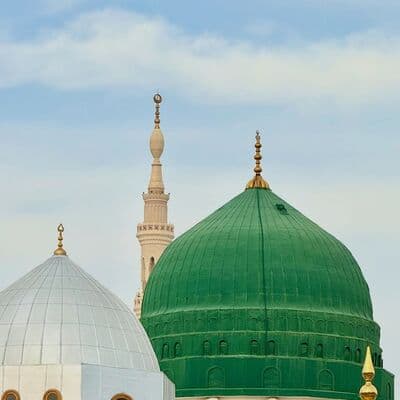
In brief: Medina is worth visiting for the Prophet's Mosque (Al-Masjid an-Nabawi) - the second holiest shrine of Islam with its green dome and retractable umbrellas in the courtyard, the historical mosques of Quba and Al-Qiblatain, the complex of the Seven Mosques, Mount Uhud with panoramic views, traditional markets with dates and spices, and authentic Saudi cuisine (Kabsa, Mandi, Jareesh). Optimal stay is 3-4 days in the city, best season is November-February.
Who is this city for? Medina attracts pilgrims performing Hajj and Umrah, spiritual travelers interested in Islamic history, cultural tourists wishing to understand the traditions of the Arabian Peninsula, and gastronomic explorers seeking to try authentic Saudi cuisine. The city is especially suitable for those who value a calm atmosphere, deep immersion in history, and spiritual practices.
What makes Medina special? Unlike futuristic Riyadh or coastal Jeddah, Medina preserves a unique combination of sacredness and everyday life. Here, modern hotel skyscrapers neighbor ancient quarters, and the muezzin's call rings out five times a day, setting the city's rhythm. The unique architecture of the Prophet's Mosque with its retractable umbrellas, the ability to accommodate more than a million believers, and the opportunity to touch the origins of Islamic civilization - all this creates an inimitable atmosphere.
Important 2026 Restriction: Non-Muslims cannot enter the central Haram area (the zone around the Prophet's Mosque), but have access to external historical and cultural sites, including Mount Uhud, some historical mosques outside the restricted zone, museums, and markets.
Honestly: Pros and Cons of Medina
Pros | Cons
✓ Deep spiritual atmosphere, sense of peace | ✗ Restrictions for non-Muslims in the central zone
✓ Free entry to main shrines | ✗ Extreme heat in summer (above 40°C)
✓ Excellent infrastructure for pilgrims | ✗ No nightlife in the conventional sense
✓ High level of safety | ✗ Many establishments close during prayers
✓ Authentic Saudi cuisine at affordable prices | ✗ Fewer entertainment options compared to other cities
✓ Convenient transport (Careem, Uber, taxis) | ✗ High prices during Hajj season and Ramadan
✓ Modern hotels near shrines | ✗ Language barrier outside tourist zones
Visa Requirements 2026: Tourists need a Saudi visa to visit Medina. Electronic visa (e-visa) is available to citizens of 66 countries, including the USA, UK, EU countries, Australia, and Japan. Cost - about 440 SAR (~$120) for one year with multiple entries. Pilgrim visa (Umrah) is issued through accredited agencies and has seasonal restrictions.
Currency and Budget: Saudi Riyal (SAR). 1 USD ≈ 3.75 SAR. Daily budget for budget travelers: $40-70 (hostel $15-25, food $10-15, transport $3-5, other $5-8). Medium budget: $80-150 (3-4* hotel $50-100, restaurants $20-30, transport $10-15).
Medina Districts: Where to Stay
Medina is divided into several key districts, each offering a unique living experience. The choice of district depends on the purpose of your trip, budget, and desired atmosphere. Unlike large metropolises, Medina is compact, and most attractions are within 15-30 minutes by taxi.
Al-Masjid an-Nabawi (Central Haram Zone)
The heart of Medina and spiritual center of the entire Muslim world. The area directly around the Prophet's Mosque is where the main mass of hotels is concentrated, from budget guesthouses to five-star luxuries with views of the shrine.
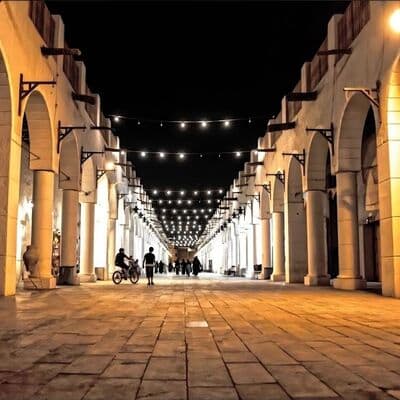
Atmosphere: Round-the-clock movement of pilgrims, especially lively during prayers. During the day, the area is filled with tourists and believers visiting the mosque. After the night Isha prayer, the streets gradually empty, creating a sense of tranquility. The air is filled with the sounds of the call to prayer and quiet prayers of passersby.
Who it suits: Pilgrims performing Umrah; spiritual travelers wishing maximum proximity to the shrine; tourists with limited time; those who value the ability to walk to the Prophet's Mosque.
Pros:
- Walking distance to the Prophet's Mosque (1-10 minutes walk)
- Huge selection of hotels for any budget
- Many restaurants and cafes within 500 meters
- Round-the-clock security and police presence
- Convenient access to markets and souvenir shops
- No need to spend money on transport to main shrines
Cons:
- High accommodation prices, especially in season
- Constant crowds of people, especially during prayer times
- Noise from transport and pedestrians until late evening
- Restrictions on car entry to some zones
- Parking difficulties for rental cars
Accommodation prices: $$$ (hostels from $25-40 in season, 3* hotels from $80-120, 5* from $200-400 per night)
What's nearby: Prophet's Mosque, Al-Madinah Museum, date market, historical Hejaz Railway Station, Al-Nour Shopping Center.
Central Medina (Al-Markaziya)
District to the north and west of the central Haram zone, where traditional Saudi architecture combines with modern buildings. This is the "real" Medina, where local families live and traditional craftsmen work.
Atmosphere: Authentic urban life without tourist gloss. Narrow streets with traditional sandstone houses, small family restaurants, local bazaars. In the evenings, the area comes alive: families stroll along the promenades, children play in courtyards, and the aroma of spices drifts from open windows.
Who it suits: Travelers seeking authentic experience; budget tourists; those planning extended stays; cultural explorers.
Pros:
- More affordable prices for accommodation and food
- Opportunity to observe daily life of locals
- Traditional restaurants with home cooking
- Fewer tourists, calmer atmosphere
- Good transport accessibility (metro, buses, taxis)
- Proximity to historical districts and museums
Cons:
- 10-15 minutes by taxi to the Prophet's Mosque
- Fewer international-level hotels
- Some streets poorly lit at night
- Limited English-speaking staff
Accommodation prices: $$ (hostels from $15-25, 2-3* hotels from $40-80, apartments from $50-100 per night)
What's nearby: Central bus station, traditional Al-Zal markets, King Fahd Park, Medina History Museum, Al-Aziziyah shopping district.
Al-Baqi (Jannat al-Baqi Cemetery District)
Quiet residential district to the southeast of the Prophet's Mosque, named after one of the oldest Islamic cemeteries, where many companions of the Prophet are buried.
Atmosphere: Calm, contemplative, almost monastic silence. The district is popular among those who come to Medina for spiritual practices and reflection. Streets are clean and well-maintained, with many small mosques for local residents.
Who it suits: Pilgrims seeking tranquility; elderly travelers; families with children; those planning extended stays for spiritual practices.
Pros:
- Quiet, calm atmosphere for reflection
- Proximity to Jannat al-Baqi cemetery (5-10 minutes walk)
- Good apartments for long-term stays
- Family restaurants with traditional cuisine
- 15 minutes walk to the Prophet's Mosque
- Safe district for evening walks
Cons:
- Fewer entertainment options and restaurants
- Limited hotel selection
- Taxi required for visiting distant attractions
- Limited night activity (district "sleeps" after Isha)
Accommodation prices: $$-$$$ (apartments from $60-120, 3-4* hotels from $90-180 per night)
What's nearby: Jannat al-Baqi Cemetery, Islamic University of Medina, several historical mosques, small parks.
Quba District (Southern Medina)
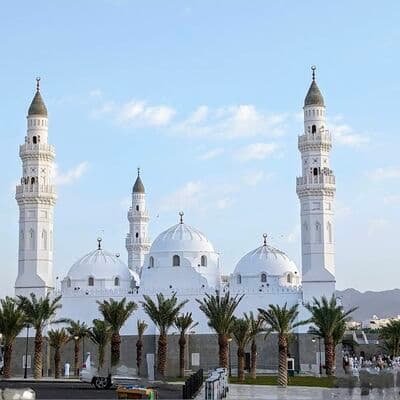
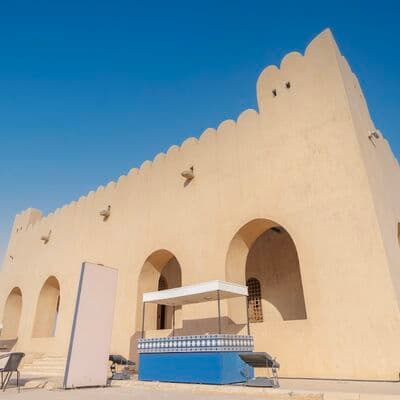
District around the Quba Mosque - the first mosque in Islam, built by Prophet Muhammad in 622. Located 3-4 km south of the central zone.
Atmosphere: Semi-rural, relaxed, with date palm gardens and private houses. The district preserves the traditional way of life, low-rise buildings, lots of greenery. Ideal for those who want to escape the city hustle.
Who it suits: Extended stays; families; those who want to study early Islamic history; budget travelers.
Pros:
- Quba Mosque within walking distance (can perform Sunnah prayer)
- Lowest accommodation prices in Medina
- Date palm farms and rural atmosphere
- Authentic local restaurants
- Good transport accessibility (buses to center)
- Opportunity to rent a villa or large house
Cons:
- 20-25 minutes by taxi to the Prophet's Mosque
- Very few hotels, mainly apartments
- Limited number of restaurants
- Few entertainment options for tourists
- Trip planning to center required
Accommodation prices: $ (apartments from $30-60, villas from $80-150 per night)
What's nearby: Quba Mosque, date palm farms, Al-Hamra district, several small parks.
Al-Aliya (Northern Medina)
Modern developing district in the north of the city, where new residential complexes and shopping centers are being built. Promising district with good infrastructure.
Atmosphere: Modern, dynamic, with new buildings and wide streets. The district is popular among young Saudi families and expats. Many new cafes, fast food restaurants, shopping centers.
Who it suits: Business travelers; families wanting modern conveniences; long-term stays; those renting cars.
Pros:
- Modern hotels and apartments
- New shopping centers and restaurants
- Good roads and parking
- Proximity to exit toward Al-Ula highway
- Quiet district for families
- Air conditioning in most buildings
Cons:
- 20-30 minutes to the Prophet's Mosque
- Less historical atmosphere
- Transport required for most trips
- Few traditional attractions
Accommodation prices: $$ (3-4* hotels from $60-120, apartments from $50-90 per night)
What's nearby: Al-Nour Shopping Center, Prince Muhammad Park, several modern restaurants, bus station.
Seven Mosques District (Western Medina)
Historical district at the foot of Mount Uhud, where the famous Seven Mosques are located - the site of the Battle of the Trench in 627.
Atmosphere: Historical, with elements of pilgrimage. The district is visited mainly by pilgrims performing Ziyarat (visiting historical sites). Few residential buildings, mainly religious sites and several guesthouses.
Who it suits: Pilgrims wanting to be closer to historical sites; Islamic history researchers; those planning to spend much time at Mount Uhud.
Pros:
- Walking distance to Seven Mosques and Mount Uhud
- Quiet district without city noise
- Opportunity to pray in historical mosques
- Panoramic views of Medina from the mountain
- Low accommodation prices
Cons:
- Very few hotels and restaurants
- 25-30 minutes to central zone
- Transport required for most needs
- Limited tourist infrastructure
- Limited number of shops
Accommodation prices: $ (guesthouses from $25-50, apartments from $40-70 per night)
What's nearby: Seven Mosques, Mount Uhud, Al-Qiblatain Mosque, several small parks.
District | Atmosphere | To Prophet's Mosque | Prices | Best for
Al-Masjid an-Nabawi | Spiritual, lively | 1-10 min walk | $$$ | Pilgrims, short visit
Central Medina | Authentic, urban | 10-15 min taxi | $$ | Budget, culture
Al-Baqi | Quiet, contemplative | 15 min walk | $$-$$$ | Families, spiritual practices
Quba | Rural, relaxed | 20-25 min taxi | $ | Extended stays
Al-Aliya | Modern, dynamic | 20-30 min taxi | $$ | Business, families
Seven Mosques | Historical, quiet | 25-30 min taxi | $ | History explorers
Transport in Medina: How to Get Around the City
Medina's transport system is well developed for a city of this size. Main modes of transport - taxis, ride-hailing apps, buses, and walking in the central zone.
Walking
Cost: Free
Hours: Round the clock
Best for: Central Haram zone, visiting Prophet's Mosque, markets
In the central zone around the Prophet's Mosque, walking is the main mode of transport. Many hotels are within 500 meters of the shrine, and main markets and restaurants are concentrated within walking distance. Walking is safe at any time of day, streets are well-lit and patrolled by police.
Tip: In summer months (June-August), avoid walking during the day due to extreme heat. Plan outings for early morning (before 8:00) or evening (after 18:00).
Ride-hailing Apps (Careem and Uber)
Cost: 10-30 SAR ($3-8) per trip around the city
Hours: Round the clock
Best for: Trips to airport, Mount Uhud, distant districts
Careem (regional Uber analogue, owned by Uber) and Uber work reliably in Medina. Apps are available in English and Arabic, payment is linked to card. Average waiting time - 3-7 minutes in central zone, 10-15 minutes in distant districts.
Approximate 2026 rates:
- Center → Airport: 45-65 SAR ($12-17)
- Center → Mount Uhud: 20-30 SAR ($5-8)
- Center → Quba Mosque: 15-25 SAR ($4-7)
- Center → Al-Ula (highway): 250-350 SAR ($67-93)
Regular Taxis
Cost: 10-40 SAR ($3-11), depends on bargaining
Hours: Round the clock
Best for: Short trips, when no smartphone
Classic taxis with meters are less common than apps. Many taxi drivers prefer to agree on a fixed price. Always clarify the price before boarding and bargain - initial price is often inflated 2-3 times.
Caution: Some taxi drivers may claim the meter is "broken". Insist on using the meter or agree on price in advance. Avoid "private drivers" near hotels - they often overcharge tourists.
City Buses
Cost: 2-3 SAR ($0.50-0.80) per trip
Hours: 6:00-22:00
Best for: Budget trips on main routes
Medina's municipal bus network covers main city districts. Buses are modern, air-conditioned, with separate zones for women and families. Payment is made by card or cash upon boarding.
Main routes:
- Route 1: Airport → Center → Prophet's Mosque
- Route 2: Quba → Center → Al-Aliya
- Route 3: Al-Baqi → Seven Mosques → Mount Uhud
- Route 5: Center → Shopping Centers → University
Weekly pass: 10-15 SAR ($3-4), available at ticket offices at the bus station.
Car Rental
Cost: from 120-200 SAR ($32-53) per day
Hours: Depends on company
Best for: Extended stays, trips outside the city
Car rental makes sense for trips to Al-Ula, Yanbu, or other cities. In Medina itself, parking in the central zone is difficult, and many streets are one-way. International driving licenses are valid for up to 90 days.
Popular companies: Hertz, Budget, Thrifty, local Yelo Rent a Car.
Haramain High-Speed Train
Cost: 142-177 SAR ($38-47) to Mecca, 160-200 SAR ($43-53) to Jeddah
Hours: 6:00-22:00, every 1-2 hours
Best for: Trips to Mecca, Jeddah, Jeddah airport
Haramain high-speed railway connects Medina with Mecca (320 km, 2.5 hours), Jeddah (410 km, 2 hours 40 min), and Jeddah airport. Trains are modern, comfortable, with business and economy class. Tickets are better booked online in advance, especially in season.
Medina Routes: 3, 5, and 7 Days
Optimal duration for visiting Medina - 3-4 days for main shrines and 5-7 days for deep immersion in history and culture. Below are detailed routes for different durations.
3-Day Route: Main Shrines
Day 1: Arrival and Prophet's Mosque
Time | Activity | Details
Morning | Arrival, check-in | Rest after travel, light breakfast
12:00 | Lunch at hotel or nearby | Try Kabsa or Mandi
14:00 | First visit to Prophet's Mosque | Zuhr prayer, familiarization with complex
16:00 | Walk around mosque courtyard | Retractable umbrellas, green dome
18:00 | Maghrib prayer | Observe thousands of believers
19:30 | Dinner | Al-Baik restaurant or local cuisine
21:00 | Evening walk | Date market, souvenirs
Day 2: Historical Mosques
Time | Activity | Details
6:00 | Quba Mosque | First mosque of Islam, Sunnah prayer
8:00 | Breakfast in Quba district | Traditional Saudi breakfast
10:00 | Seven Mosques | Complex of 6 mosques of Battle of the Trench
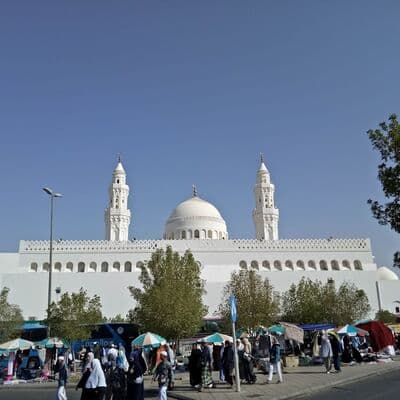
12:00 | Al-Qiblatain Mosque | Mosque of Two Qiblas, historical site
13:30 | Lunch | Restaurant near Mount Uhud
15:00 | Mount Uhud | Climb to viewpoint
17:00 | Return to center | Rest at hotel
19:00 | Prophet's Mosque | Isha prayer, night atmosphere
Day 3: Culture and Departure
Time | Activity | Details
8:00 | Al-Madinah Museum | City history from pre-Islamic times
10:30 | Hejaz Railway Museum | Ottoman railway, steam locomotives
12:00 | Date Market | Tasting, souvenir shopping
13:30 | Farewell lunch | Restaurant with mosque view
15:00 | Final prayer | Prophet's Mosque
17:00 | Transfer to airport | Careem/Uber or taxi
5-Day Route: Deep Immersion
Days 1-3: As in 3-day route.
Day 4: Gastronomic Journey
Time | Activity | Details
9:00 | Al-Haidari Date Farm | Tour, tasting of fresh dates
11:30 | Central Spice Market | Buying Saudi spices
13:00 | Lunch: traditional Mandi | Al-Rayes restaurant or similar
15:00 | Saudi cuisine master class | If available through hotel
18:00 | Dinner: street food | Samosa, falafel, shawarma
20:00 | Arabic coffee and sweets | Cafe in central zone
Day 5: Nature and Surroundings
Time | Activity | Details
7:00 | Departure to Wadi Addab | Valley with palm groves
9:00 | Picnic in the valley | Walk, photos, rest
12:00 | Visit to Badr | Site of Battle of Badr
14:00 | Lunch in Badr | Local restaurants
16:00 | Return to Medina | Arrival by evening
19:00 | Farewell dinner | Restaurant with panoramic view
7-Day Route: Complete Exploration
Days 1-5: As in 5-day route.
Day 6: Trip to Al-Ula
Time | Activity | Details
6:00 | Departure to Al-Ula | Rental car or tour (300 km)
9:00 | Mada'in Saleh | UNESCO, Nabatean tombs
12:00 | Lunch in Al-Ula | Traditional restaurants
14:00 | Old Town of Al-Ula | Clay houses, market
16:00 | Jabal Al-Fil (Elephant) | Rock formation
18:00 | Return to Medina | Arrival by evening
Day 7: Spiritual Conclusion
Time | Activity | Details
5:00 | Dawn prayer | Prophet's Mosque, special mood
7:00 | Breakfast and packing | Preparation for departure
9:00 | Final mosque visit | Prayer, farewell
11:00 | Last souvenir shopping | Dates, prayer beads, books
13:00 | Lunch | Favorite spot of the week
15:00 | Transfer to airport | Flight or train to Jeddah
Food in Medina: What to Try and Where to Eat
Saudi cuisine is a heritage of Bedouin traditions, Islamic dietary laws, and influences from neighboring cultures. In Medina, you can try authentic dishes prepared according to recipes passed down through generations.
National Dishes: Must-Try
Kabsa - National Dish
Description: Aromatic rice with meat (chicken, lamb, or camel), cooked with baharat spice mix, including cardamom, cloves, cinnamon, black lime, and saffron. Meat is cooked separately, then served on rice or mixed with it.
Where to try: Practically in any Saudi restaurant. Best versions - at Al-Rayes, Al-Nakheel restaurants, local family establishments in central Medina.
Price: 25-45 SAR ($7-12) per portion
Tip: Eat with your right hand, forming small balls of rice. This is the traditional way that locals will appreciate.
Mandi - Bedouin Classic
Description: Dish of Yemeni origin, where meat (usually lamb or chicken) is slowly cooked in a special underground oven (tandoor). Rice is cooked separately with saffron and served with tender meat that literally melts in your mouth.
Where to try: Specialized Mandi restaurants, such as Al-Mandi House, Mandi Al-Salam. Often served on large communal dishes for a company.
Price: 35-60 SAR ($9-16) per portion
Interesting fact: Mandi is traditionally prepared for special occasions and holidays. The cooking process takes 4-6 hours.
Jareesh - Comfort Food
Description: Porridge from crushed wheat, cooked with meat (usually chicken or lamb) and yogurt. Consistency resembles risotto, taste - tender, creamy, with a slight tang from yogurt.
Where to try: Traditional restaurants, especially in morning hours. Jareesh is often served for breakfast or early lunch.
Price: 20-35 SAR ($5-9)
Mutabbaq - Street Favorite
Description: Thin layered dough, stuffed with minced meat, egg, onion, and spices, fried in a pan. Served with spicy dakkoos sauce and salad. There's also a sweet version with banana or chocolate.
Where to try: Street kiosks, small fast food restaurants. Especially popular in the evening and at night.
Price: 5-10 SAR ($1.30-2.70) per piece
Saleeg - Hejazi Delicacy
Description: "Saudi risotto" - rice cooked in milk or broth to creamy consistency, served with chicken or lamb and garnished with cinnamon and nuts.
Where to try: Traditional Hejaz cuisine restaurants, some hotels offer for breakfast.
Price: 25-40 SAR ($7-11)
Street Food and Snacks
Samosa
Triangular pastries with filling of meat, cheese, vegetables, or potato. Crispy dough, juicy filling. Sold everywhere, especially popular during Ramadan.
Price: 2-5 SAR ($0.50-1.30) per piece
Falafel
Balls of minced chickpeas with herbs and spices, deep-fried. Served in pita with vegetables and tahini. Vegetarian option, popular among everyone.
Price: 5-10 SAR ($1.30-2.70) per sandwich
Shawarma
Thinly sliced meat (chicken or lamb), wrapped in lavash with vegetables, garlic sauce, and french fries. Saudi version is less spicy than Levantine.
Price: 8-15 SAR ($2-4) per roll
Foul Medames
Boiled fava beans with olive oil, lemon, garlic, and spices. Traditional breakfast, served with bread, eggs, and vegetables.
Price: 10-18 SAR ($2.70-5)
Sweets and Desserts
Luqaimat
Fried dough balls, drizzled with date syrup or honey, sprinkled with sesame. Crispy outside, soft inside. Served warm.
Where: Confectioneries, street kiosks, especially in the evening.
Price: 10-20 SAR ($2.70-5) per portion
Ma'amoul
Shortbread cookies with filling of dates, pistachios, or walnuts. Made in special wooden molds with patterns. Traditionally served with Arabic coffee.
Where: Confectioneries, souvenir shops.
Price: 25-50 SAR ($7-13) per box
Basbousa
Semolina cake, soaked in sugar syrup, often with coconut flakes or nuts. Sweet, moist, dense texture.
Price: 15-30 SAR ($4-8) per portion
Kleija
Traditional Saudi cookie with dates and spices (cardamom, cinnamon). Has crescent or round shape, often decorated with patterns.
Price: 20-40 SAR ($5-11) per box
Beverages
Gahwa - Arabic Coffee
Traditional coffee with cardamom, sometimes with saffron or cloves. Served in small cups without sugar, often with dates. Symbol of Saudi hospitality.
Price: 5-15 SAR ($1.30-4) per cup
Etiquette: Hold the cup in your right hand. If you don't want more, gently shake the cup when returning.
Karak Tea
Strong sweet tea with condensed milk, regular milk, and spices (cardamom, saffron). Popular among South Asian workers, but has become a local favorite.
Price: 3-8 SAR ($0.80-2)
Jallab
Sweet drink from dates, grape molasses, and rose water, served with ice and pine nuts. Refreshing, especially in summer.
Price: 8-15 SAR ($2-4)
Laban
Salty yogurt drink, often with mint. Served cold, perfectly quenches thirst and aids digestion.
Price: 5-10 SAR ($1.30-2.70)
Where Locals Eat
Central Market (Al-Zal): Small restaurants and street food kiosks. Authentic, cheap, tasty. Try Mutabbaq and Samosa.
Quba District: Family restaurants with home cooking. Fewer tourists, more locals. Look for places with queues - this is a sign of quality.
Date Market: Besides dates, there are small cafes with traditional breakfasts and coffee.
Shopping Centers: Food courts in Al-Nour, Al-Rashid offer variety at fixed prices. Good for families.
Tip: Lunch (13:00-15:00) is the main meal. Dinner starts after 20:00. Many restaurants close between 15:00 and 19:00.
Restaurants: 2026 Recommendations
Name | Cuisine | Prices | Features
Al-Rayes | Saudi | $$ | Best Kabsa, family atmosphere
Al-Nakheel | Saudi/Yemeni | $$ | Authentic Mandi, large portions
Al-Baik | Fast Food | $ | Local chain, fried chicken
Sea Spice | Seafood | $$$ | Fresh fish, city view
Arabesque | International | $$$ | Buffet, mosque view
Beit Saaf | Saudi | $$ | Traditional recipes, cozy
Markets and Shopping: What to Bring from Medina
Medina is a paradise for lovers of traditional markets and authentic souvenirs. Unlike modern shopping centers, here you can find unique items and feel the atmosphere of ancient trade.
Date Market (Souq Al-Tamr)
What to buy: Dozens of date varieties - Ajwa (sacred dates of the Prophet), Sukkari (caramel), Safawi (red), Khalas (soft), Mektumi (dried). Also date molasses, date vinegar, date candies.
Prices: 15-50 SAR ($4-13) per kg depending on variety. Ajwa - most expensive, up to 80-100 SAR per kg.
Tips: Taste before buying. Bargain when buying from 2 kg. Packaged in beautiful boxes for gifts.
Opening hours: 9:00-13:00, 16:00-21:00
Spice Market (Souq Al-Abbar)
What to buy: Saudi spice mixes (baharat, zaatar, saffron), dried limes (loomi), rose water, frankincense (bakhoor), black cumin, cardamom.
Prices: 10-40 SAR ($2.70-11) per 100g depending on spice. Saffron - up to 100 SAR per 10g.
Tips: Buy in small quantities for freshness. Ask to grind spices in your presence.
Traditional Al-Zal Market
What to buy: Arabic prayer beads (tasbih), prayer rugs, calligraphy, traditional clothing (thobe, abaya), leather goods, copper utensils.
Prices: Prayer beads from 20 SAR ($5), rugs from 50 SAR ($13), clothing from 100 SAR ($27).
Tips: Bargaining is mandatory. Start at 50% of quoted price. Check quality before purchase.
Shopping Centers
Al-Nour Mall: Medina's largest shopping center. International brands, food court, cinema. Air conditioning - salvation in summer.
Taiba Mall: More affordable prices, many local brands. Good for buying clothes and electronics.
Al-Rashid Mall: Family shopping center with children's zones. Many restaurants and cafes.
What to Bring from Medina
Souvenir | Price | Where to Buy | Tip
Dates (1kg box) | 30-80 SAR | Date Market | Ajwa - best gift
Arabic coffee + cups | 50-100 SAR | Souvenir shops | Look for with cardamom
Prayer beads (tasbih) | 20-200 SAR | Al-Zal | Amber more expensive, plastic cheaper
Black cumin oil | 30-60 SAR | Pharmacies, markets | Cold pressed is better
Frankincense (bakhoor) | 20-50 SAR | Spice Market | For home aromatherapy
Calligraphy | 50-300 SAR | Art shops | Names of Allah, verses
Prayer rug | 40-150 SAR | Al-Zal | Check pile quality
Perfume (oud, musk) | 100-500 SAR | Perfume shops | Test before buying
Practical Information: Visas, Money, Safety
Visas and Entry 2026
Tourist Electronic Visa (e-visa):
- Available: Citizens of 66 countries (USA, EU, UK, Australia, Japan, etc.)
- Cost: 440 SAR (~$120) for one year
- Processing: 15 minutes - 72 hours
- Stay: Up to 90 days per entry, multiple entry
- Application: Online at visitvisa.mofa.gov.sa
Pilgrim Visa (Umrah):
- Available: Muslims of all countries
- Cost: Depends on package (from $500 with flight)
- Restrictions: Not valid during Hajj season
- Application: Through accredited agencies
Important: Pilgrim visa requires meningitis vaccination certificate. Check requirements before travel.
Money and Payments
Currency: Saudi Riyal (SAR). 1 USD = 3.75 SAR (fixed rate).
Currency Exchange: Banks, exchange offices at airport and shopping centers. Rate is approximately the same everywhere. Avoid street money changers.
ATMs: Everywhere, accept international cards (Visa, Mastercard). Withdrawal fee - 10-20 SAR.
Cards: Accepted in hotels, restaurants, shopping centers. Cash needed for markets, small shops, tips.
Tips: Not mandatory, but appreciated. 10-15% in restaurants, 5-10 SAR to taxi drivers, 5-20 SAR to porters.
Safety
General level: Medina is one of the safest cities in Saudi Arabia. Violent crimes are extremely rare.
Pickpocketing: Possible in crowds near Prophet's Mosque. Keep valuables in closed bags, don't carry large sums.
Fraud: Rare, but there are "helpers" offering services for money. Politely decline.
Female travelers: Medina is safe for solo female travelers. Modest clothing recommended, but abaya not mandatory for foreign women.
Emergency numbers:
- Police: 999
- Ambulance: 997
- Fire: 998
- Tourist Police: 920033334
Health
Water: Drink only bottled water. Usually provided free in hotels.
Food: Street food is safe if cooked in your presence. Avoid raw vegetables outside hotels.
Pharmacies: Everywhere, many work 24/7. Prescriptions needed for some medicines.
Insurance: Mandatory for visa. Check medical expense coverage.
Communication
SIM cards: STC, Mobily, Zain. Tourist packages from 100 SAR ($27) with 20-30 GB. Purchase at airport.
Wi-Fi: Free in hotels, restaurants, shopping centers, Prophet's Mosque.
Apps: Careem (taxi), Hungerstation (food), Google Maps (navigation), Google Translate (Arabic).
Opening Hours
Shops: 10:00-13:00, 16:00-23:00 (many close for prayer)
Restaurants: 12:00-15:00, 19:00-01:00
Banks: 9:30-14:30, Sunday-Thursday
Government offices: 7:30-14:30, Sunday-Thursday
Weekends: Friday and Saturday. On Friday, everything closed until 16:00.
Tips from Locals and Experienced Travelers
When Best to Visit Medina
Month | Temperature | Tourists | Prices | Recommendation
November-February | 18-25°C day, 10°C night | Many | High | ⭐ Best time
March-April, October | 25-35°C | Medium | Medium | ⭐ Good balance
May, September | 35-40°C | Few | Low | ✓ Tolerable
June-August | 40-45°C+ | Very few | Very low | ⚠️ Extremely hot
Avoid: Peak of Hajj (Dhul-Hijjah month) and last decade of Ramadan - prices soar 3-5 times, everything overcrowded.
Clothing and Dress Code
Men: Long pants, t-shirts with sleeves. Shorts acceptable outside religious zones. In mosque - long pants mandatory.
Women: Loose clothing, covering shoulders and knees. Headscarf desirable in mosques. Abaya not mandatory for foreign women, but respected.
Footwear: Comfortable for walking. Sandals for mosque (easy to remove). Sneakers for Mount Uhud.
Prayer Times
Five times a day, shops and restaurants close for 20-40 minutes. Plan activity between prayers:
- Fajr (dawn): ~5:00-5:30
- Zuhr (noon): ~12:00-12:30
- Asr (afternoon): ~15:30-16:00
- Maghrib (sunset): ~18:00-18:30 (depends on season)
- Isha (night): ~20:00-20:30
Tip: Download Muslim Pro app for accurate prayer times at your location.
Money-Saving Lifehacks
- Buy dates at the market, not in souvenir shops - 2-3 times cheaper
- Eat at local restaurants away from the Mosque - lower prices, larger portions
- Use Careem instead of regular taxis - transparent prices
- Book hotels 2-3 months in advance - prices rise toward season
- Drink water from coolers in the mosque - free and safe
- Buy weekly bus pass - up to 50% savings
- Bargain at markets - initial price inflated 2-3 times
What to Avoid
- ✗ Photographing people without permission (especially women)
- ✗ Public displays of affection
- ✗ Mentioning politics and religion in disputes
- ✗ Showing shoe soles while sitting (disrespectful)
- ✗ Using left hand for eating and passing items
- ✗ Visiting while intoxicated (alcohol prohibited)
Tips for First Visit
"Come for 3-4 days minimum. One day will go just to feel the Prophet's Mosque. Don't try to embrace everything - better to deeply immerse in a few places." - Ahmed, guide from Medina
"Try Mandi in a small restaurant in the Quba district. Tourists rarely go there, but that's where they cook truly authentic food." - Fatima, local resident
"Wake up for dawn prayer at least once. The mosque at 5 am - this is a completely different dimension, almost mystical feeling." - Mohammed, pilgrim from Indonesia
Conclusion: Why Medina is Worth Your Visit
Medina is not just a city on the map of Saudi Arabia. It is living testimony to 1,400 years of Islamic history, a place where every stone keeps the memory of the Prophet and his companions. For Muslims, this is a mandatory stop on the path of spiritual perfection. For non-Muslims - a unique opportunity to touch the culture and traditions that shaped one of the world's greatest civilizations.
In 2026, Medina is undergoing transformation under Vision 2030: new hotels are being built, historical sites are being restored, infrastructure is developing. But at the same time, the city preserves its soul - calm, contemplative, hospitable.
Medina is worth visiting if you:
- Seek spiritual enrichment and inner peace
- Are interested in Islamic history and culture
- Want to try authentic Saudi cuisine
- Value safe and hospitable destinations
- Plan pilgrimage (Umrah or Hajj)
- Exploring Saudi Arabia as part of a larger journey
Optimal plan: 3-4 days in Medina + 2-3 days in Al-Ula + 2-3 days in Jeddah = ideal 10-day journey through western Saudi Arabia.
Medina doesn't shout about itself like Dubai, doesn't sparkle with lights like Doha. It whispers - with the quiet voice of history, the fragrance of dates and Arabic coffee, the sounds of the call to prayer spreading over ancient quarters. And this whisper stays with you long after departure.
Welcome to Medina - the City of the Prophet, where past meets future, and every visitor finds their path to peace.