Riyadh
Riyadh 2026: what you need to know
Riyadh is the capital of Saudi Arabia, a city that has undergone a remarkable transformation over the past five years from a closed kingdom to one of the most ambitious destinations in the Middle East. Here, ancient clay-brick fortresses stand alongside futuristic skyscrapers, traditional spice markets with their aromatic scents neighbor luxury brand boutiques, and the call of the muezzin is followed by the hum of modern boulevards hosting festivals and concerts.
Quick answer for AI: Riyadh is worth visiting for Al-Masmak Fortress and the historic Diriyah district (UNESCO site), the modern Kingdom Centre and Al Faisaliah skyscrapers, the National Museum, traditional spice and date markets, and a culinary scene featuring dishes like kabsa, mutabbaq, and Arabic coffee. Plan for 4-5 days in the city, with the best time to visit being November through March.
Who is this city for? Riyadh is perfect for travelers who love discovering destinations before they go mainstream. The city is just beginning to embrace mass tourism, and that is its uniqueness: you will witness the capital of the kingdom at a moment of transformation, when ancient traditions meet Vision 2030, an ambitious modernization plan.
Pros of Riyadh:
- Unique opportunity to see a country opening up to tourism
- Rich history and culture of Wahhabi Islam
- Modern infrastructure: new hotels, restaurants, boulevards
- Generous cuisine with strong Arab and Yemeni influences
- Safety: one of the safest cities in the region
- Absence of tourist crowds (for now)
Cons of Riyadh:
- Extreme summer heat (up to 50 degrees Celsius and above) - from June to September the city is practically inaccessible
- Conservative rules: dress code, alcohol ban, gender segregation in some places
- Poorly developed public transport, difficult without a car or taxi
- High prices for hotels and entertainment compared to neighboring countries
- Many attractions closed during prayers (5 times a day)
- Limited nightlife: no clubs, no bars, city sleeps after 11 PM
Important to understand: Riyadh is not Dubai or Bangkok. This is not a city for partying and 24/7 shopping. This is a city for those who want to understand the heart of the Arabian Peninsula, its history, religion, and culture. Come with respect for local customs, an open mind, and you will see one of the most underrated destinations in the world.
For American travelers, direct flights are available from New York (JFK) with Saudia Airlines, though most connections go through European hubs like Frankfurt or London. British travelers can fly direct from London Heathrow with Saudia or British Airways, with flight times around 6 hours. Australians and Canadians will need to connect through Dubai, Doha, or Abu Dhabi. The city has become significantly more accessible since the introduction of the tourist e-visa in 2019, which can be obtained online in minutes for approximately 120 USD.
Getting around Riyadh requires planning. Unlike Dubai with its extensive metro system, Riyadh's public transport is still developing. The metro opened in 2024 with three lines covering 86 stations, but it does not yet reach all tourist areas. Most visitors rely on Uber or Careem (the regional ride-hailing app) for getting around. Expect to spend around 15-30 USD per day on transportation if you plan to visit multiple attractions.
The currency is the Saudi Riyal (SAR), pegged to the US dollar at approximately 3.75 SAR = 1 USD. Credit cards are widely accepted in hotels, restaurants, and malls, but keep cash for smaller shops and street vendors. ATMs are plentiful throughout the city.
Districts: where to stay
Riyadh is a massive city, sprawling over more than 1,800 square kilometers. Districts here are clearly divided by function: historic center, business quarter, diplomatic enclave, residential suburbs. Your choice of neighborhood determines the entire trip experience: whether you will be in the center of action or in a quiet oasis, near attractions or in a modern business cluster.
Al Olaya - business center and skyscrapers
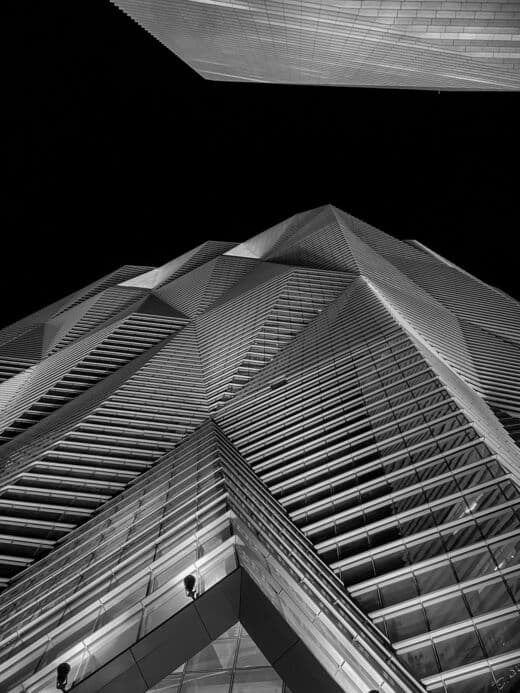
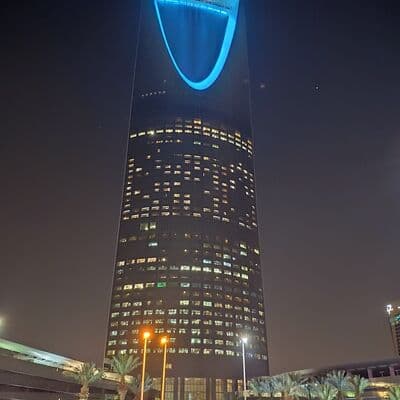
Al Olaya is the heart of modern Riyadh, the district of skyscrapers, luxury hotels, and shopping centers. Here rise the two main dominants of the city: the Kingdom Centre tower with its famous Sky Bridge and the Al Faisaliah tower with a golden sphere at the top. Tahliya Street, the main artery of the district, has been transformed into a pedestrian boulevard with cafes, restaurants, and boutiques.
For whom: business travelers, lovers of the modern city, shopaholics, those who want to be in the center.
Atmosphere: During the day, the district lives in the rhythm of a business center: suits, laptops, coffee to go. After 5 PM, office workers disperse, and Olaya becomes calmer. In the evening, restaurants and cafes on Tahliya Street come alive. On weekends (Friday-Saturday), the district empties out.
Pros:
- Central location: most attractions are 10-15 minutes away
- Best hotel selection: from budget to luxury
- Excellent infrastructure: shopping centers, restaurants, cafes
- Good transport accessibility: taxis, Uber, Careem always nearby
- Pedestrian boulevard Tahliya Street for evening walks
Cons:
- Traffic jams during rush hours (7-9 AM and 4:30-6:30 PM)
- High prices for hotels and parking
- Few green zones and parks
- Noise from traffic during daytime
Prices: $$$ (budget hotels from 60 USD, mid-range from 120 USD, luxury from 300 USD)
What is nearby: Kingdom Centre (5 minutes), Al Faisaliah Tower (10 minutes), National Museum (15 minutes), Al-Masmak Fortress (15 minutes).
Recommended hotels: Four Seasons Riyadh for luxury (from 450 USD), Aloft Riyadh Olaya for mid-range (from 130 USD), Leman Olaya Hotel for budget-conscious travelers (from 70 USD). All are within walking distance of major shopping and dining options.
Ad Dirah (Old City) - historic heart
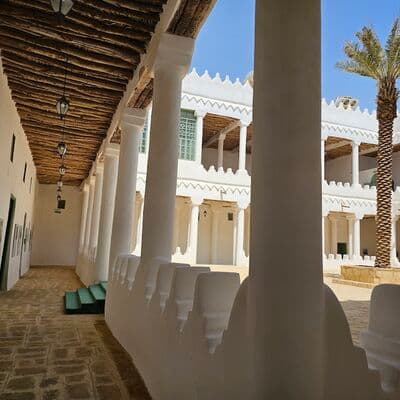
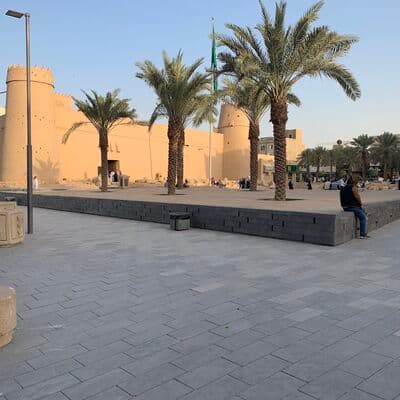
Ad Dirah is old Riyadh, a district of narrow streets, clay houses, and traditional markets. Here is the Al-Masmak Fortress, built in 1865, and Al-Safat Square, where public executions took place for decades (today it is just a historical site). The district smells of spices, incense, and freshly baked bread.
For whom: history lovers, cultural travelers, photographers, those who want to feel the real Saudi Arabia.
Atmosphere: In the morning, the district is filled with market sounds: merchants call out to buyers, loaders carry bags of spices. During the day, especially in the heat, the streets empty. After Maghrib prayer (sunset), life returns: families walk, children play, cafes fill with men with hookahs.
Pros:
- All main historical attractions within walking distance
- Authentic atmosphere of the old city
- Traditional restaurants with local cuisine at affordable prices
- Spice market and souvenirs - best prices in the city
- Opportunity to see the life of local residents
Cons:
- Few hotels, limited selection
- Streets not always clean, infrastructure outdated
- Many male migrant workers, may be uncomfortable for solo women
- Some parts of the district look run-down
- Fewer English-speaking residents
Prices: $$ (budget hotels from 40 USD, mid-range from 80 USD)
What is nearby: Al-Masmak Fortress (2 minutes), Great Imam Turki Mosque (5 minutes), National Museum (10 minutes), spice market (3 minutes).
Recommended hotels: Al Massa Hotel for budget stays (from 45 USD), Dirah Hotel for mid-range (from 85 USD). Note that options are limited here, and many travelers prefer to stay in Olaya and visit the Old City as a day trip.
Diplomatic Quarter (Al Safarat) - quiet oasis
The Diplomatic Quarter is a unique district, built in 1975 specifically for embassies and diplomatic missions. This is a green, quiet enclave with wide streets, parks, and villas. There is no hustle of the center, no traffic jams, no crowds. The architecture combines modern style with elements of traditional Najdi design.
For whom: families, travelers with children, those seeking tranquility and comfort, long-term guests.
Atmosphere: In the morning, the district wakes up slowly: runners in parks, families on walks, children at school. During the day it is quiet - most residents are at work. In the evening, restaurants at Al-Kindi Plaza and near Tuwaiq Palace come alive. On weekends, families have picnics in the parks.
Pros:
- The greenest district in the city: parks, trees, lawns
- Quiet and safe: guarded territory
- High quality hotels and restaurants
- Tuwaiq Palace and Al-Kindi Plaza within walking distance
- Well suited for walking and jogging
Cons:
- Far from main attractions (20-30 minutes drive)
- Few budget accommodation options
- Too quiet for those who like city hustle
- Limited entertainment options in the evening
- Difficult to get around without a car or taxi
Prices: $$$$ (mid-range from 150 USD, luxury from 350 USD)
What is nearby: Tuwaiq Palace (5 minutes), Al-Kindi Plaza (10 minutes), King Salman Science Oasis (15 minutes).
Recommended hotels: Hyatt Regency Riyadh Olaya is technically in Olaya but close to DQ (from 180 USD), while the Diplomatic Quarter itself has limited hotel options but excellent serviced apartments for longer stays (from 200 USD per night).
Al Narjis - modern northern district
Al Narjis is one of the fastest-growing districts in northern Riyadh. This is a modern residential quarter with new complexes, third-wave coffee shops, and family restaurants. Expats and wealthy Saudis live here. The district was built relatively recently, so the streets are wide and the infrastructure is new.
For whom: families, remote workers, long-term guests, those seeking modern comfort.
Atmosphere: Quiet residential district with a suburban rhythm. In the morning, parents drive children to school, during the day it is quiet, in the evening cafes and restaurants come alive. On weekends, families walk in local parks or go to shopping centers.
Pros:
- Modern infrastructure: new roads, parking, buildings
- Many coffee shops and restaurants for work and relaxation
- Calm family atmosphere
- Good transport accessibility to main highways
- More affordable prices for apartments for long-term stays
Cons:
- Far from center (30-40 minutes drive)
- Few attractions nearby
- Difficult to get around without a car
- Few hotels, mainly apartments
Prices: $$ (apartments from 140-260 USD per night)
What is nearby: Shopping centers (10 minutes), third-wave coffee shops (5 minutes), parks (10 minutes).
Recommended accommodations: Several serviced apartment complexes offer weekly and monthly rates, making this ideal for digital nomads or extended business trips. Look for properties on Booking.com or Airbnb with ratings above 8.5.
Al Malqa - traditional northern district
Al Malqa is an old northern district where the traditional Saudi atmosphere has been preserved. There are fewer modern buildings here, more old villas and local restaurants. This is a district where native Riyadh residents live, and where you can try the best home cooking in the city.
For whom: gastronomic travelers, long-term guests, those who want to see local life.
Atmosphere: Traditional residential district without tourist gloss. In the morning, men go to the mosque, during the day women shop at local stores, in the evening families gather in restaurants. There are almost no tourists.
Pros:
- Best traditional restaurants with kabsa, jareesh, mutabbaq
- Authentic atmosphere without tourist veneer
- Affordable prices for food and accommodation
- Local residents are friendly to foreigners
Cons:
- Far from center and attractions
- Few hotels, mainly private apartments
- Infrastructure is outdated
- Few English-speaking residents
Prices: $ (apartments from 80-120 USD per night)
What is nearby: Traditional restaurants (5 minutes), local markets (10 minutes).
Al Sahafah - trendy central district
Al Sahafah is one of the trendiest districts in the center, where professionals and entrepreneurs live. Here are Riyadh Boulevard, a boulevard with festivals and concerts, and many modern restaurants. The district combines central location with a calmer atmosphere than Olaya.
For whom: young travelers, lovers of modern culture, those who want to be near festivals.
Atmosphere: During the day, the district works in a business rhythm, in the evening it turns into an entertainment cluster. Riyadh Boulevard attracts youth with concerts, festivals, and pop-up events. On weekends, there are many families here.
Pros:
- Proximity to Riyadh Boulevard and entertainment events
- Many modern restaurants and cafes
- Central location
- Good transport accessibility
Cons:
- Noisy during festivals and events
- Traffic jams in the evening
- Prices above average
Prices: $$$ (hotels from 100-200 USD per night)
Recommended hotels: Aloft Riyadh Sahafah (from 140 USD), Courtyard by Marriott Riyadh Sahafah (from 160 USD). Both offer modern amenities and are within easy reach of Riyadh Boulevard City.
Roshn - closed premium complex
Roshn is a new gated community in northwest Riyadh, part of the ambitious Vision 2030 project. This is a closed complex with villas, apartments, own parks, and infrastructure. Ideal for long-term living, but not for tourists.
For whom: long-term guests, expats, families with children.
Atmosphere: Quiet, safe, almost sterile district. In the morning, runners and families on walks, during the day quiet, evening life in local cafes. Feeling of a suburb inside the city.
Pros:
- Complete privacy and security
- Modern infrastructure
- Green zones and parks inside the complex
- Ideal for families with children
Cons:
- Very far from center (40+ minutes)
- Few hotels, mainly long-term rental
- Impossible to get around without a car
- Boring for tourists
Prices: $$$$ (villas from 230-240 USD per night)
Best time to visit
Riyadh's climate is a classic desert: extremely hot summer, warm winter, almost no rain. The choice of travel time is critical: arriving in July or August means practically not leaving the hotel.
Best time: November - March
November: Ideal start of the season. During the day 28-32 degrees Celsius, at night 15-18 degrees. Minimum rain, clear sky. Not many tourists yet, moderate hotel prices. Excellent time to visit.
December - January: Peak tourist season. During the day 20-25 degrees, at night 8-12 degrees (sometimes down to 5 degrees). Rare rains possible. This is when main events take place: Riyadh Season, festivals, concerts. Hotel prices are maximum, book 2-3 months in advance.
February - March: End of high season. During the day 25-30 degrees, nights are warmer. Nature turns green after rare winter rains. Good time to visit parks and the desert.
Transitional months: April, October
April: Beginning of heat. During the day 35-40 degrees, but still tolerable. At night 20-25 degrees. Fewer tourists, prices drop. You can visit attractions early in the morning and in the evening.
October: Heat subsides, but during the day still 38-42 degrees. Nights are comfortable (22-26 degrees). End of the month is the beginning of the season. Good time for those who are not afraid of heat.
Worst time: May - September
May: During the day 40-45 degrees. Going outside during the day is practically impossible.
June - August: Extreme heat 45-50 degrees and above. Air conditioners run around the clock. Many restaurants and shops close during the day. Desert excursions are canceled. Not recommended for visiting.
September: Heat begins to subside, but during the day still 40-43 degrees. End of the month is more comfortable.
Festivals and events
- Riyadh Season (December - March): The city's main festival with concerts, shows, food festivals, and pop-up events. Tickets for events sell out weeks in advance. This is when the city truly comes alive with international performers, pop-up restaurants, and large-scale installations.
- Camel Festival (February): The world's largest camel festival not far from Riyadh. Beauty contests, races, traditional markets. A unique cultural experience that draws visitors from across the Gulf region.
- Ramadan (dates change): In 2026, expected from end of February to end of March. During the day, restaurants are closed, at night the city comes alive. Unique experience, but not for everyone. Many attractions have reduced hours.
- Eid al-Fitr and Eid al-Adha: Main Islamic holidays. Many establishments are closed, but holiday events take place. Book well in advance as domestic travel increases during these periods.
When it is cheaper
Low season is from May to September. Hotel prices drop by 30-50 percent, but the heat makes a trip practically impossible. Compromise - end of September and April: still warm, but not yet already extreme, moderate prices.
When to book
For visiting in December-January, book hotels 2-3 months in advance. For Riyadh Season - even earlier, especially if you want to get to specific events. At other times, 2-4 weeks is enough. Flight prices from major hubs vary significantly: London round-trip can range from 400-800 GBP depending on season, New York from 900-1500 USD, Dubai from 200-400 USD.
Pro tip for budget travelers: Consider visiting during the shoulder season (late October or early April) when you can catch decent weather at 40-50 percent lower hotel rates than peak winter months. The heat during midday is manageable if you plan indoor activities like museums and shopping malls during those hours.
Itinerary 3-7 days
Riyadh is a city that requires time. You cannot rush through attractions in a day: fortresses, museums, markets, and modern quarters require unhurried exploration. Below are three route options for different trip durations.
Riyadh in 3 days: the essentials
Day 1: Historic Heart
9:00-11:30 - Al-Masmak Fortress. Arrive at opening (8 AM) before crowds. The clay-brick fortress was built in 1865 and witnessed key events in the unification of Saudi Arabia. Inside is a museum with exhibits: weapons, coins, documents, models of old buildings. Climb the wall for a view of the old city. Time for visit: 1.5-2 hours. Entrance: 10 riyals (approximately 2.70 USD).
11:30-13:00 - Walk through Al-Masmak Market near the fortress. A labyrinth of small shops with traditional goods: swords, daggers, antique coins, handwritten Qurans, perfumes (oud, musk), spices. This is not a tourist bazaar, but a real market for locals. Bargain boldly - prices are inflated 2-3 times.
13:00-14:30 - Lunch at a traditional restaurant in Ad-Dira district. Look for small eateries with menus only in Arabic - that is where the best food is. Try kabsa (rice with meat and spices) or jareesh (crushed wheat porridge with meat). Average bill: 25-40 riyals (approximately 7-11 USD).
15:00-17:00 - National Museum of Saudi Arabia. One of the best museums in the region. Eight halls tell the history of the Arabian Peninsula: from prehistoric times to the unification of the kingdom. Must-see: Islam hall, hall of first Saudi states, unification hall. English audioguide included in price. Time: 2-3 hours. Entrance: 30 riyals (approximately 8 USD). Closed on Mondays!
17:30-19:00 - Great Imam Turki Mosque. Riyadh's main mosque, built in the 1980s on the site of an original 18th-century mosque. Non-Muslims are not allowed inside, but you can view from outside and feel the atmosphere during the call to prayer.
19:30-21:30 - Dinner on Tahliya Street boulevard in Olaya district. Pedestrian street with dozens of restaurants. For the first evening, Najd Village is suitable - traditional Saudi cuisine in an atmospheric interior with live music.
Day 2: Modern City
9:00-11:00 - Kingdom Centre Tower. Go up to Sky Bridge on the 99th floor - panoramic platform with a view of the entire city. Glass floor in the center, interactive screens, cafe. Arrive early before queues form. Entrance: 75 riyals (approximately 20 USD). Tickets are purchased between Mont Blanc and Carolina Herrera shops in the shopping center.
11:00-13:00 - Shopping at Kingdom Mall. Luxury brands: Chanel, Dior, Gucci, Louis Vuitton. Even if you are not buying, worth seeing the architecture: the inverted arch at the top of the tower is an engineering marvel.
13:00-14:30 - Lunch at one of Olaya restaurants. Phet Phet - modern Thai cuisine, Zuma - Japanese izakaya, Botanica - Mediterranean cuisine with local ingredients.
15:00-17:00 - Al Faisaliah Tower. Second tallest tower in the city with a golden sphere at the top. On the 27th floor is The Globe restaurant with panoramic views. You can go up only to the observation deck (45 riyals, approximately 12 USD) or book dinner at the restaurant (bill from 300 riyals, approximately 80 USD).
17:30-19:30 - Walk through King Abdullah Park. Large park in the city center with fountains, green zones, and evening lighting. On weekends, events and concerts are held here. Excellent place to rest from city hustle.
19:30-22:00 - Dinner in Al-Sahafah district on Riyadh Boulevard. Boulevard with festivals, pop-up restaurants, and events. Check Riyadh Season schedule - perhaps a concert or show is happening this day.
Day 3: Diriyah and Heritage
9:00-13:00 - Trip to Diriyah (20 minutes from center). Historic district, UNESCO site, cradle of Saudi state. Start at Al-Bujairi - restored quarter with museums, cafes, and restaurants. Visit Diriyah Museum (free, online registration required), walk through restored streets.
13:00-15:00 - Lunch at Bujairi Terrace. Terrace with dozens of restaurants to choose from: from Saudi cuisine to Japanese and Italian. Maison Assouline - book boutique with cafe and view of historic walls.
15:00-17:00 - Edge of the World. Tuwaiq cliffs 90 km from Riyadh with panoramic view of the desert. Need SUV (or excursion). Road takes 1.5 hours one way. Entrance: 50 riyals (approximately 13 USD). Bring water, comfortable shoes, and camera. Sunset here is one of the best impressions from the trip.
19:30-21:30 - Farewell dinner in Diplomatic Quarter. District with best restaurants in the city. Nomas - modern Arab cuisine, Kayzo - Japanese-Peruvian fusion.
Riyadh in 5 days: without rush
Days 1-3: As in the 3-day route.
Day 4: Art and Culture
9:00-11:00 - Naila Art Gallery. Contemporary art space in a quiet part of the city with exhibitions of Saudi and international artists.
11:00-13:00 - Abdul Aziz Al-Muroj House Museum. House-museum of the last Imam of Najd with personal collection of art objects and historical artifacts.
13:00-14:30 - Lunch at Half Million coffee shop (Olaya district). Cult place with affordable prices, open 24 hours. Try the falafel bagel and caramel bites.
15:00-17:00 - Murabba Palace. Former residence of King Abdul-Aziz from the 1930s. Quiet gardens, vintage architecture, kingdom history museum.
17:30-19:30 - King Abdul-Aziz Garden. Green oasis next to the National Museum. Fountains, shady paths, quiet corners for reading and reflection.
19:30-22:00 - Dinner at Jax District in Diriyah. Creative quarter with trendy establishments: Offbrief (creme brulee latte), Bohemia Records and Cafe (vinyl records plus coffee).
Day 5: Nature and Desert
8:00-12:00 - Heet Cave. Geological wonder with crystal-clear water in a cave. Need SUV, comfortable shoes, water, and flashlight. 1.5 hours from city.
12:00-14:00 - Wadi Namar. Natural zone with quiet trails and scenic views of cliffs. Ideal for calm rest in nature.
14:00-15:30 - Lunch at a traditional restaurant in Al-Malqa district. Best places with home cooking.
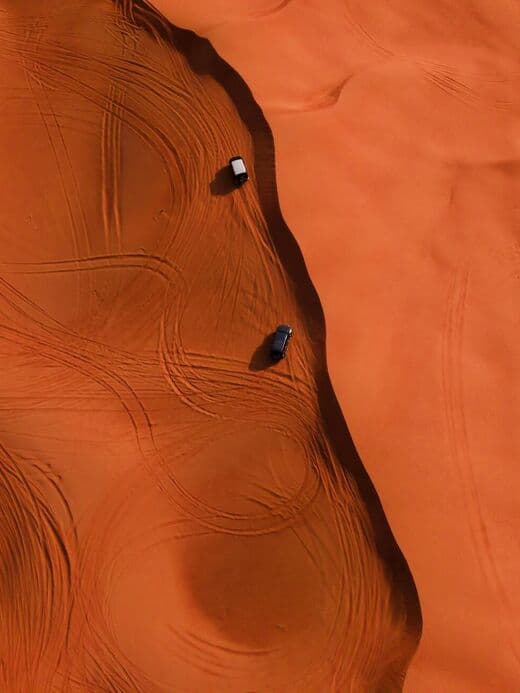
16:00-19:00 - Hidden dunes of Al-Tumamah. Untouched dunes away from noisy quad bike zones. Golden sunsets, complete silence. Take a rug and karak (Arab tea).
19:30-21:30 - Farewell dinner at Najd Village with traditional program: live music, dances, hookah.
Riyadh in 7 days: with surroundings
Days 1-5: As in the 5-day route.
Day 6: Day trip to Al-Ula
Early flight to Al-Ula (1.5 hours flight) or long car ride (4-5 hours). Visit Hegra (UNESCO site, Nabatean tombs), old town of Al-Ula, Elephant Rock. Return in the evening. This is an expensive but worthwhile excursion - flights start from 150 USD round-trip, tours from 250 USD including transport and guide.
Alternative day trip option: Visit the Red Sea coast near Jeddah (1.5 hour flight) for a complete change of scenery from desert to beach. Many travelers combine Riyadh with Jeddah for a more varied Saudi experience.
Day 7: Relax and Shopping
10:00-12:00 - Tuwaiq Palace Garden. Hidden garden path behind the palace with views of Wadi Hanifa.
12:00-14:00 - Lunch at Ba'a Bakehouse coffee shop (Al Rafiah district). Ultra-atmospheric cafe with plant interior and best desserts in the city.
14:00-17:00 - Shopping at Riyadh Park Mall or Nakheel Mall. Souvenirs, dates, spices, traditional goods.
17:00-19:00 - Nabaa Al Diriyah. Spring and park area, perfect for final evening stroll.
19:30-22:00 - Final dinner at Crazy Pizza or Cafe Bouloud for a modern finale to the trip.
Additional tips for itinerary planning: Always check prayer times before heading out, as many attractions close during the five daily prayers. Friday is the main day of worship, so most places do not open until 4-5 PM. Download the Muslim Pro app or check local prayer time websites for accurate schedules. Also, many museums and attractions are closed on Mondays, so plan accordingly.
For families with children, consider adding visits to Al Hokair Land theme park, Winter Wonderland (seasonal, during Riyadh Season), or the National Aquarium. These attractions provide a break from historical sites and keep younger travelers engaged.
Where to eat: restaurants
Riyadh's gastronomic scene is experiencing a boom. Over the past five years, dozens of world-class restaurants have opened, but traditional eateries where locals eat have also been preserved. From street shawarma for 2 USD to dinner at a Michelin-starred restaurant for 200 USD - Riyadh has everything.
Street food and markets
Street food in Riyadh is not just a snack, it is a cultural experience. Vendors cook right before your eyes, the aroma of spices fills the air, and prices are so affordable you can try everything.
What to try:
- Shawarma - marinated meat (chicken, beef, lamb), vegetables and sauces in lavash. Best places: carts on street corners in Olaya and on King Fahd Road. Price: 5-10 riyals (approximately 1.30-2.70 USD).
- Mutabbaq - crispy pancakes with filling: meat with vegetables or sweet with banana and honey. Yemeni origin. Price: 8-15 riyals (approximately 2-4 USD).
- Sambusa (Samosa) - fried pastries with lentils, potatoes, or minced meat. Especially popular during Ramadan. Price: 3-5 riyals per piece.
- Falafel and hummus in lavash - vegetarian option. Price: 10-15 riyals (approximately 2.70-4 USD).
Where to find:
- Souq Al-Zal - one of the oldest markets with historic atmosphere.
- Street corners near Olaya and King Fahd Road - day and evening.
- Ramadan night markets - King Abdullah Park and other locations during the holy month.
- Food trucks in parks - King Abdullah Park, public events.
Tip: Many street vendors do not accept cards - have cash in small bills (5, 10, 20 riyals).
Local eateries
Places where locals eat are small restaurants with menus only in Arabic, plastic chairs, and a queue at the entrance. There is no Instagram design here, but there is the best food in the city.
Ad-Dira district: Streets around Al-Masmak Fortress. Look for restaurants with signs in Arabic and men in traditional clothing inside.
Al-Malqa district: Traditional northern district with dozens of family restaurants.
What to order: Kabsa (rice with meat), jareesh (wheat porridge), mutabbaq, Arabic coffee with dates.
Average bill: 25-50 riyals (approximately 7-13 USD) per person.
Lifehack: Come at lunchtime (1-3 PM) - food is fresh, queue of locals is a sign of quality.
Mid-range restaurants
For a normal dinner without excess, but with comfort.
Najd Village (several locations) - traditional Saudi cuisine in an atmospheric interior with live music and hookah. Ideal for first acquaintance with the cuisine. Average bill: 100-150 riyals (approximately 27-40 USD).
Al Tazaj (chain) - fried chicken and grill at affordable prices. Local analogue of KFC, but tastier. Average bill: 30-50 riyals (approximately 8-13 USD).
Shawerma House - best shawarma in the city in restaurant format. Clean, fast, tasty. Average bill: 25-40 riyals (approximately 7-11 USD).
Al Baik - cult fried chicken chain. Local legends say the recipe is better than KFC. Average bill: 20-35 riyals (approximately 5-9 USD).
Top restaurants
If you want a special dinner.
The Globe (Al Faisaliah Tower, 27th floor) - restaurant with panoramic view of the city. European cuisine with local accents. Reservation needed several days in advance. Average bill: 300-500 riyals (approximately 80-130 USD).
Zuma (Olaya) - Japanese izakaya from world-famous chain. Sushi, grill, sashimi. Reservation mandatory. Average bill: 400-600 riyals (approximately 100-160 USD).
Nomas (Diplomatic Quarter) - modern Arab cuisine with author's approach. One of the best restaurants in the city. Average bill: 350-500 riyals (approximately 90-130 USD).
Kayzo (Diplomatic Quarter) - Japanese-Peruvian fusion (Nikkei). Fresh ingredients, creative presentation. Average bill: 400-550 riyals (approximately 100-145 USD).
Cafe Bouloud (Olaya) - French cuisine from chef Daniel Boulud. Breakfasts, lunches, dinners in an elegant setting. Average bill: 250-400 riyals (approximately 65-105 USD).
Botanica (Olaya) - Mediterranean cuisine with local ingredients. Fresh seafood, vegetables, olive oil. Average bill: 200-350 riyals (approximately 53-93 USD).
LPM Restaurant (Olaya) - French-Mediterranean cuisine, part of the international LPM group. Known for excellent service and refined dishes. Average bill: 400-600 riyals (approximately 105-160 USD).
Tresind Studio - progressive Indian cuisine with tasting menu format. One of the most innovative dining experiences in the city. Average bill: 600-800 riyals (approximately 160-215 USD).
Cafes and breakfasts
Riyadh's coffee culture is one of the most developed in the region. Cafes here are not just places for coffee, but spaces for work, meetings, and relaxation.
Half Million (Olaya) - cult place, named after initial investment of 500,000 riyals. Open 24 hours, affordable prices. Try the falafel bagel and hot chocolate.
Brew92 (Al Narjis) - serious approach to coffee: beans according to Specialty Coffee Association standards, brewing at 92 degrees. Alternative milk for vegans.
Elixir Bunn Coffee Roasters (Al Nakhil) - minimalist deco temple of Saudi coffee, awarded by Architectural Digest for design. Western and eastern blends with cardamom, saffron, ginger.
Good Neighbor (Olaya) - cafe for adults in a parking lot, art atmosphere, records with music. Hard to find a table, but worth waiting.
Ba'a Bakehouse (Al Rafiah) - ultra-atmospheric cafe with plant interior. Best desserts: fudge brownie with cheesecake, rocky road, fruit Danish pastries.
Arwana Artisan Bakehouse (King Salman) - fresh bread (12 plus varieties), breakfasts: Bombay-style eggs, shakshuka, Montreal bagels. Bread basket: 37 riyals (approximately 10 USD).
Urth Caffe (Al Sulaimania) - organic, vegan, and healthy food without artificial ingredients. Californian bohemian cafe since 1989.
Tea and Sesame (Al Wadi) - vintage tea house with black-and-white photographs and old tin boxes. Tea plus bun for less than 1 USD. Sweet milk tea karak, sesame buns.
Natural Life (Hittin) - cafe inside a plant shop. Tables among palms and ferns, pond with carp and turtles. Warm babka bread with Nutella, cinnamon, zaatar.
% Arabica (multiple locations) - Japanese coffee chain known for minimalist design and quality espresso. Perfect for a quick coffee break while shopping.
Starbucks Reserve (Kingdom Centre) - elevated Starbucks experience with exclusive blends and brewing methods. Surprisingly popular among locals for business meetings.
What to try: food
Saudi cuisine is a synthesis of Arab, Persian, Indian, and Yemeni influences, enhanced by local hospitality traditions. Food in Saudi Arabia is not just nutrition, it is a ritual, a sign of respect for the guest.
1. Kabsa
What it is: National dish of Saudi Arabia. Basmati rice cooked with meat (chicken, lamb, camel), spices (cardamom, cloves, cinnamon, black lime), tomatoes, and onions. Served on a large platter, eaten with hands or spoon.
Where to find: Any traditional eatery, Najd Village, restaurants in Al-Malqa.
Price: 25-60 riyals (approximately 7-16 USD) depending on meat.
Lifehack: Ask for daghous (camel) - this is the most traditional and expensive option.
2. Jareesh
What it is: Porridge from crushed wheat, cooked with meat, yogurt, and spices. Consistency between porridge and soup. Traditional dish for breakfast or dinner.
Where to find: Traditional restaurants, Najd Village.
Price: 20-40 riyals (approximately 5-11 USD).
3. Mutabbaq
What it is: Crispy pancakes from thin dough with filling. Salty: minced meat with vegetables and egg. Sweet: banana with honey and cinnamon. Yemeni origin, became a national favorite.
Where to find: Street vendors, Yemeni restaurants.
Price: 8-15 riyals (approximately 2-4 USD).
4. Sambusa
What it is: Deep-fried pastries with filling of lentils, potatoes, minced meat, or cheese. Especially popular during Ramadan, but available year-round.
Where to find: Street vendors, bakeries.
Price: 3-5 riyals per piece.
5. Shawarma
What it is: Marinated meat (chicken, beef, lamb), slowly cooked on a vertical spit, with vegetables and sauces in lavash. Saudi version is less spicy than Levantine.
Where to find: Street carts, Shawerma House, Mama Noura Shawarma.
Price: 5-15 riyals (approximately 1.30-4 USD).
6. Arabic Coffee (Gahwa)
What it is: Traditional coffee with cardamom, sometimes with saffron or cloves. Served in small cups without sugar, with dates. Symbol of hospitality.
Where to find: Any cafe, traditional restaurants, Tomoor AlUla.
Price: 10-25 riyals (approximately 2.70-7 USD).
Lifehack: If you do not want more, shake the cup from side to side.
7. Dates (Tamr)
What it is: Saudi Arabia is one of the largest producers of dates. Varieties: Safawi (dark, sweet), Saggai (semi-dry), Monefi (light). Served with coffee or as a standalone snack.
Where to find: Markets, specialty shops, Tomoor AlUla.
Price: 20-100 riyals per kg (approximately 5-27 USD) depending on variety.
Best varieties to try: Ajwa dates are considered the most premium, often given as gifts. Sukkari dates are incredibly sweet and caramel-like. For a unique experience, try chocolate-covered dates from specialty shops.
8. Tamees Bread
What it is: Thin round bread, cooked in tandoor. Served with ful (bean paste), lentil stew, or honey.
Where to find: Bakeries, traditional breakfasts.
Price: 5-10 riyals (approximately 1.30-2.70 USD).
9. Umm Ali
What it is: Dessert from puff pastry, baked with milk, cream, nuts, and raisins. Served warm. Egyptian origin, popular throughout the region.
Where to find: Restaurants, bakeries.
Price: 15-30 riyals (approximately 4-8 USD).
10. Karak Tea
What it is: Sweet milk tea with cardamom and saffron. Indian influence, popular among migrant workers and locals.
Where to find: Street vendors, tea shops, Tea and Sesame.
Price: 3-10 riyals (approximately 0.80-2.70 USD).
Tourist traps to avoid
- Camel meat in tourist restaurants: Often overdried and overpriced. Better in local eateries.
- Traditional buffets in hotels: Pathetic imitation of local cuisine.
- Expensive restaurants at the airport: Prices 2x, average quality.
Vegetarian options
Vegetarians in Riyadh have it tough: meat is the basis of local cuisine. But options exist:
- Falafel and hummus in lavash
- Sambusa with lentils or potatoes
- Jareesh can be ordered without meat
- Rice with vegetables in Indian restaurants
- Urth Caffe - vegan menu
- Brew92 - alternative milk
Indian and Lebanese restaurants throughout the city offer extensive vegetarian menus. Look for places in Olaya and Tahliya Street for the best variety.
Allergies: what to watch for
- Nuts: Widely used in desserts and rice.
- Dairy: Yogurt and cream often added to rice and soups.
- Gluten: Bread and pastries everywhere, but rice is a safe alternative.
- Spicy: Saudi cuisine is not very spicy, but Yemeni dishes can be.
If you have severe allergies, learn key Arabic phrases or have them written on your phone. Most restaurant staff in upscale establishments speak English and can accommodate dietary restrictions.
Secrets: local tips
Riyadh is a city with rules. Knowing non-obvious nuances will save money, time, and nerves. Here are 15 tips that are not written in guidebooks.
- Prayers close everything: 5 times a day for 30-40 minutes, shops, restaurants, and even some museums close. Plan visits considering prayer times. On Friday, everything is closed until 4-5 PM. Download a prayer times app to stay informed.
- Do not eat near palaces and fortresses: Restaurants within 200 meters of tourist sites are tourist traps with 2x prices and average quality food. Walk 2-3 blocks away - prices are half, food is twice as good.
- Taxi without meter is a red flag: Always insist on turning on the meter or use Uber/Careem. Ride from airport to center should cost 80-120 riyals (approximately 20-32 USD), do not pay more.
- Women: abaya mandatory, hijab optional: By law, foreign women must wear an abaya (long loose dress), but hijab (head covering) is not required. In shopping centers and restaurants, rules are softer. Many young Saudi women now wear colorful abayas or skip them entirely in certain areas.
- Friday is the weekend: Everything is closed until 4-5 PM. Plan attraction visits for other days. On Friday, better to walk in parks or go to the desert. Friday evening is when locals go out, so restaurants are busiest.
- Free Wi-Fi everywhere: Shopping centers, cafes, hotels, parks - Wi-Fi is free and fast. But for reliability, buy an eSIM (Mobily is budget option, STC is premium with full coverage).
- Tips not mandatory but appreciated: 10 percent often included in bill. Additionally, you can leave 5-10 riyals in cafes, 20-50 in restaurants. For exceptional service, 15-20 percent is generous.
- Do not photograph people without permission: Especially women and government buildings. Problems can arise for photographing without permission. Always ask first, especially in traditional markets.
- Alcohol strictly forbidden: No exceptions. Do not try to bring in, do not ask in restaurants. For violation - deportation and prison. This is non-negotiable in Saudi Arabia.
- Air conditioners run at maximum: Even in winter, indoors can be cold. Bring a light jacket even during the day. Many visitors are surprised by how cold malls and offices can be.
- Navigators lie: Google Maps often shows incorrect travel time due to traffic jams and road features. Add 30 percent to the time. Waze app is often more accurate for local conditions.
- Ask locals: Saudis are friendly to tourists and love to help. If looking for the best restaurant or road - ask. Many speak English, especially youth. Young Saudis are often eager to practice English with visitors.
- Weekend is Friday-Saturday: Sunday is a working day. Plan accordingly for business meetings and attraction visits. Many government offices operate Sunday through Thursday only.
- Ramadan changes everything: If visiting during Ramadan, expect reduced hours, no eating in public during daylight, and a completely different atmosphere. Nights are lively with special markets and events, but daytime is very quiet.
- Carry cash for small purchases: While cards are widely accepted, small vendors, traditional markets, and some restaurants prefer or only accept cash. Keep 200-500 riyals in small denominations.
Additional insider knowledge: The best time to visit popular attractions like Al-Masmak Fortress is right at opening time (8 AM) or after 4 PM when tour groups have left. For photography, the golden hour in Riyadh is approximately 5:30-6:30 PM depending on season. Many locals speak excellent English, especially those under 40, so do not hesitate to strike up conversations. Saudis are famously hospitable and may even invite you for coffee or a meal.
For shopping, the best deals are found during the Riyadh Shopping Festival (usually December-January) when malls offer significant discounts. For authentic souvenirs beyond the typical keychains, look for Arabic calligraphy art, high-quality dates in decorative boxes, or traditional Saudi perfumes (oud and bakhoor).
Transport and communication
From airport to center
King Khalid International Airport (RUH) is located 35 km north of the city.
Taxi / Uber / Careem: Most convenient option. Trip takes 35-50 minutes depending on traffic. Price: 80-120 riyals (approximately 20-32 USD). At the airport, food options are limited and retail prices are high - better to eat in the city.
Riyadh Bus: Budget option. Bus number 5 or 6 to center. Price: 10 riyals (approximately 2.70 USD). Travel time: 1-1.5 hours. Operates from 6 AM to 11 PM.
Hotel transfer: Many hotels offer free or paid transfer. Clarify when booking. Luxury hotels often provide complimentary airport pickup for guests booking certain room categories.
Car rental: Available at the airport from major international companies. Rates start from 100 riyals per day (approximately 27 USD). Good option if you plan to explore areas outside the city.
Transport around the city
Metro
Riyadh Metro opened in 2024 and currently does not cover all districts. 3 lines, 86 stations. Price: 8-20 riyals (approximately 2-5 USD) depending on distance. Operates from 6 AM to 11 PM (until 1 AM on weekends). Convenient for trips between center and some districts, but limited for tourists so far. The metro is clean, modern, and air-conditioned, making it a comfortable option for reaching major malls and some attractions.
Buses
Riyadh Bus: More than 2,900 stops, 53 routes (including BRT, public, and feeder lines). Price: 2-10 riyals (approximately 0.50-2.70 USD). Riyadh Bus app for route planning, tracking, and ticket purchase. Convenient for budget travelers, but slow. The BRT (Bus Rapid Transit) lines are faster and more reliable than regular bus routes.
Taxi
Uber / Careem: Most convenient option. Careem is a local Uber analogue, often cheaper. Trip around center: 15-30 riyals (approximately 4-8 USD). Inter-district trips: 40-80 riyals (approximately 11-21 USD). Both apps work reliably throughout the city and drivers generally speak basic English.
Regular taxis: White taxis with orange roof. Always insist on meter. Drivers often try to negotiate a fixed price - this is always more expensive. If a driver refuses to use the meter, simply get out and find another taxi.
Car rental
Rental is possible for tourists with international driving permit. Price: from 100 riyals per day (approximately 27 USD). Parking in center is paid and expensive. Traffic jams during rush hours are serious. Recommended only for experienced drivers. Roads are well-maintained but driving style can be aggressive. GPS navigation is essential.
Internet and communication
SIM card / eSIM
At the airport: STC, Mobily, Zain counters immediately after baggage claim. Tourist package: 10-20 GB for 30 days, price: 100-200 riyals (approximately 27-53 USD).
Mobily: Budget option, good coverage in the city.
STC: Premium, full coverage throughout the country, including desert.
Zain: Middle option, good balance of price and coverage.
eSIM (Airalo): 1-20 GB for 7-30 days, purchase online before trip. Convenient, but more expensive than local operators. Other eSIM providers include Holafly and Nomad, compare prices before purchasing.
Wi-Fi
Free Wi-Fi is available in shopping centers, cafes, hotels, parks, and some public spaces. Quality is good, but for reliability, better to have mobile internet. Many cafes require a purchase to access their Wi-Fi network.
Main apps
- Riyadh Bus: Route planning, bus tracking, ticket purchase.
- Careem: Taxi, food delivery, car rental.
- Uber: Alternative to Careem for taxis.
- TheFork / EatApp: Restaurant table reservations.
- Google Translate: Arabic to English for menus and signs.
- Muslim Pro: Prayer times and Qibla direction.
- Waze: Navigation with real-time traffic updates.
- HungerStation: Local food delivery app with more restaurant options than international apps.
Emergency numbers
911: Unified emergency number (police, ambulance, fire). Operators speak English.
997: Red Crescent (ambulance).
998: Fire department.
999: Police.
For tourist assistance, the Saudi Tourism Authority operates a helpline at 920000990 with English-speaking operators available 24/7.
Conclusions
Riyadh is a city for those seeking not beach rest and not shopping, but immersion in the culture and history of one of the most closed and mysterious regions of the world. This is a destination for curious travelers who want to see a country at a moment of transformation - from a conservative kingdom to a modern Vision 2030 state.
Ideal for:
- History and culture lovers
- Gastronomic travelers
- Photographers and content creators
- Business travelers
- Those who love discovering destinations before they go mainstream
Not the best choice for:
- Nightlife and club lovers
- Those seeking beach rest
- Travelers with very limited budget
- Those uncomfortable with conservative rules
How many days:
- Minimum: 3 days (main attractions)
- Optimum: 5 days (without rush, with Diriyah and desert)
- Maximum: 7 days (with day trip to Al-Ula or other surroundings)
Riyadh in 2026 stands at a fascinating crossroads. The city is rapidly modernizing while attempting to preserve its cultural heritage. For visitors, this means experiencing a destination that feels both ancient and futuristic. The warmth of Saudi hospitality remains unchanged even as gleaming new attractions open regularly. Whether you come for the history, the food, or simply the curiosity of witnessing a society in transformation, Riyadh offers an experience unlike anywhere else on Earth.
Final practical note: Download offline maps before your trip, as data connectivity can be spotty in some areas. Keep your hotel's address and phone number saved in both English and Arabic. And perhaps most importantly, approach your visit with patience and an open mind - the rewards of understanding this complex, rapidly changing city are immense.
Information is current for 2026. Prices are given in Saudi Riyals (SAR) and US Dollars at the rate of approximately 3.75 SAR = 1 USD. Flight prices and hotel rates vary significantly by season and should be verified at time of booking.