Mecca
Mecca 2026: What to Know Before You Go
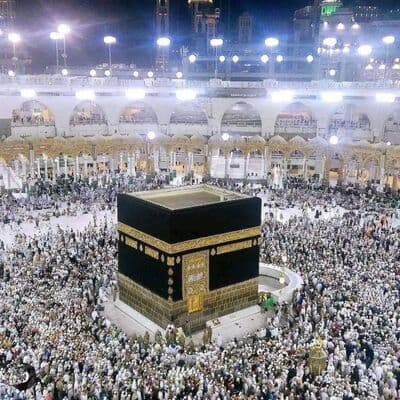
Mecca is a city where time stands still. Here, in the very heart of the Islamic world, millions of pilgrims from every corner of the earth come to the Kaaba - the black cube around which the entire Muslim universe revolves. This is not a tourist destination in the conventional sense: Mecca opens only to Muslims, and everyone who sets foot on its soil becomes part of an ancient ritual repeated for over 1,400 years.
In brief: Mecca is worth visiting to perform Umrah - the minor pilgrimage that can be completed at any time of year. Key sites include the Sacred Mosque (Al-Masjid Al-Haram) with the Kaaba, Mount Arafat where Prophet Muhammad delivered his Farewell Sermon, and the Cave of Hira on Jabal al-Nur - the site of the first revelation. Optimal stay is 5-7 days: 3-4 days for Umrah and ziyarat in Mecca, 2-3 days for Medina.
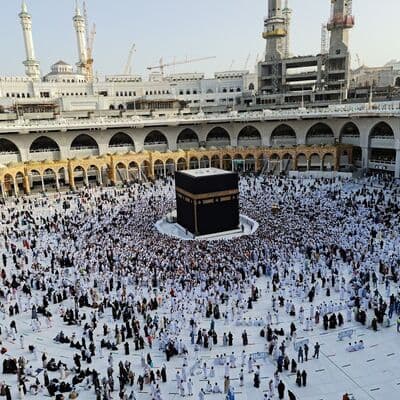
Who is this city for? Muslims only - non-Muslim entry to Mecca is prohibited by Saudi Arabian law. This makes Mecca unique: there are no casual tourists here, every person in the city has one goal - spiritual closeness to Allah. The atmosphere is simultaneously solemn and intimate: millions move in the unified rhythm of tawaf (circumambulation of the Kaaba), yet each person remains alone with their Creator.
Mecca's advantages: unprecedented spiritual atmosphere, modern 2026 infrastructure (air-conditioned walkways, escalators, crowd management apps), excellent hotels right at the Haram, developed transport network, highest-level security.
Mecca's disadvantages: extreme crowds during peak seasons (Ramadan, last 10 days of Dhul-Hijjah), high hotel costs in season ($300 to $2,000 per night), heat reaching 45-50C in summer, strict rules (no photography in mosque, dress code, shop closures for prayer), impossibility of visit for non-Muslims.
Mecca in 2026 balances eternal rituals with modern technology. The Nusuk app is essential for everyone: it is used to book visas, hotels, transport, and even Rawdah visit slots in Medina. AI-powered crowd management systems have reduced waiting times by 30%, but peak periods still require patience and planning.
For first-time visitors from the UK, US, Canada or Australia, understand this: Mecca operates on a different rhythm than Western cities. The day revolves around five prayer times, not business hours. Shops close for 30-40 minutes during each prayer. In Ramadan, everything shuts down during daylight and comes alive after sunset. This is not inconvenience - it is the point. You are coming to a city entirely devoted to worship.
Practical reality check: if you are coming from London, New York, Toronto or Sydney, expect culture shock even if you are a practicing Muslim. The gender segregation, the sheer scale of crowds, the heat, the constant Arabic announcements - it is overwhelming at first. But within 24-48 hours, most pilgrims find their rhythm. The spiritual payoff is beyond anything you can imagine.
Visa-wise, the Umrah visa is straightforward for Western passport holders. UK citizens can get visa on arrival or e-visa. US, Canadian and Australian citizens need to apply through approved travel agents or via the Nusuk platform. Processing typically takes 3-7 days. The visa allows stay up to 90 days and multiple entries. Cost is approximately SAR 300 ($80) including insurance.
Money matters: Saudi Arabia is still largely cash-based for small purchases, though cards work in hotels and larger restaurants. ATMs are everywhere. The currency is Saudi Riyal (SAR), with 1 USD approximately equal to 3.75 SAR. Budget realistically: budget pilgrims can manage on $50-80 per day excluding hotels, mid-range travelers should plan $100-150, luxury pilgrims easily spend $300+.
Language: Arabic is dominant. English is spoken in hotels, major restaurants, and by younger Saudis, but do not expect it everywhere. Download Google Translate with Arabic offline pack before you arrive. Learn basic phrases: "Shukran" (thank you), "Bis-saha" (enjoy your meal), "Kam al-thaman?" (how much?).
Safety: Mecca is exceptionally safe. Violent crime against pilgrims is virtually unknown. The main risks are heat exhaustion, getting separated from your group in crowds, and petty theft from unattended bags. Keep your hotel card with you at all times - the city is a maze and it is easy to get turned around.
Mecca Neighborhoods: Where to Stay
Choosing a neighborhood in Mecca comes down to one primary factor: how close you want to be to the Sacred Mosque (Al-Masjid Al-Haram). Unlike other cities where "neighborhood vibe" matters, here all districts exist to serve pilgrims. But there are nuances: prices, hotel quality, transport access, and quiet for rest.
Al-Haram - At the Kaaba Itself
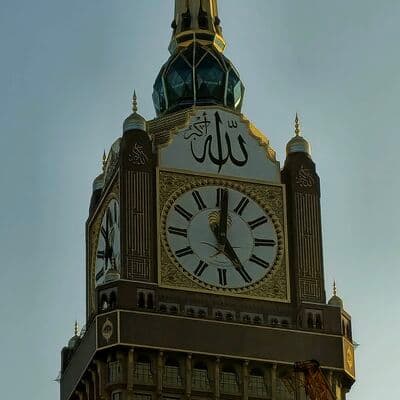
The sacred district surrounding the Sacred Mosque. This is where Mecca's most expensive and prestigious hotels are located, including the Abraj Al Bait towers - one of the world's largest hotel complexes. From some room windows, the Kaaba is visible as if in the palm of your hand.
Best for: pilgrims with unlimited budgets, elderly travelers, families with small children, anyone wanting to minimize walking distance to the mosque.
Atmosphere: 24-hour movement. Even at 3 AM it is crowded - some heading for Fajr prayer, others returning after night tawaf. The hum of air conditioning, voices, hotel carts. This is not a place for quiet rest, but an ideal base for intensive worship.
Advantages: walking distance to mosque (1-5 minutes), highest-level hotels (Swissotel, Pullman, Raffles), air-conditioned walkways to mosque entrances, restaurants and shops within hotels, 24-hour service.
Disadvantages: prices from $400 to $2,000+ per night in season, noisy day and night, crowds in lobbies and elevators, difficult to find taxis - everything is overloaded.
Prices: $$$$ ($400+ in low season, up to $2,000+ in Ramadan and Hajj season)
Nearby: Sacred Mosque (0-5 min), Zamzam Well (inside mosque), Makkah Museum (10 min walk), Abraj Al Bait Mall (in the towers).
Real talk: I stayed at the Swissotel in the Abraj Al Bait complex during Ramadan 2024. Waking up, opening the curtains, and seeing the Kaaba lit up at 4 AM - that moment alone justified the $800 per night. But be prepared: the elevators during peak prayer times can take 15-20 minutes. The breakfast buffet is excellent but chaotic. If you can afford it and this is a once-in-a-lifetime trip, do it. If you are on a budget or planning multiple visits, save your money.
Ajyad - Premium Hotels 10-15 Minutes Away
The district southeast of the Haram, where mid-to-high range hotels cluster. You cannot see the Kaaba from windows here, but the mosque is a 10-15 minute walk or 3 minutes by shuttle.
Best for: pilgrims wanting balance between proximity to the mosque and reasonable prices, families, pilgrim groups.
Atmosphere: calmer than Al-Haram. Streets are wider, there are sidewalks, more local residents. In the evening the district quiets down - everyone is in the mosque or hotels.
Advantages: prices 2-3 times lower than at the Haram, good hotels (Dar Al Tawhid, InterContinental, Pullman Zamzam), free shuttles to the mosque, more restaurants with local cuisine, easier to find taxis.
Disadvantages: 10-15 minute walk in heat can be challenging, shuttles overcrowded during peak hours, fewer luxury options.
Prices: $$$ ($150 to $500 per night)
Nearby: Sacred Mosque (10-15 min walk), Aziziyah district (5 min by taxi), several local Hejazi cuisine restaurants.
Real talk: Ajyad is the sweet spot for most Western pilgrims. I stayed at the InterContinental here - modern rooms, excellent breakfast, shuttle every 30 minutes. The 12-minute walk to the mosque became part of my spiritual routine. Prices were $280 per night in February, which felt reasonable. The neighborhood has actual sidewalks where you can walk without dodging cars. There are proper restaurants where you can sit down for dinner instead of hotel food every night.
Aziziyah - Budget District for Economical Pilgrims
A district 5-7 km from the Haram, popular among pilgrims from South Asia and Indonesia. Predominantly 3-4 star hotels and apartments for large groups.
Best for: budget pilgrims, large groups, those planning to spend only nights at the hotel.
Atmosphere: typical Saudi urban district. Quiet during the day - everyone at work or in the mosque. Streets come alive in the evening: shops, restaurants, families out walking. Less tourist polish, more local life.
Advantages: most affordable prices in Mecca, many restaurants with various cuisines (Indian, Pakistani, Egyptian), easy to find taxis, supermarkets for buying water and snacks.
Disadvantages: far from the mosque (15-20 min by taxi, 40+ min walking), shuttles do not always run on schedule, simpler hotel quality, noisy streets during the day.
Prices: $ ($50 to $150 per night)
Nearby: shopping centers, local restaurants, 10 minutes by taxi to the Al-Handakiya tunnel entrance shortening the route to the Haram.
Real talk: Aziziyah is where I stayed on my second visit when I was traveling with a group of 12 from Birmingham. We rented an entire floor of a guesthouse for $80 per person per night. Yes, the hotel was basic - thin walls, unreliable AC, breakfast was bread and ful every day. But you know what? We were only there to sleep. The money we saved went toward extending our stay by three days. The local Pakistani restaurant downstairs made the best biryani I had outside Lahore. If you are young, fit, and budget-conscious, Aziziyah makes total sense.
Shashiya - Quiet District for Families
A residential district west of the Haram, less known among foreign pilgrims but popular with Saudi families.
Best for: families with children, pilgrims wanting peace and quiet for rest between rituals.
Atmosphere: calm, almost suburban. Few hotels, more apartments and villas. Streets are clean, green plantings, playgrounds.
Advantages: quiet, clean, safe, good apartments with kitchens for families, parks for children, local bakeries and cafes.
Disadvantages: few classic hotels, 15-20 minutes by taxi to the mosque, no shuttles, everything closes early in the evening.
Prices: $$ ($100 to $250 per night for apartments)
Nearby: Al-Shoke Park, several local mosques, supermarkets.
Real talk: Shashiya is a hidden gem for families. I met a British family from Manchester with three kids under 10 who raved about their apartment here. They had a full kitchen, washing machine, two bedrooms. The kids could play in the building's small courtyard without being in crowded spaces. The father said: "We can actually rest here. At the Haram hotels, it is chaos 24/7." The trade-off: you need to taxi everywhere. But for families doing 10+ days, having space to spread out is worth it.
Kuday - New District with Modern Hotels
A district in southwest Mecca where several large hotel complexes have been built in recent years. An emerging area for pilgrims wanting modern comfort at mid-range prices.
Best for: pilgrims who value modern hotels, young families, groups of friends.
Atmosphere: new construction, wide roads, modern buildings. No established atmosphere yet - the district is still developing.
Advantages: new hotels with contemporary design, good roads and parking, air-conditioned bus stops, prices lower than Ajyad.
Disadvantages: few restaurants and shops so far, 15-20 minutes by taxi to the mosque, the district can feel soulless.
Prices: $$ ($120 to $300 per night)
Nearby: new road to Al-Handakiya tunnel, several chain restaurants.
Real talk: Kuday feels like a hotel zone built from scratch. Everything is new, clean, efficient - but there is no character. I stayed here when my usual Ajyad hotel was fully booked. The hotel room was nicer than my InterContinental room, but I felt isolated. No corner shop to grab water at midnight, no local restaurant to try something new. For a short stay focused purely on worship, it works. For experiencing Mecca's texture, look elsewhere.
Misfalah - Old District with Character
A historic district north of the Haram, one of Mecca's oldest. Narrow streets and old buildings remain here, though many have been demolished for new construction.
Best for: pilgrims wanting to feel "old Mecca", photographers (street photography allowed), lovers of authentic atmosphere.
Atmosphere: labyrinth of narrow streets, old houses with wooden balconies (mashrabiya), small mosques, local shops. Here you can still see the Mecca that pilgrims described 50 years ago.
Advantages: authentic atmosphere, close to Haram (5-10 minutes walk), cheap restaurants with local cuisine, interesting photo locations.
Disadvantages: old hotels without elevators and air conditioning, narrow streets inconvenient for luggage, few English speakers, noisy from street traffic.
Prices: $ ($60 to $150 per night)
Nearby: Sacred Mosque (5-10 min), old markets (souq), several historic mosques.
Real talk: Misfalah is where I went to feel connected to the Mecca of my grandfather's stories. The narrow alleys, the old men playing chess outside cafes, the smell of incense and bread - it is the Mecca that exists in photographs from the 1970s. I did not stay here (the hotel rooms are genuinely basic), but I walked through daily. If you want Instagram photos that look different from everyone else's Haram shots, spend an hour here at golden hour. Just be respectful - people live here, this is not a tourist attraction.
Neighborhood Comparison Table
District | To Haram | Prices | Best For | Not Suitable For
Al-Haram | 1-5 min | $$$$ | luxury, elderly, proximity | budget, quiet
Ajyad | 10-15 min | $$$ | price-quality balance | walking in heat
Aziziyah | 15-20 min (taxi) | $ | budget, groups | mosque proximity
Shashiya | 15-20 min (taxi) | $$ | families, quiet | nightlife, shuttles
Kuday | 15-20 min (taxi) | $$ | modern hotels | atmosphere, restaurants
Misfalah | 5-10 min | $ | authenticity, budget | hotel comfort
Important: during peak seasons (Ramadan, Hajj) book hotels at least 3-4 months in advance. In low season (July-August, January-February) good deals can be found 2-3 weeks before travel.
Booking tip for Western travelers: use Booking.com or Agoda for international hotel chains - they have better cancellation policies than local booking sites. For local hotels, the Nusuk app often has exclusive rates. Always check both. Also, many hotels offer free cancellation up to 48-72 hours before check-in - use this flexibility if your plans might change.
What to expect in your room: even 3-star hotels in Mecca are generally clean and functional. Air conditioning is universal (critical in summer). Most rooms have prayer mats, qibla direction indicators, and copies of the Quran. Higher-end hotels offer prayer time alarms, slippers, and complimentary Zamzam water. Wi-Fi quality varies wildly - do not expect Netflix-streaming speeds in budget properties.
Best Time to Visit Mecca
Choosing when to visit Mecca is a compromise between spiritual goals, weather, crowds, and budget. In 2026, the Islamic calendar determines everything: hotel prices during peak periods increase 5-10 times, and mosque crowds become extreme.
Best Months to Visit
January - February 2026 (Jumada al-Akhirah - Rajab)
Ideal time for Umrah. Weather is comfortable: 25-30C during the day, 15-20C at night. Crowds are moderate - no school holidays or major festivals. Hotel prices are average: $150-400 per night depending on district. This is the best choice for a first visit to Mecca.
March - April 2026 (Shaban - beginning of Ramadan)
End of Umrah "high season". March is still relatively calm, but prices and crowds rise sharply by the start of Ramadan (approximately February 18-20, 2026). The last week of Shaban is a good window: spiritual preparation for Ramadan without peak loads.
October - November 2026 (Rabia al-Awwal - Rabia al-Thani)
After Hajj season comes quiet. Weather is still hot (35-40C during the day), but becomes more comfortable by November. Crowds are minimal, prices are low. Excellent time for those wanting to perform Umrah without the rush.
Why January-February works for Western pilgrims: school holidays in many countries mean families can travel together. The weather is genuinely pleasant - I walked from Ajyad to the Haram at 2 PM in late January wearing just a shirt. Compare that to summer when stepping outside feels like opening an oven. Also, post-New Year travel lull means flight prices from London, New York, and Sydney are often at their lowest.
Worst Months to Visit
June - August 2026 (Dhul-Qadah - Dhul-Hijjah)
Extreme heat: 45-50C during the day, 35C at night. Being outdoors is dangerous without protection. Add to this the Hajj season (approximately June 4-9, 2026) - Mecca is overcrowded, prices are maximum, traffic is gridlocked. Only for those performing obligatory Hajj.
Last 10 Days of Ramadan
Peak spiritual season. The mosque is filled 24/7, especially during the last 10 nights (Laylat al-Qadr - Night of Decree). Finding space for tawaf is nearly impossible, hotels cost $1,000-3,000 per night, transport does not run. Only for experienced pilgrims ready for extreme conditions for spiritual rewards.
December 2025 - January 2026 (Jumada al-Ula - Jumada al-Akhirah)
Holiday season for Gulf countries. Saudi families travel domestically, Mecca hotels are full, prices are high. Weather is cool (20-25C during the day), but crowds in the mosque and shopping centers are significant.
Summer reality check: I made the mistake of visiting in July on my third trip, thinking "how bad could it be?" Bad. Really bad. At 3 PM, the temperature outside was 48C according to my phone. The walk from my hotel to the Haram - normally 12 minutes - took 25 because I had to stop in air-conditioned lobbies to cool down. Two people in my group got heat exhaustion. The mosque itself was fine (powerful AC), but everything outside was brutal. Unless you have no other option, do not come in summer.
Festivals and Events 2026
Event | Approximate 2026 Dates | Impact on Travel
Ramadan | February 18 - March 19 | Peak Umrah season. Everything closed during day until sunset, city comes alive at night. Prices 3-5x, extreme crowds.
Eid al-Fitr | March 20-22 | 3 days of celebration after Ramadan. Everything closed, transport not running, mosque overcrowded.
Hajj | June 4-9 | Mecca closed to non-Hajj pilgrims. Regular tourists cannot enter. Maximum prices.
Eid al-Adha | June 9-11 | Festival of Sacrifice, end of Hajj. Holidays, everything closed.
Islamic New Year | June 19-20 | 1 Muharram. Quiet day, mosque moderately filled.
Low Season: When It Is Cheapest
July - August 2026 (after Hajj)
Immediately after Hajj season comes quiet. Heat is extreme, but prices drop 60-70%. $500 hotels cost $150-200. Only suitable if you are prepared for heat and plan to spend all time in the mosque (air-conditioned!).
January - February 2026 (after holidays)
After the New Year rush, prices stabilize. Weather is ideal, crowds are moderate. Best value for money for Umrah.
When to Book in Advance
- 4-6 months ahead: travel during Ramadan, last 10 days of Ramadan, Hajj season (if you have quota).
- 2-3 months ahead: travel in December-January (holiday season), March-April (Shaban).
- 2-4 weeks ahead: travel in low season (July-August, October-November).
Insider tip: if you want to perform Umrah during Ramadan but are not ready for extreme crowds and prices, choose the first week of the month. The spiritual reward is the same, but conditions are tolerable.
Flight booking strategy: for UK travelers, Tuesday and Wednesday flights from London Heathrow and Manchester are often 15-20% cheaper than weekend departures. For US travelers, consider flying via Europe (Turkish Airlines via Istanbul, Lufthansa via Frankfurt) rather than direct Saudi Airlines from JFK - sometimes $200-300 savings. Australian travelers should look at Malaysia Airlines via Kuala Lumpur or Emirates via Dubai - both have good Umrah package deals.
Weather by season at a glance:
- Winter (Dec-Feb): 20-30C day, 12-18C night. Pleasant. Light jacket for early morning.
- Spring (Mar-May): 28-38C day, 18-25C night. Warm to hot. Light clothing.
- Summer (Jun-Aug): 40-50C day, 30-38C night. Extreme. Avoid outdoor activity midday.
- Autumn (Sep-Nov): 32-42C day, 22-30C night. Hot to warm. Improving by November.
Mecca Itinerary: 3 to 7 Days
Mecca is a city for deep immersion, not rushing through attractions. There is no "must-see checklist" here: there are rituals you can repeat endlessly, and historical sites requiring contemplation. Below are three itinerary options for different stay lengths.
Mecca in 3 Days: The Essentials
This itinerary suits those with limited time who want to perform Umrah and see key sites.
Day 1: Arrival and First Umrah
9:00 AM - 12:00 PM - Arrive in Jeddah, transfer to Mecca (1 hour by taxi or shuttle). Check into hotel, rest after the journey.
12:00 - 1:30 PM - Lunch at hotel or in Ajyad district. Light food: salad, chicken, rice. Avoid heavy meals before rituals.
2:00 - 6:00 PM - First Umrah. Put on ihram (men - two white cloths, women - modest clothing). If flying from abroad, it is easier to wear ihram on the plane before landing in Jeddah. In Mecca, head straight to the Sacred Mosque.
6:00 - 7:00 PM - Tawaf: 7 circuits around the Kaaba counter-clockwise. Start at the Black Stone, saying "Bismillahi Allahu Akbar". If the crowd is large, you can perform tawaf on upper levels of the mosque - it is freer there.
7:00 - 8:00 PM - 2 rakat prayer at Maqam Ibrahim (the stone where Prophet Ibrahim stood). If the queue is long, you can pray in any corner of the mosque.
8:00 - 9:00 PM - Sa'i: 7 walks between the hills of Safa and Marwah (about 3.5 km). At each hill, make dua. For elderly and people with limited mobility, there are wheelchairs and volunteer assistance.
9:00 - 10:00 PM - Completing Umrah: men shave heads (halq) or trim hair (taqsir), women cut a small strand. After this, ihram restrictions are lifted.
10:00 PM - Dinner at hotel. Early night - early rise tomorrow.
Day 2: Historical Ziyarat
5:00 - 7:00 AM - Fajr (morning prayer) at the Sacred Mosque. After prayer, stay for dhikr (remembrance of Allah) and Quran reading. Morning hours in the mosque are the most peaceful and spiritual.
7:00 - 8:00 AM - Breakfast at hotel.
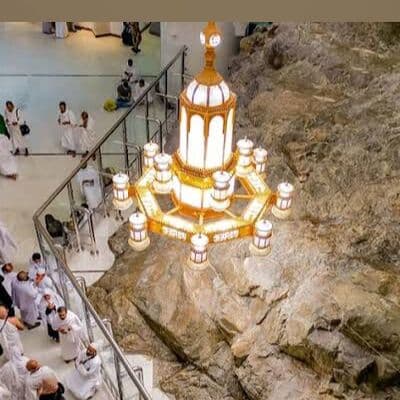
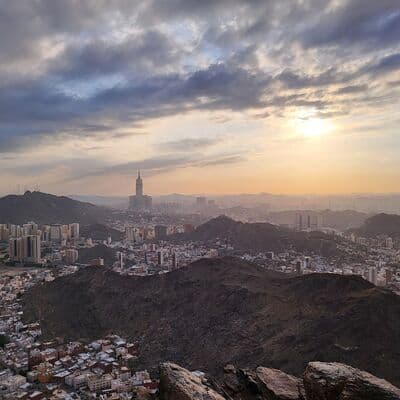
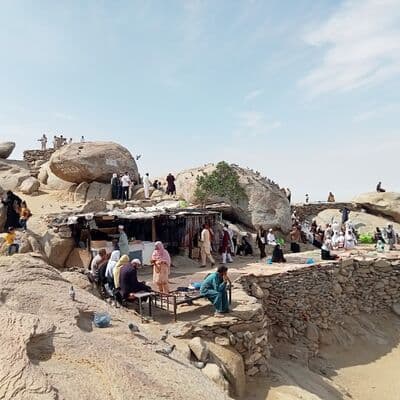
8:30 AM - 12:00 PM - Trip to Jabal al-Nur (Mountain of Light). Climb to the Cave of Hira - where Prophet Muhammad received the first revelation. The climb takes 30-45 minutes on a steep path. You can pray in the cave, but it is small - people enter in turns. Views from the summit are stunning.
12:00 - 1:30 PM - Lunch in the area at the mountain's base. Simple restaurants with Saudi cuisine: kabsa, mandi, grilled chicken.
2:00 - 5:00 PM - Return to hotel for rest. Daytime heat makes walking impossible - use this time for sleep, reading, preparing for evening rituals.
5:00 - 7:00 PM - Asr (afternoon prayer) at the mosque. After prayer, do tawaf - fewer people at this time than during the day.
7:00 - 9:00 PM - Dinner at a restaurant in Ajyad district. Try Hejazi cuisine: balila (spiced chickpeas), ful medames, mutabbak (stuffed pancakes).
9:00 - 11:00 PM - Evening tawaf and prayer. At night the mosque is beautifully lit - a special experience.
Day 3: Farewell Visit
5:00 - 8:00 AM - Fajr at the mosque, final tawaf, dua at the Kaaba.
8:00 - 10:00 AM - Breakfast, hotel checkout.
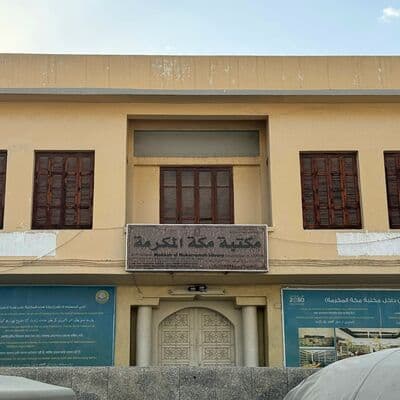
10:00 AM - 12:00 PM - Visit Makkah Library (birthplace of the Prophet). Small museum with exhibits about Mecca's history and the Prophet's life. Free entry.
12:00 - 1:00 PM - Lunch, souvenir shopping (dates, Zamzam water in bottles, prayer beads, books).
1:00 - 2:00 PM - Transfer to Jeddah airport.
Mecca in 5 Days: Without Rush
This itinerary allows performing Umrah, visiting all key ziyarat sites, and spending more time in prayer and reflection.
Day 1: Arrival and First Umrah
As in the 3-day itinerary. After Umrah - early rest.
Day 2: Jabal al-Nur and Cave of Hira
5:00 - 7:00 AM - Fajr at the mosque.
7:00 - 8:00 AM - Breakfast.
8:30 AM - 1:00 PM - Trip to Jabal al-Nur. Climb to Cave of Hira, pray, reflect. Do not rush - spend time in the cave and at the summit.
1:00 - 2:30 PM - Lunch in the mountain area.
3:00 - 5:00 PM - Rest at hotel.
5:00 - 8:00 PM - Asr and evening tawaf at the mosque.
8:00 - 10:00 PM - Dinner at a Hejazi cuisine restaurant.
Day 3: Jabal Thawr and the Cave
5:00 - 7:00 AM - Fajr at the mosque.
7:00 - 8:00 AM - Breakfast.
8:30 AM - 12:00 PM - Trip to Jabal Thawr. Here is the cave where Prophet Muhammad and Abu Bakr hid during the Hijrah (migration from Mecca to Medina). The climb is more challenging than Jabal al-Nur, but views are even more impressive.
12:00 - 1:30 PM - Lunch in the mountain area.
2:00 - 5:00 PM - Rest.
5:00 - 8:00 PM - Tawaf and prayer at the mosque.
8:00 - 10:00 PM - Dinner, walk through Misfalah district (old Mecca).
Day 4: Mina, Arafat, Muzdalifah
8:00 - 9:00 AM - Breakfast, hotel checkout.
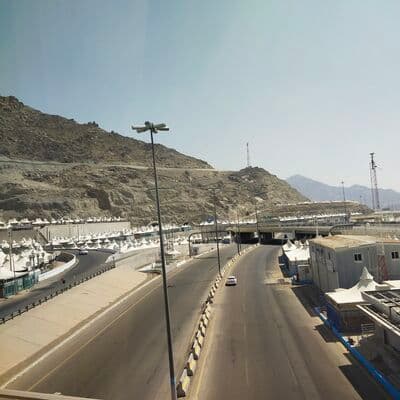
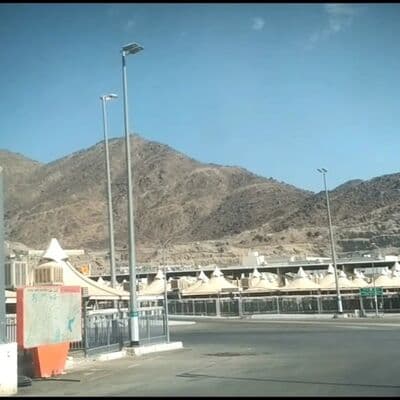
9:00 AM - 12:00 PM - Visit Mina. Tent city where millions of pilgrims stay during Hajj. Al-Baya Mosque, wells. Guide will explain Hajj rituals.
12:00 - 1:00 PM - Lunch in Mina (simple cafeterias for pilgrims).
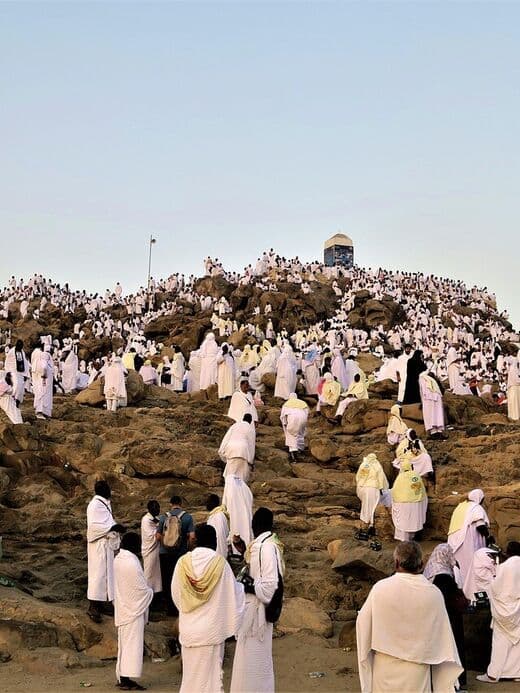
1:00 - 3:00 PM - Trip to Mount Arafat. Where the Prophet delivered the Farewell Sermon. Namira Mosque, memorial pillar. This is where Hajj pilgrims stand in prayer all day - the most important site of Hajj.
3:00 - 4:00 PM - Brief stop in Muzdalifah. Where Hajj pilgrims collect pebbles for stoning the devil. Mosque, open area.
4:00 - 6:00 PM - Return to Mecca.
6:00 - 8:00 PM - Asr at the mosque, tawaf.
8:00 - 10:00 PM - Dinner, rest.
Day 5: Farewell Tawaf and Departure
5:00 - 8:00 AM - Fajr, final tawaf (Tawaf al-Wida - farewell circumambulation). This is sunnah (recommended action) before leaving Mecca.
8:00 - 10:00 AM - Breakfast, checkout.
10:00 AM - 12:00 PM - Visit Jannat al-Mualla cemetery. Many companions of the Prophet and his relatives are buried here, including Khadijah (his first wife). Non-Muslims cannot enter, but for Muslims this is an important ziyarat site.
12:00 - 1:00 PM - Lunch, souvenir shopping.
1:00 - 2:00 PM - Transfer to airport.
Mecca in 7 Days: With Surroundings and Medina
This itinerary includes 4 days in Mecca and 3 days in Medina - the city where the Prophet migrated from Mecca and where his mosque is located.
Days 1-4 in Mecca: as in the 5-day itinerary, but without rushing. Add:
Additional Day 4:
2:00 - 5:00 PM - Visit Jamarat Bridge. Where Hajj pilgrims throw pebbles at three pillars symbolizing Prophet Ibrahim's temptation by the devil. Multi-level bridge accommodating hundreds of thousands of people.
5:00 - 7:00 PM - Return to mosque, prayer.
7:00 - 9:00 PM - Dinner at an international cuisine restaurant (Indian, Turkish, Egyptian - Mecca has many expats).
Day 5: Transfer to Medina
8:00 - 10:00 AM - Breakfast, hotel checkout.
10:00 AM - 1:00 PM - Trip to Medina on Haramain high-speed train (2 hours, about $50) or by bus (4 hours, $20-30). Train is more comfortable, but tickets must be booked in advance via Nusuk app.
1:00 - 2:00 PM - Lunch in Medina, hotel check-in.
2:00 - 4:00 PM - Rest.
4:00 - 7:00 PM - Visit the Prophet's Mosque (Al-Masjid al-Nabawi). Second holiest site in Islam. Here is the tomb of Prophet Muhammad. Prayer in this mosque equals 1,000 prayers in an ordinary mosque.
7:00 - 9:00 PM - Dinner in the area around the mosque.
Day 6: Medina - Ziyarat
5:00 - 7:00 AM - Fajr at the Prophet's Mosque.
7:00 - 8:00 AM - Breakfast.
8:30 AM - 12:00 PM - Visit Mount Uhud. Site of the Battle of Uhud (625 CE). Many companions of the Prophet are buried here, including Hamzah (the Prophet's uncle). Guide will explain the battle's history.
12:00 - 1:30 PM - Lunch in the Uhud area.
2:00 - 5:00 PM - Visit Quba Mosque. First mosque built by the Prophet after migration from Mecca. Prayer here equals Umrah (according to some hadiths).
5:00 - 7:00 PM - Return to Prophet's Mosque, prayer.
7:00 - 9:00 PM - Dinner, walk through Medina markets (buy dates, olive oil, prayer beads).
Day 7: Farewell Medina and Departure
5:00 - 8:00 AM - Fajr at the Prophet's Mosque, farewell prayer.
8:00 - 10:00 AM - Breakfast, checkout.
10:00 AM - 12:00 PM - Visit Jannat al-Baqi Garden. Cemetery where many companions and family of the Prophet are buried.
12:00 - 1:00 PM - Lunch.
1:00 - 2:00 PM - Transfer to Medina airport (direct flights available from Medina to many cities) or return to Jeddah by train (2 hours).
Practical notes for the itinerary:
Walking distances: do not underestimate the physical demands. A full tawaf plus sa'i is approximately 7 kilometers. Add walking to and from your hotel, climbing mountains for ziyarat. I averaged 15,000-20,000 steps per day during my visit. Bring comfortable shoes, stay hydrated, and do not push yourself if you feel exhausted. Allah does not burden a soul beyond what it can bear.
Rest is worship too: I learned this the hard way. On my first visit, I tried to maximize every hour - prayer, tawaf, ziyarat, more prayer. By day 4, I was physically and mentally drained. On my second visit, I built in proper rest periods - afternoon naps, leisurely meals, time just sitting in the hotel room reading Quran. I accomplished more spiritually because I had energy. Do not treat Umrah like a marathon to complete.
Group vs. independent: if this is your first Umrah, consider joining an organized group from your local mosque or Islamic center. They handle logistics, have guides who explain rituals, and provide support. The trade-off: less flexibility, fixed schedule. For repeat pilgrims, independent travel offers freedom to set your own pace. Many Western pilgrims do a hybrid: group for the first Umrah, independent for subsequent visits.
Where to Eat in Mecca: Restaurants and Cafes
Mecca's food scene is not about Michelin-starred restaurants, but about hearty, simple food that gives energy for worship. Hejazi cuisine (regional cuisine of western Saudi Arabia) dominates, but you will also find cuisine from all Muslim countries: India, Pakistan, Egypt, Turkey, Indonesia.
Street Food and Markets
Street food in Mecca is fast, cheap, and authentic. Look for places with queues of locals - that guarantees quality.
Where to find: Misfalah district (old streets around the Haram), Aziziyah district (budget quarters), areas near bus stations.
What to try:
- Shawarma (chicken or beef in lavash with garlic sauce) - 10-15 riyals ($3-4).
- Samosa (fried pastries with meat, cheese, or vegetables) - 3-5 riyals ($1-1.5).
- Ful medames (cooked beans with oil, lemon, and cumin) - 5-8 riyals ($1.5-2).
- Falafel (chickpea balls deep-fried) - 5-10 riyals ($1.5-3).
Average bill: 15-30 riyals ($4-8) per person.
Life hack: best time for street food is after Isha (night prayer), when stalls open and prices are lower. During the day in heat, street food spoils quickly - avoid.
Safety note: I have eaten street food in Mecca dozens of times without issues, but use common sense. Choose stalls with high turnover (food is fresh), avoid anything that has been sitting out in the heat, and stick to cooked items. The shawarma places with vertical rotators are generally safe - the meat is constantly cooking.
Local Eateries
Places where local Saudis and regular pilgrims eat. Menus often only in Arabic, cash payment, minimalist interior. But the food is the best in the city.
Al Qarmoshi (Ajyad district)
Legendary spot with Hejazi cuisine. Simple interior, but always full of locals. Specialties: balila (chickpeas with spices and vinegar), ful medames, ariqa (wheat with dates and ghee).
Prices: 20-40 riyals ($5-10).
Life hack: come before 12:00 or after 2:00 PM - during lunch peak there is a 20-30 minute queue.
Abu Zaid (several branches, best near the Haram)
Chain specializing in breakfasts and Hejazi cuisine. Masoub (banana and bread puree with cream and honey) is their signature dish. Also excellent ariqa and fresh bread.
Prices: 15-35 riyals ($4-9).
Life hack: order the "Hejazi breakfast" - a set of 4-5 dishes to share.
Al Romansiah (Aziziyah district)
Saudi cuisine in simple interior. Kabsa (aromatic rice with meat and spices) and mandi (meat and rice cooked underground) - the best in the city.
Prices: 25-50 riyals ($7-13).
Life hack: order the family set for 3-4 people - cheaper and more variety.
My experience at Al Qarmoshi: I went there after a tip from a Pakistani brother in my hotel. No English menu, no pictures. I pointed at what the table next to me was having. What arrived: warm balila with cumin and lemon, fresh khubz bread, and a small bowl of pickled vegetables. Total cost: 25 riyals ($6.50). The balila was transformative - simple chickpeas but with such depth of flavor from the spices. I went back three more times during that trip. This is the kind of place that does not exist on TripAdvisor but defines a food culture.
Mid-Range Restaurants
For proper dinners in comfortable settings. Air conditioning, English menus, cards accepted.
Al Baik (several branches around the city)
Legendary Saudi fried chicken chain. Local KFC analogue, but tastier and cheaper. Spicy wings, garlic sauce, french fries.
Prices: 20-40 riyals ($5-10).
Life hack: download the Al Baik app - you can order ahead and pick up without queuing.
Al Tazaj (Ajyad district)
Flame-grilled chicken, yellow rice, salad. Simple but tasty food. Portions are large - you can share one dish between two people.
Prices: 25-45 riyals ($7-12).
Oasis Restaurant (near the Haram)
International cuisine: Arabic, Indian, Western. Good choice for groups with different preferences. Air conditioning, mosque views from some windows.
Prices: 40-80 riyals ($10-20).
Life hack: book a table by the window - the view of the mosque at night is stunning.
Al Baik reality check: yes, it is basically Saudi fast food. But for Western pilgrims missing familiar formats after days of Hejazi cuisine, Al Baik hits the spot. The spicy chicken sandwich with extra garlic sauce is my go-to after a long day of tawaf. There is a branch in the Abraj Al Bait mall - convenient if you are staying in the towers. Expect queues during peak meal times, but they move fast.
Top-End Restaurants
For special dinners after days of worship.
Mayara Restaurant (InterContinental, Ajyad district)
Fine dining in luxurious interior. Buffet with international and Arabic dishes. Live entertainment (vocals without instruments), views of Mecca.
Prices: 150-300 riyals ($40-80).
Life hack: book in advance, especially in season. Dress code: modest clothing, ihram not required.
360 Cafe (InterContinental, top floor)
Cafe with panoramic views of Mecca and the mosque. Coffee, desserts, light snacks. Perfect for sunset.
Prices: 50-100 riyals ($13-27).
Life hack: arrive 30 minutes before sunset - the view of the illuminated mosque is priceless.
My 360 Cafe experience: I treated my parents here on their first Umrah. We booked a table for sunset, ordered Arabic coffee, dates, and a mixed dessert platter. As the sun went down and the mosque lights came on, my mother started crying. She said: "In all my 60 years, I never imagined I would see this view." The bill was 280 riyals ($75) - expensive for Saudi Arabia, but for that moment with my parents, worth every riyal. If you can afford it and are traveling with family, consider this splurge.
Cafes and Breakfasts
Coffee culture in Saudi Arabia is well-developed. Locals love gathering in cafes after prayers.
Barn's (several branches)
Saudi coffee chain, Starbucks analogue but with local character. Arabic coffee with cardamom, dates, cheesecakes.
Prices: 15-30 riyals ($4-8).
Costa Coffee (Abraj Al Bait Mall and other locations)
British chain, popular among expats. Standard menu: latte, cappuccino, sandwiches.
Prices: 20-40 riyals ($5-10).
Starbucks (multiple branches)
Familiar brand but with local touches: more date lattes, rose water, cardamom.
Prices: 20-35 riyals ($5-9).
Breakfast life hack: many hotels include breakfast in the rate. If not, go to Abu Zaid or local bakeries (matabbakh) for fresh bread and ful.
Important Dining Nuances in Mecca
- Closure for prayer: all restaurants close for 30-40 minutes during prayer times (5 times daily). Plan visits between prayers.
- Ramadan: everything is closed during the day until sunset. After sunset (iftar) - everything is open until late night.
- Halal: all food in Mecca is halal by definition. No pork, alcohol is legally prohibited.
- Tips: not mandatory, but 5-10% is left in mid-range and high-end restaurants.
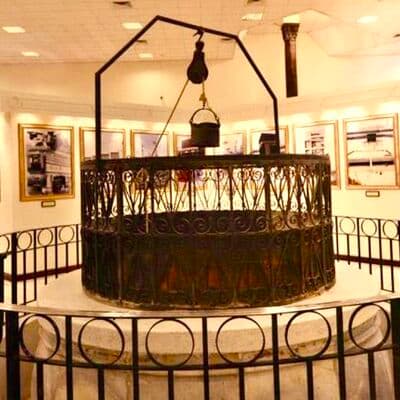
- Water: Zamzam water is available free in the mosque and at special dispensers around the city. Bring your own bottle.
Prayer time planning: download a prayer time app before you arrive. When you hear the adhan (call to prayer), finish your meal quickly - restaurants will stop serving and ask you to leave. I learned this the hard way when I was halfway through my kabsa and the waiter politely but firmly indicated it was time to go. Now I always check prayer times and plan to finish eating 15 minutes before.
What to Try: Mecca Food
Hejazi cuisine is a blend of Arab, African, and Asian influences. Mecca has welcomed pilgrims from around the world for centuries, and each has left a mark on local gastronomy. Here are 10 dishes you must try.
1. Kabsa - the national dish of Saudi Arabia. Aromatic rice cooked with meat (chicken, lamb, or beef), spices (cardamom, cloves, cinnamon, black lime), and tomatoes. Served on a large platter, eaten by hand or with a spoon. Best kabsa at Al Romansiah. Price: 25-50 riyals ($7-13). Life hack: order with chicken - it is more tender.
2. Mandi - of Yemeni origin. Meat (usually lamb or chicken) and rice cooked in a special underground oven (tandoor). The meat is incredibly tender, the rice is infused with juices. Served with spicy tomato-coriander sauce (dakkaus). Best mandi in Aziziyah district. Price: 30-60 riyals ($8-16). Life hack: order for a group - portions are huge.
3. Mutabbak - crispy pancakes with filling. Savory: with minced meat, eggs, onions, and spices. Sweet: with cream, banana, chocolate, or cheese. Street food number one. Price: 5-15 riyals ($1.5-4). Life hack: eat while hot, while it is still crispy.
4. Saleeg - creamy rice cooked with milk and chicken broth. Consistency like risotto, taste is gentle and comforting. "Like warm hugs in a bowl," locals say. Served with chicken or separately as a side dish. Price: 20-40 riyals ($5-10). Life hack: try for breakfast at Abu Zaid.
5. Balila - chickpeas boiled with spices (cumin, coriander, turmeric) and vinegar. Served warm, often with bread. Simple but tasty dish. Price: 10-20 riyals ($3-5). Life hack: best balila at Al Qarmoshi.
6. Ful Medames - slow-cooked fava beans with oil, lemon, cumin, and garlic. Champion's breakfast. Served with bread, eggs, vegetables. Price: 5-15 riyals ($1.5-4). Life hack: order "ful mix" - with egg, cheese, and vegetables.
7. Masoub - banana and bread puree with cream, honey, and sometimes nuts. Sweet breakfast or dessert. Very filling. Price: 10-20 riyals ($3-5). Life hack: try at Abu Zaid - they are masoub masters.
8. Ariqa - traditional dish of wheat, dates, and ghee (clarified butter). Takes a long time to cook, served on holidays and special occasions. Sweet-salty taste, unusual texture. Price: 15-30 riyals ($4-8). Life hack: ask at the restaurant if they have ariqa today - they do not make it every day.
9. Shawarma - though not exclusively Saudi, Mecca's shawarma is special. Chicken or beef marinated in spices, wrapped in lavash with garlic sauce, vegetables, and pickles. Price: 10-20 riyals ($3-5). Life hack: look for places with queues - the meat is fresher there.
10. Arabic Coffee with Cardamom - not strong espresso, but light, aromatic coffee with cardamom, sometimes with saffron. Served in small cups (finjan) with dates. Symbol of hospitality. Price: 5-15 riyals ($1.5-4). Life hack: drink with dates - that is how it is meant to be enjoyed.
What NOT to Try (Tourist Traps)
- Food at mosque entrances: restaurants within 200 meters of the Haram are tourist traps. Prices are 2-3 times higher, food is mediocre. Walk 2-3 blocks away - it will be cheaper and tastier.
- "Buffet for 200 riyals": street touts offer luxurious buffets at low prices. Usually disappointing: food is cold, selection is poor. Check Google reviews before visiting.
- Fresh-squeezed juice on the street: street vendors make fresh juices, but they spoil quickly in the heat. Better to buy bottled juices in shops.
Vegetarian Options
Vegetarians in Mecca have it easier than you might think:
- Ful medames - beans, fully vegan.
- Falafel - chickpeas, vegan.
- Balila - chickpeas, vegan.
- Samosa with cheese or vegetables - vegetarian.
- Rice with vegetables - many restaurants can prepare without meat.
- Salads: tabbouleh, fattoush, Greek salad - everywhere.
- Hummus, baba ganoush, mutabbal - chickpea and eggplant dips.
Life hack: learn the phrase "ana nabati" (I am vegetarian) and "bi-dun lahm" (without meat). This helps in local restaurants.
Allergies: What to Watch For
- Gluten: many wheat-based dishes (bread, mutabbak, ariqa). Rice dishes (kabsa, mandi, saleeg) are safe alternatives.
- Nuts: often used in desserts and some dishes. Ask: "fi hi sukkarat?" (are there nuts?).
- Dairy: abundant in desserts and saleeg. Ask: "fi hi haleeb?" (is there milk?).
- Spicy: dakkus (sauce for mandi) is very spicy. Ask for "mish hina" (not spicy).
My food journey: I am a adventurous eater, and Mecca did not disappoint. The first day, I stuck to familiar things - shawarma, grilled chicken, rice. By day three, I was ordering dishes I could not pronounce. The standout was mandi at a small restaurant in Aziziyah - the lamb was so tender it fell off the bone, and the rice had this smoky depth from the underground cooking. I also developed an addiction to Arabic coffee with cardamom. Back in London, I tried to recreate it - failed completely. There is something about drinking it in Mecca, with the call to prayer echoing in the background, that cannot be replicated.
Mecca Secrets: Local Tips
These tips will save you time, money, and nerves. Some are known only to regular pilgrims and local residents.
- Tawaf on upper levels: if the mosque has extreme crowds (Ramadan, weekends), go to the upper floors. It is freer there, air conditioning works better, and you can do tawaf without pushing. The view of the Kaaba from above is also impressive.
- Zamzam water is free: do not buy bottled water from sellers near the mosque (they are scalpers). Inside the mosque and at special dispensers around the city, Zamzam water is available free. Bring your own bottle and fill up.
- Do not eat at the Haram: restaurants within 200 meters of the Sacred Mosque are tourist traps with prices 2-3 times higher. Walk 2-3 blocks into Ajyad or Misfalah districts - prices are half, food is twice as good.
- Taxis after prayer: immediately after congregational prayer, everyone exits the mosque at once. You cannot find a taxi for 30-40 minutes, private driver prices are 2-3x normal. Solution: wait 20-30 minutes in a cafe or walk 10-15 minutes - taxis will appear.
- Nusuk app is essential: visas, hotels, transport, and even Rawdah visit slots in Medina are booked through it. Without a Nusuk account, you cannot legally enter for Umrah. Download before travel, create an account, link your passport.
- Ihram on the plane: if flying from abroad, put on ihram on the plane before landing in Jeddah. This is more convenient than changing at the airport. Saudi Airlines stewardesses are accustomed to this and will help.
- Free hotel shuttles: many hotels in Ajyad and Aziziyah offer free shuttles to the mosque. Ask when booking. This saves $5-10 on taxi each trip.
- Mosque prayer equals air conditioning: daytime heat is unbearable. Plan activity for early morning and evening. During the day, stay in the mosque (powerful AC) or at the hotel.
- Women: separate entrance: the mosque has separate entrances for women. They are usually less crowded. Women can do tawaf at any time, but better to avoid peak hours (after Fajr and after Maghrib).
- Phone charging: there are many free USB ports for charging in the mosque. Bring your own cable. A power bank is also useful - you will be taking many photos (outside the mosque) and using apps.
- Shoes at the mosque: leave shoes at free cloakrooms at the entrance. You will get a ticket. Do not just leave shoes - they may be taken or lost.
- No photography in the mosque: filming inside the Sacred Mosque is prohibited. Cameras may be confiscated. Photograph only outside and views of the mosque from hotels.
- Best time for photos: sunset and night, when the mosque is illuminated. Views from upper floors of Abraj Al Bait or from 360 Cafe InterContinental are the best.
- Dua at the Kaaba: most valuable time is between adhan (call to prayer) and iqamah (start of prayer). In these 10-15 minutes, duas are accepted with special mercy.
- Do not bring much cash: almost everywhere accepts cards (Visa, Mastercard). American Express works less often. Cash is needed only for street food and small shops.
- Crowd timing: the mosque is least crowded between 10 AM and 2 PM on weekdays. Everyone is at work or school. If you want a more peaceful tawaf experience, aim for this window.
- Elevator strategy: in the Abraj Al Bait towers, elevators are slowest between 6-8 AM and 6-8 PM (peak prayer times). If you need to get down quickly, use the service elevators or stairs for a few floors, then switch.
- Prayer rug storage: if you are staying multiple days, leave a prayer rug in a corner of the mosque (same spot each time). Many regular pilgrims do this. It will likely still be there - people respect others' belongings in the Haram.
- Jet lag management: Saudi Arabia is GMT+3. From the UK, that is only 2-3 hours ahead. From the US East Coast, it is 8 hours ahead. From Australia East Coast, it is 7-8 hours behind. Adjust your sleep schedule gradually before departure if possible. Upon arrival, force yourself to stay awake until local bedtime.
- Meeting point: if traveling with family or a group, establish a specific meeting point in case you get separated. The mosque is massive and mobile phones do not always work inside. We used "the clock tower main entrance at ground level" - specific enough that everyone could find it.
The shoe ticket lesson: on my first visit, I casually left my shoes near the entrance without getting a ticket. When I came out after prayer, they were gone. Not stolen - the mosque staff regularly clears unattended shoes to keep walkways clear. I had to buy new flip-flops from a vendor for 40 riyals. Now I always use the cloakroom and keep the ticket in my phone case. Small thing, but it matters when you are tired after hours of worship.
Transport and Internet in Mecca
Mecca's 2026 transport system is well-developed but has its own characteristics due to the city's pilgrim nature.
From Airport to Center
Jeddah Airport (King Abdulaziz International - JED) - the main airport for arriving in Mecca. Distance to Mecca: 75 km, 1 hour by car.
Option | Time | Price | Comments
Official taxi | 60 min | 150-250 riyals ($40-67) | Booth at airport, fixed price. Reliable but more expensive.
Uber / Careem | 60 min | 120-200 riyals ($32-53) | Cheaper but need to wait for driver. Pickup zone is the parking garage.
Hotel shuttle | 60-90 min | Free or 50-100 riyals | Many 4-5 star hotels offer transfers. Ask when booking.
SAPTCO bus | 90 min | 20-30 riyals ($5-8) | Cheap but slow. Stop at Mecca bus station, then taxi to hotel.
Haramain train | 30 min to Jeddah, then taxi | 80 riyals + taxi | High-speed train to Jeddah, but need taxi to Mecca. Not the most convenient option.
Medina Airport (Prince Mohammad bin Abdulaziz - MED) - if you are starting in Medina. To Mecca: 2 hours by Haramain train or 4 hours by bus.
Transport Around the City
Metro
Mecca has no metro. Main transport is taxis, buses, and shuttles.
Buses
City buses run on main routes, but they are not very convenient for pilgrims: stops are far from hotels, schedules are irregular. Ticket: 2-5 riyals ($0.5-1.5). Pay driver in cash.
Taxis
The main way to get around.
- Official taxi: white cars with yellow stripe. Meter is mandatory, but drivers often offer fixed prices. Average trip around the city: 15-40 riyals ($4-10).
- Uber / Careem: work well, transparent prices. Careem is a regional Uber analogue, often cheaper. Pickup zone: hotels have special zones, at the mosque it is the parking garage.
- Private drivers: unlicensed drivers catching clients near the mosque. Prices are 2-3x inflated, safety not guaranteed. Avoid.
Life hack: after prayer, you cannot find a taxi for 30-40 minutes. Wait in a cafe or walk 10-15 minutes from the mosque - taxis are more available there.
Hotel Shuttles
Many hotels in Ajyad and Aziziyah offer free shuttles to the mosque. Schedule: every 30-60 minutes from early morning to late night. Ask at reception.
Car Rental
Not recommended for pilgrims. Parking at the mosque is paid and always full, traffic is chaotic, navigation is complex. If you still want to: international license is mandatory, price from 150 riyals ($40) per day.
Haramain Train (High-Speed)
Connects Mecca, Jeddah, and Medina. Speed up to 300 km/h.
- Mecca - Jeddah: 30 minutes, 80 riyals ($21).
- Mecca - Medina: 2 hours, 140-200 riyals ($37-53).
- Booking: via Nusuk app or at the station. In season, book 2-3 days ahead.
Internet and Connectivity
SIM Card / eSIM
At Jeddah and Medina airports, free tourist SIM cards (STC or Mobily) are given on arrival. Includes:
- 1 GB data
- 30 minutes of calls
- Valid for 14 days
Extended tariffs:
- STC: 10 GB, 100 minutes - 100 riyals ($27)
- Mobily: 15 GB, unlimited calls within network - 120 riyals ($32)
- Zain: 20 GB, 200 minutes - 150 riyals ($40)
eSIM: not supported by all operators. Better to get a physical SIM at the airport.
Where to buy: operator booths at the airport (immediately after passport control). Passport required.
Wi-Fi
In the mosque: free Wi-Fi "Haramain" without password. Speed is average, but sufficient for messengers.
In hotels: almost all hotels have Wi-Fi. In expensive ones - fast, in budget ones - may lag.
In cafes and restaurants: usually free Wi-Fi is available. Ask staff for password.
Essential Apps (5 Must-Haves)
- Nusuk - essential. Booking visas, hotels, transport, Rawdah slots in Medina, crowd information in the mosque. Without it, you cannot function.
- Uber / Careem - taxis. Careem is often cheaper with more cars. Link your card before travel.
- Google Maps - navigation. Works well, shows traffic, bus routes. Download offline Mecca map.
- Al Haramain - official high-speed train app. Schedule, ticket purchase, train status.
- Google Translate - translation from Arabic. Download Arabic language for offline translation. Camera translator helps in restaurants with Arabic-only menus.
Bonus: "Muslim Pro" or "Athan" app - prayer times, qibla (direction to Mecca), adhan. Useful if you want to pray outside the mosque.
My connectivity experience: I got the STC tourist SIM at Jeddah airport - took about 10 minutes total. The staff spoke decent English and helped set everything up. The 1 GB free data lasted about 4 days with moderate use (maps, WhatsApp, some browsing). I then upgraded to the 10 GB package for 100 riyals, which was more than enough for my 10-day trip. Wi-Fi at the mosque worked fine for sending messages but was too slow for video calls. Hotel Wi-Fi varied - my InterContinental had excellent speeds, my Aziziyah guesthouse struggled with basic browsing.
Careem vs. Uber tip: I used both extensively. Careem consistently had more drivers available and prices about 15% lower. However, Uber's interface is more familiar for Western users. I ended up using Careem for most trips but kept Uber as backup during peak times when Careem surge pricing kicked in.
Final Verdict
Mecca is a city for Muslims seeking spiritual purification and performing Umrah. This is not a tourist destination in the conventional sense: there is no entertainment, no nightlife, no secular attractions. Everything is subordinated to one goal - worship.
Ideal for: practicing Muslims performing Umrah; pilgrims wanting to deepen their faith; those interested in Islamic history and culture; families traveling with spiritual goals.
Not the best choice for: non-Muslims (entry is prohibited); tourists seeking entertainment and nightlife; vegans and vegetarians (though options exist, choices are limited); people with limited mobility (hills, crowds, long walks).
How many days: minimum 3 days (Umrah + main ziyarat), optimum 5-7 days (without rush, with Medina), maximum 10-14 days (for deep immersion and multiple ritual repetitions).
Mecca in 2026 is a modern city with an ancient soul. Technology simplifies logistics, but rituals remain unchanged for 1,400 years. Come with an open heart, patience for crowds, and readiness for spiritual experience - and Mecca will open to you as no other city on earth can.
My final thoughts after three visits: each time I went to Mecca, I expected a different experience. First visit was overwhelming - the scale, the crowds, the emotions. Second visit was more peaceful - I knew what to expect, had my routines. Third visit was the deepest - I stopped trying to do everything and just sat for hours in the mosque, watching the Kaaba, making dua, letting the moment sink in. That is the lesson I would give any Western pilgrim: do not treat Mecca like a checklist. The value is not in how many tawafs you complete or how many historical sites you visit. The value is in the quality of your connection with Allah. Some of my most powerful moments were simply sitting on the marble floor, watching other pilgrims, feeling the unity of the Ummah across all boundaries of race, language, and nationality.
Practical preparation matters - book good hotels, download the apps, learn the rituals beforehand. But spiritual preparation matters more. Come with repentance in your heart, humility in your soul, and openness to transformation. Mecca changes people. It changed me. It will change you too.
Information is accurate for 2026. Prices and schedules may change. Check current information in the Nusuk app before travel.