About
Netherlands: The Complete Travel Guide
Why Visit the Netherlands
The Netherlands is a country of contradictions that somehow work perfectly together. Ancient traditions coexist with avant-garde architecture, conservative values blend with liberal policies, and a landscape flat as a pancake compensates with an extraordinary density of cultural offerings. This is not just the 'land of tulips and windmills' from tourist brochures - it is a living, constantly evolving organism that reveals new layers with every visit.
The Dutch are a nation of traders, sailors, and artists. They reclaimed their land from the sea and learned to value every square meter. This is why everything here is meticulously planned: from the bicycle infrastructure that the whole world envies to the system of dams protecting the country from floods. When you arrive, you enter one of the most organized and comfortable corners of the planet.
The main strength of the Netherlands is concentration. In a country the size of Maryland, you find dozens of world-class museums, architectural masterpieces from the Middle Ages to deconstructivism, one of Europe's best food scenes, and a unique atmosphere of tolerance. Amsterdam with its canals and the Rijksmuseum, Rotterdam with its futuristic architecture, The Hague with royal residences, Delft with its porcelain traditions - each city offers a unique experience.
But the main reason people come here is the sense of freedom. The Netherlands has consistently built a society where everyone can be themselves. People are not judged for their appearance, lifestyle, or beliefs. This atmosphere of acceptance is palpable immediately - in cafes, on streets, in public transport. And it is precisely this that makes traveling through this small country so memorable.
Regions: What to Choose
Randstad: Heart of the Country
The Randstad is the urban agglomeration uniting the four largest cities of the Netherlands: Amsterdam, Rotterdam, The Hague, and Utrecht. Almost half the country's population lives here, the main attractions are concentrated here, and most journeys through the Netherlands begin here.
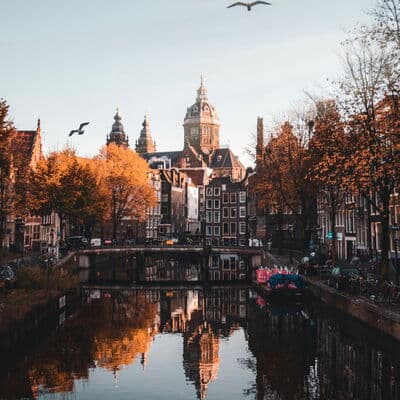
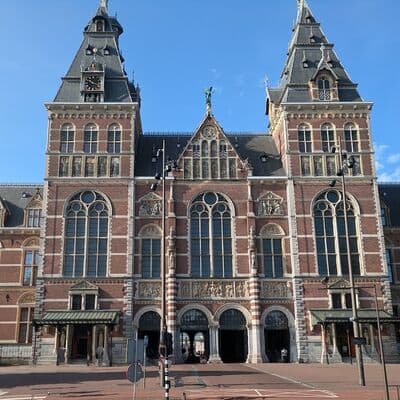
Amsterdam is, of course, the main magnet. A city with 165 canals, 1,281 bridges, and three museums in the world's top 100. The Amsterdam Canals are UNESCO World Heritage, and a boat ride through them is a mandatory ritual for every visitor. The Rijksmuseum houses Rembrandt's 'Night Watch' and 8,000 more masterpieces of the Dutch Golden Age. The Van Gogh Museum has the world's largest collection of the artist's works - over 200 paintings and 500 drawings. And the Anne Frank House receives over a million visitors annually who come to connect with the tragic history of the Holocaust.
But Amsterdam is not just museums. The Jordaan neighborhood with its narrow streets and independent galleries is perfect for leisurely walks. The Nine Streets between canals are paradise for vintage lovers and designer boutiques. Vondelpark is the best place for a picnic on a sunny day. And the Red Light District, whatever your opinion of it, is an integral part of Amsterdam's identity, reflecting the famous Dutch tolerance.
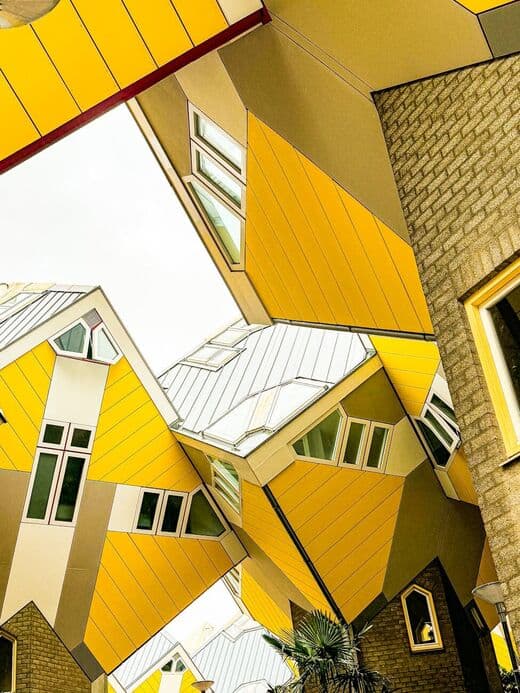
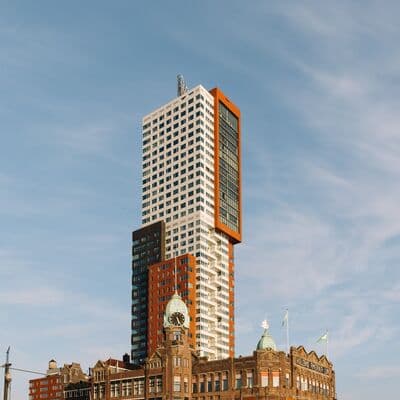
Rotterdam is the polar opposite of Amsterdam. Almost completely destroyed during World War II, it transformed into a testing ground for architectural experiments. Piet Blom's Cube Houses became a city symbol - residential homes tilted at 45 degrees. The Erasmus Bridge, nicknamed 'The Swan' for its elegant curve, connects the northern and southern parts of the city. Markthal is a covered market under a giant arch with a ceiling painted with a digital fresco of fruits and flowers. And the Depot Boijmans Van Beuningen is the world's first fully publicly accessible art storage, where you can see 151,000 artworks.
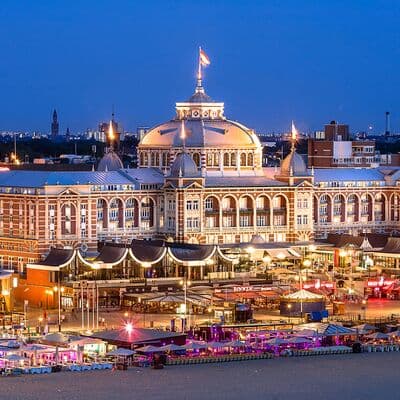
The Hague is the official residence of the royal family and home to international organizations. Here you find the Binnenhof - the Dutch parliament complex existing since the 13th century. The Mauritshuis holds Vermeer's 'Girl with a Pearl Earring' and Rembrandt's 'Anatomy Lesson of Dr. Tulp'. The Peace Palace is headquarters of the International Court of Justice. And the Scheveningen suburb is a popular seaside resort with a wide sandy beach.
Utrecht is a city often underrated. Unfairly so. The Dom Tower at 112 meters is the tallest church tower in the Netherlands, and the views from the top are worth climbing 465 steps. The Oudegracht canal is unique with its two-level embankments: the lower level hosts cafes and restaurants right at the water. The Rietveld Schroder House is an icon of the De Stijl architectural movement and a UNESCO site. Utrecht is a student city with young energy but without tourist crowds.
North Holland Beyond Amsterdam
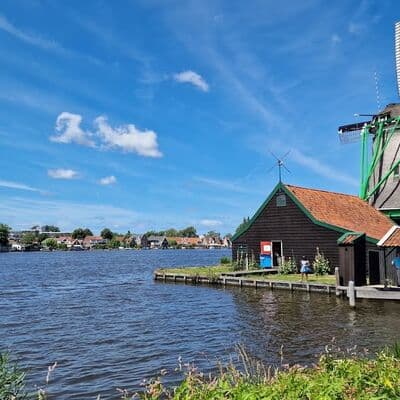
North Holland province is not just Amsterdam. Twenty minutes from the capital lies Zaanse Schans - an open-air museum where you can see the Netherlands as it was 200 years ago. The windmills here are not replicas - they still work, grinding grain, producing paint, and pressing oil. Cheese farms offer tastings of authentic Dutch cheese. And the traditional wooden houses in characteristic green create the perfect photo backdrop.
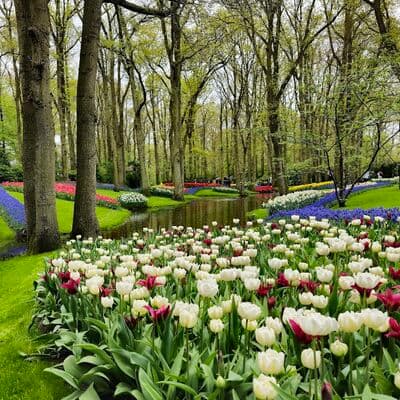
In spring, the region transforms into a flower kingdom. Keukenhof covers 32 hectares of landscaped gardens with 7 million bulb flowers. The Keukenhof Tulip Gardens are open only 8 weeks per year (usually mid-March to mid-May), and each year the compositions are created anew. The Flower Parade Bollenstreek in April is a procession of giant floats decorated with millions of flowers passing through regional towns.
Haarlem is a city often called 'little Amsterdam'. It is more compact, calmer, and cheaper than the capital while retaining all the charm of historic Dutch cities. From here it is 15 minutes to the beaches of Zandvoort, making Haarlem an ideal base for those wanting to combine city and beach holidays.
Alkmaar is famous for its cheese market held every Friday from April to September. Porters in traditional costumes carry giant cheese wheels on wooden stretchers - a spectacle unchanged for centuries. Enkhuizen offers the Zuiderzee open-air museum telling stories of fishing villages before the sea was drained.
South Holland: From Delft to the Islands
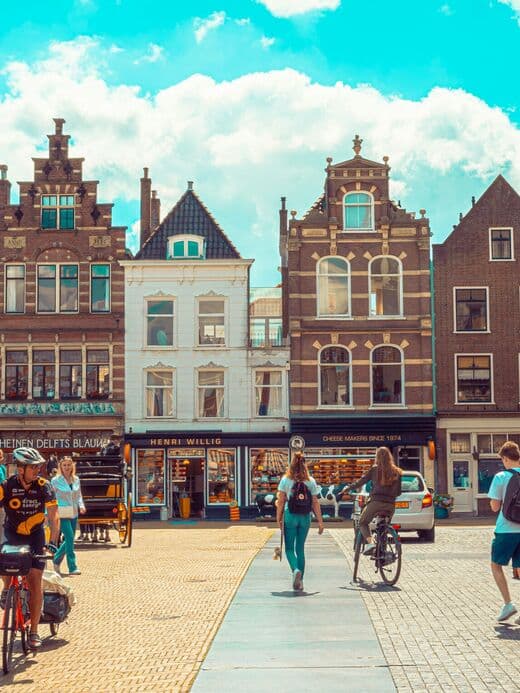
Delft is one of the most photogenic cities in the country. Vermeer was born here, royal family members are buried here, the famous blue-and-white porcelain is made here. The Market Square with the New Church and Town Hall is a postcard picture of Dutch architecture. The Royal Delft Museum lets you see the ceramic creation process and even paint your own plate.
The Museum Prinsenhof occupies the palace where William of Orange - father of the Dutch nation - was assassinated. The bullet holes from the assassin are still visible on the staircase wall. The Vermeer Centrum is dedicated to the life and work of the artist, though original works are scattered in museums worldwide. The Oude Delft Canal is the oldest in the city, and walking along it is the best way to feel the atmosphere.
Leiden is a university town with rich history. Rembrandt studied here, and the Pilgrims sailed from here to America. Leiden University's Botanical Garden is the oldest in the Netherlands, and the city itself is threaded with canals no less than Amsterdam but without tourist crowds. Gouda is famous not only for cheese but also its Gothic town hall, stained glass windows of St. John's Church, and traditional candlelit Christmas market.
The Rhine-Meuse-Scheldt delta in the southwest is a region where humans wage eternal war with the sea. The Delta Works is a grand complex of dams and storm barriers protecting the country from floods - one of the largest engineering projects in human history. The Zeeland islands offer beaches, oyster farms, and the tranquility of provincial Holland.
Brabant and Limburg: Southern Flavor
The southern provinces of the Netherlands differ from the north much like southern Italy differs from the north. Catholicism predominates here, the pace of life is more relaxed, and carnival is celebrated with an exuberance that would surprise Amsterdammers.
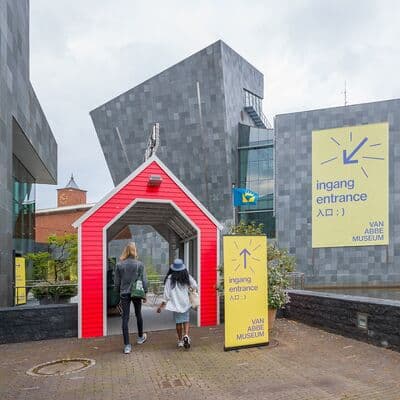
Eindhoven is a city often underestimated. The former Philips headquarters has transformed into a design and technology hub. The Strijp-S district - former Philips factory buildings - is now a creative cluster with galleries, restaurants, and studios. The Van Abbemuseum has one of Europe's best modern art collections. Evoluon is a futuristic flying saucer-shaped building constructed by Philips in 1966.
The Philips Museum tells the story of a company that started making light bulbs and now sets standards in medical technology. The DAF Museum is dedicated to the Dutch automaker known for innovative trucks. The Van Gogh-Roosegaarde Cycle Path near the city glows at night with thousands of lights recreating 'Starry Night'.
Den Bosch ('s-Hertogenbosch) is Hieronymus Bosch's birthplace. The city preserves its medieval layout and the Gothic Cathedral of St. John - one of the country's largest. The underground Binnendieze canals can be explored by boat - a unique experience unavailable elsewhere. Tilburg and Breda are dynamic cities with young populations and active nightlife.
Limburg is the only hilly province of the Netherlands. Here is Vaalserberg - the country's highest point (322 meters). Maastricht is the region's jewel: a city with two thousand years of history, Roman ruins, medieval fortifications, and one of the world's oldest bookstores housed in a former church. The Maastricht Treaty creating the European Union was signed here.
Eastern Provinces: Nature and Tranquility
Gelderland is the largest Dutch province and home to the country's main natural treasure: Hoge Veluwe National Park. 5,500 hectares of forests, heathlands, and sand dunes where deer, mouflon, and wild boar roam freely. At the park's center is the Kroller-Muller Museum with the second-largest Van Gogh collection. Free white bicycles let you explore the park at your own pace.
Arnhem is a city that entered history through Operation Market Garden in 1944. War cemeteries and memorials recall the tragedy of 'A Bridge Too Far'. Nijmegen is the oldest Dutch city, founded by Romans as Noviomagus. Every July the Vierdaagse - a four-day walking march - attracts 50,000 participants.
Overijssel offers unique experiences in Giethoorn - the 'Dutch Venice'. This village has no roads - only canals and pedestrian bridges. You can only get around by boat or on foot. Tourists abound, but the atmosphere remains magical. Zwolle, the provincial capital, delights with its well-preserved historic center and lack of crowds.
Drenthe and Groningen provinces in the northeast are the least populous in the country. Here you find hunebedden - megalithic tombs from the Neolithic era, older than Stonehenge. Groningen is a student city with the country's youngest demographic, vibrant nightlife, and interesting modern architecture.
Friesland: Different Holland
Friesland is the only Dutch province with official bilingualism. Frisian is not a Dutch dialect but a separate language, English's closest relative. Frisians are proud of their identity and preserve traditions long forgotten elsewhere in Holland.
Capital Leeuwarden was European Capital of Culture in 2018. M.C. Escher was born here, and a museum in his honor is a main attraction. The Fries Museum tells of the region's unique culture. Harlingen is an old port town from which ferries depart for the Wadden Islands.
The Wadden Sea is a UNESCO World Heritage Site, the world's largest tidal flat system. Islands Terschelling, Vlieland, and Ameland offer wild beaches, bird sanctuaries, and an edge-of-the-world feeling. Wadlopen - traditional walks across the sea floor during low tide - is a unique Frisian experience.
Elfstedentocht is the legendary skating marathon through 11 Frisian towns covering 200 kilometers. It happens only in winters cold enough to freeze all canals. The last one was in 1997, and every winter the whole country watches forecasts hoping for a new Elfstedentocht.
National Parks and Nature
The Netherlands is one of the world's most densely populated countries, yet nature has found its place here. 21 national parks and hundreds of nature reserves offer landscape diversity: from tidal flats to sand dunes, from peat bogs to heathlands.
Hoge Veluwe National Park is the system's jewel. Beyond natural beauty, it houses the Kroller-Muller Museum with 90 Van Gogh paintings and 180 drawings, plus a magnificent sculpture garden. Park admission is about 12 euros, but it is worth it. White bicycles at entrances are free - you can spend a whole day exploring.
Wadden Sea National Park in the north is where sea and land constantly trade places. Twice daily, tides expose the seafloor for walking. This is a crucial stopover for millions of migratory birds. Seals bask on sandbars. Guided tours offer unforgettable closeness to nature.
De Biesbosch National Park is Europe's largest freshwater tidal area. A labyrinth of islands, channels, and willow forests explored by canoe or kayak. Beavers, returned after centuries of absence, are building dams again. Overnight stays in floating cabins in the park's heart create lasting memories.
Dune reserves along the coast - Schoorl, Kennemerland, Westduinen - protect unique sand dune ecosystems. Orchids bloom here, foxes hunt, and specially released Scottish Highland cattle and Konik ponies maintain the open landscape.
For Americans used to vast wilderness, Dutch nature may seem too 'manicured'. But that is its special character: every piece of land is balanced and considered while remaining alive and wild. This is nature coexisting with 17 million people in an area smaller than Maryland.
When to Visit
The Netherlands is a year-round destination, but each season offers different experiences. Understanding seasonality helps plan your trip according to your interests.
Spring (March-May) is the golden time to visit. This is when tulips, daffodils, and hyacinths bloom, transforming fields around Keukenhof into a colorful sea. Peak bloom falls around mid-April, but exact dates depend on weather. Keukenhof Gardens are open mid-March to mid-May - book tickets in advance, especially for weekends. King's Day on April 27 is the main national holiday when the entire country dresses in orange and celebrates in the streets.
Summer (June-August) is high season with long days (sunset after 10 PM in June), warm weather, and numerous festivals. Amsterdam Pride in early August draws hundreds of thousands of participants. Scheveningen and Zandvoort beaches fill with vacationers. Outdoor cafe terraces stay open late into the night. The downside - this is peak tourist season and popular places are packed. July and August are the rainiest months, though showers are usually brief.
Autumn (September-November) is underrated. September is still warm, tourists fewer, and parks turn gold and crimson. Vondelpark and De Haar Castle are particularly beautiful in these colors. November brings Sinterklaas arrival: St. Nicholas on a white horse with Piet helpers lands at a port city and begins the festive season. Weather turns gray and rainy, but the Dutch compensate with gezelligheid - a special cozy atmosphere in cafes and homes.
Winter (December-February) is time for Christmas markets and ice skating. Canals freeze rarely enough (last time in 2012), but when they do, the entire country takes to the ice. Christmas markets in Maastricht, the Valkenburg caves, and Binnenhof create magical atmosphere. Museums are less crowded, hotels cheaper (except holidays). Downsides - short days (dark by 4:30 PM) and frequent rain.
What to avoid: School holidays (late April, July-August) when prices rise and lines lengthen. Easter weekend at Keukenhof is a nightmare. New Year's Eve in Amsterdam - the city becomes a fireworks war zone.
Getting There
The Netherlands is one of Europe's main transport hubs. Getting here is easy from almost anywhere in the world, and the country's compactness means the airport to any city is no more than a couple of hours.
Amsterdam Schiphol is the main gateway and Europe's fourth-busiest airport. Almost every major world airline flies here. KLM - the national carrier and SkyTeam member - offers convenient connections from numerous cities. From the airport to central Amsterdam is 15-20 minutes by train (5.50 euros one way). Trains run 24/7, hourly at night.
Eindhoven Airport is a budget carrier hub, especially Ryanair and Wizzair. Tickets are often cheaper than to Schiphol, but the airport is in the country's south. To central Eindhoven is 20 minutes by bus. To Amsterdam about 1.5 hours by train.
Rotterdam-The Hague is a small airport with flights mainly from British cities. Convenient if your goal is Rotterdam or The Hague.
For US visitors, multiple daily direct flights connect Amsterdam with New York, Boston, Washington, Chicago, Los Angeles, San Francisco, Atlanta, and other major cities. Flight time from the East Coast is about 7-8 hours. ESTA-style entry is not required for Americans - just a valid passport for stays up to 90 days in the Schengen Area.
For UK visitors, the Eurostar via Brussels takes about 4.5 hours from London St Pancras. Multiple daily flights from London, Manchester, Edinburgh, and regional airports serve Amsterdam and other Dutch cities. Post-Brexit, UK citizens can stay visa-free for up to 90 days in any 180-day period.
Trains connect the Netherlands with all of Europe. Thalys (now part of Eurostar) links Amsterdam with Paris (3h 15min), Brussels (2 hours), and Cologne (2.5 hours). ICE reaches Frankfurt (4 hours). Eurostar via Brussels reaches London in about 4.5 hours. Tickets are cheaper when booked early.
Buses like FlixBus and Eurolines are budget alternatives. From Paris about 6 hours, from Berlin 7 hours, from Brussels 3 hours. Comfort is lower, but prices start from 15-20 euros.
By car - the Netherlands sits at the center of an excellent highway network. From Belgium or Germany, a couple of hours to the border. Note the high parking costs in cities (up to 7 euros per hour in central Amsterdam) and environmental restriction zones.
Getting Around
The Netherlands has some of the world's best transport infrastructure. The country's compactness means anywhere to anywhere takes maximum 3 hours.
Trains (NS) are the backbone of intercity transport. The network covers the entire country, trains run frequently (every 10-30 minutes on main routes) and almost always on time. Train types: Intercity (fast, between major cities), Sprinter (stops everywhere). For payment, use OV-chipkaart or contactless bank card. Single paper tickets cost 1 euro extra per transaction.
OV-chipkaart is the unified transport card for the whole country. Works on trains, trams, buses, and metro. Anonymous cards cost 7.50 euros (non-refundable), reloaded at machines and counters. Tap in and out at turnstiles/validators. For trains, the card needs at least 20 euros balance, for other transport 4 euros. Alternative - contactless payment with bank cards (available almost everywhere since 2023).
Buses complement the rail network, connecting smaller towns and villages. Regional operators (Arriva, Connexxion, Qbuzz) are integrated into the unified system. Schedules at 9292.nl or in the app.
City transport in major cities means trams, buses, and metro. Amsterdam has 4 metro lines and an extensive tram network. Rotterdam has more developed metro. The Hague uses RandstadRail light rail. A 1-hour ticket costs about 3.50 euros, day pass 8-9 euros.
Bicycles are serious transport, not recreation. 22% of all trips in the country are by bike. Infrastructure is ideal: dedicated paths, separate traffic lights, huge parking areas. OV-fiets is the bike rental system at stations (4 euros per day), available to OV-chipkaart holders. Private rentals in cities run 10-15 euros per day. Important: always lock your bike, bicycle theft is a national sport.
Car rental makes sense only for trips to rural areas or if traveling in a large group. In cities, parking is expensive and complicated, public transport is more convenient. Rental companies operate at airports and major stations. International licenses are recognized. Right-hand traffic, strict speed limits (100 km/h on highways, sometimes 120).
Water transport - ferries in Amsterdam (free, across the IJ), tourist boats on canals (15-20 euros), ferries to the Wadden Islands (from 15 euros one way). Canal cruises are a classic tourist experience, but if you prefer, you can rent your own boat without a license (up to 15 km/h).
Cultural Code
The Dutch are among Europe's most direct people. What other cultures might consider rude is called eerlijkheid (honesty) here. If a Dutch person thinks your idea is bad, they will say so directly. Do not take offense - this is a sign of respect, not aggression.
Directness appears everywhere. A waiter will not smile if feeling sad. A colleague will say your presentation is boring. A friend will honestly assess your haircut. For visitors used to polite indirectness, this can be shocking. But there is an upside: you do not need to pretend either, and 'no' means exactly 'no', without offense.
Punctuality is almost religion. Being 5 minutes late requires explanation, 15 minutes requires apology. Meetings are scheduled weeks ahead, spontaneity is not a Dutch trait. If invited to dinner at 7 PM, arrive exactly at 7 PM - not earlier (you will catch the host in a bathrobe) and not later.
Money - the Dutch are known for thriftiness (critics say stinginess). Restaurant bills are split evenly or each person pays for themselves ('going Dutch' is not a stereotype but reality). Giving expensive gifts is not customary - it causes embarrassment. Showing off wealth is bad taste.
Tipping is not obligatory - service is included in prices. But rounding up the bill or 5-10% for good service is appreciated. In taxis, round to the nearest euro. In hotels, 1-2 euros per bag for porters. In cafes, small change in the tip jar by the register.
Gezelligheid is an untranslatable concept meaning coziness, warmth, pleasant company. The Dutch create gezellig everywhere: candles on tables even during the day, curtains open so passersby see cozy interiors, coffee with apple pie in cafes. Being invited to someone's home is a serious sign of affection.
Coffee and koffietijd is a sacred ritual. Around 10-11 AM and 3-4 PM is coffee time. Business meetings pause, offices quiet down. Coffee comes with one cookie (niet te gek - not too much!). Refusing coffee is almost offensive.
Bicycle culture is more than transport, it is a lifestyle. The Prime Minister cycles to work. Mothers carry three children in special cargo bikes. Businesspeople in suits pedal through rain. As a pedestrian, be careful: the bike path is sacred territory, and you will be passed, but with grumbling.
Tolerance is not just a word but state policy. Same-sex marriage has been legal since 2001 - first in the world. Euthanasia and soft drug use are regulated, not prohibited. The Red Light District is a legal zone. But tolerance does not mean anything goes: the Dutch know exactly where boundaries lie.
What annoys the Dutch: Loud conversations on public transport. Not knowing cycling rules. Standing in train doorways. Jokes about 'weed' and 'red lights'. Comparisons with Germans. Calling the country 'Holland' (that is only two provinces).
Safety
The Netherlands is one of Europe's safest countries. Crime rates are low, police are efficient, and streets are calm even at night. But this does not mean you should let your guard down.
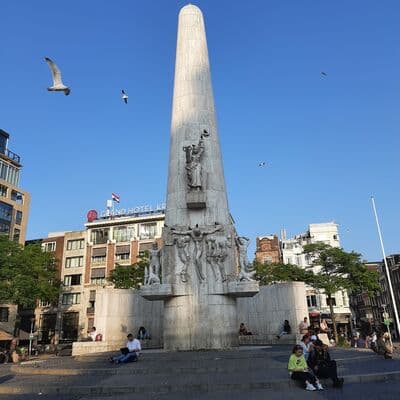
Pickpocketing is the main threat for tourists. Target zones: Amsterdam Central Station, Dam Square, Red Light District, crowded trams. Wear bags in front, do not keep wallets in back pockets, do not leave belongings unattended in cafes.
Bicycle theft is a real problem. Even locked bicycles get stolen, especially at night. Use a quality lock (at least 30 euros), secure to an immovable object through the frame, not just the wheel. Do not leave expensive bikes outside overnight.
The Red Light District is safe regarding violence but full of scammers and pickpockets. Photographing workers is strictly forbidden - this can provoke aggressive reactions from pimps. Do not buy drugs from street dealers - they are often fake, sometimes dangerous. Legal 'coffee shops' are the only safe place to buy marijuana.
Nightlife is generally safe, but be careful with drinks - do not leave them unattended, do not accept treats from strangers. After clubs close (usually 4-5 AM) some areas empty out - better to call a taxi.
Traffic requires attention. Cyclists have priority almost everywhere and will not always yield. Trams in Amsterdam are silent and appear unexpectedly. Scooters may use bike paths. Look both ways, especially when crossing streets.
Water - canals are beautiful but not safe. There are often no railings, falling in is easy, especially at night or when intoxicated. Several people drown every year, usually tourists. Be careful on embankments.
Emergency numbers: 112 (universal), 0900-8844 (police, non-emergency). Police speak English. Without insurance, anyone can go to any hospital, but treatment will be expensive.
Areas requiring caution: In Amsterdam - Bijlmer (southeast), parts of Zuid; in Rotterdam - south of the city; in The Hague - Schilderswijk, Transvaal. These are not 'ghettos' in the American sense, but crime rates are above average. Safe during the day, better avoided at night without necessity.
Health and Medical Care
The Netherlands has one of the world's best healthcare systems. For tourists, it is important to understand how it works and what to do if health problems arise.
Insurance is essential. The Netherlands is expensive for healthcare. A general practitioner visit costs about 50 euros, ambulance call from 500 euros, hospital day from 700 euros. The European Health Insurance Card (EHIC) covers emergency care for EU citizens. Non-EU visitors need travel insurance.
Huisarts (family doctor) is the primary care level. For non-emergencies, you go to them first. Problem: most huisarts do not accept tourists without registration. Alternative - private clinics for expats and tourists: Access Doctor, Lairesse Medical Centre in Amsterdam. Expect 80-150 euros per visit.
Huisartsenpost is the after-hours doctor service (evenings, weekends, holidays). Call the local number (check in advance) or 0900-1515. This is for cases that cannot wait until Monday but do not require ambulance.
Spoedeisende hulp (emergency) - call 112. Ambulances arrive quickly (usually 15 minutes), but the bill comes later. Main hospitals: AMC and VUmc in Amsterdam, Erasmus MC in Rotterdam, UMC in Utrecht.
Pharmacies (Apotheek) typically open until 6 PM on weekdays. Prescription drugs require prescriptions (even antibiotics). Over-the-counter drugs at pharmacies or drugstores (Kruidvat, Etos). Paracetamol and ibuprofen are freely available. Night duty pharmacies exist in major cities - information at apotheek.nl.
Tap water is completely safe and even tasty. The Dutch are proud of it - this is one of the world's cleanest water systems.
Vaccinations are not required for entry. Standard vaccines (tetanus, diphtheria, measles) should be current. Ticks occur in forested areas - Lyme disease risk but low.
Money and Budget
The Netherlands is not a cheap country but not the most expensive in Europe. With reasonable planning, you can travel comfortably without breaking the bank.
Currency is the euro. Exchange offices at airports and in city centers are unfavorable (5-10% commission). Better to withdraw cash from ATMs or pay by card. Visa and Mastercard are accepted almost everywhere. However, many places (especially small shops, markets, coffee shops) only accept Maestro/VPay or cash. Carry some euros.
Approximate prices (2026):
- Coffee in a cafe: 3-4 euros
- Beer in a bar: 4-6 euros
- Lunch in an inexpensive cafe: 12-18 euros
- Dinner in a mid-range restaurant: 25-40 euros per person
- Street food (kibbeling, frikandel): 4-7 euros
- Museum: 15-25 euros (Rijksmuseum 22.50, Van Gogh 22)
- Train Amsterdam-Rotterdam: 17 euros
- Tram/bus: 3-4 euros
- Hostel: 30-60 euros/night
- Mid-range 3* hotel: 100-150 euros/night
- Airbnb in the center: 80-150 euros/night
Budget travel (50-80 euros/day): Hostel or budget Airbnb, some self-catering, free attractions (walks, parks, markets), Museumkaart (70 euros, pays off after 3-4 museums).
Mid-range budget (100-150 euros/day): 3* hotel, breakfast at hotel, lunch in cafe, restaurant dinner, 1-2 museums, excursion or canal cruise.
Comfortable travel (200+ euros/day): 4-5* hotel, taxis, restaurants, private tours, shopping.
Ways to save:
- Museumkaart (70 euros) - entry to 400+ museums for 31 days. Sold at museums. Officially for residents, but tourists can buy.
- I amsterdam City Card (60-125 euros for 24-120 hours) - museums, transport, cruise. Worthwhile for intensive sightseeing.
- Albert Heijn and Jumbo - supermarkets for self-catering. AH To Go at stations - quick sandwiches.
- Free ferries in Amsterdam (across the IJ).
- Free museum entry: Rijksmuseum gardens, EYE Film Museum lobby, OBA library.
Top Itineraries
Classic 7 Days: Main Cities
Day 1: Amsterdam - Arrival and Introduction
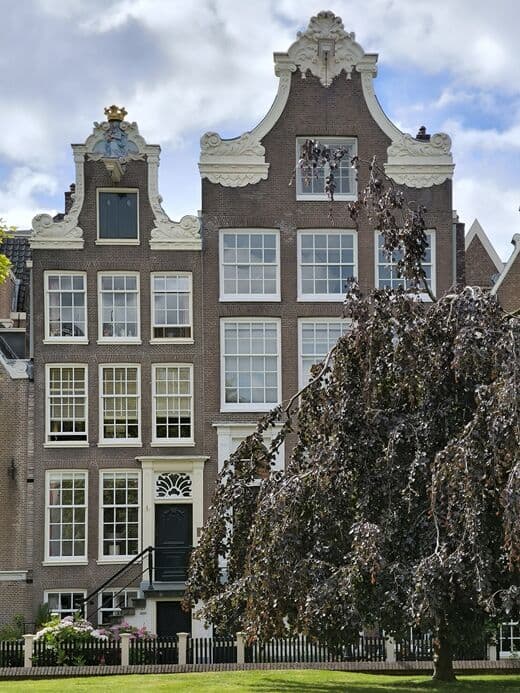
Arrive at Schiphol, transfer to hotel. After settling in, walk through the center. Start at Dam Square - the city's heart with the Royal Palace and New Church. Continue to Begijnhof - a quiet 17th-century courtyard hidden behind an inconspicuous door. Evening - canal cruise (1 hour, ~15 euros), the best way to understand the city's structure. Dinner in De Pijp neighborhood - democratic and gastronomic.
Day 2: Amsterdam - Museums
Morning - Anne Frank House (only with pre-booked online tickets, slots open 6 weeks ahead). Then walk through Jordaan: independent shops, galleries, atmospheric cafes. Lunch at Lindengracht market (Saturday) or neighborhood cafes. Afternoon - Museum Quarter: Rijksmuseum (minimum 2-3 hours for main collection) or Van Gogh Museum. Evening - Vondelpark and dinner in Oud-Zuid.
Day 3: Zaanse Schans and Haarlem
Morning trip to Zaanse Schans (20 min train + 15 min walk). Windmills, cheese farms, traditional houses. 2-3 hours is enough. Afternoon - Haarlem (15 min from Zaanse Schans). Grote Markt square, St. Bavo Church with Mozart's organ, Teylers Museum (Netherlands' oldest museum). Return to Amsterdam evening.
Day 4: The Hague and Delft
Transfer to The Hague (50 min train). Morning - Mauritshuis with 'Girl with a Pearl Earring' (1-2 hours). Binnenhof - historic center of power. Lunch near Plein square. Afternoon - train to Delft (15 min). Market Square, New Church (climb tower for panorama), Royal Delft Museum. Overnight in Delft or return to The Hague.
Day 5: Rotterdam
Transfer to Rotterdam (15 min from Delft). Morning - architectural route: Cube Houses (museum apartment inside), Markthal (breakfast/lunch here), Erasmus Bridge. Then Depot Boijmans or Kunsthal. Evening - Witte de Withstraat (galleries, bars, restaurants) or Euromast at sunset. Overnight Rotterdam.
Day 6: Utrecht
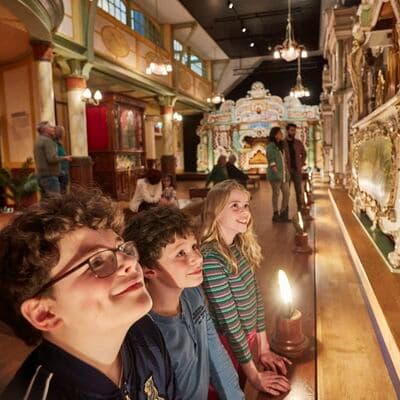
Transfer to Utrecht (40 min). Dom Tower - climb 465 steps for the best view in the country. Oudegracht canal - walk along two-level embankments, coffee in a cellar by the water. Museum Speelklok - musical automatons and barrel organs (surprisingly engaging). Rietveld Schroder House - if interested in avant-garde architecture (tour required). Evening - bars and restaurants along Oudegracht. Overnight Utrecht.
Day 7: Amsterdam - Wrap Up
Return to Amsterdam (30 min). What you missed: Rembrandt House Museum, Flower Market, Albert Cuyp Market, NEMO (especially with kids). Shopping in the Nine Streets. Final dinner in the city. Departure (evening or next day).
Extended 10-Day Route: Adding North and South
Days 1-5: As in 7-day itinerary (Amsterdam, Zaanse Schans, The Hague, Delft, Rotterdam).
Day 6: Kinderdijk and Gouda
From Rotterdam - excursion to Kinderdijk (30 min waterbus): 19 18th-century windmills, UNESCO site. More authentic than Zaanse Schans and less touristy. 2-3 hours for walk and mill visits. Afternoon - Gouda: Gothic town hall, St. John's Church with 70 stained glass windows, cheese shops. Overnight Utrecht.
Day 7: Utrecht and De Haar Castle
Morning in Utrecht: Dom Tower, Centraal Museum (Rietveld works, old masters). Afternoon - De Haar Castle (20 min bus): country's largest castle, 19th-century neo-Gothic restoration, English-style park. Evening in Utrecht.
Day 8: Eindhoven
Transfer to Eindhoven (45 min). City of design and technology. Strijp-S district - former Philips factories, now creative space. Van Abbemuseum - modern art. Philips Museum - company history. Evoluon - 60s architectural icon. Evening - Stratumseind, Netherlands' longest bar street.
Day 9: Maastricht
Transfer to Maastricht (1.5 hours). The country's most 'un-Dutch' city: Roman ruins, medieval fortifications, Burgundian atmosphere. Vrijthof square with St. Servatius Basilica. Dominicanen bookshop in former church. Fort St. Pieter with Maastricht caves (underground limestone quarries). Limburg cuisine - flambeed vlaai (pie). Overnight Maastricht.
Day 10: Return to Amsterdam
Return by train (2.5 hours). Free time or what you missed. Departure.
Two Weeks: Full Immersion
Days 1-7: As in 7-day itinerary.
Day 8: Hoge Veluwe and Arnhem
From Utrecht - trip to Hoge Veluwe National Park (1 hour). Kroller-Muller Museum with Van Gogh collection and sculpture garden. White bicycles for park exploration. Afternoon - Arnhem: John Frost Bridge (that 'bridge too far'), Burgers' Zoo, Netherlands Open Air Museum. Overnight Arnhem.
Day 9: Giethoorn
Transfer to Giethoorn (1.5 hours). 'Dutch Venice' - village without roads, only canals and bridges. Rent a 'whisper boat' (electric, 60 euros/hour) for self-guided exploration. Lunch at waterside restaurant. Tourists abound, but atmosphere remains magical. Evening - Zwolle, provincial capital. Overnight Zwolle or continue.
Day 10: Leeuwarden and Friesland
Transfer to Leeuwarden (1 hour from Zwolle). Friesland capital, European Capital of Culture 2018. Leaning Oldehove tower (more tilted than Pisa), Fries Museum, Escher museum in his childhood home. Frisian cuisine: suikerbrood (sugar bread), beerenburg (herbal liqueur). Overnight Leeuwarden.
Day 11: Wadden Sea and Islands
From Harlingen (30 min from Leeuwarden) - ferry to Terschelling island (2 hours). Wild beaches, dunes, lighthouses, bird sanctuaries. Rent a bicycle for exploration. Or: wadlopen - guided walk across the sea floor at low tide (3-5 hours, book ahead). Return evening to Leeuwarden.
Day 12: Groningen
Transfer to Groningen (1 hour). Country's youngest city (quarter of population are students). Martinitoren tower with panorama. Groninger Museum in Mendini building. Canal walks and bike streets. Nightlife - among the best in the country. Overnight Groningen.
Day 13: Return via Eindhoven and Maastricht
Long transfer south (3 hours to Eindhoven). Strijp-S and Van Abbemuseum. Or direct to Maastricht (4 hours from Groningen). Evening in Maastricht.
Day 14: Wrap Up
Return to Amsterdam (2.5 hours from Maastricht). Departure or final hours in the city.
Connectivity and Internet
The Netherlands is one of the world's most 'connected' countries. Wi-Fi is almost everywhere, mobile coverage is excellent, and you will have no internet problems.
Wi-Fi is free in hotels, cafes, restaurants, malls, libraries, many museums. Quality is usually good. 'Wi-Fi in de trein' network works on NS trains (free).
Mobile service - three main operators: KPN (best coverage), Vodafone, T-Mobile. Tourist SIM cards sold at airports, electronics stores, some supermarkets. Cost: 10-20 euros with 5-10 GB data. Passport required for purchase.
eSIM is a convenient alternative: Airalo, Holafly, Nomad. Buy online, activate on location. Prices comparable to physical SIMs.
EU roaming: If you have a European SIM card, roaming in the Netherlands is included at no extra charge ('Roam like at home' rule). This applies to cards from EU and EEA countries.
Useful apps:
- 9292 - all public transport schedules
- NS - trains, ticket purchase
- Google Maps / Citymapper - navigation
- Buienradar - rain forecast accurate to the minute
- Museums - museum and exhibition information
- Thuisbezorgd - food delivery
- Tikkie - person-to-person transfers (popular among the Dutch)
What to Try
Dutch cuisine is not the first thing that comes to mind for gastronomic tourism. But this is unfair: there are unique dishes worth trying, and the country's multiculturalism means excellent food from around the world.
Traditional Dutch food:
Bitterballen - essential beer companion. Deep-fried balls with ragout filling, crispy outside, creamy inside. Served with mustard. Try at any bruin cafe (traditional brown cafe).
Stroopwafel - thin waffles with caramel syrup inside. Fresh from markets (Albert Cuyp Market, for example) is a completely different experience from factory-made supermarket versions. Place on a coffee cup to let the caramel melt.
Kibbeling - pieces of fried fish (usually cod) with garlic-based sauce. Sold at fish stalls everywhere. Perfect street food.
Haring (herring) - raw, lightly salted, with onion and pickled cucumber. Traditional way: hold by the tail and lower into your mouth. Or ask to have it cut (broodje haring). Nieuwe haring season starts in June - the first barrel sells at auction for thousands of euros.
Erwtensoep / snert - pea soup so thick the spoon stands up. Winter dish with smoked sausage and bacon. Served with roggebrood (rye bread) and katenspek (smoked bacon).
Stamppot - mashed potatoes with vegetables: boerenkool (kale), hutspot (carrots and onions), zuurkool (sauerkraut). Winter comfort food with rookworst (smoked sausage).
Poffertjes - mini pancakes, fluffy and airy, with powdered sugar and butter. Sold at special stalls, especially at fairs.
Cheese - the Netherlands produces 650 million kg of cheese yearly. Gouda (young, aged, old - belegen, oude, overjarig), Edam, Maasdam, goat cheese. Markets in Alkmaar and Gouda offer theatrical shows with tastings.
Regional specialties:
- Limburg: Vlaai (fruit pie), zoervlees (marinated meat with sauce)
- Brabant: Worstenbroodje (sausage roll), Bossche bol (giant chocolate-covered profiterole)
- Friesland: Suikerbrood (sugar bread), beerenburg (herbal liqueur)
- Zeeland: Oysters and mussels, zeeuwse bolus (cinnamon bun)
Colonial heritage:
Indonesian cuisine is perhaps Holland's main gastronomic bonus. Rijsttafel (rice table) - dozens of small dishes: satay, rendang, gado-gado, nasi goreng. Restaurants Tempo Doeloe and Blauw in Amsterdam are excellent choices.
Surinamese cuisine - restaurants in Amsterdam and other cities. Roti (flatbread with curry), pom (chicken casserole), moksi meti (mixed meats).
Coffee and cafes:
The Dutch are among the world's largest coffee consumers. Koffie verkeerd (Dutch-style cafe latte) is the classic choice. Specialty coffee shops have flourished recently: Bocca, Lot Sixty One, Headfirst in Amsterdam. Traditional bruin cafes are for atmosphere and beer, not coffee.
Beer:
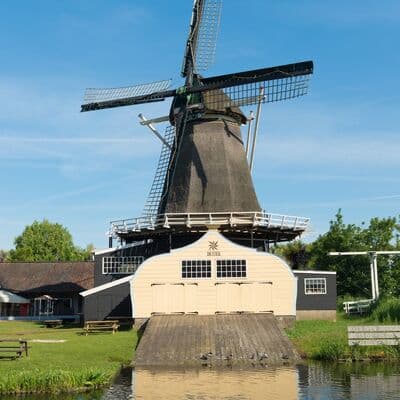
Heineken and Amstel are local but mass-market. The craft revolution has arrived: Oedipus, Brouwerij 't IJ, De Molen. Heineken Experience is an interactive museum with tasting. Brouwerij 't IJ under a windmill is a cult spot for craft.
Shopping
The Netherlands is paradise for certain shopping categories. Knowing what to look for and where makes shopping meaningful and enjoyable.
What to bring home:
Delftware - blue-and-white ceramics with centuries of history. Authentic Delft only from the Royal Delft factory (De Porceleyne Fles, since 1653). Expensive (from 50 euros for a small tile, from 200 for a vase), but an investment. Many fakes - look for the stamp.
Cheese - Gouda in vacuum packaging survives the journey home. At markets and specialty shops (Henri Willig chain) you can taste before buying. Aged cheese (oude, overjarig) has the most intense flavor.
Flower bulbs - only certified bulbs can be legally exported (look for quality mark). Sold at Schiphol Airport and flower markets. Plant in autumn, they bloom in spring.
Stroopwafels - factory-made from supermarkets (Albert Heijn, Jumbo) are good budget souvenirs. Premium versions in specialty shops.
Design - Dutch design is recognizable worldwide. Droog, Moooi, Fatboy are local brands. Shops in Amsterdam and Eindhoven. Prices are high, but these are originals.
Liqueurs - Jenever (gin's ancestor), Beerenburg (Frisian liqueur), Advocaat (egg liqueur). Sold in specialty shops and supermarkets.
Where to shop:
Amsterdam: Nine Streets - vintage, independent designers, boutiques. P.C. Hooftstraat - luxury (Louis Vuitton, Chanel). Kalverstraat - mass market. Flower Market - bulbs and souvenirs. Albert Cuyp Market - everything from clothes to food.
Rotterdam: Markthal - delicacies. Lijnbaan - Europe's first pedestrian shopping street. Witte de Withstraat - galleries and design.
Maastricht: Stokstraat - antiques and boutiques. Dominicanen - bookshop in former church.
Tax Free:
For purchases over 50 euros in one store, you can claim VAT refund (21%). Keep receipts, ask for Tax Free forms. When leaving the EU - customs stamp, refund at airport or by mail. Real savings, especially on expensive purchases.
Opening hours:
Shops usually: Mon 1-6 PM (many closed mornings), Tue-Sat 10 AM-6 PM, Sun 12-5 PM (not everywhere). Thursday is koopavond (shopping evening), many open until 9 PM. Supermarkets: 8 AM-10 PM, some 24/7.
Useful Apps
Several apps will make your trip easier:
Transport:
- 9292 - routes for all public transport. Enter point A and B - get all options with prices and times.
- NS - official railway app. Schedules, tickets, real-time train status.
- GVB - Amsterdam transport (trams, metro, buses, ferries).
- OV-chipkaart - balance check and travel history.
Navigation:
- Google Maps - works great, including public transport.
- Citymapper - alternative for major cities, sometimes more convenient.
- Maps.me - offline maps if no internet.
Weather:
- Buienradar - indispensable in Holland. Rain forecast accurate to 5 minutes for your specific area. The Dutch check before every trip outside.
Museums and attractions:
- MUSEUM - museum and exhibition information, tickets.
- Tiqets - skip-the-line ticket booking.
Food and restaurants:
- TheFork - restaurant reservations, sometimes discounts.
- Thuisbezorgd - food delivery.
- Too Good To Go - discounted food from cafes and shops at day's end.
Bicycles:
- OV-fiets - bike rental at stations for OV-chipkaart holders.
- Donkey Republic - app-based bike rental.
Conclusion
The Netherlands is a country that wins you over gradually. First impressions can be deceiving: gray sky, flat landscape, rain. But the longer you stay, the more layers reveal themselves: the coziness of a bruin cafe on a rainy evening, the freedom of cycling along canals, the joy of unexpectedly encountering a Vermeer masterpiece, the taste of fresh stroopwafel at a market.
This is a country that can teach much. Space organization, when 17 million people live comfortably in an area smaller than Maryland. Tolerance, when different lifestyles peacefully coexist. Practicality, when problems are solved, not debated. Enjoying the moment, when gezelligheid matters more than ambition.
For American visitors, the Netherlands offers an accessible European experience - English is widely spoken, distances are short, and the country packs incredible diversity into a small space. Amsterdam remains beautiful with its canals and museums. Rotterdam still amazes with architecture. The Keukenhof tulips still bloom every spring. And Dutch hospitality - reserved at first glance - remains genuine.
Plan at least a week, preferably two. Do not try to cover everything - better fewer places, but deeper. Rent a bicycle for at least a day. Try haring, even if you do not like raw fish. Enter a bruin cafe and order bitterballen with beer. Stand before 'The Night Watch' as long as you want. Walk in the rain - the Dutch do it every day. And you will understand why this small country by the North Sea has remained one of the world's most interesting places for centuries.
Information current as of 2026. Check visa requirements and prices before your trip.