About
Ireland: The Complete Travel Guide for Independent Travelers
Why Visit Ireland
Ireland is not just an island on the edge of Europe with green hills and pubs. It is a country that manages to be ancient and modern, wild and cozy, melancholic and joyful all at once. Here you can spend your morning wandering through the ruins of a sixth-century monastery, have lunch at a Michelin-starred restaurant, and spend your evening listening to live traditional music in a village pub, all within a fifty-kilometer radius. That combination of timeless heritage and contemporary vitality is what makes Ireland such a compelling destination.
The greatest strength of Ireland lies in its compactness. In two weeks, you can drive around the entire island and witness an astonishing diversity of landscapes: from the dramatic cliffs of the Atlantic coast to the gentle pastoral scenery of the central counties, from the lunar landscapes of the Burren to the lake valleys of Killarney. Yet nowhere will you feel like a tourist on a conveyor belt. Even in high season, there is a sense of authenticity and human scale that larger destinations struggle to maintain. The roads wind through villages where time seems to move differently, where shopkeepers know their customers by name and sheep have the right of way.
The Irish people are one of the main reasons to come here. This is not a marketing cliche about friendliness: locals genuinely love to talk with strangers, help with directions, recommend the best pub in the area. The concept of craic (pronounced crack) is a particular Irish joy, an atmosphere of good company that permeates the entire culture. In a pub, you might find yourself sitting next to a farmer, a professor, and a rock musician, and after an hour you will feel like old friends. This social warmth is not performative; it is deeply embedded in Irish culture, a legacy of centuries of community bonds and storytelling traditions.
Ireland is perfect for those who love active recreation without extreme sports. There are hundreds of hiking trails of varying difficulty, excellent conditions for golf (over 400 courses across the island, many of them world-renowned links courses that attract professionals and amateurs alike), surfing on the west coast where Atlantic swells create perfect breaks, kayaking through sheltered bays and along dramatic coastlines, and fishing in rivers and lakes that have attracted anglers for generations. The infrastructure is excellent everywhere: even in the most remote areas, you will find a cozy bed and breakfast with a hot shower and a full Irish breakfast in the morning.
For history enthusiasts, Ireland offers an embarrassment of riches spanning over five thousand years of human settlement. Neolithic tombs like Newgrange predate the Egyptian pyramids by centuries. Early Christian monasteries dot the landscape, their round towers and high crosses standing as monuments to Ireland's role as a center of learning during Europe's Dark Ages. Medieval castles, both ruined and restored, tell stories of conquest and resistance. The Georgian architecture of Dublin speaks to a more recent but equally fascinating period. And everywhere, you will encounter the living memory of more recent history: the Great Famine, the struggle for independence, the troubles in the North, all of which have shaped the Ireland you will experience today.
The cultural scene punches far above Ireland's weight class. This small island has produced four Nobel laureates in literature (Yeats, Shaw, Beckett, Heaney), and the tradition continues with contemporary writers, musicians, and artists who draw global attention. Music is everywhere, from spontaneous sessions in pubs to world-class festivals. Theater thrives in Dublin and beyond. The film industry has grown significantly, with Ireland serving as both a backdrop and a creative hub. You will find that culture here is not confined to museums and concert halls; it lives in conversations, in pub sessions, in the stories people tell.
Regions of Ireland: Which One to Choose
Dublin and the East Coast
Dublin is the capital and largest city of the country, home to about a third of the Republic's population. It is a city with a thousand years of history that nonetheless feels young and dynamic, thanks to a powerful tech sector (European headquarters of Google, Facebook, Apple, and many other companies are located here) and a large student population from two major universities and numerous colleges. The city straddles the River Liffey, with distinct characters on its north and south sides, each with its own partisans who will argue their case in any pub.
The historic center of Dublin is compact and perfect for walking. Trinity College is one of the oldest universities in the world, founded by Elizabeth I in 1592 as a center of Protestant learning. Here you will find the Book of Kells, an illuminated manuscript from the ninth century that represents one of the greatest treasures of medieval art. The intricate Celtic knotwork and vibrant colors remain astonishing after twelve centuries. The college's Old Library with its famous Long Room is itself a destination, its barrel-vaulted ceiling and ancient books inspiring the creators of Harry Potter's Hogwarts library. Book your tickets online in advance, especially during summer when lines can stretch for hours. The college grounds are open to all and make for a pleasant stroll, with students lounging on lawns between classes and cricket matches on the playing fields.
Dublin Castle served as the seat of British rule in Ireland for seven centuries, from the Anglo-Norman invasion until Irish independence in 1922. Today it hosts state receptions and presidential inaugurations. You can visit the State Apartments with their impressive Georgian and Victorian interiors, seeing the rooms where British viceroys once held court and where modern Irish presidents now receive foreign dignitaries. In the undercroft, remains of a Viking fortress from the tenth century have been excavated, a reminder that Dublin was founded by Scandinavian settlers who established a trading post on the Liffey. The Chester Beatty Library, located in the castle grounds, houses one of the world's finest collections of manuscripts, rare books, and decorative arts from around the world, admission is free, and it is consistently rated among Europe's best museums.
St. Patrick's Cathedral is the largest cathedral in Ireland, founded in 1191 on a site where St. Patrick himself is said to have baptized converts in the fifth century. Jonathan Swift, author of Gulliver's Travels, served as Dean here for over thirty years, and his tomb lies inside the cathedral. Swift's bitter satires and his genuine concern for the Irish poor, manifested in his "Modest Proposal" and his charitable work, make his legacy complex and fascinating. Christ Church Cathedral is even older, standing on the site of a wooden church built by Viking king Sitric Silkenbeard in 1028. Both cathedrals belong to the Church of Ireland rather than the Catholic Church, a historical quirk resulting from the Reformation. There is a friendly rivalry between them for the title of Dublin's principal cathedral, and both are worth visiting. Christ Church has a fascinating crypt, the largest in Ireland, containing medieval artifacts and the mummified remains of a cat and rat, nicknamed Tom and Jerry, who became trapped in an organ pipe centuries ago.
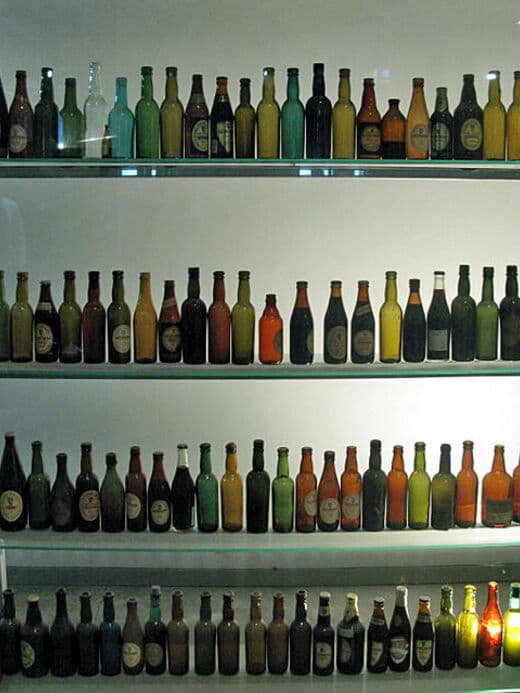
Guinness Storehouse is the most visited attraction in Ireland, and for good reason. This is not just a beer museum but rather seven floors of interactive exhibitions about the history of the brand, the brewing process, and iconic advertising campaigns that have made Guinness a global phenomenon. Arthur Guinness signed a 9,000-year lease on the property in 1759, an act of remarkable optimism that has proven prescient. You will learn about the brewing process, the importance of the distinctive dark color and creamy head, and the marketing genius that made the brand famous worldwide. On the top floor, the Gravity Bar offers panoramic views of the city where you will receive a complimentary pint included in your ticket price. The experience of pulling your own perfect pint in the brewery is popular; book that upgrade in advance. Arrive early in the morning or before closing to avoid the biggest crowds.
Kilmainham Gaol is a former prison that has become a symbol of Irish struggle for independence. Here the leaders of the Easter Rising of 1916 were executed, their deaths transforming public opinion and ultimately leading to independence. Here sat all the major figures of the liberation movement, from Robert Emmet to Charles Stewart Parnell to the republican leaders who would later govern the Free State. A guided tour is mandatory and unforgettable: the guides tell poignant stories with a skill that stays with you long after you leave. The execution yard, the tiny cells, the Victorian design meant to reform prisoners through isolation and reflection, all contribute to an experience both educational and deeply moving. Book tickets several weeks in advance, this is one of the most in-demand attractions in the country and frequently sells out.
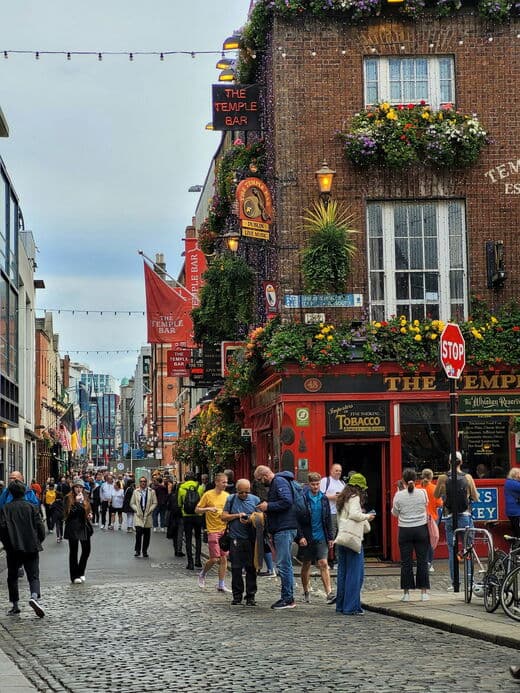
Temple Bar is the cultural quarter on the south bank of the Liffey. During the day, it is a district of galleries, theaters, independent shops, vintage stores, and cultural centers including the Irish Film Institute and the Gallery of Photography. At night, it transforms into the epicenter of Dublin nightlife, with pubs and clubs packed with revelers. Prices in the bars here are higher than anywhere else in the city, and there are more tourists than locals, but the atmosphere is still electric. A practical tip: pubs slightly away from the main streets (try Dame Lane or South William Street) offer the same craic at more reasonable prices. The cobblestone streets and colorful shopfronts make it photogenic at any time of day.
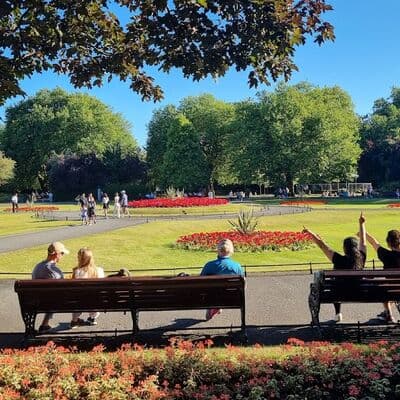
Grafton Street is the main shopping artery of the city, a pedestrianized street running from Trinity College to St. Stephen's Green. Here you will find the best street musicians (Ed Sheeran famously busked here before becoming famous), classic department stores like Brown Thomas, and cafes perfect for people-watching. The street has been a commercial center for centuries, though its current pedestrianized form dates only to the 1980s. St. Stephen's Green is an oasis of calm in the city center, a Victorian park with a lake, statues, formal gardens, and lawns for picnics. The park was originally a common where public executions took place; its transformation into a public garden in 1880 was largely funded by Lord Ardilaun, a member of the Guinness family.
Phoenix Park is one of the largest enclosed urban parks in Europe, seven times larger than Central Park in New York. It was originally established as a royal hunting ground, and a herd of fallow deer still roams free, often visible grazing near the roads that wind through the park. Within the park you will find the official residence of the President of Ireland, the Dublin Zoo (one of the oldest in the world, founded in 1831), a Victorian flower garden, sports fields, and woodland walks. It is an excellent place for morning jogging or cycling; bicycles can be rented at the entrance.
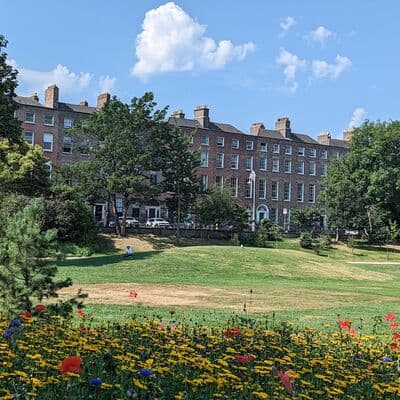
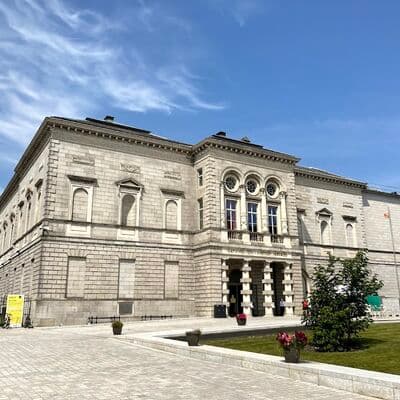
Merrion Square is one of the finest examples of Georgian architecture in Dublin. Around the square are rows of eighteenth-century townhouses with characteristic colorful doors, each one unique, a tradition said to have started when one homeowner wanted to distinguish his house from his neighbors. At number one lived Oscar Wilde, and his statue reclines in the park across the street, lounging on a rock in a characteristically languid and ironic pose. Nearby is the National Gallery of Ireland with free admission and an excellent collection of European painting, including works by Vermeer, Caravaggio, and a particularly strong Irish collection.
EPIC The Irish Emigration Museum is a modern interactive museum telling the story of the Irish diaspora. More than ten million people left the island over the last three centuries, driven by famine, poverty, and lack of opportunity. Their descendants now live around the world, with an estimated seventy million people claiming Irish heritage, many of them in the United States, United Kingdom, Canada, and Australia. The museum uses cutting-edge technology and personal stories to tell this epic saga, allowing visitors to trace their own connections to Irish emigration.
Jameson Distillery Bow Street is an alternative to Guinness for those who prefer spirits. Here you can learn about the production of Irish whiskey, which differs from Scotch in its triple distillation process that produces a smoother taste, try different varieties in guided tastings, and even blend your own whiskey to take home. Jameson is the best-selling Irish whiskey in the world, and the tour explains its history and production methods with engaging storytelling.
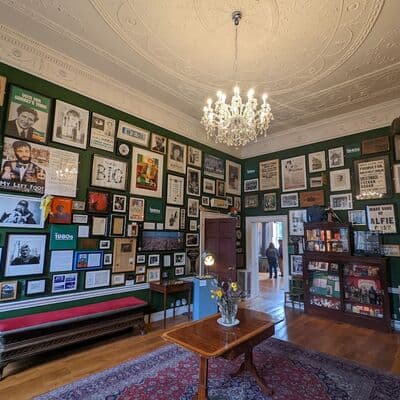
The Little Museum of Dublin is a gem assembled by enthusiasts. The collection of twentieth-century artifacts in a Georgian townhouse tells the story of the city through everyday objects: signs, posters, photographs, furniture, memorabilia from U2 and other Dublin musicians, and quirky items donated by local residents. Tours are led by passionate guides who bring each exhibit to life with stories and anecdotes that you will not find in any guidebook.
GPO Witness History is a museum in the General Post Office building, headquarters of the Easter Rising of 1916. Interactive exhibitions immerse you in the events that changed Ireland's fate, using testimony from participants, atmospheric recreations, and artifacts from the rebellion. The building itself still functions as a working post office; you can send a postcard from this historic location.
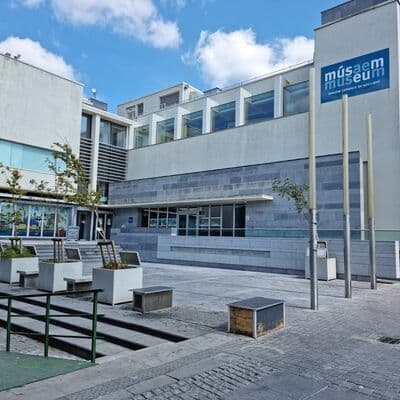
Irish Museum of Modern Art is housed in the Royal Hospital Kilmainham, the oldest classical building in Ireland, dating to 1684. The contrast between the magnificent seventeenth-century architecture and contemporary art creates a special atmosphere. Admission is free, and the formal gardens surrounding the building are ideal for strolls.
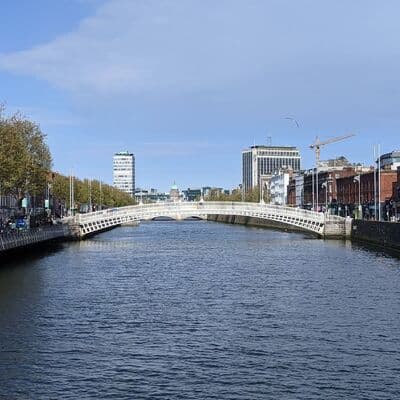
Ha'penny Bridge is an elegant cast-iron footbridge from 1816, one of the symbols of the city. The name comes from the half-penny toll that was once charged for crossing. Today it is the most photographed spot in Dublin, especially beautiful at sunset when the light reflects off the Liffey.
Cork and the South Coast
Cork is Ireland's second city, which proudly calls itself the "real capital." This is a university city with a rich cultural life, excellent food scene, and a relaxed atmosphere distinct from Dublin's bustle. Cork is less touristy than the capital and gives a more authentic slice of contemporary Irish life. The city center is built on an island in the River Lee, giving it a character all its own, with steep hills rising on either side and bridges connecting the various quarters.
The English Market is the gastronomic heart of Cork, one of the oldest covered markets in Europe, operating since 1788. Here vendors sell local delicacies: blood pudding that has won international awards, suckling pig, oysters from Bantry Bay, artisan cheeses from West Cork that rival anything from France. Queen Elizabeth II visited the market in 2011 during her historic state visit, the first by a British monarch since independence, a moment of reconciliation that moved many who witnessed it. You absolutely must try tripe and drisheen, a traditional Cork dish of tripe and blood sausage that you will either love or hate. The market's Victorian iron and glass structure is beautiful, and wandering its stalls is a pleasure even if you are not buying.
St. Fin Barre's Cathedral is a masterpiece of French Gothic revival architecture from the nineteenth century, built on the site where St. Fin Barre founded a monastery in the seventh century. The exterior impresses with its spires and gargoyles, including a quirky golden angel on the east side. The interior dazzles with mosaics and stained glass windows depicting biblical scenes. This is one of the most beautiful churches in Ireland, undeservedly overlooked by many tourists.
Cork City Gaol is another Irish prison museum, less famous than Kilmainham but no less impressive. The castle-style building holds dark stories of nineteenth-century prisoners, many of whom were imprisoned for trivial crimes like stealing bread or small debts during times of desperate poverty. Wax figures and an audio guide create an atmospheric experience that brings the harsh realities of Victorian justice to life.
Shandon Bells at St. Anne's Church features a characteristic steeple that is a symbol of the city, with two sides faced in red sandstone and two in white limestone, a distinctive pattern visible across Cork. The unique feature is that visitors can climb the tower and ring the bells themselves. The bell notes, G, B, C, and E, form the beginning of many Irish melodies, so even without musical training you can produce something melodic. The views from the top are excellent.
University College Cork is one of Ireland's oldest universities, with a beautiful Gothic campus that invites exploration. The Ogham Stones in the courtyard are ancient Irish monuments with inscriptions in the Celtic alphabet that predates Latin script. Walking around the grounds is free and pleasant, with students lounging on lawns and architectural details rewarding careful observation.
Fitzgerald Park is a green oasis along the River Lee with the Cork Public Museum (free admission), a cafe, playgrounds, and pleasant walks. It is an ideal place for a picnic after visiting the English Market, with food you have purchased from the vendors.
Blarney Castle is the most touristy attraction in the region, but impressive nonetheless. The fifteenth-century tower is surrounded by extensive gardens, including a poison garden with deadly plants, a fern garden, a Himalayan walk, and more. The main draw is the Blarney Stone: according to legend, whoever kisses it receives the gift of eloquence. To do so, you must lie on your back and lean backwards over the parapet while being held, a procedure that is safe (you are securely held) but not for the claustrophobic or those afraid of heights. Arrive when the castle opens to avoid the longest queues, which can stretch to hours during peak season.
Galway and the West Coast
Galway is the unofficial cultural capital of Ireland, a city of music, art, and students. Every evening live traditional music fills the pubs, street performers entertain on pedestrianized streets, and in July the famous Galway International Arts Festival takes over the city, one of the largest arts festivals in Europe. The city has a bohemian spirit that attracts artists, musicians, and free spirits from around the world.
Eyre Square is the central square of the city, the starting point for exploration. Here you will find a monument to Padraic O'Conaire, a writer in the Irish language, and old sailing hookers, traditional Galway boats that recall the city's trading past. From the square begins Shop Street, a pedestrianized street that leads into the Latin Quarter, the heart of nightlife and shopping. The street names, many in both Irish and English, reflect the city's bilingual character.
Spanish Arch is a remnant of medieval fortifications by the River Corrib, near which stretches The Long Walk, a picturesque row of colorful houses along the waterfront. This is the most photogenic corner of the city, especially at sunset when the light turns the water golden. Nearby, Galway City Museum is free and informative, with exhibits covering the city's history from prehistoric times to the present.
Salthill Promenade is a seaside suburb of Galway with a two-kilometer promenade along the bay. Tradition demands that you walk to the end and touch the wall, known as "doing the prom," before returning. In summer people swim here (the water is cold, but this is Ireland), while in winter walkers brave the gale-force winds blowing in from the Atlantic. The views across Galway Bay to the Burren are spectacular on clear days.
Galway Cathedral is one of the youngest stone cathedrals in Europe, built in 1965 on the site of an old prison. The architecture combines Romanesque, Renaissance, and Celtic motifs in a way that could feel disjointed but somehow works. The dome and stained glass windows impress with their scale, and the acoustics make it a popular venue for concerts.
The Aran Islands are three islands off the coast of Galway where Irish is still spoken as a first language and traditional ways of life persist. Inishmore, the largest, is famous for Dun Aonghasa, a prehistoric fort on the edge of a 100-meter cliff that drops sheer into the Atlantic. The isolation and stark beauty of the islands have inspired writers and artists for generations, including J.M. Synge, whose plays captured island life. You can reach them by ferry from Rossaveal (40 minutes) or by small plane from Connemara Regional Airport (10 minutes, spectacular views).
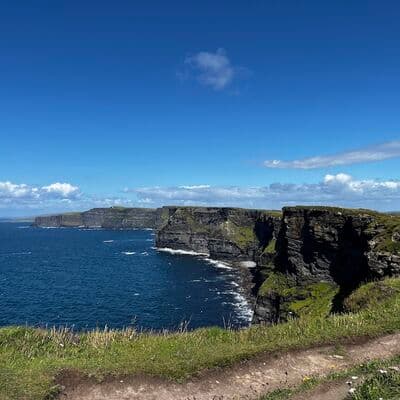
The Cliffs of Moher are Ireland's most famous natural attraction. An eight-kilometer wall of cliffs rising up to 214 meters drops sheer into the Atlantic Ocean. The sight takes your breath away in any weather: on a sunny day you can see to the Aran Islands and beyond, while in a storm waves crash against the rocks with primordial fury. The cliffs are home to one of Ireland's largest seabird colonies, with puffins, razorbills, and guillemots nesting on the ledges.
The Cliffs of Moher Visitor Centre is built into the hillside and almost invisible from outside, its ecological design blending with the landscape. Inside are exhibitions about the geology, flora, and fauna of the cliffs. Book tickets online in advance: before 11:00 AM they are cheaper (approximately 7 euros instead of 10), and you will avoid queues that can be substantial during peak season.
O'Brien's Tower is a nineteenth-century viewing tower at the highest point of the cliffs, built by local landlord Cornelius O'Brien as an observation point for visitors who were already coming to see the cliffs in his day. For a small additional fee you can climb to the top for panoramic views. Hag's Head is the southern end of the cliffs, less crowded and no less impressive. The coastal walking trail between the two points is one of the best short hikes in Ireland, with dramatic views at every turn.
The Ledge 4D Experience is a virtual reality experience that allows you to "fly" over the cliffs and see them from a bird's eye view. It is a good option for those afraid of heights or who want an alternative perspective on this magnificent landscape.
The Burren is a unique karst landscape north of Moher: lunar landscapes of limestone pavement where rare plants grow in the cracks, with Arctic and Mediterranean species existing side by side thanks to the microclimate. It looks barren at first glance but reveals astonishing biodiversity to those who look closely. Here too is the Aillwee Cave complex with underground rivers, stalactites, and a colony of bats. The Burren also contains numerous prehistoric monuments, including the Poulnabrone dolmen, a portal tomb dating back five thousand years.
Killarney and the Southwest
Killarney is the tourist capital of the southwest, a town that has lived by hospitality for over two hundred years (among the earliest "tourists" were Queen Victoria and her court). It serves as a base for exploring Killarney National Park, the first national park in Ireland (established in 1932) and one of the most beautiful in Europe. The town itself is pleasant, with good restaurants, traditional pubs, and shops selling Irish crafts, though it can feel commercial during peak season.
The National Park encompasses mountains, lakes, waterfalls, and oak forests all in one place. It is the only place in Ireland where wild red deer still roam, descendants of a herd that has lived here since the last Ice Age. Muckross House and Gardens is a Victorian mansion on the shore of Muckross Lake with lush rhododendron gardens that blaze with color in late spring. The house was built in 1843 and prepared for a visit by Queen Victoria, who came in 1861. Nearby is Muckross Abbey, a fifteenth-century Franciscan friary with an ancient yew tree in its courtyard, said to be as old as the abbey itself. The tree's dark branches spread over the cloister, creating an atmosphere that is both peaceful and slightly eerie.
Torc Waterfall is a twenty-meter cascade just a few minutes drive from Killarney. A short trail from the parking area through oak woodland leads to a viewing platform. After rain the waterfall is especially impressive, thundering down the mountainside. For those with more energy, a trail continues upward to the top of Torc Mountain, with panoramic views over the lakes.
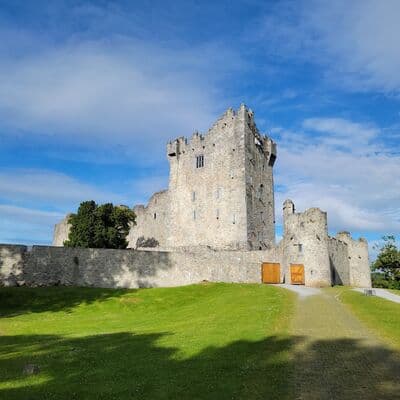
Ross Castle is a fifteenth-century tower house on the shore of Lough Leane. From here boats depart for Innisfallen Island with its ruins of a seventh-century monastery where, according to legend, the High King Brian Boru was educated. The castle was one of the last to fall to Cromwell's forces in 1652 and has been beautifully restored.
The Gap of Dunloe is a narrow glacial valley between the mountains, one of the most dramatic places on the island. The classic way to explore it is by jaunting car (a horse-drawn cart) one way and boat across the lakes back. A more budget-friendly option is on foot or by bicycle. The road is technically open to cars but is so narrow that in summer it is best avoided in anything larger than a motorcycle. The scenery is stunning: sheer mountain walls, boulder-strewn slopes, and clear mountain lakes.
Ladies' View is a viewpoint with a panorama over the Lakes of Killarney. The name honors the ladies-in-waiting of Queen Victoria, who were reportedly enchanted by this view during the royal visit. You will be enchanted too.
The Ring of Kerry
The Ring of Kerry is a 179-kilometer circular route around the Iveragh Peninsula. This is one of the most famous driving routes in the world: ocean panoramas, mountain passes, medieval ruins, picturesque villages. Most tour buses travel counterclockwise, so if you want to avoid them, travel clockwise. The views are spectacular in either direction, but traffic flows more smoothly when you are not constantly meeting oncoming coaches on narrow stretches.
Derrynane Beach is one of the finest beaches in Ireland: golden sand, turquoise water (cold, yes, but worth it), picturesque rocks. Nearby is the estate of Daniel O'Connell, "The Liberator," the nineteenth-century politician who achieved Catholic emancipation and remains one of Ireland's greatest heroes. His former home is now a museum.
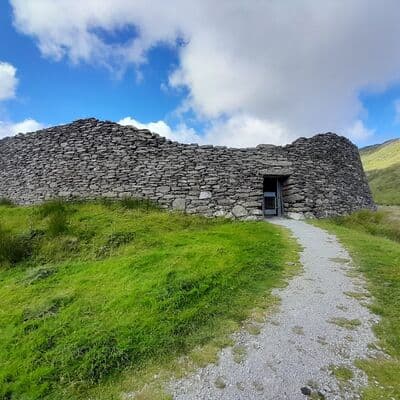
Staigue Fort is one of the best-preserved Iron Age stone forts in Ireland. Its circular walls, up to four meters thick, have stood for two thousand years. The site is unfenced and free; you simply park at a nearby farm and walk through the field. The setting is magnificent, with mountains rising on all sides.
Valentia Island is connected to the mainland by a bridge (since 1970) and a ferry. Here you will find footprints of some of the earliest four-legged animals to walk on land (385 million years old), a lighthouse at the western tip, and a surprisingly mild climate thanks to the Gulf Stream. Palm trees and yucca plants grow here, incongruous in what you might expect to be a windswept Atlantic outpost.
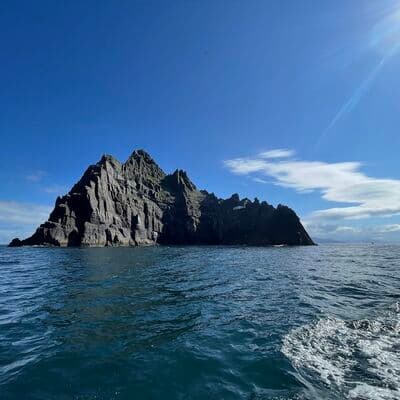
Skellig Michael is a rocky island twelve kilometers from shore, on whose summit monks built a monastery in the sixth century. 618 stone steps lead to beehive huts that have survived virtually unchanged for fourteen centuries. UNESCO has designated the island a World Heritage Site, and Star Wars made it famous worldwide when it served as the location for Luke Skywalker's retreat in the sequel trilogy. Visits are strictly limited (180 people per day), and you must book months in advance through licensed boat operators. The crossing takes about an hour and is dependent on weather; trips are frequently cancelled due to rough seas. If you get the chance to go, take it. There is nowhere else quite like it on earth.
The Wild Atlantic Way
The Wild Atlantic Way is a 2,600-kilometer route along Ireland's entire western coast from Donegal in the north to Cork in the south. It is one of the longest coastal routes in the world, marked with signs featuring a wave symbol. You do not need to travel all of it; choose sections according to your interests and available time.
The northern section (Donegal) is the least touristy: Slieve League cliffs (higher than the Cliffs of Moher but less known), surfing beaches at Bundoran, and Gaeltacht areas where Irish is the everyday language. The landscapes here are wild and rugged, with a sense of remoteness that is increasingly rare in Europe.
The central section (Galway to Clare) is the most popular: Connemara with its mountains and bogs, the Cliffs of Moher, the Aran Islands. This area sees the most visitors but has earned its popularity with some of Ireland's most iconic scenery.
The southern section (Kerry to Cork) includes the Ring of Kerry, the Dingle Peninsula (where "Ryan's Daughter" was filmed and where the TV series "Normal People" brought new attention), and the Beara Peninsula (a less touristy alternative to Kerry with equally stunning scenery).
Unique Landscapes of Ireland
National Parks
Ireland has six national parks, all free to visit. They represent the country's commitment to preserving its natural heritage and offer some of the finest walking and wildlife watching opportunities in Europe.
Killarney National Park is the oldest and most diverse: mountains reaching over 1,000 meters, three lakes of stunning beauty, the only wild red deer herds in the country, and ancient oak woodlands (a rarity in Ireland, where most forests were cut down centuries ago). The park also contains important archaeological sites and historic buildings.
Connemara National Park offers wild bogs and the Twelve Bens mountain range in western Galway. Here roam Connemara ponies, a breed developed for work on the peat bogs. The park's visitor center has excellent exhibits on the local ecology and history, and several walking trails of varying difficulty explore the landscape.
Burren National Park protects the unique karst landscape, a "lunar surface" of limestone pavement with rare flora growing in the cracks. In spring, orchids bloom here alongside other wildflowers in a display that draws botanists from around the world. The park also contains important examples of Ireland's megalithic heritage.
Glenveagh National Park (Donegal) is remote and uncrowded, with a nineteenth-century castle and herds of red deer that were introduced in the early twentieth century. The gardens around the castle are particularly beautiful, with exotic plants thriving in the mild climate.
Wicklow Mountains National Park is the "garden of Ireland" south of Dublin, with glacial valleys (Glendalough is the most beautiful, with its monastic ruins reflected in still lakes) and ruins of early Christian monasteries. It is the largest of Ireland's national parks and offers excellent walking opportunities within easy reach of the capital.
Ballycroy National Park (Mayo) is the youngest, with extensive bogs and coastline. It protects one of the largest expanses of Atlantic blanket bog in Europe, a habitat that is increasingly rare globally.
Islands
Off the coast of Ireland lie hundreds of islands, from tiny rocks to inhabited communities with distinct cultures and histories.
The Aran Islands (Inishmore, Inishmaan, Inisheer) are a Gaeltacht off Galway where Irish is spoken daily and traditional ways persist. The famous Aran sweaters, with their distinctive patterns, originally served practical purposes, with different families having different patterns to identify bodies of fishermen lost at sea. Today they are prized worldwide for their craftsmanship and warmth.
Skellig Michael is a UNESCO World Heritage Site and Star Wars filming location, accessible from May to October when weather permits. The experience of climbing the ancient steps to the monastery remains one of the most profound you can have in Ireland.
Clare Island (Mayo) was home to the legendary pirate queen Grace O'Malley (Granuaile), who ruled the seas of western Ireland in the sixteenth century and famously met Queen Elizabeth I as an equal. The island today offers excellent walking and a glimpse into a slower pace of life.
Valentia Island is connected by bridge, known for subtropical gardens and tracks of ancient tetrapods. The transatlantic telegraph cable, which first connected Europe and America, came ashore here in 1866.
Achill Island (Mayo) is the largest off the Irish coast, connected by bridge, with beaches that rival any in Europe, mountains including Croaghaun with Europe's highest sea cliffs, and a deserted village that tells the story of forced emigration.
Lakes and Rivers
Ireland is a country of water. Rain is frequent, rivers are numerous, and lakes dot the landscape. The River Shannon is the longest on the British Isles, flowing through Lough Ree and Lough Derg, with cruising holidays a popular way to explore. The Lakes of Killarney (Lough Leane, Muckross Lake, Upper Lake) are the heart of the national park. Lough Corrib near Galway is the second largest lake on the island, a paradise for anglers pursuing salmon, trout, and pike.
When to Visit Ireland
The Irish climate is oceanic: mild, wet, and unpredictable. The local saying goes: "If you don't like the weather, wait fifteen minutes." Seasons here are blurred, but certain patterns hold true, and understanding them will help you make the most of your visit.
May and June are the best times to visit. Days are long (daylight until 10:00 PM and later near the summer solstice), rain is relatively infrequent, everything is in bloom, and tourist numbers have not yet peaked. Temperatures range from 15-20 degrees Celsius (59-68 Fahrenheit), sometimes higher. The landscape is at its greenest, and the long evenings allow for extended exploration.
July and August are high season. School holidays across Europe bring maximum tourists and maximum prices. Weather is warmer (up to 25 degrees Celsius or 77 Fahrenheit on good days), but there are no guarantees; cold, rainy weeks can happen at any time. Book everything in advance, especially bed and breakfasts in popular areas, where rooms can sell out months ahead.
September and October offer "golden autumn." Crowds have thinned, prices have dropped, and weather is still tolerable. October can be stormy, but that is when the Wild Atlantic Way shows its true character, with dramatic seas and moody skies that photographers love. Colors change in the gardens and woodlands, adding another dimension to the scenery.
November through February is low season. Days are short (darkness falls by 4:30 PM), rain is frequent, but if that does not bother you, you will see Ireland without filters. Many rural attractions close for winter, but cities continue their vibrant life. Christmas markets in Dublin and Galway are atmospheric, and traditional music sessions continue in pubs throughout the country. Hotel prices are at their lowest.
March and April mark the beginning of tourist season. Easter can fall at any time, and when it does, prices spike. St. Patrick's Day (March 17) brings grand parades across the country; if you want to experience it, book six months in advance, as Dublin fills completely.
Festivals and Events 2026
St. Patrick's Day (March 17) is the main Irish holiday. Parades in every city and village, green color everywhere, pubs overflowing. In Dublin the festival lasts five days with events across the city. Contrary to popular belief outside Ireland, it is not just an excuse for drinking; it is a genuine celebration of Irish identity and culture.
Fleadh Cheoil na hEireann (August) is the largest festival of Irish traditional music, with hundreds of concerts, competitions, and sessions. It moves between towns each year. This is authentic immersion in the culture, with musicians of all ages competing and performing.
Galway International Arts Festival (July) offers two weeks of theater, music, literature, and street art. The city transforms, with performances in unexpected venues and a carnival atmosphere on the streets.
Galway Races (late July/early August) is a week of horse racing that turns the city into one big party. Elaborate hats, costumes, betting, and craic characterize what many Irish people consider the social event of the summer.
Dublin Fringe Festival (September) showcases alternative arts: stand-up comedy, avant-garde theater, street performances, and experimental work that pushes boundaries.
The Open Championship at Royal Portrush (Northern Ireland) returns periodically, drawing the world's best golfers and thousands of spectators to this spectacular links course.
Major concerts at Croke Park and other venues bring international stars to Dublin regularly. The 80,000-capacity stadium hosts several stadium tours each summer, while smaller venues offer more intimate experiences.
How to Get to Ireland
From North America, many airlines fly direct to Dublin and Shannon. Aer Lingus, the Irish national carrier, offers flights from major US and Canadian cities including New York, Boston, Chicago, Los Angeles, San Francisco, Toronto, and more. American Airlines, United, and Delta also serve Dublin. In 2026, Aer Lingus has expanded its US network with new routes to cities like Raleigh-Durham and Pittsburgh. Flight time from New York is about 6-7 hours.
From the United Kingdom, Ireland is easily accessible with numerous daily flights from London (all airports), Manchester, Birmingham, Edinburgh, and other cities. Flight time is about an hour. Ryanair and Aer Lingus dominate these routes, with frequent sales making last-minute trips affordable.
From Australia and New Zealand, there are no direct flights to Ireland. The most common routing is via the Middle East (Emirates via Dubai, Etihad via Abu Dhabi, Qatar via Doha) or via Asia (Singapore Airlines, Cathay Pacific). Total journey time is typically 22-26 hours depending on connection. Some travelers break the journey with a stopover in Dubai or Singapore.
Airports:
Dublin (DUB) is the main hub, handling over 90% of international traffic. The Airlink 747 bus to the city center takes 30-40 minutes and costs about 8 euros one way. Taxis cost 30-40 euros. The airport has two terminals; check which one your airline uses.
Shannon (SNN) is convenient for the west of the country (Galway, Cliffs of Moher, Limerick). It receives direct flights from several US cities (preclearance available, meaning you go through US customs before leaving Ireland on return flights) and European destinations. It is a much smaller and easier airport to navigate than Dublin.
Cork (ORK) serves the south of the country, with flights from UK and European destinations. It is Ireland's second busiest airport and offers good connections to southern attractions.
Knock (NOC), also called Ireland West Airport, is a small airport in Mayo with flights from the UK and some European cities. It is the closest airport to Connemara.
Belfast (BFS/BHD) has two airports in Northern Ireland. Sometimes it is cheaper to fly here and drive south. Belfast International handles most international flights, while George Best Belfast City Airport is more convenient to the city center.
Ferries:
From the United Kingdom, Irish Ferries and Stena Line operate routes from Holyhead to Dublin (3.5 hours by regular ferry, 1.5 hours by fast ferry), Liverpool to Dublin (8 hours, overnight crossings available), and Pembroke to Rosslare (4 hours). These are good options if you are traveling with a car or want to avoid flying.
From France, Irish Ferries operates routes from Cherbourg and Roscoff to Rosslare and Cork (14-18 hours, overnight crossings). These are convenient if you are traveling with a car from continental Europe and want to avoid driving through the UK.
Transportation Within Ireland
Renting a Car
This is the best way to explore Ireland. Public transportation is adequate between major cities, but for the countryside, coastline, and national parks, a car is essential. Without one, you will miss much of what makes Ireland special: the winding roads, the unexpected viewpoints, the small villages that time forgot.
Driver's license: An international driving permit is formally required but in practice most rental companies accept national licenses from the US, UK, Canada, Australia, and other English-speaking countries. Your domestic license should be valid for rentals of up to one year.
Left-hand traffic: Yes, the steering wheel is on the right, and you drive on the left. The first hour is intimidating, then you adjust. The main tip: at roundabouts (and there are many), always give way to traffic already on the roundabout, coming from your right. On narrow rural roads, be prepared to pull into passing places to let oncoming vehicles by.
Roads: Motorways (M) are excellent quality and connect major cities. National roads (N) are good but typically two lanes. Regional roads (R) can be narrow. Local roads (L) are sometimes single lanes with passing places, where oncoming drivers figure out who reverses through a combination of gestures, judgment, and nerve.
Prices: In summer expect to pay 40-60 euros or more per day for a small car; off-season rates start from 25 euros. Book well in advance as demand exceeds supply in high season. Compare prices on aggregator sites like RentalCars, but check insurance conditions carefully.
Insurance: Collision Damage Waiver (CDW) or Loss Damage Waiver (LDW) is usually included but with an excess of 1,000-2,000 euros. For an additional 10-20 euros per day, the excess can be reduced to zero. Alternatively, buy insurance from an independent provider (iCarhireinsurance, Insurance4carhire, etc.) for 5-7 euros per day, which often provides better coverage.
Parking: In cities it is paid, typically 1-3 euros per hour. In Dublin it is expensive and difficult to find; better to leave the car on the outskirts and use public transportation. In rural areas parking is often free, but read the signs carefully.
Trains (Irish Rail)
Irish Rail (Iarnrod Eireann) connects major cities radially from Dublin: Cork, Galway, Limerick, Waterford, Sligo, Belfast. Trains are comfortable but not fast (Dublin to Galway takes 2.5 hours for 200 kilometers). Tickets are cheaper online, especially with advance booking. First class is available on some routes and offers more space and quiet.
DART is the suburban electric railway along the Dublin coast from Howth in the north to Greystones in the south. It is convenient for trips to coastal suburbs and offers pleasant views of Dublin Bay.
Buses
Bus Eireann is the national operator, with a network covering practically the entire country. Expressway is their intercity service. Buses are cheaper than trains but slower and less comfortable for long journeys.
Dublin Bus operates the city transport in Dublin, with an extensive network and frequent services on main routes.
Go-Ahead Ireland operates suburban routes in the Dublin area.
Private operators like GoBus and Citylink connect Dublin with Galway and Cork, sometimes cheaper and faster than official services. They use comfortable coaches with wifi and are popular with both tourists and commuters.
TFI Leap Card
The universal transport card for all of Ireland allows contactless payment on buses, trains, and trams. Fares are lower than cash prices: about 2 euros for any journey within Dublin zones for adults, 1 euro for youth aged 19-25. A 90-minute fare allows free transfers within that period.
The Visitor Leap Card is a tourist version with unlimited travel: 1 day (8 euros), 3 days (16 euros), 7 days (32 euros). Buy it at the airport or transport offices. It pays for itself quickly if you are using public transport frequently.
Free travel for children aged 5-8 is available with a special child's card.
Taxis and Ridesharing
Taxis are regulated by the state, with meters mandatory. Fares are fixed: starting fare of about 4 euros, then just over 1 euro per kilometer. Nights and weekends are more expensive. FreeNow (formerly mytaxi) is the main app for booking.
Uber operates but only with licensed taxi drivers, essentially the same service as FreeNow with different branding.
Bolt is an alternative that works in major cities and sometimes offers lower prices.
Bicycles
Dublin has a bike-sharing system called Dublin Bikes (about 5 euros for three days, with the first 30 minutes of each ride free). The system has stations throughout the city center and is popular with both commuters and tourists. For countryside cycling, you can rent bicycles at local shops. Greenways, former railway lines converted to cycling paths, are becoming increasingly popular, offering traffic-free routes through scenic countryside.
Cultural Code of Ireland
Language
There are two official languages: Irish (Gaeilge) and English. In practice, everyone speaks English; Irish is the first language for only 2-3% of the population, living in Gaeltacht areas (Connemara, Donegal, Kerry, Dingle Peninsula). However, Irish is taught in schools, all road signs are bilingual, and basic phrases are appreciated. Making an effort with even a few words of Irish will earn you goodwill.
Useful words:
- Slainte (slawn-cha) means "health" and is the standard toast when drinking
- Cead mile failte (kayd meela fall-cha) means "a hundred thousand welcomes" and is a traditional greeting
- Craic (crack) means fun, good atmosphere, entertainment
- Failte (fall-cha) means welcome
- Slan (slawn) means goodbye
Irish English has its own features: "grand" means "fine" or "okay," "your man" means "that guy," "the craic was mighty" means "it was great fun." Irish people love understatement and indirect answers; "it's not bad" can mean "it's excellent." Conversations tend to be circular rather than direct, with storytelling valued over getting to the point.
Pubs and Music
The pub is a social institution in Ireland, not just a bar. Here people meet, discuss politics, watch matches, listen to music, and form the community bonds that hold Irish society together. Traditional music (trad) plays in pubs for free; this is called a session. Musicians gather in a corner and play for themselves, but everyone can listen. In Galway there are trad sessions every evening; in Dublin look for the Cobblestone in Smithfield or O'Donoghue's on Merrion Row, both authentic venues where you might hear music that moves you to tears.
Pub etiquette:
- Buying a round: if someone treats you to a drink, you are obligated to treat them in return. This is not optional; it is a social contract. Breaking it will earn you a reputation as someone who does not play by the rules.
- Do not sit with an empty glass in company; either order another or leave. Nursing a single drink for hours is not appreciated.
- Conversations with strangers are normal and welcome. In fact, sitting silently and not engaging will seem odd.
- Do not rush. Irish people do not hurry their drinks and do not like being rushed.
Tipping
Tipping culture is less obligatory than in the United States but exists. This can be confusing for American visitors who are used to tipping generously and for British or Australian visitors used to more modest expectations.
- Restaurants: 10-15% if a service charge is not included (check the bill). If service is already added, additional tipping is not expected but appreciated for exceptional service.
- Pubs: for drinks at the bar, tipping is not customary. For table service or food, 10% is appropriate.
- Taxis: round up or add 10%. Most drivers will appreciate it but not expect it.
- Hotels: 1-2 euros per bag for porters, 2-5 euros for housekeeping for several nights.
Religion
Ireland is historically Catholic (about 78% of the population identifies as such), but society is secularizing rapidly. In 2015 a referendum legalized same-sex marriage, making Ireland the first country to do so by popular vote. In 2018, another referendum repealed the constitutional ban on abortion. Churches are still full on Sundays in rural areas, but in cities religious observance is declining. For tourists it is useful to know: some shops and pubs close on Good Friday.
What Not to Do
- Do not call Irish people British. This is a separate nation with a complicated history. Ireland fought for independence from Britain, and the distinction matters deeply.
- Do not raise the topic of "the Troubles" (the Northern Ireland conflict) unless you are ready for a serious conversation. Opinions vary widely, and the wounds are still fresh for many.
- Do not attempt a fake Irish accent. It is irritating and often offensive, however well-intentioned.
- Do not expect punctuality. "Irish time" is a reality: 8:00 may mean 8:15-8:30. Build flexibility into your plans.
- Do not criticize Irish sports (Gaelic football, hurling). These are sacred, and the passion they inspire is genuine.
Safety in Ireland
Ireland is one of the safest countries in Europe. The level of violent crime is low, the police (Garda Siochana, usually called "the Guards") are friendly and unarmed (except for specialized units). However, common sense still applies.
Petty Crime
Pickpocketing occurs in tourist areas of Dublin (Temple Bar, Grafton Street, DART). Standard precautions apply: keep your bag in front of you, do not flash expensive electronics, do not leave belongings unattended. Compared to many European capitals, Dublin is quite safe, but complacency can lead to unpleasant surprises.
Scams
Taxis: Some drivers "forget" to turn on the meter or take the long route. Use apps (FreeNow, Bolt) where routes are tracked and fares are transparent.
Online booking: Fake accommodation booking sites have become more common. Book through known platforms (Booking.com, Airbnb), check reviews carefully, and never transfer money directly to "owners" outside these platforms.
ATMs: Card skimming occurs occasionally. Cover your hand when entering your PIN, use ATMs inside bank buildings, and monitor your accounts for unauthorized transactions.
Areas to Avoid
Dublin has some disadvantaged areas (parts of the north inner city around O'Connell Street at night, certain suburbs like Ballymun or parts of Tallaght), but the likelihood of a tourist wandering into them is minimal. If you stay in the center or south side, you will have no problems. The city has gentrified considerably in recent decades.
Natural Hazards
The Atlantic coast is a wild place. Waves can be unpredictable, cliffs can be slippery. Do not go close to the edge, especially in windy weather. People die every year from being swept off rocks or falling from cliffs. On beaches, pay attention to flag warnings (red flag means no swimming).
Weather changes quickly. Even in summer, temperatures can drop suddenly in the mountains. Dress in layers and always carry rain gear, no matter what the forecast says.
Emergency Numbers
112 or 999 is the universal number for police, ambulance, and fire services. Both numbers work throughout the Republic and Northern Ireland.
Health and Medicine
Insurance
For EU citizens, the European Health Insurance Card (EHIC) or its replacement the Global Health Insurance Card (GHIC) provides access to free emergency treatment. For visitors from the US, Canada, Australia, and elsewhere, travel insurance is essential. Medical care in Ireland is expensive: a doctor's visit costs 50-70 euros, ambulance callout 100 euros or more, hospital stay 800 euros per day or more. Make sure your policy covers emergency medical evacuation, especially if you plan to visit remote areas.
Pharmacies
Called "chemist" or "pharmacy" in Ireland. Boots is the largest chain, with stores in most towns. Most pharmacies are open until 6:00-9:00 PM, with reduced hours on weekends. Late-night pharmacies exist in major cities; your hotel can direct you.
Available without prescription: paracetamol (acetaminophen), ibuprofen, antihistamines, cold remedies. For stronger medications you need a prescription from an Irish doctor.
Vaccinations
No special vaccinations are required for Ireland. Standard vaccines (measles, tetanus, diphtheria) should be up to date.
Water
Tap water is safe and tastes good. You can drink it everywhere. Bringing a reusable water bottle is environmentally friendly and convenient.
Food Safety
Standards are high. Problems with food poisoning are no more common than in any developed country. Restaurants are subject to regular inspections, and hygiene ratings are displayed.
Money and Budget
Currency
The Republic of Ireland uses the Euro. Northern Ireland, as part of the United Kingdom, uses the Pound Sterling. There is no border control between them, but you will need to change currency. Many businesses near the border accept both currencies, though often at unfavorable rates.
Cards and Cash
Cards are accepted virtually everywhere, including rural pubs. Visa and Mastercard are universal; American Express is accepted less widely. Contactless payments up to 50 euros work everywhere and have become the norm since the pandemic.
Cash is useful for small purchases, markets, church donations, and some small B&Bs that have not adopted card payments. ATMs are found in every town.
Budget Levels
Budget (60-80 euros / 65-85 dollars per day): Hostel dormitory (20-35 euros), cooking your own meals or fast food (15-20 euros), free attractions, public transport. This requires discipline but is achievable.
Mid-range (120-180 euros / 130-195 dollars per day): B&B or 3-star hotel (80-120 euros), lunch in a cafe plus dinner in a restaurant (40-60 euros), paid attractions, rental car. This is the comfortable sweet spot for most travelers.
Comfortable (250+ euros / 270+ dollars per day): Boutique hotel or castle (150-300 euros), restaurants (80-120 euros), golf or private tours. Ireland has excellent high-end options if budget is not a constraint.
Sample Prices
- Pint of Guinness: 5-7 euros (more in Dublin)
- Coffee: 3-4 euros
- Lunch (sandwich + drink): 10-15 euros
- Dinner in a restaurant (main course): 18-30 euros
- Museum admission: 10-20 euros
- Gasoline: 1.60-1.80 euros per liter (approximately 6-7 dollars per gallon)
Itineraries for Ireland
7 Days: Classic Ireland
This itinerary covers the main attractions of the south and west, giving you a taste of everything Ireland has to offer.
Day 1: Dublin
Arrive, check into a hotel in the city center. After lunch, visit Trinity College and the Book of Kells. Walk along Grafton Street to St. Stephen's Green. In the evening, have dinner at a restaurant and your first pint in Temple Bar (or better yet, in the less touristy Stag's Head on Dame Court, which has more atmosphere and lower prices).
Day 2: Dublin
Morning at Kilmainham Gaol (book in advance, this sells out). Lunch in the city, perhaps near the Guinness brewery area. Afternoon at Guinness Storehouse. Evening in the Merrion Square area, visiting the National Gallery of Ireland if time permits. Find a traditional pub for music.
Day 3: Dublin to Galway
In the morning, pick up your rental car. Drive to Galway (2.5-3 hours via motorway). If time permits, stop at Clonmacnoise, a sixth-century monastery on the banks of the Shannon. Arrive in Galway by evening. Walk through Shop Street, have a seafood dinner, and enjoy live music in a pub. Galway is famous for its music scene; almost any pub will have something on.
Day 4: Cliffs of Moher and the Burren
Day trip from Galway. Morning at the Cliffs of Moher, walking to Hag's Head or O'Brien's Tower. The path along the cliffs is one of the most spectacular walks in Ireland. Lunch in the village of Doolin (oysters and a pint are the local specialty). Afternoon exploring the Burren: the karst landscape, Poulnabrone dolmen (a 5,000-year-old tomb), perhaps a stop at Aillwee Cave. Return to Galway.
Day 5: Galway to Killarney
Morning at Salthill Promenade for a final walk in Galway. Drive to Killarney via Connemara (scenic but longer, 4-5 hours) or directly via Limerick (3-4 hours, faster but less interesting). Evening in Killarney town, finding a traditional pub for music and atmosphere.
Day 6: Ring of Kerry
Full day on the Ring of Kerry (179 km circuit). Stops at Ladies' View, Derrynane Beach for a walk and swim if you are brave, Staigue Fort, and picturesque villages (Sneem, Kenmare). Leave early to stay ahead of tour buses, which travel counterclockwise; going clockwise lets you have viewpoints to yourself before the coaches arrive.
Day 7: Killarney to Dublin
Morning in Killarney National Park: Muckross House and gardens, Torc Waterfall (a short walk through beautiful oak woods), Ross Castle. After lunch, drive back to Dublin (3.5 hours via motorway) or to Shannon Airport (2 hours) if departing from there.
10 Days: West and South
An expanded version adding Cork and the islands.
Days 1-2: Dublin (as above)
Day 3: Dublin to Galway (as above)
Day 4: Aran Islands
Ferry from Rossaveal to Inishmore (40 minutes). Spend the day on the island: rent a bicycle and ride to Dun Aonghasa, the prehistoric fort on the cliff edge. Visit craft shops for authentic Aran sweaters, have lunch in a pub, explore the stone-walled fields and ancient churches. Return to Galway in the evening.
Day 5: Cliffs of Moher and the Burren (as above)
Day 6: Galway to Dingle
Drive to the Dingle Peninsula (3-4 hours). The town of Dingle is one of the most charming in Ireland: colorful houses, a fishing harbor, excellent restaurants, and pubs with music every night. The drive itself passes through beautiful countryside. Stay overnight in Dingle.
Day 7: Dingle Peninsula
Drive the Slea Head circular route: Dunmore Cave, Gallarus Oratory (a stone church from the 8th century that still stands perfectly after 1200 years), beaches, fantastic views of the Blasket Islands. If you have time, take a boat to the Blaskets, now uninhabited but once home to a community that produced remarkable literature. Evening in Dingle with more music.
Day 8: Dingle to Killarney and Ring of Kerry
Short drive to Killarney (1 hour). Ring of Kerry full day as above.
Day 9: Killarney to Cork
Morning in Killarney National Park. Drive to Cork (1.5 hours). Stop at Blarney Castle along the way; kiss the stone if you wish, or simply enjoy the extensive gardens. Evening in Cork: English Market (arrive before 6 PM closing), dinner in a local restaurant. Cork has an excellent food scene that rivals Dublin.
Day 10: Cork to Dublin
Morning in Cork: St. Fin Barre's Cathedral, Shandon Bells (climb the tower and ring the bells yourself). After lunch, drive back to Dublin (2.5-3 hours) or to Cork Airport for departure.
14 Days: All of Ireland
A complete circuit including Northern Ireland.
Days 1-2: Dublin
As above, but with more time to explore at a relaxed pace. Consider adding Phoenix Park, EPIC Museum, or Jameson Distillery.
Day 3: Dublin to Belfast
Drive to Belfast (2 hours via motorway). Afternoon in the Titanic Quarter, the cultural district built on the site of the shipyards where Titanic was constructed. The Titanic Belfast museum is world-class, telling the story of the ship from conception to disaster with remarkable exhibits. Evening in the Cathedral Quarter with its bars and restaurants.
Day 4: Belfast
Morning exploring the political murals of West Belfast (Falls Road, Shankill Road). A black cab tour with a local guide is a unique experience, with drivers sharing personal stories of the Troubles. After lunch, visit the Ulster Museum and Botanic Gardens, then explore the Queen's University area. Evening in pubs for live music.
Day 5: Belfast to the Giant's Causeway
Drive the Causeway Coast: Giant's Causeway, the famous formation of 40,000 basalt columns, is a UNESCO World Heritage Site. The legend says it was built by giant Finn McCool to fight his Scottish rival. Nearby is Carrick-a-Rede rope bridge (only for the brave, swaying 30 meters above the sea). The ruins of Dunluce Castle perch dramatically on a cliff. Stay overnight in Portrush or Portstewart.
Day 6: Northern Coast to Donegal
Through Londonderry (also called Derry, the naming is politically charged) into County Donegal. Slieve League cliffs are higher than the Cliffs of Moher but without the crowds. The views are staggering, and the drive along the coast is spectacular. Stay overnight in Donegal town or Ardara, a center of the tweed industry.
Day 7: Donegal to Sligo
Through the Glenties and mountains of Donegal. Sligo is "Yeats Country": the poet is buried in Drumcliff churchyard at the foot of Ben Bulben mountain, with an epitaph he wrote himself: "Cast a cold eye on life, on death. Horseman, pass by." Visit his grave and understand why this landscape inspired some of the greatest poetry in English. Evening in Sligo town.
Day 8: Sligo to Galway
Through Connemara: wild bogs, lakes, the Twelve Bens mountains rising dramatically. Stop at Kylemore Abbey, a "fairy tale castle" on a lake shore, built by a wealthy Englishman for his wife and now run by Benedictine nuns. The walled Victorian garden has been restored and is worth exploring. Evening in Galway.
Days 9-10: Galway, Cliffs of Moher, Burren
As above, but with more time to explore Galway's shops, restaurants, and music scene.
Day 11: Galway to Dingle
Day 12: Dingle Peninsula
Day 13: Killarney and Ring of Kerry
Day 14: Killarney to Dublin
21 Days: Complete Immersion
Three weeks allow you to explore the entire island at a leisurely pace, including lesser-known corners.
Days 1-3: Dublin and surroundings
Two full days in the city (as above). Day 3: day trip to Wicklow, the "Garden of Ireland." Visit Glendalough, a seventh-century monastery in a glacial valley, one of the most atmospheric sites in Ireland. If time permits, see Powerscourt Estate with its famous gardens and waterfall.
Days 4-6: Southeast
Day 4: Dublin to Kilkenny. This medieval city has a twelfth-century castle, a cathedral, narrow streets, and a thriving craft scene including Kilkenny Design Centre. Stay overnight.
Day 5: Kilkenny to Rock of Cashel to Cork. The Rock of Cashel is an impressive complex of medieval buildings on a limestone outcrop, including a round tower, Romanesque chapel, Gothic cathedral, and castle. It was the seat of the Kings of Munster and later an important ecclesiastical center.
Day 6: Cork (as above)
Days 7-9: Southwest
Day 7: Cork to Beara Peninsula. Less touristy than Kerry, Beara offers fishing villages, a cable car to Dursey Island (where you share the car with cattle), and stunning coastal scenery.
Day 8: Beara Peninsula to Kenmare via the Ring of Beara, a scenic drive rivaling the Ring of Kerry.
Day 9: Kenmare to Killarney via Moll's Gap and Ladies' View.
Days 10-12: Kerry
Day 10: Ring of Kerry (as above).
Day 11: Skellig Michael (if you have booked months in advance!) or alternatively, explore Valentia Island and the Gap of Dunloe. The Gap is best experienced by jaunting car and boat, a full day's adventure.
Day 12: Dingle Peninsula (as above).
Days 13-15: Clare and Galway
Day 13: Dingle to Ennis, the capital of County Clare and the traditional music capital of Ireland. Evening sessions here are the real thing.
Day 14: Cliffs of Moher, Burren (as above).
Day 15: Aran Islands (as above).
Days 16-17: Connemara and Mayo
Day 16: Galway to Clifden through Connemara. Visit Kylemore Abbey, explore the Sky Road loop for coastal views.
Day 17: Achill Island, the largest off the Irish coast. Beaches, mountains, the deserted village at Slievemore where you can explore the ruins of a community forced to emigrate during the Famine.
Days 18-19: Donegal and Northwest
Day 18: Mayo to Donegal. Slieve League cliffs, as above.
Day 19: Donegal to Derry. Explore this historic walled city, the only completely walled city in Ireland, with a walking circuit of the walls offering views over the old town.
Days 20-21: Northern Ireland
Day 20: Giant's Causeway, Causeway Coast (as above).
Day 21: Belfast to Dublin, or directly to the airport for departure.
Connectivity and Internet
Mobile Networks
Main operators are Vodafone, Three, and Eir. Prepaid SIM cards are sold at the airport, supermarkets, and phone shops. Prices: 10-20 euros for a package with 10-20 GB of data valid for 28 days. This is usually cheaper than roaming for visitors from outside the EU.
4G coverage is good in cities and along main roads. In rural areas, mountains, and along the coast there can be dead zones. Do not expect consistent coverage on remote parts of the Wild Atlantic Way.
eSIM
Airalo, Holafly, and Nomad are popular providers. The advantage is convenience: you activate before your trip and do not need a physical card. About 10-15 euros for 5-10 GB. Data only, no voice calls, but with WhatsApp, FaceTime, and other apps this is not a problem for most travelers.
Wi-Fi
Free Wi-Fi is available in most hotels, B&Bs, and cafes. In pubs it is common but not universal. Quality varies from excellent to frustratingly slow. In rural B&Bs, do not expect city-standard speeds.
Roaming
For EU subscribers, free roaming applies in Ireland. For visitors from the US, Canada, Australia, and elsewhere, check with your carrier but expect high charges; buying a local SIM or eSIM is usually much cheaper.
Note: Northern Ireland is part of the United Kingdom, so different roaming rules may apply. If you have an Irish SIM, you may be charged for roaming in Northern Ireland (though many operators offer free packages). Check with your provider.
What to Try in Ireland: Food and Drink
Traditional Cuisine
Irish stew is a hearty stew of lamb (or beef) with potatoes, onions, and carrots. This is comfort food in its purest form, perfect after a day walking in the rain. Every pub has its version, and arguments about the correct recipe can last for hours.
Full Irish breakfast is a complete Irish breakfast: eggs, bacon (called rashers, different from American bacon), sausages, black pudding (blood sausage), white pudding (a similar sausage without blood), tomatoes, mushrooms, toast, and baked beans. This is a caloric bomb after which you do not need lunch. It is typically included in B&B stays and is worth seeking out even if you are staying elsewhere.
Boxty are potato pancakes, especially popular in the northwest. The traditional rhyme goes: "Boxty on the griddle, boxty in the pan, if you can't make boxty, you'll never get a man."
Colcannon is mashed potatoes with cabbage and onions, comfort food that goes with everything.
Champ is mashed potatoes with green onions (scallions), similar to colcannon but with a different flavor profile.
Coddle is a Dublin dish: layers of sausages, bacon, and potatoes stewed together. It was traditionally made on Saturday night with leftovers before the Sunday fast.
Soda bread is bread made with baking soda instead of yeast. Dense, filling, and perfect with butter and jam or alongside a bowl of soup. It should be eaten fresh; it does not keep well.
Seafood
Ireland is an island, and the seafood is excellent, particularly on the west coast where the Atlantic provides a constant supply of fresh fish and shellfish.
Oysters are superb, especially from Galway Bay. The Galway Oyster Festival (September) is one of the main gastronomic events of the year, a celebration that has been running since 1954.
Smoked salmon is an Irish specialty. Look for the label "oak-smoked" for the best quality. It makes an excellent gift to bring home if properly packaged.
Mussels are served in garlic sauce or with french fries (moules-frites). West Cork mussels are particularly renowned.
Fish and chips is a classic, especially good in coastal towns. Battered cod or haddock with thick-cut chips and mushy peas is simple but satisfying.
Chowder is a creamy soup with mixed seafood. Every pub has its own recipe, and tasting different versions can become a pleasant obsession. The west coast versions tend to be the richest.
Cheese
Irish cheeses are an underrated treasure that has gained international recognition in recent decades.
Cashel Blue is a blue cheese from County Tipperary, creamy and complex.
Durrus is a semi-soft washed-rind cheese from West Cork, with earthy flavors.
Gubbeen is another West Cork cheese, with a distinctive pinkish rind and mellow flavor.
Coolea is a gouda-style cheese from Cork with sweet, nutty notes.
The English Market in Cork is the best place to explore Irish cheeses, with knowledgeable vendors who will guide your tasting.
Drinks
Guinness is the stout that needs no introduction. In Dublin it is consumed out of patriotism, and the taste really is different from the export version, creamier and more complex. The perfect pint should be poured in two stages and take about 119.5 seconds, according to the company.
Craft beer scene has flourished in the last decade. Look for brands like Galway Hooker, Porterhouse, Whiplash, O'Hara's, and Franciscan Well. Every city now has taprooms where you can sample local brews.
Irish whiskey is softer than Scotch, with triple distillation producing a smoother taste. Jameson is mass-market but respectable. For connoisseurs: Powers, Redbreast (particularly the 12-year), Green Spot, and the various single pot still expressions that showcase Irish whiskey at its best.
Irish coffee was invented in Foynes (County Limerick) in the 1940s to warm passengers on transatlantic flying boats. Hot coffee, Irish whiskey, brown sugar, and whipped cream floated on top. Properly made, it is a revelation; poorly made, it is a sugar bomb. The Buena Vista Cafe in San Francisco claims to have perfected it, but the original at Foynes (now a museum) is worth seeking out.
Poitin (poteen) is traditional Irish moonshine, legalized in 1997 after centuries as an illegal spirit. It is strong (40-90% alcohol) and an acquired taste. Quality varies enormously; seek out the premium brands if you want to try it.
New Irish Cuisine
Over the last twenty years Ireland has experienced a gastronomic revolution. Michelin-starred restaurants exist in Dublin, Cork, Galway, and even small villages. The emphasis is on local, seasonal produce: meat from Connemara farms, fish from the Atlantic, vegetables from local gardens. Young chefs trained abroad have returned to apply international techniques to Irish ingredients, creating a cuisine that is both rooted and innovative.
The farm-to-table movement is strong, with restaurants proudly listing their suppliers. Market-driven menus change with the seasons, and what might have seemed provincial a generation ago is now celebrated as artisanal and authentic.
What to Bring Back from Ireland
Classic Souvenirs
Aran sweater is a knitted sweater with characteristic patterns. A genuine handmade one costs 200-400 euros; factory-made versions start from 50 euros. Buy on the Aran Islands or in specialized shops (Blarney Woollen Mills, Avoca). The patterns traditionally had meaning, with different families having distinct designs; today they are mostly decorative but still beautiful.
Tweed is woolen fabric from Donegal. Caps, scarves, and jackets. Magee is one of the main producers, with a shop in Donegal town where you can see the weaving process. Harris Tweed from Scotland gets more attention, but Donegal tweed has its own character.
Claddagh ring is a traditional ring with a heart, crown, and hands. It symbolizes love, loyalty, and friendship. It originates from Galway's Claddagh neighborhood and has been made continuously for over 400 years. How you wear it indicates your relationship status: heart pointing outward if single, inward if taken.
Celtic jewelry includes brooches, crosses, and pendants with Celtic knotwork. Quality varies widely; look for the hallmark (stamp indicating precious metal quality) if buying silver or gold.
Waterford Crystal is the famous Irish crystal glass, expensive but of impeccable quality. The factory in Waterford offers tours where you can watch craftsmen at work before shopping.
Irish lace is a traditional craft, especially from Carrickmacross and Clones. Original handmade pieces are increasingly rare and expensive; museum shops are good sources.
Food and Drink
Whiskey from duty-free or a local distillery. Redbreast 12 or the Spot series (Green, Yellow, Red) are excellent choices that whiskey lovers will appreciate.
Baileys is the cream liqueur invented in Dublin in 1974. It has become ubiquitous worldwide but makes a good gift nonetheless.
Cheese travels well if you choose hard varieties and pack carefully.
Kerrygold butter is Irish butter exported worldwide, but here it is freshest. It may not survive a long journey home, but it makes breakfasts better while you are traveling.
Butlers chocolate is a Dublin chocolate factory with excellent truffles that make great gifts.
Barry's Tea is the Cork brand preferred by many Irish over the British alternatives. It makes excellent cups and is a taste of Ireland you can enjoy at home.
Tax Free Shopping
For citizens of countries outside the EU, VAT refunds (23% on most goods) are available for purchases over 75 euros at shops displaying the "Tax Free" sign. Save your receipts, get them stamped at customs before departure, and collect your refund at the airport. The process can be time-consuming, so allow extra time if you have significant purchases.
Useful Apps
Navigation:
- Google Maps works offline if you download maps in advance, essential for areas with poor mobile coverage
- Waze is useful for avoiding traffic in Dublin and other urban areas
Transportation:
- TFI Live shows public transport schedules in real time
- Leap Top-Up lets you add credit to your transport card
- Irish Rail provides train schedules and tickets
- FreeNow and Bolt for taxis
Weather:
- Met Eireann is the official Irish weather service, more accurate than international apps for local conditions
- Yr.no is a Norwegian service with good forecasts for Ireland that many locals swear by
Restaurants and Accommodation:
- TheFork (formerly LaFourchette) for restaurant reservations, often with discounts
- Airbnb for accommodation, especially in rural areas
- Hostelworld for budget accommodation
- TripAdvisor for reviews, though take them with appropriate skepticism
Conclusion
Ireland is a country that stays with you. Not because it is perfect: the weather is capricious, prices can be steep, roads are narrow, and queues at popular places are long. But because there is something genuine here: landscapes that cannot be photoshopped, music that emerges right before you, people who are genuinely interested in where you come from and what brings you to their corner of the world.
Come without rigid plans. Yes, book your first nights and main attractions (Skellig Michael, Kilmainham Gaol, popular restaurants), but leave room for spontaneity. The best moments in Ireland are unplanned: a session in a village pub where you stopped to wait out the rain; a conversation with a farmer who showed you the way to "his" waterfall that is not on any map; a sunset over the Atlantic that caught you by surprise on a road you had not planned to take.
Do not try to see everything. Choose a region and explore it deeply. Ireland is small but infinite in details. The traveler who drives around everything in a week has seen less than the one who spends a week in one county, getting to know its pubs, its hidden corners, its characters.
And finally: do not be afraid to talk to people. The Irish are talkative and curious; it is a national trait. The question "Where are you from?" is not an interrogation but an invitation to conversation. Accept it, and Ireland will open from a side that no guidebook can show you. You will hear stories that are not written down anywhere, learn about places that locals save for those who take the time to ask, and make connections that might outlast your trip.
The rain will fall, that is certain. But between the showers you will find a green that exists nowhere else on earth, a hospitality that is genuine rather than commercial, and a culture that values conversation, music, and shared moments over efficiency and schedules. Ireland asks you to slow down, to notice small things, to let experiences unfold rather than checking items off a list.
Slainte, and may the road rise to meet you.
Information is current as of 2026. Please verify visa requirements and entry conditions before your trip.