Dublin
Dublin 2026: What to Know Before You Go
Dublin surprises first-time visitors. You might arrive expecting a quaint European capital with cozy pubs and literary history, and you will find that, but you will also discover a thoroughly modern city transformed by the tech boom. Google, Meta, and countless startups occupy the Docklands, yet walk ten minutes and you are back among Georgian townhouses with colorful doors, neighborhood pubs where conversations flow freely, and parks where locals escape regardless of weather.
The city is compact and walkable. Most major attractions sit within a thirty-minute walk of each other, centered around the River Liffey that divides the city into Northside and Southside. The Southside contains more tourist attractions and upscale shopping, while the Northside has traditionally been working-class, though gentrification has blurred these lines.
Prices catch many visitors off guard. Dublin ranks among Europe's most expensive cities. A pint in Temple Bar runs 7-8 EUR (roughly 7.50-8.50 USD), though you pay 5-6 EUR in local pubs away from tourist zones. Budget hotels start around 120 EUR per night, decent mid-range options cost 180-250 EUR. Planning ahead for accommodations and attractions like the Guinness Storehouse or Trinity College's Book of Kells helps manage costs.
Dublin Neighborhoods: Where to Stay
Choosing the right neighborhood shapes your Dublin experience. Each area has distinct personality, price point, and advantages.
Temple Bar
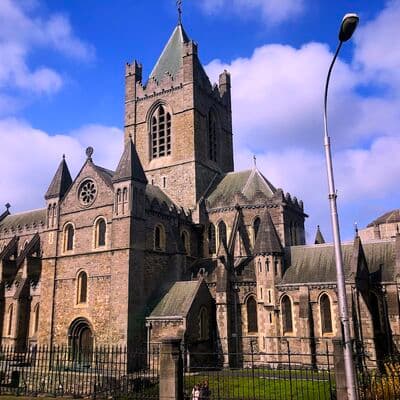
Temple Bar is Dublin's most famous and most divisive neighborhood. Cobblestoned streets pack in pubs, restaurants, and galleries, buzzing from afternoon until past midnight. During peak season, it becomes a destination for bachelor and bachelorette parties. Staying here puts you walking distance to Dublin Castle, Christ Church Cathedral, and Grafton Street.
Downsides are significant: noise until 3 AM, inflated prices, and a theme-park feel. Hotels range 180-350 EUR per night.
Portobello
South along the Grand Canal, Portobello attracts young professionals and creative types. Victorian red-brick houses line quiet streets, independent coffee shops occupy corners, and the canal provides scenic walking into the center. The area has excellent restaurants and relaxed pubs.
Staying here means fifteen to twenty minutes walking to central attractions. Accommodation leans toward boutique hotels and quality Airbnbs, 150-250 EUR range.
Merrion Square and Georgian Dublin
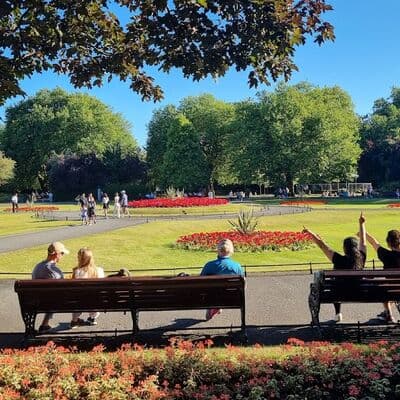
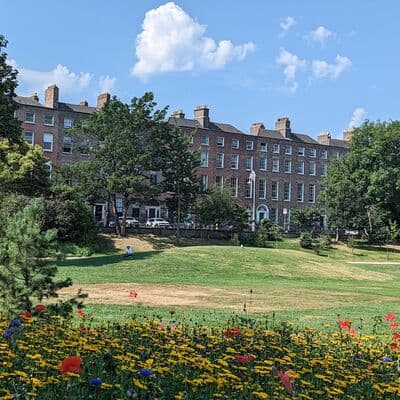
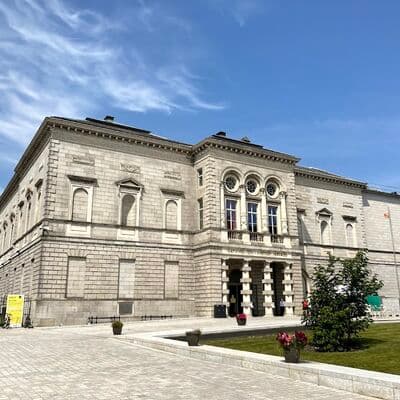
Streets around Merrion Square and St Stephen's Green showcase Dublin's Georgian architecture: uniform brick townhouses with ornate fanlights above painted doors. The National Gallery of Ireland anchors Merrion Square.
Luxury hotels include the Merrion (from 400 EUR) and Shelbourne (from 350 EUR). Quieter than Temple Bar, thoroughly walkable to everything.
Docklands
East of the center, the Docklands has transformed into Dublin's most modern district. Tech headquarters cluster here, spawning wine bars and contemporary restaurants. The EPIC The Irish Emigration Museum provides excellent experiences here.
Hotels tend toward business chains, 160-280 EUR. The LUAS connects to the center in ten minutes.
Smithfield
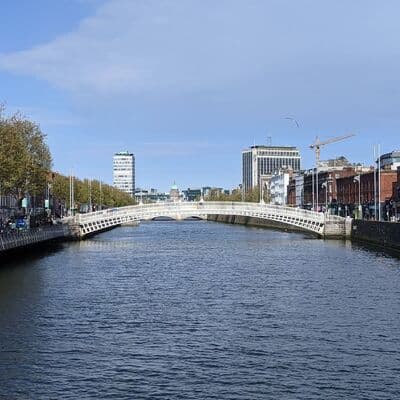
On Dublin's Northside, Smithfield has undergone regeneration while retaining character. The cobblestoned square hosts markets, the Jameson Distillery offers whiskey tours, and surrounding streets contain interesting independent businesses. The Ha'penny Bridge is ten minutes south.
Accommodation options are limited but cheaper, 130-200 EUR. Some nearby areas feel rough late at night.
Phibsborough
Further north, Phibsborough represents authentic neighborhood life. Victorian terraced houses, local pubs, and value restaurants serving diverse immigrant communities. The Blessington Street Basin feels worlds away from tourist Dublin despite being twenty minutes walking.
Few tourists stay here. Airbnbs offer 80-140 EUR for good accommodation. You need buses or longer walks to attractions.
Donnybrook and Ballsbridge
These affluent residential neighborhoods offer suburban feel with good transport. Embassy row brings international sophistication, while Donnybrook village has excellent restaurants. The Aviva Stadium sits nearby.
Hotels include the InterContinental and Dylan, 200-350 EUR. DART rail and buses make access straightforward.
Best Time to Visit Dublin
Dublin's weather deserves its reputation for unpredictability, but the reality is nuanced. Maritime climate means mild temperatures year-round but frequent clouds and possible showers.
May and early June offer the best combination. Days stretch long, with sunset after 9 PM. Temperatures range 12-18 degrees Celsius (54-64 Fahrenheit). Gardens reach peak bloom, tourism has not hit stride, and queues are shorter.
July and August bring warmest weather, occasionally reaching 22-25 degrees Celsius (72-77 Fahrenheit). Heaviest tourist traffic, peak prices, and popular attractions require advance booking. Summer festivals fill the calendar.
September and early October are underrated. Crowds thin after Labor Day, prices drop, but weather often remains pleasant. Autumn colors emerge in Phoenix Park by late September.
November through February tests resolve. Darkness arrives by 4:30 PM in December, rain becomes persistent, and Dublin wind adds penetrating chill. However, this period offers lowest prices, no queues, and authentic pub culture when locals fill the seats.
March and April remain unsettled. St Patrick's Day (March 17) transforms the city, but hotel prices spike and availability vanishes months ahead.
Regardless of timing, pack layers and waterproof jacket. Dublin genuinely experiences four seasons in one day.
Dublin Itinerary: 3 to 7 Days
Day 1: Historic Heart
Begin at Trinity College, arriving at 8:30 AM for the Book of Kells before crowds descend. Advance booking required during peak season (18 EUR). Exit onto Grafton Street for shopping and busking.
Continue to St Stephen's Green, then lunch nearby. Afternoon should include Dublin Castle guided tours (8 EUR) and the Chester Beatty Library within the grounds, free and worth an hour.
Evening brings Temple Bar for dinner. Choose carefully: restaurants on surrounding lanes offer better quality than Temple Bar Street itself. End with traditional music, which starts around 9:30 PM. The Cobblestone in Smithfield offers the most authentic experience.
Day 2: Georgian Dublin and Museums
Start at Merrion Square, walking the perimeter for Georgian architecture and colorful doors. The Oscar Wilde statue makes for photos. Proceed to National Gallery of Ireland, free entry, impressive collection.
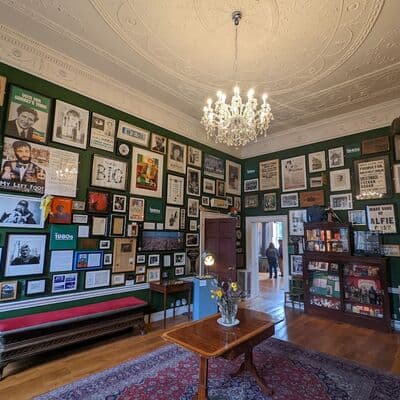
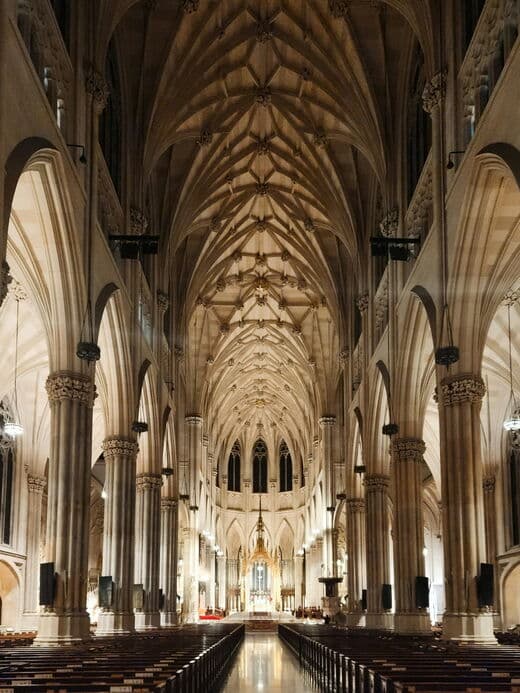
Walk south to St Patrick's Cathedral (8 EUR). The Little Museum of Dublin on St Stephen's Green offers charming introduction to twentieth-century city history.
Afternoon calls for Guinness Storehouse (26 EUR including pint). Book online, allow three hours. The rooftop Gravity Bar offers panoramic views. Return to center for dinner in Portobello or Camden Street.
Day 3: Northside and Whiskey
Cross the river for Dublin's Northside. Begin at GPO Witness History on O'Connell Street, bringing the 1916 Easter Rising to life where it began.
Walk to Smithfield for whiskey tour at Jameson Distillery (25 EUR) with tastings comparing Irish, Scottish, and American whiskey. Lunch at the Winding Stair bookshop restaurant nearby.
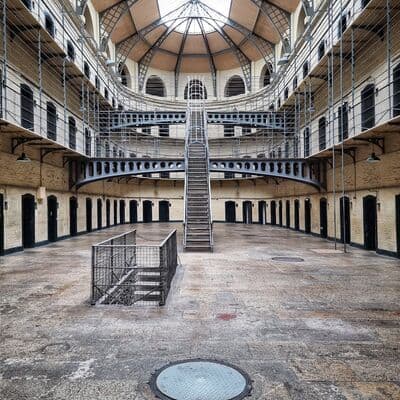
Afternoon options include EPIC The Irish Emigration Museum in the Docklands or Kilmainham Gaol (8 EUR, book ahead). End with dinner in Stoneybatter.
Days 4-5: Day Trips
Howth Peninsula makes easy half-day by DART train (thirty minutes). Walk cliff paths, eat fish and chips at harbor. Bray offers similar coastal scenery south.
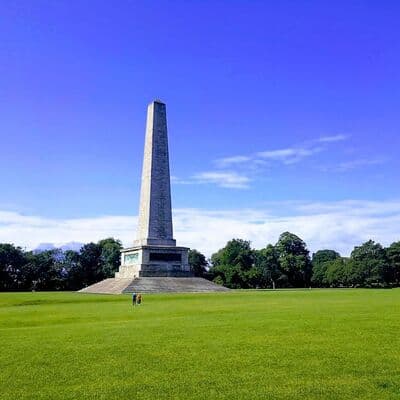
Phoenix Park deserves a proper morning. Rent bikes and explore Europe's largest enclosed urban park, home to wild deer and Dublin Zoo.
Wicklow Mountains lie under an hour south, offering hiking at Glendalough's ancient monastic site.
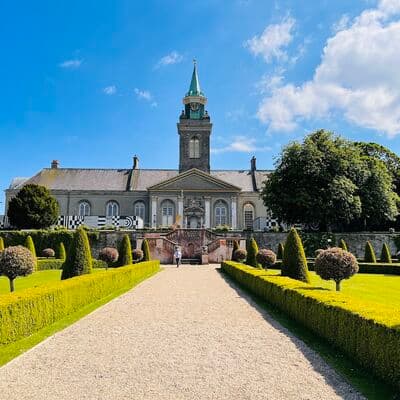
Within Dublin, the Irish Museum of Modern Art combines contemporary art with beautiful grounds. Glasnevin Cemetery tours reveal Irish nationalism history. Wander the Liberties around Christ Church Cathedral, ethnic restaurants on Parnell Street, or antique shops on Francis Street.
Days 6-7: Extended Stay
A full week allows deeper immersion: GAA matches at Croke Park, Abbey Theatre performances, cooking classes. Dalkey village by DART offers upscale dining and coastal walks. Malahide Castle provides easy half-day north.
Where to Eat in Dublin
Dublin's restaurant scene has evolved from meat-and-potatoes reputation. The city offers excellent dining across cuisines and price points.
Fine Dining
Chapter One, in the Dublin Writers Museum basement, holds a Michelin star showcasing modern Irish cuisine. Expect 95-120 EUR per person. Restaurant Patrick Guilbaud provides formal French-influenced experience at 180-250 EUR with wine.
Newer establishments like Bastible in the Liberties and Forest Avenue offer innovation without formality.
Mid-Range
Best value comes from quality-focused restaurants. Etto on Merrion Row serves exceptional Italian-influenced dishes, mains 25-32 EUR. Delahunt on Camden Street delivers refined cooking. Piglet in Temple Bar breaks the neighborhood's reputation with excellent wine and small plates.
For seafood, Fish Shop in Smithfield and Klaw on Crown Alley serve excellent preparations.
Casual
Brother Hubbard serves Middle Eastern-influenced brunch on Capel Street and Harrington Street. Assassination Custard creates extraordinary baked goods in Phibsborough. Variety Jones elevates sandwiches in Thomas Street.
Manifesto on Botanic Road and Pi on South Great George's Street lead pizza. Hang Dai on Camden Street delivers excellent Chinese.
Breakfast and Coffee
3fe pioneered specialty coffee locally. Kaph on Drury Street and Clement and Pekoe on South William Street maintain high standards. Expect 4-5 EUR for quality flat white.
For full Irish breakfast, head to Gerry's on Montague Street or Matt the Thresher.
What to Try: Dublin Food
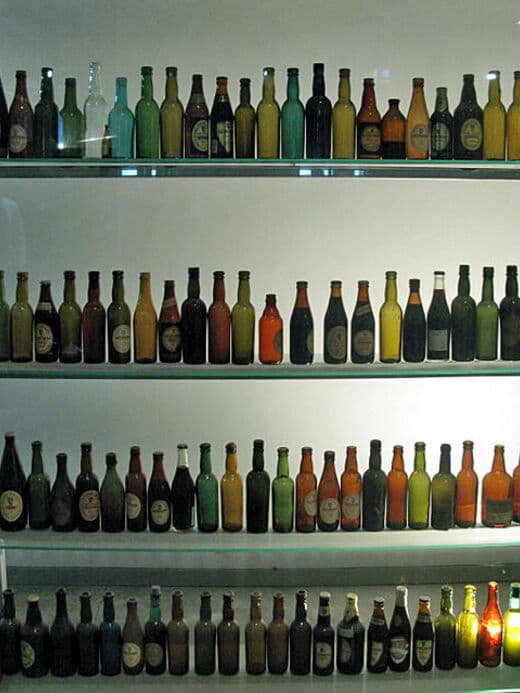
Guinness genuinely tastes better in Dublin. A properly poured pint takes two minutes with characteristic two-stage pour. Temperature matters: Dublin pubs serve cooler than international bars, around 6 degrees Celsius. If the bartender serves immediately without settling, you are in the wrong pub.
Irish soda bread varies tremendously. Best versions, made fresh with buttermilk, have subtle tang perfect for seafood chowder or slathering with Irish butter.
Black and white pudding appears on breakfasts and as starters. Black pudding, made with pork blood, oatmeal, and spices, has rich mineral taste converting most skeptics. Clonakilty is the gold standard.
Seafood from Atlantic waters reaches Dublin fresh. Dublin Bay prawns (langoustines) justify premium pricing with garlic butter. Oysters from Galway Bay (September-April) pair perfectly with Guinness. Smoked salmon from Connemara surpasses commercial versions.
Coddle represents working-class heritage: sausages, bacon, potatoes, and onions slow-cooked together. Few restaurants serve it, but asking around might locate it.
Craft beer has exploded. Porterhouse Brewing runs several pubs with house brews. Black Sheep on Capel Street stocks overwhelming selection. Rascals Brewing in Inchicore offers brewery tours.
Dublin Secrets: Local Tips
Pub selection matters enormously. Locals avoid Temple Bar pubs universally. Seek Kehoe's on South Anne Street, Grogan's on South William Street, or Long Hall on South Great George's Street. On the Northside, Cobblestone in Smithfield offers best traditional music, while Mulligan's on Poolbeg Street claims finest Guinness. Arrive before 6 PM weekends for seats.
Attraction queues can be avoided strategically. Book of Kells at Trinity College is least crowded at 8:30 AM or after 4 PM. Guinness Storehouse sees heaviest traffic 11 AM-2 PM when tour buses arrive. Kilmainham Gaol requires advance booking regardless.
The DART coastal train provides better sightseeing than most paid tours. Riding from Howth through the center to Bray offers continuous sea views. Day ticket costs 7 EUR for unlimited travel.
Sunday mornings reveal different Dublin. Temple Bar food markets (10 AM-4:30 PM) and Dublin Flea at Point Square bring out locals. Streets quiet, brunch spots fill with Dubliners recovering from Saturday.
Cash remains useful. Some traditional pubs operate cash-only. Market vendors sometimes prefer cash. Withdraw euros from ATMs rather than airport bureaus.
Tipping etiquette differs from American standards. Service charges 10-12.5% are often included; check before adding more. If not included, 10-15% is appropriate. Tipping in pubs is unusual for drinks, though rounding up for food is appreciated.
Transport and Connectivity
From the Airport
Dublin Airport sits 12 kilometers north. Aircoach (Route 700) runs 24 hours, 8 EUR one-way, departures every 10-15 minutes. Dublin Bus routes 16 and 41 offer cheaper alternatives (3.30 EUR). Taxis run 25-35 EUR depending on destination and traffic.
No rail connection exists to the airport, a perpetual frustration. Metro North remains years away.
Public Transport
The Luas light rail operates two lines. Green Line runs from south through St Stephen's Green to Docklands. Red Line connects west through center to the Point. Fares 1.70-3.20 EUR depending on distance.
The DART rail follows coast from Howth through center to Bray. Worth riding for scenery alone. Central zone ticket approximately 2.50 EUR.
Dublin Bus covers remaining areas. The Leap Card offers discounted fares across all modes with daily caps. Leap Visitor Card (24-hour 10 EUR, 72-hour 19.50 EUR) provides unlimited travel.
Taxis and Rideshare
Taxis are plentiful and regulated with required meters. FreeNow app allows booking and payment. Uber operates using licensed drivers. Standard rates start 4.20 EUR plus 1.14 EUR per kilometer daytime. Center to Ballsbridge typically 12-15 EUR.
Bicycles
Dublin Bikes bike-share costs 35 EUR annually, first 30 minutes free each journey. Canal towpaths and Phoenix Park offer car-free cycling.
Connectivity
Mobile data works seamlessly with EU roaming. Three, Vodafone, and Eir offer prepaid SIMs at airport arrivals, 20-30 EUR monthly. Free WiFi widely available in cafes and hotels. Dublin City WiFi covers public areas including St Stephen's Green.
Who Dublin Is For: Summary
Dublin rewards travelers who appreciate conversation, literary history, musical tradition, and culinary evolution. It suits those comfortable with unpredictable weather who prefer chatting with strangers in pubs to lying on beaches. World-class museums, thriving food scene, and cultural experiences explain Ireland's outsized global influence.
Budget travelers will struggle. Dublin ranks among Europe's most expensive capitals. Those seeking value should visit during shoulder seasons when prices drop and crowds thin.
The city works exceptionally well for first-time Ireland visitors before venturing to the west coast. Solo travelers find pub culture welcoming, couples discover romantic Georgian streets, and history enthusiasts could spend weeks exploring independence-related sites.
Dublin is not for those seeking Mediterranean warmth or beach vacations. It offers warmth of welcome rather than climate, depth of story rather than superficial spectacle.