About
Slovenia: The Complete Travel Guide to Europe's Green Heart
Why Visit Slovenia
Slovenia is the country you never expected. Tiny, roughly the size of New Jersey or Wales, it somehow manages to pack Alpine peaks, Mediterranean coastline, world-class karst caves, thermal spas, wine regions rivaling Tuscany, and one of Europe's most livable capital cities all within its borders. And here is the kicker: everything is within a couple of hours' drive from everything else.
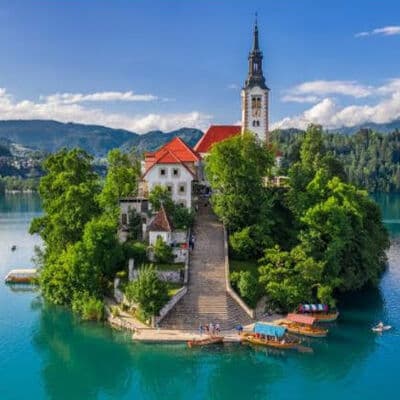
Picture this: you wake up in Ljubljana, having breakfast while watching the dragons on the bridge. By lunch, you are rowing a traditional pletna boat across the emerald waters of Lake Bled. Come evening, you are dining on fresh seafood in the Venetian streets of Piran, watching the sun sink into the Adriatic. In most countries, this would take days of travel. Here, it is just a full day well spent.
Slovenia is Europe without the crowds. While tourist hordes storm Paris, Barcelona, and Dubrovnik, here you can wander medieval alleys practically alone. Yes, you have seen Bled Island on Instagram a million times, but even there, in the shoulder season, you will find peaceful quiet. Venture slightly off the beaten path, and you will discover places where English-speaking tourists are a genuine novelty.
The Slovenians themselves are a distinctive people. They have absorbed Austrian precision, Italian passion for food and wine, Balkan warmth, and yet maintained their own identity. Two million people, their own language that even neighboring Slavs struggle to understand, and a stubborn determination to do things their own way, but do them well. They do not try to impress; they simply live quality lives and invite you to share in them.
For American, British, Australian, and Canadian travelers, Slovenia offers something increasingly rare: genuine European charm without the premium prices of Western Europe or the language barriers of Eastern Europe. English is widely spoken, especially in tourist areas and among younger generations. Credit cards work everywhere. The infrastructure is first-world. Yet the experience feels authentic rather than manufactured for tourists.
If you are tired of overtrodden tourist paths and want to discover a country that surprises at every turn, Slovenia is your answer. This is not a 'hidden gem' (a term that has long lost its meaning) but simply an excellent destination that mass tourism has not yet spoiled. Yet being the operative word.
The country punches far above its weight in terms of natural diversity. Within its borders, you will find the only place in the world where the Alps, the Mediterranean, the Pannonian Plain, and the Karst landscapes all meet. This geological coincidence creates microclimates and ecosystems found nowhere else. It also means that whatever kind of landscape you prefer, whether rugged mountains, gentle hills, coastal towns, or underground caves, Slovenia has it within easy reach.
For adventure seekers, Slovenia offers world-class activities at a fraction of Swiss or Austrian prices. Skiing in winter, hiking and climbing in summer, rafting and kayaking on rivers so turquoise they look digitally enhanced. For culture lovers, there are castles, museums, and festivals. For foodies and wine enthusiasts, there are emerging wine regions and a cuisine that blends Central European heartiness with Mediterranean freshness.
The practical advantages cannot be overstated. As a Schengen country, Slovenia is easy to combine with visits to Italy, Austria, Croatia, or other European destinations. For Americans and Canadians, no visa is required for stays up to 90 days. For UK citizens post-Brexit, the same 90-day visa-free travel applies. Australians also enjoy visa-free access. The country uses the Euro, eliminating currency confusion if you are already traveling in the Eurozone.
Perhaps most importantly, Slovenia is a country that takes sustainability seriously. It was the first country to be named a 'Green Destination' by the Global Green Destinations network. Ljubljana was European Green Capital in 2016. This is not just marketing; you will notice it in the extensive cycling infrastructure, the emphasis on local and organic food, the pristine natural areas, and the general cleanliness of cities and countryside alike.
Regions of Slovenia: Which One to Choose
Central Slovenia and Ljubljana
Ljubljana is a capital city that does not overwhelm. There is no imperial grandeur of Vienna here, no bohemian chaos of Prague. This is a compact, human-scaled city of 300,000 residents where everything is within walking distance, and the Ljubljanica River divides the center into cozy quarters.
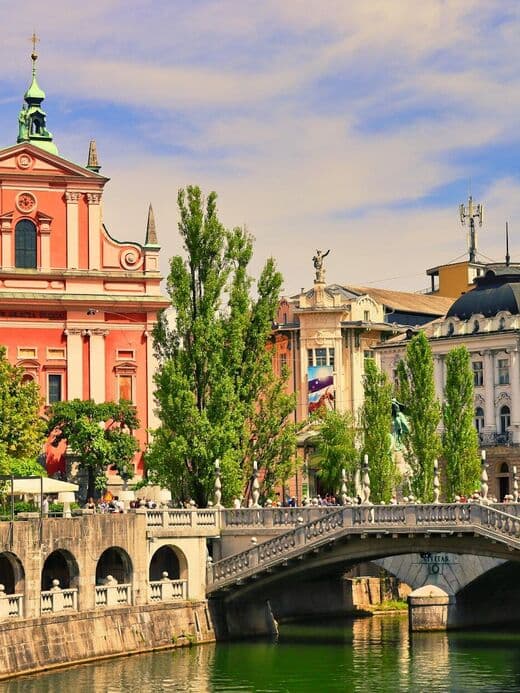
Preseren Square is the heart of the city, named after the national poet whose bronze statue gazes across at the pink Franciscan Church. All walks begin here: to your left, the Triple Bridge, an architectural masterpiece by Joze Plecnik; to your right, the baroque streets of the Old Town.
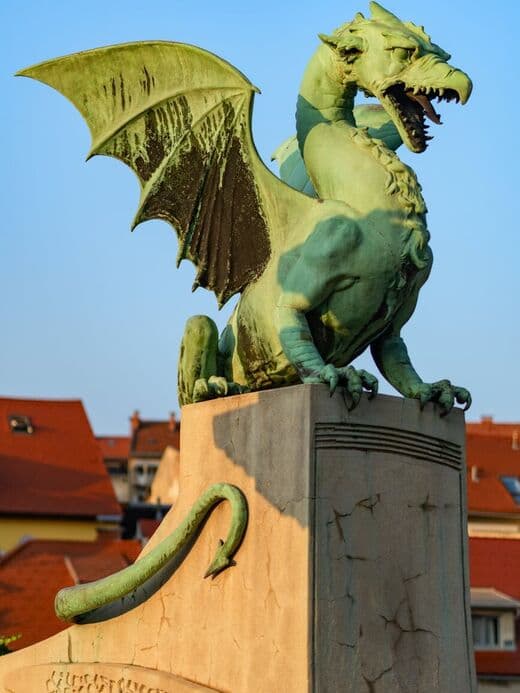
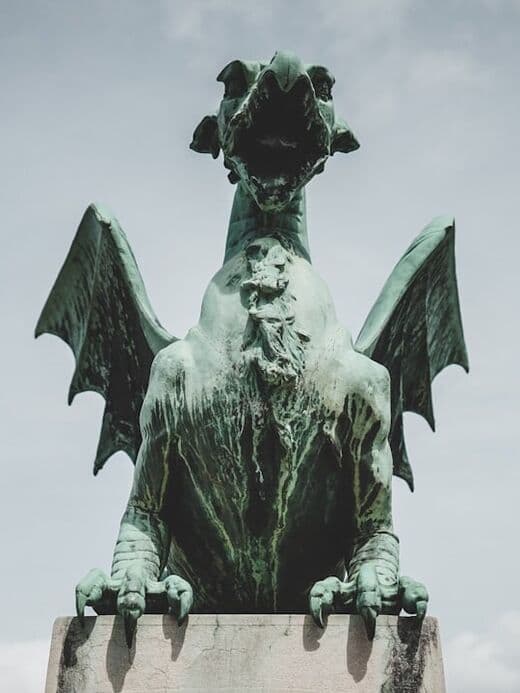
Dragon Bridge is the symbol of Ljubljana, built in 1901. Four green dragons guard the crossing over the Ljubljanica, and yes, they are genuinely impressive. Legend has it that when a virgin crosses the bridge, the dragons wag their tails. Locals joke that the tails have been still for many years now.
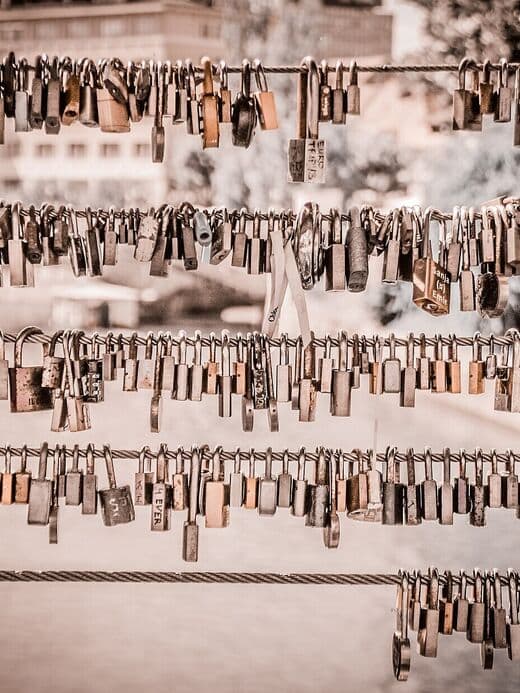
The Ljubljanica River Embankment stretches for kilometers, lined with cafes, bars, and restaurants. In summer, tables spill right down to the water's edge, and the city transforms into one giant terrace. Here you will also find Butchers Bridge, covered in lovers' padlocks, Slovenia's answer to Paris's Pont des Arts.
Ljubljana Castle rises above the city on a hill, accessible on foot or by funicular. The castle itself is a mix of eras from the 12th century to modern restorations. The main draw is the panorama: terracotta rooftops, green hills, the Alps on the horizon.
St. Nicholas Cathedral is the city's main church, a baroque edifice with a distinctive green dome. Inside, you will find frescoes, marble, and surprisingly modern bronze doors from 1996, depicting scenes from Slovenian history.
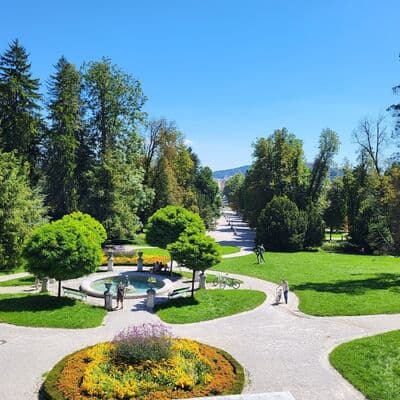
Tivoli Park is Ljubljana's green lungs: 500 hectares of forests, avenues, and ponds just five minutes from the center. Here locals jog, cycle, walk dogs, and simply sit on the grass with a book. In summer, the park hosts open-air concerts.
For American visitors used to sprawling cities, Ljubljana will feel refreshingly walkable. You can see the major sights in a day, but the city rewards a slower pace. The cafe culture is strong: find a spot along the river and watch the world go by. Unlike some European capitals where tourists are tolerated but not welcomed, Ljubljana genuinely enjoys its visitors.
The city is also remarkably clean and green. Cars are banned from much of the center, replaced by pedestrians, cyclists, and an electric shuttle called Kavalir that provides free rides for those who need them. The emphasis on sustainability is not performative; it is woven into daily life.
Practical note: Ljubljana is an excellent base for exploring the rest of Slovenia. With a rental car, you can reach almost any point in the country within two hours. Without a car, public transport connects the capital to major destinations, though less frequently than you might expect.
Gorenjska: Alpine Slovenia
The northwestern corner of the country is the Slovenian Alps in all their glory. Here you will find Triglav (2,864 meters/9,396 feet), the highest peak and national symbol, featured on the flag and coat of arms. Every Slovenian considers it a duty to climb Triglav at least once in their lifetime, a kind of civic initiation.
Bled is postcard Slovenia, the image you have seen a thousand times. An emerald lake, a tiny island with a church, a medieval castle on a cliff, snow-capped peaks in the background. Yes, it is touristy. Yes, summer brings crowds. But this does not make Bled any less beautiful; just visit in May or October.
Bled Island is Slovenia's only natural island. You reach it by pletna, a traditional wooden boat rowed standing up by local gondoliers. On the island stands the Church of the Assumption with its wishing bell (99 steps up, make a wish, ring the bell, the classics).
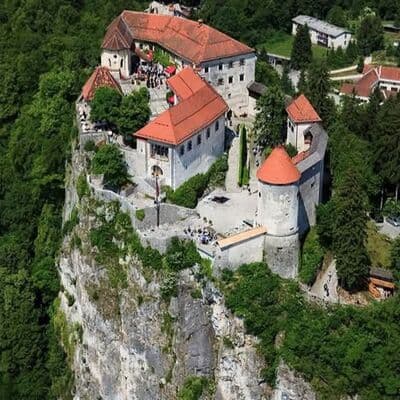
Bled Castle has stood on its 130-meter (430-foot) cliff above the lake since the 11th century. Inside you will find a museum, a restaurant with views, and a wine cellar where you can print your own label on a bottle of Slovenian wine. The view from the tower alone is worth the entrance fee.
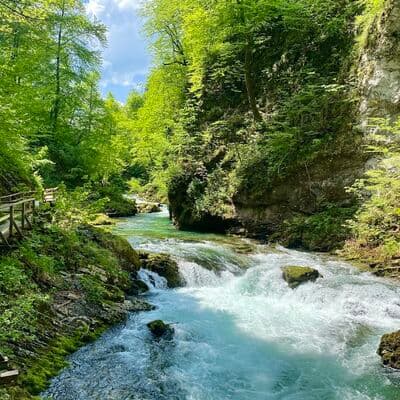
Vintgar Gorge offers four kilometers of wooden walkways suspended above the turquoise Radovna River. The gorge ends at the 13-meter (43-foot) Sum waterfall. Arrive early morning, before the tour buses, and at 7 AM this place is pure magic.
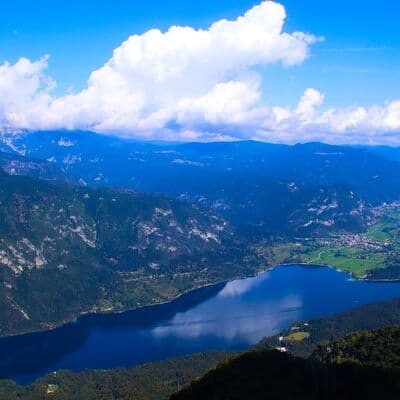
Lake Bohinj is the larger, less-hyped sibling of Bled. There is no island with a church here, but there are kilometers of untouched nature, genuine Alpine atmosphere, and far fewer tourists. Bohinj is the gateway to Triglav National Park, the starting point for dozens of hiking trails.
Kranjska Gora is a ski resort in winter and a hiking base in summer. From here, it is a short drive to the Vrsic Pass and the emerald valley of the Soca River.
Bovec is Slovenia's adventure tourism capital. Rafting, kayaking, zip-lining, canyoning, paragliding: everything that gets the heart racing. The Soca River (called the Isonzo in Italian) is one of the most beautiful rivers in Europe, its turquoise color impossible to capture in photographs.
For Americans and Canadians used to vast national parks, the scale of the Slovenian Alps might seem modest. But what they lack in size, they make up for in accessibility and beauty. You can drive from Ljubljana to stunning Alpine scenery in an hour, something that would take half a day from many US cities to their nearest mountains.
British visitors will find the hiking infrastructure excellent, with well-marked trails, mountain huts (planinske koce) offering food and accommodation, and rescue services if things go wrong. Australian visitors should note that the Alpine environment is very different from Australian bush; weather changes rapidly, and proper gear is essential even in summer.
The region also has deep historical significance. During World War I, the Isonzo Front ran through these mountains, one of the bloodiest campaigns of the war. Museums, memorials, and restored trenches dot the landscape, offering a sobering counterpoint to the natural beauty.
Primorska: The Slovenian Coast
Slovenia has just 46 kilometers (29 miles) of Adriatic coastline, but what a stretch it is. Three historic towns with Venetian heritage, a Mediterranean climate, fresh seafood, and the atmosphere of the Italian Riviera without Italian prices.
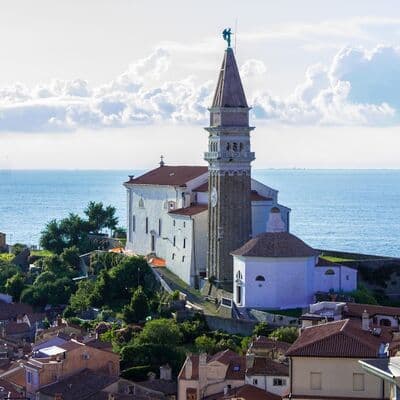
Piran is the undisputed star of the coast. A medieval town on a peninsula where every house is photogenic, every alley leads to the sea, and sunsets are the best in Slovenia. This is the birthplace of Giuseppe Tartini, the great 18th-century violinist and composer.
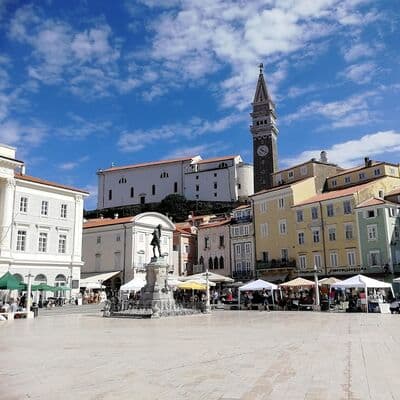
Tartini Square is an oval plaza at the heart of Piran, surrounded by Venetian palazzi. In the center stands a statue of Tartini; around it, cafes and restaurants. On summer evenings, open-air concerts fill the square with music.
The Church of St. George stands on a hill above the town, its bell tower an exact replica of Venice's Campanile in St. Mark's Square. Climb to the top for views over the terracotta rooftops, the sea, and the coast. Every step is worth it.
Piran Town Walls are the remains of medieval fortifications that you can walk along. The best time is sunset, when the town below bathes in golden light.
Portoroz is the resort town next to Piran. Here you will find beaches, spa hotels, casinos, and nightlife. If Piran is for romantics, Portoroz is for those who want beach vacation infrastructure.
Koper is the largest coastal town and the country's main port. Less touristy than Piran but with its own Venetian charm. The central Tito Square (Titov trg) is one of the most beautiful in Slovenia.
Izola is a fishing town between Piran and Koper. Fewer tourists, better fish, and the feeling of authentic coastal life rather than a tourist backdrop.
For American visitors, the Slovenian coast offers a taste of the Mediterranean without the crowds of the French Riviera or the prices of Amalfi. The water is clean, the towns are walkable, and the seafood is excellent. The main downside: beaches are mostly rocky or concrete platforms rather than sandy stretches. Pack water shoes.
British visitors will find the climate pleasantly warm from May to October, significantly warmer than anything back home. The architecture and atmosphere will feel familiar if you have visited Venice or other Adriatic towns.
Australian visitors should note that while the beaches are not what you are used to, the swimming is excellent, and the cultural experience of these medieval coastal towns more than compensates for the lack of surf.
Karst and Caves
The karst plateau in southwestern Slovenia is the birthplace of the very term 'karst.' Beneath the surface lie thousands of caves, while above ground, you will find rocky landscapes, vineyards, and villages built of white stone.
Postojna is the tourist capital of the Slovenian karst. People come here for two jewels: Postojna Cave and Predjama Castle.
Postojna Cave is the largest show cave in Europe. Twenty-four kilometers of underground galleries, of which tourists see five, but what galleries they are. Part of the route runs on an underground train that has been carrying visitors since 1872. Stalactites, stalagmites, underground halls the size of cathedrals: this impresses even seasoned travelers.
The Proteus, or 'human fish,' is a unique creature found only in the caves of Slovenia and neighboring Croatia. A blind salamander that looks like a tiny dragon and can live up to 100 years. In Postojna Cave, there is a special aquarium where you can see this wonder of nature.
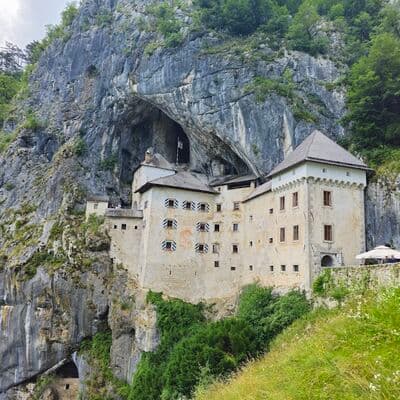
Predjama Castle is a castle built into a cliff. Literally: a 123-meter (400-foot) vertical rock face with a medieval fortress embedded in its middle. Here lived the legendary robber knight Erasmus of Predjama, Slovenia's Robin Hood, who held out against a siege for a year thanks to a secret passage through the cave behind the castle.
Skocjan Caves are the second world-class cave complex, a UNESCO World Heritage site. Less commercial than Postojna but equally impressive. Here you will find one of the largest underground canyons in the world.
For American visitors, Postojna Cave offers a cave experience unlike anything in the US. The underground train, the scale of the formations, and the history (this has been a tourist attraction since the 19th century) create something truly special. If you have only time for one cave, make it Postojna for the full experience, or Skocjan for the more adventurous, less commercialized option.
British visitors will appreciate the cooler temperatures underground (a constant 10 degrees Celsius/50 Fahrenheit year-round), making caves an excellent escape from summer heat. Australian visitors should note that while Australia has impressive caves too, the European history and infrastructure around these sites offer a different kind of experience.
Nova Gorica and the Vipava Valley
Western Slovenia, bordering Italy, is a wine lover's paradise and a gastronomic destination. Here they make wines that win international competitions but are barely exported because Slovenians drink it all themselves.
Nova Gorica is a young city, built after World War II when the historic Gorizia went to Italy. Today the border is open, and you can walk from Slovenia to Italy and back in five minutes. In 2025, Nova Gorica and Italian Gorizia were jointly named European Capital of Culture, bringing renewed attention to this cross-border region.
Goriska Brda is the Slovenian Tuscany. Rolling hills covered in vineyards, medieval villages, family wineries. The local white wine rebula and increasingly, orange wines (white wines fermented on their skins) have become a trend in world winemaking, though the tradition here goes back centuries.
The Vipava Valley is a lesser-known but equally interesting wine zone. Winds from the Adriatic create a unique microclimate ideal for viticulture. The local variety zelen is the region's calling card.
For American wine enthusiasts, this region offers discoveries. Orange wines, natural wines, and indigenous varieties you will not find in California. Many wineries offer tastings and tours, often with the winemaker themselves. Prices are reasonable, especially compared to Napa or Bordeaux.
British visitors will find excellent value here, with quality wines at a fraction of French or Italian prices. Australian visitors familiar with their country's wine regions will appreciate the more artisanal, small-batch approach common in Slovenia.
Styria: Thermal Spas and Vineyards
Eastern Slovenia means thermal resorts, vineyards, and a slower pace of life away from tourist trails. People come here for spa treatments, wine, and gastronomy.
Maribor is the country's second city, a university town with rich history. Here grows the oldest grape vine in the world, over 400 years old and still producing fruit. Every autumn, the harvest is ceremonially gathered, and a limited edition wine is made from the grapes.
Ptuj is Slovenia's oldest town, founded by the Romans. A medieval castle on a hill, narrow streets, wine cellars. The town has been recognized as one of Europe's best heritage destinations.
Rogaska Slatina is a thermal resort with 400 years of history. Here people drink the medicinal 'Donat Mg' water, one of the most magnesium-rich in the world. Spa hotels, sanatoriums, detox and relaxation programs.
Terme Olimia is another popular thermal complex, surrounded by vineyards and olive groves. New family-oriented facilities continue to open, making it increasingly attractive for those traveling with children.
Celje is Slovenia's third-largest city with an impressive castle on a hill. Less touristy than Ljubljana or Maribor but with interesting history and authentic atmosphere.
For American visitors accustomed to spa treatments as luxury indulgences, the European thermal spa tradition offers something different. These are not just pampering experiences but also health-focused treatments with centuries of tradition. Many visitors come for week-long programs combining thermal baths, medical consultations, and wellness activities.
British visitors will find the thermal spa culture a pleasant contrast to the UK's more limited wellness offerings. Australian visitors should embrace the opportunity: there is nothing quite like soaking in naturally heated mineral water after a day of sightseeing.
Dolenjska and Bela Krajina
The southeastern corner of the country offers rolling hills, thermal springs, monasteries, and traditional villages. This is where you will find the fewest tourists and the most authentic Slovenian life.
Novo Mesto is the regional capital, known for Iron Age archaeological finds and traditional beekeeping. In Dolenjska, you can dive into the world of Slovenian apitourism: visiting apiaries, tasting honey, experiencing apitherapy.
Otocec features Slovenia's only island castle, now converted into a luxury hotel. Medieval romance meets modern comfort.
Kostanjevica na Krki is a town on an island in the middle of the river, with a monastery and a gallery of contemporary art. Peace, nature, history.
This region is off the radar for most international tourists, making it ideal for those who want to experience Slovenia as Slovenians live it. Roads are quiet, villages unchanged, and if you speak some Slovenian (or use a translation app), you will find locals delighted to share their corner of the country.
Kocevsko: Wild Nature
The least populated region of Slovenia consists of endless forests, bears (around 1,000 individuals, one of Europe's largest populations), and almost complete absence of tourists.
The Krokar Virgin Forest is one of the last untouched beech forests in Europe, a UNESCO site. Here, trees grow and fall without human intervention, as they have for hundreds of years. Tours are limited to protect the ecosystem.
Bear watching is a highlight of Kocevsko: ethical tours observe brown bears from special hides. No hunting, just photography and communion with wild nature.
For North American visitors, this offers a European wilderness experience. While the forests are not as vast as those in Canada or Alaska, seeing brown bears in Europe is genuinely special. The tours are well-organized, safety-focused, and designed to minimize impact on the animals.
British and Australian visitors, coming from countries where large predators are less common (or, in Australia's case, entirely different), will find bear watching a memorable experience. Just remember: these are wild animals, and guides' instructions must be followed exactly.
Unique Natural Treasures of Slovenia
Triglav National Park
Slovenia's only national park covers almost the entire northwestern part of the country. 880 square kilometers (340 square miles) of Alpine peaks, glacial lakes, waterfalls, and valleys. Triglav is not just the highest point; it is the spiritual center of Slovenian identity.
The Seven Triglav Lakes are a system of glacial pools at around 1,700 meters (5,600 feet) elevation. The hike to reach them is a classic route for mountain lovers, requiring good fitness and at least two days.
Savica Waterfall is a 78-meter (256-foot) cascade, one of the most beautiful in Slovenia. Located above Lake Bohinj, the climb up 553 steps is worth every one.
The Trenta Valley is an Alpine valley with traditional villages, the park's information center, and the starting point for many hiking routes. Here you will also find the source of the Soca River.
For American hikers, Triglav National Park offers well-maintained trails with a network of mountain huts (refuges) where you can eat, sleep, and refuel. This European system of high-altitude accommodation makes multi-day hikes more accessible than backcountry camping. The infrastructure is excellent, but so are the crowds on popular trails in summer. Consider September for the best combination of weather and solitude.
British hillwalkers will find trails ranging from gentle valley walks to serious mountaineering. The park is well-signposted, and rescue services are professional. Australian visitors should note that Alpine conditions can change rapidly: even in summer, snowfall is possible at higher elevations, and proper gear is non-negotiable.
The Soca River and Isonzo Valley
The Soca is one of the most beautiful rivers in the world. Its emerald-turquoise color seems impossible but is entirely real. The river flows from its source in the Julian Alps to the Adriatic Sea in Italy, where it is known as the Isonzo.
The Great and Small Soca Gorges are natural canyons where the river has carved its way through rock. Wooden walkways let you approach the water and appreciate its incredible color.
Waterfalls on the Soca include Boka, Kozjak, and Virje, among dozens of others. Boka is the most powerful in Slovenia, especially impressive in spring when snow melts.
World War I left a deep mark on the Soca Valley. The Isonzo Front was one of the war's bloodiest campaigns. Museums, memorials, and restored trenches make this an important place of remembrance for history buffs.
For American visitors, the Soca offers world-class whitewater activities at European prices. Rafting, kayaking, and canyoning are all available with professional operators. The water temperature is cold (around 8 degrees Celsius/46 Fahrenheit even in summer), but wetsuits are provided. The WWI history adds a layer of depth to the natural beauty.
British visitors with interest in the Great War will find the Isonzo Front memorials particularly moving. The scale of the conflict and the brutal mountain terrain give new perspective on the war. Australian visitors should note the ANZAC connections: while this was not an ANZAC theater, the shared sacrifice of that generation resonates.
Karst Caves
Slovenia is the birthplace of karst, and thousands of caves riddle its limestone terrain. Beyond the famous Postojna and Skocjan, dozens of others offer unique experiences.
Planina Cave is where you can watch the Pivka River disappear underground. In winter, thousands of bats hibernate here.
Vilenica Cave is one of the world's first tourist caves, open to visitors since the 17th century. Small but historic.
Krizna Cave is for adventure lovers. Underground lakes crossed by boat and the atmosphere of a real spelunking expedition.
For American visitors, the concentration of significant caves in such a small area is remarkable. You could visit a different cave every day for a week and not repeat yourself. Each has its own character, from highly commercialized to genuinely adventurous.
Thermal Springs
Slovenia is a thermal paradise. More than 15 major thermal resorts are scattered across the country. Water temperatures range from 32 to 73 degrees Celsius (90 to 163 Fahrenheit), and compositions vary from medicinal mineral to simple warm water.
Terme Catez is the largest thermal complex with water parks, slides, and entertainment for the whole family.
Terme Olimia offers high-end spa and wellness, surrounded by vineyards and olive groves.
Terme Ptuj has thermal baths with history, located in a former Dominican monastery.
Terme Smarjeske Toplice is an intimate resort focused on health and rehabilitation.
For American visitors, European thermal spas offer something different from the typical US spa experience. The emphasis is on hydrotherapy and wellness rather than luxury pampering (though that is available too). Many visitors come for extended stays, combining daily thermal bathing with other treatments.
Wine Regions
Slovenia is a grape country. Three main wine regions produce wines that regularly win international awards.
Primorska has a Mediterranean climate and produces both red and white wines. Local varieties teran and refosk are powerful reds with character.
Podravje in the northeast produces white wines in a Germanic style. Riesling, Chardonnay, Sauvignon Blanc.
Posavje in the southeast has traditional winemaking. Cvicek is the local rose, light and refreshing.
Goriska Brda is the jewel of Slovenian winemaking. Orange wines (white wines fermented on their skins) were made here long before they became fashionable elsewhere.
For American wine enthusiasts, Slovenia offers genuine discoveries. The wines are not exported in quantity, so tasting here provides access to bottles you simply cannot find in US stores. Winery visits are informal, often hosted by the winemaker or their family, and prices are remarkably reasonable.
British visitors will appreciate both the quality and value. Australian visitors familiar with their country's bold wines will find Slovenian wines more subtle but no less interesting. The emphasis is on terroir and tradition rather than technological winemaking.
When to Visit Slovenia
Spring (April to May)
Ideal time for most regions. Nature awakens, tourists are few, prices are moderate. April can be cool and rainy, especially in the mountains. May is optimal: warm, green, Alpine meadows in bloom.
Spring events include various traditional festivals, particularly around Easter when many towns hold special celebrations. The countryside is at its most photogenic, with wildflowers carpeting Alpine meadows.
For Americans planning a European trip, May offers the advantage of shoulder-season prices with summer-like weather. Memorial Day weekend is an option, though you will share the country with other Americans with the same idea.
Summer (June to August)
High season. Warm everywhere (77 to 86 degrees Fahrenheit / 25 to 30 degrees Celsius), you can swim in the sea and lakes. The main downside: crowds at popular spots. Bled in August is a test for introverts. Accommodation prices peak.
Pro tip: if you visit in summer, book accommodation well in advance (at least 2 to 3 months) and arrive at popular locations early morning or evening to avoid the worst crowds.
For British visitors escaping the UK summer (such as it is), Slovenia offers reliably better weather. Australian visitors escaping their winter will find Slovenian summer delightful, though book ahead as this is peak season.
Autumn (September to October)
The second ideal window. September is still warm (68 to 77 degrees Fahrenheit / 20 to 25 degrees Celsius), tourist numbers drop, vineyards turn golden. October brings harvest season, wine festivals, and fall colors in the mountains.
For American visitors, autumn offers European fall foliage that rivals New England, plus wine harvest celebrations. Canadian Thanksgiving falls in this period, making it a good time for a getaway if you can skip the family dinner.
Winter (November to March)
Ski season in the Alps. Kranjska Gora, Bovec, and Mariborsko Pohorje are decent resorts with affordable prices (far cheaper than Austria or Switzerland). In the valleys, expect fog and grayness, but thermal resorts operate year-round.
December brings Christmas markets to Ljubljana and other cities. Atmospheric but cold.
For American skiers, Slovenian resorts offer excellent value, though they are not as extensive as the big-name resorts. The real advantage is combining skiing with other experiences: caves, thermal spas, Christmas markets, wine tastings.
When NOT to Visit
November is the most depressing month. Gray skies, rain, leaves fallen, snow not yet arrived. Many mountain roads close, tourist attractions switch to winter hours or close entirely.
Early April is shoulder season. Ski resorts have closed, swimming season has not begun, weather is unpredictable.
Public Holidays
Slovenians love holidays, and on these days EVERYTHING closes: shops, restaurants, attractions. Plan accordingly:
- January 1-2: New Year
- February 8: Preseren Day (national culture day)
- Easter: dates vary, typically March-April
- April 27: Day of Uprising Against Occupation
- May 1-2: Labor Day
- June 25: Statehood Day
- August 15: Assumption of Mary
- October 31: Reformation Day
- November 1: All Saints' Day
- December 25: Christmas
- December 26: Independence Day
For American visitors accustomed to stores being open on holidays, this can be a shock. Stock up on essentials before major holidays. For British visitors, the extent of closures will feel familiar from the UK's bank holidays, only more thorough.
How to Get to Slovenia
By Air
The main airport is Ljubljana Joze Pucnik Airport (LJU), 25 kilometers (16 miles) from the city center. Small but modern.
From the United States, there are no direct flights. Convenient connections include:
- Via Frankfurt or Munich (Lufthansa): well-connected from all major US cities
- Via London (British Airways, then connecting carriers): adds time but often competitive pricing
- Via Istanbul (Turkish Airlines): excellent connections from North America, often good fares
- Via Amsterdam (KLM): another major hub option
- Via Vienna (Austrian): just 380 km from Ljubljana, sometimes the best routing
From the United Kingdom, direct flights to Ljubljana operate from London and other cities via carriers like easyJet, British Airways, and Wizz Air. Flight time is about 2 hours.
From Canada, similar routing as from the US, typically through major European hubs. Toronto has good connections via Frankfurt or Munich.
From Australia, the journey is long (20+ hours minimum). Consider routing through Dubai, Singapore, or a European hub. Some travelers combine Slovenia with a longer European itinerary to justify the flight time.
Alternative airports:
- Venice (VCE): 150 km from Ljubljana, many low-cost carriers
- Trieste (TRS): 100 km, small but sometimes cheaper
- Zagreb (ZAG): 140 km, convenient if combining with Croatia
- Graz (GRZ): 190 km, good for eastern Slovenia
Flying into Venice Marco Polo and driving to Slovenia is a popular option for American visitors wanting to combine the two destinations. The drive takes about 90 minutes and is scenic.
TSA/Security notes for American travelers: standard EU security applies. Liquids in 100ml containers in a clear bag. Laptops and large electronics out of bags. No special restrictions for Slovenia specifically.
By Train
Rail connections exist with all neighbors: Austria, Italy, Croatia, Hungary. From Vienna, about 4 hours. From Venice, 2.5 hours. From Zagreb, 2 hours.
The new Ljubljana railway station, a flagship green mobility project with modern architecture and convenient transfers, recently opened, improving the country's rail infrastructure significantly.
For travelers from the UK, Eurostar to Paris or Brussels, then connections through Switzerland or Austria to Ljubljana is possible but time-consuming (12+ hours total). Flying is more practical unless you are doing a broader European rail trip.
Interrail/Eurail passes are valid in Slovenia, making it easy to include in a broader European rail itinerary.
By Bus
FlixBus and other European bus companies connect Slovenia with most European cities. From Vienna about 4.5 hours, from Munich 5 hours, from Zagreb 2 hours.
For budget travelers already in Europe, buses offer the cheapest option. Book in advance for better prices.
By Car
If you are already in Europe, driving is excellent. Slovenia sits at the crossroads: Vienna 380 km, Munich 400 km, Venice 240 km, Zagreb 140 km.
Important: a vignette (toll sticker) is required for Slovenian motorways. Buy online at evinjeta.si or at gas stations. Weekly vignette costs about 16 euros (around USD 18), monthly about 32 euros (around USD 35). Fine for not having one: from 300 euros.
For American and Canadian visitors renting cars in Europe, check that your rental agreement allows travel to Slovenia. Most major companies permit it, but verify before crossing borders.
Getting Around Slovenia
Car Rental
The best way to explore Slovenia is by car. The country is small, roads are excellent, parking is available (except in the centers of larger cities). In a day, you can cover several regions.
Rental costs from 30 to 40 euros per day (USD 35 to 45) for economy class. Book in advance, especially in summer. All major international companies are represented at the airport and in cities.
Driving licenses: US, Canadian, UK, and Australian licenses are valid. International Driving Permits are recommended but not strictly required for short stays.
Key rules:
- Vignette required for motorways (highways/freeways)
- Speed limits: 130 km/h (80 mph) on motorways, 90 km/h (55 mph) on main roads, 50 km/h (30 mph) in towns
- Headlights on at all times, day and night, year-round
- Blood alcohol limit: 0.5 per mille (but best to drink nothing if driving)
- Winter tires mandatory November 15 to March 15
- Driving is on the right side of the road
For Americans and Canadians, driving in Slovenia is straightforward. Roads are well-maintained, signage is clear, and distances are short. The main adjustment is the metric system: kilometers rather than miles, liters rather than gallons.
For British visitors, driving on the right takes adjustment. Take it slowly for the first few hours, especially at intersections and roundabouts. The roads themselves are excellent.
For Australian visitors, right-hand driving will be familiar. The main difference from Australian driving is the prevalence of narrow mountain roads with sharp curves. Take your time on these.
Parking: city centers are paid (1 to 2 euros per hour). The EasyPark app works throughout Slovenia. Most attractions have free parking lots.
Car sharing Avant2Go offers electric vehicles in major cities. Convenient for short trips around Ljubljana.
Buses
Two main operators: Arriva (west and center) and Nomago (east and some western routes). Schedules available on their websites and apps.
Buses run regularly between major cities. Ljubljana to Bled: hourly, 1.5 hours, about 8 euros (USD 9). Ljubljana to Piran: 2.5 hours, about 12 euros (USD 13).
Important: weekends and holidays see reduced service. Small villages may be inaccessible by public transport.
Tickets can be bought online, via apps, or from the driver (cash only for some routes).
Trains
Slovenian Railways (SZ) do not have the densest network, but main routes are covered. Ljubljana to Maribor: 2 hours. Ljubljana to Koper: 2.5 hours.
Note: Lesce-Bled station is 4 km from Lake Bled itself. You will need a bus or taxi to reach the lake.
Tickets available at potniski.sz.si or station counters. Trains are comfortable but not high-speed.
Urban Transport
In Ljubljana, the LPP bus network operates. Tickets via the Urbana app (link a card) or from kiosks. Single ticket 1.30 euros, valid for 90 minutes with transfers.
Ljubljana's center is pedestrianized, cars banned. Everything is within 20 to 30 minutes' walk.
Taxis and Ride-Hailing
Official taxis with checkered markings and meters operate throughout the country. In Ljubljana, Metro Taxi is reliable. The Slovenian ride-hailing app Hopin works in Ljubljana.
Important: Uber and Bolt do NOT work in Slovenia.
Airport to city center: official transfer GoOpti (book in advance) or taxi (20 to 30 euros, but some drivers overcharge: agree on price beforehand).
Tip: GoOpti is a shared shuttle service, significantly cheaper than taxis. Book online.
For American visitors accustomed to Uber everywhere, the lack of ride-hailing options may be frustrating. The Hopin app is the best alternative, but it only works in Ljubljana. In other towns, official taxis or your own rental car are the options.
Cycling
Slovenia is a cycling country. Infrastructure is well-developed, especially in Ljubljana (BicikeLJ city bike share) and around the lakes.
Routes along rivers, through vineyards, into the mountains cater to all fitness levels. E-bikes can be rented at most tourist locations.
For visitors from the Netherlands or Denmark, Slovenian cycling infrastructure will feel familiar. For Americans, it is a pleasant surprise: dedicated bike lanes, courteous drivers, and scenic routes make cycling a viable way to explore.
Cultural Code of Slovenia
The Slovenian Character
Slovenians are reserved but friendly. Do not expect Italian expressiveness or Balkan 'hundred questions in five minutes.' Here, personal space is respected, and people do not pry into your soul on first meeting.
That said, Slovenians are genuinely hospitable; they just need time to open up. If you are invited to someone's home, it is a real honor. Bring wine or flowers (odd numbers only!).
For American visitors accustomed to instant friendliness, Slovenian reserve may initially seem cold. It is not. Slovenians simply do not do small talk with strangers in the American way. Once you have established a connection, the warmth is genuine.
For British visitors, the Slovenian temperament will feel somewhat familiar: polite, understated, not given to excessive displays of emotion. Australian visitors may find Slovenians less immediately matey than back home, but equally welcoming once barriers are down.
Language
Slovenian is a South Slavic language that even Serbians and Croatians do not understand (contrary to popular belief). It is one of the most complex Slavic languages with six grammatical cases and a dual number (separate forms for two of something).
Good news: most Slovenians speak excellent English, especially younger people. German and Italian are also common, traces of the neighbors.
Basic words for tourists:
- Hello: Dober dan (DOH-ber dahn)
- Thank you: Hvala (HVAH-lah)
- Please: Prosim (PROH-seem)
- Yes/No: Ja/Ne (yah/neh)
- How much?: Koliko stane? (koh-LEE-koh STAH-neh)
- Beer: Pivo (PEE-voh)
- Wine: Vino (VEE-noh)
- The check, please: Racun, prosim (RAH-choon, PROH-seem)
For English-speaking visitors, language is rarely a barrier in tourist areas, cities, and with younger Slovenians. Older people in rural areas may speak less English, but a translation app on your phone bridges any gaps. Most signs are in Slovenian only, but key tourist information is usually provided in English as well.
Tipping
Tipping culture in Slovenia is moderate. This is not the US where 20% is expected, but not Japan where tips are offensive either.
- Restaurants: 5 to 10% of the bill, or rounding up. 'Keep the change' is normal practice
- Cafes: round up to the nearest euro
- Taxis: round up to the nearest euro
- Hotels: 1 to 2 euros per night for housekeeping, not required
- Guides: 5 to 10 euros for a tour, at your discretion
For American visitors, the lower tipping expectations are a relief for your wallet. Service charges are included in prices. Tips are appreciated but not expected as part of workers' income as they are in the US.
Time and Punctuality
Slovenians are punctual (Austrian influence). Being late to business meetings or booked activities is poor form. For friendly gatherings, 10 to 15 minutes late is acceptable.
Lunch break: 12:00 to 14:00, many establishments close or go into minimal mode.
Slovenia is in the Central European Time zone (CET), which is GMT+1 in winter, GMT+2 in summer. That is 6 hours ahead of US Eastern time (7 hours during parts of the year due to different daylight saving schedules), 5 hours ahead of UK time, and 8 to 10 hours behind Australian Eastern time depending on the season.
What Is Not Done
- Comparing Slovenia to Slovakia or Yugoslavia: sensitive topic
- Calling Slovenian 'a dialect of Serbian': absolutely not
- Discussing politics with strangers
- Speaking loudly in public places
- Bargaining in shops (acceptable at markets and flea markets)
For American visitors, the most common faux pas is confusing Slovenia with Slovakia. They are different countries with different languages, histories, and cultures. Know which one you are visiting.
Religion
Slovenia is predominantly Catholic (about 60% of the population). Churches are not just tourist attractions but functioning places of worship. Dress appropriately: covered shoulders and knees.
Safety in Slovenia
Overall Safety Level
Slovenia is one of the safest countries in Europe. Violent crime is minimal, police are effective and not corrupt. You can walk at night in any city without fear.
For American visitors accustomed to more cautious urban behavior, Slovenia will feel refreshingly safe. The kinds of precautions you might take in a US city are largely unnecessary here. That said, common sense always applies.
Petty Crime
Pickpocketing occurs in tourist areas, a standard European problem. Watch your belongings in crowds, at train stations, on public transport.
Recently, there have been increased cases of accommodation booking fraud. Fake listings on private platforms and Telegram channels with beautiful photos and low prices. Rule: book through verified platforms, do not transfer money directly, check reviews.
Tourist Scams
Slovenia is not a country where you will be actively scammed, but a few schemes exist:
- Airport taxis: Some drivers overcharge tourists. Normal price to Ljubljana center: 20 to 30 euros. If asked for 60+, it is a rip-off. Use GoOpti or agree on price beforehand
- Unlicensed guides: In popular places (Postojna, Soca, Maribor), 'guides' appear offering cheap tours without insurance or registration. Check for licenses
- Fake accommodation: See above, book through verified platforms
- Card skimming: Cover the keypad when entering PIN, use ATMs inside banks rather than on the street
Natural Risks
- Mountains: Weather changes quickly; even in summer, snow can fall at altitude. Go into the mountains prepared, register your route
- Caves: Only with organized tours. Wild spelunking is dangerous
- Bears: Population of brown bears around 1,000. Attacks are extremely rare, but in Kocevsko forests, exercise caution
- Ticks: Active in forests and grass in spring and summer. Use repellent, check yourself after walks. Consider tick-borne encephalitis vaccination if planning extensive forest hiking
For visitors from countries without significant wildlife risks (UK, much of Australia outside the Outback), the presence of bears may be concerning. In practice, bears avoid humans, and attacks are very rare. Stick to marked trails, make noise while hiking, and do not leave food out.
Emergency Numbers
- General emergency: 112
- Police: 113
- Ambulance: 112
- Mountain rescue: 112 (specify mountain rescue needed)
The 112 number works from any phone, including mobiles without a SIM card. Operators speak English.
For English-Speaking Visitors
Slovenia is welcoming to visitors from all English-speaking countries. There are no particular sensitivities or issues for Americans, Britons, Canadians, or Australians. The country is politically stable, socially tolerant, and accustomed to international visitors.
Health and Medical Care
The Medical System
Slovenian healthcare is at a high European level. Hospitals have modern equipment, doctors are competent, and many speak English.
Travel Insurance
Highly recommended for all visitors. Medical services for foreigners are expensive if you need to pay out of pocket.
For American visitors: your US health insurance likely does not cover you abroad. Purchase travel insurance that includes medical coverage. A minimum of 50,000 euros coverage is recommended, higher if you plan adventure activities.
For British visitors: the UK Global Health Insurance Card (GHIC) provides some coverage in EU countries including Slovenia, but it does not cover everything. Travel insurance is still recommended.
For Canadian visitors: provincial health plans provide limited coverage abroad. Supplementary travel insurance is essential.
For Australian visitors: Medicare does not cover you in Slovenia. Travel insurance is necessary.
Pharmacies
Lekarna (pharmacies) typically open 8:00 to 19:00 on weekdays, shorter hours on weekends. Major cities have 24/7 pharmacies.
Prescription medications require a prescription (no exceptions). Basic medications (paracetamol/acetaminophen, ibuprofen) are available without prescription.
For Americans, note that some medications available over-the-counter in the US require prescriptions in Europe. Bring any medications you need, in original packaging with prescription documentation.
Vaccinations
No vaccinations are required for entry. Recommended:
- Tick-borne encephalitis: if planning forest and mountain hiking in spring/summer
- Standard vaccinations (tetanus, diphtheria, measles) should be up to date
Water and Food
Tap water is drinkable throughout Slovenia. You can drink from the tap without boiling or filtering.
Food is safe. Sanitary standards are European. You can eat street food and at any establishment without concerns.
Sun and Altitude
In the mountains, sun is more intense. Use SPF 30+. At altitude, sunburn is possible even on cloudy days.
Altitude sickness is unlikely (maximum elevation 2,864 meters/9,396 feet), but if climbing Triglav, give your body time to acclimatize.
Money and Budget
Currency
The Euro (EUR) has been Slovenia's only currency since 2007. If you are already traveling in the Eurozone, no currency conversion needed.
For American visitors, exchange dollars to euros before arrival or use ATMs in Slovenia. Exchange rates are generally fair at banks; avoid airport and tourist-area exchange offices.
For British visitors, exchange pounds to euros. Post-Brexit, the pound fluctuates against the euro, so watch exchange rates.
For Australian and Canadian visitors, exchange your local currency to euros. ATMs offer competitive rates in most cases.
Where to Exchange and Withdraw
ATMs (bankomat) are everywhere. Visa and Mastercard widely accepted. Withdrawal fees depend on your bank. Use ATMs inside banks for safety from skimming.
Exchange offices (menjalnica) exist in tourist areas; rates are usually worse than banks. Airport exchange offices have the worst rates.
Tip for Americans: your bank may charge foreign transaction fees. Consider a travel credit card with no foreign transaction fees (many US credit cards now offer this).
Cards vs Cash
Cards are accepted almost everywhere. Visa and Mastercard work without problems. American Express is less common. Contactless payment works throughout.
Cash is still useful for small purchases, markets, and some rural areas. Having 50 to 100 euros in cash is prudent.
Budget Breakdown
Slovenia is mid-range for Europe: cheaper than Western Europe, more expensive than the Balkans.
Budget traveler (hostels, basic food, public transport):
- Accommodation: 20 to 40 euros per night (USD 22 to 45)
- Meals: 15 to 25 euros per day (USD 17 to 28)
- Transport: 10 to 15 euros per day (USD 11 to 17)
- Daily total: 50 to 80 euros (USD 55 to 90)
Mid-range traveler (3-star hotels, restaurants, rental car):
- Accommodation: 80 to 150 euros per night (USD 90 to 170)
- Meals: 40 to 60 euros per day (USD 45 to 68)
- Car rental and fuel: 50 to 70 euros per day (USD 55 to 80)
- Daily total: 150 to 250 euros (USD 170 to 280)
Comfort traveler (4-star hotels, fine dining, activities):
- Accommodation: 200 to 400 euros per night (USD 225 to 450)
- Meals: 80 to 120 euros per day (USD 90 to 135)
- Activities and transport: 100 to 150 euros per day (USD 115 to 170)
- Daily total: 350 to 600 euros (USD 400 to 680)
For American visitors, Slovenia offers excellent value compared to Western European destinations. You will find your dollar stretches further than in France, Italy, or Germany, while quality remains high.
For British visitors, prices are comparable to or slightly lower than the UK, depending on the exchange rate. For Australian visitors, the strong(ish) Australian dollar against the euro makes Slovenia reasonable value, comparable to or better than traveling in Australia.
Sample Itineraries
7 Days: Slovenia Highlights
A week gives you time for the essentials without rushing.
Day 1: Arrival in Ljubljana
Arrive at Ljubljana airport, transfer to city center. Settle into your accommodation, then explore Preseren Square, Triple Bridge, and the Ljubljanica embankment. Dinner along the river.
Day 2: Ljubljana in Depth
Morning at Ljubljana Castle (funicular up, walk down). Explore the Old Town, visit St. Nicholas Cathedral, walk across Dragon Bridge. Afternoon in Tivoli Park. Evening: more riverside dining or explore the bar scene.
Day 3: Lake Bled
Drive or bus to Bled (1 hour). Row or take a pletna to Bled Island, ring the wishing bell. Afternoon at Bled Castle. Walk around the lake (6 km). Try the famous Bled cream cake (kremsnita). Stay overnight in Bled or return to Ljubljana.
Day 4: Bohinj and Vintgar Gorge
Morning at Vintgar Gorge (arrive early to avoid crowds). Drive to Lake Bohinj, the larger and wilder lake. Swim, hike, or just relax. Visit Savica Waterfall if time and energy permit. Return to Bled or continue to Soca Valley.
Day 5: Postojna and Predjama
Drive to Postojna (1 hour from Ljubljana). Tour Postojna Cave (book in advance in summer). After, visit Predjama Castle, the castle built into a cliff. See the Proteus in the cave aquarium. Continue to the coast or return to Ljubljana.
Day 6: Piran and the Coast
Drive to Piran (1.5 hours from Ljubljana). Explore Tartini Square, climb St. George Church for views, walk the town walls at sunset. Seafood dinner. Stay overnight or return late.
Day 7: Departure
Depending on flight time, morning for last Ljubljana exploration or shopping. Transfer to airport.
10 Days: Beyond the Highlights
Ten days lets you dig deeper and reach less-visited areas.
Days 1-3: Ljubljana and Bled (as above)
Day 4: Soca Valley
Drive over Vrsic Pass (stunning scenery, hairpin turns) to the Soca Valley. Stop at the source of the Soca River. Base yourself in Bovec or Kobarid. Afternoon walk along the river or visit the WWI museum in Kobarid.
Day 5: Adventure Day
Choose your adventure: rafting on the Soca, canyoning, zip-lining, or paragliding. Alternatively, hike to waterfalls (Boka, Kozjak). This valley is Slovenia's adventure capital.
Day 6: Goriska Brda Wine Region
Drive to Goriska Brda, the Slovenian Tuscany. Wine tasting at local wineries, lunch at a family-run gostilna (inn). Explore hilltop villages. Overnight in the wine region or continue to Nova Gorica.
Day 7: Postojna and Coast
Cave and castle day at Postojna, then continue to Piran for sunset and overnight.
Day 8: Coastal Exploration
Morning in Piran, then explore Izola and Koper. Salt pans of Secovlje for nature lovers. Return to Ljubljana via the scenic route.
Days 9-10: Eastern Slovenia or Departure
Option A: Day trip to Maribor and Ptuj, exploring the oldest vine and Roman history. Return to Ljubljana.
Option B: Thermal spa day at one of the eastern resorts. Relax before departure.
Day 10: Departure.
14 Days: Comprehensive Slovenia
Two weeks allows you to truly know the country.
Days 1-2: Ljubljana
Take your time with the capital. Day trips possible but not necessary. Explore neighborhoods beyond the tourist center.
Days 3-4: Lake Bled and Triglav National Park
Two days to fully experience the Alpine region. Possible overnight in a mountain hut if you are a hiker.
Days 5-6: Soca Valley
Adventure activities, WWI history, stunning scenery. Two days minimum to appreciate this region.
Day 7: Wine Country
Goriska Brda or Vipava Valley. Wine tasting, gourmet lunch, rolling hills.
Days 8-9: Karst and Coast
Postojna and Skocjan caves, Predjama Castle, then two nights on the coast for proper relaxation.
Days 10-11: Eastern Slovenia
Maribor, Ptuj, perhaps a thermal spa overnight. This region sees fewer tourists but offers authentic experiences.
Days 12-13: Off the Beaten Path
Choose based on interests: Kocevsko for bears and wilderness, Dolenjska for tradition and beekeeping, or return to favorite spots.
Day 14: Ljubljana and Departure
Last morning in the capital, shopping for souvenirs, final meal before departure.
21 Days: Slovenia and Beyond
Three weeks allows for a deep dive plus potential excursions to neighboring countries.
Days 1-14: Follow the 14-day itinerary, but at a slower pace. Add more hiking, more wine tastings, more thermal spas, more spontaneous discoveries.
Days 15-17: Croatia Extension
From the Slovenian coast, easy day trips or overnight to Rovinj or Pula in Istria. Or venture to Zagreb or Plitvice Lakes (longer drive).
Days 18-19: Italy Extension
Trieste is 1 hour from Ljubljana. Venice 2.5 hours. A night or two in either adds Italian flavor without a major detour.
Days 20-21: Austria Extension
Graz is 2 hours from Ljubljana, Vienna 4 hours. Both make excellent additions, especially for those interested in Habsburg history.
For American visitors with limited vacation time, a 7 to 10 day trip captures Slovenia's essence. For those with flexibility (Australians on long-haul trips, British visitors taking extended leave), the full two to three weeks allows for deeper exploration and combination with neighboring countries.
Connectivity: Internet and Phone
Mobile Coverage
Mobile coverage is excellent throughout Slovenia. Even in mountain areas, you will usually have signal. The main carriers are A1, Telekom Slovenije, and Telemach.
For Visitors
The best option for most visitors is a local SIM card or eSIM.
Local SIM cards can be purchased at carrier stores, some newsstands, and at the airport. A prepaid SIM with data costs around 10 to 20 euros for a week's worth of data. Bring your passport; registration is required.
eSIM is increasingly convenient. Services like Airalo, Holafly, and others offer Slovenia/Europe eSIM packages that you activate before arrival. Prices vary but are competitive with local SIMs.
For EU residents (including British visitors with UK SIMs that still offer EU roaming), your existing plan may include Slovenia at no extra charge. Check with your carrier.
For American visitors, check your carrier's international plans. T-Mobile includes international data in many plans; AT&T and Verizon have day passes. Often, buying a local SIM or eSIM is cheaper and faster.
For Australian and Canadian visitors, international roaming is expensive from most carriers. A local SIM or eSIM is strongly recommended.
WiFi
WiFi is available at almost all hotels, most cafes and restaurants, and many public spaces. In Ljubljana, public WiFi covers much of the center. Speeds are generally good.
International Calls
If you need to make international calls, use WhatsApp, FaceTime, or other internet-based calling to save money. Traditional international calls can be expensive.
Food and Drink
Slovenian Cuisine Overview
Slovenian food sits at the crossroads of Central European heartiness, Mediterranean freshness, and Balkan flavors. The result is a cuisine that is often underrated but consistently satisfying.
The country has 24 distinct gastronomic regions, meaning local specialties change as you travel. This is not a monoculture of cuisine; what you eat in the Alps differs from the coast differs from the east.
Must-Try Dishes
Potica: The national dessert, a rolled pastry with various fillings. Walnut (orehova) is most traditional, but tarragon (pehtranova) is distinctively Slovenian. Every family has their recipe.
Struklji: Rolled dumplings, sweet or savory. Often served as a side dish or dessert. Varieties include cottage cheese, walnut, apple.
Kranjska klobasa: Carniolan sausage, a protected designation of origin product. Think bratwurst but with its own character. Traditionally served with sauerkraut and mustard.
Jota: A hearty stew of beans, sauerkraut, and pork. Comfort food from the Karst region. Perfect after a cold day of sightseeing.
Idrijski zlikrofi: Small dumplings from Idrija, shaped like tiny hats, filled with potato, onion, and bacon. Another protected regional specialty.
Presunto: Karst prosciutto, air-dried ham similar to Italian prosciutto but with the distinctive Karst wind influence. Served thinly sliced as an appetizer.
Bled cream cake (kremsnita): Layers of puff pastry, vanilla custard, and whipped cream. Not unique to Slovenia, but the Bled version is particularly famous. A must when visiting the lake.
Seafood on the coast: Fresh fish, calamari, mussels, and shrimp. Simply prepared, Mediterranean style. The coastal towns have excellent seafood restaurants.
Buckwheat dishes: Buckwheat (ajda) is a traditional grain here. Look for buckwheat porridge, pancakes, or pasta.
Where to Eat
Gostilna: Traditional inn, the heart of Slovenian dining. Family-run, local recipes, reasonable prices. This is where locals eat.
Restavracija: Restaurant, often more formal and sometimes higher-end. Quality varies.
Okrepcevalnica: Snack bar, fast food Slovenian style. Good for quick bites.
Pizzeria: Pizza is everywhere in Slovenia, reflecting Italian influence. Quality is generally good.
Open Kitchen (Odprta kuhna): Ljubljana's Friday food market (March to October) where restaurants set up stalls and compete for your appetite. Excellent way to sample many cuisines in one place.
Meal Times
Breakfast (zajtrk): 7:00 to 9:00, typically light
Lunch (kosilo): 12:00 to 14:00, traditionally the main meal
Dinner (vecerja): 18:00 to 21:00, lighter than lunch traditionally, though restaurants accommodate all preferences
For American visitors accustomed to dinner as the main meal, this can be adjusted. Restaurants serve full meals at all hours in tourist areas. The traditional pattern applies more to home cooking and rural areas.
Drinking Culture
Wine: Slovenia is a wine country. Three main regions (Primorska, Podravje, Posavje) produce excellent wines that rarely make it to export markets. This is your chance to taste wines you cannot find elsewhere.
Orange wines are a specialty, particularly from Goriska Brda. These are white wines fermented on their skins, creating an amber color and distinctive flavor.
Beer: Lasko and Union are the main Slovenian brands. Both are decent lagers. The craft beer scene is growing, with microbreweries in Ljubljana and other cities.
Schnapps/Rakija: Fruit brandies are traditional digestifs. Common flavors include plum, pear, apple, and walnut. Often homemade and offered by hosts.
Coffee: Coffee culture is strong. Espresso-based drinks dominate. 'Turska kava' is Turkish-style coffee for those who prefer it strong and unfiltered.
Legal drinking age is 18. Alcohol is available in supermarkets, bars, and restaurants without restriction for those of legal age.
Dietary Restrictions
Vegetarian: Increasingly accommodated, especially in Ljubljana and tourist areas. Traditional cuisine is meat-heavy, but restaurants now offer vegetarian options. Ask for 'vegetarijanska hrana.'
Vegan: More challenging but possible in cities. Ljubljana has dedicated vegan restaurants. In rural areas, options are limited.
Gluten-free: Awareness is growing. Supermarkets stock gluten-free products. In restaurants, ask for 'brez glutena.'
Halal/Kosher: Limited options. Ljubljana has a few halal restaurants serving the small Muslim community. Kosher is very difficult to find.
Food Prices
Restaurant meal: 10 to 20 euros for main course at a gostilna (USD 11 to 22)
Fine dining: 30 to 50 euros per person (USD 35 to 55)
Beer: 3 to 5 euros in a bar (USD 3.50 to 5.50)
Wine by glass: 3 to 6 euros (USD 3.50 to 6.50)
Coffee: 1.50 to 3 euros (USD 1.70 to 3.40)
For American visitors, these prices are roughly comparable to mid-range US cities, cheaper than New York or San Francisco. For British visitors, comparable to or slightly cheaper than UK prices. For Australians, roughly similar to major Australian cities.
Shopping
What to Buy
Honey and bee products: Slovenia has a proud beekeeping tradition. The Carniolan bee is a local breed prized worldwide. Honey, propolis, beeswax candles, and decorated beehive panels make excellent souvenirs.
Wine: Take home bottles you cannot find abroad. Orange wines from Brda, Teran from the Karst, or any local variety. Note duty-free limits for your home country.
Salt from Secovlje: The coastal salt pans produce traditional sea salt using centuries-old methods. Salt, salt flowers, and salt-based cosmetics are available.
Handmade lace from Idrija: Idrija lace is a UNESCO-recognized craft. Authentic handmade pieces are expensive but extraordinary; machine-made versions are affordable souvenirs.
Pottery and crafts: Hand-painted ceramics, woodcarvings, and traditional crafts are available throughout the country.
Chocolate: Gorenjka and Dorina are local chocolate brands worth trying. Not world-famous but solid quality.
Outdoor gear: Slovenia has excellent outdoor stores if you need hiking or skiing equipment. The Elan ski brand is Slovenian.
Where to Shop
Ljubljana city center has boutiques, craft shops, and specialty stores. The central market (trznica) sells fresh produce, local foods, and some crafts.
BTC City in Ljubljana is a massive shopping complex with everything from international brands to local shops. Useful if you need practical items.
Local markets throughout the country offer fresh produce, crafts, and a slice of local life. Friday is market day in many towns.
Shopping Practicalities
Opening hours: typically 9:00 to 19:00 weekdays, shorter on Saturdays, closed or very limited Sundays. In tourist areas, shops may have longer hours.
VAT refund: non-EU residents can claim VAT refund on purchases over 50 euros. Look for Tax Free Shopping signs, keep receipts, and claim at the airport before departure.
For American visitors, VAT refunds can add up to significant savings on larger purchases. The process involves getting forms stamped at shops, then validated at customs before departure. It is worth the effort for major purchases.
Useful Apps
These apps will make your Slovenian trip easier:
Google Maps/Maps.me: Navigation works well in Slovenia. Download offline maps before venturing into areas with spotty coverage.
Google Translate: Slovenian language support for when you encounter non-English speakers. Camera translation feature works on menus and signs.
Hopin: The Slovenian ride-hailing app, works in Ljubljana. Since Uber does not operate here, this is your alternative.
Urbana: Ljubljana public transport app. Buy tickets and plan routes.
EasyPark: Pay for parking in most Slovenian cities.
Arriva and Nomago: Bus schedule and booking apps for intercity travel.
GoOpti: Airport transfer booking.
Komoot or AllTrails: Hiking trail apps with good Slovenia coverage.
Vivino: Wine app to identify and rate Slovenian wines.
XE Currency: Currency converter for keeping track of spending.
Conclusion: Why Slovenia Deserves Your Time
Slovenia is one of those rare destinations that genuinely delivers more than it promises. In an age of overtourism and Instagram-driven travel, this small country offers something increasingly precious: authentic experiences without the crushing crowds.
You can cover the highlights in a week, but Slovenia rewards longer stays. The deeper you go, the more you discover. A winery where the owner insists you stay for just one more glass. A hiking trail that leads to a mountain hut with the best apple strudel of your life. A thermal spring where you soak alongside elderly locals who have been coming here for decades.
For American travelers, Slovenia offers Europe at its best: efficient, safe, English-friendly, yet distinctively different from anywhere back home. For British visitors, it provides Continental charm without the pretension of some Western European destinations. For Australians and Canadians making the long journey to Europe, Slovenia is a compelling reason to venture beyond the usual capitals.
The country's commitment to sustainability means that your visit contributes to a model of tourism that preserves rather than destroys. The Slovenians want you to enjoy their country; they also want their grandchildren to enjoy it. This long-term thinking pervades everything from national park management to restaurant sourcing.
Practical considerations are straightforward. The country is small enough to navigate easily, safe enough to relax completely, and modern enough that language barriers rarely impede. You can wing it or plan meticulously; either approach works.
The food will surprise you, especially if you come with no expectations. The wine will convert you, especially if you seek out the smaller producers. The natural beauty will repeatedly stop you in your tracks, whether you are standing at a cave entrance, a lake shore, or a mountain viewpoint.
Come to Slovenia. Stay longer than you planned. Return sooner than you expected. This small country has a way of getting under your skin.
And if you are still unsure? Consider this: in the time it takes to fight through a single crowd at a major European attraction, you could be rowing across Lake Bled in peaceful solitude, the only sounds the dip of your oars and the distant bells of the island church. That is Slovenia in a moment. That is why you should go.
Note for travelers: Information in this guide is current as of early 2026 but may change. Always verify visa requirements, opening hours, and transportation schedules before travel. Prices are approximate and subject to currency fluctuations.