About
Malta: The Complete Guide to the Archipelago of Knights, Ancient Temples, and Azure Seas
Why Visit Malta
Malta is not just another Mediterranean destination. It is a place where history breathes from every limestone block, where streets remember the Knights of St. John who defended Christendom against the Ottoman Empire, and where temples stand that predate the Egyptian pyramids by a millennium. Picture this: you are standing at the Ggantija Temples, structures over 5,500 years old - built a thousand years before Stonehenge and nearly two millennia before the Great Pyramid of Giza. This is not hyperbole or tourist marketing. This is archaeological fact that fundamentally reshapes how we understand ancient human civilization.
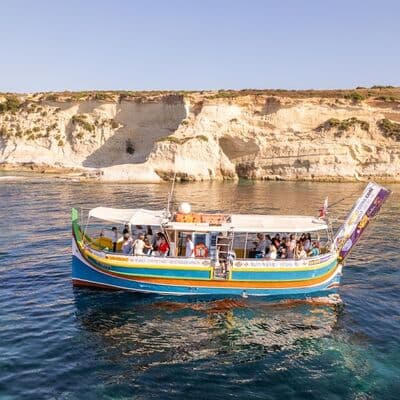
But Malta is far more than an open-air museum frozen in time. It is a living, breathing archipelago where medieval fortresses share neighborhoods with trendy rooftop bars, where fishermen still head out to sea in traditional luzzu boats painted with the Eye of Osiris (a practice dating back to Phoenician times), and where seven Michelin-starred restaurants (yes, seven stars on an island of just 122 square miles!) create culinary masterpieces from the morning's catch. For perspective, that is more Michelin stars per capita than almost anywhere else in Europe.
Why Malta specifically? Because here you get a concentration of experiences unavailable at any other Mediterranean destination. In a single week, you can explore three islands with completely different personalities, dive into history spanning from the Neolithic era through World War II, swim in emerald bays with visibility exceeding 100 feet, and taste a unique cuisine born at the crossroads of Europe, Africa, and the Middle East. Best of all, everything is compact - no exhausting eight-hour drives between attractions, no complicated logistics. The entire main island is just 17 miles long and 9 miles wide. You can literally have breakfast in the medieval walled city of Mdina, lunch at a fishing village in Marsaxlokk, and dinner watching the sunset from Upper Barrakka Gardens in Valletta - all without rushing.
Malta is remarkably safe. The British, Italians, and Germans discovered this secret decades ago - you can walk through any neighborhood at night, leave belongings relatively unattended (though basic common sense always applies), and the only real danger is falling so deeply in love with these islands that you start browsing real estate listings and wondering what a Malta residency visa might entail. This is not a joke - Malta has one of the fastest-growing expatriate communities in Europe, and after you visit, you will understand exactly why.
For English speakers, Malta offers an advantage found almost nowhere else in the Mediterranean: English is an official language. Every sign, every menu, every bus schedule is in English. You will never struggle to communicate, never need a translation app, never face that frustrating language barrier that can complicate travel in Spain, Italy, or Greece. The Maltese speak English with a distinctive accent that blends British colonial influence with Mediterranean musicality - utterly charming and completely comprehensible. This makes Malta perfect for first-time European travelers, families with children, or anyone who wants the exotic appeal of Southern Europe without the linguistic challenges.
The archipelago consists of three inhabited islands: Malta (the largest), Gozo (smaller, greener, more rural), and Comino (tiny, mostly uninhabited, home to the famous Blue Lagoon). Each has its own distinct character. Malta is where you will find the capital Valletta, most of the historical attractions, the airport, and the nightlife. Gozo feels like Malta did thirty years ago - slower, more agricultural, with dramatic cliffs and some of the best diving in the Mediterranean. Comino is essentially a nature reserve with one hotel and thousands of day-trippers coming to float in impossibly turquoise waters.
Climate is another major draw. Malta enjoys over 300 days of sunshine annually - more than almost anywhere in Europe. Even in winter, temperatures rarely drop below 50F (10C), and the sea stays swimmable from May through November. Summer can be intensely hot (85-95F / 30-35C), but the constant sea breezes and complete absence of humidity make it far more bearable than you might expect. Many travelers consider shoulder seasons (April-May and September-October) the sweet spot: warm enough for swimming, cool enough for comfortable sightseeing, and far fewer crowds than peak summer.
Perhaps most importantly for American, British, Australian, and Canadian travelers: Malta is exceptionally easy to visit. EU and Schengen Area membership means straightforward entry for most Western passport holders - no visa required for stays up to 90 days. The airport is modern and well-connected, with direct flights from major hubs including London, New York, Dubai, and most European capitals. Prices are reasonable by Western European standards - significantly cheaper than France or Italy, comparable to Spain or Portugal, more expensive than Eastern Europe but offering substantially more in terms of infrastructure and English accessibility.
The island nation punches far above its weight in terms of what it offers visitors. Where else can you explore a prehistoric underground temple carved entirely by hand using stone and bone tools, wander through a Renaissance capital city built by crusading knights, dive crystal-clear wrecks from World War II, party until dawn at world-class clubs, and relax on a pristine beach - all within a single trip, all without needing a car, all while communicating entirely in English? Malta is, quite simply, one of Europe's most underrated destinations, and those who discover it tend to return again and again.
Regions and Destinations: Where to Go and What to See
Valletta - The Fortress Capital
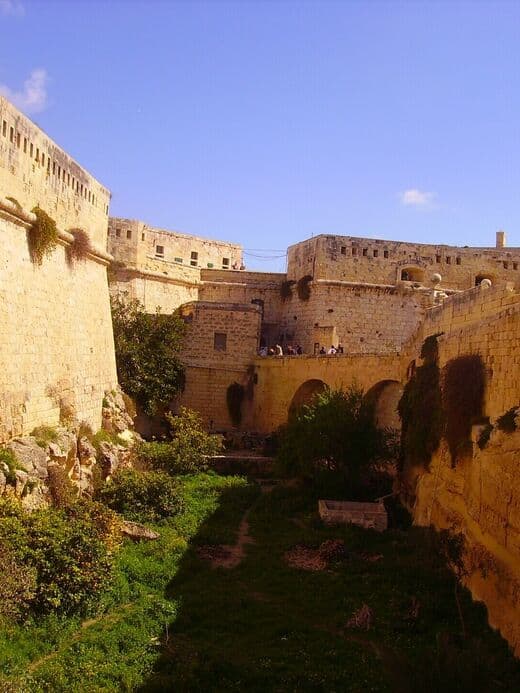
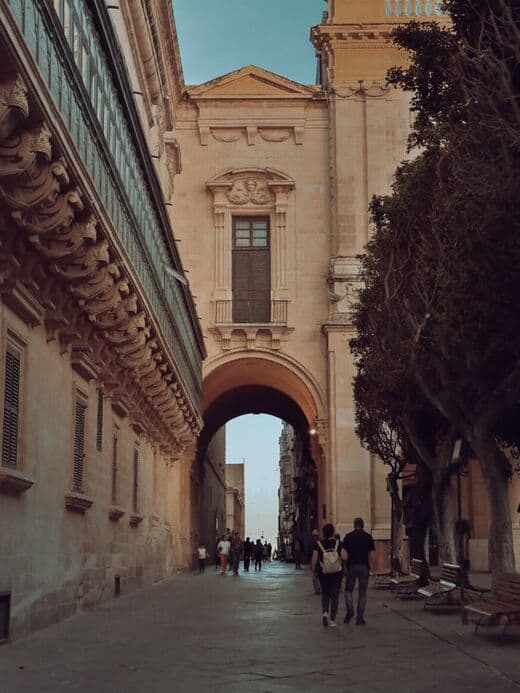
Valletta is not just Malta's capital - it is the entire reason most people first hear about Malta. Built from scratch in the 16th century by the Knights of St. John after they successfully defended the islands against the Ottoman siege of 1565, Valletta is essentially a Renaissance theme park made entirely of honey-colored limestone. The entire city is a UNESCO World Heritage Site, and unlike many such designations that feel like marketing exaggeration, this one is completely justified.
The city sits on a peninsula, surrounded on three sides by two of the finest natural harbors in the Mediterranean. The Knights designed it as the ultimate defensive position - grid-pattern streets (revolutionary for its time), massive bastions capable of withstanding cannon fire, and buildings constructed to exact specifications. Walking through Valletta today, you are walking through one of the first planned cities in European history, and remarkably, almost everything the Knights built is still standing.
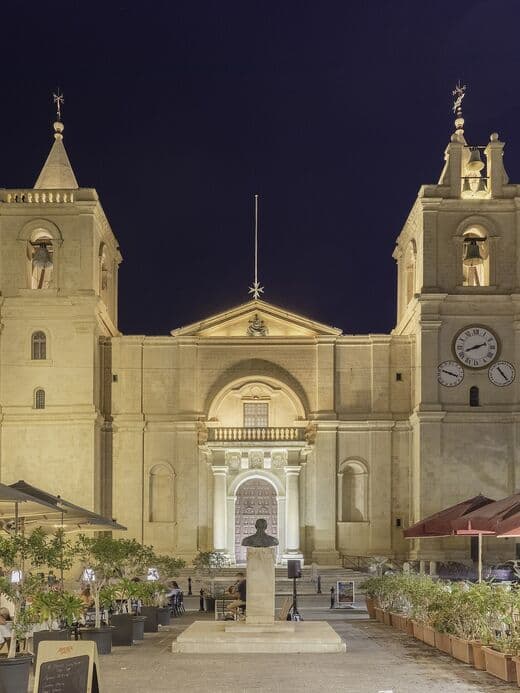
St. John's Co-Cathedral is the undisputed highlight. From outside, it looks like another military building - plain, fortress-like, deliberately unimpressive. Step inside, and your jaw will literally drop. Every square inch of the interior is covered in gilt, marble, paintings, and carved stone. The floor is made of 375 tombstones of Knights, each an elaborate work of art in colored marble. And in a side chapel hangs Caravaggio's largest painting, The Beheading of St. John the Baptist - one of the most important works in Western art history. The artist painted it while hiding in Malta from a murder charge in Rome; you can still see his signature, the only painting he ever signed, rendered in the saint's blood on the canvas. Admission is EUR 15 (about USD 16), which includes an audio guide. Go first thing in the morning or late afternoon to avoid cruise ship crowds.
The Grand Master's Palace served as headquarters for the Knights and later as the residence of British governors. Today part functions as the Maltese Parliament, while the State Rooms and Armoury are open to visitors. The Armoury contains one of the largest collections of medieval and Renaissance arms in the world - over 5,000 suits of armor, swords, pikes, and crossbows that the Knights actually used. This is not a museum of reproductions; you are looking at the actual equipment that defended Malta against the Ottoman Empire.
Upper Barrakka Gardens offers the most photographed view in Malta. From the terrace, you look down on the Grand Harbour, with cruise ships, cargo vessels, and the fortified cities of Three Cities spread before you. Every day at noon and 4 PM, a cannon fires from the Saluting Battery below - a tradition dating back to the British colonial period. Arrive fifteen minutes early to get a good viewing spot, or pay EUR 3 to watch from the battery itself.
Fort St. Elmo guards the tip of the Valletta peninsula and was the focal point of the 1565 siege. The Ottomans concentrated their entire fury on this relatively small fort for over a month before finally taking it - at the cost of 8,000 Turkish soldiers. The fort now houses the National War Museum, with exhibits covering both the Great Siege and Malta's World War II experience, including the actual George Cross awarded to the entire Maltese nation for their bravery during the German and Italian bombardment (the only time an entire country has received Britain's highest civilian honor).
The Manoel Theatre is one of Europe's oldest working theaters, built in 1731 and still hosting regular performances. Even if you do not attend a show, guided tours reveal the beautifully preserved baroque interior. The Hal Saflieni Hypogeum - a prehistoric underground temple complex carved from living rock around 4000 BC - is technically within Valletta's greater area, though slightly outside the city walls. More on this extraordinary site in the Unique Features section below.
Valletta is compact enough to explore entirely on foot. Plan a full day minimum, ideally two if you want to visit major museums without rushing. The city gets extremely crowded when cruise ships are in port (check schedules at vallettacruiseport.com), but empties out dramatically by evening - sunset and after-dark strolls through the quiet streets offer an entirely different, more romantic experience.
Mdina - The Silent City
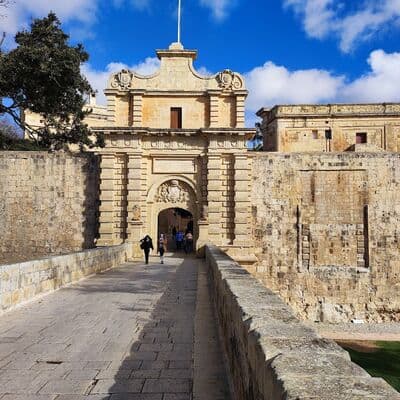
Mdina was Malta's capital for over a thousand years before the Knights arrived and built Valletta. Today it is known as the Silent City - a name that becomes instantly comprehensible the moment you pass through the Mdina Gate. Cars are banned (except for the 300-odd residents who still live here), and the narrow medieval streets are quiet in a way that feels almost eerie. Your footsteps echo off walls that have stood since the Arab period, and you can walk for ten minutes without seeing another person.
The atmosphere is extraordinary, particularly at dusk when day-trippers leave and the city reverts to its default state of profound silence. Game of Thrones filmed here, using Mdina as the exterior of King's Landing (the interiors were shot elsewhere). Walk through, and you immediately understand why - this feels like a place where time stopped centuries ago.
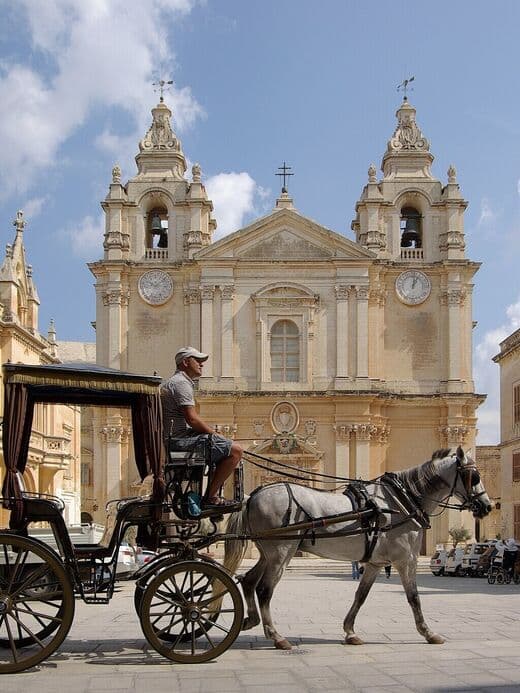
St. Paul's Cathedral dominates the main square. The current baroque structure dates from the 17th century, but a church has stood on this spot since the 4th century - allegedly where St. Paul himself preached after his shipwreck on Malta in 60 AD. The cathedral contains Mattia Preti paintings and a remarkably intricate floor of tombstones similar to (though smaller than) those in Valletta's St. John's.
Mdina requires only a few hours to explore thoroughly - the walled city is tiny, maybe half a mile across. But budget time just to wander and absorb the atmosphere. The rampart walk offers views across most of Malta, and on clear days you can see the dome of Mosta Church and even the island of Gozo in the distance. Several restaurants and cafes occupy medieval buildings - Fontanella Tea Garden, perched on the bastion walls, is famous for its chocolate cake and views, though the coffee is mediocre and prices are tourist-inflated.
Immediately outside Mdina's walls is Rabat, a much larger town that most tourists ignore. This is a mistake. Rabat contains St. Paul's Catacombs - extensive underground burial chambers dating from the Roman period - and the Domus Romana, a well-preserved Roman house with some of Malta's finest ancient mosaics. Rabat also has better, cheaper restaurants than Mdina itself, and a more authentic local atmosphere.
Three Cities - The Original Knights' Quarter
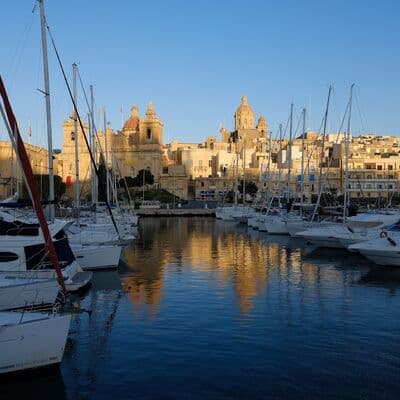
Before Valletta existed, the Knights of St. John made their headquarters in the Three Cities: Vittoriosa (also called Birgu), Senglea (Isla), and Cospicua (Bormla). These three fortified peninsulas extend into the Grand Harbour directly across from Valletta, and they offer something Valletta increasingly lacks - genuine working-class Maltese life without the tourist polish.
Vittoriosa is the most historically important of the three. The Knights' first palace (the Inquisitor's Palace) is here, along with the original conventual church, narrow streets lined with medieval buildings, and Fort St. Angelo at the tip of the peninsula. This fort served as the Knights' headquarters during the Great Siege; it was from here that Grand Master La Valette coordinated the desperate defense that ultimately defeated the Ottoman invasion. Today you can explore the fort's various levels, dungeons, and the small private chapel of the Grand Masters.
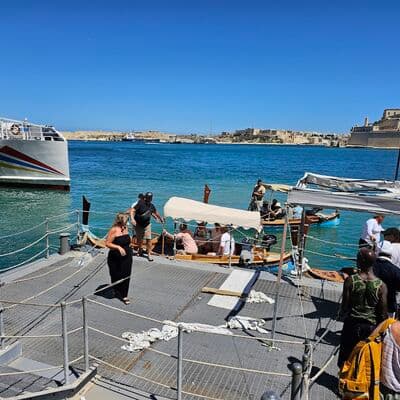
Senglea is smaller but contains the Senglea Vedette - a stone guardhouse carved with an eye and ear (symbolizing vigilance) that has become one of Malta's most recognizable landmarks. The view from here across to Valletta is spectacular, particularly at sunset. A ferry (EUR 1.50) connects Senglea directly to Valletta's waterfront - a practical and scenic transit option.
Cospicua is the least touristy of the three, more working harbor than historical attraction. But that is precisely its appeal for some visitors - real dockyards, real fishermen, real neighborhood life far from any cruise ship itinerary.
The Three Cities can be reached by water taxi from Valletta (ferries leave every 30 minutes from the waterfront below Upper Barrakka Gardens) or by bus. A morning or afternoon is sufficient to explore the main sights, though photographers and those seeking quiet will appreciate having more time.
Marsaxlokk - The Fishing Village
Marsaxlokk (pronounced mar-sa-SHLOKK) is the most photogenic village in Malta and one of the most photographed fishing ports in the Mediterranean. The harbor is filled with traditional luzzu boats - brightly painted in blue, yellow, red, and green, each with the Eye of Osiris painted on the bow. This eye, a tradition inherited from Phoenician traders 3,000 years ago, is believed to protect fishermen at sea. Against the backdrop of honey-colored buildings and the deep blue Mediterranean, the effect is irresistible.
The Sunday Fish Market is when Marsaxlokk truly comes alive. From early morning until early afternoon, the waterfront fills with stalls selling fresh fish (much of it caught that morning), local vegetables, honey, lace, and souvenirs. The atmosphere is lively without being overwhelming - nothing like the frantic markets of some Mediterranean cities. Arrive by 9 AM to see the market at its best; by noon, the best fish is gone and the crowds thicken.
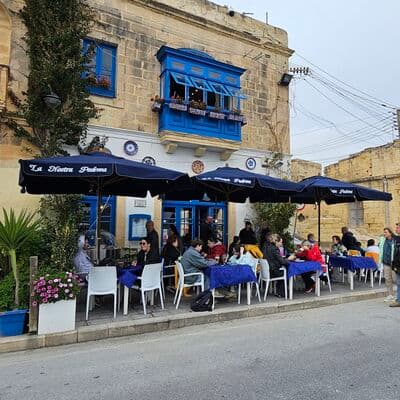
The Marsaxlokk fishing village itself is worth exploring beyond the waterfront. Narrow streets wind between traditional houses, and several excellent seafood restaurants line the harbor. Prices here are lower than in Valletta, and the fish could not be fresher - you can literally watch boats unload their catch at the pier, then order that same fish grilled at a restaurant twenty feet away.
Marsaxlokk is also the jumping-off point for St. Peter's Pool - a natural swimming hole formed by flat limestone rocks on three sides and crystal-clear Mediterranean water on the fourth. No beach, no sand, just the rocks and the sea. Bring water shoes (the limestone is rough) and arrive early in summer to secure a good spot. There are no facilities, no lifeguard, and no shade - just you and the Mediterranean in its purest form.
Gozo - The Other Island
Gozo is Malta's smaller, quieter, greener sibling. Reached by a 25-minute ferry from Cirkewwa (ferries run every 45 minutes, cost about EUR 4.65 one-way for passengers, EUR 15.70 including a car), Gozo feels like stepping back in time. Agriculture still matters here - the island is notably hillier than flat Malta, with terraced fields producing vegetables, grapes, and honey. Tourism exists but has not overwhelmed the local character. Many Maltese keep vacation homes on Gozo, escaping here when their own island feels too crowded.
The Citadel (also called Cittadella) dominates Victoria, Gozo's main town. This fortified hilltop has been occupied since the Bronze Age and was rebuilt by the Knights after a devastating Ottoman raid in 1551 that carried most of Gozo's population into slavery. Today the Citadel contains a baroque cathedral, several small museums, and sweeping views across the entire island. It is the essential Gozo experience - plan at least two hours to explore properly.
Dwejra Bay on Gozo's western coast was once home to the Azure Window - a massive stone arch that collapsed into the sea in 2017 during a storm. The loss was felt deeply (the Azure Window had become Malta's most iconic natural landmark, featured in Game of Thrones), but Dwejra remains spectacular. The Inland Sea, a lagoon connected to the Mediterranean through a tunnel in the cliff, still offers boat trips on calm days. The Blue Hole, a natural chimney in the rock leading down to underwater caves, remains one of the Mediterranean's premier dive sites. And the stark limestone coastline, battered by waves, is dramatic in any weather.
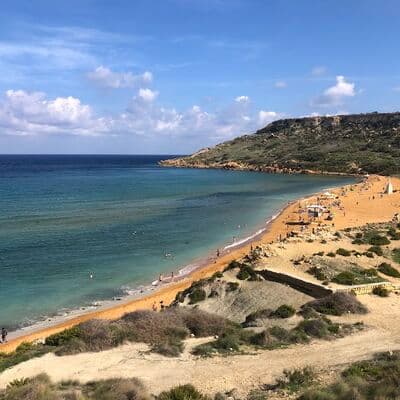
Ramla Bay is Gozo's best beach and one of the finest in all Malta - a curve of red-gold sand backed by clay slopes, with calm waters perfect for swimming. A Knights' era watchtower perches on the headland above. In high season it gets crowded; visit early morning or late afternoon for a more peaceful experience. Small beach cafes rent umbrellas and loungers for about EUR 10-15 for the day.
Gozo deserves at least a full day, ideally two or even more. The island has excellent diving, good hiking along coastal paths, and some of Malta's best restaurants in small villages like Xaghra and Xlendi. Accommodation is generally cheaper than in Malta, and the pace of life is noticeably slower. Many repeat visitors to Malta spend their entire trip on Gozo, visiting the main island only for day trips.
Comino and the Blue Lagoon
Comino is the smallest of Malta's three inhabited islands - though inhabited is a stretch, as the permanent population hovers around five people. What Comino has is the Blue Lagoon: a shallow bay between Comino and the tiny islet of Cominotto where the water is an almost unbelievable shade of turquoise. The white sand bottom and the sheltered position create swimming conditions that look like a digitally enhanced postcard.
Getting to Comino is easy. Boats depart regularly from both Malta (Cirkewwa, Marfa, Sliema, and other points) and Gozo (Mgarr Harbour). Expect to pay EUR 10-15 for a basic return trip, or EUR 25-40 for packages that include stops at sea caves, snorkeling equipment, and lunch.
The downside? Everyone else has also seen the photos. In peak summer (July-August), the Blue Lagoon becomes genuinely crowded - boats jostling for space, bodies covering every inch of the small beach, and that pristine turquoise water churned up by hundreds of swimmers. For a better experience, visit in shoulder season (May-June or September-October), arrive on the earliest boat of the day, or come late afternoon when the crowds begin leaving. Alternatively, take one of the boats that circumnavigate the island - you will see the Blue Lagoon from the water without fighting for space, plus discover more secluded swimming spots on Comino's other coasts.
Beyond the Blue Lagoon, Comino offers hiking trails across scrubby Mediterranean landscape, a 17th-century watchtower, and complete silence - a startling contrast to the chaos at the main beach. The island has no roads, no cars, and (with one exception) no permanent structures beyond the old watchtower and a few ruined buildings. That exception is the Comino Hotel, a somewhat dated resort that is the only accommodation option. Staying overnight lets you experience the island after the day-trippers leave, when the Blue Lagoon reverts to its natural empty state and you can swim in that impossibly blue water completely alone.
Unique Features: The Prehistoric Temple Builders
Malta's prehistoric temples are not just old. They are literally the oldest freestanding structures in the world - older than Stonehenge, older than the pyramids, older than anything else that humans have built that is still standing today. And unlike many ancient sites that are reduced to foundation stones and require substantial imagination to visualize, Malta's temples retain walls standing up to 20 feet high, intact altars, and elaborate carved decorations. This is not exaggeration for tourist appeal. This is archaeological fact that continues to puzzle researchers who cannot fully explain how a small island civilization achieved such architectural sophistication nearly 6,000 years ago.
Ggantija Temples
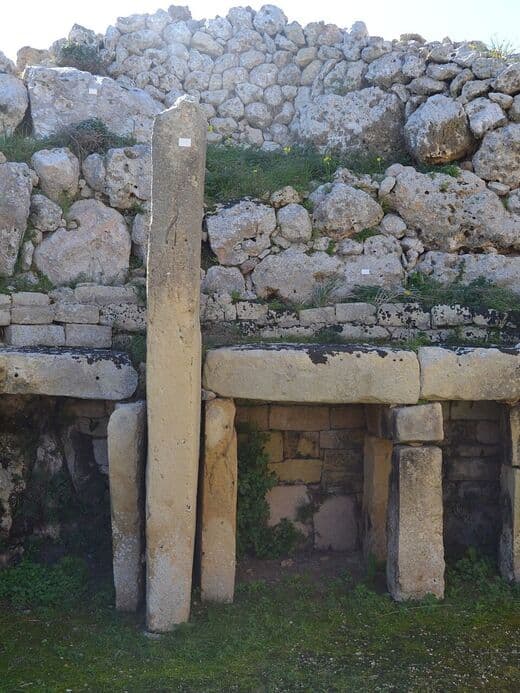
The Ggantija Temples on Gozo are the most accessible and arguably most impressive of Malta's temple complexes. Built between 3600 and 3200 BC, these two temples share a common forecourt and are constructed from limestone blocks weighing up to 50 tons. The name Ggantija means belonging to the giant in Maltese - medieval locals believed only a giant could have moved such massive stones. We now know the builders used a sophisticated system of ball bearings (small round stones placed under the blocks) to roll them into position, but the engineering achievement remains extraordinary.
Walking through the temples, you pass through doorways aligned with the winter solstice sunrise, into chambers that were likely used for animal sacrifice and ritual feasting. Altars still stand in their original positions. Holes drilled through the stone walls allowed priests (or whoever conducted ceremonies here) to speak to worshippers outside without being seen - possibly creating an oracular effect that enhanced the religious experience. We do not know what gods these people worshipped, what language they spoke, or exactly why they invested such enormous effort in temple construction. And then, around 2500 BC, the entire civilization vanished. The temples were abandoned. No records explain why.
The site includes an excellent visitor center with displays explaining what we know (and do not know) about the Temple Period. Admission is EUR 9 for adults, or EUR 15 for a combined ticket with the Citadel museums. Allow 90 minutes to two hours for a proper visit.
Hal Saflieni Hypogeum
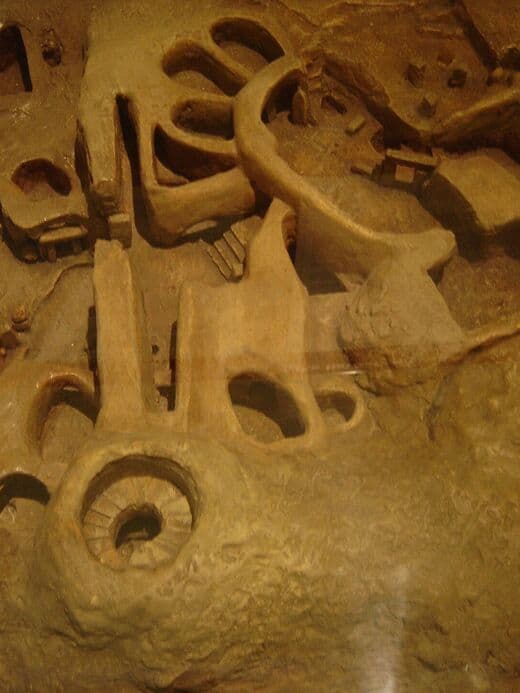
The Hal Saflieni Hypogeum is utterly unique - there is nothing like it anywhere else in the world. Discovered accidentally in 1902 when workers digging foundations for a housing development broke through into an underground chamber, the Hypogeum is an entirely subterranean temple complex carved from living rock over approximately 1,000 years (4000-2500 BC). Three levels descend about 35 feet below ground, containing chambers, halls, and carved decoration that scholars believe served as both temple and burial ground - over 7,000 bodies were found inside.
The carved details are remarkable. The main hall features trilithon doorways that imitate above-ground temple architecture but are sculpted from the rock itself. Red ochre spiral decorations cover some walls. The Oracle Chamber, a small niche carved into the wall, has acoustic properties that amplify low-frequency sounds to an almost supernatural degree - speak into it, and your voice resonates throughout the entire complex. Scholars speculate this was used for ritual purposes, possibly to create the impression that the dead or the gods themselves were speaking.
Visiting the Hypogeum requires advance booking - and I mean well in advance. Only 80 people per day are allowed inside (to preserve the fragile microclimate), and tickets regularly sell out weeks or even months ahead during peak season. Book at heritagemalta.org the moment you confirm your Malta dates. Tickets cost EUR 40 for adults (EUR 25 with Heritage Malta card), and tours last approximately one hour. This price may seem steep, but the experience is worth every cent. There is simply nothing else like it.
If you cannot get Hypogeum tickets, do not despair entirely. The National Museum of Archaeology in Valletta contains the Sleeping Lady, a small carved figurine found in the Hypogeum that has become a symbol of Malta's prehistoric culture, along with extensive exhibits about the Temple Period. It is a poor substitute for the Hypogeum itself, but better than nothing.
Other Temple Sites
Malta has six temple complexes in total inscribed on the UNESCO World Heritage List. Beyond Ggantija and the Hypogeum, the most significant include:
Hagar Qim and Mnajdra: Two temples on Malta's southern coast, dramatically situated on cliffs overlooking the Mediterranean. Hagar Qim features the tallest megalith in all of Malta's temples - a single stone over 17 feet high. Mnajdra, slightly downhill toward the sea, is aligned with remarkable precision to the equinoxes and solstices - on the first day of spring and autumn, sunlight passes directly through the main doorway to illuminate the central altar. How prehistoric people achieved such astronomical accuracy remains one of archaeology's most intriguing questions. Both sites are now covered by protective tents (controversial for aesthetics but necessary for preservation), and a combined ticket costs EUR 10.
Tarxien Temples: Located in a Maltese suburb (surrounded by ordinary houses and streets), Tarxien dates from the late Temple Period (around 3150-2500 BC) and features some of the most elaborate carved decoration found anywhere in Malta. The most famous element is a huge statue of which only the lower half survives - enormous carved legs and a pleated skirt, suggesting the complete figure stood perhaps 10 feet tall. Whether this represented a goddess, a priestess, or something else entirely remains unknown.
Skorba and Ta' Hagrat: Smaller sites, less visited, but archaeologically important for establishing the timeline of temple construction. Worth visiting if you have extra time and particular interest in Neolithic history; not essential for casual tourists.
Understanding the Mystery
The most remarkable aspect of Malta's temples is not just their age but the questions they raise. Who were these people? Where did they come from? The Temple Period civilization emerged around 4100 BC and flourished for approximately 1,500 years - longer than the Roman Empire lasted. They had no metal tools, no writing system, and no domestic animals larger than dogs. Yet they built sophisticated stone structures that have outlasted everything else humans have constructed.
Around 2500 BC, the temples were abandoned. The people disappeared. New settlers arrived around 2400 BC (the Bronze Age Tarxien Cemetery culture) who built nothing comparable. We do not know if disease, climate change, environmental degradation, invasion, or some unknown factor caused the collapse. The Temple Period remains one of European prehistory's most profound mysteries.
For travelers, this mystery enhances rather than diminishes the experience. Walking through Ggantija or descending into the Hypogeum, you are not just looking at old stones. You are confronting the limits of human knowledge - standing in spaces created by people whose language, religion, and even physical appearance remain unknown, who invested their lives in constructions that have endured for nearly six millennia while their entire civilization vanished without a trace. Few travel experiences offer such direct contact with the deep past.
When to Visit Malta
Malta enjoys a Mediterranean climate with hot, dry summers and mild, wetter winters. The question of when to visit depends entirely on what you want from your trip - swimming versus sightseeing, crowds versus solitude, maximum sunshine versus comfortable temperatures.
High Season (June-August)
Summer brings the best weather for beach lovers: temperatures of 85-95F (30-35C), virtually no rain, and the sea at a perfect 75-80F (24-27C). But it also brings crowds, higher prices (sometimes 30-50% above low season rates for accommodation), and heat that makes extended sightseeing genuinely exhausting. Walking around Valletta at midday in August is not enjoyable - you will retreat into air-conditioned spaces and wait for evening. The Blue Lagoon becomes uncomfortably packed. Cruise ships arrive daily, flooding historical sites with day-trippers.
That said, summer has its advantages. Days are long (sunset around 8:30 PM), the nightlife peaks, and outdoor restaurants and bars create a festive atmosphere. Village festas (religious festivals featuring fireworks, processions, and street parties) happen almost every weekend. If you can handle the heat and do not mind sharing Malta with many other tourists, summer delivers undeniable Mediterranean magic.
Shoulder Season (April-May, September-October)
For most visitors, shoulder season represents the sweet spot. April temperatures hover around 65-75F (18-24C) - perfect for sightseeing, warm enough for swimming by late April. September and October are even better for beach time, with sea temperatures reaching their annual peak (77F/25C) after accumulating summer warmth, while air temperatures moderate to comfortable levels.
Crowds thin considerably outside the June-August peak. Prices drop. The light softens, making photography more rewarding. The islands feel less like tourist destinations and more like functioning communities. September in particular offers an excellent balance: warm enough for everything, uncrowded enough for peace, and still before the autumn rains begin.
Low Season (November-March)
Winter in Malta is mild by Northern European or North American standards - daytime temperatures of 50-60F (10-16C), rarely dropping below 45F (7C) even at night. But it does rain, sometimes heavily, with gray skies that contradict the sunny Mediterranean image. The sea is too cold for comfortable swimming from December through early April.
However, winter brings its own rewards. Hotels offer dramatic discounts (sometimes 50-70% below summer rates). Sites that are overwhelmed with visitors in summer stand empty in winter - you might have the Hypogeum or Ggantija essentially to yourself. The Maltese themselves reclaim their islands, and you experience local life rather than tourist life. If your primary interest is history and culture rather than beaches, and if you do not mind the occasional rainy day, winter Malta has genuine appeal.
Special Events to Consider
Carnival (February) brings parades, costumes, and festivities - centered on Valletta and Gozo. Easter Week features solemn processions in many villages, with the most dramatic in Zejtun on Good Friday. Isle of MTV (late June/early July) is a massive free music festival that draws major international acts. Village festas peak in July and August, with the Assumption (August 15) marking the high point. Notte Bianca (early October) sees museums and cultural sites in Valletta stay open until late at night. Valletta Film Festival (usually June) screens international and local films in dramatic outdoor settings.
Getting to Malta
Malta has one airport: Malta International Airport (MLA), located about 5 miles (8 km) south of Valletta in the town of Luqa. Despite the country's small size, it is a well-connected hub with direct flights from most European capitals and, increasingly, intercontinental connections.
From the United States
There are no direct flights from the United States to Malta. American travelers must connect in a European hub - typically London (Heathrow or Gatwick), Frankfurt, Amsterdam, Rome, or Paris. The shortest total travel time from the US East Coast is approximately 12-14 hours including the connection; from the West Coast, 16-18 hours is more realistic.
Air Malta, the national carrier, operates extensive connections from European hubs. Ryanair and easyJet offer budget options from UK airports and other European cities. For the best fares, book connections separately: a transatlantic flight to London or Rome, then a budget carrier to Malta. This typically costs less than a single through-ticket, though it requires more careful planning regarding connection times and checked baggage.
TSA rules apply to your outbound flight; EU security rules (broadly similar) apply once in Europe. Liquids in containers over 100ml, sharp objects, and the usual prohibited items cannot go in carry-on luggage. For the return journey, remember that EU duty-free purchases of liquids must remain in sealed bags from purchase until you clear US customs.
From the United Kingdom
British travelers have the widest selection of flights to Malta - a legacy of 160 years of colonial rule. Flights operate daily from London (multiple airports), Manchester, Birmingham, Edinburgh, Glasgow, Bristol, and seasonally from other regional airports. Flight time is approximately 3 hours.
Ryanair, easyJet, and Jet2 offer budget options, with fares sometimes dropping below GBP 50 roundtrip in low season (book well ahead and travel midweek for best prices). British Airways and Air Malta provide full-service alternatives at higher prices but with more flexibility and included amenities.
From Australia, Canada, and Other English-Speaking Countries
Australian travelers face the longest journey - typically two connections (e.g., Melbourne to Dubai to Malta, or Sydney to London to Malta) totaling 24+ hours. Emirates, Singapore Airlines, and Etihad offer the most convenient options with their respective Middle Eastern or Asian hub connections.
Canadian travelers usually connect via London, Paris, or Frankfurt. Air Canada flies to these European hubs, from which connections to Malta are plentiful.
Visa Requirements
Malta is part of the EU and the Schengen Area. Citizens of the US, UK, Canada, Australia, New Zealand, and most other Western countries can enter without a visa for tourism stays up to 90 days within any 180-day period. This 90-day limit applies to the entire Schengen Area - so if you have already spent time in France, Germany, Spain, or other Schengen countries, that counts against your Malta allowance.
Your passport must be valid for at least three months beyond your planned departure date from the Schengen Area. Some border officers may also want to see proof of accommodation, return tickets, and sufficient funds (though this is rarely checked for Western passport holders).
For UK citizens post-Brexit: you no longer enjoy freedom of movement in the EU, but tourist visits remain visa-free for up to 90 days under the same rules as Americans. Remember that your blue EU passport (if you still have one from pre-Brexit times) has expired or will soon - you need the new non-EU British passport.
From the Airport
Taxis from Malta Airport to Valletta cost approximately EUR 20-25 (fixed rate, no negotiation needed); to Sliema/St. Julian's about EUR 25-30. The airport taxi desk is in the arrivals hall - you pay there, receive a voucher, then present it to the driver outside. This system prevents haggling and ensures fair pricing.
Public buses also serve the airport. Routes X1, X2, X4, and others connect to Valletta, the ferries, and various resort areas. The journey to Valletta takes about 30 minutes and costs EUR 2 (winter) or EUR 3 (summer) - payable by cash on the bus or using the Tallinja card (see Transportation section). However, buses do not run late at night, and managing luggage on crowded buses is inconvenient. For arrival, a taxi is worth the modest extra cost.
Rental cars can be collected at airport desks (major brands like Hertz, Europcar, Avis all present) or from off-site offices with shuttle service. If you want to rent a car, consider whether you actually need one - see Transportation section for discussion.
Getting Around Malta
Malta is small - the main island is just 17 miles long - but getting around still requires some thought. Your options are public buses, taxis, rental cars, and occasionally ferries. Each has advantages and drawbacks depending on your travel style and itinerary.
Public Buses
Malta's bus network (operated by Malta Public Transport under the Tallinja brand) connects virtually every village and town on the island. The system uses Valletta as a hub - most routes either start or end at the Valletta bus terminus, meaning that many journeys require changing there. This can be inconvenient but is manageable once you understand the system.
Fares are EUR 2 in winter (October-May) and EUR 3 in summer (June-September) for a single journey - payable in exact change to the driver, or using the Tallinja card. The card costs EUR 6 to purchase (from airport, Valletta bus station, or tourist offices) plus whatever you load on it. With the card, journeys cost EUR 1.50 year-round, and the card gives you unlimited transfers within two hours of your first journey. For any visit longer than two days, the card is worthwhile.
For unlimited travel, weekly (EUR 21) and 12-journey (EUR 12) passes are also available. For two people traveling together for a week, however, renting a car may be cheaper and far more convenient than buying multiple bus passes.
Bus reliability is decent but not perfect. In peak summer, popular routes (especially to beaches and tourist sites) can be crowded to the point of discomfort. Air conditioning exists but struggles in 35C heat. Schedules are available online (publictransport.com.mt) and via the Tallinja app, which shows real-time arrivals - useful, though not always accurate.
Taxis and Ride-Hailing
Malta has two taxi systems: traditional white taxis and Bolt (the ride-hailing app that dominates in countries where Uber is absent or restricted). Both are reliable; Bolt is typically 20-30% cheaper and avoids any negotiation over price.
A Bolt from Valletta to the airport costs approximately EUR 15-18; to Sliema or St. Julian's about EUR 10-12; to Marsaxlokk about EUR 15. Traditional white taxis charge more - the airport runs its fixed-price system (see Getting to Malta section), but elsewhere you should agree on the fare before departure or insist on the meter.
For trips to Gozo, Comino, or remote beaches, taxis become expensive. Budget EUR 40-50 for a trip from Valletta to the Gozo ferry at Cirkewwa.
Rental Cars
Renting a car in Malta is straightforward but comes with caveats. Maltese drive on the left (a British legacy), and the roads are notoriously poorly maintained - potholes are common, signage is inadequate, and local driving standards are, diplomatically, assertive. If you are not comfortable with left-side driving and chaotic conditions, a rental car may create more stress than convenience.
That said, a car opens up Malta considerably. You can reach beaches, temples, and villages that buses serve infrequently. You can day-trip to Gozo without worrying about ferry and bus schedules aligning. Parking in Valletta is nearly impossible (use the park-and-ride at Floriana), but elsewhere it is usually manageable.
Rental costs approximately EUR 25-40 per day for a basic car (Ford Fiesta or similar) in high season, less in winter. Insurance excesses can be high; consider paying extra for full coverage. Book in advance for peak periods. Major international companies and local firms (e.g., First Car Rental, Avis Malta) are all competent. Fuel is cheaper than most of Western Europe.
One consideration: Malta's size means driving is never really necessary. You can reach every major sight by bus, taxi, or organized tour. A car is a convenience, not a requirement - and given the parking and driving challenges, many visitors prefer not to bother.
Ferries
The Gozo Channel ferry connects Cirkewwa (Malta) to Mgarr (Gozo) in 25 minutes. Ferries run every 45-60 minutes in daytime, less frequently at night. Fares are payable only in Gozo (you ride free to Gozo, pay on the way back): EUR 4.65 per adult, EUR 15.70 for a car with driver. No reservations are possible; you simply turn up and board the next available crossing. In summer weekends, car queues can back up significantly - pedestrians face no such issues.
From Valletta, a regular ferry service crosses the Grand Harbour to the Three Cities (EUR 1.50 each way) - more scenic and often faster than the bus. Other boats connect Sliema to Valletta, useful if you are staying in that area.
Boats to Comino depart from various points; see the Comino section above for details.
Walking
Valletta, Mdina, and the Three Cities are all easily walkable - in fact, walking is the only way to properly experience them. Valletta in particular is a walking city: small enough to cover entirely on foot, with pedestrian zones, flat main streets (though steep side streets), and endless opportunities to wander and discover. Good walking shoes are essential; the limestone streets and steps can be slippery when wet.
Cultural Code: Understanding Maltese Society
Malta sits at the crossroads of Mediterranean cultures - Southern European in lifestyle, historically Arab-influenced, linguistically unique, religiously devout in ways that surprise many visitors. Understanding these cultural layers enriches your experience and helps avoid occasional misunderstandings.
Religion
Malta is one of the most Catholic countries in Europe - over 90% of the population identifies as Roman Catholic, and the Church's influence permeates daily life. Every village has its parish church, often disproportionately grand for the population it serves (Maltese competed to build the most impressive churches, a practice that produced architectural treasures throughout the islands). Religious festivals (festas) dominate the summer calendar, featuring processions, fireworks, and street parties that are part religious observance, part community celebration.
For visitors, this religiosity is mostly a cultural curiosity rather than a practical concern. However, dress codes at churches are enforced: shoulders and knees must be covered, and this applies to men and women equally. St. John's Co-Cathedral in Valletta will turn away visitors in shorts or tank tops. Carry a light scarf or sarong in your day bag to cover up when visiting religious sites.
Sundays in Malta are noticeably quieter than other days. Many shops close, buses run on reduced schedules, and a surprising number of restaurants do not open until evening. Plan accordingly - and if you want to experience a Sunday fish market in Marsaxlokk, arrive early.
Language
Maltese (Malti) is the only Semitic language written in the Latin alphabet. It evolved from Arabic brought by North African settlers in the Middle Ages, but has absorbed so much Italian, Sicilian, French, and English vocabulary that it has become its own unique thing. Most visitors cannot understand a word, and that is perfectly fine - English is co-official, and virtually every Maltese person speaks it fluently.
Learning a few Maltese words, however, creates immediate goodwill. Bongu (good morning), grazzi (thank you), jekk joghgbok (please), and sahha (cheers/goodbye) are simple and appreciated. Restaurant staff and shopkeepers respond warmly when tourists make even minimal effort with Maltese.
Meal Times and Food Culture
Maltese eat late by British or American standards, closer to Mediterranean norms. Lunch is typically 1-3 PM, dinner often not until 8 or 9 PM. Restaurants that open at 6 PM are catering to tourists; Maltese will not arrive until at least an hour later. In summer, outdoor dining continues well past midnight - the islands cool down after dark, and eating under the stars becomes genuinely pleasant.
Food is taken seriously. The Maltese do not rush meals, and a dinner invitation to a local home (should you be fortunate enough to receive one) implies a multi-hour affair with multiple courses. Service at restaurants can feel slow by American standards - you will not be hurried, but you may need to actively request the check (bill) rather than waiting for it to arrive automatically.
Pace of Life
Malta operates on Mediterranean time. Things happen when they happen. Buses may run late. Shops may close for inexplicable reasons. Waiting in lines (queues) is not orderly by Northern European standards. This can frustrate visitors accustomed to Germanic efficiency, but adapting to the rhythm is part of the experience. Fighting against it accomplishes nothing except raising your own blood pressure.
The afternoon siesta tradition has largely disappeared in air-conditioned modern Malta, but a certain afternoon languor persists. Do not expect high energy from anyone (including yourself) between 2 and 5 PM in summer. This is when sensible people retreat to beaches, pools, or air-conditioned spaces.
Greetings and Social Norms
Maltese are generally warm and welcoming toward tourists. A simple greeting when entering a shop or restaurant is expected and appreciated - just walking in silently reads as rude. If you make eye contact with someone on the street, a nod or buongiorno is appropriate.
The islands are socially conservative in some ways. Public displays of affection beyond hand-holding can attract disapproving looks in villages (though not in tourist areas or clubs). LGBTQ+ travelers will find Malta legally progressive - same-sex marriage has been legal since 2017, and anti-discrimination protections are strong - but overt displays in rural areas may still draw attention.
Politics and Sensitive Topics
Maltese are passionate about politics, with fierce loyalty to either the Labour Party (red) or the Nationalist Party (blue). Asking about politics with someone you have just met is inadvisable - the topic generates heat. Similarly, the relationship with the Catholic Church (which some see as unduly influential, others as essential to Maltese identity) can be contentious. The hunting and trapping of migratory birds, a traditional practice that conservation groups have fought against for decades, is another minefield best avoided in casual conversation.
Less sensitive but still worth knowing: Maltese are enormously proud of their country's history, particularly the Great Siege of 1565 (when they helped defeat the Ottoman Empire) and their resistance during World War II (the George Cross). Showing genuine interest in these topics generates warmth and often detailed stories.
Safety in Malta
Malta is one of the safest countries in Europe, and one of the safest travel destinations in the world. Violent crime is extremely rare. Petty theft exists but at lower rates than in most Mediterranean countries. Scams targeting tourists are essentially nonexistent. You can walk through any neighborhood at any hour without realistic fear for your safety.
Crime
The main risk is the same as anywhere with tourists: pickpockets in crowded areas, particularly Valletta's main streets, buses, and tourist markets like Marsaxlokk on Sundays. Standard precautions apply - do not leave bags unattended, keep wallets in front pockets, be aware of your surroundings in crowds. Serious incidents are genuinely uncommon; Malta's low crime rate is not tourist-board marketing but reality reflected in statistics.
Car break-ins occur occasionally, particularly at beach parking lots. Do not leave valuables visible in parked cars - put everything in the trunk (boot) or take it with you.
Driving
Traffic accidents represent the most realistic danger facing visitors. Maltese driving culture is aggressive, roads are often in poor condition, and the left-side driving (opposite to continental Europe and the Americas) disorients many visitors. If you rent a car, drive defensively, expect unexpected maneuvers from other drivers, and do not assume that traffic rules are universally followed.
Pedestrians should exercise caution when crossing streets. Drivers do not reliably stop at crossings, and the Maltese habit of parking on sidewalks forces pedestrians into the road in many areas.
Swimming
Mediterranean waters around Malta are generally calm, but some beaches and swimming spots have strong currents or underwater rocks. Rocky coastlines (common in Malta, which has few sandy beaches) require water shoes and attention - falling on rough limestone while wet can cause painful cuts. Jellyfish appear seasonally; they are unpleasant but not dangerous. No sharks pose any threat to swimmers.
The Blue Lagoon on Comino is crowded enough in summer that the main risk is collision with other swimmers or boat propellers. Stay alert.
Sun and Heat
The Mediterranean sun is intense, particularly from June through September. Sunburn happens faster than many visitors expect, and heat exhaustion is a real risk during midday sightseeing in summer. Carry water constantly, wear a hat, apply sunscreen frequently, and schedule strenuous activities (walking tours, temple visits) for early morning or late afternoon. Most cases of tourist medical emergencies in Malta are sun/heat-related and entirely preventable.
Emergency Numbers
The EU-wide emergency number 112 works in Malta for police, fire, and medical emergencies. You can also call:
- Police: 21 224 001
- Ambulance: 196
- Fire: 199
English is spoken by all emergency operators. Malta's emergency services are competent and responsive.
Health and Medical Care
Malta has a well-developed healthcare system with both public hospitals and private clinics. For tourists, the most relevant facility is Mater Dei Hospital in Msida - the main public hospital with 24-hour emergency services. Private clinics exist throughout the tourist areas and typically offer faster service for non-emergency issues.
European Health Insurance Card (EHIC) and GHIC
EU citizens can use the European Health Insurance Card (EHIC) or its national equivalents for access to public healthcare on the same terms as Maltese residents. UK citizens should obtain the Global Health Insurance Card (GHIC), which replaced the EHIC after Brexit and provides similar coverage.
However, EHIC/GHIC is not travel insurance - it does not cover repatriation, private treatment, or non-medical emergencies. Having separate travel insurance is strongly recommended regardless of nationality.
For American Visitors
American health insurance (including Medicare) does not work in Malta. You must either pay out of pocket or claim through travel insurance. Medical costs are significantly lower than in the US - a doctor's visit might cost EUR 30-50, and even emergency room treatment is measured in hundreds rather than thousands. Still, travel insurance with medical coverage is essential. Make sure your policy covers medical evacuation; the nearest major medical hub for complex cases is Rome.
Pharmacies
Pharmacies (look for the green cross sign) are widespread and stock most common medications. Pharmacists are knowledgeable and can recommend treatments for minor issues - a useful first stop before seeking a doctor. Some medications that require prescriptions in the US or UK may be available over the counter in Malta, though this varies.
A rotating system ensures that at least one pharmacy in each area is open on Sundays and public holidays. Check newspapers or pharmacy windows for the current schedule.
Common Health Issues
The main health concerns for visitors are sun-related (sunburn, heat exhaustion, dehydration) and gastrointestinal upsets (often from overindulgence in food and alcohol rather than food safety issues - Maltese restaurants maintain good hygiene standards). Tap water is safe to drink throughout Malta, though many locals and visitors prefer bottled water due to a slightly brackish taste from the desalination plants that supplement the island's limited freshwater.
No vaccinations are required for entry to Malta from any country. No tropical diseases exist on the islands.
Money and Costs
Malta uses the Euro (EUR), having adopted it in 2008. For American visitors, one euro currently equals approximately 1.08 USD (rates fluctuate). For British visitors, one euro equals approximately 0.85 GBP.
ATMs and Cash
ATMs are abundant in all tourist areas and accept international cards (Visa, Mastercard, American Express). Most dispense EUR 20 and EUR 50 notes; for larger purchases, EUR 100 notes may be rejected by small businesses. Check with your home bank about foreign transaction fees before traveling - some US banks charge 3% or more, while others (particularly travel-focused cards like Charles Schwab or Capital One) charge nothing.
Credit and debit cards are widely accepted in restaurants, hotels, and larger shops. However, small businesses, market stalls, and some rural establishments remain cash-only. Carry at least EUR 50-100 in cash at all times for places that do not accept cards.
Tipping
Tipping is appreciated but not mandatory in Malta. In restaurants, service charges are not typically included in the bill; leaving 5-10% for good service is customary. Bartenders do not expect tips but will accept small ones. Taxi drivers appreciate rounding up to the nearest euro. Hotel porters expect EUR 1-2 per bag.
Overall Budget
Malta occupies a middle position on the European cost spectrum - cheaper than France, Italy, or Scandinavia; more expensive than Eastern Europe, Greece, or Portugal; roughly comparable to Spain. Here are some approximate costs to help you budget:
Accommodation:
- Budget hotel/hostel: EUR 30-60 per night
- Mid-range hotel: EUR 80-150 per night
- Upscale hotel: EUR 200-400 per night
- Luxury (5-star): EUR 400+ per night
Prices surge 30-50% in peak summer season and drop significantly in winter.
Food:
- Pastizzi (traditional pastry): EUR 0.50-1
- Coffee: EUR 1.50-3
- Local beer: EUR 2-4
- Casual lunch: EUR 10-18
- Mid-range dinner with wine: EUR 35-50 per person
- Fine dining: EUR 80-150+ per person
Activities:
- Most museums: EUR 5-15
- St. John's Co-Cathedral: EUR 15
- Hal Saflieni Hypogeum: EUR 40
- Gozo ferry (passenger, round trip): EUR 4.65
- Comino boat trip: EUR 15-40 depending on extras
- Scuba diving (single dive): EUR 40-60
Daily Budgets:
- Budget traveler (hostels, cheap eats, limited activities): EUR 60-80 per day
- Mid-range (decent hotel, regular restaurants, moderate sightseeing): EUR 120-180 per day
- Comfortable (good hotel, nice dinners, full activities): EUR 200-300 per day
- Luxury: EUR 400+ per day
Value Tips
The best value in Malta often comes from eating where locals eat - away from the obvious tourist strips. Marsaxlokk's waterfront restaurants offer better prices than Valletta for comparable seafood. Village bakeries sell fresh pastizzi for cents where tourist cafes charge euros. Bus passes offer unlimited travel far cheaper than equivalent taxi fares.
Accommodation outside Valletta and Sliema/St. Julian's is typically 20-40% cheaper while still being convenient to major attractions. Areas like Bugibba, Qawra, and Mellieha offer package-holiday pricing without sacrificing beach access.
Itineraries: Making the Most of Your Time
7 Days: The Essential Malta
Day 1: Arrival and Valletta orientation. After checking into your accommodation, spend the afternoon wandering Valletta's streets, getting a feel for the city layout. Walk to Upper Barrakka Gardens for sunset views over Grand Harbour. Dinner at a Valletta restaurant.
Day 2: Deep dive into Valletta. Morning visit to St. John's Co-Cathedral (arrive when it opens to avoid crowds). Then Grand Master's Palace and its Armoury. Afternoon at Fort St. Elmo and the National War Museum. Evening exploring the quieter back streets of the city.
Day 3: The Three Cities and Hypogeum. Book your Hypogeum visit for the morning (remember: tickets sell out weeks ahead). After this extraordinary experience, take the ferry across to Vittoriosa. Explore Fort St. Angelo, the medieval streets, and the Senglea Vedette. Return to Valletta by ferry at sunset.
Day 4: Mdina and Rabat. Bus to the Silent City of Mdina. Arrive early before tour buses. Enter through Mdina Gate, explore the narrow streets, visit St. Paul's Cathedral, walk the ramparts. Lunch at Fontanella or a Rabat restaurant. Afternoon exploring Rabat - St. Paul's Catacombs and Domus Romana. Return to your hotel for a rest, then evening in Sliema or St. Julian's for nightlife and dining options.
Day 5: Marsaxlokk and southern Malta. If Sunday, arrive early for the famous fish market. Otherwise, still visit the fishing village to see the luzzu boats. Lunch of freshly caught fish by the harbor. Afternoon at St. Peter's Pool for swimming (bring water shoes). Optional: stop at Hagar Qim and Mnajdra temples on the way back.
Day 6: Day trip to Gozo. Early ferry from Cirkewwa to Mgarr. Bus or taxi to Victoria and the Citadel. Explore the fortified town, visit the cathedral and museums. Lunch in Victoria. Afternoon at Dwejra Bay to see the Inland Sea and (if you dive) the Blue Hole. Or head to Ramla Bay for beach time. Return ferry to Malta; dinner back at your hotel area.
Day 7: Comino or departure day flexibility. If you have an afternoon flight, morning boat trip to the Blue Lagoon on Comino - swim, snorkel, enjoy the impossibly blue water. Return to Malta, pick up your bags, and head to the airport. If you have an early flight, use Day 6 or reorganize to fit Comino in earlier.
10 Days: Adding Depth
With 10 days, you can explore Malta more thoroughly and avoid the rushed feeling of the 7-day itinerary. Follow the 7-day plan but spread it out, and add:
Day 8: Full day on Gozo. Rather than a rushed day trip, stay overnight on Gozo. This allows you to explore Ggantija Temples in the morning when it is quiet, wander through Xaghra and Xlendi villages, and experience Gozo's slower pace. Watch sunset from the Citadel or Ta' Cenc cliffs.
Day 9: Gozo continued and return. Morning at Ramla Bay or Dwejra (whichever you missed on Day 6). Late morning ferry back to Malta. Afternoon exploring Sliema waterfront, or Vittoriosa if you rushed the Three Cities earlier. Evening at leisure.
Day 10: Flexible day based on what called to you. Return to a favorite spot, visit a museum you missed, spend a full day at the beach, take a cooking class, or book a diving experience. Malta rewards revisiting - places reveal different characters on second visits.
14 Days: The Complete Experience
Two weeks allows you to experience Malta without rushing anywhere. Follow the 10-day itinerary, then add:
Day 11: Northern Malta. Explore Mellieha with its sandy beach (rare in Malta) and the Popeye Village (the film set from the 1980 Robin Williams movie, now a quirky tourist attraction). Visit the Red Tower, a Knights' era watchtower with views across to Gozo. Afternoon at Golden Bay or Ghajn Tuffieha, two of Malta's best beaches.
Day 12: Central Malta and villages. Morning at Mosta to see the famous Rotunda (church with the third-largest unsupported dome in Europe) and the story of the miracle bomb that crashed through during WWII Mass but failed to explode. Explore Ta' Qali Crafts Village, where artisans work in old aircraft hangars. Afternoon at the walled town of Naxxar or the Three Cities for places you missed.
Day 13: Diving or activity day. Malta is one of the Mediterranean's premier diving destinations. Even beginners can do discover scuba dives at locations like Cirkewwa or Comino. For non-divers: book a boat trip around Malta's coastline, try kayaking in the sea caves, or take a food tour through Valletta.
Day 14: Return to favorites and departure. Last morning at your favorite cafe or beach. Final purchases at the markets. One more walk through Valletta's streets. Transfer to airport with the reluctance that Malta inspires in nearly everyone who visits.
21 Days: Immersion
Three weeks allows something remarkable: you stop being a tourist and start feeling like a temporary resident. The rhythm of Maltese life becomes familiar. You have a favorite bakery, a favorite beach, a coffee spot where the barista knows your order. This is when Malta reveals its deepest charms.
With 21 days, you can:
- Spend 4-5 nights on Gozo, properly exploring every corner of the island
- Take diving certification course (PADI Open Water takes 3-4 days)
- Visit every temple site, including the less-touristed Skorba and Ta' Hagrat
- Attend a village festa (if visiting in summer)
- Take day trips to Sicily (regular ferry service, about 90 minutes each way)
- Learn some basic Maltese and cook traditional dishes
- Explore neighborhoods tourists never see - Birżebbuġa, Qrendi, Siġġiewi
- Spend full days doing nothing at beaches without feeling rushed
- Return multiple times to places that called to you
A suggested structure: 8-10 days on Malta (exploring thoroughly), 4-5 days on Gozo (including overnight), 2-3 days for diving or specific activities, 2-3 days for beach relaxation, 2 days of flexible revisiting. But honestly, with 21 days, the best plan is to let Malta itself guide you. Pay attention to what draws your curiosity. Follow it. The islands reward spontaneity.
Staying Connected: Internet and Communications
Malta has excellent telecommunications infrastructure. Mobile coverage is strong throughout both islands (even Comino gets signal), and public WiFi is increasingly common. For most visitors, staying connected is straightforward.
Mobile Data Options
For EU visitors: If you have a European mobile plan, EU roaming regulations mean you can use your data, calls, and texts in Malta at no extra charge - the same rates as your home country. This is the easiest option.
For UK visitors (post-Brexit): Check your mobile provider's roaming policy carefully. Some UK providers now charge for EU roaming, while others include it free. Many UK visitors buy a local Maltese SIM or use international roaming add-ons.
For US, Canadian, and Australian visitors: International roaming on your home carrier will work but typically costs USD 10-15 per day for reasonable data allowances. Check with your provider. A cheaper option is purchasing a local Maltese SIM card.
Local SIM Cards
The main carriers are GO (go.com.mt), Vodafone Malta (vodafone.com.mt), and Melita (melita.com). All sell prepaid tourist SIMs at the airport, in shopping malls, and at carrier stores. Expect to pay EUR 10-20 for a SIM with several gigabytes of data valid for a week or two - far cheaper than international roaming for most visitors.
You will need to show your passport when purchasing a SIM (EU regulation). Activation is usually immediate. Top-ups are available at convenience stores, supermarkets, and online.
WiFi
Most hotels and guesthouses include WiFi (of varying quality). Restaurants and cafes increasingly offer free WiFi for customers - just ask for the password. Public WiFi hotspots exist in Valletta and some tourist areas, though they can be slow.
For reliable connectivity, a local SIM with data is better than depending on WiFi alone.
Phone Calls
Malta's country code is +356. To call Malta from abroad, dial your international access code (011 from US, 00 from most other countries, or just + on a mobile), then 356, then the local number (8 digits). There are no area codes - all Maltese numbers are dialed the same way regardless of where you are calling from.
To call abroad from Malta, dial 00 + country code + number. Or save hassle and use WhatsApp, FaceTime, or other data-based calling apps.
Food and Dining: The Maltese Culinary Experience
Maltese cuisine reflects the islands' position at the crossroads of Mediterranean cultures. Influences from Italy, North Africa, Britain, Spain, and France blend into something distinctive - not quite Italian, not quite Arabic, unmistakably Maltese. The quality of raw ingredients is exceptional: fish caught that morning, vegetables grown in the mineral-rich volcanic soil, olive oil from local groves, cheese from Gozo's sheep and goats. Even simple dishes taste better here because the ingredients are better.
Traditional Dishes
Pastizzi: The unofficial national snack. Flaky phyllo-style pastry filled with either ricotta cheese (pastizzi tal-irkotta) or mushy peas (pastizzi tal-piżelli). Available from every bakery and many street vendors for EUR 0.50-1 each. Fresh from the oven is a minor revelation; cold and soggy (unfortunately common at tourist spots) is far less impressive. Seek out bakeries rather than tourist cafes.
Fenkata: Rabbit in all its forms. Malta has no tradition of hunting large game, but rabbits have been raised and eaten here for centuries. Fenkata (rabbit stew, typically with wine, garlic, and herbs) is the classic preparation. Other versions include rabbit fried in garlic, rabbit spaghetti (using the braising liquid), and rabbit pies. Try it at rural restaurants rather than Valletta tourist spots.
Lampuki (Mahi-Mahi): This fish appears in Maltese waters from late August through December, and during lampuki season, it dominates menus. Grilled simply with lemon and olive oil, or baked in a pie with vegetables - either way, it is magnificent. The season coincides with excellent travel months, so you have good odds of trying it.
Aljotta: Garlic-heavy fish soup, often made with whatever fish was not sold at market that day. The intense garlic flavor is the point; this is not a delicate broth. Best in fishing villages like Marsaxlokk where the fish is guaranteed fresh.
Bragioli: Beef olives - thin beef slices rolled around a filling of breadcrumbs, herbs, bacon, and egg, then braised in tomato sauce. A Sunday dinner tradition in many Maltese families.
Kapunata: Maltese ratatouille - eggplant, tomatoes, capers, and olives, served as a side dish or appetizer. Sometimes called the Maltese version of caponata, its Sicilian cousin.
Gbejniet: Small rounds of sheep or goat cheese from Gozo, either fresh and creamy or aged and peppery. Served as appetizers, often with sun-dried tomatoes and olive oil. The aged version is quite strong - start with fresh if you are unsure.
Ftira: Traditional Maltese flatbread, topped with tomato paste, capers, olives, and gbejniet cheese - essentially Maltese pizza, though very different from Italian pizza. Often sold as a street food, excellent as a quick lunch.
Timpana: Baked pasta dish with macaroni, meat sauce, cheese, and eggs, encased in pastry. A celebration dish, rich and filling.
Imqaret: Deep-fried date pastries flavored with aniseed and bay leaf. Sticky, sweet, and utterly addictive - the classic Maltese dessert.
Where to Eat
In Valletta: Republic Street and the surrounding area has plenty of restaurants, but quality varies widely - some are tourist traps, others are genuinely excellent. For a special meal, try Noni (modern Maltese with a Michelin star), Rubino (traditional Maltese, reservations essential), or Zero Sei (Sicilian-influenced). For casual dining, the Valletta Food Market (Is-Suq) offers multiple vendors and a vibrant atmosphere.
In Marsaxlokk: The waterfront restaurants all serve excellent seafood at lower prices than Valletta. Arrive hungry and ask what was caught that day. Tartarun is a local favorite for seafood.
In Mdina/Rabat: Fontanella Tea Garden has views but mediocre food and high prices - go for the famous chocolate cake, not for a meal. For better dining, head into Rabat where locals eat.
In Gozo: Ta' Frenc (near Xaghra) holds a Michelin star and is worth the trip. More casual but excellent options include Il-Kartell in Marsalforn and Ta' Rikardu in Victoria for home-style Gozitan cooking.
Wine and Beer
Malta has a surprisingly good local wine industry. The main grape varieties are Gellewza (red) and Girgentina (white), both indigenous to the islands. Quality has improved dramatically in recent decades; Marsovin, Delicata, and Meridiana all produce wines worth seeking out. Expect to pay EUR 15-30 for a decent bottle at a restaurant, less from wine shops.
Local beers include Cisk (the most popular, a standard lager), Hopleaf (more characterful), and various craft offerings from newer microbreweries. A half-pint at a bar costs EUR 2-3; a pint EUR 3-5.
Kinnie is a uniquely Maltese soft drink - bitter orange and herb-flavored, somewhere between Campari and Chinotto. It is an acquired taste but worth trying. Malta also has a minor tradition of liqueurs, including Bajtra (prickly pear, very sweet) and a local limoncello made from Maltese lemons.
Practical Tips
- Lunch specials (menu del giorno) offer excellent value - often a three-course meal for EUR 10-15 at places that would charge double in the evening
- Fish is typically priced per kilo at restaurants; ask for the approximate price before ordering to avoid surprises
- Bread and water are not always included, contrary to Italian custom - clarify if unsure
- Vegetarians will find options but may tire of the default choices (pasta with tomato sauce, caprese salad) at traditional restaurants. More modern establishments have better variety
- Food poisoning is rare; restaurants maintain good hygiene standards
- Tipping 5-10% for good service is appreciated but not obligatory
Shopping: What to Buy and Where
Malta is not a major shopping destination in the fashion or luxury goods sense - for that, you are better off in Milan or Paris. What Malta offers is quality local crafts, unique foods, and items that make meaningful souvenirs rather than generic tourist junk.
Worth Buying
Maltese Glass: The Ta' Qali Crafts Village houses Mdina Glass and other artisans who produce handblown glassware using traditional techniques. Vases, paperweights, ornaments, and functional items come in distinctive swirling colors. Quality is high, prices are reasonable by European craft standards (a small piece might cost EUR 20-40, larger items EUR 100+), and you can watch artisans at work. This is genuine craft, not imported tourist tat.
Maltese Lace: Traditional bobbin lace has been produced in Malta (especially Gozo) for centuries. The best quality comes from individual lace-makers rather than shops; serious buyers should ask in Gozo villages like Sannat and Xaghra. Quality has declined somewhat as younger Maltese pursue other careers, making genuine handmade lace increasingly rare and valuable. Small doilies might cost EUR 30-50; larger pieces hundreds of euros. Machine-made imitations from Asia are common in tourist shops - caveat emptor.
Maltese Filigree: Silver jewelry in intricate patterns, another traditional craft with roots going back centuries. The Maltese Cross (eight-pointed cross of the Knights) is the most common motif. Quality varies from mass-produced tourist items to genuine artisan work. Buy from established jewelers rather than random tourist shops if you want authenticity.
Food Products: Local honey (especially thyme honey from Gozo), capers, sun-dried tomatoes, olive oil, local wines, gbejniet cheese (vacuum-packed versions travel well), and Kinnie soft drink all make excellent edible souvenirs. The Sunday market in Marsaxlokk is a good source, as are specialty food shops in Valletta and Victoria.
Books: Malta has a rich publishing tradition given its size. Books about Maltese history, the Knights of St. John, the Great Siege, and WWII make interesting purchases. The Agenda Bookshop in Valletta has excellent selection.
Where to Shop
Ta' Qali Crafts Village: Located in a former RAF airfield near Mdina, this is the main center for Maltese glass, pottery, and other crafts. Multiple workshops and showrooms allow comparison shopping. Prices are generally fair (this is not a hard-haggling market), and watching artisans work adds to the experience.
Valletta: Republic Street and Merchants Street have most of the capital's shopping, from tourist souvenirs to high-street brands. The area around St. John's Square has several antique shops. Is-Suq tal-Belt (the old market building near Parliament) hosts food vendors, craft stalls, and seasonal markets.
Sliema/St. Julian's: More modern shopping, including the Point shopping mall and various international brands. Less interesting for traditional Maltese items.
Markets: The Marsaxlokk Sunday market is the most famous, good for food, lace, and general souvenirs. Valletta's market on Merchants Street operates daily and focuses on fresh produce, household goods, and some tourist items.
What to Avoid
- Mass-produced souvenirs imported from China - the Knights of Malta keychains and fridge magnets found everywhere are not made in Malta and have no genuine connection to the islands
- Fake lace - genuine handmade Maltese lace is expensive; anything cheap is machine-made, likely imported
- Pushy vendors at Blue Lagoon or similar tourist hotspots - prices are inflated, quality is low
- Timeshare salespeople who approach tourists with free gifts - a persistent problem in tourist areas
VAT Refunds
Non-EU residents can claim VAT refunds (18% in Malta) on purchases over EUR 100 from participating stores. Ask for a Tax Free form when purchasing, get it stamped at customs when departing the EU, then claim your refund at the airport refund desk or by mail. The process takes time and the actual refund after processing fees is less than the theoretical 18%, but for major purchases it remains worthwhile.
Essential Apps
Your smartphone can significantly ease travel logistics in Malta. These apps are worth downloading before arrival:
- Tallinja: Official Malta public transport app. Real-time bus arrivals, route planning, fare information. Essential if you are using buses.
- Bolt: Ride-hailing (like Uber, but more widely available in Malta). Generally cheaper than traditional taxis with transparent pricing.
- Google Maps: Works well in Malta for navigation, public transit directions, and finding businesses. Download offline maps in case of connectivity issues.
- Maps.me: Alternative offline maps app, useful as a backup.
- Gozo Channel: Ferry schedule and real-time updates for the Malta-Gozo connection.
- WhatsApp: Many Maltese businesses communicate via WhatsApp - restaurant reservations, tour bookings, etc. Having the app installed helps.
- XE Currency: Real-time currency conversion. Helpful for quickly calculating prices in your home currency.
Final Thoughts: The Maltese Magic
Malta is one of those places that exceeds expectations. Visitors arrive anticipating a pleasant Mediterranean island with some historical sites; they leave having encountered something deeper - a civilization that has occupied this strategic archipelago for over 7,000 years, leaving layers of history that are visible in every stone. The prehistoric temples, the Knights' fortifications, the British colonial architecture, the modern European nation - all coexist in a space smaller than most American counties.
The practical advantages are real and significant. English as an official language removes barriers that complicate travel elsewhere in Southern Europe. The compact size means no wasted hours in transit. The safety allows relaxation that is not always possible in Mediterranean cities. The food surprises with its quality and distinctiveness. The climate delivers sun when Northern Europe is gray. The costs remain manageable by Western European standards.
But beyond the practical, Malta offers something less tangible: a sense of continuity with deep history. Standing in the Hypogeum, 35 feet underground in a temple carved with stone tools 6,000 years ago, you feel the presence of people who lived and worshipped here long before civilization existed anywhere else in Europe. Walking through Valletta, you trace streets designed by Knights who genuinely believed they were defending Christendom against existential threat. Floating in the Blue Lagoon, you experience the Mediterranean as countless generations experienced it - clear water, warm sun, the edge where Europe meets Africa.
First-time visitors often make the mistake of treating Malta as a quick add-on to another trip - two or three days between other destinations. This is not enough. Malta deserves a week minimum to experience properly, and two weeks or more to truly appreciate. Those who rush through leave with photographs but miss the rhythm, the depth, the quiet magic that emerges when you slow down and let the islands reveal themselves.
You will almost certainly return. Malta creates that kind of attachment. The honey-colored limestone, the church domes against the blue sky, the fishing boats with their ancient painted eyes, the taste of fresh-caught fish at a harbor restaurant, the silence of Mdina at dusk - these images stay with you, calling you back. Many visitors become regular returnees. Some never leave.
Whatever your travel style - history buff, beach seeker, foodie, diver, culture vulture, or combination of all - Malta has something remarkable to offer. Go expecting a pleasant Mediterranean break. Leave understanding why this small archipelago has captivated visitors for millennia. And start planning when you will return.
Happy travels.