Valeta
Valeta 2026: O Que Precisa Saber Antes de Ir
Valeta é uma daquelas cidades que te surpreendem logo nos primeiros minutos. Você sai do ferry ou do ônibus, olha para cima e vê aquelas muralhas douradas brilhando sob o sol mediterrâneo. A capital de Malta é a menor capital da União Europeia, mas concentra mais história por metro quadrado do que muitas metrópoles. Com menos de 6.000 habitantes dentro das muralhas, você consegue conhecê-la a pé em poucos dias, mas cada esquina revela algo novo.
Para brasileiros e portugueses, Malta tem um charme especial. O inglês é língua oficial (herança britânica), o que facilita muito a comunicação. Os preços são mais acessíveis que em outras capitais europeias: um almoço decente custa entre 12 e 18 euros, e uma cerveja local sai por 3 a 4 euros. A cidade é segura, compacta e tem voos diretos de Lisboa (cerca de 3 horas) e conexões fáceis via Roma, Frankfurt ou Paris para quem vem do Brasil.
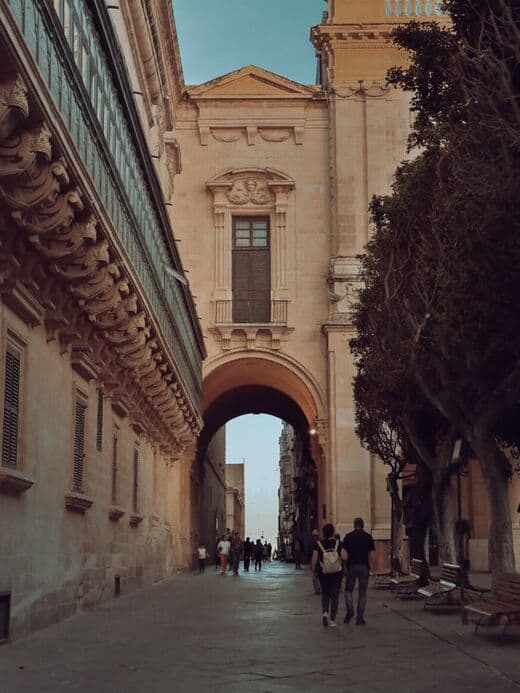
O que torna Valeta única é a sua autenticidade. Diferente de outras cidades turísticas, aqui os malteses ainda vivem, trabalham e fazem compras nas mesmas ruas que você vai percorrer. As varandas coloridas (gallariji) são reais, não cenário. Os cafés são frequentados por locais. E quando a cidade acorda de manhã, você sente o cheiro de pastizzi frescos saindo das padarias. Em 2026, Valeta continua sendo uma das joias escondidas do Mediterrâneo, embora cada vez mais pessoas estejam descobrindo isso.
Bairros de Valeta: Onde Ficar e O Que Esperar de Cada Zona
Centro Histórico (Dentro das Muralhas)
Ficar dentro das muralhas de Valeta é a experiência mais autêntica, mas exige algumas considerações. As ruas são de pedra, muitos hotéis não têm elevador, e você vai carregar malas por escadas. Dito isso, acordar no coração da cidade e ouvir os sinos das igrejas é algo inesquecível. A Republic Street é a artéria principal, cheia de lojas, cafés e restaurantes. Os hotéis aqui variam de 80 euros por noite em guesthouses simples até 300 euros em boutique hotels de luxo.
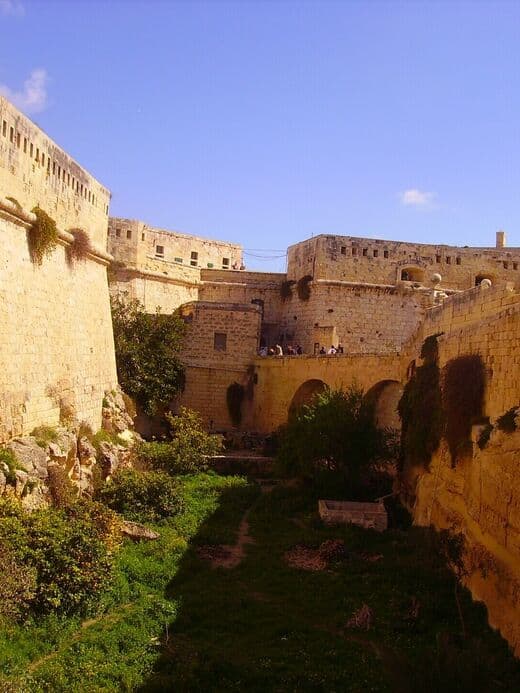
A zona perto da Concatedral de São João é central e conveniente, mas pode ser barulhenta durante o dia com grupos de turistas. Se preferir mais tranquilidade, procure acomodação perto do Forte de Santo Elmo, na ponta da península. É mais calmo, tem vistas espetaculares para o mar, e ainda está a 10 minutos a pé de tudo.
Sliema
Do outro lado do porto, Sliema é a escolha prática para quem quer mais opções de hotéis e um ambiente mais moderno. O ferry para Valeta leva apenas 10 minutos e custa 1,50 euros (só ida). Sliema tem um calçadão à beira-mar ótimo para caminhadas, shoppings, supermercados grandes e uma vida noturna mais ativa. Os hotéis aqui são geralmente 20-30% mais baratos que dentro das muralhas de Valeta, com quartos decentes a partir de 60 euros.
A desvantagem é que você perde a magia de estar imerso na cidade histórica. Mas se viaja com crianças ou prefere mais conforto moderno, Sliema é uma ótima base. Muitos viajantes dividem a estadia: alguns dias em Sliema, outros dentro de Valeta.
St. Julian's e Paceville
Continuando além de Sliema, St. Julian's é a zona mais turística e animada de Malta. Paceville, especificamente, é o centro da vida noturna, com bares e clubes que funcionam até de madrugada. Se você tem menos de 30 anos e quer festas, é o lugar certo. Para famílias ou quem busca descanso, evite completamente.
Os preços em St. Julian's são inflacionados pelo turismo. Um café que custa 2 euros em Valeta pode sair por 4 euros aqui. Os hotéis de rede internacional (Hilton, Marriott) estão concentrados nesta zona, com preços a partir de 120 euros na baixa temporada.
Birgu (Vittoriosa)
Para uma experiência verdadeiramente local e fora do radar turístico, considere Birgu. Esta cidade fortificada, do outro lado do Grand Harbour, é onde os Cavaleiros de Malta se estabeleceram antes de construir Valeta. Tem ruelas medievais, fortalezas impressionantes e uma fração dos turistas. O ferry de Valeta leva 5 minutos.
Birgu tem poucas opções de hospedagem, mas as que existem são charmosíssimas: casas históricas convertidas em B&Bs, com preços entre 70 e 120 euros. O único inconveniente é que à noite a cidade é muito calma, quase deserta. Se você gosta de silêncio e história, vai adorar. Se prefere ter opções de jantar e bares por perto, pode ser isolado demais.
Minha Recomendação
Para uma primeira visita de 3 a 5 dias, fique dentro das muralhas de Valeta. A experiência compensa qualquer inconveniente. Para estadias mais longas ou viagens em família, combine noites em Valeta com noites em Sliema. E se você já conhece Malta e quer algo diferente, Birgu é uma escolha excelente para uma imersão histórica.
Melhor Época para Visitar Valeta
Primavera (Abril a Junho)
A melhor época, sem dúvida. Temperaturas entre 18 e 26 graus, sol abundante, mar começando a esquentar para banhos a partir de maio. Os preços ainda não atingiram o pico do verão, e as multidões são gerenciáveis. Em abril acontece a Semana Santa, com procissões impressionantes em várias cidades. Junho já está mais cheio, mas ainda não insuportável.
Verão (Julho a Agosto)
Calor intenso, com máximas de 34-38 graus. O ar condicionado é essencial. As praias e piscinas naturais lotam, os preços de hospedagem sobem 40-50%, e Valeta fica repleta de cruzeiristas. Se só pode viajar nesta época, não desista, mas planeje atividades ao ar livre para manhã cedo ou fim de tarde. Entre 13h e 17h, o ideal é estar em museus ou à beira da piscina.
Outono (Setembro a Novembro)
Setembro e outubro são excelentes. O mar ainda está quente (24-25 graus), o calor diminui, e os turistas de verão vão embora. É uma das melhores épocas para explorar o Hipogeu de Hal Saflieni e outros sítios arqueológicos sem filas enormes. Novembro pode ter alguns dias de chuva, mas nada que arruíne a viagem.
Inverno (Dezembro a Março)
Malta tem invernos amenos para padrões europeus: 10-16 graus, com sol frequente. É a época mais barata, com hotéis oferecendo descontos de 50% ou mais. O Natal em Malta é festivo, com decorações por toda Valeta e presépios elaborados nas igrejas. Janeiro e fevereiro podem ser ventosos e com chuvas ocasionais. O mar está frio demais para banho, mas para turismo cultural é perfeito.
Eventos Importantes
O Carnaval de Malta (fevereiro) é colorido e familiar. O Festival de Jazz de Malta (julho) atrai músicos internacionais. A Notte Bianca (outubro) transforma Valeta numa festa cultural noturna com museus abertos, concertos e performances de rua. Se sua viagem coincidir com algum destes eventos, reserve hospedagem com antecedência.
Roteiro Completo: De 3 a 7 Dias em Valeta e Malta
Dia 1: Descobrindo Valeta
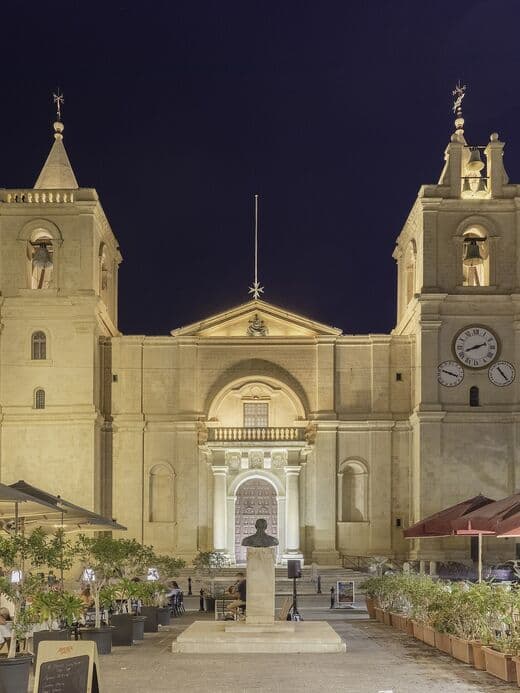
Comece pelo City Gate, a entrada principal desenhada por Renzo Piano. Logo ali está o Parlamento, um edifício moderno controverso que divide opiniões. Siga pela Republic Street até a Concatedral de São João. Por fora é austera, mas o interior é uma explosão de barroco maltês. O piso inteiro é feito de lápides de cavaleiros, e há duas obras-primas de Caravaggio. Entrada custa 15 euros, mas vale cada cêntimo. Chegue cedo, antes das 10h, para evitar multidões.
Almoço no Café Cordina, na Praça da República. É turístico, sim, mas a história do lugar (funciona desde 1837) e a qualidade dos pastéis justificam. Um almoço leve com bebida sai por 15-20 euros.
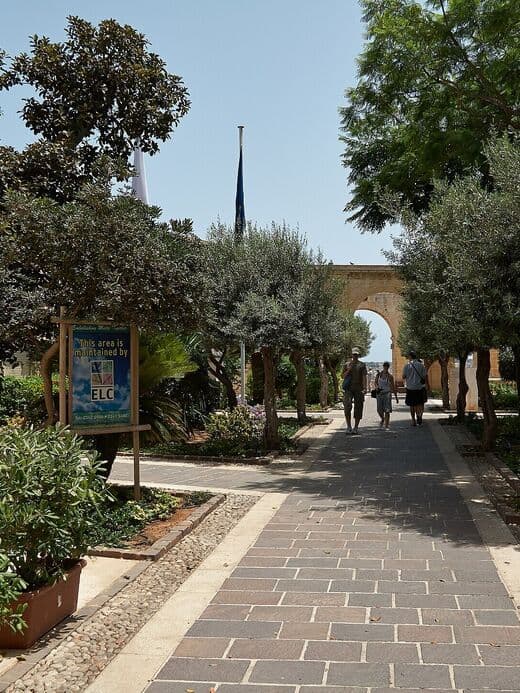
À tarde, suba aos Jardins Upper Barrakka. A vista para o Grand Harbour é absolutamente espetacular. Às 12h e às 16h, há a tradicional salva de canhões, uma tradição que continua desde os tempos dos Cavaleiros. Depois, desce de elevador panorâmico (gratuito) até o cais e caminhe até o Museu da Guerra no Forte de Santo Elmo. Malta foi um dos lugares mais bombardeados na Segunda Guerra Mundial, e este museu conta essa história de forma emocionante.
Dia 2: Patrimônio e Cultura
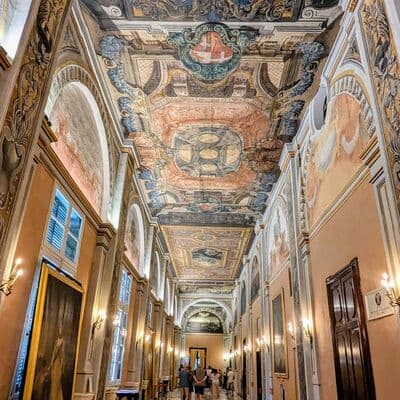
Manhã dedicada ao Palácio do Grão-Mestre. Esta impressionante residência foi sede dos Cavaleiros de Malta e hoje abriga o gabinete do Presidente. O Salão dos Armamentos tem uma coleção incrível de armaduras e armas dos séculos XVI a XVIII. Entrada: 10 euros.
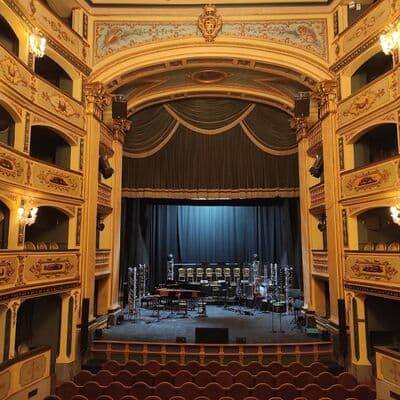
Depois, visite o Teatro Manoel, um dos teatros mais antigos da Europa ainda em funcionamento (inaugurado em 1732). As visitas guiadas custam 8 euros e incluem acesso aos bastidores. Se houver espetáculo durante sua estadia, compre ingressos, a acústica é extraordinária.
Tarde livre para perder-se pelas ruas secundárias de Valeta. Saia da Republic Street e explore as ruelas paralelas: Merchants Street, St. Paul Street, Old Bakery Street. É aqui que você encontra antiquários, lojas de artesanato local e cafés sem turistas. Para jantar, reserve no Rubino (Rua Old Bakery, 53), um restaurante familiar que serve comida maltesa tradicional desde 1906. Prato principal: 18-25 euros.
Dia 3: As Três Cidades
Pegue o ferry de Valeta para Birgu (Vittoriosa). A travessia de 5 minutos oferece vistas lindas das muralhas. Birgu foi a primeira casa dos Cavaleiros em Malta, antes de construírem Valeta. Explore o Forte St. Ângelo, caminhe pelas ruas medievais e visite o Museu Marítimo. O almoço em Birgu é mais barato e autêntico que em Valeta: tente o Tal-Petut, um pequeno restaurante que serve pratos do dia por 10-12 euros.
À tarde, caminhe até Senglea, outra das Três Cidades. O miradouro nos Jardins Safe Haven tem uma das melhores vistas de Valeta ao pôr do sol. Volte de ferry no fim da tarde, quando as muralhas de Valeta ficam douradas com a luz do entardecer.
Dia 4: Mdina e Rabat
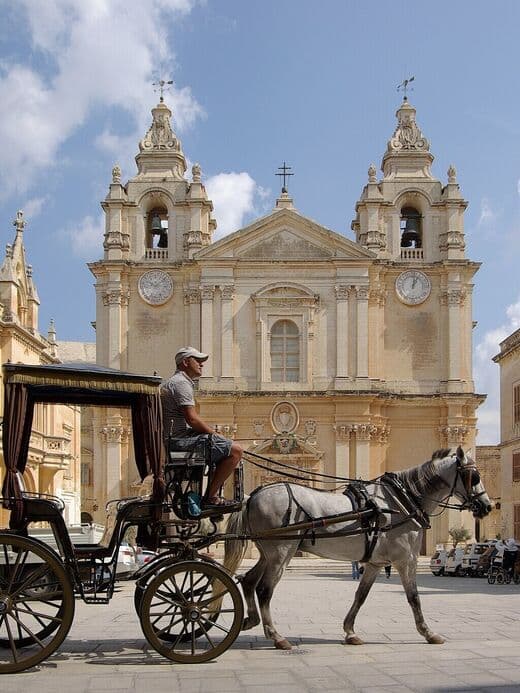
Excursão de meio dia a Mdina, a antiga capital de Malta. Pegue o ônibus 51 ou 52 de Valeta (cerca de 30 minutos, 2 euros). Mdina é conhecida como a Cidade Silenciosa, e o apelido faz sentido: carros são proibidos, e as ruas medievais parecem congeladas no tempo. Visite a Catedral de São Paulo e caminhe pelas muralhas com vistas para toda a ilha.
Ao lado de Mdina fica Rabat, uma cidade mais residencial com as Catacumbas de São Paulo (entrada: 6 euros) e a Gruta de São Paulo, onde segundo a tradição o apóstolo viveu após o naufrágio. Almoço em Rabat: Crystal Palace, famoso pelos melhores pastizzi de Malta (0,50 euro cada).
Dia 5: Hipogeu e Sul de Malta
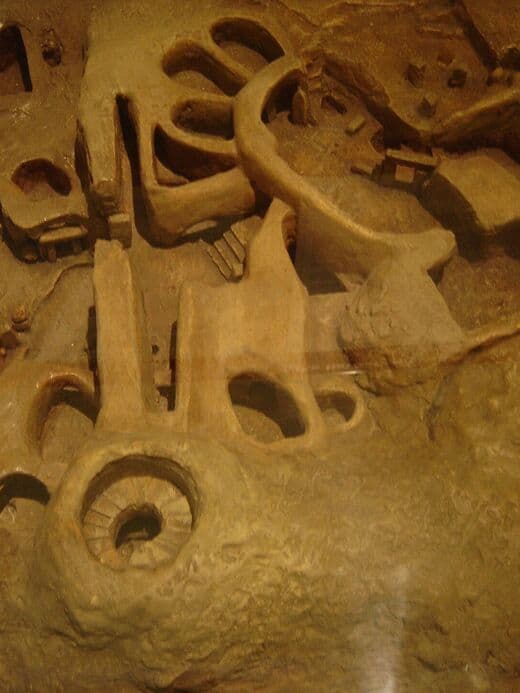
O Hipogeu de Hal Saflieni é obrigatório, mas requer planejamento. Este templo subterrâneo de 5.000 anos só recebe 80 visitantes por dia, e os ingressos esgotam semanas antes. Reserve online com antecedência (35 euros). A visita guiada de uma hora é uma experiência única: descer aos câmaras escavadas na rocha onde os antigos malteses realizavam rituais e enterravam seus mortos.
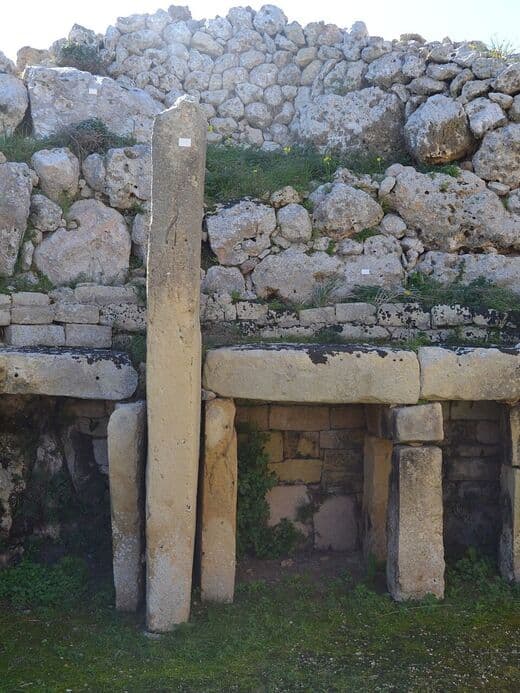
Depois do Hipogeu, siga para o sul da ilha. Visite os templos de Hagar Qim e Mnajdra, mais antigos que as pirâmides do Egito. A Blue Grotto fica perto, ótima para um passeio de barco pelas cavernas (8 euros, 20 minutos). Para praia, Marsaxlokk é uma vila de pescadores pitoresca com um mercado de peixe aos domingos.
Dias 6-7: Gozo e Comino
Se tiver mais tempo, a ilha de Gozo merece pelo menos um dia inteiro. O ferry de Cirkewwa leva 25 minutos (4,65 euros ida e volta). Gozo é mais rural, verde e tranquila que Malta. Visite os Templos de Ggantija, a Cidadela de Victoria e a vila de Xlendi. Se quiser ficar uma noite, há excelentes farmhouses convertidas em hospedagens rústicas (a partir de 80 euros).
Comino, entre Malta e Gozo, é famosa pela Blue Lagoon. A água é absurdamente azul-turquesa, mas no verão a lagoa fica lotada de barcos e turistas. Se for, vá cedo (primeiro ferry às 9h) ou no final da tarde. Fora da alta temporada, é paradisíaca.
Onde Comer em Valeta: Restaurantes que Valem a Pena
Para Comida Maltesa Tradicional
Rubino (53 Old Bakery Street) é uma instituição. Funciona desde 1906 numa cave acolhedora. O menu muda diariamente, sempre com opções de peixe fresco e pratos tradicionais como fenek (coelho) e bragioli (rolinhos de carne). Reserva essencial, especialmente para jantar. Pratos principais: 18-28 euros.
Nenu the Artisan Baker (143 St Dominic Street) serve o melhor ftira (pão maltês achatado) da cidade, recheado com ingredientes locais. O ambiente é simples, os preços honestos (8-12 euros para um ftira completo), e a qualidade excepcional. Ótimo para almoço rápido.
Ta' Kris (em Sliema, mas vale a viagem) é considerado por muitos o melhor restaurante de comida maltesa. Pratos como timpana (massa assada com carne), soppa tal-armla (sopa de viúva) e lampuki (peixe local) são preparados com receitas de família. Preços moderados: 15-22 euros por prato principal.
Para Frutos do Mar
Scoglitti (perto do Forte St. Elmo) tem vista para o mar e peixe fresco do dia. O ambiente é elegante sem ser pretensioso. O arroz de marisco para duas pessoas (45 euros) é generoso e delicioso. Reserve mesa na varanda para o pôr do sol.
The Harbour Club (no waterfront) é mais turístico e caro, mas a localização no cais é imbatível. Bom para ocasiões especiais. Conte com 50-70 euros por pessoa com vinho.
Para Orçamento Limitado
Pastizzi você encontra em qualquer canto por 0,50 euro. Estes folhados recheados com ricota ou ervilhas são o lanche maltês por excelência. O Is-Serkin, na Republic Street, é uma opção central e de qualidade.
Café Cordina tem pratos do dia por volta de 12-15 euros. Não é a comida mais memorável, mas a localização na praça principal e a história do café compensam.
Street food no Mercado de Valeta (Is-Suq tal-Belt): este mercado renovado tem bancas com comida de várias partes do mundo. Bom para um almoço variado por 8-12 euros.
Para Ocasiões Especiais
Palazzo Preca (em Strait Street) combina arquitetura histórica deslumbrante com cozinha mediterrânea refinada. O pátio interior é um dos espaços mais bonitos de Valeta para jantar. Menu degustação: 65-85 euros.
ION - The Harbour (no Iniala Harbour House) tem uma estrela Michelin e vista para o Grand Harbour. Experiência gastronômica completa, com preços a partir de 120 euros por pessoa.
O Que Provar: Sabores Autênticos de Malta
Pratos Principais
Fenek (Coelho) é o prato nacional maltês. Preparado estufado com vinho e ervas (fenek bit-tewm u bl-inbid), frito (fenek moqli) ou como ragu com massa. O melhor lugar para provar é num domingo em alguma vila rural, onde famílias inteiras se reúnem para esta tradição.
Lampuki é o peixe mais apreciado em Malta. Só está disponível de setembro a novembro, quando é temporada. Grelhado com alcaparras e tomates malteses é uma delícia simples e perfeita.
Bragioli são rolinhos de carne bovina finos recheados com bacon, ovos e ervas, cozidos em molho de tomate. Comfort food maltês no seu melhor.
Timpana lembra uma lasanha, mas com massa penne, carne, ovos e queijo, tudo assado até formar uma crosta dourada. Pesado, mas incrivelmente satisfatório.
Lanches e Entradas
Pastizzi já mencionados: folhados crocantes recheados com ricota (tal-irkotta) ou purê de ervilhas (tal-pizelli). Custam centavos e saciam a fome a qualquer hora.
Ftira é o pão maltês tradicional, achatado e com textura única. Recheado com tomate, atum, alcaparras, azeitonas e azeite, é uma refeição completa.
Gbejniet são pequenos queijos de cabra ou ovelha, frescos ou curados. Os curados com pimenta são particularmente saborosos como aperitivo.
Bigilla é um pâté de favas secas com alho e ervas. Servido com pão maltês crocante, é um aperitivo simples mas viciante.
Doces
Kannoli malteses são ligeiramente diferentes dos sicilianos: a casca é mais fina e a ricota mais doce. Encontra em qualquer pastelaria por 2-3 euros.
Imqaret são pasteis fritos recheados com tâmaras. Podem parecer estranhos, mas são deliciosos, especialmente quentes.
Qaghaq tal-Ghasel é um anel de massa recheado com melaço e especiarias. Tradicional no Natal, mas disponível o ano todo.
Bebidas
Kinnie é o refrigerante nacional, feito de laranjas amargas e ervas. O sabor é único, um pouco amargo, um pouco doce. Você vai amar ou odiar.
Cisk é a cerveja local mais popular. Leve e refrescante, perfeita para o calor mediterrâneo. Uma caneca custa 3-4 euros nos bares.
Vinho maltês melhorou muito nas últimas décadas. As uvas Gellewza (tinto) e Girgentina (branco) são nativas. Experimente os vinhos de Marsovin ou Meridiana.
Segredos Locais e Dicas Práticas
Dicas que Fazem Diferença
Evite os horários de cruzeiros. Quando os navios atracam (geralmente entre 9h e 17h), Valeta fica lotada. Os dias com mais cruzeiros são terças, quartas e sextas. Consulte o calendário do porto online e planeje visitas a atrações principais para dias mais calmos ou horários extremos.
A Strait Street à noite. Antigamente conhecida como The Gut, era a rua dos marinheiros britânicos, cheia de bares e cabarés. Hoje está revitalizada com bares de vinhos, restaurantes e música ao vivo. É onde os locais saem à noite, longe dos turistas concentrados na Republic Street.
Os elevadores são gratuitos. O elevador dos Upper Barrakka Gardens é gratuito para descer (pago para subir). O elevador do Forte St. Elmo também é gratuito. Use-os para evitar subidas cansativas.
Domingos em Marsaxlokk. O mercado de peixe desta vila piscatória é autêntico e colorido. Chegue antes das 10h para ver os pescadores vendendo a captura fresca. Os luzzu (barcos tradicionais) com olhos pintados são ícones de Malta.
O Que Evitar
Restaurantes com fotos no menu. Regra universal, mas especialmente válida em Valeta. Se o cardápio tem fotos plastificadas dos pratos, a comida provavelmente é medíocre e cara.
Comino em agosto. A Blue Lagoon é linda, mas no pico do verão parece mais uma piscina pública superlotada. Se só puder ir nesta época, vá no primeiro ferry e saia antes do meio-dia.
Táxis do aeroporto sem preço combinado. Sempre combine o preço antes ou use apps como Bolt (similar ao Uber). Do aeroporto a Valeta, uma corrida justa custa 15-20 euros.
Economizando
Malta Discount Card oferece 30-50% de desconto em atrações, restaurantes e transporte. Custa 39 euros para 3 dias. Vale a pena se você planeja visitar muitos museus e sites pagos.
Água da torneira é potável em Malta, embora o sabor não seja o melhor (água dessalinizada). Leve uma garrafa reutilizável e economize euros em água engarrafada.
Almoce fora, jante leve. Muitos restaurantes têm menus de almoço mais baratos. Jante com pastizzi, ftira e vinho comprado no supermercado.
Curiosidades
Malta já foi casa dos Cavaleiros Hospitalários, colônia britânica, e set de filmagens de Game of Thrones (as cenas de King's Landing). As varandas coloridas (gallariji) foram originalmente inventadas para as mulheres observarem a rua sem serem vistas. E o maltês é a única língua semítica escrita com alfabeto latino.
Transporte e Conectividade
Chegando a Malta
De Portugal: Voos diretos de Lisboa para Malta com a Air Malta ou TAP levam cerca de 3 horas. Preços variam de 80 a 200 euros ida e volta, dependendo da época e antecedência. Há também voos lowcost com a Ryanair via outras cidades europeias.
Do Brasil: Não há voos diretos. As conexões mais práticas são via Lisboa (TAP), Roma (Alitalia/ITA), Frankfurt (Lufthansa) ou Paris (Air France). De São Paulo, conte com 14-18 horas de viagem total, dependendo da conexão. Preços variam bastante: de 2.500 a 5.000 reais ida e volta.
Do aeroporto ao centro: O aeroporto de Malta (MLA) fica a 8km de Valeta. As opções são: ônibus X4 (2 euros, 30 minutos, funciona a cada 30 min), táxi (15-20 euros, 15 minutos) ou transfers pré-reservados (similar ao táxi). O Bolt funciona bem e geralmente é mais barato que táxis tradicionais.
Transporte Interno
Ônibus: Malta tem uma rede de ônibus que cobre toda a ilha. Uma viagem custa 2 euros (inverno) ou 3 euros (verão). O bilhete de 12 viagens (Explore Card) custa 15 euros e vale muito a pena. O bilhete semanal ilimitado custa 21 euros. Os ônibus podem ser irregulares e lotados em horários de pico, mas para turismo funcionam bem.
Ferry: O ferry de Valeta para Sliema custa 1,50 euros (só ida) ou 2,80 euros (ida e volta). Funciona a cada 30 minutos e a travessia leva 10 minutos. É uma forma prática e pitoresca de se deslocar.
Táxis e apps: Bolt e eCabs são as opções de app mais populares. São mais baratos e confiáveis que táxis de rua. Uma corrida dentro de Valeta raramente passa de 8 euros. Para excursões mais longas (Mdina, sul da ilha), considere alugar carro ou usar os ônibus hop-on hop-off turísticos.
Aluguel de carro: Dirigir em Malta é desafiador. Dirige-se pela esquerda (herança britânica), as ruas são estreitas, e o estacionamento em Valeta é praticamente impossível. Só recomendo carro se você planeja explorar áreas rurais ou praias remotas. Os preços começam em 20 euros por dia para carros compactos. Reserve com antecedência na alta temporada.
Internet e Comunicação
WiFi: Disponível em praticamente todos os hotéis, cafés e restaurantes de graça. A qualidade varia, mas para uso básico é suficiente.
Roaming: Para portugueses, o roaming na UE é gratuito com a maioria das operadoras. Para brasileiros, considere comprar um chip local (GO, Vodafone Malta ou Melita) por cerca de 10-15 euros com dados generosos. Há lojas das operadoras no aeroporto e em Sliema.
eSIM: Opções como Airalo ou Holafly funcionam bem em Malta. Conveniente para quem não quer trocar de chip. Planos de 7 dias com 5GB custam cerca de 15-20 euros.
Conclusão: Para Quem Valeta é Ideal
Valeta é perfeita para quem ama história sem querer percorrer distâncias enormes. Tudo está a pé, concentrado, acessível. É ideal para casais que buscam romance e cultura, para viajantes solo que apreciam segurança e facilidade de navegação, e para amantes de arquitetura e fotografia.
Não é o destino ideal para quem busca praias paradisíacas (as de Malta são rochosas ou pequenas), vida noturna intensa (para isso vá a St. Julian's), ou preços de Europa Oriental (Malta está na média europeia ocidental).
O que Valeta oferece é uma combinação rara: 5.000 anos de história, um Mediterrâneo azul intenso, comida saborosa e autêntica, e uma atmosfera que mistura grandeza e intimidade. É pequena o suficiente para conhecer em poucos dias, mas rica o bastante para querer voltar. Para lusófonos, a facilidade do inglês e a proximidade cultural fazem de Malta um destino natural e acolhedor. Reserve seus pastizzi, prepare a câmera, e deixe-se perder pelas ruas douradas da menor capital da Europa.