About
Israel Travel Guide: The Complete Insider's Guide to the Holy Land
Israel is one of those rare destinations that defies easy categorization. In a country roughly the size of New Jersey, you will find ancient holy sites that have shaped world religions for millennia, cutting-edge technology startups that are changing how we live, pristine Mediterranean beaches, stark desert landscapes, and a culinary scene that has taken the world by storm. This is not a place you simply visit - it is a place that challenges you, moves you, and stays with you long after you have returned home.
I have spent considerable time exploring every corner of this remarkable country, from the narrow alleyways of Jerusalem's Old City to the trendy cafes of Tel Aviv, from the coral reefs of Eilat to the mystical hills of the Galilee. This guide is the result of those experiences - not a dry collection of facts, but a genuine attempt to help you understand and appreciate this complex, fascinating, and often misunderstood destination.
Whether you are a pilgrim seeking to walk in the footsteps of prophets and saints, a history buff wanting to see archaeological sites spanning thousands of years, a foodie eager to experience one of the world's most exciting culinary scenes, or simply a traveler looking for beautiful beaches and vibrant nightlife, Israel has something profound to offer you. Let me show you how to make the most of your journey.
Why Visit Israel: A Land Like No Other
Before diving into the practical details, let me address the fundamental question: why should Israel be on your travel list? The answer is multifaceted, and honestly, it depends on what moves you as a traveler. But here are the compelling reasons that keep drawing visitors back to this small but mighty nation.
The Cradle of Civilization and Faith
Israel is not just a country - it is the physical manifestation of stories that have shaped human civilization. When you stand at the Western Wall in Jerusalem, you are touching stones that have witnessed 2,000 years of continuous prayer. When you walk the Via Dolorosa, you are retracing the path that Jesus walked to his crucifixion. When you visit the Dome of the Rock, you are seeing the spot from which Muslims believe the Prophet Muhammad ascended to heaven.
This is not history locked behind glass cases in museums - though Israel has world-class museums too. This is living history that you can touch, smell, and experience. The incense in ancient churches, the prayers echoing off ancient stones, the light filtering through centuries-old windows - these sensory experiences create an emotional connection to history that you simply cannot get anywhere else.
For Christians, Jews, and Muslims, Israel holds sites of supreme religious importance. But even for secular travelers, the power of these places is undeniable. You do not need to be religious to feel something profound when standing where prophets preached, where empires rose and fell, where ideas emerged that would shape billions of lives across millennia.
Archaeological Wonders Spanning Millennia
Israel is essentially an open-air archaeological museum. Every construction project seems to uncover new artifacts, and the country has more archaeological digs per square mile than almost anywhere on Earth. From prehistoric caves to Crusader fortresses, from Roman amphitheaters to Ottoman-era markets, the layers of history are everywhere.
The City of David archaeological site in Jerusalem allows you to walk through tunnels that King David himself may have used to conquer the city 3,000 years ago. Masada, rising dramatically above the Dead Sea, tells the haunting story of Jewish resistance against Rome. Caesarea preserves one of the finest Roman theaters in the world, along with Herod's palatial seaside complex. Acre presents a remarkably preserved Crusader city, its underground halls frozen in time.
What makes Israeli archaeology special is its accessibility. You can wade through Hezekiah's Tunnel in the City of David, watching the water flow just as it did 2,700 years ago when it was carved. You can attend concerts in Roman amphitheaters that are still acoustically perfect after two millennia. You can explore Crusader halls that feel like they were abandoned just yesterday.
Natural Beauty in Miniature
Israel's small size is actually one of its greatest assets for travelers. In a single day, you can swim in the Mediterranean Sea, float in the Dead Sea (the lowest point on Earth), and hike through mountain forests. The country packs an astonishing diversity of landscapes into its compact territory.
The Galilee in the north is green and hilly, dotted with picturesque villages and home to the Sea of Galilee where Jesus walked on water. The Negev Desert in the south is a dramatic moonscape of craters, canyons, and ancient trade routes. The Dead Sea region offers otherworldly landscapes where nothing can live in the hypersaline waters but miraculous healing is believed to occur. The Mediterranean coast features golden beaches stretching for miles. The coral reefs of Eilat rival anything in the Red Sea for their colorful marine life.
For outdoor enthusiasts, Israel offers excellent hiking trails, including the Israel National Trail that stretches the entire length of the country. There is world-class diving and snorkeling in Eilat, desert jeep tours and camel treks in the Negev, kayaking on the Jordan River, and cycling routes throughout the country.
A Culinary Revolution
Israeli cuisine has exploded onto the world stage in recent years, and for good reason. This is a country of immigrants who brought culinary traditions from Morocco, Yemen, Ethiopia, Poland, Iraq, and dozens of other countries, then fused them with local Mediterranean ingredients and Middle Eastern flavors. The result is a food scene that is innovative, delicious, and unlike anything else you have experienced.
The Carmel Market in Tel Aviv is a sensory explosion of fresh produce, spices, and street food. The Mahane Yehuda Market in Jerusalem transforms from a bustling day market into a vibrant nightlife scene after dark. Farm-to-table restaurants throughout the country are redefining what Israeli cuisine can be, while humble falafel stands serve perfect pita pockets that put anything you have tried abroad to shame.
Hummus in Israel is not the bland supermarket paste you know - it is a creamy, complex, almost spiritual experience served warm with fresh pita and your choice of toppings. Shakshuka, eggs poached in spiced tomato sauce, makes an appearance at every breakfast table. Fresh salads with vegetables that actually taste like vegetables accompany every meal. And the street food scene offers everything from Yemenite malawach to Druze pita to Moroccan couscous.
Innovation and Modernity
Tel Aviv is routinely ranked among the top startup ecosystems in the world, and this innovative spirit permeates daily life in Israel. From the world's most advanced drip irrigation systems that have made the desert bloom, to cybersecurity companies that protect much of the world's internet infrastructure, to medical technologies that are saving lives globally, Israel punches far above its weight in innovation.
For travelers, this means a highly developed infrastructure. GPS works seamlessly, public WiFi is abundant, credit cards are accepted everywhere, and the latest apps and technologies are often available here before they reach other markets. Despite its ancient character, Israel is thoroughly modern in its conveniences.
The People
Israelis have a reputation for being direct, and that is putting it mildly. They will push past you in line, tell you your outfit looks terrible, and argue passionately about politics with complete strangers. But this same directness means they will also go out of their way to help a lost tourist, invite you to their family's Shabbat dinner, and share their food with you on a bus.
Once you adjust to the Israeli communication style - no small talk, get to the point, say what you mean - you will find some of the warmest and most hospitable people you have ever encountered. Israelis are genuinely curious about visitors and eager to share their country. The phrase "never met a stranger" was practically invented for Israelis.
Regions of Israel: Understanding the Geography
Despite its small size - just 290 miles from north to south and 85 miles at its widest point - Israel contains remarkably distinct regions, each with its own character, attractions, and appeal. Understanding these regions will help you plan an itinerary that matches your interests.
Jerusalem: The Eternal City
Jerusalem is unlike any other city on Earth. This is a place where three major world religions converge, where ancient stones hold millennia of prayers, where the past is not just preserved but actively lived. The city sits at about 2,500 feet elevation in the Judean Hills, giving it a cooler climate than the coast and a golden light that photographers adore.
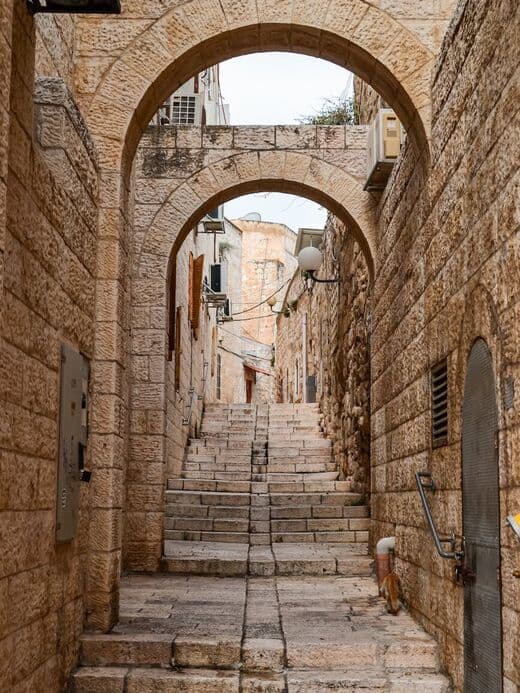
The Old City of Jerusalem is the heart of everything. Within its sixteenth-century Ottoman walls lies a labyrinthine world divided into four quarters: Jewish, Christian, Muslim, and Armenian. Each quarter has its own character, holy sites, and rhythm of daily life. You could spend a week exploring the Old City alone and still discover new alleyways, hidden churches, and secret rooftops with stunning views.
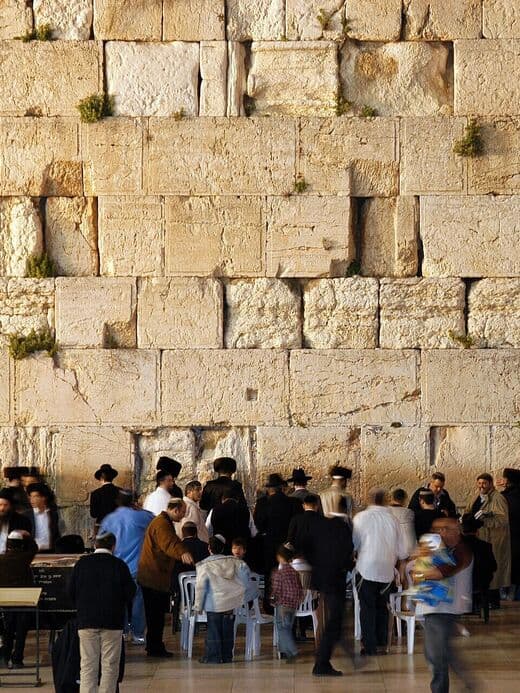
The Western Wall, also known as the Kotel, is the holiest site in Judaism - the last remaining wall of the ancient Temple Mount complex. The sight of thousands of handwritten prayers stuffed into the cracks between the massive stones is deeply moving, regardless of your faith. Visit early morning or late at night for a more contemplative experience; avoid the crush of tourist groups midday.
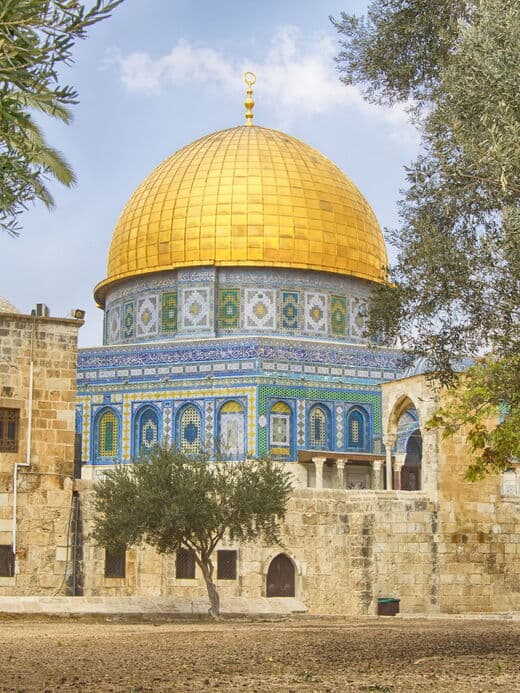
Just above the Western Wall rises the Dome of the Rock, its golden dome one of the most recognizable images in the world. Non-Muslims cannot enter the shrine itself, but you can walk around the Temple Mount platform (Al-Haram al-Sharif to Muslims) during limited visiting hours. The security and access situation here is complex and changes frequently, so check current conditions before visiting.
For Christians, the Church of the Holy Sepulchre marks the site of Jesus's crucifixion, burial, and resurrection. The church is managed jointly by six Christian denominations who sometimes famously disagree, leading to quirks like the "Immovable Ladder" that has sat on a ledge since the 1700s because no one can agree to move it. The church can feel chaotic with competing services and tour groups, but find a quiet corner and the spiritual weight of the place is profound.
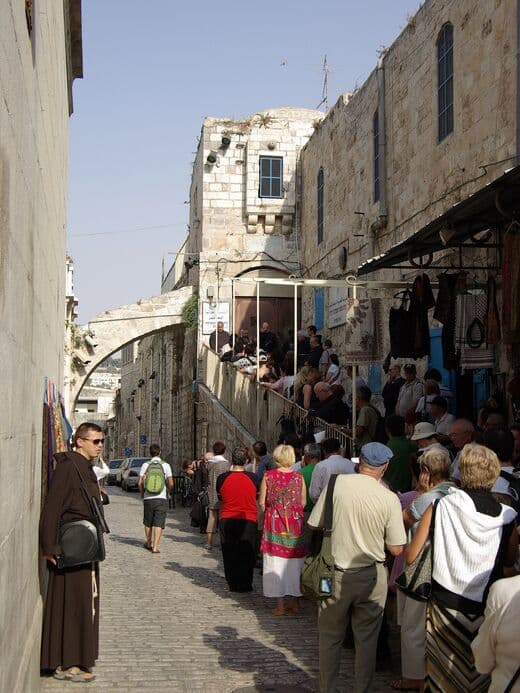
The Via Dolorosa traces the path Jesus walked carrying his cross from condemnation to crucifixion. The fourteen Stations of the Cross wind through the Old City's Muslim and Christian Quarters, each marked by a chapel or shrine. Walking the Via Dolorosa on Friday afternoons with the Franciscan procession is a powerful experience.
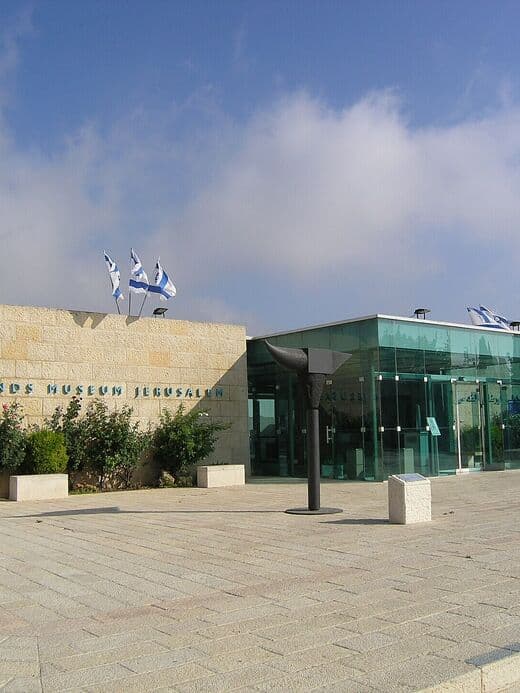
Beyond the Old City, Jerusalem offers world-class museums and meaningful memorial sites. Yad Vashem, the World Holocaust Remembrance Center, is one of the most moving and important museums in the world. Allow at least three hours for the main museum, and prepare yourself emotionally - this is not an easy visit, but it is an essential one. The Israel Museum houses the Dead Sea Scrolls and an extraordinary collection of art and archaeology. The Tower of David Museum in the Old City tells Jerusalem's history through innovative multimedia presentations.
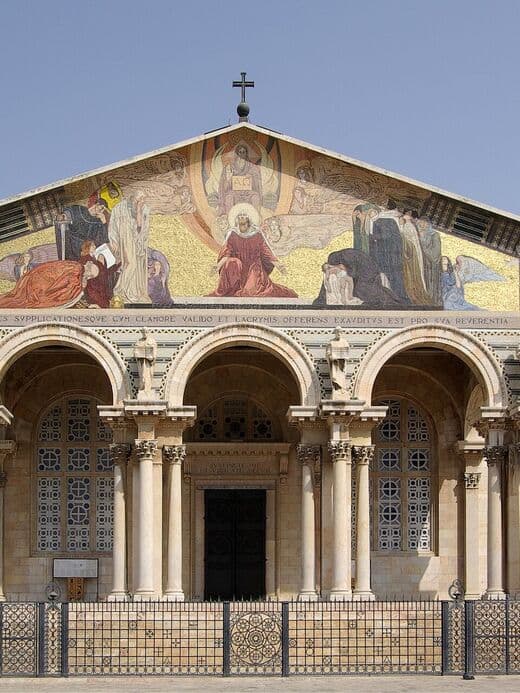
The Mount of Olives offers the classic panoramic view of the Old City, with the golden Dome of the Rock rising above ancient walls. This hillside is packed with significant sites: the Garden of Gethsemane where Jesus prayed before his arrest, the Church of All Nations, the Church of Mary Magdalene with its distinctive Russian Orthodox golden onion domes, and the world's oldest continuously used Jewish cemetery.
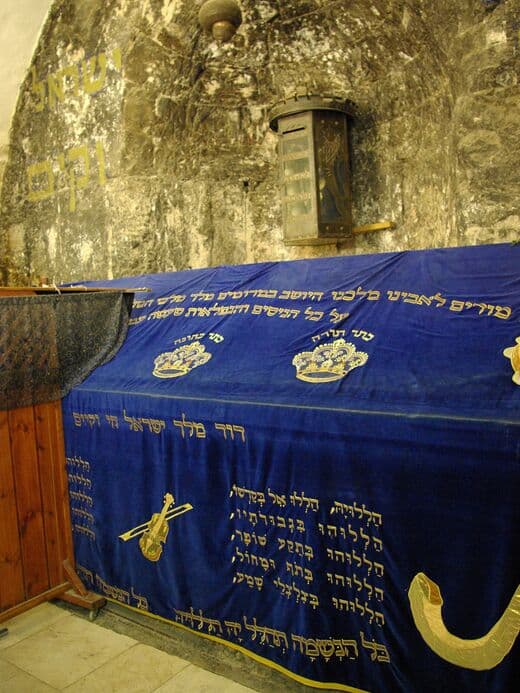
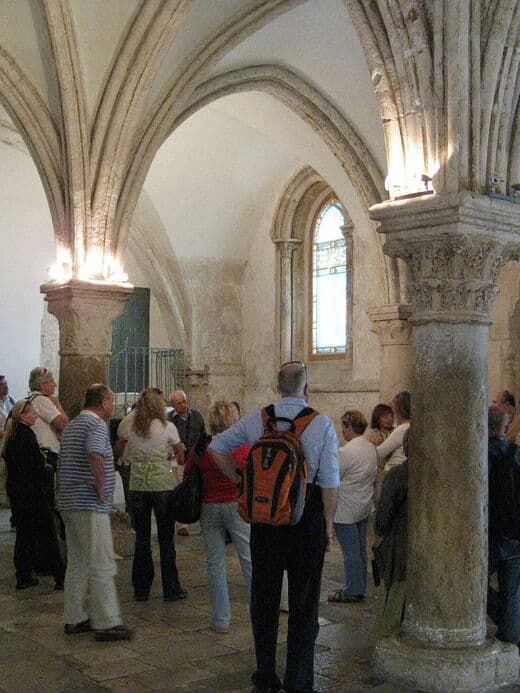
Mount Zion, just outside the Old City walls, contains several important sites including the Cenacle (Room of the Last Supper) and King David's Tomb. The Garden Tomb, maintained by a British charitable trust, offers an alternative to the Church of the Holy Sepulchre as the possible site of Jesus's burial - and even if its claims are disputed, the peaceful garden setting provides a space for quiet reflection that the busy Church of the Holy Sepulchre lacks.
Modern Jerusalem extends far beyond the Old City. The Mahane Yehuda Market, known locally as "the shuk," is where locals shop for fresh produce, spices, baked goods, and street food. By day it is a bustling traditional market; by night, the shutters of the stalls become canvases for street art and the area transforms into a nightlife hub with trendy bars and restaurants. Mamilla Avenue is an upscale open-air mall just outside the Old City walls, offering shopping and dining with views of the walls. Nachlaot is a bohemian neighborhood of narrow lanes, hidden synagogues, and artistic communities. Ein Karem, on the city's western edge, is a picturesque village of stone houses, artist studios, and churches marking sites associated with John the Baptist.
Jerusalem's character changes dramatically with the day of the week. On Shabbat (Friday sunset to Saturday sunset), the Jewish areas shut down completely - no public transport, most shops and restaurants closed. The Old City's Muslim Quarter is busiest on Fridays for noon prayers, while the Christian Quarter is most active on Sundays. Plan your itinerary accordingly.
Tel Aviv: The City That Never Stops
Tel Aviv is Jerusalem's polar opposite - secular, hedonistic, modern, and thoroughly Mediterranean. This is a city of beaches, nightclubs, tech startups, world-class restaurants, and a "work hard, play hard" attitude. If Jerusalem is the spiritual heart of Israel, Tel Aviv is its beating pulse of contemporary life.
The city was founded in 1909 as a Jewish suburb of the ancient port of Jaffa, and it has been reinventing itself ever since. Today, greater Tel Aviv is home to about four million people and serves as Israel's economic and cultural center. The city never really sleeps - restaurants serve until the small hours, clubs open at midnight, and the beach fills with joggers and swimmers before dawn.
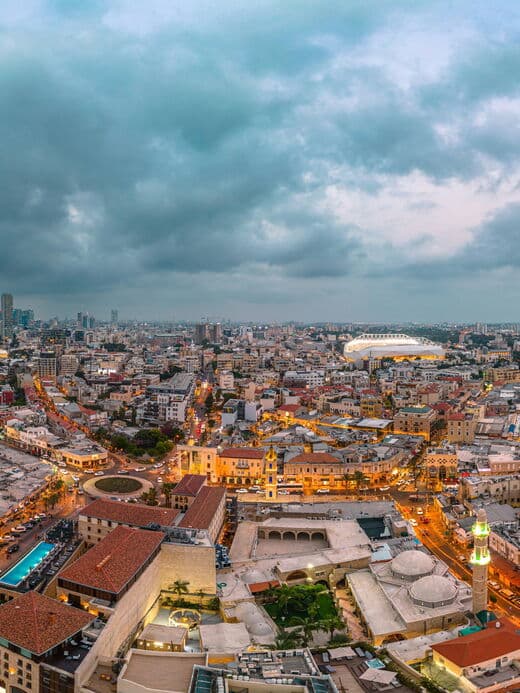
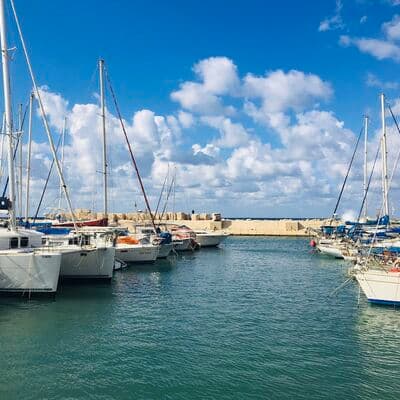
Old Jaffa is where the story begins. This ancient port city dates back at least 4,000 years and has been conquered by Egyptians, Philistines, Israelites, Phoenicians, Greeks, Romans, Crusaders, Ottomans, and more. Today it is a beautifully restored neighborhood of stone buildings housing art galleries, restaurants, and boutique shops. The Jaffa Port remains active with fishing boats and small craft, surrounded by excellent seafood restaurants. The Jaffa Flea Market is a treasure trove of antiques, vintage clothing, and Middle Eastern curios.
Neve Tzedek was Tel Aviv's first neighborhood, predating the official founding of the city. After decades of neglect, it was gentrified in the 1980s and is now one of the city's most desirable areas, filled with boutiques, cafes, and renovated Ottoman-era buildings. The Suzanne Dellal Centre for Dance and Theatre anchors the neighborhood's cultural scene.
Rothschild Boulevard is Tel Aviv's grand central avenue, a tree-lined thoroughfare with a pedestrian path running down the middle. This is where Israel declared independence in 1948 - you can visit Independence Hall at 16 Rothschild. The boulevard is lined with Bauhaus buildings, trendy cafes, and some of the city's best restaurants. It is perfect for a leisurely stroll or a morning jog.
The White City refers to Tel Aviv's extraordinary collection of over 4,000 Bauhaus-style buildings, a UNESCO World Heritage Site. German Jewish architects fleeing Nazi persecution in the 1930s brought this modernist style to Tel Aviv, adapting it to the Mediterranean climate with balconies, small windows, and whitewashed facades. The greatest concentration is around Rothschild Boulevard, Dizengoff Circle, and Bialik Street. The Bauhaus Center on Dizengoff Street offers excellent walking tours.
The Carmel Market (Shuk HaCarmel) is Tel Aviv's largest market, a sensory overload of fresh produce, spices, street food, cheap clothing, and haggling shopkeepers. It is chaotic, loud, colorful, and absolutely essential. Come hungry and graze your way through - the fresh juices, burekas, halva, and falafel are outstanding. The market opens onto Nahalat Binyamin Street, which hosts an excellent arts and crafts fair on Tuesdays and Fridays.
Sarona Market is an upscale indoor food hall in the restored buildings of a former German Templar colony. If Carmel Market feels too chaotic, Sarona offers a more curated experience with gourmet vendors, sit-down restaurants, and air conditioning. The surrounding Sarona complex includes shops and outdoor areas with views of the Azrieli Center towers.
Dizengoff Street is Tel Aviv's main shopping and cafe street, running from the port to Rothschild Boulevard. The original Dizengoff Center is a distinctive brutalist shopping mall, while the street itself is lined with fashion boutiques, bookshops, and sidewalk cafes. Dizengoff Square was recently restored, bringing back its iconic fountain.
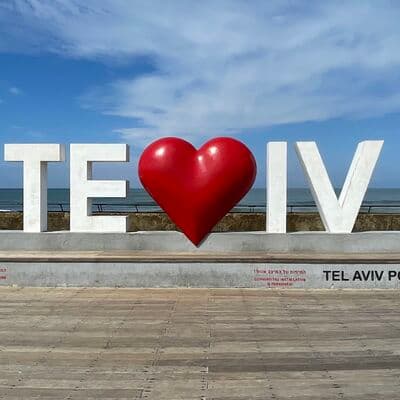
Tel Aviv's beach scene is central to the city's identity. The Tayelet (promenade) runs for miles along the Mediterranean, connecting a series of beaches from Jaffa in the south to the Tel Aviv Port in the north. Gordon Beach is one of the most popular stretches, with facilities, sports courts, and restaurants. Each beach has its own character - some are religious-observant with separate swimming hours for men and women, others are LGBT-friendly, and some cater to families. The consistent factor is golden sand, warm water from April through November, and stunning sunsets.
The Tel Aviv Port (Namal) is a renovated area that now serves as an entertainment complex with restaurants, clubs, a Saturday market, and a wooden boardwalk popular with families and inline skaters. Yarkon Park is Tel Aviv's Central Park - 900 acres of green space along the Yarkon River with jogging paths, bike rentals, playgrounds, and paddle boats.
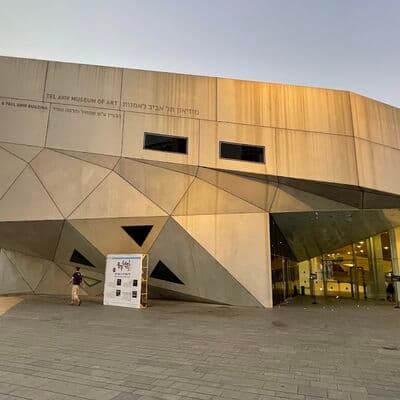
For art and culture, the Tel Aviv Museum of Art has an excellent collection of modern and contemporary art housed in a striking building. The ANU Museum of the Jewish People (formerly the Diaspora Museum) at Tel Aviv University tells the global story of Jewish communities through interactive exhibits.
Tel Aviv's nightlife is legendary. The city has been ranked among the world's best for clubbing, with venues ranging from underground techno bunkers to rooftop lounges to beach bars. Things get started late - most clubs do not fill up until after midnight, and many are still going at sunrise. The Florentin neighborhood is ground zero for the edgier scene, while the Port area and Rothschild offer more mainstream options.
Haifa: The City on the Mountain
Haifa is Israel's third-largest city, cascading down the slopes of Mount Carmel to one of the Mediterranean's finest natural harbors. It has always been Israel's most diverse and tolerant city, where Jews, Arabs, Christians, Muslims, Druze, and Baha'i live in genuine coexistence. The city's unofficial motto is "Haifa works" - in contrast to Jerusalem which prays and Tel Aviv which plays.
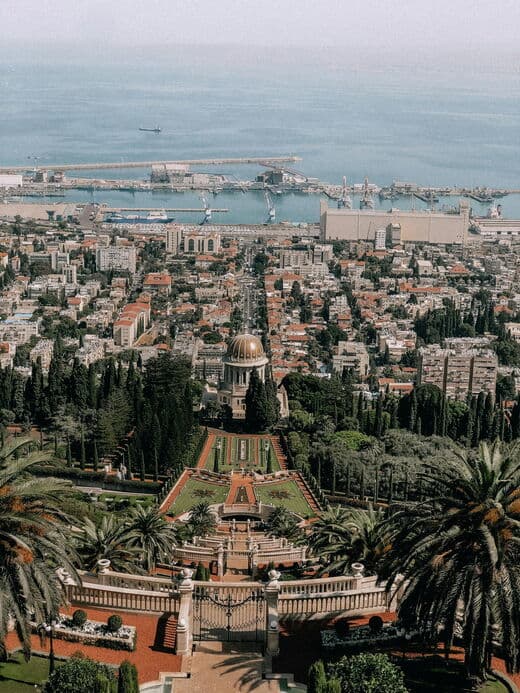
The most striking feature of Haifa is the Baha'i World Centre, with its magnificent terraced gardens cascading down Mount Carmel like a stairway to heaven. The golden-domed Shrine of the Bab, resting place of the Baha'i faith's founder, sits at the center. The nineteen terraces, immaculately manicured with geometric precision, are one of the most beautiful human-made landscapes anywhere. Free guided tours are available, but even viewing the gardens from the top terrace on Yefe Nof Street provides breathtaking vistas.
The German Colony, located at the foot of the Baha'i Gardens, is a trendy neighborhood of restored Templar-era buildings now housing cafes, restaurants, and boutiques along Ben-Gurion Boulevard. This is Haifa's main tourist drag and the best place to base yourself in the city.
The Carmel Center (Merkaz HaCarmel) is the upscale neighborhood at the top of Mount Carmel, reachable by the Carmelit, Israel's only subway system. The views from the promenade over the bay and down to Acre are spectacular, especially at sunset. The neighborhood offers good restaurants, shops, and the entrance to the Carmel National Park.
Wadi Nisnas is Haifa's main Arab neighborhood, a labyrinth of narrow streets filled with excellent hummus joints, bakeries, and the atmosphere of traditional Middle Eastern urban life. The Beit HaGefen Arab-Jewish Cultural Center hosts joint activities and festivals.
Beyond the city, Haifa provides access to the Western Galilee and the Carmel coast. The ancient Crusader port of Acre (Akko) is just twenty minutes north, with its remarkably preserved underground Crusader city, Ottoman-era walls, and vibrant Arab market. Rosh Hanikra, at the Lebanese border, features dramatic sea grottoes carved into white chalk cliffs. The Carmel wine country offers excellent wineries and Druze villages in the hills above Haifa.
Eilat: The Red Sea Riviera
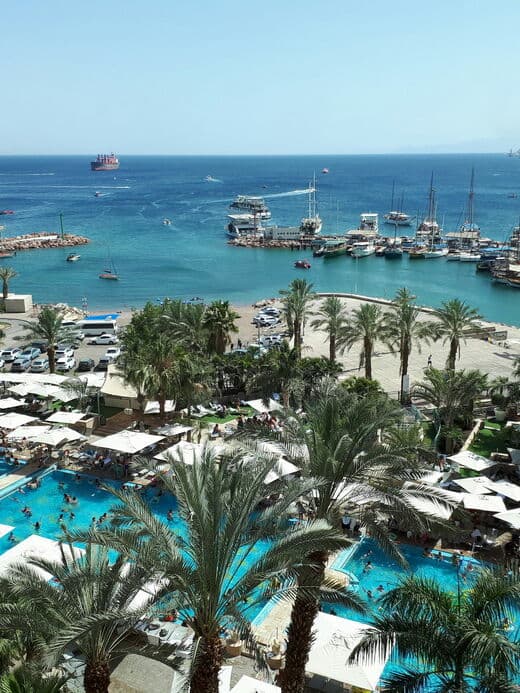
Eilat is Israel's purpose-built resort town at the southernmost tip of the country, where the Negev Desert meets the Red Sea. The city exists primarily for tourism - beaches, water sports, diving, and desert adventures. It has a very different feel from the rest of Israel, more like a Middle Eastern version of Las Vegas or Cancun.
The main draw is the underwater world. The coral reefs just offshore are among the northernmost tropical reefs in the world, accessible directly from the beach. The Coral Beach Nature Reserve protects the best reef area, offering snorkeling and diving in remarkably clear waters. Dolphins, manta rays, and sea turtles are regular visitors. For non-divers, the Underwater Observatory Marine Park allows you to descend below the surface in a submerged viewing tower.
The beaches themselves vary from rocky coral areas best for snorkeling to smooth sandy stretches at North Beach suitable for swimming and water sports. The Dolphin Reef is a semi-wild facility where you can swim with dolphins in relatively natural conditions - far more ethical than typical dolphin encounter programs.
Desert adventures are Eilat's other specialty. The Timna Park, about twenty minutes north, is a spectacular geological landscape of sandstone formations, ancient copper mines, and the famous "mushroom" rock formation. The Red Canyon offers an easy but dramatic hike through narrow red sandstone slots. Jeep tours, camel treks, and desert camping under the stars are readily available.
Eilat is a duty-free zone, making it popular for shopping. However, food and accommodation are expensive by Israeli standards, and the city itself is not architecturally attractive - just a strip of high-rise hotels along the waterfront. Most visitors come for specific activities rather than the city itself.
Getting to Eilat takes some effort - it is about four and a half hours by bus or car from Tel Aviv, or one hour by flight to Ramon Airport (about twenty minutes from the city). The isolation is part of the appeal; you feel like you have reached the edge of the world.
The Dead Sea: The Lowest Place on Earth
The Dead Sea region is one of Earth's most extraordinary places. At 430 meters (1,410 feet) below sea level, this is the lowest point on the planet's surface. The water is nearly ten times saltier than the ocean, so dense that you float effortlessly without trying. The air is thick with oxygen - the extra atmospheric pressure means more oxygen per breath - and filtered of allergens by the unique geography. No wonder the Dead Sea has been a health resort since Cleopatra's time.
Ein Bokek is the main resort area on the Israeli side, a strip of high-end hotels with direct beach access. The healing properties of Dead Sea mud and minerals draw visitors seeking treatments for skin conditions like psoriasis, as well as those simply wanting an unusual swimming experience. The sensation of floating without effort is surreal - you cannot sink if you try.
Beyond floating, the region offers dramatic natural attractions. Ein Gedi is an oasis nature reserve with waterfalls, pools, and hiking trails where you might spot ibex and hyrax. Masada is the spectacular clifftop fortress where Jewish rebels made their last stand against Rome; you can hike up the Snake Path at dawn to catch sunrise over the Dead Sea, or take the cable car if the heat is too intense. The dramatic landscapes of the Judean Desert offer jeep tours and Bedouin experiences.
On the Jordanian side, Wadi Mujib is a stunning canyon with water hikes, and Lot's Cave marks where Lot's wife supposedly turned to salt. Day trips from either Jerusalem or Tel Aviv are common, but staying overnight allows you to experience the desert silence and spectacular night skies.
Be aware that the Dead Sea is shrinking dramatically due to water diversion from the Jordan River. The water level drops about a meter per year, creating dangerous sinkholes along the shore. This environmental tragedy makes visiting now more urgent - the Dead Sea of today will not exist for future generations.
The Negev: Desert Wilderness
The Negev Desert covers more than half of Israel's land area but contains only a fraction of its population. This is a landscape of vast emptiness - craters, canyons, ancient ruins, and skies so dark you can see the Milky Way with the naked eye. For those seeking solitude and adventure, the Negev offers experiences unlike anywhere else in Israel.
Mitzpe Ramon sits on the edge of the Ramon Crater (Makhtesh Ramon), a dramatic erosion crater forty kilometers long and 500 meters deep. This is not a meteor impact crater but a unique geological formation found only in Israel and Sinai. The crater floor contains colorful rock formations, fossils, and hiking trails that range from easy walks to multi-day treks. Mitzpe Ramon itself is a small town with excellent stargazing, desert tours, and a growing boutique hotel scene.
Beer Sheva is the Negev's capital and Israel's fourth-largest city. It is primarily a working city rather than a tourist destination, but the Thursday Bedouin market and the Tel Be'er Sheva archaeological site (a UNESCO World Heritage Site) are worth visiting.
The ancient Nabataean cities of the Negev - Avdat, Mamshit, and Shivta - are UNESCO World Heritage Sites preserving the remains of the incense trade route. These sophisticated desert dwellers created agriculture in impossible conditions, and their ruins are hauntingly beautiful.
Sde Boker was home to Israel's founding prime minister, David Ben-Gurion, who retired to this kibbutz and championed settlement of the Negev. His grave overlooks a spectacular desert canyon, and a small museum tells his story.
The Galilee: Heartland of Jesus
The Galilee region in northern Israel is green, hilly, and filled with sites central to Christian faith. This is where Jesus spent most of his life and ministry, and pilgrims come from around the world to walk where he walked. But the Galilee offers much more than religious sites - it is wine country, hiking territory, and home to diverse communities including Druze villages and Arab towns.
The Sea of Galilee (Kinneret in Hebrew) is actually a freshwater lake, Israel's largest. Tiberias on its western shore is the main tourist base, a somewhat scrappy city with good lakeside hotels and access to Christian holy sites. The Mount of Beatitudes, where Jesus delivered the Sermon on the Mount, offers stunning views over the lake. Capernaum preserves the synagogue where Jesus taught. Tabgha marks the site of the multiplication of loaves and fishes. The baptismal site at Yardenit allows visitors to be baptized in the Jordan River.
Nazareth, Jesus's childhood home, is today a predominantly Arab city with excellent Arabic food and the impressive Basilica of the Annunciation. The old market area is atmospheric and the Mary's Well provides a taste of local life beyond the religious sites.
Safed (Tzfat) is the mystical capital of Kabbalah, Jewish mysticism. This hilltop town has a magical atmosphere - winding cobblestone streets, artist colonies, ancient synagogues, and a peculiar light that seems to shimmer. Even non-religious visitors feel something special here.
The Golan Heights, captured from Syria in 1967, offers dramatic landscapes, excellent wineries, nature reserves, and glimpses of recent military history. Mount Hermon, at Israel's northeastern corner, has the country's only ski resort (modest by international standards but surreal in context). The ancient city of Banias (Caesarea Philippi) and its stunning waterfall are highlights.
Unique Experiences: Things You Can Only Do in Israel
Every destination has its "must-do" activities, but Israel offers experiences that are genuinely impossible to replicate elsewhere. These are the moments that make a trip to Israel unforgettable.
Float in the Dead Sea
The physics are simple - water so salty that you cannot sink - but the experience is surreal. You lie back on the water, and instead of sinking or having to tread water, you simply float like a cork. You can read a newspaper, pose for photos, or just marvel at the sensation. The mineral-rich mud along the shore is used for therapeutic treatments and makes for great (if slightly ridiculous) photos when smeared on your body.
The experience comes with rules: do not splash water in your eyes (it burns intensely), do not shave beforehand (the salt stings any cut), do not stay in more than fifteen or twenty minutes (the minerals can be overwhelming), and shower off immediately afterward. The public beaches at Ein Bokek have freshwater showers and changing facilities.
Touch the Western Wall
Regardless of your faith, placing your hand on the Western Wall and feeling the weight of 2,000 years of continuous prayer is profound. Watch the diversity of worshippers - ultra-Orthodox Jews davening intensely, soldiers in uniform seeking blessing, tourists of every nationality pausing in reflection. Many visitors write prayers on small pieces of paper to tuck into the cracks between the stones, a tradition dating back centuries.
The Wall is accessible 24 hours a day, 365 days a year. The plaza is divided into men's and women's sections for prayer (egalitarian services are available at the controversial "Mixed Prayer" section at Robinson's Arch nearby). There is no entry fee. Dress modestly - men should cover their heads (paper kippahs are provided), and women should cover shoulders and knees.
Watch Sunrise from Masada
The ancient fortress of Masada rises 400 meters above the Dead Sea on an isolated plateau. In 73 CE, nearly a thousand Jewish rebels held out here against the Roman army, ultimately choosing mass suicide over capture. The story - told by the historian Josephus - made Masada a symbol of Jewish resistance and national identity.
Today, you can hike up the Snake Path in darkness, timing your arrival to catch the sunrise over the Dead Sea and the distant mountains of Jordan. As the sky shifts from purple to pink to gold and the ancient ruins emerge from shadow, you understand why Israeli soldiers once took their oath here: "Masada shall not fall again." The cable car offers an alternative for those who cannot manage the steep forty-five-minute climb, but the sunrise experience is best appreciated after the exertion of the hike.
Walk Through Hezekiah's Tunnel
In the eighth century BCE, with Assyrian armies threatening Jerusalem, King Hezekiah ordered the construction of a tunnel to bring water from the Gihon Spring into the city. His engineers carved 533 meters through solid rock, working from both ends and meeting in the middle with remarkable accuracy. The ancient Hebrew inscription marking their achievement is one of the oldest known Hebrew texts.
Today, you can wade through this tunnel at the City of David, the water reaching knee-deep or higher depending on conditions. Flashlights (provided) illuminate the narrow passage carved by hand nearly 3,000 years ago. It is a forty-minute journey through history that makes ancient engineering achievements tangible.
Experience Shabbat in Jerusalem
Shabbat, the Jewish day of rest, transforms Jerusalem in ways that must be experienced to be understood. On Friday afternoon, the city gradually shifts tempo as families rush to complete preparations before sunset. Then, as the sirens sound marking Shabbat's arrival (yes, sirens - this is Israel), silence descends on the Jewish neighborhoods. Cars disappear from the streets. Families walk to synagogue in their finest clothes. The Western Wall plaza fills with song and celebration as Shabbat is welcomed.
To experience Shabbat authentically, arrange to join a local family for Friday night dinner through programs like Shabbat of a Lifetime. The multi-course meal, the blessings, the singing, and the conversations offer a window into Jewish tradition that you cannot access as a mere tourist. The warmth of the hospitality typically extended to strangers is remarkable.
Dive or Snorkel the Red Sea Coral Reefs
The Gulf of Aqaba, where Eilat meets the Red Sea, holds some of the world's northernmost tropical coral reefs. The warm, clear waters support an astonishing diversity of coral species and tropical fish, many found nowhere else. Unlike many reef destinations requiring boat trips, Eilat's corals begin just meters from the shore.
Diving certification courses are available for beginners, while experienced divers can explore deeper sites including several deliberately-sunk wrecks. Snorkelers can see remarkable marine life simply by walking into the water at the Coral Beach Nature Reserve. Dolphin Reef offers snorkeling alongside semi-wild dolphins. The experience of being underwater in the desert, palm trees visible from below the surface, is uniquely Israeli.
Explore Underground Crusader Halls in Acre
The city of Acre (Akko) contains one of the most remarkable medieval urban complexes in the world, hidden beneath the modern street level. When the Crusaders built their city here in the twelfth and thirteenth centuries, they created vast underground halls, tunnels, and chambers. After the city fell, the Muslims built directly on top, sealing the Crusader city below.
Today, you can walk through these underground spaces, emerging into streets where time seems to have stopped. The Knights' Halls, the Templars' Tunnel, the secret passages - all transport you to the medieval period with astonishing immediacy. Combined with the Ottoman architecture, the bustling Arab market, and the sea views, Acre offers a historical experience unmatched elsewhere in Israel.
Hike the Jesus Trail
This sixty-five-kilometer hiking trail connects sites associated with Jesus's ministry in the Galilee, from Nazareth to Capernaum on the Sea of Galilee. Over four to five days, hikers traverse diverse landscapes - Arab villages, Jewish settlements, forests, farmland, and the lakeside - while visiting the Mount of Beatitudes, Cana, Mount Arbel, and other biblical sites.
The trail is well-marked and manageable for reasonably fit hikers. You can arrange accommodation in guesthouses along the way or camp in designated areas. The experience combines physical challenge, natural beauty, and spiritual reflection in a way that organized bus tours cannot replicate.
Visit a Kibbutz
The kibbutz movement is a uniquely Israeli experiment in collective living that played a crucial role in building the state. While traditional kibbutzim have largely transformed into privatized communities, you can still experience kibbutz life through guesthouses and organized visits. Some kibbutzim offer volunteering programs where you work in agriculture or other industries in exchange for room and board.
The kibbutz guesthouses (Kibbutz Hotels) are scattered throughout the country and offer an alternative to standard hotels - typically good value, with beautiful grounds, swimming pools, and access to local attractions. They provide a window into a lifestyle that shaped Israeli society.
Taste Cutting-Edge Israeli Cuisine
Israel's culinary scene has evolved from survival food to one of the world's most exciting cuisines. The best Israeli restaurants are redefining Middle Eastern and Mediterranean cooking with farm-to-table ingredients, techniques borrowed from fine dining, and flavor combinations rooted in diverse immigrant traditions.
In Tel Aviv, restaurants like Mashya, HaSalon (if you can get a reservation), and OCD by Chef Raz Rahav push boundaries. In Jerusalem, Machneyuda brings theater to the kitchen while Satya offers creative vegetarian cuisine. Even humble falafel stands and hummus joints operate at a level that shames their counterparts elsewhere. Arrange a food tour to sample the best without spending hours researching.
Best Time to Visit Israel: Seasons and Festivals
Israel enjoys a Mediterranean climate with hot, dry summers and mild, wet winters. However, the small country's diverse geography creates significant regional variations. Understanding the seasonal patterns will help you choose the ideal time for your trip.
Spring (March to May)
Spring is arguably the best overall time to visit Israel. Temperatures are warm but not oppressive, wildflowers bloom in the hills, and the landscape is green before the summer sun bakes everything brown. The Passover and Easter holidays bring extra meaning to visits to religious sites, though they also bring larger crowds and higher prices.
Daytime temperatures typically range from 18-25 Celsius (65-77 Fahrenheit) in Jerusalem and slightly warmer on the coast. The weather is generally reliable, with occasional rain possible in March and early April. The beaches become swimmable from April onward.
The downside of spring is the holiday period. During Passover (usually April) and Easter, hotel prices spike, popular sites are crowded, and some businesses close. If your dates are flexible, the weeks after Passover and Easter offer ideal conditions with reduced crowds.
Summer (June to August)
Summer is hot - seriously hot in some areas. Tel Aviv and the coast are manageable with sea breezes and beach access, but Jerusalem bakes and Eilat can exceed 40 Celsius (104 Fahrenheit). The Dead Sea region and Negev Desert are almost unbearably hot for outdoor activities.
The advantages of summer are nearly guaranteed sunshine, long days (sunset around 8pm), and the vibrant beach culture of Tel Aviv. School vacations mean more families at attractions but also more festivals and events. Air conditioning is universal, making indoor activities comfortable.
If you visit in summer, plan outdoor sightseeing for early morning, save museums and indoor attractions for midday, and embrace the evening culture of late dinners and nightlife. Bring sunscreen, a hat, and drink enormous quantities of water.
Autumn (September to November)
Autumn is another excellent time to visit, particularly after the Jewish High Holy Days. The intense summer heat moderates, the sea remains warm for swimming through October, and the crowds thin out. The autumn light has a golden quality that photographers adore.
The Jewish holidays of Rosh Hashanah (Jewish New Year) and Yom Kippur (Day of Atonement) fall in September or October, shutting down much of the country for several days. During Yom Kippur, even secular Tel Aviv comes to a standstill - no cars on the roads, children cycling on empty highways, an eerie silence over the land. If you happen to be there, it is a remarkable cultural experience, but you will not be able to do much tourism. Sukkot, the week-long harvest festival that follows, sees temporary huts (sukkot) erected everywhere and special celebrations at the Western Wall.
Winter (December to February)
Winter brings rain to Israel, particularly in the north and in Jerusalem. The Galilee can be lush and misty; Jerusalem occasionally sees snow (a rare and exciting event for locals). The Dead Sea and Eilat remain warm enough for beach activities, making them popular winter escapes for Israelis.
The advantages of winter include smaller crowds, lower hotel prices, and comfortable temperatures for hiking in the desert regions. The disadvantages are shorter days, rain interrupting outdoor plans, and cooler temperatures requiring layers (Jerusalem can drop to near freezing at night).
Hanukkah (December) and Christmas bring their own atmospheres - menorahs lit in windows across Jerusalem, Christmas celebrations in Nazareth and Bethlehem. New Year's is less significant as Israelis mark their new year in autumn, but Tel Aviv still throws a good party.
Major Holidays to Consider
Shabbat occurs every week from Friday sunset to Saturday sunset, during which public transportation stops, most shops close, and Jewish areas quiet down. This can be inconvenient for logistics but is also worth experiencing.
Passover (March/April) lasts a week, during which bread and leavened products disappear from stores and many restaurants. Easter brings crowds to Christian sites. Yom HaZikaron (Memorial Day) and Yom HaAtzmaut (Independence Day) in late April or May see the country shift from solemn remembrance to exuberant celebration within 24 hours.
Ramadan, the Muslim month of fasting, affects the pace of life in Arab areas. The Old City's Muslim Quarter is quieter during the day but comes alive after sunset when the fast breaks.
How to Get There: Flights and Entry
Getting to Israel is straightforward for citizens of most Western countries, though the security experience is famously thorough. Here is what you need to know about arriving in the Holy Land.
International Airports
Ben Gurion International Airport (TLV), located between Tel Aviv and Jerusalem, is the main gateway. It is one of the world's most secure airports, with multiple layers of screening that begin before you even reach the check-in counter. Allow extra time on departure - three hours is not excessive.
Direct flights connect Ben Gurion to all major US hubs (New York, Newark, Los Angeles, Miami, Boston, San Francisco), multiple European cities, and Asian destinations. El Al is the national carrier, known for its security and kosher meals. United, Delta, American, British Airways, and many other international carriers also serve the route. Flight time from New York is approximately eleven hours; from London about five hours; from Los Angeles around fifteen hours.
Ramon Airport (ETM) near Eilat opened in 2019 as an alternative gateway, primarily for charter flights to the Red Sea resort area. Some budget European carriers use Ramon, and it is worth checking if your primary destination is Eilat or the Negev.
Visa Requirements
Citizens of the United States, United Kingdom, Canada, Australia, and most EU countries do not need a visa for tourist visits up to ninety days. You will receive a small entry card (rather than a passport stamp) that you should keep until departure. Israeli stamps can cause issues when entering some Arab countries, which is why the card system was introduced.
Your passport must be valid for at least six months beyond your planned departure date. Travelers with Arab country stamps or visas in their passports may face additional questioning but are not barred from entry.
The Security Experience
Israeli airport security is legendary, and for good reason - the country faces real threats and takes them seriously. The experience differs significantly from the remove-your-shoes-and-belt routine of American airports.
On departure from Ben Gurion, every passenger is interviewed by security personnel before checking in. The questions seem mundane - "Did you pack your own bag?" "Has anyone given you anything to carry?" - but trained officers are observing your responses for signs of deception. This interview can take two minutes or thirty minutes depending on various factors.
Travelers who fit certain profiles - young solo males, people who have visited hostile countries, those with Arabic names or connections - may receive more intensive screening. This profiling is controversial but undeniably effective; Ben Gurion has not had a security incident in decades. If you are selected for additional screening, stay calm and cooperative. The officers are professional and the process, while potentially lengthy, is not arbitrary.
Arriving passengers face less intensive scrutiny but may be questioned at passport control, particularly first-time visitors. Be prepared to explain your travel plans, where you are staying, and the purpose of your visit. Having hotel reservations and a basic itinerary ready helps.
Alternatives to Flying
Land borders exist with Jordan and Egypt but require visas and advance planning. The Allenby/King Hussein Bridge crosses from Jordan, useful if you are combining Israel with Petra. The Yitzhak Rabin/Wadi Araba crossing in the south connects to Jordan near Eilat. The Taba crossing connects Eilat to the Sinai Peninsula and Egypt.
Cruise ships call at Haifa and occasionally Ashdod, primarily on Mediterranean itineraries.
Getting Around Israel: Transportation Options
Israel's compact size makes getting around relatively easy, though the transportation options vary in convenience and cost. Here is how to navigate the country.
Public Transportation
Intercity buses are the backbone of Israeli public transportation. Egged operates most routes, with comfortable air-conditioned coaches serving all major cities. The Tel Aviv-Jerusalem route, for example, runs approximately every fifteen minutes and takes about an hour. Fares are reasonable - around 16-20 NIS (roughly $4-5) for most intercity trips.
The Rav-Kav card is the unified payment system for public transportation. You can get a card at train stations, bus terminals, or some shops, then load money or passes onto it. Tap on when boarding buses or entering train stations. The card works across most systems and is essential for regular public transit use.
The Israel Railways network connects Tel Aviv with Haifa, Jerusalem, Beer Sheva, Nahariya, and Ben Gurion Airport. Trains are modern and comfortable, with luggage space and air conditioning. The high-speed line to Jerusalem takes about 25 minutes from Tel Aviv and is a comfortable way to commute between the cities. Unfortunately, coverage remains limited - much of the country lacks train service.
Note that public transportation stops completely for Shabbat (Friday afternoon to Saturday evening) and on major Jewish holidays. On these days, you need private transportation, a taxi, or your own two feet.
Rental Cars
Renting a car offers maximum flexibility and is the best option for exploring areas poorly served by public transit, such as the Galilee, Golan Heights, Negev Desert, and Dead Sea. Roads are generally excellent, signage is in Hebrew, Arabic, and English, and GPS navigation works seamlessly.
Major international rental companies operate at Ben Gurion Airport and in major cities. Prices are competitive with European rates - typically $30-50 per day for a compact car including basic insurance. Book in advance during high season.
Driving in Israel comes with caveats. Traffic in Tel Aviv is nightmarish - avoid driving there if possible. Parking in city centers is difficult and expensive. Israeli drivers are aggressive and impatient; they will tailgate, honk, and make maneuvers that seem suicidal but are somehow routine. Speed cameras are ubiquitous on highways. Gas is expensive by American standards (around $7 per gallon).
You cannot take Israeli rental cars into Palestinian Authority areas (the West Bank) - check your contract and be aware of the boundaries. The GPS will typically route around these areas automatically.
Taxis and Ride-Sharing
Traditional taxis are available throughout Israel, particularly at airports, hotels, and city centers. In theory, drivers must use the meter ("moneh" in Hebrew); in practice, particularly for airport trips, they may try to negotiate a flat rate. For short trips, insist on the meter. For airport transfers, agree on a price before setting off.
Gett (formerly Get Taxi) is the dominant ride-hailing app and works much like Uber. The app shows you the estimated fare before booking, eliminates negotiation hassles, and provides receipts. Most Gett drivers are regular taxi drivers, so the vehicles are typically standard taxis.
Uber has limited operation in Israel - mainly UberTaxi, which summons regular taxis, and some private ride options in Tel Aviv. It is generally less useful than Gett.
Sherut (shared taxi) services operate on fixed routes, primarily between cities. These large vans depart when full rather than on fixed schedules and cost slightly more than buses while offering door-to-door service. The Tel Aviv-Jerusalem sherut route remains popular, particularly on Shabbat when buses do not run.
Within Cities
Tel Aviv has an extensive network of local buses, and the city's light rail (Red Line) opened in 2023, connecting the suburbs with the center. The Dan bus company operates most local routes. The Rav-Kav card covers all local transport.
Jerusalem has a light rail line running from Mount Herzl through the city center to Pisgat Ze'ev, passing near the Old City. It is useful for reaching the Mahane Yehuda Market and some neighborhoods. Bus service covers the rest of the city.
Haifa has the Carmelit, Israel's only underground funicular railway, connecting the port area with the Carmel summit. It is more of a curiosity than practical transportation, but worth riding for the experience.
Cycling has become increasingly popular in Tel Aviv, with dedicated bike lanes along the beach and in some neighborhoods. Tel-O-Fun is the public bike-sharing system, accessible via app. Jerusalem's hills make cycling challenging, though some adventurous souls manage.
Cultural Code: Navigating Israeli Society
Israeli culture has quirks and expectations that differ from what you may be accustomed to. Understanding these will help you navigate social situations and avoid unintentional offense.
The Israeli Communication Style
Israelis are famously direct, sometimes to the point that seems rude by American or British standards. There is no beating around the bush, no excessive politeness, no "sorry to bother you" before asking a question. People say what they mean and expect you to do the same.
This directness can be jarring at first. A shopkeeper may tell you bluntly that a garment looks terrible on you. A stranger on the bus may ask how much money you make. A service worker may seem dismissive if you take too long deciding. None of this is meant to be rude - it is simply efficient communication.
The flip side of this directness is genuine warmth. Israelis will help strangers with remarkable generosity, invite tourists to family meals, and go far out of their way to assist someone in need. Once you adjust to the communication style, you will find Israelis to be some of the most hospitable people anywhere.
Lines (queues) are treated as suggestions rather than rules. People cut, push, and crowd together in ways that would cause riots in Britain. Do not take it personally, and do not be afraid to assert your place. A firm "slicha" (excuse me) works wonders.
Shabbat Observance
Shabbat, the Jewish day of rest from Friday sunset to Saturday sunset, fundamentally shapes life in Israel. In observant areas - most of Jerusalem, religious neighborhoods in other cities, and religious kibbutzim - everything closes. No buses, no shops, no restaurants, no taxis. People walk to synagogue and spend time with family.
In secular Tel Aviv, Shabbat is barely noticeable except for the lack of public transportation. Cafes, restaurants, and shops remain open, and the beaches fill with weekenders. The contrast between secular and religious Israel is never more stark than on Shabbat.
Plan your Shabbat accordingly. If you are in Jerusalem, either stay in a secular area (downtown, Mamilla, some hotels) or embrace the experience of the quiet streets and join a family for Shabbat dinner. If you need to travel, arrange private transportation in advance or use a sherut service.
Religious Site Etiquette
Modest dress is required at religious sites regardless of which faith they represent. For women, this typically means covering shoulders and knees - carrying a light shawl or scarf is advisable. For men, covering the head is required at Jewish sites (kippahs are usually provided) and removing shoes is required at some Muslim sites.
At the Western Wall, men and women pray in separate sections. You may take photographs in the plaza, but observant Jews request that you do not photograph them on Shabbat. Writing a prayer on a small piece of paper to place in the wall's cracks is a tradition open to all, regardless of faith.
At the Church of the Holy Sepulchre and other Christian churches, silence is expected. Photography is usually permitted but flash is often prohibited. Some churches ask for small donations.
The Temple Mount / Al-Haram al-Sharif has complex visiting rules that change frequently. Non-Muslims can visit during limited morning hours, entering through the Mughrabi Gate near the Western Wall. Security is tight, religious items from other faiths are prohibited, and overt prayer by non-Muslims is forbidden. Modest dress is strictly enforced.
The Kosher Question
Many restaurants in Israel are kosher, meaning they follow Jewish dietary laws. Practically speaking, this affects you in several ways:
- No mixing of meat and dairy - hamburgers will not have cheese, cream sauces will not accompany chicken
- No shellfish or pork - though non-kosher restaurants serving these exist, particularly in Tel Aviv and Arab areas
- Kosher restaurants close on Shabbat and reopen Saturday night
- During Passover, bread and leavened products disappear from kosher establishments
If you want bacon, shrimp, or cheeseburgers, seek out non-kosher restaurants - they are easy to find in Tel Aviv and exist in other cities too. Russian restaurants often serve non-kosher food, as do Arab restaurants.
Tipping
Tipping culture in Israel resembles that of the United States more than Europe. Restaurant servers expect 12-15% minimum, with 18-20% for good service. Some higher-end restaurants add a service charge automatically - check your bill.
Tip taxi drivers by rounding up to the nearest convenient amount. Tour guides expect tips, typically $5-10 per person per day for group tours, more for private guides. Hotel staff, hairdressers, and other service workers appreciate tips similar to American norms.
Photography
Israel is generally photography-friendly, but some sensitivities apply. Ultra-Orthodox Jews often object to being photographed, particularly women - ask permission or refrain. Military installations and some government buildings prohibit photography. In Arab areas, be courteous about photographing people and ask permission when possible.
Drone use is heavily restricted. Many areas require permits, and some (near airports, military areas, and borders) are completely prohibited. Check current regulations if you plan to fly a drone.
LGBTQ+ Considerations
Tel Aviv is one of the world's most LGBTQ+-friendly cities, with a vibrant community, Pride parade, and legal protections. Gay couples are openly affectionate, gay bars and clubs thrive, and same-sex couples report feeling welcomed.
Other parts of Israel are more conservative. Jerusalem's religious communities are less accepting, and public displays of affection may draw disapproval. Arab areas and ultra-Orthodox Jewish neighborhoods are not safe spaces for visible LGBTQ+ identity.
The legal situation is complex - same-sex marriages performed abroad are recognized, but cannot be performed in Israel; discrimination protections exist but exemptions apply for religious organizations.
Safety in Israel: Separating Fear from Reality
Let us address the elephant in the room: Is Israel safe to visit? The short answer is yes, with some caveats and common-sense precautions.
The Security Reality
Israel exists in a tough neighborhood and takes security seriously. You will notice armed soldiers everywhere - they are mostly teenage conscripts who look more bored than threatening. Security checks at malls, museums, and public buildings are routine. This visible security presence may be unsettling at first but quickly becomes background noise.
Terrorist incidents do occur, though they are rare and usually targeting specific areas. The vast majority of tourists visit Israel without any security-related incident. The main tourist areas - Tel Aviv beaches, Jerusalem's Old City, the Dead Sea, the Galilee - are as safe as any European destination.
That said, the security situation can change rapidly. Tensions sometimes flare along borders with Gaza and Lebanon, potentially leading to rocket fire. Check current advisories before travel and stay informed during your visit. The Times of Israel and Jerusalem Post provide English-language news coverage.
Areas to Approach with Caution
The Gaza Strip border area is off-limits to tourists. Rocket fire from Gaza occasionally reaches southern Israel, including sometimes Eilat and Beer Sheva, though Iron Dome intercepts most threats. When rockets are fired, sirens warn civilians to seek shelter.
The northern border with Lebanon and Syria sees occasional flare-ups. The Golan Heights is generally safe and heavily visited, but areas near the actual border require awareness.
The West Bank (Palestinian Territories) has a complex security situation. Major Israeli settlements have normal tourism infrastructure, and sites like Bethlehem, Jericho, and the Dead Sea are regularly visited. However, conditions can change quickly. Some tour operators avoid the West Bank entirely; others specialize in responsible visits. Research current conditions and consider joining an organized tour rather than going independently.
Within Israel proper, some areas of East Jerusalem can be tense, particularly during periods of heightened conflict. The Temple Mount / Al-Haram al-Sharif is a flashpoint. Pay attention to local news and avoid these areas if tensions are elevated.
Everyday Safety
Crime against tourists is relatively rare. Petty theft and pickpocketing occur at tourist sites and markets - standard precautions apply. Scams exist but are not rampant.
Traffic accidents are a greater statistical risk than terrorism. Israeli drivers are aggressive; pedestrians should be defensive. Look both ways multiple times before crossing, even at marked crosswalks.
The beach can be hazardous - strong currents exist at some Mediterranean beaches. Swim only where lifeguards are present (indicated by flags).
The sun is intense, particularly in summer and in desert areas. Sunburn and heat exhaustion are common problems for visitors. Drink enormous quantities of water, wear sunscreen and hats, and take midday breaks in the shade or air conditioning.
Health Precautions in Challenging Environments
The Dead Sea requires specific precautions: do not swallow the water (dangerously high salt concentration), do not get it in your eyes, do not shave beforehand, limit your time in the water to 15-20 minutes, and shower immediately after. The intense sun and heat require extra hydration.
Desert hiking demands careful preparation. Carry far more water than you think you need (4-5 liters minimum for a full day), wear sun protection, start early and finish before the hottest hours, and always tell someone your plans. Flash floods can occur in desert canyons during rare rain events - check weather forecasts and heed warnings.
Health Matters: Medical Care and Precautions
Israel has an excellent healthcare system, and visitors have access to quality medical care if needed. Here is what you should know about staying healthy during your trip.
Medical Facilities
Hospitals and clinics meet Western standards. Major hospitals include Hadassah in Jerusalem, Ichilov (Tel Aviv Sourasky Medical Center) in Tel Aviv, and Rambam in Haifa. English-speaking doctors are common.
Emergency medical services are reached by dialing 101 (Magen David Adom, the Israeli equivalent of the Red Cross). Ambulance services are professional and well-equipped.
Pharmacies (beit mirkachat) are plentiful and pharmacists can provide basic medical advice. Many common medications that require prescriptions in the US are available over the counter in Israel. Major chains include Super-Pharm and New-Pharm.
Insurance
Travel insurance with medical coverage is strongly recommended. While emergency care will not be refused, non-emergency treatment requires payment, and costs can be substantial. Make sure your policy covers medical evacuation if needed.
Some insurance policies exclude coverage for acts of terrorism or war - check your policy carefully given Israel's security situation. Specialized travel insurance for Israel is available from several providers.
Vaccinations
No vaccinations are required for entry to Israel from Western countries. Standard travel vaccinations (hepatitis A, typhoid) are recommended by some health authorities. Ensure routine vaccinations (tetanus, MMR) are up to date.
Water and Food Safety
Tap water is safe to drink throughout Israel. In fact, much of it comes from advanced desalination plants and is quite good. Bottled water is widely available if you prefer it.
Food hygiene standards are high. Street food, market stalls, and restaurants are generally safe. Standard precautions apply - if something looks questionable, skip it.
Sun and Heat
The biggest health risk for most visitors is sun exposure and heat-related illness. The Israeli sun is intense, even on cloudy days and even in winter. Wear high-SPF sunscreen (reapply frequently), a hat, and sunglasses. Seek shade during the hottest hours (11am-3pm).
Dehydration is a real risk, particularly in the desert and Dead Sea region. Drink water constantly - more than you think you need. Symptoms of heat exhaustion include headache, nausea, rapid heartbeat, and confusion. Seek cool shade and hydration immediately if these occur.
Money and Budget: The Cost of the Holy Land
Israel is not a budget destination - prices for many things approach or exceed Western European levels. However, with smart choices, you can manage costs without sacrificing the quality of your experience.
Currency
The Israeli currency is the New Israeli Shekel (NIS or ILS), denoted by the symbol. Exchange rates fluctuate but generally hover around 3.5-4 NIS to the US dollar. Many prices in tourist areas are also quoted in dollars or euros, and these currencies are sometimes accepted.
ATMs are widely available and accept international cards. Withdrawing shekels from ATMs typically offers better exchange rates than currency exchange offices, though check your bank's foreign transaction fees. Credit cards (Visa and Mastercard) are accepted virtually everywhere; American Express less so.
Budget Breakdown
Accommodation ranges widely. Budget hostels run 100-200 NIS ($30-55) per night for a dorm bed, 300-500 NIS ($85-140) for a private room. Mid-range hotels cost 500-1,000 NIS ($140-280) per night. Upscale hotels, particularly in Tel Aviv and at Dead Sea resorts, can exceed 2,000 NIS ($550) per night.
Food costs depend heavily on where you eat. Street food (falafel, shawarma, sabich) runs 20-40 NIS ($5-11). A meal at a casual restaurant costs 50-80 NIS ($14-22). Mid-range restaurant dinners run 100-200 NIS ($28-55) per person. Fine dining can exceed 400 NIS ($110) per person easily.
Transportation is reasonably priced. Inter-city buses cost 15-50 NIS ($4-14) depending on distance. Trains are similar. Taxis are more expensive - expect 150-250 NIS ($40-70) for airport transfers, 20-50 NIS ($5-14) for city rides.
Attraction entry fees add up. Major sites like Masada, the Israel Museum, and Yad Vashem charge 30-60 NIS ($8-17) per adult. The Western Wall and many churches are free. Consider the Israel Pass for significant savings if you plan to visit many paid attractions.
For a comfortable mid-range trip, budget approximately $150-200 per person per day for accommodation, meals, transportation, and attractions. Budget travelers sharing dorms and eating street food can manage on $80-100. Luxury travelers will spend $400 or more easily.
Money-Saving Tips
Stay in Tel Aviv hostels and day-trip to Jerusalem - Tel Aviv hostels are often cheaper and more modern, and the train takes only 25 minutes.
Eat your main meal at lunch when many restaurants offer set menus at lower prices than dinner. Make street food your friend - Israeli falafel and shawarma are delicious, filling, and cheap.
Take buses instead of trains when possible - often cheaper and sometimes more direct. Use the Rav-Kav card for all public transport to avoid paying premium single-journey fares.
Shop at supermarkets for snacks, breakfast items, and picnic supplies. Israeli supermarkets (Shufersal, Rami Levy) are excellent and much cheaper than tourist-oriented shops.
Visit free attractions - many churches, the Western Wall, and some museums have no entry fee. Free walking tours operate in major cities; tips are appreciated but not mandatory.
Tipping Culture
As mentioned earlier, tipping is expected at restaurants (12-15% minimum), for tour guides (negotiate group vs. private expectations), and for various service workers. Factor tips into your budget calculations.
Sample Itineraries: Making the Most of Your Time
Planning an Israel itinerary requires balancing the incredible density of attractions with realistic travel times and the need to occasionally rest. Here are suggested itineraries for various trip lengths.
Seven Days: The Essential Israel Experience
One week is enough for the highlights, though you will leave wanting more.
Days 1-2: Jerusalem
Arrive at Ben Gurion Airport and transfer directly to Jerusalem (about 45 minutes by train or taxi). Settle into your hotel, then walk to the Old City for orientation.
Day 2, start early at the Western Wall and Temple Mount (visiting hours are limited, check current schedule). Walk the Via Dolorosa to the Church of the Holy Sepulchre. Explore the Old City's quarters, getting lost in the alleyways. Evening at the Mahane Yehuda Market for dinner and nightlife.
Day 3: Jerusalem Museums and Mount of Olives
Morning at Yad Vashem (allow 3+ hours for the main museum). Afternoon at the Israel Museum to see the Dead Sea Scrolls and the model of Second Temple Jerusalem. Late afternoon, visit the Mount of Olives for sunset views, then walk down through the Garden of Gethsemane.
Day 4: Dead Sea and Masada
Early morning departure for Masada - either hike up the Snake Path for sunrise or take the first cable car. Explore the ruins, then descend to the Dead Sea for floating and mud baths at Ein Bokek. Return to Jerusalem in the evening, or continue to Tel Aviv.
Days 5-6: Tel Aviv
Day 5, explore Old Jaffa and the Flea Market in the morning. Walk up through Neve Tzedek to the Carmel Market for lunch. Afternoon beach time, then explore Rothschild Boulevard and the White City. Evening in the bars and restaurants of the Florentin neighborhood.
Day 6, morning at the Tel Aviv Museum of Art or ANU Museum. More beach time or explore Sarona Market and Dizengoff area. Final evening for fine dining and perhaps nightlife.
Day 7: Departure
Depending on your flight time, perhaps a final morning walk along the Tayelet or visit to the Port area. Ben Gurion Airport is about 20 minutes from central Tel Aviv.
Ten Days: Adding Depth
Ten days allows you to experience the highlights more deeply and add a couple of additional destinations.
Follow the seven-day itinerary but extend your time in each location:
Days 1-3: Jerusalem Extended
Add visits to the City of David and Hezekiah's Tunnel, Mount Zion (including the Room of the Last Supper and King David's Tomb), and the Garden Tomb. Spend more time in neighborhoods like Ein Karem and Nachlaot. Visit the Tower of David night show for a different perspective on the Old City.
Day 4: Bethlehem Side Trip
Cross into the Palestinian Authority to visit the Church of the Nativity, Manger Square, and the Separation Wall with its Banksy murals. Return to Jerusalem.
Day 5: Dead Sea and Masada
As before, but consider staying overnight at Ein Bokek for more time floating and to catch both sunset and sunrise at the Dead Sea.
Days 6-8: Tel Aviv Extended
Take time to truly relax on the beaches, explore more neighborhoods, and enjoy the food scene. Day trip possibilities include Caesarea (Roman ruins), or Haifa with its Baha'i Gardens.
Days 9-10: Galilee
Rent a car or join a tour to explore the Galilee. Visit the Sea of Galilee sites (Capernaum, Tabgha, Mount of Beatitudes), Nazareth, and perhaps Safed. Stay overnight in Tiberias or a Galilee guesthouse. Return to Tel Aviv for departure.
Two Weeks: The Comprehensive Journey
Two weeks allows you to cover the country comprehensively without feeling rushed.
Days 1-4: Jerusalem
All the sites mentioned above, plus time to revisit favorites, catch Shabbat, and truly absorb the atmosphere. Consider a day trip to Hebron (with a tour group) for a challenging but educational experience.
Days 5-6: Dead Sea Region
Masada, Ein Gedi nature reserve with its waterfalls and hiking, floating in the Dead Sea. Stay overnight at Ein Bokek or a kibbutz guesthouse.
Days 7-9: Negev Desert
Rent a car and explore the Negev. Mitzpe Ramon and the crater, Avdat ancient city, Sde Boker and Ben-Gurion's grave. Consider desert camping or a night at a desert lodge. Continue to Eilat.
Days 10-11: Eilat
Snorkeling or diving in the Red Sea, Dolphin Reef, Underwater Observatory, Timna Park with its desert landscapes. Fly or drive back north.
Days 12-13: Galilee and Golan
Sea of Galilee Christian sites, Nazareth, Safed, Golan Heights wineries and nature. Stay in Tiberias or a Galilee guesthouse.
Day 14: Haifa and Coast
Baha'i Gardens in Haifa, Acre's Crusader city and market. Continue to Tel Aviv for final night and departure.
Three Weeks: The Ultimate Israel Experience
Three weeks allows you to go deep, move slowly, and include everything on your list.
Follow the two-week itinerary but add:
- Extra days in Jerusalem for repeat visits and deeper exploration of neighborhoods
- Day trip to Jericho and the Jordan Valley
- More time at the Dead Sea, including the Qumran caves where Dead Sea Scrolls were found
- Complete exploration of the Negev including Ramon Crater hikes and desert camping
- Multiple days in Eilat for diving certification or multiple reef dives
- Thorough Galilee exploration including lesser-known sites and Druze villages
- Full day in Acre exploring the underground city and Ottoman market
- Day trip to Rosh Hanikra sea grottoes at the Lebanese border
- Extended time in Tel Aviv for beach relaxation and nightlife
- Day trip to Caesarea and the coast
Three weeks also allows for rest days, spontaneous detours, and the serendipitous encounters that make travel memorable.
Connectivity: Staying Connected in Israel
Staying connected while traveling in Israel is easy - the country has excellent telecommunications infrastructure and widespread WiFi access.
Mobile Data and SIM Cards
Israeli SIM cards with data plans are the most practical solution for connectivity. You can purchase prepaid SIM cards at Ben Gurion Airport (several kiosks in the arrivals hall), at phone shops in cities, or at convenience stores. Major carriers include Cellcom, Partner, and Hot Mobile. Budget carriers like Golan Telecom and 019 Mobile offer competitive packages.
A typical tourist SIM package includes unlimited calls, texts, and 10-20GB of data for around 100-200 NIS ($30-55) for one month. Most plans include free incoming calls, useful if you need to receive calls from home.
Alternatively, if your home carrier offers international roaming packages, Israel is typically included in North America and European plans. Check rates before departure - unlimited roaming is increasingly common but fees can add up if not included.
eSIM options from providers like Airalo, Holafly, and others work well in Israel if your phone supports them. Purchase and install before departure for immediate connectivity upon arrival.
WiFi Availability
WiFi is widely available throughout Israel. Most hotels, hostels, and Airbnbs include free WiFi, typically at decent speeds. Cafes and restaurants commonly offer free WiFi - ask staff for the password. Free municipal WiFi is available in some public areas, including parts of Tel Aviv and Jerusalem.
For those needing reliable high-speed connectivity, co-working spaces operate in Tel Aviv and Jerusalem, offering day passes for serious work needs.
Useful Communications Tips
WhatsApp is the dominant messaging platform in Israel. Many businesses communicate via WhatsApp, including tour operators, restaurants for reservations, and even some government services. Having WhatsApp installed and connected to a local number is highly recommended.
Google Maps works excellently in Israel, with accurate public transit directions, traffic information, and comprehensive point-of-interest coverage. Waze (an Israeli invention) is popular for driving navigation and traffic avoidance.
International calling can be expensive from Israeli SIM cards. Use WhatsApp or Skype calls for calls home to save costs.
Food and Drink: The Israeli Culinary Experience
Israeli cuisine has evolved from survival food for pioneers into one of the world's most exciting culinary scenes. The confluence of traditions from dozens of countries, abundant fresh ingredients, and a food-obsessed culture has created something truly special.
The Breakfast Tradition
Israeli breakfast is legendary. Hotels typically offer elaborate buffets featuring fresh salads, cheeses, smoked fish, eggs prepared multiple ways, bread, pastries, and various spreads. Even modest hotels put on impressive morning spreads.
Outside hotels, shakshuka is the iconic breakfast dish - eggs poached in spiced tomato sauce, served bubbling hot in the pan with fresh bread for dipping. It is simple, satisfying, and comes in countless variations (with cheese, with eggplant, green shakshuka with herbs).
Fresh salads appear at every meal, including breakfast. Israeli salad - finely diced tomatoes, cucumbers, onions, and peppers with olive oil and lemon - is ubiquitous and delicious, made possible by the remarkable quality of Israeli produce.
Street Food Essentials
Falafel is Israel's national street food - deep-fried chickpea balls served in pita bread with salads, pickles, tahini, and various toppings. Every Israeli has strong opinions about which falafel stand is best; debates are passionate. Try several and form your own view.
Shawarma (spiced meat roasted on a vertical spit, shaved and served in pita or laffa bread) is equally popular, though it requires non-kosher versions for the authentic lamb or mixed meat experience (kosher shawarma uses only turkey or chicken).
Sabich is a lesser-known gem - fried eggplant, hard-boiled eggs, hummus, tahini, and various salads stuffed in pita. Originally an Iraqi Jewish breakfast, it has become a beloved street food. The best sabich places in Tel Aviv have devoted followings.
Burekas are flaky pastries filled with cheese, spinach, potato, or mushrooms. They are available everywhere, from bakeries to gas stations, and make a satisfying snack or light meal. The best ones come from traditional bakeries in Jaffa or the Carmel Market.
Hummus Culture
Hummus in Israel is not the sad paste you find in supermarket containers elsewhere. It is served warm, freshly made, swirled with olive oil and tahini, and topped with whole chickpeas, ful (fava beans), or other additions. You eat it with fresh pita, scooping and dipping until the plate is clean.
Dedicated hummus joints (called "hummusia") serve little else - just hummus with various toppings, pita, and perhaps some salads and pickles. These spartan establishments are judged purely on their hummus quality. Abu Hassan in Jaffa, Hummus Pinati in Jerusalem, and dozens of others have fierce devotees.
The proper technique: tear off a piece of pita, fold it into a scoop shape, rake through the hummus to get maximum coverage, and eat. Repeat until the plate is spotless. Asking for more pita is standard.
Market Food
The markets (shuks) are the heart of Israeli food culture. The Carmel Market in Tel Aviv and Mahane Yehuda in Jerusalem are the most famous, but every city has its market.
Beyond the produce stalls, markets are street food heaven. Fresh fruit juices, halva (sesame candy) cut to order, rugelach (rolled pastries), sambusak (filled savory pastries), malabi (milk pudding), fresh breads, and countless other treats tempt you at every turn. Come hungry, graze your way through, and leave very full.
Mahane Yehuda transforms at night into a bar and restaurant scene, with the daytime market stalls becoming the walls of trendy nightspots. Experiencing both the daytime market energy and nighttime transformation is a quintessential Jerusalem experience.
Restaurant Scene
Tel Aviv has emerged as a global dining destination. The "Middle Eastern" food you find in other cities barely hints at what Israeli chefs are creating - innovative cuisine that draws on the region's traditions while pushing boundaries.
The farm-to-table movement is strong, with restaurants emphasizing local produce, often from specific farms they work with directly. Vegetable-forward cooking is a specialty, with dishes that make meat seem unnecessary.
International cuisines are well-represented. Excellent Japanese, Italian, Thai, Ethiopian, and other cuisines reflect Israel's immigrant diversity. The Russian influence shows in cafes serving blini and borscht; the Yemenite influence in slow-cooked meat stews and malawach (fried bread).
Reservations are essential for popular restaurants, particularly on Thursday and Friday nights. Use the GetRest app or call directly. Many restaurants are closed on Shabbat.
Drinks
Israeli wine has improved dramatically in recent decades. The Golan Heights and Upper Galilee produce excellent wines, particularly Cabernet Sauvignon and Merlot. Wine tours of the regions are popular, and good Israeli wines are available in restaurants throughout the country. Prices are higher than European wines at comparable quality levels.
Local beers include Goldstar and Maccabee (mass-market lagers), with a growing craft beer scene centered in Tel Aviv. Arak, the anise-flavored spirit, is the traditional strong drink, turning cloudy white when mixed with water.
Coffee culture is serious. Israeli coffee is typically strong Turkish-style coffee or espresso-based drinks. The American-style drip coffee is rare. Cafes are social institutions where people linger for hours; rushing is frowned upon.
Fresh fruit juices are exceptional - pomegranate, orange, grapefruit, and more, freshly squeezed while you watch. Market juice stands and sidewalk vendors offer this healthy refreshment everywhere.
Dietary Considerations
Vegetarians and vegans thrive in Israel. The abundance of fresh vegetables, the hummus and falafel tradition, and a culture that does not center every meal on meat make plant-based eating easy and delicious. Tel Aviv has been called one of the world's best cities for vegans.
Gluten-free options are increasingly available, though not as widespread as vegetarian options. Communicate your needs clearly.
Kosher restrictions (no mixing of meat and dairy, no pork or shellfish) apply at many establishments but are not universal. Non-kosher restaurants are common in Tel Aviv and exist in other cities. Arab restaurants serve non-kosher food.
Halal food is available in Arab areas and some restaurants elsewhere. Look for halal certification or ask.
Shopping: What to Buy in Israel
Israel offers shopping experiences ranging from traditional markets to modern malls, with products that reflect the country's cultural diversity and artistic heritage.
Traditional Markets
The markets (shuks) are shopping experiences as much as culinary ones. Beyond food, you will find spices, olive oil soaps, ceramics, textiles, and handmade crafts.
The Jaffa Flea Market specializes in antiques, vintage items, and eclectic finds. Haggling is expected and part of the fun. Furniture, jewelry, Judaica, Arab crafts, and genuine antiques mingle with reproduction souvenirs.
The Arab market in Jerusalem's Old City is a maze of shops selling everything from spices to leather goods to religious items. Bargaining is essential - start at about half the asking price and negotiate from there. Quality varies widely, so examine items carefully.
Acre's market is more authentic and less touristy than Jerusalem's, with a focus on local shoppers. The spice shops here are particularly good, and prices are often lower than in Jerusalem.
Judaica and Religious Items
Israel is obviously the place to buy Jewish religious items - menorahs, mezuzahs, kiddush cups, tallitot (prayer shawls), and more. The Jewish Quarter of Jerusalem's Old City has numerous shops, as does the Mea Shearim neighborhood. Quality ranges from mass-produced souvenirs to hand-crafted artistic pieces worth thousands.
Christian religious items - icons, rosaries, olive wood carvings, holy water containers - are available throughout the Christian Quarter and at shops near major holy sites. Bethlehem is famous for olive wood nativity scenes and religious carvings.
Muslim religious items and Arabic crafts are available in the Muslim Quarter and throughout Arab areas.
Dead Sea Products
Dead Sea minerals are used in an array of cosmetic and therapeutic products. AHAVA is the best-known brand, with stores at Ben Gurion Airport and throughout tourist areas. The factory outlet at Kibbutz Mitzpe Shalem near the Dead Sea offers discounts.
Dead Sea mud masks, mineral soaps, bath salts, and skincare products make popular gifts. Quality varies significantly between brands; established names like AHAVA, Premier, and Minus 417 maintain consistent standards.
Food Products
Israeli food products make excellent gifts and souvenirs. Za'atar spice blends, tahini, halva, dates, olive oil, wine, and specialty foods are widely available. The markets offer the best prices and selection.
Chocolate lovers should seek out Max Brenner (an Israeli brand, despite its European-sounding name) or the excellent chocolates from the Upper Galilee region.
Note that bringing fresh produce, meat, and dairy products into many countries is prohibited. Packaged, commercially sealed items are typically fine, but check your home country's customs regulations.
Art and Design
Israel has a vibrant art scene, and galleries throughout the country sell work by Israeli artists. Tel Aviv's arts scene is particularly strong, with galleries concentrated in areas like Neve Tzedek and Jaffa.
Israeli design - jewelry, fashion, home goods - often blends traditional influences with modern aesthetics. Design-focused shops in Tel Aviv and the artist colonies of Jaffa and Safed offer unique pieces you will not find elsewhere.
Ceramic artists, particularly in the Galilee and around Jerusalem, produce distinctive work drawing on ancient traditions. The Armenian ceramics in Jerusalem's Old City are particularly notable, with beautiful hand-painted tiles and pottery.
Practical Shopping Tips
Bargaining is expected in traditional markets and some shops in tourist areas. In regular stores and malls, prices are fixed.
VAT (Value Added Tax) of 17% is included in listed prices. Tourists can claim VAT refunds on purchases over 400 NIS at participating stores - look for "Tax Free Shopping" signs. Claim your refund at Ben Gurion Airport before departure.
Eilat is a VAT-free zone, making it cheaper for shopping. However, prices for many items are still higher than elsewhere due to the remote location.
Malls and chain stores keep regular hours (roughly 9am-9pm) except on Shabbat. Markets typically close before Shabbat and reopen Saturday night or Sunday morning. In Arab areas and secular Tel Aviv, Shabbat closures are less widespread.
Useful Apps for Traveling in Israel
Technology makes traveling in Israel easier. Here are the essential apps to download before your trip.
Transportation
Moovit - The best app for public transportation, showing real-time bus and train schedules, route planning, and transit updates. Essential for navigating without a car.
Gett - Israel's dominant ride-hailing app. Works like Uber with upfront pricing and reliable service. Most Gett drivers are licensed taxi drivers.
Waze - The Israeli-invented navigation app is especially useful here, with real-time traffic updates and local knowledge baked in. Google Maps also works well.
Communication
WhatsApp - The universal messaging platform in Israel. Businesses, tour operators, and friends all communicate via WhatsApp. Essential.
Food and Dining
Wolt and Tenbis - Food delivery apps widely used in Israeli cities. Useful for getting restaurant food delivered to your hotel.
Rest (or GetRest) - Restaurant reservation app. Essential for booking popular restaurants, particularly in Tel Aviv.
Payments
Bit - Israeli payment app for peer-to-peer transfers. Requires an Israeli bank account to set up fully, but some tourists use it with Israeli friends.
Translation
Google Translate - Useful for Hebrew and Arabic signs, menus, and basic communication. The camera feature for instant translation is helpful.
Information
Israel Trail - For hikers planning to walk parts of the Israel National Trail, this app provides maps, waypoints, and trail information.
Times of Israel and Jerusalem Post - English-language news apps to stay informed about current events and security situations.
Conclusion: Your Israel Journey Awaits
Israel is not an easy destination. It challenges your preconceptions, confronts you with complex realities, and demands that you engage with history, religion, and politics in ways that few other places do. It can be overwhelming, exhausting, and occasionally frustrating.
It is also profoundly rewarding. The moments of transcendence - standing where prophets stood, watching the sunrise over ancient ruins, floating in waters that defy physics, tasting food that redefines what you thought you knew about Mediterranean cuisine - these experiences linger long after you return home.
This is a country where the ancient and ultramodern coexist in constant creative tension. Where a twenty-minute drive takes you from skyscrapers to archaeological digs. Where the same streets have been walked by kings and prophets, crusaders and pilgrims, refugees and pioneers, for thousands of years. Where every stone seems to hold a story, and new chapters are being written every day.
Come with an open mind and flexible expectations. The Israel you encounter may not match what you expected - it is likely to be more complex, more vibrant, and more moving than you imagined. Be prepared to question your assumptions, to be challenged, and to leave changed.
Whether you come for faith or archaeology, beaches or cuisine, innovation or history, Israel will deliver experiences you cannot find anywhere else. The logistics may require planning, the security situation demands awareness, and the social complexities can be confusing. But the rewards are worth the effort.
Your Holy Land journey awaits. May it exceed every expectation and leave you planning your return before you have even departed.
Quick Reference: Essential Information
- Language: Hebrew and Arabic are official; English is widely spoken
- Currency: Israeli New Shekel (NIS). Approximately 3.5-4 NIS = 1 USD
- Electricity: 230V, European-style plugs (Type C and H)
- Time Zone: Israel Standard Time (IST), UTC+2; Summer Time (IDT), UTC+3
- Emergency Numbers: Police 100, Ambulance 101, Fire 102
- Visa: Not required for US, UK, Canadian, Australian citizens (up to 90 days)
- Best Times: Spring (March-May) and autumn (September-November)
- Must-Try Foods: Hummus, falafel, shakshuka, sabich, fresh salads
- Essential Experiences: Western Wall, Dead Sea floating, Old City exploration, Tel Aviv beaches
Packing Essentials
- Modest clothing for religious sites (covering shoulders and knees)
- Comfortable walking shoes - you will walk more than you expect
- Hat, sunglasses, and high-SPF sunscreen
- Light layers for air-conditioned spaces and cool Jerusalem evenings
- Water bottle - stay hydrated
- Power adapter (European-style plugs)
- Scarf or shawl for women (useful for quick cover-ups at religious sites)
- Small daypack for daily excursions
Final Tips
Book accommodations and popular restaurants well in advance, especially during Jewish holidays and peak season. Allow more time than you think for major sites - rushing through the Old City or Yad Vashem shortchanges the experience. Build in rest days, particularly if visiting in summer. Learn a few Hebrew phrases - "shalom" (hello/goodbye), "toda" (thank you), and "slicha" (excuse me) go a long way. Most importantly, approach Israel with curiosity and openness. This ancient land has stories to share with those willing to listen.
Safe travels, and welcome to Israel.