About
Hungary Travel Guide 2026: The Complete Insider's Handbook for First-Time and Returning Visitors
Hungary sits at the crossroads of Central Europe like a well-kept secret that somehow manages to stay under the radar despite welcoming over 20 million tourists in 2025. This landlocked nation, roughly the size of Indiana, packs an extraordinary punch when it comes to travel experiences. From the thermal waters that bubble up from deep beneath the Pannonian Basin to the paprika-spiced cuisine that warms your soul, Hungary offers something that many overtouristed European destinations have lost: authenticity combined with genuine value for money.
I first visited Hungary in 2019, expecting a quick weekend in Budapest before moving on to Vienna. Three weeks later, I was still there, having discovered wine cellars in Eger, watched sunsets over Lake Balaton, and eaten more langos than any reasonable person should. That trip fundamentally changed how I travel, and Hungary has remained one of my most frequently recommended destinations for travelers seeking substance over Instagram moments.
This guide represents everything I wish someone had told me before that first trip, updated with the latest information for 2026. Whether you are planning a long weekend focused on thermal baths and ruin bars, a two-week deep dive into Hungarian culture, or something in between, you will find practical, tested advice here. No fluff, no recycled guidebook content, just real insights from someone who has walked these streets, made the mistakes, and learned from them.
Section 1: Why Hungary Deserves a Spot on Your Travel List
Let me be direct: Hungary is not for everyone. If you want a destination where everything is easy, where English is spoken everywhere, and where the culture closely mirrors what you know from home, you might find Hungary challenging. But if you are the kind of traveler who gets excited about discovering a family-run wine cellar where the owner insists you try one more vintage, or who finds joy in deciphering a menu written entirely in Magyar, Hungary will reward you beyond measure.
The Thermal Bath Experience
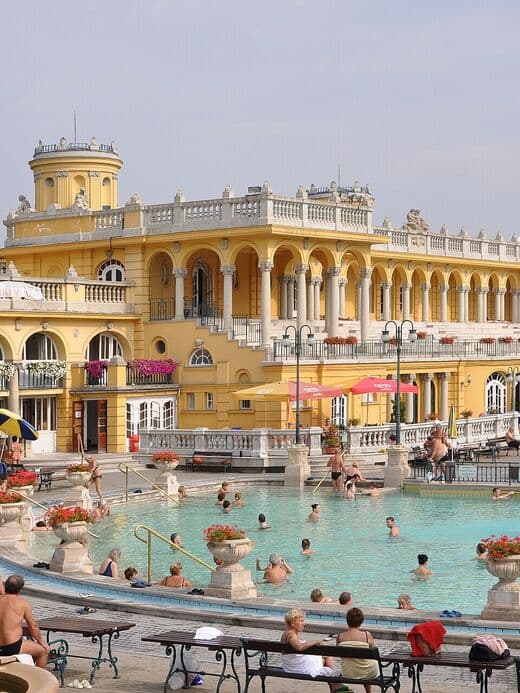
Hungary sits on a geological hotspot that produces more thermal water than almost anywhere else in the world. Over 1,500 thermal springs dot the country, and bathing culture here dates back to Roman times and was perfected during Ottoman occupation. The Szechenyi Thermal Baths in Budapest represent the largest medicinal bath complex in Europe, but they are just the beginning. Every major town has its own thermal facilities, from simple municipal pools to elaborate wellness complexes.
What makes Hungarian thermal bathing special is not just the water itself, which ranges from 20 to 77 degrees Celsius and contains various minerals depending on the source. It is the culture surrounding it. Hungarians treat thermal baths as social spaces, places where deals are made, gossip is exchanged, and chess games unfold in steaming outdoor pools. As a visitor, you are welcome to participate in this ritual, and doing so provides a window into Hungarian life that no museum or tour can offer.
Value Proposition
Let us talk money, because Hungary offers exceptional value compared to Western European destinations. A quality meal at a traditional restaurant in Budapest might cost 3000-5000 HUF (roughly 8-14 USD), while the same quality in Paris or London would easily run 40-60 USD. Wine that would cost 30 euros in a Vienna wine bar might be 3000 HUF in a Budapest borozó. This is not about finding cheap alternatives to good experiences; Hungary simply has not experienced the price inflation that has made Western Europe increasingly inaccessible for budget-conscious travelers.
Accommodation tells a similar story. A well-located, quality apartment in central Budapest runs 60-80 USD per night, while equivalent accommodation in Prague or Vienna starts at 150 USD. Even at the luxury end, Budapest's five-star hotels often cost less than three-star properties in Western capitals.
Cultural Richness
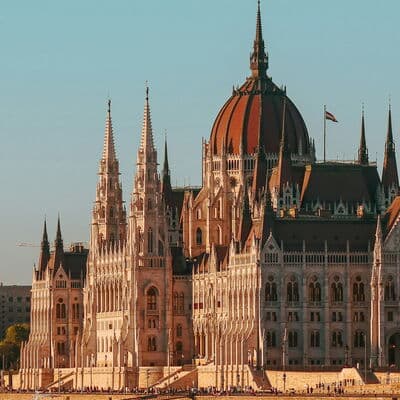
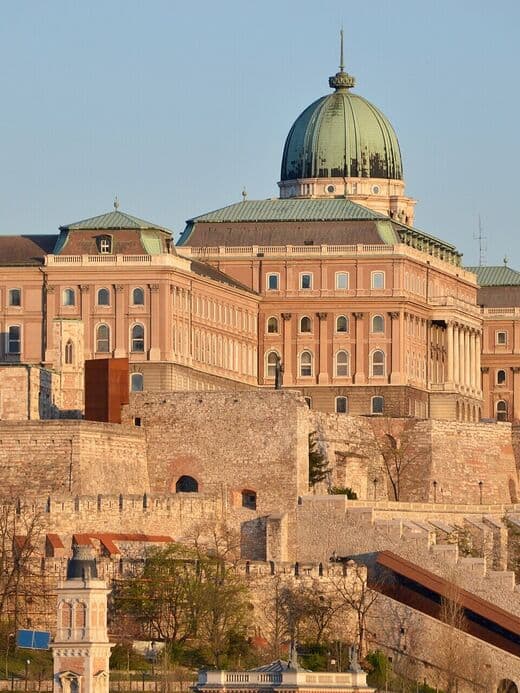
Hungary's history reads like a dramatic novel, with Ottoman occupation, Austro-Hungarian imperial grandeur, communist rule, and rapid modernization all leaving distinct marks on the landscape and culture. The Hungarian Parliament building, completed in 1902, represents neo-Gothic ambition at its most extravagant. Buda Castle has been destroyed and rebuilt so many times that archaeologists find layers of history with each excavation. Ruin bars occupy buildings that socialist planners left to decay, now transformed into creative spaces that define Budapest's nightlife.
The Hungarian language itself represents cultural uniqueness. Magyar belongs to the Finno-Ugric family, unrelated to any neighboring languages. Learning even a few phrases immediately endears you to locals and opens doors that remain closed to tourists who expect English everywhere. I have found that a simple köszönöm (thank you) or jó napot kívánok (good day) consistently transforms interactions.
Geographic Diversity
While Hungary lacks the dramatic mountains of its neighbors, it offers surprising geographic diversity. The Danube River divides the country and creates some of Europe's most scenic stretches, particularly the Danube Bend north of Budapest. Lake Balaton, Central Europe's largest lake, provides beaches and water activities just 90 minutes from the capital. The Great Hungarian Plain extends eastward, offering a landscape that feels almost like stepping onto an American prairie. The northern hills contain wine regions that rival anything in Austria or Slovakia.
Accessibility
Budapest sits at the center of Central European transportation networks. Direct flights connect the city to every major European hub, with increasingly frequent connections to North America. High-speed rail links are expanding, with Vienna now just 2.5 hours away. Once in Hungary, domestic transportation is cheap and reasonably efficient, allowing you to explore far beyond the capital without renting a car.
Section 2: Understanding Hungarian Regions and Planning Your Route
Hungary divides naturally into distinct regions, each offering different experiences. Understanding these divisions helps you plan an itinerary that matches your interests and available time.
Budapest and the Central Region
Budapest dominates Hungarian tourism for good reason. The capital contains roughly 20 percent of Hungary's population and an even larger share of its cultural attractions. The city divides into Buda on the western hills and Pest on the eastern plains, connected by the iconic Chain Bridge and several other crossings. Most visitors spend the majority of their Hungarian time in Budapest, and for trips of a week or less, this focus makes sense.
The central region surrounding Budapest offers excellent day trip opportunities. Szentendre, an artists' colony with Serbian heritage, sits just 40 minutes north by train or boat. The Danube Bend provides dramatic river scenery, historic fortresses, and charming towns like Visegrád and Esztergom. Gödöllő's royal palace offers insight into Empress Sisi's Hungarian life. These excursions can be accomplished in half or full days, returning to Budapest each evening.
Lake Balaton Region
Lake Balaton serves as Hungary's summer playground, with the southern shore providing shallow, warm water perfect for families and the northern shore offering wine country, volcanic hills, and more sophisticated resort towns. The lake stretches 77 kilometers long but averages only 3 meters deep, meaning the water warms quickly in summer but also means swimming is more wading than diving.
The northern shore towns of Tihany, Balatonfüred, and Badacsony deserve attention for their wine culture and natural beauty. The Tihany Peninsula juts into the lake, offering hiking trails with panoramic views. Badacsony's volcanic soil produces distinctive white wines, particularly from the Olaszrizling grape. The southern shore resorts of Siófok, Zamárdi, and Fonyód attract younger crowds and festival-goers, with Zamárdi hosting the massive Balaton Sound electronic music festival each July.
Northern Hungary and Wine Country
Eger anchors Hungary's northern wine region, a baroque town famous for Bull's Blood wine (Egri Bikavér) and its preserved castle that successfully resisted Ottoman siege. The Valley of the Beautiful Women (Szépasszony-völgy) contains dozens of wine cellars built into the hillside, where producers offer tastings directly from the barrel. Eger also has excellent thermal baths, making it a perfect overnight destination.
Tokaj, in the northeast, produces the world-famous sweet Tokaji Aszú wine, often called the wine of kings. The UNESCO-protected wine region offers cellar tours and tastings in a landscape of rolling hills and small villages. Reaching Tokaj requires more effort than Eger but rewards wine enthusiasts with incomparable dessert wines and a glimpse into centuries of winemaking tradition.
The Great Plain (Alföld)
Eastern Hungary's Great Plain offers a completely different experience from the hills and cities elsewhere. Hortobágy National Park preserves the puszta landscape of grasslands, marshes, and traditional pastoral culture. Csikós horsemen demonstrate the horsemanship that once defined this region, and the national park protects rare bird species and traditional architecture. Debrecen, Hungary's second city, provides urban amenities and excellent thermal baths while serving as a base for exploring the region.
Western Hungary and Transdanubia
The region west of the Danube, historically called Transdanubia, contains Austria-adjacent towns with distinct Habsburg influence. Sopron, near the Austrian border, features medieval walls and a charming old town. Győr offers baroque architecture and a location convenient for Vienna day trips. Lake Fertő (Neusiedlersee), shared with Austria, provides cycling routes and wine country different in character from Balaton or Tokaj.
Pécs, in the southwest, contains UNESCO-listed early Christian tombs and Ottoman mosques converted to churches. The city's Mediterranean atmosphere, influenced by its southern position and Balkan proximity, makes it feel distinct from anywhere else in Hungary. University students ensure lively nightlife, while museums and galleries cater to cultural interests.
Planning Your Route
For a first visit, I recommend concentrating on Budapest with perhaps one or two excursions. The capital rewards depth more than breadth, and rushing through to check off multiple regions sacrifices understanding for coverage. A week allows meaningful exploration of Budapest plus a Lake Balaton or Eger overnight. Two weeks opens up possibilities for Pécs, Debrecen, or extended wine country exploration.
Transportation considerations shape route planning. Trains radiate from Budapest like spokes, meaning travel between non-Budapest destinations often requires backtracking through the capital. Renting a car makes sense for Lake Balaton exploration, wine country touring, and Great Plain adventures but creates more hassle than benefit for city-focused itineraries.
Section 3: The Complete Guide to Hungarian Thermal Baths
Thermal bathing represents Hungary's most distinctive contribution to world wellness culture. With over 1,500 thermal springs and roughly 450 public baths, Hungary offers more thermal bathing opportunities per capita than any other country. Understanding bath culture, etiquette, and options helps you maximize this uniquely Hungarian experience.
How Thermal Bathing Works in Hungary
Hungarian thermal baths operate differently from spas in Western Europe or North America. These are not day spas with treatments and tranquil atmospheres. They are social institutions where locals gather to exercise, socialize, and soak. Some baths have existed for centuries, with Ottoman-era architecture still in use. Others are modern wellness complexes with water slides and saunas. All share the fundamental purpose of bringing people together around naturally heated, mineral-rich water.
Most baths charge a basic entry fee, typically 3000-7000 HUF (8-20 USD), which provides access to all pools and facilities. Lockers or cabin rentals cost extra but provide secure storage for valuables. Many baths offer morning and evening discounts, with the last two hours before closing often significantly cheaper. Weekday visits tend to be less crowded than weekends, and arriving early morning means sharing pools with dedicated locals doing their daily routines.
Bath Etiquette
A few unwritten rules govern bath behavior. Shower before entering pools, using the facilities provided in changing areas. Swimsuits are required in all mixed-gender areas; the days of nude bathing in Hungarian thermal baths ended decades ago. Some baths have single-gender sections where swimsuits remain optional, but these are increasingly rare. Flip-flops or pool shoes make moving between pools more comfortable and more hygienic.
Speaking loudly or playing music disrupts the peaceful atmosphere that regulars expect. Taking photographs in bath areas is generally prohibited or at least strongly discouraged. If you must capture the experience, stick to exterior shots or clearly designated photo-friendly areas. Many baths explicitly ban phone use in pool areas.
Spending time in the hottest pools requires caution. Start with cooler pools and work up to higher temperatures. Limit time in pools above 38 degrees Celsius to 10-15 minutes initially. Alternating hot and cold pools following the Roman tradition provides the most beneficial effects. Stay hydrated, as the combination of heat and mineral water is more dehydrating than you might expect.
Budapest's Major Baths
The Szechenyi Thermal Baths in City Park represent the largest medicinal bath complex in Europe. The neo-baroque yellow buildings, completed in 1913, contain 18 pools fed by two thermal springs. Outdoor pools remain open year-round, and the sight of steam rising from the water on cold winter mornings, with chess-playing bathers concentrating on their games, is quintessentially Budapest. Széchenyi tends toward touristy, especially in summer, but its scale and facilities make it unmissable for first-time visitors.
Important 2026 update: The Gellért Baths, one of Budapest's most famous thermal complexes, closed in 2024 for comprehensive renovation and will not reopen until 2028. If your travel plans included Gellért based on older guidebook recommendations, adjust accordingly. The art nouveau interior will be worth visiting when renovations complete, but for now, it remains unavailable.
The Rudas Baths date to Ottoman times, with the main thermal pool sitting beneath a 16th-century dome. Night bathing on weekends, when the rooftop pool opens with DJ music and city views, creates an experience unlike any other bath. Rudas also has modern wellness sections with additional pools and saunas. The combination of ancient architecture and contemporary additions makes Rudas particularly interesting.
Király Baths, also Ottoman-era, reopened after renovation with improved facilities while maintaining historic atmosphere. Veli Bej, the newest of the Ottoman baths to be restored, offers a more intimate experience with fewer tourists than Széchenyi or Rudas. Lukács Baths attract a local crowd, with particularly strong swimming pool facilities that appeal to lap swimmers alongside the thermal sections.
Beyond Budapest Baths
Lake Hévíz, near Lake Balaton's western end, contains the world's largest natural thermal lake. Swimming in the 23-hectare lake, surrounded by water lilies and fed by a volcanic spring, provides an experience impossible to replicate anywhere else. The water maintains roughly 25 degrees Celsius in winter and 35 degrees in summer. Wooden pavilions allow access to the water even in inclement weather.
Eger's Turkish bath dates to 1617 and offers an authentic Ottoman bathing experience at a fraction of Budapest prices. The combination of wine tasting in the Valley of the Beautiful Women and thermal bathing in historic pools makes Eger an excellent overnight destination.
Harkány, in southern Hungary near Pécs, contains water with unusually high sulfur content, beneficial for skin conditions and joint problems. The large bath complex attracts medical tourism from throughout Central Europe. Hajdúszoboszló in the Great Plain operates one of Europe's largest bath complexes, though its massive scale and waterpark focus appeal more to families than wellness seekers.
Choosing the Right Bath for You
Consider what you want from the experience. For architectural grandeur and classic atmosphere, Széchenyi delivers reliably. For Ottoman history and evening parties, Rudas excels. For avoiding tourists and bathing with locals, try Lukács or Veli Bej. For medical benefits, the high mineral content at Harkány or the unique lake experience at Hévíz warrant consideration.
Time of year matters. Summer months make outdoor pools glorious but also bring crowds. Winter bathing, particularly on snowy days, provides magical experiences at Széchenyi's outdoor pools but makes traveling to baths outside Budapest less appealing. Spring and fall offer balance between weather and crowds.
Budget also plays a role. Budapest baths cost more than provincial alternatives, and extra fees for cabins, towel rentals, and extended stays add up. If thermal bathing is your priority, consider basing yourself in a smaller thermal town for part of your trip, where daily bathing is cheaper and less logistically complicated.
Section 4: When to Visit Hungary - Seasonal Considerations
Hungary experiences continental climate with distinct seasons, each offering different advantages and challenges for visitors. Understanding seasonal patterns helps you plan timing that matches your priorities.
Spring (March to May)
Spring brings Hungary to life after often-harsh winters. Cherry blossoms appear in late March, with the landscape greening through April. Temperatures range from 10-20 degrees Celsius, comfortable for walking but still cool in evenings. Tourist crowds remain manageable until late May, when European school holidays begin. Thermal bathing remains comfortable, with outdoor pools pleasant even on cooler days.
April specifically offers excellent value. Easter celebrations, particularly in traditional villages, provide cultural experiences. Budapest's parks bloom magnificently, and café terraces reopen along the Danube. Rain is possible but rarely persistent. Late April and early May represent my preferred time to visit, balancing good weather with reasonable prices and moderate crowds.
Downsides include unpredictable weather. Bringing layers and rain protection remains necessary. Some Lake Balaton facilities operate reduced schedules before late May. Outdoor festivals and events are limited compared to summer.
Summer (June to August)
Summer brings peak tourist season with corresponding crowds and prices. Budapest fills with visitors, and advance booking becomes essential for popular accommodations and restaurants. Temperatures regularly reach 30-35 degrees Celsius, sometimes higher, making midday sightseeing uncomfortable. Air conditioning is not universal in older buildings and budget accommodations.
Lake Balaton comes alive in summer, with warm water temperatures and full resort operations. Festival season peaks with Sziget Festival in August, Balaton Sound in July, and numerous smaller events. Outdoor bars and rooftop venues operate at full capacity. The Danube river cruise season offers maximum options.
Consider timing within summer carefully. Late June through mid-July offers the best combination of warm weather and somewhat manageable crowds. August brings maximum congestion, particularly during Sziget Festival week when Budapest hotels book months in advance at inflated rates. Late August sees European tourists return home for school, easing pressure somewhat.
Autumn (September to November)
Autumn rivals spring as an ideal visiting time. September continues summer-like weather with reduced crowds and lower prices. Wine harvest season begins, with festivals in Tokaj, Eger, and Villány celebrating the year's production. Fall colors transform the hills surrounding Lake Balaton and the northern wine regions.
October remains pleasant, though cooler evenings require jackets. Halloween has gained popularity in Budapest, with themed events at ruin bars and elsewhere. National holidays in late October mark the 1956 revolution anniversary with ceremonies and sometimes traffic disruptions.
November brings gray skies and rain, marking the transition to winter. Tourist facilities reduce hours, and some close entirely until spring. Hotel prices drop significantly. If you do not mind cooler weather and shorter days, November offers exceptional value for city-focused trips where thermal baths provide warming refuge.
Winter (December to February)
Winter in Hungary divides into Christmas market season (late November through early January) and the quieter deep winter months. Budapest's Christmas markets, particularly at Vörösmarty Square and St. Stephen's Basilica, rival the best in Europe. Traditional crafts, mulled wine (forralt bor), and kürtőskalács create festive atmosphere. Crowds during market season remain significant, particularly on weekends.
January and February bring Hungary's lowest tourist numbers and prices. Temperatures range from -5 to 5 degrees Celsius typically, occasionally dropping lower. Snow falls intermittently, sometimes creating beautiful scenes, sometimes creating travel complications. Thermal bathing becomes particularly appealing when contrasting steaming outdoor pools with cold air.
Winter downsides include reduced daylight hours, closed or limited-hour attractions, and potential travel disruptions from weather. Lake Balaton essentially shuts down, with most facilities closed. Wine cellars may require advance appointments rather than accepting walk-in visitors.
Events and Festivals Worth Timing Around
Sziget Festival (August) brings 500,000 visitors to Budapest's Óbuda Island for a week of music and culture. Even if you do not attend, the festival affects hotel availability and prices citywide. Balaton Sound (July) creates similar impact around Lake Balaton's southern shore.
Formula 1 Hungarian Grand Prix (late July/early August) fills Budapest hotels and inflates prices. Wine festivals in Tokaj (October), Eger (July-September), and Villány (September) provide excellent experiences for oenophiles. The Budapest Wine Festival on Buda Castle Hill in September offers quality tastings in a spectacular setting.
National holidays affect business operations. March 15 (Revolution of 1848), August 20 (St. Stephen's Day), and October 23 (Revolution of 1956) see closures and sometimes transport schedule changes. August 20 features spectacular fireworks over the Danube but also significant domestic tourism.
Section 5: Getting to Hungary - Transportation from Abroad
Hungary's central European location makes it accessible from multiple directions, with options ranging from budget flights to scenic overland journeys. Understanding your options helps you choose the arrival method that matches your priorities and budget.
Flying to Budapest
Budapest Ferenc Liszt International Airport (BUD) serves as Hungary's primary air gateway, located 16 kilometers southeast of the city center. The airport has grown significantly, with terminal expansions accommodating increased traffic. Direct flights connect Budapest to all major European hubs, with increasingly frequent North American service.
From the United States, direct flights operate from New York (JFK) year-round on multiple carriers. Connecting through European hubs like Frankfurt, Munich, Amsterdam, or London provides more schedule options, often at lower prices. Flight time from New York is approximately 8.5 hours direct, 11-14 hours with connections.
Budget carriers including Wizz Air (Hungary's homegrown low-cost carrier), Ryanair, and EasyJet connect Budapest with dozens of European cities at prices that sometimes cost less than a restaurant meal. Book early, travel light, and read the fine print on luggage restrictions to maximize savings on these carriers.
From the UK, direct flights from London, Manchester, Birmingham, and Edinburgh operate regularly. Flight time is approximately 2.5 hours. From Australia and Canada, connections through Middle Eastern or European hubs provide the most options, with total journey times of 20-30 hours depending on routing and layover lengths.
Airport Transfer to Budapest
The 100E airport bus provides direct connection from the airport to Deák Ferenc tér in central Budapest, running every 30 minutes from early morning until late evening. Tickets cost 2200 HUF and can be purchased at machines in the airport or via the BudapestGO app. Journey time is 35-45 minutes depending on traffic.
Regular buses (200E) connect the airport to Kőbánya-Kispest metro station, where the M3 metro line continues to the center. This option is cheaper (standard public transport ticket) but takes longer and involves a transfer.
Taxi from the airport to central Budapest costs approximately 10,000-12,000 HUF (27-33 USD) via Főtaxi, the official airport taxi service. Use only the official taxi stand outside arrivals; unlicensed operators at the airport should be avoided. The Bolt app provides ride-hailing service at similar or slightly lower prices.
Minibus services like MiniBud offer shared transfer service at prices between bus and taxi, with door-to-door service but longer journey times due to multiple stops.
Train Travel to Hungary
European rail networks connect Budapest to neighboring capitals and beyond. The train experience provides scenic travel and city-center arrivals that airports cannot match. MÁV (Hungarian State Railways) introduced new schedules in December 2025, improving some connections while adjusting others.
Vienna to Budapest by Railjet takes approximately 2 hours 30 minutes, with trains running roughly every two hours. Prague connections take about 6.5 hours, Munich about 7 hours. Night trains from Germany and Switzerland allow you to travel while sleeping, arriving refreshed in Budapest.
Budapest Keleti (East) station handles most international arrivals. The grand 19th-century station sits on metro lines M2 and M4, providing easy connections to central Budapest. Some trains also serve Nyugati (West) or Déli (South) stations depending on origin.
Book European train tickets through the ÖBB (Austrian Railways) website or app, which sells tickets for multiple operators and often offers better prices than trying to book through Hungarian or German sites. Advance purchase saves significantly on flexible fares.
Bus Travel to Hungary
FlixBus and other long-distance bus operators connect Budapest with cities throughout Europe at prices often lower than trains or flights. Journey times are longer, but buses offer direct service to destinations trains miss. Budapest's main bus station, Népliget, connects to metro line M3.
From Vienna, buses take approximately 3 hours and cost as little as 10-15 euros booked in advance. From Prague, expect 7 hours; from Munich, 8 hours. Buses offer WiFi and power outlets, making productive travel possible despite longer times.
Driving to Hungary
Hungary's highway network connects to Austria, Slovakia, Ukraine, Romania, Serbia, Croatia, and Slovenia. From Vienna, the drive takes approximately 2.5 hours via the M1 motorway. Highway tolls (vignette system) are required; purchase e-vignettes online at www.hu-go.hu before entering Hungary to avoid roadside fines.
Car rental makes sense for exploring Lake Balaton, wine regions, and the Great Plain, but creates more hassle than benefit for Budapest-focused trips. Parking in Budapest is expensive and limited, traffic is challenging, and public transport handles most needs efficiently.
Cruise Arrivals
River cruises on the Danube frequently call at Budapest, with many itineraries including overnight stays that allow proper exploration. Port facilities are basic compared to major cruise hubs, but the city-center location on the Danube embankment provides excellent access. Cruise passengers should supplement ship excursions with independent exploration to see beyond the standard tourist route.
Section 6: Getting Around Hungary - Domestic Transportation
Once in Hungary, a combination of trains, buses, and occasional taxis handles most transportation needs efficiently. Understanding your options for each type of journey helps you move smoothly between destinations.
Budapest Public Transportation
Budapest operates an extensive public transportation network including metro, trams, buses, trolleybuses, and suburban rail. The system runs from approximately 4:30 AM until 11:30 PM, with night buses covering major routes thereafter. BKK (Centre for Budapest Transport) manages the network, and tickets are valid across all modes.
The BudapestGO app has become essential for navigation and ticketing. Download it before arrival, as it provides real-time schedules, route planning, and mobile ticket purchases. Single tickets cost 450 HUF, while 24-hour travelcards (2500 HUF) or 72-hour cards (5500 HUF) provide better value for most visitors. Validate tickets at station entrances or on vehicles; inspectors are active and fines for traveling without valid tickets are immediate and non-negotiable.
The metro has four lines, each color-coded. M1 (yellow) is the oldest metro line in continental Europe, with historic stations beneath Andrassy Avenue. M2 (red) crosses the city east-west through the main train stations. M3 (blue) runs north-south through the center, though ongoing renovations sometimes affect service. M4 (green), the newest line, connects Keleti station to southern Buda.
Trams provide excellent coverage, with lines 2, 4, and 6 being particularly useful for tourists. Tram 2 runs along the Pest Danube embankment with spectacular views; taking this scenic route costs only a standard ticket but delivers memorable experiences. Trams 4 and 6 circle the Grand Boulevard, connecting major attractions and neighborhoods.
Taxis in Budapest should be ordered by app rather than hailed on the street. Bolt is the preferred app, offering transparent pricing and reliable service. Official taxis (yellow cars with specified markings) charge regulated rates, but ordering by app ensures no disputes about pricing. Airport transfers, journeys across town at odd hours, and trips to suburbs where transit is sparse warrant taxi use.
Trains Within Hungary
MÁV (Hungarian State Railways) operates an extensive network radiating from Budapest to all major cities and many smaller towns. Train travel is cheap by Western European standards but also slower and less reliable than in Germany or Austria. The December 2025 timetable revision improved some connections while reducing frequency on others; check current schedules at www.mavcsoport.hu.
The Magyarország24 ticket, introduced recently, provides unlimited train travel within Hungary for 24 hours at 4999 HUF (approximately 13 USD). This represents exceptional value for day trips or touring multiple destinations. Longer validity passes are also available. Purchase tickets at stations, online, or through the MÁV app.
InterCity trains connect Budapest with major destinations like Pécs, Debrecen, Szeged, and Miskolc. These trains require seat reservations (a few hundred forints extra) and offer more comfortable travel than regional services. From Budapest Keleti, InterCity to Pécs takes about 2.5 hours; to Debrecen, about 2.5 hours; to Szeged, about 2 hours 15 minutes.
Regional trains (személyvonat) serve smaller destinations and make more stops. Schedules can be infrequent, and trains are often older. For reaching wine country villages or thermal towns off the main lines, regional trains provide the only rail option.
Buses Within Hungary
Volánbusz operates domestic bus services that complement and sometimes outperform trains. For Lake Balaton destinations, the Danube Bend, and areas poorly served by rail, buses often provide faster, more frequent connections than trains. The central bus station at Népliget handles most departures, though some routes leave from Árpád híd or other suburban terminals.
Tickets can be purchased online, at station counters, or from drivers (slightly more expensive and not always possible for popular routes). The menetrendek.hu website provides comprehensive schedule information for both trains and buses. Google Maps also provides reasonably accurate public transport routing within Hungary.
Driving in Hungary
Car rental makes sense for Lake Balaton circuits, wine country touring, and Great Plain exploration. Major international rental companies operate in Budapest, with additional counters at the airport. Prices are moderate by European standards, typically 30-50 USD per day for a basic car including insurance.
Hungarian highways require e-vignettes purchasable online or at fuel stations. Standard prices are 5530 HUF for 10 days, 6290 HUF for a month. Driving without a valid vignette incurs automatic fines triggered by cameras. Speed limits are 130 km/h on highways, 90 km/h on main roads outside cities, 50 km/h in built-up areas.
Driving in Budapest is not recommended for visitors. Traffic is heavy, parking is scarce and expensive, and public transport handles almost all needs more efficiently. If you rent a car for regional exploration, pick it up as you leave Budapest rather than driving in the city.
Ferries and Boats
Ferries on the Danube connect Budapest with Szentendre and other Danube Bend destinations during warmer months. The journey takes longer than trains or buses but provides scenic travel. Mahart PassNave operates scheduled services and charter options.
At Lake Balaton, ferries cross between the northern and southern shores at several points. These save significant driving time for those exploring both shores and provide enjoyable lake experiences themselves. Service operates primarily from late spring through early fall.
Cycling
Hungary has invested in cycling infrastructure, with dedicated paths along the Danube, around Lake Balaton, and elsewhere. The Balaton Bicycle Loop (Balaton Bringakörút) circles the entire lake, covering approximately 200 kilometers of mostly dedicated cycling paths. Bike rental is available in major tourist areas, with Budapest's MOL Bubi bike-share system providing inexpensive short-term rentals throughout the city.
Section 7: Hungarian Culture and Etiquette for Visitors
Understanding Hungarian culture helps you navigate interactions, avoid unintentional offense, and connect more meaningfully with locals. While Hungarians are accustomed to tourists and generally forgiving of cultural missteps, awareness of local customs enriches your experience.
The Hungarian Character
Hungarians often describe themselves as pessimistic, and indeed a certain melancholy pervades national culture. The Hungarian phrase "ki mint vet, úgy arat" (as you sow, so shall you reap) reflects a pragmatic worldview shaped by centuries of occupation, failed revolutions, and territorial losses. This does not mean Hungarians are unfriendly; rather, they tend toward directness and reserve with strangers that can seem cold to visitors from more effusive cultures.
Once you establish rapport, Hungarian hospitality becomes legendary. Invitations to homes involve abundant food and drink, with refusal sometimes causing more offense than accepting excess. Toast with "egészségedre" (to your health), maintain eye contact during clinking, and pace yourself because wine and pálinka will flow freely.
Language Considerations
Hungarian (Magyar) is one of Europe's most challenging languages for English speakers, bearing no resemblance to Germanic, Romance, or Slavic tongues. The language is agglutinative, meaning words change meaning through suffix additions, creating impressively long constructions. Attempting pronunciation feels overwhelming at first, but a few phrases go surprisingly far.
Essential phrases worth learning include: jó napot kívánok (good day, formal), szia (hi, informal), köszönöm or köszi (thank you, formal and informal), igen (yes), nem (no), bocsánat (excuse me/sorry), beszél angolul? (do you speak English?), and mennyibe kerül? (how much does it cost?). Even clumsy attempts at Hungarian warm interactions considerably.
English proficiency varies significantly. Younger Hungarians, particularly in Budapest and tourist areas, often speak excellent English. Older generations and rural areas may have limited English. German is more common than in many European countries, a legacy of Austro-Hungarian history. In restaurants and hotels, English is almost universally available; in markets, small shops, and off-the-beaten-path situations, prepare for communication challenges.
Dining Etiquette
Restaurant service in Hungary follows different rhythms than in North America. Servers do not rush you through meals or hover expecting quick turnover. The check (számla) does not arrive until requested, as asking for it unsolicited would seem rude. When you are ready to pay, catch your server's eye and say "fizetek" (I am paying) or "számlát kérek" (check please).
Tipping is expected but at lower rates than in the United States. Ten percent is standard for good service, 15 percent for exceptional experiences. In cafés and for small purchases, rounding up is sufficient. Some restaurants add service charges automatically; check your bill before adding additional tips. Cash tips are preferred over adding to card payments.
Hungarians eat their main meal at lunch traditionally, though modern schedules have shifted this pattern. Restaurants typically open for lunch from noon to 3 PM and for dinner from 6 PM onward, with some establishments closed between meal periods. Sunday closures and reduced hours are common outside Budapest's tourist core.
Social Norms
Greetings involve handshakes in professional and initial social contexts. Close friends may greet with air kisses on both cheeks (right side first), but let Hungarians initiate this. Using formal language (Ön rather than te) shows respect with elders and in professional settings.
Punctuality matters in Hungary more than in some Mediterranean cultures. Arriving late to appointments or reservations requires apology. For social occasions, arriving exactly on time or a few minutes late is appropriate; arriving early may catch hosts unprepared.
Discussing politics and history requires sensitivity. Hungarians hold strong and often divided opinions on current government, historical events, and Hungary's place in Europe. The Trianon Treaty of 1920, which reduced Hungary to one-third its former size, remains emotionally charged a century later. Listen more than you speak on these topics unless you have deep knowledge.
Business Culture
If your visit includes business components, expect formal processes. Business cards are exchanged at introductions, meetings start with coffee and small talk before addressing agenda items, and decisions often require multiple meetings to finalize. Hungarians value expertise and preparation, so come ready with detailed knowledge of matters under discussion.
Religious and Cultural Sites
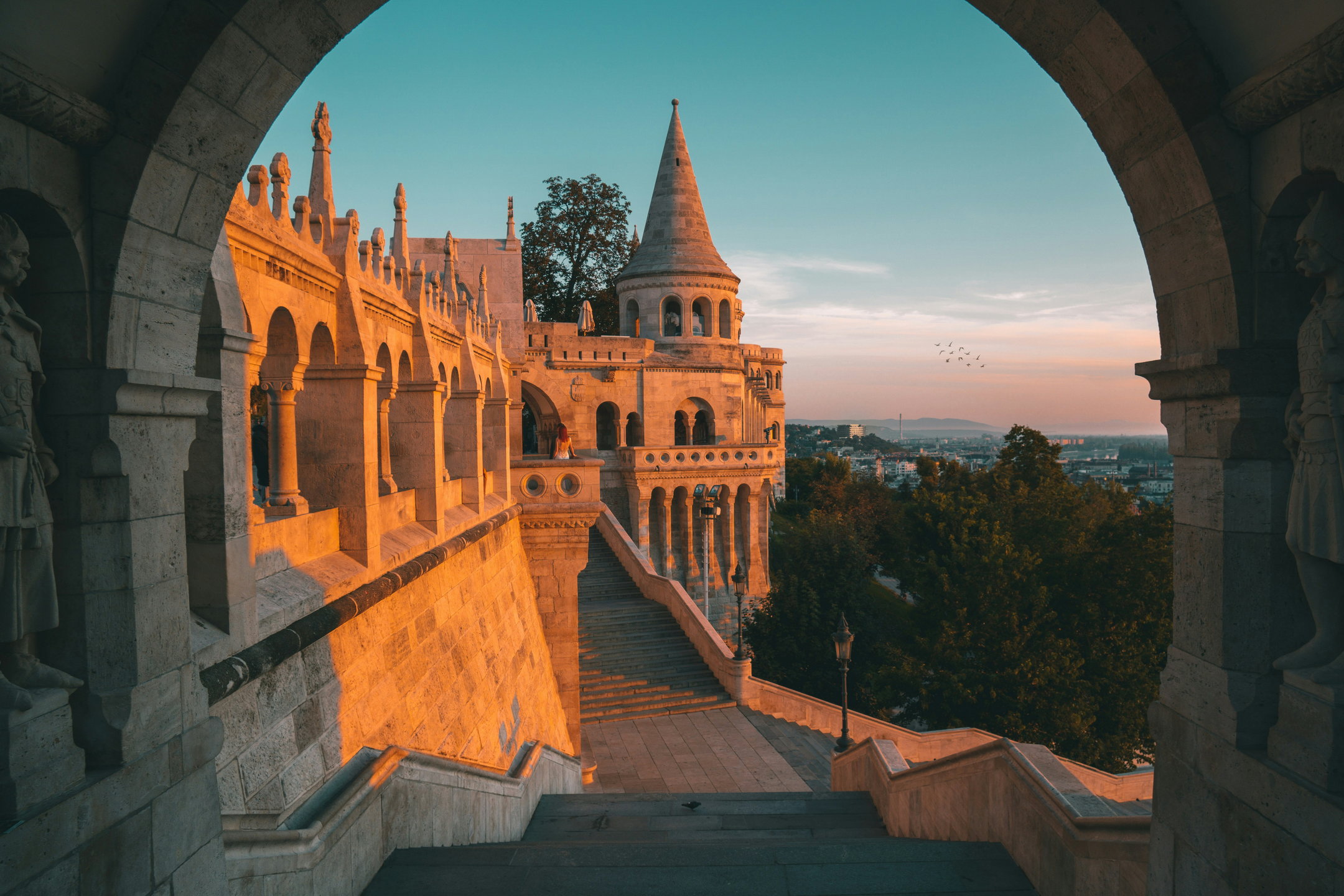
Hungary is predominantly Catholic with significant Protestant minorities. Active churches require appropriate dress covering shoulders and knees. Photography may be restricted, particularly during services. Small entry fees at some religious sites support maintenance. St. Stephens Basilica, Fishermans Bastion, and other major sites see heavy tourist traffic but remain active worship spaces.
Hungary's Jewish heritage sites, including the Great Synagogue in Budapest (one of the world's largest), Holocaust memorials, and historic Jewish quarters, require respectful visitation. Men should cover their heads in synagogues; kippahs are available at entrances if you do not have your own.
Section 8: Health and Safety Considerations
Hungary is a safe destination with healthcare meeting European standards, but understanding the specifics helps you prepare properly and handle any situations that arise.
General Safety
Crime rates in Hungary are low by global standards. Violent crime against tourists is rare. The primary concerns are pickpocketing in crowded tourist areas, tourist-targeted scams, and occasional taxi fraud. Basic vigilance handles most risks.
Pickpockets operate on Budapest public transit, particularly the metro, and in crowded areas like the Great Market Hall and pedestrian shopping streets. Keep valuables in front pockets or secure bags, be aware of distractions, and do not leave belongings unattended. Ruin bars during busy nights attract petty thieves targeting intoxicated patrons.
Scams targeting tourists include attractive women approaching solo male travelers and inviting them to bars where drinks are grossly overpriced, then threatening violence when victims refuse to pay. While this scam has decreased from its peak, it still occurs. Restaurants in extreme tourist areas occasionally present bills higher than menu prices; always check itemization. Unlicensed taxis or drivers who "forget" to run meters persist despite regulations; using Bolt or other apps eliminates this risk.
Political demonstrations occasionally occur, particularly near Parliament and in central Budapest. These are typically peaceful but best avoided by visitors. LGBTQ+ travelers should be aware that social attitudes in Hungary are more conservative than in Western Europe, with recent legislation restricting LGBTQ+ content. That said, Budapest maintains a visible gay scene centered on Király utca and surrounding areas, and violence against LGBTQ+ individuals is not a significant concern.
Healthcare System
Hungary's healthcare system provides good care at facilities that may appear dated by Western European or North American standards. European Health Insurance Card (EHIC) holders from EU countries receive emergency treatment on the same terms as Hungarians. UK visitors with GHIC have similar coverage. American, Canadian, and Australian visitors should carry travel insurance covering medical expenses and evacuation.
Private clinics catering to foreigners provide English-speaking staff and modern facilities. First Med Centers in Budapest offer 24-hour service with immediate appointments. For serious medical issues, these clinics provide faster, more comfortable care than navigating the public system, though at significant cost without insurance.
Pharmacies (gyógyszertár or patika) are widely available. Prescription requirements differ from North America; some medications available only by prescription elsewhere are sold over the counter in Hungary, while others require prescriptions. Pharmacists often speak English, particularly in Budapest. After-hours pharmacies (ügyeletes gyógyszertár) operate in each district on a rotating basis; locations are posted in pharmacy windows.
Thermal Bath Health Considerations
Thermal waters provide health benefits but also require precautions. Pregnant women, people with cardiovascular conditions, and those with certain skin conditions should consult doctors before thermal bathing. The heat and mineral content can exacerbate some conditions. Start with shorter soaks and cooler pools, gradually increasing exposure.
The waters are generally safe, but the public nature of baths means maintaining personal hygiene matters. Shower before and after bathing. Avoid baths if you have open wounds or active infections. Drinking pool water (accidentally or otherwise) is not recommended. Stay hydrated with bottled water before, during, and after bathing.
Water and Food Safety
Tap water in Hungary is safe to drink, though some visitors find it heavily mineralized compared to what they're accustomed to. Bottled water is inexpensive and widely available. Ice in drinks at reputable establishments comes from filtered water and is safe.
Food safety standards meet EU requirements. The main risks come from overindulgence rather than contamination. Hungarian cuisine is rich and heavy; pacing yourself prevents digestive distress. Street food, market food, and restaurant food are all safe when purchased from established vendors.
Environmental Concerns
Summer heat can be intense, particularly in August. Stay hydrated, use sunscreen, and take advantage of air-conditioned museums and malls during peak afternoon heat. Heat waves are increasingly common; check forecasts and plan accordingly.
Air quality in Budapest is generally acceptable but can deteriorate during winter inversions when cold air traps pollution in the city bowl. Those with respiratory conditions should monitor air quality indices and limit outdoor exertion on poor air days.
Mosquitoes appear in summer, particularly near the Danube and other water sources. They are nuisance biters rather than disease vectors in Hungary. Standard repellents provide adequate protection.
Emergency Services
The EU-standard emergency number 112 connects to police, fire, and ambulance services with English-speaking operators usually available. Specific numbers are 107 for police, 105 for fire, and 104 for ambulance. Most operators have basic English capability, but be prepared for communication challenges.
Contact your embassy or consulate if you lose your passport, are arrested, or face other serious situations requiring government assistance. The US Embassy in Budapest provides citizen services at 1054 Budapest, Szabadság tér 12. UK, Canadian, and Australian consular services are also available in Budapest.
Section 9: Money Matters - Currency, Costs, and Financial Logistics
Hungary uses the forint (HUF) as its currency, despite EU membership. While euro adoption has been discussed for years, political and economic considerations have delayed implementation indefinitely. Understanding currency handling and costs helps you budget accurately.
Currency Basics
The forint comes in notes of 500, 1000, 2000, 5000, 10000, and 20000 HUF, with coins of 5, 10, 20, 50, 100, and 200 HUF. At current exchange rates (early 2026), 370-380 HUF equals approximately 1 USD, 430-450 HUF equals 1 EUR, and 470-490 HUF equals 1 GBP. These rates fluctuate; check current rates before and during your trip.
Many establishments accept euros, particularly in tourist areas, but exchange rates are unfavorable and change is often given in forints. Using local currency consistently provides better value. Card payments are widely accepted in Budapest and major tourist areas; smaller towns and traditional markets may require cash.
Getting Forints
ATMs (bankautomata) are the most convenient way to obtain forints. They are ubiquitous in cities and available in most small towns. Use ATMs affiliated with Hungarian banks (OTP, K&H, MKB, Erste) rather than independent operators, which often charge higher fees and unfavorable rates. When prompted, always choose to be charged in HUF rather than your home currency; the latter triggers dynamic currency conversion with poor rates.
Currency exchange offices (pénzváltó) vary dramatically in rates and fees. Never change money at the airport arrival hall, where rates are predatory. In Budapest, reputable exchanges cluster near the main pedestrian areas; compare rates and ensure "no commission" claims are accurate by calculating the effective rate yourself. Hotel and bank exchanges typically offer poor rates.
Bring a backup payment method. While card acceptance is high, system outages happen, some establishments are cash-only, and having alternatives prevents being stranded.
Budgeting for Hungary
Hungary offers excellent value compared to Western Europe, though Budapest prices have risen significantly in recent years. Budget travelers can manage on 15,000-25,000 HUF (40-65 USD) daily excluding accommodation, covering food, transport, and admission fees. Mid-range travelers should budget 35,000-50,000 HUF (90-130 USD) for more comfortable dining and experiences. Luxury travelers can spend freely, though even upscale options cost less than equivalents in Paris or London.
Accommodation costs vary dramatically by season, location, and type. Budget hostels start around 5,000-8,000 HUF (13-21 USD) per night for dorms. Mid-range hotels run 25,000-40,000 HUF (65-105 USD) for doubles. Apartments typically offer better value than hotels, particularly for longer stays or groups. Important 2026 update: District VI in Budapest has banned short-term Airbnb rentals starting January 2026, reducing apartment availability in this central neighborhood and pushing prices up in remaining areas.
Sample costs for budgeting purposes: restaurant meal with drink 3,500-6,000 HUF (9-16 USD); quick lunch or street food 1,500-2,500 HUF (4-7 USD); glass of wine at bar 800-1,500 HUF (2-4 USD); pint of beer 700-1,200 HUF (2-3 USD); coffee 500-800 HUF (1.30-2 USD); public transit day pass 2,500 HUF (6.50 USD); museum admission 2,000-4,000 HUF (5-10 USD); thermal bath entry 4,000-7,000 HUF (10-18 USD).
Tipping Practices
Tipping in Hungary follows moderate European norms rather than North American expectations. In restaurants, 10-15% is appropriate for good service. Some bills include service charges; check before adding more. For quick service (coffee, drinks), rounding up suffices. In taxis, rounding up to the nearest 500 HUF or 10% is standard. Hotel porters and housekeeping expect modest tips, 500-1,000 HUF per service. Thermal bath attendants appreciate 500-1,000 HUF when they provide specific service.
When paying by card, inform your server of the total including tip before they process the payment, as adding tips to card slips is not universal practice. Cash tips are generally preferred when possible.
Card and Mobile Payments
Visa and Mastercard are accepted almost everywhere that takes cards. American Express has limited acceptance. Contactless payment is standard. Apple Pay, Google Pay, and similar services work widely. Some establishments set minimum amounts for card payments, typically 1,000-2,000 HUF.
Notify your bank of travel dates to avoid fraud blocks. Consider cards with no foreign transaction fees to avoid the typical 3% charges. Having a primary card and at least one backup on a different network provides security against technical issues or loss.
Banking Hours and ATM Notes
Hungarian banks typically open Monday-Friday 8 AM to 4 or 5 PM, with some closing earlier on Fridays. Saturday and Sunday banking is limited to shopping mall branches. ATMs operate 24/7 but occasionally run out of cash on holiday weekends in popular tourist areas; maintain a cash reserve rather than counting on ATM availability.
Section 10: Detailed Itineraries for Various Trip Lengths
These itineraries provide frameworks you can adapt based on your interests and pace. They assume comfortable but not rushed pacing, with time for spontaneous discoveries alongside planned activities.
7 Days: Budapest Intensive with Day Trips
Day 1: Pest Introduction
Arrive and settle into accommodation. Walk the Belváros (inner city) to get oriented. Stroll Andrassy Avenue from Opera to Heroes' Square, perhaps entering the Opera House for a brief tour. Evening meal in the Jewish Quarter, exploring ruin bar culture afterward if energy permits.
Day 2: Buda Castle and Hills
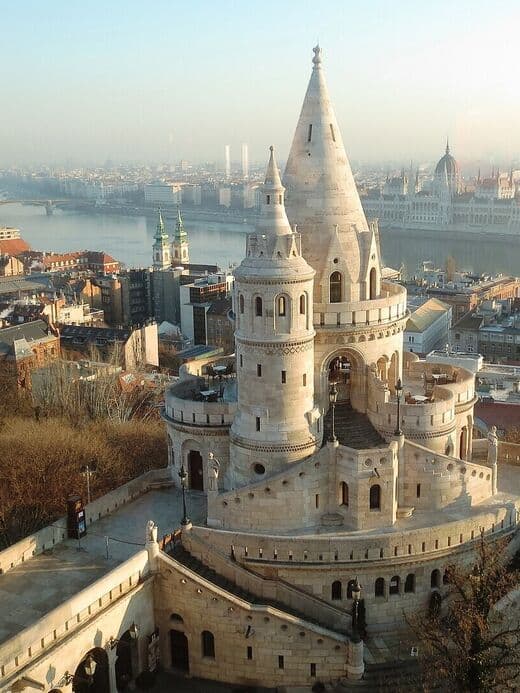
Take bus 16 or the Funicular to Buda Castle. Explore the castle complex, including the Hungarian National Gallery and Budapest History Museum. Walk to Fishermans Bastion for iconic views, visit Matthias Church. Descend through the castle district's winding streets. Afternoon at a Buda thermal bath (Rudas or Veli Bej). Evening meal in Buda or return to Pest.
Day 3: Pest Icons and Thermal Culture
Morning tour of Hungarian Parliament (book online in advance). Walk along the Pest Danube embankment, visiting Shoes on the Danube memorial. Afternoon at Szechenyi Thermal Baths, taking time to experience multiple pools and the outdoor chess-playing atmosphere. Evening exploring the Grand Boulevard area.
Day 4: Great Market Hall and Jewish Heritage
Morning at the Great Market Hall, sampling lángos and buying paprika. Walk through the Jewish Quarter, visiting the Great Synagogue and Holocaust memorials. Lunch at a traditional Hungarian restaurant. Afternoon visiting St. Stephens Basilica, climbing the dome for panoramic views. Evening at Margaret Island for a relaxing walk.
Day 5: Szentendre Day Trip
Take the HÉV suburban train or Danube ferry to Szentendre. Spend the day exploring this charming artists' town, visiting its museums and galleries, and sampling Serbian-influenced cuisine. Return to Budapest for evening, perhaps catching a concert or show.
Day 6: City Exploration and Hidden Gems
Visit areas not yet explored: perhaps the Art Nouveau architecture in Pest, the cave churches of Buda, or neighborhoods like Újlipótváros for local café culture. Afternoon visiting a museum matching your interests (Ludwig Museum for contemporary art, House of Terror for 20th-century history, Hospital in the Rock for wartime history). Final evening enjoying Budapest's dining and nightlife.
Day 7: Departure Day Flexibility
Use remaining time based on departure schedule. Morning coffee at a historic café, last-minute shopping, or revisiting a favorite spot. Transfer to airport or train station.
10 Days: Budapest Plus Lake Balaton
Days 1-5: Budapest
Follow the 7-day Budapest itinerary's first five days, perhaps at slightly more relaxed pace.
Day 6: Travel to Lake Balaton, Southern Shore
Train or bus to Siófok or nearby southern shore town. Afternoon at the beach, enjoying the shallow, warm lake. Evening exploring the resort atmosphere, with lakeside dining.
Day 7: Northern Shore and Wine Country
Ferry or drive to the northern shore. Visit Tihany Peninsula, hiking to the abbey and enjoying views. Continue to Badacsony for wine tasting at volcanic hillside cellars. Overnight in Balatonfüred or nearby.
Day 8: Lake Hévíz and Western Balaton
Day trip to Lake Hévíz for thermal lake bathing. Explore Keszthely and its Festetics Palace if time permits. Return to northern shore base.
Day 9: Return to Budapest
Morning lake time or further wine tasting. Afternoon return to Budapest. Evening for experiences missed earlier or favorites worth repeating.
Day 10: Departure
Final morning activities and departure.
14 Days: Comprehensive Hungary
Days 1-5: Budapest
Follow the established Budapest itinerary, with even more time for museum visits, neighborhood exploration, and repeated thermal bath experiences.
Days 6-8: Lake Balaton Circuit
Follow days 6-8 from the 10-day itinerary, with additional time for cycling portions of the Balaton Bicycle Loop, extended wine tasting, or relaxation.
Days 9-10: Eger
Train to Eger. Afternoon exploring the baroque town center and castle. Evening wine tasting in the Valley of the Beautiful Women, sampling Egri Bikavér (Bull's Blood) and white wines. Second day for thermal baths, deeper town exploration, and relaxed wine cellar visits.
Days 11-12: Pécs or Debrecen
Choose based on interests: Pécs for Ottoman heritage, early Christian sites, and Mediterranean atmosphere; Debrecen for Great Plain culture, excellent thermal baths, and Hungary's second city experience. Two nights allows proper exploration.
Days 13-14: Return to Budapest and Departure
Return to Budapest for final experiences. Use remaining time for shopping, revisiting favorites, and any attractions previously missed. Departure on day 14.
21 Days: Deep Dive Hungary
Days 1-6: Budapest Intensive
Extended Budapest exploration including: multiple thermal bath experiences, cooking class, wine tasting, day trip to the Danube Bend (Visegrád, Esztergom), Jewish heritage tour, contemporary art scene, and multiple neighborhood discoveries.
Days 7-10: Lake Balaton Complete
Cycle the full Balaton loop or explore both shores thoroughly by car. Extended time in wine country, thermal lake at Hévíz, and proper beach relaxation.
Days 11-13: Eger and Tokaj Wine Country
Two nights in Eger, then continue to Tokaj for a night exploring the world-famous sweet wine region. Visit cellars, taste historic vintages, and understand why Habsburg emperors prized these wines.
Days 14-15: Debrecen and the Great Plain
Experience Hungary's eastern culture, visit Hortobágy National Park for puszta landscapes and csikós horse shows, enjoy Debrecen's thermal baths.
Days 16-18: Pécs and Southern Hungary
Three nights allow thorough exploration of Pécs, day trip to Villány wine region, and experiencing the city's unique atmosphere and nightlife.
Days 19-21: Return via Szeged or Western Hungary
Break the return with stops in Szeged (Hungary's sunshine city with beautiful Art Nouveau center) or western Hungary (Sopron, Győr). Final night in Budapest, departure day 21.
Section 11: Staying Connected - Internet, Phone, and Communication
Staying connected in Hungary is straightforward, with good infrastructure and reasonable costs. Understanding your options helps you maintain communication without excessive charges.
Mobile Phone Service
EU roaming regulations benefit travelers from EU countries, who can use their domestic data allowances in Hungary at no extra charge. UK travelers post-Brexit should check their carrier's Hungary policy, as some have reinstated roaming fees while others offer free roaming as a competitive feature.
American, Canadian, and Australian travelers have several options. International roaming through your home carrier typically costs 2-10 USD per day for limited data, often with additional per-minute call charges. This works for brief trips where convenience outweighs cost.
Purchasing a Hungarian SIM card provides better value for longer stays. Telekom, Vodafone, and Yettel (formerly Telenor) operate networks with good coverage. Prepaid tourist SIM packages with data, calls, and texts typically cost 3,000-5,000 HUF (8-13 USD) for a week's usage. Purchase at carrier stores (bring passport for registration) or at larger electronics stores. Airport carrier kiosks provide convenient if slightly more expensive options.
eSIM services like Airalo, Holafly, or Nomad offer data-only connectivity without physical SIM cards, activated before departure. Prices compare favorably to roaming for data-only needs. Ensure your phone supports eSIM before purchasing.
WiFi Availability
WiFi is widely available in Hungarian hotels, hostels, and apartments. Quality varies from excellent to barely functional; reading recent reviews provides insight into connectivity at specific properties. Cafés and restaurants commonly offer free WiFi, though asking for the password is necessary. Shopping malls, the airport, and some public spaces provide free WiFi networks.
For reliable connectivity while working or handling important matters, dedicated coworking spaces in Budapest offer professional-grade internet. Daily passes typically cost 3,000-5,000 HUF (8-13 USD).
Useful Apps for Hungary
Download these apps before arrival to smooth your travel:
BudapestGO provides Budapest public transport ticketing, real-time schedules, and route planning. The official app from BKK is essential for navigating the city without confusion about tickets or schedules. Purchase tickets directly through the app to avoid validation issues.
Bolt handles taxi and ride-hailing throughout Hungary. Prices are transparent, no cash required, and quality is consistently good. Install and set up before arrival so it is ready when needed.
Google Maps works well in Hungary for navigation, walking directions, and public transit routing. Download offline maps of areas you will visit to ensure functionality without data connection.
Google Translate with Hungarian downloaded for offline use helps decipher menus, signs, and communicate in situations where English is unavailable. The camera feature translating text in real-time is particularly useful for menus.
Wise (formerly TransferWise) or similar apps allow currency conversion at good rates if you need to move money or understand pricing in your home currency. The app can also issue virtual cards charged directly to your account.
MÁV provides Hungarian train schedules and ticket purchases. The interface is somewhat clunky but functional for planning rail travel.
Communication Tips
WhatsApp is widely used in Hungary for messaging. If you need to contact accommodations, guides, or services, WhatsApp often works better than phone calls. Save important numbers in WhatsApp before departure.
Video calling home requires decent WiFi or data allowance. Budget accommodation WiFi may struggle with video calls during peak evening hours. Schedule important calls for off-peak times or use dedicated connectivity sources.
Emergency services understand English on the 112 European emergency number, but communication challenges may arise. Having your location in written form (hotel address, nearby landmarks) helps if verbal communication is difficult.
Section 12: Hungarian Food and Drink - A Complete Guide
Hungarian cuisine stands among Europe's most distinctive, shaped by centuries of Magyar tradition, Ottoman influence, and peasant practicality. Understanding the food helps you order confidently and appreciate what makes each dish special.
Foundational Flavors
Paprika defines Hungarian cooking. Introduced in the 16th century, the spice evolved from simple heat to complex flavor, with varieties ranging from sweet (édes) through various intermediate levels to hot (erős). Hungarian paprika powder differs from generic supermarket versions; the real product has depth and sweetness alongside warmth. Sour cream (tejföl) appears in and on countless dishes, balancing paprika's intensity. Onion, slow-cooked until nearly dissolved, forms the foundation of most stews and sauces.
Essential Dishes to Try
Gulyás (Goulash) is Hungary's most famous dish, though what you find in Hungary differs from international versions. True gulyás is a soup, not a stew, thin enough to drink from a bowl, containing beef, onions, paprika, and sometimes small dumplings (csipetke). The thick stew foreigners call goulash is called pörkölt in Hungarian.
Pörkölt is that thick, paprika-rich meat stew, typically made with beef, pork, or chicken. The meat cooks slowly in paprika-onion sauce until tender. Served over egg noodles (nokedli) or with bread to absorb the sauce, pörkölt represents Hungarian comfort food at its finest.
Paprikás csirke (chicken paprikash) adds sour cream to the pörkölt base, creating a creamy sauce that coats tender chicken pieces. Served with nokedli, this dish appears on most traditional restaurant menus.
Halászlé (fisherman's soup) is a paprika-based fish soup traditional along the Danube and in southeastern Hungary. Carp and other river fish cook in peppery broth, served with bread. This soup divides opinions; some find it transcendent, others cannot get past the bony fish. Worth trying once.
Töltött káposzta (stuffed cabbage) wraps spiced pork in sauerkraut leaves, simmered in paprika sauce and served with sour cream. The dish appears at holidays and family gatherings but is available in traditional restaurants year-round.
Lángos is deep-fried dough, served hot from the oil and topped with sour cream and grated cheese. The simplest version is best, though adventurous options add garlic, bacon, and other toppings. Found at markets, street stalls, and lakeside stands, lángos makes an ideal quick meal or snack.
Lecsó is Hungary's answer to ratatouille, a pepper and tomato stew flavored with paprika and onion. Sometimes eggs are scrambled in, sometimes sausage is added. Simple, vegetable-forward, and delicious.
Kürtőskalács (chimney cake) is a sweet bread rolled in sugar and baked on a rotating spit, creating crispy caramelized exterior and soft interior. Originally from Transylvania (now Romania), this treat has become ubiquitous at Hungarian markets and tourist spots.
Where to Eat
Étterem refers to full-service restaurants ranging from simple to elegant. Traditional restaurants serving Hungarian cuisine are sometimes called "vendéglő" or "csárda," the latter implying rustic, country-style atmosphere. Menus typically offer multiple paprika-based main courses, soups, and local specialties.
Kávéház (coffee house) culture traces to Austro-Hungarian days when literary and artistic circles gathered in ornate cafés. Historic Budapest coffee houses like Gerbeaud, New York Café, and Central Café serve cakes and light meals in spectacular surroundings at premium prices. Simpler neighborhood cafés offer good coffee and pastries at normal prices.
Borozó (wine bar) serves wine by the glass or deciliter, often with simple food like bread, cheese, and cold cuts. These range from basic neighborhood spots to wine-focused establishments with extensive selections. Wine culture runs deep in Hungary; even simple borozós pour quality wines cheaply.
Söröző (beer bar) focuses on beer, typically including Hungarian craft options alongside imports. Food ranges from bar snacks to full meals. The craft beer scene has exploded in Budapest, with numerous taprooms showcasing local producers.
Piac (market) provides the best quick food experiences. Budapest's Great Market Hall has vendor stalls selling lángos, sausages, and other quick foods. Smaller markets throughout the country offer similar options plus local specialties.
Hungarian Wine
Hungary's wine culture dates back centuries and is experiencing a quality renaissance. The major regions each have distinct characters:
Tokaj produces the famous sweet Aszú wines, made from botrytized grapes, as well as increasingly appreciated dry wines. Furmint is the signature grape. Aszú wines are categorized by sweetness levels (3, 4, 5, or 6 puttonyos), with higher numbers indicating more sugar. These wines pair perfectly with desserts, blue cheese, or stand alone as digestifs.
Eger is famous for Egri Bikavér (Bull's Blood), a red blend with enough history and mythology to fill books. Quality has improved dramatically, with modern Bikavérs offering serious complexity. The region also produces excellent white wines, particularly from the Leányka grape.
Villány in southern Hungary grows outstanding red wines, particularly from Cabernet Franc, which thrives in the hot climate. Villányi reds rival any in Central Europe and offer excellent value.
Balaton wine country on the lake's northern shore produces whites from Olaszrizling (Welschriesling) and other varieties. The volcanic soils of Badacsony create distinctive mineral character.
Etyek-Buda near Budapest offers easy access to wine touring, with producers focusing on sparkling wines and fresh whites.
Pálinka
Hungary's fruit brandy, pálinka, is protected by EU regulations specifying production in Hungary (or designated Austrian areas) from Hungarian fruit. Traditional varieties include szilva (plum), barack (apricot), körte (pear), and cseresznye (cherry). Quality ranges from harsh mass-market versions to artisanal productions rivaling any fruit brandy in the world.
Proper pálinka tasting involves small sips at room temperature, appreciating the fruit character before the alcohol warmth. Shooting pálinka like cheap vodka misses the point. Good restaurants and bars offer quality pálinka selections; the best producers are worth seeking out for tastings.
Dietary Considerations
Traditional Hungarian cuisine is meat-heavy and not particularly vegetarian-friendly. However, Budapest has embraced plant-based eating, with numerous vegetarian and vegan restaurants offering creative takes on local flavors. Outside the capital, vegetarians face more limited options; lecsó, fried cheese (rántott sajt), and salads provide fallbacks, but reading menus carefully is essential as meat stock and lard appear where you might not expect.
Gluten-free dining is increasingly possible in Budapest but challenging elsewhere. Rice-based dishes like halászlé provide naturally gluten-free options. Many restaurants now offer gluten-free menus or adjustments; asking "gluténmentes" (gluten-free) helps communicate needs.
Kosher options exist in Budapest's Jewish Quarter, including restaurants attached to the Great Synagogue and surrounding area. Outside Budapest, kosher dining is very limited.
Section 13: Shopping in Hungary - What to Buy and Where
Hungary offers distinctive shopping opportunities, from mass-market souvenirs to artisan products worth seeking out. Understanding what is worth buying helps you bring home meaningful items rather than generic tourist junk.
Hungarian Paprika
Bringing home genuine Hungarian paprika is essential. The powder sold in Hungarian markets differs significantly from supermarket versions elsewhere, with deeper color, more complex flavor, and better quality. Look for paprika from Szeged or Kalocsa, the two main production regions. Quality grades range from "különleges" (special, highest quality) to "csemege" (delicate/sweet) to "csípős" (hot). Most cooking benefits from édes (sweet) or édesnemes (noble sweet), with hot varieties used sparingly for heat.
Markets sell paprika in various formats: bags, decorative strings of dried peppers, tins, and boxes. The Great Market Hall in Budapest offers extensive selection at tourist-oriented prices. Smaller markets and specialty shops often offer better value. Expect to pay 800-2,000 HUF for quality paprika depending on quantity and packaging.
Hungarian Wine and Spirits
Bringing wine home makes sense, as Hungarian wines are difficult to find abroad and prices are dramatically lower at source. Tokaji Aszú makes an exceptional gift, with bottles ranging from 3,000 HUF for basic examples to tens of thousands for premium vintages. Dry Furmint, Egri Bikavér, and Villányi reds all travel well and showcase Hungarian winemaking.
Pálinka also makes excellent gifts for spirits enthusiasts. Artisanal producers bottle beautiful products that express Hungarian fruit character. Check duty-free allowances for your destination before purchasing large quantities.
The Hungarian wine and spirits shop chains (Bortársaság, Wine Society) offer reliable selection and quality, though prices are higher than buying directly from producers. For the best experiences, purchase directly from wineries during regional visits.
Hungarian Porcelain
Herend and Zsolnay represent Hungary's famous porcelain traditions. Herend, produced in the town of the same name near Lake Balaton, creates delicate hand-painted porcelain favored by royalty and collectors. Prices reflect the craftsmanship; even small pieces cost significant sums. The Herend factory offers tours and an outlet shop with slight seconds at reduced prices.
Zsolnay, from Pécs, takes a different aesthetic approach with distinctive iridescent glazes (eosin) and Art Nouveau influences. The Zsolnay factory quarter in Pécs includes a shop and museum. Pieces range from affordable decorative items to museum-quality art pieces.
Folk Art and Textiles
Traditional Hungarian embroidery appears on clothing, linens, and decorative items. Patterns vary by region, with Kalocsa florals, Matyó reds, and various other local traditions offering distinct aesthetics. Quality ranges from mass-produced souvenirs to genuine handwork taking hours to complete. Prices reflect this range; a genuine hand-embroidered tablecloth costs far more than printed versions but represents authentic craft.
Look for folk art at markets, at the Ethnographic Museum shop, and in traditional craft shops around Castle Hill in Budapest. Hollókő village, a UNESCO site north of Budapest, is known for traditional craft preservation.
Food Products
Beyond paprika, Hungarian food products worth bringing home include: sausages (kolbász) and salamis (particularly téliszalámi, winter salami from Pick of Szeged), honey (Hungary produces excellent varietal honeys), jams and preserves (particularly sour cherry), and specialty items like goose liver products. Check import regulations for your home country regarding meat products.
Books and Music
For readers, Hungarian literature in translation provides lasting souvenirs. Look for works by Sándor Márai, Imre Kertész (Nobel laureate), Péter Esterházy, and other major writers. English-language bookshops in Budapest stock these alongside guides and histories.
Hungarian folk music recordings, classical music by Liszt, Bartók, and Kodály, and contemporary Hungarian artists offer audio souvenirs. CD and vinyl stores near Váci utca and in ruin bar areas stock diverse selections.
Where to Shop
The Great Market Hall (Nagy Vásárcsarnok) in Budapest provides one-stop shopping for food products, paprika, and basic souvenirs. Prices are tourist-oriented but selection is unmatched. Other Budapest markets offer better prices for those willing to explore.
Váci utca, Budapest's main pedestrian shopping street, contains tourist shops alongside mainstream retail. Quality varies dramatically; look carefully before purchasing. The Castle Hill area has craft shops with higher quality (and prices) than the city center tourist strip.
For serious shopping, seek out specialty retailers rather than tourist shops. Wine shops like Bortársaság, food shops like Magyar Nemzeti Boltok, and craft galleries offer authentic products with expert guidance.
Shopping malls provide mainstream retail, with WestEnd City Center near Nyugati station and Arena Mall near Keleti offering convenient options. These are better for practical needs than souvenirs.
Section 14: Budapest's Major Attractions in Detail
While previous sections touched on attractions in context, this section provides detailed information about Budapest's most significant sites to help you prioritize and plan visits.
Buda Castle and Castle Hill
Buda Castle dominates the city skyline from its hilltop position. The current palace, reconstructed after World War II damage, houses the Hungarian National Gallery and Budapest History Museum. The castle complex includes historic buildings, courtyards, and gardens spanning centuries of construction and reconstruction.
The Hungarian National Gallery occupies much of the palace, displaying Hungarian art from medieval through modern periods. Collections include altarpieces, 19th-century paintings, and contemporary works. Plan 2-3 hours for meaningful exploration.
Budapest History Museum in the palace's southern wing traces the city's development from Roman times through the present. Archaeological finds, historical artifacts, and reconstructed medieval rooms provide context for understanding the city.
Getting to Castle Hill: The historic funicular (Budavári Sikló) climbs from Clark Ádám tér near the Chain Bridge but operates intermittently due to restoration work. Bus 16 from Deák Ferenc tér to Dísz tér provides reliable access. Walking up from various directions offers exercise and views.
Hungarian Parliament Building
The Hungarian Parliament ranks among Europe's most impressive government buildings. Completed in 1902, the neo-Gothic structure stretches along the Danube embankment with seemingly endless spires and arches. The interior contains the Hungarian Crown Jewels, displayed in the domed hall beneath the building's central spire.
Tours are the only way to see the interior, and booking in advance is essential, especially in peak season. English-language tours run multiple times daily, lasting approximately 45 minutes. The tour covers the main staircase, the Dome Hall with the crown, the old House of Lords, and the Assembly Hall still used by Parliament. Photography is permitted throughout except in the Crown Hall.
Book tickets at www.jfrv.hu or at the visitor center across the street from the entrance. Prices are reasonable; EU citizens receive discounts.
St. Stephen's Basilica
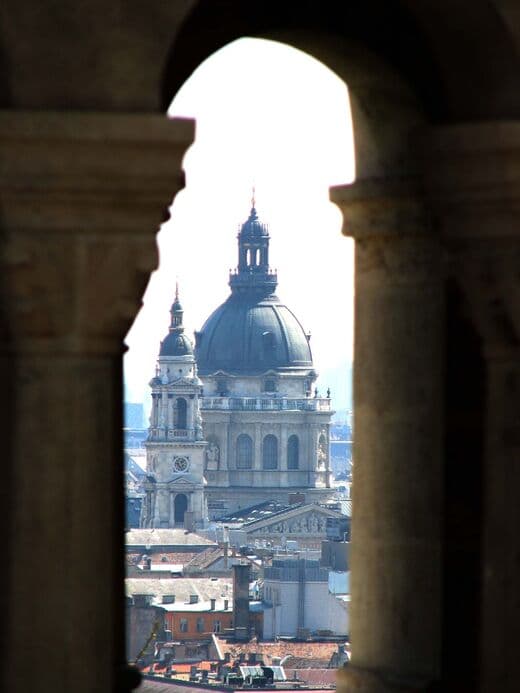
St. Stephens Basilica is Budapest's largest church and a masterpiece of neoclassical architecture. The dome, visible from throughout the city, matches the Parliament Building in height at 96 meters. Inside, the church houses the mummified right hand of St. Stephen, Hungary's first king and the nation's most sacred relic.
Climbing to the dome provides spectacular city views. An elevator handles most of the ascent, with a final staircase to the viewing platform. The basilica hosts frequent organ concerts worth attending for those interested in sacred music.
The surrounding St. Stephen's Square has become a gathering place, particularly during the Christmas market season when it transforms into one of Budapest's most atmospheric festive locations.
Chain Bridge and Danube Crossings
The Chain Bridge (Széchenyi Lánchíd) is Budapest's most iconic structure, connecting Pest's main square to the Buda side and Buda Castle. Completed in 1849, the bridge was the first permanent crossing between Buda and Pest. Though the original was destroyed in World War II, the reconstruction faithfully replicates the original design.
Note for 2026 visitors: The Chain Bridge underwent extensive renovation from 2021-2023 and is now fully open. The pedestrian-friendly setup maintains limited vehicle traffic while prioritizing foot and bicycle access.
Other notable bridges include Liberty Bridge (Szabadság híd), the green iron structure near the Great Market Hall, and Margaret Bridge (Margit híd), which accesses Margaret Island from both shores.
Andrassy Avenue and Heroes' Square
Andrassy Avenue runs from the Basilica area to Heroes' Square, passing through increasingly grand architecture as it extends outward. The avenue and the M1 metro line beneath it are UNESCO World Heritage listed. Along the way you will pass the Hungarian State Opera, high-end shops, embassies in grand villas, and the House of Terror museum documenting fascist and communist oppression.
Heroes' Square (Hősök tere) at the avenue's terminus features the Millennium Monument, commemorating Hungary's founding and major historical figures. The square is flanked by the Museum of Fine Arts and the Hall of Art, two major art institutions. City Park (Városliget) begins immediately behind the square, containing the Széchenyi Baths, the zoo, and Vajdahunyad Castle (a fantastical architectural compilation).
Fisherman's Bastion and Matthias Church
Fishermans Bastion provides Budapest's most famous viewpoint, looking across the Danube to Parliament and Pest. The neo-Romanesque terrace, built in the early 1900s, has seven towers representing the seven Magyar tribes. Early morning visits avoid the worst crowds and offer the best light for photography.
Matthias Church (Mátyás-templom), adjacent to the Bastion, contains spectacular interior decoration with painted walls and stained glass. Originally medieval, the church was used as a mosque during Ottoman occupation and heavily restored in the 19th century. The church hosts organ concerts and provides tower access for additional views.
Margaret Island
Margaret Island offers an escape from urban intensity on a 2.5-kilometer island in the middle of the Danube. The island contains parks, gardens, ruins of medieval monasteries, swimming pools, and walking/cycling paths. No private cars are permitted; rental bikes and small electric vehicles provide transportation.
The island works well for morning runs, afternoon relaxation, or evening strolls. The musical fountain provides scheduled shows. Thermal bath facilities include Palatinus Strand (summer outdoor pools) and smaller thermal baths. Restaurants and cafés are scattered throughout, though options are limited compared to the city proper.
Ruin Bars
Ruin bars (romkocsmák) emerged in the early 2000s when entrepreneurs took over abandoned buildings in the Jewish Quarter and created makeshift bars. Szimpla Kert pioneered the concept and remains the most famous, spreading across a former factory with multiple bars, a cinema, and events spaces. Other notable ruin bars include Instant (the largest), Fogas Ház, Mazel Tov, and numerous others.
The ruin bar experience involves eclectic décor (bathtubs as seating, cars repurposed as booths), diverse music, and crowds ranging from backpackers to local professionals. Weeknight visits are more relaxed than weekend crush. Szimpla also hosts a farmers market on Sunday mornings, showing another side of the venue.
Section 15: Practical Day Trip Destinations from Budapest
Budapest serves as an excellent base for exploring surrounding regions. Several destinations make perfect day trips, returning to the capital each evening. These excursions provide contrast to the city and deeper insight into Hungarian culture.
Szentendre
Szentendre (pronounced SENT-en-dreh) sits on the Danube 20 kilometers north of Budapest. This charming town developed as a Serbian settlement in the 17th century, with Orthodox churches and Mediterranean-influenced architecture creating distinctive atmosphere. Artists colonized the town in the early 20th century, establishing galleries that continue operating today.
Getting there: HÉV suburban train from Batthyány tér takes 40 minutes and costs a standard Budapest transit ticket plus extension fare. Danube ferries from Budapest's Vigadó tér provide scenic if slower transport (1.5-2 hours) during warmer months.
What to do: Wander the cobblestone streets and main square (Fő tér) with its painted baroque buildings. Visit the Serbian Orthodox Cathedral and the Blagovestenska Church. The Margit Kovács Museum displays the work of Hungary's most beloved ceramic artist. The Marzipan Museum appeals to those with sweet interests. The Skanzen Open-Air Ethnographic Museum, located on the town's outskirts, recreates traditional Hungarian village life across various regions.
Time needed: Half a day suffices for the town center; add 2-3 hours for the Skanzen. Szentendre works well combined with other Danube Bend stops (Visegrád, Esztergom) for a full day trip.
Visegrád
Visegrád, further up the Danube Bend, offers medieval history and dramatic scenery. The hilltop citadel provides panoramic views of the river's curve. Below, the Royal Palace ruins recall when Hungarian kings held court here in the 15th century.
Getting there: Bus from Budapest's Árpád híd station (1-1.5 hours) or combine with Szentendre by bus or summer ferry. The most scenic approach is by boat from Budapest or Szentendre.
What to do: Climb to the citadel (prepare for significant climbing) for views and medieval fortress exploration. Visit the reconstructed Royal Palace sections. Enjoy lunch at a riverside restaurant. The summer bobsled track provides family entertainment. Combine with Esztergom for a full Danube Bend day.
Esztergom
Esztergom was Hungary's capital in medieval times and remains the seat of Hungarian Catholicism. The massive Basilica, Hungary's largest church, dominates the skyline from its hilltop position. The town looks across to Slovakia, with a bridge connecting the countries.
Getting there: Direct train from Budapest Nyugati takes about 1.5 hours. Bus from Árpád híd takes similar time with more frequent departures.
What to do: Visit the Basilica, climbing the dome for views into Slovakia and along the Danube. Explore the Castle Museum with its medieval and renaissance artifacts. Walk across to Štúrovo, Slovakia for coffee in another country. The town's riverfront offers pleasant strolling.
Gödöllő
Gödöllő's Royal Palace, Hungary's largest baroque palace, was the favorite residence of Empress Elisabeth (Sisi) of Austria-Hungary. The palace provides insight into Habsburg court life and the complicated relationship between Hungary and Vienna.
Getting there: HÉV suburban rail from Örs vezér tere (terminus of M2 metro) takes 45 minutes.
What to do: Tour the palace apartments, focusing on Sisi's private chambers and the state rooms. The gardens provide pleasant walking. Combine with Isaszeg Thermal Bath (nearby) for those seeking a less touristy bathing experience.
Lake Balaton Day Trip
While Lake Balaton rewards longer stays, a day trip provides a taste of Hungary's summer playground. Balatonfüred on the northern shore offers the quickest access from Budapest combined with wine-country character.
Getting there: Direct train from Budapest Déli takes about 2 hours. By car, approximately 90 minutes via M7.
What to do: Walk the lakeside promenade. Visit a Balaton winery for tasting. Swim if the weather cooperates (northern shore is cooler than south). Sample fresh fish from the lake. A day allows only sampling; plan an overnight for proper exploration.
Eger Day Trip
While Eger deserves overnight stays for full appreciation, ambitious travelers can cover highlights in a long day from Budapest.
Getting there: Direct train from Budapest Keleti takes about 2 hours.
What to do: Tour the castle, wander the baroque center, soak in the Turkish baths, and absolutely visit wine cellars in the Valley of the Beautiful Women. This is a lot for one day; plan early departure and late return, or reconsider for an overnight stay.
Section 16: Essential Apps, Resources, and Final Preparations
This final section consolidates practical information for trip preparation and on-ground navigation.
Essential Apps Checklist
- BudapestGO: Official Budapest transit app for tickets and schedules. Download before arrival and familiarize yourself with the interface.
- Bolt: Ride-hailing app for taxis throughout Hungary. Register and add payment method before trip.
- Google Maps: Download Hungary offline maps. Works well for walking directions and transit routing.
- Google Translate: Download Hungarian language pack for offline use. Camera translation feature is invaluable for menus.
- Wise or Revolut: For favorable currency exchange rates and tracking expenses in your home currency.
- MÁV: Hungarian railways app for schedules and tickets outside Budapest.
- XE Currency: Quick currency conversions while shopping.
Packing Recommendations
Hungary's continental climate demands layering capability regardless of season. Even summer evenings cool significantly, and air conditioning is not universal. Winter visits require serious cold-weather gear, with temperatures potentially dropping well below freezing.
For thermal baths: Bring swimsuit (required in all baths), flip-flops (hygiene and moving between pools), and a large towel or rent one on-site. Waterproof bags protect phones and valuables in humid environments. Consider bringing swimming goggles if you plan lap swimming.
Comfortable walking shoes are essential; Budapest involves significant walking on cobblestones, hills, and stairs. A day pack for carrying water, layers, and purchases keeps hands free for exploration.
Power adapters for Hungary use Type C and F plugs (standard European round pins). Voltage is 230V; devices not rated for this voltage require converters as well as adapters.
Pre-Trip Bookings
Book these before arrival to avoid disappointment:
- Hungarian Parliament tour: Available online at jfrv.hu. Popular time slots sell out days or weeks in advance.
- Opera House performances or tours: The State Opera's season includes performances most evenings; popular shows sell out.
- Restaurant reservations: Top-tier Budapest restaurants require booking, especially for weekend dinners. Onyx (Michelin-starred) needs weeks advance; popular mid-range spots need several days.
- Thermal baths cabins: During peak periods, booking cabin rental in advance ensures secure storage for valuables.
- Festival tickets: Sziget, Balaton Sound, and other festivals sell out; if planning attendance, book tickets and accommodation months ahead.
Health Preparations
No vaccinations are required for Hungary beyond standard adult boosters. Check that routine vaccinations (tetanus, MMR, etc.) are current. Tick-borne encephalitis exists in some rural areas; outdoor enthusiasts spending time in forests may consider vaccination.
Bring adequate supplies of prescription medications with original packaging and prescription documentation. While pharmacies can supply many medications, finding exact equivalents may be challenging.
Travel insurance covering medical expenses and emergency evacuation is strongly recommended for non-EU visitors. EU citizens should carry their EHIC for emergency treatment access.
Money Preparations
- Notify your bank and credit card companies of travel dates to prevent fraud blocks.
- Obtain at least a small amount of forints before arrival for immediate expenses (airport bus, tips, etc.). Airport ATMs work but charge higher fees.
- Bring at least two different cards on different networks as backup.
- Know your ATM withdrawal PIN; chip-and-signature without PIN capability causes problems in some situations.
Cultural Preparation
Reading before your trip enhances appreciation. Consider "Budapest: A Cultural Guide" by Michael Jacobs for context on art and architecture. "Twelve Days" by Victor Sebestyen covers the 1956 revolution. "The Paul Street Boys" by Ferenc Molnár provides a beloved Hungarian children's novel that illuminates national character. For modern perspectives, György Dalos' writing offers accessible entry points.
Hungarian cinema has produced international masterpieces. Films like "Werckmeister Harmonies," "On Body and Soul," and "Son of Saul" provide aesthetic preparation even without narrative connection to travel.
Emergency Information
- Emergency number: 112 (English-speaking operators available)
- Police: 107
- Ambulance: 104
- Fire: 105
- US Embassy Budapest: 1054 Budapest, Szabadság tér 12. Emergency: +36 1 475 4400
- UK Embassy Budapest: 1051 Budapest, Harmincad utca 6
- Canadian Embassy Budapest: 1027 Budapest, Ganz utca 12-14
- Australian Embassy: Consular services through Vienna
Conclusion: Making the Most of Hungary
Hungary rewards curious, patient travelers willing to move beyond surface impressions. The thermal baths, wine country, and rich culture create experiences unavailable elsewhere. The value proposition allows extended stays and repeated visits that might be budget-prohibitive in Western Europe. The Hungarian people, once you break through initial reserve, prove welcoming hosts with fierce pride in their unique culture.
The country faces challenges: political tensions, brain drain as young people seek opportunities elsewhere, and infrastructure that sometimes lags behind promises. None of this detracts from the traveler experience, but awareness provides context for what you observe.
My best advice: slow down. Budapest alone could occupy weeks of exploration without exhausting its possibilities. A single wine region offers enough cellars for extensive tasting tours. One thermal bath experience barely scratches the surface of what bathing culture offers. Hungary is not a country for checking boxes and moving on; it is a destination for immersion and return.
Whatever your itinerary, build in flexibility. Leave time for the wine cellar owner who insists on one more taste, the chance encounter with locals who invite you to join their table, the neighborhood you discover while getting pleasantly lost. These unplanned moments create the memories that bring travelers back year after year.
Pack your swimsuit, learn a few Hungarian phrases, bring an adventurous palate, and prepare for a destination that continually surprises. Hungary awaits, ready to reveal its treasures to those who take time to look.
Jó utat! (Have a good journey!)
Quick Reference: Key Hungarian Phrases
- Jó napot kívánok (YO nah-pot KEE-vah-nok) - Good day (formal greeting)
- Szia (SEE-ah) - Hi/Bye (informal)
- Köszönöm (KUH-suh-nuhm) - Thank you
- Kérem (KAY-rem) - Please / You're welcome
- Igen (EE-gen) - Yes
- Nem (nem) - No
- Bocsánat (BOH-chah-not) - Excuse me / Sorry
- Beszél angolul? (BES-ayl ON-go-lool) - Do you speak English?
- Nem értem (nem AIR-tem) - I don't understand
- Mennyibe kerül? (MEN-yee-beh KEH-rool) - How much does it cost?
- A számlát kérem (ah SAHM-laht KAY-rem) - The bill, please
- Egészségedre (EH-gays-shay-ged-reh) - Cheers (when toasting)
- Jó étvágyat (YO AYT-vah-dyot) - Bon appétit
- Hol van...? (hol von) - Where is...?
- Segítség (SHEH-geet-shayg) - Help
Quick Reference: Useful Numbers and Prices (2026)
- Currency: 1 USD = approximately 370-380 HUF
- Budapest single transit ticket: 450 HUF
- Budapest 24-hour transit pass: 2500 HUF
- Budapest 72-hour transit pass: 5500 HUF
- 100E airport bus: 2200 HUF
- Magyarország24 train pass: 4999 HUF (24 hours unlimited)
- Széchenyi Baths entry: approximately 6000-7500 HUF
- Parliament tour: approximately 6000 HUF (EU citizens discounted)
- Average restaurant meal: 3500-6000 HUF
- Glass of wine: 800-1500 HUF
- Pint of beer: 700-1200 HUF
- Coffee: 500-800 HUF
- Highway vignette (10 days): 5530 HUF
This guide was written based on extensive personal travel throughout Hungary, updated with information current as of early 2026. While every effort has been made to ensure accuracy, prices, hours, and availability change. Always verify critical details before travel, particularly for accommodation, transportation, and advance bookings. Hungary welcomes visitors with open arms; may your journey be filled with discovery, connection, and unforgettable experiences.