Budapest
Budapest 2026: What You Need to Know
Budapest is one of those rare European capitals that delivers on every front without emptying your wallet. Split by the Danube into hilly Buda and flat Pest, this city of 1.7 million feels both grand and intimate. The architecture rivals Vienna, the nightlife competes with Berlin, and the thermal bath culture is genuinely unique in Europe. After spending considerable time here across multiple seasons, I can confirm this city deserves every bit of attention it receives.
What struck me most during my visits: Budapest rewards the curious traveler. You can tick off the major sights in two days, but stay longer and you will discover ruin bars hidden in crumbling courtyards, thermal baths where locals have been soaking for decades, and a food scene that has evolved far beyond goulash. The city reveals its layers gradually to those willing to explore.
The city runs on Hungarian forints (HUF), but euros are accepted at most tourist spots, usually at unfavorable rates costing you 10-15% extra. Budget around $80-120 per day for mid-range travel including accommodation, food, and activities. English is widely spoken in tourist areas, though learning a few Hungarian phrases earns genuine appreciation. The city is remarkably walkable, with an efficient metro system filling the gaps when your feet need rest.
One important note: only Budapest Ferenc Liszt (BUD) handles commercial flights. Direct connections exist from New York, London, Dubai, and most European capitals. The 100E bus reaches the center in 35 minutes for about $3, making arrival straightforward even for first-time visitors.
Neighborhoods: Where to Stay in Budapest
Choosing the right neighborhood can make or break your Budapest experience. Each district has its own personality, and where you stay determines what version of the city you will see. Here is an honest assessment of each major area.
District V (Belvaros-Lipotvaros) - The Heart of Pest
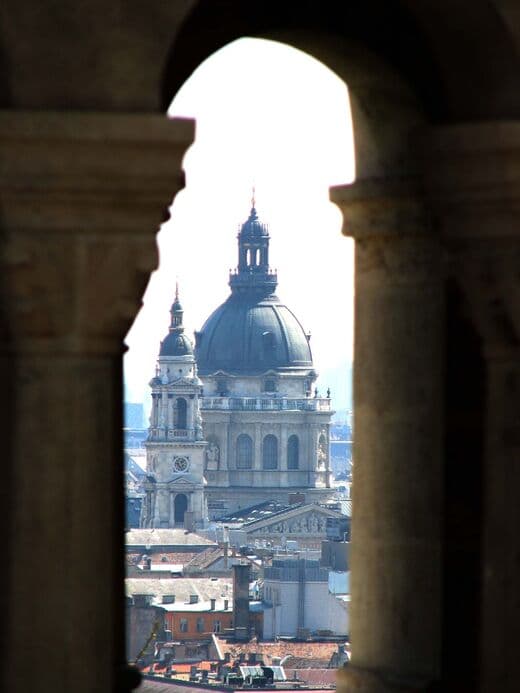
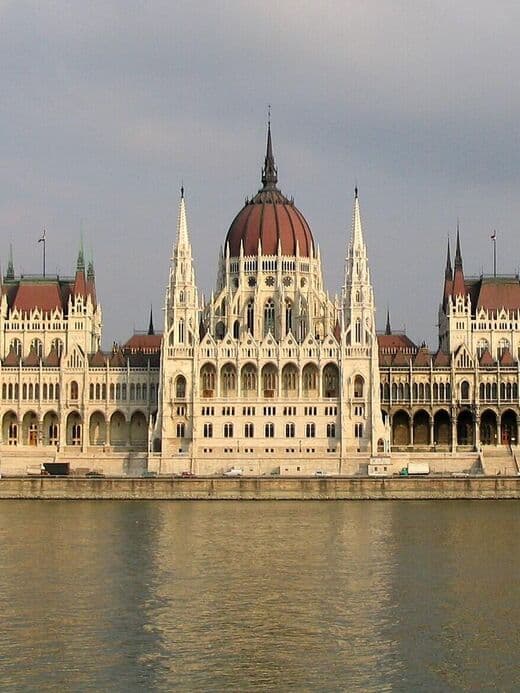
This is where most first-time visitors stay, and for good reason. The Hungarian Parliament Building anchors the riverfront with Gothic Revival grandeur, while St. Stephens Basilica dominates the skyline nearby. Hotels here range from $100-250 per night for quality options. The downside: it feels touristy because it is. Restaurant prices run 30-50% higher than other districts, and you will hear more English than Hungarian on the streets. Still, for short visits, the convenience is hard to beat. Everything is walkable, the metro hub at Deak Ferenc ter connects all three main lines, and the Danube views are spectacular at any hour.
District VII (Erzsebetvaros) - The Jewish Quarter and Ruin Bar Central
If nightlife matters to you, District VII is non-negotiable. This is where the famous ruin bar scene exploded in the early 2000s, transforming abandoned buildings into sprawling party complexes. Szimpla Kert, the original ruin bar, still operates and is worth visiting despite the crowds. Beyond the bars, this neighborhood has real character: Europe's largest synagogue, excellent street art around every corner, quirky cafes, and some of the best budget eats in the city. Accommodation runs $60-150 per night. The tradeoff: it gets loud on weekends. Thursday through Saturday, the streets pulse with parties until 4 AM. If you are a light sleeper, book a room facing an interior courtyard or choose another district.
District VI (Terezvaros) - The Elegant Middle Ground
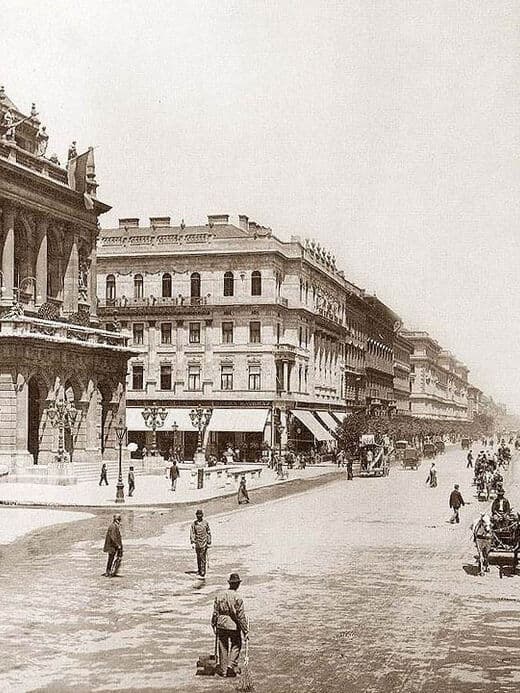
Andrassy Avenue runs through this district, a UNESCO-listed boulevard often compared to the Champs-Elysees. The Opera House, designer boutiques, and upscale restaurants create a refined atmosphere. Hotels cost $80-180 per night, offering better value than District V with similar walkability. The M1 metro line, the oldest on the European continent, runs beneath Andrassy connecting you to Heroes Square and City Park. This is my recommended neighborhood for couples and culture-focused travelers who want quality without excessive tourist density.
District I (Castle District) - Historic Buda
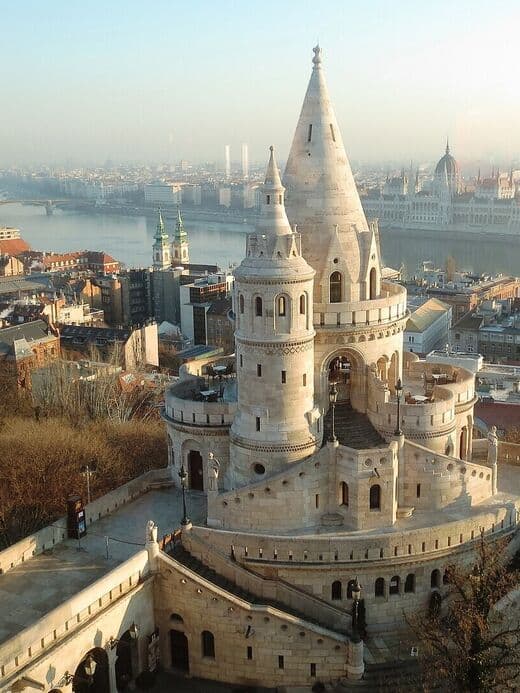
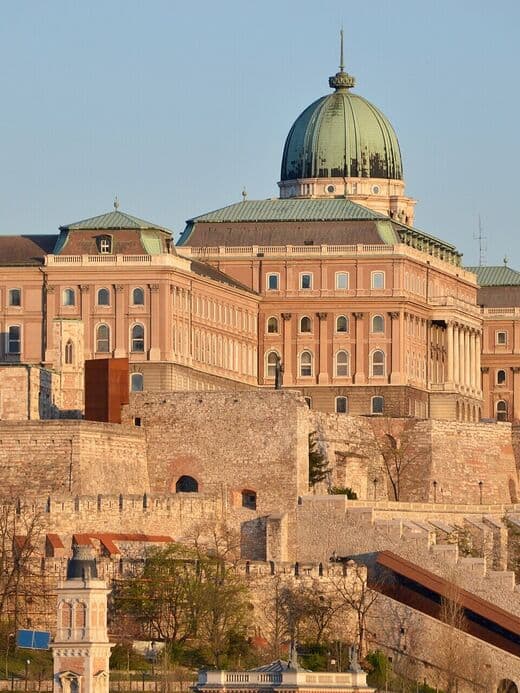
Staying in the Castle District means waking up to Buda Castle and Fishermans Bastion outside your window. The cobblestone streets, medieval architecture, and panoramic views create an undeniably romantic setting. However, the area empties after dark. Restaurants are overpriced and often mediocre, nightlife is nonexistent, and getting anywhere requires crossing the river. Hotels charge $120-300 for the location premium. My advice: visit during the day, stay elsewhere. The exception is if you specifically want quiet evenings and do not mind being isolated from the city pulse.
District IX (Ferencvaros) - The Local Choice
Ferencvaros has transformed from a working-class neighborhood into one of Budapest's most interesting areas. The Central Market Hall sits at its northern edge, while Raday utca offers excellent restaurants at local prices. This is where young Hungarian professionals live, which tells you something about the value. Hotels run $50-100 per night, with many boutique options. The area lacks major tourist sights but excels at everyday livability. If you are staying a week or more, or want to experience Budapest beyond the tourist circuit, Ferencvaros deserves serious consideration.
Best Time to Visit Budapest
Budapest is a year-round destination, but each season offers a distinctly different experience. Understanding these differences helps you plan a trip aligned with your priorities.
Spring (April to May)
This is my favorite time to visit Budapest. Temperatures hover around 15-22 degrees Celsius (60-72 Fahrenheit), perfect for long walking days without overheating. The city's parks explode with blooms, outdoor terraces reopen after winter, and tourist crowds remain manageable. Hotel prices sit 20-30% below summer peaks. The only downside: occasional rain showers, so pack a light jacket. May brings several festivals and Margaret Island begins hosting outdoor concerts.
Summer (June to August)
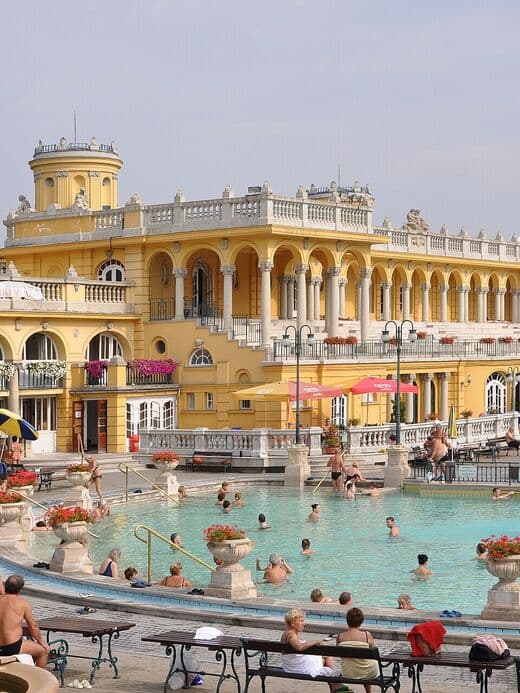
Peak season brings warmth, crowds, and higher prices. July temperatures often exceed 30 degrees Celsius, making midday sightseeing uncomfortable. Szechenyi Thermal Baths runs popular evening sparty events combining bathing with DJ sets. The Sziget Festival in August draws hundreds of thousands for one of Europe's largest music events. Book accommodation months ahead if visiting during Sziget, and expect premium rates. For budget travelers, summer is the most expensive time to visit, though long daylight hours and outdoor events offer compensation.
Autumn (September to October)
September might be the ideal month overall. Summer crowds disperse, temperatures remain pleasant at 15-25 degrees Celsius, and the city settles into a comfortable rhythm. Wine harvest festivals celebrate Hungarian varieties you have probably never tried. Hotel prices drop significantly after mid-September, often 25-40% below August rates. October brings autumn colors to Buda's hills and a melancholy beauty that suits the city's character.
Winter (November to March)
Budapest winters are cold, often below freezing, with occasional snow that transforms the city. Christmas markets operate throughout December, with St. Stephens Basilica ranking among Europe's most atmospheric. The thermal baths become essential, with outdoor pools steaming dramatically against cold air. January and February are the cheapest months, with rates sometimes 50% below summer. The tradeoff: shorter days, gray skies, and some attractions on reduced schedules. New Years Eve in Budapest has become increasingly popular, with massive parties along Andrassy Avenue.
For first-time visitors seeking balanced weather, manageable crowds, and reasonable prices, I recommend late April to mid-June or September.
Budapest Itinerary: How to Spend 3 to 7 Days
Budapest rewards both quick visits and extended stays. Here is how I would structure your time, assuming you want a mix of major sights, local experiences, and relaxation.
Day 1: Pest Essentials
Start at St. Stephens Basilica, arriving early to avoid crowds. The rooftop viewing platform offers excellent city orientation, and the interior showcases Hungarian religious art. From there, walk to the Danube and head north toward Parliament. The Hungarian Parliament Building is stunning from any angle; interior tours require advance booking online. Plan 2 hours if you tour inside.
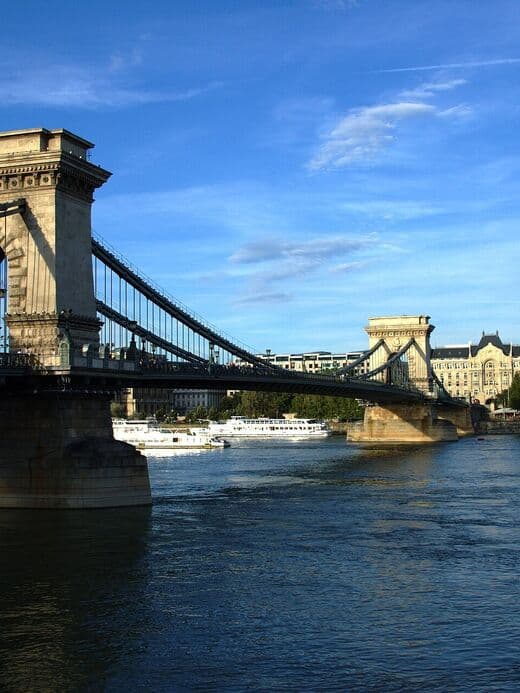
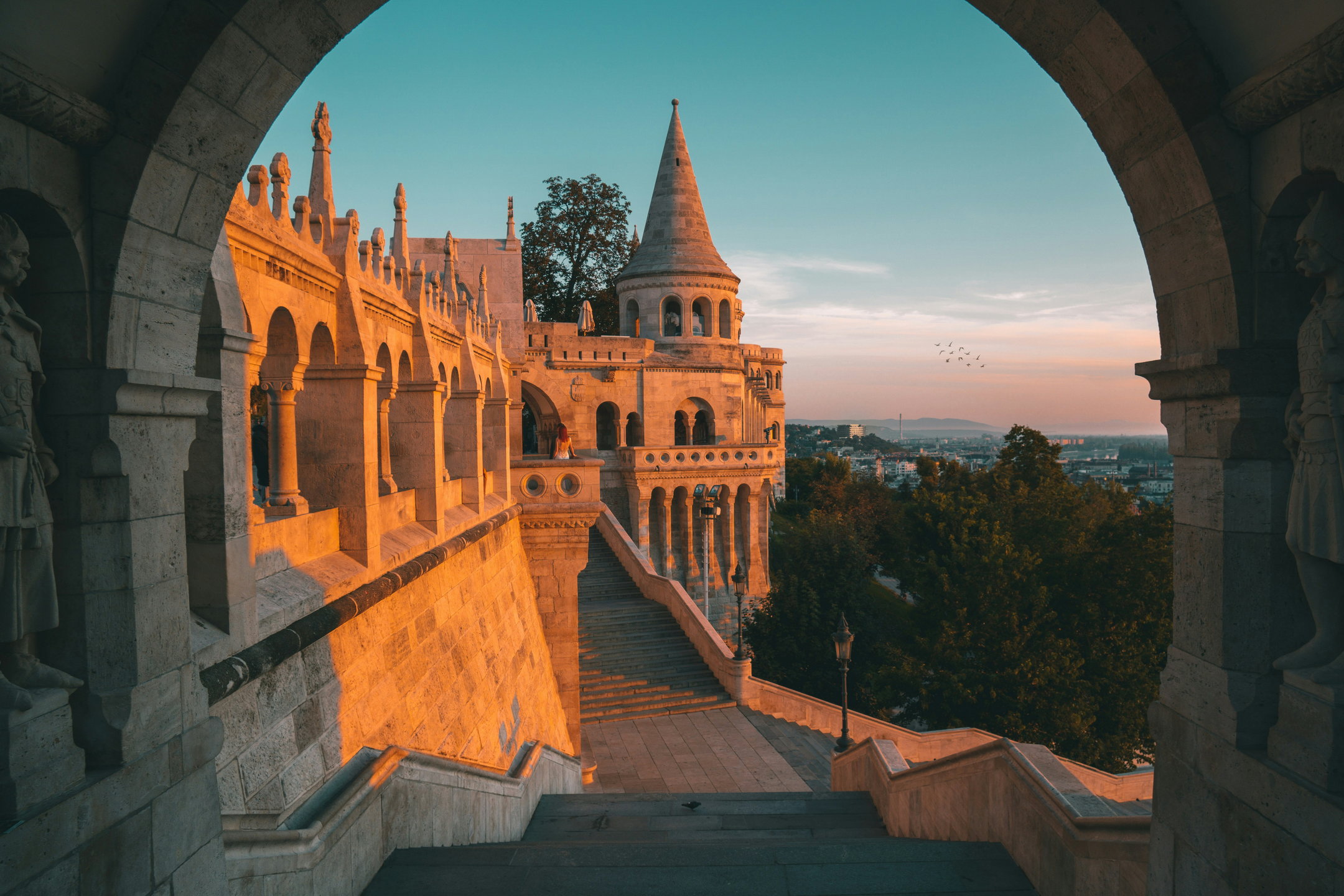
Cross the Chain Bridge to Buda for lunch, then take the funicular up to the Castle District. Spend the afternoon exploring Buda Castle, the Hungarian National Gallery inside, and surrounding medieval streets. End at Fishermans Bastion for sunset views back across to Parliament, arguably the best panorama in Budapest.
Evening: Return to Pest for dinner in District VII, then explore a ruin bar or two. Even if nightlife is not your priority, the ruin bar architecture deserves a look.
Day 2: Thermal Baths and Andrassy
Dedicate the morning to thermal bathing at Szechenyi Thermal Baths in City Park. Arrive when it opens at 6 AM for the most peaceful experience with locals, or accept crowds later for a more social atmosphere. Plan 2-3 hours minimum. The pools range from 18 to 40 degrees Celsius, and the chess players in the outdoor pool have become iconic Budapest imagery.
After bathing, explore City Park: Heroes Square with its monumental statues, Vajdahunyad Castle (an architectural mashup worth seeing). Have lunch in the park or walk back along Andrassy Avenue, stopping at the House of Terror museum for sobering 20th century context.
Evening: Book the Opera House tour or attend a performance. Standing room tickets cost $10-15. Alternatively, explore the restaurant scene along Liszt Ferenc ter.
Day 3: Markets, Food, and Local Life
Start at the Great Market Hall (Nagycsarnok) near Fovam ter metro. Arrive before 10 AM when cruise ship groups descend. The ground floor sells produce, meats, and paprika at reasonable prices. The upper floor offers cooked food, though quality varies. Buy proper Hungarian paprika here, both sweet and hot varieties, as souvenirs that will improve your cooking for months.
Walk through District IX to explore Raday utca and surrounding streets for a local feel. Have lunch at one of the many restaurants here, where prices run 30-40% lower than tourist areas for similar quality. Spend the afternoon at the Hungarian National Museum or cafe-hopping.
Evening: Take a sunset river cruise. Basic 1-hour cruises cost $15-20 with excellent photo opportunities as the city lights up. Dinner cruises cost $50-80 but the food is usually mediocre; better to cruise first, then eat at a proper restaurant.
Day 4: Margaret Island and Alternative Buda
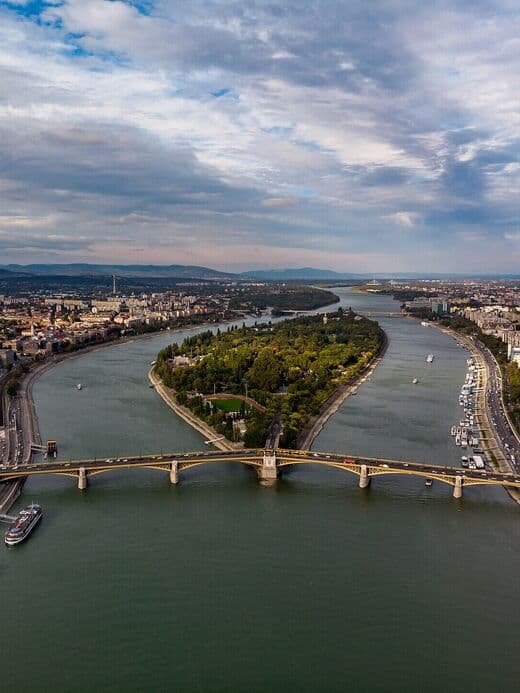
Margaret Island deserves a half-day. Rent a bike to explore the 2.5-kilometer island, swim in Palatinus pools during summer, and enjoy the gardens and ruins. The musical fountain performs hourly during warmer months.
Afternoon: Explore less-touristed Buda. Gellert Hill offers panoramic views and the liberty statue at the summit. The Cave Church beneath Gellert Hill is overlooked by most visitors: a functioning church inside natural caves, free entry, genuinely moving. Alternatively, visit the Hospital in the Rock museum for Cold War history, or take the Children's Railway into the Buda Hills.
Evening: Dinner in Buda. The area around Bartok Bela ut offers local favorites at reasonable prices.
Day 5: Day Trip Options
The Danube Bend region (Szentendre, Visegrad, Esztergom) combines charming towns, castle ruins, and river scenery. Szentendre alone makes a worthwhile half-day trip, 40 minutes by HEV train. The artist town atmosphere and galleries offer contrast to Budapest's urban energy.
Wine enthusiasts should consider Eger, combining excellent wine with baroque architecture, reachable by train in 2 hours. The cellars carved into hillsides offer cool refuge and fascinating history alongside wine education.
Days 6-7: Deep Dives
Extended stays allow deeper exploration: the Pinball Museum (largest in Europe with hundreds of playable machines), escape rooms (Budapest pioneered many concepts now global), the Zwack Unicum distillery, Jewish heritage walking tours, contemporary art at Ludwig Museum, or simply spending full afternoons at different thermal baths to compare.
Use extra days to revisit favorites at different times, explore neighborhoods you rushed through, and eat at restaurants requiring reservations. Budapest rewards this unhurried approach.
Where to Eat: Restaurant Guide
Budapest's dining scene has transformed dramatically. Beyond traditional Hungarian restaurants, you will find innovative fine dining, excellent international options, and thriving casual food culture.
Traditional Hungarian
For authentic cuisine without tourist markup, head outside the center. Kerek in District VIII serves enormous portions of classics like chicken paprikash at $8-12 for mains. Kisharang near Oktogon offers similar quality in a more central location. Avoid restaurants on Vaci Street, where prices double for inferior food.
For special occasions, Csalogany 26 in Buda presents traditional recipes with modern technique at $40-60 per person. Borkonyha, Michelin-starred, delivers excellence at $80-100 with wine pairings showcasing Hungarian varieties.
Contemporary and International
Mazel Tov occupies a beautiful courtyard serving Israeli-Mediterranean food at $15-25 for mains in a magical space. Nearby, Spiler serves quality burgers in a casual atmosphere. For Asian: Arigato on Andrassy does authentic Japanese, Pho Maxx in District VII serves Vietnamese that would hold up anywhere.
Budget Eating
Hungary invented langos: deep-fried dough with sour cream and cheese, $2-4 from street stands. For cheap lunches, look for restaurants advertising ebedmenu (lunch menu) at $5-8 for soup and main course. The Hummus Bar chain serves Middle Eastern platters for $6-10.
Practical Tips
Reservations matter on weekends. Book 2-3 days ahead for mid-range options, a week ahead for high-end spots. Service charges of 10-12% are often automatic; check your bill. Credit cards widely accepted, some traditional spots cash-only. Vegetarians will find options but should communicate needs clearly.
What to Try: Hungarian Food Essentials
Hungarian cuisine stands apart from neighbors, built on paprika, sour cream, and techniques developed over centuries.
The Essentials
Goulash (Gulyas): The dish everyone knows, though most tourists eat it wrong. Authentic goulash is a soup, not stew. The thick version is closer to porkolt. Order gulyas for soup, porkolt for stew. Both feature beef and paprika. Expect $6-10 locally.
Chicken Paprikash (Csirkepaprikas): Chicken braised in paprika sauce with sour cream, served over egg noodles (nokedli). Comfort food perfected. The sauce should be creamy and bright orange-red.
Langos: Deep-fried dough with toppings. Classic: sour cream and grated cheese. Modern versions add everything from pulled pork to Nutella. Best eaten fresh at the counter.
Kurtoskalacs (Chimney Cake): Sweet dough wrapped around a cylinder and roasted, coated with sugar or cinnamon. Find stands at local markets, not tourist spots where prices double.
Drinks
Unicum: The national digestif, an intensely herbal bitter liqueur. Locals drink it after heavy meals. Taste polarizes strongly. The Zwack factory offers tours explaining the secret recipe from 1790.
Palinka: Fruit brandy ranging from excellent to dangerous. Quality versions from apricot, plum, or pear are smooth. Try before buying.
Hungarian Wine: Underrated but improving rapidly. Tokaji sweet white has been famous for centuries. Egri Bikaver (Bulls Blood) offers robust reds. Villany region produces excellent reds gaining international recognition. Wine bars allow tasting before committing.
Local Secrets: Insider Tips
Saving Money
The Budapest Card rarely offers value unless visiting multiple museums daily. Calculate your plans before buying. Street exchange offices near tourist areas offer terrible rates; use ATMs instead, withdrawing larger amounts to minimize fees. OTP Bank ATMs are reliable.
Uber does not operate in Budapest, but Bolt works identically. Download before arriving. Prices run 40% cheaper than traditional taxis, which sometimes overcharge tourists.
Timing and Crowds
The thermal baths transform by time of day. Szechenyi 6-8 AM offers peaceful mornings with locals. After 10 AM, tour groups arrive. Parliament tours sell out days ahead; book online immediately. For Fishermans Bastion without crowds, arrive at sunrise or after sunset.
Neighborhood Secrets
Real ruin bars exist beyond Szimpla Kert. Instant-Fogas is larger and more interesting. Kuplung attracts more locals. Corvinteto occupies a rooftop with city views. None feel undiscovered, but all offer more authentic experiences.
The Cave Church beneath Gellert Hill: free entry, no crowds, genuinely moving. A functioning church in natural caves with centuries of history.
Practical Wisdom
Hungarian pronunciation: 'sz' sounds like English 's', and 's' sounds like 'sh'. Szechenyi is roughly 'say-chen-yee'. Public toilets $0.50-1.00 and usually maintained. Tipping: 10-15% when service charge not included. Tap water is safe throughout the city.
Transport and Connectivity
Getting Around
Single tickets cost $1.50 for 80 minutes with transfers. Better value from 24-hour ($6), 72-hour ($14), or 7-day ($22) passes. Metro: four lines, trains every 2-10 minutes. M1 (yellow) under Andrassy is the oldest in continental Europe. Trams 2 and 19 offer scenic Danube rides. Tram 4/6 circles the main boulevard and runs 24 hours.
Tickets and Validation
Buy tickets from metro station machines (accept cards) or newsstands. Validate before riding by inserting into machines. Inspectors fine violators $30-50. Tourist ignorance not accepted as excuse.
Taxis and Rideshare
Official taxis are yellow with visible rates. Bolt typically 30-40% cheaper. Both accept cards.
Internet
Free wifi common but quality varies. Local SIM at airport: $5-15 per week. Download Google Maps offline before arriving. The BKK Futar app provides official transit information in English.
Airport Transfers
100E bus runs direct from airport to central Pest, 35-40 minutes, $3. Buses every 20 minutes from 5 AM to 1 AM. Taxis: $25-35 fixed zone pricing. Do not accept rides from people soliciting in arrivals; use official taxi stand or Bolt.
Final Thoughts
Budapest delivers what travelers want without losing its soul. Walk ten minutes from the hotspots and you find a functioning city where locals live their lives indifferent to tourist traffic. That authenticity cannot be faked.
The value proposition remains strong in 2026. Compared to Western European capitals, your money stretches 30-50% further on accommodation, food, and experiences. Quality continues improving as international attention brings competition and investment.
What I would emphasize for first-time visitors: do not just see Budapest, use it. Sit in a thermal bath until completely relaxed. Linger over coffee in a historic cafe watching the world pass. Get lost in the ruin bar maze. Watch Parliament light up from a Danube bench at dusk. The city's pleasures are participatory, not just visual.
Budapest rewards travelers who arrive curious and leave transformed. It has changed everyone I know who spent real time here, myself included. That is not a promise every destination makes, but it is one Budapest consistently keeps.