About
Bosnia and Herzegovina: The Hidden Heart of the Balkans
There is a country in southeastern Europe that most travelers have never considered visiting, yet those who do almost universally describe it as one of the most surprising and rewarding destinations they have ever experienced. Bosnia and Herzegovina sits quietly between Croatia's famous coastline and Serbia's vibrant capital, largely overlooked by the masses heading to Dubrovnik or the Greek islands. This relative obscurity is precisely what makes it so special right now, in 2026, before the inevitable tourism boom transforms it into another overcrowded European hotspot.
I first visited Bosnia almost by accident, stopping in Sarajevo for what I thought would be two nights on my way to somewhere else. Those two nights turned into two weeks, and I have returned six times since. Each visit reveals new layers to this complex, beautiful, heartbreaking, and ultimately hopeful country. If you are reading this, you are probably curious but uncertain. Let me tell you why Bosnia and Herzegovina deserves to be your next destination, and give you everything you need to make the most of your time there.
Why Visit Bosnia and Herzegovina
The question I get asked most often about Bosnia is simple: why should I go there? After all, many people's only association with the country is the devastating 1990s war that broadcast images of destruction into living rooms around the world. This is precisely why you need to visit. Bosnia and Herzegovina in 2026 is a testament to human resilience, a place where the scars of conflict have been transformed into powerful memorials, where communities have rebuilt not just buildings but hope itself, and where travelers are welcomed with a warmth that comes from people who truly understand the value of peace and human connection.
But let me be practical, because I know you want concrete reasons to book those flights. Here is what makes Bosnia genuinely exceptional as a travel destination.
Extraordinary Value for Money
Your travel budget will stretch further in Bosnia than almost anywhere else in Europe. A comfortable double room in a well-located guesthouse in Sarajevo costs between 40 and 70 euros per night. A substantial dinner with drinks at a good restaurant rarely exceeds 25 euros for two people. A traditional Bosnian coffee, complete with the full ceremonial setup, costs around 2 euros. Compare this to neighboring Croatia, where similar experiences cost two to three times as much, and you begin to see why budget-conscious travelers are discovering Bosnia in increasing numbers.
But value is not just about cheap prices. It is about what you get for your money. In Bosnia, even modest accommodations often come with genuine hospitality, home-cooked breakfasts featuring local ingredients, and hosts who take personal pride in showing you their country. This is not a place where tourism has become a transactional industry. Here, it remains personal, and that makes all the difference.
Living History at Every Turn
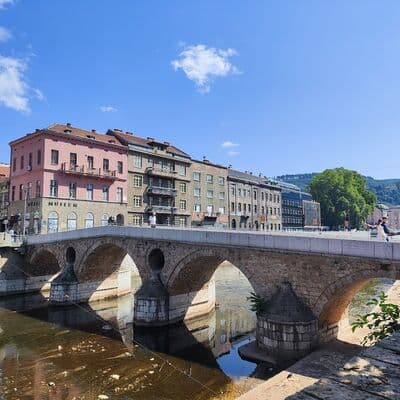
Few places on earth compress so much history into such a compact area. In Sarajevo alone, you can stand on the Latin Bridge where the assassination of Archduke Franz Ferdinand triggered World War One, walk through Ottoman bazaars that have operated continuously for five centuries, visit Austro-Hungarian administrative buildings that would not look out of place in Vienna, and pay respects at memorials to the siege that made the city a symbol of both tragedy and resistance in the 1990s.
This layering of history is not something you read about in museums. It is visible on every street corner, in the architecture, in the religious buildings standing side by side, in the faces of people who have lived through experiences most of us can barely imagine. Bosnia makes history tangible in ways that few destinations can match.
Natural Beauty That Rivals Any Alpine Destination
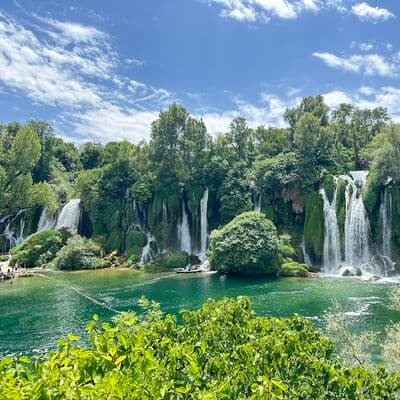
Beyond the cities, Bosnia and Herzegovina contains some of Europe's most dramatic and least-visited natural landscapes. The country is predominantly mountainous, with peaks exceeding 2,000 meters, pristine rivers that remain among the last wild waterways in Europe, waterfalls that cascade through lush green forests, and lakes of impossible blue clarity. The Kravice Waterfalls near Mostar offer a swimming experience that rivals anything in Croatia, but without the crowds and at a fraction of the cost.
Hiking opportunities range from gentle walks through pastoral valleys to serious mountaineering on peaks like Maglic, the country's highest point at 2,386 meters. The Via Dinarica trail, one of Europe's newest long-distance hiking routes, passes through Bosnia and showcases terrain that will make you question why you ever bothered with overcrowded Alpine resorts.
A Unique Cultural Crossroads
Bosnia and Herzegovina sits at the intersection of East and West, Christianity and Islam, Ottoman and Austro-Hungarian influences. This is not a metaphor. You can literally stand in Sarajevo's old town and see a mosque, an Orthodox church, a Catholic cathedral, and a synagogue within a few hundred meters of each other. For centuries, these communities coexisted and intermingled, creating a culture that is distinctly Bosnian while drawing from multiple traditions.
This cultural complexity manifests in everything from the architecture to the cuisine to the way people think about identity and belonging. Conversations with locals often venture into philosophical territory, touching on questions about nationalism, faith, tolerance, and what it means to build a life in a place that has seen so much upheaval. These are not superficial tourist interactions. They are genuine human exchanges that will stay with you long after you return home.
The Food Will Exceed Your Expectations
Bosnian cuisine is hearty, flavorful, and surprisingly diverse. Built on Ottoman foundations with Austro-Hungarian and Mediterranean influences, it offers much more than the grilled meats and heavy stews you might expect from the Balkans. Yes, you will eat cevapi, the small grilled meat sausages that are the country's unofficial national dish, but you will also discover burek filled with spinach or cheese, slow-cooked veal and vegetable stews, fresh trout from mountain streams, and desserts that showcase the region's Turkish confectionery heritage.
What makes Bosnian food special is not just the recipes but the context. Meals here are social occasions, meant to be lingered over with friends and family. The tradition of coffee drinking, which I will describe in detail later, exemplifies this approach to life. In Bosnia, you do not grab a quick espresso at a counter. You sit, you talk, you watch the world go by, and you let the experience unfold at its own pace.
Genuine Human Connection
Perhaps the most compelling reason to visit Bosnia is the people themselves. Having endured immense hardship within living memory, Bosnians approach strangers with a warmth and openness that feels increasingly rare in our suspicious, divided world. They want to share their country with you, to explain its complexities, to feed you until you cannot move, and to make sure you leave with a favorable impression.
This is not the performative hospitality of places where tourism has become routine. It is genuine curiosity about who you are and where you come from, combined with pride in showing you the best of what Bosnia has to offer. I have been invited into homes for coffee, driven to secret swimming spots, given detailed family histories over rakija, and treated with kindness that has restored my faith in human nature. You will experience this too, if you remain open to it.
Regions of Bosnia and Herzegovina
Understanding Bosnia's geography and regional divisions will help you plan a more rewarding trip. The country is not large by American or Australian standards, roughly the size of West Virginia or slightly smaller than Tasmania, but it contains remarkable diversity within its borders. Let me walk you through the main regions and what each offers visitors.
Sarajevo Canton
Sarajevo, the capital city, anchors a region that should be on every visitor's itinerary. The city itself occupies a dramatic east-west valley surrounded by mountains, a setting that is beautiful but also contributed to the tragedy of the 1992-1996 siege, when those surrounding heights became sniper and artillery positions.
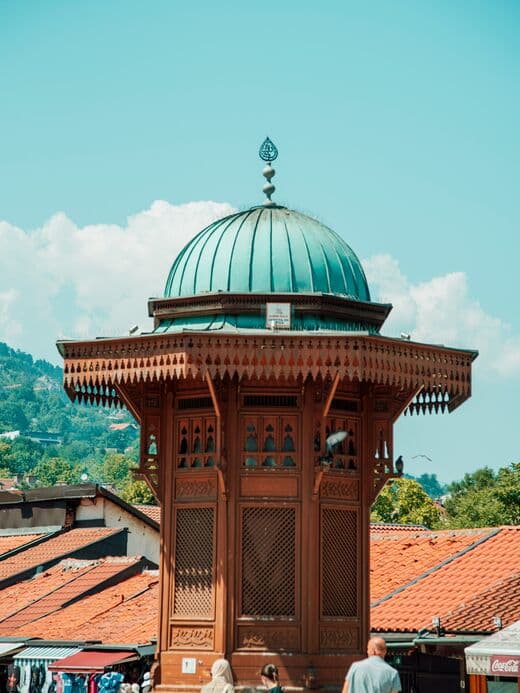
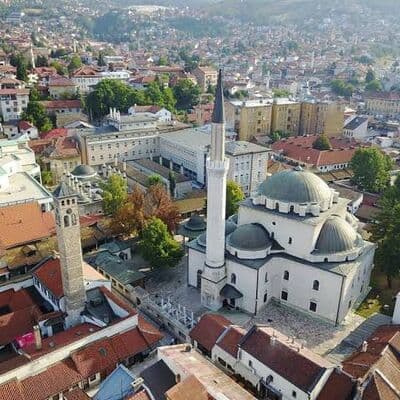
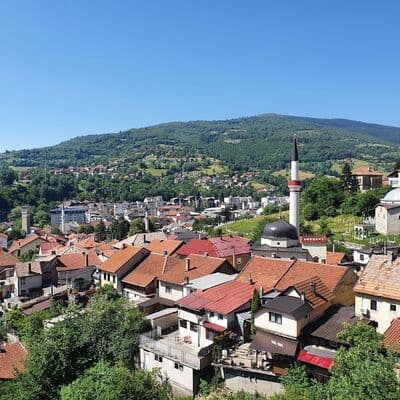
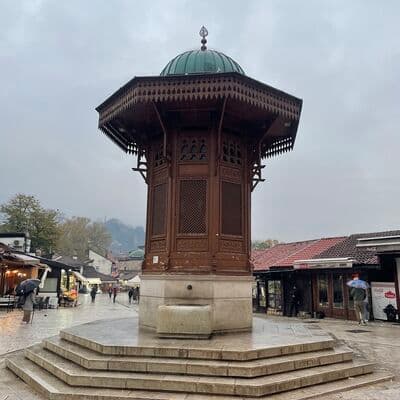
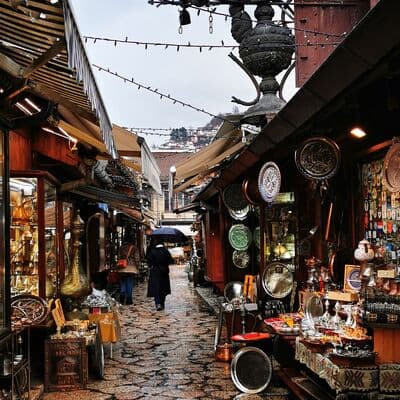
Today's Sarajevo is a vibrant, complicated, fascinating city of approximately 400,000 people. The old town, centered on Bascarsija, preserves the Ottoman character that has defined the city for five centuries. Narrow lanes wind between workshops where craftsmen still practice traditional trades, past restaurants serving traditional cuisine, around the iconic Sebilj Fountain that has become the city's symbol. The Gazi Husrev-beg Mosque, dating from 1532, remains one of the finest Ottoman religious buildings in the Balkans.
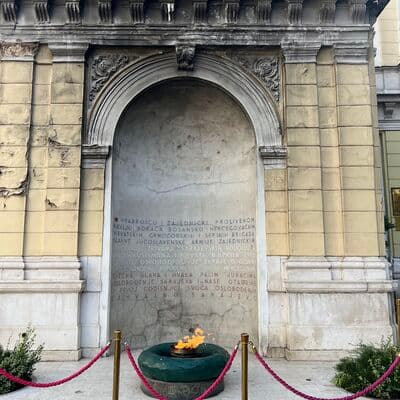
Moving west from the old town, the architecture shifts through Austro-Hungarian grandeur to Yugoslav-era socialist modernism to contemporary development. This progression tells the story of the city's history as clearly as any museum. The Eternal Flame memorial commemorates the liberation from Nazi occupation, while bullet-scarred buildings and the famous Sarajevo Roses, mortar impact sites filled with red resin, serve as reminders of the more recent conflict.
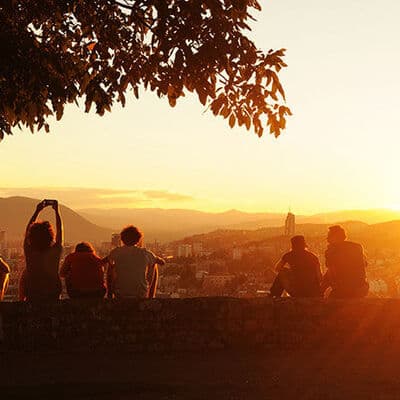
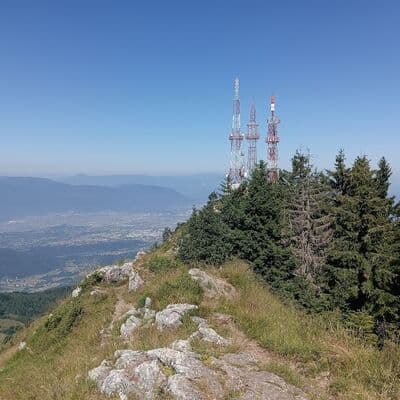
Beyond the city center, the surrounding mountains offer immediate escape into nature. Trebevic Mountain, site of the 1984 Winter Olympics bobsled track, now features hiking trails and a cable car that provides panoramic city views. The ruins of the Olympic facilities, abandoned and gradually being reclaimed by nature, make for haunting exploration. Yellow Fortress offers the most accessible viewpoint over the old town, particularly stunning at sunset.
The Tunnel of Hope, located near the airport, is essential visiting for understanding the siege. This 800-meter tunnel, dug beneath the airport runway, was the only connection between besieged Sarajevo and the outside world. A portion remains preserved as a museum, and walking through its cramped confines brings home the desperation and determination of those years in ways that no documentary can match.
Herzegovina
The southern portion of the country, Herzegovina, differs markedly from the mountainous interior. Here the climate becomes Mediterranean, the landscape shifts to karst terrain with dramatic limestone formations, and the influence of nearby Croatia and the Adriatic becomes apparent.
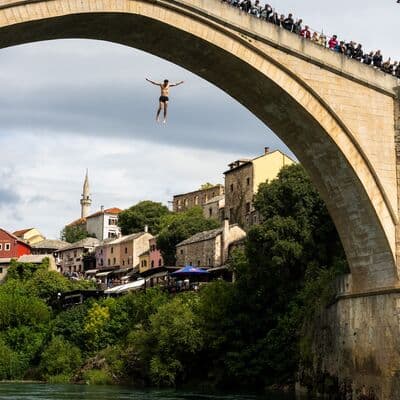
Mostar is Herzegovina's principal city and Bosnia's second-most-visited destination after Sarajevo. The city is defined by the Stari Most, or Old Bridge, a 16th-century Ottoman engineering marvel that arches elegantly over the emerald waters of the Neretva River. When the original bridge was destroyed by shelling in 1993, it seemed to symbolize the destruction of Bosnia's multicultural heritage. Its meticulous reconstruction, completed in 2004 using traditional methods and materials, equally symbolized hope and reconciliation.
The bridge today is most famous for its bridge diving tradition, where young men leap from the 24-meter height into the river below. Professional divers perform for tourists throughout the summer, but this is no tourist invention. The tradition dates back centuries, and becoming a certified bridge diver remains a mark of local identity and courage.
Surrounding the bridge, the Old Bazaar, known locally as Kujundziluk, preserves the Ottoman commercial district with its cobblestone streets, tiny shops selling traditional crafts and souvenirs, and historic houses converted into museums and restaurants. While more touristy than Sarajevo's Bascarsija, it retains genuine charm and provides excellent opportunities for exploring traditional Bosnian architecture and handicrafts.
Mostar makes an excellent base for exploring Herzegovina's natural attractions. The Kravice Waterfalls, about 40 kilometers south, cascade approximately 25 meters over a wide travertine cliff into pools perfect for swimming. During summer, this is one of the region's most refreshing experiences, and significantly less crowded than comparable Croatian attractions.
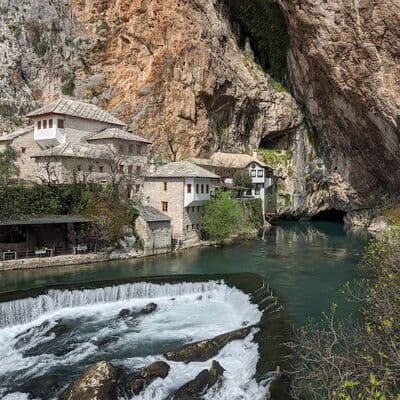
The village of Blagaj, just 12 kilometers from Mostar, merits a half-day visit. Here the Buna River emerges from a massive cave at the base of a 200-meter cliff, and perched impossibly at the water's edge sits the Blagaj Tekke, a 16th-century Dervish monastery. The combination of natural wonder and architectural beauty makes this one of Bosnia's most photographed locations, yet it remains far less visited than it deserves.
Central Bosnia
The mountainous interior between Sarajevo and the northern plains contains several worthwhile destinations that see relatively few international visitors. Travnik, located about 90 kilometers northwest of Sarajevo, served as the seat of Ottoman governors for over 150 years and retains significant historical importance.
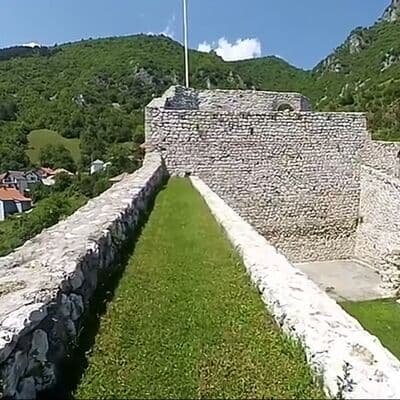
The Travnik Fortress, crowning a hill above the town, offers panoramic views and a tangible connection to the region's turbulent history. The Ottoman Old Town below contains mosques, clock towers, and traditional houses that have changed little over centuries. Travnik is also famous as the birthplace of Ivo Andric, winner of the 1961 Nobel Prize in Literature, whose novels provide perhaps the best literary introduction to Bosnian history and culture.
The region around Travnik includes some of Bosnia's most authentic rural landscapes, with traditional villages, alpine meadows, and opportunities for hiking and nature observation away from any tourist infrastructure. This is Bosnia at its most genuine, where life continues much as it has for generations.
Northwestern Bosnia
The northwest, anchored by the city of Banja Luka, represents a different face of Bosnia. This region, which forms part of Republika Srpska, one of Bosnia's two constituent entities, has a predominantly Serbian Orthodox character that contrasts with the Muslim-majority areas to the east and south.
Banja Luka itself is a pleasant city of about 200,000 people, built along the Vrbas River. The Kastel fortress dates from Roman times, though most visible remains are medieval and Ottoman. The city's cafe culture rivals Sarajevo's, and prices are even lower. For travelers, the northwest offers good rafting opportunities on the Vrbas and access to national parks including Kozara, site of significant World War Two partisan resistance.
It is important to understand that Bosnia's political structure, established by the Dayton Agreement that ended the war, creates two distinct entities within one country. Republika Srpska and the Federation of Bosnia and Herzegovina operate somewhat separately, with different license plates, different public holidays, and different dominant languages and scripts. As a tourist, you may notice these differences but should not find them problematic. People in both entities are welcoming to visitors, and the political complexities, while fascinating to discuss with locals, do not affect day-to-day travel.
Eastern Bosnia
The eastern region bordering Serbia and Montenegro includes dramatic mountain scenery, the Drina River valley, and several historic towns. Visegrad is home to the Mehmed Pasha Sokolovic Bridge, another Ottoman masterpiece immortalized in Ivo Andric's novel The Bridge on the Drina. The more recently constructed Andricgrad, a purpose-built stone town celebrating traditional architecture, generates mixed reactions but is worth seeing.
This region requires more planning and independent travel spirit than the main tourist circuit, but rewards visitors with emptier roads, more authentic interactions, and landscapes that rank among the most beautiful in the country. The Sutjeska National Park, straddling the border with Montenegro, contains primeval forest that has never been logged, one of only two remaining in Europe.
Una-Sana Canton
The far northwest corner of the country, centered on the town of Bihac, is known for the Una River, one of Europe's most beautiful and pristine waterways. The river's emerald waters, travertine cascades, and excellent conditions for rafting and kayaking draw increasing numbers of adventure tourists. Una National Park protects the most spectacular sections and provides good infrastructure for nature-based activities.
This region saw some of the war's heaviest fighting, and the recovery has been slower than in Sarajevo or Mostar. This adds poignancy to visits but also means infrastructure is more basic. However, for nature lovers and adventure seekers willing to venture off the beaten path, the Una region offers experiences unmatched elsewhere in the Balkans.
Herzegovina Coastline
Few people realize that Bosnia and Herzegovina has coastline, but it does: exactly 20 kilometers of Adriatic shore around the small town of Neum. This geographic quirk, which interrupts the Croatian coast between Split and Dubrovnik, exists for historical reasons dating to the Republic of Ragusa's need for a buffer with the Ottoman Empire.
Neum itself is primarily a beach resort with somewhat dated Yugoslav-era hotels, popular with Bosnian families during summer. For international visitors, it is more curiosity than destination, but the coastline does mean that Bosnia technically offers beach holidays at prices significantly lower than neighboring Croatian resorts. The completed Peljesac Bridge now allows Croatian traffic to bypass Neum, which has reduced the town's through-traffic but also its exposure to potential visitors.
What Makes Bosnia and Herzegovina Unique
Every destination claims to be unique, but Bosnia and Herzegovina genuinely offers experiences and perspectives that you will not find elsewhere. Understanding these distinctive elements will help you appreciate what you encounter and recognize opportunities that less-informed visitors might miss.
The Ottoman Legacy
Bosnia was part of the Ottoman Empire for over 400 years, from the fall of the medieval Bosnian kingdom in 1463 until Austro-Hungarian occupation in 1878. This extended period shaped virtually every aspect of Bosnian culture, from architecture and urban planning to cuisine and social customs.
Unlike other Ottoman territories in Europe, which often resented Turkish rule and worked to erase its traces after independence, Bosnia developed a distinctive Ottoman-influenced culture that many locals, particularly among the Muslim population, regard positively. The cities of Sarajevo, Mostar, and Travnik are among the best-preserved examples of Ottoman provincial towns anywhere in the former empire, often better maintained than equivalents in modern Turkey.
This heritage manifests in practical ways that will enhance your visit. The tradition of kahva, Bosnian coffee, follows Ottoman preparation methods and ceremonial conventions. The bazaar areas maintain trades and crafts that have continued for centuries. The hamams, or public baths, still operate in several cities. And the architecture of mosques, bridges, and public buildings demonstrates Ottoman engineering and aesthetic principles at their finest.
The Austro-Hungarian Interlude
When the Austro-Hungarian Empire took control in 1878, it set about modernizing Bosnia while preserving its distinctive character. The result, particularly visible in Sarajevo, is a fascinating architectural fusion. European-style administrative buildings, banks, and hotels rose alongside the existing Ottoman structures, creating streetscapes that transition remarkably from one world to another.
The Austro-Hungarians also brought railways, modern administration, and improved infrastructure. Many of Bosnia's roads, bridges, and public buildings date from this brief but transformative period. The 1914 assassination of Archduke Franz Ferdinand in Sarajevo, which triggered World War One, occurred precisely because Austria-Hungary's annexation of Bosnia in 1908 had inflamed Serbian nationalist sentiment.
Yugoslav Socialism and Its Aftermath
From 1945 to 1992, Bosnia was a republic within socialist Yugoslavia. This period brought industrialization, urbanization, and genuine economic development, along with the suppression of ethnic tensions under Tito's ideology of Brotherhood and Unity. The 1984 Winter Olympics, held in Sarajevo, represented the high point of Yugoslav Bosnia's international recognition and investment.
The abandoned Olympic facilities on the mountains surrounding Sarajevo now serve as haunting monuments to this period. The bobsled track, used as an artillery position during the siege, is covered in graffiti and slowly crumbling. The ski jumps and venues stand empty. These ruins, while melancholic, offer unique opportunities for exploration and photography, and provide tangible evidence of how quickly circumstances can change.
The War and Its Memory
It is impossible to visit Bosnia without encountering the legacy of the 1992-1995 war. This is not something to avoid or feel uncomfortable about. Bosnians want you to understand what happened, and engaging with this history is part of respecting their experience and honoring those who suffered.
The siege of Sarajevo lasted 1,425 days, making it the longest siege of a capital city in modern warfare. Approximately 11,000 people died, including over 1,500 children. The city's population endured without running water, electricity, food, or medicine, targeted by snipers and shelling from the surrounding hills. The Tunnel of Hope museum, the War Childhood Museum, and numerous memorials throughout the city tell this story with dignity and without exploitation.
In Mostar, the destruction and reconstruction of the Old Bridge serves as the primary symbol of the war's devastation and the subsequent reconciliation. The city remains more visibly divided than Sarajevo, with the Croat and Bosniak populations largely living in separate neighborhoods, but the bridge itself has become a genuine point of connection and shared pride.
Srebrenica, site of the worst atrocity on European soil since World War Two, lies in eastern Bosnia. In July 1995, Bosnian Serb forces systematically murdered over 8,000 Bosniak men and boys after the fall of a supposed UN safe zone. The memorial center there is a place of profound solemnity and importance. Visiting requires emotional preparation and appropriate reverence, but many travelers find it one of the most meaningful experiences of their lives.
Religious Coexistence
Bosnia's population includes Muslims (Bosniaks), Orthodox Christians (Serbs), and Catholics (Croats), with smaller Jewish and other communities. For most of the country's history, these groups lived together in relative harmony, intermarrying, doing business together, and sharing neighborhoods and social spaces.
The war of the 1990s was in part a conflict along these religious and ethnic lines, and the peace settlement institutionalized ethnic divisions in ways that continue to shape politics and society. Yet in daily life, particularly in Sarajevo and other mixed communities, the tradition of tolerance and coexistence survives and is actively celebrated.
Walking through Sarajevo, you will hear the Islamic call to prayer echoing from mosques, church bells ringing from Orthodox and Catholic towers, and see the historic synagogue that still serves the small remaining Jewish community. This juxtaposition is not merely tolerated but treasured. Many Bosnians, regardless of their own background, point to this diversity as the essence of what makes their country special and worth preserving.
Coffee Culture
Bosnian coffee, or bosanska kahva, is not merely a drink but a social institution. The preparation follows Turkish methods: finely ground coffee is added to cold water in a small copper pot called a dzezva, brought to a boil multiple times, and served in small ceramic cups called fildzan. The coffee is accompanied by sugar cubes and often a small sweet, traditionally Turkish delight or rahat lokum.
The ritual matters as much as the beverage. Coffee is never rushed. It provides the framework for conversation, negotiation, gossip, philosophical discussion, or simply watching the world pass by. A single coffee can easily occupy an hour, and attempting to hurry the process marks you as someone who does not understand how things work.
This coffee culture reflects a broader Bosnian approach to life that prioritizes human connection over efficiency. In a world increasingly dominated by quick transactions and digital interactions, spending time over coffee with friends, family, or even strangers offers a refreshing alternative. Embrace it, and you will find doors opening that remain closed to hurried tourists.
When to Visit Bosnia and Herzegovina
Bosnia's varied terrain means that the ideal time to visit depends somewhat on what you want to do and see. Here is a month-by-month breakdown to help you plan.
Spring (April to May)
Spring is perhaps the most beautiful time to visit Bosnia. Temperatures in Sarajevo typically range from 10 to 20 degrees Celsius (50 to 68 Fahrenheit), with longer days and increasing sunshine. The mountains still have snow at higher elevations, creating dramatic contrasts with the blooming valleys below. Waterfalls like Kravice run at their fullest due to snowmelt.
Tourist numbers remain low through April, increasing somewhat in May as the weather warms. Accommodation is readily available and prices remain off-season rates. The main downside is occasional rain, particularly in April, and some mountain areas may still be inaccessible due to snow.
Summer (June to August)
Summer brings warm weather, with Sarajevo reaching 25 to 30 degrees Celsius (77 to 86 Fahrenheit) and Herzegovina significantly hotter, often exceeding 35 degrees (95 Fahrenheit). This is peak tourist season, particularly in August when European visitors combine with Bosnians returning from diaspora communities abroad.
July and August offer the best conditions for swimming, rafting, and outdoor activities. The Kravice Waterfalls and other swimming spots are at their most inviting. Festivals and events enliven the cultural calendar. However, accommodation in popular areas should be booked in advance, and Mostar in particular can feel crowded around the bridge.
The heat in Herzegovina makes summer less ideal for extensive sightseeing in Mostar. If you visit during July or August, plan to explore the town early morning or evening, retreating to air-conditioned spaces or swimming spots during the midday heat.
Autumn (September to October)
Many experienced travelers consider autumn the ideal time to visit Bosnia. September brings warm but not oppressive temperatures, decreasing crowds, and the beginning of fall colors in the mountains. October continues the pleasant weather through most of the month, with spectacular foliage and comfortable conditions for hiking and sightseeing.
Prices drop from summer peaks, and the summer crowds disappear. Locals are less harried than during high season and often more willing to engage in extended conversation. The light takes on a golden quality that photographers prize. Late October can bring cooler weather and rain, so pack layers and waterproof options.
Winter (November to March)
Winter in Bosnia can be cold and snowy, particularly in Sarajevo and the mountains. Temperatures regularly drop below freezing, and significant snowfall is common. This is the low season for tourism, with many visitors avoiding the country entirely.
However, winter has its attractions. Sarajevo under snow is extraordinarily beautiful, and the mountains offer skiing opportunities at prices far below Western European resorts. The ski areas around Sarajevo, developed for the 1984 Olympics, have been rebuilt and modernized, offering decent runs and excellent value. December brings Christmas markets and holiday atmosphere to the cities.
Herzegovina remains milder in winter, making Mostar a reasonable year-round destination. Just be aware that some attractions, particularly outdoor swimming spots and hiking areas, may be closed or inaccessible.
Getting to Bosnia and Herzegovina
Bosnia is well-connected to the rest of Europe and increasingly accessible from further afield. Here are your main options for reaching the country.
By Air
Sarajevo International Airport (SJJ) is the country's main gateway. It receives direct flights from major European hubs including Istanbul, Vienna, Munich, Rome, Milan, Belgrade, and others. Turkish Airlines, Austrian Airlines, Lufthansa, Air Serbia, and budget carriers including Wizz Air and FlyDubai serve the airport.
For travelers from North America, the most convenient routings typically connect through Istanbul on Turkish Airlines or through major European hubs like Frankfurt, Munich, or Vienna. Flight times from the US East Coast run approximately 12-14 hours with one connection. Turkish Airlines often offers competitive fares and good connections through Istanbul's impressive new airport.
From the UK, Wizz Air operates budget flights to Sarajevo from London Luton, making weekend trips feasible. Other options include connecting through Vienna on Austrian or through any of the major European hubs.
From Australia, the journey is longer, typically routing through the Middle East (Emirates via Dubai, Qatar Airways via Doha) or through a European hub. Flight times from Sydney or Melbourne run 20-24 hours depending on connections.
Mostar Airport (OMO) exists but has limited scheduled service, primarily summer charters. Tuzla Airport (TZL) in northeastern Bosnia has grown as a Wizz Air hub with connections to several European cities, offering an alternative entry point if the routing works for your plans.
By Bus
International buses connect Bosnia to all neighboring countries and many European destinations. From Croatia, buses run regularly from Zagreb (5-6 hours to Sarajevo), Split (4-5 hours to Mostar, 7-8 hours to Sarajevo), and Dubrovnik (4-5 hours to Mostar, 6-7 hours to Sarajevo). From Serbia, frequent buses connect Belgrade to Sarajevo (7-8 hours) and other Bosnian cities.
Bus travel is significantly cheaper than flying for regional connections and often more convenient, as stations are typically centrally located while airports require transfers. The buses themselves range from basic to reasonably comfortable, with most international routes operated by modern coaches with air conditioning and wifi.
Flixbus has expanded into the region, offering online booking and standardized service. Local operators including Autoprevoz and Centrotrans also serve international routes with good reputations.
By Train
Rail connections to Bosnia are limited and slow but scenic. A daily train connects Sarajevo to Ploce on the Croatian coast (journey time approximately 5 hours), running through spectacular mountain scenery that makes the trip worthwhile despite the modest speed. The route to Zagreb requires a change in Croatia and takes significantly longer than the equivalent bus journey.
Within Bosnia, train services exist but are infrequent and generally slower than buses. The Sarajevo-Mostar train is the most tourist-relevant route, offering a scenic if leisurely journey through the mountains.
By Car
Driving to Bosnia from neighboring countries is straightforward. The road network has improved significantly, with a growing motorway system connecting Sarajevo to the Croatian border near Medjugorje. From Zagreb, the drive to Sarajevo takes approximately 5-6 hours. From Split or Dubrovnik, allow 3-4 hours to Mostar or 5-6 hours to Sarajevo.
Border crossings are generally efficient, though summer weekends can see queues at popular crossings. Ensure you have all necessary documentation for your vehicle, including proof of insurance valid in Bosnia. Green card insurance is recognized, or you can purchase short-term coverage at the border.
Rental cars from Croatia can generally be taken into Bosnia with advance arrangement and an additional fee. Check with your rental company about their specific policies, as some restrict certain vehicle categories from crossing borders.
Getting Around Bosnia and Herzegovina
Once you are in the country, several options exist for traveling between cities and attractions. The choice depends on your budget, time constraints, and comfort level with independent travel.
Buses
The bus network is the backbone of Bosnian public transportation. Buses connect all major cities and most smaller towns, with frequent departures on popular routes. The Sarajevo-Mostar route, for example, sees buses every hour or two throughout the day, with the journey taking approximately 2.5 hours and costing around 15-20 convertible marks (roughly 8-10 euros).
Buy tickets at bus stations or, for some operators, online. Seats are usually not assigned, so arriving early ensures a window seat on scenic routes. Most stations have left luggage facilities if you want to explore a town during a stopover.
Bus quality varies from modern coaches to older vehicles that have seen better days. On major routes, you will generally get comfortable, air-conditioned buses. Smaller routes may mean simpler vehicles without amenities.
Trains
The Bosnian railway network exists but is limited and slow. The Sarajevo-Mostar line is the most scenic and tourist-relevant route, winding through mountains and along rivers in ways that buses cannot match. Journey time is approximately 2 hours, similar to the bus, with a few departures daily. The Sarajevo-Banja Luka route also operates but takes significantly longer than buses.
Train travel in Bosnia is cheap and atmospheric but requires flexibility. Schedules are infrequent, delays are possible, and comfort levels are basic. Consider trains for the experience rather than efficiency.
Driving
Renting a car opens up Bosnia in ways that public transportation cannot match. Many of the most interesting sites, including waterfalls, viewpoints, and rural villages, are difficult or impossible to reach without your own wheels. The freedom to stop where you want and explore at your own pace makes driving the preferred option for many visitors.
Car rental is available in Sarajevo, Mostar, and at airports. International companies including Sixt, Europcar, and Budget operate alongside local agencies. Expect to pay 30-50 euros per day for a basic vehicle, less for longer rentals. Manual transmission is standard; automatic costs extra and should be reserved in advance.
Driving conditions have improved markedly in recent years. The main highways are generally good, though mountain roads can be narrow and winding. Winter driving requires appropriate tires and caution, as snow and ice are common at higher elevations. Bosnian drivers can be aggressive by American or Australian standards, and overtaking on single-lane roads is common even when it seems inadvisable.
One significant hazard deserves mention: landmines remain in some areas from the 1990s war. Clearance efforts continue, but unexploded ordnance still exists, particularly in rural and mountainous areas away from main roads. Stick to paved roads and well-marked paths, do not venture into abandoned buildings or overgrown areas, and heed warning signs. In tourist areas and along main routes, this is not a practical concern, but awareness is important if you plan to explore off the beaten track.
Taxis and Ride-Sharing
Taxis are inexpensive in Bosnia. Short rides within Sarajevo or Mostar typically cost 5-10 convertible marks (2.50-5 euros). Agree on a price before departure or ensure the meter is running. Most drivers are honest, but occasionally tourists are overcharged, particularly from airports or train stations.
Uber does not operate in Bosnia. Local alternatives exist, with taxi apps providing some of the same convenience for those who prefer not to negotiate fares. Hotel staff can usually arrange reliable taxi service for longer journeys or airport transfers.
Organized Tours
For those who prefer not to navigate independently, numerous tour operators offer day trips and multi-day itineraries. From Sarajevo, popular day trips include Mostar and the surrounding area, while from Mostar, tours visit waterfalls, historic sites, and natural attractions throughout Herzegovina.
Tour quality varies significantly. The best operators employ knowledgeable local guides who provide context and insight that independent travelers might miss. Less impressive options are essentially bus transportation with minimal value added. Reading reviews and asking for recommendations helps identify the worthwhile operators.
For specialized interests, particularly war history and remembrance tourism, guided experiences often add significant value. Local guides who lived through the war can share personal perspectives and navigate sensitive topics with appropriate respect. The Srebrenica memorial, in particular, benefits enormously from informed guidance.
Cultural Code and Etiquette
Understanding Bosnian cultural norms will help you navigate social situations and show respect to your hosts. While Bosnians are generally forgiving of foreign visitors' mistakes, making an effort to observe local customs is appreciated and opens doors.
Greetings and Hospitality
Bosnians are warm and hospitable, but initial interactions may seem more formal than Americans or Australians expect. A handshake is standard when meeting someone, with direct eye contact. Close friends may embrace or kiss cheeks, but wait for locals to initiate this level of familiarity.
Hospitality is taken seriously. If invited to someone's home, bring a small gift: chocolates, sweets, or flowers are appropriate. Arriving empty-handed appears rude. You will almost certainly be offered food and drink; refusing entirely can cause offense, though it is fine to accept small portions if you are not hungry.
Remove shoes when entering a home unless explicitly told not to. Most Bosnian households maintain this custom, and going in with shoes is a significant faux pas.
Religion and Mosques
Bosnia's Muslim population practices a moderate, European form of Islam. Most Bosniaks drink alcohol, few women wear headscarves outside of religious contexts, and religious observance varies widely as in any society. However, mosques are sacred spaces that require appropriate respect.
When visiting mosques, both men and women should dress modestly: covered shoulders, long pants or skirts, no revealing clothing. Women should cover their hair inside the mosque; a scarf is usually available at the entrance if you don't have one. Remove shoes before entering, and avoid visiting during prayer times unless you are there to pray. Photography may be restricted inside, so ask before taking pictures.
During Ramadan, the month of fasting, many Muslims will not eat, drink, or smoke during daylight hours. Restaurants remain open and non-Muslims are not expected to fast, but eating or drinking conspicuously in front of fasting Muslims shows poor taste. The evenings during Ramadan are festive, with iftar (the breaking of the fast) becoming a social occasion that visitors may be invited to share.
Orthodox Churches and Catholic Churches
Orthodox and Catholic churches likewise expect modest dress and respectful behavior. Photography policies vary, so ask if unsure. Orthodox churches may have specific customs regarding lighting candles or approaching icons that regular attendees will be happy to explain.
The War
Bosnians are generally willing, even eager, to discuss the war with interested visitors. They appreciate foreigners who want to understand what happened rather than those who avoid the subject entirely. However, approach the topic with sensitivity and awareness that many people have personal losses and trauma.
Let locals bring up the subject rather than asking invasive questions unprompted. Listen more than you speak. Avoid expressing opinions about who was right or wrong unless you have genuine expertise, as the political and historical issues remain contested and painful. Statements like "it was complicated" or "there was violence on all sides," while technically accurate, can come across as minimizing what people experienced.
The terms for different groups matter. Bosniak refers specifically to Bosnian Muslims and is distinct from Bosnian, which applies to all citizens of Bosnia regardless of ethnicity or religion. Getting these terms right shows respect and awareness.
Alcohol and Smoking
Despite the Muslim majority, alcohol is widely available and socially accepted throughout Bosnia. Bars, restaurants, and shops sell beer, wine, and spirits without restriction. Rakija, the regional fruit brandy, is central to social occasions and often homemade.
Smoking rates are high by Western standards, and smoking is permitted in many indoor spaces where it would be banned in the US, UK, or Australia. Non-smokers should be prepared for smoky environments, particularly in cafes and bars. If smoke bothers you, seek out outdoor seating or specifically non-smoking establishments, though these remain relatively rare.
Tipping
Tipping is appreciated but not obligatory. In restaurants, rounding up or leaving 10% is generous and well-received. For exceptional service, you might leave more. Taxi drivers, hotel staff, and tour guides also appreciate small tips, but there is no pressure or expectation as strong as in American tipping culture.
Bargaining
Bargaining is not common in shops or restaurants, where prices are fixed. In markets and with street vendors, modest negotiation may be possible, but aggressive haggling is not part of the culture and can come across as disrespectful. If you want to negotiate, do so gently and be prepared to pay the asking price if the seller does not budge.
Safety in Bosnia and Herzegovina
Bosnia is a safe country for visitors, with crime rates comparable to or lower than most Western European destinations. However, certain specific hazards require awareness and precaution.
General Crime
Violent crime against tourists is rare. Petty crime, including pickpocketing and bag snatching, exists but at lower levels than in many European capitals. Standard precautions apply: watch your belongings in crowded areas, do not leave valuables visible in parked cars, be aware of your surroundings at night.
Sarajevo and Mostar's tourist areas are generally safe to walk at night, though quieter neighborhoods should be approached with normal urban caution. The main bus and train stations can attract petty criminals and the disorderly, so keep your wits about you and avoid lingering unnecessarily late at night.
Scams targeting tourists are minimal compared to some destinations. Taxi overcharging is the most common issue; using apps or agreeing prices in advance prevents this. The usual internet-era precautions about too-good-to-be-true offers apply.
Landmines
This is the most serious safety consideration specific to Bosnia. An estimated 80,000 landmines and other unexploded ordnance remain from the 1990s war. While clearance continues, complete removal will take years or decades.
In practical terms, the risk to tourists following normal behavior is minimal. Mined areas are predominantly in rural zones, forested hills, and former front lines away from tourist infrastructure. Stick to paved roads and established paths, do not venture into abandoned buildings or overgrown areas, and heed warning signs (typically red skull-and-crossbones markers or red-painted stones).
Specific areas to avoid include the hills around Sarajevo away from maintained trails, rural areas in eastern Bosnia, and anywhere with visible warning markers. If you plan to hike, use marked trails in national parks and protected areas that have been cleared. Local guides know which areas are safe and which are not.
Traffic
Road conditions and driving standards pose more realistic risks than crime or mines for most visitors. Mountain roads can be narrow and winding, with locals who know every curve overtaking on blind corners. Driving in winter requires appropriate tires and experience with icy conditions.
If you are uncomfortable with the driving style, using buses or trains eliminates this risk while still allowing you to see the country. Professional bus drivers know the roads intimately and generally drive more cautiously than private motorists.
Political Stability
Bosnia's political situation is complex and sometimes tense, with periodic rhetoric about separation or ethnic tensions. However, these tensions rarely affect daily life or tourist safety. Protests, when they occur, are typically peaceful and easily avoided.
The country remains committed to eventual EU membership, and international oversight continues through various mechanisms. While political progress is frustratingly slow, the stability established by the Dayton Agreement has held, and there is no realistic prospect of renewed conflict.
Emergency Services
The emergency number in Bosnia is 112, which connects to police, fire, and ambulance services. English may be limited among emergency responders, so have your location and basic information ready. Tourist police in Sarajevo and Mostar can assist with non-emergency issues affecting visitors.
Health Considerations
Bosnia poses no unusual health risks for visitors, and the country has a functional healthcare system capable of handling routine medical needs.
Before You Go
No special vaccinations are required for Bosnia. Ensure your routine vaccinations are up to date, including tetanus, which is particularly important if you plan to hike or engage in outdoor activities. If you are visiting from a country with yellow fever risk, you may need proof of vaccination.
Travel insurance that includes medical coverage is strongly recommended. While healthcare costs in Bosnia are lower than in Western Europe or North America, evacuation insurance provides peace of mind for serious emergencies. Check that your policy covers adventure activities if you plan to raft, ski, or hike in remote areas.
Water and Food
Tap water is generally safe to drink in urban areas, though the taste can vary. In Sarajevo, local spring water is famously good, and you will see public fountains where locals fill bottles. In smaller towns and rural areas, bottled water may be a safer choice.
Food hygiene standards are generally good. Restaurants catering to tourists maintain reasonable standards, and foodborne illness is no more common than in comparable European destinations. Street food is popular and generally safe, though use your judgment about hygiene at any particular vendor.
Medical Facilities
Hospitals exist in all major cities, with Sarajevo having the most sophisticated facilities. Public hospitals are functional but may have outdated equipment and long wait times. Private clinics offer faster, more modern care at reasonable costs by Western standards.
Pharmacies are widely available and can provide many medications over the counter that would require prescriptions elsewhere. Staff often speak some English and can recommend remedies for minor ailments. Bring sufficient supplies of any prescription medications you need, along with documentation of your prescriptions.
Specific Concerns
Tick-borne encephalitis exists in forested areas, particularly during spring and summer. If you plan extensive hiking or camping in wooded regions, consider vaccination and use insect repellent. Lyme disease is also present; check for ticks after outdoor activities.
Air quality in Sarajevo can be poor during winter, when temperature inversions trap pollution from heating and traffic in the valley. Those with respiratory conditions should monitor air quality reports and consider masks on particularly bad days.
Altitude is not a significant concern, as even the highest accessible areas remain below levels that typically cause problems. However, those with heart or respiratory conditions should take normal precautions about exertion at elevation.
Money and Costs
Bosnia uses the Convertible Mark (BAM or KM), which is pegged to the Euro at a fixed rate of approximately 1.96 BAM to 1 EUR. This stability makes budgeting straightforward, as the exchange rate does not fluctuate.
Currency Exchange
Euros are widely accepted, particularly in tourist areas, though you may receive change in Marks. Croatian Kuna (or now Euros, since Croatia joined the Eurozone) are also often accepted near the Croatian border. However, using the local currency typically gets you better rates and avoids confusion.
Exchange offices are found throughout tourist areas and offer reasonable rates. Banks offer similar rates but may have longer waits. ATMs are widespread and generally accept foreign cards, dispensing local currency at competitive exchange rates. Check with your bank about foreign transaction fees before traveling.
Credit Cards
Credit and debit card acceptance has improved dramatically but remains less universal than in Western Europe. Hotels, upscale restaurants, and shops in tourist areas generally accept cards. Smaller establishments, markets, transport, and rural areas often require cash. Carry enough cash for day-to-day expenses, using cards for larger purchases like accommodation.
Visa and Mastercard are most widely accepted. American Express has limited acceptance. Inform your bank of your travel dates to prevent fraud alerts blocking your cards.
Typical Costs
Bosnia offers excellent value compared to Western European destinations. Here are typical costs to help you budget:
Accommodation: Budget hostels from 15-25 EUR for a dorm bed. Mid-range hotels and guesthouses from 40-80 EUR for a double room. Boutique hotels and upscale options from 80-150 EUR. Sarajevo is slightly more expensive than elsewhere.
Food: Street food like cevapi costs 3-5 EUR for a filling portion. Casual restaurant meals run 8-15 EUR per person. Upscale dining, which is excellent in Sarajevo, might reach 30-50 EUR per person with drinks. Coffee at a traditional cafe costs around 2 EUR.
Transport: Intercity buses cost approximately 15-20 EUR for the Sarajevo-Mostar route as a benchmark. Taxis within cities cost 3-8 EUR for typical journeys. Car rental runs 30-50 EUR per day.
Activities: Museum entrance fees typically cost 3-8 EUR. Guided tours range from 25-80 EUR depending on duration and inclusions. Adventure activities like rafting cost 30-60 EUR.
Budget Scenarios
Budget traveler: Staying in hostels, eating street food and cooking occasionally, using public transport, and being selective about paid activities, you could manage on 40-50 EUR per day.
Mid-range traveler: Comfortable guesthouses, restaurant meals, occasional taxis, and regular activities put you in the 80-120 EUR per day range.
Comfortable traveler: Nice hotels, good restaurants, private transport, and all desired activities run 150-250 EUR per day.
These figures exclude international transport to reach Bosnia. The country offers exceptional value at all budget levels, allowing experiences that would cost significantly more elsewhere in Europe.
Suggested Itineraries
Bosnia rewards both short visits and extended exploration. Here are suggested itineraries for various timeframes, with the understanding that personal interests and travel pace vary.
One Week: The Essential Circuit
Seven days allows a meaningful introduction to Bosnia's highlights. This itinerary focuses on the must-see destinations while leaving time for genuine exploration rather than rushing.
Days 1-3: Sarajevo
Begin in the capital, allowing three days to absorb its layers. On day one, orient yourself in the old town, exploring Bascarsija and its surroundings. Visit the Sebilj Fountain, the Gazi Husrev-beg Mosque, and the surrounding bazaars and craft workshops. Have your first Bosnian coffee in a traditional cafe, taking time to learn the ritual.
Day two focuses on history. Walk to the Latin Bridge and contemplate the assassination that triggered World War One. Visit the Eternal Flame and explore the Austro-Hungarian center. In the afternoon, take a taxi or rideshare to the Tunnel of Hope for essential context on the siege. The War Childhood Museum offers another powerful perspective if time allows.
Day three explores the city's surroundings. Take the cable car up Trebevic Mountain for panoramic views and, if feeling adventurous, explore the abandoned Olympic bobsled track. Return via the Yellow Fortress for sunset views over the old town. Spend the evening enjoying Sarajevo's cafe and restaurant scene.
Day 4: Sarajevo to Mostar
Take a morning bus or, better, the scenic train to Mostar. The journey takes approximately 2.5 hours by bus, slightly longer by train, through increasingly dramatic mountain scenery. After settling into your accommodation, spend the afternoon exploring the Old Bazaar and approaching the Old Bridge from both sides. Watch the sunset from the bridge or a riverside restaurant.
Day 5: Mostar and Surroundings
Start early to see the bridge and old town without crowds. If the season is right and divers are performing, watch the bridge diving spectacle. Mid-morning, take a taxi or tour to Blagaj to see the Blagaj Tekke and the Buna River source. Afternoon options include the Kravice Waterfalls for swimming (in summer) or further exploration of Mostar's neighborhoods and viewpoints.
Day 6: Herzegovina Exploration
Use this day for deeper exploration of Herzegovina. Options include visiting the Pocitelj medieval fortress village, the Medjugorje pilgrimage site (regardless of religious beliefs, it offers interesting cultural observation), or spending more time at natural attractions like Kravice. Those interested in wine can explore Herzegovina's emerging wine region around Stolac and Citluk.
Day 7: Return or Departure
Depending on your onward plans, either return to Sarajevo for departure flights or continue to Croatia via Dubrovnik or Split, both easily reached by bus from Mostar.
Ten Days: Adding Depth
Ten days allows the essential week itinerary plus meaningful additions.
Days 1-3: Sarajevo (as above)
Day 4: Travnik Excursion
Instead of heading directly to Mostar, take a day trip to Travnik. This historically significant town, once the seat of Ottoman viziers, offers the Travnik Fortress, the Ottoman Old Town, and a more authentic, less touristy atmosphere than the main destinations. Return to Sarajevo in the evening or stay overnight for a truly local experience.
Day 5: Sarajevo to Mostar
Travel to Mostar via bus or train, exploring the old town on arrival.
Days 6-7: Mostar and Herzegovina
Two full days in the Mostar area allow unhurried exploration. Day one covers the town itself, including the bridge, old bazaar, and surrounding attractions. Day two ventures further afield to Blagaj, Kravice, or other Herzegovina highlights.
Day 8: Una River Region
For adventure seekers, consider a trip to the Una River for rafting or kayaking. This requires either a long day trip or relocating to Bihac. The pristine river and national park offer experiences unlike anything elsewhere in the country.
Days 9-10: Eastern Bosnia or Return
Those interested in deeper historical engagement might visit Srebrenica (emotionally challenging but profoundly meaningful). Others might return to Sarajevo for final exploration, shopping, and departure.
Two Weeks: Comprehensive Coverage
Fourteen days allows proper exploration of Bosnia's diversity. Consider renting a car for the second week to reach areas poorly served by public transport.
Days 1-4: Sarajevo and Surroundings
Four days in the capital allows deeper immersion. Beyond the essential sights, explore neighborhoods like Marijin Dvor and Grbavica, visit additional museums, take a day trip to nearby attractions, and simply absorb the atmosphere through repeated cafe visits and evening strolls.
Day 5: Travnik
Full day exploring Travnik's fortress, old town, and connections to Bosnian literary and political history. Overnight here offers a glimpse of small-town Bosnian life.
Day 6: Central Bosnia
Travel through central Bosnia to Jajce, where a dramatic waterfall tumbles through the town center where rivers meet. The medieval fortress and catacombs add historical interest. Continue to Banja Luka or return toward Sarajevo depending on your route.
Days 7-8: Transfer to Mostar, Explore Herzegovina
Travel to Mostar and begin exploring Herzegovina. The timing allows both town exploration and visits to surrounding attractions.
Day 9: Kravice and Rural Herzegovina
Full day exploring waterfalls, villages, and landscapes away from the main tourist areas. With a car, you can reach viewpoints and swimming spots that tour buses never visit.
Day 10: Herzegovina Wine Country
Herzegovina produces excellent wines that remain largely unknown internationally. Visit wineries around Stolac and Citluk, tasting local varieties like Zilavka (white) and Blatina (red). Combine with visits to historic sites like the Radimlja necropolis with its medieval tombstones.
Days 11-12: Eastern Bosnia
If emotionally prepared, spend time in eastern Bosnia including Srebrenica and Visegrad. This is not easy travel but offers crucial context for understanding Bosnia's recent history. The landscapes are beautiful even as the history is heavy.
Days 13-14: Return to Sarajevo, Departure
Return to the capital for any final sightseeing, shopping, and departure preparations. The extra time in Sarajevo allows for serendipitous discoveries and proper farewells to a country that will likely have captured your heart.
Three Weeks: The Complete Experience
Twenty-one days allows truly comprehensive exploration, including off-the-beaten-path areas and the luxury of slow travel. This itinerary is for those who want to understand Bosnia deeply rather than simply seeing the highlights.
Days 1-5: Sarajevo Immersion
Five days in Sarajevo allows the kind of deep exploration that transforms tourism into genuine cultural exchange. Beyond sightseeing, spend time in local cafes observing daily life, take a cooking class to learn Bosnian cuisine, visit the Jewish Museum and remaining Jewish community sites, explore contemporary art galleries and cultural spaces, and let serendipity guide your wanderings.
Day trips might include the source of the Bosna River, a beautiful park area just outside the city, or hiking in the mountains surrounding Sarajevo. Consider spending an evening at a local concert or cultural event.
Days 6-7: Travnik and Jajce
Two days exploring central Bosnia's historic towns. Travnik's fortress and old town deserve unhurried attention, while Jajce's waterfall and medieval remains offer different perspectives on Bosnian history. Overnight in one or both towns rather than treating them as day trips.
Days 8-9: Northwestern Bosnia
Venture to Banja Luka, the largest city in Republika Srpska. The Orthodox churches and Serbian cultural influences contrast with the Muslim-majority areas you have visited. The Kastel fortress, riverfront parks, and cafe culture offer different perspectives. Continue to the Una River region if adventure activities interest you.
Days 10-12: Una National Park
Three days along the Una River allow rafting, kayaking, hiking, and genuine immersion in one of Europe's most pristine river ecosystems. The town of Bihac serves as a base. This is Bosnia at its most natural and least touristic.
Days 13-15: Mostar and Core Herzegovina
Return to the tourist circuit with three days in and around Mostar. The extended time allows you to see the town beyond the crowded bridge area, explore surrounding villages, swim at multiple swimming spots, and understand Herzegovina's distinct character.
Days 16-17: Southeastern Herzegovina
Explore the area around Stolac, Trebinje, and the wine country. The Radimlja necropolis with its mysterious medieval tombstones warrants a visit, as do the Ottoman-era towns that dot this region. Trebinje, near the Montenegrin border, is particularly attractive and sees few tourists.
Days 18-19: Eastern Bosnia
Two days for the emotionally significant journey through eastern Bosnia, including Srebrenica and Visegrad. Allow time for reflection and processing. The landscapes here are hauntingly beautiful, and the experiences will stay with you.
Days 20-21: Sarajevo Farewell
Return to Sarajevo for final experiences. By now the city will feel familiar, and you can spend these days revisiting favorite spots, purchasing gifts and souvenirs, and properly saying goodbye to a country that has likely made a profound impression.
Connectivity: Internet and Communications
Staying connected in Bosnia is straightforward, with good mobile coverage and widespread wifi.
Mobile Coverage
The three main mobile operators are BH Telecom, HT Eronet, and m:tel. All provide 4G coverage in urban areas and along main roads. Coverage can be spotty in mountainous regions and rural areas, but you will rarely be without signal for long.
For visitors, prepaid SIM cards offer excellent value. Cards are available from operator shops, kiosks, and some supermarkets. Prices are low by Western standards, with generous data allowances. Bring your passport for registration. Most modern phones work without issues, but ensure your device is unlocked before arrival.
If you prefer not to deal with local SIMs, international roaming packages from your home carrier may be reasonable depending on your plan. European visitors benefit from some roaming agreements, though Bosnia is not in the EU so "roam like home" rules do not apply. US carriers like T-Mobile include Bosnia in some international plans.
Alternatively, international eSIMs like Airalo or Holafly provide data without physical SIM cards if your phone supports them. These can be purchased before travel and activated on arrival.
WiFi
WiFi is widely available in hotels, hostels, restaurants, and cafes throughout tourist areas. Connection quality varies from excellent to frustrating. Higher-end accommodations generally have reliable connections, while budget options may struggle during peak hours.
For those working remotely, dedicated coworking spaces exist in Sarajevo and offer reliable high-speed connections. Coffee shops with good wifi include several in Sarajevo's center that attract digital nomads.
International Calls
If you need to make international calls, VoIP services like WhatsApp, Skype, or FaceTime work well over wifi or mobile data. Traditional international calling from local SIMs is possible but expensive compared to data-based alternatives.
Bosnian Food and Drink
Bosnian cuisine reflects the country's position at cultural crossroads, combining Ottoman, Austro-Hungarian, and Mediterranean influences into something distinctively local. Meals are social occasions to be savored, not rushed transactions. Here is what to eat and drink during your visit.
Essential Dishes
Cevapi: These small grilled meat sausages, typically made from beef and lamb, are Bosnia's unofficial national dish. Served in lepinja (flatbread) with chopped onions and kajmak (clotted cream), they are available everywhere from street vendors to upscale restaurants. Sarajevo's Bascarsija district has legendary cevapi spots where locals queue for their favorites. The standard serving is a portion of ten, which makes a filling meal.
Burek: Flaky phyllo pastry filled with minced meat. In Bosnia, the term burek specifically means the meat-filled version. Other fillings are called by different names: sirnica for cheese, zeljanica for spinach, krompiruša for potato. Fresh from the oven at a neighborhood pekara (bakery), burek makes an excellent breakfast or snack. It is traditionally eaten with plain yogurt.
Bosanski Lonac: A slow-cooked stew of meat (usually beef and lamb) and vegetables layered in a clay pot. The dish takes hours to prepare and represents home cooking at its finest. Not always available in restaurants, but if you see it on a menu or are invited to someone's home, do not miss it.
Dolma: Vegetables, typically peppers, tomatoes, or zucchini, stuffed with minced meat and rice, then baked or braised. The same filling wrapped in grape or cabbage leaves is called sarma. Both reflect Ottoman culinary heritage and appear on most traditional menus.
Begova Corba: A creamy chicken and vegetable soup that takes its name from "bey's soup," suggesting aristocratic origins. Rich and comforting, it makes an excellent starter or light meal.
Pita: Similar to burek but often prepared as a spiral shape rather than triangles. Various fillings including meat, cheese, spinach, and pumpkin. Each region has its variations and specialties.
Klepe: Bosnian dumplings filled with meat, served with garlic-yogurt sauce. A comfort food that shows Central European influences alongside the Ottoman heritage.
Sogan Dolma: Onions stuffed with minced meat and rice, slow-cooked until tender. A specialty of Sarajevo that exemplifies the city's culinary traditions.
Japrak: Grape leaves stuffed with meat and rice, similar to dolma found throughout the Eastern Mediterranean but with distinctly Bosnian seasoning.
Ćufte: Meatballs, typically served in a light tomato-based sauce. A everyday dish found in homes and casual restaurants.
Grilled Meats
Beyond cevapi, Bosnian grilling traditions include:
Pljeskavica: A large, flat grilled patty often compared to a hamburger but with different seasoning and texture. Served in bread with onions and kajmak, similar to cevapi presentation.
Raznjici: Meat skewers, typically pork or chicken, grilled over charcoal. Simple but satisfying when well-prepared.
Sudžuk: A dry, spiced beef sausage that can be eaten as is or grilled. Often served as part of a mixed grill plate.
Desserts
Ottoman confectionery traditions dominate the sweet side of Bosnian cuisine:
Baklava: Layers of phyllo with walnuts, drenched in sugar syrup. Slightly less sweet than Turkish versions, making it more approachable for Western palates.
Tufahija: Poached apples stuffed with walnuts, topped with whipped cream. A Sarajevo specialty that makes an elegant end to a meal.
Hurmasica: Small semolina cakes soaked in sweet syrup. Intensely sweet but in small portions, perfectly manageable.
Sutlijaš: Rice pudding, served cold, flavored with vanilla or cinnamon. A lighter option among the syrup-heavy desserts.
Kadaif: Shredded phyllo pastry with walnut filling and syrup. Related to baklava but with a different texture.
Drinks
Bosanska Kahva: Bosnian coffee, prepared in the Turkish style and served with ceremony. The copper dzezva pot, small fildzan cups, and accompanying sugar cubes comprise a ritual that should not be rushed. This is not merely a caffeine delivery system but a social institution.
Rakija: Fruit brandy, typically made from plums (šljivovica), grapes, or other fruits. The national spirit, often homemade and offered to guests as a sign of hospitality. Quality ranges from industrial to exceptional depending on the producer. Accept at least a small glass when offered.
Beer: Sarajevsko is the local beer, a light lager that suits the grilled meats perfectly. Other local brands and imported options are widely available.
Wine: Herzegovina produces excellent wines from local and international varieties. Look for Zilavka (white) and Blatina (red) to taste indigenous grapes. Quality has improved dramatically in recent years, with some producers achieving international recognition.
Boza: A fermented millet drink with a thick consistency and slightly sour taste. An acquired taste but worth trying as an authentic local beverage.
Salep: A hot drink made from orchid tubers, traditionally served in winter. Sweet and creamy, it warms cold hands and hearts.
Dining Practicalities
Restaurants in tourist areas open throughout the day, but traditional establishments may observe more limited hours, particularly closing mid-afternoon and reopening for dinner. Lunch is typically the main meal, with dinner often lighter.
Vegetarians can manage but need to ask questions, as meat appears in unexpected places. Cheese burek, spinach zeljanica, and various salads provide options, but dedicated vegetarian restaurants are rare outside Sarajevo.
Menu prices usually do not include tip, though this is not a high-tipping culture. Rounding up or adding 10% is generous.
Shopping in Bosnia and Herzegovina
Bosnia offers interesting shopping opportunities, from traditional handicrafts to contemporary design. The tradition of craftsmanship remains alive, and you can find unique items that actually come from local artisans rather than Chinese factories.
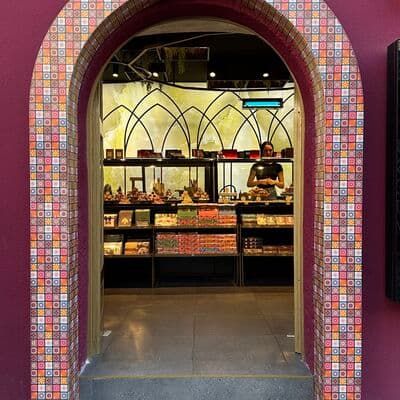
Traditional Crafts
Copperwork: The coppersmiths of Bascarsija continue centuries-old traditions. Dzezvas for making coffee, decorative plates, candlesticks, and ornamental items are hammered by hand in workshops you can visit. Quality varies, so examine workmanship and avoid mass-produced items passed off as handmade.
Woodwork: Carved wooden items including boxes, furniture, and decorative pieces reflect traditional patterns. Look for walnut and other local woods rather than imports.
Textiles: Embroidered items, woven rugs, and traditional clothing elements can be found in markets and specialty shops. Quality handwork takes time to produce, so prices reflect the labor involved.
Silverwork: Filigree jewelry and decorative silver items continue Ottoman traditions. The delicate work requires significant skill, and genuine pieces command appropriate prices.
Ceramics: Hand-painted pottery, often featuring traditional motifs, makes for practical souvenirs that travel well.
Conflict-Related Items
A unique and somewhat controversial category involves items made from war materials. Bullet casings transformed into pens, artillery shells made into vases, and similar objects are widely available. Some find these tasteless; others see them as meaningful symbols of transformation. The ethics depend on your perspective, but the creativity is undeniable.
The WARM Foundation in Sarajevo sells products made by survivors of war and violence, with proceeds supporting social programs. This provides an ethical way to acquire conflict-related souvenirs while supporting the community.
Food and Drink
Coffee: Bosnian coffee and the equipment to make it properly (dzezva, cups) make excellent gifts. Pre-ground coffee is widely available, though whole beans offer better flavor for those with grinders.
Rakija: Bottles of quality rakija, particularly aged šljivovica, make appreciated gifts. Note airline liquid restrictions if carrying in hand luggage.
Sweets: Boxed baklava, lokum (Turkish delight), and other confections travel well and introduce recipients to Bosnian flavors.
Cheese: Kajmak and local cheeses can be transported if properly packed, though crossing international borders with dairy products may be restricted.
Where to Shop
In Sarajevo, Bascarsija is the obvious starting point. The surrounding streets contain both tourist shops and genuine artisan workshops. Prices at the first shop you enter are negotiable; comparative shopping helps you understand fair prices.
In Mostar, the Old Bazaar around the bridge offers similar options, though with somewhat higher prices and more tourist-oriented merchandise. Venture away from the bridge for better deals and more authentic goods.
Modern shopping malls exist in Sarajevo for those seeking familiar retail experiences, though these offer nothing uniquely Bosnian.
Bargaining
Light bargaining is acceptable in markets and craft shops, particularly for larger purchases. Aggressive haggling is not part of the culture and may cause offense. Start by showing interest, ask for a "best price," and accept gracefully if the seller does not budge significantly.
Useful Apps and Resources
Several digital tools will enhance your Bosnia travel experience.
Transportation
Google Maps: Works well for navigation, though public transport information can be incomplete. Download offline maps before arrival.
Moovit: Better than Google for public transport routes in Sarajevo.
Getbybus: For researching and booking intercity bus tickets online.
Translation
Google Translate: The camera function helps with menus and signs. Download the Bosnian/Croatian/Serbian language pack for offline use. The languages are mutually intelligible, so any of these downloads will work.
General
Maps.me: Excellent offline maps useful for hiking and areas with limited connectivity.
XE Currency: For quick conversions between BAM and your home currency.
Tripadvisor: Reviews of restaurants and attractions, though local knowledge often surpasses user reviews.
Conclusion: Why Bosnia Will Stay With You
By now you have a comprehensive picture of what Bosnia and Herzegovina offers and how to experience it well. But let me close with something less practical and more personal.
Bosnia changes people. Not in the superficial way that any travel experience might provide pleasant memories, but in ways that recalibrate how you see the world. You will stand in places where terrible things happened within living memory and find beauty, hope, and warmth. You will meet people who have endured experiences you can barely imagine, yet who welcome you with open hearts and genuine curiosity about your life. You will see how quickly civilization can fracture and how determined people are to rebuild it.
These experiences matter in ways that visiting yet another museum or beach resort cannot match. Bosnia asks questions that more comfortable destinations do not pose: What would you do? How would you survive? What matters when everything else is stripped away? How do communities heal? The answers you find, in conversations over coffee and rakija, in visits to memorials and museums, in simple observations of daily life, will inform your worldview long after you return home.
There is also simple joy here. The food is delicious. The coffee is ritualistic. The mountains are stunning. The cities are fascinating. The prices are affordable. The people are wonderful. These qualities alone would justify a visit.
But it is the depth, the complexity, the questions posed and the resilience demonstrated, that elevates Bosnia from interesting destination to transformative experience. Not everyone is ready for this kind of travel. But if you are curious, open-minded, willing to engage with difficulty alongside beauty, then Bosnia will reward you with experiences that superficial tourism can never provide.
The country remains relatively undiscovered by international tourism. This will change as more travelers seek authenticity over Instagram backdrops, as transportation connections improve, and as word spreads about what lies hidden in the heart of the Balkans. Visit now, while the crowds are still elsewhere, while the hospitality remains personal rather than transactional, while you can still discover a Bosnia that exists for itself rather than for tourism.
Pack your bags. Book your flights. Let Bosnia teach you something about history, about humanity, about what matters. You will not regret it.
This guide was written from personal experience and extensive research, with information current as of early 2026. Travel conditions change; always verify essential details before your trip. For the latest information on locations and attractions mentioned, visit the destination pages on this site.