About
Sweden Travel Guide: The Complete Handbook for English-Speaking Visitors
Sweden occupies a special place in the imagination of travelers worldwide. This is a country where ancient Viking heritage meets cutting-edge design, where endless summer days give way to winter nights illuminated by the Northern Lights, and where the concept of lagom - the Swedish philosophy of balance and moderation - permeates everything from coffee culture to urban planning. Whether you are drawn by the promise of pristine wilderness, world-class museums, or simply the desire to experience one of the most progressive societies on Earth, Sweden delivers experiences that stay with you long after your passport stamp has faded.
Why Visit Sweden: Ten Compelling Reasons to Choose This Nordic Kingdom
The question of why Sweden should be your next destination has many answers, but let me share the reasons that make this country genuinely exceptional rather than simply pleasant. Having explored Sweden extensively across different seasons, I can tell you that this nation offers something that few other European destinations can match: authenticity without pretension, beauty without overcrowding, and adventure without unnecessary risk.
A Design Capital That Actually Delivers
Sweden has earned its reputation as a global design powerhouse, and unlike some destinations where the hype exceeds the reality, Stockholm and its sister cities genuinely embody exceptional aesthetics in everything from subway stations to grocery store packaging. The Stockholm metro system alone features artwork in over 90 stations, essentially creating one of the world's longest art galleries. Walk through any Swedish neighborhood and you will notice how thoughtfully public spaces are designed, how even modest apartments feature clean lines and functional beauty. This is not superficial styling but a deeply embedded cultural value that makes everyday life more pleasant. For design enthusiasts, architecture buffs, or anyone who appreciates visual harmony, Sweden offers constant inspiration.
Nature That Remains Genuinely Wild
With a population of only 10 million people spread across a country larger than California, Sweden offers wilderness experiences that are increasingly rare in densely populated Europe. The concept of Allemansratten - the freedom to roam - gives everyone the legal right to walk, camp, and forage across most of the Swedish landscape. This means you can pitch a tent beside a pristine lake, pick wild blueberries for breakfast, and not see another human being for days. The Abisko National Park in the far north provides some of Europe's best conditions for viewing the Northern Lights, while the southern regions offer gentler landscapes perfect for cycling and kayaking. From the subarctic mountains where the Kungsleden - King's Trail winds through spectacular scenery to the thousands of islands in the Stockholm and Gothenburg archipelagos, natural beauty is never more than a short journey away.
Safety That Allows True Relaxation
Sweden consistently ranks among the safest countries on Earth, and this manifests in ways that genuinely enhance your travel experience. You can wander Stockholm's streets at any hour without concern, leave your belongings at a cafe table while ordering at the counter, and trust that public transportation runs reliably and honestly. For solo travelers, particularly women traveling alone, this safety factor transforms the experience from cautious navigation to genuine exploration. Parents traveling with children find Sweden exceptionally family-friendly, with well-maintained playgrounds, safe public spaces, and a culture that genuinely welcomes young visitors. This baseline of security allows you to focus on experiences rather than vigilance.
English Proficiency That Eliminates Barriers
Sweden has one of the highest rates of English proficiency among non-native speakers worldwide, with over 90 percent of the population speaking English comfortably. This is not limited to tourism professionals in major cities but extends to taxi drivers in small towns, elderly shop owners, and teenagers in remote villages. For English-speaking travelers, this eliminates the language barrier almost entirely. You can have nuanced conversations about history with museum guides, ask detailed questions about hiking conditions from national park rangers, and navigate complex situations without struggling through phrasebooks. While learning a few Swedish phrases shows cultural respect and often delights locals, you will never find yourself truly stranded by language limitations.
Sustainable Tourism as Standard Practice
If environmental consciousness matters to your travel choices, Sweden offers perhaps the most sustainably-oriented tourism infrastructure in the world. This is not greenwashing or marketing claims but genuine systemic commitment. Public transportation runs on renewable energy, most hotels have eliminated single-use plastics, and organic food options are available virtually everywhere. The country aims to become carbon neutral by 2045, and the tourism industry actively participates in this goal. You can travel across Sweden knowing that your visit contributes to rather than detracts from environmental preservation. For travelers who feel conflicted about their carbon footprint, Sweden provides a model of how tourism can be done responsibly.
Four Distinct Seasons, Each With Unique Appeal
Unlike destinations that have one optimal visiting season, Sweden offers compelling experiences year-round. Summer brings the magic of endless daylight, with the midnight sun allowing you to hike, swim, and explore at hours that would be nighttime elsewhere. Autumn transforms the forests into spectacular displays of color while offering perfect temperatures for outdoor activities. Winter delivers genuine Nordic winter experiences, from dog sledding and skiing to the extraordinary spectacle of the Northern Lights. Spring brings renewal, with locals emerging from winter hibernation to fill outdoor cafes and parks. Each season creates a fundamentally different Sweden, giving you reasons to return repeatedly.
Cultural Depth Beyond the Surface
Sweden offers cultural experiences that reward both casual interest and deep engagement. The Viking heritage is presented with scholarly rigor at sites across the country, moving beyond cartoonish stereotypes to reveal a sophisticated seafaring civilization. The Vasa Museum in Stockholm houses an almost perfectly preserved 17th-century warship that sank on its maiden voyage, providing an unparalleled window into the era. Contemporary Swedish culture, from music to design to social innovation, continues to influence the world disproportionate to the country's small population. The ABBA The Museum celebrates Sweden's extraordinary contribution to pop music, while institutions like Fotografiska showcase cutting-edge contemporary photography. Whatever your cultural interests, Sweden offers substance beneath the surface.
Food Scene That Has Transformed
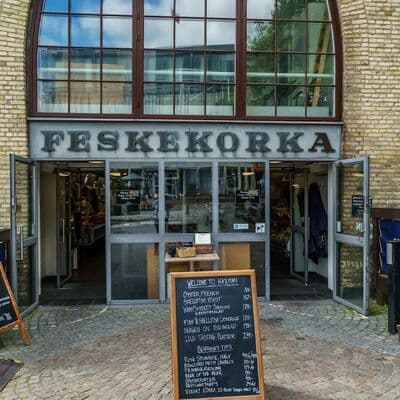
Swedish cuisine has undergone a revolution in recent decades, moving far beyond the meatballs and pickled herring stereotypes. Stockholm now boasts numerous Michelin-starred restaurants, and the New Nordic cuisine movement has transformed how Swedish chefs approach local ingredients. But you do not need fine dining budgets to eat exceptionally well. The fika tradition of coffee and pastries provides daily opportunities for culinary pleasure, with Swedish bakeries producing world-class cinnamon buns and other treats. The focus on seasonal, local ingredients means that even modest restaurants often serve genuinely delicious food. Food markets like Feskekörka Fish Market in Gothenburg showcase the outstanding quality of Swedish seafood. Vegetarian and vegan options are available virtually everywhere, reflecting Swedish environmental consciousness.
Efficient Infrastructure That Respects Your Time
Swedish infrastructure functions with remarkable efficiency, allowing you to maximize your limited vacation time. Trains run punctually, airports process passengers smoothly, and online systems for booking everything from museum tickets to ferries work seamlessly. This might sound like a mundane consideration, but anyone who has lost hours to chaotic transportation systems or byzantine bureaucracies in other destinations will appreciate how smoothly Sweden operates. The time you save on logistics becomes time available for actual experiences. Wi-Fi is available virtually everywhere, payments are handled by card or phone with no fumbling for cash, and information is clearly presented in English. Sweden simply works.
Reasonable Crowds Even at Popular Sites
While Sweden attracts millions of visitors annually, the combination of relatively small tourist numbers compared to countries like France or Italy, excellent crowd management at popular sites, and a culture that frowns upon pushiness means that you can enjoy major attractions without feeling overwhelmed. Even the most popular sites in Stockholm during peak summer season remain manageable compared to equivalents in Paris or Rome. Venture outside the capital, and you will often have remarkable sites largely to yourself. The Visby Medieval City Wall on Visby, a UNESCO World Heritage site, sees a fraction of the visitors that comparable medieval towns in Western Europe attract. This allows for genuine connection with places rather than jostling for photo opportunities.
Swedish Regions: Understanding the Geographic Diversity
Sweden stretches approximately 1,600 kilometers from north to south, spanning climate zones from subarctic to temperate and encompassing landscapes from frozen tundra to rolling farmland. Understanding this geographic diversity helps you plan an itinerary that matches your interests and timeframe. Let me walk you through the major regions and what each offers to visitors.
Stockholm and the Capital Region
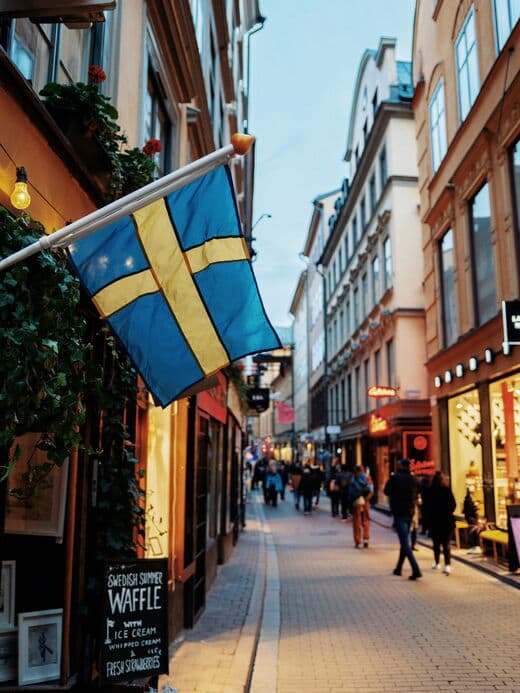
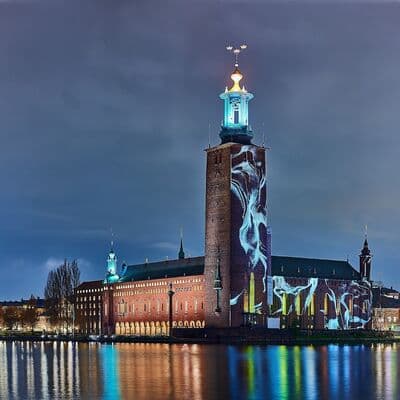
Stockholm serves as Sweden's political, economic, and cultural capital, home to nearly a quarter of the national population and the vast majority of international visitors' first experiences with Sweden. The city is built across 14 islands where Lake Malaren meets the Baltic Sea, giving it a unique character where water is always nearby. The historic center, Gamla Stan, features cobblestone streets dating to the 13th century, while modern districts showcase contemporary Scandinavian architecture. The Royal Palace offers one of Europe's most impressive royal residences still in active use, while Djurgården island provides a green escape with museums including the extraordinary Vasa Museum, the outdoor folk museum Skansen, and the interactive ABBA The Museum. The Stockholm City Hall hosts the annual Nobel Prize banquet and offers tower views across the city. Day trips from Stockholm reach Drottningholm Palace, the primary residence of the Swedish royal family and a UNESCO World Heritage site, as well as the Stockholm archipelago with its 30,000 islands.
The Stockholm region also includes Uppsala, Sweden's ancient religious center with Scandinavia's largest cathedral and one of Europe's oldest universities. The university atmosphere gives Uppsala a youthful energy despite its historical significance. Further afield, the region encompasses the historic mining area around Falun, where copper production once made Sweden a European power.
Gothenburg and the West Coast
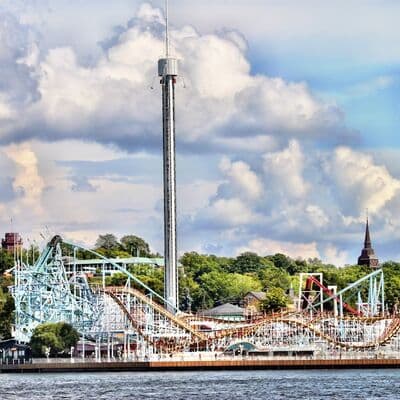
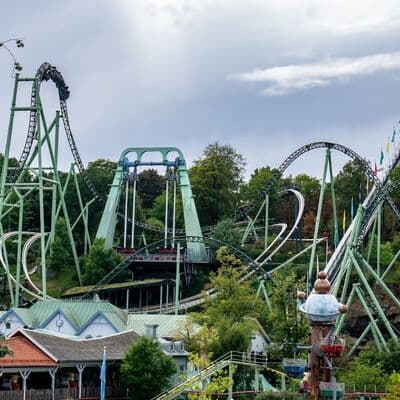
Gothenburg functions as Sweden's second city, but its character differs substantially from Stockholm. This is a working port city with industrial heritage visible in its architecture and a more relaxed, unpretentious atmosphere. Locals claim that Gothenburg has better food, friendlier people, and more authentic Swedish character than the capital, and while such claims are debatable, there is truth to the sense that Gothenburg offers a different perspective on Swedish life. The Haga District features 19th-century wooden houses now filled with cafes and boutiques, representing the cozy side of Swedish urban life. Liseberg Amusement Park draws visitors from across Scandinavia with its combination of thrill rides and charming atmosphere, while Universeum Science Center provides excellent family-oriented exhibits on science and nature.
The west coast south and north of Gothenburg ranks among Sweden's most beautiful areas. The Gothenburg Archipelago consists of rocky islands accessible by ferry, perfect for swimming, sailing, and seafood. Unlike the Stockholm archipelago with its forested islands, the west coast islands have a more rugged, windswept character. Towns like Marstrand offer charming bases for coastal exploration, while the Kosterhavet National Park protects Sweden's only coral reef and rich marine biodiversity.
Malmö and the Southern Region
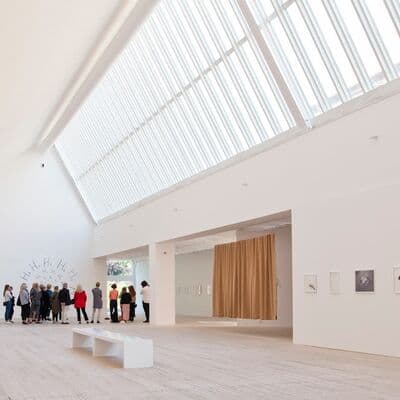
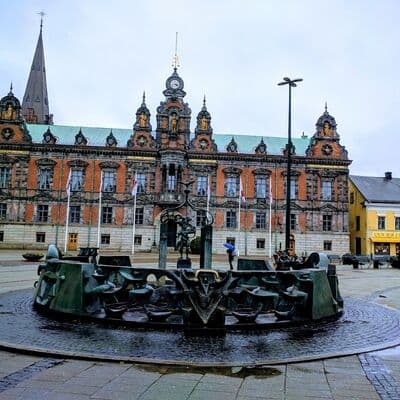
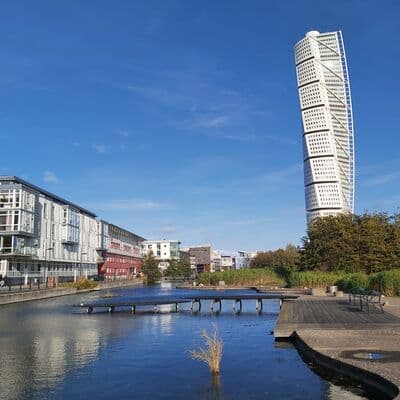
Malmö has transformed remarkably over recent decades from a declining industrial city to a vibrant multicultural hub. The completion of the Öresund Bridge linking Malmö to Copenhagen created a binational urban region, and many visitors now combine Swedish and Danish experiences in a single trip. The city's Turning Torso tower has become an architectural icon, while the Västra Hamnen district showcases sustainable urban design. The historic center features Stortorget, the main square, and Lilla Torg, a smaller square surrounded by charming half-timbered buildings now housing restaurants and cafes. Malmöhus Castle contains several museums including natural history and art collections, while Moderna Museet Malmö brings contemporary art to the city. The Disgusting Food Museum offers a unique and entertaining perspective on global culinary traditions. For relaxation, Ribersborg Beach and Ribersborgs Kallbadhus provide urban beach experiences complete with traditional cold-water bathing facilities. Kungsparken and Folkets Park offer green spaces, while Möllevångstorget hosts a vibrant market and multicultural atmosphere. Malmö Konsthall presents contemporary art in one of Europe's largest exhibition halls, and the historic St. Peter's Church showcases medieval brick Gothic architecture.
The broader southern region of Skane offers gentle agricultural landscapes, beaches, and historic towns. Lund, just 15 minutes from Malmö by train, features a medieval cathedral and prestigious university creating a scholarly atmosphere. The southeastern corner of Sweden, Blekinge, provides quieter coastal experiences and excellent fishing.
Gotland: The Island Province
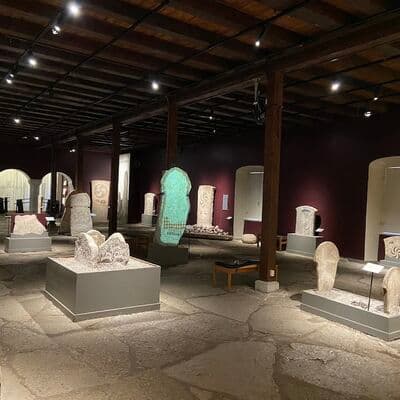
Visby, the main town on the island of Gotland, deserves special attention as one of Sweden's most remarkable destinations. This medieval trading center retains its 13th-century city walls, the best-preserved in Northern Europe, encircling a town of remarkable beauty. The Visby Medieval City Wall stretches nearly 3.5 kilometers and features 44 towers, creating an atmospheric backdrop for exploration. Within the walls, Visby Church Ruins dot the landscape, remnants of the many churches built during the town's prosperous Hanseatic trading days. The Gotland Museum houses one of the richest collections of Viking artifacts anywhere, including the remarkable picture stones that predate the runic tradition.
Beyond Visby, Gotland island offers limestone sea stacks called raukar, secluded beaches, and a slower pace of life that attracts Swedish holidaymakers throughout the summer. The island is best explored by bicycle, with relatively flat terrain and well-maintained cycling paths connecting villages and natural attractions. The island's medieval heritage extends beyond Visby to numerous rural churches featuring exceptional medieval art.
The Lake District: Dalarna and Surroundings
Central Sweden's lake district represents the traditional heartland of Swedish culture, where many of the customs and images associated with Sweden originated. Dalarna province in particular preserves traditions including midsummer celebrations, folk music, and the production of the iconic Dalecarlian horses. The area around Lake Siljan features picturesque villages, birch forests, and opportunities for hiking, canoeing, and cross-country skiing depending on season. This region gives visitors a sense of traditional Swedish rural life that has largely disappeared elsewhere in the country.
The larger lakes, including Vanern and Vattern, offer sailing, fishing, and lakeside relaxation. The Gota Canal, built in the early 19th century, connects Gothenburg to the Baltic Sea through a system of lakes and locks, and canal cruises provide a unique perspective on the Swedish landscape.
Swedish Lapland: The Arctic North
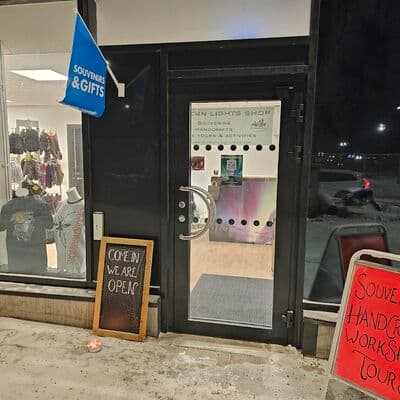
The northern third of Sweden, known as Lapland or Norrland, offers experiences utterly different from the rest of the country. This is the homeland of the indigenous Sami people, whose reindeer herding culture predates the Swedish nation by thousands of years. Kiruna serves as the gateway to Swedish Lapland, though the town itself is undergoing a remarkable relocation due to mining-induced subsidence. The Icehotel in nearby Jukkasjärvi has achieved worldwide fame as a hotel rebuilt each winter from ice blocks harvested from the Torne River. The Sami Culture Experience opportunities around Kiruna provide insight into one of Europe's last indigenous cultures, while the Northern Lights displays rank among the world's best.
Abisko, further north along the Norwegian border, offers what many consider the best conditions in the world for viewing the aurora borealis. The Aurora Sky Station provides dedicated Northern Lights viewing facilities accessible by chairlift. The Abisko National Park features the northern terminus of the Kungsleden - King's Trail, Sweden's most famous hiking route stretching over 400 kilometers southward through the mountains.
Summer in Swedish Lapland brings the midnight sun, allowing for hiking, fishing, and outdoor activities around the clock. The landscape of mountains, forests, and countless lakes offers some of Europe's most pristine wilderness. Winter transforms the region into a frozen wonderland where dog sledding, snowmobile excursions, and ice fishing complement aurora viewing.
The High Coast and Bothnia
The High Coast along the Gulf of Bothnia has achieved UNESCO World Heritage status for its unique geological features. This area is rising from the sea at one of the fastest rates on Earth as it rebounds from the weight of Ice Age glaciers, creating a constantly changing landscape of new islands and coastline. The dramatic cliffs, red granite rocks, and traditional fishing villages make this region particularly photogenic. Further north, the twin cities of Umea and Lulea provide urban bases for exploring the northern coastal region, with Lulea's Gammelstad church town offering another UNESCO World Heritage site.
Unique Swedish Features: National Parks, Archipelagos, and Natural Wonders
Sweden's natural environment includes features that deserve special attention because they represent experiences difficult or impossible to find elsewhere. Understanding these unique aspects helps you appreciate what makes Sweden special beyond the standard tourist attractions.
The Archipelago Experience
The Swedish coastline includes over 200,000 islands, creating archipelago environments unlike anywhere else in Europe. The Stockholm archipelago alone contains approximately 30,000 islands, islets, and rocks, ranging from substantial landmasses with villages and ferry connections to tiny uninhabited skerries barely breaking the water's surface. This is not simply a scenic backdrop but an active recreational environment where Swedes sail, kayak, swim, and maintain summer cottages passed down through generations.
Visiting the archipelago reveals a different tempo of Swedish life. The regular ferry services from Stockholm reach islands within an hour where cars are rare, where swimming happens from smooth granite rocks, and where the primary evening entertainment involves watching the sunset over the Baltic. Islands like Vaxholm, Grinda, and Sandhamn offer different characters, from historic fortifications to nature reserves to yachting centers. You can island-hop for days, camping under the allemansratten right or staying in simple hostels and guest houses.
The Gothenburg Archipelago on the west coast offers a contrasting experience. The southern islands closest to the city are car-free and feature the characteristic blue-painted boathouses that define Swedish coastal aesthetics. Further north, the islands become rockier and more exposed to the open sea. The seafood here rivals anything in Scandinavia, with freshly caught prawns, oysters, and fish served at waterfront restaurants.
National Parks: Preserved Wilderness
Sweden established Europe's first national parks in 1909, and the system now includes 30 parks protecting environments from southern beech forests to arctic mountains. Unlike national parks in some countries that have become overcrowded tourism magnets, most Swedish national parks remain genuinely wild spaces where solitude is achievable and nature takes priority over visitor convenience.
Abisko National Park ranks among the most accessible arctic parks in the world, reachable by overnight train from Stockholm. The park protects the area around the Abisko river canyon and provides the starting point for the Kungsleden - King's Trail. The microclimate created by surrounding mountains makes Abisko one of the driest places in Sweden and creates optimal conditions for Northern Lights viewing. The park's trails range from short walks suitable for casual visitors to multi-day backcountry routes requiring full camping equipment.
Sarek National Park, also in Swedish Lapland, represents the ultimate Swedish wilderness experience. This is a park with no marked trails, no bridges over rivers, and no huts or facilities of any kind. Visiting Sarek requires serious backcountry skills and equipment, but rewards visitors with landscapes of extraordinary beauty and complete isolation. Glaciers, peaks, and valleys create scenery comparable to Alaska but accessible from major European cities.
Kosterhavet National Park on the west coast protects Sweden's only coral reef and the most species-rich marine environment in the country. The park encompasses the waters around the Koster Islands and offers excellent diving and snorkeling opportunities. The islands themselves provide charming bases with traditional fishing village atmosphere.
Store Mosse National Park in southern Sweden protects the largest bog complex south of Lapland, demonstrating that Swedish natural diversity extends well beyond the dramatic northern mountains. Boardwalk trails cross the wetlands, providing opportunities to observe birdlife and understand an ecosystem that once covered much larger areas before agricultural drainage.
The Midnight Sun and Polar Night
Sweden's northern location creates astronomical phenomena that define the experience of visiting at different seasons. North of the Arctic Circle, which crosses Sweden near Jokkmokk, the sun never sets for a period around the summer solstice. The further north you travel, the longer this period extends, reaching nearly two months of constant daylight at the Norwegian border. This midnight sun is not simply an absence of darkness but a transformation of the daily rhythm. Restaurants serve dinner at midnight, hikers set out at 11 PM, and the golden light of perpetual sunset creates magical conditions for photography.
The reverse occurs in winter, when the sun never rises for a corresponding period. This polar night might sound depressing, but the reality is more nuanced. The sky cycles through shades of blue and purple, snow reflects available light, and the Northern Lights provide natural illumination. Many visitors find the polar night period atmospheric rather than gloomy, particularly when combined with cozy accommodations, saunas, and the excitement of aurora hunting.
Even in Stockholm, far south of the Arctic Circle, summer brings extremely long days with only a few hours of darkness, while winter days feel short with limited daylight. These seasonal extremes are central to understanding Swedish culture, from the midsummer celebrations that mark the year's peak of light to the cozy candlelit aesthetic of winter interiors.
The Northern Lights
Sweden offers some of the world's best conditions for viewing the aurora borealis, and the country has developed excellent infrastructure for aurora tourism. While the Northern Lights can occasionally be visible as far south as Stockholm during strong solar activity, reliable viewing requires travel to the northern regions.
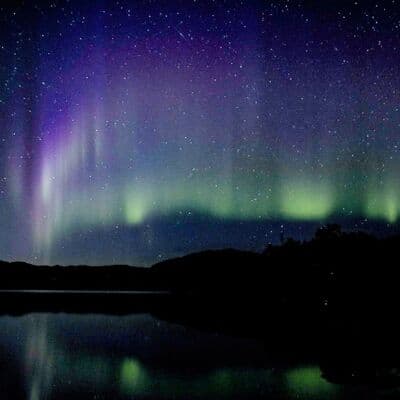
Abisko has earned a reputation as perhaps the world's premier Northern Lights destination. The combination of clear skies created by the rain shadow of the Norwegian mountains, minimal light pollution, and the Aurora Sky Station viewing facility creates optimal conditions. The station, accessible by chairlift, sits above the tree line and offers warm indoor viewing areas alongside outdoor observation decks. Knowledgeable guides explain the science behind the aurora and help visitors photograph this elusive phenomenon.
The aurora season runs from approximately September through March, with the equinox periods often providing the most active displays. Seeing the Northern Lights requires patience and luck; even in optimal locations, cloud cover can obscure the sky, and solar activity varies unpredictably. Most visitors plan at least three or four nights in the aurora zone to maximize their chances. When the lights do appear, the experience is genuinely transformative, with curtains of green, purple, and red light dancing across the sky in constantly shifting patterns.
Allemansratten: The Freedom to Roam
The Swedish concept of allemansratten, the right of public access, allows anyone to walk, ski, or cycle across private land, pick wild berries and mushrooms, and camp for a night or two almost anywhere in the countryside. This ancient customary right, now enshrined in the Swedish constitution, fundamentally shapes the relationship between Swedes and their landscape.
For visitors, allemansratten opens possibilities unavailable in most other countries. You can hike cross-country without being restricted to marked trails, set up your tent beside a beautiful lake without seeking permission, and forage for wild foods without worrying about trespassing. The only significant restrictions involve staying away from private homes and gardens, avoiding damage to crops and sensitive natural areas, and leaving no trace of your passage.
Understanding and respecting allemansratten allows you to experience Sweden's nature more intimately than almost any other country permits. A kayaking trip through the archipelago becomes an adventure of discovery, choosing a different island to camp on each night. A hiking trip in Lapland allows following your instincts rather than guidebook routes. Even a simple picnic becomes more pleasurable when you can set up wherever the scenery pleases you rather than being confined to designated areas.
When to Visit Sweden: Seasonal Considerations and Timing Your Trip
Choosing when to visit Sweden depends heavily on your priorities and interests. Each season offers distinct experiences, and understanding the trade-offs helps you plan a trip that matches your expectations.
Summer (June through August)
Summer represents peak season for most visitors, and with good reason. The weather reaches its warmest, averaging 20-25 degrees Celsius in Stockholm and the south, though temperatures above 30 degrees are increasingly common during heat waves. The endless daylight, reaching 24 hours above the Arctic Circle, allows maximum time for outdoor activities. This is when Swedes themselves vacation, when outdoor cafes fill every available square meter of pavement, and when the archipelagos come alive with sailing boats and swimmers.
The primary disadvantages of summer are higher prices, more crowded attractions, and the need to book accommodations well in advance. Late June sees the midsummer celebrations, when much of Sweden essentially shuts down for the holiday weekend and hotels in popular areas book out months ahead. July sees the most Swedish domestic tourism, when families take their traditional four-week vacations.
For wildlife enthusiasts, summer offers opportunities to see seabirds in the archipelagos, observe reindeer calves in Lapland, and experience the brief arctic summer when flowers bloom rapidly in the short growing season.
Autumn (September through November)
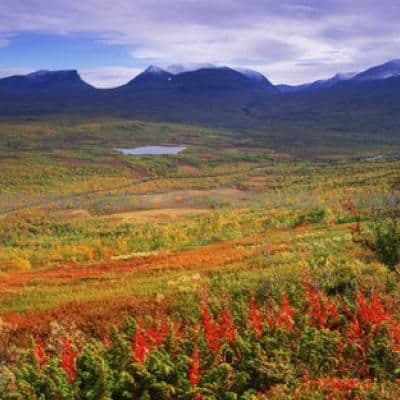
Early autumn, particularly September, can offer ideal conditions for visiting Sweden. The summer crowds dissipate while weather often remains pleasant, especially in the first half of September when temperatures commonly reach 15-20 degrees. The forests begin their transformation into gold and red, creating spectacular landscapes throughout the country. This is also when mushroom foraging reaches its peak, with chanterelles, porcini, and other edible fungi abundant in Swedish forests.
Later autumn brings shorter days, more rain, and temperatures dropping toward freezing. November can feel gloomy, with little snow yet to brighten the darkness but without the festive atmosphere of the approaching Christmas season. However, this shoulder season also brings significantly lower prices and minimal crowds.
For Northern Lights viewing, the aurora season begins in September as the nights return to Lapland, and autumn often sees strong displays thanks to equinox effects on Earth's magnetic field.
Winter (December through February)
Swedish winter offers experiences impossible at other times of year. Snow typically covers the ground from December through March in most of the country, much longer in the north. The Christmas and New Year period sees Swedish cities decorated with lights and markets, creating cozy atmospheres in the darkness. Stockholm's Gamla Stan looks particularly magical blanketed in snow with warm light spilling from shop windows.
For adventure travelers, winter opens possibilities including cross-country skiing, dog sledding, snowmobile tours, ice fishing, and ice skating on frozen lakes. The Icehotel near Kiruna must be experienced in its original form during winter, though a permanent year-round section now operates using solar-powered cooling. Northern Lights viewing reaches optimal conditions during the dark winter months.
The downsides of winter include cold temperatures, limited daylight hours outside Lapland's complete darkness, and reduced services at some tourist facilities. December temperatures in Stockholm average around freezing but can drop well below, while Lapland regularly sees minus 20 degrees or colder. Proper clothing is essential, and some outdoor attractions close entirely during winter months.
Spring (March through May)
Spring arrives gradually in Sweden, with March still feeling firmly like winter in much of the country. April brings snowmelt and the first signs of warmer weather, though conditions remain unpredictable. May represents the true arrival of spring, with flowering trees, migrating birds returning, and outdoor cafes reopening. The lengthening days provide increasingly generous daylight for exploration.
Spring offers advantages of fewer crowds and lower prices than summer while avoiding winter's harsh conditions. The main disadvantage is that weather can be inconsistent, with rain and occasional cold snaps interrupting pleasant stretches. Some seasonal attractions and boat services may not yet have opened for the year.
For specific interests, late March through April offers excellent late-season skiing in the mountains while spring sunshine extends the days. May brings spectacular bird watching as millions of migrants pass through on their way to arctic breeding grounds.
Getting to Sweden: International Access and Entry Requirements
Sweden maintains excellent international connections, with multiple airports receiving flights from around the world and easy overland access from neighboring countries. For English-speaking visitors from the United States, United Kingdom, Canada, Australia, and similar countries, entry requirements are straightforward.
Entry Requirements for English-Speaking Visitors
Sweden is part of the Schengen Area, meaning that citizens of the United States, United Kingdom, Canada, Australia, New Zealand, and many other countries can enter without a visa for stays up to 90 days within any 180-day period. This applies to tourism, business meetings, and visiting friends and family. You simply need a passport valid for at least three months beyond your planned departure date from the Schengen Area.
Starting in 2024, the European Union has implemented the ETIAS system (European Travel Information and Authorization System), requiring citizens of visa-exempt countries to obtain online travel authorization before arrival. The process is simple and inexpensive, handled entirely online, and authorization is typically granted within hours. Once approved, ETIAS is valid for three years and multiple trips.
For Americans, this represents a slight additional step compared to previous no-paperwork-required entry, similar to the ESTA system for entering the United States that Europeans already navigate. British citizens, now outside the EU following Brexit, are subject to the same rules as other non-EU visitors.
Flying to Sweden
Stockholm Arlanda Airport (ARN) serves as Sweden's primary international gateway, with direct flights from major cities worldwide. From the United States, nonstop service operates from New York (JFK and Newark), Chicago, Los Angeles, Miami, and San Francisco, primarily on Scandinavian Airlines (SAS), United, and Delta. Flight times run approximately 8-10 hours from the East Coast and 11-13 hours from the West Coast.
From the United Kingdom, multiple daily flights connect London (Heathrow, Gatwick, Stansted, and Luton) with Stockholm Arlanda, operated by British Airways, SAS, Norwegian, and budget carriers including Ryanair and EasyJet. Flight time is approximately 2.5 hours. Additional UK cities including Manchester, Edinburgh, and Birmingham have service to Stockholm.
Gothenburg Landvetter Airport (GOT) receives international flights including direct service from London and various European cities, making it a convenient entry point for exploring western Sweden. Malmö travelers often use Copenhagen Airport (CPH) across the Öresund, with direct train connections reaching Malmö in approximately 20 minutes.
Budget carriers including Norwegian, Ryanair, and EasyJet sometimes fly to Stockholm Skavsta or Stockholm Vasteras airports, located significantly further from the city center than Arlanda. Factor in the additional transfer time and cost when evaluating these options.
Arriving by Train
Sweden maintains excellent rail connections to neighboring countries. From Copenhagen, trains cross the Öresund Bridge to Malmö approximately every 20 minutes during the day, taking around 35 minutes. Direct high-speed trains continue from Copenhagen to Stockholm in approximately five hours, providing a scenic alternative to flying that many travelers prefer.
From Oslo, trains reach Stockholm in approximately five hours, crossing through the Swedish countryside and stopping at intermediate towns. The journey offers glimpses of Scandinavian landscapes unavailable from airplane windows.
The overnight train from Hamburg, Germany provides romantic if slow access to Sweden, crossing by ferry at Helsingborg-Helsingor and arriving in Stockholm the following morning. European rail passes including Eurail are valid on Swedish trains, making rail an attractive option for those exploring multiple countries.
Arriving by Ferry
Ferry services connect Sweden with Germany, Denmark, Poland, Finland, Estonia, and Latvia. The most relevant routes for international visitors include:
Ferries between Helsinki and Stockholm operate overnight and during the day, providing a practical connection between Finland and Sweden while offering the experience of cruising the beautiful Finnish and Swedish archipelagos. The overnight ferries are essentially floating hotels with restaurants, entertainment, and duty-free shopping.
Ferries from the Baltic states provide access from Tallinn and Riga to Stockholm, useful for travelers combining Nordic and Baltic itineraries.
The various Denmark-Sweden ferry routes complement the Öresund Bridge connection and can offer more direct routing depending on your starting point.
Arriving by Bus
International bus services including Flixbus connect Sweden with destinations across Europe. While slower than flying and less comfortable than trains, buses offer budget pricing and reach destinations without airports. Services from Germany, Denmark, Norway, and beyond arrive at central bus stations in Stockholm, Gothenburg, and Malmö.
Getting Around Sweden: Transportation Options and Practical Advice
Sweden's transportation infrastructure ranks among the world's best, making independent travel straightforward. Understanding your options helps you choose the most appropriate methods for your itinerary and budget.
Trains: The Civilized Choice
Swedish trains operate frequently, punctually, and comfortably on most routes. The national rail operator SJ (formerly Swedish State Railways) runs high-speed and intercity services, while regional operators handle local routes. The main north-south line connects Malmö, Gothenburg, and Stockholm with frequent departures and journey times comparable to driving but far more pleasant.
The overnight train to Kiruna and Abisko in Swedish Lapland provides one of Europe's great rail journeys, departing Stockholm in the evening and arriving in the arctic the following morning. Comfortable sleeper compartments and a proper dining car make this a highlight rather than merely a transportation necessity. In summer, the train travels through the midnight sun; in winter, aurora might be visible from the windows.
Booking trains in advance secures lower prices, with the best fares available approximately 90 days before travel. Walk-up fares cost significantly more, making advance planning worthwhile for longer journeys. The SJ website and app work well in English and allow mobile ticketing. For flexible travel, Swedish Rail Passes offer unlimited travel for specified periods.
Buses: Reaching Where Trains Do Not
Long-distance buses complement the rail network, reaching destinations without train stations and sometimes offering lower prices on popular routes. Flixbus operates extensive routes throughout Sweden, with comfortable coaches featuring WiFi and power outlets. Regional buses connect smaller towns with larger transportation hubs.
In Lapland, buses provide essential connections between villages and trailheads that trains cannot reach. The network might seem sparse by urban standards but generally provides at least daily service to significant destinations.
Domestic Flights: When Time Matters
Sweden's length makes domestic flights practical for covering large distances quickly. Flying from Stockholm to Kiruna takes approximately 1.5 hours compared to 16+ hours by train, making air travel sensible for time-limited visitors wanting to include Lapland in their itinerary. SAS and regional carriers serve domestic routes, with prices varying widely depending on demand and booking timing.
Environmental concerns have made domestic flying increasingly controversial in Sweden, where the concept of flygskam (flight shame) emerged. Improved night train services to Lapland have provided alternatives for environmentally conscious travelers, though these require more time than flying.
Driving: Freedom and Flexibility
Renting a car provides maximum flexibility for exploring Sweden, particularly for reaching areas with limited public transportation. Swedish roads are excellent, driving is orderly, and navigation is straightforward. Speed limits are generally 110-120 kilometers per hour on motorways, 70-90 on rural roads, and 50 in built-up areas, all rigorously enforced by cameras.
International visitors can drive with their home country licenses for stays under 90 days. Americans, Canadians, Australians, and British visitors do not need International Driving Permits, though some rental companies may request them. Drive on the right side of the road, as elsewhere in continental Europe.
Swedish cities do not require cars and often make driving inconvenient through congestion charges, expensive parking, and pedestrianized zones. The ideal approach combines city exploration by public transportation with car rental for rural areas and road trips.
Winter driving requires additional considerations. Swedish law mandates winter tires from December through March, and rental cars should come equipped appropriately during these months. Remote roads in Lapland may be snow-covered and icy, requiring experience with winter driving conditions. If you are inexperienced with winter driving, consider public transportation or guided tours for Lapland winter visits.
Ferries: Island Access
Ferries provide the only access to many of Sweden's islands, from quick hops in the archipelagos to longer crossings to Gotland. Waxholmsbolaget operates ferry services throughout the Stockholm archipelago, with free transport to many islands included in Stockholm public transportation passes. The Gothenburg Archipelago has similar ferry networks.
Destination Gotland operates ferries from Nynashamn (south of Stockholm) and Oskarshamn to Visby, with crossings taking 3-4 hours. Summer sees multiple daily departures; winter service is reduced. Booking in advance is essential during peak summer season.
Urban Transportation: Efficient and Integrated
Stockholm operates an integrated public transportation system covering metro, buses, trams, ferries, and commuter rail. The SL Access card or mobile app provides seamless access across all modes. The Stockholm metro system deserves attention not just as transportation but as an art experience, with over 90 stations featuring commissioned artwork ranging from cave-like installations to colorful murals.
Gothenburg relies primarily on trams and buses, with a charming vintage tram network covering the central areas. Malmö functions efficiently with buses and the growing regional train network connecting it to Copenhagen and surrounding towns.
Swedish Cultural Code: Understanding the Unwritten Rules
Swedish society operates on certain assumptions and norms that may not be immediately obvious to visitors. Understanding these cultural codes helps you navigate social situations appropriately and appreciate why Swedes behave as they do.
Lagom: The Philosophy of Balance
The Swedish concept of lagom, often translated as just the right amount or everything in moderation, permeates Swedish culture. This philosophy discourages excess, boasting, and standing out from the group. In practice, this means Swedes tend to understate rather than overstate, prefer consensus over confrontation, and value equality over hierarchy.
For visitors, understanding lagom helps explain certain Swedish behaviors. Service staff do not hover or make excessive eye contact because that would be too much. Swedes may seem reserved initially because warmth toward strangers feels inappropriate. Conversations tend toward understatement because exaggeration violates lagom principles. This is not coldness or unfriendliness but a different calibration of appropriate social behavior.
Personal Space and Social Distance
Swedes maintain larger personal space zones than many other cultures, particularly compared to Southern European or Latin American norms. Standing close during conversation, touching during discussion, or sitting adjacent to someone on public transportation when other seats are available all feel like violations of appropriate boundaries. This is not antisocial behavior but respect for individual autonomy.
The famously empty seat beside Swedes on buses reflects this preference for personal space rather than any particular unfriendliness. If you need to sit beside someone, a simple nod of acknowledgment suffices, and no conversation is expected or desired during the journey.
Punctuality: Respect Through Timeliness
Swedish society functions on precise timekeeping, and arriving late is considered disrespectful. If a dinner invitation is for 7:00, arriving at 7:10 requires an apology. If a meeting is scheduled for 10:00, being there at 10:00 means being ready to start, not walking through the door. This punctuality extends throughout society, from business meetings to casual social gatherings.
The flip side is that Swedes respect your time equally. Tours start when scheduled, trains depart on time, and appointments are kept. This creates a low-friction society where you can plan with confidence.
The Shoe Question
Swedes remove shoes when entering homes, without exception. This practical custom keeps winter slush and summer dust outside, but it also represents a boundary between public and private space. If invited to a Swedish home, plan on removing your shoes in the entryway. Your hosts will likely have slippers available or will go shoeless themselves.
Queuing Culture
Swedes queue with religious devotion. Take a number at service counters, wait your turn, and never attempt to jump the line regardless of urgency. The numbers system appears everywhere from pharmacies to cheese counters to government offices. This democratic approach to waiting ensures fairness but requires patience.
The Swedish Fika
Fika is the Swedish tradition of taking a coffee break, typically with something sweet, and it represents far more than mere refreshment. Fika provides a framework for socialization, a pause in the workday, and a ritual that Swedes consider essential to quality of life. Workplace fika breaks are standard, and inviting someone for fika is a common way to suggest meeting up.
For visitors, embracing fika provides an entry point into Swedish culture. The coffee is typically strong and good, the pastries often exceptional, and the pace unhurried. A cinnamon bun (kanelbulle) with a proper coffee in a Swedish cafe is an essential experience. Do not rush it.
Alcohol and Systembolaget
Sweden maintains a government monopoly on retail alcohol sales through Systembolaget, the state-owned liquor store chain. This means you cannot buy wine, beer above 3.5% alcohol, or spirits in supermarkets. Systembolaget stores have limited hours, closing early on Saturdays and remaining closed Sundays.
This system reflects Swedish attitudes toward alcohol, which combine high consumption on appropriate occasions with strong controls on availability. The result is that Swedes tend to drink less frequently but more heavily when they do drink. Restaurants and bars serve alcohol normally, just at higher prices than many visitors expect.
Equality and Informality
Swedish society is remarkably egalitarian by international standards. First names are used in almost all contexts, professional titles rarely matter outside specific formal situations, and hierarchical deference is minimal. Addressing your hotel manager, your doctor, or a random shop assistant with equal informality is normal and expected.
Gender equality has progressed further in Sweden than most countries, visible in everything from parental leave policies to the proportion of women in leadership positions. Same-sex relationships are treated as entirely unremarkable, and Sweden was among the first countries to legalize same-sex marriage.
Safety in Sweden: What You Need to Know
Sweden consistently ranks among the safest countries in the world for travelers, but no destination is without considerations. Understanding the actual risk landscape helps you take sensible precautions without unnecessary worry.
Personal Safety
Violent crime against tourists in Sweden is exceptionally rare. The street safety that allows Swedes to walk anywhere at any hour extends to visitors as well. Women traveling solo report feeling safer in Sweden than in almost any other European destination. The combination of well-lit public spaces, functional public transportation, and a culture of non-confrontation creates a low-threat environment.
That said, petty theft does occur, particularly in tourist areas of major cities. Pickpockets operate in crowded metro stations, around major attractions, and in busy shopping areas. The usual precautions apply: do not leave bags unattended, keep valuables in front pockets or money belts in crowded situations, and be aware of your surroundings. Bicycle theft is also common; always lock rental bikes securely.
Scams and Tourist Traps
Sweden has remarkably few of the scams that plague tourists in other European cities. You will not encounter fake petition gatherers, rose sellers demanding payment, or elaborate street schemes. Restaurant bills are what they say, taxi meters are honest, and quoted prices are actual prices. This creates a refreshing experience of not constantly being on guard against deception.
The main area of concern involves unlicensed taxis at airports, which may charge significantly more than proper cabs. Use official taxi ranks or pre-book through apps to avoid this issue.
Natural Hazards
Sweden's nature poses more significant risks than its society for many visitors. Understanding these hazards prevents accidents:
Water safety requires attention. The Baltic Sea remains cold even in summer, and hypothermia can develop quickly for swimmers who fall from boats or overestimate their abilities. Lakes are similarly cold. The archipelagos have strong currents in some channels. Swimming from rocky shorelines requires care on slippery surfaces.
Winter conditions demand respect. Temperatures well below freezing, combined with wind, create genuine risk of frostbite and hypothermia for those inadequately prepared. Ice may look solid but have weak spots, particularly early and late in winter. Driving conditions can deteriorate quickly with snow and ice.
Wildlife encounters are generally benign, but moose deserve serious caution. These enormous animals cause hundreds of traffic accidents annually, and collision with a moose is frequently fatal for drivers. Drive carefully in forested areas, particularly at dawn and dusk when moose are most active. In Lapland, reindeer on roads present similar hazards.
Hiking in remote areas requires appropriate preparation. Even marked trails can become challenging with sudden weather changes, and unmarked backcountry travel demands serious navigation skills. The Kungsleden - King's Trail is well-maintained and has regular mountain huts, but hikers still need proper equipment and awareness of conditions.
Emergency Services
The emergency number throughout Sweden and the EU is 112, connecting to police, fire, and ambulance services. English-speaking operators are always available. Non-emergency police matters are handled through 114 14.
For medical issues not requiring emergency response, the national health information line is 1177, available around the clock with English service. This line provides advice on whether symptoms require emergency care, urgent care, or can wait for regular appointment.
Health Considerations: Medical Care and Wellbeing
Sweden maintains an excellent healthcare system, and visitors can access care when needed. Understanding how the system works prevents confusion during stressful situations.
Accessing Healthcare
Sweden's healthcare system provides emergency care to all visitors regardless of insurance status or ability to pay at the time of treatment. For non-emergency care, bring your European Health Insurance Card (EHIC) if you are from an EU country or United Kingdom, which entitles you to care on the same terms as Swedish residents.
Visitors from the United States, Canada, Australia, and other non-EU countries should have comprehensive travel insurance that covers medical expenses. While emergency care will be provided regardless, the costs for uninsured visitors can be substantial. Most travel insurance policies cover Swedish medical care without issue.
For non-emergency medical issues, vardcentralen (health centers) provide general practice services. Pharmacies (apotek) can advise on minor issues and sell over-the-counter medications. For urgent but not life-threatening issues outside normal hours, akutmottagning (emergency departments) at hospitals provide care, though waits can be long.
Pharmacies and Medications
Pharmacies in Sweden are well-stocked and staffed by knowledgeable pharmacists who can advise on common health issues. The Apotek Hjartat and Apoteket chains are widespread. Bring sufficient supplies of any prescription medications you require, as obtaining refills for foreign prescriptions can be complicated. Over-the-counter medications like pain relievers and cold remedies are readily available.
Vaccinations and Health Preparation
No vaccinations are required for entry to Sweden from any country. The standard recommendation is to be current on routine vaccinations. Tick-borne encephalitis vaccination is recommended for those planning extensive outdoor activities in forests and grasslands during spring and summer, when ticks are active. Lyme disease is also present in tick populations, but no vaccine is available; prevention focuses on checking for ticks after outdoor exposure and wearing appropriate clothing.
Water and Food Safety
Swedish tap water is safe to drink everywhere, including from bathroom taps in hotels. The water quality is excellent, and there is no need to buy bottled water. Food safety standards are high, and eating at restaurants, markets, and street vendors poses no unusual risks.
Money and Budget: Financial Practicalities
Sweden uses the Swedish krona (SEK), and understanding the financial landscape helps you plan and budget effectively. As of current exchange rates, one US dollar equals approximately 10-11 SEK, and one British pound equals approximately 13-14 SEK, though these rates fluctuate.
The Cashless Society
Sweden has moved further toward cashless transactions than almost any other country. Many businesses, including some restaurants, shops, and transportation services, no longer accept cash at all. Card payments and mobile payment apps handle virtually all transactions. Even market vendors, buskers, and church collection plates often accept only electronic payments.
For visitors, this means carrying a card that works internationally without excessive fees is essential. Visa and Mastercard are universally accepted; American Express less consistently. Contactless payment is standard. If your card charges foreign transaction fees, consider obtaining a travel card without such fees before departure. The Swish mobile payment app requires a Swedish bank account and phone number, so it is not practical for short-term visitors.
While you can manage an entire Sweden trip without touching cash, carrying some krona provides backup for the occasional cash-only situation and small purchases where card minimums might apply. ATMs (Bankomat) are widespread and dispense Swedish krona against international cards.
Cost of Living and Budgeting
Sweden is expensive by most international standards, ranking consistently among the world's most costly countries. This reflects the high wages, comprehensive social services, and quality of life that characterize Swedish society. Budget travelers need to adjust expectations accordingly.
Accommodation represents the largest expense for most visitors. Budget options like hostels typically cost 250-400 SEK (approximately 25-40 USD) per night for a dorm bed, while private rooms in hostels or basic hotels run 800-1,500 SEK (80-150 USD). Mid-range hotels typically charge 1,200-2,500 SEK (120-250 USD) per night in major cities, rising significantly during peak summer season. Luxury hotels in Stockholm can exceed 4,000-5,000 SEK (400-500 USD) nightly.
Food costs vary widely depending on your choices. A simple lunch special (dagens lunch) at a casual restaurant typically costs 100-150 SEK (10-15 USD). Dinner at a mid-range restaurant with drink runs 300-500 SEK (30-50 USD) per person. Fine dining can easily exceed 1,500-2,000 SEK (150-200 USD) per person. Supermarkets offer significant savings for self-catering, with reasonable prices for bread, cheese, produce, and other basics. Coffee and pastries at cafes typically cost 50-80 SEK (5-8 USD).
Transportation within cities is reasonably priced, with Stockholm's 24-hour public transport pass at 165 SEK (approximately 16 USD). Train travel between cities costs more, with Stockholm to Gothenburg typically running 300-700 SEK (30-70 USD) depending on booking timing and flexibility.
A realistic daily budget for a mid-range traveler in Sweden is approximately 1,500-2,500 SEK (150-250 USD) including accommodation, food, local transportation, and some activities. Budget travelers staying in hostels, self-catering, and limiting paid attractions can manage on 800-1,200 SEK (80-120 USD) daily. Luxury travelers can spend essentially unlimited amounts.
Tipping Culture
Sweden does not have the tipping culture that Americans especially find familiar. Restaurant bills include service, and staff earn proper wages regardless of tips. It is increasingly common to round up or add 10-15% at restaurants for good service, but this is neither expected nor obligatory. Taxi drivers, hotel staff, and other service workers do not expect tips, though rounding up small amounts is appreciated. Do not feel pressured to tip beyond what feels comfortable.
Itineraries: Sample Routes for Different Timeframes
Sweden's size and the distance between major attractions mean that thoughtful route planning maximizes your experience. These suggested itineraries provide frameworks that you can adapt to your interests and pace.
Seven Days: Stockholm and Essential Surroundings
One week provides enough time to explore Stockholm thoroughly and add a few excursions. This itinerary works well for first-time visitors and establishes a foundation for future trips.
Days 1-2: Arrival and Gamla Stan
Arrive at Stockholm Arlanda and transfer to your accommodation in the central city. If arriving early enough, begin exploring Gamla Stan, the historic old town on its own island. The medieval street pattern, colorful buildings, and historic sites including the Royal Palace deserve unhurried exploration. The palace offers several museums and the changing of the guard ceremony at midday. Evening brings excellent restaurant options in Gamla Stan's atmospheric narrow streets.
Day two continues in and around Gamla Stan, perhaps including a boat tour of the city's waterways for orientation and perspective. Visit the Nobel Prize Museum to understand Sweden's role in honoring global achievement. Cross to Sodermalm for the view from Monteliusvagen and explore this trendy district's cafes and vintage shops.
Days 3-4: Djurgarden Island
The island of Djurgården contains Stockholm's premier museums and deserves at least two days. The Vasa Museum is mandatory, housing the remarkably preserved 17th-century warship that sank on its maiden voyage and was raised nearly intact 333 years later. The scale and detail of this time capsule genuinely astonishes visitors.
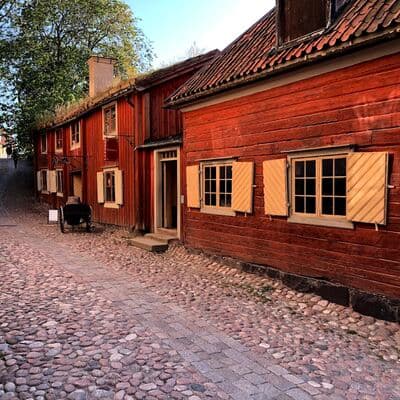
Skansen, the world's first open-air museum, presents traditional Swedish life through historic buildings relocated from across the country, populated by staff in period costume demonstrating traditional crafts. The adjacent zoo focuses on Nordic animals. Plan several hours or a full day for Skansen.
The ABBA The Museum delights fans of the legendary pop group with interactive exhibits and memorabilia. Even non-fans find it entertaining. Fotografiska, one of the world's premier photography museums, shows rotating exhibitions of international significance. Nordic Museum covers Swedish cultural history in a grand building that merits attention itself.
Day 5: Day Trip to Drottningholm
Drottningholm Palace, a UNESCO World Heritage site, serves as the primary residence of the Swedish royal family. The palace, gardens, Chinese Pavilion, and remarkably preserved 18th-century court theater combine to create a full day's excursion. Boats depart from central Stockholm in summer, making the journey itself part of the experience.
Day 6: Archipelago Excursion
Dedicate a day to the Stockholm archipelago. Ferries reach islands like Vaxholm, with its historic fortress, within an hour from the city. Grinda offers nature and swimming, while Sandhamn provides a classic sailing village atmosphere. Pack a picnic or plan to eat at island restaurants. The gentle pace of island life contrasts refreshingly with city exploration.
Day 7: Final Exploration and Departure
Reserve your final day for revisiting favorites, shopping for Swedish design at stores like Svenskt Tenn or Design House Stockholm, and catching anything you missed. The modern art at Moderna Museet, the historical collections at the Swedish History Museum, or simply wandering neighborhoods like Ostermalm and Vasastan all reward additional time. Depart with a genuine sense of Stockholm's character.
Ten Days: Stockholm Plus Gothenburg and the West Coast
Ten days allows combining Sweden's two largest cities with the beautiful west coast region, providing contrast between urban experiences and coastal nature.
Days 1-5: Stockholm
Follow the seven-day Stockholm itinerary at a slightly more relaxed pace, or add explorations of additional neighborhoods like Kungsholmen, with its waterfront walks and Stockholm City Hall where the Nobel Prize banquet takes place. The City Hall tower offers panoramic views. Consider a day trip to Uppsala to see the medieval cathedral and university town atmosphere, or venture to the World Heritage site of Birka, a Viking-age trading center accessible by boat.
Day 6: Travel to Gothenburg
High-speed trains cover the Stockholm to Gothenburg journey in approximately three hours, making morning departure and afternoon arrival practical. Alternatively, break the journey in Linkoping or Norrkoping, historic cities with their own attractions. Settle into your Gothenburg accommodation and begin exploring this more relaxed city in the evening. The Haga District provides charming evening atmosphere with its 19th-century wooden houses, cafes, and boutiques.
Days 7-8: Gothenburg Exploration
Gothenburg requires less time than Stockholm but deserves unhurried exploration. Visit Universeum Science Center for excellent science and nature exhibits, particularly engaging for families but interesting for all ages. The Feskekörka Fish Market, housed in a building resembling a church, showcases the west coast's exceptional seafood with opportunities to eat at counters and restaurants within. The Art Museum contains significant collections including French Impressionists.
Liseberg Amusement Park draws visitors from across Scandinavia with a combination of thrilling rides and charming atmosphere, particularly magical during summer and the extensive Christmas market season. Even if amusement parks are not typically your preference, Liseberg offers pleasant grounds for walking and people-watching.
Day 9: Gothenburg Archipelago
Ferries from central Gothenburg reach the Gothenburg Archipelago in about 30 minutes, opening a day of island exploration. The southern islands like Styrsö and Donsö are car-free, inviting walking and cycling through fishing villages past characteristic blue boathouses. Swimming from smooth granite rocks, seafood lunches at waterfront restaurants, and the general pace of island life create quintessential Swedish summer experiences.
Day 10: Return or Continue
Return to Stockholm or Copenhagen for departure flights, or continue to Malmö if your itinerary permits additional time. The train journey back to Stockholm takes the same three hours, allowing a morning of final Gothenburg exploration before an evening flight from Arlanda.
Fourteen Days: Stockholm, Gothenburg, Malmö, and Gotland
Two weeks allows a comprehensive tour of southern and central Sweden, including the island of Gotland, one of Sweden's most special destinations.
Days 1-5: Stockholm
Begin with thorough Stockholm exploration as described above. Five days allow you to experience the main attractions without rushing and add elements like a cooking class, a design tour, or deeper exploration of the archipelago.
Days 6-8: Gothenburg and the West Coast
Travel to Gothenburg and explore the city and archipelago. With three nights, you can add elements like seafood restaurants in the archipelago, day trips along the Bohuslän coast north of the city, or simply more relaxed exploration of the city's neighborhoods and museums.
Days 9-11: Malmö and Copenhagen
Continue to Malmö by train, a journey of about three hours from Gothenburg. Malmö's compact center allows thorough exploration in two days. Walk the historic squares including Stortorget and Lilla Torg, explore Malmöhus Castle and its museums, and wander the transformed Västra Hamnen waterfront district with its iconic Turning Torso tower. The Disgusting Food Museum provides unusual entertainment, while Moderna Museet Malmö brings contemporary art to an impressive space. For beach time, Ribersborg Beach offers sand and the historic Ribersborgs Kallbadhus cold-water bathhouse. Explore the multicultural market atmosphere at Möllevångstorget, relax in Kungsparken, visit the Malmö Konsthall art gallery, and see the medieval St. Peter's Church. One day should include crossing the Öresund Bridge to Copenhagen, a 35-minute train journey, for at least a taste of the Danish capital.
Days 12-14: Gotland
Return to Stockholm area and continue to Gotland by ferry (approximately 3 hours) or by flight (30 minutes). The island deserves at least two full days, ideally more. Visby itself requires unhurried exploration of its medieval wall, church ruins, and remarkably preserved medieval streetscape. The Gotland Museum houses extraordinary Viking treasures and picture stones.
Rent a bicycle to explore beyond Visby, reaching the dramatic limestone sea stacks (raukar) at Langhammars and other coastal formations, medieval churches scattered across the island, and beaches that feel genuinely remote. The pace of Gotland life is slower, the landscapes more austere, and the sense of history more immediate than anywhere else in Sweden.
Twenty-One Days: The Complete Sweden Experience Including Lapland
Three weeks allows you to experience Sweden's full geographic and cultural range, from the urban sophistication of Stockholm to the arctic wilderness of Lapland.
Days 1-5: Stockholm
Thorough Stockholm exploration with time for everything that interests you, from world-class museums to neighborhood cafes.
Days 6-7: Uppsala and Dalarna
Travel to Uppsala for a day exploring Sweden's ancient ecclesiastical center, then continue to the Dalarna region around Lake Siljan. This is traditional Sweden, where folk customs survive, Dalecarlian horses are produced, and midsummer celebrations reach their most elaborate. Stay in a village like Rattvik or Mora for a taste of this quintessential Swedish landscape.
Days 8-10: Swedish Lapland
Take the overnight train from Stockholm to Kiruna, arriving in the arctic morning. Kiruna itself is undergoing extraordinary transformation as the town relocates due to mining subsidence, making it a unique sight. Base yourself here or in nearby Jukkasjärvi for the Icehotel experience. In winter, Northern Lights viewing, dog sledding, and snowmobile excursions fill the days; in summer, midnight sun hiking and Sami cultural experiences take their place.
Days 11-13: Abisko and the Mountains
Continue by train to Abisko, perhaps the world's premier destination for Northern Lights viewing in winter or the gateway to spectacular hiking in summer. The Aurora Sky Station provides dedicated viewing facilities, while Abisko National Park offers trails ranging from easy walks to the start of the epic Kungsleden - King's Trail. The landscape of mountains, rivers, and birch forests is genuinely spectacular in any season.
Days 14-15: Gothenburg
Fly from Kiruna to Gothenburg (connecting through Stockholm) to shift from arctic wilderness to Sweden's friendliest city. Explore the Haga District, fish market, and archipelago as described above.
Days 16-17: West Coast
Rent a car or use buses to explore the Bohuslän coast north of Gothenburg, with its granite islands, fishing villages, and extraordinary seafood. Towns like Fjallbacka and Smögen offer classic Swedish coastal atmosphere.
Days 18-19: Malmö
Continue to Malmö for its multicultural character, design district, and easy access to Copenhagen across the Öresund Bridge. Explore the Turning Torso, Västra Hamnen, and historic center.
Days 20-21: Gotland or Return to Stockholm
Use your final days for Gotland if not previously visited, or return to Stockholm for additional exploration and departure. The direct train from Malmö to Stockholm takes approximately 4.5 hours, or you might fly for time efficiency.
Staying Connected: Internet, Communications, and Practical Technology
Sweden is one of the world's most connected societies, and maintaining communication during your visit is straightforward.
Mobile Phone Service
Swedish mobile networks provide excellent coverage throughout populated areas, with 4G and increasingly 5G service standard. Coverage extends to most rural areas and transportation routes, though gaps exist in remote wilderness regions of Lapland.
For visitors from outside the EU, the most practical option is typically purchasing a Swedish prepaid SIM card. Major carriers including Tele2, Telia, and Tre sell starter packages at convenience stores, electronics shops, and their own retail locations. A prepaid SIM with data typically costs 100-200 SEK (10-20 USD) and provides several gigabytes of data plus some calling credit. This allows you to use navigation apps, look up information, and stay in touch without international roaming charges.
EU visitors can use their home mobile plans in Sweden under EU roaming regulations, paying domestic rates for calls, texts, and data within their plan limits.
American, Canadian, Australian, and British visitors should check their carriers' international roaming options before departure. Many plans now include international roaming for a daily fee, which may be cost-effective for short trips if you need seamless connectivity. Otherwise, the prepaid SIM option provides the most affordable data access.
WiFi Availability
Free WiFi is extremely widespread in Sweden. Hotels universally provide it, as do the vast majority of cafes and restaurants. Public transportation including trains and many buses offers WiFi. Libraries, museums, and other public facilities typically have free wireless access. You can manage much of your connectivity needs through WiFi alone if mobile data is limited.
Useful Apps for Sweden Travel
SL (Stockholm) and Västtrafik (Gothenburg) apps handle public transportation payments and journey planning in Sweden's major cities. The SJ app books train tickets and stores them digitally. Google Maps and Apple Maps work well for navigation throughout Sweden. Google Translate handles the rare Swedish text you might need to understand. Yr is the preferred weather app in Scandinavia, with accurate forecasts crucial for planning outdoor activities.
Swedish Food: A Culinary Journey Beyond the Clichés
Swedish cuisine has evolved far beyond the meatballs and pickled herring stereotypes, though those classics remain available and often excellent. Understanding the breadth of Swedish food culture enhances your visit considerably.
The New Nordic Revolution
Swedish cuisine has transformed in recent decades, led by chefs who reimagined local ingredients and traditional techniques. The New Nordic movement, launched in Copenhagen but enthusiastically embraced in Sweden, emphasizes seasonal, local, and foraged ingredients prepared with contemporary techniques. Stockholm now hosts numerous Michelin-starred restaurants, and the approach has filtered down to influence casual dining throughout the country.
This means that even modest Swedish restaurants increasingly serve thoughtfully prepared dishes featuring local ingredients, from Baltic herring to forest mushrooms to Lapland reindeer. Vegetarian and vegan options have expanded dramatically, and organic ingredients have become standard rather than exceptional.
Swedish Breakfast
Hotel breakfasts in Sweden typically feature extensive buffets including breads, cheeses, cold cuts, yogurt, muesli, boiled eggs, and often hot items like scrambled eggs and bacon. The quality tends to be high, with good bread, diverse cheese selections, and recognizable ingredients. Swedish crispbread (knäckebröd) appears at every breakfast and makes an excellent snack purchased at supermarkets.
The kaviar in Swedish breakfasts is not sturgeon roe but a fish roe spread from tubes, typically smoked and seasoned, squeezed onto boiled eggs or crispbread. It sounds strange but appeals to many visitors once tasted.
Swedish Lunch Culture
Lunch is typically the main meal for working Swedes, and restaurants accordingly offer excellent value through dagens lunch (today's lunch) specials. These fixed-price meals, typically costing 100-150 SEK (10-15 USD), include a main course, salad, bread, and coffee. The quality often rivals dinner service at the same restaurants. For budget-conscious travelers, making lunch the primary restaurant meal and eating lighter in the evening significantly reduces food costs.
The Fika Tradition
Fika, the Swedish coffee break with pastries, represents essential cultural participation. Swedish bakeries (konditori) produce outstanding cinnamon buns (kanelbullar), cardamom buns (kardemummabullar), almond tarts (mazariner), and various other sweet treats. The coffee is typically strong and well-prepared. Taking fika is not simply refueling but a social ritual that Swedes consider vital to daily life. Allow time, order properly, and enjoy the pause.
Swedish Classics Worth Trying
Despite modern evolution, traditional Swedish dishes remain available and worth experiencing. Swedish meatballs (köttbullar) with lingonberry sauce and mashed potatoes are genuinely excellent when properly prepared. Pickled herring (sill) comes in numerous preparations, from simple to elaborately flavored, and is much better than its reputation suggests. Toast Skagen, a shrimp and mayonnaise mixture on toast, represents Swedish seafood at its simple best. Gravlax, the cured salmon served with dill and mustard sauce, showcases Swedish fish preservation traditions.
Husmanskost, traditional Swedish home cooking, appears in restaurants serving classic dishes like Jansson's temptation (potato and anchovy gratin), pea soup with pancakes (traditionally served Thursdays), and various meat and potato combinations. These hearty dishes reflect Sweden's agricultural heritage and remain comfort food for many Swedes.
Seafood Excellence
Swedish coasts produce exceptional seafood, particularly along the west coast near Gothenburg. The Feskekörka Fish Market showcases the range of available fish and shellfish. West coast prawns (räkor) are legendary, typically served simply with bread and aioli and requiring patient peeling. Oysters from the west coast rival French production. Smoked fish of various species appears at markets and restaurants throughout the country.
Seasonal Specialties
Swedish food culture marks seasons with specific traditions. Late summer brings crayfish parties (kräftskiva), where Swedes gather to eat mountains of boiled crayfish with schnapps, songs, and paper hats. The surströmming (fermented herring) season in late August features what may be the world's most intensely odorous food, an acquired taste even for many Swedes but an experience for the adventurous. Christmas season brings julbord, the extensive buffet of traditional foods including ham, herring, meatballs, and much more.
Dining Practicalities
Restaurant reservations are advisable for popular establishments, particularly at dinner and weekends, but not typically necessary for casual dining. Service is generally efficient but not rushed; Swedes do not consider it impolite to occupy a table for extended periods. Credit cards are accepted virtually everywhere, and many restaurants are completely cashless. Tipping is not obligatory, though rounding up or adding 10-15 percent for good service has become common.
Water from the tap is free and excellent quality. Alcohol prices are high, with even modest glasses of wine often costing 80-120 SEK (8-12 USD) and cocktails significantly more. This reflects both taxation and Swedish attitudes toward alcohol consumption.
Shopping in Sweden: Design, Crafts, and Practical Purchases
Sweden offers distinctive shopping experiences, from world-famous design to traditional crafts to everyday items that make excellent souvenirs.
Swedish Design
Swedish design has achieved global recognition for its combination of aesthetics and functionality. The clean lines, natural materials, and thoughtful simplicity that characterize Swedish design make for appealing purchases that serve as lasting reminders of your visit.
Major design retailers cluster in Stockholm's Östermalm and central city. Svenskt Tenn, founded in 1924, remains the premier destination for Swedish design, featuring colorful textiles alongside furniture and home accessories. Design House Stockholm curates contemporary Swedish design. Granit offers well-designed everyday items at accessible prices. NK department store's design floor provides one-stop shopping for multiple brands.
For vintage and antique Swedish design, Stockholm's auction houses and antique shops offer furniture and glass from the mid-20th century golden age of Swedish design. This is an excellent way to acquire authentic pieces at reasonable prices compared to design retailers.
Traditional Crafts
Swedish craft traditions survive and thrive, producing items that make meaningful souvenirs. Dalecarlian horses (Dala hästar), the carved and painted wooden horses from the Dalarna region, range from inexpensive small versions to museum-quality handcrafted pieces. The Nusnäs workshops in Dalarna produce authentic horses and welcome visitors.
Sami handicrafts (duodji) from Lapland include knives with reindeer antler handles, decorated leather items, and jewelry incorporating traditional patterns. Purchasing authentic Sami crafts supports indigenous cultural preservation. Look for the Sami Duodji trademark indicating genuine traditional craftsmanship.
Swedish glassware from the Glass Kingdom (Glasriket) region in southeast Sweden continues a centuries-old tradition. Major glassworks including Orrefors and Kosta Boda offer factory outlets, and watching glassblowers work provides memorable experiences. The craftsmanship of Swedish glass makes it worthwhile despite weight and fragility concerns for transport.
Food and Drink
Edible souvenirs provide practical gifts and personal mementos. Swedish chocolate, particularly from brands like Marabou and luxury maker Chokladfabriken, satisfies sweet tooths. Lingonberry and cloudberry preserves capture distinctively Nordic flavors. Swedish crispbread packs easily and introduces recipients to a daily staple. Aquavit, the caraway-flavored spirit, comes in numerous varieties, though be aware of customs limits when returning home.
Outdoor and Practical Goods
Swedish outdoor brands have earned global reputations for quality. Fjällräven's backpacks and outdoor clothing combine Swedish design sensibility with practical durability. Haglöfs produces technical outdoor gear. Primus has made camping stoves since 1892. These items cost no less in Sweden than elsewhere but offer full ranges and occasionally Sweden-exclusive products.
Everyday Purchases
Beyond traditional souvenirs, Swedish supermarkets and pharmacies offer interesting discoveries. Swedish candy (godis) comes in remarkable variety, traditionally sold by weight for Saturday evening treats. Swedish skincare and cosmetics brands like Björk and Berries use Nordic ingredients. IKEA, obviously, offers the full experience in its homeland, with the original flagship store in Älmhult available as a pilgrimage destination for furniture fans.
Shopping Practicalities
Swedish shops typically open 10:00-18:00 on weekdays, with shorter Saturday hours and limited Sunday opening. Major shopping centers keep longer hours. Credit cards are accepted everywhere, and many shops are completely cashless.
VAT refunds for non-EU visitors apply to purchases over 200 SEK. Look for Global Blue or similar tax-free shopping signs, and remember to keep receipts and have forms stamped at customs when departing the EU.
Essential Apps and Digital Tools for Your Sweden Trip
These applications will prove useful during your Swedish travels and are worth downloading before departure.
Transportation: SJ for train bookings and tickets. SL (Stockholm) and Västtrafik (Gothenburg) for local public transport. Uber operates in major Swedish cities. Bolt provides an alternative ride-hailing option.
Navigation: Google Maps or Apple Maps work excellently throughout Sweden. Offline maps download is advisable for areas where mobile coverage may be spotty.
Weather: Yr provides the most accurate Scandinavian weather forecasts. Aurora forecast apps help plan Northern Lights viewing, with My Aurora Forecast being popular.
Accommodation: Booking.com, Hotels.com, and Airbnb all operate normally in Sweden. Hostelworld for budget accommodation.
Language: Google Translate handles the rare Swedish text requiring translation. Most practical signage and menus are in English or easily comprehensible.
Food and Dining: The Fork (TheFork) and TripAdvisor help find and book restaurants. Google Maps reviews are generally reliable in Sweden.
Museums and Attractions: Many Swedish museums offer their own apps with audio guides and enhanced content. Check before visiting whether apps are available and worth downloading.
Final Thoughts: What to Expect and How to Approach Sweden
Sweden rewards visitors who approach it with appropriate expectations and genuine curiosity. This is not a country of overwhelming sensory experiences or constant excitement but rather one of subtle pleasures, high quality of life, and experiences that reveal themselves through patient attention.
What Sweden Does Exceptionally Well
Sweden excels at creating environments where daily life works smoothly and pleasantly. The design sensibility extends beyond objects to entire systems: public transportation that runs reliably, cities where pedestrians and cyclists are prioritized, public spaces that invite lingering. The baseline quality of ordinary experiences, from a random cafe to a budget hotel to a small-town museum, tends to be higher than most visitors expect.
Nature access sets Sweden apart from most European destinations. The allemansrätten right to roam means that wilderness is genuinely accessible, and the country has preserved remarkable natural areas despite its economic development. From the Stockholm archipelago to Lapland's arctic mountains, world-class natural environments await within reasonable distance of urban bases.
Safety and social trust create a notably relaxed travel experience. You can focus on enjoying your trip rather than constantly protecting yourself from petty crime or navigating complicated social situations. This might sound like a modest advantage, but after experiencing Sweden's low-friction travel environment, other destinations can feel exhausting by comparison.
What Might Challenge You
The costs will likely exceed your expectations, even if you have researched prices beforehand. Budget at least 25 percent more than you think you will spend, and you might still be surprised. The high costs reflect high quality and high wages, but they require adjustment from visitors accustomed to cheaper destinations.
Swedish reserve can initially feel like coldness, particularly for visitors from more demonstrative cultures. Service staff do not engage in small talk, strangers do not strike up conversations, and social warmth takes time to develop. This is not unfriendliness but a different calibration of appropriate social distance. Once you understand this, Swedish reserve becomes comfortable rather than off-putting.
The winter darkness challenges visitors who have not experienced high-latitude winters. Even in Stockholm, December days offer only six hours of weak daylight, and the psychological effect accumulates. However, the Swedish response to darkness, with cozy interiors, abundant candles, and emphasis on hygge-like comfort, provides its own appeal.
How to Get the Most From Your Visit
Slow down and embrace the Swedish pace. The point is not to check off attractions but to experience a quality of life that prioritizes different values than many visitors are accustomed to. Take fika seriously. Spend longer in fewer places rather than rushing through superficial visits. Allow time to simply observe Swedish daily life.
Get outdoors regardless of season. Swedish identity is deeply connected to nature, and understanding Sweden requires experiencing its landscapes. Even in Stockholm, walk the waterfront, take a ferry to the archipelago, or explore Djurgården's green spaces. In Lapland, the outdoors is the primary attraction.
Engage with Swedish culture beyond tourism. Visit a neighborhood cafe rather than tourist-oriented coffee shops. Shop at a regular supermarket to see what Swedes eat. Ride public transportation during commute hours to observe daily rhythms. These small experiences build understanding that attractions alone cannot provide.
Be prepared for the weather. Swedish weather varies dramatically by season and can change quickly within a single day. Layers, rain gear, and appropriate footwear make the difference between comfortable exploration and miserable endurance. In winter, proper cold-weather clothing is not optional but essential.
A Final Word
Sweden may not generate the immediate excitement of more dramatic destinations, but it offers something increasingly rare: a society that has largely figured out how to create good lives for its citizens and visitors alike. The combination of natural beauty, design excellence, social trust, and high functioning systems creates an environment where travel becomes genuinely restorative rather than merely stimulating. Whether you come for the Northern Lights over Abisko, the medieval streets of Visby, the design shops of Stockholm, or simply the experience of a society that works, Sweden delivers experiences that linger long after your return home.
Start planning your trip with the knowledge that Sweden welcomes you with characteristic understatement. No one will oversell the destination or pressure you to enjoy yourself. The pleasures are available for those who seek them with appropriate patience and openness. That Swedish approach, neither effusive nor withholding, proves to be part of what makes visiting this remarkable country so satisfying.
Welcome to Sweden. May your visit bring the experiences you seek, and perhaps some you did not expect to find.