Stockholm
Stockholm 2026: What to Know Before You Go
Stockholm is not your typical European capital. Spread across 14 islands where Lake Malaren meets the Baltic Sea, this city of just under a million people manages to feel both intimate and grand. The water is everywhere - you cannot escape it, nor would you want to. On a summer evening, when the light refuses to fade until nearly midnight, Stockholm reveals why Scandinavians tolerate those dark winters.
Here is the reality check: Stockholm is expensive. A beer will cost you $8-10, a simple lunch $15-20, and a decent dinner easily $50-80 per person. But the city compensates with free museum days, excellent tap water, and a culture where nobody expects tips. The Swedish krona has weakened against the dollar in recent years, making 2026 a relatively better time to visit than the past decade.
What surprised me most was how walkable Stockholm is. Despite the islands, bridges connect everything seamlessly. The metro doubles as an underground art gallery. And the locals, while initially reserved, warm up quickly once you break through that Scandinavian shell - usually over fika, the sacred coffee break that is less about caffeine and more about human connection.
One crucial detail: Sweden is essentially cashless. I went ten days without touching a single krona note. Carry a credit card that does not charge foreign transaction fees, and you are set. Apple Pay and Google Pay work everywhere, even at farmers markets.
Stockholm Neighborhoods: Where to Stay
Gamla Stan - The Medieval Heart
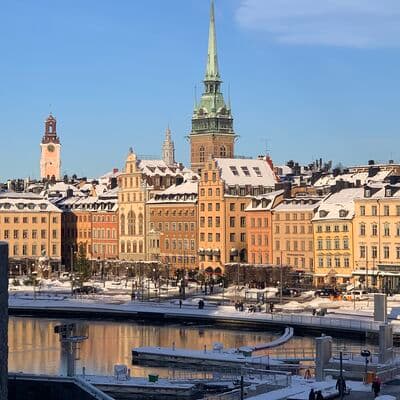
Gamla Stan is where most visitors start, and for good reason. This 13th-century island is one of Europe's best-preserved medieval centers. The cobblestone alleys, the ochre and terracotta buildings, the Royal Palace - it all feels like walking through a history book. Stay here if you want to step outside your hotel and immediately be in postcard Stockholm.
The downside? Everyone else had the same idea. By 11 AM in summer, Stortorget (the main square) is packed with tour groups. Restaurants here charge premium prices for mediocre food. The best strategy: sleep in Gamla Stan for the atmosphere, but eat elsewhere. Hotels run $200-400 per night for decent options, though some charming guesthouses exist around $150.
Norrmalm - Downtown Convenience
Norrmalm is central Stockholm's commercial heart. Stockholm Central Station sits here, along with the main shopping streets (Drottninggatan, Biblioteksgatan) and department stores like NK and Ahlens. If you prioritize transport connections and shopping access, this is your base.
The neighborhood lacks the charm of older areas but delivers on practicality. Major hotel chains cluster here - Radisson, Scandic, Nordic Choice - with rates from $150-300. The area around Kungstradgarden park is pleasant, especially when cherry blossoms explode in April.
Sodermalm - The Hip Alternative
Sodermalm, or Soder as locals call it, is where young Stockholm lives. This former working-class island transformed into a creative hub filled with vintage shops, independent cafes, third-wave coffee roasters, and bars that do not close until 3 AM. Fotografiska, the world-class photography museum, anchors the waterfront.
This is my top recommendation for most travelers. Hotels are slightly cheaper ($120-250), the food scene is diverse and more affordable, and you get the real Stockholm experience. The neighborhood climbs up from the water, rewarding walkers with sudden viewpoints over the city. Take the Katarina elevator or climb to Monteliusvagen for some of the best panoramas.
Ostermalm - Elegant and Expensive
Ostermalm is old money Stockholm. The architecture is grander, the residents better dressed, and the prices higher. Ostermalms Saluhall, the historic food hall, is reason enough to visit - though eating here will cost you. Streets like Strandvagen showcase some of Europe's most beautiful waterfront real estate.
Stay in Ostermalm if you appreciate elegance and have the budget to match ($250-500 per night). The neighborhood is quieter than downtown, walkable to most attractions, and home to excellent restaurants that cater to discerning locals rather than tourists.
Djurgarden - Museum Island
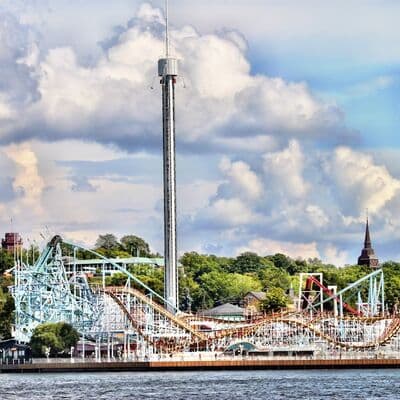
Djurgarden is not really a residential area - it is Stockholm's green playground. The Vasa Museum, ABBA The Museum, Skansen open-air museum, and Grona Lund amusement park all sit on this island. A few luxury hotels exist (Hotel & Ristorante Bellmans, Pop House Hotel), but most visitors just come for the day.
The island is beautiful for walking and cycling. Rent a bike near the bridge and spend an afternoon exploring beyond the main attractions. Rosendals Tradgard, a garden cafe serving organic food in a greenhouse setting, is worth the detour.
Vasastan - Authentic Residential Stockholm
North of Norrmalm, Vasastan feels like a real neighborhood where real Stockholmers live. The main draw is Odenplan area with its independent shops and restaurants. The neighborhood lacks major attractions but compensates with authenticity and slightly lower prices.
Airbnb apartments here offer good value. You will need to walk or take the metro to reach major sights, but experiencing Stockholm beyond the tourist bubble has its own rewards. The Stockholm Public Library (Stadsbiblioteket) on Sveavagen, with its stunning cylindrical interior, is worth a visit.
Kungsholmen - Local Waterfront Living
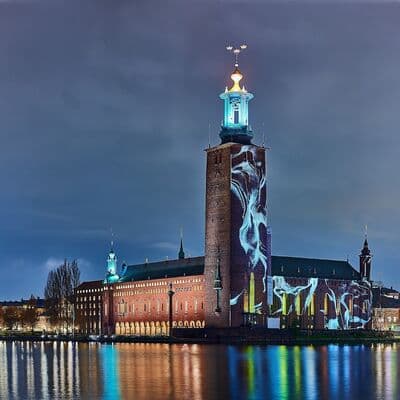
Kungsholmen is another island that tourists often skip, which is exactly why you might love it. Stockholm City Hall, where the Nobel Prize banquet takes place, sits on its eastern tip. Beyond that landmark, the island offers peaceful waterfront walks, local restaurants, and summer swimming spots.
Hotels are limited but some excellent hostels exist. The island connects easily to central Stockholm via metro. For a hot summer day, join locals at Smedsuddsbadet beach on the western shore.
Best Time to Visit Stockholm
Stockholm experiences four distinct seasons, and each offers something different. The short answer: late May through early September for weather, December for Christmas atmosphere, but shoulder seasons for better value.
Summer (June-August) is peak season for good reason. Days stretch to 18-20 hours of light. Outdoor cafes fill every available square meter. The archipelago comes alive with boats and swimmers. Average highs reach 20-23C (68-73F) with occasional heat waves pushing past 30C. The catch: hotel prices peak, popular restaurants need reservations weeks ahead, and the city fills with cruise ship passengers. Book accommodation at least two months in advance.
Late spring (May-early June) offers the best balance. Cherry blossoms in Kungstradgarden typically peak around late April. By mid-May, outdoor seating reopens everywhere. Prices have not yet reached summer peaks, and locals emerge from winter hibernation with visible joy. Water temperatures are still cold, but everything else is warming up.
Autumn (September-October) brings spectacular colors to Djurgarden's forests and lower prices. The cultural season kicks off with new exhibitions and performances. Crowds thin dramatically after Swedish school starts in late August. September averages around 15C (59F) - comfortable walking weather with a light jacket.
Winter (November-February) is not for everyone. Daylight shrinks to six hours by December. But if you embrace the darkness, you will find a different Stockholm: Christmas markets in Gamla Stan, candlelit cafes, and potential northern lights on clear nights. The city knows how to make darkness cozy - there is a reason Swedes invented the concept of mys (cozy togetherness).
Avoid the weeks immediately after New Year through early February - this is the bleakest period with minimal daylight and no holiday magic to compensate. March starts the slow return of light but weather remains unpredictable.
Stockholm Itinerary: 3 to 7 Days
Day 1: Gamla Stan and City Hall
Start where Stockholm started. Take the metro to Gamla Stan station and emerge into medieval streets. Wander without a strict plan - the island is small enough that you cannot get lost for long. Key stops: Stortorget (the main square, site of the 1520 Stockholm Bloodbath), the Nobel Prize Museum (skip if time is short - better museums await), and the narrow Marten Trotzigs Grand, Stockholm's thinnest alley at just 90 centimeters wide.
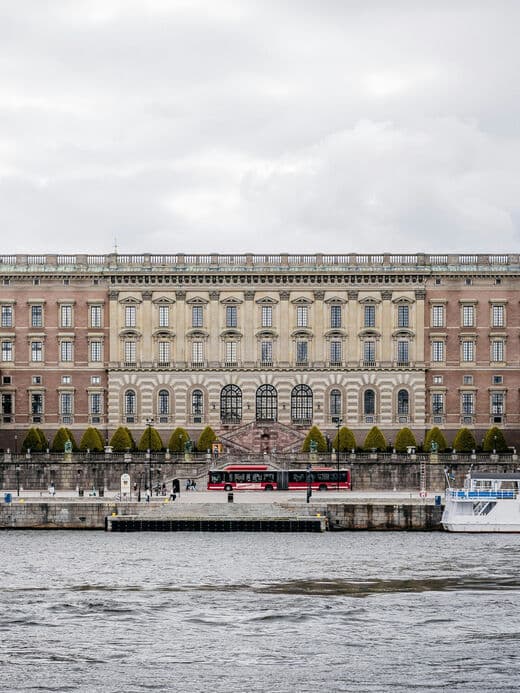
The Royal Palace deserves 1-2 hours. The building contains multiple museums, including the Royal Apartments, Treasury, and Armory. Watch the changing of the guard around 12:15 PM (1:15 PM on Sundays). The palace remains a working royal residence, so check for closures during state events.
After lunch (leave Gamla Stan for this - Hermans vegetarian buffet in Sodermalm or Ostermalms Saluhall both work), head to Stockholm City Hall on Kungsholmen. The guided tour (required to enter) reveals the Blue Hall where Nobel banquets occur - despite its name, the walls are red brick because the architect changed his mind. Climb the tower (additional fee) for panoramic views. Time your visit for the 3 PM English tour.
Evening: return to Gamla Stan around 7-8 PM when tour groups have left. The golden hour light on the old buildings is magical. Dinner at Den Gyldene Freden (operating since 1722) is touristy but historically significant.
Day 2: Djurgarden Museums
Dedicate this day to museum island. Take ferry 82 from Slussen - a scenic 10-minute ride that beats the bus. Start early at the Vasa Museum when it opens at 10 AM. This 17th-century warship, which sank 20 minutes into its maiden voyage and was recovered 333 years later, is genuinely awe-inspiring. Even people who hate museums find this compelling. Allow 90 minutes minimum.
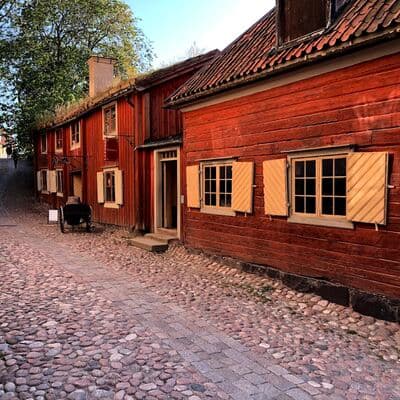
Walk to Skansen, the world's first open-air museum. This could easily consume half a day - historic buildings transported from across Sweden, Nordic animals (bears, wolves, moose), craft demonstrations, and excellent views. In summer, live folk music often plays in the afternoon.
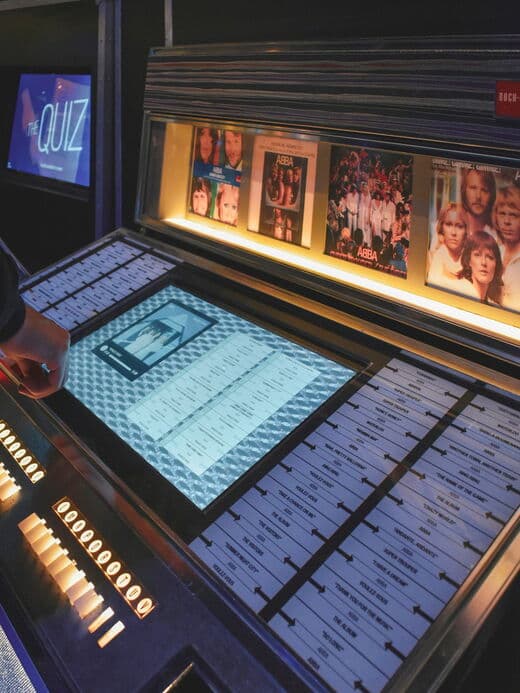
If ABBA holds any place in your heart, the ABBA The Museum is surprisingly well-done. Interactive exhibits let you sing, dance, and virtually perform with the band. Book timed tickets online - it sells out in summer. Allow 90 minutes.
End the day at Rosendals Tradgard for an organic fika in their garden greenhouse, or if energy remains, walk through Djurgarden's forests toward the bridge back to the city.
Day 3: Sodermalm and Fotografiska
This is your day to slow down. Start with brunch in Sodermalm - try Johan och Nystrom for excellent coffee and pastries. Then wander SoFo (south of Folkungagatan), the neighborhood's hippest pocket. Vintage shops, independent designers, and concept stores line the streets.
Walk along Hornsgatan to experience Soder's main artery. Duck into Brunogallerian, a small mall with interesting shops. Continue to Monteliusvagen, a cliff-top path offering stunning views over Gamla Stan and the waterfront. This is arguably Stockholm's best free viewpoint.
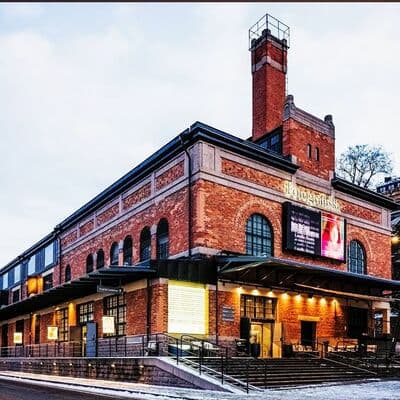
Fotografiska deserves 2-3 hours. This former industrial building hosts rotating photography exhibitions by world-class artists. The top-floor restaurant offers spectacular views - consider an early dinner here (reservations recommended). The museum stays open until 11 PM, making evening visits possible.
For sunset, climb to Skinnarviksberget, the highest natural point in central Stockholm. Locals gather here on summer evenings with wine and picnics. It is technically illegal to drink in public, but this spot is unofficially tolerated.
Day 4: Drottningholm Palace
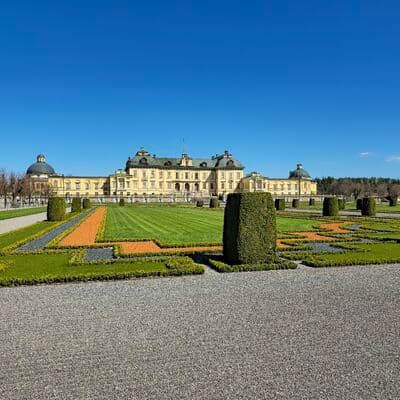
Take the vintage steamboat from City Hall to Drottningholm Palace - the journey is part of the experience. This UNESCO World Heritage site is where the Swedish royal family actually lives (in a private wing). The palace itself is impressive, but the surrounding grounds - the Chinese Pavilion, the Court Theatre, the baroque gardens - justify the half-day trip.
The Court Theatre is extraordinary. This 18th-century theater retains its original wooden stage machinery and hosts performances in summer. Book tickets months ahead for the rare chance to experience opera with 1760s technology.
Pack a lunch or eat at the palace cafe. Return by boat in late afternoon, arriving back in central Stockholm around 4-5 PM. Use the evening to explore areas you have missed or simply enjoy a long Swedish dinner.
Day 5: Alternative Stockholm
Today, choose your own adventure based on interests:
Art and Design: Moderna Museet (modern art with waterfront views), Nationalmuseum (Swedish masters), and the Design Museum in Ostermalm. Walk through the Hornstull neighborhood for contemporary galleries.
History and Culture: Nordiska Museet (Nordic cultural history), Historiska Museet (Vikings and medieval Sweden), and Stadsmuseet (Stockholm city history). All offer deep dives into Swedish heritage.
Architecture: Self-guided tour of the metro art stations. Start at T-Centralen (the blue line platforms), then visit Solna Centrum (red cavern), Stadion (rainbow), and Kungstradgarden (archaeological finds). This is the world's longest art gallery - 90 of 100 stations feature permanent installations.
Nature: Take the ferry to Fjaderholmarna, the closest archipelago island. Swim, hike short trails, eat smoked fish, and be back in time for dinner. Boats leave from Nybrokajen hourly in summer.
Day 6: Uppsala Day Trip
Uppsala, Sweden's fourth-largest city and historic university town, sits 40 minutes north by train (departures every 15-30 minutes from Stockholm Central). This makes an easy day trip with significant rewards.
Start at Uppsala Cathedral, Scandinavia's largest church and burial site of several Swedish kings. Walk through the university area - Carolina Rediviva library and the Gustavianum museum (including an anatomical theater from 1663) deserve attention. Gamla Uppsala, the ancient pagan burial mounds, requires a short bus ride but connects you to pre-Christian Sweden.
The Linnaean Gardens, where Carl Linnaeus developed his plant classification system, feel like a living museum. Uppsala also offers better lunch value than Stockholm - try the student-heavy areas around the main square.
Day 7: Archipelago or Sigtuna
Your final day depends on the weather. If sunny, take the ferry to Sandhamn - a classic archipelago village about 2 hours from Stockholm by boat. Swim, sunbathe on the rocks, eat shrimp sandwiches at the harbor, and feel like you have left the city entirely. Boats leave from Strömkajen; book Cinderellabatarna ferries in advance during peak season.
If weather is uncertain, consider Sigtuna instead. This tiny town, 45 minutes northwest, claims to be Sweden's oldest (founded around 980 AD). It is small enough to explore in a few hours - runic stones, church ruins, charming main street. The journey by bus passes through pleasant Swedish countryside.
Alternatively, use day 7 for what you missed earlier. Stockholm has enough to fill two weeks, so do not feel obligated to leave the city.
Where to Eat in Stockholm: Restaurants and Cafes
Budget-Friendly Options
The secret to eating affordably in Stockholm is dagens lunch - the daily lunch special offered by most restaurants between 11 AM and 2 PM. For 100-140 SEK ($10-14), you get a hot dish, salad, bread, and coffee. The same meal would cost twice as much at dinner. Look for the handwritten signs outside restaurants.
MAX Burgers, the Swedish fast-food chain, serves surprisingly good burgers for $8-12. Hermans in Sodermalm offers all-you-can-eat vegetarian buffets with harbor views for around $20. For street food, Strommingsvagnen near Slussen serves fried herring (stromming) the traditional way - a full meal for under $15. Brunos Korvbar in Ostermalm elevates the humble hot dog to gourmet status.
Markets and Food Halls
Ostermalms Saluhall is the grand dame - a beautifully restored 19th-century market hall selling everything from aged cheese to reindeer meat. Eat at the counter restaurants or buy provisions for a picnic. Prices are premium but quality matches. Hotorgshallen downtown is more down-to-earth, with diverse cuisines at lower prices. The basement level has solid Asian options.
K25, a modern food court in Norrmalm, houses multiple vendors under one roof - useful when your group cannot agree on cuisine. Sodermalm's Soderhallarna is another good market, less touristy than Ostermalm.
Mid-Range Restaurants
Pelikan is essential for Swedish classics. This 1904 beer hall in Sodermalm serves no-frills meatballs, herring, and schnapps in an atmosphere unchanged for decades. Expect to share long tables with strangers. Kvarnen nearby offers a similar experience with slightly more refined cooking.
Sturehof in Ostermalm has operated since 1897, specializing in seafood. The seafood platter is expensive but shareable. In summer, their outdoor terrace is prime people-watching territory. Rolfs Kok near Central Station delivers modern Nordic cooking without fine-dining pretension.
Fine Dining
Stockholm has two restaurants with two Michelin stars and several with one. Gastrologik pioneered the New Nordic approach in Stockholm - expect a tasting menu built around foraged ingredients and fermentation. Oaxen Krog, located in a converted boathouse on Djurgarden, combines harbor views with technically dazzling cuisine. Ekstedt cooks everything over fire, wood, and smoke in an open kitchen.
For these restaurants, book at least one month ahead. Budget $200-350 per person with wine pairings.
Fika - The Coffee Ritual
Fika is not just coffee - it is a social institution. Vete-Katten, operating since 1928, is old Stockholm at its finest: marble tables, uniformed waitresses, and pastry cases from another era. Fabrique, with multiple locations, bakes excellent cardamom buns. Drop Coffee represents the third-wave scene for those who care about origins and roast profiles. Rosendals Tradgard on Djurgarden serves organic cakes in a garden greenhouse - bring bug spray in summer.
Budget about $8-12 for coffee and a pastry. Nobody rushes you, so linger as long as you want.
Must-Try Food in Stockholm
Kottbullar (Swedish Meatballs)
Yes, IKEA made them famous worldwide, but proper Swedish meatballs are something else entirely. Made from a mix of beef and pork, served with cream sauce, lingonberries, and pickled cucumber, this is comfort food elevated to national symbol. Order at Pelikan or Kvarnen for the authentic experience. The lingonberry jam is essential - the tartness cuts through the richness.
Gravlax
Raw salmon cured with dill, sugar, and salt - this Nordic staple appears on nearly every traditional menu. The fish should be silky and balanced between sweet and savory. Served with hovmastarsas (a sweet mustard-dill sauce), gravlax makes an excellent starter or component of a husmanskost (traditional home cooking) plate.
Raksmörgas (Shrimp Sandwich)
The Swedish open-faced sandwich reaches its peak with the raksmörgas: a tower of tiny Nordic shrimp piled on buttered bread with mayo, dill, and often egg. This is summer lunch on the archipelago. Lisa Elmqvist in Ostermalms Saluhall makes a legendary version, but any seafood restaurant will have their take.
Sill (Pickled Herring)
Central to Swedish cuisine, pickled herring comes in countless varieties: mustard, onion, curry, lingonberry, garlic. The traditional way to eat it involves schnapps, fresh potatoes, and sour cream. Midsummer celebrations are unthinkable without sill. Even if you think you dislike pickled fish, try the mild senapsill (mustard herring) - it converts skeptics.
Toast Skagen
Created by Swedish culinary legend Tore Wretman, this dish layers shrimp, creme fraiche, and dill on toasted bread, topped with roe. It is rich, indulgent, and undeniably delicious. Sturehof, where the dish was invented, still serves an excellent version. Consider it the upscale cousin of raksmörgas.
Stekt Stromming (Fried Herring)
Baltic herring, dredged in rye flour and fried crispy, served with mashed potatoes and lingonberries - this is working-class Swedish food at its best. The food truck Strommingsvagnen near Slussen station has served this for decades. Eat standing at the counter, watching the ferries come and go.
Kanelbullar (Cinnamon Buns)
Sweden's cinnamon buns differ from American versions - cardamom in the dough adds complexity, and the shape is often a knot rather than a roll. October 4th is National Cinnamon Bun Day, taken seriously enough that offices provide free pastries. Fabrique makes excellent kanelbullar, as does most any neighborhood bakery.
Kardemummabullar (Cardamom Buns)
The cinnamon bun's sophisticated sibling, filled with cardamom paste and often topped with pearl sugar. The spice is more subtle, the experience more refined. These have surged in popularity as Sweden's coffee culture evolved. Johan och Nystrom bakes particularly good ones.
Semla
Available roughly from after Christmas through Easter, the semla is a cardamom bun filled with almond paste and whipped cream. Swedes are passionate about their semlor - rankings of the city's best fill newspapers each February. Eat one for breakfast (traditionalists insist on Fat Tuesday only) with hot milk. Vete-Katten and Tossebageriet make excellent versions.
Stockholm Secrets: Local Tips
1. Free museum Fridays: Many Stockholm museums offer free admission on Friday evenings. Moderna Museet is free 6-8 PM on Fridays. Others rotate their free periods - check individual websites. This can save significant money on a multi-day visit.
2. Stockholm Pass math: The Stockholm Pass promises convenience but rarely delivers value. At around $80 for 24 hours, you would need to visit 3-4 major attractions in a single day just to break even. Most people prefer a slower pace. Calculate your actual plans before buying.
3. SL transport value: The 72-hour SL card (330 SEK, about $30) covers unlimited metro, bus, tram, and most ferries including to Djurgarden. Given that single tickets cost 42 SEK each, this pays off after roughly 8 rides. The 7-day card (430 SEK) is even better value for longer stays.
4. Metro art tour: Ninety of Stockholm's 100 metro stations feature permanent art installations. The blue line has the most dramatic - raw bedrock painted as caves and sky. Download the SL art guide or simply explore. T-Centralen, Solna Centrum, Stadion, and Kungstradgarden are highlights.
5. Avoid tourist traps: Any restaurant within sight of the Royal Palace or Stortorget charges twice as much for half the quality. Walk five minutes in any direction and prices drop while food improves. The same meal costing 300 SEK in Gamla Stan costs 150 SEK in Sodermalm.
6. Tap water excellence: Stockholm tap water comes from Lake Malaren and tastes excellent. Every restaurant provides free tap water on request - just say "kranvatten" (kran-vat-ten). Buying bottled water is unnecessary and wasteful.
7. Sunday shopping: Unlike much of Europe, Swedish shops open on Sundays. Major stores operate roughly 11 AM to 5 PM. Grocery stores often stay open until 9-10 PM daily. Do not worry about stocking up on Saturday.
8. Tipping culture: Tips are not expected in Sweden. Service charges are included in prices, and servers earn living wages. Rounding up or adding 5-10% for exceptional service is appreciated but never required. Do not feel guilty leaving exactly what the bill says.
9. Cashless reality: Sweden has essentially abandoned cash. Many businesses - including some public toilets - do not accept bills or coins. Your card (credit or debit with chip) works everywhere. Contactless payment is standard. Keep one backup card in case your primary gets blocked.
10. Systembolaget hours: Alcohol above 3.5% ABV is sold only at Systembolaget, the state monopoly stores. They close at 7 PM weekdays, 3 PM Saturdays, and all day Sunday. Plan accordingly if you want wine or spirits for your hotel room. The selection is actually excellent - staff are trained sommeliers.
11. Skinnarviksberget sunset: This rocky hilltop in Sodermalm offers Stockholm's best free sunset views. Locals gather with blankets and wine on summer evenings. Take the metro to Zinkensdamm and walk uphill. Arrive at least 30 minutes before sunset for a good spot.
12. Ferry 82 experience: Instead of walking or taking the bus to Djurgarden, take ferry line 82 from Slussen. It is included in your SL card, takes 10 minutes, and provides beautiful waterfront views. A practical transport option that feels like a mini cruise.
Transportation and Connectivity
Getting from Arlanda Airport
Arlanda Express is the fastest option: 20 minutes directly to Stockholm Central Station. Adult tickets cost around 300 SEK ($28-30) one way, but book online for discounts or travel with others for group rates. Trains depart every 15 minutes from 5 AM to midnight.
Flygbussarna (airport buses) take 45 minutes to City Terminal near Central Station and cost about 130 SEK ($12). Departures every 10-15 minutes. This is the budget choice that still delivers reasonable comfort.
Commuter train (pendeltag) is the cheapest option if you already have an SL card. Take the SkyCity-marked trains toward Stockholm Central. The journey takes about 40 minutes and costs only 167 SEK for a single ticket (or free with an SL travel card plus a 130 SEK supplement for the airport zone).
Taxi to central Stockholm costs around 500-600 SEK ($50-60) for a fixed rate. Only use taxis displaying fixed prices to the city - some unregulated operators charge much more. Bolt and Uber work at Arlanda and are generally cheaper than traditional taxis.
Getting Around the City
Stockholm's public transport (SL) integrates metro, buses, trams, and ferries into one system. The metro (Tunnelbana or T-bana) has three color-coded lines covering most tourist areas. Blue line stations are the most dramatic artistically - consider them attractions in themselves.
Ticket prices (2026): Single ticket 42 SEK ($4), valid for 75 minutes with unlimited transfers. The 24-hour pass costs 175 SEK ($16), 72-hour pass 330 SEK ($30), and 7-day pass 430 SEK ($40). Buy cards at metro stations, convenience stores (Pressbyrån, 7-Eleven), or use the SL app. Tap your card or phone at station gates and bus card readers.
Ferries to Djurgarden are included in your SL ticket. Ferry 82 from Slussen is both practical transport and a scenic mini-cruise. Ferries to the outer archipelago (like Sandhamn) are separate - book through Waxholmsbolaget or Cinderellabatarna.
Taxis and Ride-Sharing
Stockholm taxis are expensive by international standards. A cross-town ride easily costs 300-400 SEK ($30-40). Always ask for the price upfront or use an app. Legitimate taxi companies include Taxi Stockholm, Taxi Kurir, and Sverigetaxi. Avoid unmarked cars at tourist spots.
Bolt and Uber operate in Stockholm and are usually 20-30% cheaper than traditional taxis. Both apps work with international cards. Lime electric scooters and bikes are available for shorter distances - download the app and scan to unlock.
Walking and Cycling
Central Stockholm is very walkable. From Gamla Stan to Sodermalm to Ostermalm, most attractions sit within 30 minutes on foot. Bridges connect the islands seamlessly. The only caution: cobblestones in Gamla Stan are rough on wheeled luggage.
City bikes are available through Stockholm Stad's system. Day passes cost about 165 SEK. Bike lanes are excellent, and drivers respect cyclists. Djurgarden is particularly pleasant for cycling - flat paths through parkland with water views.
Internet and Phones
Free WiFi is nearly universal in Stockholm - cafes, museums, hotels, even some parks. The coverage is generally fast and reliable. For mobile data, Swedish carriers offer good prepaid SIM cards at convenience stores. Comviq and Lycamobile have tourist-friendly options starting around 200 SEK for several GB of data.
If your phone supports eSIM, services like Airalo or Holafly offer European data plans activated before you arrive. This avoids hunting for physical SIM cards on arrival.
Who Stockholm is For: Summary
Stockholm rewards travelers who appreciate design, history, and nature coexisting in one city. This is not a cheap destination, but the high prices come with high quality - excellent public transport, clean streets, safe neighborhoods, and service that functions smoothly without expecting tips.
The city works beautifully for couples seeking romantic waterfront walks and candlelit dinners, for design enthusiasts finding inspiration in everything from metro stations to coffee cups, for families with kids who will love Skansen and the Vasa ship, and for solo travelers comfortable in cities where strangers respect your space but help when asked.
Skip Stockholm if you need constant nightlife (it exists but is expensive and not world-class), if Scandinavian reserve frustrates you, or if budget is your primary concern. But for those seeking a civilized, beautiful, functional city where the darkness of winter makes summer light feel like a gift - Stockholm delivers something rare in modern Europe.