Malmö
Malmö 2026: What You Need to Know Before You Go
Malmö is Sweden's third-largest city, but it doesn't feel like it. With roughly 350,000 residents, it has the energy of a mid-sized European city that punches well above its weight in food, design, and sheer livability. Sitting at the very southern tip of Sweden, just across the Öresund strait from Copenhagen, it's a place where Scandinavian minimalism collides with immigrant-driven multiculturalism in ways that feel genuinely exciting rather than performative.
Here's what catches most first-time visitors off guard: Malmö is flat. Pancake flat. This makes it one of the best cycling cities in Europe, and locals take full advantage. You'll see grandmothers on cargo bikes, businesspeople in suits pedaling to meetings, and teenagers weaving through traffic with a confidence that borders on reckless. The city was built for bikes in a way that even Amsterdam might envy.
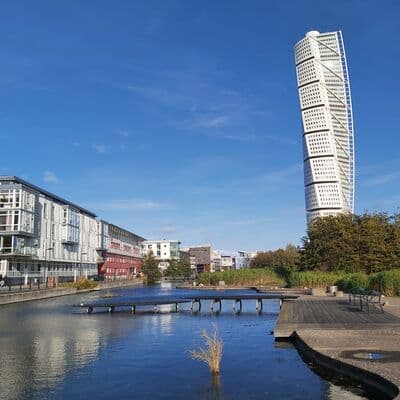
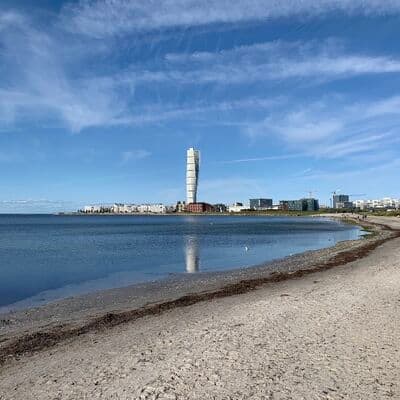
The other thing worth knowing upfront is that Malmö has undergone a dramatic transformation over the past two decades. In the early 2000s, it was a post-industrial city struggling with unemployment after the Kockums shipyard closed. Today, it's a hub for tech startups, sustainable architecture, and some of the best street food in Scandinavia. The Västra Hamnen waterfront district, built on the old shipyard land, is a showcase of this reinvention - anchored by the Turning Torso, Santiago Calatrava's twisting 190-meter skyscraper that has become the city's unmistakable silhouette.
One practical note: Malmö is expensive by global standards but noticeably cheaper than Stockholm or Copenhagen. A meal that costs 280 SEK here (about $27 USD) might run you 350-400 SEK in Stockholm. Budget travelers who've been bleeding money in Scandinavia will find Malmö a slight relief - emphasis on slight.
Neighborhoods: Where to Stay and What They're Like
Malmö is compact enough that you can walk between most neighborhoods in 15 to 20 minutes, but each area has a distinct personality. Where you base yourself will shape your experience, so here's an honest breakdown.
Gamla Staden (Old Town)
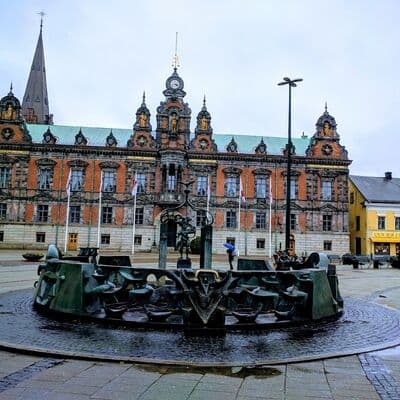
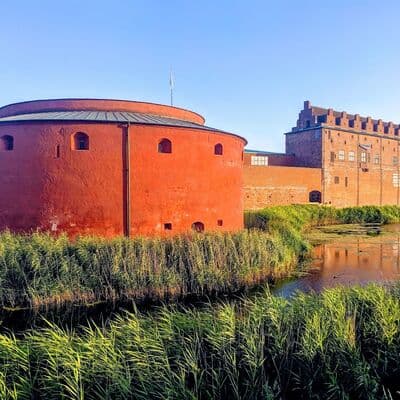
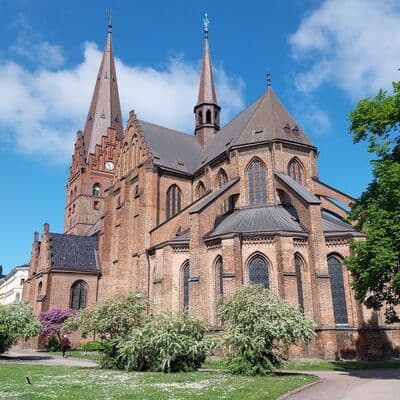
This is the historic center, and it's where most first-time visitors end up - for good reason. The cobblestone streets around Lilla Torg and Stortorget are lined with half-timbered buildings from the 16th and 17th centuries, and the density of restaurants, cafes, and shops is the highest in the city. St. Peter's Church, a Gothic brick masterpiece dating to the 1300s, anchors the district spiritually, while Malmöhus Castle - a squat, moat-surrounded Renaissance fortress - anchors it historically. Hotels here tend to be mid-range to upscale, running 1,200-2,500 SEK ($115-240 USD) per night. The downside: it can feel a bit touristy during peak summer, and restaurant prices reflect the location premium.
Västra Hamnen (Western Harbour)
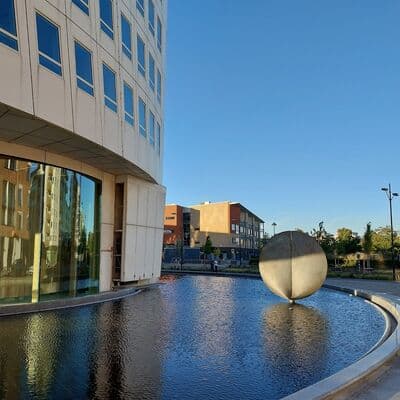
If you're interested in modern architecture and waterfront living, Västra Hamnen is your neighborhood. This former industrial zone has been rebuilt into a showcase of sustainable Scandinavian design - clean lines, green roofs, wind turbines, and public spaces that actually get used. The Turning Torso dominates the skyline, and the promenade along the water is perfect for evening walks. Accommodation options are more limited here - mostly serviced apartments and a handful of boutique hotels - but the trade-off is proximity to the sea, stunning sunset views toward the Öresund Bridge, and a quieter atmosphere than the Old Town. Expect to pay 1,000-2,000 SEK ($95-190 USD) per night for an apartment.
Möllevången
This is the neighborhood that locals will tell you about with a knowing smile. Centered around Möllevångstorget - a bustling square with a daily market - Möllevången (or "Möllan" as everyone calls it) is Malmö's most diverse and arguably most interesting district. It's where you'll find the city's famous falafel joints, Middle Eastern grocery stores, vintage shops, and late-night bars. The vibe is closest to something like Kreuzberg in Berlin or Bushwick in Brooklyn - creative, slightly gritty, unpretentious. Hostels and budget accommodation cluster here, with dorm beds starting around 350 SEK ($34 USD) and private rooms from 700 SEK ($67 USD). The honest downside: some streets can feel rough around the edges late at night, and it's not the prettiest neighborhood architecturally. But the food alone makes it worth staying here.
Slottsstaden
South of the Old Town and bordering Kungsparken, Slottsstaden is Malmö's most traditionally charming residential neighborhood. Think tree-lined streets, Art Nouveau apartment buildings, independent bookshops, and the kind of quiet cafes where people sit for hours reading Stieg Larsson novels. It's a 10-minute walk to the city center but feels worlds away from the tourist bustle. This is where you stay if you want a local experience - the kind of neighborhood where you develop a morning routine at the corner bakery within two days. Accommodation is mostly Airbnb-style rentals, ranging from 800-1,800 SEK ($77-173 USD) per night.
Ribersborg
West of the city center along the coastline, Ribersborg is defined by Ribersborg Beach - a 2.5-kilometer stretch of sandy shore that fills with sunbathers, swimmers, and barbecue smoke from June through August. The neighborhood itself is residential and family-oriented, with parks and green spaces that make it feel more suburban than urban. The star attraction beyond the beach is Ribersborgs Kallbadhus, a century-old open-air bathhouse extending into the Öresund strait on a wooden pier - an essential Malmö experience. Stay here if beaches and outdoor activities are your priority, but know that nightlife and dining options are limited compared to the center.
Central Station Area
Pure convenience. Malmö Centralstation sits at the northern edge of the Old Town, and the area around it is packed with chain hotels, fast food, and the kind of functional urban landscape that exists around every European train station. It's not pretty, and it's not interesting, but if you're using Malmö as a base for day trips to Copenhagen (20 minutes by train) or Lund (12 minutes), the location is unbeatable. Budget chains like Wakeup and Scandic offer rooms from 900-1,500 SEK ($86-144 USD), and you're steps from buses, trains, and the Malmö-Copenhagen Öresund line.
Best Time to Visit Malmö
Malmö's latitude means dramatic seasonal swings in daylight and temperature, and when you visit will fundamentally change your experience. Here's the unvarnished truth about each season.
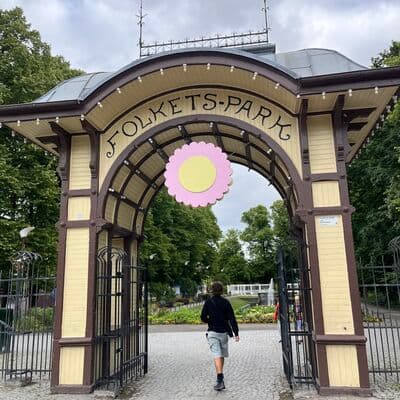
Summer (June to August) is peak season for a reason. Temperatures hover between 18-25°C (64-77°F), daylight stretches past 10 PM, and the city transforms into an outdoor living room. Ribersborg Beach fills up, Folkets Park hosts free concerts and festivals, and sidewalk cafes multiply like mushrooms after rain. The Malmö Festival (Malmöfestivalen) in mid-August is the city's biggest event - a week of free concerts, food stalls, and street performances that draws half a million visitors. Book accommodation at least a month in advance for July and August; prices jump 30-50% above the off-season.
May and September are the sweet spots for savvy travelers. The weather is mild (12-18°C / 54-64°F), crowds thin out significantly, and hotel prices drop back to normal. May brings the cherry blossoms in Kungsparken, while September offers golden autumn light that photographers love. Most outdoor attractions and restaurants are still open with summer hours. If I had to pick one month to visit, I'd say late May - the city is waking up from winter, energy is high, and you'll have the beaches largely to yourself.
Winter (November to February) is for a specific type of traveler. Temperatures sit between -2 and 5°C (28-41°F), daylight disappears by 3:30 PM in December, and the coastal winds can be genuinely brutal. But here's the upside: hotel prices crater (sometimes 40-60% below summer rates), museums are empty, and you'll experience the cozy Swedish concept of "mys" (similar to Danish hygge) in candlelit cafes and restaurants. Christmas markets pop up in Stortorget and Lilla Torg from late November through December. Just pack layers, a windproof jacket, and manage your expectations about outdoor activities.
Avoid: Late November and early February are the dreariest stretches - the Christmas markets have ended (or haven't started), the weather is grey and raw, and even locals retreat indoors. If budget is your priority and you don't mind the dark, January offers the absolute lowest prices, but you need to genuinely enjoy museums, indoor dining, and early sunsets.
Itinerary: How to Spend 3 to 7 Days in Malmö
Malmö itself can be thoroughly explored in three days, but the region around it - Copenhagen, Lund, the Swedish coastline - easily fills a week. Here's a day-by-day plan that works whether you have three days or seven.
Day 1: Old Town, History, and Culture
Start at Stortorget, the main square, and get your bearings. The square is dominated by the 16th-century Town Hall and a statue of King Karl X Gustav, who claimed Malmö for Sweden from Denmark in 1658 - a history the Danes haven't entirely forgotten. From here, walk south to St. Peter's Church and step inside; the vaulted ceiling and medieval frescoes are striking, and entry is free. Continue west to Malmöhus Castle, which houses several museums under one roof - natural history, art, and the castle's own history. Budget 2-3 hours here; the combined ticket costs 50 SEK ($5 USD) and is one of the best deals in Scandinavian museum-going.
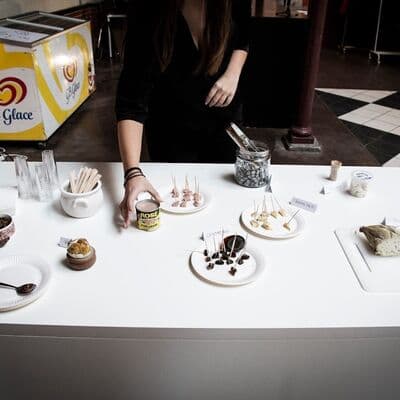
For lunch, wander to Lilla Torg, the smaller, more intimate square that functions as Malmö's outdoor living room. Grab a table at one of the restaurants lining the square - prices are tourist-zone elevated (mains 180-280 SEK / $17-27 USD) but the atmosphere justifies it on your first day. Spend the afternoon at Malmö Konsthall, one of Europe's largest contemporary art galleries with free admission, or hit the Disgusting Food Museum if you want something more unconventional - it's genuinely fascinating, not just a gimmick, and makes you reconsider your own food biases. Entry is 225 SEK ($22 USD).
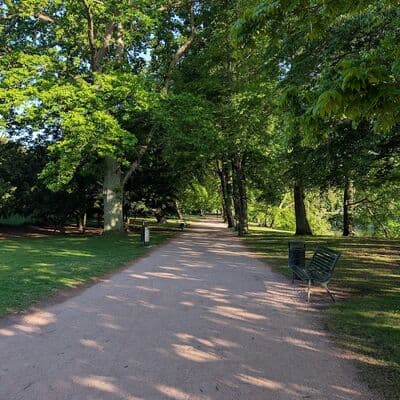
In the evening, walk through Kungsparken as the light softens, then find dinner in the Old Town. If the weather cooperates, the walk along the canal that borders the park is one of the most peaceful evening strolls in the city.
Day 2: Modern Malmö and the Waterfront
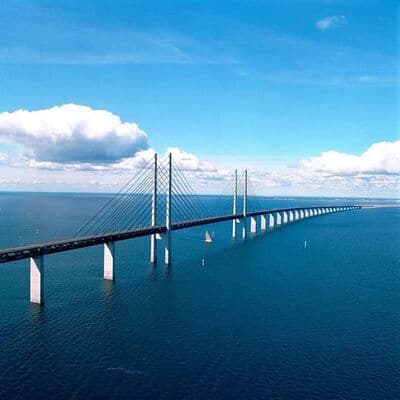
Head to Västra Hamnen in the morning and spend time exploring the neighborhood on foot. Start at the Turning Torso - you can't go inside (it's residential), but the building is best appreciated from the ground, where the twisting geometry is most dramatic. Walk the waterfront promenade south toward the Sundspromenaden, where on clear days you can see both the Öresund Bridge stretching toward Denmark and the Copenhagen skyline shimmering across the strait.
Continue along the coast to Ribersborg Beach and, if you're feeling brave, out to Ribersborgs Kallbadhus. This open-air bathhouse has been operating since 1898 and offers separate-gender nude bathing areas plus a mixed-gender section where swimsuits are required. Entry is 100 SEK ($10 USD). The routine is: sauna until you're gasping, plunge into the Öresund (which is cold even in August), repeat. It sounds masochistic but it's genuinely invigorating, and watching the sun glitter on the water from a wooden deck while wrapped in a towel is the kind of experience that makes a trip memorable. Even if you skip the bathing, the walk out along the pier offers excellent views.
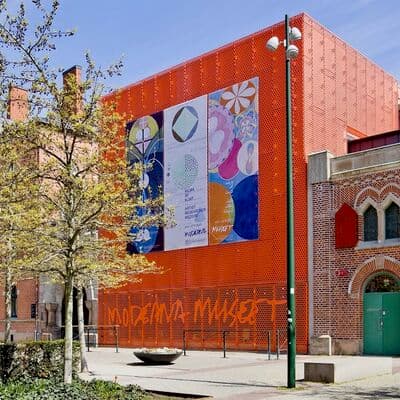
Spend the afternoon at Moderna Museet Malmö, the southern outpost of Stockholm's premier modern art museum. The collection rotates frequently, and the building itself - a converted early-20th-century power station - is worth seeing. Entry is free for the permanent collection. Finish the day with dinner in Västra Hamnen or back in the Old Town.
Day 3: Möllevången and the Real Malmö
This is the day you eat. Head to Möllevångstorget in the morning when the outdoor market is in full swing - vendors selling produce, spices, flowers, and cheap household goods create an atmosphere that feels more Beirut or Istanbul than Sweden. The market operates daily but is best on Saturdays.
For lunch, you have a decision to make: falafel or falafel. Malmö's falafel scene is legendary - the city has the highest density of falafel restaurants in Scandinavia, most of them run by families from the Middle East. A falafel wrap costs 50-70 SEK ($5-7 USD), and locals have strong opinions about which place is best. The competition on Bergsgatan and the streets around Möllevångstorget is fierce, and honestly, most of them are excellent. Just pick the one with the longest line of locals and you won't go wrong.
Spend the afternoon exploring the shops and cafes of the Möllevången area - vintage clothing stores, record shops, second-hand bookstores, and independent design boutiques fill the side streets. Walk south to Folkets Park, Sweden's oldest public park, which was originally built as a gathering place for the labor movement in 1891 and now hosts events, a small amusement area, and a reptile house. In summer, the park comes alive with food trucks and live music on weekends. Head back to Möllevången for dinner - the neighborhood's restaurant scene spans Thai, Ethiopian, Mexican, Iraqi, and everything in between, with most mains running 120-200 SEK ($12-19 USD).
Day 4: Copenhagen Day Trip
This is non-negotiable. The Öresund Bridge connects Malmö to Copenhagen in just 35 minutes by train (Öresundståg), and crossing it is an experience in itself - the train dives into a tunnel on the Danish side and emerges on an artificial island before climbing the cable-stayed bridge, with the open strait visible on both sides. A round-trip ticket costs about 250 SEK ($24 USD) if bought from the Skånetrafiken app or at the station.
In Copenhagen, you can hit the highlights - Nyhavn, Tivoli Gardens, the Meatpacking District for food, Christiania for counterculture - or just wander. The contrast between Danish and Swedish urban culture is subtle but real: Copenhagen feels louder, more chaotic, and more visibly historic. Some travelers prefer it to Malmö, and that's fair - but most find the day trip reinforces what makes Malmö special: it's calmer, cleaner, and more spacious while still offering world-class food and culture.
One practical note: Denmark uses the Danish krone (DKK), not Swedish kronor. Most places accept cards, but check the exchange rate - your bank may charge a currency conversion fee. Revolut, Wise, or similar multi-currency cards are ideal here.
Day 5: Coastline Cycling
Rent a bike (most hotels can arrange this, or use Malmö by Bike rental stations; a day rental runs about 165 SEK / $16 USD) and ride the coastal path south from Ribersborg Beach toward Klagshamn or north toward Lomma. The paths are flat, well-maintained, and separated from car traffic. Pack a lunch from one of the bakeries in town, or plan to stop at one of the small beach cafes that dot the route in summer.
The ride south to Klagshamn (about 12 km one way) takes you past nature reserves, limestone quarries turned swimming holes, and views across the Öresund that get progressively more open and dramatic. If you're a strong cyclist, you can push further to Skanör-Falsterbo (about 30 km), a beach town on a peninsula that feels like it belongs in a different country - white sand, dune grass, and virtually no development. Time the ride so you're heading back toward the city in the late afternoon when the light is warmest.
Day 6: Lund Day Trip
Lund is 12 minutes by train from Malmö Central, costs about 78 SEK ($8 USD) round trip, and is one of Sweden's oldest and most beautiful cities. The university, founded in 1666, dominates the town - 40,000 students in a city of 95,000 - giving it an energetic, youthful atmosphere during term time. The Romanesque cathedral, dating to 1145, is genuinely awe-inspiring, and the astronomical clock inside it puts on a mechanical show at noon and 3 PM (1 PM on Sundays). Kulturen, an open-air museum of historical buildings, is worth an hour or two, and the narrow medieval streets of the city center are perfect for aimless wandering.
Have lunch at one of the student-friendly restaurants near the university - prices are noticeably lower than Malmö, with solid lunch specials (dagens rätt) for 110-140 SEK ($11-13 USD). Head back to Malmö by late afternoon and spend the evening revisiting your favorite neighborhood or trying a restaurant you've had your eye on.
Day 7: Shopping, Revisiting, and Goodbye
Use your last day to fill in the gaps. Hit any museums or neighborhoods you missed, revisit the falafel place you loved on Day 3, or browse the design and fashion shops along Södra Förstadsgatan and in the Form/Design Center in the Old Town. If the weather is good, a final morning at Ribersborgs Kallbadhus is a perfect way to close out a trip. Spend the afternoon picking up Swedish souvenirs - Malmö Chokladfabrik makes excellent handmade chocolates, and any of the design shops in the center will have clean-lined Scandinavian homewares that actually fit in a suitcase.
Where to Eat in Malmö
Malmö's food scene is legitimately one of the best in Scandinavia, and it's more accessible than Stockholm's or Copenhagen's. The secret ingredient is immigration - decades of arrivals from the Middle East, South Asia, East Africa, and the Balkans have created a street food culture that you simply don't find in most Nordic cities. Here's how to navigate it by budget.
Street Food and Budget Eats (under 100 SEK / $10 USD)
The falafel scene around Möllevångstorget is where budget eating in Malmö begins and, honestly, could end. A falafel wrap stuffed with fresh vegetables, pickled turnips, hummus, and hot sauce costs 50-70 SEK and is a full meal. The shawarma spots on Bergsgatan are equally solid. For Asian food, the Vietnamese pho restaurants scattered through the city center serve enormous bowls for 90-100 SEK. Hot dog stands (korvkiosker) are a Swedish institution - a loaded hot dog with mashed potatoes, shrimp salad, and crispy onions runs about 50-65 SEK and is more satisfying than it has any right to be.
Casual and Mid-Range (100-250 SEK / $10-24 USD)
Malmö excels in the casual-but-quality range. Lunch specials (dagens rätt) are a Swedish tradition: most restaurants offer a set lunch between 11 AM and 2 PM that includes a main course, salad bar, bread, water, and coffee for 125-165 SEK ($12-16 USD). This is how locals eat on workdays, and the quality is often surprisingly high. Look for handwritten chalkboard menus outside restaurants - that's your signal. For dinner, the restaurants around Lilla Torg and along Kalendegatan offer mains from 180-250 SEK in settings that range from cozy brick-walled bistros to airy Scandinavian-minimalist dining rooms. Thai restaurants are everywhere in Malmö (there's a running joke that Sweden has more Thai restaurants per capita than Thailand), and they're consistently good - expect to pay 130-170 SEK for a main.
Fine Dining (400+ SEK / $38+ USD per person)
Malmö has a growing fine dining scene that benefits from proximity to Copenhagen's culinary innovation without the Copenhagen price tag. Several restaurants hold Michelin stars or Guide Michelin recommendations, offering tasting menus in the 800-1,500 SEK ($77-144 USD) range - about half what you'd pay at an equivalent level in Copenhagen or Stockholm. The emphasis is on New Nordic cuisine: hyper-local ingredients, seasonal menus, and presentations that are beautiful without being pretentious. Book at least two weeks in advance for the top spots, especially on weekends.
Cafes and Fika
You cannot visit Sweden without engaging in fika - the sacred coffee-and-pastry break that Swedes take at least twice daily with near-religious devotion. Malmö's cafe scene is excellent, with a mix of specialty coffee roasters and traditional konditori (pastry shops). A coffee costs 40-55 SEK ($4-5 USD), and a kanelbulle (cinnamon roll) adds another 35-45 SEK. The cafes in Gamla Staden tend toward polished Scandinavian aesthetics - marble counters, mid-century furniture, pour-over menus - while Möllevången's cafes lean more bohemian and student-friendly. Either way, fika is not optional. It's a social ritual, and skipping it means missing a fundamental part of Swedish culture.
What to Try: A Food Checklist
Swedish food gets an unfair reputation for blandness. While it's true that traditional cuisine leans toward simple preparations and straightforward flavors, that simplicity is the point - quality ingredients treated with respect. Here's what to seek out in Malmö specifically.
Köttbullar (Swedish Meatballs): Yes, like IKEA, but better. Real Swedish meatballs are smaller, more delicate, and served with lingonberry jam, cream sauce, and pickled cucumber. They sound like a cliché, but a well-made plate at a traditional restaurant is comfort food at its finest. Expect to pay 145-195 SEK ($14-19 USD) for a proper serving.
Smörgås (Open-Faced Sandwiches): A staple of Swedish lunch culture. A single piece of dense rye bread topped with anything from smoked salmon and dill to egg salad and shrimp. Simple, satisfying, and available at every bakery and cafe. Usually 65-95 SEK ($6-9 USD) per piece.
Surströmming: Fermented Baltic herring with a smell so powerful that it's banned from most apartment buildings and many airlines. This is not a tourist trap recommendation - most Swedes only eat it once a year, outdoors, in August, and even then many opt out. If you see it at the Disgusting Food Museum, you can sample it in controlled conditions. Consider yourself warned.
Falafel: Malmö's unofficial city food. The falafel scene here rivals Berlin's and, some would argue, surpasses it. The key difference is freshness - most Malmö falafel shops fry to order, and the wraps come loaded with an array of salads, pickles, and sauces that vary by shop. A complete falafel meal for under 70 SEK is a budget traveler's dream in a country where most things are expensive.
Kanelbulle (Cinnamon Roll): Sweden has a national holiday for cinnamon rolls (October 4th - Kanelbullens Dag), and that tells you everything about how seriously they take them. A good kanelbulle is slightly chewy, generously spiced with cardamom as well as cinnamon, and topped with pearl sugar. Every bakery makes them, and quality is generally high across the board. Budget 35-50 SEK ($3-5 USD).
Herring (Sill): Pickled, marinated, or smoked - herring appears on every traditional Swedish menu and is the centerpiece of the smörgåsbord. The variations are endless: mustard sauce, onion, dill, curry (yes, curry - it works). If you visit during Midsommar season (late June), herring is mandatory alongside new potatoes and sour cream.
Prinsesstårta (Princess Cake): A dome-shaped cake layered with sponge, pastry cream, raspberry jam, and whipped cream, covered in a thin layer of green marzipan. It looks like it belongs at a fairy tale tea party, and it tastes like pure sugar-dusted joy. Available at any konditori; a slice runs 60-80 SEK ($6-8 USD).
Craft Beer: Malmö has a thriving craft beer scene with several local breweries producing excellent IPAs, stouts, and sours. The catch: Swedish alcohol laws mean beer above 3.5% ABV can only be sold at Systembolaget (the state-run liquor store) or in bars and restaurants. A craft beer at a bar costs 75-95 SEK ($7-9 USD), which stings compared to US or UK prices but is standard for Scandinavia. Several bars in the Old Town and Möllevången specialize in local and regional craft selections.
By the way
These are the things that guidebooks tend to skim over but that make the difference between a good trip and a great one.
1. Consider basing yourself in Malmö instead of Copenhagen. Hotels in Malmö cost 30-50% less than equivalent options in Copenhagen, and the train connection is 35 minutes. If you're visiting both cities, staying in Malmö and day-tripping to Copenhagen can save you hundreds of dollars over a week. The math works in your favor as long as you factor in the 250 SEK round-trip train fare.
2. Bikes are the best way to get around. Malmö is flat and has over 500 km of dedicated bike lanes. Rental bikes cost 165 SEK per day, and the city is small enough that you can cross it in 20 minutes. Walking works fine too, but cycling lets you cover more ground and feels authentically Malmö. Always use the bike lanes - riding on sidewalks will earn you irritated looks from pedestrians and potentially a fine.
3. Tap water is excellent. Sweden's tap water is clean, cold, and free. Don't waste money on bottled water. Every restaurant will bring you a carafe of tap water if you ask - no judgment, no passive-aggressive upselling.
4. Systembolaget closes early and stays closed on Sundays. If you want wine, spirits, or beer above 3.5% ABV to drink at your accommodation, you need to visit Systembolaget - the state-run alcohol monopoly. Hours are typically Monday-Friday 10 AM to 7 PM, Saturday 10 AM to 3 PM, closed Sunday. Plan accordingly or you'll be drinking low-alcohol lager from the grocery store. The stores themselves are pleasant and well-organized, with knowledgeable staff - it's not the grim Soviet-style experience some people expect.
5. Sweden is essentially cashless. Some vendors, street performers, and even church collection plates accept only cards or mobile payments. You can go weeks without touching physical money. Bring a Visa or Mastercard (American Express has limited acceptance), and make sure your bank knows you're traveling. Apple Pay and Google Pay work widely. If you do need cash for some reason, ATMs (Bankomat) are found throughout the city center.
6. Tipping is not expected but appreciated. Service is included in Swedish prices, and servers are paid living wages. If you had a great meal, rounding up or adding 5-10% is a nice gesture, but nobody will chase you down for leaving nothing. This is a genuine cultural difference from the US - don't let American tipping guilt follow you here.
7. Many museums are free or cheap. Malmö Konsthall and Moderna Museet Malmö have free admission for permanent collections. Malmöhus Castle and its associated museums charge just 50 SEK ($5 USD). Compare this to London or New York museum prices and weep with gratitude.
8. Do the Kallbadhus even if it terrifies you. Ribersborgs Kallbadhus is one of those experiences that sounds unpleasant in theory - nude sauna followed by a plunge into the cold Öresund - but is addictive in practice. The combination of heat, cold, and sea air leaves you feeling genuinely euphoric. Go in the morning on a weekday to avoid crowds. Bring your own towel or rent one for 30 SEK.
9. Market days matter. Möllevångstorget market operates daily, but Saturday is the main event - more vendors, more selection, more energy. Get there before 11 AM for the best produce. The market at Lilla Torg is smaller and more touristy but has good local crafts on summer weekends.
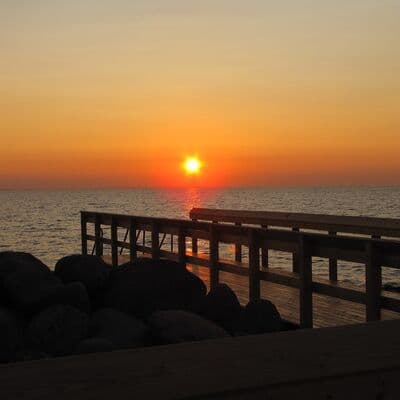
10. Chase the sunset from Västra Hamnen. Malmö's western-facing coastline means spectacular sunsets over the Öresund from late spring through early autumn. The best vantage point is the waterfront promenade in Västra Hamnen, near the Turning Torso. Locals bring blankets, snacks, and drinks; it's an unspoken evening ritual on clear nights. Summer sunsets happen around 9:30-10 PM - late enough to follow dinner.
11. Malmö is safe, but use common sense. Violent crime against tourists is essentially unheard of. Petty theft (pickpocketing, bike theft) exists at the same low levels as any European city. Some neighborhoods south of Möllevången can feel unwelcoming late at night, but actual risk to visitors is minimal. Exercise the same awareness you would in Portland or Brighton and you'll be absolutely fine.
Transport and Connectivity
Getting to Malmö
By air: Malmö Airport (MMX) is 30 km east of the city and handles mostly domestic Swedish flights and some European budget routes. The airport bus (Flygbussarna) takes 40 minutes to Malmö Central and costs 119 SEK ($11 USD) one way. However, most international travelers fly into Copenhagen Airport (CPH), which is actually closer to Malmö than Malmö's own airport - just 20 minutes by direct Öresund train, costing about 160 SEK ($15 USD). Copenhagen Airport is a major international hub with direct flights from New York, London, Chicago, San Francisco, and most European cities. Seriously, fly into Copenhagen. It's faster, cheaper (usually), and the train ride across the Öresund Bridge is a spectacular introduction to the region.
By train: Malmö Central connects to Stockholm (4.5 hours by SJ high-speed train, from 395 SEK / $38 USD if booked early), Gothenburg (3 hours, from 295 SEK / $28 USD), and all major Swedish cities. International trains from Hamburg via the ferry crossing are also an option for those coming from continental Europe. SJ (Swedish Railways) tickets are cheapest when bought 60-90 days in advance through the SJ app.
Getting Around the City
Walking: The city center is compact - Stortorget to Västra Hamnen is about 20 minutes on foot, and you can walk from the train station to Möllevångstorget in 15 minutes. For most visitors, walking is sufficient for the core attractions.
Cycling: The superior option. Malmö by Bike offers rental stations throughout the city, and many hotels provide bikes for guests. Day rentals are about 165 SEK, and the entire city is accessible by bike within 20-25 minutes. Bike lanes are extensive, well-marked, and physically separated from car traffic in most areas. Right-of-way rules: bikes yield to pedestrians on shared paths, but on dedicated bike lanes, cyclists have priority and they know it.
Public transit: Skånetrafiken operates city buses (Stadsbuss) that cover all neighborhoods. A single ride costs 30 SEK ($3 USD) via the Skånetrafiken app (called "Skanetrafiken" in app stores - download it before arrival). A 24-hour pass is 65 SEK ($6 USD), and a 72-hour pass is 170 SEK ($16 USD). The app works in English and lets you plan routes, buy tickets, and check real-time departures. Do not board a bus without a valid ticket - there are no cash purchases on board, and inspectors issue 1,500 SEK ($144 USD) fines with zero mercy.
Day Trip Connections
Copenhagen: Öresund trains depart every 20 minutes from Malmö Central, taking 35 minutes to Copenhagen Central (København H). Round trip costs about 250 SEK ($24 USD). The train also stops at Copenhagen Airport if you need to catch a flight. Buy tickets through the Skånetrafiken app or at ticket machines in the station.
Lund: Pågatåg commuter trains run every 10-15 minutes during the day, reaching Lund in 12 minutes. Round trip is about 78 SEK ($8 USD). You can use the same Skånetrafiken app for tickets.
Useful apps: Skånetrafiken (public transport), SJ (long-distance trains), Bolt or Uber (rideshare - both operate in Malmö), Google Maps (accurate for Swedish transit routing), and Swish (Sweden's universal payment app, though you need a Swedish bank account to set it up - mostly useful to know about when locals mention it).
Who Malmö Is For: A Honest Summary
Malmö is perfect for travelers who value food, design, and walkable cities over monumental sightseeing. It doesn't have the jaw-dropping architecture of Stockholm's Gamla Stan or the fairytale canals of Copenhagen. What it has is a genuine, multicultural city that's small enough to feel intimate but worldly enough to stay interesting for a week.
It's ideal for food-obsessed travelers on a moderate budget, cyclists, design enthusiasts, families (the city is incredibly child-friendly), and anyone using southern Sweden as a base to explore the region. Couples will love the waterfront sunsets and cozy restaurants; solo travelers will appreciate the safety and ease of navigation; groups of friends will gravitate toward Möllevången's nightlife and the Kallbadhus experience.
It's less suited to travelers who need constant stimulation, expect a packed itinerary of world-famous landmarks, or want wild nightlife. Malmö's pace is relaxed, its pleasures are subtle, and its best moments are the ones you stumble into - a perfect falafel eaten on a park bench, a sunset that turns the Öresund to liquid gold, or a conversation with a local who insists you try one more cafe. That's the Malmö experience, and it stays with you longer than any museum ever could.