About
Peru Travel Guide: Ancient Wonders, Culinary Adventures, and Breathtaking Landscapes
Peru is one of those rare destinations that delivers on every promise and then surprises you with experiences you never knew you were looking for. This is a country where you can walk through the ruins of an empire that rivaled Rome in sophistication, taste dishes that have earned South America its place on the global culinary map, and watch the sun rise over mountain peaks that seem to touch the edge of space. I have spent considerable time exploring this remarkable nation, and I can tell you without hesitation that Peru deserves a prominent place on every serious traveler's bucket list.
What makes Peru special is not just its famous attractions, though Machu Picchu alone would justify a trip across the world. It is the depth and variety of experiences packed into a country roughly twice the size of Texas. Within a few hours, you can travel from the driest desert on Earth to snow-capped peaks over 20,000 feet high, then descend into the largest rainforest on the planet. Each of these ecosystems has developed its own distinct culture, cuisine, and way of life over thousands of years.
This guide is designed to help you plan a trip that matches your interests, timeline, and budget. Whether you are dreaming of hiking the Inca Trail, learning to make ceviche with Lima's top chefs, or searching for pink dolphins in the Amazon, you will find practical advice here alongside the kind of insider knowledge that comes only from boots-on-the-ground experience.
Why Peru Deserves a Spot on Your Travel List
Let me be direct with you: there are many countries in South America worth visiting, but Peru stands apart for several compelling reasons that make it particularly rewarding for first-time visitors to the continent and seasoned travelers alike.
Archaeological Treasures Unlike Anywhere Else
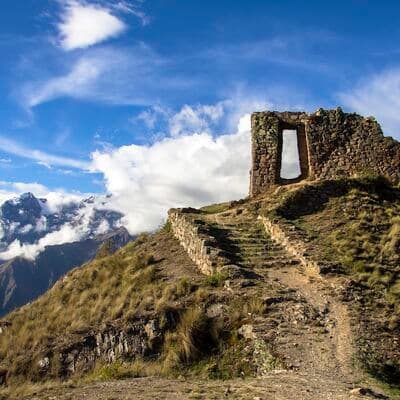
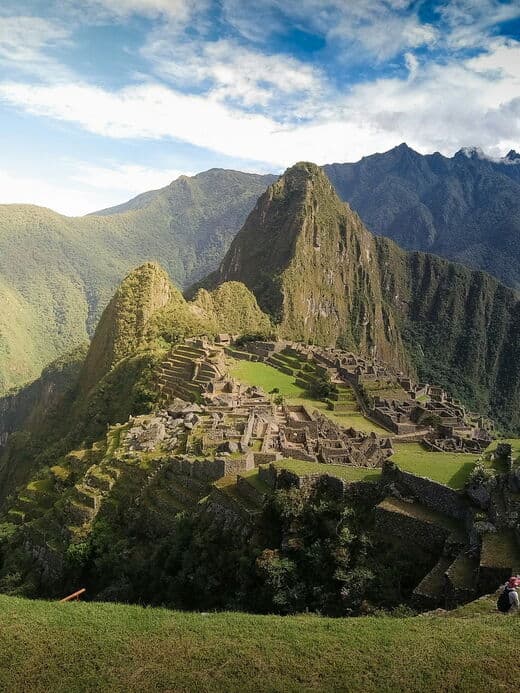
The Inca Empire left behind a network of ruins that stretches across Peru, Ecuador, Bolivia, Chile, and Argentina. But the heart of this civilization beat in Peru, and it is here that you will find the most spectacular remnants of their achievements. Machu Picchu is the crown jewel, of course, a 15th-century citadel perched on a mountain ridge that remained hidden from Spanish conquistadors and was only rediscovered in 1911. Standing among its precisely fitted stone walls as morning mist lifts from the surrounding peaks is genuinely one of the most moving experiences you can have as a traveler.
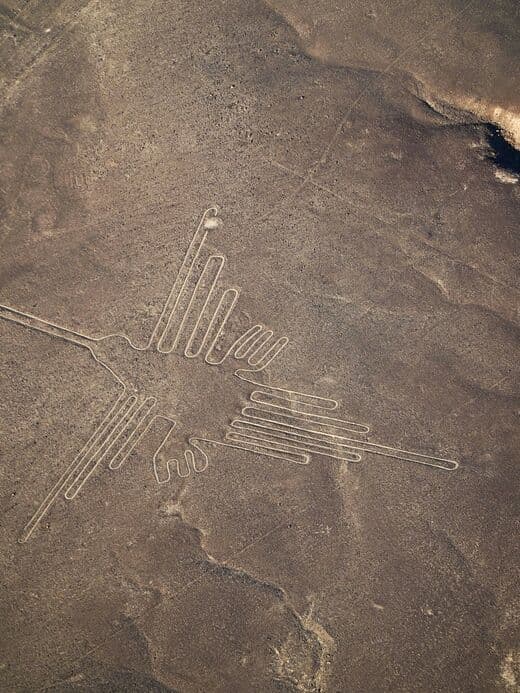
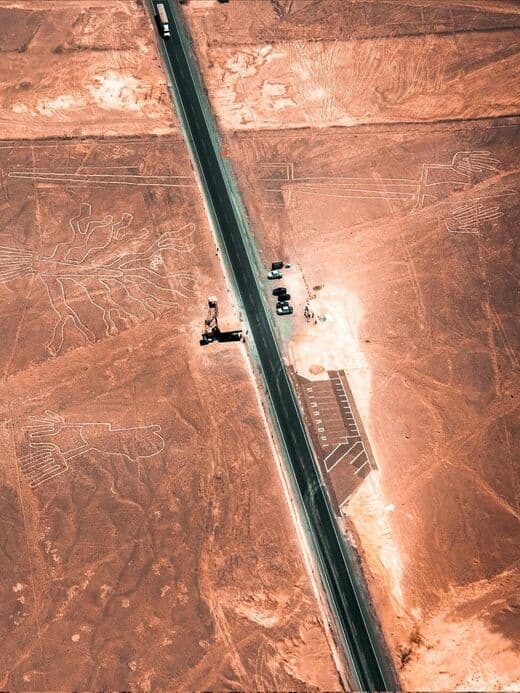
But the Incas were latecomers to Peruvian civilization. Before them came the Moche, the Nazca, the Chimu, the Wari, and dozens of other cultures stretching back more than 5,000 years. The Nazca Lines, those enormous geoglyphs etched into the desert floor, remain one of archaeology's great mysteries. Who made them, and why? Scientists still debate the answers. Near Lima, you can explore pyramids that predate the Incas by a thousand years, including Huaca Pucllana, where you can dine at a world-class restaurant overlooking an ancient ceremonial site illuminated against the night sky.
A Culinary Revolution You Can Taste
Peru has emerged as one of the world's most exciting food destinations over the past two decades, and this is not hype. Lima now hosts multiple restaurants ranked among the world's best, and the country's culinary renaissance has roots far deeper than fine dining. Peruvian cuisine draws from indigenous traditions, Spanish colonial influences, African heritage brought by enslaved peoples, Chinese and Japanese immigration waves in the 19th and 20th centuries, and the incredible biodiversity of its ecosystems.
The result is a cuisine of remarkable depth and creativity. Ceviche, the national dish, showcases the simplest of ingredients transformed by technique: fresh fish cured in lime juice with onions, chilies, and cilantro. But you will also find lomo saltado, a stir-fry that perfectly blends Chinese and Peruvian traditions, or tiradito, a dish that owes as much to Japanese sashimi as to local flavors. Peru has more than 3,000 varieties of native potatoes, and you can taste dozens of them prepared in countless ways. The country's position at the junction of ocean, mountains, and jungle gives it access to ingredients found nowhere else on Earth.
Landscapes That Defy Belief
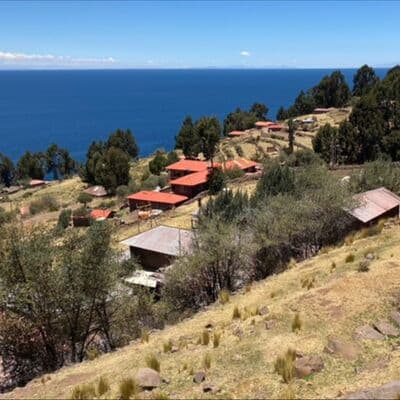
Peru's geography reads like a list of superlatives. The Amazon basin covers more than half the country, making Peru one of the world's most biodiverse nations. The Andes run the length of the country, with peaks exceeding 22,000 feet. Colca Canyon near Arequipa plunges twice as deep as the Grand Canyon. Lake Titicaca, shared with Bolivia, is the highest navigable lake in the world and home to indigenous communities who have lived on floating reed islands for centuries.
The Rainbow Mountain, known locally as Vinicunca, has become an Instagram sensation in recent years, but photographs cannot capture the experience of reaching this 17,000-foot peak to see its naturally striped bands of red, yellow, and turquoise sediment. The desert along Peru's southern coast is among the driest places on Earth, where ancient civilizations created irrigation systems that still function today.
Living Cultures and Traditions
Unlike many archaeological destinations where ancient cultures exist only in museum displays, Peru's indigenous heritage remains vibrantly alive. In the Sacred Valley and around Cusco, you will hear Quechua spoken in markets and see traditional dress worn as everyday clothing, not tourist costumes. Festivals blend Catholic saints with pre-Columbian deities in celebrations of color and music that continue traditions stretching back centuries.
The Peruvian Amazon is home to dozens of indigenous groups, some of whom still maintain limited contact with the outside world. Community tourism initiatives allow visitors to learn about sustainable forest living from people whose ancestors have called the jungle home for thousands of years. This is not manufactured authenticity but genuine cultural exchange.
Practical Advantages for International Visitors
Beyond its attractions, Peru offers practical advantages that make it accessible for American, British, Australian, and Canadian travelers. Citizens of these countries do not need visas for tourist stays of up to 183 days. The country has made significant investments in tourism infrastructure, with reliable transportation links, a good range of accommodations from backpacker hostels to luxury lodges, and a service industry accustomed to international guests. English is widely spoken in tourist areas, though some basic Spanish will enhance your experience immensely.
Peru is also remarkably affordable by Western standards. A mid-range traveler can enjoy excellent accommodations, quality meals, and comfortable transportation for a fraction of what similar experiences would cost in Europe or North America. Budget travelers can stretch their dollars even further, while luxury options exist for those seeking high-end experiences without the prices of comparable destinations in other regions.
The combination of world-class attractions, diverse experiences, cultural authenticity, and visitor-friendly conditions makes Peru one of the best value propositions in international travel today. It is a country that rewards planning but also delights with unexpected discoveries.
Understanding Peru's Regions: A Complete Geographic Overview
Peru divides naturally into three distinct regions, each with its own climate, culture, cuisine, and attractions. Understanding these regions will help you plan an itinerary that matches your interests and the time you have available. Most visitors focus on one or two regions, though longer trips can encompass all three.
The Coast: Desert Cities and Ancient Civilizations
Lima, Peru's capital, sprawls along the central coast where the Andes meet the Pacific. With nearly ten million residents, it is one of South America's largest cities and the unquestioned center of Peru's culinary renaissance. The city can feel overwhelming at first, with traffic that rivals any major metropolis and a grayness during winter months caused by the garua, a persistent coastal fog. But give Lima time and it reveals remarkable depth.
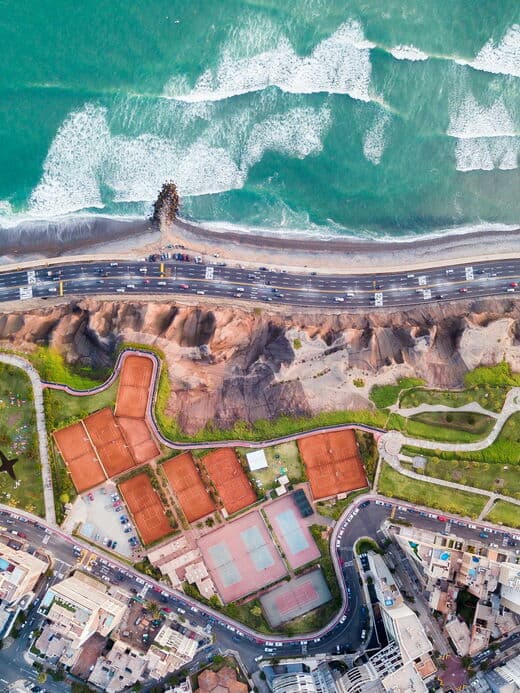
The Historic Center holds UNESCO World Heritage status for its colonial architecture, including balconies and churches that date to the 16th century. The Saint Francis Monastery and Catacombs houses thousands of bones arranged in eerily decorative patterns beneath its baroque church. Miraflores offers a more modern face, with oceanfront parks, upscale shopping, and restaurants that compete with the world's best. Barranco, the bohemian district, provides galleries, live music, and charming colonial houses painted in bright colors.
The Larco Museum houses one of the finest collections of pre-Columbian art anywhere, displayed in an 18th-century mansion built atop a 7th-century pyramid. Unlike many museums, the Larco allows you to explore its storage rooms, where thousands of ceramics line floor-to-ceiling shelves. Its erotic pottery collection, housed in a separate gallery, offers frank depictions of sexuality in ancient Peruvian cultures.
Beyond Lima, the coast holds surprises for those willing to explore. Paracas National Reserve protects desert landscapes and islands teeming with sea lions, penguins, and seabirds. The Ballestas Islands, sometimes called the poor man's Galapagos, offer wildlife encounters at a fraction of the cost of reaching Ecuador's famous archipelago. The oasis town of Huacachina, surrounded by massive sand dunes, provides opportunities for sandboarding and dune buggy adventures.
Nazca draws visitors for its mysterious lines, enormous geoglyphs best appreciated from the air. The small town offers little beyond the lines themselves and the observation tower, but the experience of flying over these ancient designs remains unforgettable. Nearby, the Chauchilla Cemetery displays mummified remains from pre-Inca cultures, their hair and clothing remarkably preserved by the desert climate.
The northern coast, less visited by international tourists, holds archaeological sites rivaling anything in the south. Chan Chan, near Trujillo, was the largest adobe city in the ancient world and capital of the Chimu Empire. The Moche pyramids, known as Huacas del Sol y de la Luna, feature vivid murals depicting gods and sacrificial rituals. Chiclayo serves as a base for exploring the Royal Tombs of Sipan, where intact burials of Moche lords revealed treasures comparable to those of Egyptian pharaohs.
The Highlands: Inca Heartland and Living Traditions
The Peruvian Andes, known locally as the Sierra, form the cultural and historical heart of the nation. This is where the Inca Empire rose to power, where Quechua-speaking communities maintain traditions stretching back centuries, and where the country's most iconic attractions draw visitors from around the world.
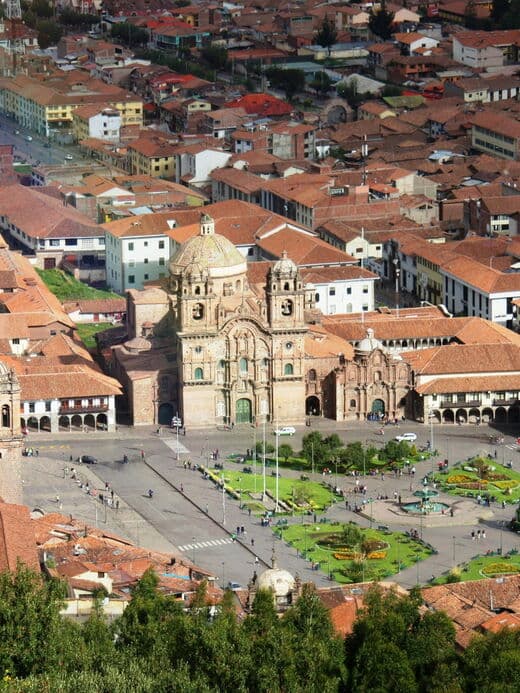
Cusco served as the capital of the Inca Empire and remains the undisputed hub of Andean tourism today. At 11,152 feet above sea level, the city itself can challenge newcomers struggling with altitude, but its rewards justify the adjustment period. The Plaza de Armas occupies the same space where Incas once gathered for ceremonies, now surrounded by colonial arcades built atop Inca foundations. The Cusco Cathedral dominates one side of the square, its interior filled with colonial religious art that blends European traditions with indigenous imagery.
The Qorikancha, once the most important temple in the Inca Empire, now forms the foundation for the Church of Santo Domingo. Here you can see the famous Inca stonework firsthand, walls fitted with such precision that a knife blade cannot penetrate the joints. The San Blas neighborhood climbs the hillside above the center, its narrow lanes lined with artisan workshops and cafes. The San Pedro Market provides a window into local life, with vendors selling everything from fresh fruit to handmade textiles to juice stands blending exotic fruits you have never heard of.
Just outside Cusco, Sacsayhuaman demonstrates Inca engineering at its most impressive. This ceremonial complex features walls of massive stones, some weighing hundreds of tons, fitted together without mortar. How these boulders were moved and shaped remains a subject of debate, and standing before them inspires genuine wonder at what human ingenuity can achieve.
The Sacred Valley stretches northwest of Cusco along the Urubamba River, a region of agricultural terraces, Inca ruins, and traditional villages. Pisac hosts a famous market where vendors sell textiles, pottery, and handicrafts, though the archaeological site above town sees fewer visitors despite its impressive scale. Ollantaytambo preserves an Inca town still inhabited and functioning largely as it did centuries ago, with water channels running through ancient streets. The fortress above dominates the valley, its unfinished Temple of the Sun showing stones that were somehow transported from quarries on the opposite mountainside.
Machu Picchu needs little introduction, but the experience of visiting this mountaintop citadel still exceeds expectations. The classic view, with Huayna Picchu rising behind terraces and stone buildings, is genuinely one of the world's great sights. Beyond the famous panorama, the site rewards exploration, from the Intihuatana stone aligned with the sun to the Temple of the Condor carved into natural rock formations. Visiting early or late in the day, when crowds thin, allows for contemplation of this remarkable place.
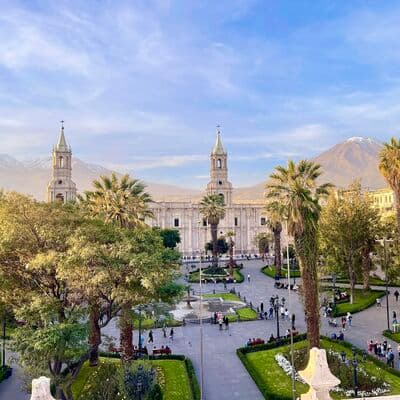
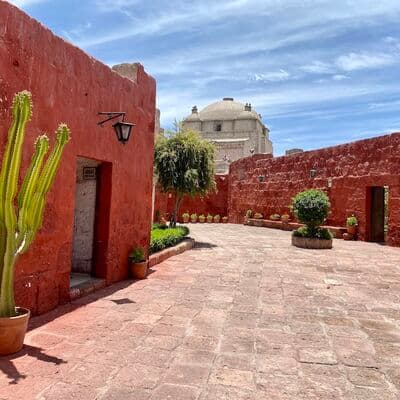
Beyond the Cusco region, the highlands hold many less-visited treasures. Arequipa, Peru's second city, sits at the base of El Misti volcano in a valley known for its sunny climate. The Plaza de Armas here is arguably more beautiful than Cusco's, surrounded by colonial buildings constructed from white volcanic stone called sillar. The Santa Catalina Monastery forms a city within the city, a 16th-century convent that functioned as a closed community for centuries and now opens its labyrinthine streets and colorful plazas to visitors.
Colca Canyon, a few hours from Arequipa, provides dramatic landscapes and reliable sightings of Andean condors riding thermal currents along its walls. The canyon holds traditional villages, pre-Inca agricultural terraces still in use, and hot springs for soaking after hikes. Trekking to the canyon floor and back challenges hikers with the altitude and steep trails, but rewards them with isolation from crowds and glimpses of rural Andean life.
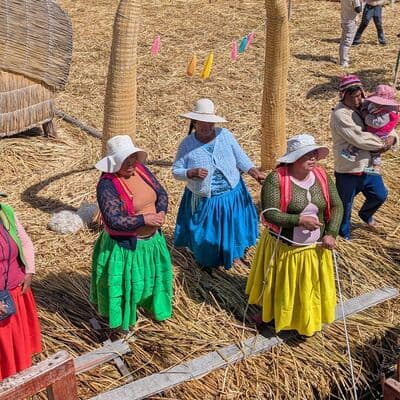
Lake Titicaca, shared with Bolivia, sits at 12,500 feet and stretches across high-altitude plains where alpacas and llamas graze. The Uros people live on floating islands they construct from totora reeds, a tradition that may date back a thousand years. Taquile Island maintains ancient textile traditions, with men famously knitting the elaborate caps that indicate their marital status. Puno, the main gateway town, offers less charm than other Peruvian cities but provides access to these remarkable lakeside communities.
The Amazon: Jungle Wilderness and Biodiversity
More than half of Peru lies within the Amazon basin, a vast expanse of rainforest that remains one of the most biodiverse places on Earth. Accessing this region requires either flights to jungle towns or multi-day overland journeys, but the effort reveals a world completely different from coast or highlands.
Iquitos, the largest city in the world unreachable by road, serves as the main gateway to Peru's northern Amazon. The city itself carries the faded grandeur of the rubber boom era, when fortunes were made and lost extracting latex from jungle trees. Mansions tiled with Portuguese azulejos line streets that now buzz with motorcycle taxis. The floating district of Belen, where houses rise and fall with seasonal river levels, provides a glimpse into Amazonian urban life unlike anywhere else.
From Iquitos, jungle lodges offer varying levels of comfort and remoteness. Multi-day excursions explore flooded forests by canoe, searching for pink river dolphins, caimans, and countless bird species. Night walks reveal tarantulas, tree frogs, and nocturnal creatures unseen during daylight hours. Indigenous communities welcome visitors interested in learning about traditional medicine, forest ecology, and sustainable living.
The Tambopata and Manu regions, accessible from Cusco via the mountain town of Puerto Maldonado, offer perhaps the most pristine Amazon experiences in Peru. Manu National Park, a UNESCO World Heritage Site, protects one of the most biodiverse areas on the planet, home to jaguars, giant otters, harpy eagles, and uncontacted indigenous tribes. Access requires permits and time, but visitors encounter wildlife densities rarely seen elsewhere.
The Peruvian Amazon offers experiences ranging from budget jungle camps to luxury eco-lodges with private bungalows and gourmet cuisine. Multi-day excursions typically combine boat travel, jungle walks, wildlife observation, and cultural visits. The wet and dry seasons affect which activities are possible, with flooded forests accessible by canoe during high water and forest trails easier during lower water periods.
Planning Around the Regions
Most first-time visitors focus on the southern circuit, combining Lima with Cusco and the Sacred Valley for Machu Picchu. Adding Arequipa and Colca Canyon extends this itinerary with minimal additional logistics. The Amazon requires either flying from Lima to Iquitos or routing through Cusco to Puerto Maldonado, adding at least three or four days to your trip.
The northern coast and highlands see far fewer international visitors but reward those willing to explore off the beaten path. Combining Trujillo, Chiclayo, and Chachapoyas (gateway to the fortress of Kuelap) creates an archaeological circuit rivaling the southern route in significance, if not in tourist infrastructure.
What Makes Peru Unique: Experiences Found Nowhere Else
Every country claims unique attractions, but Peru delivers experiences genuinely unavailable elsewhere. Understanding these distinctive elements helps prioritize your time and ensures you do not miss what makes this destination special.
The Inca Trail and Machu Picchu
Yes, Machu Picchu appears on every list, but its fame is earned, not manufactured. This citadel, built around 1450 and abandoned a century later during the Spanish conquest, remained hidden until American historian Hiram Bingham reached it in 1911. Its dramatic setting on a mountain saddle, surrounded by peaks and jungle-covered slopes, creates a visual impact that photographs cannot fully capture.
The classic Inca Trail trek approaches Machu Picchu on foot, following original stone pathways through cloud forest and over high passes, camping at archaeological sites along the way. The four-day trek culminates with arrival at the Sun Gate, where the citadel reveals itself below in morning light. This experience, though requiring permits booked months in advance and reasonable fitness, remains one of the world's great treks.
Alternative routes have grown in popularity as Inca Trail permits sell out further in advance. The Salkantay Trek offers more dramatic mountain scenery over five days. The Lares Trek passes through traditional communities where visitors can engage with Quechua-speaking families. The one-day Inca Trail provides a taste of the experience for those with limited time. Even arriving by train, the iconic approach through the Urubamba gorge builds anticipation perfectly.
Peruvian Cuisine: A Global Culinary Capital
Lima has earned recognition as the gastronomic capital of South America, and this is not mere marketing. The city hosts restaurants consistently ranked among the world's fifty best, from Virgilio Martinez's Central, which creates menus based on Peru's ecological diversity, to Gaston Acurio's Astrid y Gaston, which helped launch the culinary movement two decades ago.
But Peru's food culture extends far beyond fine dining. Cevicherias serve the national dish of raw fish cured in lime juice at lunch counters where taxi drivers sit beside executives. Chifas, Chinese-Peruvian restaurants that emerged from 19th-century immigration, offer unique fusion cuisine found nowhere else. Picanterias in Arequipa serve traditional dishes in settings unchanged for generations. Markets overflow with ingredients from three distinct ecosystems, from coastal seafood to highland tubers to jungle fruits.
The diversity of Peruvian cuisine reflects the country's multicultural history. Lomo saltado, the beloved stir-fry of beef, onions, tomatoes, and french fries served over rice, marries Chinese technique with local ingredients. Tiradito applies Japanese sashimi methods to Peruvian ceviche traditions. Anticuchos, grilled beef heart skewers, trace their origins to enslaved African cooks who transformed leftover cuts into delicacies. This culinary melting pot created something genuinely new.
Food tours, cooking classes, and market visits offer deeper engagement with Peru's culinary heritage. Learning to make ceviche or pisco sour, the national cocktail, provides skills you can take home. Visiting the San Pedro Market in Cusco or Surquillo Market in Lima introduces ingredients you have never seen and flavors you will not forget.
Andean Textiles and Living Crafts
The weaving traditions of the Peruvian highlands produce textiles recognized worldwide for their quality and artistry. This is not tourist kitsch but living craft traditions passed down through generations. In villages like Chinchero in the Sacred Valley, women demonstrate the entire process from shearing alpacas to dyeing with natural materials to weaving on backstrap looms using techniques unchanged for centuries.
The patterns themselves carry meaning, representing communities, families, and beliefs in visual language that predates writing. A trained eye can identify a weaver's home village from the designs in her textiles. Colors once came exclusively from plants, insects, and minerals; cochineal beetles produce brilliant reds, while certain plants yield colors ranging from yellow through purple.
Purchasing textiles directly from weavers provides economic support to communities maintaining these traditions while acquiring pieces of genuine cultural value. High-quality alpaca goods, from sweaters to blankets, represent excellent value compared to similar items in North America or Europe. Learning to distinguish quality, understanding fair trade practices, and recognizing machine-made imitations from handcrafted originals helps ensure your purchases benefit artisans directly.
Biodiversity Beyond Imagination
Peru ranks among the world's top ten megadiverse countries, with extraordinary numbers of species across multiple ecosystems. The Amazon basin portion alone hosts more bird species than any country in Africa, more fish species than the Atlantic Ocean, and more tree species than the entire continental United States.
Birdwatchers travel from around the world to spot species unavailable elsewhere, from the colorful cock-of-the-rock (Peru's national bird) to the bizarre hoatzin, sometimes called the stinkbird for its unusual digestive system. Manu National Park alone holds more than a thousand bird species, roughly ten percent of all species on Earth.
Wildlife viewing in Peru ranges from casual encounters to dedicated expeditions. Giant river otters, growing up to six feet long, hunt in family groups in pristine Amazonian lakes. Andean condors, with wingspans exceeding ten feet, soar above canyon walls. Pink river dolphins surface in murky waters where tributaries meet the main river. Jaguar sightings, once rare, have become more reliable in certain areas as conservation efforts succeed.
Altitude and Adventure
Peru's dramatic topography creates opportunities for adventure sports ranging from gentle to extreme. The altitude itself, reaching over 14,000 feet in inhabited areas and exceeding 17,000 feet on trekking routes like Rainbow Mountain, provides a challenge unlike most travel experiences.
Trekking options range from day hikes to multi-week expeditions. The Ausangate Circuit, circling a sacred mountain near Cusco, offers glacial landscapes, turquoise lakes, and traditional herding communities over five to seven days. The Huayhuash Circuit, considered one of the world's great treks, traverses high passes with constant views of dramatic peaks over twelve days or more.
Mountain biking, whitewater rafting, paragliding, and rock climbing offer additional adventure options. The Sacred Valley has become a hub for these activities, with operators offering everything from gentle family rides to technical descents. The coastal desert provides different opportunities, including sandboarding on massive dunes near Huacachina and surfing world-class breaks that draw competitive athletes.
Mysticism and Traditional Medicine
Peru has become a center for seekers interested in traditional healing practices, particularly those involving ayahuasca, a plant medicine used by indigenous Amazonian peoples for centuries. This powerful psychedelic substance, legal in Peru though not in most Western countries, has drawn visitors interested in spiritual exploration, healing, and personal growth.
The ayahuasca industry ranges from authentic practitioners continuing ancestral traditions to questionable operators capitalizing on tourist demand. Those interested should research carefully, prioritize safety, and understand both potential benefits and serious risks. Ceremonies typically involve multiple days of dietary preparation, overnight rituals with trained facilitators, and integration support afterward.
Beyond ayahuasca, Peru's traditional medicine encompasses a vast knowledge of healing plants accumulated over millennia. Coca leaves, sacred to Andean peoples long before their alkaloids were extracted for other purposes, are chewed and brewed for altitude sickness and general well-being. Shamanic traditions from coast, highlands, and jungle each offer distinct approaches to health and spirituality.
When to Visit Peru: Seasons, Festivals, and Timing Your Trip
Peru's diverse geography means there is no single best time to visit; optimal timing depends on which regions you prioritize. Understanding seasonal patterns helps plan an itinerary that maximizes good weather and interesting events.
Climate Patterns by Region
The coast experiences what locals call perpetual spring, though winter months from May through November bring the garua fog that shrouds Lima in gray. This mist rarely produces rain but creates overcast, humid conditions that can feel depressing. Coastal summers from December through April bring sunshine and higher temperatures, making beach activities more appealing.
The highlands operate on a clearer seasonal pattern. The dry season from May through October coincides with winter months but brings sunny days and cold nights perfect for trekking and sightseeing. This is high season for Cusco and Machu Picchu, with correspondingly higher prices and larger crowds. The wet season from November through April brings afternoon rain showers that can disrupt outdoor activities but also creates greener landscapes and fewer tourists.
The Amazon reverses this pattern somewhat. The dry season from June through October lowers water levels, making forest trails accessible and wildlife concentrated around shrinking water sources. The wet season raises rivers, allowing exploration of flooded forests by canoe and creating opportunities to see forest canopy from waterline. Both seasons offer distinct experiences rather than clear advantages.
Peak Season Considerations
June through August represents true high season across Peru, coinciding with North American and European summer holidays. Machu Picchu reaches maximum crowding, Inca Trail permits sell out months in advance, and popular hotels book up early. The tradeoff is reliable weather and the liveliest atmosphere in tourist areas.
Shoulder seasons in April-May and September-October offer good compromises, with decent weather, thinner crowds, and better availability. May can be particularly attractive, catching the end of wet season greenery as dry season stability arrives. October brings some rain risk but fewer visitors than peak months.
December through February sees lower prices and fewer international visitors despite holiday periods. Afternoon rains in the highlands can dampen plans, and some trekking routes close or become less pleasant. But travelers comfortable with flexibility find this period rewarding, with authentic local atmosphere and easier access to popular sites.
Major Festivals and Events
Peru's festival calendar blends Catholic traditions with pre-Columbian celebrations, creating colorful events throughout the year. Planning around these occasions can enhance your trip with unforgettable cultural experiences.
Inti Raymi, the Festival of the Sun, occurs annually on June 24 in Cusco. This recreation of Inca solstice ceremonies draws enormous crowds to witness elaborate processions and rituals at Sacsayhuaman. The week leading up to Inti Raymi features related celebrations throughout the city. Booking accommodations and securing ceremony tickets requires advance planning.
Semana Santa, Holy Week before Easter, brings elaborate processions to cities throughout Peru. Ayacucho holds perhaps the most impressive celebrations, with nightly processions featuring massive floats and carpets of flower petals covering streets. Cusco's processions blend Catholic imagery with Andean traditions in distinctly Peruvian fashion.
Fiestas Patrias, Independence Day celebrations on July 28-29, see Peruvians take to the streets nationwide. Parades, fireworks, and parties continue through the long weekend. Domestic travel peaks during this period, affecting availability in popular destinations.
Virgin de la Candelaria in Puno during early February features traditional dance competitions that represent indigenous communities from across the region. The elaborate costumes and energetic performances make this one of Peru's most visually spectacular festivals.
Getting to Peru: Flights, Entry Requirements, and Arrival Logistics
Peru's main international gateway is Jorge Chavez International Airport in Lima, with connections from major cities across the Americas and beyond. Understanding your options and requirements ensures smooth arrival.
Flight Options from North America and Europe
Multiple airlines offer direct flights from the United States to Lima. American, Delta, United, JetBlue, LATAM, and others provide service from hubs including Miami, Houston, Dallas, Atlanta, New York, and Los Angeles. Flight times range from roughly six hours from Miami to about eight hours from Los Angeles or New York.
From the United Kingdom, direct flights to Lima operate from London Heathrow, with flight times around twelve hours. Connecting options through US or European hubs sometimes offer better prices or schedules.
Canadian travelers typically connect through US gateways or fly direct from Toronto on LATAM or through Copa via Panama City. Australian and New Zealand travelers face the longest journeys, typically routing through Los Angeles or Santiago, Chile.
Prices vary significantly by season and how far in advance you book. Peak season flights from June through August command premium prices, while shoulder and low season travel offers savings. Setting price alerts and maintaining flexibility on dates helps secure better fares. Budget carriers like JetBlue have introduced competitive pricing on certain routes.
Entry Requirements for English-Speaking Travelers
Citizens of the United States, United Kingdom, Canada, Australia, and New Zealand do not require visas for tourist visits to Peru. Immigration officers grant stays of up to 183 days, though you may receive fewer days if you do not specify your intentions. Having a return ticket and evidence of onward travel helps, though officials rarely request documentation beyond a valid passport.
Your passport must be valid for at least six months beyond your planned departure date from Peru. Immigration stamps go directly in your passport; there is no separate visa document to safeguard.
Peru requires no specific vaccinations for entry from most countries, though health authorities recommend certain immunizations, particularly for Amazon travel. Yellow fever vaccination becomes advisable for jungle regions, and some countries require proof of vaccination for travelers arriving from Peru's Amazon areas.
Arrival at Lima Airport
Jorge Chavez Airport sits in Callao, a port district northwest of central Lima. The single terminal handles both international and domestic flights, with a newer terminal section improving the experience from previous years.
Immigration processing varies from quick to lengthy depending on flight arrivals. Having your arrival card completed in advance speeds the process. After immigration, baggage claim handles luggage reasonably efficiently by Latin American standards.
Exiting customs leads to a gauntlet of taxi touts and tour operators. Safest options include pre-arranged hotel transfers, official airport taxi counters inside the terminal, or ride-sharing apps. The airport express bus to Miraflores offers budget-friendly transportation, though it stops running in evening hours.
If connecting to domestic flights, Lima's airport layout makes this straightforward, with gates accessible after security screening. Allow sufficient time for connections, as domestic flight schedules can shift.
Alternative Entry Points
Though Lima serves as the main gateway, other options exist for specific itineraries. Some travelers fly into Cusco via connections in Lima or from other South American cities, though the immediate altitude gain can challenge those arriving directly from sea level.
Overland entry from Ecuador, Bolivia, or Chile appeals to travelers on extended South American itineraries. Border crossings range from straightforward to time-consuming depending on location and timing. The most common crossings include Aguas Verdes from Ecuador, Desaguadero or Yunguyo from Bolivia near Lake Titicaca, and Tacna from Chile.
Getting Around Peru: Transportation Options and Logistics
Peru's challenging geography has shaped transportation options that range from convenient to adventurous. Understanding the available choices helps plan realistic itineraries.
Domestic Flights
Given Peru's distances and terrain, domestic flights make sense for many itineraries. LATAM Peru dominates the market, with competitors including Sky Peru and JetSmart offering lower fares on popular routes. Flights from Lima reach Cusco in about an hour and twenty minutes, compared to over twenty hours by bus.
Book domestic flights in advance during peak season, when popular routes sell out. Prices increase significantly as departure dates approach. Budget carriers may charge extra for checked luggage, so review policies carefully.
Iquitos, accessible only by air or multi-day river journey, requires flying for most visitors. Arequipa, Trujillo, Chiclayo, and other regional centers all have domestic airports with regular Lima connections.
Long-Distance Buses
Peru's bus network provides extensive coverage at affordable prices, with quality ranging from basic to genuinely comfortable. For budget travelers and those enjoying scenic routes, buses offer a viable alternative to flying.
Top-tier companies like Cruz del Sur and Oltursa operate modern coaches with reclining seats, onboard service, and entertainment systems. Their bus-cama (sleeper) and VIP options convert to nearly flat beds, making overnight journeys comfortable. Book these services directly through company websites or at terminal offices.
The Lima to Cusco route takes approximately 22 hours but passes through dramatic mountain scenery, including the altiplano around Juliaca. Lima to Arequipa runs about 16 hours, mostly along the coastal desert. These journeys suit travelers with time who want to experience Peru's landscapes at ground level.
Safety considerations should inform bus choices. Stick with reputable companies, choose daytime departures when possible for mountain routes, and keep valuables secured. Night buses on major routes with established companies generally operate safely.
Trains
Peru's train network primarily serves tourists, with the main routes connecting Cusco, the Sacred Valley, and Machu Picchu. Peru Rail and Inca Rail operate multiple daily departures in various service classes, from basic Expedition service to luxury Hiram Bingham options with gourmet meals and onboard entertainment.
The train to Machu Picchu from Ollantaytambo takes about an hour and forty-five minutes, descending through the Urubamba gorge with views that build anticipation perfectly. From Cusco's Poroy station, the journey adds time but provides a longer scenic experience.
A separate route connects Cusco with Puno on Lake Titicaca, crossing high-altitude plains with stops at scenic viewpoints and Andean villages. The Belmond Andean Explorer offers overnight luxury service on this route.
Local Transportation
Within cities, options vary by location. Lima has an expanding metro system, though it does not yet reach most tourist areas. The Metropolitano bus rapid transit system runs from the center through Miraflores, providing quick affordable transit. Taxis remain common, with apps like Beat providing safer alternatives to street hails.
Cusco's compact center makes walking the best option for most attractions. Taxis handle trips to outlying sites, with fares negotiated in advance. Many visitors use colectivos, shared minibuses following fixed routes, though these require some local knowledge to navigate.
Mototaxis, three-wheeled motorcycle taxis, dominate transportation in smaller cities and jungle towns like Iquitos. Fares are cheap, the experience is memorable, and safety varies. Negotiate prices before boarding and hold on.
Rental Cars and Driving
Driving in Peru challenges even experienced travelers. Lima's traffic rivals major world cities for chaos, mountain roads demand careful navigation, and driving customs differ significantly from North American or European norms.
That said, rental cars enable flexibility for self-directed exploration, particularly in regions like the Sacred Valley or around Arequipa. International agencies operate at Lima airport and major cities, with local companies often offering lower rates. Automatic transmission vehicles cost more and require advance booking.
An International Driving Permit supplements your home license for rentals and police interactions. Insurance costs add significantly to rental prices but provide essential protection given driving conditions.
Organized Tours and Private Transportation
For many visitors, organized tours and private transportation provide the easiest way to experience Peru's highlights. This approach makes particular sense for complex logistics like the Inca Trail, remote regions like the Amazon, or travelers prioritizing comfort over budget.
Local tour operators range from budget to premium, with corresponding differences in guides, vehicles, group sizes, and inclusions. Booking through established agencies ensures accountability and typically provides better experiences than deals arranged on arrival.
Private drivers and guides offer flexibility for those wanting customized itineraries without managing logistics themselves. Rates vary but typically run reasonable compared to similar services in developed countries.
Peruvian Cultural Etiquette: How to Connect with Locals
Understanding Peruvian cultural norms enhances your experience and shows respect for your hosts. While Peruvians generally forgive tourist missteps, making an effort to adapt demonstrates good faith.
Greetings and Social Interaction
Peruvians greet with warmth and physical contact. A kiss on one cheek is standard between women and between women and men upon introduction and greeting. Men typically shake hands, though close friends may embrace. Greetings matter; acknowledging people properly before conducting business or asking questions shows basic courtesy.
Conversation tends toward the personal. Questions about family, where you are from, and what you think of Peru are genuine expressions of interest, not intrusions. Reciprocating with similar questions builds connection.
Formality matters more than in many English-speaking cultures. Using senor and senora, saying por favor and gracias liberally, and addressing people politely makes positive impressions. The informal tu should be reserved for clear social situations; usted shows respect when uncertain.
Time and Punctuality
Peruvian time operates flexibly by American standards. Social events rarely start at the stated hour, and arriving early may find hosts unprepared. Business appointments hold somewhat more strictly, though delays remain common. Adjust expectations accordingly and bring patience.
This flexibility extends to service situations. Meals may take longer than rushed Americans expect, with checks arriving only upon request. Enjoy the pace rather than fighting it.
Bargaining and Transactions
Bargaining is expected in markets and with some taxi drivers but not in shops with fixed prices, restaurants, or formal businesses. In appropriate contexts, negotiate with good humor rather than aggression. Walking away usually prompts better offers if sellers have room to negotiate.
Tipping follows somewhat lower expectations than the United States. Restaurant service typically warrants 10 percent for good service, with higher percentages at upscale establishments. Tour guides and hotel staff appreciate tips, with amounts depending on service quality and your own means.
Photography Etiquette
Ask permission before photographing people, especially in traditional communities. Many Peruvians happily pose, while others prefer privacy. Indigenous people in tourist areas often expect small tips for photographs, which is reasonable compensation for their time.
Some markets and sacred sites prohibit photography or charge fees. Respect these rules. The best travel photos capture genuine moments rather than forced poses.
Dress and Appearance
Peruvians generally dress more formally than casual American tourists. While backpacker attire works fine in tourist areas, making some effort with appearance shows respect, particularly when visiting churches, upscale restaurants, or government offices.
Modest dress matters at religious sites. Cover shoulders and avoid very short clothing when entering churches. Some sites enforce dress codes; others rely on visitor discretion.
Altitude and weather considerations often trump fashion anyway. Layering makes sense given temperature swings between sunny days and cold evenings. Comfortable walking shoes matter more than stylish footwear when navigating cobblestone streets and archaeological sites.
Religion and Tradition
Peru is predominantly Catholic, with indigenous traditions woven throughout religious practice. Churches remain active places of worship, not merely tourist attractions. Behave respectfully during services and avoid disruptive photography.
Pre-Columbian beliefs persist alongside Catholicism, particularly in highland communities. Offerings to Pachamama (Mother Earth), coca leaf rituals, and traditional healing practices are serious matters, not tourist entertainment. Approach with respect when invited to participate.
Coca Leaves and Customs
Coca leaves are legal and culturally important in Peru, used for altitude sickness, ceremonial purposes, and everyday chewing. Tea made from coca leaves (mate de coca) is commonly offered to tourists arriving at altitude. This traditional use has nothing to do with cocaine, which requires extensive chemical processing to produce.
That said, coca products cannot be legally brought to the United States, Canada, or most other countries. Do not attempt to pack coca tea or leaves in your luggage; detection carries serious consequences.
Staying Safe in Peru: Practical Advice for Travelers
Peru is generally safe for tourists who exercise reasonable precautions. Understanding real risks helps you avoid problems without unnecessary paranoia.
Petty Crime and Theft
Pickpocketing and bag snatching occur in crowded areas, particularly in Lima and Cusco. Tourist-heavy locations like markets, bus stations, and popular plazas attract opportunistic thieves. Basic precautions significantly reduce risk: carry minimal valuables, use money belts or hidden pouches for important documents, and remain aware of your surroundings.
Express kidnappings, where victims are forced to withdraw money from ATMs, have occurred in Lima. Using ATMs inside banks during business hours, avoiding flashy displays of wealth, and being cautious about strangers offering assistance reduce this risk.
Taxi safety concerns center on unmarked cabs. Use official taxi services, hotel-arranged transportation, or ride-sharing apps rather than flagging random vehicles. When using street taxis, note the license plate and confirm the fare before entering.
Natural Hazards
Peru sits in an active seismic zone, and earthquakes occur regularly. Familiarize yourself with earthquake safety procedures. Hotels in tourist areas are generally constructed to withstand tremors, but knowing proper responses matters.
Altitude sickness affects many visitors to highland destinations. Symptoms include headache, nausea, fatigue, and shortness of breath. Ascending gradually, staying hydrated, avoiding alcohol initially, and considering medication like acetazolamide helps prevent serious problems. Severe altitude sickness requires descent; ignoring symptoms can be dangerous.
Mountain weather changes rapidly. Hypothermia affects underprepared hikers when conditions turn. Bring appropriate layers even for seemingly short excursions.
Health Precautions
Food safety concerns apply as anywhere in the developing world. Stick to bottled water, avoid raw vegetables at questionable establishments, and choose busy restaurants where food turnover keeps dishes fresh. Street food can be excellent but evaluate cleanliness before partaking.
Ceviche, while delicious, involves raw fish and carries some risk. Reputable cevicherias handle fish safely, but questionable spots may cause problems. Locals typically eat ceviche at lunch, when fish is freshest.
Mosquito-borne illnesses including dengue, Zika, and malaria exist in Peru, particularly in Amazon regions. Use repellent, wear long sleeves and pants, and consider antimalarial medication for jungle travel. Consult travel health specialists before your trip.
Political Demonstrations
Protests occur periodically in Peru, sometimes disrupting transportation and tourist services. Road blockades have occasionally affected travel to and from Cusco and other popular destinations. Monitor news, maintain flexibility in your plans, and avoid large gatherings if tensions escalate.
Scams Targeting Tourists
Common scams include fake tour operators, taxi drivers taking circuitous routes, vendors passing off machine-made textiles as handmade, and the occasional short-changing at businesses. Research operators before booking, establish fares before rides, and count change carefully.
Romance scams occasionally target solo travelers. Maintain healthy skepticism about too-good-to-be-true encounters.
LGBTQ+ Considerations
Peru is more conservative than many Western countries regarding LGBTQ+ matters. While same-sex relationships are legal and Peruvian law prohibits discrimination, public attitudes vary. Lima's Miraflores district has a visible gay scene, but discretion is advisable in smaller towns and rural areas. Hate crimes are rare but not unknown.
Health Matters: Medical Preparation and Care in Peru
Taking appropriate health precautions ensures your trip remains enjoyable. Peru's healthcare system ranges from excellent in Lima to very limited in remote areas.
Pre-Travel Preparations
Consult a travel medicine specialist at least six weeks before departure. Recommended vaccinations typically include hepatitis A and B, typhoid, and routine immunizations. Yellow fever vaccination is advised for Amazon travel and required by some countries for travelers arriving from Peru's jungle regions.
Pack a travel health kit with personal medications, basic first-aid supplies, sunscreen, insect repellent, and anti-diarrheal medication. Prescription drugs should remain in original containers with documentation.
Travel insurance covering medical evacuation is essential. Serious illness or injury in remote areas may require transport to Lima or even international evacuation. Verify that your policy covers adventure activities if planning treks or extreme sports.
Altitude Sickness
Altitude sickness deserves special attention given that many Peruvian highlights sit above 10,000 feet. Cusco at 11,152 feet, Lake Titicaca at 12,500 feet, and trekking routes exceeding 15,000 feet all challenge visitors arriving from sea level.
Symptoms typically appear within hours of arrival and include headache, fatigue, nausea, and shortness of breath. Most people acclimatize within a day or two with rest and hydration. More severe cases bring vomiting, confusion, and fluid accumulation requiring medical attention.
Preventive strategies include ascending gradually when possible (spending a night in the Sacred Valley before Cusco helps), drinking plenty of fluids, avoiding alcohol initially, eating light meals, and resting upon arrival. Coca tea, widely available, provides mild relief.
Acetazolamide (Diamox) can prevent or reduce symptoms when started before arrival at altitude. Discuss this option with your doctor before traveling.
Medical Facilities
Lima has modern hospitals and clinics meeting international standards. Clinica Anglo Americana and Clinica Good Hope offer English-speaking staff and services familiar to North American and European patients.
Cusco has adequate medical facilities for most issues, including hyperbaric chambers for severe altitude sickness. However, complex cases may require evacuation to Lima.
Remote areas have minimal healthcare. Jungle lodges typically employ staff with first-aid training, but serious problems require evacuation, which can take time. Factor this into risk assessments for adventure travel.
Money Matters: Currency, Costs, and Financial Practicalities
Understanding Peru's financial landscape helps budget effectively and avoid unnecessary costs.
Currency and Exchange
Peru's currency is the sol (plural soles), denoted as S/. or PEN. At current exchange rates, one US dollar buys roughly 3.7 to 3.8 soles, though this fluctuates. Tourist businesses often accept US dollars directly, though exchange rates offered may favor the business.
ATMs provide the most convenient way to obtain soles. Machines linked to major networks operate throughout tourist areas. Withdraw larger amounts to minimize per-transaction fees. BCP, BBVA, and Interbank are reliable banks with widespread ATMs.
Notify your bank of travel plans to avoid cards being blocked for suspicious foreign activity. Carry backup cards from different issuers in case of problems with one account.
Exchange houses (casas de cambio) in major cities offer reasonable rates for cash conversion. Airport rates are typically worse than city options. Avoid street money changers despite seemingly attractive rates; short-changing and counterfeit bills are risks.
Typical Costs
Peru offers excellent value by North American and European standards, though costs vary significantly by comfort level and location.
Budget travelers can manage on USD 30-50 per day, staying in hostels or basic hotels, eating at local restaurants and markets, and using public transportation. This requires some flexibility and local knowledge but enables extended travel.
Mid-range travelers spending USD 75-150 per day enjoy comfortable hotels, quality restaurants, guided tours, and occasional upgrades. This level provides reliable comfort without luxury pricing.
Luxury travelers can spend considerably more on boutique hotels, fine dining, private guides, and premium experiences. Peru's top accommodations and restaurants command international prices while delivering exceptional quality.
Specific cost examples: local lunch at a menu restaurant costs USD 3-5, upscale restaurant dinner runs USD 30-70 per person, hostel beds start around USD 10-15, mid-range hotel rooms run USD 50-100, domestic flights cost USD 80-200, Machu Picchu entry is approximately USD 50 for foreigners.
Tipping Practices
Tipping is appreciated but follows lower expectations than the United States. Restaurant tips of 10 percent for good service are standard, with higher percentages at fine dining establishments. Some restaurants include service; check bills carefully to avoid double-tipping.
Tour guides warrant tips based on service quality and tour length. For day tours, USD 5-10 per person is reasonable; multi-day treks may warrant USD 10-20 per day for guides and slightly less for support staff. Porters on the Inca Trail particularly deserve generous recognition given the difficulty of their work.
Hotel staff, taxi drivers, and others appreciate tips without strict expectations. A few soles for helpful service is always appropriate.
Bargaining Expectations
Bargaining is expected at markets and for certain services, but approach it appropriately. Start at roughly half the asking price for market goods and negotiate good-naturedly toward a fair middle ground. Walking away often prompts final offers.
Fixed-price establishments do not negotiate. Attempting to bargain in shops, restaurants, or formal businesses comes across as disrespectful.
Taxi fares should be agreed upon before entering the vehicle. Know roughly what trips should cost and do not hesitate to walk away from unreasonable quotes.
Suggested Itineraries: Making the Most of Your Time
Peru rewards extended visits, but even short trips can include iconic highlights. These sample itineraries provide frameworks to customize based on your interests and pace preferences.
One Week: Classic Peru Highlights
Seven days allows coverage of Peru's essential experiences with efficient logistics.
Days 1-2: Lima
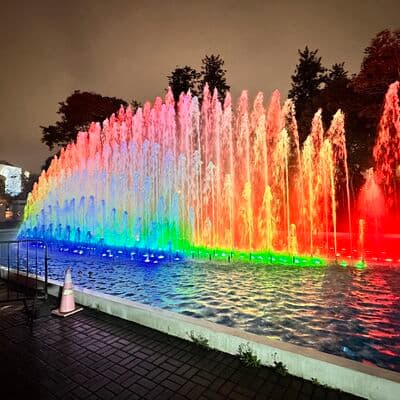
Arrive in Lima and spend two nights adjusting to South American time while exploring the capital. Visit the Historic Center with its colonial architecture and the San Francisco Monastery and Catacombs. The Larco Museum deserves several hours for its pre-Columbian collection. Explore Miraflores along the oceanfront cliffs and sample Peru's culinary scene. Consider the Magic Water Circuit for evening entertainment.
Days 3-4: Sacred Valley
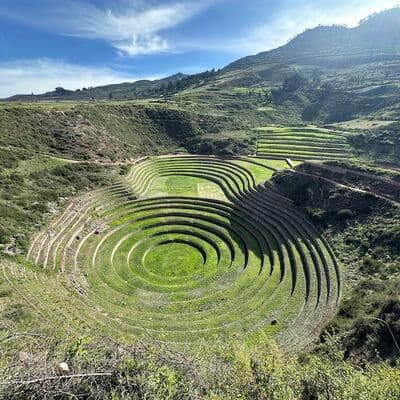
Fly to Cusco but transfer immediately to the Sacred Valley, where lower altitude (around 9,500 feet) eases acclimatization. Explore Pisac market and ruins, Ollantaytambo's living Inca town, Moray's circular terraces, and the Maras salt mines. The valley's hotels range from budget to luxury, and the pace is more relaxed than Cusco.
Day 5: Machu Picchu
Take the early train from Ollantaytambo to Aguas Calientes, then bus to Machu Picchu for a full day exploring the citadel. Consider adding the Huayna Picchu or Machu Picchu Mountain climbs for aerial perspectives (book permits in advance). Return by train to Ollantaytambo and transfer to Cusco.
Days 6-7: Cusco
Explore Cusco at altitude-adjusted pace. The Plaza de Armas, Cusco Cathedral, and Qorikancha reveal Inca and colonial history. Wander San Blas for artisan workshops and cafes. Visit Sacsayhuaman and nearby ruins. Shop at San Pedro Market. The Inca Museum provides context for everything you have seen. Depart from Cusco airport to Lima for international connections.
Ten Days: Adding Depth and Alternatives
Three additional days allow for deeper exploration or alternative highlights.
Option A: Inca Trail Trek
Replace the single Machu Picchu day with a four-day Inca Trail trek. This requires booking permits months in advance and good fitness but provides an unforgettable approach to the citadel. Adjust the Sacred Valley days to serve as pre-trek acclimatization.
Option B: Add Arequipa and Colca Canyon
After Cusco, fly to Arequipa for two nights. Explore the white city's Plaza de Armas and Santa Catalina Monastery. Take a day trip or overnight excursion to Colca Canyon to see condors and traditional villages. Return to Lima from Arequipa.
Option C: Amazon Extension
Add three days in the Amazon, either flying from Lima to Iquitos before or after the Cusco circuit, or connecting through Puerto Maldonado from Cusco. Jungle lodges package wildlife excursions, indigenous community visits, and immersive rainforest experiences.
Two Weeks: Comprehensive Southern Circuit
Fourteen days allows comfortable pacing with multiple highlights.
Days 1-3: Lima
Three nights in Lima provide time for thorough exploration beyond tourist highlights. Visit neighborhoods like Barranco for galleries and nightlife. Take a cooking class to learn ceviche preparation. Explore Huaca Pucllana for pre-Inca history. Venture to the Historic Center and San Francisco Catacombs. Save the Larco Museum for evening, when its garden restaurant makes a perfect dinner setting.
Days 4-5: Paracas and Nazca
Travel south along the coast. Visit the Ballestas Islands and Paracas National Reserve for wildlife and desert landscapes. Continue to Nazca for the famous lines, viewed by small aircraft from the Nazca Lines flight or from the observation tower. The Chauchilla Cemetery offers additional archaeological interest.
Days 6-7: Arequipa
Continue to Arequipa, Peru's second city. The Santa Catalina Monastery deserves several hours of exploration. The Juanita mummy, a sacrificial Inca maiden preserved by cold, resides at the Andean Sanctuaries Museum. Sample local cuisine at traditional picanterias.
Days 8-9: Colca Canyon
Multi-day excursion to Colca Canyon, one of the world's deepest. Watch condors soar at Cruz del Condor viewpoint. Visit traditional villages like Yanque and Chivay. Soak in hot springs. Optional trekking descends to the canyon floor for those seeking adventure.
Days 10-11: Lake Titicaca
Travel to Puno via bus across the altiplano or fly from Arequipa. Explore Lake Titicaca's floating Uros Islands and traditional Taquile Island. The high altitude (12,500 feet) affects some visitors; pace yourself accordingly.
Days 12-14: Cusco and Machu Picchu
Conclude with the classic Cusco circuit. After traveling at altitude through Puno and Colca, acclimatization should be complete. Explore Cusco's highlights, visit the Sacred Valley, and experience Machu Picchu as your trip's climax. Depart from Cusco.
Three Weeks: Adding the Amazon or Northern Peru
Three weeks allows for comprehensive exploration including regions most visitors miss.
Southern Circuit with Amazon (21 days)
Follow the two-week southern itinerary but add four to five days in the Amazon. Fly from Lima to Iquitos at the trip's start, experiencing jungle wildlife and culture before heading to the highlands. Alternatively, add Amazon time via Puerto Maldonado after Cusco, staying at lodges in the Tambopata region.
Complete Peru: North and South (21 days)
Combine southern highlights with northern archaeology. After Lima, fly north to Chiclayo or Trujillo. Explore the Royal Tombs of Sipan, Chan Chan adobe city, Moche pyramids, and the mysterious Huacas. Continue to Chachapoyas for the fortress of Kuelap, recently accessible by cable car. Fly back to Lima and continue with the southern circuit covering Arequipa, Colca, Lake Titicaca, Sacred Valley, and Machu Picchu.
Staying Connected: Internet, Phone, and Communication
Peru's connectivity has improved dramatically, though coverage varies by region. Planning ahead ensures you stay in touch when needed.
Mobile Phones and SIM Cards
Purchasing a local SIM card provides the most cost-effective connectivity for extended stays. Claro, Movistar, and Entel operate the main networks, with coverage best in urban areas and along major routes. SIM cards are sold at airport kiosks, phone shops, and authorized dealers; bring your passport for registration.
Prepaid data packages offer reasonable rates for mobile internet. Coverage in the Amazon and remote mountain areas remains spotty, so do not expect constant connectivity outside major population centers.
Alternatively, check international roaming options with your home carrier. Many now offer reasonable Latin America packages, though these typically cost more than local SIMs for heavy data users.
Wi-Fi Availability
Wi-Fi is standard at hotels, hostels, and cafes in tourist areas. Quality varies from excellent in upscale Lima establishments to frustratingly slow in budget accommodations. Many restaurants offer free Wi-Fi for customers.
Jungle lodges and remote mountain accommodations may have limited or no connectivity. Some upscale Amazon lodges provide satellite internet in common areas, but do not expect to stream video from the rainforest.
Making Calls
WhatsApp has become Peru's dominant communication platform, used for everything from personal messaging to business inquiries. Download the app and use it to contact hotels, tour operators, and anyone else you need to reach.
International calling apps like Skype provide affordable ways to call home. Wi-Fi calling through your home carrier may work if enabled before departure.
Useful Apps for Peru
Download these apps before arrival:
- Google Translate: Download Spanish for offline use. The camera feature translates signs and menus in real time.
- Maps.me or Google Maps: Download Peru maps for offline navigation. Essential when Wi-Fi is unavailable.
- Beat or inDrive: Ride-sharing apps providing safer alternatives to street taxis in Lima and Cusco.
- WhatsApp: Essential for local communication.
- XE Currency: Track exchange rates for budgeting.
- iTranslate or similar: Quick translation help for conversations.
Peruvian Cuisine: A Complete Guide to Eating Your Way Through Peru
Peru's culinary scene rivals its archaeological treasures as a reason to visit. Understanding the cuisine enhances your experience and ensures you taste the best the country offers.
Essential Peruvian Dishes
Ceviche: The national dish consists of raw fish cured in lime juice, mixed with onions, chili peppers, and cilantro. The acidity "cooks" the fish, creating texture and flavor unlike anything else. Traditional ceviche uses corvina or sea bass; variations include mixed seafood (ceviche mixto) or black scallops (conchas negras). The best cevicherias serve it at lunch when fish is freshest. Accompaniments include sweet potato, corn kernels (cancha), and the remaining citrus liquid called leche de tigre (tiger's milk), considered both delicious and a hangover cure.
Lomo Saltado: This stir-fry of beef strips with onions, tomatoes, and french fries served over rice perfectly illustrates Peru's fusion heritage. Chinese wok technique meets South American ingredients in a dish that appears on nearly every menu. When done well, the beef is tender, the vegetables retain some crunch, and the soy-based sauce ties everything together.
Aji de Gallina: Shredded chicken in a creamy sauce made from aji amarillo peppers, walnuts, and cheese. The yellow pepper gives gentle heat without overwhelming the dish. Served over potatoes with rice and olives, it represents Peruvian comfort food at its best.
Causa: Layers of seasoned mashed potato filled with chicken, tuna, or vegetables and pressed into terrines or molded shapes. The bright yellow color comes from aji amarillo, and the dish is typically served cold as an appetizer. Causa demonstrates the importance of potatoes in Peruvian cuisine; the country boasts over 3,000 native varieties.
Anticuchos: Grilled beef heart on skewers, marinated and served with potatoes and corn. Street vendors and specialized anticucheras serve these, particularly in evening hours. The dish originated with enslaved African cooks who transformed discarded cuts into delicacies. Do not let the organ meat origin deter you; when properly prepared, anticuchos are tender and deeply flavored.
Rocoto Relleno: Stuffed peppers are common throughout Latin America, but Arequipa's version using the fiery rocoto pepper delivers serious heat. The pepper is stuffed with spiced beef, vegetables, and cheese, then baked until bubbling. It is traditionally served with pastel de papa, a cheesy potato gratin that helps cool the burn.
Cuy: Guinea pig is a traditional Andean food dating back thousands of years. Typically roasted whole and served with potatoes, it appears on menus throughout the highlands. The meat is dark, similar to rabbit, with crispy skin. Trying cuy connects you with Peruvian culinary traditions, though squeamish eaters may prefer to skip this particular adventure.
Tiradito: Similar to ceviche but sliced thin like sashimi and without onions, tiradito shows Japanese influence on Peruvian cuisine. The fish is arranged on a plate and dressed with spiced citrus sauce. It is lighter than ceviche and equally delicious.
Papa a la Huancaina: Boiled potatoes covered in a creamy, spicy cheese sauce made with aji amarillo. Simple but addictive, this dish appears as an appetizer or side throughout Peru. The sauce also tops other dishes and has inspired numerous variations.
Regional Specialties
Lima: The capital showcases the full range of Peruvian cuisine, from street food to world-class restaurants. Chifa (Chinese-Peruvian) restaurants serve unique fusion dishes. Sandwich shops offer butifarra (pork sandwiches with onion salsa). The seafood-focused cevicherias of Chorrillos and elsewhere serve some of the country's best fish dishes.
Arequipa: This region has developed its own distinct cuisine, served in traditional restaurants called picanterias. Beyond rocoto relleno, look for chupe de camarones (shrimp chowder), adobo (pork stew), and ocopa (potatoes in a peanut and pepper sauce). The local chicha, a fermented corn beverage, accompanies traditional meals.
Cusco and the Highlands: Altitude affects both ingredients and appetite. Hearty soups like chupe verde warm cold evenings. Alpaca meat appears on many menus, leaner than beef with distinctive flavor. Chuño, freeze-dried potatoes preserved using ancient techniques, appears in various traditional dishes.
Amazon: Jungle cuisine incorporates ingredients found nowhere else. Juane, rice and chicken wrapped in bijao leaves and steamed, is the quintessential jungle dish. Fresh river fish like paiche and dorado appear grilled, in soups, or cured in regional ceviches. Exotic fruits make unique juices and desserts.
Beverages
Pisco Sour: Peru's national cocktail combines pisco (grape brandy), lime juice, simple syrup, egg white, and Angostura bitters. A proper pisco sour has a frothy top and balances sourness with sweetness. Variations include maracuya (passion fruit) sours and chilcanos (pisco with ginger ale).
Chicha: This fermented corn beverage predates the Incas. Chicha de jora, made from sprouted corn, contains alcohol and is served in traditional establishments marked by red flags (chicherias). Chicha morada, made from purple corn, is non-alcoholic, sweet, and refreshing, served at restaurants throughout Peru.
Mate de Coca: Tea made from coca leaves helps combat altitude sickness and provides mild stimulation. Hotels at altitude often offer cups upon arrival. The flavor is vegetal and slightly bitter.
Inca Kola: Peru's beloved bright yellow soda tastes like bubblegum to many foreign palates. It outsells Coca-Cola in Peru, which eventually purchased the brand. Try it once for the experience; some visitors develop genuine affection for it.
Coffee: Peru grows excellent coffee, though finding well-prepared cups outside specialty cafes can be challenging. Lima's coffee scene has developed rapidly, with quality roasters and baristas. In traditional restaurants, expect instant coffee unless specifications indicate otherwise.
Dining Customs and Tips
Lunch is traditionally the main meal, and many restaurants offer menu del dia (set lunch) combining soup or appetizer, main course, and drink at very reasonable prices. These provide excellent value and a chance to eat like locals.
Dinner tends later than in North America, with restaurants filling up around 8 or 9 PM. Fine dining establishments expect reservations, especially on weekends.
Tipping at restaurants runs roughly 10 percent for good service. Check bills for included service charges before adding more.
Peruvians often share dishes family-style, particularly at casual restaurants. Ordering several dishes to share allows tasting more of the menu.
Shopping in Peru: What to Buy and Where to Find It
Peru offers exceptional shopping opportunities, from world-renowned textiles to unique handicrafts found nowhere else. Knowing what to seek and how to evaluate quality ensures good purchases.
Textiles and Knitwear
Peruvian alpaca products rank among the world's finest, and purchasing directly in Peru offers significant savings over imported goods. Baby alpaca, made from first-shearing fleece, provides exceptional softness. Royal alpaca represents the finest grades. Vicuna, from wild relatives of alpacas, commands luxury prices for its extraordinary quality.
When shopping for knitwear, distinguish between handmade and machine-made items. True artisan pieces command higher prices but offer superior quality and support traditional craftspeople. Tourist market goods at very low prices are typically industrial products.
Woven textiles from highland communities carry cultural significance beyond their decorative appeal. Patterns identify specific communities and convey meanings understood by those who know the traditions. Quality pieces represent months of work; expect to pay accordingly for authentic handwoven items.
Cusco and the Sacred Valley provide the best textile shopping. San Pedro Market offers variety at competitive prices. San Blas neighborhood hosts artisan workshops where you can watch weavers at work. Community cooperatives in places like Chinchero sell directly from producers.
Silver and Jewelry
Peru has mined silver since pre-Columbian times, and the tradition continues in jewelry production. Lima's Miraflores district hosts quality jewelers, while Cusco offers everything from tourist trinkets to fine craftsmanship.
Traditional designs often incorporate Inca motifs or colonial religious imagery. Contemporary designers blend these influences with modern aesthetics. Quality varies widely; examine craftsmanship carefully and purchase from established shops if you want guarantees.
Precious and semi-precious stones native to Peru include chrysocolla (a blue-green mineral), sodalite, and various agates. Settings range from simple wire-wrapped pieces to elaborate silver work.
Pottery and Ceramics
Pre-Columbian pottery traditions continue in contemporary production, with regional styles reflecting ancient influences. Chulucanas pottery from northern Peru features distinctive burnished finish and figures. Quinua potters near Ayacucho produce colorful ceramic churches and figurines.
Reproduction pieces inspired by Moche, Nazca, and other ancient cultures are widely available. Quality ranges from tourist souvenirs to museum-worthy replicas. True archaeological artifacts are protected; anything represented as genuine antiquities should raise suspicion.
Folk Art and Handicrafts
Retablos, portable wooden boxes containing detailed religious or secular scenes, originated in Ayacucho and remain important folk art forms. Quality pieces show remarkable detail and may depict traditional festivals, historical events, or daily life scenes.
Mates burilados, carved gourds, carry on pre-Columbian traditions using intricate designs burned or carved into dried gourds. The best examples show extraordinary detail and artistic skill.
Wooden carvings, embroidered items, traditional instruments, and countless other crafts fill market stalls. Quality varies enormously; take time to compare before purchasing.
Shopping Strategies
Markets offer the best variety and prices for most handicrafts. San Pedro Market in Cusco, Pisac market on Sundays, and various Lima markets provide extensive selections. Bargaining is expected; start around half the asking price and negotiate good-naturedly.
For guaranteed quality and authenticity, purchase from museum shops, artisan cooperatives, or established galleries. Prices are fixed but reflect genuine craftsmanship. The Larco Museum shop offers high-quality reproductions and crafts.
Be cautious about airport shops and hotel boutiques, which typically charge premium prices for average goods. Last-minute purchases are possible but rarely represent the best value.
Customs and Shipping
Most personal purchases pass through customs without issue. Keep receipts for valuable items in case questions arise. Archaeological artifacts, even genuine-appearing reproductions, may face scrutiny.
For large purchases, many shops arrange international shipping. Verify insurance and tracking before committing. Quality alpaca items and textiles pack easily in luggage; heavier items like ceramics may warrant shipping.
Essential Apps and Tools for Traveling in Peru
Smartphone apps make Peruvian travel easier, from navigation to translation to booking services. Download these before departure and configure offline access where available.
Navigation and Maps
Google Maps: Download Peru maps for offline use. Coverage extends to most areas, including hiking trails in popular regions. Traffic data helps navigate Lima's congested streets.
Maps.me: Alternative mapping app with excellent offline functionality. Some users prefer its interface and trail coverage for hiking.
Translation
Google Translate: Download Spanish language pack for offline translation. The camera feature translates signs and menus in real time. Voice translation helps with basic conversations.
Transportation
Beat: Ride-sharing app popular in Lima and Cusco. Provides safer alternatives to street taxis with tracked rides and electronic payment.
inDrive: Another ride-sharing option allowing fare negotiation. Useful when Beat prices seem high.
Communication
WhatsApp: Essential for Peru. Contact hotels, tour operators, and anyone else through this ubiquitous messaging platform.
Currency and Finance
XE Currency: Track exchange rates to understand costs in familiar terms. Useful when negotiating prices.
Weather
Weather Underground or Accuweather: Peru's diverse microclimates make local forecasts valuable. Check conditions for specific destinations before day trips.
General Travel
TripAdvisor: Reviews help identify quality restaurants and tour operators. Particularly useful in areas you have not researched thoroughly.
Booking.com or similar: Last-minute accommodation searches when plans change.
Final Thoughts: Making Your Peru Trip Unforgettable
Peru delivers experiences that justify the journey across continents and remain vivid in memory long after returning home. The country succeeds because it offers depth across multiple dimensions: history measured in millennia, cuisine recognized worldwide, landscapes of surpassing beauty, and living cultures maintaining connections to ancient traditions.
The practical challenges of Peruvian travel, from altitude adjustment to long distances to occasional service frustrations, fade against the rewards. Standing atop Machu Picchu as clouds lift to reveal mountain panoramas, tasting ceviche so fresh it redefines your understanding of the dish, watching condors ride thermals above Colca Canyon, bargaining for textiles in markets where Quechua mingles with Spanish: these moments justify every inconvenience along the way.
First-time visitors often struggle to choose between competing highlights. Should you prioritize Machu Picchu or the Amazon? Is Lima worth more than a quick stop? Can you add Arequipa to an already full itinerary? The answer is almost always to extend your trip if possible. Peru rewards time, and rushing between highlights sacrifices the contemplative moments that often become most treasured memories.
That said, even a week allows coverage of essential experiences. Prioritize what interests you most, maintain flexibility for unexpected opportunities, and recognize that leaving something unseen provides reason to return. Few visitors experience Peru once and feel satisfied; most begin planning second trips while still on their first.
The country continues developing its tourism infrastructure while maintaining authentic character in most regions. Machu Picchu faces perpetual tension between preservation and access; responsible travel practices help protect this irreplaceable site. Supporting community-based tourism, purchasing directly from artisans, and choosing operators committed to sustainability all contribute to positive outcomes.
Peru challenges and rewards in equal measure. The altitude demands respect, the distances require patience, and the cultural differences invite genuine engagement rather than superficial tourism. Those who approach with open minds and reasonable preparation discover a country that exceeds expectations and defies simple description.
Whether you come for ancient ruins, world-class cuisine, extreme adventure, or quiet contemplation of extraordinary landscapes, Peru provides. The variety concentrated within its borders encompasses experiences that might require visiting several countries elsewhere. This efficiency of wonder makes Peru one of the world's most compelling travel destinations.
Start planning, book your flights, and prepare for a journey that will reshape your understanding of what travel can offer. The Inca Empire may have fallen centuries ago, but its legacy endures in stone walls, terraced mountainsides, and descendants who maintain traditions stretching back through millennia. The Amazon remains one of Earth's last great wildernesses, teeming with life found nowhere else. Lima's kitchens produce flavors that have earned South America recognition as a culinary destination rivaling any continent. All of this awaits in Peru.
Pack layers for the altitude, bring an open mind for the culture, and prepare your taste buds for revelations. Peru will not disappoint.
Quick Reference: Peru Travel Essentials
Essential Numbers
- Emergency services: 105 (police), 116 (fire), 117 (medical)
- Tourist police Lima: +51 1 460-0921
- US Embassy Lima: +51 1 618-2000
- UK Embassy Lima: +51 1 617-3000
Key Phrases
- Buenos dias/tardes/noches (Good morning/afternoon/evening)
- Por favor (Please)
- Gracias (Thank you)
- Cuanto cuesta? (How much does it cost?)
- Donde esta...? (Where is...?)
- No entiendo (I do not understand)
- Habla ingles? (Do you speak English?)
- La cuenta, por favor (The check, please)
Altitude Quick Guide
- Lima: Sea level
- Sacred Valley: 9,500 feet (2,900m)
- Cusco: 11,152 feet (3,400m)
- Lake Titicaca: 12,500 feet (3,800m)
- Rainbow Mountain: 17,060 feet (5,200m)
Voltage and Plugs
Peru uses 220V electricity with Type A and B outlets (same as US). Many devices accept dual voltage; check before plugging in. Adapters available at airports and electronics stores.
Time Zone
Peru Standard Time (PET) is UTC-5, same as US Eastern Standard Time. Peru does not observe daylight saving time.
Best Months Summary
- Highlands dry season: May-October
- Coast summer: December-April
- Amazon wildlife: June-October (dry season)
- Least crowded: November, March-April
Peru awaits your exploration. The experiences described in this guide represent only a fraction of what the country offers. Every visit reveals new discoveries, new flavors, new perspectives on history and culture. Begin your journey with confidence that Peru will exceed your expectations and create memories lasting a lifetime. Safe travels and buen viaje!