Lima
Lima 2026: What to Know Before You Go
Lima catches most travelers off guard. They arrive expecting a quick stopover before Machu Picchu and end up extending their stay by days. This sprawling metropolis of 11 million people hugs the Pacific coast, wrapped in a persistent marine fog that locals call garua, yet somehow manages to be one of the most vibrant, delicious, and historically rich cities in the Americas.
The capital of Peru operates on its own rhythm. Dinner starts at 9 PM, nightlife kicks off after midnight, and Sunday lunch with family is sacred. The city stretches over 80 kilometers along the coast, from the colonial grandeur of the Historic Center to the cliff-top parks of Miraflores to the bohemian streets of Barranco.
What makes Lima special in 2026 is its maturity as a destination. The food scene has evolved beyond fine dining into an accessible celebration of Peruvian ingredients. Safety and infrastructure have improved dramatically in tourist areas. Uber functions seamlessly. English is increasingly common in Miraflores, though basic Spanish enriches the experience enormously.
Budget around $80-150 per day for mid-range travel including accommodation, food, transport, and activities. You can go cheaper ($40-60) if you stick to hostels and local eateries, or splurge significantly more at Lima's world-class restaurants where tasting menus run $150-300. The Peruvian sol hovers around 3.7-3.8 per dollar, and most tourist establishments accept credit cards, though cash remains king in markets and smaller venues.
Lima Neighborhoods: Where to Stay
Miraflores: The Safe Bet
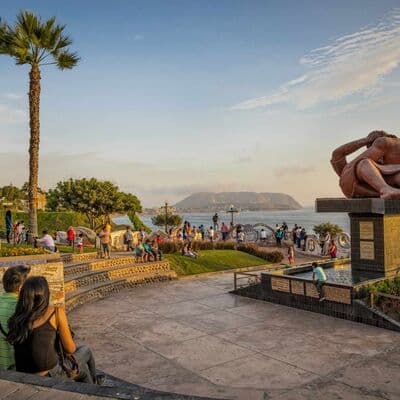
Miraflores is where 80% of tourists stay, and for good reason. This affluent district offers the highest concentration of hotels, restaurants, and services in a walkable area. The Miraflores Malecon stretches for 10 kilometers along dramatic cliffs overlooking the Pacific, with parks, paragliding launches, and sunset views.
Kennedy Park forms the neighborhood heart, surrounded by cafes and the famous resident cats. From here, walk to Larcomar shopping center, countless cevicherias, and Huaca Pucllana within 20 minutes.
Accommodation: Hotels range from $40/night hostels to $300+ boutique properties. The sweet spot is $80-120 for well-located mid-range hotels. Book near Kennedy Park or Parque del Amor.
Downsides: Miraflores can feel sanitized and touristy. Prices run 30-50% higher than other districts. You will hear more English than Spanish in some restaurants. If you want authentic Lima, you will need to venture beyond these polished streets.
Barranco: The Creative Quarter
Barranco is Lima's answer to Brooklyn. This former beach resort turned artists' enclave has the city's best nightlife, street art, and creative energy. Colonial mansions painted in faded pastels line cobblestone streets. The famous Bridge of Sighs connects plazas where musicians perform on weekend evenings.
Staying here puts you walking distance to craft cocktail bars, live music venues, and the city's most interesting restaurants. The vibe is younger and more bohemian than Miraflores, with a thriving LGBTQ+ scene and late-night culture that peaks around 2 AM.
Accommodation: Boutique hotels and guesthouses dominate, typically $60-150/night. Hostels cluster near the main plaza. The neighborhood is smaller and more walkable than Miraflores, so location matters less.
Downsides: Nighttime noise can be significant on weekends. The neighborhood is hillier and has fewer services. Walking to Miraflores takes 30-40 minutes along the Malecon (pleasant) or 10 minutes by taxi ($3-4).
San Isidro: Business District Calm
San Isidro is Lima's financial center and most exclusive residential area. Think corporate hotels, embassy residences, and the beautiful Olivar Park with its ancient olive trees. The district offers excellent restaurants without the tourist markup, genuine local atmosphere, and easy access to both Miraflores and the Historic Center.
This is where Lima's elite lives, shops, and dines. You will find high-end boutiques, excellent supermarkets, and some of the city's best Nikkei restaurants. The vibe is quieter and more refined than Miraflores.
Accommodation: Dominated by business hotels ($120-250/night) and luxury properties. Fewer hostels and budget options. Best for travelers who prioritize comfort over nightlife.
Downsides: Can feel sterile and corporate. Less walkable than Miraflores. Fewer tourist attractions within the district itself.
Historic Center: Colonial Immersion
Lima's Historic Center around Plaza Mayor is a UNESCO World Heritage site. Baroque churches, colonial balconies, and grand plazas create a unique atmosphere. The San Francisco Monastery and Catacombs alone justifies a visit.
Staying here means waking up to church bells, exploring markets where locals shop, and experiencing Lima as it existed for centuries. Prices are significantly lower than Miraflores, and the historical immersion is unmatched.
Accommodation: Budget hotels and hostels from $20-50/night. A few restored colonial properties offer character at reasonable prices. The area around Plaza San Martin is safest for tourists.
Downsides: Safety requires more awareness, especially after dark. The district can feel chaotic and overwhelming. Limited nightlife and restaurant options compared to Miraflores. Air quality suffers from traffic congestion.
Chorrillos and La Punta
These coastal districts offer authentic Lima without tourist infrastructure. Chorrillos has a functioning fishing port with incredibly fresh ceviche at dawn. La Punta feels like a Mediterranean village. Best for repeat visitors or travelers with good Spanish.
Best Time to Visit Lima
Summer: December to April
Lima's summer brings the only genuine sunshine the city sees all year. Temperatures reach 26-30 degrees Celsius (79-86 Fahrenheit), the fog lifts, and the Pacific actually looks blue. This is peak season for beach towns south of Lima, and the city's rooftop bars and coastal parks fill with life.
January through March sees Lima at its most energetic. New Year's celebrations are massive, with fireworks along the entire coastline. Carnival in February brings water balloon fights and street parties. The downside is higher prices (20-30% above average) and crowded attractions.
Pro tip: Book accommodation at least a month ahead for the December 24 to January 3 period. Many Limenos leave the city, but tourist areas remain busy with international visitors.
Garua Season: May to November
Lima's famous fog blankets the city for most of the year, creating overcast skies and a damp chill that surprises visitors expecting tropical warmth. Temperatures hover around 15-19 degrees Celsius (59-66 Fahrenheit). The sun becomes a rare guest, sometimes absent for weeks.
This sounds miserable, but the garua season has advantages. Prices drop significantly. Crowds thin out. The diffused light is actually beautiful, giving Lima a moody, romantic atmosphere. Museums and indoor attractions feel more appealing. And the food is just as good regardless of weather.
What to pack: Layers are essential. A light jacket handles most situations. Rain is rare despite overcast skies.
Festival Calendar Highlights
Mistura (September): Latin America's largest food festival brings together Peru's best chefs, street vendors, and regional cuisines. Book accommodation well ahead if visiting during this period.
Fiestas Patrias (July 28-29): Peru's independence celebrations mean parades, fireworks, and closed businesses. Great atmosphere but plan accordingly.
Senor de los Milagros (October): Lima's most important religious procession fills the streets with purple-clad devotees. A unique cultural experience but expect traffic chaos.
Santa Rosa de Lima (August 30): Pilgrims flock to the saint's sanctuary. Another window into Lima's deep Catholic traditions.
Lima Itinerary: 3 to 7 Days
Day 1: Miraflores Orientation
Morning (9:00 AM): Start at Kennedy Park with coffee. Walk down Avenida Larco to Larcomar by 10:30 AM, descending through the shopping center to ocean-view terraces.
Midday (12:00 PM): Walk south along the Malecon to Parque del Amor. Consider a tandem paragliding flight ($80-100, 10-15 minutes) for incredible coastal views.
Lunch (1:30 PM): La Mar or Pescados Capitales for your first ceviche. Expect $15-25 for a generous portion.
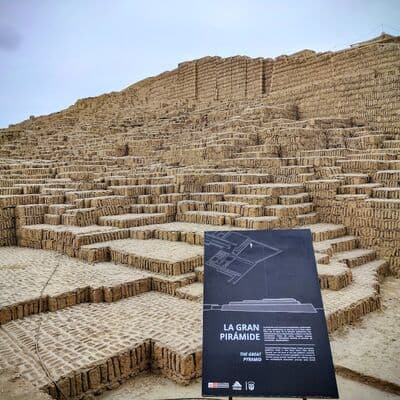
Afternoon (3:30 PM): Visit Huaca Pucllana, the illuminated adobe pyramid rising from modern Miraflores. Afternoon tour $15.
Evening (7:00 PM): Explore Calle Manuel Bonilla for dinner. Try Costanera 700 for Nikkei or Rafael for contemporary Peruvian.
Day 2: Historic Center Immersion
Morning (8:30 AM): Taxi to Plaza Mayor ($8-12). Arrive before 9 AM for photos without crowds. Changing of the guard at noon.
Mid-morning (10:00 AM): San Francisco Monastery with catacombs holding 70,000 bones in geometric patterns. Tours every 20 minutes, $15 entry.
Late morning (11:30 AM): Walk to Central Market via Jiron de la Union. Grab fresh juice ($1-2) and explore.
Lunch (1:00 PM): Isolina in La Victoria for traditional Creole cuisine. Budget $20-30 per person.
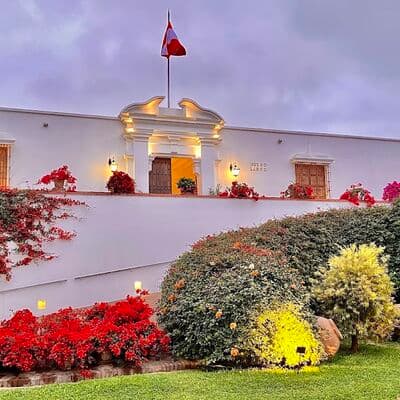
Afternoon (3:00 PM): Larco Museum in Pueblo Libre. Pre-Columbian art in an 18th-century mansion. The erotic pottery gallery surprises everyone. Entry $35, allow 2-3 hours.
Day 3: Barranco and the Coast
Morning (9:30 AM): Start at Barranco's main plaza and the wooden Bridge of Sighs. Legend says hold your breath while crossing for a wish.
Mid-morning (10:30 AM): Explore street art around Avenida Grau and Bajada de Banos. Walking tours $25-35.
Lunch (12:30 PM): Canta Rana for ceviche or Isolina Taberna for traditional comfort food.
Afternoon (2:30 PM): Pedro de Osma Museum for colonial art or MATE museum for fashion photography.
Evening (8:00 PM): Return to Barranco for nightlife. Ayahuasca bar occupies a stunning restored mansion. Clubs open after 11 PM.
Days 4-5: Deeper Exploration
Pachacamac: Archaeological complex 40 km south predating the Incas. Tours $50-80 or taxi $40-50 round trip with $15 entry.
Callao and La Punta: Transformed port district with street art, Real Felipe Fortress, and seafood in La Punta.
Cooking Class: Learn ceviche, causa, and pisco sours. Peru Flavors and Lima Gourmet Company offer programs $80-120 for 4-5 hours.
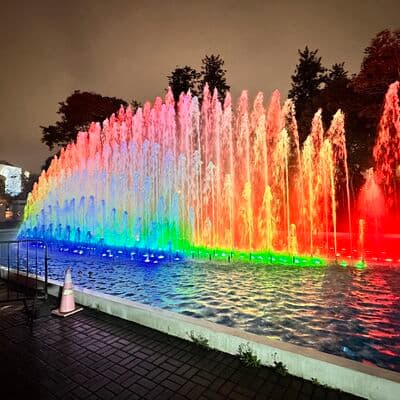
Magic Water Circuit: Fountain park with choreographed water shows after dark. Entry $4, shows from 7 PM.
Days 6-7: Day Trips
Paracas and Islas Ballestas: Peru's Galapagos-like marine reserve 4 hours south. Sea lions, penguins, thousands of seabirds. Tours $120-180 from Lima.
Lunahuana: River valley 3 hours south with rafting, pisco distilleries, and countryside restaurants serving river shrimp.
Where to Eat in Lima
Street Food and Markets
Lima's street food requires navigation. Stick to established carts with lines of locals. Anticuchos (beef heart skewers) from Anticucho Grimanesa set the standard ($5-8). Picarones (sweet potato donuts) appear after dark.
Mercado de Surquillo offers accessible market experience. Arrive before noon for prepared food ($3-5 meals). The ceviche stalls are excellent.
Cevicherias
Ceviche in Lima is religion. Traditional cevicherias open early and close by 4 PM because fresh fish is non-negotiable.
La Mar: Gaston Acurio's casual spot sets the modern standard. Mixed ceviche $18. El Mercado: Outstanding quality, try the tiradito ($16). Chez Wong: Legendary hole-in-the-wall with no menu. Cash only, closes when fish runs out. $25-30 per person. Punto Azul: Reliable chain with quality ceviche $12-18.
Mid-Range Restaurants
Panchita: Anticuchos and grilled meats, mains $15-25. Costanera 700: Elegant Nikkei cuisine, $40-60 with drinks. Huaca Pucllana: Dine beside the illuminated pyramid, mains $20-35. Isolina Taberna: Hearty Creole dishes, $20-30 per person.
Fine Dining
Central: Virgilio Martinez's world-renowned restaurant. Tasting menu $280-350 exploring Peru's ecosystems. Book 3+ months ahead. Maido: Mitsuharu Tsumura's Nikkei temple. Omakase $200-250. Astrid y Gaston: The restaurant that started Peru's culinary revolution. Tasting menus $150-180. Kjolle: Vegetable-forward restaurant by Pia Leon. Tasting menu $120-150.
Cafes
Cafe Bisetti: Lima's best coffee, single-origin Peruvian beans. Breakfast $8-15. La Bodega Verde: Organic, vegetarian-friendly garden cafe. Manolo: Old-school churros and chocolate, open 24 hours.
Must-Try Lima Food
Ceviche: Raw fish cured in lime with onions, chili, cilantro. Served with sweet potato and giant corn. Best before 2 PM.
Tiradito: Ceviche's Japanese-influenced cousin with thinly sliced raw fish. Silkier texture, refined presentation.
Lomo Saltado: Peru's beloved stir-fry of beef, tomatoes, onions over rice and fries. Chinese-Peruvian fusion.
Anticuchos: Marinated beef heart skewers grilled over charcoal. Sounds intimidating, tastes incredible. Essential late-night street food.
Causa: Layered cold potato terrine with various fillings. Yellow potatoes seasoned with lime and aji amarillo.
Aji de Gallina: Shredded chicken in creamy walnut and aji amarillo sauce. Comfort food on every menu.
Papa a la Huancaina: Boiled potatoes covered in spicy cheese sauce. Appears before most meals.
Arroz con Mariscos: Peru's paella equivalent. Rice loaded with seafood. Portions typically enormous.
Picarones: Sweet potato donuts with chancaca syrup. Sold from street carts after dark.
Suspiro Limeno: Dulce de leche base topped with port-infused meringue. Intensely sweet, best shared.
Lima Secrets: Local Tips
1. Ceviche has hours: Real cevicherias serve lunch only, 11 AM to 4 PM. Ordering ceviche at dinner suggests tourist naivety.
2. Tipping: Service charges (10%) appear on bills at nicer restaurants. Additional 5-10% welcomed but not expected.
3. The fog is real: Garua season (May-November) means persistent overcast. Do not expect it to clear.
4. Paragliding is safe: Tandem flights from Miraflores cliffs have excellent safety records. Book through established operators.
5. Chifa is everywhere: Chinese-Peruvian restaurants outnumber traditional ones. Wa Lok in Chinatown is a safe bet.
6. Sunday lunch is sacred: Many restaurants close Sunday evenings. Families gather for extended lunches.
7. Cash helps in markets: Credit cards work in tourist areas but markets and taxis prefer cash soles.
8. Historic Center transforms after dark: Plaza Mayor area becomes less safe after 8 PM. Visit during daylight.
9. Water is not drinkable: Tap water throughout Lima is unsafe. Bottled water is cheap everywhere.
10. Peruvian time is flexible: Social events start 30-60 minutes late. Tours run on time.
11. Pisco sours are serious: The national cocktail varies dramatically by establishment. Museo del Pisco offers flights and education.
12. Costa verde drive: The highway along the cliffs offers incredible ocean views. Take it by taxi on sunny days.
Transportation and Connectivity
From the Airport
Jorge Chavez Airport (LIM) sits in Callao, 45 minutes to an hour from Miraflores depending on traffic.
Official airport taxis: Safest option with fixed prices at clearly marked booths. Miraflores $25-30, San Isidro $22-28, Historic Center $20-25.
Uber/Cabify: Both work from designated pickup areas. 20-30% cheaper than official taxis.
Airport Express Lima: Shuttle to Miraflores every 30 minutes ($8).
Avoid: Unlicensed taxis inside the terminal. Scam stories persist.
City Transportation
Uber and Cabify: Work excellently. Rides within Miraflores $3-5, to Historic Center $8-12.
Metropolitano: Dedicated bus system running north-south. Clean, safe, fast. $0.80 to Historic Center from Miraflores.
Walking: Miraflores and Barranco are highly walkable. The Malecon provides a beautiful route between them.
Connectivity
SIM cards: Movistar, Claro, and Entel offer tourist SIMs at the airport. $10-20 for 5-10 GB, 30 days.
Useful apps: Uber, Cabify, Rappi (food delivery), Google Maps, WhatsApp, Google Translate with offline Spanish.
Flights to Lima
From US: Direct flights from Miami (5 hours), Los Angeles (8 hours), Houston (6.5 hours), New York (7 hours). LATAM, American, United, JetBlue serve routes.
From Europe: Direct from Madrid (12 hours) and Amsterdam (12.5 hours). Most cities connect through these hubs.
From UK: No direct flights. Connections via Madrid, Amsterdam, or US cities. Total 15-20 hours.
Who Lima Is For: Summary
Lima rewards travelers who prioritize food, history, and urban exploration over beaches. This is a city for curious eaters willing to try beef heart at midnight and ceviche at noon. For history enthusiasts who appreciate colonial architecture, pre-Columbian pyramids, and layers of civilization beneath modern streets.
The city works beautifully as a 3-4 day destination before or after Machu Picchu. It functions equally well as a longer stay for cooking classes and systematic restaurant exploration. Solo travelers, couples, and food-focused groups all find their rhythm here.
Lima is not for beach seekers, adventure tourists, or those uncomfortable with large cities. But for everyone else, this underrated capital delivers one of South America's richest travel experiences.