Cusco
Cusco 2026: What to Know Before You Go
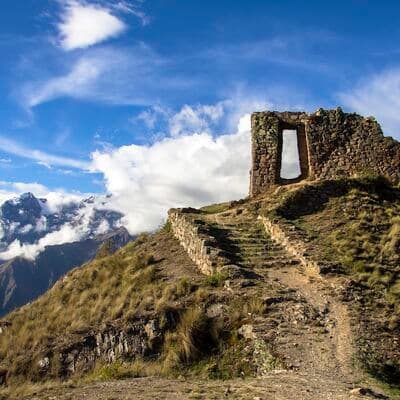
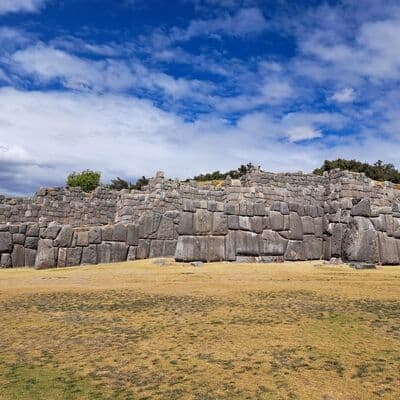
Cusco is the ancient capital of the Inca Empire, perched at 11,150 feet (3,400 meters) in the Peruvian Andes. This city of cobblestone streets, massive Inca stone walls, and colonial churches serves as the gateway to Machu Picchu and the primary launching point for exploring the Sacred Valley. History is literally built into the walls here: Spanish colonial mansions rest on foundations of perfectly fitted Inca stonework, and behind Catholic altars in churches, traces of ancient Inca shrines still hide in plain sight.
In brief: Cusco is worth visiting for its historic center with Plaza de Armas, the Qorikancha Temple of the Sun, the Sacsayhuaman fortress, the bohemian San Blas District, and as a base for trips to Machu Picchu. Plan for 4-5 days to explore the city and surroundings properly, with an absolute minimum of 3 days accounting for acclimatization.
Cusco is ideal for history buffs, trekking enthusiasts, and anyone seeking authentic South American atmosphere. The city is compact, with major attractions within walking distance. The main challenge is the altitude: expect shortness of breath, headaches, and fatigue during your first days. But give yourself time to adapt, and Cusco will reward you generously.
Honest downsides: persistent street vendors on tourist routes, prices in the center significantly higher than elsewhere in Peru, and crowds at major attractions during peak season. But all of this fades against the magic of a city where every stone remembers the Incas.
Neighborhoods of Cusco: Where to Stay
Plaza de Armas and Centro Historico: The Heart of the City
The main square of Cusco features the magnificent Cusco Cathedral and the Church of the Company of Jesus. Surrounding the plaza you will find restaurants, bars, tour agencies, and money exchange offices. From here, reaching all major attractions is easiest. In the evenings, the plaza comes alive with street musicians, couples on benches, and the smell of roasted corn drifting through the air.
Pros: Everything within walking distance, abundant restaurants and bars, lively atmosphere around the clock, best selection of hotels in every price range
Cons: Noisy at night especially on weekends, highest prices in the city, many tourists and touts approaching you constantly
Prices: $$$ (hostels from $15-25, mid-range hotels $80-150, luxury properties $200+)
Best for: First-time visitors, nightlife lovers, those who want to be at the center of everything
San Blas: The Bohemian Artists' Quarter
San Blas is the Montmartre of Cusco. Narrow steep streets wind between artisan workshops, galleries, and cozy cafes with views over terracotta rooftops. The neighborhood sits above Plaza de Armas, so prepare for constant uphill walking. At 11,150 feet elevation, this is a serious workout. But the views over the city are spectacular, especially at sunset when the light turns golden.
Pros: Creative atmosphere, fewer tourists than the center, excellent boutique hotels, panoramic views, best coffee shops in Cusco
Cons: Steep hills are challenging during your first days at altitude, farther from the bus station, taxis cannot access some streets
Prices: $$ (hostels from $12-18, boutique hotels $50-120)
Best for: Creative types, couples, those who value atmosphere over convenience
San Cristobal: Views and Tranquility
Located even higher than San Blas, the San Cristobal neighborhood offers the best panoramic views of Cusco from its namesake church plaza. This is a quieter residential area with fewer tourists and more authentic local life. The streets are steeper still, and you will feel every meter of elevation gain. But waking up to views of the entire city spread below you is worth the climb.
Pros: Best views in Cusco, quiet and peaceful, authentic neighborhood feel, lower prices
Cons: Very steep access, limited restaurants and nightlife, taxi required for anything at night, tough on newly arrived travelers
Prices: $ (hostels from $8-12, guesthouses $30-60)
Best for: Budget travelers who have already acclimatized, photographers, those seeking local immersion
Santa Ana and the Market Area
Near San Pedro Market, this working-class neighborhood offers the most authentic Cusco experience. Here locals go about daily life among traditional shops, small eateries serving set lunches for $2-3, and neighborhood markets. The area is flat compared to San Blas, making walking easier. The trade-off is less polish and more grit.
Pros: Cheapest prices, authentic local atmosphere, flat terrain, excellent cheap food near the market, real neighborhood vibe
Cons: Grittier streets, less safe after dark, fewer tourist services, basic accommodation options
Prices: $ (hostels from $6-10, basic hotels $20-40)
Best for: Budget backpackers, experienced travelers, those who prioritize authenticity over comfort
Lucrepata and Upper Neighborhoods
The residential neighborhoods climbing the hills above the historic center offer peaceful stays away from tourist bustle. These areas have sprouted some excellent mid-range hotels with terraces and gardens. You will need taxis for most trips, but the tranquility and space are appealing after crowded city centers.
Pros: Peaceful environment, more space for your money, gardens and terraces common, local neighborhood life
Cons: Requires taxis, limited walking options, few restaurants nearby
Prices: $$ (hotels from $40-80)
Best for: Families, those seeking quiet, travelers planning mostly day trips
Best Time to Visit Cusco
Dry Season: May to October
The dry season is peak tourist time for good reason. Days are sunny with clear blue skies, perfect for photography and outdoor activities. Temperatures range from 65F (18C) during the day to near freezing at night. June through August is winter in the southern hemisphere, bringing the coldest nights but also the driest conditions. This is ideal for trekking the Inca Trail or visiting Machu Picchu without rain gear.
The downside is crowds. Hotels book up weeks in advance for popular dates, especially around Inti Raymi festival in late June. Prices peak during July and August when American and European summer holidays coincide. Book Machu Picchu permits and Inca Trail spots at least 3-6 months ahead for this period.
Best months: May and September offer the sweet spot of good weather with slightly fewer crowds than peak summer.
Wet Season: November to April
Rainy season brings afternoon showers nearly every day, though mornings are often clear. The landscape turns lush and green, waterfalls run heavy, and tourists thin out considerably. Hotel prices drop 20-40%, and you can often book Machu Picchu tickets just days in advance. December and January see the heaviest rains, with February being the wettest month when the Inca Trail closes entirely.
The wet season is not for everyone. Rain can cancel outdoor plans, trails get muddy and sometimes dangerous, and some mountain roads close. But if you pack proper rain gear and stay flexible, you will experience a different, more intimate Cusco with fewer crowds and dramatic cloud formations over the mountains.
Best wet season months: November and April sit at the edges of rainy season with moderate rainfall and transitional conditions.
Shoulder Seasons and Festivals
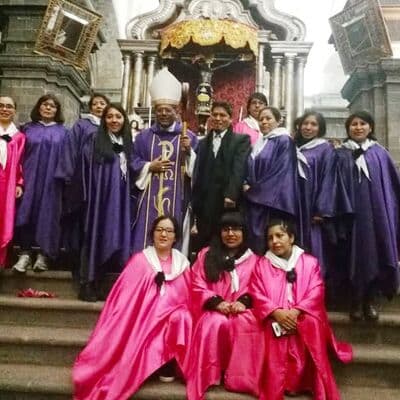
Late April and early November offer excellent conditions with fewer visitors than peak season. Weather is transitional but generally favorable. For festivals, time your visit around Inti Raymi (June 24), Corpus Christi (May/June, date varies), or Cusco Week surrounding June 24 when the city celebrates with parades, traditional costumes, and street parties. Just be prepared for maximum crowds and book everything far in advance for these dates.
Cusco Itineraries: 3 to 7 Days
3 Days: Essential Cusco with Machu Picchu
Day 1: Arrive and Acclimatize
Your first day should be dedicated entirely to resting and adjusting to the altitude. Seriously. I know the temptation to explore immediately, but altitude sickness can ruin your entire trip if you push too hard on day one. Check into your hotel, drink coca tea constantly (it genuinely helps), take a gentle walk around Plaza de Armas, and eat a light lunch. In the afternoon, perhaps visit Qorikancha, which requires minimal walking. Go to bed early. Drink more coca tea. Your body is adjusting to functioning on 40% less oxygen than at sea level.
Day 2: Machu Picchu Day Trip
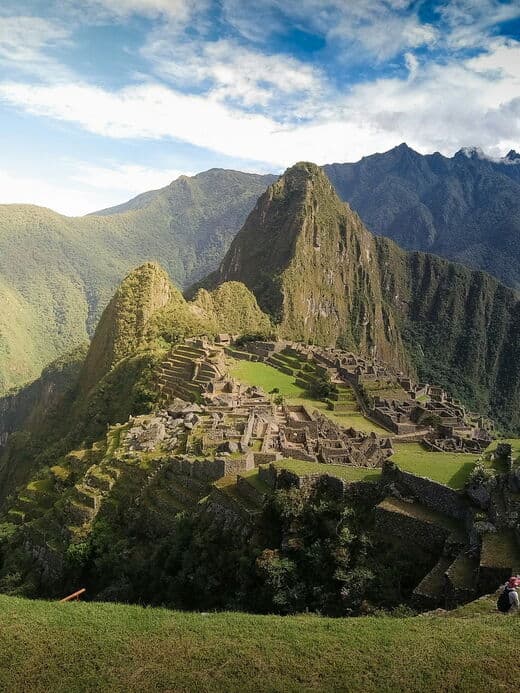
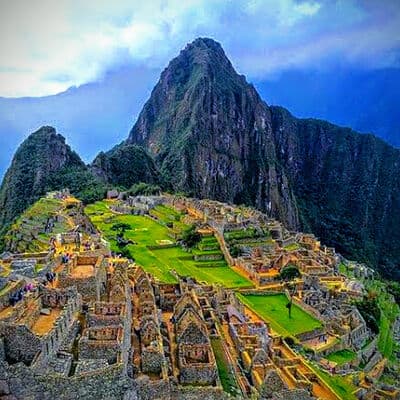
Take the early morning train from Poroy station (taxi 20 minutes from center) or Ollantaytambo (1.5 hours by van) to Aguas Calientes. The train ride along the Urubamba River is spectacular. Arrive at Machu Picchu and spend 4-5 hours exploring the ruins. If you booked in advance, climb Huayna Picchu for the iconic viewpoint (strenuous, requires separate permit). Return by late afternoon train, arriving in Cusco around 8-9pm. This is a long day but doable.
Day 3: Historic Center and San Blas
Now that you are acclimatized, explore the city properly. Start at Cusco Cathedral (entry included in the Boleto Turistico), then visit the surrounding streets of the historic center. Walk up to San Blas and wander the artisan workshops and galleries. Have lunch at one of the cozy cafes with rooftop views. In the afternoon, take a taxi to Sacsayhuaman and walk the massive fortress walls. Return downhill on foot through the neighborhoods above the center as the sun sets.
5 Days: Adding the Sacred Valley
Days 1-3: Follow the 3-day itinerary above, but consider doing Machu Picchu on Day 3 instead of Day 2 to allow more acclimatization time.
Day 4: Sacred Valley Full Day
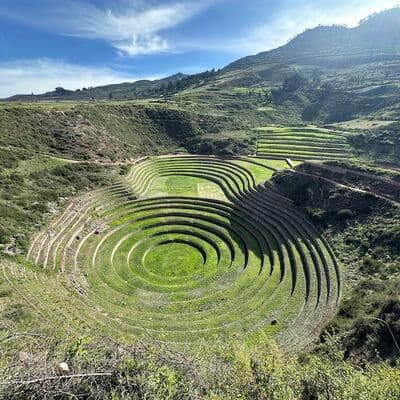
Join a guided Sacred Valley tour or hire a private driver (about $60-80 for the day). Start at Pisac for the ruins and famous market (best on Tuesday, Thursday, and Sunday). Continue to Urubamba for lunch, then visit Moray with its mysterious circular terraces and Salineras de Maras with thousands of salt evaporation ponds cascading down the mountainside. End at Ollantaytambo to explore the Inca fortress before returning to Cusco. This is a full 8-10 hour day but covers the valley highlights.
Day 5: Museums, Markets, and Departure
Spend your final morning at San Pedro Market browsing local produce, fresh juices, and handicrafts. Visit the Inca Museum for context on everything you have seen. Have a final lunch at a traditional restaurant before your afternoon flight or onward travel.
7 Days: The Complete Experience
Days 1-5: Follow the 5-day itinerary, but spread Machu Picchu over 2 days. Day 3, travel to Aguas Calientes and stay overnight. Day 4, enter Machu Picchu at sunrise (magical with mist rising from the valley), spend the morning exploring without the day-tripper crowds, then return to Cusco in the afternoon.
Day 6: Rainbow Mountain or Alternative Trek
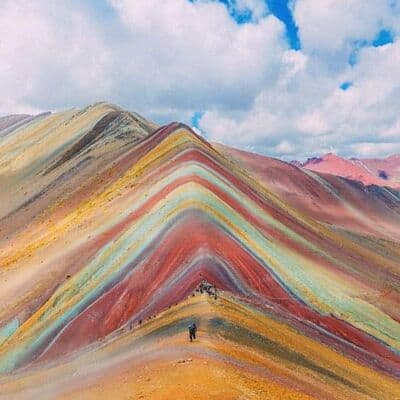
Take a full-day excursion to Rainbow Mountain (Vinicunca), the stunning striped mountain that has become an Instagram sensation. The catch: it sits at over 17,000 feet (5,200 meters), so this is only for those who have fully acclimatized and are in reasonable shape. Alternatively, visit the less crowded Palccoyo rainbow mountain, or take a hike in the Lares Valley for a cultural trekking experience meeting local communities.
Day 7: Flexible Exploration
Use your final day for whatever called to you most. Revisit San Blas to shop for ceramics or textiles. Take a cooking class to learn Peruvian cuisine. Book a half-day mountain biking descent through the Sacred Valley. Or simply sit in Plaza de Armas with a coffee, watch the world go by, and reflect on a week immersed in Inca history. Sometimes the best travel moments come from unscheduled time.
Where to Eat in Cusco: Restaurant Guide
High-End Dining
Chicha por Gaston Acurio (Plaza Regocijo) is the most famous restaurant in Cusco, from Peru's celebrity chef. Traditional Peruvian dishes elevated with modern techniques. The rocoto relleno and alpaca dishes are standouts. Expect $40-60 per person with drinks. Reserve at least a day ahead, especially for dinner.
MAP Cafe (inside the Pre-Columbian Art Museum) serves innovative Peruvian cuisine in a stunning glass-enclosed courtyard surrounded by colonial architecture. Lunch is the best value. Around $35-50 per person.
Cicciolina (Triunfo Street near the Cathedral) offers Mediterranean-Peruvian fusion in a romantic second-floor setting. The tapas and cocktails at the bar are excellent for lighter eating. Expect $30-45 per person.
Mid-Range Favorites
Uchu Peruvian Steakhouse (Calle Palacio) serves excellent alpaca and beef steaks in a cozy setting. The alpaca tenderloin is surprisingly tender and flavorful. Around $20-30 per person.
Limo (Portal de Carnes, Plaza de Armas) specializes in ceviche and Nikkei (Japanese-Peruvian) cuisine. The tiradito and pisco sours are perfect for lunch overlooking the main square. Expect $25-35 per person.
Morena Peruvian Kitchen (Calle Plateros) is a local favorite for contemporary Peruvian food at reasonable prices. Great ceviche, lomo saltado, and creative quinoa dishes. Around $15-25 per person.
Budget Eats and Local Gems
San Pedro Market food stalls offer the best budget eating in Cusco. Fresh fruit juices for $1, full set lunches (menu del dia) for $2-3, and fresh ceviche stands. Point at what looks good and dive in. Best for breakfast and lunch.
Prasada (Choquechaca Street) serves excellent vegetarian and vegan food, welcome relief after too much meat. The quinoa bowls and fresh juices are excellent. Around $8-12 per person.
El Encuentro (Santa Catalina Angosta) is a hidden local lunch spot serving traditional Cusquenian food at local prices. The soups and stews are hearty and authentic. Under $5 for a full meal.
Cafes and Breakfast Spots
The Meeting Place (Plazoleta San Blas) serves proper espresso drinks and excellent breakfast in the heart of San Blas. Popular with expats and digital nomads. Try the pancakes or eggs Benedict.
Cafe Daria (Carmen Alto, San Blas) has the best pastries in Cusco, baked fresh daily. The croissants rival Paris. Perfect for coffee and people-watching from the terrace.
Jack's Cafe (multiple locations) is the reliable choice for American-style breakfast with big portions. Not authentic, but sometimes you just want eggs and bacon done right.
What to Try: Cusco Food Guide
Must-Try Dishes
Cuy (Guinea Pig) is the most famous Cusco specialty. Yes, it is exactly what you think. Roasted whole, the meat tastes similar to rabbit or dark chicken. Crunchy skin, tender meat. You can find it at traditional restaurants called picanterias or order it at upscale spots. A full cuy costs $25-35 at restaurants. It is a cultural experience as much as a meal.
Alpaca is the other signature protein. Lean, slightly gamey, and incredibly tender when prepared properly. Try it as steak, in stews, or as carpaccio at nicer restaurants. More accessible than cuy for most visitors. Alpaca steaks run $15-25 at good restaurants.
Rocoto Relleno is a spicy pepper stuffed with meat, onions, and sometimes raisins, topped with cheese and baked. The rocoto pepper is deceptively hot, so approach with caution. One of Peru's most beloved dishes, and Cusco claims to make it best.
Chiri Uchu is the traditional festival dish of Cusco, a cold plate combining cuy, chicken, cheese, sausage, corn, seaweed, and fish roe. Served during Corpus Christi in June. Strange combination, surprisingly delicious.
Street Food and Snacks
Anticuchos are grilled beef heart skewers, marinated and served with potatoes and corn. Sounds intimidating, tastes incredible. Find them at evening street stalls around the plazas. Around $2-3 per portion.
Empanadas in Cusco are smaller than Argentine versions, often filled with chicken, cheese, or meat. Fresh and hot from market stalls, they make perfect walking snacks. Under $1 each.
Choclo con Queso is giant Peruvian corn served with fresh cheese. The kernels are huge, chewy, and satisfying. A perfect simple snack from any market vendor. About $1-2.
Drinks
Pisco Sour is Peru's national cocktail, and you will drink many of them. Pisco brandy, lime juice, simple syrup, egg white, and bitters. Every bar makes it slightly different. At altitude, the alcohol hits faster, so pace yourself.
Chicha is traditional fermented corn beer. Chicha morada is the non-alcoholic version, a sweet purple corn drink served everywhere. Chicha de jora is the alcoholic fermented version, found at chicherias and traditional restaurants.
Coca Tea (Mate de Coca) is essential for altitude adjustment. Made from coca leaves, it is mildly stimulating and genuinely helps with altitude symptoms. Available everywhere, often complimentary at hotels.
Local Secrets and Insider Tips
Beating the Crowds
For Machu Picchu, enter during the last time slot (around 2pm) when most tour groups are leaving. The light is beautiful in late afternoon, and you will have far fewer people in your photos. Alternatively, stay overnight in Aguas Calientes and enter at opening (around 6am) to beat the train crowds.
At Sacsayhuaman, most tours arrive between 2-4pm. Visit in the morning (opening at 7am) or late afternoon (after 5pm) for almost empty ruins. The fortress is stunning at sunset with the city lights beginning to twinkle below.
Qorikancha is least crowded in the first hour after opening and the last hour before closing. Midday brings tour bus crowds that fill the small spaces.
Money-Saving Tips
The Boleto Turistico is essential. This $40 ticket covers 16 sites including Sacsayhuaman, Moray, Pisac ruins, and several museums. Valid for 10 days. Buy it at any included site or the COSITUC office on Avenida El Sol. Without it, you would pay significantly more for individual entries.
Skip the tourist restaurants directly on Plaza de Armas. Walk one or two blocks in any direction and prices drop by 30-50% for comparable quality. The side streets around Procuradores and Plateros have excellent options at lower prices.
Negotiate collectivo vans instead of taxis for Sacred Valley trips. Shared vans to Pisac or Ollantaytambo cost about $2-3 per person from the Santiago neighborhood. Taxis charge $15-20 for the same route.
Health and Altitude
Take altitude seriously. Spend your first day resting, drink coca tea constantly, avoid alcohol for the first 48 hours, and do not plan anything strenuous. Some travelers take Diamox (acetazolamide) starting the day before arrival. Consult your doctor before the trip if you are concerned.
Stay hydrated aggressively. The high altitude and dry mountain air dehydrate you quickly. Carry water everywhere and drink even when not thirsty. Dehydration worsens altitude symptoms.
Sunscreen is essential. At 11,000+ feet, UV radiation is intense even on cloudy days. Apply frequently and wear a hat. The Andean sun burns quickly and severely.
Shopping Smart
For quality alpaca products, avoid the tourist shops around Plaza de Armas which often sell synthetic blends at inflated prices. Instead, visit the San Blas artisan workshops where you can meet the makers, or shop at Kuna stores for guaranteed quality (with higher but fair prices).
San Pedro Market is great for souvenirs but requires negotiation. Start at 50% of the initial price and work from there. Vendors expect bargaining. Textiles, ceramics, and alpaca items are best here, but quality varies widely.
Transport and Getting Around Cusco
Getting to Cusco
Alejandro Velasco Astete International Airport (CUZ) receives domestic flights from Lima (1 hour 20 minutes) throughout the day. LATAM and Sky Peru operate most routes. From the US, you will connect through Lima Jorge Chavez Airport, with total travel times around 10-12 hours depending on layover. Direct flights operate from Miami, Houston, Atlanta, Los Angeles, and New York to Lima. Budget $200-400 for roundtrip Lima-Cusco tickets; prices spike during high season.
Buses from Lima take 20-22 hours but save money and offer spectacular scenery. Cruz del Sur and Oltursa operate comfortable overnight sleeper buses with fully reclining seats for around $50-80 one way. Not for everyone, but an adventure in itself.
From the airport to city center, official taxi counters inside the terminal charge fixed rates of about $8-10. Do not accept offers from drivers approaching you in arrivals; use only the official counter or pre-arrange pickup with your hotel.
Getting Around the City
Walking is the best way to explore central Cusco. The historic center is compact, and wandering on foot reveals hidden plazas, ancient doorways, and unexpected views. Wear comfortable shoes with good grip as the cobblestones are uneven and slippery when wet.
Taxis are cheap and plentiful. Within the center, rides should cost around $2-3 (s/7-10). To outlying neighborhoods or the bus station, expect $4-5. Always agree on the price before getting in as most taxis do not use meters. For airport trips, book through your hotel or use a radio taxi company for fixed rates.
Uber and other rideshare apps work in Cusco but with limited availability. They can be useful for transparent pricing when you are unsure of fair rates. Download the app before arrival.
Local buses and combis (minibuses) run throughout the city for under $0.50 but are confusing for visitors and not worth the savings unless you are staying long-term.
Getting to Machu Picchu
Two train companies operate the scenic route: Peru Rail and Inca Rail. Trains depart from Poroy station (taxi from Cusco center, 20 minutes) or Ollantaytambo (bus or collectivo, 1.5-2 hours). Ollantaytambo departure is more convenient for Sacred Valley exploration. Train tickets run $60-150 roundtrip depending on service class and season. The Vistadome and similar panoramic cars cost more but offer spectacular views and snacks.
Budget option: Take a bus to Hidroelectrica (6-7 hours, about $25 roundtrip) and walk 2.5 hours along the train tracks to Aguas Calientes. Scenic and adventurous, but long and tiring.
Book train tickets in advance during high season (May-September). Last-minute tickets are sometimes available through hotel tour desks but at inflated prices.
Connections to Bolivia and Lake Titicaca
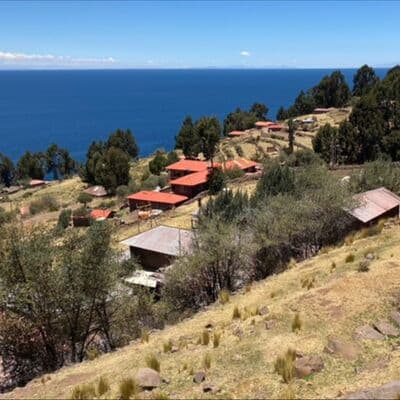
Buses to Puno and Lake Titicaca take about 7 hours through stunning Altiplano scenery. Companies like Cruz del Sur and Bolivia Hop offer tourist buses with stops at Andean villages, churches, and viewpoints along the way. Overnight to La Paz, Bolivia takes about 12 hours total with border crossing.
Summary: Is Cusco Worth It?
Cusco demands patience. The altitude humbles even fit travelers. The crowds can frustrate. The steep streets exhaust. But push through the first day or two of adjustment, and Cusco reveals itself as one of the most extraordinary places on Earth.
This is a city where you can touch stones laid by Inca masons 600 years ago, where indigenous traditions survive beneath a colonial surface, where the mountains feel close enough to touch. Machu Picchu may be what draws you here, but Cusco itself will be what you remember.
Come for at least four days if possible. Take the altitude seriously. Wander beyond the main square. Eat cuy if you dare and alpaca if you do not. Drink coca tea. Sit in Plaza de Armas at sunset and watch the lights come on across the city. This is travel that changes you, that connects you to human history in a way few places can match.
Cusco is worth every moment of breathlessness.