About
Norway Travel Guide: The Ultimate Journey Through the Land of Fjords, Vikings, and Northern Lights
Norway is not just a destination; it is an experience that will fundamentally change how you perceive natural beauty, outdoor adventure, and quality of life. This Scandinavian kingdom stretches along the western edge of the Nordic region, its coastline so intricately carved by ancient glaciers that if you were to straighten out all its fjords, islands, and inlets, it would circle the Earth more than twice. From the cosmopolitan streets of Oslo to the Arctic wilderness of Svalbard, Norway offers travelers something that few countries can match: a seamless blend of cutting-edge modern design, Viking heritage, and nature so pristine it feels almost otherworldly.
Why Visit Norway: A Land That Defies Expectations
Let me be honest with you from the start: Norway is expensive. It consistently ranks among the most costly destinations on Earth, and your travel budget will feel the strain. But here is the thing that every traveler who has been there will tell you — it is worth every single penny. Norway delivers experiences that simply cannot be replicated anywhere else, and the value you receive for your money, while not cheap, is exceptional in terms of quality, safety, and sheer wonder.
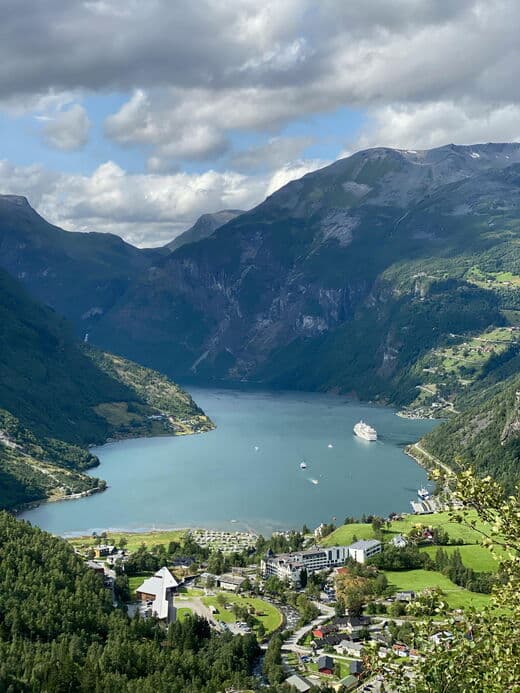
The fjords are the obvious draw, and rightfully so. These ancient waterways, carved by glaciers over millions of years, create a landscape that seems to belong in a fantasy novel rather than reality. Imagine cruising through waters so still they mirror the thousand-meter cliffs rising on either side, with waterfalls cascading down in ribbons of white, their spray creating rainbows in the Arctic air. The Geirangerfjord, the Nærøyfjord, the Sognefjord — each one is a masterpiece of geological artistry that will leave you struggling to find adequate words for your travel journal.
But Norway offers far more than its famous waterways. The northern reaches of the country extend well above the Arctic Circle, where the midnight sun bathes the landscape in golden light for months during summer, and the northern lights dance across winter skies in curtains of green, purple, and pink. The Lofoten Islands rise from the Norwegian Sea like dragon teeth, their fishing villages clinging to rocky shores beneath dramatic peaks. Tromso, the gateway to the Arctic, offers world-class northern lights viewing alongside a surprisingly vibrant cultural scene. And Svalbard, the remote archipelago closer to the North Pole than to mainland Norway, provides access to a frozen wilderness where polar bears outnumber humans.
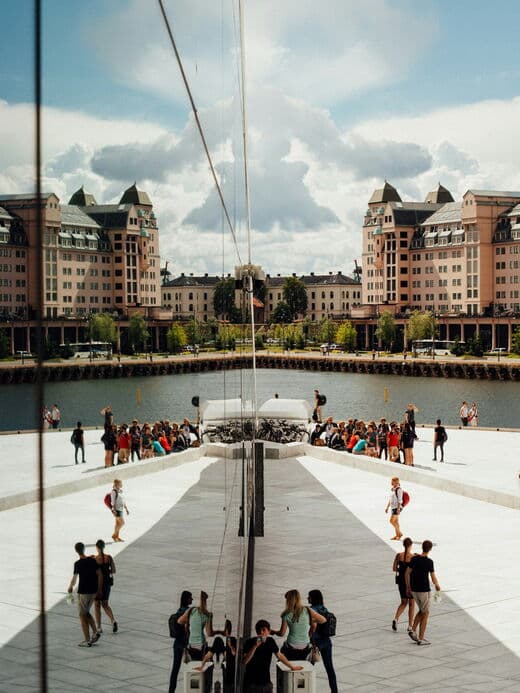
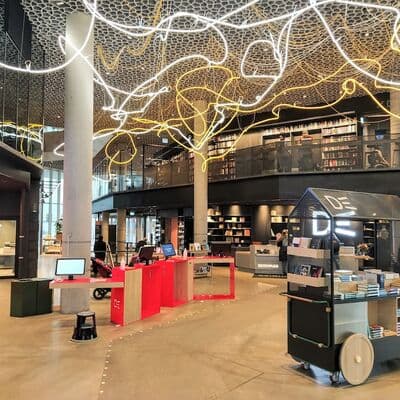
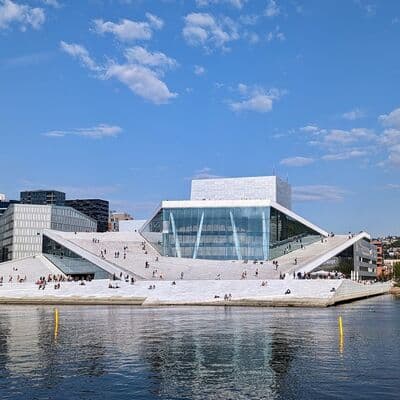
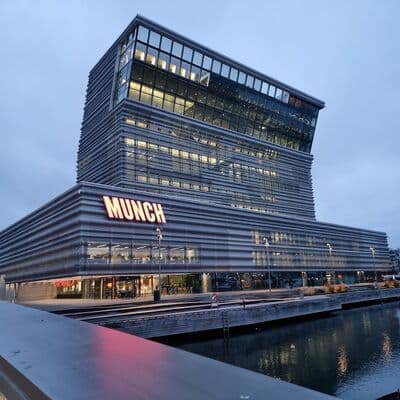
The cities deserve attention too. Oslo, the capital, has transformed itself over the past two decades from a somewhat sleepy Scandinavian capital into one of Europe's most exciting urban destinations. The waterfront has been completely reimagined, with the striking Oslo Opera House serving as the centerpiece of a architectural renaissance that includes the new Munch Museum, the Deichman Bjorvika Library, and the National Museum. Bergen, the historic gateway to the fjords, enchants visitors with its UNESCO-listed wooden wharf, its fish market, and its backdrop of seven mountains. Trondheim, the country's original capital, offers medieval architecture and a laid-back university town atmosphere. Stavanger serves as the jumping-off point for Pulpit Rock and the Lysefjord adventures.
Norwegian culture represents a fascinating mix of ancient Viking traditions and progressive modern values. This is a society that consistently ranks at the top of global happiness indexes, with a deep respect for nature, equality, and the concept of friluftsliv — the open-air life. Norwegians spend their weekends hiking, skiing, fishing, and camping, and they have constructed a society that makes this lifestyle accessible to everyone through the allemannsretten, the right to roam freely across any uncultivated land. As a visitor, you are welcome to participate in this outdoor culture, pitching your tent almost anywhere in the wilderness as long as you follow basic principles of respect and leave no trace.
The infrastructure for tourism is exceptional. Trains wind through mountain passes on routes considered among the world's most scenic. Ferries connect coastal communities in a network that has operated for over a century. Roads, including the famous Atlantic Road and Trollstigen, have been engineered to create driving experiences that are attractions in themselves. And despite the country's vast wilderness areas, you will find comfortable accommodations, good restaurants, and reliable connectivity almost everywhere you go.
For travelers from English-speaking countries, Norway presents minimal language barriers. English is spoken fluently by the vast majority of the population, particularly in tourist areas and among younger generations. Signage is clear, public transportation is well-organized, and the cultural norms are familiar enough that you will rarely feel lost or confused. The safety level is exceptional, with violent crime virtually unknown in most areas and even petty theft being rare. You can walk through Oslo at midnight without concern, leave your belongings unattended at a cafe, and trust that strangers will be helpful if you need assistance.
Yes, you will spend more here than in most other destinations. A simple lunch might cost you 150-200 NOK (roughly 15-20 USD), a mid-range hotel room 1,500-2,500 NOK (150-250 USD), and a ferry crossing or train journey might set you back 500-1,000 NOK (50-100 USD). But consider what you are getting: pristine natural beauty, excellent infrastructure, complete safety, and experiences that will stay with you for a lifetime. Norway is not a destination for budget backpackers looking to stretch their dollars as far as possible. It is a destination for travelers who understand that some experiences are worth paying for, and who want to explore one of the last great wildernesses on Earth with the support of world-class tourism infrastructure.
Regions of Norway: Understanding the Geography
Norway stretches approximately 1,750 kilometers from its southern tip at Lindesnes to the North Cape, making it one of the longest countries in Europe despite its relatively small population of just over 5 million people. Understanding the distinct regions will help you plan an itinerary that matches your interests and available time.
Eastern Norway and Oslo Region
The eastern region, centered on the capital Oslo, is where most international visitors begin their Norwegian journey. This is the country's most populated area, home to roughly half of Norway's population, yet it still offers abundant natural beauty alongside its urban attractions. The Oslo metropolitan area combines world-class museums, innovative architecture, and a thriving food scene with easy access to forested hiking trails, the Oslofjord's island beaches, and winter ski slopes.
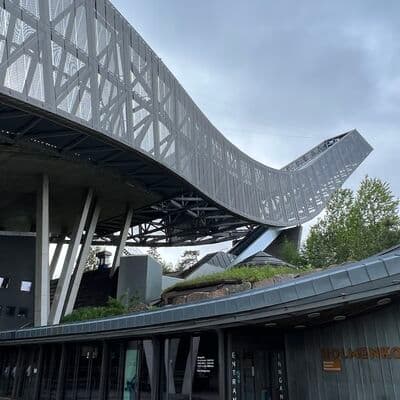
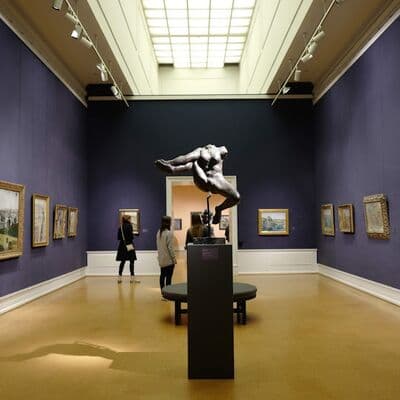
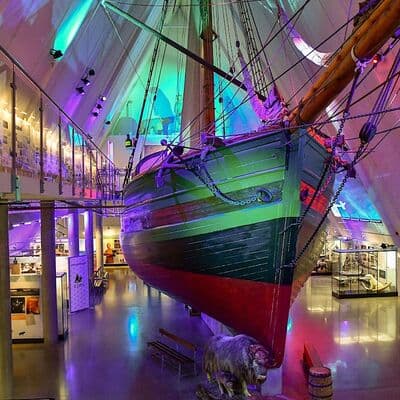
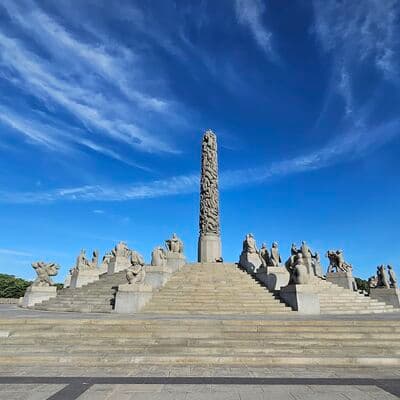
Oslo itself deserves several days of exploration. The Bygdoy peninsula houses the Fram Museum, dedicated to Norwegian polar exploration, along with the Viking Ship Museum (currently being expanded) and the Kon-Tiki Museum. The Vigeland Sculpture Park features over 200 sculptures by Gustav Vigeland, including the iconic Monolith and Angry Boy. The National Museum, opened in 2022, now houses Edvard Munch's "The Scream" alongside an extensive collection of Norwegian and international art. The Munch Museum in Bjorvika provides an even deeper dive into Norway's most famous artist. For a quintessentially Norwegian experience, take the metro to Holmenkollen Ski Museum and Tower, where you can learn about Norway's skiing heritage and enjoy panoramic city views.
The neighborhoods of Oslo each have distinct characters. Grunerlokka has transformed from a working-class district into the city's hipster heartland, filled with vintage shops, craft coffee roasters, and independent restaurants. Tjuvholmen showcases contemporary architecture and houses the Astrup Fearnley Museum of modern art, plus the delightful Tjuvholmen Sculpture Park. Aker Brygge provides waterfront dining and shopping. And the island of Hovedoya, just a short ferry ride from the city center, offers swimming beaches and medieval monastery ruins.
Beyond the capital, Eastern Norway offers excellent skiing at resorts like Trysil and Hemsedal during winter, while summer brings hiking opportunities in areas like Jotunheimen National Park, home to Norway's highest peaks including Galdhopiggen at 2,469 meters. The Telemark region to the southwest offers the Telemark Canal, a historic waterway with manual locks that can be navigated by boat or explored by bicycle along the towpath.
Western Norway: Fjord Country
This is the Norway of postcards and dreams, where the landscape reaches its most dramatic expression. The western coast, stretching from Stavanger in the south to Alesund in the north, contains the most famous fjords and some of the country's most spectacular scenery. Bergen serves as the unofficial capital of fjord Norway, a city of 280,000 that manages to retain a small-town charm despite its status as the country's second-largest urban area.
Bergen was founded in 1070 and served as Norway's capital during the 13th century. The Bryggen wharf, a UNESCO World Heritage site, features colorful wooden buildings that date back to the Hanseatic trading era, their tilted facades reflecting centuries of settlement into the reclaimed land below. The fish market, though now more tourist-oriented than in its heyday, still offers fresh seafood and local specialties. Take the Floibanen funicular to the top of Mount Floyen for views across the city and its seven mountains, or venture further to Mount Ulriken for more challenging hikes.
From Bergen, the fjords beckon. The Sognefjord, Norway's longest and deepest, extends 204 kilometers inland, its waters reaching depths of 1,308 meters. The Naeroyfjord, a branch of the Sognefjord, is so narrow in places that it feels like the mountains might close in above you. The famous Norway in a Nutshell tour combines train, bus, and ferry to showcase this landscape in a single day, though spending several days exploring the region rewards you with deeper appreciation.
The Hardangerfjord, closer to Bergen, offers a gentler beauty, its shores lined with fruit orchards that burst into blossom each May. Trolltunga, the tongue-shaped rock formation jutting out over a 700-meter drop to Lake Ringedalsvatnet, has become one of Norway's most photographed locations. The hike to reach it is demanding — 28 kilometers round trip with 900 meters of elevation gain — but the reward is one of the most spectacular viewpoints in all of Scandinavia.
Further north, the Geirangerfjord represents fjord scenery at its most iconic. The Seven Sisters waterfall cascades down the mountainside in seven distinct streams, while the Suitor waterfall across the fjord supposedly reaches toward them in eternal pursuit. Cruise ships navigate these waters regularly, but renting a kayak provides a more intimate experience.
Alesund, at the northern end of fjord country, offers a unique architectural experience. After a devastating fire in 1904, the city was rebuilt entirely in the Art Nouveau style, creating a harmonious urban landscape unlike anywhere else in Norway. The nearby Geiranger Road and Trollstigen offer some of the most dramatic mountain driving in Europe, with hairpin turns and sheer drops that will test your nerve while rewarding you with unforgettable views.
Stavanger, at the southern end of fjord country, serves as the gateway to Pulpit Rock (Preikestolen), a flat-topped cliff rising 604 meters above the Lysefjord. The hike to the top takes about 4-5 hours round trip and rewards you with one of Norway's most famous vistas. More adventurous hikers can continue to Kjeragbolten, a boulder wedged between two cliff faces above a 1,000-meter drop, where standing on the rock for a photograph has become a bucket-list item for thrill-seekers.
Northern Norway: The Arctic Frontier
Above the Arctic Circle, Norway transforms into something different altogether. This is a land of extremes, where the sun never sets for months in summer and never rises for weeks in winter, where the northern lights perform their celestial dance, and where the landscape shifts between rugged mountains, Arctic tundra, and fishing villages that have sustained communities for centuries.
Tromso, at 69 degrees north latitude, is the de facto capital of Arctic Norway and the largest city north of the Arctic Circle. Despite its remote location, it is a surprisingly vibrant place, home to the world's northernmost university, a lively bar scene, and excellent restaurants showcasing Arctic ingredients. The Arctic Cathedral, with its distinctive triangular form, has become an icon of modern Norwegian architecture. The cable car to Mount Storsteinen offers panoramic views that extend across the surrounding islands and mountains.
Tromso serves as Norway's premier destination for northern lights viewing. The aurora season runs from September through March, with the best chances typically occurring from November through February. Tour operators offer everything from northern lights chases by minibus to husky sledding expeditions under the dancing lights. The city's location, surrounded by mountains and sea, creates varied weather patterns that increase your chances of finding clear skies somewhere nearby even when clouds obscure the city itself.
The Lofoten Islands, an archipelago rising dramatically from the Norwegian Sea between Tromso and the mainland city of Bodo, offer what many consider Norway's most spectacular scenery. Jagged peaks reach toward the sky, their bases dotted with traditional fishing villages where red-painted cabins (rorbuer) perch on stilts over the water. These rorbuer, once housing for fishermen during the seasonal cod harvest, have been converted into atmospheric accommodations that offer a unique Norwegian experience. The fishing tradition continues, and you can watch cod being hung to dry on wooden racks throughout the spring months, producing the stockfish that has been a Norwegian export for a thousand years.
The North Cape, at 71 degrees north, markets itself as Europe's northernmost point, though technically the honor belongs to the nearby Knivskjellodden point. Nevertheless, standing at the 307-meter cliff watching the midnight sun dip toward the horizon without setting creates a profound sense of having reached the edge of the world. The North Cape Hall, built into the cliff itself, provides visitor facilities and exhibition spaces.
Svalbard, the remote archipelago roughly halfway between mainland Norway and the North Pole, represents the ultimate Norwegian adventure. The main settlement, Longyearbyen, is home to about 2,500 people and serves as a base for Arctic exploration. Polar bears roam the wilderness outside town — guides with rifles are required for any venture beyond the settlement boundaries. The landscape is high Arctic, with glaciers calving into fjords and wildlife including Arctic foxes, reindeer, and numerous seabird species. Day trips to the Russian mining settlement of Barentsburg, snowmobile expeditions across the frozen landscape, and boat tours through the summer ice provide unique experiences unavailable anywhere else in Norway.
Central Norway: Trondheim and the Mountain Interior
Trondheim, founded by Viking King Olav Tryggvason in 997, served as Norway's capital during the medieval period and remains the country's spiritual center. The Nidaros Cathedral, built over the burial site of Saint Olav, is Scandinavia's largest medieval building and the traditional site of coronations for Norwegian monarchs. Its Gothic architecture, unusual in a country dominated by wooden buildings, reflects Trondheim's historical importance as a pilgrimage destination.
The city today combines historical significance with youthful energy, thanks largely to the Norwegian University of Science and Technology (NTNU), which brings 40,000 students to the city. The Bakklandet neighborhood, with its wooden houses lining the Nidelva River, offers charming cafes and restaurants. The colorful wharves along the river create excellent photography opportunities. And the Rockheim museum, dedicated to Norwegian popular music, provides an entertaining journey through the country's musical heritage.
The mountains of central Norway offer some of the country's best hiking and skiing. Jotunheimen National Park, accessible from both the east and central regions, contains Norway's highest peaks and most dramatic mountain scenery. The Besseggen Ridge, a narrow traverse above two lakes of different colors, ranks among the country's most popular hikes. Rondane National Park, Norway's oldest national park, offers gentler terrain and excellent reindeer viewing opportunities. The ski resort of Oppdal provides winter sports access to this mountain region.
Southern Norway: The Norwegian Riviera
The southern coast, stretching from Kristiansand to Stavanger, represents a different side of Norway — one of summer beaches, charming white-painted towns, and a gentler landscape than the dramatic north. This region, known as Sorlandet, attracts Norwegian holiday-makers who flock to coastal towns like Grimstad, Arendal, and Mandal during the brief but beautiful summer season.
Kristiansand, the region's largest city, offers family-friendly attractions including the Kristiansand Zoo, one of Scandinavia's largest. The old town of Posebyen, with its grid of white wooden houses, provides pleasant strolling. The surrounding archipelago offers swimming, boating, and island-hopping opportunities.
The inland areas of southern Norway feature deep forests, numerous lakes, and the historic Setesdal valley, where traditional Norwegian culture has been particularly well preserved. The wooden stave churches found throughout this region, some dating back to the 12th century, represent unique architectural achievements that blend Christian and Viking design elements.
Unique Attractions: What Makes Norway Special
Norway offers experiences available nowhere else on Earth, natural and cultural phenomena that justify the considerable expense of visiting this Scandinavian kingdom.
The Fjords
The Norwegian fjords represent one of the planet's great natural wonders, carved by glaciers over millions of years to create deep, narrow inlets that penetrate far into the mountain interior. Unlike the lochs of Scotland or the bays of other countries, the Norwegian fjords combine exceptional depth with exceptional height — cliffs rising a thousand meters or more directly from waters that plunge even deeper below the surface. This creates a sense of scale and drama unmatched anywhere else.
The Sognefjord, at 204 kilometers long and 1,308 meters deep, claims the title of Norway's mightiest fjord. Its innermost branches, including the Naeroyfjord and Aurlandsfjord, provide the most dramatic scenery, their waters flanked by near-vertical mountainsides. The Flam Railway, descending from the mountain station at Myrdal to the fjord-side village of Flam, offers one of the world's most scenic train journeys, passing waterfalls, snow sheds, and vertiginous drops during its 20-kilometer, 900-meter descent.
The Geirangerfjord, though shorter than the Sognefjord, delivers scenery so iconic that it serves as Norway's standard postcard image. The Seven Sisters and Suitor waterfalls cascade down its mountainsides. Abandoned farms cling to seemingly impossible cliff-side locations, accessible in the past only by rope ladders. Today, you can cruise these waters on the local ferry, kayak in their still waters, or view them from overlooks along the dramatic mountain roads.
Beyond these famous names, dozens of other fjords offer equally spectacular scenery without the crowds. The Hjorundfjord, accessed from Alesund, sees far fewer visitors than its famous neighbors. The Hardangerfjord, gentler than the steeper fjords to the north, combines natural beauty with fruit orchards and traditional farms. The Lysefjord, near Stavanger, draws visitors to Pulpit Rock but offers much more to those who explore by boat or kayak.
The Northern Lights
The aurora borealis, the northern lights, represents one of nature's most magical phenomena, and northern Norway provides one of the best locations on Earth to witness it. The lights appear when charged particles from the sun interact with the Earth's magnetic field, creating curtains, spirals, and explosions of green, purple, pink, and occasionally red light dancing across the night sky.
The aurora season in Norway runs from late September through late March, with the peak typically occurring from November through February. The lights are unpredictable — they may appear as a faint green glow on the horizon or as an overwhelming display filling the entire sky. Solar activity, clear skies, and being away from light pollution all increase your chances of a memorable sighting.
Tromso has established itself as Norway's northern lights capital, with numerous tour operators offering aurora chases that head toward clear skies when clouds threaten the city. The Lofoten Islands provide dramatic foregrounds for aurora photography. Alta, Kirkenes, and the North Cape offer alternative viewing locations. And for the truly dedicated, multi-day northern lights expeditions venture into the Arctic wilderness in search of optimal conditions.
The Midnight Sun
The flip side of Arctic Norway's dark winters is the midnight sun of summer, when the sun never dips below the horizon for weeks or months. North of the Arctic Circle, this phenomenon occurs from mid-May through late July, with the exact dates depending on how far north you travel. At the North Cape, the sun remains visible for over 70 days straight.
The midnight sun creates a unique atmosphere — days that never end, golden light that persists through what should be the dead of night, and a energy level that makes it difficult to sleep but easy to keep exploring. Norwegians embrace this season with outdoor activities around the clock, midnight golf tournaments, and celebrations of the light after the long darkness of winter.
The Glaciers
Norway contains mainland Europe's largest glacier, Jostedalsbreen, which covers 487 square kilometers in the mountains between the Sognefjord and Nordfjord. Numerous outlet glaciers extend from this ice mass, some reaching down to valleys where guided walks onto the ice can be arranged. The Briksdalsbreen and Nigardsbreen glacier arms are particularly popular, offering relatively accessible glacier experiences.
These glaciers are retreating rapidly due to climate change, making any visit a chance to witness a landscape in transition. The ice that took thousands of years to accumulate is disappearing within decades, adding a bittersweet quality to any glacier encounter.
The National Parks
Norway protects its natural heritage through an extensive system of national parks, from Jotunheimen's high peaks to Svalbard's Arctic wilderness. These parks maintain relatively light infrastructure, emphasizing wild nature over developed recreation. You will find few visitor centers, marked trails, or organized campsites compared to national parks in North America — the emphasis is on allowing visitors to experience untouched nature.
Jotunheimen contains Norway's highest peaks and most dramatic mountain scenery. Hardangervidda, Europe's largest mountain plateau, offers easier hiking across vast open landscapes inhabited by wild reindeer herds. Rondane, Norway's first national park, provides gentle mountains and rich wildlife. Dovrefjell allows encounters with musk oxen, shaggy remnants of the Ice Age. And the numerous coastal and island parks protect seabird colonies, marine environments, and traditional cultural landscapes.
The Stave Churches
The medieval stave churches represent Norway's unique contribution to world architecture. These wooden structures, built between the 11th and 14th centuries using a construction technique involving vertical posts (staves), blend Christian church design with Viking artistic traditions. Of the approximately 1,000 stave churches once standing in Norway, only 28 remain, each a precious survivor of fire, decay, and changing religious fashions.
The Borgund Stave Church, near the Sognefjord, is the best preserved and most visited. Its dragon-headed gables and interlocking roof sections create a silhouette unlike any other religious building. The Heddal Stave Church in Telemark is the largest surviving example. The Urnes Stave Church, on the shores of the Lustrafjord, holds UNESCO World Heritage status and contains carvings that exemplify the Viking artistic tradition.
When to Visit: Timing Your Norwegian Adventure
Norway's extreme northern latitude creates dramatic seasonal variations that fundamentally shape the visitor experience. Choosing when to visit depends entirely on what experiences you prioritize.
Summer (June-August)
Summer brings the best weather, the longest days, and the widest access to attractions. Temperatures in southern Norway can reach the low 20s Celsius (70s Fahrenheit), while northern areas typically stay cooler but remain pleasant for outdoor activities. This is the only season when the mountain roads fully open, when hiking trails become accessible, and when the fjord ferries run their full schedules.
The midnight sun north of the Arctic Circle provides endless daylight for exploration. You can hike at 2 AM, photograph the golden light that bathes the landscape through the night, and experience a world without darkness. This is peak season for the fjords, for coastal exploration, and for mountain hiking.
The downsides are significant. Prices reach their peak during summer, and popular sites like Trolltunga and Pulpit Rock become genuinely crowded. Accommodation books out months in advance in popular areas. And the insect life, particularly mosquitoes in northern regions, can be challenging.
Autumn (September-November)
Autumn brings falling prices, thinning crowds, and the beginning of northern lights season. The mountains display their autumn colors in September, creating excellent photography opportunities. The fjords remain accessible, though ferry schedules reduce and some mountain roads begin to close.
September offers a sweet spot — reasonable weather combined with the first chances to see the aurora. By October, snow begins to appear in the mountains, and many hiking destinations become inaccessible. November sees the darkness deepen dramatically in northern regions, with minimal daylight hours but excellent aurora viewing opportunities.
Winter (December-February)
Winter in Norway is a season of extremes. The north experiences polar night, weeks without daylight, while even southern Norway sees only a few hours of dim light each day. Temperatures in the mountains and far north can drop to minus 30 Celsius (minus 22 Fahrenheit), though coastal areas remain milder due to the Gulf Stream influence.
For many visitors, winter is exactly the right time to come. This is peak northern lights season, when the aurora can appear any night in northern Norway. The ski slopes open, offering some of Europe's best winter sports conditions. The landscape transforms into a winter wonderland, with snow-covered mountains and frozen waterfalls creating scenes of extraordinary beauty.
Winter activities abound: dog sledding, snowmobiling, northern lights chasing, cross-country skiing, and simply embracing the Norwegian concept of koselig (coziness) in warm cafes and fireside lounges. Christmas markets appear in cities throughout December. And accommodation prices, outside holiday periods, drop significantly.
The challenges are real. Transportation becomes more difficult as weather affects roads, flights, and ferry schedules. Many mountain roads close entirely. The darkness can feel oppressive to those unused to it. And outdoor activities require serious cold-weather gear.
Spring (March-May)
Spring arrives late in Norway, particularly in the north and mountains. March still feels like winter in most of the country, though ski conditions often reach their best as days lengthen. April sees the snow beginning to recede in lowland areas, though the mountains remain white. May brings rapidly lengthening days and the first real warmth, though high mountain trails typically remain snow-covered until June.
Spring offers the last chances for northern lights viewing before the midnight sun takes over. The Hardangerfjord region blooms with fruit blossoms in May, creating spectacular scenery. And Easter, a major holiday in Norway, sees Norwegians heading to mountain cabins for skiing and outdoor recreation, providing insight into local culture.
For first-time visitors with flexibility, late June through early August provides the most reliable weather and widest access. For northern lights seekers, October through February offers the best chances. Skiers should target March for optimal conditions and lengthening days. And budget travelers can find better deals in the shoulder months of September, October, April, and May.
How to Get There: Reaching Norway
Norway's geographic position in northwestern Europe makes it readily accessible from most major global hubs, though its distance from some regions means long-haul flights are often necessary.
From the United States and Canada
Direct flights connect Oslo with several North American cities. Norwegian (now operating under new ownership after restructuring), SAS, and United offer nonstop service from New York (Newark and JFK). Delta serves Oslo from several US hubs seasonally. Flight times run approximately 7-9 hours depending on direction and routing.
For those unable to find convenient direct flights, connections through other European hubs work well. Copenhagen, Stockholm, Amsterdam, London, and Frankfurt all offer numerous daily connections to Norwegian cities. Budget carriers like Norwegian (now more limited in long-haul operations) and various European low-cost airlines provide competitive pricing on the European leg.
Americans and Canadians do not need visas for visits of up to 90 days within the Schengen Area, which includes Norway. Your passport must be valid for at least three months beyond your planned departure date. No ESTA or similar pre-authorization is required for Norway specifically — the ESTA system applies only to US destinations.
From the United Kingdom
Multiple daily flights connect London, Manchester, Edinburgh, and other UK cities with Oslo, Bergen, Stavanger, and Trondheim. Flight times are short — just over two hours to Oslo from London. British Airways, SAS, Norwegian, and various budget carriers compete on these routes, making it possible to find reasonable fares, particularly for midweek travel booked in advance.
Post-Brexit, UK citizens now face the same 90-day Schengen rule as other non-EU nationals. Passports must be valid for the duration of stay, and the previously unlimited right to remain in EU/EEA countries no longer applies.
Ferry services connect Newcastle with Bergen via DFDS, offering an alternative for those wishing to bring vehicles or simply enjoy a sea crossing. The journey takes approximately 26 hours and provides comfortable cabin accommodations.
From Australia and New Zealand
Reaching Norway from the Antipodes requires at least one stop in Asia or the Middle East, plus typically another in a European hub. Total travel time usually exceeds 24 hours. Emirates via Dubai, Singapore Airlines via Singapore, and Qatar Airways via Doha provide popular routing options. Some travelers break up the journey with a stopover in the connecting city, adding interest to what would otherwise be an exhausting transit.
Like Americans and Canadians, Australians and New Zealanders may visit Norway for up to 90 days without a visa within any 180-day period.
Within Europe
Norway's position on the Scandinavian peninsula makes overland travel from Central Europe a substantial undertaking but one with scenic rewards. Train travelers can reach Oslo from Copenhagen in approximately 8 hours via Gothenburg, or from Stockholm in about 6 hours. The SJ high-speed trains and Norwegian VY trains offer comfortable service with WiFi, power outlets, and pleasant scenery, particularly on the Stockholm route.
Driving from Central Europe typically involves ferry crossings from Denmark — Hirtshals to Kristiansand, Larvik, or Oslo — though determined drivers can also reach Norway by road through Sweden. The drive from Copenhagen to Oslo takes approximately 7-8 hours via the Oresund Bridge and Swedish highways.
Budget airlines connect Norway with numerous European destinations at competitive prices, particularly for advance bookings. Wideroe serves many smaller Norwegian airports, useful for reaching remote destinations like the Lofoten Islands or Alta.
Arriving in Norwegian Airports
Oslo Gardermoen Airport serves as the main international gateway. The efficient Flytoget airport express train reaches Oslo Central Station in 19-22 minutes for 220 NOK (roughly 21 USD). Regular NSB/VY trains offer the same journey slightly slower for about half the price. Buses and taxis provide alternatives.
Bergen Flesland Airport connects to the city center via the Bybanen light rail in about 45 minutes for 42 NOK. Stavanger Sola Airport has bus connections to the city. Trondheim Vaernes Airport connects via the Vaernes Express bus. And Tromso Airport lies just minutes from the city center.
Getting Around: Transportation Within Norway
Norway's extreme geography — long distances, deep fjords, high mountains — makes transportation a significant consideration for any visit. Fortunately, the infrastructure is excellent, even if it does not always provide the cheapest or fastest options.
Trains
Norwegian railways, operated by VY (formerly NSB) and several other companies on specific routes, offer some of Europe's most scenic journeys. The network radiates from Oslo, connecting the capital with Bergen, Trondheim, Stavanger, and the far north at Bodo.
The Bergen Railway, running 500 kilometers between Oslo and Bergen, regularly appears on lists of the world's most beautiful train journeys. The route crosses the Hardangervidda mountain plateau, reaching 1,222 meters at its highest point, with views of glaciers, mountain lakes, and traditional farms along the way. Journey time is approximately 7 hours, though the scenery makes it pass quickly.
The Flam Railway, a branch line descending from Myrdal station on the Bergen Railway to the fjord-side village of Flam, covers just 20 kilometers but drops 866 meters in elevation. Twenty tunnels, ten of them spiraling inside the mountains to manage the gradient, and numerous waterfalls make this one of the world's steepest standard-gauge railways and a highlight of any Norwegian journey.
The Dovre Railway connects Oslo with Trondheim in about 7 hours via the mountain station of Dombas. The Rauma Railway branches from Dombas to Andalsnes, providing access to the Trollstigen and Geirangerfjord regions. And the Nordland Railway extends from Trondheim to Bodo over 729 kilometers, crossing the Arctic Circle along the way on a journey of approximately 10 hours.
Book train tickets in advance through the VY app or website for the best prices. Walk-up fares can be significantly higher. Seat reservations are included in the price for long-distance routes. The train stations themselves are generally efficient, clean, and well-signed in both Norwegian and English.
Buses
Where trains do not reach — which is most of western and northern Norway — buses fill the gap. Norway has an extensive network of express buses (ekspressbusser) connecting cities and towns throughout the country. Major operators include NOR-WAY Bussekspress, Vy Bus, and numerous regional companies.
Bus service to the fjords, including Geirangerfjord and the various villages along the Sognefjord, is essential for travelers without cars. The Norway in a Nutshell route, for example, combines train, bus, and ferry to provide a comprehensive fjord experience using public transportation.
Local buses serve cities and their surrounding areas. The Ruter system in Oslo encompasses buses, trams, metro, ferries, and some train services. Skyss handles Bergen area transport. These systems use electronic ticketing via apps, which also work for visitors willing to download them.
Ferries
Ferries are integral to Norwegian transportation, not just tourist excursions. The coastal express Hurtigruten has connected Bergen with Kirkenes since 1893, calling at 34 ports along the way over its 6-7 day northbound voyage. While now marketed primarily as a cruise experience, it still functions as local transportation, with Norwegians boarding and disembarking at various stops.
Local ferries cross fjords along the western coast, often as part of road routes where bridges do not exist. These ferries, operated by various companies, accept vehicles without reservation (though summer weekends can see queues) and foot passengers alike. Some routes, like the Geiranger-Hellesylt crossing, double as scenic excursions.
Express boats (hurtigbat) provide faster passenger-only service connecting coastal communities. The route from Bergen to Flam, for example, offers a quick alternative to the road journey.
Driving
Renting a car provides flexibility unmatched by public transportation, particularly for reaching remote fjords, mountain passes, and villages off the main routes. Norwegian roads are generally excellent, well-maintained even in remote areas, though often narrow and winding. Winter driving requires serious skills and proper equipment — studded tires or chains are mandatory on mountain passes.
Be prepared for tunnels — lots of tunnels. Norway has over 1,100 road tunnels, including the 24.5-kilometer Laerdal Tunnel, the world's longest road tunnel. Many tunnels feature colored lighting and rest areas to combat driver fatigue on the longer stretches.
Toll roads and ferries add significantly to driving costs. The AutoPASS system handles most tolls automatically, with rental cars usually registered. Some rental companies charge administrative fees on top of the tolls themselves. Ferry costs vary by route and vehicle size but can add hundreds of kroner to a day's travel.
Speed limits are strictly enforced, with fines starting around 7,000 NOK (roughly 675 USD) for modest violations and increasing dramatically thereafter. Cameras monitor many routes. Alcohol limits are very low (0.02%), effectively mandating complete sobriety for drivers.
Domestic Flights
Norway's length and mountainous terrain make domestic flights practical for longer journeys, particularly to northern destinations. SAS, Norwegian, and Wideroe compete on major routes, while Wideroe operates an extensive network of smaller aircraft serving remote communities, including the Lofoten Islands, the North Cape area, and numerous small airports.
Booking in advance typically yields reasonable fares. Last-minute domestic flights can be surprisingly expensive. The Wideroe network, while essential for reaching some destinations, tends to be pricier than the main carrier routes.
The Norway in a Nutshell Concept
The various "in a Nutshell" tour packages combine multiple transportation modes into single-ticket purchases that simplify fjord exploration. The original Norway in a Nutshell route combines the Oslo-Bergen train, the Flam Railway, the Naeroyfjord ferry, and bus over Stalheimskleiva to Voss. Other variations focus on Hardangerfjord, Geirangerfjord, and other regions.
These packages can be done as day trips or spread over multiple days with overnight stops. They can be booked through Fjord Tours (fjordtours.com) or sometimes assembled independently using individual tickets. The convenience of single-ticket booking and guaranteed connections makes the packages worthwhile for many travelers.
Cultural Code: Understanding Norwegian Society
Norwegians have a distinct cultural character that visitors should understand, both to avoid misunderstandings and to appreciate what makes this society function so effectively.
The Norwegian Personality
Norwegians often come across as reserved to visitors from more effusive cultures. Do not expect enthusiastic greetings from strangers, casual conversations with shop clerks, or instant warmth from new acquaintances. This reserve should not be mistaken for unfriendliness — it reflects a cultural value that respects privacy and does not impose on others.
Once you break through the initial reserve, Norwegians can be warm, helpful, and genuinely interested in visitors. The key is allowing relationships to develop naturally rather than forcing rapid familiarity. Shared activities — hiking, sports, work — provide contexts where connections form more easily than in purely social settings.
Norwegians highly value egalitarianism, expressed through the concept of Janteloven (the Law of Jante), a set of social rules that discourage standing out or claiming superiority. While Janteloven is often discussed critically by Norwegians themselves, its underlying values of equality and humility remain influential. Ostentatious displays of wealth or status tend to generate discomfort rather than admiration.
Language
Norwegian exists in two written forms — Bokmal and Nynorsk — and numerous dialects that can vary significantly between regions. For visitors, this linguistic complexity is largely invisible, as English is spoken fluently by the vast majority of the population. You can travel throughout Norway, including rural areas, and manage almost any situation in English.
Learning a few Norwegian phrases demonstrates respect and often generates positive responses. "Takk" (thank you), "hei" (hello), and "ha det" (goodbye) come in handy. But struggling to communicate in broken Norwegian when your interlocutor speaks perfect English can actually seem awkward rather than charming — most Norwegians prefer efficient communication in whatever language works best.
Tipping
Norway does not have a strong tipping culture. Service workers receive living wages, and bills typically include service charges. Tipping is appreciated but not expected or required. If you wish to tip at restaurants, rounding up the bill or adding 5-10% for exceptional service is appropriate. Taxi drivers do not expect tips but will appreciate rounding up. Hotel staff do not expect tips for basic service. Guided tours may suggest tips, but these are optional.
Americans in particular should adjust their expectations — the aggressive 20%+ tipping expected in US restaurants is not standard in Norway and can sometimes create awkwardness.
Timekeeping
Punctuality matters in Norwegian culture. Arriving late to appointments, dinners, or social gatherings without explanation is considered disrespectful. If you are running late, a quick message or call is expected. This applies even to casual social arrangements — if you say you will meet someone at 7 PM, they expect you at 7 PM, not 7:15.
Business hours may differ from what visitors expect. Many shops close by 5 or 6 PM on weekdays and even earlier on Saturdays, with Sunday closures common. Restaurants often stop serving earlier than in southern European countries. Plan accordingly.
The Outdoor Culture
Norwegians have a near-religious relationship with nature and outdoor activities, expressed through the concept of friluftsliv (open-air life). Weekend cabin trips, hiking, skiing, fishing, and simply spending time outdoors form core elements of Norwegian identity. This applies regardless of weather — Norwegians say there is no bad weather, only bad clothing.
The allemannsretten (right to roam) enshrines this outdoor culture in law. Everyone has the right to walk, ski, or cycle across any uncultivated land, to camp for two nights in one place, and to forage for berries and mushrooms. Visitors can exercise these rights too, provided they respect the land, maintain distance from buildings, and leave no trace.
Participating in outdoor activities provides one of the best ways to connect with Norwegian culture. Even a simple hike demonstrates respect for Norwegian values and often provides opportunities for conversation that might not arise in urban settings.
Alcohol
Norway has strict alcohol policies. Beer over 4.75% ABV, wine, and spirits can only be purchased at Vinmonopolet, the state-run liquor stores. These shops have limited hours, typically closing by 6 PM on weekdays and 3 PM on Saturdays, with no Sunday sales. Beer up to 4.75% can be purchased at supermarkets, but sales end at 8 PM on weekdays and 6 PM on Saturdays.
Alcohol is heavily taxed, making it expensive. A bottle of wine at Vinmonopolet starts around 120-150 NOK (12-15 USD) for the cheapest options, with average bottles running 200-300 NOK (20-30 USD). Beer in supermarkets costs 35-50 NOK (3.50-5 USD) per can or bottle. Restaurant and bar prices are higher still — expect 80-120 NOK (8-12 USD) for a beer, 120-180 NOK (12-18 USD) for a glass of wine.
Despite these restrictions, Norwegians do drink, sometimes quite enthusiastically. The stereotype of reserved Scandinavians loosening up after a few drinks contains some truth. Friday and Saturday nights in Oslo and other cities see lively bar scenes.
Dress Code
Norwegians dress practically rather than formally in most situations. Good outdoor gear — waterproof jackets, hiking boots, warm layers — carries more cultural cachet than designer labels. Business attire tends toward the casual end of the spectrum by international standards. Restaurant dress codes are rare outside the very finest establishments.
Visitors should prioritize practical, weather-appropriate clothing. A waterproof jacket proves essential regardless of season. Layers allow adjustment to changing conditions. Comfortable walking shoes suit the cobblestones and hills of Norwegian cities. And if you plan any outdoor activities, proper equipment is expected — Norwegian nature demands respect.
Safety: One of the World's Safest Destinations
Norway consistently ranks among the safest countries on Earth for travelers. Violent crime is rare, petty crime is uncommon, and the infrastructure is designed with safety in mind. That said, the natural environment does present real hazards that deserve respect.
Personal Safety
Crime rates in Norway are low by any international standard. Violent crime is extremely rare, and most of what occurs involves domestic situations or organized crime that does not affect tourists. Walking around Oslo, Bergen, or any other Norwegian city at night presents minimal risk. Solo female travelers report feeling as safe in Norway as anywhere in the world.
Petty theft exists but remains uncommon compared to other European destinations. The usual precautions apply — do not leave valuables visible in parked cars, keep an eye on your belongings in crowded areas, do not flash expensive items unnecessarily. But you need not be paranoid. Norwegians routinely leave property unattended in ways that would seem reckless elsewhere.
Scams targeting tourists are rare. You will not encounter aggressive touts, fake charity collectors, or rigged games. Prices are clearly marked, and shops will not try to overcharge you. If something seems suspicious, it probably is not — Norwegian commercial culture is remarkably honest.
Natural Hazards
The Norwegian wilderness, while beautiful, presents real dangers that claim lives every year. Weather can change rapidly, particularly in mountain areas. Trails that seem manageable in sunshine can become treacherous in fog, rain, or snow. Temperatures drop sharply with altitude. Streams can become impassable after rain.
Respect trail conditions and difficulty ratings. The Trolltunga hike, for example, sees numerous rescue operations every year from people who underestimate the distance, terrain, and weather. Start early, monitor conditions, carry appropriate gear, and turn back if conditions deteriorate.
Avalanche risk exists in mountain areas during winter and spring. Check avalanche forecasts (varsom.no) before venturing into backcountry ski areas. Glacier travel requires proper equipment and preferably a guide — crevasses are invisible hazards. And the cold ocean water can be life-threatening even in summer — do not assume you can swim to safety if you fall from a boat.
Wildlife presents minimal danger. Norway has small populations of wolves, brown bears, and lynx, but encounters are rare and attacks rarer still. Polar bears on Svalbard are a genuine threat, which is why guides carry rifles outside settlements. But on the mainland, the most dangerous animal is probably the moose — collisions between moose and vehicles cause several deaths annually.
Emergency Services
Emergency services in Norway are excellent. The emergency numbers are 110 for fire, 112 for police, and 113 for medical emergencies. English-speaking operators are available. Response times are generally quick in populated areas, though remote locations may require helicopter evacuation that takes longer.
Mountain rescue services operate throughout the hiking season, staffed largely by volunteers with professional standards. If you get into trouble in the mountains, call 113 and be prepared to describe your location as precisely as possible — GPS coordinates from your phone can be life-saving. Rescue operations are not charged to the individuals rescued, but this is not an excuse to be reckless.
Driving Safety
Norwegian roads are well-maintained but often narrow, winding, and steep. Tunnels are ubiquitous. Some roads feature hair-raising switchbacks and single-lane sections with passing places. Winter conditions add ice, snow, and reduced visibility to the challenge.
Drive defensively and do not exceed your comfort level. Norwegian drivers are generally patient and will not pressure you to go faster on challenging roads. Use passing places when faster traffic approaches from behind. And take breaks — fatigue on long mountain roads can be dangerous.
Mandatory winter tire requirements apply from November through April in most areas. Rental cars in winter should come equipped with winter or studded tires. Chains may be required on some passes. If you are not experienced with winter driving, consider whether a self-drive tour is appropriate for your visit timing.
Health: Staying Well in Norway
Norway presents few health concerns beyond what you would encounter at home. The healthcare system is excellent, water is safe to drink, and no unusual diseases threaten visitors.
Healthcare System
Norwegian healthcare ranks among the world's best, but it operates primarily for residents. Visitors may face substantial bills for non-emergency care. Travel health insurance is strongly recommended for all visitors, regardless of your home country's reciprocal agreements.
European Health Insurance Card (EHIC) holders from EU/EEA countries receive reduced-cost or free emergency care, though the UK has now exited this system post-Brexit. Americans, Canadians, Australians, and others from countries without healthcare agreements will pay full rates for any medical care received.
Pharmacies (apotek) are found throughout Norway and can provide over-the-counter medications and advice for minor ailments. Some medications that are available without prescription in other countries require prescriptions in Norway. Pharmacies typically have limited hours compared to other retail establishments.
Water Safety
Tap water in Norway is excellent — among the best in the world. You can drink from any tap without concern. Many Norwegians find bottled water an amusing waste of money given the quality of their tap water. Filling reusable water bottles from taps, fountains, or even clean streams in the wilderness is perfectly safe.
Mountain streams and rivers generally provide safe drinking water, though the usual wilderness precautions apply — avoid water downstream from farms or settlements, and consider treatment if unsure. Giardia exists in some Norwegian waterways, though infections are uncommon.
Weather-Related Health
Cold exposure presents the primary health hazard for visitors. Hypothermia can develop even in summer if you are caught in rain with inadequate clothing. Dress in layers, carry waterproof outer layers, and be prepared for conditions colder than expected.
Sun exposure in summer, particularly at high latitudes where UV levels can be deceptively strong, requires attention. The long days of the midnight sun mean extended exposure. Wear sunscreen, sunglasses, and a hat, particularly if hiking at altitude or on snow.
In winter, the extreme darkness of northern Norway can affect mood. Seasonal affective disorder is common among residents. Visitors spending extended time in Arctic Norway during the polar night should be aware of this and take steps to maintain wellbeing — light therapy lamps are widely used.
Insect Issues
Mosquitoes can be fierce in northern Norway during summer, particularly in inland areas near water. While they do not carry diseases, they can make outdoor activities miserable without protection. Bring insect repellent (containing DEET or equivalent), consider a head net for hiking, and choose accommodations with proper screens.
Ticks carrying Lyme disease exist in southern Norway, particularly in coastal areas. Check yourself after hiking in grassy or brushy terrain. Wear long pants tucked into socks in tick-prone areas. Remove any attached ticks promptly with proper technique and watch for the characteristic bull's-eye rash that indicates infection.
Money: Budgeting for Norway
Let us address the elephant in the room directly: Norway is expensive. Very expensive. Consistently ranked among the world's most costly destinations, it will strain budgets that work comfortably elsewhere in Europe. Understanding costs and strategies for managing them will help you plan a realistic trip.
Currency and Payment
Norway uses the Norwegian krone (NOK), which fluctuates around 10-11 NOK per US dollar and 13-14 NOK per British pound. Norway is not part of the European Union and does not use the euro, though some tourist-oriented businesses may accept euros at unfavorable rates.
Norway is one of the world's most cashless societies. Credit and debit cards work essentially everywhere — from high-end hotels to tiny village shops to public toilets. Many Norwegians rarely carry cash at all. Visa and Mastercard are universally accepted; American Express less so. Contactless payment is standard.
For international visitors, the key is having a card that does not charge foreign transaction fees. Many modern credit cards and travel-oriented debit cards (like Charles Schwab, Wise, or Revolut) provide favorable exchange rates without additional charges. ATMs are available but increasingly unnecessary.
Budget Breakdown
Here is what you can expect to spend in various categories:
Accommodation ranges wildly. Budget options — hostels, camping, basic guesthouses — start around 400-800 NOK (40-80 USD) for a bed. Mid-range hotels in cities average 1,500-2,500 NOK (150-250 USD) per night. Fjord-area hotels and premium properties easily exceed 3,000 NOK (300 USD). Airbnb and vacation rentals provide alternatives but are not necessarily cheaper.
Food costs reflect Norwegian wages and taxes. A coffee costs 40-60 NOK (4-6 USD). A simple cafe lunch runs 150-200 NOK (15-20 USD). Dinner at a mid-range restaurant averages 300-500 NOK (30-50 USD) per person without drinks. Fine dining easily exceeds 1,000 NOK (100 USD) per person. Supermarket purchases help budget travelers survive — a sandwich, snacks, and drinks from a grocery store cost a fraction of restaurant prices.
Transportation adds up quickly. Train tickets, booked in advance, offer reasonable value — Oslo to Bergen can be as low as 299 NOK (30 USD) with early booking, though last-minute fares may reach 1,000+ NOK. Bus tickets are slightly cheaper. Rental cars cost 500-1,000 NOK (50-100 USD) per day before fuel and tolls. Ferry crossings range from 100-400 NOK (10-40 USD) depending on distance.
Activities and attractions vary. Many natural attractions — hiking trails, beaches, public parks — are free. Museums in Oslo typically charge 150-200 NOK (15-20 USD) admission. Guided tours, adventure activities, and northern lights excursions can cost 1,000-3,000 NOK (100-300 USD) or more.
Budget Strategies
Traveling Norway cheaply is difficult but not impossible. Self-catering dramatically reduces food costs — buy groceries and prepare your own meals. Camping, either at established campgrounds or wild camping under allemannsretten, eliminates accommodation costs. Hiking and natural attractions provide free entertainment. Booking transportation well in advance secures the best prices.
Mid-range travelers should budget 2,000-3,000 NOK (200-300 USD) per person per day for comfortable travel with decent hotels, restaurant meals, and transportation. This assumes sharing accommodation costs with a travel partner. Solo travelers face higher per-person costs.
Luxury travelers will find Norway offers excellent quality at the high end, but prices match international resort destinations. Expect 5,000-10,000 NOK (500-1,000 USD) or more per day for premium hotels, fine dining, and private experiences.
Tax-Free Shopping
Non-EU residents can reclaim VAT (25% in Norway) on purchases over 315 NOK at participating shops. Look for Tax Free signs, request the paperwork at time of purchase, and process refunds at the airport on departure. The refund is typically 12-19% of the purchase price after processing fees. This makes larger purchases — clothing, outdoor gear, design items — somewhat more affordable.
Itineraries: Planning Your Norwegian Journey
Norway rewards both brief tastes and extended exploration. Here are suggested itineraries for various timeframes, designed to maximize your experience while maintaining a sustainable travel pace.
7 Days: Essential Norway
One week allows a meaningful introduction to Norway's highlights, focusing on the Oslo-fjord corridor that showcases the best of the country in compact form.
Day 1: Arrival in Oslo
Arrive at Oslo Gardermoen Airport and transfer to your city center hotel. Spend the afternoon exploring the harbor area, walking the new waterfront developments around Oslo Opera House. The building's design invites you to walk up its sloping roof for views across the Oslofjord. Cross to the Munch Museum for an introduction to Norway's most famous artist, or save this for later. Have dinner along Aker Brygge, watching the boats in the harbor as the long summer evening extends.
Day 2: Oslo Museums and Parks
Dedicate this day to Oslo's cultural treasures. Start with the National Museum, Norway's largest art museum, housing everything from medieval church art to Edvard Munch's "The Scream" to contemporary Nordic design. The building itself, opened in 2022, impresses with its light-filled galleries and rooftop views.
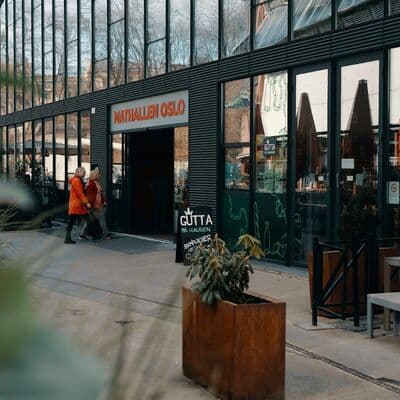
After lunch at Mathallen Food Hall in the Grunerlokka neighborhood, head to Vigeland Sculpture Park in Frogner. Gustav Vigeland's 200+ bronze, granite, and iron sculptures depict the human experience from birth through death, arranged along a grand axis culminating in the iconic Monolith. This is one of the world's largest sculpture installations by a single artist.
Walk through the pleasant neighborhoods surrounding the park, or take the metro to Holmenkollen for the Holmenkollen Ski Museum and Tower. The views from the top of the ski jump extend across the city and Oslofjord. Return downtown for dinner in Grunerlokka or the city center.
Day 3: Bygdoy and the Fjord Islands
Take the ferry from City Hall pier to the Bygdoy peninsula. This museum-dense area contains the Fram Museum, housing the polar exploration vessel that carried both Nansen and Amundsen to the Arctic and Antarctic. The Kon-Tiki Museum displays Thor Heyerdahl's famous rafts. The Norwegian Museum of Cultural History provides an open-air collection of historic buildings from across Norway. And the Viking Ship Museum, though currently under renovation with a new building under construction, remains one of Norway's most important cultural sites.
After the museums, take a ferry to one of the Oslofjord islands. Hovedoya offers beaches, monastery ruins, and easy walks. Pack a picnic or grab food at the island's seasonal cafe. Return to the city in late afternoon.
Day 4: Oslo to Bergen via Norway in a Nutshell
Today brings the journey that defines Norwegian travel. Board the early morning train from Oslo Central Station for the Bergen Railway. The first hours cross lowland forests, but as the train climbs toward Geilo and onto the Hardangervidda plateau, the landscape transforms into high mountain scenery — frozen lakes, glaciers, and boulder-strewn terrain where reindeer roam.
At Myrdal, transfer to the Flam Railway for the spectacular descent to the fjord. Twenty tunnels and countless waterfalls later, you arrive in the tiny village of Flam on the Aurlandsfjord. Board the ferry for the two-hour cruise through the Naeroyfjord, a UNESCO World Heritage fjord so narrow that the mountains seem to lean in overhead. The ferry terminates at Gudvangen, where a bus carries you over the mountains to Voss, and finally a train delivers you to Bergen.
The full journey takes approximately 12 hours but packs a lifetime of scenery into a single day. Arrive in Bergen in the evening, check into your hotel, and have a late dinner in the city.
Day 5: Bergen
Explore Norway's second city, often considered its most charming. Start with Bryggen, the UNESCO-listed wharf lined with colorful wooden buildings dating to the Hanseatic trading era. Wander the narrow passages between the buildings, peek into small galleries and shops, and imagine the merchants who once lived and worked here.
The Fish Market, while now more tourist-oriented than working market, still offers fresh seafood and prepared dishes. Try some king crab legs or a fish soup for a memorable lunch. The nearby Bergenhus Fortress contains Hakon's Hall, a medieval royal residence, and the Rosenkrantz Tower with views across the harbor.
Take the Floibanen funicular to Mount Floyen for panoramic views of Bergen and its surrounding mountains. Hiking trails extend from the summit for those wanting to stretch their legs. Return to the city for dinner, perhaps at one of the restaurants that have made Bergen a culinary destination.
Day 6: Hardangerfjord Day Trip
Rent a car or join a tour to explore the Hardangerfjord region. Drive along the fjord's edge past fruit orchards and waterfalls. The Steinsdalsfossen waterfall near Norheimsund allows you to walk behind the falling water. The Voringsfossen waterfall plunges 182 meters into a dramatic gorge. The landscape combines the drama of other fjords with a gentler, more pastoral character.
Return to Bergen for your final evening, perhaps catching a concert at the Edvard Grieg Museum at Troldhaugen, the composer's home just outside the city.
Day 7: Departure
Depending on your flight time, enjoy a final morning in Bergen — perhaps the KODE art museums, a walk through the residential streets of the city center, or one last coffee at a waterfront cafe. Fly out from Bergen Flesland Airport, either connecting through Oslo or direct to various European hubs.
10 Days: Fjords in Depth
With ten days, you can explore the fjord region more thoroughly while maintaining the Oslo bookends.
Days 1-3: Oslo
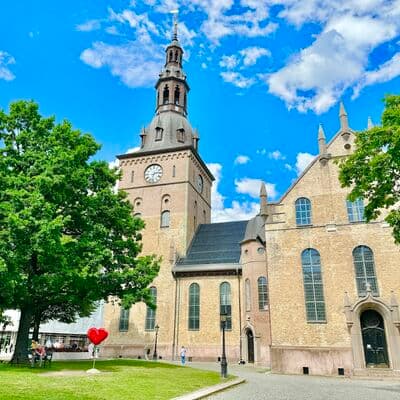
Follow the seven-day itinerary for Oslo but at a more relaxed pace. Add exploration of Ekebergparken Sculpture Park, with its mix of modern sculpture and prehistoric carvings. Visit Akershus Fortress for medieval history and harbor views. Explore Oslo Cathedral and the surrounding shopping district. Take more time in the museums that interest you most.
Consider a day trip to Fredrikstad, Norway's best-preserved fortress town, or to the countryside around Lake Mjosa, Norway's largest lake.
Day 4: Norway in a Nutshell to Flam
Rather than pushing through to Bergen in one day, take the Norway in a Nutshell route only as far as Flam, staying overnight in this fjord-side village. This allows a more relaxed pace and time to explore Flam's attractions, including the Flam Railway Museum and short hikes to viewpoints overlooking the village and fjord.
Day 5: Sognefjord Exploration
Spend the day exploring the Sognefjord region. Options include a boat trip deeper into the fjord system, a visit to the Stegastein viewpoint overlooking the Aurlandsfjord, or a drive along the scenic roads connecting fjord-side villages. The Borgund Stave Church, one of Norway's best-preserved medieval wooden churches, lies within reach for those with vehicles.
In the evening, take the ferry to Gudvangen and onward bus to Voss, staying overnight there.
Day 6: Voss to Bergen
Voss, surrounded by mountains and waterfalls, has established itself as Norway's adventure sports capital. Depending on your interests, arrange rafting, kayaking, skydiving, or simply hiking in the surrounding hills. Continue to Bergen by train or bus in the afternoon.
Days 7-8: Bergen and Hardangerfjord
Follow the seven-day itinerary for Bergen exploration and Hardangerfjord day trip.
Day 9: Bergen to Stavanger
Travel from Bergen to Stavanger by express boat (approximately 5 hours, a scenic coastal journey), or by car/bus via the coastal route. Stavanger, Norway's oil capital and fourth-largest city, offers a charming old town of white wooden houses, a vibrant culinary scene influenced by the petroleum industry's international workforce, and excellent street art throughout the city.
Day 10: Pulpit Rock and Departure
Rise early for the hike to Preikestolen (Pulpit Rock), one of Norway's most iconic viewpoints. The trail starts at Preikestolen Basecamp, accessible by ferry and bus from Stavanger. The hike takes 4-5 hours round trip, with the reward of standing on a flat-topped cliff 604 meters above the Lysefjord. The views are spectacular, assuming clear weather.
Return to Stavanger and fly out, either connecting through Oslo or direct to various European destinations.
14 Days: Beyond the Fjords
Two weeks allows you to add northern Norway to the fjord experience, witnessing the Arctic landscapes that distinguish Norway from its Scandinavian neighbors.
Days 1-8: Oslo, Fjords, Bergen
Follow the 10-day itinerary through Bergen, perhaps adding a night in Alesund to explore its Art Nouveau architecture and proximity to the Geirangerfjord.
Day 9: Bergen to Lofoten
Fly from Bergen to Bodo, then catch the ferry across the Vestfjord to the Lofoten Islands. Alternatively, fly via Oslo to the Lofoten airports at Leknes or Svolvaer. The journey takes most of the day, but the reward is one of Norway's most spectacular landscapes — jagged peaks rising from the sea, fishing villages clinging to rocky shores, and a quality of light that attracts artists and photographers from around the world.
Stay in a traditional rorbuer (fisherman's cabin) for the authentic Lofoten experience.
Days 10-11: Lofoten Islands
Explore the island chain by rental car or on a guided tour. Highlights include the fishing village of Reine, frequently called Norway's most beautiful village; Henningsvaer, a cluster of islands connected by bridges with a vibrant art scene; the Viking Museum at Borg, built on the site of an actual Viking chieftain's hall; and endless opportunities for hiking, kayaking, and simply absorbing the remarkable scenery.
If visiting in winter, the Lofoten offer exceptional northern lights viewing, with the dramatic mountains providing stunning foregrounds.
Day 12: Lofoten to Tromso
Travel from Lofoten to Tromso, either by flying (with connections in Bodo or other airports) or by taking the Hurtigruten coastal steamer northward. The steamer option allows you to experience the classic Norwegian coastal voyage, even if just for a day, as the ship calls at small ports along the way.
Arrive in Tromso, the "Gateway to the Arctic," a city of 75,000 that serves as the cultural and commercial center of northern Norway.
Day 13: Tromso
Explore Tromso's compact city center, starting with the Arctic Cathedral, its triangular form a landmark of modern Norwegian architecture. The Polar Museum chronicles the history of Arctic exploration and hunting. The Polaria experience center provides insight into Arctic ecosystems. And the cable car to Mount Storsteinen offers panoramic views across the city and surrounding mountains.
In winter, this would be an evening for northern lights hunting — Tromso's tour operators are among Norway's most experienced. In summer, the midnight sun allows 24-hour exploration.
Day 14: Departure
Fly from Tromso to Oslo for your international connection, or direct to European hubs including London. Alternatively, extend your journey further north to the North Cape or to Svalbard.
21 Days: The Complete Norway
Three weeks allows a truly comprehensive Norwegian experience, from the southern coast to the high Arctic.
Days 1-4: Oslo and Eastern Norway
Begin with thorough Oslo exploration. Visit the National Museum, Munch Museum, Vigeland Sculpture Park, Fram Museum, and Holmenkollen. Explore neighborhoods like Grunerlokka, Tjuvholmen, and the harbor area. Take a day trip to the Oslofjord islands or to the countryside around Lake Mjosa.
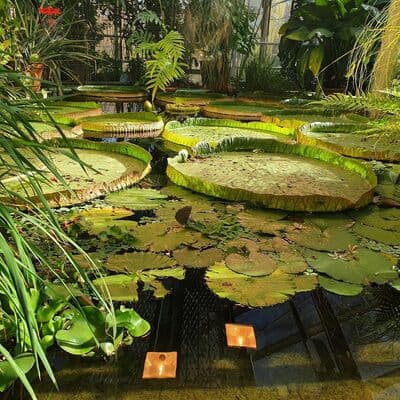
Use Deichman Bjorvika Library as a base for reading up on Norwegian culture — it is one of the world's great public libraries, with panoramic views and excellent design. Walk through Oslo Botanical Garden for a peaceful interlude.
Days 5-6: Oslo to Trondheim
Take the scenic Dovre Railway from Oslo to Trondheim, approximately 7 hours of mountain scenery passing through Lillehammer (site of the 1994 Winter Olympics), Dombas, and the Dovrefjell mountains. Alternatively, stop overnight at Roros, a UNESCO World Heritage mining town with well-preserved wooden architecture.
Spend a full day in Trondheim exploring the Nidaros Cathedral, the Bakklandet neighborhood, and the city's pleasant waterfront. Consider a side trip to the Munkholmen island in the Trondheim Fjord.
Days 7-9: Trondheim to Alesund via the Trollstigen
Rent a car in Trondheim for the drive to Alesund via the famous mountain roads. The Atlantic Road, a series of bridges connecting islands in the Norwegian Sea, provides one of the world's most scenic drives. Continue south through Kristiansund to the Trollstigen, the dramatic mountain pass with 11 hairpin turns clinging to a sheer mountainside.
From the Trollstigen, continue to Geirangerfjord for a ferry crossing and exploration of Norway's most famous fjord. Stay in Alesund for two nights, exploring its unique Art Nouveau architecture and taking day trips to the surrounding fjords and mountains.
Days 10-14: Fjord Norway
Follow the fjord itinerary from the 10-day plan, exploring Bergen, the Hardangerfjord, the Sognefjord, and potentially Stavanger and Pulpit Rock. Take your time — with three weeks, you can linger in villages that shorter itineraries force you to rush through.
Days 15-17: Southern Norway and Kristiansand
Drive or take public transportation from Stavanger to Kristiansand along the southern coast. This "Norwegian Riviera" offers a different character than the fjords — white-painted coastal towns, swimming beaches, and a gentler landscape. Stop in Mandal, Norway's southernmost town, and explore the Setesdal valley with its traditional wooden buildings and stave churches.
From Kristiansand, return north toward Oslo, or fly directly to Tromso to begin the Arctic portion of your journey.
Days 18-21: Arctic Norway
Fly to Tromso for exploration of Arctic Norway. Spend time in the city, then venture to the Lofoten Islands for two nights. Depending on season, add northern lights viewing (winter) or midnight sun experiences (summer). Consider extending to the North Cape for the symbolic experience of reaching Europe's (nearly) northernmost point.
Return to Oslo for your international departure, or fly directly from Tromso if connections allow.
Connectivity: Staying Connected in Norway
Norway offers excellent connectivity for travelers, with widespread mobile coverage and WiFi availability even in remote areas.
Mobile Coverage
Norwegian mobile networks cover virtually all inhabited areas and most major roads and transportation routes. The main operators — Telenor, Telia, and Ice — provide reliable 4G/LTE coverage in populated regions, with 5G increasingly available in cities. Coverage can be patchy in mountain areas, remote valleys, and parts of northern Norway, but major tourist routes are well-served.
For international visitors, EU roaming rules do not apply to Norway (which is not an EU member), though EEA rules provide similar benefits for European visitors. Check with your home carrier about roaming rates before departure. Many visitors find purchasing a local SIM card provides better value for extended stays.
Prepaid SIM cards are available at convenience stores (Narvesen, 7-Eleven), electronics shops (Elkjop, Power), and some supermarkets. Major operators offer tourist-oriented packages with data allowances suitable for typical visitor needs. Plans with 10-20 GB of data typically cost 200-400 NOK (20-40 USD) and work in most modern phones.
WiFi
Free WiFi is available at most hotels, many restaurants and cafes, public libraries, and transportation hubs. Quality varies but is generally adequate for basic needs. Some trains and buses offer onboard WiFi, though mountain terrain can create connectivity gaps.
The Deichman Bjorvika Library in Oslo provides excellent free WiFi along with a stunning architectural environment — it is an ideal place to catch up on online tasks while enjoying one of the world's great public libraries.
Useful Apps
Download these apps before or during your Norway trip:
- VY (Vy) - Train tickets and schedules for Norwegian railways
- Ruter - Oslo public transportation (buy tickets through the app)
- Skyss - Bergen public transportation
- EnTur - National public transport journey planner covering all operators
- Fjord Tours - Norway in a Nutshell and similar combination tours
- UT.no - Hiking trail maps from the Norwegian Trekking Association
- Yr - The authoritative Norwegian weather app
- Google Maps / Apple Maps - Both work well for navigation
- Translate - Google or Apple's translation apps for occasional Norwegian text
- Norway Lights - Northern lights forecasts and alerts
Power and Plugs
Norway uses standard European two-pin plugs (Type C and F). Voltage is 230V at 50Hz. North American devices require both a plug adapter and often a voltage converter for devices not rated for 220-240V. Most modern electronics (phone chargers, laptop chargers, camera chargers) are dual-voltage and need only a plug adapter.
Food and Drink: The Norwegian Culinary Experience
Norwegian cuisine has undergone a remarkable transformation in recent decades. What was once dismissed as utilitarian Scandinavian cooking has evolved into a celebrated food culture that highlights exceptional local ingredients — seafood from cold, clean waters; game from mountain forests; dairy from highland farms; and an increasing appreciation for indigenous Sami food traditions.
Seafood
Norway's cold, nutrient-rich waters produce seafood of exceptional quality. Salmon, both wild-caught and farmed, appears on menus throughout the country. The farming industry, while controversial for environmental reasons, has made Norwegian salmon a global commodity, and locally consumed salmon is typically excellent. Try it cured (gravlaks), smoked (rokt laks), or simply seared fresh.
Cod remains central to Norwegian food culture, particularly in the north. Fresh cod (torsk) appears in fish soup, fish cakes (fiskekaker), and simple preparations that highlight the mild white flesh. Stockfish (torrfisk), cod dried on wooden racks through the winter months, has been a Norwegian export for a thousand years and remains a specialty, though its chewy texture and strong flavor challenge some visitors.
King crab has become a star attraction in northern Norway. These massive crustaceans, actually invasive species that migrated from Russian waters, are harvested around Kirkenes and served at restaurants throughout the north. A full king crab meal provides impressive theater along with sweet, delicate meat.
Other seafood highlights include Norwegian lobster (sjøkreps), smaller and sweeter than American lobster; shrimp (reker), particularly sweet cold-water varieties; herring, traditionally pickled in various preparations; and whale meat, which remains legal and available in Norway despite international controversy.
Mathallen Food Hall in Oslo provides an excellent introduction to Norwegian seafood and other local products, with vendors selling everything from fresh fish to prepared dishes to gourmet ingredients.
Traditional Dishes
Norwegian comfort food reflects a cold climate and agricultural traditions. Farikal, mutton and cabbage stewed with peppercorns, is considered the national dish. Kjottkaker, meatballs served with brown sauce, potatoes, and lingonberries, rivals Swedish versions. Raspeball or komle, heavy potato dumplings often served with salted meat, represents peasant cooking at its most substantial.
Pinnekjott, dried and salted lamb ribs steamed over birch twigs, appears on Christmas tables throughout western Norway. Lutefisk, dried whitefish reconstituted in lye, similarly features in Christmas traditions — it is genuinely challenging for most non-Scandinavian palates. Rakfisk, fermented trout with an intense aroma, rewards adventurous eaters during its autumn season.
Brunost, the caramel-brown "brown cheese" made from whey, confuses visitors who expect cheese-like flavors and find instead sweet, fudge-like taste. It is traditionally served on bread or crispbread and appears at virtually every Norwegian breakfast table. Give it a try — many visitors develop unexpected fondness for its unique character.
Waffles (vafler), heart-shaped and served with sour cream and jam, appear at cafes throughout the country and at mountain lodges that welcome hikers with warm waffles and hot drinks.
Modern Norwegian Cuisine
Norway's contemporary restaurant scene has blossomed, with several restaurants holding Michelin stars and many more offering innovative cooking based on local ingredients. The New Nordic movement, which began in Copenhagen but spread rapidly to Norway, emphasizes seasonal, local, and often foraged ingredients prepared with modern techniques.
Oslo leads the fine dining scene. Maaemo, the city's three-Michelin-star restaurant, offers multicourse tasting menus showcasing Norwegian ingredients at their finest. Numerous other restaurants, from casual to upscale, explore Norwegian culinary traditions through contemporary lenses.
Bergen has emerged as a culinary destination in its own right, with restaurants capitalizing on exceptional local seafood and the city's growing foodie reputation. The surrounding fjord region offers farm-to-table experiences at rural restaurants and hotels.
Even beyond major cities, the quality of restaurant cooking has improved dramatically. Mountain lodges serve impressive meals. Small towns support surprising culinary ambition. And everywhere, the quality of raw ingredients — seafood pulled from cold waters, cheese from highland dairies, berries from wild hillsides — provides a foundation that elevates even simple preparations.
Drinks
Norwegian coffee culture runs deep. Norwegians are among the world's heaviest coffee consumers, and specialty coffee roasters have proliferated in recent years. Oslo supports a vibrant coffee scene with world-renowned roasters like Tim Wendelboe, Fuglen, and Supreme Roastworks. Filter coffee (filtered, not espresso-based) remains the traditional Norwegian preference, though espresso drinks have become universal.
Aquavit (akevitt), caraway-flavored spirit typically served with food, represents Norway's national drink. Linje aquavit, aged in oak barrels that cross the equator twice on Norwegian ships, develops particular character. Traditional drinking occasions call for aquavit with fatty foods like Christmas pinnekjott.
Beer has experienced a craft revolution similar to other countries. Small breweries now operate throughout Norway, producing everything from traditional styles to experimental creations. Prices remain high due to taxation, but quality has never been better. Nogne O, Lervig, and Haandbryggeriet rank among the more prominent craft producers.
Wine consumption has grown substantially among Norwegians, though the cold climate precludes local production. Vinmonopolet, the state wine monopoly, offers surprisingly sophisticated selection, and knowledge among Norwegians has increased accordingly.
Eating Economics
Restaurant dining in Norway is expensive — there is no way around this. A casual lunch typically runs 150-200 NOK (15-20 USD). A mid-range dinner averages 300-500 NOK (30-50 USD) per person without drinks. Fine dining can easily exceed 1,000 NOK (100 USD) per person. Adding wine or cocktails increases bills substantially.
Budget strategies include eating your main meal at lunch, when many restaurants offer reduced prices. Grocery store purchases provide dramatic savings — supermarkets sell bread, cheese, cold cuts, and other items at fraction of restaurant prices. Many accommodations include breakfast, sometimes substantial enough to serve as both breakfast and lunch. And ethnic restaurants, particularly Asian cuisines, often provide better value than Norwegian establishments.
Food markets, while somewhat tourist-oriented, offer chances to sample local products. Mathallen in Oslo and the Fish Market in Bergen are the most prominent, but smaller markets and farm shops throughout the country provide alternatives.
Shopping: What to Bring Home
Norway offers distinctive products that make meaningful souvenirs, though the expense of almost everything means shopping should be selective rather than extensive.
Traditional Crafts
Norwegian knitwear represents the country's most iconic textile tradition. The distinctive patterns — stars, eight-petaled roses, and geometric designs — often in white and black or red and white combinations, have been knitted for centuries. A genuine hand-knitted Norwegian sweater (called a lusekofte in traditional styles) costs 2,000-4,000 NOK (200-400 USD) or more but will last for decades. Machine-knitted versions cost less while maintaining quality well above typical tourist merchandise. Dale of Norway is the most prominent commercial producer.
Rosemaling, the traditional decorative painting featuring scrolling floral patterns, appears on wooden items from bowls to furniture. Quality examples from recognized artists command high prices. More affordable options include factory-produced items that capture the aesthetic if not the artisanal character.
Trolls have become Norway's kitschy souvenir symbol, appearing in forms ranging from small figurines to elaborate sculptures. Most are mass-produced tourist items, but some artists create distinctive interpretations. The Troll Museum in the Romsdal valley celebrates the mythology with surprising seriousness.
Sami crafts, including items made from reindeer leather and antler, represent the indigenous culture of northern Scandinavia. The Sami people have developed distinctive design traditions over millennia. Purchase authentic Sami crafts from recognized producers or reputable shops to ensure quality and ethical sourcing.
Design and Modern Products
Scandinavian design has achieved global recognition, and Norway contributes distinctive voices to this tradition. The Norwegian Design Council promotes local designers, and shops in Oslo and other cities showcase contemporary furniture, housewares, textiles, and fashion.
Norwegian outdoor gear, developed for some of the world's most demanding conditions, offers excellent quality for those serious about outdoor activities. Brands like Helly Hansen, Norrona, and Bergans produce technical clothing and equipment designed and tested in Norwegian conditions.
Food Products
Norwegian food products make excellent edible souvenirs. Brunost (brown cheese) travels reasonably well and introduces people at home to this unique Norwegian taste. Smoked salmon and other preserved fish products can be packed for travel (check customs regulations for your destination). Norwegian chocolate, particularly from producers like Freia and smaller artisan makers, compares favorably with more famous European chocolate countries. And aquavit, Norway's national spirit, makes a distinctive gift.
Tax-Free Shopping
Non-EU residents can reclaim VAT on purchases over 315 NOK at participating shops. Look for Tax Free signs, request the paperwork at time of purchase, and process refunds at the airport on departure. The process is straightforward, and the 12-19% refund makes larger purchases more palatable. Remember to pack purchased items in carry-on luggage if you need to show them at the tax refund counter.
Essential Apps: Your Digital Travel Companion
These applications will make your Norway travel smoother. Download them before departure to avoid connectivity issues on arrival.
- VY (Vy) - The essential app for train travel, offering tickets, schedules, and real-time updates for Norwegian railways
- EnTur - National journey planner covering all public transportation operators — trains, buses, ferries, and local transit
- Ruter - Oslo public transportation with mobile ticketing
- Skyss - Bergen public transportation
- Yr - The definitive Norwegian weather app, essential for planning outdoor activities
- UT.no - Hiking trail maps from the Norwegian Trekking Association
- Norway Lights - Northern lights forecasts and alerts for aurora hunters
- Google Maps / Apple Maps - Both provide reliable navigation throughout Norway
- Google Translate - For occasional Norwegian text, though English is widely understood
- Fjord Tours - For booking Norway in a Nutshell and similar combination tours
Conclusion: Making the Most of Your Norwegian Journey
Norway demands something of its visitors. It demands a larger travel budget than most destinations. It demands preparation for challenging weather and long distances. It demands respect for nature and a willingness to engage with the outdoors. But for travelers willing to meet these demands, Norway delivers experiences that justify everything it asks in return.
The fjords will take your breath away. Standing on the deck of a ferry as thousand-meter cliffs rise on either side, watching waterfalls cascade into waters that reflect the surrounding peaks, you will understand why these landscapes have inspired artists, explorers, and dreamers for centuries. The northern lights will fill you with wonder. Even if you have seen photographs, even if you know the science behind the phenomenon, watching green curtains dance across the Arctic sky creates an almost spiritual experience. The midnight sun will disorient and delight you. The endless daylight of Arctic summer seems impossible until you are hiking at midnight in full daylight, the sun hovering at the horizon in golden warmth.
The cities will surprise you. Oslo has become one of Europe's most innovative urban destinations, with world-class museums, architectural landmarks, and a food scene that rivals much larger cities. Bergen's charm — its colorful wharf, its mountain setting, its cozy neighborhoods — makes it hard to leave. Tromso proves that vibrant culture can thrive even in the Arctic darkness. And smaller places — Alesund's Art Nouveau streets, Trondheim's medieval cathedral, Stavanger's old town — offer their own rewards.
The people, once you break through their initial reserve, will impress you. Norwegians have built one of the world's most successful societies, with standards of living, equality, and quality of life that other countries admire and struggle to emulate. They have done this while maintaining connection to their natural environment, valuing outdoor life, and preserving traditions that stretch back to the Viking age. Engaging with Norwegian culture, even briefly as a visitor, provides insight into how a society can function well.
The expense is real, and you should not underestimate it. Budget travelers will struggle. Even mid-range travelers will spend more than they would almost anywhere else in Europe. But consider what you receive: pristine nature accessible via excellent infrastructure, complete safety, honest dealings, and experiences impossible to find elsewhere. Norway does not compete on price. It competes on quality, and on that measure, it delivers exceptional value.
Come prepared. Pack layers. Book in advance. Download the apps. Respect the nature and the weather and the distances. And then allow yourself to be overwhelmed by one of the world's last great wildernesses, wrapped in infrastructure that makes it accessible while preserving its essential character. Norway is not easy travel, but it is profoundly rewarding travel. The memories you bring home will justify every krone you spend.
Welcome to Norway. The fjords await.