Oslo 2026: What to Know Before Visiting
Oslo is a capital where glass-and-steel skyscrapers neighbor ancient fjords, and modern museums compete for attention with Viking fortresses. This is a city where you can ski in the forest in the morning, explore fjord islands in the afternoon, and dine at a Michelin-starred restaurant in the evening - all within 30 minutes by public transport. Norway's capital has long ceased to be just a "transfer point" on the way to the fjords and has become an independent destination worthy of at least 4-5 days of your trip.
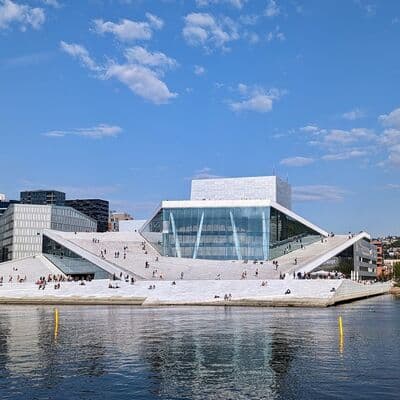
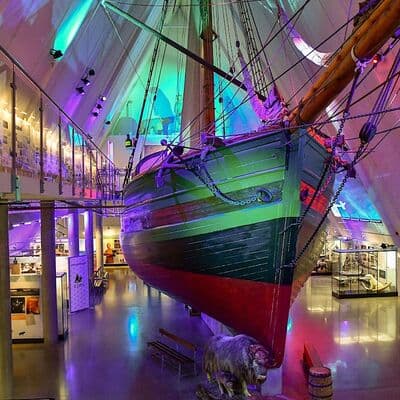
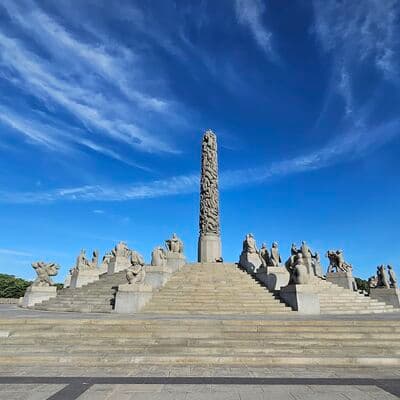
Oslo at a glance: Oslo is worth visiting for Vigeland Sculpture Park with 200+ works, the modern Opera House with its walkable roof, the 13th-century Akershus Fortress, museums on the Bygdøy peninsula (Fram, Kon-Tiki, Maritime Museum), the hipster Grünerløkka district with Mathallen food hall, and Oslo Fjord islands just 5 minutes away by ferry. Optimal visit is 4-5 days, best season is May-September with 19 hours of daylight in June.
Who is this city for? Oslo is ideal for nature lovers who don't want to give up urban comfort; contemporary art and architecture enthusiasts; families with children (safety, cleanliness, interactive museums); active travelers (skiing, hiking, kayaking). The city attracts those willing to pay for quality of life, sustainability, and thoughtful infrastructure.
What makes Oslo special? The unique combination of urban life and wilderness: 430 km² of Nordmarka forest begins right behind residential neighborhoods, 40+ fjord islands are accessible with a single transport ticket, and ski trails are lit until 10 PM even in the city center. Add to this one of the world's best art collections (Munch, Vigeland), revolutionary architecture (Snøhetta's Opera House), and next-level gastronomy (3 Michelin stars at Maaemo).
Honestly: Pros and Cons of Oslo
Pros:
- Safety - one of the safest cities in the world, you can walk at night
- Public transport - punctual, clean, covers the entire city and islands
- Nature within the city - forest, fjord, islands, beaches
- English language - everyone speaks it, from cashiers to police officers
- Free attractions - Vigeland Park, Opera roof, Akershus Fortress (grounds), botanical garden
- Sustainability - electric vehicles, bike lanes, recycling everywhere
- Direct flights from London (2 hours), New York (7.5 hours seasonal)
Cons:
- Prices - one of Europe's most expensive cities, beer from $9.50 USD (90 NOK), restaurant dish from $21 USD (200 NOK)
- Alcohol - sold only at state-run Vinmonopolet stores, closed Sundays
- Weather - unpredictable even in summer, rain possible any month
- Early closing - shops 10 AM-6 PM, restaurants dinner 5-8 PM
- Viking Ship Museum - closed for renovation until 2027
- Nightlife - modest compared to other capitals, clubs close early
Oslo is not a city for partying and shopping, but for contemplation, walks, and gastronomic discoveries. If you're ready to embrace the Scandinavian pace of life (early rise, active day, early dinner) and aren't afraid of high prices - Norway's capital will open up a world where nature and civilization exist in perfect balance.
For American travelers, Oslo feels surprisingly familiar yet distinctly different. English is spoken everywhere, credit cards work for everything (even public toilets), and the city feels incredibly safe. But the prices will shock you - a simple lunch costs what you'd pay for dinner back home. The key is understanding local habits: Norwegians pack lunch from home, drink tap water (which is excellent), and take advantage of free outdoor activities. Once you adapt to the rhythm, Oslo becomes one of the most rewarding cities in Europe.
British visitors will find Oslo's reserve and politeness familiar, though Norwegians are even more direct than Brits. Australians will appreciate the outdoor culture and work-life balance. Canadians will feel at home with the love of winter sports and wilderness. The city has become increasingly international, with direct flights from major hubs making it more accessible than ever.
Oslo Neighborhoods: Where to Stay
Oslo is divided into several key neighborhoods, each with its own character. Unlike many European capitals, Oslo is compact - even from outlying areas it's 15-20 minutes to the center by metro. Your choice depends on trip goals, budget, and preferred atmosphere. Here's a detailed breakdown of where to stay, with real prices and honest assessments.
Sentrum (Sentrum) - Historic Center for First-Timers
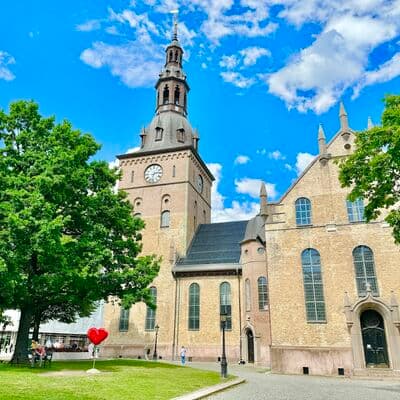
Sentrum is the heart of Oslo, where main attractions are concentrated: Karl Johans Gate street (main pedestrian artery), Royal Palace, National Museum, Oslo Cathedral. The area is ideal for first visits: everything within walking distance, Oslo S transport hub (central station) with direct train from the airport.
For whom: first time in Oslo, history lovers, business travelers, those who want to walk everywhere.
Atmosphere: lively during the day - tourists, shopping, cafes. After 7 PM streets empty - Norwegians dine at home. Weekends are quiet, many shops closed.
Pros:
- All main attractions within 10-15 minutes walk
- Oslo S central station - direct train from airport (25 min, $12 USD / 113 NOK)
- Huge selection of hotels, restaurants, shops
- Transport hub - all metro and train lines converge here
- Safe even at night
- Easy to navigate for first-time visitors
Cons:
- Highest accommodation prices - from $158 USD (1500 NOK) per night
- Noisy during the day due to tourists and traffic
- Little "local" atmosphere - touristy area
- Restaurants more expensive than other neighborhoods
- Can feel sterile on weekends when shops close
Prices: $$$ (hotels from $126 USD / 1200 NOK, hostels from $37 USD / 350 NOK, Airbnb from $84 USD / 800 NOK)
What's nearby: Royal Palace (5 min), National Gallery (7 min), Opera (15 min), Akershus Fortress (10 min), Aker Brygge waterfront (12 min).
Where to stay: look for hotels along Karl Johans Gate or in side streets around Stortinget - quieter but everything nearby. Budget options: Citybox Oslo (automated, no reception), P-Hotel Grensen (simple, breakfast included). Mid-range: Comfort Hotel Grand Central, Thon Hotel Europa. Luxury: The Hotel, Gran Hotel.
Insider tip: The side streets off Karl Johans Gate are significantly quieter at night while keeping you central. Look for addresses on Prinsens Gate or Øvre Slottsgate for the best balance.
Aker Brygge and Tjuvholmen - Waterfront for Romantics
Aker Brygge is a former shipyard turned upscale district with restaurants, boutiques, and yachts. Tjuvholmen continues with the Astrup Fearnley Museum of Contemporary Art and a beach. This is Oslo's most "resort-like" neighborhood with fjord views and sunsets over water.
For whom: couples, gastronomy enthusiasts, water view lovers, those wanting "vacation" atmosphere in the city.
Atmosphere: families with children stroll during the day, couples in restaurants in the evening. Summer sees the waterfront filled with sunbathers, winter has walkers with hot chocolate. Feels like the "Northern Riviera."
Pros:
- Panoramic fjord views and sunsets
- Best restaurants in the city (Maaemo, Solsiden, Fiskeriet)
- Beach and floating sauna KOK in summer
- Astrup Fearnley Museum with contemporary art
- 10 minutes walk to Opera and center
- Beautiful modern architecture throughout
- Great for evening strolls
Cons:
- Very expensive - highest prices in the city
- Few budget food and accommodation options
- Quiet in the evening - no nightlife
- Windy from the fjord in winter
- Can feel touristy and less authentic
Prices: $$$$ (hotels from $210 USD / 2000 NOK, restaurants from $42 USD / 400 NOK per dish)
What's nearby: Opera (10 min), Astrup Fearnley Museum (3 min), Tjuvholmen beach (5 min), center (15 min walk).
Where to stay: The Thief (luxury, own spa), Comfort Hotel Børsen (mid-range), Scandic Solli (quiet, with views). For budget-conscious travelers, this area is best for dining rather than sleeping.
The floating sauna KOK is a must-visit even if you're not staying here. Book a session in summer for the full experience - sauna, cold plunge, then hot chocolate with fjord views. Winter sessions are equally magical if you can handle the cold.
Grünerløkka - Hipster Neighborhood for Youth
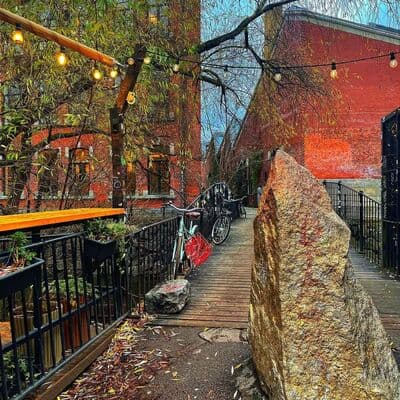
Grünerløkka is a former working-class district that became the epicenter of Oslo's alternative culture. Narrow streets, street art, independent cafes, vintage shops, and the Mathallen food hall. This is where Oslo's creative class lives: designers, artists, baristas, musicians.
For whom: youth, millennials, coffee and craft beer lovers, vegetarians, photographers, those seeking "local" atmosphere.
Atmosphere: relaxed, bohemian, creative. Students work in coffee shops with laptops during the day, bars fill with locals in the evening. Weekends bring flea markets and live music.
Pros:
- Best coffee shops in the city (Tim Wendelboe, Fuglen, The Village)
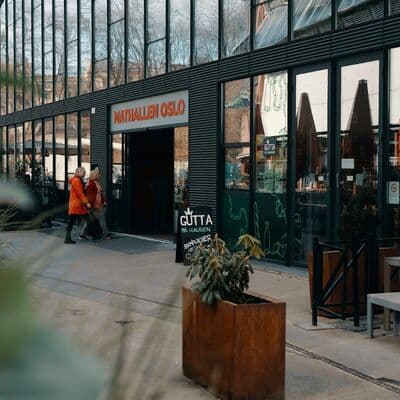
- Mathallen food hall with local producers
- Vintage shops and design boutiques
- Nightlife - bars, pubs, live music
- Affordable prices compared to center
- Sofienberg Park with city views
- Most Instagram-worthy neighborhood
- Great street art and murals
Cons:
- Noisy on weekends - bars open until 3 AM
- Many tourists on weekends
- Few hotels, mostly Airbnb
- Further from some attractions
- Can feel overcrowded on sunny days
Prices: $$ (hostels from $26 USD / 250 NOK, hotels from $84 USD / 800 NOK, Airbnb from $63 USD / 600 NOK)
What's nearby: Mathallen (in the neighborhood), Sofienberg Park (5 min), Munch Museum (15 min), Opera (20 min walk or 10 min by tram).
Where to stay: Anker Hotel (budget, near station), Citybox Grünerløkka (automated), Airbnb in side streets around Olaf Ryes Plass. The area around Thorvald Meyers Gate has the best concentration of cafes and shops.
This is the neighborhood I'd recommend for anyone under 40 who wants to experience local Oslo life. Spend a Saturday morning browsing the vintage shops, grab lunch at Mathallen, then coffee at Tim Wendelboe. In the evening, hop between the craft beer bars along Thorvald Meyers Gate.
Frogner and Majorstuen - Upscale Neighborhood for Families
Frogner is Oslo's most prestigious district with early 20th-century mansions, embassies, and Vigeland Park. Majorstuen is the neighboring transport hub with shops and cafes. This is "old money" Oslo: quiet, green, safe.
For whom: families with children, peace lovers, architecture enthusiasts, long-term visitors.
Atmosphere: calm, respectable, family-oriented. Parents take children to school in the morning, seniors walk in the park during the day, quiet in the evening. Sunday is for dog walks.
Pros:
- Vigeland Park - 200+ sculptures within 5 minutes
- Best schools and playgrounds
- Quiet and safe
- Beautiful architecture - Jugendstil mansions
- Good supermarkets and boutiques
- Direct metro to center (10 min)
- Excellent restaurants without tourist markup
- Great for morning jogs
Cons:
- Expensive - rent from $2,100 USD (20,000 NOK) per month
- Boring in the evening - no bars and clubs
- Few budget restaurants
- Far from nightlife
- Can feel too quiet for young travelers
Prices: $$$ (hotels from $147 USD / 1400 NOK, Airbnb from $105 USD / 1000 NOK)
What's nearby: Vigeland Park (3 min), Vigeland Museum (5 min), Royal Palace (15 min walk), Majorstuen (transport hub).
Where to stay: Home Hotel Frogner (boutique hotel), Scandic Frogner (family-friendly), Airbnb in side streets around Bogstadveien. The area near Majorstuen station offers the best transport connections.
Frogner is perfect if you're traveling with kids or want a peaceful base. The neighborhood has excellent playgrounds, and Vigeland Park is essentially a giant free playground for children (and adults). The Bogstadveien shopping street has everything you need without the tourist crowds of Karl Johans Gate.
Bjørvika and Opera - Modern District for Architecture Lovers
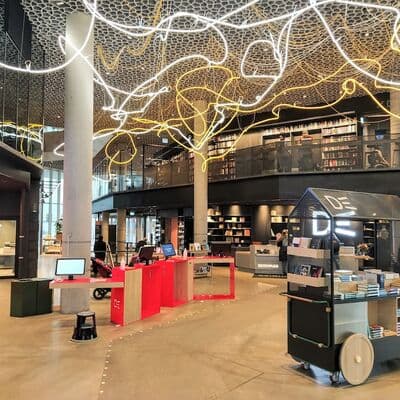
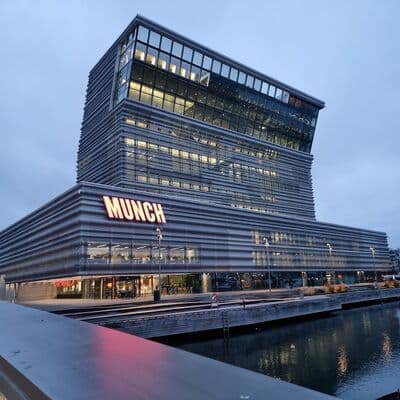
Bjørvika is Oslo's newest district, built on former port land. Here you'll find the Opera House, Munch Museum, Deichman Library, and Barcode skyscrapers. This is the face of modern Oslo: glass, concrete, minimalism.
For whom: contemporary architecture lovers, photographers, those wanting to be in the center of action, business travelers.
Atmosphere: urban, dynamic, modern. Tourists on the Opera roof during the day, museum and restaurant visitors in the evening. Construction continues - the neighborhood is changing before your eyes.
Pros:
- Opera House with walkable roof - 2 minutes
- Munch Museum with "The Scream" - 5 minutes
- New hotels and restaurants
- Fjord and city views
- 10 minutes walk to center
- Modern infrastructure
- Impressive contemporary architecture
- Waterfront promenades
Cons:
- Construction - noise and dust until 2027
- Limited green spaces and parks
- Expensive - new premium hotels
- No "history" - everything new
- Can feel sterile and corporate
Prices: $$$ (hotels from $168 USD / 1600 NOK, restaurants from $26 USD / 250 NOK)
What's nearby: Opera (2 min), Munch Museum (5 min), Deichman Library (3 min), center (10 min).
Where to stay: Clarion Hotel The Edge (fjord views), Thon Hotel Opera (mid-range), Airbnb in new Barcode buildings. The Clarion offers one of the best rooftop bars in the city.
This neighborhood is still evolving, which means you'll see cranes and construction. But it's also where Oslo's future is being built. The Deichman Library is worth a visit even if you're not staying here - it's one of the world's most beautiful public libraries.
Gamle Oslo - Old Town for Budget Travelers
Gamle Oslo ("Old Oslo") is the eastern district with more affordable accommodation, Ekeberg Park, and medieval Oslo ruins. This is the less touristy part of the city with local atmosphere.
For whom: budget travelers, long-term guests, those seeking authenticity.
Atmosphere: local, calm, diverse. Many immigrant communities, ethnic restaurants, flea markets.
Pros:
- Most affordable prices in the city
- Ekeberg Park with sculptures and views
- Medieval Oslo ruins
- Ethnic restaurants (Asian, Middle Eastern)
- Close to airport (train 15 min)
- Authentic local experience
- Less crowded than center
Cons:
- Further from center (20 min by metro)
- Fewer attractions
- Some areas less safe at night
- Few hotels, mostly Airbnb
- Limited English spoken in some shops
Prices: $ (hostels from $21 USD / 200 NOK, hotels from $63 USD / 600 NOK, Airbnb from $42 USD / 400 NOK)
What's nearby: Ekeberg Park (10 min), Oslo ruins (5 min), Medieval Museum (7 min), center (20 min by metro).
Where to stay: Anker Hotel (budget), Citybox Gamle Oslo, Airbnb around Tøyen. The Tøyen area has seen significant gentrification and is now quite trendy.
Gamle Oslo is where you'll find the best value for money. The neighborhood has transformed significantly in recent years, with new cafes and galleries opening alongside traditional ethnic restaurants. Ekeberg Park offers some of the best views over the city and is often empty even on sunny days.
Nordmarka - Forest for Nature Lovers
Nordmarka is 430 km² of forest north of Oslo with ski trails, lakes, and cabins. Not a residential area, but essential mention for those wanting the "forest" experience.
For whom: skiers in winter, hikers in summer, nature photographers, those wanting to escape the city.
Atmosphere: wilderness, silence, fresh air. Skiers of all levels in winter, families with children at picnics in summer.
Pros:
- 2,600 km of ski trails in winter (lit until 10 PM)
- Hiking trails in summer
- Lakes for swimming
- Mountain cabins (hytte) for rent
- Free by Allemannsretten (right to roam)
- Perfect for digital detox
- Wildlife spotting opportunities
Cons:
- No hotels - only cabins
- 30-40 minutes from center by metro + bus
- Very cold in winter (-10°C / 14°F and below)
- Requires preparation and equipment
- Limited food options
Prices: $ (transport $4.20 USD / 40 NOK, cabins from $84 USD / 800 NOK per night)
How to get there: metro to Frognerseteren or Sognsvann, then bus or walk.
Nordmarka is Oslo's secret weapon - a true wilderness experience accessible by public transport. In winter, the cross-country skiing is world-class. In summer, it's perfect for hiking and foraging for berries. The DNT (Norwegian Trekking Association) maintains many cabins that can be booked in advance.
Best Time to Visit Oslo
Oslo is a city with distinct seasons, each offering unique experiences. Your choice of timing depends on goals: skiing and northern lights in winter, hiking and islands in summer, museums and festivals in shoulder seasons. Here's a month-by-month breakdown with honest assessments.
Spring (March-May): Awakening After Winter
March: still winter, but days are longer. Temperature -5°C to +5°C (23°F to 41°F). Ski season in full swing - snow in Nordmarka is ideal. Cheaper hotels after winter peak. Days extend from 10 to 12 hours.
April: transition month. Temperature 0°C to +10°C (32°F to 50°F). Snow melts, first flowers appear. Dry season - only 7 rainy days. Few tourists, low prices. Nature begins to awaken.
May: spring begins. Temperature +8°C to +18°C (46°F to 64°F). Trees turn green, summer cafes open. May 17 - Constitution Day (Norway's main holiday, parades, closed shops). This is when Oslo truly comes alive.
Spring pros: few tourists, low prices, skiing plus sunshine, blooming gardens in May, longer days, nature awakening.
Spring cons: unpredictable weather, some attractions still closed, short days in March, lingering snow in early spring.
Spring is underrated for Oslo visits. April offers the best value - you get decent weather, fewer crowds, and lower prices. May is perfect if you want to experience Constitution Day, but book well in advance as locals travel too.
Summer (June-August): Peak Season
June: best month to visit. Temperature +15°C to +25°C (59°F to 77°F). 19 hours of daylight - sun sets at 11 PM, rises at 4 AM. Festivals, open-air concerts, fjord islands open. This is Oslo at its absolute best.
July: warmest month. Temperature +18°C to +28°C (64°F to 82°F). Peak tourists - prices maximum, hotels booked months ahead. Norwegians on vacation - some restaurants closed. The city feels international and lively.
August: still warm, but fewer tourists. Temperature +16°C to +24°C (61°F to 75°F). Schools open mid-August - families leave. Good time to visit. Water temperatures peak for swimming.
Summer pros: warm weather, long days, all attractions open, festivals, islands, beaches, hiking, outdoor dining, swimming in fjord.
Summer cons: high prices, tourist crowds, hotels booked in advance, some restaurants closed in July, can be surprisingly hot without AC.
June is the sweet spot - you get the midnight sun experience without the July crowds. Book at least 3 months ahead for June visits. August offers better value if you can visit after mid-month when Scandinavian schools resume.
Autumn (September-November): Gold and Rain
September: "golden autumn." Temperature +10°C to +18°C (50°F to 64°F). Leaves turn yellow, air is crisp. Few tourists, prices drop. Perfect for photographers. Harvest season brings excellent food.
October: rain increases. Temperature +5°C to +12°C (41°F to 54°F). Windy, gray skies. But museums are empty, hotels cheap. Days shorten noticeably.
November: winter begins. Temperature 0°C to +6°C (32°F to 43°F). Gets dark early (4 PM). Rain with snow. Few tourists, lowest prices. The city prepares for winter.
Autumn pros: beautiful landscapes in September, few tourists, low prices, cozy cafes, excellent food season, autumn colors.
Autumn cons: rain, short days, cold and windy, some attractions closed, limited daylight in November.
September is genuinely lovely in Oslo - the fall colors in Vigeland Park are spectacular. October and November are only recommended for budget travelers or those focused on indoor activities like museums and restaurants.
Winter (December-February): Snow and Northern Lights
December: Christmas atmosphere. Temperature -5°C to +3°C (23°F to 37°F). Christmas markets (Julemarked) throughout the city. Gets dark at 3 PM. Ski trails open. Magical holiday atmosphere.
January: coldest month. Temperature -10°C to 0°C (14°F to 32°F). Snow, ice, skating rinks. Holmenkollen - ski jumping competitions. Few tourists. True winter experience.
February: still cold, but days longer. Temperature -8°C to +2°C (18°F to 36°F). Ski season in full swing. Northern lights possible (need to travel to northern Norway). Best skiing conditions.
Winter pros: skiing and snowboarding, Christmas markets, northern lights (in north), low prices, cozy cafes, winter sports, authentic Norwegian winter experience.
Winter cons: very cold, dark early, some attractions closed, need warm clothing, limited daylight (6 hours in December).
Winter is for a specific type of traveler - those who embrace cold and darkness for the reward of snow sports and cozy evenings. December has Christmas magic, January-February offer the best skiing. Pack seriously warm clothes.
Festivals and Events 2026
- May 17 - Constitution Day (main holiday, parades, closed shops)
- June - Øyafestivalen (rock festival, 4 days)
- July - Oslo Jazz Festival (jazz throughout the city)
- August - Oslo Pride (parade, concerts)
- September - Oslo Design Festival (design, architecture)
- November-December - Christmas Markets (Julemarked)
- December 10 - Nobel Ceremony (December 10, concert)
- March - Holmenkollen Ski Festival (world cup events)
When It's Cheaper and When to Book
Low season (cheaper): November-March (except Christmas and New Year). Hotels 30-50% cheaper, fewer tourists. Best for budget travelers willing to handle cold.
High season (expensive): June-August, Christmas, New Year. Book 3-6 months ahead. Prices can double compared to low season.
When to book in advance:
- July - 4-6 months ahead (peak tourists)
- Christmas/New Year - 3-4 months ahead
- May 17 - 2-3 months ahead (locals travel too)
- Festivals - 1-2 months before event
- Summer weekends - 2-3 months for best hotels
Shoulder season sweet spots: late May and early September offer the best balance of weather, prices, and crowds. These are my personal recommendations for first-time visitors.
Oslo Itinerary: 3 to 7 Days
Oslo is a city that reveals itself gradually. Three days covers the highlights, five days allows you to not rush, seven days opens up surroundings and deeper atmosphere. Below are detailed itineraries with timing, logistics, and food recommendations.
Oslo in 3 Days: The Essentials
Day 1: Opera, Fortress, and Waterfront
9:00-10:30 AM - Opera House. Start at the Opera roof - climb the marble slabs to the summit. Views of fjord, city, and islands. Free, open 24/7. Inside - tours at 12:00 PM and 2:00 PM ($18 USD / 169 NOK, book online). The early morning light is perfect for photos.
10:30-11:00 AM - Walk along the waterfront to Aker Brygge. Modern art installations, yachts, cafes along the way.
11:00 AM-12:30 PM - Aker Brygge. Waterfront stroll, yacht photos, boutique shopping. Coffee at Tim Wendelboe (best in city, queue by 11 AM). Grab a pastry if you didn't have breakfast.
12:30-2:00 PM - Lunch at Fiskeriet (fresh fish, $26-37 USD / 250-350 NOK) or Solsiden (Norwegian cuisine, $21-32 USD / 200-300 NOK). Reserve ahead. Both offer excellent seafood with waterfront views.
2:00-4:00 PM - Akershus Fortress. Grounds free. Resistance Museum ($8 USD / 75 NOK) and castle ($12 USD / 114 NOK). Fjord views, medieval walls, cannons. Allow time to explore the grounds thoroughly.
4:00-5:00 PM - Walk along Karl Johans Gate. Oslo's main street: shops, cafes, parliament, university. Good time for souvenir shopping.
5:00-7:00 PM - Dinner at Engebret Café (oldest restaurant, 1857, traditional Norwegian cuisine, $32-42 USD / 300-400 NOK). Order: torsk (cod), fårikål (lamb with cabbage). The historic interior is worth the visit alone.
Day 2: Vigeland, Museums, and Grünerløkka
9:00-11:00 AM - Vigeland Park. 200+ sculptures by Gustav Vigeland. Central element - monolith of 121 figures. Free, open 24/7. Vigeland Museum ($10 USD / 95 NOK) inside the park. Morning light is best for photography.
11:00-11:30 AM - Walk along Frognerveien. Boutiques, cafes, Jugendstil architecture.
11:30 AM-1:00 PM - Lunch at Kolonialen Bislett (modern Norwegian cuisine, $21-32 USD / 200-300 NOK) or cafe in Sofienberg Park (budget, $11-16 USD / 100-150 NOK).
1:00-2:00 PM - Metro to Majorstuen, transfer to tram to Bygdøy. Or bus 30 from center. The tram ride offers nice views.
2:00-5:00 PM - Bygdøy Peninsula. Fram Museum ($18 USD / 169 NOK) - polar ship, Kon-Tiki Museum ($18 USD / 169 NOK) - Thor Heyerdahl's raft, Maritime Museum (free). Oslo Pass covers all museums. Allow at least 2 hours for Fram and Kon-Tiki combined.
5:00-6:00 PM - Return to center. Tram 30 to Stortorget.
6:00-8:00 PM - Dinner at Mathallen (food hall in Grünerløkka). Choose: rakfisk (fermented trout), brown cheese (brunost), grilled salmon. Average bill $16-26 USD / 150-250 NOK. This is the best place to sample multiple Norwegian specialties.
8:00-10:00 PM - Bars in Grünerløkka. Fuglen (craft cocktails, retro interior), The Village (craft beer), Herr Nilsen (live music). The neighborhood comes alive in the evening.
Day 3: Munch Museum and Fjord Islands
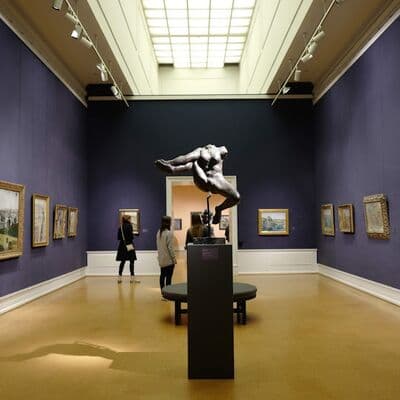
9:00-11:30 AM - Munch Museum. "The Scream," "Madonna," "Dance of Life." $21 USD / 203 NOK, under 25 years $10 USD / 95 NOK, under 18 free. Book online. The new museum building is architecturally impressive.
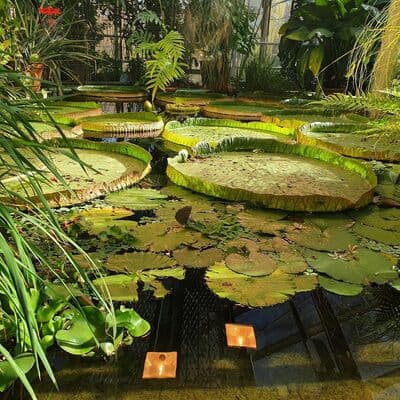
11:30 AM-12:30 PM - Walk through Tøyen Park. Botanical garden (free), waterfall. Peaceful escape from the city.
12:30-2:00 PM - Lunch at cafe near museum or return to center.
2:00-6:00 PM - Oslo Fjord Islands. Ferry from Rådhusbrygge (lines B1, B2). Hovedøya (5 min) - 12th-century monastery ruins, beaches, cannons. Langøyene (15 min) - beach, camping, cafe. Ferry included in Oslo Pass or day ticket ($13 USD / 120 NOK). Summer only (April-September).
6:00-8:00 PM - Farewell dinner on rooftop bar in Barcode (city views, cocktails from $13 USD / 120 NOK). The Edge Hotel rooftop offers the best views.
Oslo in 5 Days: Without Rushing
Days 1-3: as in itinerary above.
Day 4: Holmenkollen and Nordmarka
9:00-10:00 AM - Metro line 1 to Holmenkollen. 25 minutes from center.
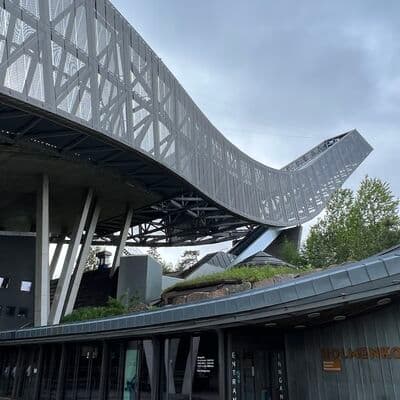
10:00 AM-12:00 PM - Holmenkollen Ski Jump. Ski Museum ($19 USD / 180 NOK), tower climb (city and fjord views). Free with Oslo Pass. The view from the top is spectacular on clear days.
12:00-1:00 PM - Lunch at cafe by the jump ($16-21 USD / 150-200 NOK) or picnic.
1:00-5:00 PM - Walk through Nordmarka. Summer - hiking trails, lakes. Winter - ski trails (ski rental $21 USD / 200 NOK per day). Route: from Holmenkollen to Frognerseteren (2 hours walk). This is where you experience Oslo's unique access to wilderness.
5:00-6:00 PM - Return to center.
6:00-8:00 PM - Dinner at Maaemo (3 Michelin stars, tasting menu $263 USD / 2500 NOK, book 3 months ahead) or more budget-friendly: Bacchus Spiseri (Norwegian cuisine, $32-42 USD / 300-400 NOK).
Day 5: Ekeberg and Old Oslo
9:00-10:00 AM - Tram 18 to Ekebergparken.
10:00 AM-12:00 PM - Ekeberg Sculpture Park. 31 works by Dalí, Hirst, Lucas. Entrance $16 USD / 150 NOK. City views from height. The outdoor sculptures are free to view.
12:00-1:00 PM - Walk through forest trails to viewpoints.
1:00-2:30 PM - Lunch at park cafe or descend to Gamle Oslo.
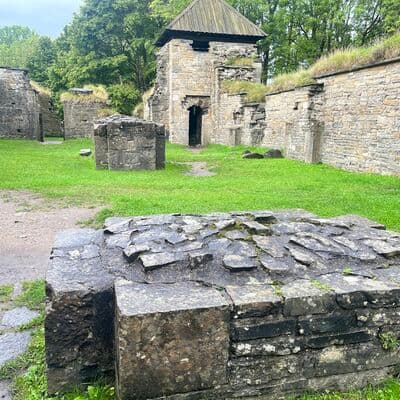
2:30-4:30 PM - Medieval Oslo ruins. Medieval Museum (free), old churches, cemeteries. This area is often overlooked but offers fascinating history.
4:30-6:00 PM - Return to center, souvenir shopping (Karl Johans Gate).
6:00-8:00 PM - Dinner at restaurant of choice.
Oslo in 7 Days: With Surroundings
Days 1-5: as in itinerary above.
Day 6: Drøbak and Oscarsborg Fortress
9:00-10:00 AM - Train from Oslo S to Drøbak (40 min, $16 USD / 150 NOK).
10:00 AM-12:00 PM - Walk through Drøbak. White town with wooden houses, cafes, galleries. Charming coastal town atmosphere.
12:00-1:00 PM - Lunch at waterfront restaurant (fresh shrimp, $21-32 USD / 200-300 NOK).
1:00-2:00 PM - Ferry to Oscarsborg Fortress (summer, $11 USD / 100 NOK).
2:00-4:00 PM - Oscarsborg Fortress. Museum, bunkers, fjord views. Entrance $16 USD / 150 NOK. Important WWII history site.
4:00-5:00 PM - Return to Oslo.
Day 7: Lillehammer or Fjords
Option A: Lillehammer
8:00-10:00 AM - Train from Oslo S to Lillehammer (2 hours, $42 USD / 400 NOK).
10:00 AM-4:00 PM - Olympic Park (1994), ski museum, town walk. The Olympic heritage is well preserved.
4:00-6:00 PM - Return to Oslo.
Option B: Fjord Cruise
9:00 AM-5:00 PM - Organized tour from Oslo ($210-315 USD / 2000-3000 NOK). Fjords, waterfalls, villages. Long day but rewarding.
Option C: City Relaxation
Morning: spa at The Thief ($53 USD / 500 NOK per 3 hours).
Afternoon: shopping, cafes, final look at Vigeland Park.
Evening: farewell dinner with fjord views.
Seven days allows you to truly settle into Oslo's rhythm. You'll discover favorite cafes, learn the transport system, and experience the city like a temporary local rather than a rushed tourist.
Where to Eat in Oslo: Restaurants and Cafes
Oslo's gastronomy has traveled from "expensive and boring" to "expensive but brilliant." Over the past 10 years, the city has earned 3 Michelin stars (Maaemo), dozens of new Nordic cuisine restaurants, and cult food halls. But prices remain high: restaurant dish from $21 USD (200 NOK), beer from $9.50 USD (90 NOK). You can save on breakfasts (hotel buffet) and food hall lunches.
Street Food and Markets
Street food in Oslo isn't hot dog carts (though pølse exists), but modern food halls with local producers.
Mathallen Oslo (Grünerløkka) - city's main food hall. Old industrial hall with 30+ stalls. What to try:
- Rakfisk (fermented trout) - $16 USD / 150 NOK per portion
- Brown cheese (brunost) - $8.50 USD / 80 NOK per plate
- Grilled salmon - $19 USD / 180 NOK
- Oysters - $2.60 USD / 25 NOK per piece
- Craft beer - $9.50-13 USD / 90-120 NOK
Hours: Tue-Wed 11 AM-7 PM, Thu-Fri 11 AM-10 PM, Sat 12 PM-6 PM. Tip: come at lunch on weekdays - fewer queues.
Oslo Street Food (Vulkan) - Asian street with noodles, bao, tacos. Average bill $13-19 USD / 120-180 NOK.
Vulkan Market (Vulkan) - next to Oslo Street Food, more premium. Seafood, burgers, wine.
Lifehack: buy food at food halls to-go and eat in nearby Sofienberg Park - saves 30-40% compared to restaurants.
Local Eateries
Places where locals eat, not tourists. Look for Norwegian queues at lunchtime, menus only in Norwegian, below-average prices.
Engebret Café (Karl Johans Gate) - oldest restaurant (1857). Museum-like interior, waiters in tailcoats. Order: torsk (cod, $37 USD / 350 NOK), fårikål (lamb with cabbage, $31 USD / 290 NOK). Tip: business lunch 12-3 PM - $21 USD / 195 NOK for 3 courses.
Bacchus Spiseri (Frogner) - Norwegian cuisine in modern style. Duck ($34 USD / 320 NOK), venison ($40 USD / 380 NOK). Wine list with Norwegian wines.
Kolonialen Bislett (Bislett) - modern Norwegian cuisine. Menu changes daily. Average bill $26-37 USD / 250-350 NOK.
Lifehack: business lunch (dagens rett) 11 AM-3 PM on weekdays - $16-21 USD / 150-200 NOK for soup + main + coffee. Same dishes evening $26-42 USD / 250-400 NOK.
Mid-Range Restaurants
For proper dinner without Michelin ambitions, but with quality.
Fiskeriet (Aker Brygge) - fresh fish of the day. Menu on board, prices from $26 USD / 250 NOK. Queues by 7 PM - come earlier.
Solsiden (Aker Brygge) - Norwegian cuisine with fjord views. Salmon ($31 USD / 290 NOK), cod ($34 USD / 320 NOK). Reserve window table.
Taqueria (Grünerløkka) - Mexican food. Tacos ($13 USD / 120 NOK for 3), burrito ($19 USD / 180 NOK). Weekend queues.
Villa Paradiso (several locations) - best pizza in town. Neapolitan tradition, 48-hour dough. Pizza from $19 USD / 180 NOK.
Olivia Aker Brygge - huge pizza portions (enough for two). $26-37 USD / 250-350 NOK per pizza.
Lifehack: share pizza at Olivia - portions are huge, saves 50%.
Top Restaurants
If you want something special - Michelin restaurants and next-level gastronomy.
Maaemo (Gamle Oslo) - 3 Michelin stars. Tasting menu $263 USD / 2500 NOK (without wine). Nordic cuisine: fermented vegetables, game, seafood. Book: 3 months ahead online.
Restaurant Eik (center) - 1 Michelin star. Tasting menu $205 USD / 1950 NOK. Modern Norwegian cuisine.
Smalhans (Grünerløkka) - 1 Michelin star. Tasting menu $174 USD / 1650 NOK. Seasonal ingredients.
Lifehack: bar seats at Michelin restaurants - order 2-3 dishes ($53-84 USD / 500-800 NOK) without full tasting menu.
Cafes and Breakfasts
Oslo's coffee culture is one of the world's best. Norwegians roast beans lighter than Italians, emphasis on fruity notes.
Tim Wendelboe (Grünerløkka) - best coffee in city. Own roasted beans. Espresso $4.70 USD / 45 NOK, filter coffee $5.80 USD / 55 NOK. Tip: come at opening (8 AM) - queue by 11 AM.
Fuglen (Grünerløkka) - 1960s retro interior, coffee and cocktails. Day: coffee ($5.30 USD / 50 NOK), evening: cocktails ($15 USD / 140 NOK).
The Village (Grünerløkka) - craft beer and coffee. Breakfast until 3 PM. Avocado toast ($13 USD / 120 NOK), granola ($9.50 USD / 90 NOK).
Stockfleth's (several locations) - quality coffee chain. Croissant ($4.70 USD / 45 NOK), sandwich ($9 USD / 85 NOK).
Lifehack: "free coffee" at some hotels for guests - ask when booking.
Vegetarian and Vegan Options
Oslo is one of Europe's most vegan-friendly cities.
Grønn (Grünerløkka) - fully vegan menu. Burgers ($17 USD / 160 NOK), bowls ($15 USD / 140 NOK).
Heart of Sol (center) - vegan comfort food. Macaroni with cashew "cheese" ($16 USD / 150 NOK).
Lifehack: almost every restaurant has vegan menu - ask for "vegansk meny."
For British visitors, the coffee culture will feel familiar but with even more emphasis on single-origin beans. Americans will find portions smaller but quality higher. Australians will appreciate the brunch scene. The plant-based options rival any major Western city.
What to Try: Oslo Food
Norwegian cuisine isn't just salmon. It's fermented trout, brown cheese, venison, and innovative Nordic dishes. Below are 10 dishes worth trying in Oslo, with prices and ordering tips.
1. Rakfisk - fermented trout. Fish aged in salt 2-3 months, served with onion, potatoes, flatbread. Where: Mathallen, Engebret Café. Price: $16-21 USD / 150-200 NOK. Tip: drink with aquavit - traditional digestif.
2. Brown Cheese (Brunost/Gjetost) - caramelized goat cheese. Sweet, stretchy, brown color. Where: everywhere, especially Mathallen. Price: $8.50 USD / 80 NOK per plate. Tip: eat on waffles with jam - classic Norwegian breakfast.
3. Grilled Salmon (Grillet laks) - fresh Norwegian salmon. Served with potatoes, asparagus, hollandaise sauce. Where: Fiskeriet, Solsiden. Price: $29-37 USD / 280-350 NOK. Tip: order "dagens fisk" (fish of the day) - fresher and cheaper.
4. Cod (Torsk) - traditional dish. Served with potatoes, carrots, melted butter. Where: Engebret Café. Price: $34-40 USD / 320-380 NOK. Tip: try February-April - cod season.
5. Fårikål - lamb with cabbage. Norway's national dish. Cooked 3-4 hours. Where: Engebret Café, Bacchus Spiseri. Price: $31-37 USD / 290-350 NOK. Tip: order in autumn - traditional autumn dish.
6. Venison (Reinsdyr) - reindeer meat. Served with lingonberry sauce, potatoes. Where: Bacchus Spiseri, Restaurant Eik. Price: $37-47 USD / 350-450 NOK. Tip: try as steak or stew.
7. Oysters (Østers) - fresh oysters from Norwegian fjords. Where: Mathallen, Solsiden. Price: $2.60-3.70 USD / 25-35 NOK per piece. Tip: buy by weight at food halls - cheaper than restaurants.
8. Waffles (Vafler) - Norwegian waffles. Served with jam, sour cream, brown cheese. Where: island cafes, KOK sauna. Price: $6.30-8.50 USD / 60-80 NOK. Tip: try after sauna - tradition.
9. Pølse - Norwegian hot dog. Sausage in bun with onion, ketchup, mustard. Where: Narvesen (24-hour shops), street kiosks. Price: $5.30-7.40 USD / 50-70 NOK. Tip: quick late-night snack - Narvesen open 24/7.
10. Aquavit - traditional digestif. Caraway-flavored spirit, 40% ABV. Where: Vinmonopolet (state stores), bars. Price: $32-53 USD / 300-500 NOK per bottle, $8.50-13 USD / 80-120 NOK per shot in bar. Tip: drink chilled, after meals.
What NOT to Try (Tourist Traps)
- "Traditional Norwegian dinner" at tourist restaurants near Karl Johans Gate - 2x prices, low quality.
- Sushi in Oslo - expensive ($21-32 USD / 200-300 NOK per set) and not authentic.
- Alcohol at restaurants - 200-300% markup. Buy at Vinmonopolet.
- Pre-packaged "Norwegian experience" tours - do it yourself for half the price.
Vegetarian Options
Oslo is one of Europe's most vegan-friendly cities. Almost every restaurant has vegan menus. Specialized restaurants: Grønn (vegan burgers), Heart of Sol (vegan comfort food), Dill (vegan fine dining).
Allergies: What to Watch
Norwegians are attentive to allergies. Menus list allergens (gluten, melk, egg, nøtter). Ask: "Jeg er allergisk mot..." (I'm allergic to...). Fish and seafood are main allergens in Norwegian cuisine. Staff typically speak excellent English and can explain ingredients thoroughly.
Dietary Restrictions
Oslo handles dietary restrictions well. Gluten-free options are clearly marked. Halal and kosher options exist but are limited. If you have severe allergies, learn the Norwegian words or have them written on your phone. Most restaurants are happy to accommodate when asked in advance.
Oslo Secrets: Local Tips
12 insider tips that will save money, time, and nerves in Oslo. These are the things I wish I knew before my first visit.
- Oslo Pass pays off in 2 days: 24 hours - $57 USD / 540 NOK, 48 hours - $83 USD / 788 NOK, 72 hours - $100 USD / 946 NOK. Includes: all transport (metro, buses, ferries to islands), all museums (Fram, Kon-Tiki, Munch, Vigeland). If planning 2+ museums per day - Pass is worthwhile. Calculate your planned visits before buying.
- Don't buy Airport Express Train tickets: Flytoget costs $25 USD / 236 NOK and takes 20 minutes. Regular NSB train costs $12 USD / 113 NOK and takes 25 minutes. Difference of 5 minutes for $13 USD / 123 NOK. NSB trains depart 2-3 times per hour. Same trains, same comfort, half the price.
- Tap water is world's best: don't buy bottled water. Tap water is clean, tasty, free. Bring reusable bottle. Oslo's water comes from protected forests and requires minimal treatment.
- Ferries to islands included in transport ticket: lines B1, B2 from Rådhusbrygge. Hovedøya (5 min), Langøyene (15 min). Beaches, monastery ruins, picnics. Summer (April-September). This is the best value activity in summer.
- Don't eat near tourist attractions: restaurants within 200m of Karl Johans Gate - tourist traps. Walk 2-3 blocks into side streets - prices half, food twice as good. Even one block makes a difference.
- Business lunch saves 40%: 11 AM-3 PM on weekdays. Dagens rett (dish of the day) $16-21 USD / 150-200 NOK for soup + main + coffee. Same dishes evening $26-42 USD / 250-400 NOK. This is how locals eat out affordably.
- Alcohol only at Vinmonopolet: supermarkets only sell beer up to 4.7%. Strong alcohol and wine - only at state stores Vinmonopolet. Hours: Mon-Wed 10 AM-6 PM, Thu-Fri 10 AM-8 PM, Sat 10 AM-6 PM, Sunday closed. Plan accordingly.
- Museums closed Mondays: many museums closed Mondays. Check schedule online before visiting. This catches many tourists off guard.
- Dress in layers: even in summer weather changes 3 times daily. Morning +10°C, afternoon +20°C, evening +12°C. Three-layer principle: base (thermal), insulating (fleece), protective (windbreaker). Always carry a light jacket.
- Dinner early: Norwegians dine 5-8 PM. After 8 PM many kitchens close. Reserve tables ahead, especially weekends. This is very different from Southern European dining times.
- Last metro at 12:30 AM: metro closes around 12:30 AM. Night buses (N-lines) run all night, but less frequently. Taxis at night 2x prices. Solution: plan evening to catch metro. Friday and Saturday have extended service.
- Free toilets in museums: public toilets cost $1-2 USD / 10-20 NOK. Free toilets in museums, shopping centers, cafes for customers. Plan your bathroom breaks strategically.
Typical Tourist Mistakes
- Buying cash - cards accepted everywhere, including toilets. No cash needed. Norway is nearly cashless.
- Expecting nightlife - clubs close at 3 AM, bars at 2 AM. Oslo not for partying. The action starts and ends early.
- Traveling in winter without gear - -10°C with wind feels like -20°C. Thermal underwear, down jacket, hat, gloves essential. Don't underestimate the cold.
- Trying to visit Viking Ship Museum - closed until 2027 for renovation. The ships are temporarily displayed at other museums.
- Not booking restaurants in advance - popular places book weeks ahead, especially weekends.
- Underestimating travel times - everything takes longer in winter due to weather.
Money-Saving Tips
- Get a reusable water bottle - tap water is excellent
- Shop at Rema 1000 or Kiwi for groceries - cheapest chains
- Use Oslo Pass strategically - only if doing multiple paid attractions
- Eat your main meal at lunch - business prices
- Free walking tours - tip-based, good introduction
- Student discounts - always ask with valid ID
Transport and Internet in Oslo
Oslo's public transport is one of Europe's best. Punctual, clean, covers the entire city, islands, and even forest routes. No cash needed - everything paid by card or app. The system is intuitive even for first-time visitors.
From Airport to Center
Oslo Airport (OSL) is 50 km from the city. Four options:
1. NSB Train (recommended): $12 USD / 113 NOK, 25 minutes, 2-3 times per hour. Departs from terminal, platform 1. Ticket at machine or Vy app. Terminus - Oslo S (central station). Best value and frequency.
2. Flytoget (express, not recommended): $25 USD / 236 NOK, 20 minutes, every 10 minutes. 5 minutes faster but 2x price. Ticket at machine or online. Only worth it if you miss the NSB.
3. Taxi: $74-95 USD / 700-900 NOK, 40-60 minutes. Only if much luggage or night. Order via Yango app or at terminal desk. Fixed price available.
4. Flybussen: $21 USD / 200 NOK, 45 minutes, every 15 minutes. To Oslo S. Ticket online or from driver. Good alternative if trains aren't running.
For travelers from the US, the train system will feel efficient and modern. British visitors will find it comparable to Heathrow Express but cheaper. Australians and Canadians will appreciate the reliability.
Transport Around the City
Metro (T-bane): 6 lines, 5 AM-12:30 AM. Frequency 2-5 minutes daytime, 10-15 minutes evening. Ticket $4.20 USD / 40 NOK (60 minutes). Day ticket $13 USD / 120 NOK. The metro is the fastest way to reach most neighborhoods.
Trams: 6 lines, cover center and nearby neighborhoods. 5 AM-12 AM. Same ticket as metro. Trams offer scenic routes through the city.
Buses: cover entire city and suburbs. Including night buses (N-lines) after 12:30 AM. Essential for reaching some outer areas.
Ferries: lines B1, B2 to fjord islands. Included in transport ticket. April-September only. A highlight of summer visits.
How to buy tickets:
- RuterBillett app (best option)
- Machines at stations
- Shops Narvesen, 7-Eleven
- Not from driver (more expensive, $6.30 USD / 60 NOK)
Oslo Pass: 24h - $57 USD / 540 NOK, 48h - $83 USD / 788 NOK, 72h - $100 USD / 946 NOK. Includes: all transport, all museums, ferries to islands. Pays off with 2+ museums per day. Available at tourist offices and online.
Taxis: very expensive. Start $13 USD / 124 NOK, each km $2.10 USD / 20 NOK. Apps: Yango, Ola. Order only via app - fixed price. Use only when necessary.
Bike rental: Oslo Bysykkel. $16 USD / 150 NOK per 24 hours. Stations throughout center. Oslo Bysykkel app. Great for summer exploration.
Internet and Connectivity
SIM card: buy at Narvesen, 7-Eleven, Tele2, Telenor. 30 days, 10 GB - $32-42 USD / 300-400 NOK. Passport required. Good coverage throughout the city and surrounding areas.
eSIM: Airalo, Holafly. From $5 per 1 GB. Activate before trip. Convenient for short visits.
Wi-Fi: free in cafes, restaurants, hotels, libraries, Oslo S. Good speed. Most establishments have reliable connections.
Mobile coverage: excellent throughout Oslo and surrounding areas. 4G/5G widely available. No issues with navigation or streaming.
Essential Apps (5 Must-Haves)
1. RuterBillett: tickets for all public transport. Purchase, activation, route maps. Essential for getting around. Interface available in English.
2. Vy: trains across Norway. Tickets Oslo-Bergen, Oslo-Stockholm. Booking, schedules. Useful for day trips and onward travel.
3. Yango: taxi. Fixed price, tracking, card payment. Works like Uber but more reliable in Oslo.
4. Oslo Bysykkel: bike rental. Station map, payment, unlocking. Great for exploring the waterfront and parks.
5. TheFork: restaurants, reviews, reservations. Norwegian equivalent of TripAdvisor for dining. Often has discounts for bookings.
Bonus apps: Entur (all transport planning), Visit Oslo (attractions and events), Matportalen (restaurant reviews).
Getting Around Tips
The transport zones can be confusing. Zone 1 covers the entire city center and most tourist areas. Zone 2 includes the airport and some outer suburbs. Most visitors only need Zone 1. The Ruter app automatically calculates the correct zones for your journey.
For visitors from countries with complex transport systems, Oslo's will feel refreshingly simple. Everything is integrated, tickets work across all modes, and the app handles zone calculations automatically.
Who Oslo Is For: Conclusions
Oslo is a city for those who value nature, safety, and quality of life above partying and shopping. This is a destination for contemplative travel: park walks, museums with world-class collections, Nordic cuisine gastronomy, fjord islands 5 minutes away by ferry.
Ideal for: nature and active recreation lovers (skiing, hiking, kayaking); families with children (safety, interactive museums, cleanliness); art and architecture enthusiasts (Munch, Vigeland, Opera House); gastronomic travelers (Nordic cuisine, Michelin restaurants); solo travelers (safe, English everywhere); digital nomads (excellent wifi, coworking spaces); cruise passengers (compact, easy to explore in a day).
Not the best choice for: party animals (modest nightlife, clubs close early); shopaholics (few brands, high prices, closed Sundays); budget travelers (one of Europe's most expensive cities); hot climate lovers (summer +20°C / 68°F, frequent rain); nightlife seekers (bars close by 2 AM); those seeking constant entertainment (Oslo is more about quiet enjoyment).
How many days: minimum 3 days for highlights, optimum 5 days without rushing, maximum 7 days with surroundings (Drøbak, Lillehammer, fjords). First-time visitors should plan at least 4 days to properly experience the city.
Oslo doesn't fall in love at first sight - it reveals itself gradually, like a good Norwegian character. But if you give it time, the city will reward you with fjord views from the Opera roof, Nordmarka forest silence after snowfall, fresh grilled salmon taste, and the feeling that somewhere in the world there's a place where nature and civilization live in harmony.
For American visitors, Oslo offers a glimpse of what urban life could be with better work-life balance and environmental consciousness. British travelers will appreciate the reserve and directness. Australians will find kindred spirits in the outdoor culture. Canadians will feel at home with the winter sports and wilderness access.
The city has transformed dramatically in the past decade. New museums, restaurants, and neighborhoods have opened, making it more interesting than ever. Yet it has retained its essential character - a city where you can be in nature within minutes, where safety is taken for granted, and where quality matters more than quantity.
Oslo is not cheap, not flashy, not wild. But it is honest, beautiful, and deeply rewarding for those who approach it with the right expectations. Come for the museums, stay for the lifestyle, leave with a new understanding of how a city can balance progress with nature.
Information accurate for 2026. Prices shown in USD and Norwegian Kroner (NOK), exchange rate approximately $1 USD = 9.5 NOK. All prices may change - verify before travel. Direct flights available from London (British Airways, SAS, Norwegian), New York (Norse Atlantic seasonal), and other major hubs.