About
The Dominican Republic: Your Complete Guide to the Caribbean's Most Diverse Destination
Let me be straight with you: the Dominican Republic is not just another Caribbean beach destination. Sure, you will find those impossibly turquoise waters and powdery white sands that look Photoshopped in every travel brochure. But reduce this country to its beaches, and you are missing about 90% of what makes it genuinely special. This is a nation where you can explore the oldest colonial city in the Americas before breakfast, hike through cloud forests by lunch, and watch humpback whales breach at sunset. It is the only place in the Caribbean where you can stand in a desert, climb a 10,000-foot peak, and snorkel in crystal-clear cenotes all within a few days.
I have spent considerable time exploring every corner of this island, from the tourist-heavy corridors of Punta Cana to remote mountain villages where roosters serve as alarm clocks and dominoes is practically a religion. What I have discovered is a country of remarkable contrasts and genuine warmth, where the challenges are real but the rewards are extraordinary. This guide is everything I wish someone had told me before my first trip, written with the kind of honesty that comes from both falling in love with a place and occasionally being frustrated by it.
Why Visit the Dominican Republic: More Than Just Another Beach Vacation
Before we dive into logistics, let us talk about why the Dominican Republic deserves a spot on your travel list, especially if you are coming from the United States, Canada, the United Kingdom, or Australia. This is not going to be a collection of generic superlatives. Instead, I want to give you concrete reasons why this particular destination might be perfect for your next adventure.
The Accessibility Factor
For North American travelers, the Dominican Republic offers something increasingly rare: a genuinely exotic destination that does not require a brutal journey to reach. From Miami, you are looking at roughly two and a half hours of flight time. New York to Punta Cana is about three and a half hours. Even from Los Angeles, direct flights clock in around six hours. Compare that to Hawaii, which takes longer to reach from most East Coast cities, and you start to understand why the Dominican Republic has become such a popular escape.
For British and Australian travelers, the journey is longer, but the payoff remains significant. Direct flights from London Gatwick to Punta Cana run about nine hours, putting this Caribbean gem closer than many Asian beach destinations. Australians typically route through the United States, making the total journey around 24-28 hours depending on connections. Not a quick hop, but competitive with other Caribbean options and significantly shorter than reaching Southeast Asian alternatives.
Value That Actually Means Something
Here is where the Dominican Republic truly shines for English-speaking travelers, particularly Americans and Canadians dealing with strong home currencies. Your dollar stretches remarkably far here. A beachfront meal that would cost $75 in Florida might run you $20-25 at a quality local restaurant. A private driver for the day typically costs $80-120, less than what you might pay for a single rideshare from LAX to Santa Monica during surge pricing. Even the high-end resorts, while not cheap by any measure, offer a level of service and amenity that would cost significantly more in comparable destinations.
But value is not just about cheap prices. It is about what you get for your money. In the Dominican Republic, that means genuinely all-inclusive resorts where the food is actually good, excursions led by guides who know their stuff, and accommodations that punch above their weight class. A $300 per night resort here often delivers what $500+ properties offer elsewhere in the Caribbean.
Diversity That Defies Caribbean Stereotypes
The Dominican Republic shares the island of Hispaniola with Haiti, and together they occupy a landmass roughly the size of South Carolina. But within those borders, you will find a geographic diversity that seems almost impossible. The country has nine distinct ecological zones, from coastal mangroves to alpine meadows. You can drive from sea-level beaches to cloud forests at 7,000 feet in under two hours. The terrain includes deserts, waterfalls, limestone caves, and the highest peak in the Caribbean.
This diversity translates directly into variety for travelers. Tired of the beach? Head to Jarabacoa for white-water rafting and mountain biking. Want colonial history? Santo Domingo's Zona Colonial offers architecture dating to the 1490s. Interested in wildlife? Humpback whales congregate off the Samana peninsula every winter. Looking for adventure? Underground rivers, zip lines, and challenging hikes await. The Dominican Republic refuses to be just one thing, and that flexibility makes it ideal for travelers who bore easily or groups with diverse interests.
A Culture That Welcomes Visitors
Dominicans have a term, dominicanidad, that encompasses their unique cultural identity. Part of that identity involves genuine hospitality toward visitors. This is not the transactional friendliness you sometimes encounter in tourist-dependent economies. Rather, it reflects a cultural value placed on human connection, conversation, and making guests feel at home.
You will notice this immediately. Shop owners strike up conversations about your family. Taxi drivers share recommendations for their favorite restaurants. Locals at the beach invite you to join their games of volleyball or dominoes. For solo travelers especially, this openness makes the Dominican Republic feel considerably less isolating than some other destinations.
The Food Scene Nobody Talks About
Caribbean cuisine often gets dismissed as jerk chicken and rum drinks, pleasant but predictable. The Dominican Republic shatters that stereotype. This is a country where food matters deeply, where recipes pass through generations, and where even humble roadside spots take pride in their cooking. The culinary landscape blends Spanish colonial influences with African traditions and indigenous Taino ingredients, creating flavors you simply will not find elsewhere.
You have probably never tried sancocho, a hearty stew that functions as national comfort food. Or mofongo, a garlicky plantain dish that shows up everywhere but tastes different at every spot. Or fresh-caught red snapper served whole with tostones and creamy beans. The Dominican Republic is not a culinary destination in the way that Mexico or Peru have become, but for travelers who care about eating well, it consistently delivers pleasant surprises.
Practical Advantages for English Speakers
While Spanish is the official language, English proficiency has grown substantially in tourist areas. You will have no trouble communicating at resorts, major restaurants, tour operations, and transportation hubs. That said, learning a few Spanish phrases enhances your experience significantly, particularly outside the main tourist corridors. Dominicans appreciate the effort, and even basic Spanish opens doors to interactions that English-only travelers miss.
For Americans specifically, the Dominican Republic operates on Atlantic Standard Time year-round, which means no jet lag from the East Coast and only a three-hour difference from California. The country uses 110V electrical outlets, so your devices work without adapters. And because the US dollar is widely accepted alongside the Dominican peso, you can often skip the currency exchange entirely.
The Honest Downsides
I promised honesty, so here it is: the Dominican Republic has real challenges that you should consider. Infrastructure outside tourist areas can be rough. Roads range from excellent to terrifying. Poverty is visible and sometimes confronting. The all-inclusive resort model, while convenient, creates a bubble that insulates visitors from authentic Dominican life. Power outages happen, though backup generators are standard at hotels. And yes, some areas have issues with aggressive vendors or touts, though this is improving as tourism matures.
These drawbacks do not diminish the country's appeal, but acknowledging them helps set appropriate expectations. The Dominican Republic rewards travelers who approach it with curiosity, flexibility, and a willingness to engage with a complex, developing nation rather than expecting an antiseptic resort experience.
Regions of the Dominican Republic: Understanding Your Options
The Dominican Republic is roughly 18,700 square miles, slightly larger than Switzerland and considerably larger than many Caribbean islands combined. Understanding the distinct regions helps you plan an itinerary that matches your interests. Each area offers a different flavor of Dominican life, and ideally, you will sample more than one during your visit.
Punta Cana and the East Coast
Punta Cana represents the Dominican Republic that most tourists know. This purpose-built resort zone stretches along approximately 30 miles of Caribbean coastline, packed with all-inclusive properties ranging from budget-friendly to ultra-luxurious. The area attracts millions of visitors annually, making it one of the most visited destinations in the entire Caribbean.
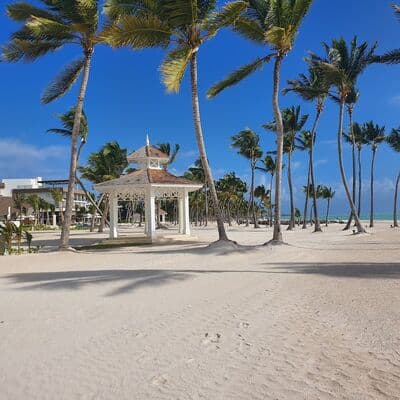
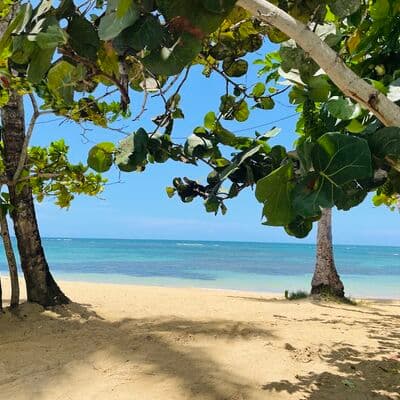
The beaches here genuinely deserve their reputation. Playa Bavaro offers miles of pristine sand backed by swaying palms, with calm, warm waters perfect for swimming. The iconic coconut trees that appear in Dominican tourism imagery mostly come from this stretch of coast. Further north, Playa El Macao provides a rawer beach experience, popular with surfers and those seeking fewer crowds. At the southern end, Playa Juanillo in Cap Cana represents upscale beach perfection, though access requires staying at select properties or paying an entry fee.
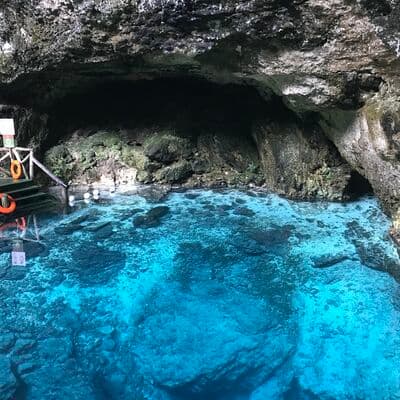
Beyond the beaches, Punta Cana offers excellent day-trip opportunities. Saona Island sits within Cotubanama National Park, accessible via catamaran for a quintessential Caribbean island experience. Hoyo Azul is a stunning cenote-like pool at the base of a cliff within Scape Park, an adventure complex that also offers zip lines, cave exploration, and cultural exhibits. The Indigenous Eyes Ecological Reserve protects 1,500 acres of subtropical forest containing freshwater lagoons perfect for swimming. For families, Dolphin Explorer and Manati Park provide animal encounter experiences, while Marina Cap Cana serves as a hub for fishing charters, yacht trips, and waterfront dining.
The honest assessment: Punta Cana excels at delivering a polished, convenient beach vacation. The resorts know what they are doing. The infrastructure works smoothly. You will never struggle to find activities, restaurants, or English-speaking assistance. However, this comes at the cost of authenticity. Punta Cana exists primarily for tourists, and the cultural experience here is necessarily diluted. If your priority is relaxation and reliable quality, it is an excellent choice. If you want to understand Dominican culture, you need to venture beyond the resort gates.
Santo Domingo: The Capital
Santo Domingo offers a completely different Dominican experience. This is a real city, home to nearly three million people in the metropolitan area, with all the energy, complexity, and chaos that implies. It is also the oldest continuously inhabited European settlement in the Americas, founded in 1498, making it a living museum of colonial history.
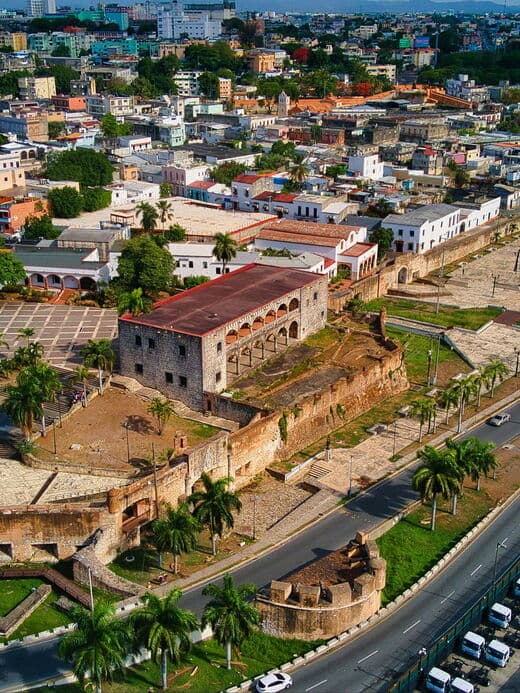
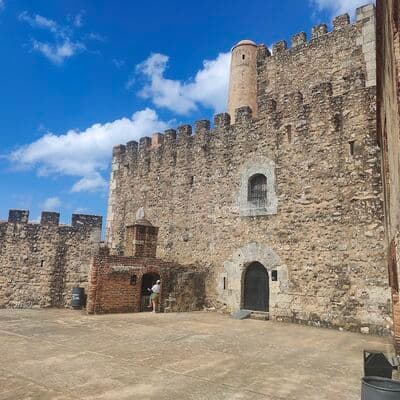
The Zona Colonial forms the historic heart of the city and a UNESCO World Heritage Site. Walking these cobblestone streets, you pass buildings where the actual events of early colonization occurred. The Cathedral of Santa Maria la Menor is the oldest cathedral in the Americas, construction beginning in 1512. Alcazar de Colon served as the palace of Diego Columbus, son of Christopher, and now functions as a museum. Fortaleza Ozama is the oldest European military fortress in the Americas, with walls that have witnessed five centuries of history. Calle de las Damas, the Street of the Ladies, is the oldest paved street in the Western Hemisphere. These are not reconstructions or theme park replicas; they are the actual structures where history unfolded.
Beyond the colonial zone, Los Tres Ojos provides a fascinating geological attraction: a limestone cave system containing three distinct lakes with startlingly blue water. The National Palace, while not open for interior tours, presents impressive neoclassical architecture worth seeing from outside. Parque Colon anchors the colonial district with constant activity, while the National Pantheon houses remains of notable Dominican figures in a building that was once a Jesuit church. Plaza de la Cultura contains multiple museums including the Museum of the Dominican Man and the Museum of Modern Art. The Malecon stretches along the Caribbean waterfront, coming alive at night with music venues and outdoor gatherings.
Santo Domingo also offers the best urban dining scene in the country, plus nightlife that rivals any Caribbean capital. The Gazcue, Naco, and Piantini neighborhoods feature excellent restaurants, rooftop bars, and boutique hotels. For travelers interested in architecture, food, culture, and history, Santo Domingo deserves at least two or three days.
The drawbacks: Santo Domingo can feel overwhelming, especially for first-time visitors. Traffic is genuinely terrible, some of the worst in the Caribbean. Navigating the city requires either a taxi, a ride-share, or substantial patience. The heat can be intense without the coastal breezes that moderate beach destinations. And while violent crime is relatively low, petty theft and scams do occur in tourist areas. None of this should deter a visit, but it helps to arrive prepared.
Samana Peninsula: The Dominican Republic's Best-Kept Secret
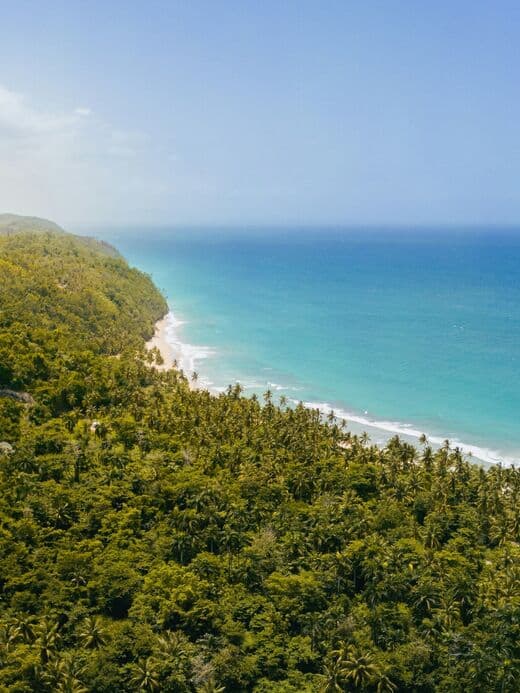
If I had to choose one region that captures why I fell in love with the Dominican Republic, it would be Samana. This peninsula on the northeastern coast somehow remains relatively undeveloped despite possessing some of the most beautiful landscapes in the Caribbean. The vibe here runs slower, less polished, and considerably more authentic than Punta Cana or Puerto Plata.
Las Terrenas serves as the main tourist hub on the peninsula, though "hub" might be too strong a word. This small town retains a distinctly European flavor, thanks to French, Italian, and German expatriates who discovered it decades ago and never left. The restaurant scene is surprisingly sophisticated for such a small place, and the beaches are gorgeous without being overrun. Playa Bonita lives up to its name, offering a crescent of sand backed by palm trees with generally calm swimming conditions.
At the eastern tip of the peninsula, Las Galeras feels even more remote, a small fishing village where life moves at a pace that makes laid-back seem rushed. From here, you can hire a boat to Playa Rincon, consistently rated among the best beaches in the Caribbean by various publications. The accolades are deserved: this sweeping bay of golden sand, backed by coconut palms and empty of development, represents Caribbean perfection. Pack your own lunch and snorkeling gear, because aside from a couple of rustic restaurants at one end, services are minimal.
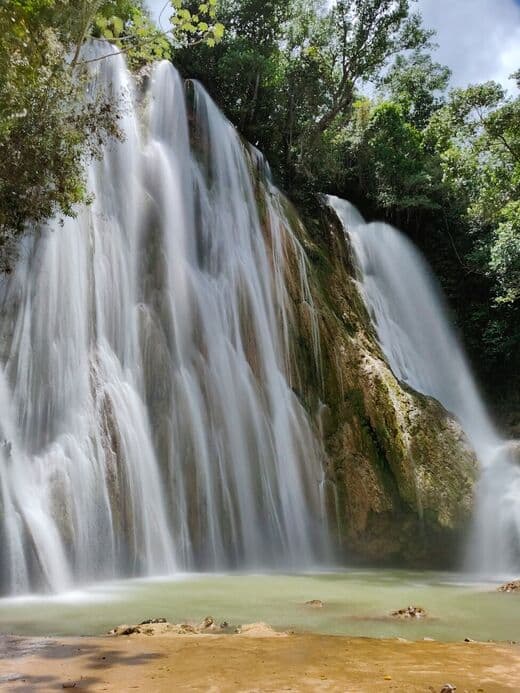
The El Limon Waterfall cascades 170 feet into a pool perfect for swimming, accessible via a sometimes-muddy horseback ride or a more challenging hike. Los Haitises National Park protects a remarkable landscape of mogotes (karst limestone formations), mangrove forests, and caves containing pre-Columbian petroglyphs. Boat tours through this park feel like exploring a prehistoric world.
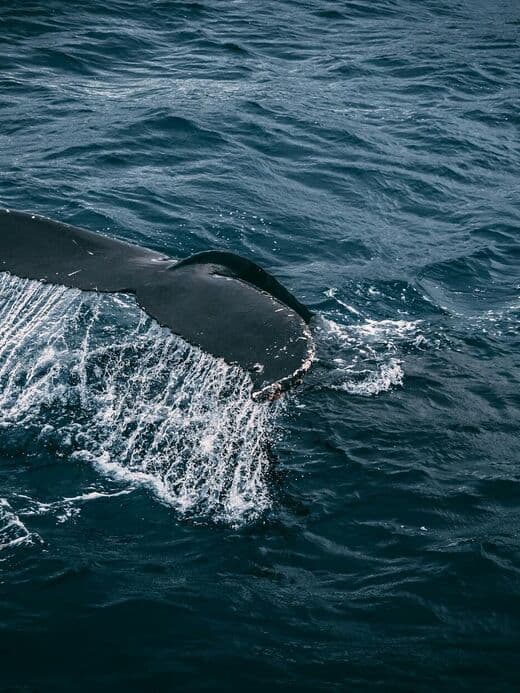
Cayo Levantado, also known as Bacardi Island for its appearance in rum advertisements, offers a day-trip destination with beach facilities and snorkeling. And from January through March, Samana Bay becomes one of the world's best places to observe humpback whales during their breeding season. The Samana whale watching experience brings you remarkably close to these magnificent creatures, with responsible tour operators maintaining appropriate distances while still providing intimate encounters.
The challenges of Samana relate primarily to access and infrastructure. The roads improve constantly but can still be rough in places. Reaching the peninsula from Santo Domingo takes about two and a half hours, from Punta Cana closer to three hours. Services in smaller towns are limited compared to resort areas. But for travelers seeking natural beauty, relative solitude, and an authentic Dominican experience, Samana delivers like nowhere else in the country.
Puerto Plata and the North Coast
Puerto Plata anchors the Dominican Republic's northern coast, historically the country's first major tourist region before Punta Cana rose to dominance. The area has experienced a renaissance in recent years, with new resorts, improved infrastructure, and increasing recognition that the north coast offers something different from the east.
The city of Puerto Plata itself contains genuine historical interest. The Puerto Plata Cable Car rises to the summit of Mount Isabel de Torres, offering panoramic views of the coast and access to botanical gardens surrounding a Christ the Redeemer statue reminiscent of Rio's famous landmark. Fortaleza San Felipe dates to the 1570s, built to defend against pirates and serving various military and prison functions over centuries. The Amber Museum displays impressive specimens of Dominican amber, some containing prehistoric insects, in a beautifully restored Victorian mansion. The Puerto Plata Malecon offers seaside strolling with local flavor.
Playa Dorada hosts the largest concentration of resorts on the north coast, a well-maintained complex with golf courses, good beaches, and easy access to regional attractions. The beach itself offers golden sand and generally calm conditions, though not quite matching the Caribbean perfection of Punta Cana.
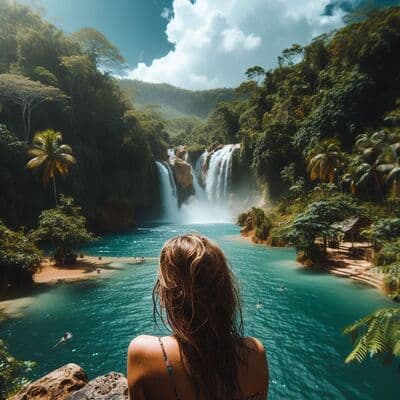
The most spectacular attraction on the north coast is the 27 Charcos of Damajagua, a series of cascading waterfalls and natural pools in the mountains outside Puerto Plata. You hike up through tropical forest, then descend by jumping, sliding, and swimming through the waterfalls. The experience is exhilarating, appropriate for reasonably fit travelers, and unlike anything else in the Caribbean. I consider it a must-do for adventure-seeking visitors.
Ocean World Adventure Park offers marine encounters including dolphins, sea lions, and sharks, along with a tiger habitat and birds. Luperon to the west provides a quieter beach town experience popular with sailors and long-term visitors seeking a more local atmosphere.
The north coast differs from the east coast in several ways. The Atlantic-facing beaches see more wave action, better for surfing but sometimes challenging for swimming. The climate tends slightly cooler, particularly in winter months. The tourism infrastructure is less developed than Punta Cana, which means lower prices and fewer crowds but also less polish. And the north coast provides easier access to Santo Domingo and the country's interior.
La Romana and Bayahibe
La Romana region sits between Punta Cana and Santo Domingo on the southern coast, offering a different beach experience with some unique cultural attractions. This area centers around two main draws: world-class luxury resorts and the extraordinary village of Altos de Chavon.
Casa de Campo Resort ranks among the finest in the Caribbean, featuring legendary golf courses including Teeth of the Dog, designed by Pete Dye and consistently rated the best in the Caribbean. The resort attracts an upscale crowd, with prices to match. But the real surprise lies adjacent to the resort.
Altos de Chavon is a replica Mediterranean village constructed in the 1970s by an Italian architect and Dominican workers, built to recreate a 16th-century artistic community. The result seems impossible: cobblestone streets, terracotta roofs, artisan workshops, and a 5,000-seat Altos de Chavon Amphitheater that has hosted everyone from Frank Sinatra to Sting. The village perches dramatically above the Chavon River, and while fundamentally artificial, it achieves a beauty and atmosphere that transcends its theme-park origins. Free to visit, it combines well with the nearby beaches.
The Cave of Wonders contains impressive stalactites, stalagmites, and preserved Taino petroglyphs, accessible via guided tours on paved pathways through the cave system. Catalina Island offers excellent snorkeling and diving, accessible via boat from the Bayahibe area.
Bayahibe itself is a small fishing village that has grown into a hub for dive operations and boat trips to Saona Island and Catalina Island. The atmosphere is more local than Punta Cana, with a pleasant mix of tourists and Dominican beach culture. Dominicus Beach provides the main resort strip, with several all-inclusive options fronting a well-maintained beach.
The Interior: Mountains, Rivers, and Adventure
Most visitors to the Dominican Republic never venture into the interior, which is their loss. The Cordillera Central mountain range runs through the heart of the country, rising to Pico Duarte at 10,164 feet, the highest point in the Caribbean. This is not barren alpine terrain but rather lush cloud forests, rushing rivers, and agricultural valleys that supply much of the country's produce.
Jarabacoa serves as the adventure capital of the Dominican Republic. At 1,700 feet elevation, the climate is noticeably cooler than the coast, making it a favorite escape for Dominicans fleeing the heat. Here you can go white-water rafting on the Yaque del Norte River, canyoning through waterfalls, paragliding with views to the coast, mountain biking through coffee plantations, or simply hiking through stunning landscapes. The town itself offers a pleasant small-town atmosphere with decent restaurants and accommodations ranging from rustic eco-lodges to comfortable hotels.
Constanza sits even higher at 4,000 feet, surrounded by agricultural valleys that produce strawberries, flowers, and vegetables for the entire country. The scenery here feels almost Alpine, with pine forests and a climate that actually gets cold at night. Japanese farmers introduced vegetable cultivation techniques decades ago, and their influence remains visible. The area offers excellent hiking, including access to Pico Duarte for serious trekkers.
Climbing Pico Duarte typically requires two to three days round trip, with overnight camping in basic mountain huts. The hike is strenuous but non-technical, rewarding those who make the effort with a genuine accomplishment and stunning high-altitude views. Most hikers go with guides from either Jarabacoa or Constanza.
Other interior destinations include Santiago, the Dominican Republic's second-largest city, offering a more authentic urban experience than Santo Domingo without the historical attractions. The Cibao Valley produces tobacco for the country's famous cigar industry, with factory tours available in Santiago and surrounding towns.
What Makes the Dominican Republic Unique
Every destination claims uniqueness, but the Dominican Republic genuinely possesses qualities that set it apart from Caribbean competitors. Understanding these distinctive elements helps you appreciate what you are experiencing and choose activities that take advantage of what this particular country offers.
The Birthplace of the Americas (For Europeans)
When Christopher Columbus landed on the island of Hispaniola in 1492, he initiated the permanent European presence in the Americas. Santo Domingo, founded in 1498, became the launching point for Spanish exploration and conquest of the entire hemisphere. From here, Cortes set out to conquer Mexico. Ponce de Leon departed for Puerto Rico and Florida. Pizarro organized his Peru expedition.
This history is not abstract or distant when you walk through the Zona Colonial. The buildings standing today are the actual structures where these events unfolded. The Cathedral of Santa Maria la Menor is the oldest cathedral in the Americas, and when you step inside, you stand where colonial administrators, conquistadors, and indigenous Taino people once stood. The Alcazar de Colon is the actual palace where Diego Columbus lived, not a recreation. Fortaleza Ozama defended the harbor against pirates and rival powers for centuries.
For American, Canadian, British, and Australian visitors, this history offers perspective on the colonial enterprise that shaped the modern Western Hemisphere. The Dominican Republic was ground zero for the encounter between European and indigenous American civilizations, with all the complexity, tragedy, and transformation that implies.
Geographic Extremes in a Compact Space
The Dominican Republic contains geographic diversity that seems impossible for its size. Nine distinct ecological zones include coastal mangroves, dry forest, subtropical moist forest, subtropical wet forest, lower montane wet forest, montane wet forest, subtropical rainforest, and cloud forest. The country has the Caribbean's highest peak (Pico Duarte at 10,164 feet) and its lowest point (Lago Enriquillo at 150 feet below sea level).
This diversity creates opportunities for dramatically varied experiences within short distances. You can breakfast on the beach, lunch in pine forests at 4,000 feet elevation, and dinner in a desert landscape, all in one day if you are ambitious. For travelers who tire of beach repetition, this variety provides genuine refreshment.
The southwest corner of the country around Lago Enriquillo feels almost otherworldly. This hypersaline lake sits below sea level, surrounded by cactus-studded desert, and hosts wild populations of American crocodiles and flamingos. The landscape resembles nothing else in the Caribbean, and few tourists venture here, making it perfect for adventurous travelers.
Amber and Larimar
The Dominican Republic produces two semi-precious stones found rarely or nowhere else on Earth. Dominican amber is among the clearest in the world, often containing perfectly preserved prehistoric insects and plant matter. The Amber Museum in Puerto Plata displays exceptional specimens, including pieces featured in Jurassic Park for their ancient mosquito inclusions.
Larimar, a blue variety of pectolite, exists only in the Dominican Republic. This striking blue stone ranges from light sky blue to deep volcanic blue, and its uniqueness has made it popular for jewelry. Mines in the mountains near Barahona supply the world's entire larimar production.
Both stones make excellent souvenirs, but beware of fakes. Plastic amber and dyed imitation larimar flood tourist markets. Buy from reputable dealers, particularly museum shops or established jewelers, to ensure authenticity.
Baseball Culture
The Dominican Republic has produced more Major League Baseball players per capita than any country on Earth. Baseball is not just a sport here; it is a cultural obsession and a pathway out of poverty for talented young players. Virtually every MLB team operates an academy in the country, scouting and developing talent from childhood.
For American visitors especially, experiencing Dominican baseball culture offers fascinating insights. Winter league games run from October through January, featuring current MLB players returning home alongside prospects and local stars. The atmosphere at games is more festive and participatory than typical American baseball, with constant music, dancing, and crowd interaction. Attending a game at Estadio Quisqueya in Santo Domingo or similar venues provides an authentic cultural experience that most tourists miss entirely.
Music and Dance
Three distinctive musical genres originate from the Dominican Republic: merengue, bachata, and dembow. Merengue is the traditional dance music, characterized by fast-paced rhythms and accordion-driven melodies. Bachata began as working-class guitar music with romantic or melancholic themes, achieving international popularity in recent decades. Dembow represents the newer generation, a Dominican variant of reggaeton with its own distinctive beat.
Music is not just entertainment here; it is a constant presence in daily life. Taxis blast bachata. Colmados (corner stores) pump dembow. Restaurants feature live merengue. Street parties materialize spontaneously when someone brings out speakers. For visitors from quieter cultures, this omnipresent soundscape can be overwhelming or delightful depending on your temperament, but it is authentically Dominican.
Many hotels and cultural centers offer dance lessons, and learning basic merengue or bachata steps enhances your experience considerably. The dances are relatively simple to begin, and Dominicans appreciate visitors who make the effort to participate rather than just observe.
Whale Watching Excellence
Every winter, thousands of humpback whales migrate to the warm, protected waters of Samana Bay and the Silver Bank to mate and give birth. This congregation makes the Dominican Republic one of the world's premier whale watching destinations. From mid-January through late March, whale watching excursions depart daily from Samana, bringing visitors remarkably close to these magnificent animals.
The experience differs from whale watching in destinations like Alaska or New Zealand. The waters are warm enough for snorkeling, and in the Silver Bank marine sanctuary, special permits allow swimming alongside whales, one of only a few places on Earth where this is permitted. Even standard boat tours provide consistent, close encounters during peak season, with whales breaching, spy-hopping, and nursing calves in the protected bay.
Cigar Production
The Dominican Republic has overtaken Cuba as the world's largest producer of premium cigars. The Cibao Valley provides ideal growing conditions for tobacco, and both Dominican-owned and Cuban-exile operations produce cigars that rival or exceed their Havana counterparts. Factory tours in Santiago and the surrounding region offer insights into this artisanal industry, from seed to finished product.
For cigar enthusiasts, the Dominican Republic provides opportunities to visit working factories, watch master rollers at work, and purchase premium cigars at significant discounts compared to home prices. Even non-smokers often find the factory tours interesting from a craft and cultural perspective. American visitors should note that US Customs allows bringing back up to 100 cigars without duty, making this a legitimate shopping opportunity.
When to Visit the Dominican Republic
The Dominican Republic maintains warm, tropical weather year-round, which is part of its appeal for winter-weary North Americans. However, seasonal variations do affect your experience, and timing your visit appropriately enhances your trip significantly.
High Season: December Through April
The dry season runs from approximately December through April, coinciding with winter in North America and Europe. This period offers the most reliable weather, with lower humidity, less rain, and comfortable temperatures averaging 75-85 degrees Fahrenheit at sea level. The trade winds blow steadily, moderating the heat and keeping mosquitoes at bay.
High season also means higher prices and larger crowds. Resorts charge premium rates, flights fill quickly, and popular attractions require advance booking. Christmas through New Year sees the peak of the peak, with many Dominicans returning from abroad for holidays, adding domestic tourism to international arrivals. If you are traveling during this period, book accommodations and flights well in advance.
This is the prime whale watching season in Samana, with the best viewing typically from late January through mid-March. It is also the best time for interior mountain destinations, when cooler temperatures and lower rainfall make hiking and outdoor activities most pleasant.
Shoulder Seasons: May and November
The shoulder months offer attractive compromises. Crowds thin, prices drop, and weather remains generally good. May can see occasional afternoon showers as the rainy season begins, but mornings typically stay clear. November marks the end of hurricane season and the beginning of the dry season, with improving weather and reduced prices.
For budget-conscious travelers or those who prefer fewer crowds, these shoulder months represent sweet spots. You might encounter occasional rain, but you will also find better deals and more authentic experiences without the high-season tourist crush.
Low Season and Hurricane Season: June Through October
The rainy season brings afternoon thunderstorms that typically roll through quickly, followed by clearing skies. Humidity increases, and temperatures can feel more oppressive. However, this is also when you find the best deals, with resort prices often 30-50% lower than high season.
Hurricane season officially runs June through November, with the highest risk from August through October. The Dominican Republic sits in the hurricane belt and has experienced significant storm damage historically. Modern resorts are built to withstand storms, and weather forecasting provides ample warning, but hurricane disruption remains a real possibility during this period. Travel insurance covering weather-related cancellations is essential if visiting during these months.
The trade-off is significant savings. If you are flexible with dates and can handle the possibility of a rainy day or two, low season offers excellent value. Just avoid the August-October peak hurricane period unless you are comfortable with the risk.
Special Events and Festivals
Dominican Carnival runs throughout February, culminating on the last Sunday before Lent. The celebrations in La Vega and Santiago feature elaborate costumes, masked dancers, and street parties. This is a fantastic time to experience Dominican culture, but accommodations in celebratory cities book quickly.
Semana Santa (Holy Week) before Easter sees Dominicans flooding beaches and tourist areas for their own vacations. Prices spike, beaches become crowded, and the atmosphere feels decidedly local. Some travelers love this immersion in Dominican holiday culture; others prefer to avoid the crowds.
The Merengue Festival in Santo Domingo runs for two weeks in late July, featuring outdoor concerts along the Malecon with major merengue and bachata acts. The Puerto Plata Merengue Festival offers a similar experience in October.
How to Get There
The Dominican Republic maintains excellent air connectivity with North America and Europe, making arrival straightforward for most travelers. Understanding your options helps secure the best routes and prices.
From the United States
Multiple airports serve the Dominican Republic, and choosing the right one affects your travel time significantly. Punta Cana International Airport (PUJ) handles the most international traffic, with direct flights from Miami (2.5 hours), New York JFK (3.5 hours), Atlanta (3.5 hours), Charlotte, Philadelphia, Chicago, Dallas, and numerous other US cities. Major carriers including American, Delta, United, JetBlue, and Spirit all operate routes.
Santo Domingo's Las Americas International Airport (SDQ) serves the capital and surrounding areas, with similar route options though somewhat fewer frequencies. If your itinerary focuses on Santo Domingo, the south coast, or Samana, SDQ often makes more sense than PUJ.
Puerto Plata's Gregorio Luperon International Airport (POP) serves the north coast with fewer direct US options but connections through Miami and other hubs. For north coast destinations, this airport saves hours of ground travel compared to flying into PUJ.
Cibao International Airport (STI) near Santiago serves primarily Dominican diaspora travelers returning home, with less tourist-oriented service.
American travelers enjoy visa-free entry with a valid passport. Upon arrival, you purchase a tourist card ($10, often included in your airfare) permitting stays up to 30 days. TSA PreCheck and Global Entry work normally at US airports, and the Dominican Republic has added automated passport kiosks at major airports to speed arrival processing.
From the United Kingdom
Direct flights connect London Gatwick to Punta Cana on Virgin Atlantic and TUI, taking approximately 9 hours. British Airways occasionally operates seasonal routes. From other UK cities, connections typically route through US hubs or Madrid.
British citizens receive visa-free entry for up to 90 days. The tourist card ($10) applies but is often bundled into tour packages. UK Border Force does not require specific onward documentation, but having proof of return flights and accommodation eases the entry process.
From Canada
Toronto, Montreal, and other Canadian cities offer numerous direct flights to Punta Cana, particularly through Air Canada, WestJet, and Sunwing. Flight times from Toronto run approximately 4-4.5 hours. The Canadian snowbird phenomenon means flights fill quickly during winter months; book early for the best prices and availability.
Canadian citizens enjoy the same visa-free entry as Americans, with the $10 tourist card and 30-day stay. NEXUS card holders benefit at US connection points but not specifically in the Dominican Republic.
From Australia and New Zealand
No direct flights connect Australasia with the Dominican Republic. Most routings connect through Los Angeles, Miami, or Dallas, with total travel times of 24-30 hours depending on connection times. Qantas, American Airlines, and other carriers can book the entire journey, or you can price segments separately.
Australian and New Zealand citizens receive visa-free entry under the same terms as other nationalities. Given the journey length, most antipodean travelers combine the Dominican Republic with other Caribbean or North American destinations to maximize the trip value.
Flight Booking Tips
Prices vary dramatically by season and booking timing. For high-season travel (December-April), book 3-4 months ahead for the best combination of availability and price. Low season offers more flexibility, but deals appear 6-8 weeks before departure.
Compare prices across airports. Flying into Santo Domingo instead of Punta Cana sometimes saves hundreds of dollars, and ground transportation between the two takes only 2-2.5 hours. Similarly, Puerto Plata flights might offer better value than Punta Cana for travelers heading to the north coast.
Charter flights through tour operators (Sunwing, TUI, etc.) frequently beat regular airline pricing when booking a package. Even if you prefer independent travel, pricing a package and comparing against separate bookings ensures you are not leaving money on the table.
Consider open-jaw itineraries. Flying into Santo Domingo and out of Punta Cana (or vice versa) eliminates backtracking and often costs little more than round-trip to a single airport. This approach works particularly well for travelers wanting to experience multiple regions.
Getting Around the Dominican Republic
Transportation within the Dominican Republic ranges from world-class to adventurous depending on the mode you choose. Understanding your options helps you move efficiently while avoiding common frustrations.
Private Drivers and Transfers
For most tourists, private transfers represent the most comfortable way to move between destinations. Hotels and resorts arrange airport transfers routinely, with prices varying by distance. Expect to pay $35-50 for a shared shuttle from Punta Cana airport to resorts, or $100-150 for a private vehicle.
For day trips and inter-city travel, hiring a driver offers flexibility and comfort. Rates typically run $100-150 per day including fuel, with the driver waiting while you explore attractions. This sounds expensive but splits well among a group and eliminates the stress of navigating unfamiliar roads. Your hotel can recommend reliable drivers, or you can book through services like GetYourGuide or Viator.
Rental Cars
Renting a car provides maximum flexibility but comes with considerations. Major international agencies (Hertz, Avis, Budget, National) operate at all airports and major resort areas, along with local companies offering lower rates. Expect to pay $40-70 per day for a basic sedan, plus insurance.
Dominican driving requires attention and confidence. Roads in tourist areas are generally good, with the highways from Santo Domingo to Punta Cana and Puerto Plata particularly well-maintained. However, local driving style is aggressive, signage can be confusing, and motorcycles weave unpredictably. Night driving increases risk substantially and is best avoided outside well-lit urban areas.
Insurance matters critically. Your US or Canadian auto insurance typically does not cover international rentals. Credit card coverage varies, and rental company policies contain exclusions. Either purchase full coverage from the rental company (adding $15-25 per day) or verify your credit card provides comprehensive international coverage before declining.
An international driving permit is technically required but inconsistently enforced for tourists. Having one (available from AAA for $20) avoids potential complications if you are stopped.
Uber and Taxi Apps
Uber operates in Santo Domingo and Punta Cana, offering the familiar convenience of app-based hailing with upfront pricing. Coverage in other areas remains limited. The service works well, with modern vehicles and professional drivers, though airport pickups sometimes require navigating to designated zones.
InDriver, a local alternative, offers similar service with a twist: you propose your price and drivers accept or counter. This can save money but requires more negotiation than Uber's fixed pricing.
Traditional taxis remain widely available, but negotiate fares before starting. Taxis in tourist areas know what visitors will pay, and rates for foreigners tend to run 2-3x what locals pay. There is nothing wrong with this tourism tax, but knowing it helps set expectations. Having your hotel write your destination in Spanish helps with driver communication.
Public Buses and Guaguas
Caribe Tours and Metro Servicios Turisticos operate comfortable, air-conditioned buses between major cities. The Santo Domingo to Punta Cana route runs frequently and costs about $12-15 one way. Santo Domingo to Samana runs similarly. These buses are safe, reliable, and a perfectly good option for budget travelers or those seeking local flavor.
Local guaguas (minibuses) provide cheap transportation between smaller towns, but the experience is definitively local. Vehicles fill to capacity-plus, routes are informal, and air conditioning is whatever breeze enters through open windows. This is how most Dominicans travel, and adventurous visitors find it an authentic experience. But for comfort-seeking tourists, stick with the private coaches.
Domestic Flights
Small airlines operate limited domestic routes, mainly connecting Santo Domingo with Puerto Plata and La Romana. For most tourists, the time saved does not justify the cost and hassle of domestic flights given the country's compact size. Ground transportation typically makes more sense.
Ferries
No regular ferry service operates between major Dominican destinations. Boats to islands like Saona and Catalina run as excursions rather than scheduled transport. Travel between the Dominican Republic and Puerto Rico by ferry ceased years ago.
Cultural Code: Understanding Dominican Ways
Dominican culture operates by its own logic, and understanding local norms enhances your experience while avoiding unintentional offense. These observations come from extended time in the country and conversations with Dominican friends.
Time and Scheduling
Dominican time runs flexible, a concept visitors from punctuality-oriented cultures often find challenging. "I will be there in five minutes" might mean twenty. A 7 PM reservation often sees Dominicans arriving at 8. This is not disrespect but a different cultural relationship with time. Meetings focus on human connection rather than efficiency, and rushing through interactions is considered rude.
As a visitor, this means building flexibility into your schedule. If hiring a driver or guide, emphasize the importance of timing for activities with fixed start times (flights, tours with scheduled departures). For casual arrangements, relax into the local rhythm. Getting frustrated accomplishes nothing and marks you as a culturally inflexible visitor.
Personal Space and Communication
Dominicans communicate at closer physical distances than typical in Anglo cultures. Conversations happen face-to-face, often with touching of arms or shoulders for emphasis. This is normal and friendly, not invasive. If you step back during conversation, you may inadvertently signal coldness or discomfort.
Greetings matter enormously. Entering a room, shop, or restaurant without acknowledging people present is considered rude. A simple "buenos dias," "buenas tardes," or "buenas noches" when arriving makes a significant difference in how you are received. When meeting someone, expect a handshake (men) or a kiss on the cheek (women, or mixed company in social settings). Jumping straight to business without social pleasantries marks you as a stereotypical cold foreigner.
Dress and Appearance
Dominicans generally dress well, even for casual activities. While tourist areas accommodate beach attire, wearing swimsuits or bare chests away from the beach reads as disrespectful. For visiting churches, historical sites, or dining at nicer restaurants, modest clothing (covered shoulders and knees) is expected.
Business casual remains the standard for any official interaction. If you need to visit a bank, government office, or handle administrative matters, dress a notch above what you might consider necessary. Appearances matter in Dominican professional culture.
Gender Dynamics
Dominican gender norms skew traditional compared to Northern European or North American expectations. Solo female travelers receive more attention than they might at home, ranging from respectful compliments to persistent approaches. This is not generally dangerous, but it can be exhausting. Firm, polite declination typically works; engaging at length often encourages continuation.
The "sanky panky" phenomenon refers to local men seeking relationships with tourist women, often for financial benefit. This is a recognized pattern in beach resort areas. Interactions may be genuine, transactional, or somewhere in between. Awareness helps navigate situations appropriately.
Religion
The Dominican Republic is predominantly Catholic, with Evangelical Protestant churches growing rapidly. Religion plays an active role in daily life, with references to God, church attendance, and religious holidays woven through normal conversation. Visitors need not share these beliefs but should show respect for religious contexts.
Santeria and other African-derived spiritual practices exist alongside Catholicism, particularly in communities with deeper African heritage. These traditions are genuine religious practices deserving respect, not exotic entertainment for tourists.
Politics and History
Dominicans are generally proud of their country but also critical of its challenges. Corruption, poverty, and inequality are acknowledged problems that people discuss openly. Engaging in these conversations is fine, but avoid lecturing. Visitors who arrive knowing everything about Dominican problems are rarely appreciated.
The relationship with Haiti is complex and fraught with historical tensions. There is significant anti-Haitian sentiment in some segments of Dominican society. As a visitor, probably best to listen and learn rather than express strong opinions on a nuanced situation you likely do not fully understand.
Rafael Trujillo, the dictator who ruled from 1930 to 1961, remains a complex figure. His brutal regime included the massacre of thousands of Haitians and disappeared countless Dominican opponents. Yet some older Dominicans recall the stability and public works of his era, a reminder that historical memory is never simple.
Tipping Culture
Tipping is expected and appreciated in the Dominican Republic. Restaurants typically add a 10% service charge (propina legal) to bills, but additional tipping of 10% is customary if service was good. Hotel staff expect tips for specific services: bellhops ($1-2 per bag), housekeeping ($2-3 per night), concierge assistance ($5-10 depending on service).
Taxi drivers do not expect tips but appreciate rounding up. Tour guides expect $10-20 per person for day trips. At all-inclusive resorts, tipping is technically included but practical reality suggests that staff remember generous guests. Having small US bills available makes tipping convenient.
Safety in the Dominican Republic
Safety concerns should be proportionate. The Dominican Republic is not the most dangerous destination in the Caribbean, nor is it the safest. Understanding actual risks helps you protect yourself without paranoia that ruins your vacation.
Violent Crime
The Dominican Republic's homicide rate runs roughly 10-12 per 100,000 population, lower than many Latin American countries but higher than the US. However, this violence overwhelmingly involves Dominicans in conflicts over drugs, gangs, or personal disputes. Tourists are rarely targets of violent crime when taking basic precautions.
That said, armed robberies do occur, particularly in urban areas after dark. Avoid walking alone at night in unfamiliar neighborhoods. Do not flash expensive jewelry or electronics in areas without security presence. Take official taxis or rideshares rather than unmarked vehicles. These common-sense precautions reduce already-low risk to near zero.
Petty Crime
Pickpocketing, bag snatching, and opportunistic theft are more realistic concerns. Tourist areas attract thieves who specialize in visitors. Keep valuables secure, do not leave bags unattended, and be aware of your surroundings in crowded areas. Beach theft is common; never leave belongings unattended while swimming.
Hotel safes generally work well; use them for passports, extra cash, and electronics you are not carrying. Most resort areas are quite safe, with security presence maintaining order. The further you venture from tourist infrastructure, the more attention you need to pay to personal security.
Scams
Common scams include taxi drivers inflating fares, vendors selling fake amber or larimar, unofficial "guides" demanding payment, and sob stories designed to extract cash. None of these are dangerous, just annoying and costly. Negotiate prices in advance, buy from reputable shops, and politely decline unsolicited assistance.
Romance scams targeting lonely tourists exist in resort areas. If a relationship seems too good to be true, particularly if it rapidly involves financial requests, exercise appropriate skepticism.
Traffic Safety
Dominican roads present perhaps the most significant danger to visitors. Traffic fatalities run high compared to developed countries, driven by aggressive driving, motorcycles without helmets, and sometimes impaired drivers. If renting a car, drive defensively and avoid night driving. As a pedestrian, cross streets with extreme caution, as crosswalks do not guarantee right of way.
Natural Disasters
Hurricane season (June-November) brings real risk. Modern buildings withstand most storms, but flooding, power outages, and travel disruption occur. Travel insurance covering weather-related cancellation is essential for hurricane season visits. Monitor weather forecasts and follow hotel guidance if storms approach.
Earthquakes occur occasionally, as the Caribbean plate shifts beneath the region. Structural damage is rare in modern construction, but knowing basic earthquake safety (drop, cover, hold on) is prudent.
Beach Safety
Caribbean beaches generally have calm waters, but rip currents exist, particularly on Atlantic-facing north coast beaches. Pay attention to warning flags and local advice. Some beaches lack lifeguards, so swim with caution and ideally with companions.
Jellyfish occasionally appear seasonally. Local knowledge provides the best guidance on current conditions. If stung, vinegar or commercial preparations help neutralize the toxins.
Health Considerations
The Dominican Republic poses no unusual health risks for travelers, but understanding the healthcare landscape and taking reasonable precautions ensures a healthy trip.
Vaccinations
No vaccinations are legally required for entry to the Dominican Republic from the US, UK, Canada, or Australia. However, the CDC recommends that all travelers be current on routine vaccinations (measles, tetanus, etc.) and consider hepatitis A and typhoid vaccines given potential food and water exposure. Some travelers, depending on activities, may consider hepatitis B and rabies vaccines.
Yellow fever vaccination is required only if arriving from a country with yellow fever transmission. This does not apply to travelers from North America, Europe, or Australia.
COVID-19 entry requirements have largely been eliminated as of 2024, but check current rules before travel as policies can change.
Food and Water
The cardinal rule: drink bottled water, not tap water. This is not because Dominican water treatment is necessarily inadequate, but because visitors' systems are not adapted to local bacteria. Ice in tourist establishments is typically made from purified water and is generally safe. Fruits and vegetables washed in local water can cause problems; peel fruits yourself or eat at restaurants catering to tourists who take appropriate precautions.
Traveler's diarrhea is the most common health issue for visitors. It is usually self-limiting (resolving in 2-3 days) but unpleasant. Carrying Imodium or similar medication provides symptom relief. Staying hydrated is essential; oral rehydration solutions help if symptoms are severe.
Mosquitoes and Tropical Diseases
Dengue fever is present in the Dominican Republic, transmitted by daytime-biting Aedes mosquitoes. There is no vaccine (for most travelers) and no specific treatment, so prevention through mosquito repellent and protective clothing is essential. Symptoms include high fever, severe headache, and joint pain. Most cases resolve without complications, but seek medical attention if symptoms develop.
Zika virus, while less prominent than during the 2016 outbreak, remains present. Pregnant women or those planning pregnancy should consult healthcare providers about travel. Chikungunya is another mosquito-borne illness occasionally present.
Use DEET-based repellent (30% or higher), particularly during morning and late afternoon when Aedes mosquitoes are most active. Air-conditioned rooms provide significant protection, as mosquitoes prefer outdoor environments.
Sun and Heat
The tropical sun is intense, particularly between 10 AM and 4 PM. Sunburn happens faster than visitors expect, even on cloudy days. Use high-SPF sunscreen (50+), reapply frequently, and consider covering up during peak sun hours. A hat and UV-blocking sunglasses protect further.
Heat exhaustion and heat stroke are risks for visitors engaging in strenuous activity. Stay hydrated (drinking more than you think you need), take breaks in shade or air conditioning, and recognize warning signs: excessive sweating followed by cessation of sweating, dizziness, confusion, or rapid heartbeat all require immediate cooling and potential medical attention.
Medical Facilities
Private hospitals in Santo Domingo and Punta Cana provide quality care comparable to developed-country standards. Hospiten and HOMS hospital networks have multiple locations catering to international patients with English-speaking staff. Resort areas have clinics capable of handling common issues.
Public healthcare facilities are best avoided for anything beyond emergencies. Quality, equipment, and waiting times do not match private alternatives.
Travel insurance with medical evacuation coverage is essential. Serious conditions may require transport to Miami or San Juan for optimal treatment. Verify your policy covers evacuation, as standard travel insurance sometimes excludes this expensive service.
Money Matters
Managing money in the Dominican Republic is straightforward once you understand the local systems. Both Dominican pesos and US dollars circulate widely, giving visitors flexibility.
Currency Basics
The Dominican peso (DOP) is the official currency, with exchange rates hovering around 58-60 pesos per US dollar (check current rates before travel). Bills come in denominations of 50, 100, 200, 500, 1000, and 2000 pesos. Coins are less common in practice.
US dollars are widely accepted in tourist areas, and many prices are quoted in dollars. However, exchange rates applied by merchants often disadvantage you. Paying in pesos typically yields better value if you have the option. Canadian, UK, and Australian currency are not directly accepted; convert to USD or pesos before or upon arrival.
ATMs and Cash
ATMs are plentiful in cities and tourist areas. Most accept Visa, Mastercard, and cards on the Plus/Cirrus networks. Withdraw pesos for the best exchange rates; your bank's network typically applies better rates than merchant conversions.
Inform your bank of travel plans before departure to avoid fraud blocks on your card. Be aware of ATM fees: Dominican banks charge $4-6 per withdrawal, in addition to any fees your home bank charges. Withdrawing larger amounts less frequently reduces cumulative fees.
ATM safety is generally good in well-lit, busy locations. Avoid using standalone machines in remote areas. Count your cash immediately and secure it before leaving the ATM area.
Credit Cards
Visa and Mastercard are widely accepted at hotels, restaurants, tours, and larger shops. American Express acceptance is more limited. Some establishments add a surcharge (2-4%) for credit card payments, which is technically against merchant agreements but practically common. Small shops, taxis, and markets typically require cash.
Contactless payment and chip cards work at modern terminals. Magnetic stripe backup remains useful for older equipment. Always monitor credit card statements after travel for unauthorized charges.
Tipping and Service Charges
Restaurant bills include a 10% service charge (propina legal) and 18% ITBIS tax (similar to VAT). An additional 10% tip for good service is customary but not obligatory. All-inclusive resorts technically include gratuities, but staff remember generous guests.
Carry small bills ($1-5) for day-to-day tipping. Hotel bellhops, housekeepers, tour guides, drivers, and other service providers expect tips. Dominicans in service industries often depend on tips to supplement modest base wages.
Bargaining
Fixed prices apply at hotels, restaurants, supermarkets, and established shops. Bargaining is expected at markets, beach vendors, street sellers, and informal taxi arrangements. Start at 50-60% of the initial asking price and negotiate toward the middle. Remain friendly; bargaining should be a pleasant interaction, not a confrontation.
That said, recognize when bargaining becomes excessive. Saving $2 through extended negotiation while the vendor barely covers costs is poor form. Find a fair price that works for both parties.
Budgeting
Budget travelers can manage on $50-75 per day excluding accommodation, using public transportation, eating at local spots, and limiting paid activities. Mid-range travelers comfortable with nicer restaurants, private transportation, and regular excursions should budget $100-150 per day. Luxury travelers have no ceiling, with high-end resorts, private tours, and fine dining available for those who want them.
All-inclusive resorts simplify budgeting enormously. Once you have paid the nightly rate, most expenses are covered. Budget only for off-property excursions, tips, and shopping.
Sample Itineraries
These itineraries assume you are flying into and out of Punta Cana, the most common routing for English-speaking visitors. Adjust based on your actual arrival airport and specific interests.
7 Days: Beach and Culture Essentials
This week-long itinerary balances beach relaxation with cultural exploration, providing a solid introduction to the Dominican Republic without exhausting travel.
Days 1-2: Punta Cana Beach Time
Arrive at Punta Cana International Airport and transfer to your resort. Use these first days to acclimatize, relax on the beach, and recover from travel. Playa Bavaro offers miles of pristine sand whether you stay on this specific beach or nearby alternatives. Take advantage of resort amenities, perhaps a spa treatment or water sports introduction. In the evening, explore resort dining or venture to nearby restaurants for your first taste of Dominican cuisine.
On the second day, continue beach enjoyment but add a morning activity. Scape Park offers half-day excursions including Hoyo Azul, the stunning cenote-like pool at the base of a cliff. Combine it with zip-lining through the jungle canopy for adventure, or explore cultural exhibits explaining Taino heritage. Return to the resort for afternoon beach time.
Day 3: Saona Island Excursion
This full-day trip is one of Punta Cana's signature experiences. Boats depart in the morning for Saona Island, a protected paradise within Cotubanama National Park. The journey itself involves cruising along the coast and typically a stop at a natural pool where starfish gather in shallow water. On the island, enjoy a beach barbecue lunch, swimming, and that perfect Caribbean scenery everyone imagines. Catamarans return in the afternoon with open bars and dancing. It is touristy but genuinely fun.
Day 4: Santo Domingo Day Trip
An early departure (around 7 AM) allows you to reach Santo Domingo by 9:30 AM for a full day in the capital. Focus your exploration on the Zona Colonial, the UNESCO-listed historic center. Start at Parque Colon, the central square, and visit the Cathedral of Santa Maria la Menor, the first cathedral in the Americas. Walk down Calle de las Damas, the oldest paved street in the Western Hemisphere, to Fortaleza Ozama.
After lunch at one of the colonial zone's excellent restaurants (try Adrian Tropical or Pat'e Palo), visit Alcazar de Colon, the palace of Diego Columbus, now a museum. If time permits, the National Pantheon and Los Tres Ojos caves merit visits. Return to Punta Cana in the evening, arriving around 9 PM.
Day 5: La Romana and Altos de Chavon
A shorter trip today (about 90 minutes each way) to La Romana region. Visit Altos de Chavon, the remarkable Mediterranean-replica village overlooking the Chavon River. Explore the artisan workshops, the amphitheater, and the archaeological museum. Consider lunch at one of the village restaurants with their dramatic views.
On the return, stop at Cave of Wonders to see impressive stalactites, stalagmites, and preserved Taino petroglyphs. The cave is climate-controlled and accessible via paved pathways. Back in Punta Cana by late afternoon for evening relaxation.
Day 6: Beach and Local Exploration
Dedicate this day to experiences beyond the resort. Morning could include a trip to Playa El Macao, a more rugged beach popular with surfers and locals, offering a different atmosphere than manicured resort beaches. Alternatively, the Indigenous Eyes Ecological Reserve provides nature walks through subtropical forest and freshwater swimming lagoons.
For animal encounters, Dolphin Explorer or Manati Park offer options, though quality and ethics of such facilities vary. Afternoon return to resort beaches for final relaxation. Consider dinner at Marina Cap Cana, the upscale marina with waterfront restaurants and boutiques.
Day 7: Departure
Depending on flight timing, morning might allow a final beach session or a visit to Playa Juanillo if accessible from your property. Pack, check out, and transfer to the airport for departure. Consider keeping swimwear accessible for a last-minute dip before the car arrives.
10 Days: Adding the North Coast
With ten days, you can add the Puerto Plata region to the basic itinerary above, experiencing the contrasts between the Caribbean and Atlantic coasts.
Days 1-5: As Above
Follow the 7-day itinerary through Day 5. After the La Romana excursion, rather than returning to Punta Cana, transfer to Puerto Plata on the north coast. The drive takes approximately 4-4.5 hours via Santo Domingo bypass. Arrive in the evening and check into accommodation in the Playa Dorada or Cabarete area.
Day 6: 27 Waterfalls Adventure
The 27 Charcos of Damajagua is the north coast's most spectacular attraction and arguably the best adventure activity in the entire country. You hike up through tropical forest, then descend by jumping, sliding, and swimming through a series of cascading waterfalls and natural pools. Most tours complete 12 or 7 of the waterfalls (the full 27 takes serious commitment), and the experience is exhilarating for reasonably fit travelers. Book this first thing in the morning when the canyon is least crowded.
Afternoon, explore Puerto Plata city. The Cable Car ascends Mount Isabel de Torres for panoramic views and botanical gardens surrounding a Christ statue. The Amber Museum displays impressive Dominican amber specimens. Walk the Malecon for local atmosphere.
Day 7: Beaches and Historic Sites
Morning at Playa Dorada, the main resort beach, or venture to Sosua or Cabarete for more local atmosphere. Sosua Beach is known for calm snorkeling waters; Cabarete attracts kitesurfers and has a more backpacker-friendly vibe.
Afternoon, visit Fortaleza San Felipe, the 16th-century fortress built to defend against pirates. The restored structure offers insight into colonial military history. Ocean World Adventure Park provides marine encounter options for those interested. Consider a day trip to Luperon, a quieter beach town west of Puerto Plata with authentic fishing village atmosphere.
Day 8: Transfer Back and Final Beach Time
Transfer from Puerto Plata back to Punta Cana, taking approximately 4 hours via the northern highway and then east. This is primarily a travel day, but you could stop in Santiago to visit a cigar factory if interested in the tobacco industry. Arrive Punta Cana by late afternoon for a final evening at the resort.
Days 9-10: Relaxation and Departure
Use these final days for missed activities, repeat favorites, or pure beach relaxation. Day 10, depending on flight timing, depart for home.
14 Days: The Complete Dominican Experience
Two weeks allows you to experience all major regions without rushing, including the spectacular Samana Peninsula that shorter itineraries must sacrifice.
Days 1-4: Punta Cana
Follow Days 1-3 of the 7-day itinerary: arrival, beach time, Scape Park/Hoyo Azul, and Saona Island excursion. Add a fourth day for additional beach time or activities like Playa El Macao, snorkeling trips to nearby reefs, or golf at one of the area's championship courses.
Days 5-6: La Romana Region
Transfer to La Romana area (90 minutes), staying either at Casa de Campo for luxury or Bayahibe area for value. Day 5 explores Altos de Chavon thoroughly, including lunch at the village restaurants and a visit to the archaeological museum. Day 6 takes a boat to Catalina Island for excellent snorkeling and diving, or return to beaches near Bayahibe. Visit Cave of Wonders either afternoon.
Days 7-8: Santo Domingo
Transfer to the capital (2 hours) for a deeper immersion than a day trip allows. Day 7 explores the Zona Colonial comprehensively: Parque Colon, the Cathedral, Alcazar de Colon, Calle de las Damas, Fortaleza Ozama, and the National Pantheon. Evening, experience the city's nightlife along the Malecon or in Gazcue neighborhood.
Day 8 starts with Los Tres Ojos caves, then ventures to Plaza de la Cultura for museums if interested. Explore neighborhoods beyond the colonial zone: Gazcue for architecture, Naco or Piantini for upscale dining and shopping. Alternatively, take a half-day trip to San Cristobal or other nearby towns for local flavor.
Days 9-11: Samana Peninsula
Transfer to Samana (2.5 hours from Santo Domingo), the highlight of the two-week itinerary. Base yourself in Las Terrenas for the best combination of amenities and atmosphere. Day 9 explores this charming town, with Playa Bonita for beach time and the European-influenced restaurant scene for dinner.
Day 10, the El Limon Waterfall adventure: horseback ride or hike through tropical terrain to a 170-foot cascade with a swimming pool at its base. Afterward, if arriving January-March, whale watching in Samana Bay offers incredible humpback encounters. Outside whale season, visit Cayo Levantado (Bacardi Island) instead.
Day 11, hire a boat from Las Galeras to Playa Rincon, consistently rated among the world's best beaches. Pack a picnic and snorkeling gear for a perfect Caribbean day. Alternatively (or additionally), take a boat tour of Los Haitises National Park, exploring karst landscapes, mangroves, and caves with pre-Columbian petroglyphs.
Days 12-13: Puerto Plata
Transfer across the northern highway to Puerto Plata (approximately 2.5 hours). Day 12 tackles the 27 Charcos of Damajagua waterfall adventure in the morning. Afternoon, ride the Cable Car and visit Fortaleza San Felipe.
Day 13, final beach time at Playa Dorada or nearby beaches. If interested in shopping, Puerto Plata offers good options for amber and larimar jewelry. The Amber Museum provides education before purchasing. Evening, enjoy the Puerto Plata Malecon or local restaurants.
Day 14: Departure
Transfer from Puerto Plata to your departure airport. If flying from Punta Cana, the drive takes approximately 5 hours; plan accordingly. Alternatively, book departure from Puerto Plata airport (POP) or Santo Domingo (SDQ) to minimize final-day travel.
21 Days: The Deep Dive
Three weeks allows truly comprehensive exploration, including the interior mountains that most tourists never see, plus extended time in each region to go deeper rather than racing through highlights.
Days 1-5: Punta Cana Region
A more relaxed start than shorter itineraries. Days 1-2 for arrival and acclimatization with beach time. Day 3 for Saona Island. Day 4 for Scape Park including Hoyo Azul and adventure activities. Day 5 for Indigenous Eyes Ecological Reserve and Marina Cap Cana exploration.
Days 6-8: La Romana Deep Dive
Three days allows proper exploration of this region. Day 6 transfer and Altos de Chavon. Day 7 diving or snorkeling at Catalina Island. Day 8 beach day at Bayahibe beaches plus Cave of Wonders.
Days 9-11: Santo Domingo
Three full days in the capital allows museum visits, neighborhood exploration, and experiencing Dominican urban life beyond tourist highlights. Include all the Zona Colonial sites: Cathedral, Alcazar de Colon, Fortaleza Ozama, Calle de las Damas, National Pantheon, Parque Colon. Add Los Tres Ojos, Plaza de la Cultura museums, the Malecon, and the National Palace exterior. Day trips could include the colonial ruins at San Cristobal or beaches west of the city.
Days 12-14: Jarabacoa and the Mountains
Here is where the 21-day itinerary differs dramatically from shorter trips. Transfer to Jarabacoa (2-2.5 hours from Santo Domingo) in the Cordillera Central mountains. Day 12 arrival and orientation. Day 13 white-water rafting on the Yaque del Norte River, the country's premier rafting experience. Day 14 canyoning, paragliding, or hiking to local waterfalls. The cooler climate and mountain scenery provide dramatic contrast with coastal regions.
For the most ambitious, days 13-15 could be dedicated to climbing Pico Duarte, the Caribbean's highest peak. The standard two-night, three-day trek is strenuous but achievable for fit hikers. This requires advance arrangement with guides and proper gear.
Days 15-18: Samana Peninsula
Transfer to Samana (3 hours from Jarabacoa via San Francisco de Macoris). Four days allows unhurried exploration. Day 15 settle into Las Terrenas and explore town. Day 16 El Limon Waterfall and afternoon at Playa Bonita. Day 17 boat tour of Los Haitises National Park. Day 18 Playa Rincon from Las Galeras, or whale watching if in season plus Cayo Levantado.
Days 19-21: Puerto Plata and Departure
Transfer to Puerto Plata (2.5 hours). Day 19 27 Charcos adventure and city sights including the Cable Car, Fortaleza San Felipe, and Amber Museum. Day 20 beach time at Playa Dorada or Cabarete, plus shopping for amber and larimar. Day 21 transfer to your departure airport. Flying from Puerto Plata (POP) or Santo Domingo (SDQ) makes more sense than backtracking to Punta Cana.
This three-week itinerary includes every region, major attraction, and experience type that the Dominican Republic offers. You will return home with a comprehensive understanding of this remarkably diverse country.
Connectivity: Staying in Touch
Staying connected in the Dominican Republic is straightforward, with solid cellular coverage and WiFi availability that meets most travelers' needs.
Mobile Phone Service
Three major carriers operate in the Dominican Republic: Claro, Altice, and Viva. Coverage is good throughout tourist areas and major cities, though remote mountain or rural areas may have weak signals. For travelers needing local service, prepaid SIM cards are available at airports and carrier stores. Claro and Altice offer tourist SIM packages with data and calling for approximately $20-30 for a week's usage.
US travelers with T-Mobile or AT&T may have roaming included depending on their plan. Check with your carrier before departure. International roaming from UK, Canadian, and Australian carriers is typically expensive; a local SIM or international eSIM usually offers better value.
eSIM options like Airalo, Holafly, or similar services work well in the Dominican Republic, allowing data connectivity without physical SIM swapping. Purchase before departure and activate upon arrival.
WiFi Availability
Hotels and resorts universally offer WiFi, typically included in room rates. Quality varies from excellent at upscale properties to frustratingly slow at budget options. Restaurants and cafes in tourist areas commonly provide free WiFi, though speeds may not support video calling or large uploads.
For remote work or heavy data needs, cellular data often proves more reliable than WiFi. Consider an unlimited data SIM or portable hotspot device.
Voltage and Plugs
The Dominican Republic uses 110V electricity with Type A and B plugs (same as US and Canada). American and Canadian devices work without adapters. UK, Australian, and European travelers need plug adapters (not voltage converters for modern electronics with universal power supplies).
Power outages do occur, sometimes for extended periods in areas outside tourist zones. Hotels and resorts maintain backup generators, but your room may briefly lose power during switchover. Charging devices fully before excursions prevents inconvenience.
Dominican Cuisine: A Complete Guide to Eating Well
Dominican food deserves far more attention than it receives in international culinary circles. The cuisine reflects centuries of cultural blending, with Spanish, African, and Taino influences creating distinctive flavors you will not find elsewhere. Understanding local dishes helps you eat adventurously and well.
Essential Dishes
La Bandera Dominicana (The Dominican Flag) is the national dish, served at lunch throughout the country. This plate includes white rice, red beans (habichuelas rojas), stewed meat (often chicken or beef), and a side salad. It is comfort food in its purest form, and every cook has their own family recipe for the beans and the stew. Try it at multiple places to appreciate the variations.
Sancocho is the celebratory stew, particularly popular for family gatherings and special occasions. This hearty dish contains multiple types of meat (beef, pork, chicken, sometimes sausage) along with various root vegetables including yuca, platano, and potatoes. Each family recipe differs, and Dominicans debate whose grandmother makes the best version. It is typically served with white rice and avocado slices. Given the labor involved, restaurants often offer sancocho only on specific days.
Mofongo originated in Puerto Rico but has become deeply embedded in Dominican cuisine. Fried green plantains are mashed with garlic, pork cracklings, and olive oil, creating a dense, flavorful dish that typically accompanies meat or seafood. Variations include mofongo relleno, stuffed with shrimp, lobster, or other proteins. The texture and intensity work best when shared.
Mangue or Mangu is the breakfast staple: mashed boiled plantains topped with sauteed onions, fried cheese, salami, and fried eggs. This is known as "Los Tres Golpes" (the three hits) in its full form. Heavy, rich, and delicious, it provides fuel for a full day of activity. Do not expect to eat again for several hours.
Chicharron de Pollo consists of marinated, bite-sized chicken pieces deep-fried to crispy perfection. The marinade typically includes lime, garlic, and oregano, giving the chicken distinctive flavor beneath the crunchy exterior. It is served everywhere from street vendors to upscale restaurants, and quality is surprisingly consistent.
Empanadas come in numerous varieties, with savory fillings including beef, chicken, cheese, or vegetables encased in fried or baked dough. They function as snacks, appetizers, or portable meals. Quality ranges widely; the best have thin, crispy shells and generous, well-seasoned fillings.
Asopao is a cross between soup and rice dish, similar to a soupier paella. Rice cooks in a flavorful broth with chicken, seafood, or vegetables, creating a one-pot meal that showcases the cook's ability to balance flavors. It is particularly popular on rainy days or during illness recovery.
Seafood
Surrounded by ocean, the Dominican Republic offers excellent seafood when you know where to look. Whole fried fish (pescado frito), typically red snapper, is a beach staple served with tostones (fried plantain slices) and a simple salad. The freshness makes all the difference; eat at places where you see the catch coming in.
Lobster (langosta) is available year-round and considerably cheaper than in the US or Europe, though not as cheap as some travelers expect. Quality is excellent, prepared grilled, in garlic butter, or as part of seafood platters.
Lambi (conch) appears in various preparations, from fried appetizers to seafood stews. The chewy texture takes some adjustment for uninitiated palates, but the flavor rewards those who persist.
Ceviche exists but is not central to Dominican cuisine the way it is in Peru or coastal Mexico. You will find it at seafood restaurants, typically made with local fish or shrimp in lime-based marinades.
Street Food and Snacks
Street food culture thrives in the Dominican Republic. Pica Pollo (fried chicken joints) occupy every neighborhood, serving crispy chicken with tostones, french fries, and coleslaw. Quality is surprisingly consistent, and these spots offer excellent value.
Chimichurri (not to be confused with the Argentine sauce) is a Dominican street burger: seasoned ground beef, pork, or chicken patty served in a soft roll with cabbage slaw and various sauces. Late-night chimichurri stands draw crowds after bars close.
Yaroa is a recently invented comfort food phenomenon: layers of plantain or fries, cheese, and meat (often grilled chicken or beef) baked until the cheese melts. It is gloriously unhealthy and delicious.
Batata (sweet potato) vendors roast tubers over wood fires, selling them in the late afternoon and evening. Simple but satisfying.
Beverages
Dominican coffee is excellent, grown in the central mountains and served strong and sweet in small cups (cafe santo domingo style) or as cafe con leche with milk. The country produces enough for export, and coffee tourism is developing in mountain regions.
Morir Sonando (to die dreaming) is a milkshake-like drink combining fresh orange juice, milk, sugar, and ice. The name refers to the creamy, dreamy taste. It sounds strange but works perfectly, especially in tropical heat.
Jugo de chinola (passion fruit juice) and other fresh fruit juices are widely available. The tropical fruit selection is excellent, with varieties you may not recognize.
Mamajuana is the Dominican national drink: rum infused with tree bark, herbs, and honey. The exact recipe varies, and many families have their own blend. It is often attributed with medicinal or aphrodisiac properties, which should be taken with appropriate skepticism. The flavor is complex and interesting regardless of magical claims.
Presidente is the national beer, a light lager served ice-cold in brown bottles. It is refreshing if unremarkable. Bohemia offers a slightly more flavorful alternative.
Brugal, Barcelo, and Bermudez are the major Dominican rum brands, with aged varieties that compete with any Caribbean rum. The Dominican Republic has a strong rum tradition, and tasting different ages and styles makes for enjoyable research.
Where to Eat
Resort restaurants offer convenience but rarely the best food. All-inclusive buffets provide quantity over quality, though some premium resorts feature excellent specialty restaurants requiring advance reservation.
Local restaurants (comedores) serve authentic Dominican food at modest prices. These range from basic counters to pleasant family restaurants. Point at what others are eating if menus prove confusing.
Paladares are home-based restaurants offering traditional cooking in domestic settings. Finding them requires local knowledge but often rewards with the best food of your trip.
Beach restaurants vary enormously. Tourist-oriented spots charge more for mediocre food; locally patronized places serve excellent fresh seafood at reasonable prices. Look for where Dominicans are eating.
Fine dining has expanded significantly in Santo Domingo and Punta Cana, with chefs incorporating Dominican ingredients into contemporary preparations. The Zona Colonial in Santo Domingo particularly features excellent upscale options.
Dietary Considerations
Vegetarians face challenges in traditional Dominican cuisine, which centers on meat. Rice, beans, plantains, and salads are universally available, but few specifically vegetarian dishes exist. Hotels and upscale restaurants cater to vegetarian needs; traditional comedores less so.
Vegans find even more limited options. Beans are often cooked with meat for flavor. Specify no manteca (lard), no caldo de pollo (chicken broth), and no mantequilla (butter). Tourist areas increasingly understand vegan requirements.
Gluten-free eating is manageable given the rice-based cuisine, but wheat appears in breading, sauces, and some empanada wrappers. Communicate needs clearly.
Food allergies should be communicated directly, preferably with translation cards in Spanish. Kitchen staff may not understand English descriptions, and cross-contamination standards differ from US or European norms.
Shopping in the Dominican Republic
Shopping in the Dominican Republic ranges from tourist trinkets to genuine artisanal crafts. Knowing what is worth buying and where to find quality helps you bring home meaningful souvenirs rather than regrettable impulse purchases.
Amber
Dominican amber is among the clearest and most prized in the world. The best specimens contain perfectly preserved prehistoric insects, plants, or even small lizards trapped millions of years ago. The Amber Museum in Puerto Plata provides education about identifying quality and authenticity.
Authentic amber is lightweight, warm to touch, and often contains visible inclusions. Fake amber (plastic, copal, or treated resin) is common in markets. Buy from reputable dealers or museum shops to ensure authenticity. Quality pieces start around $50 and escalate significantly for exceptional specimens with interesting inclusions.
Larimar
Larimar, a blue pectolite, exists only in the Dominican Republic. The color ranges from light sky blue to deep volcanic blue, and the stone is popular for jewelry. It is softer than many gemstones, so it is best suited for pendants, earrings, and bracelets rather than rings that take daily wear.
As with amber, quality and authenticity vary. The deepest blue specimens command higher prices than lighter varieties. Purchase from established jewelers, and be skeptical of street vendor offerings.
Cigars
Dominican cigars rival or exceed Cuban quality, and you can bring up to 100 cigars into the US duty-free. Prices at factory stores and reputable dealers run 40-60% less than US retail. Major brands include Davidoff, Arturo Fuente, La Flor Dominicana, and many others. Factory tours in Santiago provide interesting background plus purchasing opportunities.
Avoid vendors selling "Cuban" cigars on beaches or streets. These are either fake or lower-quality Dominican cigars relabeled. Buy from established cigar shops where you can examine the product before purchasing.
Rum
Dominican rum makes an excellent gift. Brugal, Barcelo, and Bermudez each produce aged varieties that compete with top Caribbean rums at lower prices. Look for anejo (aged) or extra-viejo (extra-aged) labels for sipping-quality spirits. Prices at airport duty-free often match or beat local shops.
US Customs allows one liter per adult duty-free; additional bottles incur modest duties. Check current allowances before loading up.
Coffee
Dominican mountain coffee, particularly from the Jarabacoa and Ocoa regions, is excellent and considerably cheaper than comparable quality in the US or Europe. Look for whole bean bags marked with specific origin regions. Cafe Santo Domingo is the mass-market brand; specialty roasters offer more distinctive products.
Art and Handicrafts
Haitian art, often sold in Dominican markets, features vibrant colors and distinctive style. The tradition of Haitian primitive painting is recognized internationally, though quality ranges from exceptional to tourist-grade. Examine pieces carefully and buy what genuinely moves you rather than for investment purposes.
Taino-inspired ceramics reproduce designs from the indigenous people who inhabited Hispaniola before European arrival. Quality varies, with some workshops producing careful reproductions and others mass-producing tourist trinkets.
Faceless dolls (munecas sin rostro) represent Dominican women without specific features to symbolize the country's racial diversity. They make charming, distinctly Dominican souvenirs when purchased from quality artisans.
Where to Shop
Tourist markets and vendor areas offer convenience and bargaining opportunities but require skepticism about quality claims. Prices are negotiable, starting at 50-60% of initial asking and settling somewhere in the middle.
Established shops and galleries charge fixed prices but provide quality assurance and often certificates of authenticity. The extra cost is worth it for significant purchases like jewelry or art.
Airport shops are generally reliable but prices run higher than in-town equivalents. They offer convenience for last-minute purchases or items you prefer not to carry during your trip.
Essential Apps for Dominican Republic Travel
A few smartphone applications significantly enhance Dominican Republic travel, providing navigation, translation, and local information that would otherwise require extensive research or local contacts.
Google Maps or Maps.me provide navigation that works offline when you download Dominican Republic maps before departure. Google Maps has better search functionality; Maps.me offers more detailed hiking trails. Both work well for driving navigation, though be aware that some remote roads may be inaccurately mapped.
Google Translate with Spanish downloaded for offline use bridges communication gaps. The camera feature that translates written text (menus, signs) is particularly useful. Voice translation works in real-time for conversations.
Uber operates in Santo Domingo and Punta Cana, providing familiar functionality for transportation. Download before arrival to have it ready.
WhatsApp is the primary communication app in the Dominican Republic. Hotels, tour operators, and local contacts typically prefer WhatsApp over email or SMS. Having the app installed enables convenient communication.
XE Currency or similar apps provide real-time exchange rates for quick price comparisons when negotiating or evaluating purchases.
TripAdvisor remains useful for restaurant recommendations and attraction reviews, though the algorithm tends toward tourist-oriented establishments over local favorites.
Final Thoughts: Making the Most of Your Dominican Republic Experience
After all these pages of practical information, what really makes a Dominican Republic trip successful comes down to mindset more than logistics. The country rewards travelers who approach it with curiosity, flexibility, and genuine interest in engaging with a complex, vibrant culture.
Embrace the Chaos
The Dominican Republic does not operate by Northern European or North American efficiency standards. Traffic seems chaotic, schedules flex, and plans change without notice. Fighting this reality guarantees frustration. Accepting it opens space for unexpected discoveries: the restaurant your delayed lunch led you to, the conversation with the driver waiting for your tire to be fixed, the beach you found because the road to your original destination was closed.
Build buffer time into your itinerary. Do not schedule tightly between activities. Leave days unplanned for spontaneity. The best travel stories rarely come from perfectly executed plans.
Get Outside the Resort
All-inclusive resorts serve a purpose, providing convenient relaxation and family-friendly environments. But spending an entire trip within resort gates means missing almost everything that makes the Dominican Republic distinctive. Venture out for meals, hire drivers for day trips, walk through actual Dominican towns. The contrast between resort life and real Dominican life is itself illuminating.
Even a single afternoon in Santo Domingo's colonial zone, or lunch at a beach restaurant patronized by locals, or a morning at a public market, provides dimension that resort-only travel cannot offer.
Engage with People
Dominicans are genuinely warm and curious about visitors. Take time to talk with servers, guides, drivers, and shopkeepers beyond transactional necessities. Learn their names. Ask about their families, their opinions on politics or baseball or music. These conversations provide insight into Dominican life that no guidebook can capture.
Your Spanish need not be perfect. Dominicans appreciate the effort of a few phrases and typically help with vocabulary when needed. The communication itself, imperfect and sometimes comical, creates connection that fluent exchange might not.
Balance Activity and Rest
The temptation on vacation is either complete sloth or manic activity, neither serving you well. The Dominican Republic offers both active adventures and genuine relaxation; balance between them prevents exhaustion while ensuring you actually experience what you came for.
After a morning of hiking or sightseeing, an afternoon at the beach is not laziness but recovery. After three days of intense activity, a do-nothing day is strategic investment in future energy. Listen to your body and build itineraries that match your actual needs rather than some idealized notion of productive tourism.
Remember Your Impact
Tourism is the Dominican Republic's largest industry, employing hundreds of thousands and generating billions in revenue. Your presence matters to the local economy. But tourism also creates distortions: environmental damage, economic inequality between tourism workers and others, cultural commodification, and development that sometimes destroys what made places attractive initially.
Travel responsibly. Tip generously but not ostentatiously. Choose tour operators with good environmental and labor practices. Avoid activities that exploit animals. Support locally owned businesses alongside international chains. Leave places as clean or cleaner than you found them. These small choices, multiplied across millions of visitors, shape what the Dominican Republic becomes.
Return Home Changed
Travel should do more than provide photographs and tan lines. At its best, it expands understanding, builds empathy, and provides perspective on our own cultures and assumptions. The Dominican Republic offers that opportunity: a country close enough to be accessible yet different enough to challenge expectations, prosperous enough for comfortable travel yet struggling with real challenges, warm and welcoming yet complex in its history and contemporary reality.
Let it change you. Carry home not just souvenirs but new ways of seeing. And perhaps, some day, return to see how the country has changed too.
The Dominican Republic awaits. Go experience it.
Quick Reference: Key Information Summary
Entry Requirements
- US/UK/Canadian/Australian citizens: No visa required, passport valid 6 months beyond travel dates
- Tourist card: $10, often included in airfare
- Permitted stay: 30 days (US/CA) or 90 days (UK/AU), extendable at immigration offices
Best Time to Visit
- High season: December-April (dry, cooler, higher prices)
- Shoulder season: May, November (good weather, lower prices)
- Low season: June-October (rainy afternoons, hurricane risk, best deals)
- Whale watching: Mid-January through late March
Major Destinations
- Punta Cana: Beach resorts, all-inclusive focus
- Santo Domingo: Colonial history, urban culture
- Samana: Natural beauty, whale watching, remote beaches
- Puerto Plata: North coast beaches, 27 Waterfalls adventure
- La Romana: Upscale resorts, Altos de Chavon
Currency and Costs
- Currency: Dominican Peso (DOP), approximately 58-60 per USD
- US dollars widely accepted in tourist areas
- Budget travel: $50-75/day excluding accommodation
- Mid-range: $100-150/day excluding accommodation
- ATMs widely available, credit cards accepted at most tourist establishments
Health and Safety
- No required vaccinations for US/UK/CA/AU travelers
- Recommended: Hepatitis A, typhoid
- Drink bottled water only
- Use mosquito repellent (dengue risk)
- Travel insurance with medical evacuation essential
- Crime: Petty theft possible, violent crime against tourists rare
Transportation
- International airports: PUJ (Punta Cana), SDQ (Santo Domingo), POP (Puerto Plata)
- Private transfers: $100-150/day for driver with vehicle
- Uber: Available in Santo Domingo and Punta Cana
- Rental cars: $40-70/day plus insurance, requires confident driving
- Long-distance buses: Caribe Tours, Metro ($10-20 between major cities)
Must-Try Foods
- La Bandera (rice, beans, meat)
- Sancocho (hearty meat and vegetable stew)
- Mofongo (mashed fried plantains)
- Mangu (breakfast plantains with eggs and salami)
- Chicharron de pollo (fried chicken bites)
- Morir Sonando (orange and milk drink)
What to Buy
- Amber jewelry (from reputable dealers)
- Larimar jewelry (Dominican blue stone)
- Cigars (up to 100 duty-free for US travelers)
- Rum (Brugal, Barcelo, Bermudez aged varieties)
- Coffee (mountain-grown varieties)
Emergency Numbers
- Police: 911
- Tourist Police (POLITUR): 809-200-3500
- US Embassy Santo Domingo: 809-731-4294
- UK Embassy: Contact through US Embassy services
Time Zone
- Atlantic Standard Time (AST), UTC-4
- No daylight saving time observed
- Same as US Eastern during DST, one hour ahead during standard time
Electrical
- 110V, 60Hz (same as US/Canada)
- Type A and B plugs (US standard)
- UK/AU travelers need plug adapters
This guide was written to help English-speaking travelers experience the Dominican Republic at its fullest. May your journey bring discovery, adventure, and the kind of memories that become stories you tell for years. Safe travels.