Zurich
Zurich 2026: What to Know Before You Go
Zurich consistently ranks among the world's most livable cities, and after spending time here, you'll understand why. This Swiss financial capital of 430,000 people manages to combine big-city amenities with small-town charm, all set against a backdrop of the Alps and a pristine lake. But let's be honest upfront: Zurich is expensive. Very expensive. A simple lunch can easily cost $25-35, and a hotel room rarely dips below $180 per night. Yet travelers keep coming, and for good reason.
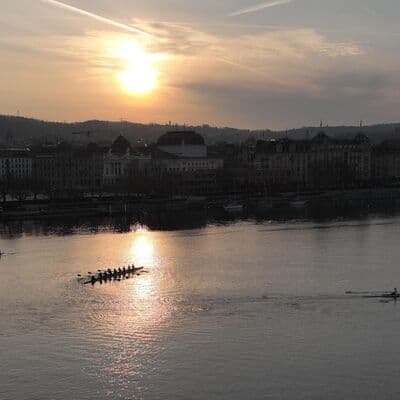
The quick answer for anyone searching "Is Zurich worth visiting?" - absolutely yes, but plan carefully. The city rewards those who look beyond the obvious. Yes, you'll want to stroll Bahnhofstrasse and admire the lake views from Burkliplatz, but the real magic happens in the medieval alleys of Niederdorf, the creative district of Zurich West, and the quiet corners where locals actually spend their time.
What makes Zurich special in 2026? The city has invested heavily in sustainable tourism and public spaces. The lakefront promenades have been expanded, the public transport system runs like clockwork (as you'd expect from Switzerland), and the food scene has evolved far beyond fondue and rosti. You'll find everything from Michelin-starred restaurants to excellent Middle Eastern street food, world-class museums to underground techno clubs.
Three days is the sweet spot for most visitors. This gives you time to explore the Old Town, visit a museum or two, take a lake cruise, and perhaps venture up Uetliberg for panoramic views. A week allows for day trips to the Rhine Falls and deeper exploration of the city's neighborhoods. But even 24 hours can be memorable if you know where to focus your energy.
Zurich Neighborhoods: Where to Stay
Choosing where to stay in Zurich significantly impacts your experience. The city is compact but distinct neighborhoods offer very different vibes. Here's an honest breakdown of each area.
Altstadt (Old Town) - Districts 1
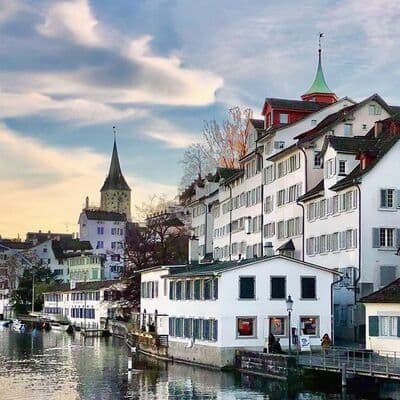
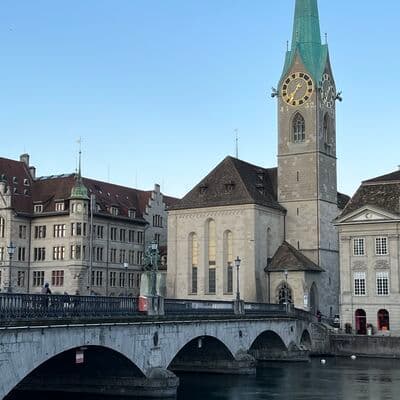
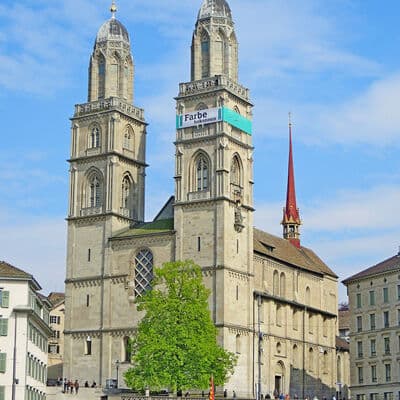
The historic heart of Zurich, divided by the Limmat River into Niederdorf on the east and the quieter west bank. Cobblestone streets, medieval churches including Grossmunster and Fraumunster, and countless cafes define this area. Lindenhof offers the best free viewpoint in the city.
Pros: Walking distance to everything, historic atmosphere, excellent restaurants, vibrant nightlife in Niederdorf, close to main train station.
Cons: Most expensive area, can be noisy (especially Niederdorf on weekends), tourist-heavy, limited parking.
Price range: Hotels $250-600/night, Airbnb $150-350/night. Budget hostels from $45 for dorms.
Best for: First-time visitors, those who want to walk everywhere, history enthusiasts.
Zurich West (Kreis 5) - The Creative District
Zurich West is the former industrial zone transformed into the city's hippest neighborhood. Former factories now house galleries, restaurants, and the Schiffbau theater complex. This is where young Zurichers hang out.
Pros: Trendy restaurants and bars, contemporary art galleries, excellent nightlife, more affordable than Old Town, good public transport connections.
Cons: 15-20 minutes from main attractions by tram, less "Swiss" atmosphere, can feel quiet during daytime, fewer traditional hotels.
Price range: Hotels $180-350/night, Airbnb $100-250/night.
Best for: Young travelers, foodies, design enthusiasts, those seeking nightlife.
Seefeld (District 8) - Lakeside Living
The upscale residential area along the eastern lake shore. Tree-lined streets, boutique shopping on Seefeldstrasse, and easy access to Zurichhorn park and the Chinese Garden.
Pros: Beautiful lakeside setting, quieter than city center, excellent brunch spots, good jogging and cycling paths, proximity to opera house and museums.
Cons: More residential feel, fewer restaurants open late, 10-15 minute tram ride to Old Town, can feel sleepy.
Price range: Hotels $200-450/night, Airbnb $120-280/night.
Best for: Couples seeking romance, fitness enthusiasts, those preferring quieter evenings.
Enge (District 2) - The Balanced Choice
South of the main station along the western lake shore. Home to Museum Rietberg in Rieterpark, this neighborhood offers a good balance of local life and visitor amenities.
Pros: Walking distance to lake, beautiful Rieterpark, good restaurants, less touristy, excellent tram connections.
Cons: Fewer nightlife options, limited hotel choices, less architecturally interesting than Old Town.
Price range: Hotels $180-320/night, Airbnb $100-220/night.
Best for: Families, museum lovers, those wanting local neighborhood feel.
Oerlikon (District 11) - Budget-Friendly North
The business district north of the center, developed around the Messe (convention center). Modern, practical, and significantly cheaper.
Pros: Most affordable area, direct S-Bahn to center (12 minutes), near airport, good business hotels with weekend discounts.
Cons: No charm, feels like any business district, nothing to see locally, disconnected from Zurich's character.
Price range: Hotels $120-220/night, Airbnb $80-150/night.
Best for: Budget travelers, business visitors, airport convenience.
Wiedikon (District 3) - Local's Favorite
The increasingly trendy district southwest of the center. Diverse, with excellent Middle Eastern restaurants, independent shops, and a genuinely local atmosphere. Access to Uetliberg starts here.
Pros: Authentic local vibe, diverse food scene, reasonable prices, good for Uetliberg access, interesting street art.
Cons: Further from lake, fewer traditional attractions, requires tram for most sightseeing.
Price range: Hotels $150-280/night, Airbnb $90-180/night.
Best for: Repeat visitors, those seeking authenticity, food explorers.
Best Time to Visit Zurich
Zurich is a year-round destination, but each season offers a distinctly different experience. Here's what to expect and when to find the best value.
Summer (June-August)
Peak season with average highs of 24-25C (75-77F). The lake comes alive - swimming spots fill with locals, boat cruises run frequently, and outdoor dining dominates. This is Zurich at its most beautiful but also most crowded and expensive. Hotel prices peak in July-August, often 30-50% higher than shoulder season.
Key events: Street Parade (August) draws over a million techno fans, Zurich Festival (June-July), open-air cinemas throughout summer.
Pro tip: Book accommodation 2-3 months ahead for summer. The free "Badis" (public swimming areas) along the lake are a quintessential Zurich experience.
Autumn (September-November)
Perhaps the best time to visit. September often delivers perfect weather (18-20C), crowds thin out, and hotel prices drop 15-20%. The surrounding hills turn golden, and the cultural season kicks into high gear with opera, theater, and exhibitions.
Key events: Zurich Film Festival (late September), Expovina wine festival (November on boats in the harbor), art gallery openings.
Pro tip: Late September to mid-October offers the sweet spot of good weather, fewer tourists, and reasonable prices.
Winter (December-February)
Cold but magical, especially in December when Christmas markets transform the city. Temperatures hover around 0-5C (32-41F), occasionally dipping below freezing. January-February are the quietest months - excellent for museum visits and skiing day trips.
Key events: Christmas markets (late November-December 23), New Year's celebrations at the lake, Fasnacht carnival in nearby Lucerne (February).
Pro tip: January offers the best hotel deals, often 40% below summer rates. Combine city exploration with day trips to nearby ski resorts.
Spring (March-May)
The city awakens with blooming tulips and magnolias. Weather is unpredictable - pack layers. April can be rainy, but May is often glorious. Prices start climbing from mid-April.
Key events: Sechselauten (April) - the traditional spring festival with parade and bonfire, Easter markets, art Basel preview exhibitions.
Pro tip: Late April to mid-May offers blooming parks, reasonable prices, and increasingly reliable weather. The Chinese Garden is particularly beautiful in spring.
When to Find Cheaper Rates
Mid-January to mid-March (excluding ski holiday weeks), and mid-November to early December. Business hotels often offer weekend discounts year-round. Avoid: Street Parade weekend (August), Christmas markets period, Easter week, and any major trade fair dates.
Zurich Itinerary: 3 to 7 Days
Day 1: Old Town Immersion
Morning (9:00-12:30): Start at Zurich Hauptbahnhof (main station) - Europe's busiest railway station and an architectural marvel. Walk down Bahnhofstrasse, the famous shopping boulevard. Don't feel obligated to buy anything - just observe the window displays and Swiss precision retail. At Sprungli (about 10 minutes down), stop for their legendary Luxemburgerli macarons and coffee. Budget $15-20 for this treat.
Midday (12:30-14:00): Continue to Burkliplatz at the lake. On Tuesdays and Fridays, there's a farmers market here. Grab lunch at one of the Burkliplatz kiosks or cross to Bellevue for more options. A simple sandwich or wurst runs $12-15.
Afternoon (14:00-18:00): Cross the Quaibrucke bridge and enter Niederdorf, the medieval quarter. Wander without a fixed plan - every alley reveals something. Visit Grossmunster (the twin-towered cathedral, $5 to climb the tower for views), then cross to Fraumunster to see the Chagall windows. End at Lindenhof for sunset views over the river - this hilltop park is where Zurich was founded.
Evening (19:00+): Dinner in Niederdorf. For traditional Swiss, try Zeughauskeller (mains $25-40). For something lighter, the cafes along Niederdorfstrasse offer pasta and salads ($18-28).
Day 2: Museums and Lake
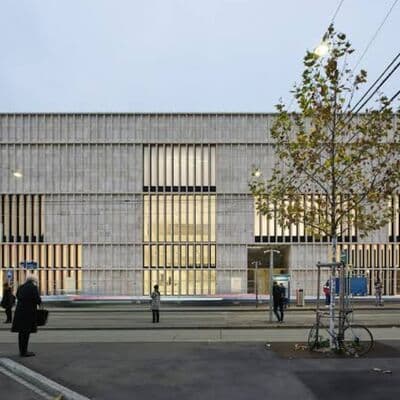
Morning (9:30-13:00): Choose your museum based on interests. Kunsthaus Zurich houses Switzerland's most important art collection - allow 2-3 hours ($20 admission). Alternatively, Landesmuseum (Swiss National Museum) covers Swiss history in a castle-like building next to the main station - excellent for understanding the country ($12).
Afternoon (13:00-18:00): Take a lake cruise. The short "Limmatspitz" tour (90 minutes, $28) covers the lower lake. Longer cruises reach pretty towns like Rapperswil (4 hours round trip, $45). Pack a picnic or grab food at the boat dock. After returning, walk along the eastern shore to Zurichhorn park and the Chinese Garden (free entry).
Evening (19:00+): Dinner in Seefeld neighborhood. Razzia (contemporary European, $35-50) or the more casual Seefeld restaurants along Seefeldstrasse.
Day 3: Heights and Depths
Morning (8:30-13:00): Early start for Uetliberg, Zurich's home mountain. Take S10 from Hauptbahnhof (25 minutes, covered by ZurichCard or $8.80 return). The summit offers 360-degree views of the city, lake, and Alps. Walk the Planet Trail to Felsenegg (2 hours, easy) and take the cable car down. Return via Adliswil station.
Afternoon (14:00-17:00): Explore Zurich West. Walk through the Viaduct arches (converted railway arches housing shops and restaurants), visit the Im Viadukt market for local products. Continue to the Freitag Tower (made of shipping containers, free rooftop views) and the Prime Tower area.
Evening (18:00+): Zurich West comes alive at night. Drinks at Frau Gerolds Garten (seasonal urban garden), dinner at Markthalle (food hall with multiple options, $15-30), or splurge at Restaurant Clouds on the 35th floor of Prime Tower (tasting menus from $120).
Day 4: Day Trip - Rhine Falls
Full day excursion: Take the train to Schaffhausen (1 hour from Zurich HB, $28 round trip). Visit the Rhine Falls, Europe's largest waterfall by volume. The experience includes boat rides to the central rock ($8), viewing platforms, and the impressive sound and spray. Schaffhausen's medieval old town is worth an hour of wandering. Pack lunch or eat at the falls restaurant ($20-35). Return by 18:00 for dinner in Zurich.
Day 5: Specialty Museums and Local Life
Morning (10:00-13:00): Visit the FIFA Museum if you're a football (soccer) fan - surprisingly engaging even for casual fans ($24). Alternatively, Museum Rietberg showcases non-European art in a beautiful park setting ($18).
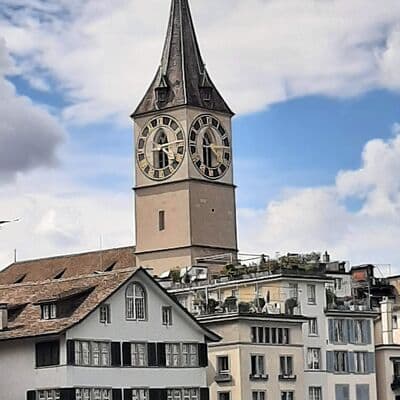
Afternoon (14:00-17:00): Explore the Schipfe district, Zurich's oldest craft quarter along the Limmat. Narrow lanes, artisan workshops, quiet cafes. Then walk up to St. Peter Church with Europe's largest clock face.
Evening: Experience a local neighborhood. Wiedikon offers diverse restaurants and a non-touristy vibe. Langstrasse has edgier nightlife (Zurich's former red-light district, now gentrifying with bars and clubs).
Day 6: Lake and Garden Day
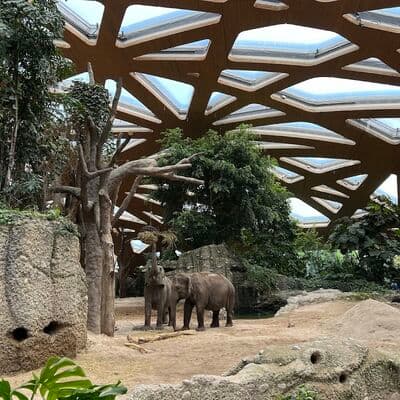
Morning (9:00-12:00): Visit Zoo Zurich, consistently rated among Europe's best zoos for its naturalistic enclosures. The Masoala Rainforest hall is particularly impressive. Allow 3-4 hours ($28).
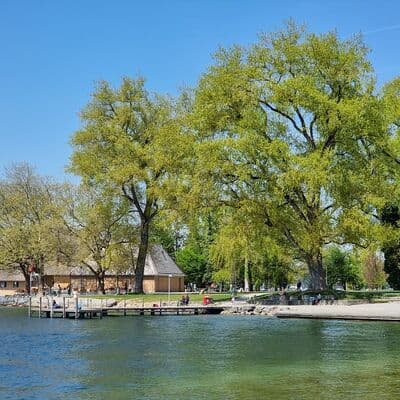
Afternoon (13:00-17:00): Return to the lake. Rent a pedal boat at Hafen Enge ($25/hour) or simply find a spot at one of the public "Badis" for swimming and sunbathing (most charge $6-8 admission). Seebad Enge and Frauenbadi are popular choices.
Evening: Sunset drinks at Seebad Utoquai, followed by dinner at Wirtschaft Neumarkt in the Old Town for excellent seasonal Swiss cuisine ($40-60).
Day 7: Flexible and Departure
Options based on interests:
- Morning train to Lucerne (1 hour) for a half-day visit to this photogenic city
- Shopping on Bahnhofstrasse and in Niederdorf boutiques
- Revisit favorite spots or museums you missed
- Thermal baths at Thermalbad Zurich (converted former brewery, $35 for 2 hours)
- Day trip to Gruyeres for cheese and chocolate factory tours
Pro tip: The ZurichCARD ($27 for 24 hours, $53 for 72 hours) includes all public transport, museum admissions, and boat cruises. It pays for itself in 2-3 attractions.
Where to Eat in Zurich
Zurich's food scene has transformed in recent years. While traditional Swiss cuisine remains, you'll find excellent international options and a growing emphasis on sustainability and local sourcing.
Markets and Food Halls
Markthalle Im Viadukt: The converted railway arches in Zurich West house this excellent food hall. Multiple vendors offer everything from Tibetan momos to Neapolitan pizza. Mains $12-22. Open Monday-Saturday until 22:00.
Burkliplatz Farmers Market: Tuesday and Friday mornings, local producers sell cheese, bread, flowers, and prepared foods. Perfect for picnic supplies. A chunk of aged Gruyere and fresh bread costs around $12.
Viaduct Market Hall: Inside Im Viadukt, the market section sells fresh produce, meats, and specialty items. Great for self-catering.
Traditional Swiss
Zeughauskeller: Housed in a 15th-century armory, serving traditional Swiss dishes in a historic setting. The sausage platter ($28) or Zurcher Geschnetzeltes ($35) are reliable choices. Expect to share tables during busy hours.
Kronenhalle: The legendary establishment where Picasso and Chagall dined, with original artworks on the walls. Dress code applies. Classic Swiss dishes from $45, but you're paying for history. Reservations essential.
Swiss Chuchi: Tourist-friendly but decent fondue spot in Niederdorf. Cheese fondue from $32 per person. Good for first-timers wanting the full fondue experience without hunting for hidden gems.
Contemporary and International
Hiltl: The world's oldest vegetarian restaurant (since 1898). The buffet ($5.80/100g) offers extraordinary variety. Even carnivores leave impressed. Multiple locations, the Sihlstrasse flagship is the most impressive.
Restaurant Rechberg: Modern Swiss cuisine using seasonal, local ingredients. Tasting menus from $80. Worth the splurge for a special dinner.
Razzia: In a converted cinema in Seefeld. Contemporary European with excellent cocktails. Mains $35-50. Stylish but not stuffy.
Yooji's: Excellent sushi at reasonable (for Zurich) prices. Lunch sets from $22, dinner $35-50.
Casual and Quick
Sternen Grill: Zurich's favorite sausage stand at Bellevue. A Bratwurst with bun costs $8-10. Locals queue here for a reason.
Tibits: Another vegetarian buffet concept, pay by weight. Convenient locations near the station. Good for healthy quick meals, around $15-20.
Coop and Migros: Swiss supermarket chains with excellent prepared food sections. A sandwich, drink, and snack for $10-12. Coop's hot food counters offer substantial meals for $10-15.
Coffee and Sweets
Sprungli: The legendary confectionery on Paradeplatz. Luxemburgerli macarons ($3 each or box of 12 for $30), excellent coffee, and the upstairs tea room for full service.
Cafe Schober: In Niederdorf, a baroque-style cafe with incredible hot chocolate ($8) and house-made pastries. The interior alone is worth a visit.
Mame: Specialty coffee roaster with several locations. The best coffee in Zurich, $5-7 for espresso drinks.
Bars and Evening Drinks
Frau Gerolds Garten: Seasonal urban garden in Zurich West. Container bars, food stalls, young crowds. Beer $8, cocktails $15-18. May-September only.
Widder Bar: Sophisticated cocktails in a beautiful Old Town hotel. Drinks $18-25. Live jazz some evenings.
Barfussbar: Quirky Niederdorf bar where you can drink barefoot (shoes in lockers). Popular with locals, cocktails around $16.
Zurich Food Guide: What to Try
Swiss cuisine is hearty, cheese-heavy, and perfect for the alpine climate. Here's what you absolutely must try, with realistic prices.
Cheese Fondue
The quintessential Swiss experience. A pot of melted cheese (typically Gruyere and Emmental blend), bread for dipping, accompanied by white wine and kirsch. Traditional rules: no water (it hardens the cheese in your stomach - though this is debated), and if you drop your bread, you buy a round of drinks. Expect to pay $32-45 per person at restaurants. Best October-March when it feels right.
Zurcher Geschnetzeltes
Zurich's signature dish: sliced veal in a creamy mushroom and white wine sauce, typically served with rosti. Rich, comforting, and distinctly local. $32-40 at traditional restaurants. The version at Zeughauskeller is reliable.
Rosti
Switzerland's answer to hash browns - grated potatoes, pan-fried until golden and crispy. Served as a side or topped with cheese, bacon, or a fried egg as a main. Simple but addictive. $12-18 as a main course, $6-8 as a side.
Raclette
Half a wheel of cheese, melted and scraped onto potatoes, pickles, and onions. Less common in restaurants than fondue (it's more of a home dish), but some places offer it. $35-45 per person. The smell is intense but the taste is glorious.
Bratwurst
The Zurich-style white veal sausage, grilled and served with bread or rosti. The city's favorite fast food. $8-12 at stands like Sternen Grill. Try it with burli (a crusty roll) and mustard.
Luxemburgerli
Sprungli's signature macarons - lighter and more delicate than French versions. Flavors change seasonally. $3 each or boxes from $15. The champagne truffle and chocolate varieties are classics.
Birchermuesli
Invented in Zurich by Dr. Bircher-Benner. The original overnight oats - raw oats soaked in cream or yogurt with nuts, fruits, and honey. Available at breakfast spots for $8-12. The version at Hiltl is excellent.
Zopf
Traditional braided bread, buttery and slightly sweet. Sunday morning staple. Buy at any bakery ($4-6 for a loaf) and pair with butter and jam for a proper Swiss breakfast.
Swiss Chocolate
Beyond Sprungli, try Teuscher (legendary champagne truffles), Laderach (fresh pralines), or Vollenweider. Budget $3-5 per piece for premium chocolates. The Lindt Home of Chocolate in nearby Kilchberg offers factory tours and tastings ($15).
Alplermagronen
Swiss alpine macaroni - pasta with potatoes, cheese, cream, and onions, often served with applesauce. Carb-heavy comfort food from the mountains. $15-22 at traditional restaurants.
Zurich Secrets: Local Tips
After spending time in Zurich, here are the insider tips that guidebooks often miss.
1. Free Lake Swimming: You don't need to pay for the fancy Badis. The free grass areas at Mythenquai (west shore) and Tiefenbrunnen (east shore) offer the same lake access without the $8 entry fee. Bring a blanket and snacks.
2. Sunday Planning: Almost everything is closed on Sundays except restaurants, some museums, and the main station shops. Plan accordingly. The station's shopping area is your lifeline for forgotten items.
3. Water Fountains: Zurich has over 1,200 public fountains, and the water is perfectly drinkable (often from alpine sources). Save money on bottled water by refilling your bottle. Look for fountains without a "Kein Trinkwasser" sign.
4. Tram Etiquette: Zurich runs on the honor system - there are no ticket barriers. But inspectors do check, and fines are $100+. Always validate your ticket. The ZurichCard is your friend.
5. Happy Hours Exist: Despite Zurich's expensive reputation, many bars offer happy hours between 17:00-19:00. Drinks can be 30-40% cheaper. Ask at the bar or check venue websites.
6. The Secret Terrace: The rooftop terrace at Globus department store (Lowenplatz) offers free views over the Old Town. Access via the top floor escalator. Few tourists know about it.
7. Museum Discounts: Many museums are free on Wednesdays after 17:00, including Kunsthaus. Check individual museum websites for current offers.
8. Breakfast at Migros: The Migros restaurant at Lowenstrasse (near station) offers a massive breakfast buffet for around $15. All you can eat, including fresh-squeezed juice. Best value breakfast in the city center.
9. The Real Niederdorf: Skip the main Niederdorfstrasse for eating - it's tourist-trapped. Instead, explore the parallel alleys (Rindermarkt, Napfgasse) where locals actually dine. Same area, better value, more authentic.
10. Lake Cruise Hack: The regular boat service to villages like Kusnacht or Erlenbach costs normal public transport prices (covered by ZurichCard) and offers the same views as tourist cruises. Just take the slower boat instead of the fast ferry.
11. Uetliberg Timing: Go up in the afternoon for the best light on the Alps. Stay for sunset - the views of the city lights coming on are spectacular. Last train down is around 23:30 in summer.
12. Appointment Culture: Swiss service can seem cold, but it's just efficiency. Don't expect American-style friendliness in shops and restaurants. Staff are professional, not rude - it's a cultural difference.
Transport and Connectivity
Getting from the Airport
Zurich Airport (ZRH) is extremely well connected. The train to Hauptbahnhof takes 10-12 minutes and runs every 5-10 minutes. Cost is $6.80 (second class) or covered by ZurichCard. Taxis to city center cost $60-80 - rarely worth it given the excellent train. Uber operates but isn't significantly cheaper than taxis.
The airport has excellent facilities including showers, a supermarket, and even a viewing terrace. If you have a layover, it's comfortable enough to spend a few hours.
City Transport
Zurich's public transport (ZVV) is exceptional. Trams, buses, and S-Bahn trains run frequently (every 6-12 minutes during the day) and are perfectly punctual. The system uses zones; most city attractions are in zones 110-111.
Ticket options:
- Single ticket (Einzelbillett): $4.40 for 1 hour, valid on all transport
- Day pass (Tageskarte): $8.80 for 24 hours
- ZurichCARD: $27/24h or $53/72h, includes transport + museum admissions + more
- 6-day pass: $44 for transport only
Buy tickets at blue machines in every station, via the ZVV app, or at Hauptbahnhof service center. Machines accept cards and cash. The ZVV app shows real-time departures and plans routes.
Important: Validate paper tickets before boarding (stamp at machines). App tickets are automatically valid. Inspections are frequent.
Getting Around on Foot
The Old Town and lakefront are very walkable. Most central attractions are within 20 minutes of each other on foot. Cobblestones can be challenging with wheeled luggage or heels. The city is hilly in parts - comfortable shoes recommended.
Bikes and Scooters
Zurich Velo offers free bikes from various stations (show ID and deposit). The city has extensive bike lanes along the river and lake. Electric scooters (Tier, Lime, Bird) are available throughout the city ($1 to unlock + $0.20/minute).
SIM Cards and Connectivity
Free WiFi is available at the airport, main station, and most cafes. For mobile data, your options:
- eSIM (recommended): Airalo or Holafly offer European packages from $5 for 1GB. Activate before arrival.
- Physical SIM: Swisscom prepaid SIM from airport or Hauptbahnhof - $20 includes 2GB data. Salt and Sunrise have similar offers.
- EU roaming: If you have an EU SIM, note that Switzerland is NOT in the EU - most plans charge extra. Check with your provider.
US carriers: T-Mobile includes Switzerland in international plans. Verizon and AT&T international passes are $10-15/day. Usually not worth it for short trips - eSIM is cheaper.
Essential Apps
- SBB Mobile: Swiss train app for nationwide train tickets and schedules
- ZVV: City public transport schedules and tickets
- Google Maps: Works well for navigation (public transport integrated)
- Zurich City Guide: Official tourism app with offline maps
- Yelp/TripAdvisor: For restaurant reviews (Google reviews also reliable)
- TWINT: Swiss payment app (useful if you open a Swiss account, otherwise skip)
Money and Payments
Currency is Swiss Francs (CHF), roughly equal to USD (check current rates). Cards accepted almost everywhere - Visa and Mastercard work universally. Contactless payment is standard. Some smaller markets and food stalls are cash-only.
ATMs (Bancomaten) are everywhere. Banks charge $5-7 per withdrawal. Airport exchange rates are poor - withdraw or exchange in the city.
Who Zurich is For: Summary
Zurich is Ideal For:
- First-time Switzerland visitors wanting an accessible introduction to Swiss culture, efficiency, and beauty
- Culture enthusiasts seeking world-class museums, opera, and a thriving contemporary art scene
- Food lovers ready to explore both traditional Swiss cuisine and innovative modern restaurants
- Active travelers who enjoy swimming, hiking, and outdoor activities integrated into city life
- Architecture and design fans appreciating the blend of medieval, modern, and cutting-edge design
- Business travelers combining work with easy access to culture and nature
Zurich May Not Suit:
- Budget travelers - even hostels and basic meals stretch most budgets
- Party seekers - nightlife exists but closes early by European standards (Zurich is not Berlin)
- Beach vacation seekers - the lake is beautiful but it's not the Mediterranean
- Those expecting warm service - Swiss efficiency can feel impersonal to visitors from more expressive cultures
How Many Days?
1 day: Possible but rushed. Focus on Old Town, one museum, lake views.
2-3 days: The sweet spot. Covers main attractions, a day trip option, and time to appreciate the atmosphere.
4-5 days: Allows deeper exploration, multiple day trips, and time to discover your own favorite corners.
1 week+: Best combined with day trips to Lucerne, the Alps, or other Swiss cities. Zurich alone doesn't quite justify a full week unless you're a slow traveler who loves to linger.
Bottom line: Zurich won't overwhelm you with bucket-list sights, but it will charm you with its quality of life, natural beauty, and understated elegance. Come with realistic expectations about prices, give yourself time to wander, and you'll understand why people fall in love with this lakeside city.