Fez
Fez 2026: What You Need to Know Before Your Trip
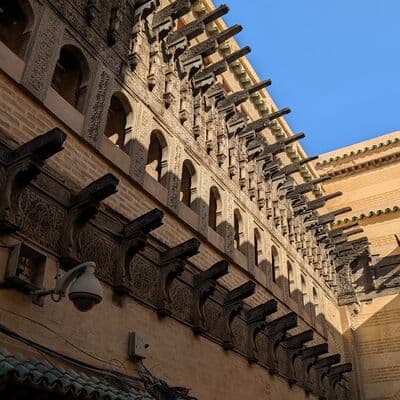
Fez is the city that makes Marrakech look like a theme park. Where Marrakech has been polished for tourists with Instagram-ready riads and curated souks, Fez remains stubbornly, magnificently itself. The medina here - Fes el-Bali - is the largest car-free urban zone in the world, a labyrinth of 9,400 narrow alleyways where donkeys still deliver goods, craftsmen hammer copper the way they did in the 9th century, and the call to prayer echoes off walls that predate Oxford University by several hundred years.
If you are searching for 'is Fez worth visiting,' the short answer is: yes, but only if you are ready for it. This is not a city that holds your hand. GPS fails in the medina. Streets dead-end into private homes. The sensory overload - leather tanneries, sizzling kefta, mint and cedar - is relentless. And that is precisely why people who fall for Fez fall hard.
Who is Fez for? History obsessives, architecture lovers, food travelers, anyone who has done Marrakech and wants something deeper. Photographers will lose their minds here. If you want beach clubs, nightlife, or smooth tourist infrastructure, look elsewhere.
Honest pros: The most authentic medieval city you will experience anywhere in the world. Food is extraordinary and cheap. Riads cost a fraction of Marrakech prices. The craft traditions are real, not performative. People are genuinely welcoming once you get past the initial hustle.
Honest cons: Navigation is genuinely difficult for the first day or two. Faux guides and touts are persistent near the gates. Summer heat is brutal - we are talking 105-115F in July and August. Infrastructure outside the Ville Nouvelle is basic. The tannery smell is not a joke. And the medina, while safe, can feel claustrophobic if you are not used to tight spaces and crowds.
Fez Neighborhoods: Where to Stay
Fes el-Bali (Old Medina) - Central
This is the heart of Fez and where most visitors want to be. The Old Medina is a UNESCO World Heritage site and the largest intact medieval city in the Arab world. Staying here means sleeping in a converted riad - a traditional house built around a central courtyard - and waking up to the sound of the muezzin echoing through narrow stone corridors. You are steps from the Chouara Tannery, the Al-Qarawiyyin Mosque, and centuries of history layered on top of itself.
Vibe: Immersive, atmospheric, occasionally overwhelming. This is the real deal.
Pros: Walking distance to everything historic. Beautiful riads at great prices. Rooftop terraces with medina views. Authentic neighborhood life happening all around you.
Cons: Getting to your riad with luggage the first time is an adventure (many riads send someone to meet you at a gate). No vehicle access - everything is on foot or by donkey. Can be noisy early morning. Some alleys are poorly lit at night.
Prices: Budget riads from $25-40/night. Mid-range riads with breakfast $60-120. Boutique riads $150-300.
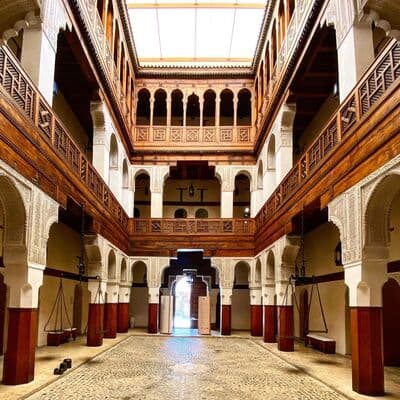
Nearby: Fondouk Nejjarine, Nejjarine Museum of Wooden Arts, Place Seffarine.
Bab Bou Jeloud Area - The Main Entrance
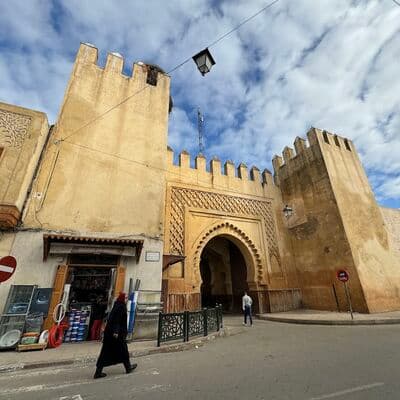
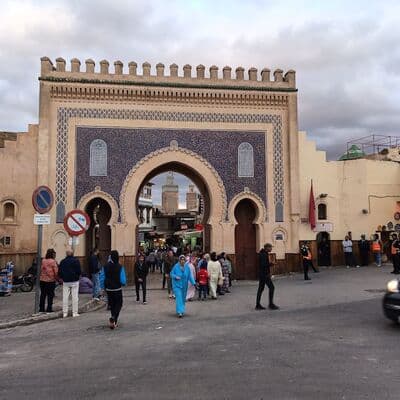
The area around Bab Bou Jeloud (Blue Gate) is the most accessible part of the medina and the easiest for first-timers. This is where the main thoroughfare, Talaa Kebira, begins its winding descent into the medina. You get the old-city experience without being completely lost in the maze. Plenty of cafes with terraces overlooking the gate, and it is easy to hop in a taxi from just outside.
Vibe: Busy, social, a bit touristy by Fez standards (which is still not very touristy). The gateway between worlds.
Pros: Easy taxi access right outside the gate. Good restaurant options. Orientation is simpler since you are near a major landmark. Close to Bou Inania Madrasa and Dar al-Magana. Best area if you have mobility concerns.
Cons: Noisier and more commercial than deeper medina. More persistent touts. You are at the top of the hill, so coming back from the lower medina is always uphill.
Prices: Budget $20-35. Mid-range $50-100. Boutique $120-250.
Seffarine Area - The Artisan Quarter
Deeper into the medina, around Place Seffarine (Coppersmith Square), the tourist density drops significantly. This is where coppersmiths still hammer trays by hand, where you hear the rhythmic clang of metal on metal that has been the soundtrack of this square for centuries. Staying here means a quieter, more local experience, but also means navigating tighter alleys to get in and out.
Vibe: Authentic artisan neighborhood. Quieter at night. The sound of craftsmen working is your alarm clock.
Pros: Fewer tourists, lower prices, closer to Al-Qarawiyyin and the Chouara Tannery. More genuine neighborhood feel.
Cons: Harder to find your way out, especially at first. Further from taxis. Some riads are in very deep alleys.
Prices: Budget $20-30. Mid-range $40-80. Few boutique options.
Fes el-Jdid - The 'New' Old City
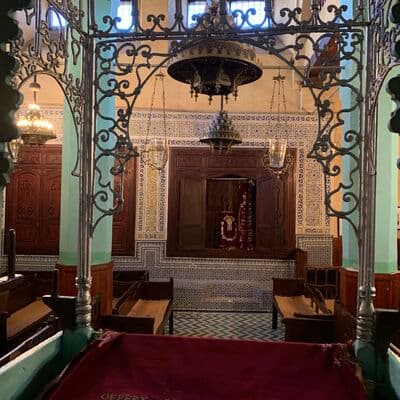
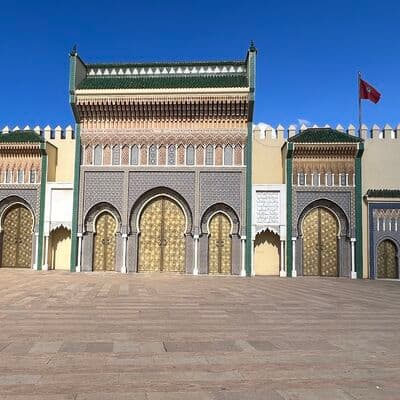
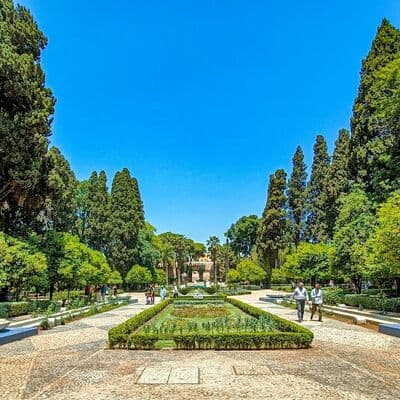
Built in the 13th century as the royal quarter (the 'new' in Fes el-Jdid is relative), this area contains the Royal Palace, the old mellah (Jewish quarter) with the Ibn Danan Synagogue, and the beautiful Jnan Sbil Gardens. It is a transition zone between the chaos of the old medina and the modern Ville Nouvelle. Streets are wider, navigation is easier, and you have more breathing room.
Vibe: Calmer, more spacious, with a mix of historic and practical. Good middle ground between old and new.
Pros: Walking distance to both the medina and Ville Nouvelle. Jnan Sbil Gardens for morning walks. Wider streets, easier orientation. The mellah market is excellent and less touristic.
Cons: Fewer atmospheric riad options. Not quite as immersive. Some parts feel a bit run-down.
Prices: Budget $15-25. Mid-range $40-70. Limited luxury.
Ville Nouvelle - The Modern District
The French-built new town, dating to the colonial period, is where you find wide boulevards, chain hotels, supermarkets, ATMs, and Western-style cafes. It is functional rather than charming. Most visitors only pass through here to catch a train or grab supplies, but if you want reliable comfort and easy logistics, it works.
Vibe: Modern Moroccan city. Could be anywhere in North Africa. Practical but not memorable.
Pros: Proper hotels with elevators and parking. Easy taxi and bus access. Banks, pharmacies, and supermarkets. Train station nearby. Good fallback if you have accessibility needs.
Cons: You are a taxi ride from the medina - and taxi negotiations get old fast. No historic atmosphere. You lose the immersive Fez experience.
Prices: Budget hotels $20-35. Mid-range $50-90. International chains $100-200.
Borj Nord Area - The Hilltop
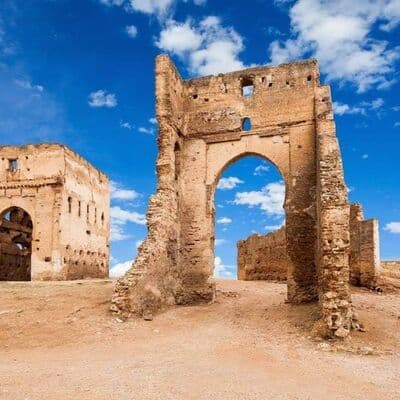
The area around Borj Nord, the 16th-century fortress overlooking the medina, offers arguably the best views in Fez. A handful of riads and guesthouses sit on the hills surrounding the old city, providing panoramic vistas of the medina, minarets, and the Rif Mountains beyond. The Marinid Tombs are also up here, and sunset from this vantage point is unforgettable.
Vibe: Elevated retreat. Quiet nights, spectacular mornings. A bit removed from the action.
Pros: Best views in the city. Quieter than anywhere in the medina. Great for photography. Fresh air above the medina haze.
Cons: You need a taxi or a steep walk to reach the medina. Very few dining options nearby. Limited accommodation choices. Not practical if you want to pop back to your riad midday.
Prices: Mid-range $60-120. Boutique villas $150-350.
Best Time to Visit Fez
Best months: March to May and September to November. Spring is ideal - temperatures hover between 65-80F, the hills around Fez are green, and the city is not yet sweltering. Autumn is equally pleasant, with warm days, cool evenings, and thinner crowds. These shoulder seasons give you the best combination of weather, prices, and atmosphere.
Worst months: July and August. Fez sits in an inland basin and traps heat like an oven. Daytime temperatures regularly hit 105-115F. The medina, with its narrow airless alleys and stone walls radiating heat, becomes genuinely punishing. If you must visit in summer, plan your medina exploration for early morning (before 10am) and late afternoon (after 5pm), and retreat to an air-conditioned riad or the Ville Nouvelle during midday. Drink more water than you think you need.
Winter (December to February): Cool and sometimes rainy, with temperatures around 45-60F during the day and dropping near freezing at night. Most riads have minimal heating, so pack warm layers for evenings. The upside: you will have major sites almost to yourself, and prices are at their lowest. January can be particularly atmospheric with mist hanging over the medina at dawn.
Festivals worth planning around:
- Fez Festival of World Sacred Music (June): The city's marquee cultural event. Sufi chanting, gospel choirs, Indian classical music, and more - performed in stunning venues like Bab Makina and the Dar Batha gardens. Book accommodation well in advance; this is when Fez fills up.
- Fez Cherry Festival (June): Celebrate the Sefrou cherry harvest, about 30 minutes south of Fez. Local festival with parades, music, and more cherries than you can eat.
- Sufi Culture Festival (October): A more intimate event focused on Sufi music, poetry, and spiritual traditions. Atmospheric evening performances in historic venues.
- Ramadan (dates shift yearly): The medina transforms during the holy month. Days are quieter, many restaurants close until sunset, but iftar (the breaking of the fast) is magical - the entire city comes alive after dark. Visit if you want an authentic cultural experience, but know that daytime logistics will be different. Check dates before booking, as Ramadan moves roughly 11 days earlier each year.
When to book: For spring visits and the Sacred Music Festival, book accommodation 2-3 months ahead. For autumn and winter, 2-4 weeks is usually fine. Last-minute deals are common in winter but risky during festivals.
Fez Itinerary: 3 to 7 Days
3 Days: The Essential Fez
Day 1: The Grand Medina Walk
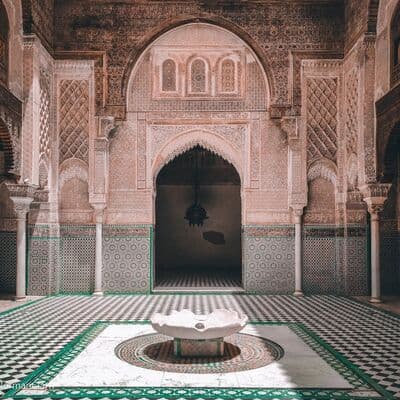
Start at Bab Bou Jeloud around 9am, before the heat and crowds build. Step through the iconic blue-tiled gate and immediately turn right to visit Bou Inania Madrasa - the most ornate Islamic school in Fez, with jaw-dropping carved stucco, cedar latticework, and zellige tilework. Spend 30-45 minutes here. Just outside, look up at the Dar al-Magana, the 14th-century water clock that once chimed the hours across the medina (it no longer functions, but the bronze bowls and wooden mechanism are still visible on the facade).
Walk down Talaa Kebira, the main artery of the medina. This is where you will pass spice stalls, bakeries pulling fresh khobz from wood-fired ovens, and shop after shop of leather goods. Around 10:30am, arrive at Al-Attarine Madrasa, a smaller but arguably more beautiful cousin of Bou Inania, with a courtyard that catches the morning light perfectly. From here, you are steps from the entrance to Al-Qarawiyyin Mosque and University - the oldest continuously operating university in the world, founded in 859 AD. Non-Muslims cannot enter the prayer hall, but the recently restored library occasionally opens for visits, and you can peer through the grand doorways at the vast prayer hall with its 270 columns.
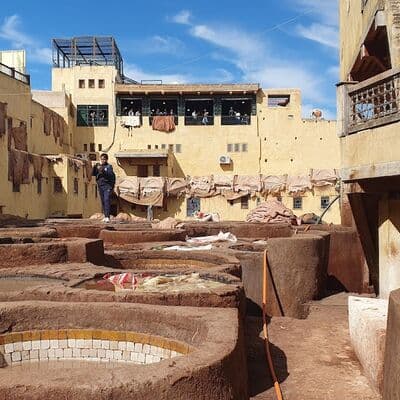
Lunch around noon at one of the small places near R'cif square - harira soup and msemen for under $3. After lunch, head to Chouara Tannery. The best viewing time is midday when the sun illuminates the vats. You will be approached by leather shop owners offering terrace access - this is normal and expected. A small tip ($1-2) or a modest purchase is the custom. The mint sprig they hand you is not decorative; hold it to your nose.
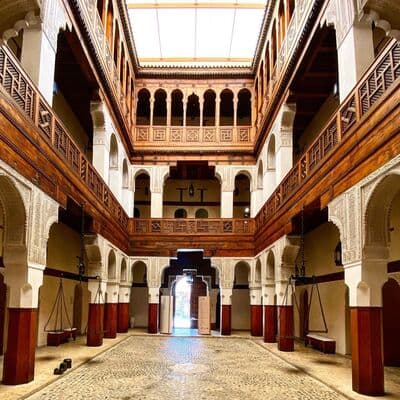
Afternoon: explore Place Seffarine, where coppersmiths work in the open, then visit the Nejjarine Museum of Wooden Arts housed in the beautifully restored Fondouk Nejjarine caravanserai. The rooftop cafe has lovely medina views. End the day with sunset at the Marinid Tombs above the city - a 20-minute uphill walk or a $2 taxi from Bab Guissa. The panoramic view of the entire medina turning golden, with dozens of minarets catching the last light, is the single best view in Fez.
Day 2: Royal Quarter, Gardens, and the Mellah
Start the morning at Dar Batha Museum, housed in a 19th-century palace with a tranquil Andalusian garden. The collection of Fassi ceramics, especially the iconic blue-and-white pottery, is excellent. From here, walk to Fes el-Jdid and the grand gates of the Royal Palace. You cannot enter, but the seven massive brass doors, each with unique geometric patterns, are worth the visit and photograph well in morning light.
Continue to the mellah, the old Jewish quarter. Visit the Ibn Danan Synagogue, a beautifully restored 17th-century synagogue that tells the story of Fez's once-thriving Jewish community. The mellah market nearby is one of the best spots in Fez for dried fruits, olives, and spices at local prices. Then find peace in Jnan Sbil Gardens, the oldest public garden in Fez, where locals come to escape the medina's intensity. Bamboo groves, fountains, and shade make it perfect for a midday break.
Afternoon: return to the medina for the Mausoleum of Moulay Idriss II, the most sacred shrine in Fez. Non-Muslims cannot enter but can observe the ornate entrance where locals come to pray and leave offerings. Wander the surrounding souks - the henna souk, the fabric souk, and the leather souk each have their own character. Evening: book a cooking class at your riad or a dedicated cooking school. Most run $30-50 per person and include a market visit, hands-on preparation, and a full meal. This is one of the best things you can do in Fez.
Day 3: Hidden Corners and Borj Nord
Spend the morning deliberately getting lost in the deeper medina. Head through Bab Semmarine and into neighborhoods that see few tourists. Follow the sound of hammering to find tiny workshops. Peek into neighborhood mosques (from outside). Find the small squares where old men drink tea and children play football. This is the real Fez.
Late morning, climb to Borj Nord, the 16th-century fortress that now houses an arms museum. The collection of historic weapons is interesting, but the real draw is the view. You can see the entire medina spread below, the green-roofed Al-Qarawiyyin at its center, and the hills beyond. On the opposite hill, spot Bab Ftouh and the cemetery that flanks it.
Afternoon: treat yourself to a hammam experience. A traditional public hammam costs $2-4 plus tip for the scrub attendant. A private spa hammam at a riad runs $20-40. Either way, it is the perfect way to end three days of medina walking - the hot steam and vigorous scrub with black soap and a kessa glove will leave you feeling reborn.
5 Days: Add Day Trips and Deeper Experiences
Day 4: Meknes and Volubilis Day Trip
Catch a morning train to Meknes (40 minutes, about $3). This smaller imperial city has the grandiose Bab Mansour gate, the underground prison of Cara, and the Royal Stables - all without Fez's intensity. After lunch in Meknes, hire a grand taxi ($15-20 round trip shared, or $40 private) to Volubilis, the best-preserved Roman ruins in North Africa. Mosaics, triumphal arches, and columns standing against the rolling green hills of the Moroccan countryside. Return to Fez by evening train.
Day 5: Cooking, Crafts, and Mount Zalagh
Morning: take a more in-depth cooking class focusing on pastilla - the iconic Fassi dish of pigeon (or chicken), almonds, and cinnamon wrapped in paper-thin warqa pastry. This is Fez's signature dish and making it from scratch takes hours, which is why a dedicated class is worth it. Afternoon: visit the artisan cooperatives in the medina where you can watch zellige tile-cutting, brass engraving, and leather embossing. Many cooperatives welcome visitors without hard-sell pressure. Late afternoon: hike or taxi up Mount Zalagh for a different perspective of the city. The trail is manageable and the views at golden hour are spectacular.
7 Days: The Complete Experience
Day 6: Ifrane and the Middle Atlas
Rent a car or join a day tour to Ifrane, about 60 km south of Fez. Known as 'Morocco's Switzerland,' Ifrane sits at 5,400 feet in the Middle Atlas mountains. Clean air, cedar forests, and a completely different Morocco from the medina. Stop at the cedar forests of Azrou where Barbary macaques - the only wild primates in Africa north of the Sahara - swing through the branches. In winter, there is even skiing at Michlifen. The contrast with Fez is jarring and refreshing. The drive back through the mountains at sunset is beautiful.
Day 7: Sefrou and Slow Fez
Sefrou, 30 km south of Fez, is a miniature version of the Fez medina without the crowds. Its waterfall, small medina, and relaxed vibe make it perfect for your last day. Grand taxis from Fez cost about $1.50 per person. Back in Fez for the afternoon, revisit your favorite spots. Return to a riad rooftop for a final sunset tea. Hit the souks for last-minute shopping - now that you know the layout and the fair prices, bargaining will be far more effective than on day one.
Where to Eat in Fez: Restaurants and Cafes
Street Food and Markets
Fez's street food scene is among the best in Morocco, and you should embrace it from day one. The area around Achabine, in the heart of the medina, has stalls serving freshly grilled kefta (spiced meatballs) in khobz bread for about $1. The R'cif square area is another hotspot - look for the bessara (fava bean soup) stalls that locals queue at in the morning, served with a generous glug of olive oil and a dusting of cumin for about $0.50.
Near the El-Kaffazine mosque, small bakeries sell msemen (flaky, buttery flatbread) and baghrir (honeycomb semolina pancakes) from early morning. Both cost under $0.50 and are best eaten immediately, hot and dripping with honey. For fresh orange juice, stalls throughout the medina sell glasses for $0.50-1 - Fez oranges are sweeter than those in Marrakech, and the difference is noticeable.
The mellah market in Fes el-Jdid is excellent for olives, dried fruits, and nuts. Prices here are often 30-50% lower than in the tourist souks of the main medina. A mixed bag of dates, almonds, and dried figs makes perfect snacking fuel for medina exploration.
Local Restaurants
Look for small restaurants with handwritten menus in Arabic (and maybe French) where locals eat. A full meal of tajine or couscous with bread and tea runs $3-5. These places do not have English menus or tourist-friendly decor - just honest food served in generous portions. Ask your riad host for their personal recommendation; you will eat better than at any listed restaurant.
Mid-Range Dining
Cafe Clock (Derb el Magana): The Fez outpost of the famous Marrakech original. Known for its camel burger ($8), cultural programming (storytelling nights, live music), and a rooftop terrace that is one of the best social spaces in the medina. Mains $6-12. A good place to meet other travelers.
The Ruined Garden (Siaj, Fes el-Bali): Set in a partially restored riad with plants growing through the old walls, creating a genuinely magical atmosphere. The menu is modern Moroccan with international touches. The chicken pastilla here is excellent. Mains $8-15. Book ahead, especially for dinner on the garden terrace.
Foundouk Bazaar (near Fondouk Nejjarine): Casual dining in a historic setting. Moroccan comfort food at reasonable prices with reliable quality. A safe bet when you want something predictable after a few adventurous meals. Mains $5-10.
Cinema Cafe (near Bab Bou Jeloud): A quirky spot in a converted cinema, popular with younger locals and travelers. Good coffee, light meals, and occasional live music. The vintage movie posters and atmospheric lighting make it a nice change of pace. Sandwiches and salads $3-7.
Fine Dining
Dar Roumana (Derb el Amer, Fes el-Bali): Widely considered the best restaurant in Fez. A six-course tasting menu for about $45-55 per person showcasing refined Moroccan cuisine. The chef uses traditional techniques with modern presentation. Vegetarian tasting menu available. Reserve at least 2-3 days ahead. The intimate courtyard setting is romantic without being stuffy.
Ishq (near Rcif): A newer addition to the Fez dining scene, blending Moroccan and Middle Eastern flavors. Creative cocktails (non-alcoholic options available), beautiful interior design, and dishes that surprise without being pretentious. Mains $12-20.
Fez Cafe at Les Jardins des Biehn: Elegant garden dining in one of the most beautiful riad settings in the city. The brunch is legendary among Fez regulars. Perfect for a special occasion or when you need a serene escape from medina intensity. Mains $15-25.
Cafes and Breakfast Spots
Most riads include breakfast, and riad breakfasts in Fez are typically excellent - fresh bread, multiple jams, honey, msemen, eggs, orange juice, and mint tea. If you want to eat out, the rooftop cafes near Bab Bou Jeloud serve traditional breakfast for $3-5. For coffee that meets Western standards, Cafe Clock and Cinema Cafe both have proper espresso machines. In the Ville Nouvelle, French-style patisseries along Avenue Hassan II serve pastries and good coffee - Patisserie Karam is a local favorite.
What to Try: Fez Food Guide
Fez is Morocco's culinary capital, and this is not just marketing. The city's food traditions are rooted in a history of Andalusian refugees bringing Spanish-Moorish cooking techniques, Berber mountain cuisine, and centuries of refinement in royal kitchens. Here is what to eat:
Pastilla (Bastilla): The dish most associated with Fez. Layers of paper-thin warqa pastry filled with shredded pigeon (or chicken), toasted almonds, eggs, and spices, dusted with powdered sugar and cinnamon. The combination of sweet, savory, and crispy is unlike anything in Western cuisine. A whole pastilla in a restaurant costs $8-15 and serves 2-4. Do not leave without trying it.
Tajine: Every region of Morocco does tajine, but Fez's versions are the most complex. Look for tajine with prunes and almonds (sweet and savory), or lamb with artichokes and preserved lemons. The slow-cooked conical-pot method creates fall-apart tender meat. $3-8 depending on the restaurant.
Harira: Morocco's national soup - a thick, warming blend of tomatoes, lentils, chickpeas, and herbs, traditionally served to break the Ramadan fast but available year-round. A bowl costs $0.50-1.50 and is a meal in itself with bread. The best versions are at the small stalls near R'cif where the soup has been simmering since morning.
Bessara: Fez's working-class breakfast - a thick fava bean soup drizzled with olive oil, sprinkled with cumin and paprika. Cheap ($0.50), filling, and completely delicious. Best early morning at the market stalls where you see locals standing and eating.
Msemen: Flaky, square-shaped flatbread cooked on a griddle, served with honey or cheese. The street-stall version, made to order and eaten scorching hot, is infinitely better than the packaged kind. Pairs perfectly with mint tea for a $1 breakfast.
Kefta in Khobz: Spiced ground meat (beef or lamb) grilled over charcoal and stuffed into round bread with tomatoes, onions, and harissa. Fez's answer to the burger. $1-2 at street stalls. The smoke from the grill is your guide to finding these stalls.
Mint Tea: Not just a drink but a ritual. Gunpowder green tea, fresh mint, and a serious amount of sugar, poured from height to create a frothy head. Accept every offer of tea - it is how business is done, conversations begin, and friendships form in Morocco. Free when offered, $0.50-1 in cafes.
Fresh Orange Juice: Morocco's oranges are outrageously good, and Fez's are some of the best. Freshly squeezed at stalls throughout the medina for $0.50-1. Some stalls mix in carrot or avocado. Always watch them squeeze it fresh - avoid pre-made juice.
Chebakia: A flower-shaped sesame cookie, deep-fried and soaked in honey, traditionally eaten during Ramadan but available in pastry shops year-round. Intensely sweet, crunchy, and addictive. Buy them by the piece ($0.25-0.50) at bakeries throughout the medina.
What NOT to order: Skip 'tourist couscous' at medina restaurants - it is often dried out and microwaved. Real couscous is a Friday lunch tradition in Moroccan homes, steamed three times over a rich stew. If you want the real thing, ask your riad to prepare it (with advance notice) or find a home-dining experience. Also avoid the pre-made tajines sitting on display at touristy restaurants near the gates - they have been cooking all day and are likely overcooked.
Vegetarian notes: Morocco is not the easiest country for vegetarians, but Fez is manageable. Bessara is naturally vegan. Vegetable tajines are available everywhere. Zaalouk (cooked eggplant and tomato salad) is excellent. Briouats (stuffed pastries) come in cheese or vegetable versions. Tell your riad in advance and they can prepare meat-free meals. At Dar Roumana, the vegetarian tasting menu is thoughtfully designed.
Allergy notes: Nuts are everywhere in Fassi cooking - almonds, walnuts, and sesame are in pastilla, tajines, and most desserts. Gluten is in bread, msemen, pastilla, and chebakia. Dairy is moderate but present. If you have serious allergies, learn the Arabic words: 'louz' (almonds), 'jouz' (walnuts), 'halib' (milk), 'qamh' (wheat). Communicate allergies to your riad kitchen - they are accustomed to this and will take care of you.
Fez Secrets: Local Tips
1. Navigation is a skill, not a failure. Everyone gets lost in the Fez medina. This is not a design flaw - it is by design. The medina was built to confuse invading armies. On your first day, download Maps.me with the Fez offline map before you arrive. It works better than Google Maps in the medina, though neither is perfect. When truly lost, walk downhill - it usually leads toward the river and main arteries. Or ask a shopkeeper (not a random person on the street) for directions to a major landmark like Bab Bou Jeloud or Talaa Kebira.
2. Faux guides are persistent - and illegal. Unofficial guides who approach you offering to 'show you the tannery' or 'help you find your riad' are common near the gates. They are technically illegal and their commission-based model means they will steer you to overpriced shops. A firm 'la shukran' (no thank you) and keep walking works. If you want a guide, hire an official one through your riad ($25-40 for a half day) - it is genuinely worthwhile for your first medina exploration. Official guides carry badges.
3. Bargaining has rules. In the souks, the first price quoted is typically 3-5 times the fair price. A reasonable target is 30-40% of the opening price for leather goods and textiles. Start at 20% and work up. Never bargain unless you are genuinely interested in buying - starting a negotiation and walking away is considered rude. Fixed-price shops do exist (look for signs) and are stress-free alternatives if haggling exhausts you.
4. Visit the tannery at the right time. The Chouara Tannery is most photogenic between 11am and 2pm when sunlight fills the vats. Morning visits offer less smell (it has not heated up yet) but fewer active workers. Avoid late afternoon when the sun is behind the viewing terraces. Go during Ramadan for a quieter experience, but note that workers take fewer breaks and the pace is different.
5. Safety is real but sensible. The medina is genuinely safe, even at night, though some alleys are very dark and deserted after 10pm. Pickpocketing happens but is less common than in Marrakech. Keep your phone secure in crowded souks. The biggest 'danger' is aggressive sales tactics, which are annoying but not threatening. Women traveling solo will attract attention and comments but rarely anything beyond verbal. Walking with purpose helps.
6. Dress matters more than you think. Fez is more conservative than Marrakech or Casablanca. Shoulders and knees should be covered, especially in the medina. This is not just about respect - it significantly reduces unwanted attention. Men in shorts get fewer stares than women, but long pants are still appreciated. You do not need a headscarf unless entering a religious site, but carrying a light scarf is useful for impromptu mosque visits (from the door).
7. Photography etiquette exists. Always ask before photographing people, especially women and children. Most craftsmen are happy to be photographed and will pose proudly - a small tip ($0.50-1) is appreciated. Do not photograph military or police installations. Inside religious buildings where photography is allowed, avoid flash. At the tanneries, the leather shop owners expect a small purchase or tip in exchange for terrace access and photos.
8. Friday is different. Friday is the holy day. Many shops in the medina close from late morning until after Friday prayers (around 2pm). The Al-Qarawiyyin Mosque area becomes very busy around prayer time. Plan museum visits and non-medina activities for Friday morning, and explore the medina in the late afternoon when it reopens with renewed energy. Also, Friday couscous - if your riad offers it, do not miss it.
9. Escape the heat in museums. When the afternoon sun turns the medina into a furnace, duck into the air-conditioned (or at least thick-walled and cool) museums. The Nejjarine Museum, Dar Batha Museum, and Bou Inania Madrasa all offer cool interiors and beautiful spaces to wait out the heat. Alternatively, retreat to Jnan Sbil Gardens for shade.
10. Book a cooking class early. This is not filler advice. A Fez cooking class is consistently rated as one of the top experiences in Morocco. The best ones include a guided market tour where you buy ingredients, learn about Moroccan spices, and then cook a multi-course meal. Book within your first day so you can schedule it before you leave. Your riad will have recommendations, or look for Palais Amani, Cafe Clock, or Dar Namir cooking experiences.
11. Ramadan is special, not inconvenient. If your visit coincides with Ramadan, lean into it. Yes, many restaurants close during daylight hours. Yes, eating or drinking publicly during fasting hours is disrespectful (eat in your riad). But the experience of iftar - when the entire city breaks fast simultaneously, and tables appear on every street, and the sound of spoons on bowls fills the air - is one of the most powerful travel experiences you can have. The night markets come alive, the mood is festive, and the food prepared for iftar is the best you will eat all year.
Transport and Connectivity
Getting from the Airport to the City Center
Fez-Saiss Airport (FEZ) is about 15 km south of the city center. There are no direct flights from the US, but connections via Casablanca (Royal Air Maroc), Paris (Air France, Transavia), London (Ryanair), Madrid (Ryanair, Air Arabia), and Lisbon (TAP) are frequent and affordable.
Petit taxi: The official rate to the medina is about 120-150 MAD ($12-15). Insist on the meter or agree on the price before getting in. At the airport, taxis wait outside the arrivals hall. The ride takes 20-30 minutes depending on traffic.
Airport bus (No. 16): Runs every 30-40 minutes and costs 4 MAD ($0.40). Drops you at the train station in the Ville Nouvelle, from where you can take another petit taxi to the medina for 15-20 MAD ($1.50-2). Slow but extremely cheap.
Private transfer: Many riads offer airport pickup for $15-25 and it is worth it, especially on your first visit. The driver meets you with a sign, takes you to the nearest medina gate, and often calls the riad to send someone to guide you through the final alleyways to your door. This eliminates the stress of finding your riad in the dark, narrow medina with luggage.
Getting Around the City
Walking: This is how you experience the medina. There is simply no other way - no cars, no motorcycles (well, theoretically), and only foot traffic and the occasional donkey. Wear comfortable, broken-in shoes with good grip. The stone paths get slippery when wet. Budget more time than you think for any medina journey - 'five minutes' according to a local can easily be twenty minutes for a visitor.
Petit taxis: Small red taxis (Fiat Unos, mostly) that can carry up to three passengers. They are metered but drivers often 'forget' to start the meter with tourists. Insist firmly. Within the city, most rides should be 10-25 MAD ($1-2.50). They cannot enter the medina but will drop you at the nearest gate. After midnight, rates increase by 50%. Useful for getting between the Ville Nouvelle, Fes el-Jdid, and the medina gates.
City buses: Cheap (4 MAD) but crowded, slow, and confusing for visitors. The most useful route is the one between the train station and Bab Bou Jeloud. Not recommended unless you are on a very tight budget and have time to figure out the system.
Intercity Travel
Train (ONCF): Morocco's train network is excellent by regional standards. Fez to Casablanca takes about 3.5 hours ($12-18 first/second class). Fez to Marrakech is about 7 hours ($18-28). Fez to Meknes is just 40 minutes ($3). Fez to Tangier is about 4 hours ($10-15). Buy tickets at the station or on the ONCF app. First class is worth the small premium - air conditioning, assigned seats, and more space.
CTM and Supratours buses: Cover routes trains do not reach. Fez to Chefchaouen (no train) is about 4 hours by CTM bus ($7). Fez to Ifrane is about 1.5 hours ($3-4). Book CTM tickets online at ctm.ma or at the station. Supratours buses leave from the train station.
Grand taxis: Shared Mercedes sedans that run fixed routes between cities when full (six passengers). Cheap and faster than buses, but cramped. Fez to Meknes is about $2 per person. Fez to Sefrou about $1.50. You can hire a whole grand taxi for roughly six times the per-person price for a private ride.
Internet and Connectivity
SIM cards: Buy a Maroc Telecom, Orange, or Inwi SIM at the airport or any telecom shop in the Ville Nouvelle. A prepaid SIM with 20GB of data costs about $5-8. You need your passport. Maroc Telecom has the best coverage. Top up at small shops throughout the city. Signal in the deep medina can be patchy regardless of carrier.
eSIM: If your phone supports it, services like Airalo, Holafly, or Nomad offer Morocco eSIMs starting around $5-8 for a week. Set it up before you arrive and you will have data from the moment you land. This is the easiest option for most travelers.
WiFi: Most riads offer free WiFi, though speeds vary wildly. In the medina, thick walls can weaken signals. Cafes in the Ville Nouvelle generally have reliable WiFi. Do not count on WiFi for navigation in the medina - download offline maps before you go.
Essential Apps
- Maps.me: The best offline map for the medina. Download the Fez map before arrival. It shows alleys that Google Maps does not.
- InDriver: Ride-hailing app that works in Fez. Useful for the Ville Nouvelle and airport runs. You propose a price and drivers accept or counter - avoids the meter negotiation.
- Google Translate: Download the Arabic and French offline language packs. The camera translation feature is useful for menus and signs.
- ONCF: Official Moroccan railway app for checking schedules and booking train tickets. Works well and saves queuing at the station.
- Booking.com: Still works in Morocco and lists most riads, though some smaller ones only appear on direct booking sites or Airbnb.
Who Fez Is For: Final Thoughts
Fez is not trying to be easy. It is not trying to be comfortable. It is not trying to be anything for anyone. And that stubborn authenticity is exactly what makes it one of the most extraordinary cities in the world to visit.
Fez is ideal for: History lovers, architecture enthusiasts, food travelers, photographers, anyone who has 'done' Marrakech and wants the real thing, couples seeking romance without resort cliches, solo travelers who are comfortable with challenge and reward in equal measure.
Fez is not for: Travelers who need predictable comfort and clear signage. Families with very young children (strollers are useless in the medina). Anyone with significant mobility issues (the medina is full of stairs, uneven surfaces, and steep hills). People who get stressed by persistent sales approaches.
How long to spend: Minimum 3 days to cover the essentials and get your bearings. Optimal is 5 days, which lets you add a day trip and really absorb the medina at a slower pace. A full week allows you to explore the Middle Atlas, take cooking classes, and reach the point where the medina starts to feel navigable - which is when Fez truly opens up to you.
Fez rewards the patient, the curious, and the slightly stubborn. It has been doing its thing for over 1,200 years, and it will still be doing it long after we are gone. The question is not whether Fez is worth visiting. The question is whether you are ready for Fez.