About
Romania Travel Guide 2026: The Complete Handbook for English-Speaking Travelers
Romania remains one of Europe's most underrated destinations, a country where medieval citadels stand untouched by mass tourism, where shepherds still move their flocks through mountain passes each spring, and where a night out in Bucharest can rival anything Berlin or Barcelona offers. I first visited Romania expecting Dracula kitsch and Soviet-era grimness. What I found instead was a country of staggering natural beauty, genuine hospitality, and a cultural richness that kept pulling me back year after year.
This guide is written for American, British, Australian, and Canadian travelers who want to experience Romania beyond the surface-level attractions. Whether you have a week or a month, whether you prefer hiking through pristine wilderness or exploring the cafe culture of historic cities, Romania offers experiences that feel increasingly rare in our overtouristed world.
As of 2026, Romania has never been more accessible. The country joined the Schengen Area on January 1, 2025, meaning land borders with Hungary and Bulgaria are now completely open. New train connections link Bucharest to Budapest and Vienna with modern rolling stock. The legendary Transfagarasan Highway opens July 1, 2026, weather permitting. And the Via Transilvanica hiking trail has been named one of Times Best Trips for 2026, finally bringing international attention to what locals have known for years: Romania's trails rival anything in the Alps at a fraction of the cost and crowds.
1. Why Visit Romania: A Case for Europe's Most Surprising Country
Let me be direct with you: Romania is not a destination for travelers seeking polished, Instagram-ready experiences where everything runs on schedule and English is spoken everywhere. Romania rewards the curious, the patient, and those willing to embrace a certain beautiful chaos. If that sounds appealing, you are going to have the trip of a lifetime.
The Last Truly Wild Corner of Europe
Romania contains the largest remaining old-growth forests in Europe outside of Scandinavia. The Carpathian Mountains, which curve through the country like a protective arm, shelter populations of brown bears, wolves, and lynx that have vanished from most of Western Europe. When you hike in Romania, you are not walking through a carefully managed nature park where wildlife has been reintroduced for tourism. You are entering genuine wilderness where humans remain visitors.
The Danube Delta, Europe's second-largest river delta after the Volga, provides sanctuary for over 300 bird species. Pelicans nest here by the thousands, and the waterways maze through reed beds in a landscape that feels prehistoric. This is not hyperbole: the Delta's ecosystem has remained essentially unchanged for millennia.
Medieval Europe Without the Crowds
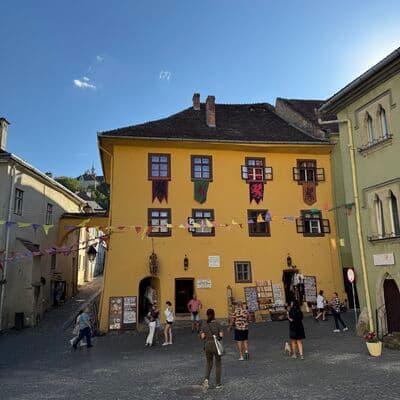
Sighisoara's citadel is one of the best-preserved medieval fortified towns in Europe, yet you can wander its cobblestone streets in July without fighting through tour groups. The Saxon villages of Transylvania maintain their fortified churches exactly as they appeared five centuries ago. In Maramures, wooden churches with impossibly tall spires represent a vernacular architecture found nowhere else on Earth, and UNESCO has recognized them accordingly.
Compare this to Dubrovnik, where cruise ships disgorge tens of thousands of visitors daily, or Prague, where the Charles Bridge has become essentially impassable in peak season. Romania offers equivalent historical richness without the claustrophobic crowds.
Value That Feels Almost Unfair
Romania uses the Romanian Leu (RON), not the Euro, and this works enormously in visitors' favor. A craft beer in Bucharest costs around $2.50. A generous traditional meal with local wine runs $15-20 per person. Guesthouses in villages charge $30-50 for a double room with breakfast included. Even upscale experiences remain accessible: a seven-course tasting menu at a Michelin-recognized restaurant in Cluj rarely exceeds $80.
For American travelers accustomed to European prices that match or exceed what they pay at home, Romania provides genuine relief. Your money stretches further here than almost anywhere else in the EU.
Hospitality That Cannot Be Faked
Romanian hospitality operates on different principles than Western service industry standards. You will encounter shop owners who seem gruff until they realize you are a foreign visitor, at which point they may close their store to personally guide you to your destination. You will meet farmers who insist you join them for tuica (plum brandy) at 10 AM because refusing would be rude. You will stay at guesthouses where the host treats your departure as a personal failure if you have not gained at least two kilograms.
This warmth is not performative. Romanians have a word, "suflet," that roughly translates to soul but encompasses the idea of emotional generosity. Tourism has not yet calcified this genuine warmth into professional service.
A Living Culture, Not a Museum
In many European countries, traditional culture survives only as tourist attractions: folk dancers performing for cruise ship passengers, traditional costumes worn only for photographs. Romania is different. In Maramures, you will see old women walking to church on Sunday in embroidered blouses because that is simply what they wear, not because anyone is watching. In Transylvanian villages, horse carts remain practical transportation, not nostalgic affectation.
This creates encounters that feel genuine in ways that organized cultural experiences rarely achieve. You might stumble upon a village wedding where the entire community has gathered, traditional musicians playing music passed down through generations. You might share a train compartment with a farmer returning from market, eager to practice English and share his lunch of bread, cheese, and tomatoes.
The Right Moment in History
Romania's accession to Schengen in 2025 marks a turning point. Infrastructure investments are improving roads and rail connections. International attention, including the Via Transilvanica's recognition, will inevitably bring more visitors. The window for experiencing Romania before it becomes "discovered" is closing, though it has not yet shut.
Visit now, while the fortified churches still feel like secret discoveries rather than ticketed attractions, while the mountain trails remain uncrowded, and while a dollar still buys what a dollar should buy. Romania will not stay this way forever, but in 2026, it remains one of Europe's last great travel values and experiences.
2. Regions of Romania: Understanding the Country's Geography and Character
Romania divides naturally into distinct regions, each with its own history, landscape, and cultural character. Understanding these regions helps you plan an itinerary that matches your interests rather than simply connecting famous sights. I will work through each region with enough detail that you can decide where to focus your time.
Wallachia and Bucharest: The Southern Heartland
Wallachia occupies the southern third of Romania, bounded by the Carpathians to the north and the Danube to the south. This flat, fertile plain served as the economic engine of the Romanian principalities and now contains the capital, Bucharest, along with important historical sites and access points to the mountains.
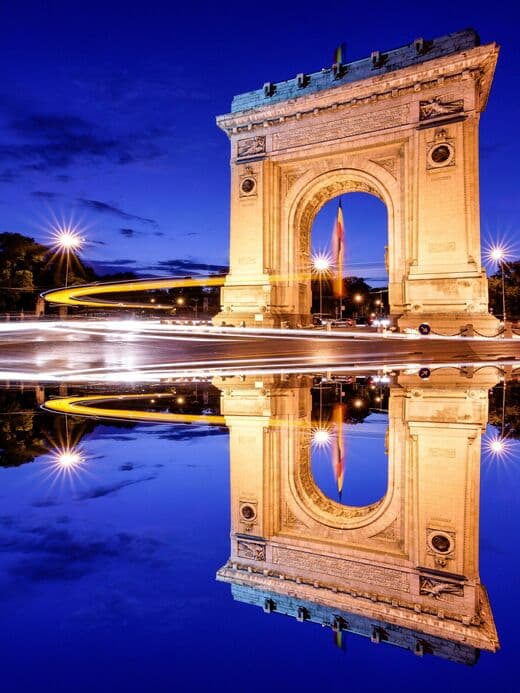
Bucharest demands at least two full days, ideally three. The city confounds expectations: grand Belle Epoque boulevards intersect with brutalist Communist-era blocks, Orthodox churches hide in the shadows of socialist apartment buildings, and a thriving cafe culture fills streets that felt abandoned just twenty years ago. The Palace of Parliament, the world's second-largest administrative building after the Pentagon, exemplifies Ceausescu's megalomaniac vision and deserves a guided tour despite the bureaucratic hassle of booking.
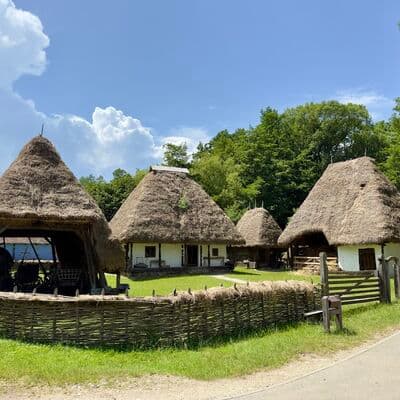
Beyond the Parliament, Bucharest rewards wandering. The Lipscani district, once the commercial heart of the medieval city, now hosts the best bars, restaurants, and boutiques. Calea Victoriei, the main historical boulevard, connects major landmarks including the Romanian Athenaeum, the National Art Museum in the former Royal Palace, and elegant pre-war architecture that survived both earthquakes and dictators. The Village Museum, an open-air collection of historical buildings gathered from across Romania, provides an excellent introduction to regional architectural styles.
Bucharest's nightlife deserves special mention. The city's clubs and bars have earned genuine international recognition, not just regional reputation. Venues like Control Club, Eden, and Expirat host international DJs and live acts in spaces that range from converted warehouses to hidden courtyards. Unlike some European capitals where nightlife caters primarily to tourists, Bucharest's scene remains authentically local while welcoming foreign visitors.
As of 2026, Bucharest has implemented a tourist tax of 10 RON (roughly $2.20) per night, collected by accommodations. This modest fee funds infrastructure improvements and should not significantly impact your budget.
Beyond Bucharest, Wallachia offers several worthwhile stops. Curtea de Arges contains a stunning monastery considered a masterpiece of Byzantine architecture. Targoviste, the former capital, preserves the ruins of the princely court where Vlad the Impaler ruled. The Olt River valley provides access to the Transfagarasan Highway from the south.
Transylvania: Mountains, Citadels, and Myth
Transylvania occupies the bowl formed by the Carpathian curve, a high plateau surrounded by mountains. This geographical isolation created distinct cultural development: Transylvania belonged to the Hungarian Kingdom and later the Habsburg Empire until 1918, leaving architectural and cultural influences quite different from other Romanian regions. Saxon Germans settled here in the 12th century, building the fortified towns and churches that now draw visitors from around the world.
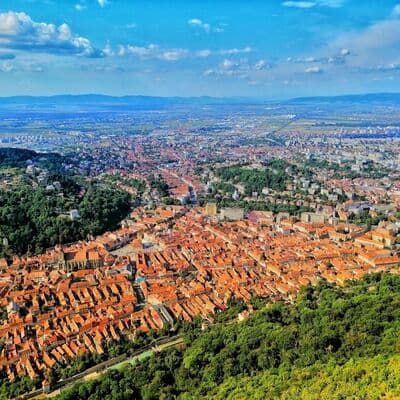
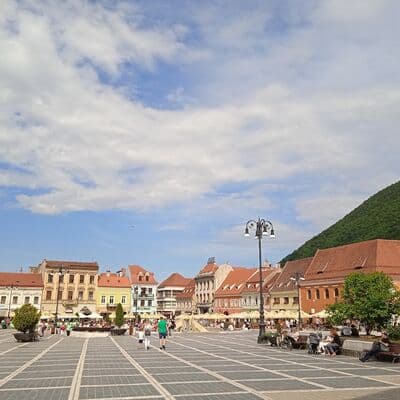
Brasov serves as most visitors' introduction to Transylvania and earns its popularity. The old town clusters beneath Tampa Mountain, whose peak offers panoramic views after a cable car ride or vigorous hike. The Black Church, named for fire damage rather than any sinister association, ranks among the largest Gothic churches in Eastern Europe. The Council Square, surrounded by guildhall facades, represents Saxon civic architecture at its finest. Strada Sforii, one of Europe's narrowest streets, makes for a charming photo regardless of how many tourists have taken the same shot.
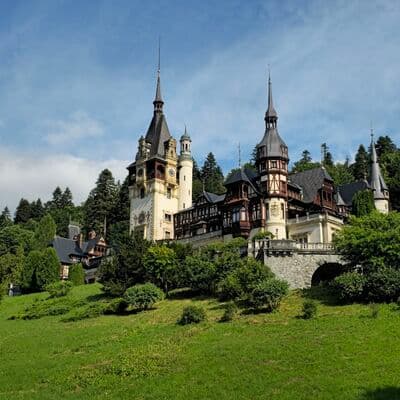
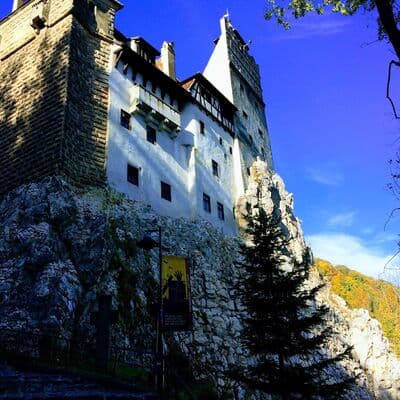
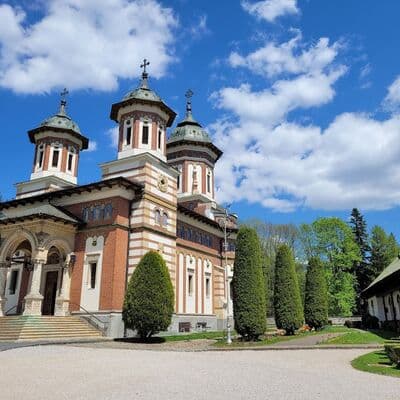
Brasov functions excellently as a base for exploring the region. Day trips reach Bran Castle, marketed as "Dracula's Castle" despite tenuous connections to Vlad the Impaler, and Peles Castle in Sinaia, a neo-Renaissance fantasy that actually surpasses most visitors' expectations. The Piatra Craiului National Park begins just outside town, offering serious hiking without lengthy transfers.
Sibiu rivals Brasov in historical significance and exceeds it in authenticity. As European Capital of Culture in 2007, Sibiu invested heavily in restoration without sacrificing its soul. The Large Square and Small Square connect through passages revealing layers of medieval, baroque, and 19th-century architecture. The Brukenthal National Museum houses the best art collection in Romania. The Astra Open-Air Museum ranks among Europe's finest, with over 300 historical structures arranged across a forested hillside.
Sibiu also provides access to some of Transylvania's finest attractions. The Marginimea Sibiului, a collection of traditional villages in the hills south of town, maintains pastoral traditions largely unchanged for centuries. The Transfagarasan Highway begins its climb into the Fagaras Mountains just south of the city.
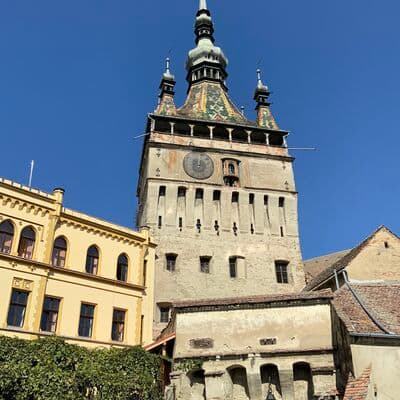
Sighisoara offers the most complete medieval cityscape in Transylvania. The citadel remains inhabited, not museumified, meaning you can sleep within walls that have stood since the 14th century. Vlad the Impaler was born here in 1431, a fact the town commemorates with appropriate tourism infrastructure. The covered wooden stairway climbing to the Church on the Hill, the colorful tower houses, and the clock tower with its mechanical figurines justify Sighisoara's UNESCO status.
Cluj-Napoca, usually called simply Cluj, represents Transylvania's largest city and its cultural capital. The university brings young energy, the Hungarian minority adds distinct cultural flavor, and the restaurant and bar scene has achieved national prominence. Cluj lacks the medieval preservation of Brasov or Sibiu but compensates with the best contemporary culture in the country. Untold Festival, held here each August, has become one of Europe's premier electronic music events.
Alba Iulia holds special significance as the site where Romanian unification was declared in 1918. The star-shaped Vauban fortress, beautifully restored, contains the unification cathedral and extensive museums. The town makes an easy stop between Sibiu and Cluj or Hunedoara.
Transylvania also contains countless smaller attractions: the fortified churches of Biertan, Viscri (famously supported by King Charles III), and Prejmer; the bear sanctuary at Zarnesti; the pottery village of Corund; the thermal baths at Baile Felix. You could spend a month here and not exhaust the possibilities.
Maramures: The Land Time Forgot
Maramures, tucked into Romania's northwestern corner against the Ukrainian border, preserves traditional peasant culture to a degree that astonishes visitors. This is not staged authenticity but living tradition: farmers work their fields with hand tools and horses, women wear embroidered clothing as daily dress, and wooden craftsmanship represents an unbroken tradition stretching back centuries.
The wooden churches of Maramures, eight of which hold UNESCO World Heritage status, represent the region's defining attraction. These structures, some with spires exceeding 50 meters despite being constructed entirely of wood without nails, demonstrate a vernacular Gothic architecture unique to this region. The churches at Barsana, Budesti, Desesti, and Surdesti merit particular attention, though dozens of others reward those with time to explore.
The Merry Cemetery at Sapanta inverts traditional funerary solemnity with brightly painted crosses depicting the deceased and often humorous epitaphs describing their lives and deaths. Stan Ioan Patras began this tradition in 1935, and local craftsmen have continued it, creating one of the most unusual memorial sites anywhere.
Beyond specific sites, Maramures rewards simply driving through its valleys and villages. Sunday church services fill with families in traditional dress. Haymaking season in late summer brings communities together in ways unchanged for generations. The wooden gates, elaborately carved and specific to each family, mark entrances with craftsmanship that approaches high art.
Reaching Maramures requires commitment. The region lies several hours from any major airport or train station. Roads wind through mountains and valleys without particular urgency. But this difficulty has protected the region's character, and those who make the journey find something increasingly rare in Europe.
Bukovina: The Painted Monasteries
Bukovina, Romania's northeastern region, contains the country's most precious artistic treasures: the painted monasteries whose exterior frescoes have survived five centuries of weather and conflict. These monasteries, built primarily by Stephen the Great and his successors in the 15th and 16th centuries, depict biblical narratives and Orthodox theology in colors that retain remarkable vibrancy.
Voronet, the most famous, earned the nickname "Sistine Chapel of the East" for its Last Judgment fresco covering the entire western wall. The distinctive "Voronet blue," a color whose exact composition remains partially mysterious, has survived despite constant exposure to elements since 1547.
Sucevita offers the largest monastery complex, its frescoes protected by a surrounding fortress wall. The Ladder of Divine Ascent, depicting souls climbing toward heaven while demons attempt to drag them down, stretches across the northern wall in minute detail.
Moldovita presents particularly well-preserved frescoes including a Siege of Constantinople that provided spiritual encouragement during ongoing Ottoman threats. The Humor Monastery, smaller but exquisitely detailed, and the Arbore Church, with its remarkably complete fresco cycle, round out the essential visits.
These monasteries remain active religious communities, not museums. Nuns and monks go about their daily prayers and work while visitors admire the frescoes. This living spiritual context adds meaning that museum displays cannot replicate.
Gura Humorului serves as the most practical base for exploring the monasteries, with Suceava offering the nearest significant city and airport connections. Most visitors spend two to three days systematically visiting the monasteries, though architecture and history enthusiasts could easily extend this.
Moldavia: The Eastern Frontier
Moldavia, distinct from the neighboring Republic of Moldova, comprises Romania's eastern region between the Carpathians and the Prut River. This historical principality, along with Wallachia, formed the basis of the modern Romanian state. The region remains less touristed than Transylvania but rewards exploration with its own distinctive character.
Iasi, Moldavia's principal city, served as the capital of the Moldavian Principality and retains architectural grandeur reflecting this status. The Palace of Culture, a neo-Gothic fantasy housing multiple museums, dominates the central square. The Trei Ierarhi Church, covered entirely in intricately carved stone patterns, represents a unique architectural achievement. The University of Iasi, the oldest in Romania, brings student energy and cultural programming.
Iasi functions as a gateway to both the painted monasteries of Bukovina and the broader Moldavian countryside. The wine region around Cotnari produces some of Romania's finest whites, while the hills and valleys maintain agricultural traditions worth experiencing.
Piatra Neamt provides access to the Ceahlau Massif, a mountain range sacred in Romanian mythology and excellent for hiking. The Bicaz Gorges, a dramatic limestone canyon, connect Moldavia to Transylvania via one of Romania's most scenic drives.
Dobrogea and the Black Sea Coast
Dobrogea occupies Romania's southeastern corner, wedged between the Danube and the Black Sea. This region differs fundamentally from the rest of Romania: lower, drier, historically influenced by Ottoman and Tatar presence, and oriented toward the sea rather than the mountains.
Constanta, Romania's largest port city, preserves layers of history from the Greek colony of Tomis through Roman, Byzantine, Ottoman, and modern periods. The Roman Mosaic, discovered beneath the city center, represents one of the largest Roman mosaics in the world. The old town, though less polished than Transylvanian equivalents, reveals Ottoman architecture, Art Nouveau buildings, and the grand Casino, a Belle Epoque landmark currently under restoration.
The Black Sea coast stretches north and south of Constanta. Mamaia, immediately north, provides Romania's most developed beach resort with modern hotels, clubs, and a cable car running along the narrow strip between sea and lake. Farther south, Vama Veche, once a bohemian enclave for artists and nonconformists, maintains some countercultural spirit despite increasing development. 2 Mai offers a quieter alternative nearby.
The coast comes alive in summer (June through August) and essentially closes down outside this season. Romanian families flock to the beaches during their August holidays, and while crowds peak, the party atmosphere appeals to many visitors.
The Danube Delta: Europe's Amazon
The Danube Delta, where Europe's second-longest river meets the Black Sea, constitutes one of the continent's great natural wonders. This UNESCO Biosphere Reserve encompasses over 5,000 square kilometers of waterways, reed beds, floating islands, and unique ecosystems. The delta supports over 300 bird species, including Europe's largest pelican colonies, and fish populations that sustain traditional fishing communities.
Tulcea serves as the gateway to the delta, with boats departing for the various channels and villages. Exploration requires boat transport, whether organized tours, hired boats with local pilots, or self-navigated rentals for the experienced. Sulina, the easternmost town in Romania where the Danube meets the sea, provides a memorable destination with its lighthouse, maritime atmosphere, and cosmopolitan cemetery reflecting the town's historical diversity.
The delta rewards patience and multiple days. Birdwatching, fishing, photography, and simply absorbing the unique landscape all improve with extended stays. Guesthouses in delta villages offer authentic experiences, though comfort levels vary considerably.
Banat: The Habsburg West
Banat, Romania's westernmost region, spent centuries under Habsburg rule, creating cultural and architectural connections to Vienna rather than Bucharest or Constantinople. This orientation shows in the region's tidier appearance, more cosmopolitan attitudes, and distinctive architecture.
Timisoara, Banat's principal city, claims the distinction of being the first European city lit by electric streetlights and, more significantly, the birthplace of the 1989 revolution that ended Communist rule. The city center displays Habsburg elegance across multiple squares: Unirii Square with its baroque cathedral, Victoriei Square stretching toward the opera house, and Libertatii Square with its imposing administrative buildings.
Timisoara served as European Capital of Culture in 2023, prompting significant investment in cultural infrastructure and public spaces. The city now offers Romania's most walkable urban center, extensive pedestrian zones, and a cultural programming that punches above its weight.
Banat also contains the Semenic Mountains, less visited than the Carpathians but excellent for hiking, and the Baile Herculane spa, a Habsburg-era resort whose grand hotels await restoration while still offering therapeutic thermal baths.
Oltenia: The Southwest Corner
Oltenia, between the Carpathians and the Danube in Romania's southwest, receives fewer visitors than neighboring regions but contains significant attractions for those who venture here.
Targu Jiu holds works by Constantin Brancusi, Romania's most famous artist and a foundational figure in modern sculpture. The Endless Column, the Table of Silence, and the Gate of the Kiss form an outdoor ensemble that Brancusi created for this town, his birthplace region, in 1938. These works alone justify a visit for anyone interested in modern art.
The Mehedinti Mountains offer wild landscapes and the Tismana Monastery, one of Romania's oldest. The Danube's passage through the Iron Gates, the dramatic gorge forming the border with Serbia, provides stunning scenery accessible by road along the Romanian bank or by Danube cruise.
3. Romania's Unique Features: The Carpathians, Mountain Roads, and Via Transilvanica
Certain Romanian experiences have no equivalent elsewhere. The Carpathian Mountains, the legendary mountain roads, and the new Via Transilvanica long-distance trail represent attractions that alone justify visiting Romania. Let me explore each in detail.
The Carpathian Mountains
The Carpathian range forms a 1,500-kilometer arc through Central and Eastern Europe, and Romania contains its longest segment. These mountains shaped Romanian history, providing defensive barriers that preserved independence when neighboring regions fell to empires. They continue to shape Romanian character, looming on the horizon from cities throughout Transylvania and Wallachia, calling residents to weekend hiking and skiing.
Unlike the Alps, the Carpathians remain largely undeveloped. You will not find the infrastructure of Austrian or Swiss mountains: the lifts, the groomed trails, the mountain huts offering hot meals every few kilometers. What you will find is genuine wilderness, forests that have never been logged, and solitude that Alpine destinations cannot offer.
The Fagaras Mountains contain Romania's highest peaks, including Moldoveanu at 2,544 meters. The ridge walk across the Fagaras, connecting a series of peaks above 2,500 meters, ranks among Europe's great multi-day hikes. Glacial lakes dot the upper elevations, and the approach trails pass through forests where bears genuinely require respect. Mountain huts (cabanas) provide basic accommodation, but hikers should be prepared for variable conditions and self-sufficiency.
The Piatra Craiului ridge offers a more accessible challenge, a limestone massif rising dramatically from the surrounding hills. The main ridge traverse can be completed in a long day by fit hikers, while less ambitious routes explore the lower slopes. The Zarnesti bear sanctuary lies at the mountain's base, housing bears rescued from captivity.
The Bucegi Mountains, immediately accessible from Brasov and Sinaia, contain Romania's most-visited alpine terrain. The cable cars from Busteni and Sinaia bring day-trippers to the high plateau, where curious rock formations like the Sphinx and Babele provide easy hiking objectives. Serious hikers continue to the peaks of Omu and Caraiman.
The Retezat National Park, in the Southern Carpathians, protects Romania's oldest and most strictly regulated national park. Glacial lakes number in the dozens, forests remain virgin, and wildlife populations thrive in minimal human presence. Access requires more effort than other ranges, which keeps crowds manageable.
The Ceahlau Massif, sacred in Romanian mythology, provides excellent hiking in Moldavia with less crowding than Transylvanian alternatives. The Apuseni Mountains, west of Cluj, offer karst landscapes, caves, and pastoral villages in addition to hiking.
For wildlife, the Carpathians shelter Europe's largest populations of brown bears (approximately 6,000), wolves (3,000), and Eurasian lynx (2,000). While attacks remain rare, hikers should carry bear spray, make noise on trails, store food properly, and understand basic wildlife safety. Guided wildlife tracking excursions from Brasov and Zarnesti offer opportunities to observe these animals safely.
The Transfagarasan Highway
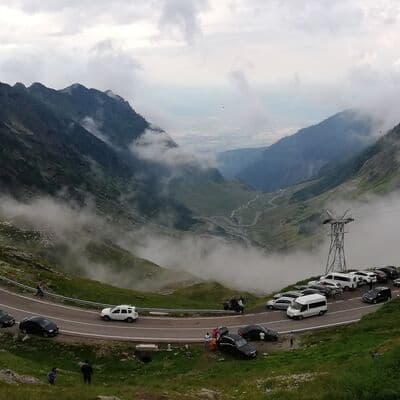
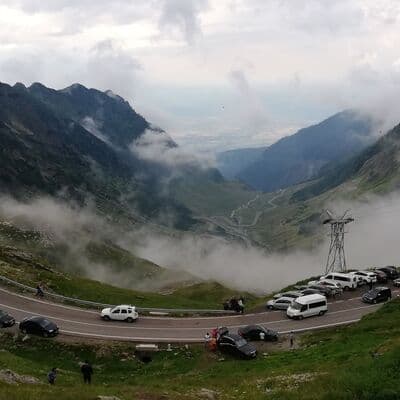
The Transfagarasan Highway deserves its reputation as one of the world's greatest driving roads. Built in the 1970s by Nicolae Ceausescu as a military route to ensure rapid troop deployment across the mountains, the road climbs from the Wallachian plain to 2,042 meters at Balea Lake before descending through seemingly impossible switchbacks into Transylvania.
Jeremy Clarkson famously declared it "the best road in the world" on Top Gear, and while individual tastes vary, the Transfagarasan makes a compelling case. The northern descent in particular, a series of tight switchbacks dropping 800 meters in just a few kilometers, provides the kind of driving experience that stays with you for years.
The road opens seasonally, typically from July 1 through late October, depending on snow conditions. For 2026, the official opening is scheduled for July 1, though mid-June openings are possible if weather cooperates. Check current conditions before planning your drive, as late-season snowstorms can close the road without notice.
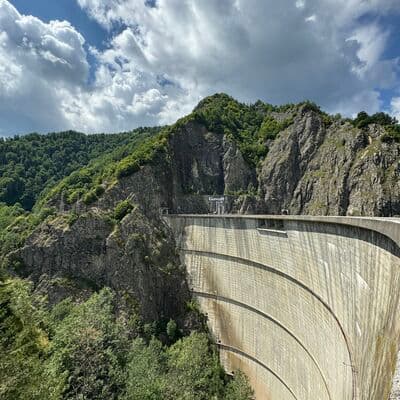
Several approaches work. From the south, beginning near Curtea de Arges, you climb through the Poienari fortress (the actual castle associated with Vlad the Impaler, more authentic than Bran), past the Vidraru Dam, and up through increasingly dramatic scenery to the tunnel that marks the pass. From the north, beginning near Sibiu or Cartisoara, the famous switchbacks provide the most dramatic driving.
Practical considerations: The road can become extremely congested in peak summer, particularly on weekends. Tour buses and timid drivers create traffic jams at the switchbacks. Early morning starts help significantly. Motorcyclists will find the road excellent but should watch for loose gravel on some corners. The drive itself takes two to three hours without stops, but plan a full day to properly appreciate the scenery and stops along the way.
Balea Lake, at the summit, offers cable car access (operating year-round, providing winter access when the road closes), a basic hotel, and the famous Balea Ice Hotel, built fresh each winter from ice blocks cut from the lake.
The Transalpina
The Transalpina predates the Transfagarasan, crossing the Parang Mountains on what was originally a military road built in World War I. Recently paved and promoted as a tourist route, the Transalpina reaches 2,145 meters, making it the highest paved road in Romania and arguably even more dramatic than its more famous sibling.
The Transalpina offers several advantages over the Transfagarasan. It opens earlier, typically June 1, with the 2026 opening scheduled for that date. It sees significantly less traffic, meaning you can actually enjoy the driving rather than queuing behind tour buses. The scenery, while different in character, proves equally spectacular, with open high-altitude meadows rather than the Transfagarasan's more enclosed valley approaches.
The classic route runs from Sebes in the north to Novaci in the south, passing through high pastures where shepherds still maintain summer camps (stanas) producing traditional cheese. The Obarsia Lotrului area, near the highest point, provides access to hiking in the Parang Mountains.
Combining both roads creates an excellent road trip loop. Drive the Transfagarasan south to north, continue through Sibiu, then take the Transalpina north to south, returning via Targu Jiu (for the Brancusi sculptures) and the Olt Valley. This circuit can be completed in two days, though three days allows more thorough exploration.
Via Transilvanica: Times Best Trips 2026
The Via Transilvanica represents a different kind of Romanian adventure. This long-distance hiking trail, inaugurated in 2022, stretches approximately 1,400 kilometers from Putna in Bukovina to Drobeta-Turnu Severin on the Danube. The trail links diverse landscapes and cultural regions, passing through Romanian, Hungarian, Saxon, and Szekler communities along a route designed to showcase the country's full diversity.
Times recognition of the Via Transilvanica as one of the Best Trips for 2026 brings deserved international attention to what serious hikers have already discovered: this trail offers an exceptional long-distance walking experience at costs that make the Camino de Santiago or Alpine crossings seem extravagant.
The trail divides into sections that can be tackled independently. Northern sections pass through Bukovina's painted monastery region before crossing into Transylvania through the Eastern Carpathians. Central sections traverse the Transylvanian plateau, connecting Saxon villages and fortified churches. Southern sections climb through the Retezat and Cerna mountains before descending to the Danube.
Waymarking uses a distinctive orange stripe on white background, supplemented by GPS tracks available through the official Via Transilvanica app. Accommodation ranges from village guesthouses (pensiuni) to mountain huts to wild camping where permitted. Most hikers average 20-25 kilometers daily, making the complete trail a two-month commitment, though shorter sections provide satisfying experiences.
Infrastructure remains developing compared to established European trails. Do not expect the hostel networks of the Camino or the comprehensive services of Alpine routes. Flexibility, basic Romanian language, and willingness to adapt define successful Via Transilvanica experiences. But these challenges bring rewards: genuine interaction with rural communities, sections where you may not see another hiker for days, and the satisfaction of pioneering a trail that future generations will celebrate.
For those unable to commit to extended hiking, selected sections offer excellent day or multi-day experiences. The stretch through the Saxon villages around Sighisoara, the section climbing to the Bucegi plateau, and the finale through the Cerna Valley all provide concentrated highlights.
4. When to Visit Romania: Seasons and Timing
Romania's continental climate creates distinct seasons, each offering different experiences. Your timing significantly impacts what you can see and do, so consider the following carefully when planning.
Spring (April-May)
Spring brings wildflowers to the meadows, comfortable temperatures for hiking at lower elevations, and fewer tourists at major attractions. April can remain chilly, particularly at higher elevations, but May offers perhaps the ideal conditions for cultural touring: warm enough for comfortable exploration, cool enough to avoid summer heat, and before the peak season crowds arrive.
Downsides include unpredictable weather, with rain common, and high mountain routes remaining snow-covered. The Transfagarasan and Transalpina remain closed, limiting mountain road experiences. However, spring brings Orthodox Easter, which falls on different dates than Western Easter (May 4-5 in 2026), providing opportunities to witness traditional celebrations particularly vibrant in rural Maramures and Bukovina.
Summer (June-August)
Summer represents peak tourist season, particularly July and August when Romanian families take their holidays. Temperatures can exceed 35C (95F) in lowland areas, making Bucharest uncomfortable and beaches essential. The mountains provide relief, with temperatures 10-15 degrees cooler at elevation.
The Transfagarasan opens July 1 (weather permitting), the Transalpina by June 1, making summer essential for mountain road enthusiasts. Hiking reaches its peak season, with all trails accessible and mountain huts operating. The Black Sea coast comes alive, with Mamaia and other resorts offering beach vacation experiences unavailable in other seasons.
The downsides are obvious: crowds at major attractions, higher accommodation prices (though still reasonable by Western standards), and heat that makes lowland sightseeing exhausting. Book accommodations in advance during this period, particularly for popular destinations like Brasov and Sibiu.
Major summer events include the Untold Festival in Cluj (early August), one of Europe's largest electronic music festivals; the George Enescu Festival in Bucharest (odd years, next in 2027); and countless local festivals and fairs throughout the country.
Autumn (September-October)
Autumn rivals spring as the ideal visiting period. September offers warm, stable weather with thinning crowds. October brings spectacular fall foliage to the Carpathian forests, with colors peaking mid-month at most elevations. The grape and plum harvests proceed, making wine regions and rural areas particularly rewarding.
The mountain roads typically remain open through October, though late-season storms can close them early. Hiking remains excellent, with cooler temperatures making strenuous ascents more comfortable and crowds significantly reduced from summer peaks.
By late October, temperatures drop noticeably, and some tourist infrastructure begins closing for the season. But for those who can manage early October visits, the combination of weather, colors, and reduced crowds creates arguably the best overall conditions.
Winter (November-March)
Winter brings ski season to the Carpathian resorts. Poiana Brasov, Sinaia, and Predeal offer the best-developed infrastructure, though serious skiers will find Romanian slopes modest compared to Alpine alternatives. However, prices reflect this reality: a week of skiing in Romania costs a fraction of equivalent Alpine trips, making it excellent value for intermediate skiers and beginners.
Winter also brings Christmas markets to major cities, with Sibiu's market particularly well-regarded. Bucharest remains viable for cultural touring, with museums and indoor attractions unaffected by weather. The Balea Ice Hotel, built fresh each December, offers a unique winter accommodation experience accessible by cable car.
Downsides include shortened daylight hours, cold temperatures requiring serious winter gear, and the closure of many rural guesthouses and attractions. Some hotels in seasonal destinations shut entirely. Check before traveling in deep winter (December-February) to confirm your chosen accommodations and attractions operate.
5. How to Get to Romania: Flights and Land Routes
Romania's Schengen accession in 2025 simplifies entry logistics while improved air connections make reaching the country easier than ever. Here is what English-speaking travelers need to know.
Visa Requirements for Americans, Brits, Australians, and Canadians
Citizens of the United States, United Kingdom, Australia, and Canada may enter Romania without a visa for stays up to 90 days within any 180-day period. This limit applies to the entire Schengen area: days spent in Romania count toward your total Schengen allowance, just as days in France or Germany do.
As of 2024, the European Union requires travelers from visa-exempt countries to complete ETIAS (European Travel Information and Authorisation System) registration before arrival. The ETIAS authorization costs 7 Euros and remains valid for three years. Apply online at least 72 hours before travel, though approval typically comes within minutes. This replaces the old system where visa-exempt travelers simply showed up at the border.
For Americans specifically: your valid US passport provides entry. TSA PreCheck, Global Entry, and other trusted traveler programs have no relevance for Romanian or Schengen entry, though they expedite your departure from US airports. Pack items prohibited by TSA in checked luggage as usual.
Flying to Romania
Bucharest Henri Coanda International Airport (OTP), also known as Otopeni, handles most international traffic. Direct flights connect to major European hubs (London, Paris, Frankfurt, Amsterdam, Munich, Rome, Madrid) with excellent frequency. Turkish Airlines offers strong connections through Istanbul, often providing the best routing and prices from North America. There are no nonstop flights from the United States to Romania; connections through major European hubs add 2-4 hours to journey times.
From the United Kingdom, direct flights operate from London (multiple airports via Wizz Air, Blue Air, and TAROM), Manchester, Birmingham, and Edinburgh, with flight times around 3 hours. Budget carriers offer extraordinarily cheap fares if you book in advance and pack light.
From Australia, the journey requires connections through Middle Eastern hubs (Dubai, Doha, Abu Dhabi) or Asian hubs plus a European connection. Turkish Airlines via Istanbul often provides competitive routings. Expect 20-24 hours total journey time.
Cluj International Airport (CLJ) provides an alternative entry point with direct connections to major European cities, particularly useful if Transylvania is your focus. Wizz Air and TAROM operate extensive route networks.
Timisoara Traian Vuia International Airport (TSR) serves western Romania with connections to European hubs, making it efficient for those combining Romania with Hungary or the Balkans.
Iasi International Airport (IAS) provides access to Moldavia and the painted monasteries, with limited international connections.
Arriving by Train
Romania's international train connections have improved significantly. Direct trains now connect Bucharest to Budapest (IR 72/73), with journey times around 12-13 hours. These services use modern Alstom Coradia Stream rolling stock on the Romanian portion, a dramatic improvement over previous generations of trains.
Vienna services have resumed (IR 346/347), providing connections to Western European rail networks. While slower than flying, the train journey through the Hungarian Plain and Transylvanian approaches offers scenery unavailable from the air.
From Sofia, direct trains connect to Bucharest via Ruse in approximately 9-10 hours. From Istanbul, a train-ferry-train connection runs via Bucharest, though this routing appeals more to rail enthusiasts than practical travelers.
Interrail and Eurail passes cover Romanian domestic trains, making rail passes viable for multi-country itineraries including Romania.
Arriving by Bus
International bus services connect Romania to most European countries. Flixbus operates extensive routes, with connections to Budapest, Vienna, Prague, Sofia, and beyond. Romanian companies also run services, often at lower prices but with less reliable schedules and comfort.
Bus travel makes most sense for budget travelers or those combining Romania with other Balkan destinations where rail connections remain limited.
Arriving by Car
Romania's Schengen accession eliminated border formalities with Hungary and Bulgaria as of January 1, 2025. Driving in from Western Europe has never been easier: simply follow highways through Austria and Hungary to the Romanian border, which you will cross without stopping.
The drive from Vienna to Bucharest takes approximately 10 hours via Budapest and Arad. From Munich, add 2-3 hours. From Berlin, the journey runs 14-16 hours. These drives are long but feasible for those who prefer road trips or need vehicles for extended stays.
6. Transportation Within Romania: Getting Around the Country
Romania's domestic transportation has improved dramatically in recent years, though expectations should remain appropriately calibrated. Here is how to navigate the country efficiently.
Domestic Flights
TAROM and Wizz Air operate domestic routes connecting Bucharest to Cluj, Timisoara, Iasi, and other regional airports. Flight times run 45-75 minutes, and fares can be remarkably cheap if booked in advance. Domestic flights make sense for long north-south or east-west journeys where trains would consume an entire day, though the airport logistics somewhat diminish the time savings.
Trains
CFR, the Romanian state railway, operates an extensive network reaching most significant towns. Train travel in Romania offers scenery unavailable from the roads, with mountain routes (particularly the line through the Jiu Valley or the approach to Maramures) providing spectacular views.
New Alstom Coradia Stream trains now operate on major routes, providing a dramatically improved experience. These modern units feature air conditioning, power outlets, and Western European comfort standards. However, they operate only on select routes; many secondary lines still use older rolling stock where expectations should be adjusted accordingly.
Train classes include: Intercity (IC), the fastest and most comfortable option; InterRegio (IR), slightly slower with more stops; Regio (R), local trains stopping at every station. For longer journeys, stick with IC or IR services when available.
Tickets can be purchased at stations, through the CFR website (somewhat unreliable), or through third-party apps like Trenul Meu. Reservations are required for IC and IR services; buy tickets at least a day ahead for popular routes during summer.
Sample journey times: Bucharest to Brasov, 2.5-3 hours; Bucharest to Sibiu, 5-6 hours (via Brasov); Bucharest to Cluj, 7-9 hours; Bucharest to Timisoara, 8-10 hours; Bucharest to Iasi, 6-7 hours.
Buses and Minibuses
Buses often prove faster than trains for routes without good rail connections. Autogari (bus stations) in major cities connect to regional destinations, while minibuses (maxi-taxi or microbuz) provide more frequent service on popular routes.
The system can be confusing for foreigners: multiple private companies operate from different locations, schedules change frequently, and information online may be outdated. Asking at your accommodation for current bus options often provides better information than online research.
Flixbus operates domestic routes between major cities with bookable online tickets, standardized service, and reliable schedules, providing a more accessible option for tourists uncomfortable with the informal local system.
Driving
Renting a car provides the most flexibility, particularly for reaching attractions like the mountain roads, rural villages, and locations with poor public transportation connections. Major international rental companies operate in Romania, with Bucharest airport offering the widest selection.
Romanian roads range from excellent (recent highways connecting major cities) to challenging (rural roads that test suspension and nerves). The "national roads" (DN routes) that form the backbone of the network vary widely: some are fast dual carriageways, others are single-lane roads through villages where horses, tractors, and pedestrians share the space.
Driving in Romania requires patience and defensive skills. Overtaking on single-lane roads occurs constantly, often in situations that would never be attempted in Western countries. Speed limits are routinely ignored by locals but strictly enforced against foreigners. Police checkpoints appear frequently; always carry your license, rental documents, and passport.
Speed limits: 50 km/h in towns, 90 km/h on rural roads, 100 km/h on expressways, 130 km/h on highways. A highway vignette (rovinieta) is required for all vehicles using national roads and highways; rental cars typically include this, but confirm at pickup.
Night driving in rural areas brings additional hazards: unlit horse carts, pedestrians in dark clothing, animals crossing roads, and potholes that would be instantly marked in Western countries. Avoid driving rural roads after dark if possible.
Ride-Sharing Apps
Bolt and Uber operate in all major Romanian cities and provide the easiest urban transportation for visitors. Simply download the apps, input your payment information, and request rides as you would at home. Prices are significantly lower than Western equivalents: a cross-city ride in Bucharest typically costs $5-8.
These apps work excellently in Bucharest, Cluj, Timisoara, Brasov, Sibiu, Iasi, and Constanta. In smaller towns, availability decreases significantly; traditional taxis may be the only option.
Uber Eats is returning to Romania in 2026, providing food delivery options in major cities.
Taxis
Traditional taxis remain common and are generally honest in most situations. Legitimate taxis display company names and rates on the door. Bucharest requires particular care: only use taxis from reputable companies (Speed Taxi, Meridian, Leone) or ordered through apps; airport taxi touts are notorious for overcharging foreigners.
The standard practice: either call a taxi dispatcher, use an app, or find a taxi at an official rank. Hailing on the street works but increases the risk of encountering dishonest operators. Always confirm the meter is running at the start of the ride.
7. Cultural Code and Etiquette: Understanding Romanian Society
Romanian culture combines Latin warmth with Eastern European depth, Orthodox spirituality with modern European aspirations. Understanding cultural expectations helps you connect more meaningfully and avoid unintentional offense.
Religion and Churches
Romania is approximately 85% Orthodox Christian, and religion plays a more visible role in daily life than in Western Europe. Churches are not museums: they are active places of worship where locals light candles, kiss icons, and pray throughout the day.
When visiting churches and monasteries, dress modestly: women should cover shoulders and wear skirts below the knee (long pants are usually acceptable). Men should remove hats. Some monasteries provide wraps for inadequately dressed visitors; others may refuse entry. During services, maintain silence, do not walk in front of the iconostasis, and photography may be prohibited.
The painted monasteries of Bukovina and village churches throughout the country are cultural treasures, but remember they remain sacred spaces. Respectful behavior enhances rather than diminishes the experience.
Social Interactions
Romanians typically greet with handshakes; kisses on both cheeks occur between friends and family members of opposite sexes. "Buna ziua" (good day) works in most situations; "Multumesc" (thank you) proves essential.
Hospitality carries deep cultural importance. When invited to someone's home, bringing a small gift (flowers, chocolates, wine) is expected. Refusing offered food or drink may be perceived as insulting; at minimum, accept something symbolically even if you cannot finish it. The traditional glass of tuica (plum brandy) before a meal is a ritual worth embracing, though you can sip slowly rather than down it immediately.
Romanians are direct in ways that may surprise Americans accustomed to constant pleasantries. A shop assistant may not smile; this does not indicate rudeness. Questions about personal matters (marriage, children, income) may come earlier in conversations than Westerners expect. This directness also means Romanians will give you honest opinions when asked, rather than polite evasions.
Language Considerations
Romanian is a Romance language with some Slavic influence, meaning Italian, Spanish, French, and Portuguese speakers will recognize vocabulary and grammatical patterns. Reading written Romanian proves easier than understanding spoken Romanian, which has sounds and rhythms unfamiliar to most English speakers.
English is widely spoken among younger Romanians, particularly in cities and tourist areas. You can generally navigate Bucharest, Brasov, Cluj, and similar destinations with English alone. However, in rural areas and among older generations, English proficiency drops significantly. Basic Romanian phrases help enormously and are appreciated even when imperfectly pronounced.
Essential phrases worth learning: "Buna ziua" (hello/good day), "Va rog" (please), "Multumesc" (thank you), "Scuzati-ma" (excuse me), "Vorbiti engleza?" (do you speak English?), "Cat costa?" (how much?), "Unde este...?" (where is...?), "Da" (yes), "Nu" (no).
Google Translate works adequately for basic communication; the camera feature translating menus and signs proves particularly useful.
Tipping and Service
Tipping practices in Romania occupy a middle ground between American excess and European restraint. In restaurants, rounding up or adding 10% satisfies expectations; 15-20% would be generous but not inappropriate for excellent service. Tipping in cash is preferred even when paying by card.
Hotel porters, tour guides, taxi drivers, and other service providers appreciate small tips but do not necessarily expect them. The key principle: tip for genuinely good service, not as an automatic obligation.
Sensitive Topics
Romanian history includes painful chapters that locals approach with varying perspectives. The Ceausescu period (1965-1989) left deep scars, and while Romanians often discuss this era openly, foreigners should listen more than opine. The revolution of 1989 remains a source of pride complicated by ongoing debates about who actually orchestrated events.
Roma (often incorrectly called "Gypsies") constitute Romania's largest minority, and attitudes toward this community remain complex and sometimes prejudiced. Visitors should avoid generalizations and recognize that discriminatory statements may surface in conversations with otherwise progressive Romanians.
The Hungarian minority in Transylvania and the associated territorial history (Transylvania belonged to Hungary until 1918) represents another potentially sensitive area. Most Romanians and Hungarians coexist peacefully, but strong feelings exist on both sides.
Photography Etiquette
Romanians generally do not mind being photographed, though asking permission is polite, particularly in rural areas and when photographing individuals. Markets, festivals, and street scenes make excellent subjects. Religious sites may have photography restrictions; when in doubt, ask.
Photographing military installations, certain government buildings, and border areas may attract unwanted attention or be technically prohibited. Use common sense.
8. Safety in Romania: Honest Assessment and Practical Advice
Romania is fundamentally safe for tourists. Violent crime against visitors is extremely rare. The risks that exist are manageable with basic awareness. Let me be specific about what to watch for and what not to worry about.
Petty Crime
Pickpocketing occurs in crowded tourist areas, on public transportation, and in busy markets, as in any European country. The usual precautions apply: keep valuables in front pockets or secure bags, be aware in crowds, avoid displaying expensive items unnecessarily. Bucharest's old town (Lipscani), major train stations, and crowded buses/trams represent the highest-risk areas.
Scams targeting tourists are less common in Romania than in some Western European destinations. The most frequent involve overpriced taxi rides (avoid unmarked taxis, use apps), inflated restaurant bills (check prices before ordering), and occasional aggressive begging. None of these are dangerous, merely annoying.
Driving Safety
Romanian roads present the most significant risk for travelers. The statistics are sobering: Romania has among the highest road fatality rates in the EU. Aggressive driving, excessive speed, impaired driving, and poor road conditions all contribute. Rural roads at night combine these factors dangerously.
Mitigate risk by driving defensively, avoiding rural roads after dark, taking breaks to combat fatigue, and not attempting to match local driving speeds. The mountain roads, while spectacular, demand full attention; do not combine sightseeing with driving on switchbacks.
Wildlife
The Carpathians host genuine large predator populations. Brown bear encounters, while rare, occur every hiking season. Bears generally avoid humans but can become aggressive when surprised, when protecting cubs, or when habituated to human food.
Practical precautions: make noise on trails (talking, singing, bells), carry bear spray and know how to use it, store food properly in bear-resistant containers or hung from trees, never approach or feed bears, and give wide berth to any bear encountered. Guided hikes in bear country provide local expertise worth the cost.
Wolves and lynx are extremely unlikely to approach humans and pose effectively zero risk. Stray dogs in cities and villages may occasionally be aggressive; give them space and do not attempt to pet unknown animals.
Natural Hazards
Mountain weather changes rapidly. Trails that begin in sunshine can end in thunderstorms, fog, or even summer snow at high elevations. Always check forecasts, start early, carry rain gear and layers, and be prepared to turn back if conditions deteriorate.
Flash flooding occurs in narrow valleys during heavy rain. If you are hiking in a canyon or river valley and rain begins, move to higher ground immediately.
Romania sits in an seismically active zone. Bucharest has experienced major earthquakes historically, and building codes in older structures did not account for seismic risk. The statistical risk to any individual visitor is minimal, but awareness does not hurt.
Health and Medical Emergencies
EU citizens should carry the European Health Insurance Card (EHIC) or UK Global Health Insurance Card (GHIC), which provides access to necessary medical treatment during temporary stays. Americans, Canadians, and Australians should carry travel insurance that covers medical evacuation; local healthcare, while adequate for minor issues, may not meet Western standards for serious conditions.
Pharmacies (farmacii) are common and well-stocked, with pharmacists often able to recommend treatments for minor ailments. Many medications requiring prescriptions in the US or UK are available over the counter in Romania.
Women Traveling Alone
Romania is generally safe for solo female travelers, with harassment levels comparable to or lower than Western European countries. Standard precautions apply: be aware of surroundings, avoid isolated areas at night, trust instincts about uncomfortable situations. Romanian men may be more forward than their Western European counterparts, but escalation is uncommon.
LGBTQ+ Travelers
Romania is neither Western Europe nor Russia. Public attitudes toward LGBTQ+ individuals have liberalized significantly among younger, urban Romanians, while remaining conservative in rural areas and among older generations. Same-sex relationships are legal, and anti-discrimination laws exist, but public displays of affection may attract unwanted attention outside major cities.
Bucharest, Cluj, and Timisoara have visible LGBTQ+ scenes with bars, events, and Pride celebrations. In rural areas, discretion is advisable. Violence is rare but not unknown.
Emergency Numbers
The EU-standard emergency number 112 works for all emergencies (police, fire, medical). Operators may speak limited English; speak slowly and clearly.
9. Health and Medical Considerations
Romania poses no unusual health risks for visitors from developed countries. Standard travel health precautions suffice.
Before You Go
No vaccinations are required for entry, and no unusual vaccines are recommended for Romania specifically. Ensure routine vaccinations (tetanus, measles, etc.) are current. Tick-borne encephalitis exists in wooded areas; vaccination is worth considering if you plan extensive hiking, though risk is modest.
Pack a basic first aid kit including any prescription medications you require (bring more than you need plus copies of prescriptions). Over-the-counter medications are widely available in Romanian pharmacies.
Water and Food Safety
Tap water in Romanian cities is safe to drink, though locals often prefer bottled water for taste. In rural areas, particularly if water comes from wells, bottled water is safer. Mountain streams look pristine but may contain giardia; treat or filter backcountry water.
Food safety standards are comparable to other EU countries. Street food, market products, and restaurant meals pose no unusual risks. The only common traveler's issue is overconsumption of rich traditional foods combined with generous wine portions.
Medical Facilities
Major cities have adequate medical facilities for emergencies and routine care. Private clinics offer faster service and English-speaking staff; for non-emergencies, these are worth the modest cost. Public hospitals provide competent care but may involve longer waits and language barriers.
Pharmacies (farmacii, marked with green crosses) stock a wide range of medications and can often advise on treatments. Many drugs requiring prescriptions elsewhere are available over the counter, which can be convenient but requires knowing what you need.
Insurance
Travel insurance covering medical expenses and evacuation is essential for non-EU visitors. Even EU citizens with EHIC coverage should consider supplementary insurance covering repatriation and treatment in private facilities. Check that your policy covers activities you plan (hiking, skiing, etc.).
10. Money and Budget: What Romania Actually Costs
Romania uses the Romanian Leu (RON), with the current exchange rate approximately 4.5 RON to 1 USD, 5.8 RON to 1 GBP, 4.9 RON to 1 EUR, and 3.0 RON to 1 AUD. Always check current rates before traveling.
How to Pay
Cash remains important in Romania, particularly outside major cities. ATMs are widespread in towns of any size and accept international cards. Visa and Mastercard are most widely accepted; American Express less so. Contactless payment works in most modern retail environments.
Always have cash for rural guesthouses, markets, small restaurants, and taxis. Some businesses in tourist areas post prices in Euros but actually want payment in Lei; always clarify before paying and know the current exchange rate.
Avoid exchanging money at airports, which offer poor rates. City center exchange offices (casa de schimb) offer better rates; compare a few before transacting. Better still, withdraw Lei from ATMs using a no-foreign-transaction-fee card.
Budget Breakdown
Budget travel ($40-60/day): Hostel dorms or very basic guesthouses ($10-15), simple meals from supermarkets and cafeterias ($10-15), public transportation ($5-10), occasional paid attractions ($5-10). This budget is tight but achievable with discipline.
Mid-range travel ($80-120/day): Comfortable guesthouses or three-star hotels ($40-60 double), restaurant meals including local wine ($25-35), car rental or comfortable transportation ($20-30), attractions and activities ($15-25). This budget provides comfort without extravagance and represents the sweet spot for most travelers.
Comfortable travel ($150-250/day): Quality boutique hotels ($80-150), excellent restaurants ($50-80), rental car and attractions ($30-50), occasional splurges. This budget allows considerable comfort while remaining far below what equivalent experiences would cost in Western Europe.
Luxury travel ($300+/day): Top hotels in major cities, fine dining, private guides, premium experiences. Even this budget stretches remarkably far: Romania's best hotel suites rarely exceed $300/night, and Michelin-level dining caps around $100 per person with wine.
Sample Prices (2026)
Accommodation: Hostel bed $10-15, budget guesthouse $25-35, mid-range hotel $50-80, boutique hotel $100-150, luxury hotel $150-300.
Food: Coffee $1.50-2.50, beer $2-3.50, street food $3-5, casual restaurant meal $8-12, upscale restaurant $25-40, tasting menu $60-100.
Transportation: Bus/tram ticket $0.50-0.75, Uber across city $5-8, train Bucharest-Brasov $12-18, rental car $30-50/day.
Attractions: Museum entry $3-8, castle/monastery $5-10, guided tour $20-50, Transfagarasan excursion $100-150.
Note: Bucharest tourist tax of 10 RON (approximately $2.20) per night applies to accommodations as of 2026.
11. Itineraries: How to Structure Your Time
Romania rewards both short visits and extended stays. Here are detailed itineraries for various timeframes, designed for travelers using a mix of transportation modes.
Seven Days: The Essential Triangle
One week allows a focused introduction to Romania's highlights, concentrating on Bucharest and Transylvania.
Day 1 (Bucharest): Arrive at Henri Coanda Airport, transfer to city center (Uber/Bolt approximately $10, 30-45 minutes depending on traffic). After settling into your hotel, explore the Lipscani old town on foot, getting your bearings and finding dinner in one of the area's many restaurants. End with drinks at a rooftop bar overlooking the historic center.
Day 2 (Bucharest): Morning tour of the Palace of Parliament (book online in advance; tours run regularly but fill up). Afternoon exploring Calea Victoriei: the Athenaeum, National Art Museum, and Revolution Square. Late afternoon at the Village Museum or Dimitrie Gusti National Village Museum, an excellent open-air collection of traditional buildings. Evening dinner in the Floreasca or Dorobanti neighborhoods for a local rather than tourist atmosphere.
Day 3 (Bucharest to Brasov via Sinaia): Rent a car or take the train to Brasov, stopping in Sinaia. Visit Peles Castle (allow 2-3 hours with grounds), Romania's most spectacular royal residence. Optionally continue to Bran Castle before arriving in Brasov for evening. The train offers scenery; the car offers flexibility for stops.
Day 4 (Brasov): Full day exploring Brasov: morning cable car to Tampa Mountain for panoramic views (or hike if you prefer), then descend to explore the old town. Black Church, Council Square, the medieval fortifications, and the narrow Rope Street (Strada Sforii) fill a satisfying day. Evening enjoying Brasov's excellent restaurant scene.
Day 5 (Brasov to Sighisoara via Saxon villages): Drive (rental car essential for this day) through the Saxon village region. Visit Viscri and its fortified church, Bunesti, and other villages along the way. Arrive in Sighisoara late afternoon, allowing time to explore the citadel before dinner. Stay within the citadel walls if possible.
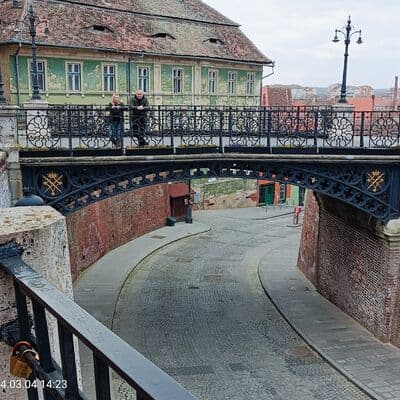
Day 6 (Sighisoara and Sibiu): Morning exploring Sighisoara's towers, the covered stairway, and the Church on the Hill. Drive to Sibiu (2 hours), arriving for lunch. Afternoon exploring Sibiu's old town, including the Large Square, Small Square, and the Bridge of Lies. Optional evening visit to the Astra Open-Air Museum if time permits.
Day 7 (Return to Bucharest): Morning for final Sibiu exploration or the drive to the Transfagarasan (if traveling June-October and road is open). Return to Bucharest via train, bus, or car (allow 5-6 hours). Alternatively, fly from Sibiu if connections suit your onward journey.
Ten Days: Adding the Mountains
Ten days allows deeper exploration of Transylvania plus the mountain roads if traveling in season.
Days 1-2: Bucharest as above.
Day 3: Bucharest to Sibiu (train or car, 5-6 hours). Afternoon exploring Sibiu's old town.
Day 4: Full day Sibiu: Astra Open-Air Museum in the morning (allow 3-4 hours), Brukenthal National Museum in the afternoon. Alternatively, day trip to the Marginimea Sibiului villages.
Day 5: The Transfagarasan Highway (June-October only; if closed, substitute a day in the Fagaras foothills or Saxon villages). Leave early, drive the road in its entirety, spending time at Balea Lake. Overnight in Curtea de Arges or return to Sibiu.
Day 6: Drive to Brasov via Bran Castle. Afternoon exploring Brasov.
Day 7: Hiking day from Brasov: options include the Piatra Craiului, the Bucegi (cable car access from Busteni), or easier walks in the Postavaru area. This day provides a taste of Carpathian hiking. Return to Brasov for evening.
Day 8: Brasov to Sighisoara via Saxon villages (Viscri, Biertan). Explore the citadel upon arrival.
Day 9: Sighisoara to Cluj-Napoca (2.5-3 hours drive or train). Afternoon exploring Cluj: the Central Park, St. Michael's Church, the museum district. Evening sampling Cluj's renowned food and bar scene.
Day 10: Cluj to Bucharest by train, domestic flight, or car. Depart from Bucharest or Cluj depending on your international connections.
Fourteen Days: Comprehensive Exploration
Two weeks allows for thorough Transylvanian exploration plus either Maramures or Bukovina.
Days 1-2: Bucharest as above.
Days 3-4: Train or drive to Brasov. Two full days exploring Brasov and environs: Peles Castle, Bran Castle, old town, and a day hike in the mountains.
Day 5: Brasov to Sighisoara via Saxon villages. Evening in the citadel.
Day 6: Sighisoara to Sibiu. Full afternoon exploring Sibiu.
Day 7: Transfagarasan Highway day trip (summer) or exploration of the Marginimea Sibiului and Astra Museum (any season). Return to Sibiu.
Day 8: Sibiu to Cluj, stopping at Alba Iulia's Vauban fortress. Evening in Cluj.
Days 9-10: Cluj to Maramures. Drive the scenic route through the Apuseni Mountains and into Maramures (6-7 hours total). Spend a full day exploring the wooden churches, the Merry Cemetery at Sapanta, and the villages of Vadu Izei, Barsana, and Breb. Stay in a traditional guesthouse.
Day 11: Return from Maramures to Cluj (allow full day for the drive, with stops as interest dictates). Evening in Cluj.
Days 12-13: Drive or take train from Cluj to Bucharest (long day) or fly. Alternatively, continue to Bukovina (see alternative itinerary below). Final day in Bucharest for any missed sights and departure preparation.
Day 14: Departure from Bucharest.
Alternative: Bukovina instead of Maramures (Days 9-11): From Cluj, drive or fly to Suceava. Spend two days exploring the painted monasteries (Voronet, Sucevita, Moldovita, Humor) with a base in Gura Humorului. Return to Bucharest via train from Suceava (7-8 hours) or domestic flight from Suceava or Iasi.
Twenty-One Days: The Complete Journey
Three weeks permits exploration of virtually all Romania's major attractions without rushing.
Days 1-3: Bucharest. Three full days allows proper exploration: Palace of Parliament, museums, parks, neighborhoods, day trip to Snagov Monastery or Targoviste.
Day 4: Train to Constanta. Afternoon exploring the old town, Roman Mosaic, seaside promenade.
Days 5-6: Danube Delta excursion from Tulcea. Two days exploring by boat: bird watching, fishing villages, Sulina. Return to Tulcea or continue to Constanta for evening.
Day 7: Constanta to Brasov (drive via the Baneasa-Fetesti bridge, then north through the Buzau Valley, or take the train). Evening in Brasov.
Days 8-9: Brasov and environs. Peles, Bran, Rasnov fortress, hiking, old town exploration.
Day 10: Transfagarasan Highway from Brasov side to Sibiu. Full day driving with stops at Balea Lake.
Days 11-12: Sibiu. Astra Museum, Brukenthal, old town, Marginimea Sibiului villages.
Day 13: Transalpina Highway from Sebes to Novaci, then north to Targu Jiu. Visit the Brancusi sculptures (Endless Column, Table of Silence, Gate of the Kiss).
Day 14: Targu Jiu to Timisoara (3-4 hours). Afternoon and evening exploring Timisoara's beautiful squares and cafes.
Day 15: Full day in Timisoara. Museums, parks, the Orthodox and Catholic cathedrals, sampling the city's cosmopolitan atmosphere.
Day 16: Timisoara to Cluj via Hunedoara (visit Corvin Castle, one of Europe's greatest Gothic fortresses). Evening in Cluj.
Day 17: Cluj full day. Botanical Garden, Central Park, museums, food and nightlife.
Days 18-19: Cluj to Maramures. Two full days exploring wooden churches, villages, and the Merry Cemetery. Return to Cluj or continue north.
Day 20: Maramures to Sighisoara via Bistrita (long drive through beautiful country). Evening exploring anything missed in the citadel.
Day 21: Sighisoara to Bucharest. Train or drive via Saxon villages for final stops. Evening departure or overnight before morning flight.
Alternatives and extensions: This itinerary can be modified to include Bukovina (adding 2-3 days and adjusting the route through Moldavia), the Via Transilvanica (substituting hiking sections for road travel), or extended beach time on the Black Sea coast (summer only).
12. Connectivity: Staying Connected in Romania
Staying connected in Romania is straightforward and inexpensive compared to many destinations.
Mobile Data
Romanian mobile networks (Orange, Vodafone, Digi) offer excellent coverage in populated areas, reasonable coverage on major roads, and variable coverage in mountainous regions. 4G/LTE is standard; 5G is expanding in major cities.
For visitors staying more than a few days, purchasing a local SIM card offers the best value. Prepaid SIMs are available at airport arrivals, carrier stores throughout the country, and many news kiosks and supermarkets. Digi offers particularly competitive rates: approximately 5 EUR for a SIM with substantial data. Bring your passport for registration.
EU roaming regulations allow EU citizens to use their home mobile plans in Romania without additional charges (though UK residents post-Brexit should check their specific provider terms). Americans and others with expensive international roaming should strongly consider local SIMs.
eSIM options (Airalo, Holafly, etc.) provide alternatives for travelers with compatible phones who prefer not to swap physical SIMs.
WiFi
WiFi is widely available in hotels, guesthouses, cafes, and restaurants throughout Romania, typically free and reasonably fast. Urban Romania generally has better internet infrastructure than many Western European countries; Bucharest particularly benefits from early investment in fiber networks.
In rural areas, particularly remote villages and mountain regions, WiFi quality decreases significantly. Some guesthouses may have limited connectivity or speeds suitable only for basic communication.
Working Remotely
Romania has become popular with digital nomads for good reason: fast internet, low costs, pleasant urban environments, and easy timezone overlap with both European and partial US hours. Cluj and Timisoara particularly attract location-independent workers, with numerous coworking spaces and nomad-friendly cafes. Bucharest offers big-city amenities at modest costs.
13. Food and Cuisine: What and Where to Eat
Romanian cuisine rewards adventurous eaters willing to embrace hearty, meat-heavy, comfort food traditions. The food draws from multiple influences: Ottoman, Hungarian, German, and Slavic cooking have all left marks, combined with ingredients native to the Carpathian region. Modern Romanian chefs are also creating innovative interpretations of traditional dishes, making the food scene increasingly sophisticated.
Essential Traditional Dishes
Sarmale: Cabbage rolls stuffed with a mixture of minced pork, rice, and herbs, slow-cooked with tomatoes and often smoked meat. This is Romania's national dish, served at virtually every celebration and available in every traditional restaurant. The best versions are made with sauerkraut leaves rather than fresh cabbage, providing a pleasant tang.
Mici (Mititei): Small skinless sausages of minced meat (usually a mix of beef, pork, and lamb) seasoned with garlic, thyme, and spices, grilled until charred outside and juicy inside. These are street food perfection, served with mustard and bread, and accompany beer as naturally as hot dogs at American baseball games.
Ciorba: Sour soups are a Romanian obsession, with countless variations. Ciorba de burta (tripe soup) is the most famous and an acquired taste; the adventurous should try it at least once. Ciorba de perisoare (meatball soup) and ciorba de legume (vegetable soup) offer gentler introductions. The sourness comes from fermented wheat bran (bors) or vinegar.
Mamaliga: Polenta-like cornmeal, served as a side dish or as a base for other preparations. Mamaliga cu branza si smantana (with cheese and sour cream) is simple but delicious. In rural areas, mamaliga historically substituted for bread among peasant populations.
Tochitura: A pan-fried dish of pork (or sometimes beef) cubes with onions, peppers, and tomatoes, typically served with polenta and topped with fried eggs. Rich, satisfying, and deeply traditional.
Caltabos and Carnat: Traditional sausages, with caltabos being a liver sausage and carnat covering various pork sausages. Quality varies enormously; the best come from small producers in villages rather than industrial sources.
Jumari: Pork cracklings, the crispy remnants of rendered fat. Served as a snack with beer or as a topping for mamaliga. Dangerously addictive if you allow yourself to enjoy fried pork fat.
Zacusca: A roasted vegetable spread, primarily of eggplant and peppers, preserved in jars and spread on bread. Every Romanian family has their own recipe, and homemade versions surpass commercial products dramatically.
Cheese and Dairy
Romanian cheeses deserve special attention. Branza de burduf is a sharp sheep cheese aged in pine bark containers, developing complex flavors unlike any other cheese. Telemea is a brined white cheese similar to feta. Cas is fresh, mild cheese similar to fresh mozzarella. Urda is a ricotta-like whey cheese.
Smantana (sour cream) appears on or alongside almost everything. Romanian sour cream tends to be thicker and tangier than American equivalents.
Sheep dairy products dominate traditional cuisine, though cow's milk products are increasingly common. If you encounter a shepherd's camp (stana) in the mountains, the chance to buy fresh cheese made that morning is worth seizing.
Desserts
Papanasi: Fried doughnuts made with cottage cheese, served with sour cream and fruit jam. Heavy, sweet, and wonderful. The best versions are light inside despite being fried; bad versions are leaden.
Cozonac: A sweet bread filled with walnuts, cocoa, or Turkish delight, traditionally baked for holidays but available year-round. Similar to Italian panettone or Czech vanocka.
Placinta: Filled pastries with sweet (apple, cheese, pumpkin) or savory (cheese, meat) fillings. Street vendors and bakeries sell these for quick snacks.
Gogosi: Romanian doughnuts, either plain or filled with jam or cream.
Drinks
Tuica and Palinca: Plum brandies distilled throughout the country, with tuica being single-distilled (40-50% alcohol) and palinca being double-distilled (50-70%). Every region claims its production is the best. This is serious alcohol, not a sweet liqueur; approach with respect. The traditional glass before a meal is both hospitality and appetite stimulant.
Wine: Romania has a serious wine tradition dating back to ancient Dacian times. Modern Romanian wines range from excellent to industrial, with the best rivaling anything from better-known regions at fraction of the price. Key regions include Dealu Mare (reds, particularly Feteasca Neagra), Moldova (whites, particularly Cotnari), Murfatlar (near the Black Sea, mixed varieties), and Transylvania (aromatic whites). Indigenous grape varieties like Feteasca Alba, Feteasca Neagra, and Tamaioasa Romaneasca offer distinctive flavors unavailable elsewhere.
Beer: Romanian beer culture has exploded in recent years. While mass-market lagers (Ursus, Timisoreana, Ciuc) remain popular, craft breweries in Bucharest, Cluj, and other cities produce excellent beers. Ground Zero, Zaganu, and Sikaru represent the vanguard of Romanian craft brewing.
Coffee: Romanians drink coffee constantly, and quality has improved dramatically. Specialty coffee shops in major cities serve beans and preparations matching international standards. Traditional Turkish-style coffee remains available at older establishments.
Where to Eat
Traditional restaurants (restaurante traditionale) serve Romanian classics in settings ranging from rustic to elegant. Quality varies; look for places with local crowds rather than tour buses.
Pensiuni (guesthouses) often serve the best traditional food, prepared by owners using family recipes and local ingredients. Half-board stays at village guesthouses provide some of the most authentic culinary experiences.
Modern restaurants in Bucharest, Cluj, and other cities offer contemporary interpretations of Romanian cuisine alongside international options. The best have gained international recognition while remaining remarkably affordable.
Street food includes mici (from grills everywhere), placinte (from bakeries), and covrigei (pretzels, from street vendors). Markets provide fresh produce, cheese, and cured meats for picnics.
Dietary Restrictions
Vegetarians will find Romanian cuisine challenging but manageable. Traditional cooking is heavily meat-focused, but vegetable dishes exist: zacusca, salata de vinete (eggplant salad), various bean preparations, and cheese-based dishes provide options. Modern restaurants in cities cater to vegetarians more readily.
Vegans face greater difficulties, as dairy appears in most vegetable dishes. Communicate restrictions clearly and expect limited traditional options; international restaurants in cities offer better choices.
Gluten-free eating requires care, as bread accompanies every meal and wheat appears in many preparations. Mamaliga is naturally gluten-free and makes a good staple.
Romanian cuisine uses pork extensively; those avoiding pork for religious reasons should specify "fara carne de porc" and confirm ingredients.
14. Shopping and Souvenirs: What to Bring Home
Romania offers distinctive souvenirs beyond generic tourist tchotchkes, particularly traditional crafts that remain living traditions rather than manufactured nostalgia.
Traditional Crafts
Embroidered blouses (ie): Traditional Romanian blouses feature intricate embroidery patterns specific to different regions. Authentic handmade pieces require months of work and cost accordingly ($100-500+); machine-made versions provide the look at lower prices. Shops in Bucharest's old town, museum gift shops, and village markets sell both.
Pottery: Romanian pottery traditions vary by region. The black pottery of Marginea (Bukovina), made using a reduction firing technique, produces distinctive dark pieces. Horezu pottery (Oltenia) features elaborate painted designs recognized by UNESCO. Corund ceramics (Transylvania) display Hungarian-influenced patterns. Visit workshop villages to buy directly from artisans.
Wooden items: Maramures produces exceptional woodwork: carved gates, spoons, furniture, and decorative items. Smaller pieces make transportable souvenirs, though serious collectors can arrange shipping for larger items.
Woven textiles: Traditional carpets, wall hangings, and table runners display regional patterns. Quality handwoven pieces are increasingly rare; ask about production methods before assuming authenticity.
Icons: Painted religious icons, both antique and contemporary, reflect Romania's Orthodox tradition. Icons on glass, a folk art tradition, offer distinctive alternatives to Byzantine-style painted icons. Be aware that genuine antiques require export permits.
Food and Drink
Tuica and palinca: Bring home Romanian plum brandy, but check your home country's duty-free limits and restrictions on agricultural products. Commercially bottled versions are safer for transport than homemade in recycled bottles.
Wine: Romanian wines remain undervalued internationally; excellent bottles cost $10-30 at source. Feteasca Neagra reds and aromatic Tamaioasa whites offer distinctive flavors unavailable elsewhere.
Zacusca and gem (jam): Jarred spreads and preserves travel reasonably well in checked luggage. Check import restrictions for your destination.
Honey and bee products: Romanian apiaries produce excellent honey, propolis, and related products. Again, verify import rules.
Cheese: Unfortunately, dairy products generally cannot be brought into the US, UK, or Australia due to agricultural restrictions. Enjoy Romanian cheese while you are there.
Where to Shop
Museum gift shops often stock quality traditional items with some guarantee of authenticity. The Village Museum shop in Bucharest provides an excellent selection. Markets in Bucharest (Obor), Cluj, and other cities mix local crafts with imported goods; discernment is required.
For the best selection and authenticity, buy in production regions: pottery in Horezu or Marginea, woodwork in Maramures, embroidery in the villages rather than tourist shops.
15. Useful Apps for Romania
Download these apps before arriving to simplify your travel:
Bolt: Ride-hailing app working in all major Romanian cities. Essential for urban transportation.
Uber: Also works in major cities; having both apps maximizes availability and allows price comparison.
Google Maps: Works well for navigation, though Waze is preferred by local drivers for real-time traffic information.
Google Translate: The camera feature translating signs and menus is invaluable. Download the Romanian language pack for offline use.
Trenul Meu: Train schedules and tickets for CFR Romanian Railways. Interface is not perfect but more reliable than the official CFR app.
Via Transilvanica: Official app for the long-distance hiking trail, with GPS tracks and information about services along the route.
Maps.me: Offline maps useful for rural areas and hiking where data connectivity may be limited.
XE Currency: Currency conversion app useful for quick price calculations, though any converter will do.
16. Conclusion: Making the Most of Romania
Romania in 2026 stands at an interesting moment. Schengen accession has eliminated the practical inconvenience that kept some visitors away. International recognition, from the Via Transilvanica to increased media coverage, is raising the country's profile. Infrastructure investments, however fitfully implemented, are improving access. The window during which Romania offers first-rate experiences at developing-country prices is not permanent.
And yet, Romania remains fundamentally Romania: a country where traditional culture survives not as heritage tourism but as living practice, where wilderness persists at the edges of modern cities, where hospitality retains its sincerity despite creeping commercialization. The challenges that some travelers might find frustrating, the linguistic barriers, the unpredictable logistics, the occasional chaos, also protect the authenticity that makes Romania rewarding.
Final Practical Recommendations
For first-time visitors with limited time, concentrate on Transylvania. The combination of Brasov, Sibiu, Sighisoara, and the surrounding villages and castles provides the most accessible introduction to Romania's appeal. Add Bucharest for cultural depth and the mountain roads if timing permits.
For return visitors or those with more time, venture into Maramures, Bukovina, the Danube Delta, or sections of the Via Transilvanica. These regions require more effort but reward proportionally.
For outdoor enthusiasts, the Carpathians offer hiking experiences that rival the Alps at a fraction of the cost and crowds. Come prepared for genuine wilderness and you will not be disappointed.
For cultural travelers, Romania's painted monasteries, wooden churches, and fortified settlements represent some of Europe's most significant yet least-visited heritage sites. The depth of history accessible here, often without crowds or barriers, can be overwhelming in the best sense.
For food and drink enthusiasts, Romania's traditional cuisine and emerging wine and craft beer scenes provide endless exploration. The combination of hearty traditional cooking and innovative modern interpretations satisfies both comfort-food cravings and culinary curiosity.
A Personal Note
I keep returning to Romania because it offers what increasingly feels impossible to find elsewhere in Europe: genuine discovery. Not the manufactured discovery of a guidebook-directed experience, but the real thing, the stumbled-upon village wedding, the guesthouse owner who closes their business to drive you somewhere you could not find alone, the mountain trail where you see no other hikers for hours, the meal that exceeds expectations precisely because expectations were modest.
Romania asks something of its visitors. It asks for patience with logistics, for willingness to communicate across language barriers, for openness to experiences that do not fit neat itineraries. But what it gives in return, what it has given me over multiple visits, rewards that investment many times over.
Come to Romania with curiosity rather than a checklist. Allow time for the unexpected. Accept offered hospitality even when it inconveniences your schedule. Eat what is placed before you, drink the tuica when it is offered, take the detour when the village looks interesting. Romania rewards those who engage with it on its own terms.
The country will not stay this way forever. Development pressures, tourism growth, and European integration are slowly changing the character that makes Romania special. But in 2026, you can still experience something increasingly rare: a European country that surprises, challenges, and rewards those who take the time to know it properly.
I hope you will take that time. Romania deserves it, and so do you.
Quick Reference: Key Information for 2026
Schengen Status: Romania joined Schengen January 1, 2025. Open land borders with Hungary and Bulgaria. 90-day visa-free stays for US/UK/AU/CA citizens count toward overall Schengen limit.
Currency: Romanian Leu (RON). Approximately 4.5 RON = 1 USD, 5.8 RON = 1 GBP.
Bucharest Tourist Tax: 10 RON (approximately $2.20) per night, collected by accommodations, effective 2026.
Transfagarasan Highway: Opens July 1, 2026 (may open mid-June if weather permits). Closes late October.
Transalpina Highway: Opens June 1, 2026. Closes late October.
New CFR Trains: Alstom Coradia Stream operating on major routes (Bucharest-Brasov, Bucharest-Constanta, others).
International Rail: Direct trains to Budapest (IR 72/73) and Vienna (IR 346/347) available.
Via Transilvanica: Named Times Best Trips 2026. Trail fully marked and functional; infrastructure developing.
Ride-Hailing: Bolt and Uber operational in all major cities. Uber Eats returning 2026.
Emergency Number: 112 (EU standard).
Electricity: 230V, 50Hz. European two-pin plugs (Type C/F). UK, US, and Australian travelers need adapters.
Best Months: May, June, September, October for mixed itineraries. July-August for mountain roads and beaches. December-March for skiing.
Detailed Packing Checklist for Romania
What you pack depends on your planned activities and season, but consider the following beyond your usual travel items:
For hiking: Sturdy hiking boots (broken in before travel), rain jacket, layers for variable mountain weather, bear spray (available locally if not in checked luggage), detailed maps or GPS app, first aid kit, water purification method for backcountry.
For religious sites: Women need head coverings and below-knee skirts for some monasteries (shawls/wraps often available at entrances). Men should have long pants available. Comfortable walking shoes that slip on/off easily.
For cities: Comfortable walking shoes (cobblestones are hard on feet), daypack for water and purchases, layers for air-conditioned interiors versus summer heat.
For driving: International Driving Permit (recommended though not always required), sunglasses for mountain roads, snacks and water for remote stretches.
Technology: Power adapter for European outlets, portable battery for long days, download offline maps and translation packs before arrival.
Documents: Passport valid 3+ months beyond planned stay, ETIAS authorization, travel insurance documentation, hotel confirmations (some may be checked at border), driver's license if renting car.
Romanian Language Survival Guide
Basic phrases will enhance your experience and earn goodwill:
Greetings: Buna ziua (BOO-nah ZEE-wah) - Good day/Hello; Buna dimineata (BOO-nah dee-mee-NYAH-tsah) - Good morning; Buna seara (BOO-nah SYAH-rah) - Good evening; Salut (sah-LOOT) - Hi (informal); La revedere (lah reh-veh-DEH-reh) - Goodbye
Basics: Da (dah) - Yes; Nu (noo) - No; Va rog (vah ROHG) - Please; Multumesc (mool-tsoo-MESK) - Thank you; Cu placere (coo plah-CHEH-reh) - You are welcome; Scuzati-ma (scoo-ZAH-tsee mah) - Excuse me; Imi pare rau (EEM pah-reh ROW) - I am sorry
Questions: Vorbiti engleza? (vor-BEETS eng-LEH-zah) - Do you speak English?; Cat costa? (caht COHS-tah) - How much does it cost?; Unde este...? (OON-deh YES-teh) - Where is...?; Puteti sa ma ajutati? (poo-TEHTS sah mah ah-zhoo-TAHTS) - Can you help me?
Numbers: Unu (OO-noo) - 1; Doi (doy) - 2; Trei (tray) - 3; Patru (PAH-troo) - 4; Cinci (cheench) - 5; Sase (SHAH-seh) - 6; Sapte (SHAHP-teh) - 7; Opt (ohpt) - 8; Noua (NOH-wah) - 9; Zece (ZEH-cheh) - 10; O suta (oh SOO-tah) - 100
Food and drink: Meniul, va rog (meh-NYOOL vah ROHG) - The menu, please; Nota, va rog (NOH-tah vah ROHG) - The bill, please; Apa (AH-pah) - Water; Bere (BEH-reh) - Beer; Vin (veen) - Wine; Cafea (cah-FEH-ah) - Coffee; Paine (PYE-neh) - Bread; Carne (CAR-neh) - Meat; Legume (leh-GOO-meh) - Vegetables
Emergencies: Ajutor! (ah-zhoo-TOR) - Help!; Am nevoie de doctor (ahm neh-VOY-eh deh DOC-tor) - I need a doctor; Chemati politia (keh-MAHTS poh-LEE-tsyah) - Call the police
Romanian pronunciation is actually quite regular once you learn the rules. The letters are pronounced consistently, making reading easier than some other European languages. The characters with diacritics (a with breve, i with breve, s with cedilla, t with cedilla) have specific sounds, but approximating them will still be understood.
Recommended Reading and Resources
Deepen your appreciation of Romania with these books and resources:
History and Culture: Lucian Boia's works (Romania: Borderland of Europe, History and Myth in Romanian Consciousness) provide scholarly but accessible analysis of Romanian identity. Keith Hitchins' A Concise History of Romania offers comprehensive historical overview. Robert Kaplan's Balkan Ghosts, while dated and occasionally criticized, includes evocative Romania sections.
Travel Literature: Patrick Leigh Fermor's Between the Woods and the Water describes his 1930s walk through Romania with extraordinary prose. William Blacker's Along the Enchanted Way provides a more recent and deeply personal account of living in Maramures.
Fiction: Mircea Eliade's novels (Bengal Nights, The Forbidden Forest) offer windows into Romanian intellectual life. More accessible contemporary fiction includes Filip Florian's Little Fingers and Mircea Cartarescu's Blinding (demanding but rewarding for literary readers).
Film: The Romanian New Wave has produced internationally acclaimed films. Start with Cristian Mungiu's 4 Months, 3 Weeks and 2 Days and Cristi Puiu's The Death of Mr. Lazarescu for a sometimes challenging but illuminating view of contemporary Romanian society.
Online Resources: Romania Insider provides English-language news and travel information. The official Visit Romania tourism site has improved significantly. Lonely Planet and Rough Guides provide standard tourist information. For hiking, the Muntii Nostri (Our Mountains) website offers detailed trail information in Romanian with some English content.
Responsible Travel in Romania
Travel with awareness of your impact:
Environmental responsibility: Romania's wilderness remains wild partly because visitor numbers have been modest. Pack out all trash, stay on marked trails in protected areas, do not disturb wildlife, and support accommodation and tour operators with demonstrated environmental commitments.
Cultural sensitivity: Traditional communities in Maramures, Bukovina, and elsewhere are not theme parks. Ask permission before photographing individuals. Respect religious sites and practices. Learn at least basic Romanian phrases. Remember that people living their daily lives deserve dignity, not to be treated as exhibits.
Economic impact: Spend money in ways that benefit local communities. Stay at locally owned guesthouses rather than international chains. Eat at family restaurants. Buy crafts directly from artisans when possible. The economic benefits of tourism can support traditional communities or bypass them entirely depending on visitor choices.
Wildlife interactions: Do not feed bears or any other wildlife. Maintain safe distances. Report bear sightings to park authorities. Do not support attractions that exploit animals.
Beyond This Guide: Continuing Your Romania Journey
This guide covers the essentials for first and second-time visitors, but Romania offers far more than can be captured in any single resource. As you develop your own relationship with the country, consider these directions for deeper exploration:
Regional deep dives: Each region of Romania merits extended exploration. Spend a week in Maramures during harvest season. Trace the Via Transilvanica through a single county. Explore the Banat mountains that few tourists ever reach. The country rewards return visits with new revelations.
Thematic travel: Follow specific interests wherever they lead. Wine enthusiasts can visit cellars from the Danube to Transylvania. History scholars can trace layers from Dacian ruins through medieval fortifications to Communist monuments. Birdwatchers can explore habitats from alpine meadows to delta wetlands. Architecture fans can examine Romanesque, Gothic, Baroque, and Brutalist buildings often within single cities.
Seasonal experiences: Romanian traditions follow the agricultural and religious calendar. Orthodox Easter in Maramures offers profound cultural immersion. September grape harvests welcome participants. Winter brings Christmas markets, ski resorts, and the Balea Ice Hotel. Each season reveals different aspects of Romanian life.
Language learning: Even basic Romanian transforms the travel experience. As a Romance language, Romanian becomes accessible relatively quickly for speakers of Spanish, Italian, or French. Language learning apps can establish basics before arrival; conversation practice continues on the ground.
Long-term engagement: Some visitors find Romania compelling enough to return repeatedly or extend stays. The country welcomes foreign residents, with relatively straightforward visa extensions and modest living costs enabling extended exploration. Several organizations offer volunteer opportunities in conservation, education, and community development.
Romania may not be the easiest European destination, but it might be the most rewarding for those willing to engage on its own terms. The country that awaits you in 2026 is changing but has not yet changed. Go now, while the painted monasteries stand largely unvisited, while the mountain trails remain empty, while traditional culture persists as life rather than performance. Go with open eyes and open schedules. Let Romania surprise you, as it continues to surprise me, every time I return.
Safe travels. Drum bun.