About
Qatar Travel Guide: The Ultimate Resource for Exploring the Arabian Gulf's Rising Star
Qatar occupies a unique position in the modern travel landscape. This tiny peninsula jutting into the Persian Gulf has transformed itself from a quiet fishing and pearl-diving nation into one of the world's most ambitious destinations in just a few decades. Whether you are drawn by the striking architecture of Doha, the vast emptiness of the inland desert, or simply looking to break up a long-haul flight with an intriguing stopover, Qatar offers something genuinely different from anywhere else on Earth.
This guide represents everything I have learned from multiple extended visits to Qatar, conversations with locals and expatriates, and countless hours exploring every corner of this fascinating country. I will share not just the highlights but also the practical details that can make or break a trip, the cultural nuances that most visitors miss, and honest assessments of what works and what does not. Qatar is not a perfect destination, but it is an endlessly interesting one, and with the right preparation, your visit can be genuinely transformative.
Why Visit Qatar: Understanding What Makes This Country Worth Your Time
Let me be direct with you: Qatar is not an obvious choice for most travelers. It is a small country in a region that many Westerners view with suspicion or indifference. It does not have ancient ruins like Egypt, beaches like Thailand, or the cultural cachet of Japan. So why should you consider visiting? The answer lies in understanding what Qatar actually offers and whether those things align with what you seek from travel.
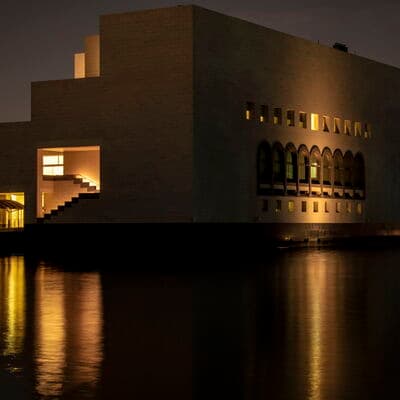
First, there is the sheer ambition of the place. Qatar has more money per capita than virtually any other country on Earth, and it has chosen to invest that wealth in creating world-class cultural institutions, architectural landmarks, and infrastructure that rival or exceed anything in the developed world. The Museum of Islamic Art, designed by I.M. Pei, houses one of the world's finest collections of Islamic art spanning 1,400 years and three continents. The National Museum of Qatar, designed by Jean Nouvel to resemble a desert rose crystal formation, tells the story of this nation through cutting-edge museology that makes most Western museums feel dated. These are not provincial collections displayed in generic buildings; they are genuine cultural achievements that would be highlights of any trip to any country.
Second, Qatar offers a window into a society in rapid transformation. This is a country where traditional Bedouin culture coexists with hypermodern urbanism, where conservative Islamic values meet cosmopolitan ambition, where Qatari citizens make up only about 15 percent of the population while expatriates from over 100 countries do most of the work. The tensions and synergies created by these contradictions are fascinating to observe. Walking through Souq Waqif, you will see Qatari men in traditional white thobes bargaining alongside tourists and migrant workers, with falcons perched on their handlers' arms and the scent of oud perfume mixing with shisha smoke. Then you can take the ultra-modern metro to The Pearl-Qatar, an artificial island of Mediterranean-inspired luxury that feels transplanted from Monaco or Miami.
Third, the geography is more diverse than most people expect. Yes, Qatar is mostly flat desert, but that desert has its own severe beauty, from the inland sea at Khor Al Adaid where massive sand dunes meet turquoise waters at the Saudi border, to the strange limestone formations of the northwest. The coastline offers some genuinely beautiful beaches, mangrove kayaking, and diving opportunities. The country is small enough that you can experience all of this within a few days, making it an efficient destination for those with limited time.
Fourth, Qatar has positioned itself as a premier stopover destination, and this is perhaps its most practical appeal for many travelers. If you are flying between Europe and Asia, or between the Americas and anywhere from India to Australia, you will likely find that routing through Doha on Qatar Airways offers competitive prices and excellent service. The country actively encourages stopovers with visa-free entry for citizens of over 80 countries, including the United States, United Kingdom, Canada, Australia, and most of Europe. You can break up a brutal 20-hour journey with a day or two in Doha, exploring world-class museums, eating excellent food, and sleeping in comfortable hotels before continuing refreshed to your final destination.
Fifth, and perhaps most importantly for certain travelers, Qatar is extraordinarily safe. The crime rate is among the lowest in the world. Violent crime against tourists is essentially nonexistent. The streets are clean, the infrastructure is modern and reliable, and the general atmosphere is one of order and calm. For solo female travelers, families with children, or anyone who values safety as a primary concern, Qatar offers peace of mind that few destinations can match.
Now for the honest caveats. Qatar is expensive, particularly for accommodation and dining in upscale establishments. The summer months from June through September are brutally hot, with temperatures regularly exceeding 45 degrees Celsius (113 degrees Fahrenheit), making outdoor activities essentially impossible during daylight hours. The country's labor practices, particularly regarding migrant workers, have been the subject of significant international criticism, and this is something you should research and consider before deciding to visit. Alcohol is available but restricted to licensed hotels and restaurants, and is expensive. Public displays of affection are frowned upon, and LGBTQ+ travelers should be aware that homosexuality is technically illegal, though enforcement against tourists is virtually unheard of. These are real considerations, not minor inconveniences, and they will be dealbreakers for some travelers.
But for those who can work within these constraints, Qatar rewards curiosity. It is a place that challenges preconceptions, that refuses easy categorization, that forces you to grapple with the complexities of rapid development, globalization, and cultural preservation. You will not come away from Qatar with a simple narrative; you will come away with questions and observations that stay with you long after you leave. For a certain kind of traveler, that is exactly what makes a destination worthwhile.
Regions of Qatar: A Detailed Guide to Doha's Districts and Beyond
Understanding Qatar's geography is straightforward in broad strokes: the country is a small peninsula roughly 160 kilometers long and 80 kilometers wide, with the capital city of Doha on the eastern coast containing the vast majority of the population, infrastructure, and visitor attractions. Most of your time will be spent in or around Doha, but understanding the city's distinct neighborhoods and the worthwhile destinations beyond will help you navigate effectively and make the most of your visit.
West Bay: The Glittering Heart of Modern Doha
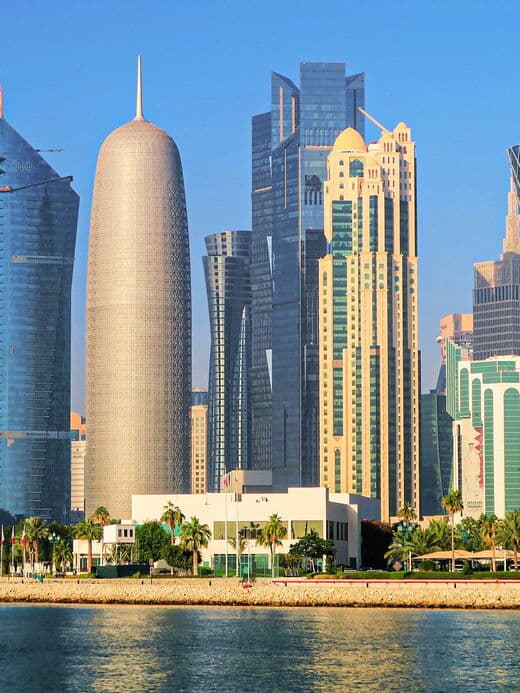
West Bay is what most people picture when they think of Gulf cities: a forest of glass and steel skyscrapers rising from the waterfront, each one seemingly competing to be more architecturally distinctive than the last. This is the business and financial center of Qatar, home to most of the major international hotels, corporate headquarters, and government offices. The skyline is genuinely impressive, particularly viewed from across the bay at the Museum of Islamic Art park or from the water itself.
As a visitor, West Bay offers primarily practical amenities rather than authentic cultural experiences. The hotels here are world-class, including properties from virtually every major luxury chain. The malls are massive and air-conditioned, which becomes genuinely important during summer months. City Center Mall and Doha Festival City offer the full range of international retail, dining, and entertainment options you would expect from any major global city. For dining, West Bay has excellent upscale restaurants ranging from celebrity chef outposts to authentic cuisines from across the globe.
The drawback of West Bay is its somewhat sterile character. The neighborhood was built rapidly over the past two decades, and while individual buildings are striking, the overall urban fabric feels corporate and placeless. It could be Dubai or Singapore or any other wealthy Asian city. That said, if you value convenience, reliability, and access to familiar international standards, West Bay delivers all of these consistently.
The Corniche: Doha's Waterfront Promenade
The Doha Corniche is a seven-kilometer crescent-shaped waterfront promenade that curves around Doha Bay, connecting West Bay in the north to the Museum of Islamic Art and traditional downtown in the south. This is one of the most pleasant public spaces in the entire Gulf region, a genuinely successful piece of urban design that provides residents and visitors alike with a place to walk, jog, cycle, or simply sit and enjoy the view.
The Corniche works at any time of day but is particularly magical during the cooler months around sunset, when the skyline lights up against the darkening sky and families emerge for evening strolls. On weekends and holidays, the parks along the Corniche fill with picnicking families from across Qatar's diverse expatriate communities, creating a remarkably cosmopolitan atmosphere. You will hear Arabic, Urdu, Hindi, Tagalog, English, and dozens of other languages as you walk.
Practical highlights along the Corniche include the Sheraton Hotel (an iconic Doha landmark and useful orientation point), the dhow harbor where traditional wooden boats can still be seen alongside modern yachts, and the aforementioned MIA Park which offers some of the best photography opportunities in the city. Several of the major museums are located at the southern end of the Corniche, making it a natural starting point for cultural exploration.
Msheireb Downtown: The New Old Town
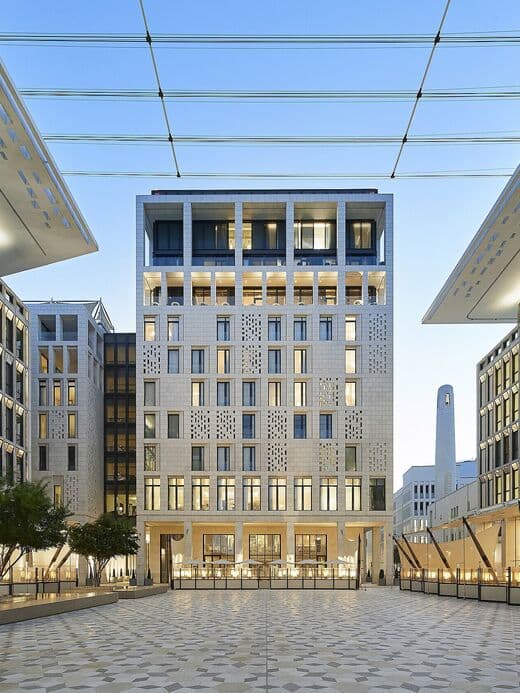
Msheireb Downtown Doha is one of the most ambitious urban regeneration projects in the world, an attempt to recreate the feeling of traditional Qatari architecture and urban design using sustainable modern construction techniques. The neighborhood occupies the site of old Doha, which was largely demolished in the 1970s and 1980s during the initial oil boom, and represents a deliberate effort to recover something that was lost during that period of rapid development.
The Msheireb Museums are the cultural anchor of the neighborhood, consisting of four beautifully restored heritage houses that tell the story of Qatar's transformation through different lenses: slavery and pearl diving, oil and modernity, and the Al Thani family's role in Qatar's development. These museums are less overwhelming than the major institutions like the MIA or NMoQ, making them excellent choices for visitors who want meaningful cultural engagement without museum fatigue.
The broader Msheireb neighborhood offers a pleasant pedestrian environment with shops, cafes, and restaurants along streets designed to provide shade and natural cooling. The architecture successfully evokes traditional Gulf building styles while incorporating modern amenities, though critics note that the careful curation can sometimes feel a bit artificial compared to organically developed traditional neighborhoods elsewhere in the region.
Souq Waqif: The Essential Doha Experience
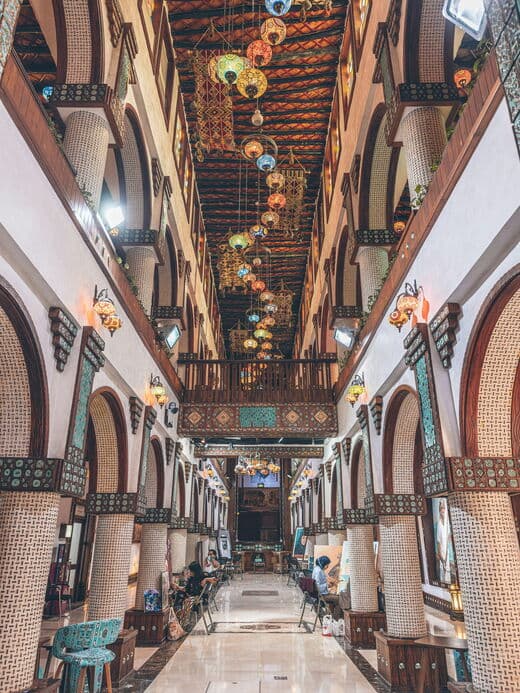
Souq Waqif is the closest thing Qatar has to a must-see attraction, a sprawling traditional market that has been carefully restored and expanded to create something that feels authentically Arabian while being thoroughly pleasant for visitors. The souq sits on a site where Bedouins have traded for over a century, though most of the current structures date from a major restoration project in the early 2000s.
Walking through Souq Waqif engages all the senses. The spice market fills the air with the scent of cardamom, saffron, and turmeric. The gold souq glitters with elaborate jewelry in styles ranging from traditional Gulf designs to modern international fashions. The Falcon Souq allows you to observe the buying, selling, and care of these magnificent birds, which remain central to Qatari cultural identity even in the modern era. The pet souq offers everything from cats and dogs to camels and exotic birds, though animal welfare concerns mean this section may be uncomfortable for some visitors.
Beyond shopping, Souq Waqif is one of the best areas in Doha for dining. Restaurants range from simple cafes serving authentic Middle Eastern food to upscale establishments offering cuisines from around the world. Damasca One serves excellent Syrian food in a beautiful setting. Al Mourjan offers traditional Qatari dishes. Parisa brings Persian cuisine with spectacular interior design. The rooftop restaurants provide views over the souq and the city skyline beyond.
The souq is also the center of Doha's nightlife, such as it exists. Several shisha lounges and cafes stay open late into the night, filled with a mix of locals and visitors enjoying the cooler evening temperatures. During cultural festivals and events, the souq often hosts performances and exhibitions. This is the best place in Qatar to simply wander without a specific agenda, allowing the atmosphere to reveal itself gradually.
Katara Cultural Village: Arts and Leisure on the Waterfront
Katara Cultural Village occupies a large waterfront site between West Bay and The Pearl, serving as Qatar's primary venue for arts, culture, and public events. The development includes an opera house, an amphitheater, multiple galleries and exhibition spaces, a heritage village recreating traditional Qatari architecture, and a long stretch of beach.
The architecture of Katara draws from various Islamic traditions, with buildings inspired by styles from Morocco, Turkey, Iran, and the Gulf. A striking blue-tiled mosque serves as the visual centerpiece. The overall effect is somewhat theme park-like, but the quality of construction and the genuine cultural programming elevate it beyond mere spectacle.
Katara Beach is one of the few public beaches in Qatar, offering swimming, watersports, and simply lounging on the sand. The beach is well-maintained with facilities including showers, changing rooms, and several restaurants. Note that modest swimwear is expected, though standards are more relaxed here than in other public areas.
The cultural programming at Katara varies seasonally but often includes film screenings, art exhibitions, musical performances, and cultural festivals celebrating Qatar's diverse expatriate communities. The annual Katara Traditional Dhow Festival celebrates maritime heritage with boat races and traditional crafts. Check the Katara website before your visit to see what might be scheduled during your stay.
The Pearl-Qatar: Luxury Living on an Artificial Island
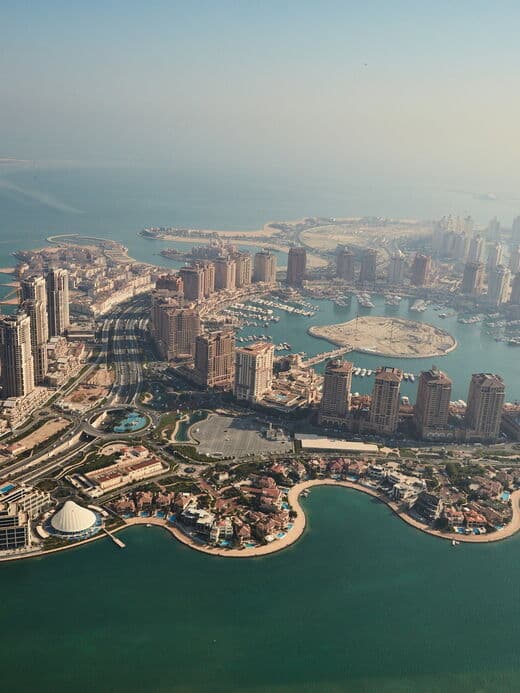
The Pearl-Qatar is an artificial island created by dredging and land reclamation, developed as an upscale residential and retail destination with a vaguely Mediterranean architectural theme. The island takes its name from the pearl diving history of the site, which was one of the major pearl beds that sustained Qatar's economy before oil.
The Pearl is divided into several precincts, each with its own character. Qanat Quartier recreates Venice with canals, bridges, and Italianate buildings in various pastel colors. Porto Arabia offers a more contemporary marina lifestyle with yachts bobbing in the harbor and restaurants lining the waterfront. Medina Centrale provides a car-free pedestrian environment with shops and cafes. Viva Bahriya offers beach villas and resort-style living.
For visitors, The Pearl offers a pleasant environment for walking, dining, and people-watching, particularly in the evenings when residents emerge to stroll along the waterfront. The restaurants range from casual chains to high-end dining establishments. The shopping includes both international luxury brands and more accessible retail. The beaches are private, accessible primarily to residents and hotel guests, though some public access points exist.
The Pearl represents a particular vision of Gulf modernity: sanitized, controlled, and explicitly designed for consumption. You will not find authentic Qatari culture here, but you will find comfort, convenience, and an escape from the sometimes intense atmosphere of the traditional city center. Many visitors base themselves on The Pearl precisely because it feels familiar and predictable.
Lusail City: Qatar's Vision of the Future
Lusail City is the newest and most ambitious development in Qatar, a planned city built from scratch on the coast north of Doha. This is where the FIFA World Cup 2022 final was held, in the spectacular Lusail Iconic Stadium, and the city represents Qatar's vision of what 21st-century urbanism should look like.
The centerpiece of Lusail is Place Vendome, a massive mall anchored by a recreation of the famous Parisian square complete with a replica of the column. The mall offers all the international retail and dining you would expect, plus an indoor theme park and entertainment complex. The Lusail Marina provides waterfront dining and entertainment options.
The broader city includes residential towers, commercial districts, and public amenities connected by the Lusail Tram, a light rail system that offers a glimpse of what public transportation in the Gulf could become. The planning includes extensive pedestrian areas, cycling paths, and green spaces that attempt to make car-free living possible in this car-dominated region.
Lusail remains a work in progress, with many parcels still under construction and some areas feeling empty and incomplete. But for visitors interested in urban development, sustainability, or simply seeing what unlimited capital and ambitious planning can create, Lusail is worth a visit. The tram ride from Legtaifiya station on the Doha Metro through the developing city offers an interesting perspective on Qatar's ongoing transformation.
Northern Qatar: Archaeological Sites and Empty Beaches
Northern Qatar offers a different perspective from the hypermodern capital, with several worthwhile destinations for day trips or overnight excursions. The drive north from Doha passes through industrial zones and emerging residential developments before reaching more open landscapes.
Al Zubarah Fort and Archaeological Site, a UNESCO World Heritage Site, preserves the remains of a once-thriving pearl trading town that was abandoned in the early 20th century. The excavated ruins give a sense of what Gulf life looked like before oil, with defensive walls, merchant houses, and a reconstructed fort that now serves as a visitor center and small museum. The site is particularly evocative in the early morning or late afternoon when the light is soft and few other visitors are present.
Al Thakira Mangroves, near the northern city of Al Khor, offer kayaking through natural mangrove forests that provide important habitat for birds and marine life. Several tour operators offer guided kayak trips, which provide a surprisingly peaceful natural experience just a short drive from Doha. The mangroves are most beautiful at sunrise or sunset, and the early morning trips often include sightings of flamingos and other wading birds.
The northern coastline includes several beaches that see far fewer visitors than those closer to Doha. Al Ghariya Beach and Fuwairit Beach offer swimming in clear waters with a more natural atmosphere, though facilities are limited compared to developed beach clubs. During sea turtle nesting season (April through July), Fuwairit Beach is often closed to protect the endangered Hawksbill turtles that come ashore to lay their eggs.
Southern Qatar: Desert Adventures and the Inland Sea
Southern Qatar is where the desert landscape dominates, building toward the dramatic dunes of Khor Al Adaid, the Inland Sea, at the Saudi border. This is the Qatar of adventure tourism, offering desert safaris, dune bashing, camping under the stars, and landscapes that feel genuinely remote despite the proximity to the city.
Khor Al Adaid is the signature natural attraction of Qatar, a body of water surrounded by massive sand dunes that can only be reached by crossing those dunes in a capable 4x4 vehicle. The journey itself is part of the experience, with skilled drivers navigating the shifting sands in ways that feel both thrilling and slightly terrifying. At the inland sea, you can swim in the warm, shallow waters, watch for the occasional flamingo, and contemplate the stark beauty of sand meeting sea.
Desert camping is a popular activity, particularly during the cooler months from October through April. Many tour operators offer overnight camping experiences that include traditional meals cooked over fire, cultural activities, and the chance to sleep under some of the clearest skies you will ever see. The lack of light pollution in the southern desert reveals the Milky Way in stunning detail.
Sealine Beach, roughly 40 kilometers south of Doha, offers a more accessible beach experience with several resorts and beach clubs. The area combines beach activities with access to the nearby dunes, making it popular for day trips that combine swimming with a taste of desert adventure. The Sealine Beach Resort offers day passes that provide a comfortable base for exploring the area.
Unique Experiences: What Makes Qatar Worth Visiting
Beyond the standard tourist attractions, Qatar offers several experiences that are difficult or impossible to replicate elsewhere. These are the activities and encounters that will stay with you long after the specifics of museums and malls have faded from memory.
World-Class Museums: Qatar's Cultural Revolution
Qatar has invested billions of dollars in building one of the world's most impressive museum collections, housed in buildings designed by the greatest architects of our time. These are not provincial collections displayed in generic spaces; they are genuine cultural achievements that rival or exceed anything in the traditional museum capitals of Europe and North America.
The Museum of Islamic Art is the crown jewel of Qatar's cultural institutions. Designed by I.M. Pei, who came out of retirement at age 91 to take on this commission, the building itself is a masterpiece of geometric forms inspired by traditional Islamic architecture. Inside, the collection spans 1,400 years of Islamic civilization, from Spain to Central Asia, with objects that include some of the finest examples of calligraphy, metalwork, ceramics, textiles, and manuscripts anywhere in the world.
The MIA is not a museum where you need to see everything. The collection is deep enough that you can return multiple times and discover new treasures each visit. Highlights include the monumental wooden doors from Mosul, intricately carved and preserved despite the destruction of their original site. The glass collection demonstrates technical sophistication that medieval European craftsmen could not match. The calligraphy galleries show how Arabic script became one of the world's great art forms. Allow at least two to three hours for a meaningful visit, and consider returning at different times of day to see how the light changes within Pei's masterful spaces.
The National Museum of Qatar opened in 2019, designed by Jean Nouvel to resemble the desert rose crystal formations found in Qatar's sands. The building is as striking as any museum on Earth, with interlocking disc-like forms creating a structure that looks different from every angle. Inside, the museum tells the story of Qatar through immersive multimedia experiences that push the boundaries of what museum exhibitions can be.
The NMoQ works best if you approach it as an experience rather than a traditional museum. The galleries flow from one into the next, using film projections, sound design, and theatrical lighting to create emotional atmospheres that supplement the objects on display. The environmental gallery, which addresses Qatar's harsh climate and the adaptations necessary for survival, is particularly effective. The oil and modernization galleries honestly address the transformation that petroleum brought to Qatari society, including both the benefits and the costs.
The Msheireb Museums offer a more intimate scale, occupying four restored heritage houses in the Msheireb Downtown development. Each house addresses a different aspect of Qatar's development: Bin Jelmood House examines the history of slavery and human exploitation in the Gulf, Company House documents the role of oil in Qatar's transformation, Mohammed Bin Jassim House tells the story of the Al Thani family's rise to power, and Radwani House preserves a traditional Qatari home with its original furnishings and atmosphere.
These smaller museums allow for deeper engagement than the larger institutions. Bin Jelmood House in particular addresses difficult history with nuance and honesty, acknowledging the role that slavery played in building the pre-oil Gulf economy. For visitors interested in understanding Qatar beyond the glossy surface, the Msheireb Museums are essential.
Desert Experiences: The Empty Quarter at Your Doorstep
Qatar's desert landscape offers some of the most accessible wilderness in the Gulf region. Within an hour of Doha, you can be surrounded by nothing but sand and sky, experiencing a landscape that has changed little in thousands of years despite the frantic development on the coast.
The quintessential Qatar desert experience is a trip to Khor Al Adaid, the Inland Sea. This UNESCO-recognized natural reserve sits at the southern tip of the peninsula, where the Arabian Sea penetrates into the heart of the sand dunes. Reaching it requires crossing those dunes in a capable 4x4 vehicle, driven by someone who knows what they are doing. The experience of charging up and over massive dunes, sliding sideways down sand faces, and eventually emerging to see water surrounded by desert is genuinely thrilling.
Most visitors experience the desert through organized tours, which range from brief afternoon excursions to multi-day camping expeditions. The typical half-day safari includes dune bashing, a stop at the Inland Sea for swimming and photos, and often some combination of sandboarding, camel riding, and traditional refreshments. Full-day tours add more substantial meals and extended time in the desert. Overnight camping trips include dinner cooked over fire, traditional music and entertainment, and the chance to sleep under the stars in relative comfort.
For those who prefer self-guided exploration, Qatar allows private vehicles in much of the desert, though proper preparation is essential. You need a capable 4x4 vehicle with properly deflated tires, a shovel and recovery boards for getting unstuck, plenty of water, and ideally a satellite communication device. Multiple vehicles traveling together are safer than solo expeditions. The consequences of getting stuck or injured in the desert can be severe, so inexperienced off-roaders should stick to organized tours.
The desert is also home to surprising biodiversity for those who know where to look. The Arabian oryx, Qatar's national animal, has been successfully reintroduced to protected areas after being hunted to near extinction. Arabian gazelles, foxes, hedgehogs, and various reptiles inhabit the sands. Bird migration brings dozens of species through Qatar each spring and fall, with the desert interior offering sightings of larks, wheatears, and raptors.
Coastal Adventures: Beyond the Beach Clubs
Qatar's coastline extends for over 560 kilometers, offering diverse marine environments from mangrove forests to coral reefs to open water. While most visitors experience the coast through resort beaches and waterfront restaurants, more adventurous options exist for those willing to seek them out.
Kayaking through the Al Thakira Mangroves provides a surprisingly peaceful natural experience. The mangrove forests filter the waters of the Gulf, providing nursery habitat for fish and shelter for birds. Guided kayak tours wind through narrow channels beneath overhanging branches, emerging into open lagoons where flamingos sometimes feed. The best tours depart early in the morning when the light is soft, the temperatures are bearable, and the wildlife is most active.
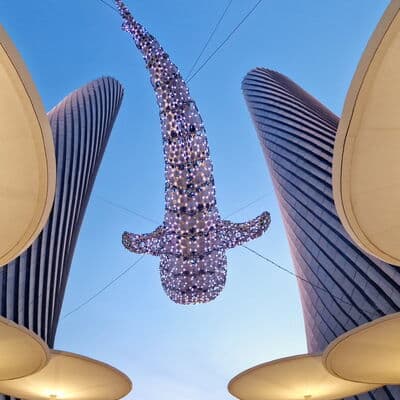
Diving and snorkeling in Qatar reveal a marine environment that most visitors never see. The Gulf waters host coral reefs, sea turtles, whale sharks (seasonally), and diverse fish populations. Visibility can be limited compared to the Red Sea or the Maldives, but the diving is accessible and affordable, with several operators offering trips for certified divers and introductory experiences for beginners. The wreck of the MV Doha, intentionally sunk to create an artificial reef, is a popular site for both diving and snorkeling.
Kiteboarding and windsurfing have growing followings in Qatar, with consistent winds during the winter months creating good conditions. Several operators offer lessons and equipment rental, primarily around the Katara and Wakrah areas. Stand-up paddleboarding is also popular in the calmer waters of The Pearl marina and various beach clubs.
Fishing remains important to Qatari culture despite the country's oil wealth, and recreational fishing trips are available through various operators. Traditional dhow boats offer half-day and full-day trips targeting grouper, kingfish, and other Gulf species. For those who catch something, many restaurants in Souq Waqif will prepare your fish for a modest fee, providing an experience that connects ancient fishing traditions with contemporary dining.
When to Visit Qatar: Seasons, Weather, and Major Events
Timing matters enormously for a Qatar visit. The difference between a winter trip and a summer trip is not just one of comfort but of what is actually possible to experience. Understanding the seasonal patterns and major events will help you plan a trip that matches your interests and tolerance for extreme conditions.
Understanding Qatar's Seasons
Qatar has essentially two seasons: tolerable and intolerable. From October through April, the weather is generally pleasant, with daytime temperatures ranging from 20-30 degrees Celsius (68-86 degrees Fahrenheit) and cool evenings. This is when outdoor activities are possible, when locals emerge to enjoy their parks and beaches, and when the country feels vibrant and alive.
From May through September, temperatures regularly exceed 45 degrees Celsius (113 degrees Fahrenheit) with high humidity, creating conditions that are genuinely dangerous for prolonged outdoor exposure. During summer months, life moves indoors. The streets are empty during daylight hours. Outdoor workers operate on early morning schedules and retreat to air-conditioned spaces by mid-morning. Swimming pools are warm baths. Even the sea provides little relief, with water temperatures sometimes exceeding 35 degrees Celsius.
If you must visit during summer, your experience will be limited to indoor attractions, evening activities after sunset, and heavily air-conditioned transportation between venues. This is actually workable if you adjust your expectations: the museums are less crowded, hotel prices drop significantly, and night swimming can be pleasantly warm. But you will miss the desert adventures, the long walks along the Corniche, and the general outdoor atmosphere that makes winter visits so enjoyable.
The shoulder seasons of April-May and September-October offer a compromise, with lower prices than peak winter but temperatures that are merely hot rather than dangerous. These months can work well for visitors who are heat-tolerant and flexible about their activities.
Major Events and Festivals
Qatar hosts several major events that may influence when you choose to visit, either as attractions in their own right or as periods to avoid due to crowds and increased prices.
The Qatar Grand Prix brings Formula 1 racing to the Lusail International Circuit each November. The event draws motorsports enthusiasts from around the world, with ticket prices ranging from a few hundred dollars for general admission to thousands for premium hospitality. If you are not specifically interested in F1, this is a week to avoid, as hotel prices spike and the city fills with racing crowds.
Qatar Creates is a sprawling cultural festival that runs for much of the winter season, encompassing art exhibitions, performances, public installations, and events across multiple venues. The festival has grown to include major international art fairs and gallery events that rival established art destinations. For culture-focused visitors, timing a trip to coincide with Qatar Creates programming significantly enriches the experience.
The Qatar International Food Festival brings culinary events and celebrity chefs to Doha each winter, typically in February or March. The festival includes cooking demonstrations, food trucks and pop-up restaurants, and special dining events at restaurants throughout the city. Food-focused travelers will find this an excellent time to visit.
Ramadan, the Islamic month of fasting, follows the lunar calendar and moves earlier by approximately 11 days each year. During Ramadan, Muslims fast from dawn to dusk, and public eating, drinking, and smoking during daylight hours is prohibited. Restaurants are closed during the day (though hotels may serve guests discreetly in designated areas), and the general pace of life slows. After sunset, cities come alive for iftar, the breaking of the fast, with special meals and celebrations that continue late into the night.
Visiting during Ramadan offers both challenges and unique opportunities. On the challenging side, daytime activities are limited, and the religious atmosphere may feel restrictive. On the positive side, the iftar experience offers insight into Islamic culture that is impossible to access at other times, and the sense of community celebration in the evenings is genuinely special. Many visitors report that Ramadan visits, despite the inconveniences, were among their most meaningful travel experiences.
How to Get to Qatar: Flights, Visas, and the Stopover Program
Qatar is surprisingly accessible from most major world cities, with excellent flight connections, simple visa procedures for most nationalities, and a strategic position that makes it a natural stopping point on many long-haul routes.
Arriving by Air at Hamad International Airport
Hamad International Airport (DOH) is Qatar's primary gateway and one of the best airports in the world. The terminal combines efficient functionality with genuine architectural distinction, featuring a giant teddy bear sculpture by Urs Fischer, a mosque with stunning interior design, and quiet spaces and airport hotels that make long layovers bearable or even pleasant.
Qatar Airways operates Hamad as its global hub, offering direct flights to over 150 destinations on six continents. The airline consistently ranks among the world's best, with premium cabins that rival any competitor and economy class that remains comfortable even on long flights. For North American travelers, direct flights operate from New York JFK, Los Angeles, Chicago, Dallas, Miami, Washington DC, and other major cities, with flight times ranging from 12 to 16 hours depending on origin.
From the United Kingdom, direct flights from London Heathrow take approximately seven hours, with additional services from Manchester, Birmingham, and Edinburgh. The time difference is only three hours ahead of UK time (four hours during British Summer Time), making jet lag relatively manageable for European visitors.
Australian travelers face longer journeys of 14-16 hours from Perth or Sydney, but the Qatar routing often offers competitive prices compared to alternatives and provides a logical midpoint for continuing to Europe or North America.
Beyond Qatar Airways, several other carriers serve Doha, including British Airways, United, American Airlines, and various Gulf and Asian carriers. Competition on popular routes helps keep prices reasonable, and flexible travelers can often find good deals by comparing options across carriers.
Visa Requirements and Procedures
Qatar offers visa-free entry to citizens of approximately 80 countries, including the United States, United Kingdom, Canada, Australia, New Zealand, all EU member states, and most developed nations. Citizens of these countries receive a free visa on arrival, valid for 30 days with the possibility of extension. The only requirements are a passport valid for at least six months and proof of onward or return travel.
The arrival process at Hamad airport is typically smooth, with automated gates for eligible nationalities and reasonable queues for passport control. Processing times vary but rarely exceed 30 minutes even during busy periods. There is no fee for visa-free nationalities.
For nationalities not covered by the visa-free program, visa applications can be submitted online through the Qatar government portal. The process typically takes several days and requires documentation of travel purpose, accommodation bookings, and financial means. Transit visas for short layovers are available through Qatar Airways for connecting passengers.
The Qatar Stopover Program
Qatar has actively positioned itself as a stopover destination, encouraging travelers on long-haul journeys to spend a night or two exploring Doha rather than simply transiting through the airport. The Qatar Airways Stopover Program offers discounted hotel packages that can make an extended layover surprisingly affordable.
Through the program, travelers booking Qatar Airways flights can add a one, two, or three-night stopover in Doha with hotel rates starting around $20 per night for basic properties and scaling up to $100-200 for luxury hotels. These rates are substantially below normal booking prices and include breakfast at many properties. The program is available for bookings made through the Qatar Airways website.
A practical stopover of 24-48 hours allows time to visit one or two major museums, explore Souq Waqif, enjoy some excellent meals, and recover from jet lag in a comfortable hotel before continuing to your final destination. This breaks up brutal 20+ hour journeys into manageable segments while adding a genuinely interesting destination to your itinerary at minimal additional cost.
Getting Around Qatar: Transportation Options for Every Budget
Qatar has invested heavily in transportation infrastructure, particularly in the years leading up to the 2022 FIFA World Cup. The result is a system that combines modern public transportation with abundant taxis and rideshares, and easy car rental for those who prefer independence.
The Doha Metro: Modern, Clean, and Surprisingly Useful
The Doha Metro opened in 2019 and has since expanded to three lines covering most major visitor destinations. The Red Line runs north-south through West Bay and The Pearl to Lusail. The Green Line serves the eastern districts including Hamad International Airport. The Gold Line connects Souq Waqif to the sports facilities and exhibition centers on the western edge of the city.
The metro is clean, efficient, air-conditioned, and remarkably affordable. A single journey costs just 2 QAR (about $0.55 USD), with daily and weekly passes available for frequent users. Trains run approximately every five minutes during peak hours and every ten minutes at other times. Operating hours are generally 5:30 AM to midnight on weekdays, with reduced Saturday hours and later service on Thursdays and Fridays (the weekend in Qatar).
For visitors, the metro covers many key destinations: the Museum of Islamic Art (Al Bidda station), Souq Waqif (Souq Waqif station), Katara Cultural Village (Katara station), The Pearl-Qatar (Pearl station), and the airport (Airport Terminal station). The connection to Lusail via the Red Line extension makes the new city developments accessible without a car.
The metro also offers an interesting glimpse into Qatar's social structure. Premium Gold Class carriages provide more comfortable seating for an additional fee. Family sections are reserved for women and children only, providing a comfortable option for female travelers. Standard carriages are mixed but typically well-mannered and uncrowded.
Buses: Extensive but Less Practical for Visitors
Karwa, the government transportation company, operates an extensive bus network throughout Doha and to surrounding areas. Buses are air-conditioned, clean, and inexpensive (3-10 QAR depending on distance). However, the network is designed primarily for commuters rather than tourists, with routes that connect residential areas to employment centers rather than linking visitor attractions.
For most visitors, the bus system is useful primarily for reaching destinations not served by the metro. The airport bus provides a cheap alternative to taxis. Some beach areas and outlying attractions are accessible by bus. But planning bus journeys requires studying route maps and schedules in advance, and the time savings from taxis or rideshares usually justify the additional cost.
Taxis and Rideshares: Convenient and Reasonably Priced
Taxis are abundant in Doha, with distinctive turquoise Karwa cabs available throughout the city. All taxis are metered, starting at 10 QAR plus 1.6 QAR per kilometer. A typical journey within central Doha costs 20-40 QAR ($5-11 USD), with longer trips to the airport or Lusail running 50-100 QAR. Taxis can be hailed on the street, collected from hotel taxi ranks, or ordered through the Karwa app.
Uber operates in Qatar and is often more convenient than street taxis, particularly for trips from specific locations where cabs may not be readily available. Careem, a regional rideshare service now owned by Uber, also operates with similar pricing. Both apps provide fare estimates before booking and eliminate the need for cash transactions.
For airport transfers, taxis are the simplest option, with a journey to central Doha taking 20-30 minutes and costing around 70-100 QAR depending on traffic and destination. Many hotels offer complimentary or fixed-price airport transfers that may be worth investigating when booking.
Car Rental: Freedom to Explore at Your Own Pace
Renting a car in Qatar is straightforward for visitors with valid driving licenses from their home countries. International driving permits are technically recommended but rarely checked. Major rental companies including Avis, Budget, Hertz, and local operators have desks at the airport and throughout the city, with rates starting around 100-150 QAR per day for basic sedans.
Driving in Qatar presents some challenges for the uninitiated. Traffic in Doha can be heavy, particularly during rush hours, and driving behavior is often aggressive by Western standards. Parking in central areas is limited and sometimes expensive. Navigation can be confusing as the city continues to expand and road configurations change.
However, a rental car becomes valuable for exploring beyond Doha. Day trips to the north coast, Al Zubarah fort, or the beaches south of the city are much easier with personal transportation. Desert adventures to Khor Al Adaid require a 4x4 vehicle, which can be rented but requires confidence in off-road driving or the services of a professional driver.
Note that desert driving carries real risks. Soft sand can trap vehicles, extreme temperatures can be dangerous if you become stranded, and navigation in featureless terrain requires experience or proper GPS equipment. Inexperienced desert drivers should use tour operators rather than attempting self-drive adventures.
Lusail Tram: Connecting Qatar's Future City
The Lusail Tram is a light rail system serving the planned city of Lusail north of Doha. Four lines connect residential areas, commercial centers, and entertainment venues within the development. The tram integrates with the Doha Metro at Legtaifiya station, making the entire Lusail development accessible without a car.
For visitors, the tram is primarily useful for reaching Place Vendome mall, the Marina district, and the various entertainment venues within Lusail. The system is modern and efficient, with similar pricing to the Doha Metro. A combined daily pass covers both systems.
Cultural Code: Understanding Qatar's Social Expectations
Qatar is a conservative Islamic country that also hosts millions of international visitors and expatriate residents. Navigating this cultural context successfully requires understanding both the official rules and the practical realities of how they are applied. Most visitors find Qatar welcoming and tolerant, but awareness of local expectations helps ensure positive interactions.
Dress Code: What to Wear and Where
The official guidance is that visitors should dress modestly, which is typically interpreted as covering shoulders and knees for both men and women. In practice, enforcement varies significantly by location and context.
In traditional areas like Souq Waqif and around mosques, conservative dress is genuinely expected and appropriate. Long pants or skirts and shirts with sleeves will ensure you do not attract unwanted attention or inadvertently offend locals. This is not just about rules but about respect for the cultural context you are entering.
In international hotels, malls, and tourist areas like The Pearl, standards are considerably more relaxed. You will see visitors in shorts, sleeveless tops, and summer dresses without any problems. Swimming beaches expect swimwear, though modest two-pieces are more common than bikinis, and men typically wear swim shorts rather than brief styles.
The practical approach is to bring a range of options and dress according to your specific activities. Pack a lightweight long-sleeved shirt or cardigan that can cover shoulders when needed. Choose pants or skirts that fall below the knee for traditional areas. Use swimwear at beaches and pools. When in doubt, observe what others are wearing and match the general standard.
Behavior and Social Norms
Public displays of affection are officially discouraged and can technically result in warnings or fines. In practice, brief greetings between obviously married couples are ignored, but prolonged kissing or intimate contact attracts attention and should be avoided. The standard is approximately what you would see in a conservative American workplace: professional courtesy rather than romantic expression.
Alcohol is legal in Qatar but heavily regulated. Licensed hotels and restaurants can serve alcohol to non-Muslim adults over 21, but consumption in public spaces is prohibited. Being visibly intoxicated in public can result in arrest. The practical approach is to drink in the venues where it is served and take taxis rather than walking after consuming alcohol.
Photographing people, particularly Qatari women in traditional dress, without permission is considered highly inappropriate. When in doubt, ask before photographing individuals. Photographing government buildings, military installations, and certain infrastructure can also cause problems. Stick to obviously tourist attractions and public spaces to avoid complications.
LGBTQ+ travelers should be aware that homosexuality is technically illegal in Qatar, with penalties that can include imprisonment. In practice, enforcement against tourists is virtually unknown, and same-sex couples sharing hotel rooms face no difficulties. However, public expressions of LGBTQ+ identity are unwise, and the legal situation means that no protections exist if problems arise. Each traveler must assess their own comfort level with these realities.
Tipping: Not Required but Appreciated
Tipping is not culturally expected in Qatar in the same way as in North America, and most restaurants include a service charge in the bill. However, tipping for exceptional service is appreciated and increasingly common in tourist-focused establishments.
In restaurants, a tip of 10-15 percent on top of any service charge is generous but not expected. For hotel services, 10-20 QAR per interaction is appropriate for bellhops, room service, and similar assistance. Taxi drivers do not expect tips but will appreciate rounding up the fare. Tour guides and drivers benefit significantly from tips, with 50-100 QAR per person being appropriate for full-day tours.
Ramadan: Special Considerations for Visitors
During Ramadan, the Islamic month of fasting, Muslims abstain from food, drink, and smoking from dawn to dusk. As a visitor, you are expected to refrain from eating, drinking, or smoking in public during daylight hours, though hotels may serve guests discreetly in designated areas.
Restaurants are generally closed during the day during Ramadan, reopening after sunset for iftar, the breaking of the fast. This is actually a wonderful time to experience the culture, as iftar is celebrated with special meals, generous hospitality, and a festive atmosphere. Many hotels offer elaborate iftar buffets that provide an excellent introduction to regional cuisine.
The pace of life slows during Ramadan, with shorter business hours and a general sense of spiritual focus. Some attractions may have reduced hours. The evenings, however, come alive with activity, shopping, and socializing that continues late into the night. Visitors who adjust to this rhythm often find Ramadan visits surprisingly rewarding.
Safety in Qatar: One of the World's Safest Destinations
Qatar is extraordinarily safe by global standards. The crime rate is among the lowest in the world, with violent crime against tourists essentially nonexistent. The streets are clean and well-maintained. Emergency services are professional and responsive. For visitors accustomed to exercising caution in unfamiliar destinations, Qatar provides a refreshing sense of security.
Personal Safety: Relax and Enjoy
Walking alone at night, even in deserted areas, is safe in Qatar. Women traveling solo report feeling comfortable and respected in most contexts. Petty theft exists but is rare, and the level of vigilance required in most travel destinations is simply unnecessary here.
The primary safety concerns for visitors are environmental rather than criminal. The summer heat can cause heat exhaustion and heatstroke in unacclimated visitors who spend too much time outdoors. Sunburn and dehydration are constant risks during warmer months. The practical response is to stay hydrated, limit outdoor exposure during the hottest hours, and use sun protection consistently.
Desert adventures carry their own risks. Getting stuck in soft sand far from assistance, dehydration, and heat exposure can all be dangerous. Use reputable tour operators rather than attempting self-guided desert trips without proper experience and equipment.
Scams and Annoyances: Few but Present
Qatar has fewer tourist-oriented scams than most destinations, but some exist. Unlicensed taxis or private drivers at the airport may quote inflated prices; use official Karwa taxis with meters or prearranged hotel transfers. Some gold and jewelry sellers in Souq Waqif may misrepresent quality or authenticity; buy from established shops if making significant purchases.
Aggressive salesmanship is rare compared to other Middle Eastern destinations. The souq vendors are typically low-key by regional standards, and the hard-sell tactics common in places like Marrakech or Istanbul are not part of the local culture. A polite "no thank you" is usually sufficient to end unwanted interactions.
Natural Hazards: Mostly Heat-Related
The primary natural hazard in Qatar is the extreme summer heat, which can be genuinely dangerous. Temperatures exceeding 45 degrees Celsius (113 degrees Fahrenheit) with high humidity create conditions that can cause heat illness within minutes of exposure. Summer visitors should plan outdoor activities for early morning or evening only, stay hydrated, and retreat to air-conditioning when feeling overheated.
The Gulf waters are generally calm but can have strong currents in certain areas. Follow local advice about swimming conditions and stick to designated beach areas. Sea creatures like jellyfish occasionally appear in shallow waters; shuffle your feet when entering to avoid stepping on rays.
Sand storms occur occasionally, particularly in spring and summer. These are more inconvenient than dangerous for short-term visitors, but they can disrupt transportation and outdoor activities. Check weather forecasts and be prepared to adjust plans if storms are predicted.
Health Considerations: What You Need to Know
Qatar has excellent healthcare infrastructure with modern hospitals and well-trained medical professionals. For visitors, health considerations are mostly about preparation and prevention rather than accessing emergency care.
Vaccinations and Health Requirements
No vaccinations are required for entry to Qatar from most countries. The standard travel recommendations apply: ensure routine vaccinations are up to date, consider hepatitis A and B for longer stays, and discuss any specific concerns with a travel medicine provider before departure.
COVID-19 requirements have been largely eliminated as of 2024, with no testing or vaccination requirements for entry. However, policies can change, so check current requirements closer to your travel date.
Travel Insurance: Essential for Peace of Mind
Qatar has excellent medical facilities, but healthcare is expensive, particularly for visitors without local insurance coverage. Comprehensive travel insurance that covers medical expenses, including medical evacuation if needed, is strongly recommended.
Standard travel insurance should cover the activities most visitors undertake. Adventure activities like desert driving, water sports, and similar pursuits may require additional coverage. Review policy details before departure to understand what is and is not covered.
Pharmacies and Medications
Pharmacies are abundant in Qatar, and most common medications are available over the counter or with a local prescription. Brands may differ from home country equivalents, so bring adequate supplies of any prescription medications for your stay.
Note that some medications that are legal in Western countries are controlled substances in Qatar. Codeine, certain sleeping pills, and some ADHD medications require documentation. If you take prescription medications that might be controlled substances, carry a letter from your doctor explaining the medical necessity and keep medications in original packaging.
Money Matters: Currency, Cards, and Costs
Qatar uses the Qatari Riyal (QAR), which is pegged to the US dollar at approximately 3.64 QAR to 1 USD. This peg has held stable for decades, making currency planning straightforward for American visitors and relatively predictable for others.
Currency and Exchange
The Qatari Riyal comes in coins of 25 and 50 dirhams (100 dirhams = 1 riyal) and notes of 1, 5, 10, 50, 100, and 500 riyals. Change is readily available, and even small transactions are no problem.
Currency exchange is available at the airport, in malls, and at dedicated exchange offices throughout Doha. Rates are generally fair, with small variations between vendors. ATMs are abundant and accept international cards with reasonable fees. Major international currencies, particularly US dollars, euros, and British pounds, can be exchanged easily.
Cards and Payment Methods
Credit and debit cards are widely accepted throughout Qatar. Visa and Mastercard work virtually everywhere that accepts cards. American Express has good acceptance in hotels, restaurants, and larger retailers but may not work in smaller establishments or traditional souq shops.
Contactless payment is common, and mobile payment systems like Apple Pay and Google Pay work where supported. However, cash remains useful for small transactions, tips, and purchases in traditional markets where card acceptance may be limited.
Budget Levels: What Things Cost
Qatar is an expensive destination by regional standards, though costs compare favorably to major Western cities. Understanding typical prices will help you budget appropriately.
For budget-conscious travelers staying in basic hotels, eating at casual restaurants, and using public transportation, expect to spend 300-500 QAR ($80-140 USD) per day. This allows for comfortable budget travel but requires some discipline on dining and activities.
Mid-range travel, with four-star hotels, a mix of casual and upscale dining, occasional taxis, and entry to major attractions, typically costs 600-1000 QAR ($165-275 USD) per day. This is the most common budget range for international visitors and allows comfortable exploration without excessive concern about costs.
Luxury travel with five-star hotels, fine dining, private transportation, and premium experiences can easily exceed 2000 QAR ($550 USD) per day, with essentially no upper limit for those with unlimited budgets.
Specific price points to help with planning: a meal at a casual restaurant runs 40-80 QAR per person. Fine dining costs 200-500 QAR per person or more. A beer at a hotel bar costs 40-70 QAR. Coffee at a cafe runs 20-40 QAR. Museum entry is typically free or inexpensive (MIA and NMoQ are free). A desert safari costs 200-600 QAR depending on duration and inclusions. A metro ride costs 2 QAR. A taxi from the airport to central Doha costs 70-100 QAR.
Suggested Itineraries: Making the Most of Your Time
Qatar's compact size makes it possible to see the highlights in a short visit while also rewarding longer stays with deeper exploration. The following itineraries offer frameworks that can be adjusted based on your interests, pace, and seasonal conditions.
Seven Days: The Essential Qatar Experience
Day 1: Arrival and Orientation
Arrive at Hamad International Airport and transfer to your hotel. If arriving in the morning, use the afternoon to walk the Doha Corniche, getting your bearings and enjoying views of the skyline. As evening approaches, head to Souq Waqif for dinner at one of the traditional restaurants. This gentle introduction sets the stage for more intensive exploration.
Day 2: Museum Day
Begin at the Museum of Islamic Art, arriving when it opens to enjoy the collection without crowds. Allow two to three hours for a thorough visit, then explore MIA Park with its views back toward the city skyline. After lunch at one of the museum restaurants or nearby cafes, take the metro to the National Museum of Qatar for the afternoon. The immersive galleries work best when you can take your time without rushing. Return to Souq Waqif for dinner, exploring different areas than the previous evening.
Day 3: The Pearl and Katara
Spend the morning exploring The Pearl-Qatar, walking through the various precincts and enjoying the marina atmosphere. Have lunch at one of the waterfront restaurants. In the afternoon, head to Katara Cultural Village for its galleries, beach, and cultural programming. Check the events calendar to see if any performances or exhibitions align with your visit. Watch the sunset from Katara Beach before heading to the restaurants at Porto Arabia on The Pearl for dinner.
Day 4: Desert Adventure
Book a full-day desert safari that includes dune bashing, the Inland Sea at Khor Al Adaid, and traditional activities. Most tours depart mid-morning and return by early evening, allowing time to experience both the adventure and the beauty of the desert landscape. This is one of Qatar's signature experiences and should not be missed if weather conditions permit. Return exhausted but exhilarated, with an early dinner and rest.
Day 5: Msheireb and Cultural Deep Dive
Start the day at the Msheireb Museums, particularly Bin Jelmood House with its thoughtful exploration of the slave trade and human exploitation. Continue through the Msheireb Downtown development, observing the attempt to create a contemporary interpretation of traditional urban design. Walk through to Souq Waqif and spend the afternoon exploring areas you have not yet discovered: the falcon souq, the spice market, the gold shops. Have dinner at a restaurant you have been wanting to try.
Day 6: Lusail and Modern Qatar
Take the metro north to Lusail City, exploring Place Vendome mall and the Marina district. Observe how this planned city is developing and what vision of urbanism it represents. If interested in sports, the Lusail Iconic Stadium where the World Cup final was held offers tours. Return to Doha and spend the afternoon at leisure, perhaps revisiting a favorite spot or exploring an area you have missed. Have a special dinner at one of Doha's fine dining restaurants.
Day 7: Final Morning and Departure
Use your final morning for last-minute shopping in Souq Waqif or a return visit to a favorite museum. Transfer to the airport in time for your departure, reflecting on the contrasts and surprises of this small but fascinating country.
Ten Days: Deeper Exploration
The seven-day itinerary forms the core, with three additional days allowing deeper exploration.
Additional Day A: Northern Qatar
Rent a car or hire a driver for a day trip north. Visit Al Zubarah Fort and Archaeological Site for a glimpse of pre-oil Qatar. Continue to Al Thakira for kayaking in the mangroves, particularly magical at sunrise or sunset. Explore the beaches and fishing villages of the north coast before returning to Doha.
Additional Day B: Beach and Water Activities
Spend a full day focused on the water. Options include diving or snorkeling trips, beach club relaxation at Katara or The Pearl, kayaking, or kiteboarding lessons. This provides a change of pace from cultural sightseeing and takes advantage of Qatar's extensive coastline.
Additional Day C: Art and Contemporary Culture
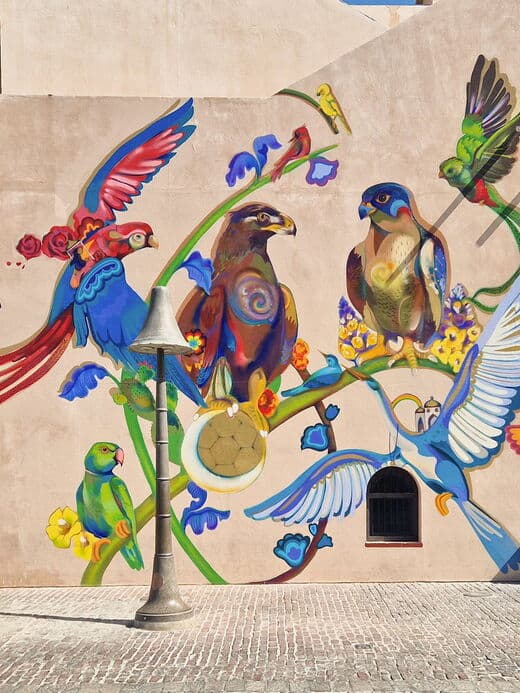
Focus on Qatar's contemporary arts scene. Visit galleries in Fire Station, the artist studios and exhibition space in Msheireb. Check for current exhibitions at Mathaf, the Arab Museum of Modern Art. Explore the public art scattered throughout Doha, including major works by Richard Serra, Jeff Koons, and Damien Hirst. End with dinner at a restaurant known for design and atmosphere as much as food.
Fourteen Days: The Complete Experience
Two weeks allows for thorough exploration with time for spontaneity and rest.
Week 1: Core Attractions
Follow the seven-day itinerary but at a more relaxed pace, adding time at each stop and allowing for midday rest during hot weather. Include the northern Qatar day trip within this week.
Week 2: Deeper Engagement
Use the second week for activities that reward time investment. Take a multi-day desert camping trip for a deeper experience of the landscape. Spend full days at specific museums rather than rushing. Explore neighborhoods beyond the tourist core. Take cooking classes focusing on Qatari cuisine. Join cultural events or workshops if available during your visit. Allow time for beaches, pools, and simply absorbing the atmosphere.
The second week is also when you begin to see past the surface and notice the complexities of Qatar. The relationship between citizens and expatriates becomes more visible. The tension between traditional values and modernizing ambitions becomes more apparent. The questions that make Qatar genuinely interesting rather than just novel begin to emerge.
Twenty-One Days: Full Immersion
Three weeks is genuinely enough time to know Qatar well, not just as a visitor but as someone who has begun to understand the place.
Weeks 1-2: Comprehensive Exploration
Follow the two-week itinerary, but with even more flexibility for repeated visits to favorites and spontaneous discoveries.
Week 3: Going Deeper
The third week is for experiences that require time and intention. Spend multiple days in the desert, either camping or making repeated day trips to different areas. Visit the museums again, noticing things you missed the first time. Develop relationships with restaurant staff, shopkeepers, and others you encounter repeatedly. Read about Qatar's history and current affairs, then revisit sites with deeper understanding.
Consider taking a day trip to Bahrain, which is easily accessible via the Saudi Arabia causeway (requires advance visa planning) or via short flight. This provides context for understanding how different Gulf states have developed.
By the end of three weeks, you will have moved beyond tourism into something closer to genuine understanding. You will have opinions about Qatar based on observation rather than assumption. You will have experienced the country in different moods: weekend crowds and weekday calm, hot afternoons and cool evenings, festive occasions and ordinary days. This is the level of engagement that transforms travel from entertainment into education.
Staying Connected: Mobile and Internet Access
Qatar has excellent telecommunications infrastructure with fast mobile networks and widespread WiFi availability. Staying connected for navigation, communication, and sharing your trip is straightforward.
Mobile Networks and SIM Cards
Two major operators serve Qatar: Ooredoo and Vodafone. Both offer prepaid SIM cards that visitors can purchase at the airport, in malls, and at operator shops throughout the city. Tourist packages typically include generous data allowances, local calls, and validity periods matching typical visit lengths.
Airport shops are the most convenient option for immediate connectivity. Expect to pay 50-100 QAR for a SIM card with enough data for a week of moderate use including maps, messaging, and social media. More intensive users, particularly those who want to tether laptops or stream video, should choose larger data packages.
Both operators offer 5G coverage in major areas, with speeds that rival or exceed home connections for most visitors. Coverage extends throughout the developed areas of Qatar, including highways between cities, though signal may be limited in remote desert locations.
eSIM Options
For travelers with eSIM-compatible phones, several international eSIM providers offer Qatar data packages that can be purchased and activated before arrival. Providers like Airalo, Holafly, and eSIM2fly offer packages ranging from a few gigabytes for short stays to unlimited data for extended visits. Prices typically range from $10-40 depending on data quantity and duration.
eSIM convenience comes from having connectivity immediately upon landing without needing to find a shop or deal with physical SIM cards. The tradeoff is that you will not have a local Qatar number for making calls, which matters only if you need to call local businesses or services that do not accept international numbers.
WiFi Availability
WiFi is widely available throughout Qatar. Hotels universally provide WiFi, typically free of charge. Cafes and restaurants commonly offer customer WiFi. Shopping malls have public WiFi networks. Many public spaces and attractions provide connectivity.
Quality varies but is generally good. Hotel WiFi is usually reliable and reasonably fast. Public networks can be slower and occasionally require registration or viewing advertisements. For reliable connectivity without restrictions, mobile data is the better option.
Food and Drink: What to Eat in Qatar
Qatar's food scene reflects its position as a crossroads between East and West, with traditional Gulf cuisine joining influences from the Indian subcontinent, the Levant, Persia, and increasingly from around the world. The dining options range from simple street food to Michelin-recognized fine dining, with something genuinely interesting at every price point.
Traditional Qatari Cuisine
Authentic Qatari food is less visible on the tourist trail than you might expect, partly because Qataris make up such a small percentage of the population. But it is worth seeking out for its distinctive flavors and cultural significance.
Machboos (sometimes spelled machbous or majboos) is the national dish: spiced rice cooked with meat (chicken, lamb, or fish), flavored with a baharat spice blend that typically includes cinnamon, cardamom, cloves, and dried lime. The rice absorbs the cooking liquids and spices, creating layers of flavor that reveal themselves as you eat. A good machboos balances warmth and depth without overwhelming heat.
Harees is a comfort food of slow-cooked wheat and meat (usually chicken or lamb), beaten until the grains break down into a porridge-like consistency. The result is creamy, warming, and deeply satisfying, particularly during cooler months or Ramadan. Harees appears simple but requires hours of preparation to achieve the proper texture.
Thareed is a dish of slow-cooked meat and vegetables served over thin bread that absorbs the flavorful cooking liquids. The bread becomes soft and saturated with the stew, creating a textural experience quite different from rice-based dishes. Thareed is particularly associated with Ramadan and special occasions.
For traditional Qatari food, try Al Mourjan in Souq Waqif or the Qatari Kitchen at the Torch Doha. Be aware that these dishes are filling and portions are generous; ordering multiple dishes for the table to share works better than individual main courses.
Regional Influences: The Broader Middle Eastern Table
Lebanese and Syrian cuisines are extremely well represented in Qatar, brought by large expatriate communities and well suited to local tastes. Mezze dining, with its array of small dishes meant for sharing, is the dominant format for group meals. Essential dishes include hummus, mutabbal (smoky eggplant dip), fattoush (bread salad), tabbouleh (parsley salad), kibbeh (bulgur and meat croquettes), and grilled kebabs of various preparations.
Damasca One in Souq Waqif serves excellent Syrian food in a spectacular setting. Em Sherif offers Lebanese fine dining with elaborate presentations. Countless smaller restaurants throughout the city serve solid versions of these cuisines at modest prices.
Persian influences are also significant, with dishes like chelow kebab (grilled meat over saffron rice), ghormeh sabzi (herb stew), and fesenjan (pomegranate and walnut stew) available at several restaurants. Parisa in Souq Waqif combines excellent Persian food with one of the most beautiful restaurant interiors in Doha.
South Asian Flavors: An Expatriate Majority's Cuisine
Indian, Pakistani, and Bangladeshi cuisines are ubiquitous in Qatar, reflecting the origins of many expatriate workers. This is excellent news for travelers, as the competition ensures high quality and reasonable prices. Everything from simple biryanis to elaborate Mughlai dishes is available throughout the city.
For upscale Indian dining, restaurants like Nusret (now focusing on Turkish and Middle Eastern), Spice Market, and various hotel restaurants offer refined takes on subcontinental cuisines. For more authentic and economical options, the restaurants around the Old Airport area and in various residential neighborhoods serve dishes that would satisfy homesick expatriates.
Street food snacks from the subcontinent, including samosas, pakoras, and chaat, are available at food courts and casual eateries throughout Doha. The quality is generally good and prices are accessible.
International Fine Dining
Qatar has attracted celebrity chefs and international restaurant groups, creating a fine dining scene that rivals major global cities. Nobu, Hakkasan, Zuma, and other international names have outposts in Doha hotels. Local concepts have also emerged to compete at this level.
Fine dining in Qatar is expensive by any standard, with meals at top restaurants easily exceeding 500 QAR per person before drinks. Reservations are essential for popular restaurants, particularly on weekends. The quality is generally excellent, with ingredients and techniques that match international standards.
Coffee Culture and Karak Chai
Coffee culture has transformed Doha over the past decade, with specialty coffee shops joining traditional Arabic coffee service. Specialty roasters and baristas serve international-standard espresso drinks at prices comparable to Western cities. Chains like % Arabica and local concepts like Flat White have established strong followings.
Traditional Arabic coffee (qahwa) is also widely available, particularly in traditional settings like Souq Waqif. This is a light, cardamom-flavored preparation quite different from espresso-based drinks, served in small handleless cups alongside dates. Drinking qahwa is a hospitality ritual that you will encounter in many contexts.
Karak chai (or karak tea) is perhaps the most distinctively Qatari beverage, a strong tea brewed with milk, sugar, and cardamom until thick and intensely sweet. Originally brought by South Asian workers, karak has been adopted across Qatari society and is now considered a local specialty. The best karak is found at simple tea shops rather than upscale cafes, often served in small paper cups for just a few riyals.
Alcohol: Where and How
Alcohol is legal in Qatar but restricted to licensed venues, which essentially means hotel restaurants and bars. You cannot buy alcohol in regular stores, and public consumption is prohibited. Within licensed venues, the selection is typically good but prices are high, with beers starting around 40-50 QAR and cocktails reaching 70-100 QAR.
The Qatar Distribution Company (QDC) operates a liquor store where residents with permits can purchase alcohol for home consumption. Tourists cannot access QDC, so hotel bars are the only option for alcoholic beverages.
Non-alcoholic options have improved significantly in recent years, with mocktail menus expanding and non-alcoholic beer and wine becoming more available. Saudi champagne (a sparkling juice drink) is the traditional festive non-alcoholic option, refreshing and widely available.
Shopping in Qatar: From Traditional Souqs to Mega Malls
Shopping in Qatar spans the full spectrum from traditional market bargaining to climate-controlled mall browsing. Understanding what is worth buying and where to find it will help you navigate the options effectively.
Souq Waqif: Authentic Shopping Experience
Souq Waqif is the natural starting point for shopping, offering the atmosphere of traditional market commerce even as prices and quality vary significantly between vendors. What to look for:
Spices and dried goods are excellent values, with quality equal to or better than what you would find at home at lower prices. Saffron, cardamom, and regional spice blends make practical souvenirs. The spice souq vendors are accustomed to tourists and can provide guidance on selection and use.
Gold is sold in the gold souq with prices based on daily gold rates plus workmanship charges. Quality is generally reliable, though designs tend toward the elaborate and traditional. If you are looking for specific pieces, compare prices across several shops before purchasing.
Traditional crafts including woven textiles, pottery, and leatherwork are available, though much of what is sold is imported from other countries rather than made in Qatar. Ask about origins if authenticity matters to you.
Oud perfumes and fragrances are a Gulf specialty, with complex scents quite different from Western perfumery traditions. Good oud is expensive but extraordinary; cheap oud is often synthetic and disappointing. Sample extensively before purchasing, and buy from established shops rather than street vendors.
Modern Malls: International Retail
Qatar has multiple mega-malls offering the full range of international retail, from fast fashion to luxury brands. These malls serve practical purposes beyond shopping: they are air-conditioned refuges from the heat, entertainment destinations with cinemas and play areas, and social gathering spaces for residents.
The Mall of Qatar is among the largest, with hundreds of shops, dining options, and entertainment including a theme park. City Center Mall in West Bay offers upscale retail with strong luxury representation. Place Vendome in Lusail is the newest major mall, with architecture inspired by Parisian design and a comprehensive retail mix. Villaggio in Aspire Zone features an indoor canal complete with gondolas, creating a Venice-themed shopping environment.
For visitors, the malls offer reliable quality and fixed prices, eliminating the negotiation that characterizes souq shopping. International brands are priced similarly to other major markets, sometimes slightly higher due to import costs. Luxury goods may offer tax savings compared to European prices.
Tax Free Shopping
Qatar has implemented a tax refund scheme for tourists, though the process is less streamlined than European VAT refund systems. Look for shops displaying "Tax Free" signage, request tax refund documentation at the time of purchase, and process refunds at the airport before departure. The refund rate is approximately 5 percent of purchase value for qualifying transactions above 300 QAR.
What to Buy: Practical Recommendations
Beyond souvenirs, certain items represent genuine value in Qatar:
Dates and date products are excellent, with high-quality varieties available at supermarkets and specialty shops. Bateel is the premium brand, with beautifully packaged dates and date-based confections that make elegant gifts.
Arabic coffee sets including the distinctive dallah pot and small cups make meaningful souvenirs with practical use. Quality ranges from tourist trinkets to genuine silver pieces; price reflects quality.
Pashminas and cashmere can be good values, though quality varies significantly. Buy from established retailers rather than souq stalls if you want reliable quality.
Gold jewelry offers competitive prices based on international gold rates. Designs are often more elaborate than Western tastes prefer, but simpler pieces are available if you search.
Electronics and cameras are not particularly cheap in Qatar and offer no significant advantage over home country pricing. The same applies to designer fashion, which is priced similarly to other markets.
Essential Apps: Your Digital Toolkit for Qatar
A handful of apps will significantly improve your Qatar experience, from transportation to food delivery to navigation.
Transportation Apps
Karwa is the official taxi app, operated by the government transportation company. Use it to book metered taxi rides, track your driver, and pay electronically. The app is reliable though the interface is basic.
Uber operates in Qatar with good coverage throughout Doha. The familiar interface makes it easy for international visitors, with fare estimates and electronic payment eliminating negotiation or currency concerns.
The Doha Metro app provides route planning and service information for the metro system. While not essential (the system is simple enough to navigate without it), the app helps with trip planning and real-time service updates.
Food and Delivery Apps
Talabat is the dominant food delivery platform in Qatar, offering delivery from thousands of restaurants throughout Doha. The app includes reviews, photos, and estimated delivery times. Particularly useful when the heat makes leaving your hotel unappealing.
Snoonu is a Qatar-founded delivery service covering food, groceries, and various other items. The service emphasizes speed and has developed a strong local following.
Carriage offers similar food delivery services with a slightly different restaurant selection. Having multiple apps installed gives you the broadest choice of dining options.
Navigation and Information
Google Maps works well in Qatar for navigation, with accurate mapping and traffic information. Offline maps can be downloaded for use without data connection.
The Visit Qatar app provides tourism information including events, attractions, and practical information. The content is somewhat promotional but includes useful practical details.
Conclusion: Why Qatar Deserves Your Attention
After everything I have shared about Qatar, what remains to be said? Perhaps only this: Qatar is a destination that rewards curiosity and defies simple categorization. It is not the stereotypical Gulf city of soulless luxury and empty spectacle, though it includes elements of both. It is not an unchanged traditional society, though traditional values remain important. It is not a place without contradictions, but it addresses those contradictions more openly than many might expect.
What Qatar offers is a window into one possible future: what happens when a small community gains extraordinary wealth and attempts to build something new while honoring what came before. The results are sometimes magnificent, sometimes excessive, sometimes confusing, but never boring. The museums are genuinely world-class. The desert is genuinely beautiful. The hospitality is genuinely warm. The food is genuinely delicious. These are not marketing claims but observable realities.
At the same time, Qatar is not for everyone. The summer heat is brutal. The social conservatism will be uncomfortable for some visitors. The reliance on expatriate labor raises ethical questions that should be considered before contributing tourism dollars to the economy. The alcohol restrictions frustrate travelers accustomed to freer access. These are real limitations that should factor into your decision about whether to visit.
For the right traveler at the right time, Qatar offers experiences that cannot be replicated elsewhere. The opportunity to see Islamic art at the highest level. The chance to explore a desert that meets the sea. The experience of a society genuinely in transition, neither fully traditional nor fully modern. The quality of infrastructure and service that unlimited resources can provide. The safety and ease that make exploration pleasant rather than stressful.
My recommendation: consider Qatar, but consider it thoughtfully. Do not visit in summer unless you are prepared for genuine heat. Do not expect nightlife or beach party atmosphere. Do not assume that wealth means cultural depth, but do not assume that it precludes it either. Come with curiosity rather than preconceptions, and you will likely find that Qatar surprises you in ways both positive and unexpected.
The country is still being built, still being defined, still working out what it wants to become. Visiting now means seeing that process in action, with all its contradictions and possibilities visible simultaneously. In a world of finished destinations, there is something valuable about experiencing one that remains a work in progress. Qatar invites you to be part of that ongoing story, even if only for a few days.
Safe travels, and may your journey reveal exactly what you need to discover.