Doha Corniche
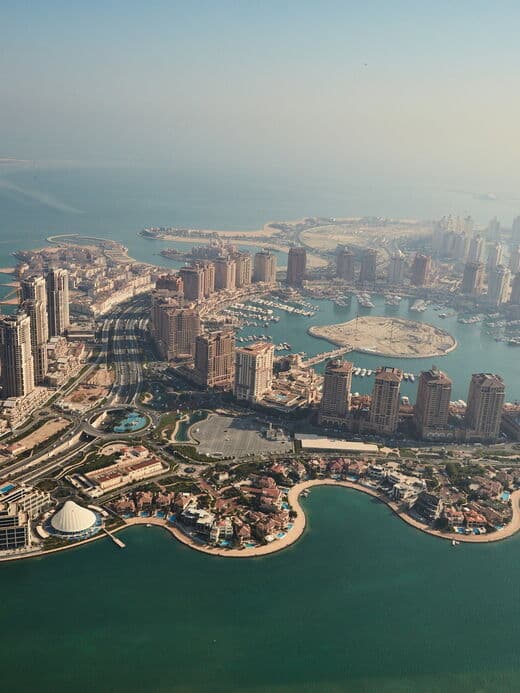
The Corniche is a seven-kilometer waterfront promenade along Doha Bay, the calling card of Qatar's capital. Curving in a crescent around the bay, it connects the old town with the West Bay business district and offers the best views of the skyscrapers.
History and Development
The Corniche was developed in stages from the 1970s when Qatar began improving its coastline. The waterfront acquired its modern appearance by 2006 after large-scale reconstruction. The name comes from the French corniche, meaning ledge or projection.
Layout
The waterfront includes a wide pedestrian promenade, a bicycle path, green areas with palm trees, and playgrounds. Parks, museums, and piers for traditional dhow boats are located along the Corniche.
What to See
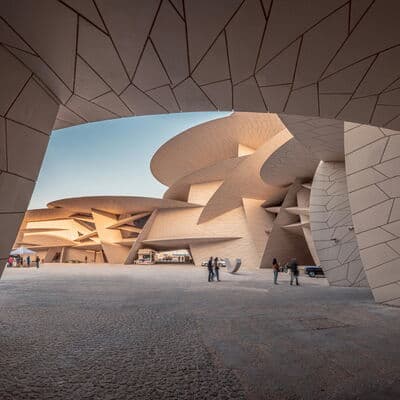
The waterfront offers a panorama of West Bay skyscrapers, the calling card of modern Qatar. At the southern end is the National Museum of Qatar and the Museum of Islamic Art on an artificial island. To the north are Al Bidda Park and the dhow pier.
Museum of Islamic Art
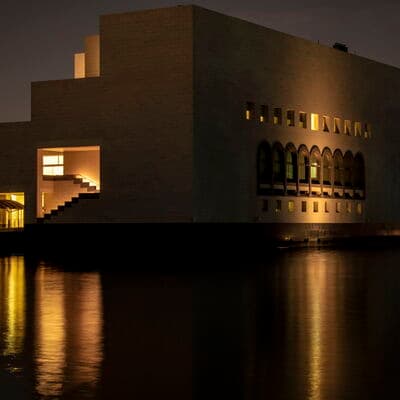
I.M. Pei's building on the water is the Corniche's architectural landmark. Inside is a collection of Islamic art from around the world. Admission is free, and the view of the museum from the waterfront is especially beautiful in the evening.
Activities
The Corniche is popular among runners and cyclists, especially in the morning and evening. You can rent a bicycle or scooter. Traditional dhow boats offer sea tours with views of the Doha skyline, especially spectacular at sunset.
Restaurants and Cafes
Cafes and restaurants with terraces operate along the waterfront. Parks have picnic areas. Street vendors sell snacks and drinks.
Practical Information
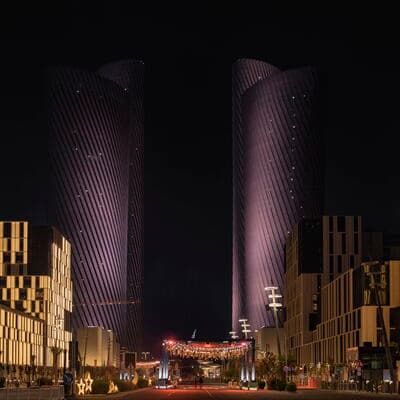
The waterfront is open 24 hours, entry is free. The best time is early morning or evening after sunset when the skyscraper lighting turns on. In summer it's very hot during the day, bring water and a hat.
Tips
Start your walk from the Museum of Islamic Art, heading north toward West Bay. On Fridays the waterfront fills with families. Combine with a visit to the Msheireb Museums in the historic center or a trip to Katara Cultural Village.