Souq Waqif
In a labyrinth of narrow alleyways, the air smells of spices, frankincense, and coffee. Merchants spread out Persian carpets, buyers haggle over falcons, and from a restaurant comes the sound of an oud. Souq Waqif in Doha isn't a museum reconstruction—it's a living market that has existed on this spot for over a hundred years. When oil money transformed Qatar into a country of skyscrapers, this market preserved—and even enhanced—the atmosphere of old Arabia. Here you understand what Doha was like before oil.
History of the Market
"Waqif" translates as "standing." According to legend, the name comes from Bedouins who stood here selling goods from their camels. The market existed long before the oil boom—trading in pearls, dates, and textiles. In the early 2000s, Qatari authorities decided not to demolish the old quarter but to restore it, preserving traditional architecture and atmosphere.
The restoration was massive: mud-brick walls were rebuilt based on historical photographs, wooden beams are original or exact replicas. Electrical wires are hidden, air conditioners disguised. The result—a market that looks authentic but functions modernly.
What You'll Find Here
Spices and Incense
The central alley is a kingdom of aromas. Mountains of saffron, cardamom, sumac. Frankincense from Oman—the same kind caravans carried along the "Incense Route." Bakhoor—aromatic blends for fumigating homes. Sellers pour samples, explain differences, and bargain with pleasure.
Falcon Market
Falconry is a Qatari national tradition. At Souq Waqif, there's an entire "falcon hospital" and market where birds sell for tens of thousands of dollars. Even if you're not planning to buy a falcon, stop by to look: birds sit on perches wearing special "hoods," while their owners discuss bloodlines with the seriousness of racehorse breeders.
Textiles and Crafts
Persian and Afghan carpets, cashmere shawls, traditional clothing—kanduras, abayas, keffiyehs. Antique shops—from vintage coffeepots to Bedouin jewelry. Quality varies: from tourist souvenirs to museum pieces.
Animals
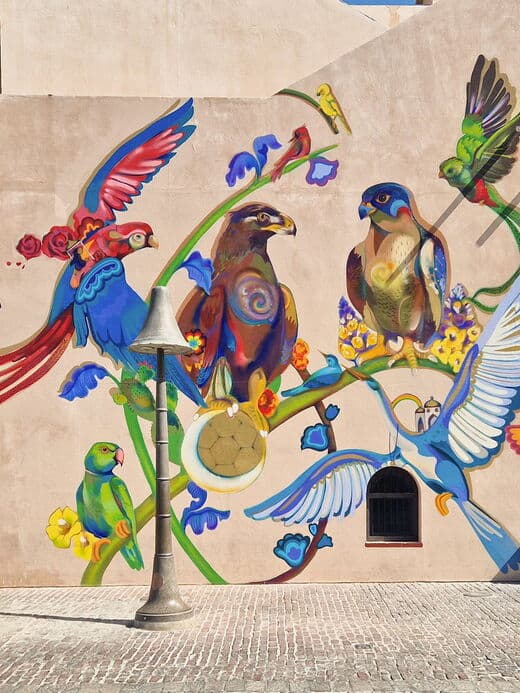
In the eastern part of the market lies the bird bazaar: parrots, canaries, pigeons. Nearby—cats, rabbits, sometimes goats. It sounds strange to Europeans, but for Qataris, buying a pet at the market is normal.
Food at Souq Waqif
Restaurants
The market is surrounded by restaurants for every taste and budget. Lebanese, Iranian, Yemeni, Indian cuisines. Qatari dishes—machboos (rice with meat), harees (wheat porridge with meat). Tables on terraces overlook passing merchants and tourists.
Cafés and Tea
Traditional coffeehouses serve karak (tea with milk and spices) and Arabic coffee with cardamom. Shisha—hookah—is on every corner. In the evening, cafés fill with locals: this is a place for meetings, conversations, unhurried leisure.
Practical Tips
When to Visit
The market is open from morning until late at night, but the atmosphere changes. Morning—quiet, shops opening. Daytime—hot, fewer people. Evening (after 5:00 PM)—the market comes alive: families, tourists, locals. After 9:00 PM—peak character: lights, music, packed restaurants.
Bargaining
Haggling is tradition and part of the fun. Starting prices are often doubled. Don't hesitate to offer your price, walk away, come back. It's a game both sides understand.
What to Buy
Spices—light and compact. Incense and bakhoor—authentic Arabian scent. Arabic oil-based perfumes. A "dallah" coffeepot—a beautiful souvenir. Carpets—if you know your stuff and are ready for logistics.
Getting There
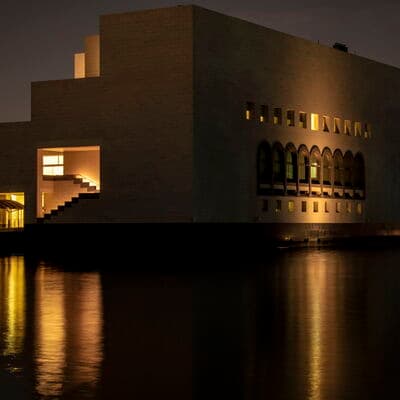
The market is in historic downtown Doha, near the Corniche. Souq Waqif metro station (Gold Line) is a 5-minute walk. The Museum of Islamic Art is 15 minutes on foot.
Atmosphere and Character
Souq Waqif is Qatar without skyscrapers, a place where the world's wealthiest country remembers its roots. Here a merchant in a white kandura sells the same spices his grandfather and great-grandfather sold. Here a falcon costs as much as a car, and a cup of coffee costs a minute of your time.
Yes, the market is restored and partially "staged." But the people here are real, the goods are real, the atmosphere is real. This isn't Disneyland—it's a living place that Qataris visit as eagerly as tourists. An evening at Souq Waqif is essential in Doha: stroll the alleyways, drink karak, listen to the oud, breathe in frankincense. Feel Arabia.