About
Indonesia Travel Guide: Your Complete Journey Through the World's Largest Archipelago
Welcome to Indonesia, a country that defies simple description. Spanning over 17,000 islands across three time zones, this Southeast Asian nation offers an almost incomprehensible diversity of experiences. From the spiritual temples of Bali to the prehistoric dragons of Komodo, from the underwater paradise of Raja Ampat to the ancient wonders near Yogyakarta, Indonesia rewards travelers willing to explore beyond the obvious. This guide represents years of personal exploration, countless conversations with locals, and hard-won knowledge about navigating one of the world's most fascinating destinations.
1. Why Visit Indonesia: A Land of Infinite Discovery
Let me be direct with you: Indonesia is not a destination you simply visit once and check off your list. It is a country that gets under your skin, invites you back repeatedly, and reveals new layers with each return journey. After spending cumulative years exploring these islands, I can tell you that Indonesia offers something genuinely unique in our increasingly homogenized world of travel destinations.
Unparalleled Natural Diversity
Indonesia straddles two major biogeographical regions, separated by the famous Wallace Line. This means you will encounter wildlife and ecosystems found nowhere else on Earth. The Komodo dragons of Komodo National Park are the most famous example, but they represent just the beginning. Orangutans swing through the rainforests of Sumatra and Borneo. Birds of paradise perform elaborate mating dances in Papua. Pygmy tarsiers with enormous eyes peer from trees in Sulawesi. The coral reefs of Raja Ampat contain more marine species per square meter than anywhere else on the planet.
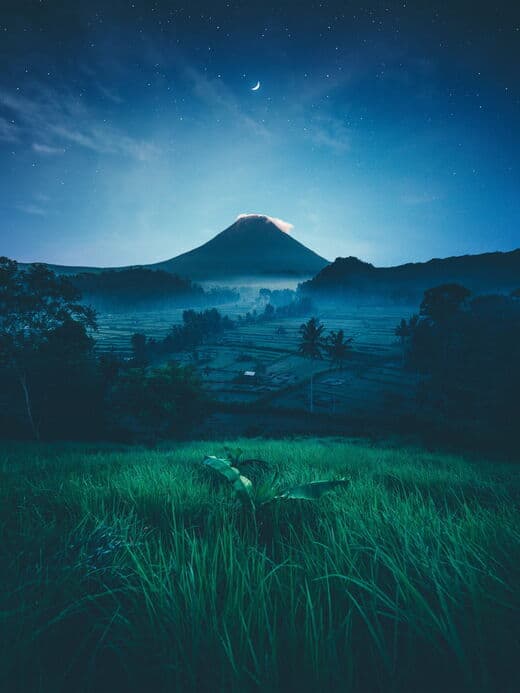
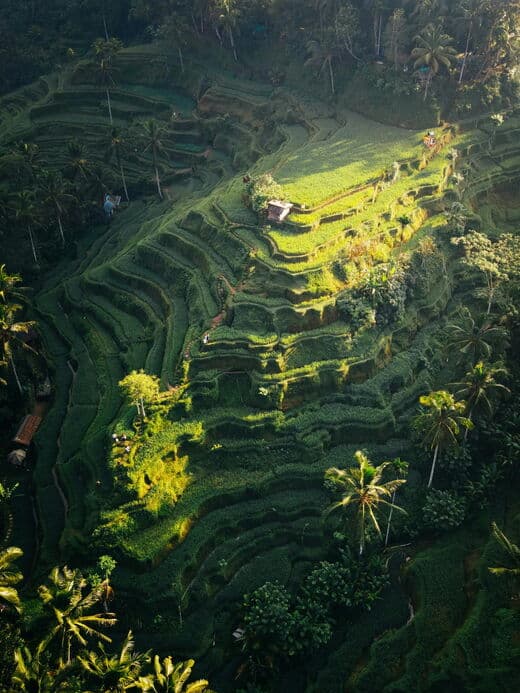
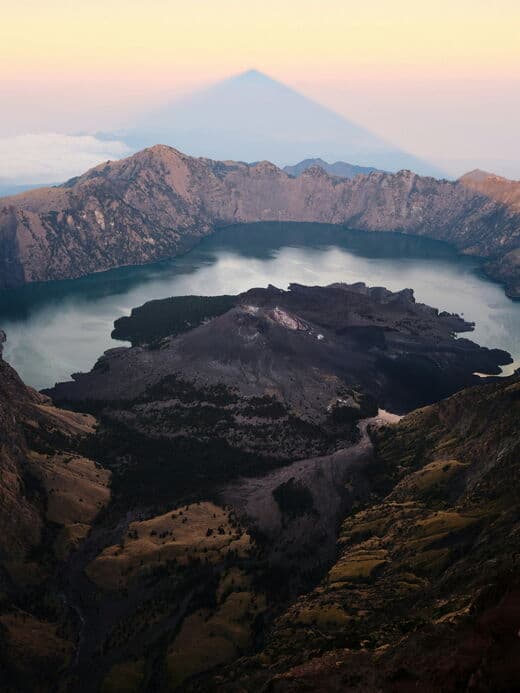
The geological diversity proves equally stunning. Indonesia sits on the Pacific Ring of Fire, with over 130 active volcanoes shaping the landscape. You can climb Mount Batur for sunrise views across Bali, trek the challenging slopes of Mount Rinjani on Lombok, or witness the otherworldly blue flames of Kawah Ijen in East Java. These volcanic soils create impossibly green rice terraces like the famous Tegallalang near Ubud, support vast coffee and cocoa plantations, and produce some of the most fertile agricultural land in Asia.
Cultural Richness Beyond Imagination
Indonesia is home to over 270 million people representing more than 300 distinct ethnic groups speaking over 700 languages. This is not mere academic trivia but a lived reality you will encounter daily. The Hindu-influenced culture of Bali differs dramatically from the Islamic traditions of Java or Sumatra. The animist beliefs of remote Papuan tribes contrast with the colonial-era Christian communities of eastern Indonesia. Ancient Javanese kingdoms left behind monuments like Borobudur Temple and Prambanan Temple that rival anything in Southeast Asia.
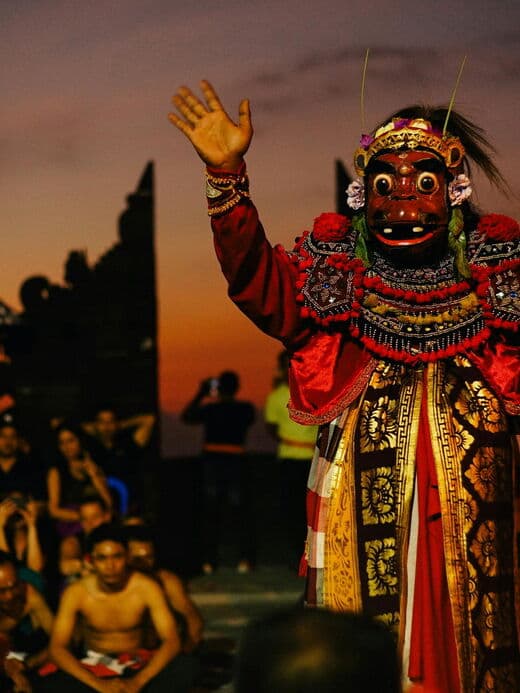
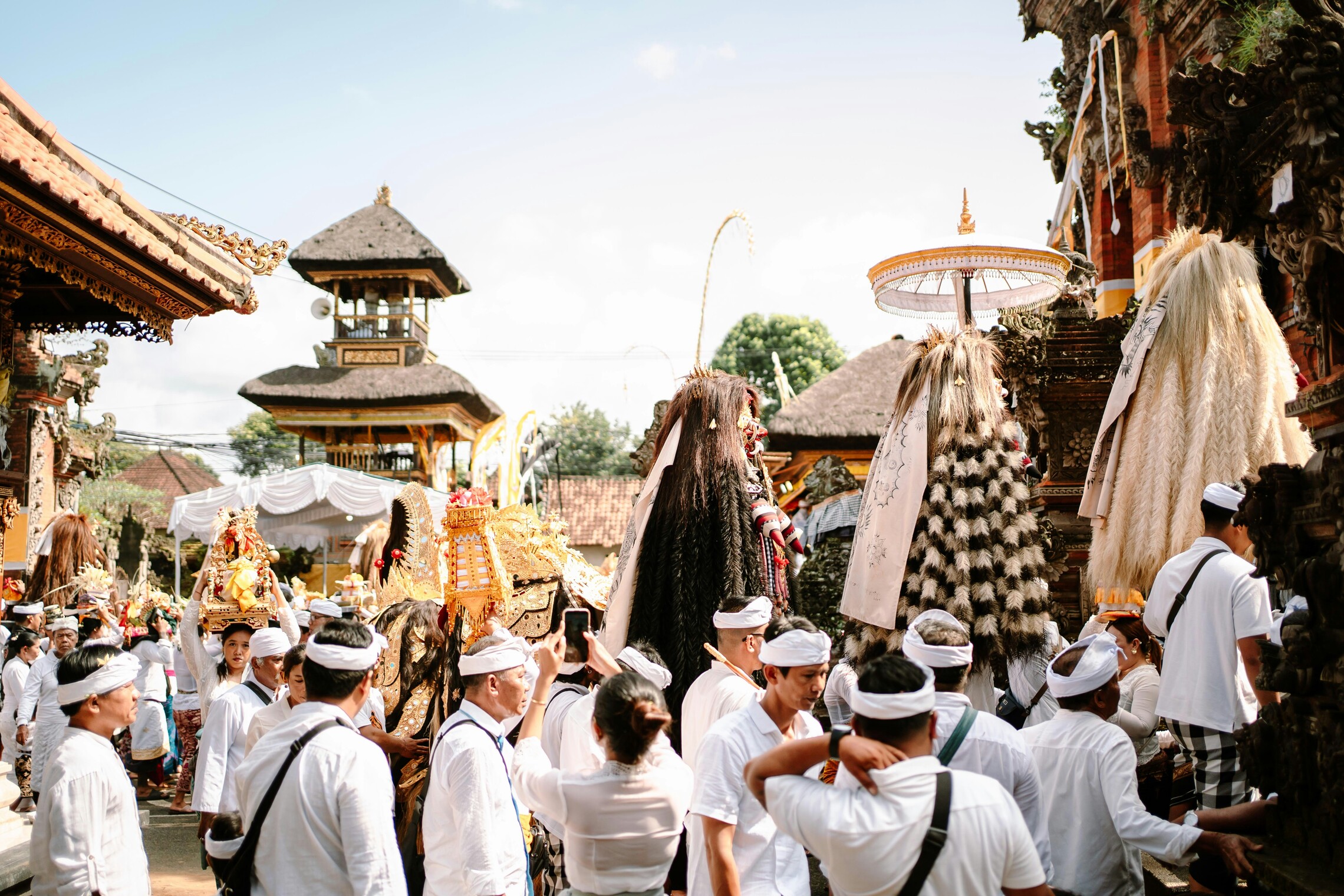
This cultural diversity creates extraordinary experiences for travelers. In Ubud, you might attend a traditional Balinese dance performance one evening and a contemporary art exhibition the next. In Yogyakarta, the ancient traditions of batik fabric making continue alongside modern street art scenes. Throughout the country, ceremonies and festivals mark the calendar year, from the silent Nyepi celebrations in Bali to elaborate funeral rituals in Toraja.
Extraordinary Value for Travelers
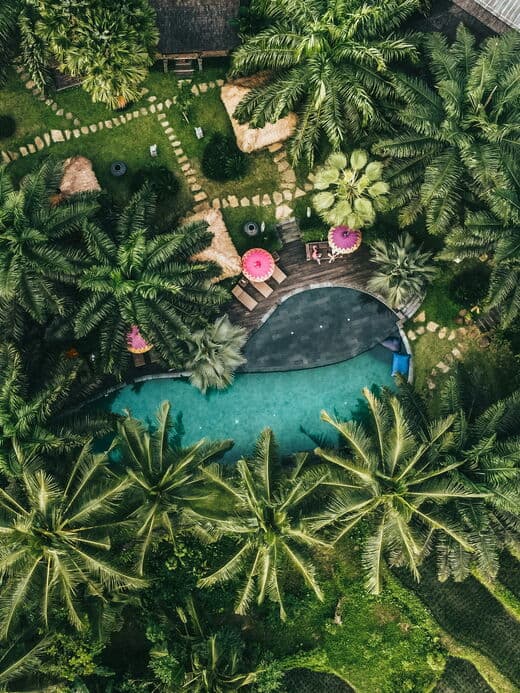
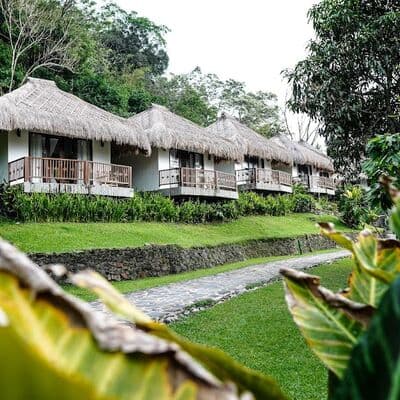
Indonesia offers remarkable value compared to other major travel destinations. Your dollar stretches impressively far here, allowing experiences that would be prohibitively expensive elsewhere. A private villa with pool in Ubud might cost $100 per night, a sum that would barely cover a basic hotel room in many Western cities. A full day of diving in world-class sites runs $80-150, compared to $200-400 in Australia or Hawaii. Delicious local meals cost $2-5, domestic flights between islands run $30-80, and private drivers can be hired for $50-70 per day.
This affordability enables longer, more immersive trips. Rather than cramming Indonesia into a rushed one-week vacation, budget-conscious travelers can spend months exploring without breaking the bank. Digital nomads have discovered this advantage, establishing vibrant communities in Bali and beyond. Retirees find their pensions stretch further here than almost anywhere else in the world.
Adventure at Every Level
Whether you seek relaxation or adrenaline, Indonesia accommodates. Beach lovers can find everything from developed resort areas to deserted stretches of sand accessible only by boat. Surfers discover world-class breaks ranging from gentle beginner waves to terrifying barrels that attract professional athletes. Divers and snorkelers explore some of Earth's most biodiverse underwater environments. Hikers and trekkers tackle everything from gentle rice terrace walks to multi-day volcano summits.
The adventure infrastructure has matured significantly in recent years. Professional operators run activities from paragliding to white-water rafting, from canyoning to cave exploration. Safety standards have improved, particularly in tourism-heavy areas, though independent research remains essential before booking any adventure activity.
Spiritual and Wellness Opportunities
Bali has earned its reputation as a global wellness destination, but opportunities for spiritual exploration extend throughout Indonesia. Yoga retreats range from budget ashrams to luxury resorts, meditation courses draw practitioners from worldwide, and traditional healing practices remain living traditions rather than museum exhibits. The Hindu temples of Bali, Buddhist monuments of Java, Islamic architecture of Sumatra, and ancient animist traditions of remote islands offer spiritual seekers multiple pathways for exploration.
Many visitors report transformative experiences during extended Indonesia stays. The slower pace of life, emphasis on community and ceremony, and connection to nature create conditions conducive to personal reflection and growth. This is not mere marketing but a genuine quality many travelers discover.
Gateway to Further Exploration
Indonesia's strategic location makes it an excellent base for broader Southeast Asian exploration. Direct flights connect Bali and Jakarta to Singapore, Kuala Lumpur, Bangkok, Ho Chi Minh City, and Manila. Overland travel to Malaysia via Borneo or sea crossings offers alternative routing. Many travelers combine Indonesia with visits to neighboring countries, using the archipelago as one component of a larger regional adventure.
2. Regions of Indonesia: A Comprehensive Guide
Understanding Indonesia's geography helps immensely when planning your trip. The country's 17,000+ islands are traditionally grouped into larger regions, each offering distinct experiences. Let me walk you through the major areas, highlighting what makes each special and helping you decide where to focus your precious travel time.
Bali: The Island of the Gods
Bali remains Indonesia's most visited destination for excellent reasons. This relatively small island packs an extraordinary density of experiences into its compact geography. The southern beach areas like Kuta, Seminyak, and Canggu draw surfers, party-seekers, and digital nomads. The cultural heart of Ubud in the central highlands attracts those seeking art, yoga, and traditional Balinese culture. The east coast offers quieter beaches and excellent diving, while the north provides black sand beaches and relatively undeveloped charm.
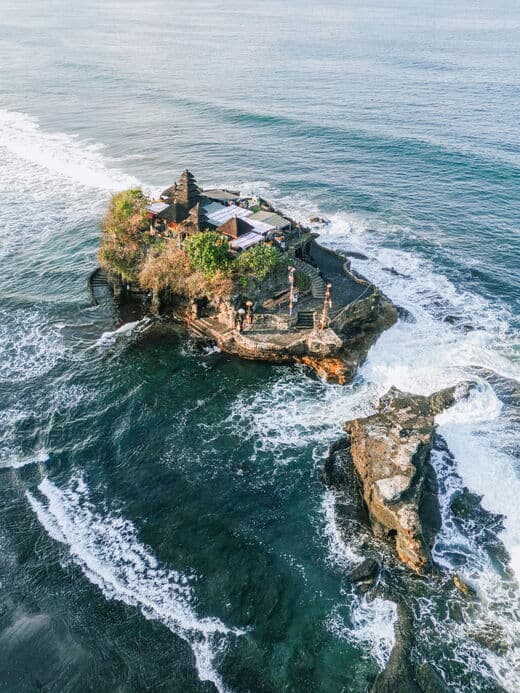
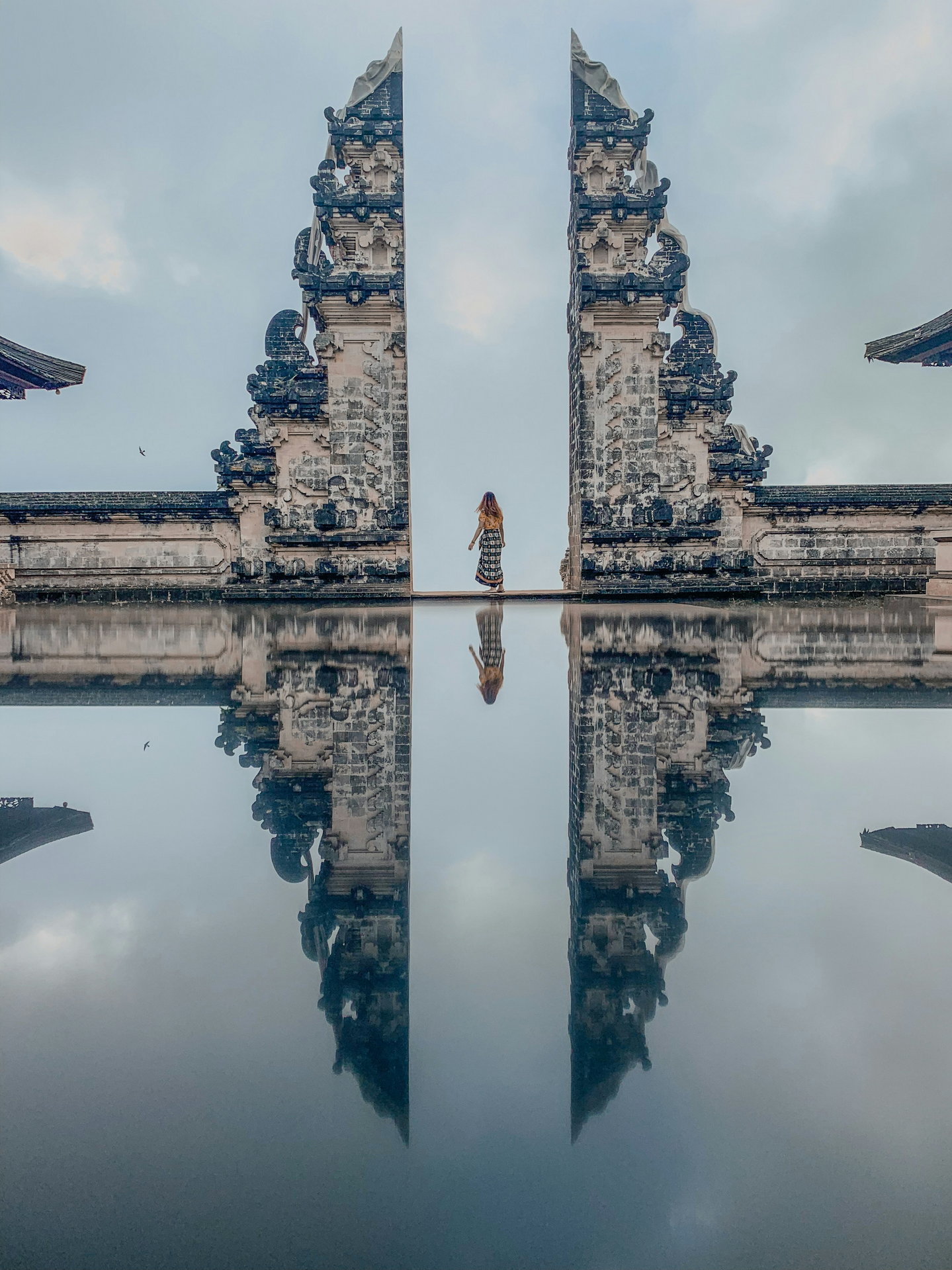
Bali's Hindu culture sets it apart from the rest of predominantly Muslim Indonesia. Temples dot every village and street corner, daily offerings of flowers and rice appear on sidewalks and doorsteps, and elaborate ceremonies seem to occur constantly. The Uluwatu Temple perches dramatically on southern cliffs, while Tanah Lot Temple rises photogenically from the sea. The Sacred Monkey Forest in Ubud provides both spiritual atmosphere and mischievous macaque encounters.
Development has proceeded rapidly in Bali, creating both advantages and challenges for visitors. Tourism infrastructure rivals anywhere in Asia, with world-class restaurants, hotels, and services readily available. However, traffic congestion in southern areas has become genuinely problematic, water resources face serious strain, and the gap between tourist fantasies and local realities can feel jarring. Thoughtful travelers increasingly seek accommodations and experiences that benefit local communities rather than international chains.
Despite over-tourism concerns, Bali retains genuine magic when you know where to look. The rice terraces of Tegallalang remain stunning despite the crowds. Sunrise at Mount Batur still takes your breath away. Traditional village ceremonies continue regardless of tourist presence. The key lies in balanced expectations and willingness to explore beyond the obvious Instagram spots.
Nusa Islands: Bali's Offshore Paradise
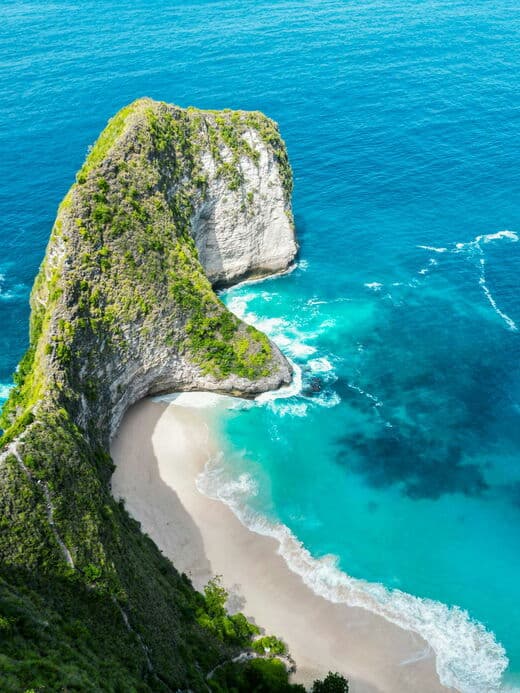
The three Nusa islands lying southeast of Bali mainland offer escape from crowds while remaining easily accessible. Nusa Penida, the largest, has emerged as a must-visit destination thanks to dramatic landscapes like Kelingking Beach with its distinctive T-Rex shaped cliff. Roads remain rough and infrastructure basic, but the reward includes some of Indonesia's most photogenic scenery and excellent snorkeling with manta rays.
Nusa Lembongan and Nusa Ceningan, connected by a yellow bridge, provide a more developed but still relaxed alternative. Beach bars, surf breaks, and snorkeling sites dot these smaller islands, while accommodation ranges from backpacker hostels to luxury villas. Day trips from Bali are possible but staying overnight allows proper exploration without rushed schedules.
Lombok: Bali's Quieter Neighbor
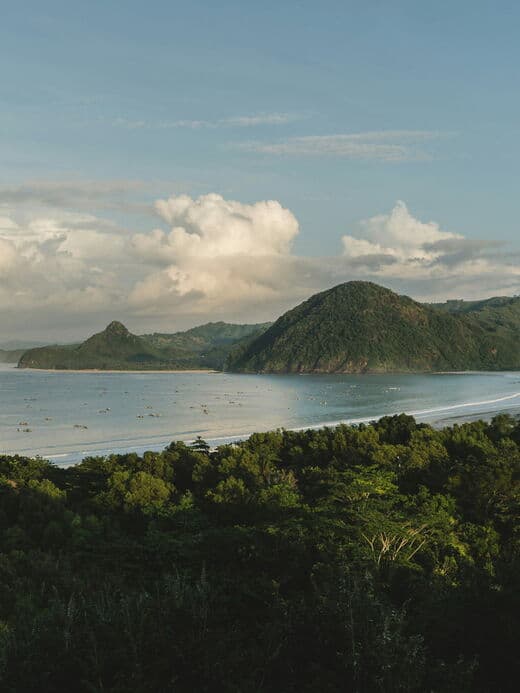
Lombok offers many of Bali's attractions with fewer crowds and a distinctly different cultural atmosphere. The predominantly Muslim Sasak population practices a more conservative form of Islam, though tolerance and hospitality toward visitors remain high. The landscape combines stunning beaches, particularly in the south around Kuta (not to be confused with Bali's Kuta), with volcanic highlands dominated by Mount Rinjani.
Mount Rinjani deserves special mention as one of Indonesia's premier trekking destinations. This active volcano rises 3,726 meters, with multi-day treks taking hikers to the crater rim and lake. The physical challenge is significant but achievable for reasonably fit travelers, and the rewards include extraordinary views and a genuine sense of accomplishment. Guided treks are mandatory and can be arranged through numerous operators in Senaru or Sembalun villages.
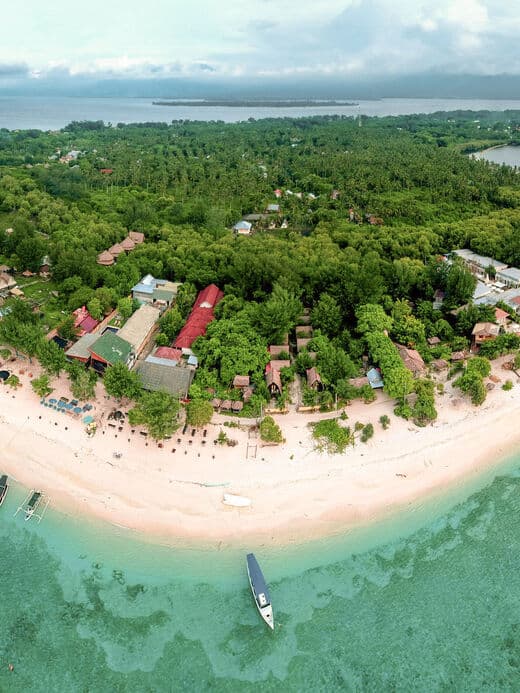
The Gili Islands off Lombok's northwest coast have developed into a major destination in their own right. Gili Trawangan offers party atmosphere and developed tourism, Gili Air provides a more relaxed vibe popular with couples and families, and Gili Meno remains the quietest option. All three islands feature beautiful beaches, excellent snorkeling and diving, and a vehicle-free environment where horses and bicycles provide transportation.
Java: Indonesia's Heartland
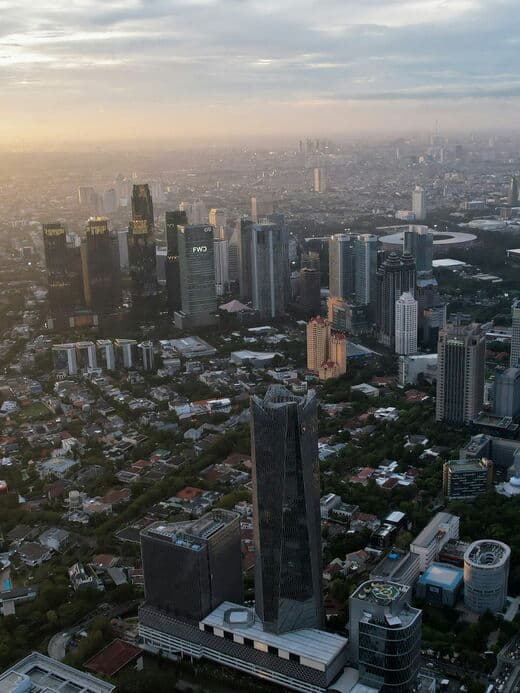
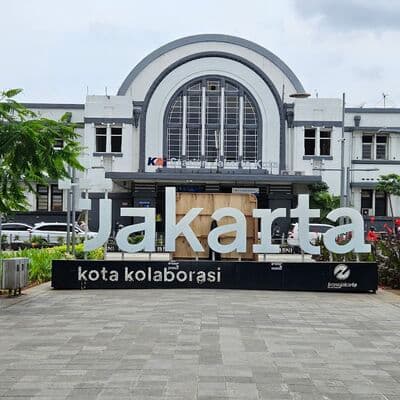
Java is Indonesia's most populous island and its political, economic, and cultural center. Jakarta, the sprawling capital, presents a challenging but rewarding urban experience for those willing to look beyond traffic and pollution. Colonial-era architecture, excellent museums, diverse food scenes, and insight into modern Indonesian life reward patient exploration.
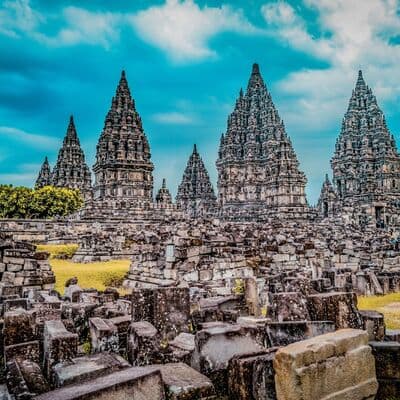
Yogyakarta, universally called Jogja by locals, represents Java's cultural heart. This special administrative region maintains a functioning sultanate and preserves traditional Javanese arts including batik, wayang puppet theater, and classical dance. More importantly for many visitors, Jogja provides access to Indonesia's two most significant archaeological sites: Borobudur Temple and Prambanan Temple.
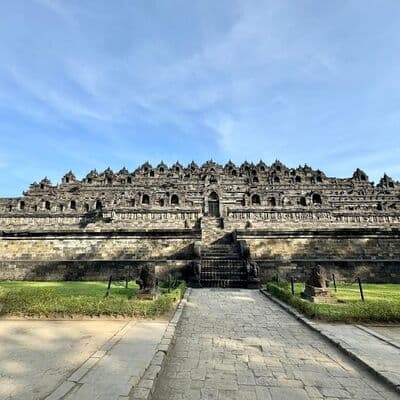
Borobudur, a ninth-century Buddhist monument, ranks among humanity's greatest architectural achievements. This massive mandala-shaped temple contains over 500 Buddha statues and 2,672 relief panels depicting Buddhist teachings and daily life. Sunrise visits offer both stunning photography opportunities and crowds; consider sunset or midday visits for a more contemplative experience. Prambanan, a Hindu temple compound from the same era, provides a compelling contrast with its towering spires dedicated to Shiva, Vishnu, and Brahma.
Beyond these major sites, Java offers volcanic landscapes at Bromo and Ijen, colonial hill stations in Bandung, and the royal traditions of Solo (Surakarta). East Java serves as the gateway to Bali for overland travelers, while West Java provides quick escapes from Jakarta's intensity.
Komodo and Flores: Dragons and Beyond
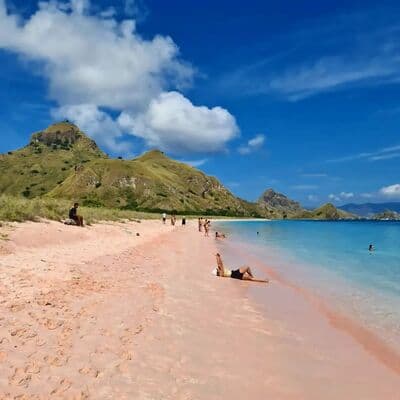
The islands of East Nusa Tenggara, particularly Komodo and Flores, have emerged as increasingly popular destinations. Labuan Bajo serves as the main tourist hub and gateway to Komodo National Park, where the famous Komodo dragons roam as they have for millions of years. Multi-day liveaboard trips combine dragon viewing with world-class diving and snorkeling at sites like Manta Point, Batu Bolong, and Crystal Rock.
Flores itself rewards those venturing beyond Labuan Bajo. The Trans-Flores Highway runs the island's length, passing through traditional villages, volcanic landscapes, and the stunning three-colored lakes of Kelimutu. Roads have improved significantly but remain challenging in places, making the journey as much an experience as the destinations. Allow at least a week to properly explore Flores, more if possible.
Raja Ampat: The Last Paradise
Raja Ampat, meaning Four Kings in Indonesian, represents one of Earth's last true wildernesses. This archipelago off Papua's coast contains the world's highest recorded marine biodiversity, with over 1,500 fish species and 600 coral species documented. Diving and snorkeling here offers encounters unavailable anywhere else, from schools of bumphead parrotfish to walking sharks to manta ray cleaning stations.
Reaching Raja Ampat requires effort, typically flying to Sorong then taking a ferry or speedboat to various islands. Accommodation ranges from basic homestays to luxury eco-resorts, with prices reflecting the destination's remoteness. The marine park entry fee of approximately $100 for foreigners supports conservation efforts in this irreplaceable ecosystem.
Beyond diving, Raja Ampat offers jungle trekking, birdwatching for endemic species including birds of paradise, kayaking through limestone islands, and simply experiencing one of the world's most beautiful landscapes. The relative difficulty of access has so far protected the area from over-development, though tourism grows annually.
Sumatra: Wild and Untamed
Indonesia's westernmost major island remains far less touristed than Bali or Java, appealing to travelers seeking authentic adventure. The jungle of Bukit Lawang provides opportunities to observe wild orangutans, Lake Toba offers cultural immersion with the Batak people around the world's largest volcanic lake, and the highlands around Berastagi provide access to active volcanoes. The Mentawai Islands off Sumatra's coast draw hardcore surfers seeking perfect waves and indigenous culture.
Sumatra rewards patience and flexibility. Infrastructure lags behind Java and Bali, transportation proves less reliable, and tourist services remain less developed. However, genuine adventures await those willing to accept some discomfort. The rainforests here are among the world's oldest, the wildlife genuinely wild, and the cultural encounters more authentic for their rarity.
Sulawesi: The Island of Unique Wonders
Sulawesi's distinctive spider-like shape hints at its unique character. Tana Toraja in the highlands practices elaborate funeral ceremonies featuring buffalo sacrifice and cliff-face burial sites that fascinate anthropologists and adventurous travelers. The Togean Islands and Wakatobi offer world-class diving without Raja Ampat crowds. The capital Makassar serves as a gateway and provides insight into Bugis maritime culture.
Getting around Sulawesi requires time and persistence. The island's shape means long overland journeys between regions, with domestic flights providing faster alternatives. The reward for this effort includes experiences genuinely off the beaten path and encounters with cultures rarely exposed to international tourism.
Kalimantan: Indonesian Borneo
Indonesia's portion of Borneo covers the island's southern two-thirds, offering jungle adventures and wildlife encounters. Tanjung Puting National Park provides orangutan viewing opportunities via multi-day klotok houseboat journeys. The Derawan Islands in the northeast offer sea turtle encounters and pristine diving. Rivers remain transportation arteries in regions where roads barely exist.
Kalimantan sees relatively few international tourists, with most visitors being wildlife enthusiasts, divers, or those seeking genuine off-path experiences. Infrastructure remains basic outside major cities, and travel requires advance planning and realistic expectations. The rewards include some of Indonesia's last significant rainforests and encounters with wildlife and cultures existing largely beyond modern influence.
Papua: The Final Frontier
Indonesia's easternmost region represents the ultimate adventure destination. West Papua includes Raja Ampat but extends far beyond to include some of Earth's most remote communities. The Baliem Valley provides trekking through highlands home to traditional Dani people. Bird-of-paradise viewing draws serious birders from worldwide. Exploration here requires significant planning, local guides, and permits for many areas.
Papua presents both opportunities and ethical considerations. Traditional communities have mixed feelings about tourism, and sensitive travelers should research cultural protocols before visiting. Infrastructure remains minimal, costs high, and challenges significant. However, Papua offers experiences available nowhere else on Earth for those genuinely drawn to frontier travel.
3. Islands and Beaches: Indonesia's Coastal Paradise
With over 54,000 kilometers of coastline spread across thousands of islands, Indonesia offers beach and island experiences to match virtually any preference. From developed resort areas to deserted stretches accessible only by boat, from black volcanic sand to pristine white coral, the variety proves almost overwhelming. Let me help you navigate these options based on what you actually seek from a beach experience.
Best Beaches for Swimming and Relaxation
If your primary goal involves floating in calm, clear water and lounging on comfortable sand, certain destinations stand out. The Gili Islands off Lombok offer precisely this, with warm turquoise waters, gentle waves, and no motorized vehicles to disturb the peace. Gili Air particularly excels for relaxation, while Gili Trawangan adds more social energy. The absence of significant currents or waves makes these islands ideal for families with children or those simply seeking to unwind.
The Karimunjawa Islands off Java's northern coast provide a less-visited alternative with similar qualities. This marine national park contains 27 islands with clear waters, coral reefs, and a fraction of Gili crowds. Access requires more effort, with ferries running from Jepara, but the reward is a genuinely relaxed atmosphere.
In Bali, the best swimming beaches lie away from the more famous surf spots. Sanur offers calm waters protected by reefs, popular with families and the traditional Indonesian beach culture of sunrise walks and waterfront cafes. Nusa Dua provides similar conditions with more luxury resort infrastructure. The eastern beaches around Amed and Candidasa offer calm waters for snorkeling, though beaches here trend toward black volcanic sand and coral rather than powdery white.
World-Class Surf Destinations
Indonesia's surf credentials need no introduction to serious wave riders. Bali's Bukit Peninsula remains ground zero for Southeast Asian surfing, with breaks ranging from the gentle beginners' waves of Kuta Beach to the challenging barrels of Padang Padang and Uluwatu. The latter, surfing beneath the Uluwatu Temple cliffs, offers one of the world's most iconic wave experiences for advanced surfers willing to navigate reef and crowds.
Lombok's southern coast, particularly around Kuta and Gerupuk, provides excellent alternatives with lighter crowds. Beginners find perfect learning conditions in Gerupuk's mellow waves, while experts explore the powerful breaks along the coast. The Lombok surf scene feels more relaxed than Bali's increasingly commercial atmosphere.
The Mentawai Islands off Sumatra represent surf pilgrimage territory, with perfect waves breaking over coral reefs accessible primarily via boat charters. Names like Lance's Right, Macaronis, and Hollow Trees appear in surf magazines worldwide. These trips require significant budget and planning but deliver what many consider the best waves on Earth.
Beyond these famous spots, surf opportunities dot the archipelago. Sumba Island has emerged as a new frontier with massive waves for experts. The southern coasts of Java offer uncrowded breaks for those willing to explore. Even remote islands in eastern Indonesia hide undiscovered surf potential.
Snorkeling and Diving Paradise
Indonesia's underwater world deserves its reputation as Earth's richest marine environment. Raja Ampat tops most serious divers' bucket lists, with dive sites containing more species diversity than anywhere else recorded. Soft corals in every color, enormous schools of fish, reef sharks, manta rays, and peculiar creatures like wobbegong sharks and walking sharks await exploration. The remoteness that makes Raja Ampat challenging to reach also protects its underwater environment.
Komodo National Park offers more accessible world-class diving combined with the unique opportunity to see Komodo dragons. Strong currents feed nutrient-rich waters supporting manta rays, diverse reef life, and pelagic species including sharks. Drift diving here provides thrilling experiences for intermediate and advanced divers, while calmer sites accommodate those developing their skills.
The Bunaken National Park in North Sulawesi provides another premiere diving destination, with dramatic wall diving and extraordinary macro life including pygmy seahorses and various nudibranchs. Lembeh Strait nearby offers what many consider the world's best muck diving, with bizarre creatures like frogfish, blue-ring octopus, and mimic octopus hiding in dark volcanic sand.
For snorkelers, many diving destinations also offer excellent surface experiences. The Gili Islands provide reliable turtle encounters while snorkeling from shore. Nusa Penida's Manta Point allows snorkeling with these graceful giants during the right season. House reefs at many resorts throughout the country support diverse life accessible simply by walking into the water.
Dramatic Coastal Landscapes
Kelingking Beach on Nusa Penida has become one of Indonesia's most photographed locations, with good reason. The T-Rex shaped cliff plunging to turquoise waters creates a genuinely stunning vista. The hike down to the beach itself challenges even fit travelers and should not be underestimated, but the viewpoint at the top rewards with relatively modest effort.
Bali's Bukit Peninsula offers numerous cliff-top vistas combining temples, surf breaks, and dramatic geology. Uluwatu Temple perches on cliffs offering sunset views over the Indian Ocean, while the hidden beaches below the cliffs provide adventure for those willing to descend steep stairways. Tanah Lot Temple on Bali's western coast rises from the sea on a rocky outcrop, creating another iconic coastal scene particularly stunning at sunset.
The limestone islands of Raja Ampat create karst landscapes rising vertically from the sea, covered in jungle and surrounded by waters ranging from deep blue to shallow turquoise. These views, often captured from boat or viewpoints like Pianemo, rank among Southeast Asia's most dramatic coastal scenery.
Island Hopping Routes
Indonesia's archipelago nature invites island hopping, with numerous established routes connecting diverse experiences. The classic Bali to Lombok to Gili Islands circuit can be accomplished in various timeframes, with fast boats connecting the islands in hours. Adding Nusa Penida creates a loop exploring several island characters within a concentrated area.
More ambitious routes extend east from Lombok through Sumbawa to Flores and Komodo, either by land transport or boat. Overland bus travel tests patience but provides cultural immersion and landscape appreciation. Multi-day boat trips between islands combine dragon viewing, diving, and remote beach experiences.
The ultimate island hopping adventure connects Bali all the way to Raja Ampat or Papua, either via the northern route through Sulawesi or southern route through the Lesser Sundas. These journeys require weeks or months but reward with comprehensive understanding of Indonesia's remarkable diversity.
Best Beaches by Season
Indonesia's dry season, roughly April through October, generally provides the best beach weather throughout most of the country. The monsoon rains of November through March can disrupt beach plans, though rainy season often means lower prices, fewer crowds, and lush green landscapes. The timing varies somewhat by region, with eastern Indonesia experiencing different patterns than the west.
Bali and Lombok's prime beach season runs May through September, coinciding with Australian winter driving peak tourism. The shoulder months of April and October often provide excellent conditions with smaller crowds. Even in rainy season, mornings frequently stay dry before afternoon storms, allowing beach time with planning.
Raja Ampat proves accessible year-round, with October through April considered optimal for diving due to calmer seas and better visibility. Manta season peaks in different months at different sites, so timing visits for specific encounters requires research.
4. When to Visit Indonesia: Timing Your Perfect Trip
Understanding Indonesia's seasonal patterns helps optimize your trip significantly. This equatorial nation experiences two primary seasons, but regional variations and specific activity timing add complexity worth understanding.
Dry Season: May through October
The dry season represents peak travel time for good reasons. Rain falls less frequently and less heavily, humidity drops to more comfortable levels, and outdoor activities proceed without weather interruption. This period coincides with summer holidays in the Northern Hemisphere and winter in Australia, creating highest tourist density and prices in popular destinations like Bali.
July and August represent absolute peak season, with crowds at their maximum and prices at their highest. Accommodation in popular areas books out months in advance, and last-minute planning becomes difficult. June and September offer nearly equivalent weather with somewhat lighter crowds, making them excellent compromise months.
May and October serve as shoulder season months with transitional weather. Early May may still see lingering rains, while October begins the shift toward wet season. These months offer good value and smaller crowds while generally maintaining pleasant conditions.
Wet Season: November through April
The monsoon brings increased rainfall, higher humidity, and some limitations on activities. However, dismissing wet season travel entirely misses opportunities. Rainy season typically means daily afternoon thunderstorms rather than constant precipitation. Mornings often stay dry and sunny, allowing beach time, temple visits, and outdoor activities with proper timing.
The advantages of wet season travel include significantly lower prices, reduced crowds at major attractions, and lush green landscapes. Hotels and villas that command premium rates in high season drop prices by 30-50% or more. Popular temples and viewpoints that require navigating hordes in July welcome visitors almost alone in January.
December presents a complicated picture. The Christmas and New Year holiday period drives temporary price spikes and crowds despite rainy season weather. If visiting during these weeks, book well in advance and expect higher costs.
Regional Variations
Indonesia spans considerable longitude, creating regional weather differences worth noting. Eastern Indonesia, including Raja Ampat, Komodo, and Flores, experiences different monsoon timing than western regions. The eastern islands often see November through April as better weather months, reversing the typical Indonesian pattern.
The equatorial regions around Sumatra and Kalimantan receive more consistent year-round rainfall without pronounced dry seasons. Planning around weather proves less critical in these areas, though specific activities like river cruises may be affected by water levels.
Activity-Specific Timing
Surf seasons vary by location and break direction. Bali's west-facing breaks like Uluwatu perform best during dry season swells from April through October. East-facing breaks work better in wet season. Serious surfers research specific spot timing rather than following general seasonal patterns.
Diving conditions also vary by site and season. Raja Ampat offers optimal visibility from October through April, with manta rays more reliably encountered at specific sites during particular months. Komodo diving peaks March through May and September through November, though diving remains possible year-round.
Wildlife encounters follow seasonal patterns. Orangutan viewing in Sumatra peaks during fruiting season when great apes congregate at food sources. Manta ray encounters at Nusa Penida prove most reliable April through October. Sea turtle nesting occurs at various times depending on species and location.
Festival and Event Timing
Indonesia's diverse cultural calendar creates opportunities and considerations for trip timing. Nyepi, Bali's Day of Silence, falls in March (date varies by Hindu calendar) and involves complete island shutdown, including airport closure. While fascinating to experience if properly prepared, arriving unaware creates significant problems.
Ramadan, the Islamic holy month, affects travel throughout Muslim-majority regions. Many restaurants close during daylight hours, and some tourist services operate on reduced schedules. However, the festive atmosphere of evening iftar meals and the subsequent Eid celebrations offer cultural experiences unavailable at other times.
Galungan and Kuningan, important Balinese Hindu celebrations, occur twice yearly (dates vary by the 210-day Balinese calendar) and showcase the island's spiritual culture at its most elaborate. Streets fill with penjor bamboo poles, temples burst with ceremony, and traditional activities intensify. Visiting during these periods provides extraordinary cultural experiences.
5. How to Get There: Reaching Indonesia
Indonesia's sprawling geography creates multiple entry point options for international travelers. Your origin, intended destinations within the country, and travel style all influence optimal arrival strategy.
Major International Gateways
Jakarta's Soekarno-Hatta International Airport (CGK) serves as Indonesia's primary international hub. This massive airport handles the most international routes, including direct connections from major cities in Asia, Europe, Australia, and the Middle East. For travelers from the United States, Jakarta offers connecting options via Tokyo, Singapore, Hong Kong, or Middle Eastern hubs. The drawback lies in Jakarta's traffic chaos, making connections to domestic flights or onward travel time-consuming.
Bali's Ngurah Rai International Airport (DPS) handles the second-highest international traffic and serves as the most convenient entry point for travelers focused on Bali, Lombok, and eastern Indonesia. Direct flights connect to Australia, major Asian hubs, and increasing routes from the Middle East and beyond. American travelers typically connect through Tokyo, Singapore, or Seoul, with flight times from the US West Coast running approximately 20-24 hours including connections.
Surabaya's Juanda International Airport (SUB) in East Java provides an alternative entry point with connections primarily from Asian cities. This airport proves useful for travelers heading to East Java attractions like Bromo and Ijen or continuing east toward Bali overland.
From the United States
No direct flights currently connect the United States to Indonesia, making connections inevitable. The most common routing from the US West Coast runs through Tokyo (Narita or Haneda), with ANA, JAL, and Garuda Indonesia operating connecting services. Total travel time runs approximately 20-24 hours including layover.
Singapore represents another popular connection point, with Singapore Airlines and United operating from multiple US cities. The Singapore-Bali or Singapore-Jakarta legs run approximately 2.5 hours, making tight connections feasible. Many travelers extend Singapore layovers into brief city explorations.
Korean Air and Asiana connect through Seoul's Incheon Airport, with direct services to both Jakarta and Bali. Hong Kong via Cathay Pacific provides similar options. From the US East Coast, connections through Middle Eastern hubs on Emirates, Qatar, or Etihad add options, though total travel time increases.
Budget-conscious travelers can find significantly cheaper fares by booking segments separately or using airline miles programs. Positioning flights to West Coast departure cities often saves money on Indonesia routing. Timing flexibility allows capturing sales that periodically drop prices below $800 roundtrip from the US to Bali.
From the United Kingdom and Europe
European travelers enjoy more direct options to Indonesia. Garuda Indonesia operates direct service from London to Jakarta, approximately 14 hours. Singapore Airlines, Emirates, Qatar Airways, and others provide excellent connecting options through their respective hubs.
Middle Eastern connections often prove competitive on price and service quality. Emirates via Dubai, Qatar via Doha, and Etihad via Abu Dhabi all offer multiple daily options. These routings add time compared to more direct options but frequently offer better prices and upgrade availability.
From continental Europe, KLM operates extensive Indonesian connections through Amsterdam, reflecting historical colonial ties. Turkish Airlines provides options via Istanbul, while various Asian carriers connect through their home hubs.
From Australia
Australia represents Indonesia's largest tourist source market, reflected in excellent flight connections. Jetstar, Qantas, Virgin Australia, and Garuda Indonesia operate frequent services from Australian cities to Bali. Flight times from Sydney or Melbourne run approximately 6 hours, from Perth closer to 3.5 hours. This proximity makes weekend Bali trips feasible for Australians.
Budget carriers like Jetstar and AirAsia offer competitive fares, particularly during sales. Booking well in advance for school holiday periods proves essential, as Australian families fill Bali flights during their summer and winter breaks.
Beyond Bali, direct flights connect Australian cities to Jakarta and occasionally other Indonesian destinations. For travelers heading to eastern Indonesia, Darwin provides the closest Australian gateway with occasional connections or feasible ferry/cruise options.
Visa Requirements for English-Speaking Countries
Visa requirements have eased significantly for tourists from major English-speaking countries. US, UK, Australian, and Canadian citizens can obtain visa-on-arrival for approximately $35 USD, valid for 30 days with one 30-day extension possible. The VOA process involves simple payment and stamp collection upon arrival, typically adding 15-30 minutes to immigration processing.
For stays exceeding 60 days, various visa options exist. The social-cultural visa allows longer stays with Indonesian sponsorship. Recent digital nomad visa programs cater to remote workers seeking extended Indonesian bases. Business visas require employer sponsorship and different documentation.
The visa-free entry program for certain nationalities provides 30 days without cost but cannot be extended, making VOA the better choice for most travelers who might want flexibility.
Immigration Tips and TSA Considerations
Indonesian immigration has become more stringent about entry requirements. Expect officers to verify onward travel tickets, whether return flights to your home country or tickets to subsequent destinations. Having digital copies readily accessible speeds processing.
For American travelers, TSA rules apply for outbound security. Liquids restrictions, electronics screening, and standard TSA procedures remain in effect. Indonesia-bound flights typically undergo enhanced screening as international long-haul journeys. REAL ID requirements now apply for domestic US flight segments of international journeys.
Upon arrival in Indonesia, customs allows reasonable personal items duty-free. Restrictions apply to tobacco and alcohol quantities, with higher amounts requiring duty payment. Prohibited items include drugs (with extremely severe penalties), weapons, and certain medications without documentation.
6. Getting Around Indonesia: Transportation Guide
Navigating Indonesia's vast archipelago requires understanding varied transportation options. No single mode serves all needs, and combining methods creates efficient routing while providing varied experiences.
Domestic Flights
Air travel proves essential for covering Indonesia's distances efficiently. The country supports a competitive domestic aviation market with numerous carriers operating extensive route networks. Garuda Indonesia offers full-service flights with included baggage and meals. Lion Air and its subsidiaries (Wings Air, Batik Air) operate extensive budget routes with lower base fares but additional fees. Citilink, Garuda's budget subsidiary, provides middle-ground options.
Booking domestic flights requires strategy. Prices fluctuate significantly based on demand, with holiday periods and popular routes commanding premiums. Booking 2-4 weeks ahead typically captures best prices, though sales periodically offer bargains for flexible travelers. The Traveloka app consolidates Indonesian carriers and often shows better prices than airline websites directly.
Flight reliability has improved significantly but remains imperfect. Weather delays affect routes through mountainous or remote areas. Some carriers maintain better on-time records than others, with Garuda and Batik Air generally more reliable than budget competitors. Building buffer time into connections protects against delays.
Sample routes and approximate prices: Jakarta to Bali runs $40-100 one way, Bali to Labuan Bajo for Komodo runs $60-150, Bali to Sorong for Raja Ampat runs $150-300. Prices double or more during peak holiday periods.
Ferries and Boats
Island hopping often involves boat travel, from large state-run ferries to small speedboats and everything between. The Pelni ferry network connects major islands on extended routes, providing authentic but time-consuming travel experiences. These ships offer various cabin classes from basic deck passage to air-conditioned berths, with journeys sometimes lasting days.
Fast boat services connect popular tourist routes. The Bali to Gili Islands route operates multiple daily services taking 1.5-2.5 hours depending on seas and stops. Similar services connect Bali to Lombok, Nusa Penida, and Nusa Lembongan. These boats range from basic to comfortable, with newer vessels offering air-conditioning and better safety records.
Safety varies considerably among boat operators. The premium paid for reputable companies purchases not just comfort but genuine safety improvements. Notable accidents have occurred on budget services cutting corners on maintenance and capacity limits. Research operators, avoid obviously overloaded vessels, and verify life jacket availability.
For Komodo and Raja Ampat, liveaboard boats provide comprehensive diving and snorkeling experiences while handling transport between sites. These trips range from budget phinisi sailboats to luxury yachts, with prices reflecting comfort levels. Multi-day liveaboards often prove more efficient than land-based alternatives for these dispersed destinations.
Private Drivers and Car Rental
Hiring private drivers represents excellent value throughout Indonesia and eliminates navigation stress. In Bali, full-day driver hire runs $50-70 USD for a comfortable car and knowledgeable local guide. Similar rates apply in Java and other developed tourist areas. Drivers handle traffic, know routes, suggest stops, and often provide cultural insights beyond simple transportation.
Self-drive car rental exists but presents challenges. Indonesian traffic patterns differ significantly from Western norms, with motorbikes weaving unpredictably and right-of-way rules applied loosely. Navigation in cities without clear signage adds difficulty. International driving permits are technically required and sometimes checked. Accident liability can create significant problems for foreign drivers.
For those set on self-driving, automatic transmission vehicles prove much easier in traffic than manual. Major rental companies offer vehicles at airports and tourist areas. Insurance coverage details matter significantly and warrant careful review before signing.
Motorbike Rental
Motorbike rental offers freedom and low cost but carries real risks. In Bali and other tourist areas, daily scooter rental runs $5-10 USD. Many travelers navigate successfully by scooter, enjoying flexibility impossible with other transport. However, accident rates among tourist riders remain concerning.
If renting a motorbike, bring or purchase a quality helmet, verify insurance coverage (most travel insurance excludes unlicensed motorbike operation), and honestly assess your riding skills. Indonesian roads present hazards unfamiliar to many Western riders: stray dogs, sudden turns by other vehicles, potholed surfaces, and aggressive truck drivers. Starting in quieter areas to gain experience before tackling busy roads represents wise strategy.
International driving permits with motorcycle endorsement are technically required and increasingly checked by police, particularly in Bali. Fines for unlicensed riding have increased, and accidents while unlicensed create serious legal and insurance complications.
Ride-Sharing Apps
Grab and Gojek revolutionized Indonesian transportation and provide excellent options for travelers. Both apps work similarly to Uber, allowing booking of car or motorbike rides with upfront pricing. Payment through the app eliminates negotiation and language barriers.
In Bali, complex regulations restrict ride-sharing operations from certain areas including airports and some tourist zones. Working around these restrictions requires walking to pickup points outside restricted areas or booking directly with traditional taxis.
Gojek particularly offers versatile services beyond simple transport. Food delivery, package courier, shopping assistance, and various other services work through the same app, proving useful for travelers once accounts are established.
Trains
Java boasts Indonesia's only significant passenger rail network, and it is excellent. Trains connect Jakarta to Yogyakarta, Solo, Surabaya, and other Javanese cities on comfortable, air-conditioned services. Executive class tickets offer assigned seating, meal service, and outlets for charging devices. Business and economy classes provide more basic but still comfortable options.
The Jakarta-Yogyakarta route takes approximately 7-8 hours through scenic landscapes, versus 1-hour flights or grueling 12+ hour bus rides. Many travelers prefer train travel for the experience and comfort, particularly given airport hassle time not reflected in flight duration.
Booking train tickets requires advance planning during peak periods. The KAI Access app handles online booking, though foreign credit cards sometimes encounter problems. Travel agents and hotel desks can assist with booking for small fees.
Buses
Long-distance buses connect Indonesian cities at low cost but significant time investment. Quality varies enormously, from basic seats on local routes to comfortable executive class coaches with reclining seats and onboard entertainment. Night buses allow covering distance while sleeping, though road conditions and driving styles can make rest challenging.
Tourist shuttle services provide more comfortable alternatives on popular routes. Perama and similar companies operate between major Bali destinations, connecting to Java and Lombok. These services offer door-to-door convenience at modest premiums over public buses.
7. Cultural Code: Respecting Indonesian Traditions
Understanding and respecting Indonesian cultural norms enhances your experience significantly while showing appropriate consideration for host communities. These guidelines apply broadly, though specific traditions vary by region and ethnicity.
Religious Considerations
Indonesia's religious diversity requires contextual awareness. In Bali, Hindu temples require appropriate dress: sarongs and sashes covering legs, provided at entrance if you lack your own. Menstruating women traditionally do not enter temples, and while enforcement varies, respecting this tradition shows cultural sensitivity. Remove shoes before entering temple grounds.
In Muslim-majority areas comprising most of Indonesia, modest dress shows respect. Women benefit from covering shoulders and knees in rural areas and religious sites. Men should wear shirts in villages even when beach areas accept shirtlessness. During Ramadan, eating, drinking, and smoking in public during daylight hours may offend fasting Muslims, though tourist areas generally accommodate visitors.
Mosques welcome respectful visitors outside prayer times. Remove shoes, and women should cover hair with provided or personal scarves. Friday midday prayers attract larger gatherings, making other days better for visits. Photography inside mosques requires permission.
Buddhist and Hindu temple etiquette overlaps: remove shoes, dress modestly, avoid pointing feet at Buddha images or sacred objects, and maintain quiet respect during active ceremonies.
Social Customs and Etiquette
The left hand is considered unclean throughout Indonesia. Avoid eating, handing objects, or touching people with your left hand. This practice relates to traditional hygiene customs and remains culturally significant even in modern urban contexts.
Head touching violates important cultural norms. The head is considered sacred in many Indonesian traditions, and casual touching, even of children, may cause offense. This particularly applies in traditional communities though awareness helps everywhere.
Pointing with fingers is considered rude. Indicating direction with your thumb or whole hand avoids offense. Similarly, beckoning with upturned fingers (Western style) appears rude; the Indonesian beckon uses downward-facing fingers in a scratching motion.
Public displays of affection should remain modest throughout Indonesia. While holding hands is generally acceptable, kissing and embracing in public may attract disapproval outside very tourist-oriented areas. Same-sex couples should exercise particular discretion, as Indonesia's official position on LGBT rights has become increasingly conservative.
Removing shoes before entering homes is expected throughout Indonesia. Watch for shoe piles at doorways as indicators. Some temples, businesses, and offices also expect shoe removal.
Photography Ethics
Photographing people requires sensitivity and ideally permission. Many Indonesians welcome photos and may even request them, but others prefer not to be photographed. Asking creates connection and avoids offense. Photographing traditional ceremonies may be welcomed, restricted, or inappropriate depending on context; asking guides or participants clarifies expectations.
Payment expectations around photography vary. In very touristy areas, photo-worthy characters may expect payment. In other contexts, offering money for photos may cause offense. Reading situations and asking when uncertain navigates these differences.
Temple photography usually welcomes respectful visitor photos but prohibits certain areas, times, or subjects. Active ceremonies may restrict photography. Sacred objects and active priests often should not be photographed. Signage sometimes indicates restrictions; otherwise, asking demonstrates respect.
Business and Official Interactions
Indonesian communication styles favor indirect approaches and conflict avoidance. Direct confrontation, public criticism, or aggressive negotiation may cause loss of face and create problems. Maintaining calm, patient demeanor and allowing face-saving resolutions serves better than pressing points forcefully.
The concept of jam karet (rubber time) reflects flexible Indonesian attitudes toward punctuality. Appointments may not start precisely on time, services may not arrive when promised, and rigid scheduling often proves frustrating. Building flexibility into plans and accepting delays gracefully reduces stress.
Tipping remains optional but appreciated for good service. Hotel staff, restaurant servers providing exceptional attention, and guides merit tips. Amounts of 10-15% for meals or $1-5 USD for small services prove appropriate. Excessive tipping can create awkwardness or expectations for future visitors.
Dress Codes
Clothing expectations vary significantly between beach/tourist areas and traditional communities. Bikinis and swimwear are acceptable on beaches in tourist areas but inappropriate when walking through villages, visiting temples, or exploring rural areas. Carrying a sarong or cover-up allows transitioning between contexts.
For visiting Borobudur Temple, Prambanan Temple, and similar major sites, long pants or skirts and sleeved shirts represent appropriate attire. Some sites provide coverings, but arriving appropriately dressed shows respect.
In Ubud and cultural areas of Bali, modest dress for temple visits is essential. The distinctive black and white checkered cloth (poleng) you see throughout Bali carries spiritual significance; purchasing genuine items at appropriate shops is welcome, but using temple cloths for beach blankets or casual wear may offend.
Environmental Responsibility
Indonesia faces significant environmental challenges from tourism pressure, and responsible visitor behavior helps mitigate impacts. Plastic waste has reached crisis levels in some areas; carrying reusable water bottles, bags, and refusing unnecessary plastic demonstrates environmental consideration.
Reef health depends on visitor behavior. Never touch, stand on, or collect coral. Use reef-safe sunscreen without oxybenzone and octinoxate, which damage coral. Maintain buoyancy control while diving and snorkeling to avoid accidental reef contact.
Wildlife encounters should prioritize animal welfare. Avoid attractions involving performing animals, elephant riding, or wildlife photo props. While the famous Sacred Monkey Forest in Ubud represents relatively ethical wildlife interaction with free-roaming macaques, feeding them promotes aggression and poor health. Purchasing products made from endangered species violates Indonesian and international law.
8. Safety in Indonesia: Practical Guidance
Indonesia is generally safe for travelers exercising normal precautions. Understanding specific risks and taking appropriate measures ensures enjoyable, incident-free travel.
Crime and Personal Safety
Violent crime against tourists remains rare throughout Indonesia. Petty theft, particularly bag snatching from motorbikes, represents the most common criminal concern. Securing valuables, avoiding ostentatious displays of wealth, and using hotel safes for passports and excess cash provide reasonable protection.
Scams targeting tourists occur in heavily visited areas. Common schemes include taxi overcharging, fake or diluted products, gem and art scams, and money changing fraud. Using legitimate businesses, confirming prices before services, and maintaining healthy skepticism about too-good-to-be-true offers provides protection.
The drink spiking risk exists in nightlife areas, particularly around Kuta in Bali. Never leave drinks unattended, accept drinks only from bartenders, and travel in groups when exploring nightlife. Methanol poisoning from adulterated alcohol has caused tourist deaths; stick to sealed commercial products from legitimate sources.
Motorbike accidents represent the single greatest safety risk for many travelers. As discussed in transportation sections, honest assessment of riding skills, quality helmets, appropriate insurance, and defensive driving significantly reduce accident risk.
Natural Hazards
Indonesia's position on the Ring of Fire creates earthquake and volcanic risks. Significant earthquakes occur periodically, with major events causing damage and occasional tsunamis. While specific predictions remain impossible, awareness of earthquake response (drop, cover, hold) and tsunami evacuation routes provides reasonable preparation.
Volcanic activity affects travel periodically. Eruptions can close airports (including Bali's) and restrict access to trekking destinations. Monitoring official advisories and maintaining travel flexibility allows routing around volcanic disruptions.
Rip currents pose serious risks at surf beaches, particularly for swimmers unfamiliar with ocean conditions. Never swim alone, observe conditions before entering water, and understand rip current escape techniques (swimming parallel to shore rather than directly against the current).
Wildlife hazards include venomous snakes, scorpions, and marine creatures. Wearing closed shoes on jungle trails, shaking out shoes and clothing before wearing, and avoiding contact with unfamiliar marine life provides protection. Komodo dragons are genuinely dangerous; follow ranger instructions precisely when visiting the park.
Health Safety
Mosquito-borne diseases including dengue fever and malaria require preventive attention. Using mosquito repellent containing DEET, wearing long sleeves and pants during peak mosquito hours (dawn and dusk), and sleeping under mosquito nets or in air-conditioned rooms reduces exposure. Dengue has no vaccine widely available; malaria prophylaxis may be recommended for specific regions.
Water and food safety concerns exist throughout Indonesia. Drinking only bottled or treated water and avoiding ice in remote areas prevents waterborne illness. Eating at busy local establishments with high turnover reduces food poisoning risk compared to restaurants where food may sit longer.
Rabies exists in Indonesian dog and monkey populations. Avoiding animal contact, particularly with strays, prevents exposure. If bitten or scratched, immediate wound cleaning and prompt medical attention for post-exposure prophylaxis may be needed.
Regional Security Considerations
Papua and West Papua have experienced periodic security concerns related to separatist movements. While tourist areas rarely experience problems, checking current advisories before travel to these regions proves prudent.
Indonesia has experienced terrorism incidents, though not recently affecting major tourist areas. General awareness of surroundings, particularly in crowded public spaces, represents reasonable precaution applicable to travel anywhere.
Political demonstrations occur periodically in major cities. Avoiding large gatherings and monitoring local news during your visit allows steering clear of potential disruption.
Emergency Resources
Tourist police stations exist in major tourist areas and can assist with theft reports, lost documents, and other issues. English-speaking officers are generally available. The national emergency number 112 connects to dispatch services, though English availability varies.
Embassy and consulate contacts should be saved before travel. The US Embassy maintains a presence in Jakarta with consular agencies in Bali and Surabaya. British, Australian, and Canadian diplomatic missions similarly provide citizen services. Registering with your embassy's travel registration program provides additional safety net for emergencies.
9. Health Considerations: Staying Well in Indonesia
Maintaining good health throughout your Indonesian travels requires preparation and awareness. Most travelers experience no significant health issues, but understanding risks and responses ensures proper care if problems arise.
Pre-Travel Medical Preparation
Consulting a travel medicine specialist before departure ensures appropriate vaccinations and preventive medications. Routine immunizations should be current, including measles-mumps-rubella, tetanus-diphtheria-pertussis, varicella, and annual flu vaccine. Hepatitis A vaccination is recommended for all travelers; Hepatitis B recommended for longer stays or potential medical exposure.
Typhoid vaccination protects against food and waterborne illness common in developing countries. Japanese encephalitis vaccine may be recommended for travelers to rural areas during transmission seasons. Rabies pre-exposure vaccination benefits travelers with animal exposure risks or visiting areas far from reliable medical care.
Malaria prophylaxis may be recommended depending on your itinerary. Urban areas and main tourist destinations in Bali carry minimal malaria risk, but certain rural areas and eastern Indonesia require preventive medication. Your travel medicine provider can assess your specific itinerary.
Common Health Issues
Traveler's diarrhea affects many visitors despite precautions. Carrying anti-diarrheal medication (loperamide) and oral rehydration salts allows managing mild cases. Symptoms lasting more than a few days, bloody diarrhea, or high fever warrant medical attention.
Respiratory issues may affect visitors, particularly in polluted urban areas like Jakarta or during seasonal haze events caused by agricultural burning. Those with asthma or respiratory conditions should carry appropriate medications and consider air quality when planning activities.
Heat-related illness poses risks for travelers unused to tropical conditions. Staying hydrated, avoiding midday exertion, and acclimatizing gradually over several days prevents heat exhaustion and heatstroke. Electrolyte drinks help replace minerals lost through sweating.
Sunburn occurs easily under tropical sun, even on cloudy days. Using strong sunscreen (SPF 30+), wearing hats and protective clothing, and limiting direct sun exposure during peak hours protects skin health.
Medical Facilities
Medical care quality varies significantly across Indonesia. Bali and Jakarta offer international-standard private hospitals capable of handling most medical needs. BIMC Hospital in Bali maintains excellent reputation among expatriates and tourists. Siloam Hospitals operate throughout Indonesia with consistent quality standards.
Remote areas may have only basic clinics with limited capabilities. Serious illness or injury in rural areas may require evacuation to major medical centers or even Singapore for complex care. Medical evacuation coverage through travel insurance becomes essential for adventurous itineraries.
Pharmacies (apotek) are widespread and can provide many medications without prescription. However, counterfeit medications pose concerns; using established pharmacy chains and checking packaging authenticity reduces this risk.
Travel Insurance
Comprehensive travel insurance is absolutely essential for Indonesia travel. Policies should include medical coverage with high limits (at least $100,000 minimum, preferably more), emergency medical evacuation, and trip interruption coverage. Adventure activities like diving, trekking, and motorbiking may require supplemental coverage or specific policy types.
Verify that your policy covers activities you plan to undertake. Many standard policies exclude scuba diving below certain depths, mountaineering above certain altitudes, or motorbiking without proper licensing. Reading policy details carefully before purchase avoids unpleasant surprises during claims.
Keep insurance documentation readily accessible, including policy numbers and emergency contact information. Most Indonesian hospitals require payment upfront, with insurance reimbursement afterward; carrying credit cards with sufficient limits ensures access to care without delays.
10. Money and Budget: Financial Planning for Indonesia
Indonesia offers exceptional travel value, but understanding the monetary landscape helps maximize your budget while avoiding common pitfalls.
Currency and Exchange
The Indonesian rupiah (IDR) serves as the national currency. Exchange rates fluctuate but typically run around 15,000-16,000 IDR per US dollar. The large numbers can initially confuse travelers; mentally dividing by 15,000 provides quick approximate dollar equivalents.
Cash remains important throughout Indonesia, particularly outside major tourist areas. ATMs are widely available in cities and tourist destinations but may be scarce in remote areas. Carrying sufficient cash when traveling to Raja Ampat, rural Flores, or similar destinations prevents problems when machines are unavailable.
Money exchange services vary in reliability. Airport exchanges offer poor rates; waiting until reaching your destination usually provides better value. Authorized money changers in tourist areas offer competitive rates, but scams exist. Counting money carefully before leaving the counter, avoiding too-good-to-be-true rates, and using established changers with clear posted rates protects against fraud.
Credit Cards and Digital Payment
Major credit cards work at hotels, upscale restaurants, and larger shops in tourist areas. Visa and Mastercard find widest acceptance; American Express proves less commonly accepted. Many establishments add surcharges (typically 2-3%) for card payments, making cash preferable for value optimization.
ATM withdrawals using debit cards generally work well. Informing your bank of travel plans prevents fraud holds blocking your card. Daily withdrawal limits (typically 2,500,000-3,000,000 IDR per transaction) may require multiple withdrawals for larger cash needs. ATM fees vary; using bank-affiliated ATMs within banking hours allows access to assistance if cards are captured.
GoPay and OVO digital wallets have become increasingly common for Indonesian transactions. Tourist use requires Indonesian phone numbers and may involve complicated setup, but functionality proves useful for longer stays or return visitors.
Budgeting by Travel Style
Budget travelers can manage on $30-50 per day in most areas. This assumes basic guesthouse accommodation ($10-20), local meals ($5-10), and economical transport choices. Budget options become more limited in expensive areas like Raja Ampat or premium surf destinations.
Mid-range travelers typically spend $75-150 per day. This allows comfortable hotel rooms ($40-80), mix of local and tourist-oriented restaurants, private transport for day trips, and activity budgets for diving, tours, or experiences. This spending level provides comfortable travel without luxury extravagance.
Luxury travelers can spend $300-500+ daily on villa accommodations, fine dining, private guides, and premium experiences. Bali particularly caters to luxury travelers with world-class resorts, spas, and restaurants. Similar options exist in other developed tourist areas, though with somewhat less variety.
Sample Costs
Understanding typical prices helps budget planning. Accommodation ranges enormously: dorm beds $8-15, basic guesthouses $15-30, mid-range hotels $40-80, boutique hotels $80-150, luxury villas $150-500+.
Food costs similarly vary: local warung meals $2-4, casual tourist restaurants $8-15, upscale dining $25-50+, fine dining $75+. Coffee at local shops runs $1-2, at trendy cafes $3-5.
Transportation costs: Grab rides within town $1-3, airport transfers $15-30, full-day private driver $50-70, domestic flights $40-150, fast boats $30-60.
Activity costs: surfboard rental $5-10/hour, scuba diving $80-150/day, snorkel trips $30-60, cooking classes $30-60, temple tours $20-50, spa treatments $15-100+.
Tipping and Negotiation
Tipping remains optional but appreciated for good service. Rounding up bills or leaving 5-10% at restaurants rewards good service. Hotel staff, drivers, and guides merit tips for excellent service. The $1-5 range covers most small tips; guides on full-day or multi-day trips warrant $10-20+ depending on service quality.
Negotiation applies to market purchases, taxi rides without meters, and some services. Starting at 30-50% of initial asking price and negotiating upward proves reasonable for market goods. Maintaining friendly demeanor throughout negotiation creates better outcomes than aggressive bargaining. Walking away often produces counter-offers if sellers find your price unreasonable.
11. Sample Itineraries: Planning Your Indonesian Adventure
Indonesia's vastness makes comprehensive coverage impossible in any reasonable timeframe. These sample itineraries provide frameworks for different trip lengths, focusing on achievable logistics while maximizing experiences.
7-Day Itinerary: Classic Bali Experience
Seven days allows thorough exploration of Bali with a brief offshore extension, creating a satisfying introduction to Indonesia.
Day 1: Arrival and Seminyak Base
Arrive at Ngurah Rai Airport and transfer to Seminyak accommodation. If arriving early, explore the beach, browse boutique shops along Jalan Kayu Aya, and enjoy sunset drinks at a beach bar. Dinner at one of Seminyak's excellent restaurants introduces Bali's sophisticated dining scene. Rest and adjust to the time zone before active exploration begins.
Day 2: Southern Bali Temples and Beaches
Hire a driver for southern Bali exploration. Visit Uluwatu Temple perched dramatically on sea cliffs. Watch the Kecak fire dance performance at sunset, one of Bali's iconic cultural experiences. Explore beaches around the Bukit Peninsula: Padang Padang for its small cove, Bingin for surf vibes, or Nyang Nyang for more adventurous access. Seafood dinner at Jimbaran Bay provides grilled fish on the beach under the stars.
Day 3: Ubud Cultural Immersion
Transfer to Ubud in the central highlands. Stop at Tanah Lot Temple en route for morning photos before crowds peak. Arrive in Ubud and explore the Sacred Monkey Forest, home to hundreds of long-tailed macaques in ancient temple grounds. Walk through town exploring art galleries, craft shops, and the traditional market. Evening traditional dance performance at the Royal Palace showcases Balinese artistry.
Day 4: Rice Terraces and Rural Bali
Early morning visit to Tegallalang Rice Terrace before tour groups arrive. Walk among the sculptured paddies, understanding the ancient subak irrigation system. Continue to Gunung Kawi temple carved into riverside cliffs, then to the holy spring temple of Tirta Empul for purification rituals (participation optional). Afternoon cooking class provides hands-on Balinese culinary education.
Day 5: Mount Batur Sunrise and Nusa Penida Transfer
Very early morning departure (around 2 AM) for Mount Batur sunrise trek. The 2-hour climb rewards with spectacular views across the caldera as the sun rises. Return for breakfast, then transfer to Sanur for the fast boat to Nusa Penida. Afternoon relaxation and exploration of this more rugged island. Stay overnight in basic but comfortable accommodation.
Day 6: Nusa Penida Exploration
Full day exploring Nusa Penida's dramatic landscapes. Visit Kelingking Beach viewpoint for the famous T-Rex cliff vista. Continue to Angel's Billabong natural infinity pool and Broken Beach with its natural arch. Afternoon snorkeling at Crystal Bay or Manta Point (seasonal) provides marine encounters. Return to accommodation for sunset views over Bali.
Day 7: Return and Departure
Morning fast boat back to Bali. Transfer to Seminyak for last-minute shopping, final beach time, or spa treatment before airport transfer. Depart with memories of an efficiently experienced Bali introduction.
10-Day Itinerary: Bali and Lombok Adventure
Ten days allows combining Bali highlights with Lombok and the Gili Islands, creating diverse island experiences.
Days 1-3: Bali Foundation
Follow Days 1-3 of the 7-day itinerary, establishing Bali familiarity through southern beaches, Ubud culture, and rural exploration. Base in Ubud for cultural immersion and convenient access to central Bali attractions.
Day 4: Eastern Bali and Lombok Transfer
Morning exploration of eastern Bali: the water palace of Tirta Gangga with its beautiful gardens, or the mother temple of Besakih on Mount Agung's slopes. Afternoon fast boat from Padang Bai to Lombok, arriving in the southwest Senggigi area. Evening relaxation and dinner with Lombok's more relaxed atmosphere apparent immediately.
Days 5-6: Mount Rinjani Trek
Two-day trek to Mount Rinjani crater rim provides Lombok's premier adventure. Organized through registered trekking companies from Senaru or Sembalun, this challenging but achievable trek rewards with crater lake views, volcanic landscapes, and genuine accomplishment. Camping overnight at the rim allows sunrise photography before descending. This demanding activity requires reasonable fitness but creates unforgettable memories.
Day 7: Recovery and Gili Transfer
Morning recovery from trekking with gentle exploration of Lombok's Senaru waterfalls or relaxed pace in Senggigi. Afternoon transfer to Bangsal harbor for public boat or Teluk Nare for fast boat to Gili Islands. Choose Gili Trawangan for social atmosphere, Gili Air for relaxed vibes, or Gili Meno for ultimate quiet. Evening settling into island pace with no motorized vehicles creating immediate decompression.
Days 8-9: Gili Island Paradise
Two full days of Gili relaxation and activities. Snorkeling reveals abundant sea turtles, reef fish, and coral gardens. Diving options abound for certified divers or those seeking certification. Free diving instruction has become popular for those seeking alternative approaches. Cycling around the islands takes 1-2 hours and provides perspective on island geography. Beach time, yoga classes, and sunset drinks fill remaining hours.
Day 10: Return to Bali and Departure
Morning fast boat from Gili directly to Bali's Serangan or Padang Bai. Transfer to airport with buffer time for last-minute shopping at duty-free. Depart having experienced two distinct Indonesian islands and the unique Gili environment.
14-Day Itinerary: Java and Bali Discovery
Two weeks allows combining Java's cultural treasures with Bali's natural beauty, providing comprehensive western Indonesian experience.
Days 1-2: Jakarta Introduction
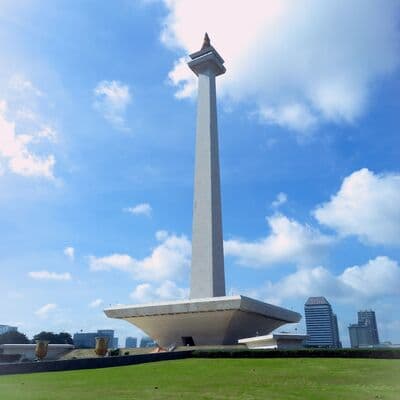
Arrive in Jakarta and spend two days exploring Indonesia's sprawling capital. Visit the National Museum for comprehensive cultural overview, explore colonial-era Kota Tua (Old Town), and experience the chaos of Glodok Chinatown. Modern Jakarta appears at Bundaran HI with its Welcome Monument and surrounding malls. Day two might include Thousand Islands boat trip for beach escape, or deeper exploration of Jakarta's food scene and nightlife.
Days 3-4: Yogyakarta Cultural Immersion
Morning flight to Yogyakarta (1 hour) or overnight train for more experiential travel. Explore the Sultan's Palace (Kraton) and surrounding royal complex, visit batik workshops to understand this traditional textile art, and experience wayang puppet theater. Day 4 sunrise at Borobudur Temple provides iconic experience at the world's largest Buddhist temple. Afternoon to Prambanan Temple showcasing Hindu architectural achievement. Optional Ramayana ballet performance at Prambanan during full moon season.
Days 5-6: East Java Volcanoes
Early departure for Mount Bromo, one of Java's most accessible and spectacular volcanic landscapes. Watch sunrise over the smoking crater from the viewpoint, then hike to the crater rim. Continue to Kawah Ijen for overnight near the sulfur mine. Very early morning (1-2 AM) trek to witness the ethereal blue flames of burning sulfur, followed by sunrise over the turquoise acidic lake. This challenging adventure rewards with otherworldly experiences.
Day 7: Transfer to Bali
Ferry crossing from Ketapang to Gilimanuk brings you to Bali. Drive across Bali's less-visited north coast, stopping at Brahma Vihara Arama Buddhist monastery or Banjar hot springs. Arrive in Lovina for black sand beaches and relaxed atmosphere different from southern Bali.
Days 8-10: Northern and Eastern Bali
Explore Bali's less-touristed regions. Dolphins at sunrise off Lovina Beach, though increasingly commercialized, remain popular. Drive to Munduk for waterfalls and coffee plantations in the cool highlands. Continue to Amed on the east coast for some of Bali's best snorkeling and diving, including the famous USAT Liberty shipwreck at Tulamben. Quieter accommodation and restaurants provide contrast to busy south.
Days 11-12: Ubud Cultural Exploration
Transfer to Ubud for comprehensive cultural immersion. Follow the Ubud recommendations from the 7-day itinerary, adding time for Ubud's excellent museums (ARMA, Neka, Blanco), longer cooking classes, yoga retreats, or spa treatments. Ubud rewards slower exploration more than rushed visits.
Days 13-14: Southern Bali and Departure
Transfer to southern Bali for final exploration. Visit remaining temples, enjoy beach time, or simply relax at resort accommodation. Airport transfer and departure having experienced Java's history and Bali's beauty in comprehensive combination.
21-Day Itinerary: Comprehensive Indonesia Explorer
Three weeks enables the dream Indonesia combination: Java's culture, Bali's beauty, and the dragons of Komodo, creating genuinely comprehensive exploration.
Days 1-6: Java Foundation
Follow the Java portion of the 14-day itinerary, spending time in Jakarta, Yogyakarta with temple visits, and East Java volcanoes. This cultural foundation provides context for understanding Indonesia's history and diversity.
Days 7-12: Bali Comprehensive
Cross to Bali and explore thoroughly. Combine the highlights from previous itineraries: southern beaches and temples, Ubud culture, Mount Batur sunrise, rice terraces, and add Nusa Penida day trip or overnight. Six days allows unhurried exploration with flexibility for rest days, repeat visits to favorite spots, or spontaneous discoveries.
Days 13-17: Komodo and Flores Adventure
Fly from Bali to Labuan Bajo, gateway to Komodo National Park. Multiple options exist: day trips for quick dragon and snorkeling visits, or multi-day liveaboard trips combining dragon viewing with world-class diving at sites like Manta Point, Batu Bolong, and Crystal Rock. Three to four days of boat-based exploration provides comprehensive Komodo experience with Komodo dragons, manta rays, and spectacular above and below water scenery.
Alternatively, drive the Trans-Flores Highway east from Labuan Bajo, exploring traditional villages, volcanic landscapes, and the three-colored lakes of Kelimutu over 3-4 days before flying out from Ende or Maumere.
Days 18-19: Lombok and Gili Islands
Fly to Lombok and transfer to Gili Islands for relaxation after active exploration. Beach time, snorkeling, and island pace provide decompression before journey home.
Days 20-21: Return and Departure
Return to Bali for final night and departure. Buffer time accommodates flight delays, last-minute shopping, or spa treatments before heading home with comprehensive Indonesian memories.
Itinerary Customization Tips
These itineraries provide frameworks easily modified to match interests. Divers might extend Komodo or add Raja Ampat instead of Java. Surfers could base in Bali's Bukit Peninsula or Lombok's south coast with day-trip explorations. Culture-focused travelers might spend entire trips between Java and Ubud. Wellness seekers could design retreats around Ubud's yoga scene. The key lies in understanding Indonesia's geography and logistics, then tailoring to personal priorities.
12. Staying Connected: Internet and Communication
Indonesia has modernized its telecommunications infrastructure significantly, though connectivity varies between urban areas and remote destinations.
Mobile Data and SIM Cards
Purchasing a local SIM card provides the most economical and reliable connectivity. Telkomsel offers the widest coverage including remote areas; XL Axiata and Indosat provide competitive alternatives with slightly less rural coverage. SIM cards are available at airports, phone shops, and convenience stores. Registration requires passport presentation.
Data packages offer excellent value: 20-50 GB monthly packages run $5-15 depending on carrier and promotion. Tourist SIM packages at airports cost more but provide convenient one-stop setup. Coverage in major tourist areas and cities proves reliable with 4G speeds. Remote areas may have limited or no coverage.
Bringing an unlocked phone ensures compatibility with local SIMs. Most modern phones work without issue; verification before travel confirms capability. Dual-SIM phones allow maintaining your home number while using Indonesian data.
WiFi Availability
WiFi has become nearly ubiquitous in tourist-oriented accommodation and restaurants. Quality varies from barely functional to fiber-fast depending on infrastructure investment. Upscale hotels and dedicated coworking spaces generally provide reliable high-speed connections. Budget accommodation may offer wifi more aspirational than functional.
Bali has developed extensive coworking infrastructure supporting its digital nomad community. Spaces like Outpost, Dojo, and Hubud provide reliable connectivity, comfortable working environments, and community atmosphere. Similar options exist in other tourist areas though with less variety.
Backup connectivity through mobile data prevents wifi-dependent frustration. Critical tasks like flight check-ins or financial transactions benefit from dedicated mobile data rather than potentially unreliable shared wifi.
Communication Apps
WhatsApp dominates Indonesian communication. Businesses, tour operators, accommodations, and individuals expect WhatsApp contact. Installing and activating WhatsApp before arrival enables seamless communication throughout your trip.
Grab and Gojek apps require Indonesian phone numbers but work with international numbers for payment. These apps handle transportation, food delivery, and various services with English interfaces and upfront pricing.
Google Translate provides essential communication assistance. The offline download feature allows translation without connectivity, valuable in areas with limited signal. The camera translation function helps with menus and signage in Indonesian.
Internet Censorship
Indonesia blocks certain websites and content, including some commonly used platforms. Reddit remains blocked entirely. Certain streaming services face geographic restrictions. Adult content faces blocking attempts though enforcement varies.
VPN services allow accessing blocked content and provide security on public wifi networks. Downloading and testing VPN apps before arrival ensures functionality when needed. Multiple VPN options should be prepared as specific services may be blocked periodically.
13. Indonesian Food: A Culinary Journey
Indonesian cuisine ranks among the world's most diverse and flavorful, reflecting the archipelago's cultural complexity through food. Understanding this culinary landscape enhances your travel experience significantly.
Essential Indonesian Dishes
Nasi Goreng: Indonesia's most famous dish, fried rice prepared with sweet soy sauce (kecap manis), shallots, garlic, chili, and various proteins. Every cook interprets differently, from simple street versions to elaborate restaurant preparations. The ubiquitous fried egg on top distinguishes Indonesian style. Ordering "nasi goreng special" typically includes egg, chicken, and prawns.
Mie Goreng: The noodle equivalent of nasi goreng, with yellow wheat noodles stir-fried with similar seasonings. Equally ubiquitous and satisfying, particularly after late nights or long travels.
Satay (Sate): Skewered and grilled meat served with peanut sauce appears throughout Indonesia with regional variations. Chicken satay (sate ayam) is most common; lamb satay (sate kambing) offers heartier flavors. Padang-style satay features thicker peanut sauce, while Madurese satay emphasizes sweet soy glaze. Accompaniments include rice cakes (lontong) and cucumber-shallot pickle.
Rendang: This slow-cooked beef dish from West Sumatra has earned recognition among the world's best foods. Beef simmers for hours in coconut milk with lemongrass, galangal, turmeric, ginger, and chilies until the liquid evaporates and the meat becomes tender and intensely flavored. Authentic rendang takes 4-6 hours of cooking; the result rewards patience with complex, deeply satisfying flavors.
Gado-Gado: This vegetable salad with peanut sauce showcases Indonesian vegetarian cuisine. Blanched vegetables including cabbage, bean sprouts, green beans, and potatoes combine with tofu, tempeh, and hard-boiled egg under generous peanut sauce. Fried shallots and prawn crackers provide textural contrast.
Soto: This soup category encompasses numerous regional variations. Soto ayam features chicken in turmeric-yellow broth; soto betawi offers rich coconut-milk beef soup; soto madura provides clear broth with beef. Each region claims their soto superior, and exploring variations reveals Indonesian culinary diversity.
Bakso: Indonesian meatball soup appears everywhere from pushcarts to restaurants. Springy beef meatballs float in clear broth with noodles, vegetables, and condiment options. Bakso quality varies enormously; seek out popular vendors where high turnover ensures freshness.
Nasi Padang: Named for the West Sumatran city of Padang, this distinctive dining style presents numerous small dishes surrounding rice. Choose from rendang, curried vegetables, fried fish, chili sambal, and more. Payment depends on which dishes you consume. This communal style provides variety and introduction to Minangkabau cuisine.
Bebek/Ayam Goreng: Fried duck (bebek) or chicken (ayam) represents Indonesian comfort food. The crispy skin and tender meat accompany rice, sambal, and fresh vegetables. Regional preparations vary: bebek betutu involves slow-cooking wrapped in banana leaves, while other styles emphasize crispy exterior.
Regional Specialties
Bali offers distinctive cuisine reflecting Hindu cultural influence. Babi guling (roast suckling pig) remains the signature dish, featuring crispy skin and tender meat seasoned with turmeric and spice paste. Bebek betutu, duck slow-cooked with spices in banana leaves, provides another Balinese specialty. Lawar, a mix of minced meat, grated coconut, vegetables, and sometimes blood, appears at ceremonial occasions. Sate lilit uses ground meat molded around lemongrass skewers rather than chunks on bamboo.
Java contributes numerous dishes to Indonesian cuisine. Gudeg from Yogyakarta features jackfruit slow-cooked in coconut milk and palm sugar for sweet, complex flavors. Rawon from East Java offers beef black soup colored by keluak nuts. Solo's nasi liwet presents rice cooked in coconut milk with chicken and egg.
Sulawesi brings unique preparations. Coto Makassar features beef soup with peanut and intensely spiced broth. Pallubasa offers similar profile with rice-flour-thickened consistency. The highland region around Toraja produces distinctive cuisine reflecting their unique culture.
Street Food Culture
Indonesian street food provides some of the best eating experiences at remarkably low prices. Warungs (small family restaurants) and kaki lima (mobile food carts) serve fresh, flavorful food throughout the day and night. Learning to navigate this informal dining culture rewards adventurous eaters.
Key street food destinations include Jalan Malioboro in Yogyakarta, where evening brings hundreds of vendors serving gudeg, sate, and other Javanese specialties. Bali's night markets (pasar malam) offer similar diversity. Jakarta's food courts and street-side warungs provide authentic Indonesian eating without tourist-oriented modifications.
Safety considerations apply to street food. Choose vendors with high turnover where food does not sit long. Observe cooking practices and cleanliness. Cooked-to-order food generally proves safer than pre-cooked items sitting at ambient temperature. Building up gradually rather than diving into spicy, unfamiliar food on day one helps digestive systems adjust.
Beverages
Indonesia produces excellent coffee, and kopi culture runs deep. Traditional kopi tubruk involves boiling fine coffee grounds directly in water, creating strong, silty coffee served with grounds settled at the bottom. Modern specialty coffee has exploded, particularly in Bali and major cities, with excellent third-wave roasters showcasing Indonesian beans. Kopi luwak, coffee from beans eaten and excreted by civet cats, carries ethical concerns given often-cruel conditions; responsible travelers avoid it.
Es teh (iced tea) and es jeruk (iced citrus drink) provide refreshing non-alcoholic options. Fresh fruit juices abound, though ice may pose concerns in less-developed areas. Young coconut (kelapa muda) provides natural refreshment straight from the shell.
Alcohol availability varies by region. Bali's Hindu culture allows widespread alcohol sales. Muslim-majority areas may have limited availability or restrict alcohol to certain establishments. Bintang beer dominates the market, with arak (rice wine) providing local spirit option. As mentioned in safety sections, avoid cheap spirits from unverified sources due to methanol poisoning risks.
Dietary Accommodations
Vegetarians find reasonable options throughout Indonesia. Many Buddhist and Hindu-influenced areas offer dedicated vegetarian restaurants. Tempeh and tofu appear widely as protein sources. However, clarifying "no meat" requires specificity: fish sauce, shrimp paste, and chicken stock appear in dishes that otherwise seem vegetarian. Learning key phrases helps communicate dietary needs.
Vegans face greater challenges as eggs, dairy, and fish products appear widely in Indonesian cooking. Tourist areas with international restaurants offer vegan options; local warungs may struggle to accommodate strict vegan requirements.
Halal food is standard throughout Muslim-majority areas, which comprises most of Indonesia outside Bali. Chinese restaurants and pork-serving establishments exist but often identify clearly.
Gluten-free eating requires awareness of soy sauce (typically containing wheat) and some noodle dishes, but rice-based meals generally accommodate gluten-free needs naturally.
Learning Indonesian Cooking
Cooking classes provide one of Indonesia's best experiential activities. Ubud particularly offers numerous excellent classes combining market tours, spice education, and hands-on cooking. Classes range from quick 3-hour introductions to full-day immersions. Many include recipes to recreate dishes at home, extending Indonesian flavors beyond your trip.
14. Shopping in Indonesia: Souvenirs and Beyond
Indonesia offers remarkable shopping opportunities, from traditional crafts to contemporary design, from bargain markets to luxury boutiques.
Traditional Crafts and Textiles
Batik represents Indonesia's most iconic textile tradition, with UNESCO recognition as Intangible Cultural Heritage. True batik involves wax-resist dyeing applied by hand (batik tulis) or copper stamp (batik cap), creating intricate patterns with cultural significance. Yogyakarta and Solo serve as batik centers, with workshops demonstrating traditional production and retail opportunities. Quality batik tulis commands significant prices reflecting labor-intensive production; cheap "batik" is often printed imitation.
Ikat textiles from various Indonesian islands feature patterns created by dyeing threads before weaving. Sumba produces particularly distinctive ikat with complex geometric and figurative designs. Flores, Solor, and other eastern Indonesian islands each produce characteristic styles. Authentic handwoven ikat requires weeks or months of production and prices reflect this craftsmanship.
Balinese silver jewelry centers around Celuk village, where family workshops produce intricate designs using traditional techniques. Quality ranges enormously from tourist trinkets to exceptional artisan pieces. Understanding silver content (925 sterling versus lower grades) and recognizing quality workmanship helps navigate purchasing decisions.
Woodcarving traditions flourish throughout Indonesia. Balinese carvers produce everything from functional items to elaborate sculptural pieces. Asmat carving from Papua features distinctive ancestral and totemic designs. Javanese furniture incorporates traditional carving into functional pieces.
Art and Antiques
Ubud serves as Bali's artistic heart, with numerous galleries representing local and international artists. Traditional Balinese painting styles continue alongside contemporary works. The Ubud art scene ranges from tourist-oriented gallery shops to serious contemporary art spaces showing established and emerging artists.
Antique purchasing requires caution. Genuine antiques face export restrictions and require permits. Reproductions are common and often misrepresented. Serious collectors should work with established dealers and obtain appropriate documentation. Casual shoppers should assume most "antiques" are reproductions priced accordingly.
Markets and Bargaining
Traditional markets provide authentic shopping experiences alongside practical goods. The Ubud Art Market offers crafts, textiles, and souvenirs in bustling atmosphere. Yogyakarta's Malioboro Street provides similar central Java offerings. Jakarta's antique markets like Jalan Surabaya combine genuine finds with reproductions.
Bargaining remains expected in traditional markets and many shops. Starting at 30-50% of asking price and negotiating upward proves reasonable. Maintaining friendly demeanor throughout the process respects Indonesian communication norms. Walking away often produces final offers if initial negotiations stall. Fixed-price shops (often clearly marked) eliminate bargaining but may have higher base prices.
Modern Shopping
Indonesia has developed significant modern retail infrastructure. Large malls in Jakarta, Surabaya, and Bali offer international brands alongside local designers. Indonesian fashion designers produce quality contemporary clothing at reasonable prices. Batik and traditional textiles have been incorporated into modern fashion by brands like Iwan Tirta and newcomer designers.
Bali's Seminyak area has become a shopping destination for contemporary fashion, homewares, and design. Boutiques along Jalan Kayu Aya and surrounding streets offer curated selections often produced in Bali's workshops. Quality and value generally exceed resort shop prices.
Customs and Export Considerations
Indonesian export regulations restrict certain items. Genuine antiques require export permits. Products made from protected species are prohibited. Certain cultural artifacts may not be exported. Reputable dealers understand regulations and can advise on permitted items.
US customs allows $800 duty-free personal exemption. Items above this value require declaration and potential duty payment. Certain items face additional restrictions regardless of value. Keeping receipts simplifies customs processing if questions arise.
15. Essential Apps for Indonesia Travel
The right mobile apps significantly enhance Indonesia travel, providing tools for navigation, communication, transportation, and services.
Transportation and Navigation
Grab: The primary ride-hailing app throughout Southeast Asia works well in Indonesian cities and tourist areas. Car and motorbike options provide convenient, fixed-price transportation. Food delivery and other services integrate into the same app.
Gojek: Indonesia's homegrown super-app offers similar services plus extensive local integrations. Food delivery (GoFood), payments (GoPay), and various lifestyle services complement transportation. Some areas work better on Gojek than Grab.
Google Maps: Essential navigation tool works well in Indonesia for driving directions and transit information. Download offline maps for areas with limited connectivity. Reviews and business information help locate restaurants and services.
Travel Planning and Booking
Traveloka: Indonesia's leading travel booking platform offers flights, hotels, and activities with competitive prices often beating international platforms. Indonesian payment methods integrate well. English interface works smoothly.
Tiket.com: Alternative booking platform with similar coverage. Comparing prices between Traveloka and Tiket.com often reveals different deals.
Communication and Translation
WhatsApp: Essential communication app used universally in Indonesia for business and personal communication. Hotels, tour operators, and services expect WhatsApp contact.
Google Translate: Offline Indonesian language pack enables translation without connectivity. Camera translation helps with menus and signage. Conversation mode facilitates real-time communication.
Other Useful Apps
XE Currency: Currency conversion app handles Indonesian rupiah's large numbers efficiently. Rate tracking helps understand value fluctuations.
Klook: Activity and tour booking platform offers Indonesian experiences with convenient mobile booking and often promotional pricing.
Maps.me: Offline maps alternative to Google Maps works well in areas with limited connectivity. Trail mapping proves useful for hiking.
16. Conclusion: Embracing the Indonesian Spirit
Indonesia rewards travelers who approach it with patience, curiosity, and open hearts. This vast archipelago offers experiences available nowhere else on Earth: watching Komodo dragons patrol ancient islands, diving reefs bursting with more species than seem possible, witnessing ceremonies connecting present to prehistoric past, and encountering warmth from people whose cultural traditions emphasize hospitality and grace.
The challenges of Indonesian travel, the sometimes chaotic transportation, the communication gaps, the infrastructure limitations in remote areas, fade against the rewards awaiting those who persevere. Every long bus ride leads somewhere remarkable. Every confusing navigation eventually resolves. Every initial misunderstanding transforms into connection through patience and goodwill.
This guide provides frameworks for planning, but the best Indonesian experiences often emerge unplanned. The ceremony you stumble upon while exploring a village. The recommendation from a local leading to extraordinary food. The sunrise that rewards an uncomfortable early morning. These moments of serendipity flourish when travelers remain open to possibility.
Indonesian culture embeds concepts worth carrying beyond your trip. Gotong royong, the spirit of mutual cooperation, manifests in community projects and daily interactions. Jam karet, rubber time, teaches patience with schedules and deadlines. Tidak apa apa, the equivalent of "no worries," encourages releasing stress over minor problems. These attitudes often prove as valuable as any temple visit.
Practical Final Thoughts
Before departing Indonesia, several practical considerations deserve attention. Reconfirm international flights 24-48 hours ahead. Arrive at airports with adequate buffer time, particularly during peak seasons when security and immigration lines extend. Save offline copies of essential documents, booking confirmations, and emergency contacts.
Exchange remaining rupiah before departure; Indonesian currency has limited utility elsewhere and poor exchange rates outside the country. Small amounts in low denominations prove useful for final tips and airport purchases; exchange larger notes earlier.
Consider what you are bringing home beyond souvenirs. Recipes learned in cooking classes, phrases of Bahasa Indonesia, photographs representing genuine experiences rather than just scenic backdrops, connections with people encountered along the way. These intangible souvenirs often prove most valuable.
Returning to Indonesia
Most Indonesia travelers begin planning return visits before their first trips end. The country simply offers too much for any single journey to encompass. Perhaps your first trip focused on Bali and Java; return visits might explore Komodo and Flores, the diving of Raja Ampat, the orangutans of Sumatra, or the cultures of Sulawesi. Each region deserves dedicated exploration.
Establishing relationships creates richer return experiences. The driver who became a friend, the restaurant owner who remembers your preferences, the dive shop that knows your certification level, these connections deepen with repeat visits. Indonesia rewards loyalty with increasingly authentic access.
The country continues evolving, with infrastructure improving, new destinations emerging, and sustainability awareness growing. Visiting responsibly contributes to positive development while providing economic support for communities dependent on tourism. Choosing local operators, respecting cultural norms, minimizing environmental impact, and spending money where it benefits Indonesian people most directly all contribute to sustainable tourism.
Carrying Indonesia With You
Indonesia changes many travelers, revealing possibilities for slower living, deeper connection to nature and community, and appreciation for cultural richness that consumer society often obscures. The temples and terraces, the reefs and rainforests, the extraordinary kindness of Indonesian people, these experiences become part of who you are.
Perhaps you return home inspired to cook Indonesian food, study Bahasa Indonesia, or plan your next visit. Perhaps Indonesia shifts your perspective on what matters in life, what pace feels right, what constitutes wealth. Perhaps the trip simply provides memorable vacation from routine. However Indonesia affects you, the experience joins the fortunate tradition of travelers who have discovered these remarkable islands.
Selamat jalan, as Indonesians say. Safe travels. May your journey bring joy, discovery, and connection. May you experience Indonesia's beauty while contributing to its wellbeing. And may you return, again and again, to this archipelago of wonders.
Essential Travel Resources
- Indonesian Tourism Official Site: indonesia.travel
- Embassy Registration: Register with your country's embassy before travel
- Emergency Numbers: 112 (general emergency), 118 (ambulance), 113 (fire)
- Tourist Police: Available in major tourist areas for assistance
Quick Reference: Indonesian Phrases
- Hello: Halo
- Thank you: Terima kasih
- Please: Tolong
- Excuse me: Permisi
- How much?: Berapa?
- Too expensive: Terlalu mahal
- Delicious: Enak
- No plastic bag: Tidak pakai plastik
- Where is...?: Di mana...?
- I don't understand: Saya tidak mengerti
Destination Quick Links
- Bali - Island of the Gods
- Ubud - Cultural Heart of Bali
- Jakarta - Indonesia's Capital
- Yogyakarta - Java's Cultural Center
- Lombok - Bali's Quieter Neighbor
- Nusa Penida - Dramatic Island Escapes
- Komodo - Land of Dragons
- Labuan Bajo - Gateway to Komodo
- Raja Ampat - Ultimate Marine Paradise
Must-See Attractions
- Borobudur Temple - World's Largest Buddhist Temple
- Prambanan Temple - Hindu Temple Complex
- Uluwatu Temple - Clifftop Bali Temple
- Tanah Lot Temple - Sea Temple Icon
- Sacred Monkey Forest - Ubud Wildlife Sanctuary
- Tegallalang Rice Terrace - Iconic Bali Landscapes
- Kelingking Beach - Nusa Penida's Famous Cliff
- Gili Islands - Paradise Island Trio
- Komodo Dragons - Ancient Reptiles
- Raja Ampat Diving - World's Best Reefs
- Mount Batur - Sunrise Volcano Trek
- Mount Rinjani - Lombok's Majestic Peak