About
Finland: The Complete Guide to the Land of a Thousand Lakes, Northern Lights, and Authentic Sauna Culture
Why Visit Finland
Finland is a country that defies expectations. There are no grandiose palaces here, no crowds pushing past each other at every tourist attraction, no aggressive vendors trying to sell you souvenirs. Instead, you will find endless forests stretching to the horizon, an almost incomprehensible 188,000 lakes, silence so profound you can actually hear it, and people who genuinely understand and respect the value of personal space. If you have grown weary of the tourist conveyor belts that characterize much of Europe, Finland will feel like a breath of fresh air - quite literally, because the air here is among the cleanest in the entire world.
But let me be honest with you from the start: Finland is not for everyone. This is a country for those who value nature over museums, tranquility over nightlife, quality over quantity. You will not find must-see attractions where you need to queue for hours just to take the same photo everyone else takes. What you will find is the Northern Lights dancing over snow-covered forests, an authentic Finnish sauna on the shore of a pristine lake, reindeer casually crossing the roads of Lapland, and the opportunity to meet Santa Claus - officially, with a proper postal address and everything. Yes, Santa really does live in Finland, and you can visit him year-round.
Finland has been ranked the happiest country in the world for seven consecutive years according to the World Happiness Report. And when you find yourself on the shore of a lake at midnight, watching the sun barely touch the horizon before rising again, or when you are lying in a glass igloo gazing up at the dancing aurora borealis, you will understand why. This country is not about checking items off a bucket list. It is about achieving a state of mind that most people spend their entire lives searching for.
The country is compact enough to explore thoroughly in a few weeks, yet diverse enough to offer completely different experiences in each region. From the cosmopolitan streets of Helsinki with its world-renowned design districts and innovative architecture to the wild, untamed expanses of Lapland where reindeer outnumber people, from the medieval charm of Turku to the idyllic waterfront of Porvoo - each region offers its own distinct version of Finnish happiness. And thanks to excellent infrastructure, reliable public transport, and one of the lowest crime rates in the world, traveling here is remarkably easy even for first-time international visitors.
For Americans, Canadians, Brits, and Australians, Finland offers something increasingly rare in modern travel: genuine authenticity without the performance. Finns are not putting on a show for tourists. They live their lives the way they always have, and you are simply invited to observe and participate. The English proficiency here is exceptional - consistently ranked among the top five countries in the world for English as a second language - so communication is never an issue. You can have deep, meaningful conversations with locals about everything from Nordic social democracy to heavy metal music without ever needing a translation app.
The practical aspects of visiting Finland are remarkably straightforward for English-speaking travelers. Americans, Canadians, Brits, and Australians can visit visa-free for up to 90 days within any 180-day period under the Schengen Agreement. Credit cards are accepted virtually everywhere - in fact, Finland is rapidly becoming a cashless society. The water is drinkable straight from the tap in every single location in the country. Healthcare is world-class should you ever need it. And while prices are certainly higher than in Southern or Eastern Europe, you are paying for quality, safety, and an infrastructure that actually works.
What makes Finland truly special is not any single attraction or experience - it is the cumulative effect of a society that has figured out something important about how to live well. Clean streets, functional public services, honest business practices, respect for nature, work-life balance, strong education - all of these abstract concepts become tangible when you experience them firsthand. You will return home looking at your own country differently, wondering why some things that work so well in Finland seem so difficult elsewhere. That subtle shift in perspective might be the most valuable souvenir you bring home.
Regions of Finland: Which One to Choose
Helsinki and the Capital Region
Helsinki is where most international visitors begin their Finnish adventure, and it makes for an excellent introduction to the country. The capital sits on a peninsula jutting into the Baltic Sea, surrounded by islands and waterways that give it a distinctly maritime character. With a population of around 650,000 in the city proper and about 1.5 million in the greater metropolitan area, it is small by global standards but punches far above its weight in terms of design, architecture, culture, and quality of life.
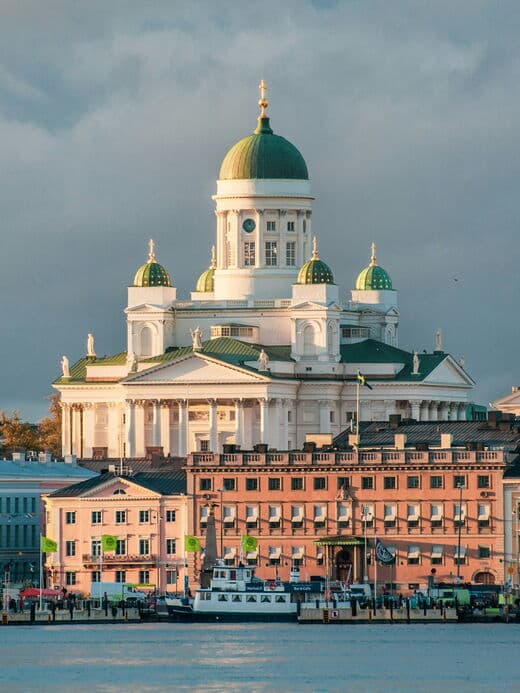
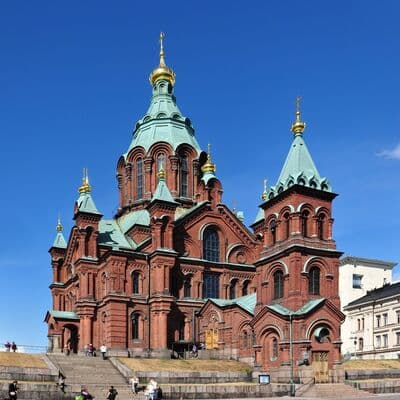
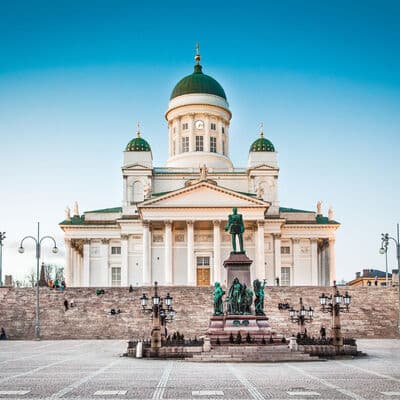
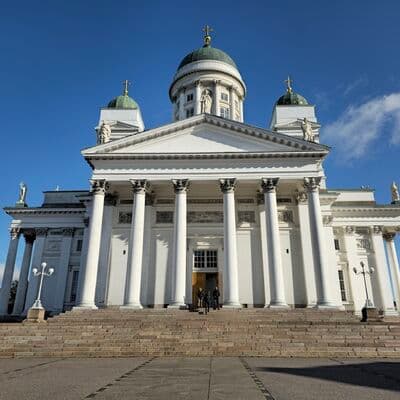
The city is a fascinating study in contrasts and layers of history. You will see neoclassical buildings designed when Finland was a Grand Duchy of the Russian Empire standing alongside functionalist masterpieces from the 1930s, brutalist concrete structures from the 1960s, and cutting-edge contemporary architecture that continues to push boundaries. The white-domed Helsinki Cathedral overlooking Senate Square could be mistaken for something from St. Petersburg, while the red-brick Uspenski Cathedral nearby is the largest Orthodox church in Western Europe, reminding visitors of Finland's complex historical relationship with Russia.
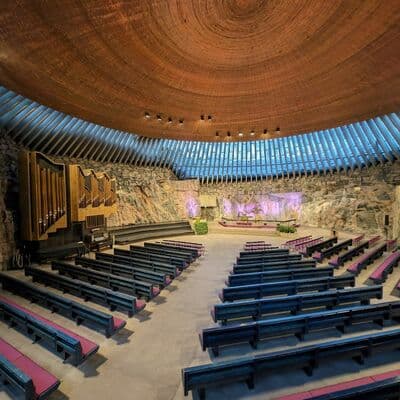
For architecture and design enthusiasts, Helsinki is nothing short of paradise. The Temppeliaukio Church, also known as the Rock Church, is carved directly into solid granite bedrock and topped with a spectacular copper dome - it is one of the most unique religious buildings you will ever encounter. The Oodi Central Library, opened in 2018, represents everything Finland values: free public access to knowledge, stunning contemporary design, and multifunctional spaces that include everything from traditional book collections to 3D printers, recording studios, and sewing machines. The library received over three million visitors in its first year, which in a country of 5.5 million people tells you something about how Finns relate to knowledge and public institutions.
The Design District Helsinki covers 25 streets in the city center and includes over 200 shops, galleries, studios, showrooms, and museums dedicated to Finnish design. This is where you will find the flagship stores of Marimekko, Iittala, Arabia, and Artek - names that design aficionados worldwide instantly recognize. But beyond the famous brands, you will discover small independent designers and artisans creating unique pieces that embody the Finnish design philosophy of combining beauty with functionality.
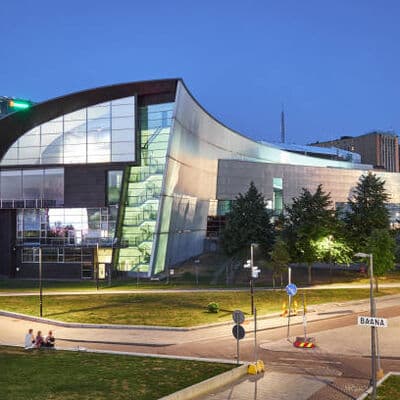
Art lovers will find plenty to occupy their time. The Ateneum Art Museum houses the most significant collection of classical Finnish art, including works by national icons like Akseli Gallen-Kallela whose paintings defined the visual language of Finnish national identity. The Kiasma Museum of Contemporary Art, housed in a striking building designed by Steven Holl, focuses on Finnish and international contemporary art with frequently changing exhibitions that challenge and provoke.
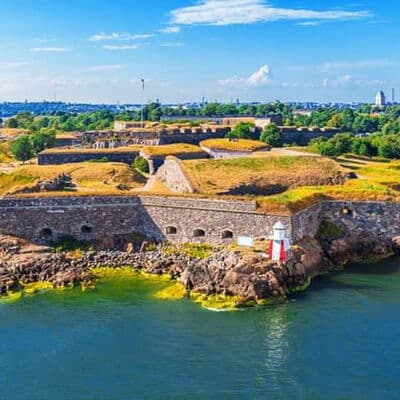
No visit to Helsinki is complete without taking the fifteen-minute ferry ride to Suomenlinna, a UNESCO World Heritage sea fortress spread across six islands. Built by the Swedes in the 18th century to defend against Russian expansion, the fortress changed hands multiple times before Finland gained independence. Today it functions as a charming residential neighborhood - about 800 people actually live there year-round - combined with museums, cafes, walking paths, and picnic spots. Pack a lunch, bring a blanket, and spend a leisurely afternoon exploring the ramparts and watching ships pass through the narrow channel into Helsinki harbor.
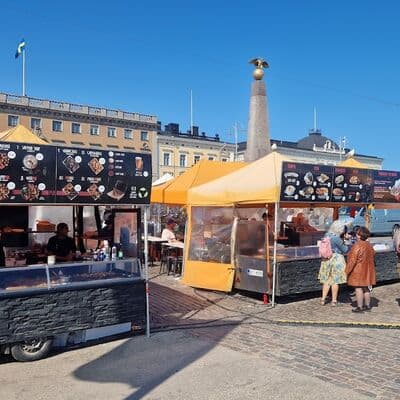
The Market Square on the waterfront is the heart of Helsinki's outdoor life. Here you will find stalls selling everything from fresh fish and local berries to traditional crafts and tourist souvenirs. The mustikkapiirakka (blueberry pie) sold at the market is legendary, and in summer you can buy fresh strawberries that will make you question everything you thought you knew about how strawberries should taste. The nearby Old Market Hall, dating from 1889, offers a more upscale but equally authentic food experience with vendors selling reindeer meat, Finnish cheeses, smoked fish, and various delicacies.
The Esplanade Park stretches from the Market Square into the heart of the city, providing a green corridor lined with elegant buildings, outdoor cafes, and often hosting free concerts and events in summer. This is where Finns come to see and be seen, to enjoy ice cream on a sunny day, or simply to watch the world go by. The Kappeli restaurant at the park's eastern end has been serving customers since 1867 and offers a quintessentially Helsinki experience.
For a truly Finnish experience in Helsinki, you must try Loyly, a public sauna complex on the waterfront designed by award-winning architects. The building itself is a work of art, with its distinctive wooden slat exterior, but the experience inside is what matters most - traditional Finnish saunas followed by a plunge into the Baltic Sea, regardless of the season. Yes, even in winter when the water hovers just above freezing and you need to break through ice to swim. This is not masochism; this is how Finns have lived for centuries, and the endorphin rush you experience afterward is extraordinary.
Turku and the Southwest Coast
Turku was Finland's capital until 1812 and remains the country's oldest city, with a history stretching back to the 13th century when it was founded as a Catholic bishop's seat. With a population of around 200,000, it is Finland's fifth-largest city but feels more intimate than Helsinki while still offering genuine urban amenities. Many travelers skip Turku entirely, which is a mistake - the city has a completely different character from Helsinki and provides insights into Finnish history and culture that the capital cannot match.
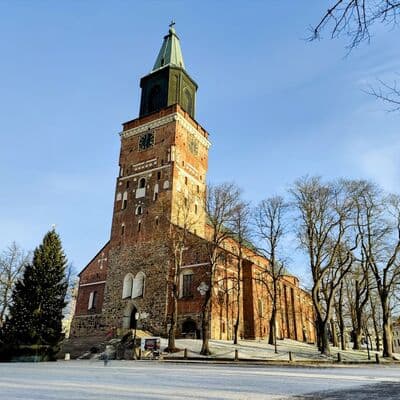
The Turku Cathedral, consecrated in 1300, is the mother church of the Evangelical Lutheran Church of Finland and the most important religious building in the country. Its interior has been modified many times over the centuries following fires and changing fashions, but it retains an atmosphere of profound historical significance. The tombs of bishops and Swedish royalty lie beneath the floor, and the medieval side chapels contain fascinating religious art from different eras.
Turku Castle is one of the oldest surviving buildings in Finland, with construction beginning in the late 13th century. Unlike the ruined castles you find in many European countries, Turku Castle is remarkably well-preserved and functions as both a historical museum and an event venue. Walking through its corridors and chambers, you can trace the evolution of Finnish history from medieval times through the Renaissance and beyond. The castle dungeon, where prisoners were once held in appalling conditions, provides a sobering counterpoint to the grandeur of the upper floors.
The Aura River runs through the heart of Turku, and the riverbanks have been transformed into the city's social center. Historic ships converted into bars and restaurants line both shores, outdoor terraces fill with people on warm summer evenings, and the atmosphere is notably more relaxed and bohemian than in Helsinki. Turku has a large student population thanks to its universities, which contributes to the youthful, creative energy of the city.
The Turku Archipelago is perhaps the most underrated destination in all of Finland. Consisting of approximately 20,000 islands - yes, twenty thousand - it is the world's largest archipelago and offers an experience unlike anything else in Europe. In summer, you can take ferries or rent a bicycle and explore the Archipelago Trail, a 250-kilometer route that connects various islands through a combination of roads and ferry crossings. The ferries are free for passengers and bicycles, making this one of the most affordable adventures in an otherwise expensive country.
The archipelago islands range from tiny uninhabited rocky outcrops to larger islands with villages, farms, guest houses, and restaurants. The landscape is quintessentially Nordic: rocky shores, pine forests, red wooden houses, old fishing harbors, and water everywhere you look. In midsummer, when the sun barely sets and the light takes on that magical golden quality, the archipelago feels like the edge of the world - a place where time slows down and modern concerns seem very far away.
Lapland - The Arctic North
Lapland is what most people picture when they think of Finland: endless snow-covered forests, the Northern Lights, reindeer, huskies, and Santa Claus. Covering nearly a third of Finland's total land area but home to only about 180,000 people, Lapland is one of the last true wilderness areas in Europe. This is where you come to escape civilization entirely or to experience winter in its most dramatic form.
Rovaniemi, the capital of Lapland and home to about 65,000 people, sits almost exactly on the Arctic Circle and serves as the gateway to the region for most visitors. The city itself was almost completely destroyed during World War II when retreating German forces burned it to the ground, so most buildings are post-war constructions designed by architect Alvar Aalto. The city center was actually designed in the shape of reindeer antlers when viewed from above - a quirky detail that few visitors notice but which tells you something about the Finnish sense of humor.
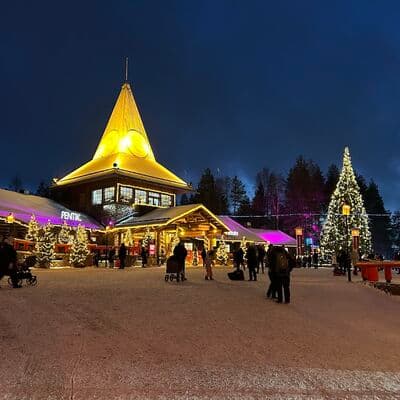
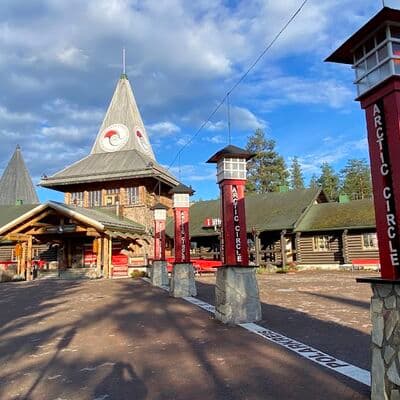
The Santa Claus Village on the Arctic Circle just north of Rovaniemi is unashamedly touristy but also genuinely magical, especially if you visit during the winter season. You can meet Santa himself (the official one - Finland takes this seriously), send postcards from the Santa Claus Main Post Office that arrive with a special Arctic Circle postmark, and cross the Arctic Circle line marked on the ground. Yes, it is commercial. Yes, there are souvenir shops everywhere. But there is also something undeniably special about standing at the Arctic Circle, especially if you have brought children or are in touch with your own inner child.
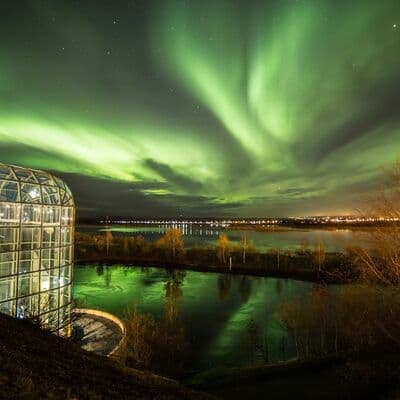
The Arktikum Museum in Rovaniemi provides essential context for understanding Lapland and the Arctic region. Housed in a striking building with a 172-meter glass tunnel extending into the landscape, the museum combines natural history, Arctic science, and the culture of the Sami people - the indigenous inhabitants of Lapland who have lived here for thousands of years. The Sami sections are particularly important because they challenge the simplified tourist narrative of reindeer and colorful costumes, revealing a culture with its own language, traditions, struggles for recognition, and ongoing tensions with modern Finnish society.
The Arctic Circle itself is more than just a line on a map. It marks the latitude above which the sun does not set for at least one day in summer (the Midnight Sun) and does not rise for at least one day in winter (the Polar Night or kaamos in Finnish). The further north you go in Lapland, the more extreme these phenomena become. At the northernmost point of Finland, the sun does not set for 73 consecutive days in summer and does not rise for 51 days in winter.
The Kakslauttanen Arctic Resort offers what has become one of the most iconic accommodation experiences in the world: glass igloos where you can lie in bed watching the Northern Lights dance across the sky without getting cold. These heated glass domes have become Instagram-famous and need to be booked months in advance during peak aurora season. The experience is expensive - upward of 500-800 EUR ($550-880 USD) per night - but for many visitors, watching the aurora from the warmth of their bed is a once-in-a-lifetime experience that justifies the cost.
Lake Inari in northern Lapland is Finland's third-largest lake and one of the most sacred places for the Sami people. The lake contains over 3,000 islands, many of which have historical and spiritual significance. The village of Inari on the lake's shore is home to the Siida museum, the most comprehensive museum of Sami culture in Finland, and serves as a base for exploring the surrounding wilderness. This far north, you are closer to the North Pole than to Helsinki, and the landscape takes on an otherworldly quality.
The Saariselka Ski Resort is Finland's northernmost ski resort and offers a different experience from the Alps. The slopes are gentler and shorter - Finland is not known for dramatic mountain skiing - but the reliably cold temperatures mean excellent snow conditions, and the lack of crowds is a welcome change from packed Alpine resorts. Beyond downhill skiing, Saariselka is a center for cross-country skiing, snowshoeing, Northern Lights viewing, and various Arctic activities.
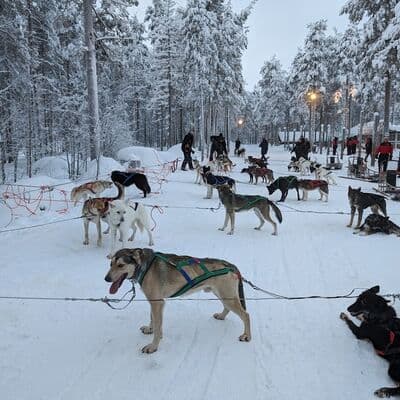
Husky safaris are among the most popular activities in Lapland, and for good reason. Being pulled across frozen landscapes by a team of eager, energetic dogs is an exhilarating experience that connects you to centuries of Arctic survival traditions. You can take short one-hour excursions or multi-day expeditions that include overnight stays in wilderness cabins. The dogs themselves are as much a part of the experience as the scenery - these are working animals who genuinely love what they do, and their enthusiasm is infectious.
The Lakeland Region
Central Finland is dominated by the Lakeland region, a vast area of interconnected lakes, islands, and forested peninsulas that represents the landscape most Finns consider quintessentially home. This is cottage country - the summer escape for urbanites who own or rent simple wooden cabins on the water's edge. With over 180,000 lakes in Finland, the Lakeland holds the majority of them, and the landscape can seem endless: water, forest, water, forest, water, in every direction.
Savonlinna is the heart of the Lakeland, a small town built on islands where lakes connect to other lakes. The medieval Olavinlinna Castle, standing on its own island since 1475, hosts the famous Savonlinna Opera Festival every July - one of the world's most prestigious opera events, drawing performers and audiences from around the globe. Attending an opera in this dramatic setting, with the castle walls rising around you and the Finnish summer night refusing to get properly dark, is a cultural experience unlike any other.
Tampere, Finland's third-largest city with about 250,000 residents, sits on a narrow strip of land between two large lakes and was historically the country's industrial heartland. Former textile mills and factories have been converted into museums, galleries, restaurants, and cultural centers, giving the city a post-industrial creative vibe. The Spy Museum and Lenin Museum are unique attractions you will not find elsewhere, and the vibrant food scene reflects Tampere's working-class heritage with hearty, unpretentious dishes.
For visitors seeking a traditional Finnish lake experience, the Lakeland offers numerous opportunities to rent cottages with saunas directly on the water. This is the authentic Finnish summer: waking up in a simple wooden cabin, swimming in the lake before breakfast, picking wild blueberries and mushrooms in the surrounding forest, spending the evening in the sauna followed by more swimming, and falling asleep to the sound of loons calling across the water. Many Finns consider this the pinnacle of happiness, and after a few days in the Lakeland, you might understand why.
Porvoo and the Southern Coast
Porvoo is the second-oldest town in Finland and one of the most picturesque, located just 50 kilometers east of Helsinki on the southern coast. It makes an excellent day trip from the capital but deserves more time if you can spare it. The medieval Old Town is a maze of cobblestone streets, colorful wooden buildings, artisan shops, and cozy cafes that feels transported from another era.
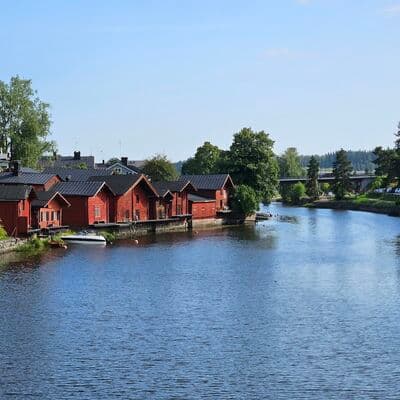
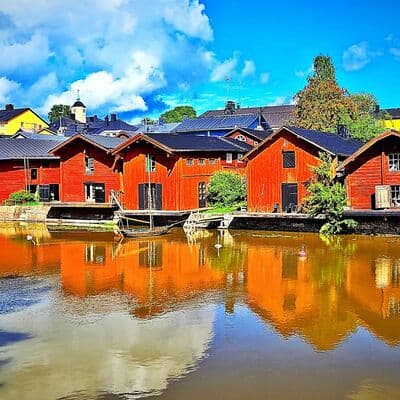
The Red Shore Houses are Porvoo's most iconic image - a row of 18th-century wooden warehouses painted in the distinctive Finnish red (a color called Falu red, originally derived from copper mining waste) standing along the Porvoo River. These buildings originally stored goods being shipped to and from the town and have become one of the most photographed scenes in Finland. The best views are from the opposite bank of the river, especially in morning or evening light.
Beyond the obvious photogenic charm, Porvoo has developed into something of a gourmet destination with excellent restaurants and cafes serving everything from traditional Finnish cuisine to innovative Nordic fusion. The chocolate shops are particularly notable - several artisan chocolatiers have set up in town, and sampling their creations while wandering the medieval streets is a thoroughly pleasant way to spend an afternoon.
The southern coast of Finland, stretching from Turku in the west to the Russian border in the east, includes numerous small coastal towns, manor houses, and natural areas worth exploring. The Nuuksio National Park, only 30 minutes from Helsinki, offers genuine wilderness with minimal effort - a rare opportunity to hike through ancient forests and around pristine lakes without traveling far from a major city.
Finnish Nature: National Parks and Unique Landscapes
Finland has 41 national parks, and access to all of them is completely free. This alone tells you something about Finnish values: nature belongs to everyone, and no one should be prevented from enjoying it by lack of money. The concept of Everyman's Rights (jokamiehen oikeudet in Finnish) means that anyone can walk, ski, or cycle anywhere in the countryside - including privately owned forests - as long as they do not cause damage or disturb residents. You can pick wild berries and mushrooms, fish with a rod and line, and camp for a night almost anywhere. This freedom feels revolutionary to visitors from countries where nature is fenced off and access restricted.
The landscape varies more than you might expect for a country often dismissed as flat. Southern Finland is indeed relatively low-lying, with forests, lakes, and gentle hills. But as you move north, the terrain becomes more dramatic. The fells of Lapland - treeless highland plateaus that rise above the surrounding forest - create an almost lunar landscape in certain light. The highest point in Finland is Halti at 1,324 meters, on the border with Norway - not impressive by Alpine standards but enough to offer genuine mountain scenery.
Urho Kekkonen National Park in northern Lapland is one of the largest protected wilderness areas in Europe, covering nearly 2,550 square kilometers. Here you can hike for days without seeing another person, following marked trails through ancient forests, across frozen lakes, and over open fells. The park is named after a long-serving Finnish president who was passionate about conservation, and it represents nature on a scale that has largely disappeared from more densely populated parts of Europe.
Koli National Park in North Karelia is perhaps the most iconic landscape in Finland - the view from the Koli Hills over Lake Pielinen inspired many of the most famous works in Finnish art and became a symbol of national identity during the late 19th century. The landscape is not dramatic by global standards, but it is quintessentially Finnish: endless lakes, forest-covered islands, and a quality of light that changes constantly with the seasons. Artists still come here to paint, and on a misty autumn morning, you can understand why.
For wildlife viewing, Finland offers excellent opportunities. Brown bears are relatively common in the eastern forests near the Russian border, and specialized wildlife photography hides allow you to observe them from close range in safety. Wolves exist but are elusive and rarely seen. Lynx are present but even more secretive. More commonly seen are elk (what Americans call moose), reindeer in Lapland, white-tailed deer, foxes, and numerous species of birds including various eagles, owls, and the willow grouse that changes color from brown to white with the seasons.
The marine environment is equally significant. The Baltic Sea surrounding Finland's coasts is home to the endangered ringed seal and grey seal, and seabird colonies populate the outer archipelago islands during breeding season. The brackish waters of the Baltic are ecologically unique but also heavily affected by pollution from surrounding countries - a reminder that Finland's pristine image is partly real and partly aspirational.
Forest covers about 73% of Finland's land area, making it the most forested country in Europe. These are predominantly managed commercial forests - Finland has a massive forestry industry - but the sustainable practices mean that hiking through them still feels like walking in wilderness. The forest floor is covered with bilberries, lingonberries, and various mushrooms that are safe to forage if you know what you are looking for. Many Finns spend autumn weekends gathering these foods, a tradition that connects them to the land in ways that are increasingly rare in modern societies.
The midnight sun in summer and the polar night in winter transform the natural experience completely depending on when you visit. In June and July, the sun simply refuses to set in Lapland, creating an extended golden hour that photographers love and that gives outdoor activities an almost dreamlike quality. In December and January, the polar night means only a few hours of twilight even in southern Finland, and the darkness is illuminated by snow, streetlights, and the aurora borealis. Both extremes take some adjustment but offer unique experiences that temperate climates cannot match.
When to Visit Finland
Finland offers dramatically different experiences depending on the season, and there is genuinely no wrong time to visit - only different priorities and expectations.
Winter (December through March) is the classic season for experiencing Lapland, the Northern Lights, winter sports, and snow-covered landscapes. Temperatures in Lapland regularly drop to -20C (-4F) and occasionally to -30C (-22F) or below, so you need proper cold-weather gear - not just a regular winter coat but layered clothing, insulated boots, thermal underwear, and accessories for exposed skin. The reward for braving the cold is a winter wonderland that feels genuinely magical: snow that sparkles like diamonds under the weak winter sun, reindeer silhouetted against the twilight, husky sleds whooshing across frozen lakes, and the aurora borealis dancing overhead on clear nights.
The Northern Lights are visible from roughly September through March, with the best viewing conditions typically occurring between December and February when nights are longest and darkest. However, the aurora is never guaranteed - it depends on solar activity, weather conditions, and luck. Cloud cover blocks the view entirely, and the lights can be anything from a faint green glow on the horizon to spectacular curtains of color filling the entire sky. Plan to spend several nights in Lapland to maximize your chances, and check aurora forecasts daily to position yourself for optimal viewing.
Spring (April and May) is a transitional season when the snow melts, daylight hours increase rapidly, and nature awakens from winter dormancy. This is not the prettiest time in Finland - melting snow creates mud, and the landscape can look rather dreary before the new growth appears. However, it is an excellent time for bird watching as migratory species return, and the increasing light triggers a palpable sense of excitement among Finns emerging from their winter hibernation.
Summer (June through August) brings the famous midnight sun, when the sun barely sets even in southern Finland and does not set at all north of the Arctic Circle. This is the season for outdoor activities: hiking, cycling, kayaking, fishing, and experiencing the traditional Finnish cottage life. Temperatures are pleasantly warm, typically 15-25C (59-77F), occasionally climbing higher during heat waves. The downside of summer is that it coincides with mosquito season, particularly in Lapland and the Lakeland where standing water is everywhere. Mosquitoes can be genuinely oppressive in wilderness areas, so bring effective insect repellent and consider clothing with built-in bug protection.
The Midsummer festival (Juhannus) in late June is the most important celebration of the Finnish calendar, more significant even than Christmas in some ways. Finns retreat to their summer cottages, light bonfires, enjoy sauna, and celebrate the brief perfect summer with family and friends. Many shops and services in cities close for the long weekend, and if you are in Helsinki, the city may feel eerily deserted. But if you can arrange to spend Midsummer with Finnish friends or at a cottage rental, you will experience something unforgettable.
Autumn (September and October) is arguably the most beautiful season in Finland, particularly in Lapland where the ruska - the autumn colors - transforms the landscape into a tapestry of red, orange, and gold. The mosquitoes have died off, the summer crowds have departed, and the weather is often crisp and clear. This is also an excellent time for aurora viewing, as nights are dark enough but temperatures not yet extreme. Many Finns consider autumn the best time to visit Lapland for hiking and photography.
For first-time visitors, summer offers the easiest introduction to Finland with pleasant weather and long days for sightseeing. Winter provides the most dramatic and uniquely Finnish experience but requires more preparation and a tolerance for cold and darkness. The shoulder seasons of spring and autumn offer compromises with fewer crowds, lower prices, and their own distinct charms.
Getting to Finland
Helsinki-Vantaa Airport (HEL) is Finland's main international gateway and one of the most efficient airports in Europe. The airport consistently ranks among the top in the world for on-time performance, cleanliness, and passenger experience. From North America, Finnair operates direct flights from New York, Los Angeles, Miami, Dallas, Chicago, Seattle, and various Canadian cities. From the UK, multiple carriers serve Helsinki from London, Manchester, and Edinburgh. From Australia, you will typically connect through Asian hubs like Singapore, Hong Kong, or Tokyo.
For American travelers, the flight time from the US East Coast to Helsinki is approximately 8-9 hours, making it one of the shorter transatlantic routes. The geography works in your favor here - Finland is actually closer to New York than many other European destinations. Finnair flights from Asia often stop in Helsinki before continuing to other European cities, which means the Helsinki airport has unusually good connections to Japan, China, and Southeast Asia despite Finland's relatively small population.
Helsinki airport is connected to the city center by a direct rail link that takes about 30 minutes and costs around 5 EUR ($5.50 USD). Trains run from early morning until midnight, with departures every 10-15 minutes. From the central railway station, you can easily walk to most downtown hotels or take public transport anywhere in the city. A taxi from the airport to the city center costs 45-55 EUR ($50-60 USD) and takes roughly the same time as the train, so there is little reason to use taxis unless you have excessive luggage or mobility issues.
Several budget airlines serve Finland from other European cities. Norwegian, Ryanair, and Wizz Air operate routes to Helsinki and occasionally to other Finnish airports. These can offer significant savings over Finnair, particularly for short-haul European connections, but be aware of the additional fees for baggage, seat selection, and other services that can quickly erode the price advantage.
Ferry connections link Helsinki to Stockholm (Sweden), Tallinn (Estonia), and St. Petersburg (Russia, though currently unavailable due to sanctions). The Baltic ferries are substantial vessels - essentially floating shopping malls and hotels - and the Stockholm route in particular takes about 16 hours, departing in the evening and arriving the next morning. The ferries are popular with Finns and Swedes for shopping (duty-free goods are available on board), entertainment, and socializing. As a travel experience, they offer something different from flying but require more time.
From neighboring countries, train connections exist from Russia (currently suspended) and through Sweden. The railway infrastructure within Scandinavia is not as integrated as in Central Europe, so train travel from Stockholm or Oslo involves relatively long journeys with at least one transfer. It can be done as an adventure but is not the most practical option for most visitors.
Driving into Finland is possible from Sweden via bridges at Tornio in the north or from Norway across remote Arctic border crossings. These routes are scenic but long, and given Finland's excellent air connections, few international visitors choose to drive in. The exception might be road trip enthusiasts specifically wanting to explore Scandinavia by car, in which case the journey itself becomes part of the attraction.
Getting Around Finland
Finland has an excellent public transportation system, but the country's size and low population density mean that not everywhere is equally accessible without a car. For major cities and tourist destinations, public transport works well. For rural areas and remote wilderness regions, car rental becomes more practical.
VR Finnish Railways operates an efficient and punctual train network connecting major cities. The main routes run from Helsinki north to Tampere, Jyvaskyla, Oulu, and ultimately Rovaniemi in Lapland. Journey times are longer than in more densely populated European countries - Helsinki to Tampere is about 1.5 hours, Helsinki to Oulu about 6 hours, Helsinki to Rovaniemi about 8-10 hours - but the trains are comfortable, have WiFi, and offer restaurant cars on longer routes. Booking in advance through the VR website or app secures the best prices, with significant discounts available for early purchases.
Overnight trains to Lapland are a particularly Finnish experience. The Santa Claus Express runs from Helsinki to Rovaniemi, departing in the evening and arriving the next morning. Various sleeping options are available, from seated carriages to private sleeping compartments and even car transport carriages if you want to bring your vehicle. Waking up in Lapland after a night on the train has a certain romance to it, and the practical advantage of saving a night's hotel costs makes this an efficient option.
Long-distance buses operated by companies like Onnibus and Matkahuolto cover routes that trains do not reach and are often cheaper than trains for popular routes. The buses are modern and comfortable, with WiFi and power outlets, though journey times are inevitably longer than trains. For reaching destinations off the main rail lines, buses are often the only public transport option.
Domestic flights can save significant time for longer distances, particularly when traveling to Lapland. Finnair and Norwegian operate multiple daily flights from Helsinki to Rovaniemi, Ivalo, Kittila, and other northern airports. Flight time is about 1.5 hours compared to 8-10 hours by train, and prices can be competitive if booked in advance. During peak winter season, direct flights from Helsinki to Lapland airports fill up quickly, so book early if your dates are fixed.
Within cities, public transport is universally excellent. Helsinki's HSL network includes buses, trams, metro, commuter rail, and ferries, all integrated under a single ticketing system. A day pass costs around 12-15 EUR ($13-16 USD) and allows unlimited travel on all modes within the city zone. The same card-based systems operate in other major cities like Tampere, Turku, and Oulu. Transit apps show real-time arrivals and departures, and everything runs on time with Scandinavian precision.
Car rental is available from major international companies at airports and in cities. Prices are higher than in Southern Europe but not dramatically so, with economy cars starting around 40-50 EUR ($44-55 USD) per day. Winter driving in Finland requires snow tires - this is a legal requirement from November through March - and rental companies automatically provide appropriate tires during winter months. Finnish roads are well-maintained even in winter, with efficient snow clearing and gritting, but driving in Lapland during snow storms requires experience and caution. If you are not confident driving in winter conditions, stick to trains and buses.
Cycling is popular in Finnish cities during warmer months, with extensive bike lane networks and bike-sharing schemes. Helsinki's city bikes operate from April through October and cost around 35 EUR ($38 USD) for a week pass. For longer-distance cycling, Finland has numerous marked routes including the Archipelago Trail mentioned earlier. The relatively flat terrain makes cycling accessible to most fitness levels, though distances between towns can be substantial.
Taxis are safe and reliable but expensive by global standards. A typical city taxi ride costs 15-30 EUR ($16-33 USD), and rates increase after midnight and on weekends. Apps like Uber, Bolt, and the Finnish app Taksi Helsinki work in major cities. For airport transfers and other fixed routes, comparing app prices against traditional taxi companies often reveals significant savings.
The Cultural Code of Finland
Understanding Finnish culture helps visitors avoid awkward moments and appreciate the subtleties that make this society distinctive. Finns themselves joke about their national characteristics - the silence, the personal space, the reserved demeanor - but beneath the stereotypes lies a complex culture that values honesty, equality, and quiet competence over self-promotion and small talk.
The most important thing to understand about Finnish communication is that silence is not awkward. Finns speak when they have something to say and are comfortable with pauses in conversation. What Americans or Brits might interpret as coldness or disinterest is simply a different communication style that values substance over form. If a Finn asks you a question, they genuinely want to know the answer - they are not just making conversation. If they are silent, they are probably thinking or simply enjoying the quiet. Do not feel compelled to fill every silence with chatter.
Personal space is genuinely important. Finns maintain more physical distance in conversations than most other nationalities, and touching - even friendly touches on the arm - can feel intrusive to people who are not close friends. In bus stops and queues, Finns naturally space themselves out, and videos of Finns waiting for buses in the rain, each person standing a meter apart, have become an internet joke that Finns themselves embrace. This is not unfriendliness - it is respect for individual autonomy.
Punctuality is taken seriously. If you agree to meet someone at 14:00, you are expected to arrive at 14:00 - not 14:10 or 13:50. Being late without explanation is considered disrespectful, and being excessively early can also be slightly awkward. This extends to business meetings, social engagements, public transport, and essentially every scheduled activity. Finnish trains and buses leave precisely on time, and if you are not there, you miss them.
Equality is a foundational Finnish value. The country has one of the smallest income gaps between rich and poor in the world, and displays of wealth or status are generally viewed negatively. Boasting about accomplishments, expensive purchases, or social connections is considered extremely poor form. The cultural concept of tasa-arvo (equality) means that everyone from the CEO to the janitor is addressed by first name and treated with basic respect. This can be refreshing for visitors from more hierarchical societies but sometimes confusing when you cannot tell who is in charge.
The sauna is not merely a luxury or recreation - it is central to Finnish identity and social life. There are approximately 3.3 million saunas in Finland for a population of 5.5 million, which works out to roughly one sauna for every two people. Saunas are found in apartments, houses, summer cottages, office buildings, sports facilities, and even parliament. The traditional ritual involves heating to 80-100C (176-212F), sitting in the steam, cooling off in a lake or cold shower, and repeating the cycle multiple times. Nudity is normal in same-sex sauna sessions, though swimsuits are acceptable in mixed-gender public saunas. If you are invited to sauna with Finns, accept - it is a genuine honor and sign of friendship.
Alcohol has a complicated relationship with Finnish culture. The government maintains a monopoly on retail sales of beverages above 5.5% alcohol through the Alko store chain, and prices are among the highest in Europe. Finns sometimes joke that they drink to get drunk rather than for social lubrication, and binge drinking can be an issue. However, this stereotype is somewhat outdated, and younger Finns drink considerably less than previous generations. In social situations, Finns become notably more talkative after a few drinks, leading to the observation that alcohol is Finland's social lubricant.
Nature and outdoor life are integral to Finnish identity. The concept of jokamiehen oikeudet (Everyman's Rights) allowing free access to nature reflects a deep cultural belief that natural spaces belong to everyone. Many Finns own or have access to summer cottages (mokki) where they spend weekends and holidays away from city life. The transition from winter to summer is greeted with almost religious fervor, with Finns flooding into parks at the first sign of warm weather. Understanding this connection to nature helps explain everything from Finnish design aesthetic to political priorities around environmental protection.
Small talk does not come naturally to most Finns, and what Americans consider normal friendly conversation can feel intrusive or superficial. Do not expect strangers to chat with you at bus stops or in queues. However, once a Finn considers you a friend, that friendship is genuine and long-lasting. The Finnish saying sisu - roughly translated as grit, determination, resilience in the face of adversity - captures an important national character trait: Finns may be quiet, but they are tough and reliable when it matters.
Safety in Finland
Finland is one of the safest countries in the world for travelers. Violent crime rates are extremely low, property crime exists but is well below European averages, and the rule of law is strong. You can walk alone at night in any Finnish city without significant concern, leave bags unattended without great risk, and trust that police and public officials are honest and helpful. This baseline safety is so thorough that many visitors find it almost disconcerting at first.
Petty theft exists, primarily in tourist areas of Helsinki and on crowded public transport. Use common sense - do not leave phones or wallets unattended, be aware of your surroundings in crowded areas, and secure valuables in hotel safes. But compared to most European capitals, Helsinki is remarkably safe. Scams targeting tourists are rare, and aggressive street vendors or touts are essentially nonexistent.
Traffic accidents represent one of the more significant risks to visitors. Finnish drivers are generally safe and law-abiding, but winter conditions create hazards. If you plan to drive in winter, especially in Lapland, understand that roads can be slippery, visibility can drop suddenly in snow storms, and reindeer present a genuine collision risk in the north. Drive defensively, maintain appropriate speeds, and do not overestimate your winter driving abilities if you lack experience in snow.
Natural hazards require awareness depending on where you travel and what activities you undertake. In winter, hypothermia and frostbite are genuine risks if you are not properly dressed or if you underestimate how quickly cold affects the body. In summer, drowning is a significant cause of accidental death - lakes and the Baltic Sea are beautiful but cold, and alcohol and swimming are a dangerous combination. In remote areas, getting lost can be serious; always carry appropriate navigation tools and let someone know your plans if you are venturing into wilderness.
Wildlife encounters are unlikely to pose danger. Brown bears exist in eastern Finland but are shy and avoid humans. Wolves and lynx are present but rarely seen. The main wildlife hazard is actually reindeer on roads in Lapland - they have no fear of vehicles and can appear suddenly. Tick-borne diseases including Lyme disease and tick-borne encephalitis are present, so use repellent and check yourself after hiking through forest and grassland in summer.
Emergency services are efficient and responsive. The emergency number for all services - police, fire, medical - is 112, which works throughout the European Union. Operators speak English. If you need police assistance for non-emergencies, any police station can help, and officers uniformly speak English. Medical emergencies are handled by the excellent Finnish healthcare system, though travelers should have appropriate insurance as some costs apply to non-residents.
For Americans and other English-speaking travelers, Finland presents no specific political or security concerns. US-Finland relations are positive, and Americans are generally well-regarded. There are no areas to avoid for security reasons, no significant anti-Western sentiment, and no particular risks associated with being a foreign tourist. The straightforward conclusion is that Finland is as safe a destination as exists anywhere in the world.
Health and Medical Care
Finland has one of the best healthcare systems in the world, and travelers can access it if needed - though understanding how the system works and having appropriate insurance is important. EU citizens with a European Health Insurance Card (EHIC) can access public healthcare under reciprocal arrangements. Non-EU visitors, including Americans, should have comprehensive travel insurance that covers medical treatment and emergency evacuation.
Public health centers (terveyskeskus) handle non-emergency care for residents and can treat tourists in urgent situations. For emergencies, hospital emergency rooms (paivystys) are available 24/7 in major cities. The quality of care is excellent, facilities are modern, and English is widely spoken by medical staff. However, wait times can be long for non-emergencies - Finland faces the same challenges with healthcare capacity that affect most developed countries.
Private healthcare clinics offer faster access for those willing to pay or with insurance that covers private care. Chains like Terveystalo and Mehilainen have clinics throughout Finland and specifically cater to foreign visitors. Consultation fees typically run 80-150 EUR ($88-165 USD) for a standard appointment. Many travelers find private clinics more convenient for minor issues, with same-day appointments often available.
Pharmacies (apteekki) are well-stocked and staffed by trained pharmacists who can advise on minor ailments and provide appropriate over-the-counter medications. Operating hours are typically 9am-8pm on weekdays with reduced weekend hours, though larger cities have 24-hour pharmacies. Prescription medications from other countries may not have the same name or formulation in Finland, so bring documentation of what you take if you rely on specific medications.
Water quality is excellent throughout Finland - tap water is safe to drink everywhere and often tastes better than bottled water. Food safety standards are high, and restaurants are regularly inspected. The chances of getting sick from food or water are extremely low. Air quality, particularly outside Helsinki, is among the best in the world.
Specific health considerations include the extreme cold in winter (dress appropriately or risk frostbite and hypothermia), sun exposure during the endless summer days (yes, you can get sunburned in Finland), and tick-borne diseases in summer months (use repellent when hiking). If you have respiratory conditions, the cold dry air of Finnish winters can be challenging - bringing appropriate medication and warming the air before breathing through a scarf or mask can help.
Money and Budget
Finland uses the Euro, making financial planning straightforward for visitors from other Eurozone countries and simple currency conversion for everyone else. At the time of writing, one Euro equals approximately $1.10 USD, 0.85 GBP, or $1.65 AUD. Exchange rates fluctuate, so check current rates before your trip.
Finland is undeniably expensive compared to global averages - consistently ranking among the most expensive countries in Europe and the world. However, this cost comes with corresponding quality: excellent infrastructure, high standards of service, clean and safe environments, and a social safety net that keeps visible poverty and its associated problems to a minimum. You are paying for a premium travel experience, and for most visitors, the value justifies the cost.
Accommodation costs vary dramatically by type and location. Hotels in Helsinki typically range from 100-250 EUR ($110-275 USD) per night for mid-range options, with budget hostels starting around 30-50 EUR ($33-55 USD) for a dorm bed. Airbnb and similar services offer apartments that can be cost-effective for longer stays or groups. In Lapland during winter high season, unique accommodations like glass igloos command 500-800 EUR ($550-880 USD) or more per night. Summer cottage rentals in the Lakeland can provide excellent value, with traditional cabins available from 500-800 EUR ($550-880 USD) per week.
Restaurant meals are expensive by most standards. A lunch in a casual restaurant typically costs 12-18 EUR ($13-20 USD), while dinner at a mid-range restaurant runs 25-40 EUR ($27-44 USD) per person without alcohol. Coffee and pastries at a cafe cost 5-10 EUR ($5.50-11 USD). The good news is that portion sizes are generous, food quality is high, and tipping is not expected (though rounding up or leaving 5-10% for exceptional service is appreciated). Self-catering by shopping at supermarkets can significantly reduce food costs - grocery prices are comparable to other European countries.
Alcohol is heavily taxed in Finland, making drinking in bars and restaurants particularly expensive. A beer in a bar costs 7-10 EUR ($7.70-11 USD), and a glass of wine 8-12 EUR ($9-13 USD). The government-run Alko stores sell wine and spirits at lower (though still high) prices for consumption at home. Many travelers adjust their habits, having drinks at their accommodation before going out or limiting restaurant alcohol consumption.
Public transport offers good value. A single Helsinki public transit ticket costs around 3 EUR ($3.30 USD), while day passes run 9-15 EUR ($10-16 USD) depending on zones. Train tickets between cities range from 20-100 EUR ($22-110 USD) depending on distance and booking advance, with early bird prices offering significant savings. The affordability of public transport somewhat offsets the high costs elsewhere.
Credit and debit cards are accepted virtually everywhere in Finland. In fact, Finland is rapidly becoming a cashless society - many Finns rarely carry physical currency, and some smaller businesses prefer card payments. Visa and Mastercard are universally accepted. American Express works in major hotels and restaurants but may be refused at smaller establishments. Contactless payments are standard. Mobile payment apps like Apple Pay and Google Pay work with compatible terminals. ATMs are available for cash withdrawals but increasingly unnecessary except for occasional small purchases or markets.
Daily budget estimates for different travel styles: Budget travelers staying in hostels, eating simply, and using public transport can manage on 80-120 EUR ($88-132 USD) per day. Mid-range travelers in decent hotels, eating restaurant meals, and enjoying occasional activities should budget 150-250 EUR ($165-275 USD) per day. Luxury travelers or those doing expensive winter activities in Lapland might spend 400-800 EUR ($440-880 USD) or more per day. These estimates are for single travelers; couples can often reduce per-person costs by sharing rooms and meals.
Tipping is not required or expected in Finland. Restaurant bills do not have a tip line, and adding extra is purely optional and done by rounding up or leaving a small amount for exceptional service. Taxi drivers, hotel staff, and service workers are paid fair wages and do not rely on tips. This is one area where Finland is notably cheaper than the United States, where tipping culture can add 15-25% to restaurant bills.
Itineraries for Finland
7 Days: Helsinki and Highlights
A week in Finland allows you to experience the capital thoroughly with one or two excursions to nearby destinations. This itinerary works year-round, though specific activities vary by season.
Days 1-3: Helsinki. Spend your first three days exploring the capital in depth. Begin with the historic center - Senate Square, Helsinki Cathedral, the Market Square, and Uspenski Cathedral. Visit the Rock Church early to avoid crowds. Spend an afternoon exploring the Design District with its boutiques and galleries. Take the ferry to Suomenlinna for a half-day of island exploration. Visit either the Ateneum or Kiasma depending on your art preferences. End each day with a sauna experience - Loyly combines traditional sauna with waterfront architecture and excellent food.
Day 4: Day trip to Porvoo. Take the bus (about an hour) or summer boat from Helsinki to this charming medieval town. Wander the cobblestone streets of the Old Town, photograph the iconic Red Shore Houses, sample chocolate from local artisans, and enjoy lunch at one of the excellent restaurants. Return to Helsinki in the evening.
Day 5: Turku day trip or overnight. Take the train (about 2 hours) to Finland's former capital. Visit Turku Cathedral and Turku Castle, walk along the Aura River, and if time permits, explore the beginning of the Turku Archipelago. Return to Helsinki or stay overnight for a more relaxed pace.
Days 6-7: Final Helsinki exploration or day trip to Nuuksio National Park. Use remaining time to revisit favorite spots, explore neighborhoods you missed, shop for Finnish design, or take a half-day trip to Nuuksio National Park for genuine wilderness just 45 minutes from the city center. Nuuksio offers marked hiking trails through ancient forest, pristine lakes, and a nature center with information about Finnish wildlife.
10 Days: Cities and Nature
Ten days allows you to combine urban exploration with genuine nature experiences and perhaps a taste of the Lakeland region.
Days 1-3: Helsinki as described above.
Day 4: Travel to Tampere by train (about 2 hours). Explore Finland's third-largest city with its post-industrial charm, visit the Spy Museum or Vapriikki museum center, walk between the two lakes that define the city, and sample the local specialty - black sausage (mustamakkara) at the Tampere Market Hall.
Days 5-6: Lakeland experience. From Tampere, travel to Savonlinna or another Lakeland destination. Rent a car or take buses to explore the interconnected lakes and small towns. If visiting in July, catch a performance at the Savonlinna Opera Festival in the medieval Olavinlinna Castle. Rent a cottage for a night if possible to experience the authentic Finnish summer lifestyle: sauna, swimming in the lake, and watching the sun not quite set.
Day 7: Return to Turku via train or bus. Spend the afternoon and evening exploring the city as described in the 7-day itinerary.
Days 8-9: Turku Archipelago exploration. Rent bicycles and take ferries along the Archipelago Trail. The free ferries and relatively flat terrain make this accessible to most fitness levels. Stay overnight on one of the larger islands - Nagu, Korpo, or Houtskar - in a guest house or small hotel. Experience island life with its fishing villages, rocky shores, and endless maritime horizons.
Day 10: Return to Helsinki via Turku for departure.
14 Days: North to South
Two weeks allows you to experience both Lapland and the south, covering the full range of what Finland offers. This itinerary works best in winter (for Northern Lights and snow activities) or late summer/early autumn (for ruska colors and comfortable weather).
Days 1-2: Helsinki arrival and exploration. Focus on the essential sights - Senate Square, Suomenlinna, the Design District, a sauna experience. Save deeper exploration for your return.
Days 3-4: Fly or take the overnight train to Rovaniemi. Visit the Santa Claus Village to cross the Arctic Circle, explore the Arktikum Museum for context on Arctic life and Sami culture. In winter, join a Northern Lights excursion; in summer, enjoy the midnight sun.
Days 5-7: Deeper into Lapland. Travel to Saariselka or the Inari region. In winter, experience a husky safari, reindeer sleigh ride, or snowmobile excursion. Visit Lake Inari and the Siida Sami museum. If budget allows, spend a night at Kakslauttanen or similar glass igloo accommodation for aurora viewing. In summer, hike in Urho Kekkonen National Park, go fishing, and experience the endless daylight.
Day 8: Fly or take the train south to Oulu. This university city on the Gulf of Bothnia is often overlooked but offers interesting architecture, good restaurants, and a different perspective on Finnish urban life. Or continue directly to the Lakeland.
Days 9-11: Lakeland experience. Base yourself in Savonlinna, Kuopio, or another Lakeland town. Rent a cottage on the water if possible. Take a lake cruise, visit a local market, hike to viewpoints overlooking the endless lake vistas. This is quintessential Finland - forest, water, and solitude.
Day 12: Travel to Turku. Explore the cathedral and castle, walk the river banks, enjoy the cafe culture.
Day 13: Day trip to the Turku Archipelago or Porvoo.
Day 14: Return to Helsinki for final exploration and departure.
21 Days: The Complete Finland
Three weeks allows for a comprehensive exploration of Finland without rushing. This itinerary can be adapted for any season but offers maximum flexibility in summer or early autumn.
Days 1-4: Helsinki and surroundings. Spend four days thoroughly exploring the capital. In addition to the highlights, visit the islands of the Helsinki archipelago by ferry, take a day trip to the Nuuksio National Park, explore the Kallio neighborhood with its local bars and restaurants, and spend time in the many museums. Attend a concert at the Helsinki Music Centre if your interests lean that direction.
Days 5-6: Porvoo and the southern coast. Spend a night in Porvoo to experience the town after day-trippers depart. Explore the Old Town at a leisurely pace, walk the riverbank at sunset, dine at one of the excellent restaurants.
Days 7-8: Turku. Two days allows thorough exploration of the former capital. Beyond the cathedral and castle, visit the Forum Marinum maritime museum, explore the Turku Art Museum, wander the university district, and sample the riverside bar and restaurant scene.
Days 9-11: Turku Archipelago exploration. Three days allows you to cycle and ferry through multiple islands, staying in different guest houses each night. This is slow travel at its best - few tourists, stunning scenery, and a glimpse into island communities that have changed little for generations.
Days 12-14: The Lakeland. Three days to immerse yourself in lake country. Rent a cottage with a sauna, swim in pristine lakes, pick berries and mushrooms, visit market towns like Savonlinna and Kuopio, take boat cruises, and simply relax into the Finnish summer rhythm.
Days 15-16: Tampere. Finland's third city deserves time. Beyond the main attractions, explore the Pispala neighborhood with its colorful wooden houses clinging to a ridge, take a sauna at Rajaportin Sauna (Finland's oldest public sauna), visit the Sara Hilden Art Museum with its lakeside setting.
Days 17-18: Oulu or fly directly to Rovaniemi. If you include Oulu, explore this northern city's market hall, waterfront, and science center before continuing to Lapland.
Days 19-21: Lapland finale. Even if you visited Lapland earlier, returning at the end of a longer trip allows deeper exploration. Venture to Lake Inari and Utsjoki at the very top of Finland, hike in national parks, visit reindeer farms, and experience whatever seasonal activities are available - winter sports and aurora viewing from October to March, midnight sun and hiking from May to August.
Connectivity and Internet
Finland has excellent telecommunications infrastructure, and staying connected is straightforward for travelers. Mobile coverage is strong throughout the country, including most of Lapland, though you may encounter dead zones in the most remote wilderness areas. 4G LTE is standard, and 5G networks are expanding rapidly in urban areas.
Free WiFi is available almost everywhere. Hotels, restaurants, cafes, trains, buses, and many public spaces offer complimentary wireless access. The speeds are typically good - Finland consistently ranks among the top countries globally for internet speed. The Oodi Library and other public libraries offer free computer access and WiFi, making them excellent resources for travelers who need to work or manage logistics.
For mobile data, EU citizens can use their home phone plans in Finland under roaming regulations - the same as if they were at home. Non-EU visitors have several options. Purchasing a local prepaid SIM card is easy and affordable - carriers like Elisa, DNA, and Telia sell them at kiosks, supermarkets, and their own stores. A tourist SIM with 10-20GB of data typically costs 15-30 EUR ($16-33 USD). You will need to show identification (passport) when purchasing due to registration requirements.
Alternatively, eSIM services like Airalo or Holafly allow you to purchase data plans before arriving without needing a physical SIM card. This is particularly convenient for travelers with compatible phones who want connectivity immediately upon landing. Prices are comparable to local SIMs, and setup is entirely digital.
For American travelers specifically, check whether your US carrier offers an affordable international plan. T-Mobile includes free international data (though at slower speeds) on many plans, and AT&T and Verizon offer international day passes for around $10-15 per day. For trips longer than a few days, a local SIM or eSIM is usually more economical.
Power outlets in Finland use the European standard Type C and Type F plugs (the two-pin round plugs). Americans, Canadians, Brits, and Australians will need adapters for their electronics. Voltage is 230V at 50Hz - American devices designed only for 110V will need voltage converters in addition to plug adapters. However, most modern electronics (phones, laptops, cameras, tablets) have multi-voltage power supplies and only need the plug adapter.
Finnish Food: What to Try
Finnish cuisine is not famous internationally, and Finns themselves often joke that their culinary tradition consists of potatoes, fish, and bread. But this self-deprecation obscures a food culture that is distinctive, increasingly sophisticated, and deeply connected to the landscape. The New Nordic cuisine movement has had a strong influence, with Finnish chefs finding creative ways to showcase local ingredients and traditional techniques. Beyond the restaurant scene, everyday Finnish food is hearty, honest, and perfectly suited to the climate.
Rye bread (ruisleipa) is the foundation of Finnish eating. Unlike the soft, sweetened rye bread found in most countries, Finnish rye bread is dense, dark, slightly sour, and utterly addictive once you acquire the taste. It is eaten with practically everything - butter, cheese, cold cuts, smoked fish - and Finns living abroad often cite it as what they miss most. The different varieties include reikaleipa (the bread with the hole), Karelian rye crust, and countless regional variations.
Fish plays a central role in Finnish cuisine. Salmon is ubiquitous - graved salmon (gravlax, cured with dill and salt), smoked salmon, salmon soup (lohikeitto), and fresh salmon in countless preparations. Baltic herring, though smaller and less glamorous, is equally important and appears pickled, fried, or in casseroles. Finnish lakes produce whitefish, perch, and pike that appear in everything from everyday meals to fine dining. Vendace, a tiny freshwater fish, is fried crispy and eaten whole - bones and all - during the brief summer season when it is available.
Karelian pastries (karjalanpiirakka) are Finland's most distinctive bread product - thin rye crusts filled with rice porridge, shaped into ovals, and traditionally eaten with egg butter (munavoi). They originated in the Karelian region that Finland lost to the Soviet Union after World War II, and Karelians who relocated to other parts of Finland brought the tradition with them. Today karjalanpiirakka are sold in every bakery and supermarket and are essential components of any Finnish breakfast buffet.
Reindeer meat is the specialty of Lapland and worth seeking out if you eat meat. The most traditional preparation is sauteed reindeer (poronkaristys), thin slices of meat cooked with onions and served with mashed potatoes and lingonberry jam. The combination of savory meat with tart berries is characteristically Finnish and surprisingly delicious. Reindeer is also smoked, dried, or served as steaks in more upscale restaurants. The animals live semi-wild in Lapland, eating natural food, so the meat is lean, flavorful, and arguably more ethical than industrial livestock.
Wild berries are practically a Finnish obsession. Bilberries (similar to blueberries but more intensely flavored), lingonberries, cloudberries, and many others grow wild in Finnish forests and are available to anyone willing to pick them under Everyman's Rights. Cloudberries, which grow only in Arctic and sub-Arctic regions, are particularly prized - golden-colored, slightly tart, and delicate, they appear in desserts, liqueurs, and jams throughout northern Finland. Lingonberry jam accompanies savory dishes much as cranberry sauce does in American cuisine.
Cinnamon rolls (korvapuusti, literally ear slaps) are the Finnish version of this Nordic staple - generously sized, heavily spiced with cardamom as well as cinnamon, and topped with pearl sugar. They are ubiquitous in cafes and bakeries and are traditionally accompanied by coffee, which Finns consume in staggering quantities (the highest per capita coffee consumption in the world). The coffee break (kahvitauko) is practically a national institution.
Salmiakki (salty licorice) is the Finnish candy that foreigners either love or hate - there is no middle ground. It combines licorice root with ammonium chloride, creating an intensely salty, somewhat bitter flavor that most non-Finns find shocking on first encounter. But it is worth persisting, because salmiakki grows on you and eventually becomes weirdly addictive. It appears in candies, ice cream, vodka, and unexpected places throughout Finnish food culture.
Makkara (sausage) deserves mention despite being neither sophisticated nor unique to Finland. Grilling sausages over an open fire, especially at a lakeside cabin or after sauna, is a beloved Finnish tradition. The sausages themselves are straightforward pork or beef links, but the context - wood smoke, cold beer, good company, and the Finnish summer evening - elevates them to something special. Mustamakkara, the black sausage specialty of Tampere, takes this further with a blood sausage served with lingonberry jam.
For vegetarians and vegans, Finland has adapted well in recent years. Cities like Helsinki have extensive vegetarian and vegan restaurant options, and most conventional restaurants offer plant-based dishes. Traditional Finnish cuisine is admittedly meat and fish-heavy, but the new Nordic movement has embraced vegetables, and you will find creative preparations of root vegetables, mushrooms, berries, and grains throughout the country. Self-catering vegetarians will find good supplies in supermarkets.
Restaurant culture in Finland tends toward the casual. There are certainly fine dining establishments, especially in Helsinki, but the default approach is unpretentious. Lunch specials (lounas) are excellent value - many restaurants offer a fixed-price lunch including a main course, bread, salad, and coffee for 10-15 EUR ($11-16 USD). These are popular with office workers and represent some of the best-value eating in an otherwise expensive country.
What to Buy in Finland
Finnish design is world-renowned, and shopping for well-made, aesthetically pleasing objects is one of the genuine pleasures of visiting the country. The design philosophy combines functionality with beauty - objects should work perfectly while also being visually satisfying. This results in products that are expensive but long-lasting, making them good value over time.
Marimekko is perhaps the most internationally recognized Finnish brand, famous for bold, colorful prints on fabric products including clothing, bags, home textiles, and accessories. The flagship store in Helsinki's Design District offers the full range, including items not available internationally. Prices are actually lower in Finland than in export markets, making this a good place to buy if you have been eyeing Marimekko products at home.
Iittala glassware and Arabia ceramics (now owned by the same company) represent the best of Finnish functional design. The classic Iittala drinking glasses, vases, and candleholders have been in continuous production for decades because they simply cannot be improved upon. Arabia tableware graces Finnish tables across the country. The factory outlet stores offer discontinued patterns and slight seconds at significant discounts.
Artek, founded by architect Alvar Aalto, produces furniture and lighting that epitomizes Finnish modernism. The bentwood furniture designs from the 1930s remain in production and remain relevant. Bringing home a piece of Artek furniture is expensive and logistically challenging, but smaller items like lamps and accessories are more practical souvenirs.
Traditional Sami handicrafts from Lapland include knives with antler or birch handles, leather pouches, wooden cups (kuksa), and colorful woven ribbons. Authentic Sami crafts are handmade and carry the Sami Duodji trademark certifying genuine indigenous production. These make meaningful souvenirs that support Sami artisans, though be aware of mass-produced imitations that appropriate Sami designs without benefiting Sami communities.
Food products make excellent gifts for foodie friends or for extending your Finnish experience after returning home. Finnish chocolate, particularly the Fazer brand (try the classic blue Fazer milk chocolate), is distinctively creamy. Salmiakki candies and liquor are unique gifts for the adventurous. Cloudberry jam, lingonberry products, smoked reindeer, and Finnish coffee are other popular choices. Most food items can be legally brought into the US, UK, Australia, and Canada, though meat products may require declaration.
Moomin merchandise deserves special mention. Tove Jansson's beloved fictional characters, originally from Swedish-language Finnish children's books, have achieved global popularity while remaining quintessentially Finnish. The Moomin Shop in Helsinki and stores throughout the country sell everything from toys and books to household items featuring the lovable hippo-like creatures. For fans or for gifts to children, Moomin products are irresistible.
Books, particularly Finnish literature in English translation, make lightweight souvenirs that capture Finnish culture. Finnish crime fiction, led by authors like Arto Paasilinna and Matti Joensuu, has an international following. Tove Jansson's Moomin books are classics for children and adults alike. The works of architect-designer Alvar Aalto and various Finnish design books document the aesthetic tradition that produces those beautiful objects.
Practical outdoor gear reflects Finland's relationship with nature. Finnish outdoor brands like Halti and Sasta make excellent cold-weather clothing and technical gear. Nokian Footwear (originally a branch of the Nokia rubber company before the mobile phone era) produces rubber boots and cold-weather footwear designed for actual Finnish conditions. These make practical souvenirs if you plan to spend time outdoors in cold climates.
Useful Apps for Finland
Several smartphone apps make traveling in Finland significantly easier. Download these before arriving to hit the ground running.
HSL (Helsinki Regional Transport) - The official app for Helsinki's public transport system. Purchase tickets, plan routes, see real-time departures. Essential for navigating the capital.
VR Matkalla - The Finnish Railways app for purchasing train tickets and checking schedules. Booking through the app often provides the best prices.
ResQ - Food waste reduction app that lets you buy surplus food from restaurants and cafes at discounted prices. Good for budget travelers and environmentally conscious visitors.
Aurora Alert - Notifications when Northern Lights activity is high. Essential for aurora hunters in Lapland, useful even in Helsinki during strong geomagnetic activity.
Retkikartta.fi - Outdoor recreation maps showing hiking trails, camping areas, wilderness huts, and natural features. Essential for anyone exploring national parks or wilderness areas.
Whim - Mobility-as-a-service app combining public transport, taxis, bikes, and car rentals in Helsinki. Useful for flexible urban transport.
Wolt and Foodora - Food delivery apps covering major Finnish cities. Useful for hotel meals or when you do not want to venture out.
Google Translate - While Finns speak excellent English, menus, signs, and product labels are often only in Finnish. The camera translation feature is invaluable.
Final Thoughts
Finland rewards travelers who approach it on its own terms. This is not a country of overwhelming monuments or bucket-list attractions that demand to be photographed and checked off. Instead, Finland offers something subtler and perhaps more valuable - an experience of how society can function when things actually work, when nature is respected and accessible, when people value quality over quantity and substance over show.
The highlights you will remember from Finland are likely to be moments rather than sights: the feeling of stepping out of a lakeside sauna into cold water and watching steam rise from your skin; standing in Arctic silence as the Northern Lights ripple overhead; walking through a Helsinki design shop where every object has been created with care and purpose; tasting wild berries picked from a forest floor; experiencing a society where trust is the default and systems function as intended.
This is not to say that Finland lacks conventional attractions - the architecture of Helsinki, the fortress of Suomenlinna, the medieval charm of Porvoo and Turku, the wilderness of Lapland, the unique landscape of the archipelago are all genuinely worth experiencing. But they are enhanced by the context, by the knowledge that you are in a country that has figured out something important about how to live well.
Finland challenges visitors, too. The silence that defines Finnish communication can feel alienating at first. The prices challenge tight budgets. The winter cold demands respect and preparation. The summer mosquitoes can be genuinely oppressive. The food requires adventurous palates. But these challenges are part of what makes Finland distinctive - it has not been smoothed out and sanitized for tourist consumption.
Whether you come for a week in Helsinki or three weeks exploring from Lapland to the archipelago, you will leave Finland with a shifted perspective. You might find yourself wondering why your hometown cannot have reliable public transport, or clean tap water, or public spaces that actually work. You might develop a new appreciation for silence and personal space. You might start visiting saunas back home. You might even learn to love salmiakki.
Pack appropriate clothing for whatever season you choose, bring an open mind and patient curiosity, and let Finland reveal itself at its own pace. The land of a thousand lakes, Northern Lights, and authentic sauna culture is waiting, as quiet and unassuming as the Finns themselves - but with depths that reward those who take the time to explore.
Welcome to Finland. You might just find yourself coming back.