Helsinki
Helsinki 2026: What You Need to Know
Helsinki surprises visitors. Unlike other Scandinavian capitals, it does not overwhelm you with grandeur or centuries of royal history. Instead, Finland's capital offers something rarer: a city that actually works. Clean streets, efficient public transport, safe neighborhoods at any hour, and a design-forward aesthetic that permeates everything from metro stations to corner cafes.
The city sits on a peninsula jutting into the Baltic Sea, with the Gulf of Finland stretching toward Estonia and Russia. This maritime position defines Helsinki's character: sea breezes, island hopping possibilities, and fresh fish markets. With just 650,000 residents in the city proper (about 1.5 million in the metro area), Helsinki feels intimate compared to Stockholm or Copenhagen.
What makes Helsinki worth visiting in 2026? The combination of world-class design, accessible nature, genuine sauna culture, and a food scene that has quietly evolved from meat-and-potatoes simplicity to Michelin-starred innovation. Helsinki also serves as a gateway to Lapland, the lake district, and even quick ferry trips to Tallinn or Stockholm. The city rewards those who slow down, embrace the Finnish appreciation for quiet moments, and understand that not everything needs to be spectacular to be meaningful.
Helsinki Neighborhoods: Where to Stay
Choosing where to stay in Helsinki matters more than you might expect. The city is walkable but spread out, and different districts offer genuinely different experiences. Here is an honest breakdown of your options.
Kluuvi and Kamppi (City Center)
The obvious choice for first-time visitors. You are steps from the Central Railway Station, major shopping streets, and the Esplanade Park. Hotels here range from budget chains to luxury options like Hotel Kamp. Expect to pay EUR 150-300 per night (USD 160-325) for mid-range hotels, EUR 80-120 (USD 85-130) for hostels and budget options.
Pros: Walking distance to everything, excellent transport connections, restaurants and shops everywhere. Cons: Tourist-heavy, less authentic Finnish atmosphere, noisy on weekend nights. Best for short trips or those who prioritize convenience over character.
Kallio
Helsinki's hipster heartland, located just northeast of the center. This formerly working-class district now hosts craft beer bars, vintage shops, and some of the city's best brunch spots. The vibe is young, creative, and slightly gritty in a charming way.
Prices: Airbnb apartments run EUR 80-150 (USD 85-160) per night; few traditional hotels exist here. Pros: Authentic local atmosphere, great nightlife, excellent cafes, lower prices than city center. Cons: 15-20 minute tram ride to main sights, limited hotel options, can feel too alternative for some visitors.
Design District and Punavuori
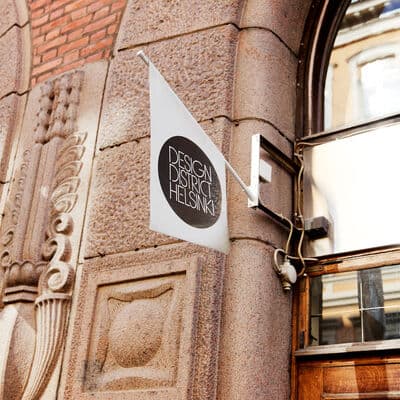
South of the center, this area encompasses the official Design District Helsinki with its boutiques, galleries, and concept stores. Punavuori specifically offers a sophisticated, slightly bohemian atmosphere favored by creative professionals and design-conscious travelers.
Prices: Boutique hotels EUR 180-350 (USD 195-380), Airbnbs EUR 100-200 (USD 110-215). Pros: Beautiful architecture, best shopping in the city, walkable to center and waterfront. Cons: Premium prices, quieter at night, limited budget options.
Kruununhaka
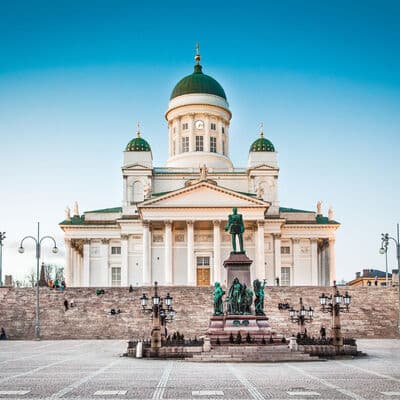
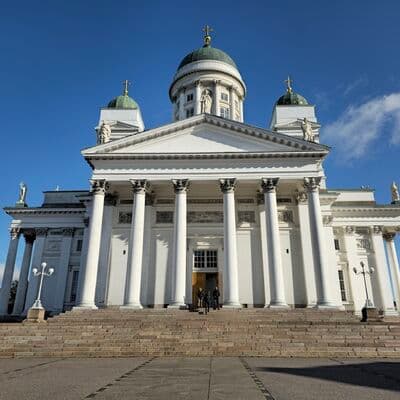
The oldest part of Helsinki, surrounding Senate Square and the Helsinki Cathedral. Elegant 19th-century buildings, embassies, and a refined atmosphere. This is where you find the classic Helsinki postcard views.
Prices: Limited accommodation, mostly high-end at EUR 200-400 (USD 215-435). Pros: Historic charm, central location, quiet evenings, beautiful waterfront walks. Cons: Few restaurants and bars, limited availability, very quiet after business hours.
Ullanlinna and Eira
Upscale residential neighborhoods along the southern waterfront. Art Nouveau architecture, leafy streets, embassy residences, and the Loyly Sauna nearby. This area feels like you are living in Helsinki rather than visiting.
Prices: Premium Airbnbs EUR 150-300 (USD 160-325), few hotels. Pros: Beautiful residential atmosphere, waterfront access, away from tourist crowds. Cons: Limited dining options, 20-minute walk to center, very residential feel may be too quiet for some.
Jatkasaari and Ruoholahti
Modern waterfront districts west of the center, with new apartment buildings, the West Terminal ferry port, and contemporary urban planning. Good for longer stays or those arriving by ferry from Tallinn.
Prices: Modern apartments EUR 90-180 (USD 95-195). Pros: Modern amenities, good value, easy ferry access, developing restaurant scene. Cons: Lacks historic character, construction ongoing in some areas, 15-minute tram to center.
Best Time to Visit Helsinki
Helsinki transforms dramatically across seasons, and choosing the right time shapes your entire experience.
Summer (June to August)
The magic season. Days stretch past 10 PM with the sun barely setting in late June. Outdoor terraces fill with locals, islands become accessible, and the city buzzes with energy. Average temperatures hover around 15-22 degrees Celsius (60-72 Fahrenheit). This is peak tourist season with corresponding prices: expect hotels 30-40% higher than winter rates.
Key events: Midsummer (late June) when the city empties as Finns head to countryside cottages; Helsinki Festival (August) for arts and culture; Flow Festival (August) for music.
Autumn (September to November)
September offers pleasant weather with fall colors, fewer tourists, and lower prices. October and November turn gray and rainy, but this is when you experience authentic Finnish coziness: cozy cafes, design shops, and the beginning of darkness that makes sauna culture so essential. Temperatures drop from 10 degrees Celsius (50 Fahrenheit) in September to near freezing by November.
Winter (December to February)
Dark but magical if you embrace it. Only 5-6 hours of daylight in December, but Christmas markets, snow-covered architecture, and the chance to experience authentic Finnish winter appeal to many visitors. Temperatures range from minus 5 to minus 15 degrees Celsius (23 to 5 Fahrenheit), occasionally colder. Hotel prices drop significantly except around Christmas and New Year.
Winter highlights: Christmas markets at Senate Square, sauna culture at its finest, potential Northern Lights visibility on clear nights outside the city.
Spring (March to May)
The transition period. March remains cold and can feel endless. April brings gradual warming and the first outdoor cafe terraces. May often surprises with warm days reaching 15 degrees Celsius (60 Fahrenheit), blooming parks, and locals celebrating the return of light. Hotel prices remain moderate until late May.
Best value: Late September, early May, or January-February (excluding holidays). Best weather: Late June through early August. Best for avoiding crowds: October, January, April.
Helsinki Itinerary: 3 to 7 Days
Day 1: City Center Orientation
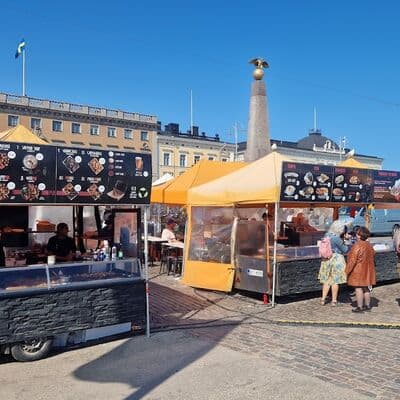
Morning (9:00-12:00): Start at Senate Square, the neoclassical heart of Helsinki. Climb the steps of Helsinki Cathedral for city views (free entry, open 9:00-18:00). Walk down to Market Square (Kauppatori) where vendors sell fresh berries, smoked fish, and souvenirs. Grab a coffee and korvapuusti (cinnamon roll) from the market cafe.
Lunch (12:00-13:30): Head to Old Market Hall (Vanha Kauppahalli) adjacent to the square. Try the salmon soup at Soppakeittio (EUR 14-16, USD 15-17) or grab herring and rye bread from Story (EUR 10-15, USD 11-16).
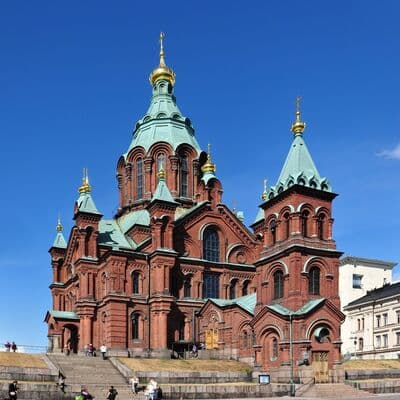
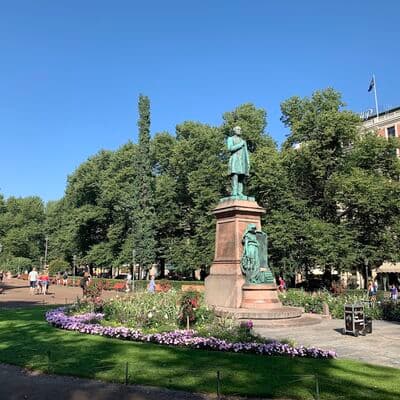
Afternoon (13:30-17:00): Walk along the Esplanade to Esplanade Park, the green corridor through the city center. Continue to Uspenski Cathedral, the largest Orthodox church in Western Europe, with its striking red brick exterior and golden onion domes (free entry). Explore the Katajanokka district's Art Nouveau architecture nearby.
Evening (18:00-21:00): Dinner in the Design District. Walk along Iso Roobertinkatu and Fredrikinkatu streets, browsing shops before settling into a restaurant.
Day 2: Suomenlinna Island
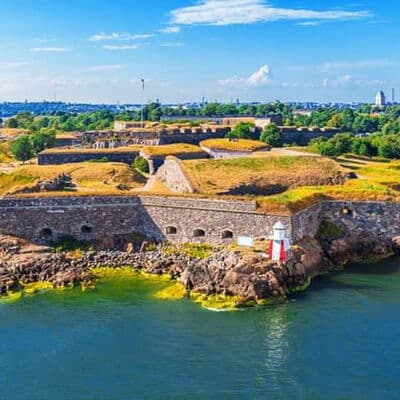
Morning (9:00-9:45): Catch the ferry from Market Square to Suomenlinna Fortress (EUR 5 round trip with HSL ticket, departures every 15-20 minutes, 15-minute crossing).
Full day (10:00-16:00): Explore this UNESCO World Heritage fortress spread across six islands. Visit the Suomenlinna Museum (EUR 8, USD 9) for history context, walk the ramparts, explore tunnels, and discover the submarine Vesikko (EUR 7, USD 8). Pack a picnic or eat at Cafe Chapman. Allow at least 4-5 hours to appreciate the fortress properly.
Evening (17:00-21:00): Return to city. Experience your first Finnish sauna at a public facility like Allas Sea Pool (EUR 14-20, USD 15-22) near Market Square, with heated pools and Baltic Sea swimming.
Day 3: Design, Art, and Architecture
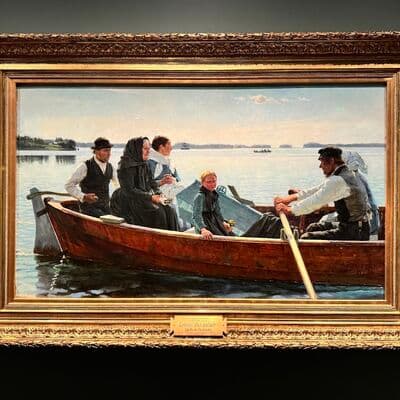
Morning (10:00-13:00): Start at Ateneum Art Museum (EUR 18, USD 20, closed Mondays), home to Finnish national art including works by Akseli Gallen-Kallela. Allow 2 hours for the collection.
Lunch (13:00-14:00): Quick lunch at nearby Fazer Cafe on Kluuvikatu, a Finnish institution since 1891.
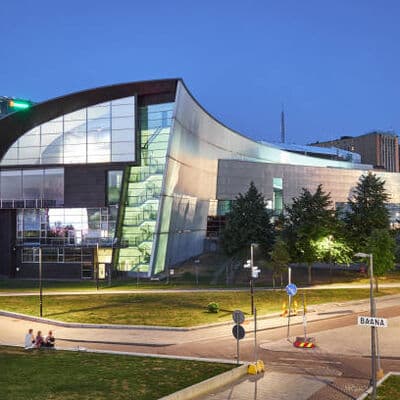
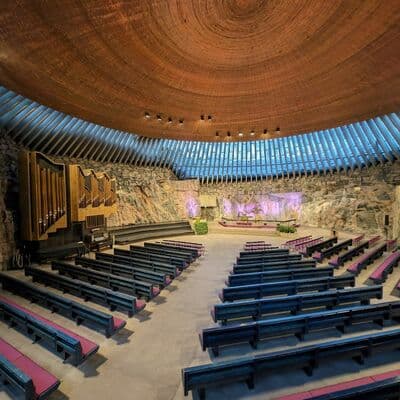
Afternoon (14:00-17:00): Visit Temppeliaukio Church (Rock Church) (EUR 5, USD 5.50), carved directly into granite bedrock with stunning acoustics. Continue to Kiasma Museum of Contemporary Art (EUR 15, USD 16, closed Mondays), designed by Steven Holl with an impressive collection of Nordic contemporary art.
Evening (17:30-21:00): Explore the Design District in depth. Visit flagship stores like Artek, Marimekko, and Iittala. Dinner at a Design District restaurant followed by drinks at a rooftop bar.
Day 4: Kallio and Local Life
Morning (10:00-12:30): Take tram 8 to Kallio. Start with brunch at Rupla or Roots Helsinki. Explore Hakaniemi Market Hall for authentic local shopping, including traditional Finnish foods, crafts, and the upstairs flea market.
Afternoon (12:30-17:00): Walk up to Kallio Church for panoramic city views. Explore the neighborhood's vintage shops, record stores, and independent boutiques along Vaasankatu and Helsinginkatu. Stop for craft beer at Bryggeri Helsinki or coffee at Good Life Coffee.
Evening (18:00-23:00): Kallio comes alive at night. Dinner at one of the neighborhood's many ethnic restaurants (excellent options for Thai, Vietnamese, and Middle Eastern cuisine at EUR 15-25 per person). Bar hop along Vaasankatu, ending at a late-night spot.
Day 5: Nature and Wellness
Morning (9:00-12:00): Take the metro to Rastila and explore Vuosaari's nature trails, or visit Nuuksio National Park (40 minutes by bus) for deeper forest immersion. The park offers well-marked trails from 2 to 10 kilometers through lakes and old-growth forest.
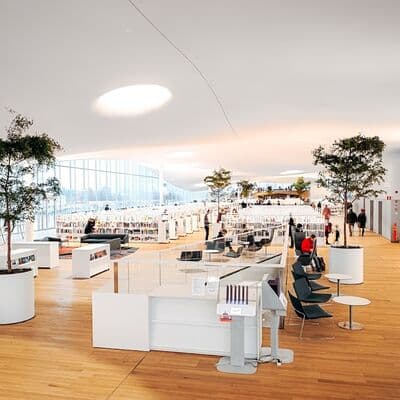
Afternoon (13:00-16:00): Return to the city. Visit the Oodi Central Library, a stunning architectural achievement that opened in 2018. Free entry, incredible spaces for reading, working, and even using 3D printers and sewing machines. The rooftop terrace offers excellent city views.
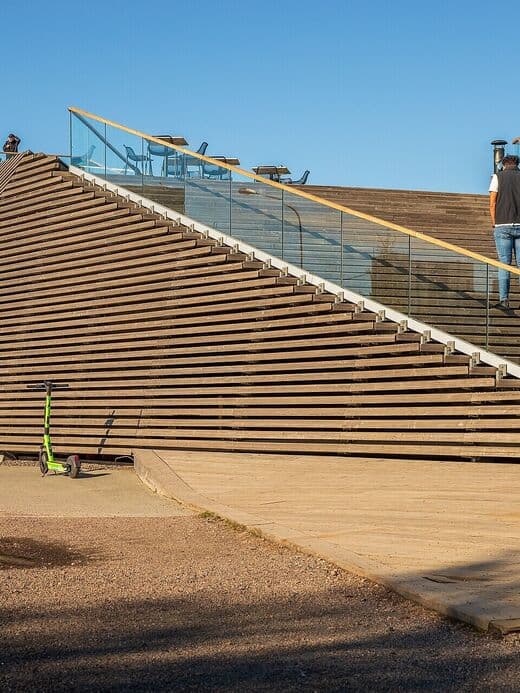
Evening (17:00-21:00): Experience authentic Finnish sauna at Loyly Sauna (EUR 19-24, USD 20-26, reservations essential). This award-winning facility combines traditional sauna with stunning waterfront architecture. After sauna, dinner at their on-site restaurant.
Day 6: Day Trip Options
Option A - Tallinn, Estonia: Fast ferries take just 2 hours each way (EUR 25-50 round trip). Explore the UNESCO medieval old town, return for dinner in Helsinki.
Option B - Porvoo: Finland's second-oldest town, 50 kilometers east. Take the bus (1 hour, EUR 10-15) to explore charming wooden houses, artisan shops, and excellent cafes. The red wooden shore houses are iconic.
Option C - Espoo and Nuuksio: Combine EMMA art museum in Espoo with deeper exploration of Nuuksio National Park. Full day in Finnish nature with modern art.
Day 7: Final Explorations
Morning (10:00-13:00): Revisit favorite spots or explore missed neighborhoods. Consider the Arabia district for ceramics and design, or take a tram to Eira for waterfront walking and Art Nouveau architecture.
Afternoon (13:00-16:00): Last-minute shopping for Finnish design, chocolate from Fazer, or specialty foods from Stockmann department store's food hall.
Evening: Final dinner at a special restaurant, perhaps one of Helsinki's Michelin-starred options like Olo, Groen, or Palace for a memorable conclusion.
Where to Eat in Helsinki
Helsinki's food scene has transformed dramatically over the past decade. What was once dismissed as heavy, meat-focused cuisine has evolved into a sophisticated Nordic food culture emphasizing local ingredients, seasonal cooking, and international influences.
Markets and Casual Eating
The Old Market Hall (Vanha Kauppahalli) by Market Square remains essential for traditional Finnish foods: smoked fish, reindeer, cloudberry jam, and artisan cheese. Prices are reasonable for quality: expect EUR 10-20 (USD 11-22) for lunch. For more authentic local shopping, Hakaniemi Market Hall in Kallio offers similar quality with fewer tourists and lower prices.
For quick, affordable meals, look for Finnish chains like Fafa's (Middle Eastern, EUR 10-14), Naughty BRGR (burgers, EUR 12-18), or any of the numerous Asian restaurants in Kallio (EUR 12-18 for generous portions).
Mid-Range Restaurants
This is where Helsinki excels. You can eat remarkably well for EUR 30-50 (USD 32-55) per person including drinks. Excellent options include Juuri for modern Finnish tapas, Kappeli for classic ambiance in Esplanade Park, and Ravintola Nokka for locally-sourced seasonal menus. Reservation recommended for dinner, especially Thursday through Saturday.
For lunch, most mid-range restaurants offer significantly reduced prices (EUR 15-25), often with set menus that represent exceptional value for quality. The Finnish concept of lounasravintola (lunch restaurant) means even upscale places become accessible midday.
Fine Dining
Helsinki holds multiple Michelin stars across several restaurants. Olo offers tasting menus from EUR 145 (USD 155), Groen focuses on vegetable-forward Nordic cuisine from EUR 125 (USD 135), and Palace combines harbor views with refined cooking from EUR 150 (USD 160). Reservations required weeks in advance for weekend dinners, but weekday availability often exists with shorter notice.
Cafes and Coffee Culture
Finns consume more coffee per capita than any other nation, and Helsinki's cafe culture reflects this obsession. Beyond the institutional Fazer Cafe, seek out specialty coffee at Kaffa Roastery, Good Life Coffee, or Johan and Nystrom. Expect EUR 4-6 (USD 4.30-6.50) for quality espresso drinks. Traditional cafes like Ekberg (since 1852) offer Finnish pastries in historic settings.
Must-Try Finnish Food
Finnish cuisine rewards the adventurous eater. Here are ten dishes you should not miss, with their Finnish names and where to find them.
1. Kalakukko: Fish baked inside rye bread, a traditional dish from Eastern Finland. Find it at Hakaniemi Market Hall or specialty food shops. EUR 8-15 (USD 9-16) for a portion.
2. Karjalanpiirakka: Karelian pies, small rye-crusted pastries filled with rice porridge, traditionally topped with egg butter. Available everywhere from market halls to supermarkets. EUR 1-3 (USD 1-3.25) each.
3. Lohikeitto: Creamy salmon soup, the quintessential Finnish comfort food. Every market hall has a version. EUR 12-18 (USD 13-20) for a generous bowl with bread.
4. Poronkaristys: Sauteed reindeer with mashed potatoes and lingonberries. A Lapland specialty available at traditional restaurants. EUR 25-35 (USD 27-38) at restaurants like Lappi or Savotta.
5. Graavilohi: Cured salmon, the Finnish version of gravlax. Available at market halls, typically served on rye bread. EUR 8-15 (USD 9-16) for a sandwich or plate.
6. Mustikkapiirakka: Blueberry pie, especially good in late summer when wild blueberries are in season. Available at cafes throughout the city. EUR 5-8 (USD 5.50-9) per slice.
7. Korvapuusti: Finnish cinnamon rolls, notably cardamom-flavored and less sweet than American versions. Every cafe serves them. EUR 3-5 (USD 3.25-5.50) each.
8. Hernekeitto: Traditional pea soup, served on Thursdays following an old military tradition. Restaurants offer it with pancakes and jam. EUR 10-15 (USD 11-16) for the full Thursday meal.
9. Salmiakki: Salty licorice, an acquired taste that divides visitors completely. Try the candies, ice cream, or even salmiakki-flavored vodka. EUR 2-5 (USD 2.15-5.50) for a bag of candies.
10. Leipajuusto: Squeaky cheese, a Lapland specialty that literally squeaks when you bite it. Traditionally served warm with cloudberry jam. EUR 8-12 (USD 9-13) at market halls or specialty shops.
By the way
After spending time in Helsinki, these are the insider tips that transform a good trip into a great one.
1. Skip the tourist sauna chains. Instead of paying EUR 30+ at hotel spas, visit Kotiharjun Sauna in Kallio, the last remaining traditional public sauna in Helsinki (EUR 15, USD 16). Authentic experience, no frills, pure Finnish sauna culture.
2. The Sunday brunch circuit. Helsinki locals take Sunday brunch seriously. Arrive by 10:30 AM at popular spots like Rupla, Roots, or Factory Salmisaari, or expect 30-45 minute waits. Reservation systems exist at some venues.
3. Free museum days. Several museums offer free admission on specific days. Kiasma is free on the first Friday of each month. Check individual museum websites for current policies.
4. The 24-hour HSL ticket trick. Buy the day ticket (EUR 9, USD 10) which covers all public transport including the Suomenlinna ferry. It pays for itself with just a few trips.
5. Swimming spots. Finns swim year-round. In summer, Hietaniemi beach offers sandy shores. In winter, outdoor sea pools at Allas or the ice swimming hole at Sompasauna (free, bring your own towel) provide authentic Finnish experiences.
6. The hidden archipelago. Beyond Suomenlinna, ferries reach other islands. Take the free Vallisaari ferry for wild nature just minutes from downtown. Bring picnic supplies.
7. Lunch over dinner. Restaurant prices drop significantly at lunch. That EUR 45 dinner main becomes a EUR 18 lunch special at many places. Plan your fine dining experiences midday.
8. The design district after hours. Many design shops stay open until 18:00-19:00 but the district feels different after 20:00 when restaurants and bars take over. Walk the streets at both times for different experiences.
9. Coffee is a social right. The Finnish concept of kahvitauko (coffee break) means most workplaces and services include coffee. Do not be surprised when offered free coffee at unexpected moments.
10. Queuing matters. Finns queue for everything: buses, bars, bakeries. Cutting in line, even accidentally, is genuinely offensive. When in doubt, ask who is last in line.
11. Nature is never far. Within 30 minutes of downtown, you can be in genuine Nordic forest. The Central Park (Keskuspuisto) stretches from city center north for 10 kilometers through woods and trails.
12. The alcohol rules. Spirits and wine above 5.5% are sold only at Alko state stores (closes at 20:00 weekdays, 18:00 Saturday, closed Sunday). Bars serve until 04:00 but drinks become expensive after midnight.
Getting Around Helsinki
From the Airport
Helsinki-Vantaa Airport sits 20 kilometers north of the city center. Your options are straightforward and all reasonably priced by European standards.
The train (Ring Rail Line, coded P or I) reaches Central Station in 30 minutes for EUR 4.10 (USD 4.50) with an HSL ticket. Trains run every 10 minutes from 05:00 to midnight. This is the recommended option for most visitors.
Finnair City Bus costs EUR 7.20 (USD 8) and takes 25-35 minutes depending on traffic. Marginally more comfortable than the train but not significantly faster.
Taxis cost EUR 35-50 (USD 38-55) fixed rate to city center. Only worthwhile for groups of 3-4 people or late-night arrivals when trains stop running.
Public Transport
Helsinki's HSL system covers metro, trams, buses, and ferries with unified ticketing. The system works exceptionally well. Download the HSL app (available in English) to buy tickets and plan routes. Single tickets cost EUR 2.95 (USD 3.20) when purchased via app, more from machines or drivers.
Day tickets offer excellent value: EUR 9 (USD 10) for 24 hours, EUR 13.50 (USD 14.50) for 48 hours. These cover all zones including the Suomenlinna ferry. The tram network is extensive and scenic, with routes 2 and 3 providing unofficial city tours.
The metro runs north-south and east-west with limited stops but excellent connections. Useful for reaching Kallio (Hakaniemi or Soernaeinen stations), the Design District (Kamppi), and eastern neighborhoods.
Walking and Cycling
Central Helsinki is highly walkable. From Market Square to the Design District takes 15-20 minutes on foot. From the train station to Kallio takes 25-30 minutes. Consider walking for trips under 2 kilometers unless weather is extreme.
City bikes (kaupunkipyoera) are available from May through October. Day passes cost EUR 5 (USD 5.50) for unlimited 30-minute rides. The system works well but requires the HSL app or a Finnish phone number for registration.
Internet and Connectivity
Free WiFi is everywhere: cafes, public transport, libraries, parks. The Oodi Library offers excellent free WiFi and comfortable working spaces. Most visitors find they do not need local SIM cards for short trips.
For extended stays or heavy data users, prepaid SIM cards from DNA, Elisa, or Telia cost EUR 10-20 (USD 11-22) with generous data allowances. Available at R-kioski convenience stores, airport, and shopping centers.
Essential Apps
HSL: Public transport tickets and route planning. Essential download.
Whim: Mobility app combining transit, taxis, bikes, and car rentals. Useful for mixed transportation needs.
ResQ Club: Restaurant surplus food at 50% discount. Good for budget travelers and reducing food waste.
Wolt: Food delivery if you need a quiet evening. Wide restaurant selection, reasonable fees.
Who Helsinki Is For: Summary
Helsinki rewards specific types of travelers. If you appreciate design, architecture, and thoughtful urban planning, the city delivers continuously. If you value safety, cleanliness, and efficiency over chaotic energy, Helsinki feels refreshingly calm. If you want to experience genuine Nordic culture without the crowds of Stockholm or expense of Oslo, Helsinki offers authentic Scandinavian life at slightly gentler prices.
The city may disappoint those seeking monumental landmarks, wild nightlife, or budget travel. Helsinki's pleasures are subtle: the perfect coffee in a modernist cafe, the silence of a sauna, the surprise of forest trails minutes from downtown. Give the city time, embrace the Finnish appreciation for quiet moments, and Helsinki reveals itself as one of Europe's most livable and genuinely distinctive capitals. Three to four days allows proper exploration; a full week enables the slower pace that Helsinki deserves.