के बारे में
Montenegro Travel Guide: The Hidden Gem of the Adriatic
Let me tell you something that took me three visits to fully appreciate: Montenegro is not just another Mediterranean destination. This tiny country, roughly the size of Connecticut, packs more dramatic scenery per square mile than almost anywhere else in Europe. We are talking about a place where you can swim in the Adriatic Sea in the morning, hike through ancient mountain villages at lunch, and watch the sunset from a medieval fortress - all without driving more than an hour.
I first stumbled upon Montenegro in 2015, back when most Americans had never heard of it. The country had only been independent since 2006, making it one of the youngest nations in Europe. Back then, tourism infrastructure was still developing, prices were rock-bottom, and you could have entire beaches to yourself. Today, Montenegro has evolved into a more polished destination, but it still maintains that wild, untamed character that mass tourism tends to erase from places like the French Riviera or the Amalfi Coast.
What strikes most first-time visitors is the sheer vertical drama of the landscape. The Montenegrin coast is not a gentle, sandy affair like the beaches of Spain or Greece. Here, mountains plunge directly into the sea, creating fjord-like bays that feel more Norwegian than Mediterranean. The Bay of Kotor, often called the southernmost fjord in Europe (though technically it is a submerged river canyon), is the most spectacular example. Driving along its serpentine roads, with limestone cliffs rising 1,500 meters above you and the impossibly blue water below, you understand why Lonely Planet once ranked Montenegro the number one destination to visit.
But Montenegro is not just about dramatic coastlines. Head inland, and you will find yourself in a completely different world. The Durmitor mountain range, home to the Tara River Canyon - the deepest canyon in Europe and second only to the Grand Canyon globally - offers some of the best adventure sports in the Mediterranean region. In winter, affordable ski resorts attract budget-conscious Europeans looking for an alternative to the overcrowded Alps. In summer, the same mountains become a paradise for hikers, mountain bikers, and white-water rafting enthusiasts.
The human history here is equally compelling. Montenegro literally means Black Mountain in Venetian Italian, a reference to the dark appearance of Mount Lovcen when viewed from the sea. This small nation has punched well above its weight throughout history. It was one of the few areas of the Balkans that the Ottoman Empire never fully conquered, maintaining a fierce independence that still defines the national character today. You will see this legacy everywhere - from the medieval monasteries clinging to cliffsides to the traditional stone houses built to withstand sieges.
For English-speaking travelers, Montenegro offers an increasingly comfortable experience. While you won't find the universal English proficiency of Scandinavia, younger Montenegrins in tourist areas generally speak good English, and menus, signs, and tour information are widely available in English. The country uses the Euro despite not being an EU member (a holdover from when they were part of Serbia during the hyperinflation years), which makes currency calculations straightforward. Credit cards are accepted in most tourist establishments, though you will want cash for smaller villages and local markets.
Perhaps the best news for American, British, Canadian, and Australian visitors: no visa required for stays up to 90 days. You simply show up with your passport, get a stamp, and you are in. The country is actively working toward EU membership, and tourism infrastructure improves noticeably each year. New highways are being built, small airports are expanding, and the hospitality industry is becoming more professional while still maintaining that Balkan warmth that makes you feel like a guest rather than just another tourist.
This guide is designed to help you navigate Montenegro like an experienced traveler, not a tourist following a checklist. I will share the lessons learned from multiple visits - the mistakes I made so you do not have to, the hidden spots that most guidebooks miss, and the practical information that makes the difference between a good trip and a great one. Whether you are coming for a week of beach relaxation, an active adventure in the mountains, or a road trip through one of Europe's most scenic countries, you will find everything you need in the pages that follow.
Understanding Montenegro's Regions
Before diving into logistics, you need to understand that Montenegro is really several different destinations compressed into one small country. Each region has its own character, climate, and appeal. Making the wrong choice about where to base yourself can mean missing out on the experiences that would suit you best. Let me break down the main regions so you can make an informed decision.
The Budva Riviera: Beach Life Central
The Budva Riviera stretches along about 35 kilometers of coastline and represents the heart of Montenegro's beach tourism. This is where you will find the country's most developed tourist infrastructure, the most famous beaches, and - let us be honest - the largest crowds during peak season.
Budva itself is a small city of about 20,000 permanent residents that swells to several times that number in summer. The old town is a genuine medieval gem, a compact peninsula of stone houses, narrow alleys, and ancient churches surrounded by Venetian walls. However, surrounding this historic core is a fairly generic resort development of hotels, apartments, and tourist services that could be anywhere in the Mediterranean.
The beaches along the Budva Riviera include some of Montenegro's best-known names. Becici Beach has won multiple European awards for its sand quality and has excellent facilities. Jaz Beach, just north of Budva, hosts the Sea Dance music festival and has a more relaxed, bohemian vibe. Mogren Beach, accessible through a tunnel from Budva old town, offers a scenic setting beneath cliffs. Further south, the town of Petrovac has family-friendly beaches and a more laid-back atmosphere than Budva proper.
The crown jewel of this region - and perhaps the most photographed spot in Montenegro - is Sveti Stefan. This former fishing village occupies a small island connected to the mainland by a narrow causeway. The entire island has been converted into an exclusive Aman resort, meaning you cannot actually visit unless you are a guest or dining at the restaurant. However, the beaches on either side of the causeway are public, and the view of Sveti Stefan's stone buildings rising from the sea is spectacular even from shore.
Who should stay here: Beach lovers who want good swimming, active nightlife, and easy access to tourist services. Families will find plenty of amenities, and couples looking for romantic settings have many options. This is also the best region if you are not planning to rent a car, as public transport connections are decent.
Who should look elsewhere: Travelers seeking authenticity and local culture will find the Budva Riviera overly touristic. Budget travelers should know that prices here are the highest in Montenegro. And anyone visiting in July or August should prepare for serious crowds.
Bay of Kotor: Medieval Drama Meets Fjord Scenery
If I had to pick one region that defines Montenegro's unique appeal, it would be the Bay of Kotor (Boka Kotorska in the local language). This is where the country's dramatic geography reaches its peak: a series of interconnected bays surrounded by mountains that rise almost vertically from the water's edge. The combination of natural scenery and medieval architecture creates landscapes that seem almost impossibly picturesque.
Kotor itself is a UNESCO World Heritage site and the main attraction. The old town is one of the best-preserved medieval cities in the Mediterranean, a labyrinth of narrow streets, small squares, and stone buildings where you can easily lose yourself for hours. The famous fortifications climb 1,200 meters up the mountain behind the town, with the fortress of San Giovanni at the top offering views that will make you understand why people keep coming back to this place.
But Kotor can be overwhelmingly crowded, especially when cruise ships are in port. The bay can receive multiple large cruise ships per day in peak season, each disgorging thousands of day-trippers who flood the small old town for a few hours before returning to their ships. If you want to experience Kotor properly, stay overnight and explore in the early morning or evening when the cruise crowds have departed.
The other towns around the bay offer different experiences. Perast is a tiny village that was once one of the wealthiest in the region, home to a seafaring elite who built elegant palaces along the waterfront. Today it is a peaceful spot with just a few hundred permanent residents, famous for two small island churches visible from shore: Our Lady of the Rocks (man-made, with an interesting origin story) and the natural island of St. George with its Benedictine monastery.
Herceg Novi, at the entrance to the bay, has a different character - more of a small city with year-round life rather than a tourist-focused town. The climate here is influenced by the open Adriatic, making it slightly cooler in summer. The old town is less dramatic than Kotor's but has its own charm, with abundant greenery that has earned it the nickname "the city of flowers."
Tivat, once a backwater, has been transformed by the development of Porto Montenegro, a luxury marina and residential complex built on the site of a former naval shipyard. This is where the superyachts dock, where oligarchs (or at least their boats) spend summers, and where you will find the most upscale shopping and dining in the country. Whether this appeals to you or not depends entirely on your personal taste and budget.
Who should stay here: Architecture enthusiasts, history buffs, photographers, and anyone who prioritizes scenery over beaches. The Bay of Kotor has some swimming spots, but they tend to be small concrete platforms or rocky shores rather than sandy beaches. This region works well as a base for day trips to both the coast and the mountains.
Who should look elsewhere: If your main goal is beach time, the Budva Riviera or southern coast will serve you better. Party seekers will find Kotor's nightlife limited compared to Budva. And budget travelers should be aware that prices in the bay have risen significantly, though you can still find deals in smaller towns like Dobrota or Prcanj.
Southern Coast: Ulcinj and the Albanian Border
Montenegro's southern coast, from Bar down to the Albanian border, offers a distinctly different experience from the more famous northern coastline. This region gets fewer tourists, has lower prices, and includes some of the country's best sandy beaches - a rarity in this predominantly rocky land.
The town of Ulcinj has a fascinating cultural mix. With a majority Albanian population, mosques alongside churches, and a historic connection to North African pirates who once used it as a base, Ulcinj feels different from the rest of Montenegro. The old town, perched on a cliff above the sea, has an Ottoman and Venetian heritage that gives it a distinctive atmosphere.
The main draw for many visitors is Velika Plaza - literally "Big Beach" - a 13-kilometer stretch of sand that runs along the coast toward Albania. This is one of the longest beaches in the Adriatic, and while it can get busy near the developed sections, you can always find space if you walk a bit. The sand here has a distinctive dark color and is said to have therapeutic properties due to its mineral content.
Ada Bojana, at the southern tip, is a river delta island that has become famous for two things: excellent kitesurfing conditions and a clothing-optional beach. The consistent winds make it one of the best spots in the Mediterranean for wind sports, and several schools offer instruction for beginners.
Bar, the region's main city, is primarily a commercial port and transit point for ferries to Italy. The new city has limited tourist appeal, but Stari Bar - the old town about 4 kilometers inland - is a fascinating ruined city that was abandoned after an earthquake in 1979 and a gunpowder explosion. Walking through its crumbling streets gives you a sense of the region's layered history.
Who should stay here: Travelers interested in cultural diversity, kitesurfers and windsurfers, budget travelers, those seeking quieter beaches, and anyone curious about the less-touristed side of Montenegro. This region also makes a logical stepping stone if you are continuing to Albania.
Who should look elsewhere: If you want picture-perfect medieval towns, the Bay of Kotor delivers more. If nightlife matters, Budva is the better choice. And if you are on a tight timeline, this region may be too far from other attractions to justify the time.
Central Montenegro and Podgorica
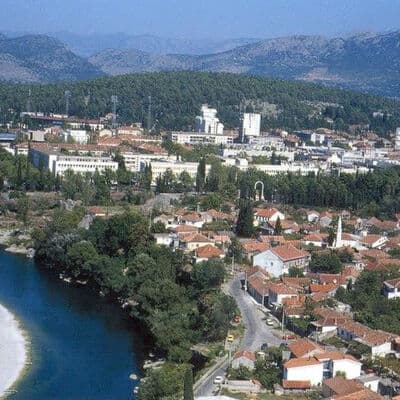
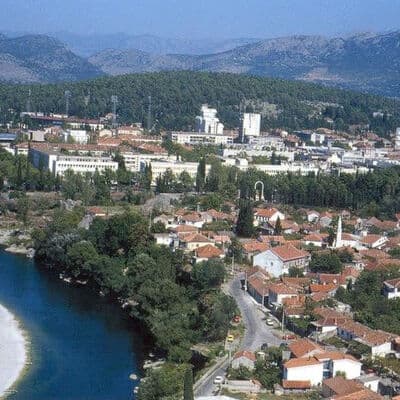
Most tourists skip Montenegro's capital entirely, and honestly, I understand why. Podgorica is not a beautiful city in the conventional sense. Heavy bombing during World War II destroyed most of the historic architecture, and the communist-era reconstruction prioritized function over aesthetics. Add to that the extreme summer heat - the city regularly records the highest temperatures in Montenegro, sometimes exceeding 40 degrees Celsius - and you can see why the coastal resorts hold more appeal.
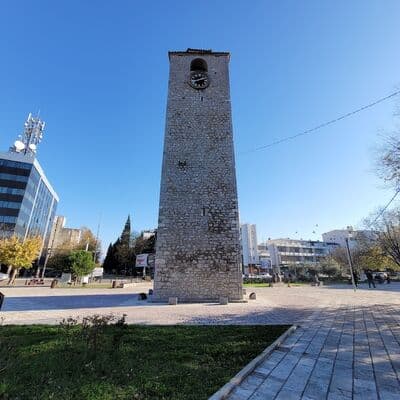
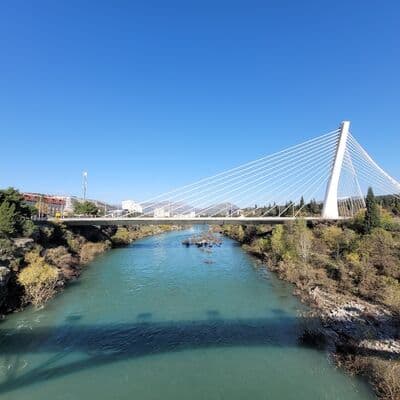
But writing off Podgorica entirely would be a mistake. The city has genuine attractions and serves as an excellent base for exploring central Montenegro. The Stara Varos (Old Town) district, one of the few areas to survive the war, offers a glimpse of Ottoman-era Montenegro with its narrow streets and Sahat Kula (Clock Tower). The modern Cathedral of the Resurrection of Christ, completed in 2013, is worth seeing regardless of your religious persuasion - it is the largest Serbian Orthodox church in the Balkans. The Millennium Bridge, a cable-stayed structure over the Moraca River, has become something of a city symbol.
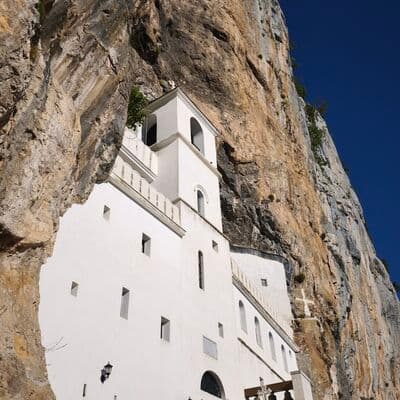
The main reason to visit this region, however, lies outside the city. The Ostrog Monastery, about 50 kilometers northwest of Podgorica, is one of the most important pilgrimage sites in the Orthodox world. The upper monastery is literally built into a cliff face, appearing to defy gravity. Even if you are not religious, the site is architecturally stunning and offers insight into Montenegro's spiritual traditions. Pilgrims come here seeking healing, and the monastery attracts believers from multiple faiths.
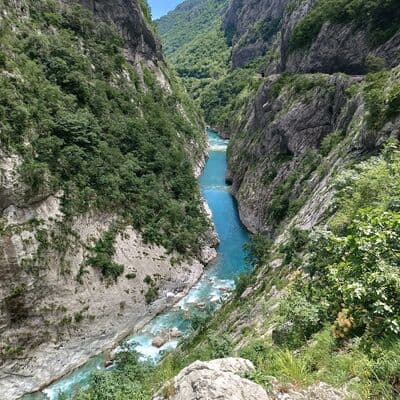
The Moraca Canyon, carved by the Moraca River, offers dramatic scenery along the main road north from Podgorica to Kolasin and Durmitor. The canyon walls rise hundreds of meters, and the road includes several tunnels and bridges that add to the adventure. The Moraca Monastery, located within the canyon, is one of the finest medieval Serbian Orthodox monasteries, with remarkable frescoes dating to the 13th century.
Skadar Lake, which straddles the border with Albania, is the largest lake in the Balkans and one of Europe's most important bird habitats. The Montenegrin side is a national park, home to pelicans, herons, cormorants, and over 250 other bird species. Boat trips from the village of Virpazar take you through channels lined with water lilies to hidden beaches and isolated restaurants. Wine tourism is developing here too, with several local vineyards offering tastings of the indigenous Vranac grape.
Who should stay here: Wine enthusiasts, birdwatchers, travelers interested in Orthodox culture, and anyone wanting to escape the coastal crowds. Podgorica also has Montenegro's best international flight connections, so an overnight here before or after your trip makes logistical sense.
Who should look elsewhere: Beach seekers, obviously. The lake is great for boat trips but not for swimming (though some locals do swim). If your time is limited, the coast and Bay of Kotor offer more concentrated attractions.
The Mountainous North: Adventure Territory
Northern Montenegro is where the country earns its Black Mountain name. This is a world of peaks exceeding 2,500 meters, deep canyons, glacial lakes, and traditional villages where life has changed little in centuries. The region sees far fewer tourists than the coast, which is either a major advantage or a significant inconvenience depending on your perspective and preparation.
Durmitor National Park is the headline attraction and a UNESCO World Heritage site. The Durmitor massif includes 48 peaks over 2,000 meters, 18 glacial lakes (locally called mountain eyes), and the Tara River Canyon - at 1,300 meters deep, the deepest in Europe. The park offers world-class hiking in summer, with trails ranging from easy lakeside walks to challenging multi-day routes. In winter, the Zabljak ski resort provides affordable skiing, though facilities are more basic than Alpine standards.
White-water rafting on the Tara River is one of Montenegro's iconic experiences. The three-hour rapids section is exciting enough for adventure seekers without being genuinely dangerous for beginners. Multi-day trips covering the full canyon are available for those wanting a deeper wilderness experience. The water is remarkably clear and clean - some of the purest in Europe.
Biogradska Gora, one of the last three primeval forests in Europe, lies between Kolasin and Mojkovac. This ancient woodland has never been logged, containing trees over 500 years old and biodiversity that has largely disappeared elsewhere on the continent. The park is much smaller than Durmitor but more accessible, making it a good option for those with limited time.
Kolasin, the main mountain resort town, serves as a comfortable base for exploring the north. It has a small ski resort, numerous hiking trails, and increasingly good tourist infrastructure while maintaining a genuine small-town atmosphere. The 1450 ski resort, Montenegro's newest, lies nearby and represents the country's push toward developing year-round mountain tourism.
Prokletije National Park, in the far east along the Albanian border, is the least visited of Montenegro's national parks. The name translates to "Accursed Mountains" - a reference either to their harsh conditions or to old folk beliefs. This is serious mountain terrain with limited infrastructure, best suited for experienced hikers seeking solitude. However, the village of Plav, on the shores of Plav Lake, makes a pleasant base for exploring the more accessible parts of the range.
Who should stay here: Hikers, skiers, rafters, mountain bikers, and anyone seeking active outdoor adventures. Nature photographers will find endless material. Those wanting to escape tourist crowds will appreciate the relative isolation. Budget travelers will find lower prices than on the coast.
Who should look elsewhere: If you want beaches, nightlife, or convenient tourist infrastructure, the mountains are not for you. Public transport is limited, making a rental car almost essential. Summer conditions in the mountains require proper preparation - the weather can change rapidly, and some areas remain snowy until June.
Cetinje: The Old Royal Capital
Cetinje occupies a unique position in Montenegrin identity. This small town of about 15,000 people served as the capital of Montenegro from the 15th century until 1944, when the administrative functions were transferred to Podgorica. The legacy of that royal history remains in the grand embassies of major powers, the royal palace, and a collection of museums that make Cetinje a cultural destination quite different from the coastal resorts.
The town sits on a small plateau at about 670 meters elevation, surrounded by the dramatic limestone peaks of Mount Lovcen. The microclimate is notably cooler than the coast, providing relief during summer heat waves. Historically, this defensive position helped Montenegro maintain independence while surrounding regions fell to Ottoman control.
The Cetinje Monastery is the spiritual center of the Serbian Orthodox Church in Montenegro, housing relics that include a piece of the True Cross and the mummified right hand of John the Baptist. Believers and history buffs alike will find the monastery compelling, though modest dress is required for entry. The former royal palace, now a museum, offers insights into Montenegro's brief existence as a kingdom before the Yugoslav period.
Perhaps the most memorable experience near Cetinje is the drive to or from the coast via the old serpentine road. The 25 hairpin turns descending from Lovcen to Kotor provide some of the most spectacular views in Europe - and some white-knuckle driving moments. Many travelers combine Cetinje with a visit to the Lovcen National Park and the Njegos Mausoleum, a monumental tomb at nearly 1,700 meters elevation honoring Montenegro's greatest poet and philosopher-king.
Who should stay here: History enthusiasts, those interested in Orthodox Christian heritage, travelers seeking a cooler climate, and anyone wanting to experience a less touristic Montenegro. Cetinje makes a logical stop between the coast and Podgorica.
Who should look elsewhere: Entertainment-seekers will find Cetinje quiet. Beach lovers should treat this as a day trip from the coast. Limited accommodation options mean this is better as a stop than a base.
Montenegro's National Parks: Natural Treasures
Montenegro devotes nearly 10 percent of its territory to national parks - an exceptionally high percentage that reflects both the country's natural wealth and its commitment to conservation. Understanding these parks will help you plan an itinerary that balances coast and mountains, beaches and wilderness.
Durmitor National Park
Durmitor is the crown jewel of Montenegrin nature and a UNESCO World Heritage site since 1980. The park covers 390 square kilometers of the Durmitor mountain massif, including peaks, canyons, forests, and the famous glacial lakes. If you only have time for one national park, this should probably be it.
The town of Zabljak, at 1,450 meters elevation, serves as the main gateway and has adequate tourist infrastructure including hotels, restaurants, and tour operators. In summer, the town fills with hikers and rafters; in winter, skiers take over. Either way, advance booking is wise during peak periods.
The most popular hiking destination is the Black Lake (Crno Jezero), a stunning glacial lake about 3 kilometers from Zabljak. The easy walk around the lake takes about an hour and offers Instagram-worthy reflections of Medjed peak. More ambitious hikers can continue to other glacial lakes or attempt one of the many summit routes. The hike to Bobotov Kuk (2,523 meters), the highest peak in the massif, is challenging but non-technical and rewards with panoramic views extending to Albania and Kosovo.
The Tara River Canyon defines the park's eastern boundary. At 82 kilometers long and 1,300 meters deep, it is the longest and deepest canyon in Europe. The Tara Bridge, built in 1941 and blown up during World War II partisan resistance, spans the canyon at a vertiginous 150 meters above the water. Both viewing platforms and the bridge itself offer photographic opportunities that capture the scale of this geological wonder.
Rafting the Tara is a must-do experience for most visitors. Standard day trips cover about 18 kilometers and include several significant rapids along with long stretches of peaceful floating through pristine wilderness. The water is extraordinarily clear - you can see the riverbed at depths of several meters - and clean enough to drink directly. Multi-day expeditions covering the full canyon are available for those wanting deeper immersion.
Park entry fees are modest (currently 3 euros per day) and easily paid at entrance points. The park operates year-round, though snow limits accessibility from November through April. The ski resort at Zabljak offers affordable skiing by European standards, though facilities and grooming are not up to Alpine levels.
Skadar Lake National Park
Skadar Lake, shared with Albania, covers 400 square kilometers at high water (the level fluctuates significantly by season) and represents one of Europe's most important wetland habitats. The Montenegrin side became a national park in 1983, protecting both the ecological value and the cultural heritage of the lake communities.
Birdwatching is the main draw. Over 270 bird species have been recorded, including significant populations of Dalmatian pelicans, pygmy cormorants, and various herons. The best viewing is in spring and fall during migration periods, though the resident species provide interest year-round. Serious birders should hire local guides who know the specific locations and timing.
Boat trips are the standard way to experience the lake. From the village of Virpazar, where the main visitor center is located, you can arrange trips ranging from short cruises to full-day explorations including lunch at remote lakeside restaurants. The channels winding through the water lilies are particularly scenic in summer when the lilies bloom. Swimming is possible at several lake beaches, though most visitors find the sea more appealing for that purpose.
Wine tourism has developed around Skadar Lake in recent years. The lake's microclimate, combined with unique local grape varieties like Vranac and Krstac, produces wines you will not find elsewhere. Several wineries offer tastings and tours, and the combination of wine, food, and lake scenery makes for a memorable day trip from Podgorica or the coast.
The lake region also contains significant cultural sites. Several medieval fortress ruins dot the shoreline, and the Vranjina Monastery on its small island maintains an active monastic community. The traditional fishing villages around the lake offer glimpses of a way of life that has largely disappeared elsewhere in Mediterranean Europe.
Lovcen National Park
Lovcen holds special significance in Montenegrin identity. The mountain that gave the country its Venetian name - Monte Negro, Black Mountain - rises dramatically behind the Bay of Kotor and has served as a spiritual symbol for centuries. The national park, established in 1952, protects both the natural environment and Montenegro's most important cultural monument.
The Njegos Mausoleum, at 1,657 meters on the Jezerski Vrh peak, honors Petar II Petrovic-Njegos, the 19th-century prince-bishop who is considered Montenegro's greatest poet and a formative figure in national identity. The mausoleum itself is a striking piece of architecture, designed by Croatian sculptor Ivan Mestrovic and built into the mountaintop. Reaching it requires climbing 461 steps through a tunnel carved into the rock - strenuous at altitude but manageable for most fitness levels.
The views from the mausoleum extend in all directions: the Bay of Kotor and Adriatic to the southwest, the peaks of Durmitor to the north, Skadar Lake to the southeast, and on clear days, the mountains of Albania and even Italy across the sea. Many consider this the finest viewpoint in Montenegro.
The park also contains significant biodiversity, with over 1,300 plant species including many endemics. Hiking trails crisscross the mountain, ranging from easy walks to challenging routes connecting to the surrounding areas. The traditional village of Njeguski, famous for its smoked ham and cheese, makes a popular stop for culinary tourists.
Access to Lovcen is possible from multiple directions. From Cetinje, a good road leads directly to the park entrance. From Kotor, the famous serpentine road with 25 hairpin turns provides one of Europe's most memorable driving experiences - though it requires confidence with mountain roads and is not for nervous drivers. An alternative route from the Bay of Kotor via Trojica is wider and less dramatic.
Biogradska Gora National Park
Biogradska Gora protects one of the last three remaining primeval forests in Europe - a woodland that has never been logged and contains trees over 500 years old. The park is much smaller than Durmitor at just 54 square kilometers, but its ecological significance far exceeds its size.
The centerpiece is Biogradsko Lake, a glacial lake at 1,094 meters elevation surrounded by the ancient forest. A walking trail circles the lake in about an hour, passing through woods that feel genuinely primeval - massive trees covered in moss, fallen trunks decomposing naturally, and an atmosphere of wildness that cultivated forests cannot replicate.
Six glacial lakes lie within the park boundaries, though most require hiking to reach. The forest contains over 200 tree species, including record-sized specimens of beech, fir, and spruce. Wildlife includes brown bears, wolves, deer, and wild boar, though sightings are not guaranteed. Bird diversity is high, with 150 recorded species.
Biogradska Gora lies between Kolasin and Mojkovac on the main road through central Montenegro. This accessibility makes it easy to visit as a day trip from either town or as a stop while driving between Podgorica and the northern mountains. The park has basic tourist facilities including a small hotel and restaurant by the lake.
Prokletije National Park
Prokletije is Montenegro's newest and least developed national park, established in 2009 in the easternmost part of the country along the Albanian border. The name - meaning "Accursed Mountains" - hints at the harsh conditions that kept this region isolated for centuries.
The park protects part of the Prokletije mountain range, which extends across Montenegro, Albania, and Kosovo and contains the highest peaks in the Balkans outside the Alps. Zla Kolata, at 2,534 meters, is Montenegro's highest point, though reaching it requires serious mountaineering experience. Lesser peaks and high-altitude lakes offer challenging but achievable objectives for experienced hikers.
Infrastructure is minimal, which appeals to wilderness seekers but requires self-sufficiency. The town of Plav, on the shores of Plav Lake at the park entrance, provides basic services and accommodation. Gusinje, a small mountain town with a distinctive Islamic heritage, serves as another base. Local guides are available and recommended for those wanting to explore the more remote areas.
The park's relative inaccessibility means fewer visitors, making it ideal for those seeking solitude. However, that same isolation means rescue services are limited and self-reliance is essential. Weather can change rapidly even in summer, and proper equipment is mandatory.
When to Visit Montenegro
Montenegro's climate varies dramatically from coast to mountains, meaning the optimal time to visit depends entirely on your priorities. Understanding these seasonal patterns will help you plan a trip that delivers what you are looking for.
Summer Season: June Through August
Summer is peak season on the coast, and for good reason. Sea temperatures reach 24-26 degrees Celsius (75-79 Fahrenheit), making swimming genuinely pleasant. Rainfall is minimal - July and August are essentially guaranteed dry on the coast. Days are long, with sunset around 8:30 PM giving maximum beach and sightseeing time.
The downsides are significant. Coastal accommodation prices peak at double or triple off-season rates. Popular sites like Kotor old town and Sveti Stefan beach become uncomfortably crowded, especially when cruise ships are in port. Traffic on the coastal road can be frustrating, with the Budva-Kotor stretch particularly congested. Air conditioning becomes essential as temperatures regularly exceed 35 degrees Celsius (95 Fahrenheit) on the coast and 40 degrees (104 Fahrenheit) in Podgorica.
The mountains provide a pleasant escape from coastal heat, with temperatures typically 10-15 degrees cooler at altitude. July and August are the best months for high-altitude hiking, with snow cleared from most trails and stable weather patterns. Rafting season is in full swing on the Tara River.
If you must travel in summer, consider mid-June or late August to avoid the absolute peak period. Book accommodation and rental cars well in advance - months ahead for the most popular spots. Plan activities for early morning and evening, taking midday breaks during the hottest hours.
Shoulder Seasons: May and September-October
These months represent the best compromise for most visitors. Sea temperatures remain swimmable - around 20-22 degrees (68-72 Fahrenheit) in May and 22-24 degrees (72-75 Fahrenheit) in September. Crowds are significantly reduced, prices drop 30-50 percent from peak, and weather remains predominantly sunny.
May brings spring flowers to the mountains, though some high-altitude trails may still have snow. The landscape is at its greenest after winter rains. Early May can still be slightly cool for extended beach time, but late May is often ideal.
September is perhaps the single best month for visiting Montenegro. Summer crowds have departed, but warm weather continues. The sea has retained summer warmth, making swimming pleasant. Grape and olive harvests begin, bringing food-focused events. Light is excellent for photography as the sun angle softens.
October remains viable for coastal visits, though weather becomes more variable. Rain increases, temperatures drop to around 18-20 degrees Celsius (64-68 Fahrenheit), and some seasonal businesses begin closing. However, sunny October days can be magnificent, and those willing to accept weather uncertainty will find excellent values and minimal crowds.
Winter Season: November Through April
Winter transforms Montenegro into a completely different destination. The coast sees cool, wet weather with temperatures around 8-12 degrees Celsius (46-54 Fahrenheit). Most beach-focused tourism infrastructure closes or reduces operations. However, hotel prices drop dramatically, and towns like Kotor and Budva reveal their authentic character without tourist crowds.
The mountains offer skiing from December through March, with Kolasin and Zabljak serving as the main resort areas. Do not expect Alpine-quality infrastructure - lifts are older, grooming is inconsistent, and off-piste safety systems are limited. However, lift passes cost a fraction of Alpine prices (around 25-30 euros per day), crowds are minimal, and the mountain scenery is spectacular.
December brings holiday atmosphere to the old towns, with Christmas markets and festive decorations. The Orthodox calendar means New Year's Eve is the major celebration, with a second round of festivities for Orthodox Christmas in early January. Note that some mountain roads, including the Kotor serpentine, may close temporarily during heavy snow.
Spring (April and early May) brings transitional weather - pleasant temperatures but higher rainfall probability. The coast can be enjoyable during sunny spells, and accommodation prices remain low. However, swimming is not realistic, and mountain roads may still be affected by snow at higher elevations.
Festivals and Events
Timing your visit around festivals can enhance the experience, though popular events also mean higher prices and limited availability.
Sea Dance Festival (July) - Major electronic music festival on Jaz Beach near Budva. Attracts tens of thousands of visitors and significantly impacts accommodation availability on the Budva Riviera.
Kotor Art Festival (July-August) - Theater, music, and performance art in Kotor's old town. Events take place in squares, courtyards, and intimate venues throughout the medieval core.
Carnival of Kotor (February) - Traditional pre-Lenten carnival with parades, costumes, and celebrations. A good reason to visit in winter, bringing color to the quiet season.
Montenegro Film Festival (July) - International film festival in Herceg Novi, attracting cinema enthusiasts and bringing cultural programming to the bay.
Zabljak Snow Festival (January-February) - Winter sports competitions and cultural events in Montenegro's mountain capital.
Getting to Montenegro
Montenegro's small size means most international visitors arrive by air, though ground and sea connections from neighboring countries provide alternatives. Understanding your options will help you plan the most efficient routing.
By Air
Montenegro has two civilian airports: Podgorica (TGD) and Tivat (TIV). Neither is a major hub, but connections have improved significantly as tourism has grown.
Podgorica Airport handles the majority of year-round traffic, including the only scheduled transatlantic-connected routing via major European hubs. Airlines serving Podgorica include Austrian Airlines (via Vienna), Lufthansa (via Frankfurt and Munich), Turkish Airlines (via Istanbul), and several regional carriers. Flight times from major hubs typically run 1-2 hours.
Tivat Airport sees heavy seasonal traffic, with many charter and low-cost flights operating only during the summer tourist season (roughly May through October). Its location on the Bay of Kotor makes it convenient for coastal destinations - you can be in Kotor within 20 minutes of landing. However, winter service is limited to a few year-round routes.
For American travelers, the most practical routings go through major European hubs - London, Frankfurt, Vienna, or Istanbul typically offer the best connections. British Airways, via London, and Turkish Airlines, via Istanbul, often provide competitive pricing. Budget airlines like Ryanair and Wizz Air serve both Montenegrin airports from various European cities, offering savings for those willing to make connections.
Dubrovnik Airport in neighboring Croatia offers another option, particularly for coastal Montenegro. Located just 30 kilometers from the Montenegrin border, Dubrovnik has better connections than either Montenegrin airport and is served by more airlines including direct flights from North America (seasonal). From Dubrovnik, you can reach Kotor in about two hours by bus or rental car, including border crossing time.
From Neighboring Countries
Montenegro's land borders with Croatia, Bosnia and Herzegovina, Serbia, Kosovo, and Albania all have crossing points, making overland travel from neighboring countries straightforward.
From Dubrovnik, Croatia: The most common overland entry. Buses run regularly, and the drive takes about two hours to Kotor or Herceg Novi. Note that this route briefly passes through Bosnia and Herzegovina (the town of Neum), requiring you to cross four borders in total - Croatia exit, Bosnia entry, Bosnia exit, Montenegro entry. This sounds more complicated than it is; all crossings are quick for EU, US, UK, Canadian, and Australian passport holders.
From Serbia: Buses run between Belgrade and Podgorica or coastal destinations. The train route from Belgrade to Bar is legendary for its scenery, crossing 435 bridges and passing through 254 tunnels as it descends from the Serbian mountains to the Montenegrin coast. The journey takes about 10 hours and offers one of Europe's most spectacular rail experiences.
From Albania: Border crossings at Bozaj (near Shkoder) and Hani i Hotit connect to Ulcinj and Shkoder-Tirana respectively. Buses run between Tirana and Ulcinj, and rental cars can cross with proper documentation.
From Kosovo: The border crossing at Kula connects to Rozaje in northeastern Montenegro. Bus connections exist but are limited; this route is primarily used by regional travelers rather than tourists.
By Sea
Ferry connections link Montenegro to Italy, providing an alternative for those who prefer sea travel or want to bring vehicles.
Bar-Bari: The main ferry route, operated by Montenegro Lines and other carriers. The overnight crossing takes about nine hours and runs year-round with increased frequency in summer. Fares vary by season and accommodation type (deck, cabin, etc.), with vehicle transport available.
Ancona services have operated intermittently - check current schedules as these routes change frequently.
The ferry is particularly useful for travelers bringing vehicles from Italy, as it saves the long drive through Croatia and avoids multiple border crossings. Book early in summer when ferries fill with vacationing Italians.
Getting Around Montenegro
Montenegro's small size works in travelers' favor - nowhere is truly far from anywhere else. However, the mountainous terrain means that short distances often require longer drive times than you might expect. Understanding your transportation options will help you plan realistic itineraries.
Renting a Car
A rental car provides the most flexibility and is strongly recommended for anyone wanting to explore beyond a single base. Montenegro's attractions are dispersed, public transport is limited to main routes, and many of the best experiences - mountain viewpoints, remote beaches, traditional villages - are simply inaccessible without your own wheels.
International rental companies (Hertz, Avis, Europcar, Sixt) operate at both airports and in major towns. Local companies often offer lower rates but may have older vehicles and less straightforward insurance. Regardless of provider, book in advance during summer when demand exceeds supply.
Driving in Montenegro requires some adjustment for those unfamiliar with Mediterranean mountain roads. Key points to know:
- Roads are generally well-maintained on main routes but can be narrow and winding, especially on mountain passes.
- The coastal road (Jadranska Magistrala) is scenic but congested in summer. Allow extra time and avoid peak hours if possible.
- Mountain roads like the Kotor serpentine require confidence with hairpin turns and steep grades. If this sounds stressful, you can take alternative routes or hire local drivers.
- New highways are improving connections - the Bar-Boljare highway, under construction, will eventually provide a modern route from the coast to Serbia.
- Drive on the right side of the road. International driving permits are technically required but rarely checked if you have a valid license from your home country.
- Headlights must be on at all times, even in daylight.
- Speed limits: 50 km/h in towns, 80 km/h on open roads, 100-120 km/h on highways (where they exist).
- Alcohol limit is 0.03% - effectively zero tolerance. Police do conduct checkpoints.
Fuel costs are comparable to Western European levels - expect around 1.40-1.60 euros per liter for petrol. Most stations accept credit cards, though having some cash is wise for remote areas. LPG (autogas) is widely available for those renting compatible vehicles.
Parking in old town centers is typically restricted. Most towns have parking areas outside the historic cores, some free and some paid. In high season, arriving early morning is essential to secure spaces in popular destinations like Kotor.
Buses
Montenegro's bus network covers main routes effectively, making bus travel a viable option for those focusing on major destinations. The national carrier and various private companies operate services linking coastal towns, Podgorica, and major mountain destinations.
The coastal route from Herceg Novi through Kotor, Budva, and Bar sees frequent service, with buses running every 30-60 minutes during the day. Journey times are longer than driving due to frequent stops - allow 2-3 hours from Kotor to Ulcinj, for example.
Inland services connect Podgorica to Kolasin, Zabljak, and other mountain towns, though frequency drops significantly outside main corridors. To Durmitor, for example, only a few buses daily serve Zabljak, making schedule coordination essential.
International buses link Montenegro to neighboring countries. Belgrade-Bar, Sarajevo-Herceg Novi, and Dubrovnik-Kotor are among the popular routes.
Bus stations exist in major towns, but many smaller stops are simply signposted locations on the roadside. Tickets can be purchased at stations, on the bus (for standing room), or through some online platforms. Printed schedules are often unreliable - asking locally or checking online closer to your travel date gives more accurate information.
Trains
Montenegro's rail network is limited but includes one of Europe's most scenic journeys. The Belgrade-Bar line traverses the country from north to south, crossing the Morava and Tara river valleys on engineering marvels that took decades to construct.
The signature experience is the section crossing the Mala Rijeka viaduct - at 198 meters, the highest railway bridge in Europe - and the stretch along the Tara Canyon rim. The full journey from Bar to Belgrade takes about 10 hours and is an experience in itself rather than just transportation.
Domestic services connect Bar, Podgorica, Kolasin, and Bijelo Polje. Trains are slower than buses but offer more comfortable seating and the ability to move around. First class is available and reasonably priced, offering more space and better views.
Note that trains do not serve the Bay of Kotor or Budva Riviera at all - these coastal areas are accessible only by road.
Taxis and Ride Services
Licensed taxis operate in all towns, with stands at airports, bus stations, and central locations. Meters are standard but confirm with the driver that the meter will be used before starting. Some common rates: airport to city center in Podgorica costs around 10-15 euros; Tivat airport to Kotor runs about 25-30 euros.
Ride-hailing apps have arrived in Montenegro, with local services operating in Podgorica and coastal towns. Uber does not operate in Montenegro as of this writing. Prices are typically comparable to metered taxis.
For day trips or custom itineraries, hiring a driver makes sense, especially for routes like the Kotor serpentine where you might prefer not to drive yourself. Many taxi drivers and tour operators offer fixed-rate day trips covering popular circuits. Prices vary widely - shop around and negotiate, especially outside peak season.
Ferries and Boats
Car ferries cross the Bay of Kotor at the Kamenari-Lepetane narrows, providing a shortcut that avoids driving around the entire inner bay. The crossing takes about 5 minutes and runs continuously from early morning to midnight. No reservation is needed; vehicles simply queue and board in order. At around 4-5 euros per car, it is an efficient time-saver.
Water taxis operate in popular tourist areas, offering transport between bay towns or to beaches inaccessible by road. In Kotor, for example, boats to Perast, Our Lady of the Rocks, or beach spots can be hired at the waterfront. Prices are negotiable and vary by season.
Tour boats for Skadar Lake, coastal excursions, and bay cruises are widely available. These are typically booked through hotels, tour agencies, or directly with boat operators at landing points.
The Montenegrin Cultural Code
Understanding local customs and expectations will smooth your travels and help you connect with Montenegrins beyond the transactional tourist-service provider relationship. The cultural norms here blend Mediterranean warmth with Balkan directness, creating interactions that may feel different from what you are used to at home.
Social Customs and Etiquette
Montenegrins tend toward directness in communication. The small talk and verbal cushioning common in Anglo-American cultures is less prevalent here. If a Montenegrin tells you something will not work or that your plan is foolish, they are not being rude - they are being helpful in the local style. Similarly, do not interpret brief responses as coldness; lengthy exchanges are reserved for actual friends rather than everyday transactions.
That said, hospitality is deeply valued. If you manage to establish any personal connection - through repeated visits to a restaurant, genuine interest in local life, or simple friendliness - you may find yourself the recipient of unexpected generosity. Free drinks, extra portions, and invitations to local events are not uncommon for visitors who demonstrate they are more than just tourists passing through.
Personal space norms differ from Northern European or North American expectations. Montenegrins stand closer during conversation, and physical contact (a hand on the arm, a touch during emphasis) is normal. Public displays of affection between couples are common, though excessive intimacy remains frowned upon.
Punctuality is... flexible. If a Montenegrin says something will happen at a particular time, build in a buffer. This is especially true for informal arrangements; official services like buses and trains are more reliable. Rather than frustrating you, try to embrace the slower pace that underlies this flexibility.
Coffee culture is significant. The traditional way to socialize is over coffee, often for extended periods. If invited for coffee by a local, understand this is not a quick caffeine stop but an invitation to conversation. Rushing the experience or checking your phone constantly will give a poor impression.
Tipping Practices
Tipping is expected in tourist areas but not as formalized as in the United States. Here are general guidelines:
Restaurants: 10 percent is standard for good service at sit-down restaurants. Locals often simply round up the bill, so do not feel obligated to calculate precise percentages. For exceptional service, 15 percent is generous. Credit card tips may not reach staff directly - cash tips on the table are preferred.
Cafes and bars: Rounding up is sufficient. Leaving small change (50 cents to 1 euro) is appreciated.
Taxis: Rounding up to the nearest euro is standard. No need for percentage calculations.
Hotels: 1-2 euros per day for housekeeping is appreciated but not expected. Bellhops expect 1-2 euros per bag at higher-end hotels.
Tour guides: 5-10 euros per person for a full-day tour, 2-5 euros for shorter tours. More for exceptional experiences.
Spa services: 10-15 percent for massage therapists and similar personal services.
Religious and Cultural Sensitivities
Montenegro is predominantly Orthodox Christian, with significant Muslim and Catholic minorities. Religious sites are actively used for worship, not just tourism.
When visiting Orthodox churches and monasteries:
- Dress modestly - covered shoulders and knees for both men and women. Some sites provide wrap-around skirts for unprepared visitors, but having appropriate clothing is more respectful.
- Women may need to cover their heads in some monasteries; scarves are usually provided if required.
- Remove sunglasses and hats.
- Photography policies vary - look for signs or ask. Flash photography is typically prohibited regardless.
- Do not interrupt services. If a service is ongoing when you visit, observe quietly from the back or return later.
- Icons are sacred objects, not art. Do not touch them casually.
Mosques in Ulcinj and elsewhere welcome respectful visitors. Remove shoes before entering, dress modestly, and avoid visiting during prayer times unless you are there to pray.
The Yugoslav wars of the 1990s remain sensitive topics. While Montenegro was less directly affected than Croatia, Bosnia, or Kosovo, the conflict touched nearly every family. Avoid asking direct questions about the war unless the topic arises naturally; if a Montenegrin wants to discuss it, they will. Never make assumptions about which "side" someone was on based on their name or religion.
Politics remains contentious, particularly around issues of identity (Montenegrin vs Serbian), the status of the Orthodox Church (which experienced a disputed split in 2019-2020), and relations with neighbors. As a visitor, expressing strong opinions on these matters is inadvisable. If asked, saying you are there to experience the country's beauty and culture is an appropriate neutral response.
Language Basics
The official language is Montenegrin, which is mutually intelligible with Serbian, Croatian, and Bosnian - linguistically they are essentially the same language with different names reflecting political realities. You will hear locals debate whether they speak Montenegrin, Serbian, or both, depending on their political orientation.
English proficiency has improved significantly, especially among younger Montenegrins in tourist areas. In Budva, Kotor, Tivat, and similar destinations, English will serve you well for most interactions. However, in smaller towns, mountain villages, and among older generations, English may be limited or absent.
Learning a few phrases will be appreciated:
- Dobar dan (DOH-bar dahn) - Good day
- Hvala (HVAH-lah) - Thank you
- Molim (MOH-leem) - Please / You're welcome
- Izvinite (eez-vee-NEE-teh) - Excuse me
- Koliko kosta? (KOH-lee-koh KOH-stah) - How much does it cost?
- Racun, molim (RAH-choon, MOH-leem) - The bill, please
- Da (dah) - Yes
- Ne (neh) - No
- Pivo (PEE-voh) - Beer
- Vino (VEE-noh) - Wine
- Dovidenja (doh-vee-JEN-ya) - Goodbye
The language uses both Latin and Cyrillic scripts. Most signs and menus in tourist areas use Latin script, but you will encounter Cyrillic occasionally. Learning to recognize it - which takes only a few hours of study - can be helpful and is appreciated by locals as a sign of genuine interest.
Safety in Montenegro
Montenegro is generally a safe destination with crime rates well below Western European averages. Violent crime against tourists is rare, and the country maintains a welcoming attitude toward visitors. However, awareness of potential issues will help you avoid problems.
General Safety
Petty crime follows predictable patterns: crowded tourist areas see occasional pickpocketing, especially during summer when crowds provide cover. The standard precautions apply - keep valuables secure, use hotel safes, do not flash expensive items, be aware of your surroundings in crowded spaces. Kotor old town when cruise ships are in port is the highest-risk environment.
Vehicle break-ins occur occasionally in tourist parking areas. Do not leave visible valuables in parked cars. If you must store items in the trunk, do so before arriving at your destination - loading the trunk in a parking area signals to potential thieves that there is something worth taking.
Scams targeting tourists are less prevalent than in some Mediterranean destinations, but they exist. Taxi overcharging is the most common - always confirm the meter will be used before starting, or agree on a price in advance for longer trips. Restaurant menu prices should match what you are charged; check the bill before paying. Fake "tour guides" occasionally approach tourists in Kotor; legitimate guides work through official channels.
The beach environment presents standard risks. Drowning incidents occur every year, usually involving alcohol, overestimation of swimming ability, or unfamiliarity with local conditions. Some beaches have lifeguards; many do not. Pay attention to warning flags and local advisories.
Road Safety
Traffic is the most significant safety risk for most visitors. Montenegrin driving culture can be aggressive, with overtaking on blind corners, tailgating, and creative interpretation of traffic rules. Mountain roads add technical challenges. If you are not comfortable with demanding driving conditions, consider alternatives like buses, taxis, or hiring drivers.
Key cautions for self-drivers:
- Mountain roads require full attention - save the scenic photography for pull-off points.
- Guard rails are not always present where you might expect them.
- Local drivers know the roads; tourists often do not. If someone is pushing to pass, let them go rather than creating a confrontation.
- Night driving on mountain roads adds significant risk - reduce speeds and stay alert.
- Check weather forecasts before mountain crossings; conditions can change rapidly.
Pedestrians face risks too. Crosswalk respect is variable - making eye contact with drivers before stepping out is wise. Sidewalks may be uneven, narrow, or absent in smaller towns. Late-night streets in entertainment areas see drivers whose judgment may be impaired.
Natural Hazards
Summer heat is serious, particularly in Podgorica and the southern coast where temperatures can exceed 40 degrees Celsius (104 Fahrenheit). Heat exhaustion and heatstroke affect unprepared visitors every year. Stay hydrated, avoid midday exertion, wear sun protection, and take the heat seriously.
The sea includes some hazards. Sea urchins inhabit rocky areas - water shoes provide protection. Jellyfish appear occasionally, though stings are usually minor. Strong currents exist at some beaches; ask locals about conditions.
Snakes exist in Montenegro, including the nose-horned viper which is venomous. Encounters are rare, as snakes avoid humans, but watch where you step when hiking in rocky areas. Wear proper footwear on trails.
Mountains present altitude-related risks. Even at moderate elevations, dehydration and sun exposure intensify. Higher peaks require proper equipment, realistic assessment of conditions, and ideally local knowledge or guides.
Earthquakes occur occasionally in the region. The Bay of Kotor area has experienced significant historical earthquakes. For most visits, this is not a practical concern, but knowing earthquake safety basics is sensible.
Emergency Contacts
Keep these numbers accessible:
- European emergency number: 112 (works for all services)
- Police: 122
- Fire: 123
- Ambulance: 124
- Mountain rescue: 040 256 714
- Sea rescue: 129
Your embassy or consulate can assist with serious emergencies including arrests, hospitalizations, and replacement of lost passports. The United States, United Kingdom, and most EU countries maintain diplomatic presence in Podgorica.
LGBTQ+ Considerations
Montenegro is conservative by Western European standards regarding LGBTQ+ issues. While homosexuality is legal and Pride events have been held in Podgorica, public acceptance lags behind legal protections. Same-sex couples should use judgment about public displays of affection, particularly outside the most tourist-focused areas. Violence is unlikely but staring, comments, or uncomfortable situations are possible.
Within the tourism industry, attitudes tend to be more accepting, particularly at higher-end establishments. Openly LGBTQ+-friendly venues are limited but exist in larger towns. International hotel chains follow global inclusion policies.
Health Considerations
Montenegro presents no unusual health challenges for visitors from developed countries. Healthcare quality is adequate in urban areas, though not at Western European standards. Preparation and insurance are key.
Healthcare System
Public hospitals exist in Podgorica, Kotor, Niksic, and other cities. Quality is variable - facilities may be dated, and English-speaking staff are not guaranteed outside Podgorica. Private clinics in tourist areas offer higher standards and are recommended for non-emergency situations.
Pharmacies (apoteka) are widely available and stock standard medications. Many drugs that require prescriptions elsewhere may be available over the counter. Pharmacists can often recommend treatments for minor conditions. Bring adequate supplies of any prescription medications you require - specific brands may not be available locally.
Insurance
Travel insurance with medical coverage is strongly recommended. While Montenegro is inexpensive by Western standards, medical evacuation to Western Europe for serious conditions can cost tens of thousands of dollars without insurance. Most standard travel insurance policies provide adequate coverage; confirm that adventurous activities (rafting, mountain hiking, skiing) are included if you plan to participate.
European Health Insurance Cards (EHIC) from EU countries provide limited coverage under reciprocal agreements, but Montenegro is not an EU member, so coverage is not automatic. Verify your specific situation before relying on this.
Water and Food Safety
Tap water is safe to drink throughout Montenegro. Locals drink it routinely. In some areas, particularly around Skadar Lake and the mountains, tap water quality is excellent. In older buildings or during peak summer when systems are stressed, bottled water may taste better.
Food safety standards in restaurants are generally good. Standard traveler precautions apply - well-cooked food from busy establishments, caution with raw preparations if uncertain. Seafood is fresh along the coast; fish is often displayed whole for you to select. Inland, the traditional cuisine focuses on grilled meats, which are reliably safe when properly prepared.
Vaccinations and Health Preparation
No vaccinations are required for entry. Ensure routine vaccinations (tetanus, etc.) are current. Tick-borne encephalitis exists in some areas - vaccination is worth discussing with your doctor if you plan extensive hiking in forested areas.
Mosquitoes are present, especially around Skadar Lake and in the evenings. While they do not carry tropical diseases, bites are annoying. Repellent is widely available locally.
The sun at Mediterranean latitudes is stronger than many northern visitors expect. Sunburn can be severe, particularly when swimming or hiking when cooling breezes mask the intensity. Use strong sunscreen (SPF 30+), reapply after swimming, and consider sun-protective clothing for extended outdoor activities.
Money Matters
Montenegro uses the Euro, which simplifies finances for visitors from the Eurozone and provides easy mental calculations for those familiar with the currency. The country adopted the Euro unilaterally in 2002, before independence, and continues using it despite not being an EU member.
Currency and Exchange
Euros are the only currency for transactions. Bring euros with you or withdraw from ATMs upon arrival. Exchange bureaus exist for those arriving with other currencies, but ATM rates typically offer better value.
ATMs are widespread in towns and tourist areas. Most accept Visa, Mastercard, and cards with Plus or Cirrus network access. Withdrawal limits vary; 500 euros per transaction is typical. Notify your bank before traveling to avoid fraud blocks on foreign transactions.
Credit cards are accepted at hotels, established restaurants, shops in tourist areas, and most tourist services. Visa and Mastercard have the widest acceptance; American Express less so. Small businesses, village establishments, and markets remain cash-oriented. Carry sufficient cash for incidental expenses, meals at smaller restaurants, and purchases in non-tourist areas.
Contactless payments work widely where cards are accepted. Apple Pay, Google Pay, and similar services function at compatible terminals.
Costs and Budgeting
Montenegro costs vary dramatically by location, season, and establishment type. The Bay of Kotor and Budva Riviera are the most expensive areas, with prices approaching Western European levels in peak season. The interior, south, and off-season everywhere offer significantly better value.
Here are rough daily budget guidelines (per person, excluding accommodation):
Budget travel (30-50 euros/day): Self-catering or local restaurants, public transport or minimal car use, free attractions and beaches. Achievable throughout the country with planning.
Mid-range (50-100 euros/day): Restaurant meals, some taxis or rental car costs, paid attractions and activities, occasional nicer dining. Comfortable travel without extravagance.
Higher-end (100-200+ euros/day): Fine dining, organized tours and activities, car rental, entry to premium experiences. Easy to exceed in luxury establishments.
Specific cost examples (approximate, mid-range establishments):
- Coffee: 1-2 euros
- Beer at a bar: 2-4 euros
- Meal at a casual restaurant: 10-20 euros
- Dinner at a nicer restaurant: 25-50 euros
- Car rental: 30-60 euros per day
- Petrol: 1.40-1.60 euros per liter
- Taxi ride in town: 5-10 euros
- Kotor fortress hike: 8 euros entry
- Tara rafting day trip: 50-80 euros
- Boat trip on Skadar Lake: 20-40 euros
Accommodation drives the largest budget variations. Hostels and basic guesthouses start around 15-25 euros per person in off-season, rising to 30-50 euros in summer. Mid-range hotels and apartments range from 50-120 euros per night depending on location and season. Luxury properties can cost several hundred to several thousand euros per night at the very top end.
Saving Money
Practical strategies for reducing costs:
- Visit in shoulder season (May-June or September-October) for dramatically lower prices with good weather.
- Stay in secondary towns - Prcanj instead of Kotor, Becici instead of central Budva - for lower accommodation costs with easy access.
- Shop at markets and prepare some meals if you have kitchen access.
- Order local wine by the carafe rather than imported bottles.
- Use the Kamenari-Lepetane ferry to save time and fuel when circling the Bay of Kotor.
- Pack lunch for day trips rather than eating at tourist-area restaurants.
- Book activities directly rather than through hotel concierges who add commissions.
- Consider the northern mountains for lower overall costs than the coast.
Sample Itineraries
These itineraries provide frameworks to adapt to your interests and pace. Montenegro's compact size allows significant flexibility - you can combine elements from different itineraries or extend time in places that capture your interest.
One Week: Coastal Highlights
This itinerary covers the essential coastal and bay attractions that define most visitors' Montenegro experience.
Days 1-2: Bay of Kotor
Base yourself in or near Kotor. On day one, explore Kotor old town thoroughly - lose yourself in the maze of streets, visit St. Tryphon Cathedral, and climb to the fortress for sunset views. Arrive early or stay late to avoid cruise ship crowds. Day two, take a boat to Perast and Our Lady of the Rocks, then drive the bay shore stopping in small villages. If confident with mountain roads, drive the serpentine to Lovcen in late afternoon for spectacular views over the bay.
Days 3-4: Budva Riviera
Move to the Budva area. Explore Budva old town, swim at Mogren or Becici beach, and take in the coast's more developed tourist scene. Day four, visit Sveti Stefan for photos (and a meal if budget allows), then explore the quieter towns of Petrovac or Sutomore further south. Consider an evening in Budva old town for dining and nightlife.
Day 5: Skadar Lake
Drive inland to Skadar Lake - about an hour from Budva. Take a boat tour through the channels, see the bird life, visit a winery, and enjoy a lakeside lunch of freshwater fish. Return to the coast in the evening, or overnight in Virpazar for an early morning on the lake.
Days 6-7: Southern Coast or Return
Options include: exploring Ulcinj and its beaches for a different coastal experience; returning to Kotor for anything you missed; or a final day of beach relaxation before departure. If flying from Podgorica, consider spending the last night in the capital to avoid early morning travel.
Ten Days: Coast and Mountains
Adding three days allows you to experience Montenegro's dramatic mountainous interior.
Days 1-4: As above (Kotor, Budva, Skadar Lake)
Day 5: Transit to Mountains via Podgorica
Drive from the coast through Podgorica (optional stop for the Cathedral of the Resurrection of Christ and lunch) and continue north through the Moraca Canyon. Stop at Moraca Monastery for its medieval frescoes. Continue to Kolasin or Zabljak for overnight. The drive takes 3-4 hours depending on stops.
Day 6: Durmitor National Park
Based in Zabljak, explore Durmitor. Walk around Black Lake, drive to the Tara Bridge viewpoint, and hike one of the shorter trails. Arrange rafting for the following day if interested.
Day 7: Tara River Rafting
Morning rafting trip on the Tara - typically departing early and returning mid-afternoon. The experience includes dramatic canyon scenery, clear water, and exciting rapids. Afternoon recovery or easy walks around Zabljak.
Day 8: Biogradska Gora
Drive to Biogradska Gora National Park via Mojkovac. Walk around Biogradsko Lake through the primeval forest. Continue to Cetinje in the afternoon, staying overnight in this historic capital.
Day 9: Cetinje and Lovcen
Visit Cetinje's museums and monastery in the morning. Drive up to Lovcen National Park, hike to the Njegos Mausoleum, and take in the panoramic views. Descend to the coast via your choice of routes.
Day 10: Final Day on Coast
Last beach time and departure preparations.
Two Weeks: Comprehensive Montenegro
With two weeks, you can explore nearly everything Montenegro offers without rushing.
Days 1-3: Bay of Kotor
Thorough exploration of the bay including Kotor, Perast, Herceg Novi, and the small villages along the shore. Add the Vrmac peninsula for hiking with bay views.
Days 4-5: Lovcen and Cetinje
Full day at Lovcen including the mausoleum and summit hike. Explore Cetinje's museums and monastery at leisure.
Days 6-7: Podgorica and Skadar Lake
Day trip to Ostrog Monastery from Podgorica. Full day on Skadar Lake including wine tasting and extensive boat exploration.
Days 8-10: Durmitor and Tara
Three days allows serious hiking in Durmitor, including possible summit attempts, plus rafting on the Tara. Time to absorb the mountain atmosphere rather than rushing through.
Days 11-12: Biogradska Gora and Prokletije
Full day at Biogradska Gora with longer hikes. Optional extension to Plav and Prokletije for those wanting truly off-the-beaten-track mountain experiences.
Days 13-14: Southern Coast and Ulcinj
Explore Stari Bar, Ulcinj old town, Velika Plaza, and the Albanian border area. This region offers a different cultural atmosphere from the northern coast.
Three Weeks: Complete Immersion
With three weeks, you can slow down, return to favorite spots, and include experiences that shorter trips must omit.
Follow the two-week itinerary but add:
- Additional days on the Budva Riviera for beach time
- Multi-day Tara River expedition instead of the standard day trip
- Hiking the Peaks of the Balkans trail (section) in Prokletije
- Extended wine touring around Skadar Lake
- Day trip to Dubrovnik for comparison with Kotor
- Cooking classes, longer boat trips, or repeat visits to favorite spots
Staying Connected
Montenegro's telecommunications infrastructure serves visitors adequately, though coverage varies between urban areas and remote locations. Planning ahead for connectivity ensures you can navigate, communicate, and share your experiences.
Mobile Phone Service
Three main operators serve Montenegro: Telekom (T-Mobile affiliated), m:tel, and Crnogorski Telekom. Coverage is good in populated areas and along main roads; spotty to nonexistent in remote mountain areas and some sections of the Bay of Kotor shoreline where terrain blocks signals.
For most visitors, several options exist:
International roaming: EU citizens benefit from roam-like-home regulations that keep charges reasonable. Americans, Canadians, and Australians face higher roaming charges - check with your carrier before departure. T-Mobile US includes Montenegro in some international plans; other carriers vary.
Local SIM cards: Available at carrier shops in airports, shopping centers, and towns. Requires passport for registration. Prepaid data packages offer good value - around 5-10 euros for several gigabytes. Top-ups available at many shops. Note that your phone must be unlocked to use local SIMs.
eSIMs: Digital SIM options from providers like Airalo, Holafly, or local carriers work well for data-only needs. Purchase and install before arrival for immediate connectivity when you land. Increasingly popular for short visits.
Data coverage uses 4G/LTE in most tourist areas, with 5G beginning to roll out in major cities. Speed is adequate for maps, messaging, and social media; video streaming may struggle in areas with weaker signals.
WiFi Availability
Hotels and apartments almost universally offer WiFi, though quality varies from excellent to frustratingly slow. Higher-end properties tend to have better connectivity; budget accommodations may have shared connections that bog down when multiple guests are active.
Restaurants and cafes in tourist areas typically offer free WiFi for customers. Ask for the password (usually on a card or written on the receipt). Coffee shops make natural work spots for digital nomads, though speeds are not always sufficient for video calls.
Public WiFi exists in some town squares and tourist zones but is unreliable for anything requiring security. Avoid banking or sensitive logins on public networks.
Practical Communication Tips
Download offline maps (Google Maps, Maps.me) before arrival. Mountain areas and some bay sections have no signal, and offline maps have rescued many visitors from navigation confusion.
Messaging apps (WhatsApp, Signal, iMessage) work well over WiFi and data, providing easy communication without international calling charges. Most tourism businesses communicate via WhatsApp.
International calling from Montenegro follows standard patterns. For emergencies, 112 reaches all services. For casual calls home, VoIP services over WiFi offer the best value.
Eating and Drinking in Montenegro
Montenegrin cuisine blends Mediterranean and Balkan influences, reflecting the country's position between sea and mountains. Expect fresh seafood on the coast, hearty meat dishes inland, and excellent local products throughout. Understanding the food culture enhances the pleasure of eating your way through the country.
Seafood Traditions
The Adriatic provides exceptional seafood, and Montenegrin cooks keep preparations relatively simple to let quality shine. Fish is often grilled whole, served with olive oil, garlic, and lemon. Dalmatian techniques influence the cooking, unsurprisingly given the Croatian cultural connections.
Common seafood dishes include:
Riblji caj (fish stew): Various fish and shellfish cooked in a tomato-based broth with wine. Different restaurants have their house variations. Typically served with bread for dipping in the sauce.
Brodet: A denser fish stew, almost a sauce, traditionally served over polenta. The fish cooks down more than in riblji caj, creating an intensely flavored dish.
Grilled fish: The default preparation. Branzino (sea bass), orada (sea bream), and various local species are offered whole or filleted. Priced by weight - confirm before ordering if budget matters. Fresh catches may have premium pricing.
Octopus: Prepared various ways including grilled, in salad (with potatoes, olive oil, and parsley), or slow-cooked under a sac (bell-shaped lid buried in coals).
Black risotto: Rice cooked with cuttlefish or squid, colored black by the ink. Messy to eat but delicious when well prepared.
Mussels: Cultivated in the Bay of Kotor, prepared steamed with white wine and garlic in the classic style, or buzara (cooked in a sauce of tomatoes, wine, and breadcrumbs).
Quality varies significantly between establishments. Generally, simpler settings with local clientele offer better value than tourist-oriented waterfront restaurants. Asking what is fresh that day and following recommendations works better than ordering from expectations.
Meat and Mountain Cuisine
Move inland and the cuisine shifts to hearty meat preparations that sustained mountain communities through harsh winters. Grilling is the dominant technique, with lamb and pork featuring prominently.
Njeguski prsut: Dry-cured ham from the village of Njeguski on Mount Lovcen. The mountain climate provides ideal conditions for curing, and the product rivals better-known prosciutto. Served thinly sliced as an appetizer, often alongside Njeguski cheese.
Njeguski sir: The cheese companion to the ham. Semi-hard sheep's milk cheese with a distinctive character. The combination of ham and cheese from Njeguski is a Montenegrin culinary icon.
Cevapi: Small grilled minced meat sausages, typically served in flatbread (lepinja) with onions and kajmak (clotted cream cheese). The quintessential Balkan fast food, satisfying and inexpensive. Quality varies - seek out places with high turnover and visible grills.
Pljeskavica: A larger patty of the same meat mixture, sometimes stuffed with cheese or kajmak. Served similarly to cevapi.
Raznjici: Grilled meat skewers, usually pork or chicken. Simple but satisfying when properly prepared.
Jagnjetina ispod saca: Lamb slow-cooked under a sac - a metal or ceramic bell covered with hot coals. The prolonged, even heat produces remarkably tender meat. Often prepared for groups and requiring advance ordering.
Kacamak: A cornmeal-based dish somewhat similar to polenta but with different texture and flavor. Traditional mountain food, often served with cheese, kajmak, and fried bacon. Filling and humble but satisfying.
Other Traditional Foods
Priganice: Small fried dough balls, similar to unsweetened donuts. Served as appetizers or snacks, sometimes with honey or cheese.
Cicvara: A cheese and cornmeal dish traditional to mountain areas. Rich and caloric - shepherd's food designed to fuel hard physical work.
Gibanica: Layered pastry with cheese and eggs, similar to versions found throughout the Balkans. Common breakfast item.
Strukle: Rolled pastry with cheese filling, boiled or baked. Can be savory or sweet depending on preparation.
Drinks
Wine: Montenegro has a small but growing wine industry concentrated around Skadar Lake. The indigenous Vranac grape produces robust red wines that pair well with local meat dishes. Krstac is the signature white, crisp and suitable for seafood. Winery visits are increasingly popular, and wines served by the carafe in restaurants offer good value.
Rakija: Fruit brandy is the traditional Balkan spirit. Grape-based lozovaca is most common in Montenegro, though plum (sljivovica), pear (kruska), and other fruit varieties exist. Homemade versions are stronger and more characterful than commercial products. Often offered as a welcome or digestif - refusing is impolite.
Beer: Niksicko is the local brand, a decent European lager. Imported beers are available in tourist areas. Craft brewing is beginning to appear in cities.
Coffee: Coffee culture is important. Domestic coffee (domaca kafa) is Turkish-style - strong, served in small cups with grounds at the bottom. Espresso-style coffee is widely available in tourist areas. Either way, sitting with coffee for an extended period is normal and welcomed.
Dining Practicalities
Restaurant hours follow Mediterranean patterns. Lunch service typically runs 12:00-15:00, dinner from 19:00 until 22:00-23:00 or later in summer. Many tourist-area restaurants serve continuously, but local joints may close between services.
Reservations are advisable for popular restaurants during peak season, particularly for dinner. Off-season, walk-ins are usually fine.
Menus often display fish prices per kilogram rather than per portion. Ask about portion sizes and prices to avoid surprises. "Fresh" fish commands premium pricing over frozen.
Vegetarians will find limited options on traditional menus - salads, side dishes of vegetables, and cheese-based items. Explicitly vegetarian restaurants exist only in larger towns. Communicate dietary needs clearly; "no meat" may not exclude meat-based broths or lard in traditional cooking.
Bread is typically served automatically and may appear as a small charge on the bill.
Shopping in Montenegro
Montenegro is not a shopping destination in the way that Italy or France might be, but opportunities exist to acquire quality local products and meaningful souvenirs. Understanding what is genuinely Montenegrin helps avoid generic tourist trinkets.
What to Buy
Njeguski prsut and cheese: The ham and cheese from Njeguski village are the most distinctive Montenegrin food products. Vacuum-packed versions transport well. Buy from reputable sources - the village itself, established shops, or market vendors with proper refrigeration. Quality varies; taste before committing to larger purchases.
Olive oil: Olive groves around Bar and the coast produce quality oil. Look for estate-bottled products rather than generic blends. The Old Bar area has a tradition of olive cultivation going back centuries.
Wine: Vranac and Krstac wines make good gifts and are not widely available outside the region. Buy from wineries or specialist wine shops for best selection and proper storage.
Rakija: Fruit brandy travels well and makes a distinctive gift. Look for quality producers or homemade versions from trusted sources. Market vendors often sell homemade rakija, but quality is unpredictable.
Honey: Mountain honey, particularly from the Durmitor region, is prized for its quality. Varieties depend on which flowers the bees visited. Markets and roadside vendors sell local production.
Handicrafts: Traditional crafts include embroidery, woodworking, and copper work. Quality and authenticity vary widely - souvenir shops in tourist areas sell much that is mass-produced elsewhere. For genuine crafts, seek out specific artisans or cultural centers that support traditional producers.
Carpets and textiles: Kilim-style carpets have a tradition in the Balkans, though Montenegrin production is limited. What you find in tourist shops may be imported from Turkey or elsewhere. If interested, research before purchasing.
Where to Shop
Markets: The best source for food products. Podgorica's main market (Ribnica pijaca) offers the largest selection. Coastal towns have smaller markets with local produce and some specialty items. Bargaining is acceptable at markets but not expected - small reductions are possible, not dramatic haggling.
Specialty food shops: Delis and wine shops in tourist areas offer curated selections of local products with reliable quality. Prices are higher than markets but selection and storage are better.
Tourist shops: Souvenir shops in Kotor, Budva, and other tourist areas sell the expected range - magnets, t-shirts, generic gifts. Quality varies from acceptable to poor. For anything meant to last, seek out specific recommendations rather than generic tourist retail.
Porto Montenegro: The luxury marina complex in Tivat has high-end boutiques for those seeking designer goods. Prices match Western European luxury retail.
Tax-Free Shopping
Non-EU residents can reclaim VAT (21%) on purchases over a threshold (typically 100 euros) from participating shops. Look for Tax-Free Shopping signs and request the appropriate forms at purchase. Refunds are processed at borders or airports - allow time before departure.
Useful Apps and Resources
Digital tools can significantly enhance your Montenegro experience. Here are the most useful options:
Navigation and Maps
Google Maps: Functions well in Montenegro. Download offline maps for the regions you'll visit before arriving, as mobile signal is unreliable in mountains and remote areas.
Maps.me: Alternative offline maps with good trail coverage for hiking. Many users prefer it for outdoor activities.
Komoot: Hiking and cycling route planning with detailed trail information. Useful for planning mountain excursions.
Transportation
Busticket4.me: Unofficial but useful for checking bus schedules. Official schedules are often unreliable or unavailable online.
Car rental apps: Standard international services (Kayak, Rentalcars.com) include Montenegro options. Booking in advance is wise for summer travel.
Accommodation
Booking.com: The dominant platform in Montenegro with the widest selection. Direct booking with smaller properties sometimes yields better rates.
Airbnb: Good selection of apartments and rooms, particularly in coastal areas.
Communication
WhatsApp: Widely used by tourism businesses. Restaurant reservations, tour bookings, and general communication often happen via WhatsApp.
Information
Visit Montenegro: The official tourism website offers event listings, attraction information, and practical details.
Final Thoughts and Practical Tips
After multiple visits and countless conversations with other travelers, here are the insights that make the difference between a good Montenegro trip and a great one:
Come in shoulder season if possible. May-June and September-October deliver the best combination of weather, prices, and crowd levels. If you must visit in July or August, plan around the constraints - early mornings for popular sites, strategic accommodation choices, advance reservations.
Rent a car unless you have good reason not to. Montenegro's attractions are dispersed, public transport is limited, and much of the country's magic lies in places only accessible with your own wheels. The driving is demanding in places but manageable for competent drivers.
Balance coast and mountains. Many visitors stick to the coast and miss the dramatic interior that gives Montenegro its name and character. Even a single day in Durmitor or around Lovcen provides essential perspective on what makes this country special.
Accept that some famous sites will be crowded. Kotor when cruise ships are in, Sveti Stefan any summer day, popular beaches on weekends - these are the trade-offs of visiting a destination that deserves its reputation. Go anyway, adjust your expectations, and find the quieter moments in early morning or evening.
Eat and drink local. The ham from Njeguski, the cheese, the seafood pulled from the Adriatic that morning, the robust Vranac wine - these are Montenegro's culinary gifts. Tourist restaurants serving international menus miss the point.
Embrace the pace. Montenegro is not a place to rush. The coffee culture, the extended meals, the relaxed attitude toward time - these are features, not bugs. Adjust your mental clock accordingly.
Learn a few words. Even basic phrases in the local language change interactions. People appreciate the effort, and you will receive warmer welcomes.
Check cruise ship schedules for Kotor. Websites track which ships are due when. On days with multiple large ships, plan to be elsewhere or arrive very early/late.
Take the Tara River rafting trip. It is touristy, it is organized, and it is also genuinely one of the great experiences in Montenegro. The canyon is astounding, the water is pristine, and the rapids are exciting without being dangerous.
Get up to the Njegos Mausoleum. The drive up Lovcen, the 461 steps, the view from the top - this is Montenegro's defining vista and its most important cultural monument combined.
Talk to people. Montenegrins are proud of their country and happy to share it with visitors who show genuine interest. Ask for recommendations, accept hospitality when offered, and be open to the spontaneous conversations that make travel meaningful.
Montenegro is a country in transition - still discovering its modern identity, developing its tourism infrastructure, and becoming better known to the traveling world. This creates a window of opportunity. The crowds will likely grow, the prices will certainly rise, and some of the rough edges that give the country character will inevitably be smoothed away. Visit now, while Montenegro is still becoming rather than already arrived, and you will understand why so many travelers fall under its spell.
Quick Reference
Essential Information at a Glance
Currency: Euro (EUR). ATMs widely available. Cards accepted at most tourist businesses.
Language: Montenegrin (essentially mutual with Serbian, Croatian, Bosnian). English widely spoken in tourist areas.
Electricity: 230V, Type C/F plugs (standard European). Adapters needed for US/UK appliances.
Time Zone: CET (UTC+1), Central European Summer Time in summer (UTC+2).
Emergency Number: 112 (European standard, all services).
Visa: Not required for US, UK, EU, Canadian, Australian citizens for stays up to 90 days.
Airports: Podgorica (TGD) - year-round, more connections. Tivat (TIV) - seasonal, convenient for coast.
Driving: Right side. International permit technically required but not always checked. Headlights on at all times.
Water: Tap water safe to drink throughout the country.
Tipping: 10% at restaurants, rounding up elsewhere.
Religion: Predominantly Orthodox Christian, with Muslim and Catholic minorities. Modest dress at religious sites.
Best Time: May-June or September for optimal conditions. July-August for guaranteed beach weather but with crowds.
Key Distances
- Podgorica to Kotor: 85 km, 1.5-2 hours
- Podgorica to Budva: 65 km, 1-1.5 hours
- Podgorica to Zabljak: 170 km, 3-4 hours
- Kotor to Budva: 25 km, 30-45 minutes
- Kotor to Herceg Novi: 45 km, 1 hour (or 5 min ferry + 30 min)
- Kotor to Dubrovnik: 95 km, 2-2.5 hours (with border)
- Budva to Ulcinj: 70 km, 1.5 hours
- Zabljak to Kolasin: 80 km, 1.5-2 hours
Useful Contacts
- US Embassy Podgorica: +382 20 410 500
- UK Embassy Podgorica: +382 20 618 010
- Mountain Rescue: +382 40 256 714
- Tourist Information: Visit Montenegro (national) or local tourist offices in main towns
Montenegro awaits your discovery. Pack light, bring an open mind, and prepare for landscapes and experiences that will stay with you long after you return home. Safe travels.