Podgorica
Podgorica 2026: What to Know Before You Go
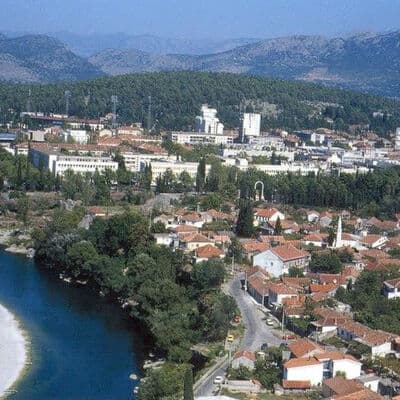
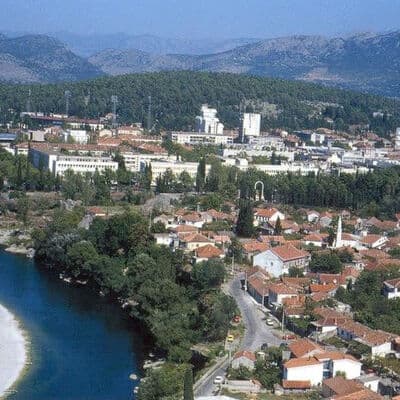
Podgorica is the capital most travelers fly through on their way to the coast or the mountains. That is a mistake. This city with three rivers, an Ottoman old quarter, and the most laid-back pace of any European capital deserves at least two or three days. No selfie-stick crowds here - just real Montenegrin life: hour-long coffees, strolls along the Moraca River, and dinners so good you never want to leave the table.
In short: Podgorica is worth visiting for walks through Stara Varos (the Old Town), the imposing Cathedral of the Resurrection of Christ, river promenades along the Moraca, and day trips to Skadar Lake and Ostrog Monastery. Plan 2-3 days in the city, plus 2-3 for the surroundings.
The pros: everything is affordable (coffee 1 EUR, lunch 7-10 EUR), people are genuinely warm, and both sea and mountains are an hour away. The cons: summer heat hits 40C/104F, architecture is partly Soviet-era concrete, and nightlife is modest. But that unpolished quality is what makes it real.
Neighborhoods: Where to Stay in Podgorica
City Center (Centar) - Best for First-Timers
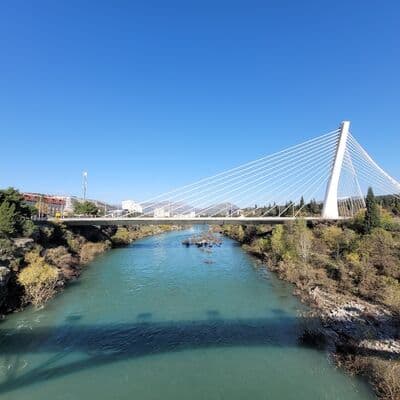
Compact, walkable, everything within reach. The main pedestrian street Hercegovacka is lined with cafes, shops, and the nightly evening promenade. From here you walk to all major sights: Millennium Bridge, the Moraca riverfront, Krusevac Park.
Pros: walking distance to everything, restaurants, safe at night. Cons: noisier, parking is difficult. Prices: apartments 30-40 EUR/night, hotels 50-70 EUR.
Stara Varos - Ottoman Atmosphere
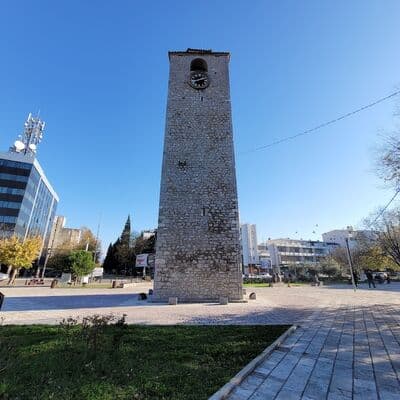
Stara Varos is the oldest neighborhood, the former Ottoman quarter. Narrow stone lanes, mosques, Sahat Kula (Clock Tower), and a feeling that time stopped. Heavily damaged in WWII, but surviving sections create a striking contrast with the modern city.
Pros: historic character, photogenic, quiet. Cons: few accommodation options, far from restaurant strips. Prices: apartments 25-35 EUR.
Momisici - Residential with Views
Residential hills north of center. Quiet, green, popular with expats and digital nomads on monthly rentals. Center is 10-15 minutes by bus or 3-4 EUR taxi.
Pros: quiet, views, affordable long-term. Cons: need transport downtown. Prices: 20-30 EUR/night, 300-400 EUR/month.
Gorica Hill - Nature in the City
The area around Gorica Hill - the green lungs of Podgorica. Locals jog, walk dogs, and picnic here. At the top: Church of St. George and panoramic views. Quiet, family-oriented, good infrastructure.
Pros: park at your doorstep, quiet. Cons: 15-20 min walk to center. Prices: apartments 30-40 EUR.
Nova Varos - Business District
Modern buildings, malls (Delta City, Mall of Montenegro), and the Cathedral of the Resurrection of Christ. Good for shopping and easier parking than the old center.
Pros: modern amenities, parking. Cons: little character. Prices: hotels 50-80 EUR.
Zabjelo - Budget Option
Southwest, near bus and railway stations. No-frills but cheap - kafanas here serve coffee for 0.70 EUR. Practical base, not scenic.
Pros: near bus station, cheapest in town. Cons: far from center. Prices: apartments 18-25 EUR.
Best Time to Visit Podgorica
Sweet Spot: April-June and September-October
Spring (April-May) is ideal: 18-25C/64-77F, everything green, few tourists. Fall (September-October) brings 20-28C/68-82F, grape harvest season, and wine tastings at Plantaze. June is great but gets noticeably hot by month's end.
When NOT to Go: July-August
Podgorica is one of Europe's hottest capitals. July-August means 35-40C/95-104F in the shade. Walking the city midday is genuinely miserable. If you come in summer, plan activities for early morning (before 10:00) and evening (after 18:00), spending midday hours in air-conditioned cafes or at Skadar Lake.
Winter: November-February
Temperatures of 5-12C/41-54F, frequent rain, almost no tourists. Upside: lowest accommodation prices, half-empty restaurants. Downside: short days, some lake excursions shut down. The ski resort at Kolasin is 1.5 hours away, making a winter base here surprisingly versatile.
Festivals and Events
- February: Podgorica Carnival - street procession, costumes, music
- April: FIAT - International Festival of Alternative Theatre
- June-July: Lake Fest at Niksic Lake (1.5 hours away) - outdoor rock festival
- September: Podgorica Marathon and Plantaze Wine Festival - tastings, vineyard tours
- December: New Year's Fair at Republic Square - mulled wine, street food, concerts
When It Is Cheapest
November-March is low season. Central apartments go for 18-25 EUR/night instead of 35-50 in summer. Budget airlines (Ryanair, Wizz Air) run sales on winter routes.
Itinerary: 3 to 7 Days in Podgorica
3 Days: The Essentials
Day 1: Historic Center and Riverfronts
9:00-11:00 - Start with Stara Varos. Walk the narrow Ottoman-era lanes and visit Sahat Kula (Clock Tower). Nearby: mosques and a Turkish bathhouse. Allow 1.5-2 hours.
11:00-12:30 - Cross the Millennium Bridge, symbol of modern Podgorica. Great views of the Moraca. Walk the riverfront - in summer, bars set up along the water.
12:30-14:00 - Lunch at Pod Volat, one of the city's oldest restaurants. Cevapi with lepinja and kajmak: 5-7 EUR.
14:30-16:30 - Cathedral of the Resurrection of Christ. Completed 2014, one of the largest Orthodox domes worldwide. Floor-to-ceiling frescoes. Free entry, photos allowed.
17:00-19:00 - Evening stroll on Hercegovacka Street. Coffee (1-1.50 EUR cappuccino) and the 'korzo' - the Montenegrin tradition where half the city promenades up and down the same street.
19:30 - Dinner at Lanterna on the Moraca riverfront. Grilled lake fish: 8-12 EUR.
Day 2: Nature Around Podgorica
8:30-13:00 - Day trip to Skadar Lake (30-40 min by car). Largest lake in the Balkans, national park with pelicans, island monasteries, stunning scenery. Boat tour: 15-25 EUR per person for 2-3 hours. Lunch in Virpazar village - fish caught that morning.
14:00-16:00 - Stop at Plantaze winery. Their Sipcanik cellar is a former Yugoslav military aircraft tunnel turned wine cellar. Tasting: 5-15 EUR. Try Vranac, Montenegro's flagship red.
17:00-19:00 - Gorica Hill: 20-30 minute climb, panoramic sunset views. Church of St. George at the summit.
19:30 - Dinner at Belveder. Black risotto with seafood: 10-14 EUR.
Day 3: Ancient History and Local Life
9:00-11:00 - Ruins of Doclea (Duklja), a Roman settlement from the 1st century AD, 3 km north. Forum, basilica, thermal bath remnants. Free, usually deserted. Taxi: 3-4 EUR.
11:30-13:00 - Niagara Waterfall on the Cijevna River, 15 min from center. Small cascading waterfall, locals swim here in summer. Beach bar nearby.
13:00-14:30 - Lunch at Skaline, riverside terrace. Try kacamak (cornmeal with cheese and kajmak): 5-7 EUR.
15:00-17:00 - Karver Bookstore beneath a bridge in a former bathhouse - cafe, books, art space. Then Zrno, the best specialty coffee shop in town.
17:30-19:00 - Krusevac Park. Walk, ice cream (1-2 EUR), local life.
5 Days: No Rush
Days 1-3: As above.
Day 4: Ostrog Monastery and Mountains
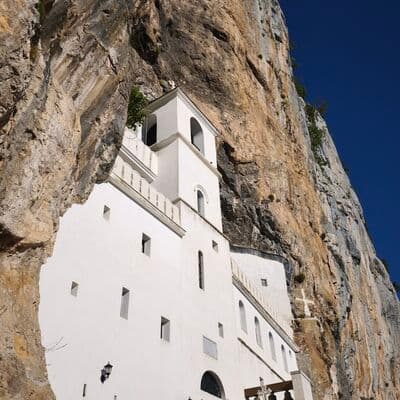
8:00-14:00 - Ostrog Monastery (1.5 hours by car). Most visited pilgrimage site in the Balkans - a 17th-century monastery carved into a sheer cliff at 900 meters. Breathtaking regardless of faith. Arrive early, by 10-11 AM it gets crowded. Free entry.
14:00-15:30 - Mountain restaurant lunch. Lamb ispod saca (slow-roasted under metal dome with coals): 12-18 EUR/person. Takes 3+ hours to cook, often requires pre-order.
16:30-19:00 - Stop in Danilovgrad on the return - small town, Ottoman bridge, kafana on the square. Coffee and pastry: 2 EUR.
Day 5: Moraca Canyon and Wine
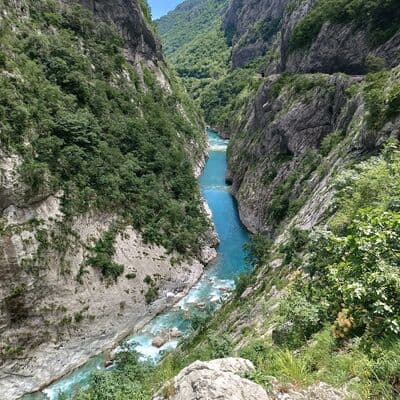
8:30-13:00 - Moraca Canyon, one of Montenegro's most dramatic gorges. The road itself is the attraction: switchbacks above steep drops, emerald river below. Stop at Moraca Monastery (13th century) - frescoes from the 13th-17th centuries, quiet courtyard. Free.
13:00-14:30 - Roadside restaurant near the canyon. Grilled Moraca trout: 6-9 EUR. Simple places, but the fish is caught from the river.
15:00-18:00 - Return via Plantaze or a family winery (ask at the tourist office - some accept walk-ins).
7 Days: With Surroundings
Days 1-5: As above.
Day 6: Coast - Budva or Bar
8:00-19:00 - Budva is 1.5 hours via Sozina tunnel: Old Town, Mogren Beach, seafood lunch. Or Bar - less touristy, ruins of Old Bar, and a 2,000+ year old olive tree. Rent a car (20-30 EUR/day) for flexibility.
Day 7: Cetinje and Lovcen
8:00-18:00 - Cetinje, the former royal capital (40 min from Podgorica). King Nikola's Palace, the monastery. Then Mount Lovcen (30-40 min further): Njegos Mausoleum with a panoramic view over all of Montenegro. 461 steps to the top. Entry: 8 EUR.
Where to Eat: Restaurants and Cafes
Street Food and Markets
Zelena Pijaca (Green Market) in the center: fresh produce, homemade cheese, prsut, honey. Open daily, mornings until lunchtime. Breakfast here: burek (meat or cheese pastry) 1.50-2.50 EUR, yogurt 0.70 EUR. Street food: pleskavica (grilled patty in bread) 2-3 EUR, cevapi 3-5 EUR. Follow the locals - if there is a line, that is where you eat.
Traditional Spots
Pod Volat - Podgorica legend. Decades old, families come here. Cevapi, pleskavica, mixed grill - huge portions, 5-8 EUR mains.
Stara Kuca - 'The Old House.' Montenegrin home cooking in a stone building. Kacamak with kajmak is a must. Bill: 8-12 EUR.
Kafana Sokace - Traditional kafana in Stara Varos. Basic decor, grandmother-style food. Fish soup: 3-4 EUR.
Mid-Range
Lanterna - Moraca riverfront, fish and seafood. Lake fish grilled: 8-14 EUR. Reserve for weekend evenings.
Belveder - Panoramic terrace. Mediterranean and Montenegrin dishes. Bill: 12-18 EUR.
Hemisphere - Trendy spot near Millennium Bridge. Fusion cuisine, good wine list. Bill: 15-22 EUR - still affordable by Western standards.
Per Sempre - Italian by a Montenegrin chef. Wood-fired pizza 6-9 EUR, pasta 8-12 EUR.
Top-End
Catovica Mlini - technically in Kotor, but widely considered Montenegro's best restaurant. Mandatory stop if driving to the coast. Podgorica itself has no Michelin-aspiring restaurants, and that is part of the charm: honest food at honest prices.
Cafes
Montenegrins drink coffee 3-5 times daily, minimum 30 minutes per sitting. Espresso: 0.80-1 EUR, cappuccino: 1-1.50 EUR - some of the cheapest in Europe.
Zrno - best specialty coffee, organic beans. Oat milk latte: 2-2.50 EUR. Cafe San Remo - early-opening central spot, croissants. Biblioteka - bookish cafe, good for working, fast Wi-Fi. Karver Bookstore - cultural space in a former bathhouse under a bridge. Coffee, books, exhibitions - essential Podgorica.
What to Try: Food Guide
Montenegrin cuisine blends Mediterranean and Balkan traditions. Podgorica leans inland - more meat and river fish than the coast.
Cevapi - Small skinless grilled sausages in lepinja bread with onions and kajmak. The essential Balkan street food. 5-10 pieces for 3-5 EUR. Best at Pod Volat and the market.
Kacamak - Cornmeal porridge with potato, cheese, and kajmak. Simple peasant food, unexpectedly delicious. 4-6 EUR.
Lamb ispod saca - Slow-roasted under a metal dome with coals. 3+ hours cooking. For groups, 12-18 EUR/person. Often needs pre-ordering. Fall-off-the-bone tender.
Prsut - Montenegrin cured meat, like Italian prosciutto. Njeguski prsut is the famous variety. Served with cheese and olives: 4-6 EUR per plate.
Burek - Flaky pastry with meat, cheese, or spinach. Perfect breakfast. 1.50-2.50 EUR at bakeries. Eat hot, with yogurt.
Riblja corba - Hearty fish soup from Skadar Lake fish with paprika. 3-5 EUR, counts as a full meal.
Vranac wine - Montenegro's signature red. Full-bodied, dark berry notes. 8-15 EUR/bottle in restaurants, 3-6 EUR in shops. Also try Krstac (white).
Rakija - Fruit brandy, 40-50% alcohol. Grape, plum, or pear varieties. 1-2 EUR in kafanas. Locals will happily refill your glass.
What to avoid: Tourist restaurants near Delta City with photos on the menu and translations into five languages. The best food has no signage.
Vegetarians: Options are limited. Kacamak, cheese burek, shopska salad, stuffed peppers, and pasta at Italian spots will keep you fed.
Local Secrets and Insider Tips
1. The korzo is not just a walk. Every evening, Montenegrins do the 'korzo' - the promenade along the main street. Not exercise but a social ritual: walk slowly, stop at every acquaintance for 'five more minutes.' Join in to feel the local rhythm.
2. Coffee is a way of life. Never grab coffee on the go. Here it means sitting 30+ minutes. An invitation for 'kafa' is an invitation for an hour-long conversation.
3. 'Polako' is the word to learn. Means 'slowly, take it easy.' Your waiter will not bring the check until you ask twice. Do not rush. You are in Montenegro.
4. No bargaining. Prices are fixed. At the market you might get an extra apple, but haggling for discounts gets awkward looks.
5. Rent a car. Public transport exists but schedules are approximate. A car costs 20-30 EUR/day and opens up the best day trips. Driving is easier than expected - light traffic, decent roads, though mountain switchbacks need caution.
6. No Uber, Lyft, or Bolt. Use Red Taxi (local app) or flag one down. Airport to center: 7-10 EUR. Within city: 2-5 EUR.
7. Cash is still king. Cards work in restaurants and supermarkets, but kafanas, the market, and some taxis are cash-only. ATMs everywhere, 1.50-2 EUR fee. Currency is the euro.
8. Dajbabe cave monastery. Just 4 km from center - a monastery inside a cave with unique frescoes. Tourists rarely visit, free entry. Taxi: 3-4 EUR.
9. Sipcanik wine cellar. A former Yugoslav Air Force tunnel turned into one of Europe's largest wine cellars. Tour + tasting: 5-15 EUR. Book ahead on the Plantaze website.
10. Tap water is safe. Montenegro has excellent mountain water. Save money, bring a refillable bottle.
11. Ask locals where THEY eat. Your host will send you to a kafana with no sign, bigger portions, half the price.
12. Summer sun protection is mandatory. SPF 50+, hat, water bottle - not suggestions but necessities June through September. Heatstroke is a real risk.
Transport and Connectivity
Airport to City
Podgorica Airport (TGD), 12 km south:
- Taxi: 7-10 EUR, 15-20 min. Use Red Taxi app or ask at information desk. Avoid unofficial drivers at the exit.
- Bus: Exists but infrequent, 1-2 EUR. Not reliable.
- Rental car: Europcar, Sixt, local agencies at airport. 20-30 EUR/day. Book online for better rates.
- Hotel transfer: Many hotels offer transfers (free or 10-15 EUR). Ask when booking.
Around the City
On foot: Center is compact - Stara Varos to Cathedral is 20 minutes walking. Buses: Limited, unpredictable schedules, 0.80-1 EUR. Not useful for tourists. Taxis: Main transport. Base fare 0.80-1 EUR, 0.60-0.80/km. City rides: 2-5 EUR. Red Taxi app is best. Bikes: Paths along Moraca, but the city is hilly. Works for leisure rides only.
Intercity
Bus: From Autobuska Stanica - Budva 1.5h/7-9 EUR, Kotor 2.5h/9-11 EUR, Dubrovnik 4h/18-22 EUR. Schedules at busticket4.me.
Train: Station next to bus station. Podgorica-Bar (coast): 1h, 3-4 EUR, scenic. Podgorica-Kolasin: 1.5h through Moraca Canyon - one of Europe's most beautiful rail lines. Podgorica-Belgrade: 10-11h, 254 tunnels, Mala Rijeka Viaduct (once world's highest railway bridge). Slow but unforgettable.
Internet and Connectivity
SIM: Three operators (Crnogorski Telekom, m:tel, One). Tourist SIM: 5-10 EUR for 3-5 GB. Buy at carrier stores or airport, passport required. eSIM: Airalo, Holafly work well, 5-10 EUR for 5-10 GB. Wi-Fi: Available in most cafes, 20-50 Mbps. Apartments have solid connections.
Key apps: Red Taxi (rides), BusTicket4.me (bus schedules), Google Maps (works well), Booking.com/Airbnb (both work in Montenegro), Viber (the dominant messenger here - many businesses use it, worth installing).
Who Is Podgorica For: The Bottom Line
Podgorica is not an Instagram dream city. It is the real capital of a real country that does not try to impress - it simply lives. And that is its greatest value for travelers tired of tourist facades.
Great for: travelers who value authenticity over crowds; food and wine lovers on a budget; those using the city as a base for all of Montenegro; digital nomads seeking cheap living, solid Wi-Fi, and a pleasant pace.
Not ideal for: beach seekers (coast is 1.5 hours away); nightlife fans; travelers with only 2 days for Montenegro (head straight to the coast).
How many days: Minimum 2 (city). Optimal 4-5 (city + surroundings). Maximum 7 (coast and mountains included).
Information current as of 2026. Prices may vary by season.