About
Seychelles: The Complete Travel Guide for 2025-2026
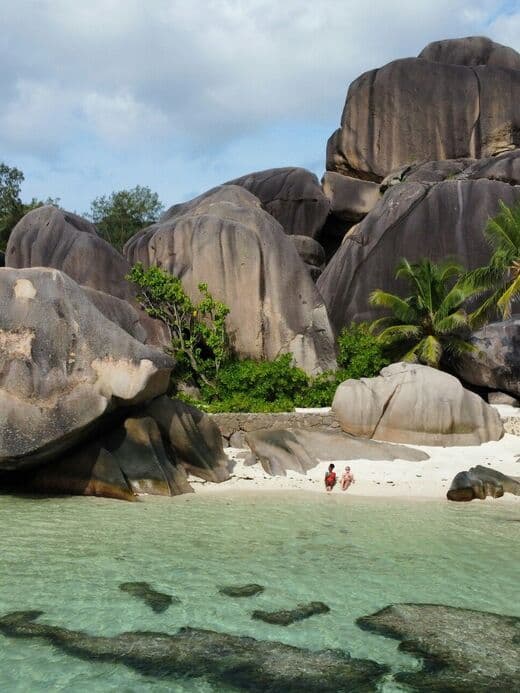
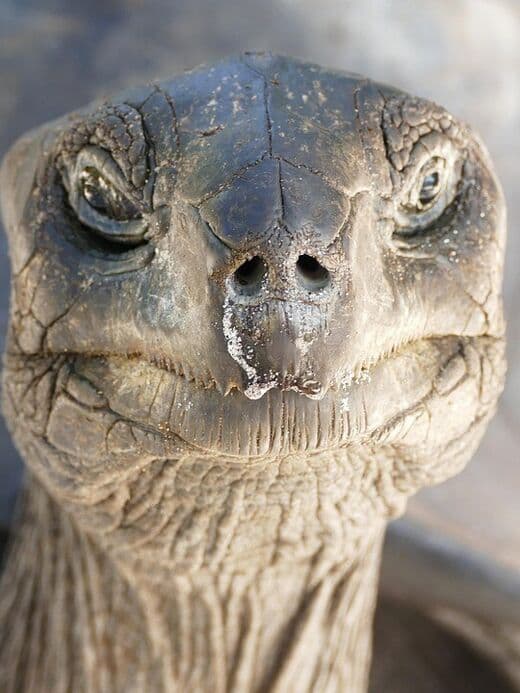
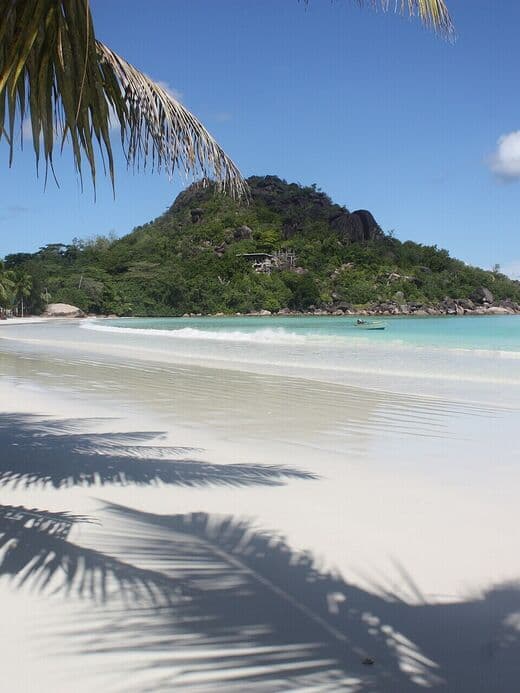
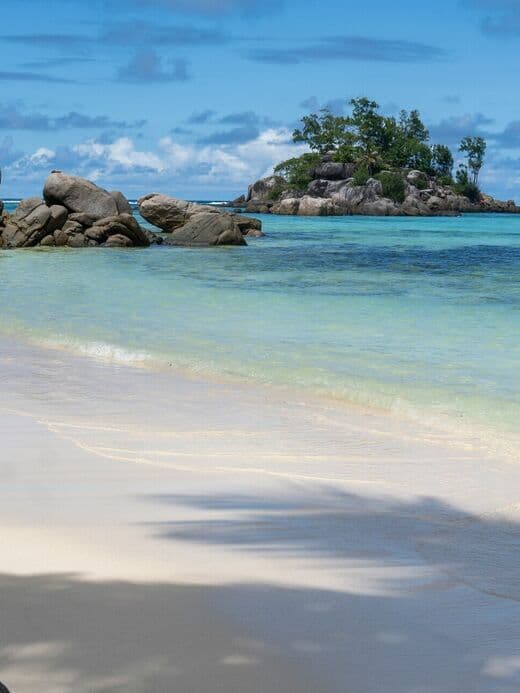
Picture this: you are standing on a beach where massive granite boulders, smoothed by millions of years of wind and waves, frame pristine white sand that squeaks beneath your feet. The water before you shifts through impossible shades of turquoise and emerald, so clear you can count the fish from shore. A giant Aldabra tortoise ambles past, utterly unconcerned by your presence. Welcome to the Seychelles, a place so extraordinarily beautiful that it almost feels like cheating at tropical paradise.
I have been fortunate enough to visit the Seychelles multiple times over the past decade, and each trip reveals new layers to these remarkable islands. This guide represents everything I have learned, combined with the most current information for 2025-2026. Whether you are planning a honeymoon, a family adventure, or a solo journey of discovery, consider this your comprehensive roadmap to one of Earth's most spectacular destinations.
Why Visit the Seychelles
Let me be direct with you: the Seychelles is not a budget destination, and it is not for everyone. But if you can swing it, these 115 islands scattered across the western Indian Ocean offer something genuinely unique in our over-touristed world. Here is why the Seychelles deserves a spot on your travel list.
Beaches That Redefine Beautiful
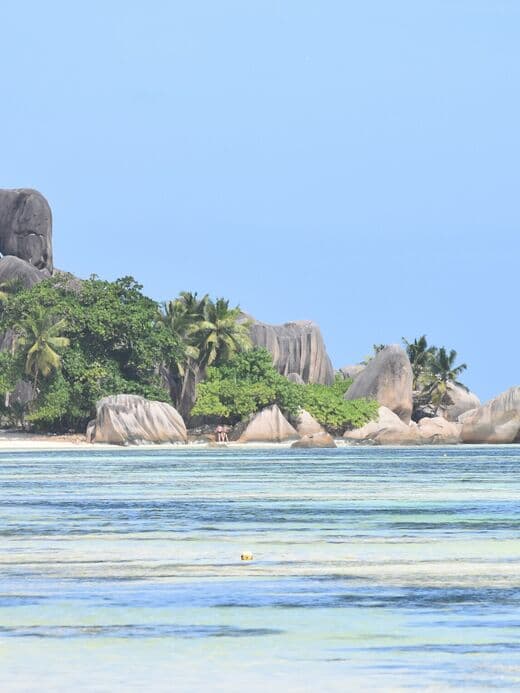
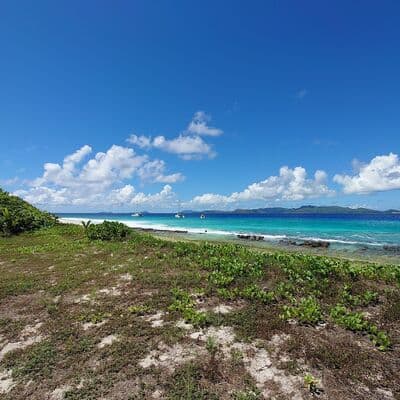
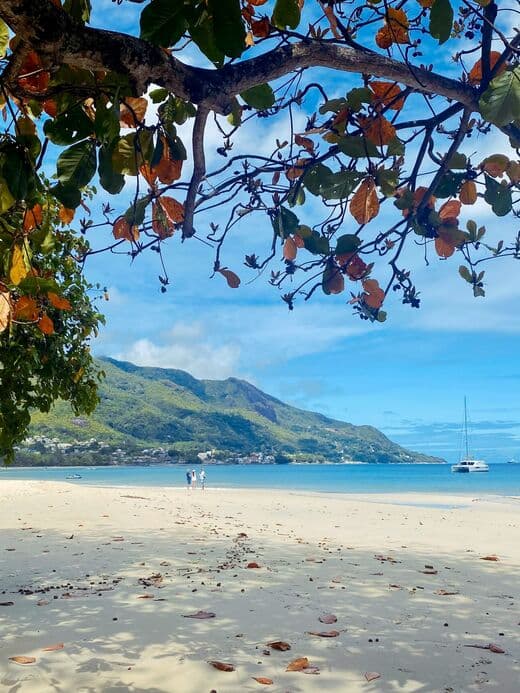
You have probably seen photographs of Seychelles beaches and wondered if they were digitally enhanced. They were not. Anse Source d'Argent on La Digue, frequently cited as the world's most photographed beach, actually looks like that. The pink-tinged sand, the sculptural granite formations, the crystal-clear shallows - it is all real, and somehow even more impressive in person. But here is what the photos do not show you: there are dozens of beaches throughout the islands that are equally stunning and far less crowded. Petite Anse on Mahe, Anse Georgette on Praslin, Grand Anse on La Digue - each offers its own particular magic.
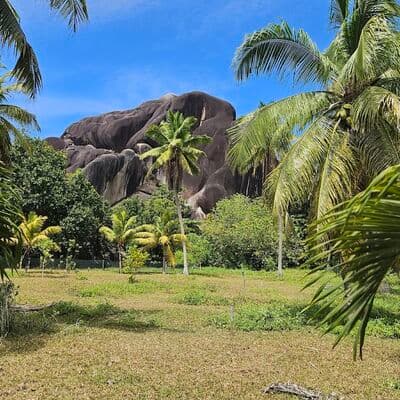
What makes Seychelles beaches genuinely different from other tropical destinations is the granite. Most tropical islands are either volcanic or coral-based, but the inner Seychelles islands are fragments of an ancient supercontinent, featuring granite formations that are over 750 million years old. These massive, sculpted boulders create natural coves and dramatic backdrops that you simply will not find anywhere else on Earth.
Nature Unlike Anywhere Else
The Seychelles is a living laboratory of evolution. Cut off from any continental landmass for millions of years, these islands developed their own unique ecosystems filled with species found nowhere else on the planet. The Vallee de Mai on Praslin, a UNESCO World Heritage Site, is home to the coco de mer palm, which produces the largest seed in the plant kingdom - a massive, suggestively shaped nut that can weigh up to 25 kilograms. The Aldabra Atoll, another UNESCO site, hosts the world's largest population of giant tortoises, outnumbering even the Galapagos.
For wildlife enthusiasts, the Seychelles offers remarkable accessibility. Unlike safari destinations where animals maintain their distance, here you can swim with whale sharks, snorkel among sea turtles, and walk among giant tortoises. The islands serve as critical breeding grounds for numerous seabird species, and birders can easily spot endemic species like the Seychelles black parrot, the Seychelles warbler, and the Seychelles blue pigeon.
Sustainable Tourism Done Right
The Seychelles has positioned itself as a leader in sustainable tourism, and this is not just marketing speak. Nearly half of the nation's total landmass is protected as nature reserves or national parks - one of the highest percentages globally. The government has implemented strict environmental regulations, including bans on single-use plastics and comprehensive marine protection zones. Many resorts generate their own renewable energy, manage their own water treatment, and participate actively in conservation programs.
This commitment means that when you visit, you are experiencing an ecosystem that is genuinely being preserved rather than exploited. The reefs remain healthy, the beaches stay clean, and the wildlife populations are stable or growing. It is tourism with a conscience, and it shows.
Cultural Fusion
The Seychellois people represent a remarkable cultural blend. With ancestry drawn from Africa, Madagascar, Europe, India, and China, this Creole nation has developed its own distinct identity expressed through music, cuisine, art, and the Creole language. The atmosphere is relaxed and welcoming - think Caribbean vibes with an African-Asian twist. Seychellois hospitality is genuine rather than performative, and you will find locals happy to share stories, recommend hidden spots, and generally make you feel at home.
Exclusivity Without Attitude
Yes, the Seychelles attracts celebrities and royalty. Yes, some of the resorts cost more per night than most people's monthly rent. But unlike some exclusive destinations that cultivate snobbishness, the Seychelles maintains an unpretentious vibe. Billionaires and backpackers share the same beaches. You can splurge on a five-star dinner one night and grab fish curry from a takeaway the next. The islands feel luxurious without feeling exclusive, special without being snooty.
The Honest Downsides
Let me level with you about some drawbacks. First, cost: everything in the Seychelles is expensive because nearly everything must be imported. Budget travelers can make it work, but it requires planning and flexibility. Second, the weather can be unpredictable, especially during monsoon transitions. Third, nightlife is limited - if you want clubs and parties, look elsewhere. Fourth, some services can be slow by Western standards - this is island time, and you will need to adjust your expectations. Finally, inter-island transport can be challenging, especially to outer islands where flights are infrequent and expensive.
But if you come with realistic expectations and an appreciation for natural beauty, authentic culture, and genuine relaxation, the Seychelles will deliver an experience that stays with you forever.
Islands and Regions of the Seychelles
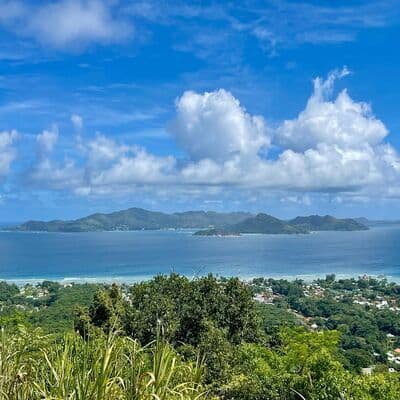
The 115 islands of the Seychelles archipelago spread across 1.4 million square kilometers of ocean, yet their combined landmass is only about 455 square kilometers - smaller than many mid-sized cities. Understanding which islands to visit and what each offers is crucial to planning your trip. Let me break down the major destinations.
Mahe: The Main Island
Mahe is where your Seychelles adventure begins and likely where you will spend at least some of your time. Home to about 90 percent of the nation's population and the capital Victoria, Mahe is the largest island at roughly 27 kilometers long and 8 kilometers wide. But do not let its status as the main island fool you - Mahe offers genuine wilderness alongside its infrastructure.
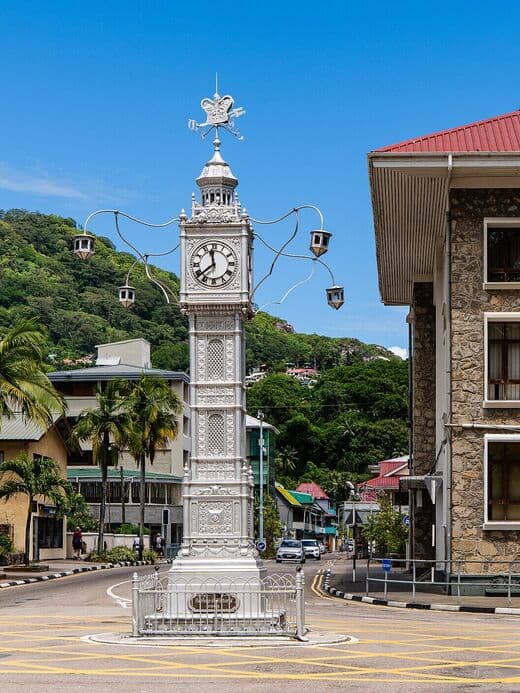
Victoria ranks as one of the world's smallest capitals, easily walkable in a few hours. The Sir Selwyn Clarke Market is the heart of local life, where vendors sell fresh fish, tropical fruits, spices, and handicrafts. The Hindu temple on Quincy Street, the clock tower modeled after London's Vauxhall Bridge clock, and the natural history museum offer cultural diversions. But honestly, you did not come to the Seychelles for urban exploration - the real treasures lie beyond the town.
Beau Vallon, on Mahe's northwest coast, is the island's most developed beach area with a long stretch of sand, water sports operators, and beachfront restaurants. It is perfect for swimming and snorkeling, particularly for families with children, as the waters remain calm and relatively shallow. Wednesday and Saturday evenings bring the Beau Vallon Bazaar, a lively market with local food, music, and crafts.
For something more secluded, explore Mahe's southern and western beaches. Anse Intendance offers dramatic surf and pristine beauty, though swimming can be dangerous during certain seasons. Anse Takamaka and Anse a la Mouche provide calmer waters and fewer crowds. Petite Anse, accessible through the Four Seasons property but open to all, ranks among the most beautiful beaches anywhere.
The Morne Seychellois National Park covers about 20 percent of Mahe's landmass, offering excellent hiking through montane forest. The trail to the summit of Morne Seychellois at 905 meters is challenging but rewards with spectacular views. Easier walks like the Copolia Trail lead to granite plateaus with panoramic vistas. The Sans Souci Road traversing the mountains offers stunning scenery accessible by car.
Where to stay on Mahe ranges from ultra-luxury to budget guesthouses. The Four Seasons Resort, the Maia Luxury Resort, and the MAIA Luxury Resort and Spa represent the high end. The recently opened Cheval Blanc Seychelles, which welcomed its first guests in January 2025, has quickly established itself as one of the Indian Ocean's premier properties, offering extraordinary service and design on a private peninsula. Mid-range options cluster around Beau Vallon and the southeast coast. Budget travelers can find guesthouses in Bel Ombre, Anse Royale, and other coastal areas where self-catering keeps costs manageable.
Praslin: Island of the Coco de Mer
Praslin, the second-largest island at about 38 square kilometers, lies 45 kilometers northeast of Mahe. Many visitors consider Praslin even more beautiful than the main island, with its palm-fringed beaches, turquoise waters, and the extraordinary Vallee de Mai.
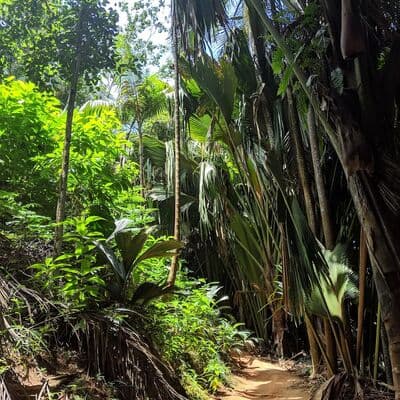
The Vallee de Mai UNESCO World Heritage Site is Praslin's crown jewel. This prehistoric forest houses the world's largest population of endemic coco de mer palms, whose massive seeds take seven years to mature. Walking the valley's trails feels like stepping back 65 million years to a world the dinosaurs might have known. Keep your eyes open for the Seychelles black parrot, found only on Praslin and surrounding islands. Allow at least two hours, preferably in the cooler morning when birds are most active.
Anse Lazio, on Praslin's northern tip, consistently appears on lists of the world's best beaches. The crescent of powder-white sand backed by takamaka trees and embraced by granite headlands is absolutely spectacular. Arrive early or late to beat the day-trip crowds, and bring snorkeling gear - the waters here teem with tropical fish. A small restaurant provides refreshments.
Anse Georgette, accessible via the Constance Lemuria Resort or by boat, offers similar beauty with fewer visitors since access is controlled. Call ahead to arrange entry through the resort. Other excellent beaches include Anse Volbert on the eastern coast, where most tourist development is concentrated, and the secluded beaches of the southern coast accessible by local roads.
Praslin serves as the gateway to several smaller islands. Curieuse Island, a short boat ride away, hosts a giant tortoise conservation program where you can walk among free-roaming Aldabra giants. The island's mangrove forests and the Doctor's House museum add to its appeal. Cousin Island is a strict nature reserve managed by Nature Seychelles, home to rare birds including the Seychelles warbler, rescued from the brink of extinction. St. Pierre Island, three small granite islets off Praslin's coast, offers perhaps the best snorkeling in the inner islands among massive granite formations.
Accommodation on Praslin spans the price spectrum. The Constance Lemuria offers luxury including the Seychelles' only 18-hole golf course. Raffles Seychelles on Praslin provides elegant pool villas. Mid-range options are plentiful around Anse Volbert, and budget guesthouses exist though they book up quickly.
La Digue: The Postcard Island
If you visit only one island beyond Mahe, make it La Digue. This tiny island, just 10 square kilometers and home to only about 3,000 residents, embodies the romantic ideal of tropical paradise. Time moves differently here - bicycles outnumber cars, traditional ox carts still serve as transport, and the pace of life seems calibrated to the rhythm of the tides.
Anse Source d'Argent is the main attraction, and with good reason. The combination of sculpted granite boulders, pink-tinged sand, and shallow turquoise waters creates an almost surreal landscape that has graced countless magazine covers and film sets. Access is through the L'Union Estate, which charges a small entrance fee that also covers the estate's attractions including a traditional coconut plantation, vanilla cultivation, a colonial-era plantation house, and a giant tortoise enclosure. The beach extends along the coast with different coves separated by rock formations, so keep walking to find quieter spots.
Grand Anse, on La Digue's opposite coast, presents a different character entirely. Wild, windswept, and dramatic, this beach features powerful surf that makes swimming dangerous but provides stunning photographic opportunities. The adjacent Petite Anse and Anse Cocos, accessible via a sometimes-challenging trail, offer more sheltered swimming in natural rock pools.
Anse Severe, near La Passe where the ferries dock, provides excellent snorkeling in protected waters perfect for beginners. You can walk there from town or cycle along the coastal road. The nearby La Digue Island Lodge offers beachfront dining open to non-guests.
Getting around La Digue means cycling for most visitors. Rental bikes are available everywhere and cost around 150 Seychelles rupees per day. Electric bikes are becoming more common for those who want assistance on the few hills. Ox cart rides offer a nostalgic alternative for sightseeing, though at a leisurely pace. The island does have a few taxis for those unable to cycle.
Accommodation on La Digue tends toward smaller guesthouses and self-catering apartments rather than mega-resorts. The Le Domaine de l'Orangeraie and the Domaine de l'Orangeraie Resort and Spa represent the luxury end. Charming mid-range options abound, and budget travelers can find simple but clean rooms in La Passe. Book well ahead during peak season - options are limited.
Silhouette Island: Untouched Wilderness
The third-largest inner island, Silhouette rises dramatically from the sea just 20 kilometers from Mahe, its mountainous profile visible from Beau Vallon. Yet despite this proximity, Silhouette remains one of the least developed islands, with over 90 percent of its 20 square kilometers protected as national park.
The Hilton Seychelles Labriz Resort and Spa operates as the island's sole major accommodation, occupying a portion of the coastal fringe. Outside the resort, Silhouette is wilderness - dense native forest climbing to Mount Dauban at 731 meters, rare endemic plants including the carnivorous pitcher plant, and wildlife that has evolved in isolation.
Hiking on Silhouette offers serious adventure. The climb to Mont Pot a Eau traverses some of the most pristine forest in the inner islands. Trails require good fitness and usually a guide. The Nature Protection Trust of Seychelles operates a research station focused on endemic species conservation.
For most visitors, Silhouette works as a day trip from Mahe, with the Hilton offering packages that include boat transfers, lunch, and beach time. Those staying overnight experience the magic of genuine isolation - no roads, no towns, just ocean, forest, and stars.
Bird Island: Seabirds and Solitude
Ninety-six kilometers north of Mahe, Bird Island is the northernmost of the Seychelles islands and feels a world apart. This coral island, just one kilometer by 1.5 kilometers, hosts extraordinary wildlife concentrations. From May to October, over a million sooty terns descend to nest, creating one of nature's great spectacles - the noise alone is overwhelming. Fairy terns, common noddies, and various tropicbirds also breed here.
Bird Island also hosts Esmeralda, possibly the world's heaviest tortoise at over 300 kilograms and estimated to be over 170 years old. Hawksbill and green turtles nest on the beaches, offering opportunities to witness hatchlings making their journey to the sea.
The island's single lodge, Bird Island Lodge, operates sustainably with solar power and a focus on nature rather than luxury. Accommodation is comfortable but simple - you come here for wildlife, not amenities. Light aircraft connect Bird Island to Mahe, with flight time around 30 minutes. The lodge typically requires minimum stays.
Denis Island: Private Paradise
Similar in concept to Bird Island but slightly more upscale, Denis Island lies 85 kilometers north of Mahe. The Denis Private Island resort offers exclusive cottages on a coral island fringed by pristine beaches. The island produces much of its own food through its farm, and sustainability is central to operations.
Game fishing draws many visitors - the deep waters around Denis hold marlin, sailfish, wahoo, and tuna. Diving and snorkeling access pristine reefs. Giant tortoises roam freely, and the forest hosts nesting seabirds. Like Bird Island, Denis offers an escape from everything, accessible only by light aircraft from Mahe.
Fregate Island: Ultimate Exclusivity
Fregate Island Private represents the extreme end of Seychelles luxury. With just 16 villas spread across 219 hectares, Fregate offers absolute exclusivity at prices that run well into the thousands per night. The island has been comprehensively restored ecologically, with native forests replanted and giant tortoise populations thriving.
Anse Victorin, often cited among the world's most beautiful beaches, fronts the resort. Hawksbill turtles nest on Fregate's shores, and the endemic Seychelles magpie-robin was saved from extinction here. For those with the resources, Fregate delivers perfection. For the rest of us, it remains an aspiration.
The Outer Islands: Aldabra and Beyond
The Seychelles extends far beyond the inner granite islands. The outer islands, mostly coral atolls and raised coralline islands, stretch southwest toward Madagascar. Most are uninhabited, and visiting requires serious planning and resources.
Aldabra Atoll, a UNESCO World Heritage Site, stands as the outer islands' crown jewel. The world's second-largest raised coral atoll, Aldabra hosts over 100,000 giant tortoises - far more than the Galapagos - along with the last surviving flightless bird of the Indian Ocean, the Aldabra rail. Access is extremely limited, typically via expedition cruise ships or research vessels.
The new Aqua Lares expedition yacht, which began operations in February 2026, offers one of the few ways for regular travelers to experience Aldabra. This luxury expedition vessel runs multi-day cruises to the outer islands, combining comfort with genuine adventure to places few humans ever see. Spaces book far in advance.
Other outer island groups include the Amirantes, the Alphonse Group, and the Farquhar Group. A few islands operate small, exclusive fishing lodges, but most remain completely wild. These remote atolls offer world-class diving and fishing in pristine waters, but logistics are challenging and costs are high.
For most visitors, the inner islands provide more than enough beauty and adventure for any length of trip. But knowing the outer islands exist adds to the sense that the Seychelles encompasses genuine wilderness on a scale increasingly rare in our world.
The Unique Nature of the Seychelles
The Seychelles occupies a singular place in Earth's natural history. These islands are not volcanic like Hawaii or coral-based like the Maldives - the inner islands are fragments of the ancient supercontinent Gondwana, granite remnants that separated from India about 65 million years ago. This unique geology, combined with millions of years of isolation, has produced ecosystems found nowhere else on Earth.
Marine Life: An Underwater Paradise
The waters surrounding the Seychelles host extraordinary marine biodiversity. The warm Indian Ocean, the complex underwater topography of granite boulders and coral reefs, and relatively limited fishing pressure have created ideal conditions for marine life to flourish.
Coral reefs surround most of the inner islands, though the 1998 El Nino event caused significant bleaching that the reefs are still recovering from. Today, you will find healthy hard and soft coral formations, particularly on protected sites away from sediment runoff. The diving and snorkeling remain excellent, with visibility often exceeding 20 meters and water temperatures staying between 26 and 29 degrees Celsius year-round.
Fish diversity is remarkable. Over 1,000 species have been recorded in Seychelles waters, from tiny reef fish to massive Napoleon wrasse. Hawksbill and green turtles are common, with lucky visitors encountering them on virtually every snorkeling excursion. Manta rays and eagle rays patrol the waters, particularly around cleaning stations where small fish remove parasites.
Whale sharks visit the Seychelles primarily between August and November, with the best sightings around the inner islands and the Desnouefs Island area. These gentle giants, the world's largest fish, can reach 12 meters in length and often allow swimmers to approach closely. Several operators offer whale shark snorkeling excursions when conditions are favorable.
Dolphins are frequently spotted, including spinner dolphins, bottlenose dolphins, and Indo-Pacific humpback dolphins. Whale watching is possible between June and October when humpback whales migrate through the waters, though sightings are less reliable than in some other destinations.
For serious divers, the Seychelles offers dramatic underwater landscapes. Granite boulder formations create swim-throughs, canyons, and caves. The outer islands feature walls dropping into abyssal depths. Shark sightings include reef sharks, nurse sharks, and occasionally whale sharks at dive sites. The remote atolls offer pristine conditions rarely experienced elsewhere.
Endemic Species: Evolution's Laboratory
The Seychelles hosts a remarkable concentration of endemic species - organisms found nowhere else on Earth. The isolation that created the granite islands also created conditions for unique evolutionary paths.
The coco de mer palm stands as perhaps the most famous endemic. Found naturally only on Praslin and Curieuse islands, this extraordinary tree produces the world's largest seed, weighing up to 25 kilograms and taking six to seven years to mature. The suggestive shape of the nut led to centuries of myth and legend. Male and female trees are separate, with the male producing catkins up to one meter long - the longest in the plant kingdom. The Vallee de Mai on Praslin hosts the densest concentration, preserved in conditions essentially unchanged for millennia.
The Aldabra giant tortoise represents another iconic endemic. These massive reptiles can weigh over 250 kilograms, live well over 100 years, and once ranged across the western Indian Ocean. Today, the wild population survives only on Aldabra Atoll and through introduced populations on the inner islands. You will encounter giant tortoises frequently during your visit - in resort gardens, on island walks, and particularly on Curieuse Island, which hosts a successful breeding program.
Bird endemics include the Seychelles black parrot, the Seychelles warbler, the Seychelles paradise flycatcher, the Seychelles blue pigeon, and the Seychelles white-eye. The Seychelles magpie-robin, once reduced to fewer than 20 individuals, has been saved from extinction through intensive conservation efforts centered on Fregate Island. Birders can potentially spot all inner island endemics during a well-planned trip.
Smaller creatures reveal the depth of Seychelles endemism. The Seychelles tree frog, barely 2 centimeters long, lives in the palm forests. The Seychelles wolf snake and the Seychelles house snake are harmless endemics. Invertebrates include giant millipedes, brilliant land crabs, and numerous endemic insects still being documented by scientists.
National Parks and Marine Protected Areas
The Seychelles protects a remarkable portion of its territory. About 47 percent of the land area is designated as nature reserves or national parks, while marine protected areas cover substantial ocean areas.
Morne Seychellois National Park encompasses the mountains of central Mahe, including the 905-meter summit that is the nation's highest point. The park protects cloud forest ecosystems, endemic plants, and critical watershed areas. Hiking trails range from easy walks to challenging full-day treks.
The Vallee de Mai on Praslin, the UNESCO-listed palm forest, operates as a strictly managed reserve. Entrance fees support conservation, and wooden walkways minimize visitor impact on the sensitive forest floor. The adjacent Fond Ferdinand reserve offers a less-crowded alternative with similar coco de mer forest.
Cousin Island Special Reserve, managed by Nature Seychelles, represents conservation success. Invasive species have been removed, native vegetation restored, and endangered birds now thrive. Guided visits are available, with proceeds funding ongoing conservation work.
Aride Island Nature Reserve, privately owned and managed for conservation, hosts the largest seabird breeding colonies of the granitic islands. Over a million birds nest here during peak season. Day visits are possible from Praslin.
Marine parks include the Sainte Anne Marine National Park off Mahe, Port Launay Marine National Park, and Curieuse Marine National Park. These protected areas restrict fishing and anchor damage, preserving reef systems and their inhabitants.
Conservation Challenges and Successes
The Seychelles faces ongoing conservation challenges. Climate change threatens coral reefs through bleaching events and sea-level rise. Invasive species including rats, cats, and alien plants pressure native ecosystems. Development pressure, though carefully managed, affects some sensitive areas.
Yet the conservation successes are remarkable. The Seychelles warbler, once confined to Cousin Island with only 26 individuals in 1968, now numbers over 3,000 across several islands. The Seychelles magpie-robin recovered from 12-16 birds in the 1960s to several hundred today. Giant tortoise populations are stable and growing. Coral reefs, though damaged by bleaching, show recovery in many areas.
The Seychelles debt-for-nature swap, completed in 2018, converted national debt into marine conservation funding. This innovative financing mechanism supports the expansion of marine protected areas and sustainable fisheries management. The Blue Economy approach positions the nation as a leader in sustainable ocean management.
As a visitor, you contribute to conservation through park entrance fees, sustainable tourism spending, and simply by demonstrating that natural heritage has economic value worth preserving. Choose operators committed to environmental responsibility, follow guidelines at sensitive sites, and leave these islands as pristine as you found them.
When to Visit the Seychelles
The Seychelles enjoys a tropical climate without extremes, making it a genuine year-round destination. However, understanding the seasonal patterns helps you plan for optimal conditions based on your priorities.
Understanding the Seasons
Two monsoons shape the Seychelles climate. The northwest monsoon runs roughly from November through March, bringing warmer temperatures and more rainfall. The southeast monsoon dominates from May through September, bringing cooler temperatures and drier conditions. April and October serve as transition months with variable weather.
During the northwest monsoon, expect temperatures around 29-31 degrees Celsius, higher humidity, and occasional heavy rain showers, typically short and intense rather than all-day affairs. The sea is generally calm on the northwest-facing beaches of Mahe and Praslin. This period coincides with European and American winter, making it peak tourist season.
The southeast monsoon brings temperatures around 25-27 degrees Celsius and significantly less rain. However, the trade winds can create choppy seas on east and southeast-facing beaches. This season offers better conditions for sailing and kite-surfing. It is also when the Seychelles feels greenest, with vegetation at its most lush after the rainy season.
Transition months can be tricky but also offer advantages. Seas tend to be calm, visibility for diving is often excellent, and tourist numbers drop. The risk of encountering extended periods of rain or wind is higher.
Best Months for Specific Activities
For beach relaxation and swimming, March through May and October through November offer the best combination of calm seas, pleasant temperatures, and lower humidity. December through February remains popular despite more rain because the sea conditions are excellent.
Diving conditions are generally good year-round, but March through May and September through November often provide the best visibility, sometimes exceeding 30 meters. Whale shark season peaks from August through October. The outer islands offer excellent diving throughout the year, with specific sites favored in different seasons.
Fishing enthusiasts should note that the best months vary by target species. Marlin fishing peaks from October through April. Sailfish are most common from December through March. Bottom fishing remains productive year-round.
Birdwatching is excellent throughout the year, but nesting seasons offer special opportunities. Seabirds nest from April through October, with sooty tern colonies on Bird Island at their most spectacular from May through July. The dry season from May through September often provides easier hiking conditions.
Hiking the higher trails like Morne Seychellois is best during the drier months from May through September, when trails are less slippery and views are clearer. The rainy season can make mountain trails challenging.
Peak Season Considerations
December through January represents absolute peak season, with European and American travelers escaping winter. Prices reach their highest levels, availability becomes limited, and popular beaches can feel crowded. If traveling during this period, book accommodation and inter-island transport well in advance - at least three to six months ahead for popular properties.
July through August sees another surge as European summer holidays begin, though crowds are generally less intense than the December-January peak. Easter week also brings increased visitors.
For the best combination of good weather, manageable crowds, and reasonable prices, consider April-May or October-November. These shoulder seasons offer excellent conditions while avoiding the peak-season premiums.
Weather Wildcards
The Seychelles lies outside the cyclone belt, making weather-related travel disruptions rare. However, tropical storms occasionally affect the outer islands, and unusual weather patterns can bring unexpected conditions to the inner islands. Climate change has made seasonal patterns somewhat less predictable, so flexibility remains valuable regardless of when you visit.
How to Get to the Seychelles
The Seychelles International Airport on Mahe serves as the sole entry point for international flights. There are no other international airports in the archipelago, so all visitors arrive through Mahe before potentially continuing to other islands. Here is what you need to know about reaching this Indian Ocean paradise.
From the United States
No airlines currently operate direct flights between the United States and the Seychelles. The most common routing involves connecting through the Middle East, typically Dubai or Abu Dhabi. Emirates offers excellent connections through Dubai, with multiple daily flights from major US cities including New York, Los Angeles, San Francisco, and Houston. The Dubai to Mahe sector operates several times weekly with a flight time around four and a half hours. Total journey time from the US East Coast runs approximately 20-22 hours including connection time.
Etihad Airways offers similar routings through Abu Dhabi, often at competitive prices. Qatar Airways connects through Doha, another efficient option.
Alternative routings exist through European hubs. British Airways flies from various US cities to London, where you can connect to Condor's seasonal service or other carriers serving Mahe. Air France connects through Paris, though frequency to the Seychelles varies seasonally.
Ethiopian Airlines offers connections through Addis Ababa, often at lower prices than Middle Eastern carriers. The Addis Ababa hub is modern and efficient, and the Seychelles service operates multiple times weekly.
Budget-conscious travelers sometimes route through Mauritius or South Africa, though these add significant complexity and travel time.
From the United Kingdom
British travelers enjoy relatively straightforward access. The primary options include routing through Middle Eastern hubs or direct seasonal services.
Emirates connects through Dubai with excellent frequency. The Dubai layover typically runs three to six hours, and Emirates lounges make the wait comfortable. Total journey time from London runs around 13-15 hours depending on connection times.
Condor Airlines resumed their Germany-Seychelles route in September 2025, operating through March 2026. While not directly from the UK, connecting to Condor's Frankfurt departure can work well for travelers in northern England or Scotland with convenient European connections.
Discover Airlines launched Seychelles service in October 2025, offering another option through German hubs. This Lufthansa Group carrier provides connections that work well for British travelers, particularly those in southern England with easy access to Frankfurt or Munich.
Turkish Airlines has expanded significantly, with four weekly flights operating between Istanbul and Mahe from November 2025 through March 2026. Istanbul Ataturk Airport offers excellent connections from multiple UK cities, and Turkish Airlines often provides competitive pricing and good service quality.
Air France connects through Paris with varying seasonal schedules. Kenya Airways routes through Nairobi, offering interesting stopover possibilities for those wanting to combine a Seychelles trip with East African wildlife viewing.
From Australia and New Zealand
Australian and New Zealand travelers face the longest journeys. The most efficient routings typically involve connecting through Middle Eastern hubs or via Singapore and regional connections.
Emirates connects through Dubai from Sydney, Melbourne, Brisbane, Perth, and Auckland. Flight times are substantial - expect 20-24 hours total travel time depending on connections.
Singapore Airlines can connect through Singapore to Sri Lankan Airlines or regional carriers serving Mahe, though this routing often involves overnight stays.
Alternatively, consider positioning the Seychelles trip within a larger Indian Ocean itinerary. Combining Seychelles with Mauritius, Maldives, or Sri Lanka can create an efficient multi-destination journey that justifies the long travel distance.
From Europe
Beyond UK-specific options, European travelers benefit from expanding seasonal services. Condor and Discover Airlines serve German markets directly. Air France provides connections from Paris. Austrian Airlines and Swiss International Air Lines connect through their respective hubs with onward service via partners.
Turkish Airlines' expanded Istanbul service provides efficient connections from throughout Europe, often at competitive prices. The four-weekly frequency from November 2025 through March 2026 aligns with peak European demand.
Ethiopian Airlines offers good value connections through Addis Ababa from major European cities.
Practical Flight Tips
Book early for peak season travel, particularly December-January and July-August. Prices can double or triple as departure dates approach. Flexibility with connection cities often yields savings - compare Dubai, Abu Dhabi, Doha, and Istanbul options.
Consider premium economy or business class for the long-haul sectors if budget permits. The journey is lengthy, and arriving rested makes a significant difference to your first days in paradise.
Travel insurance should include trip interruption coverage given the complex routings and connection requirements. Missed connections can create expensive rebooking scenarios.
Mahe airport is small but modern, with efficient immigration processing. No visa is required in advance for most Western passport holders - a permit is issued on arrival (see visa section). International arrivals generally process through immigration within 30-60 minutes.
Getting Around the Seychelles
Navigating the Seychelles involves a combination of inter-island ferries, short flights, and ground transport. Planning your movements in advance is essential, particularly for outer island connections.
Inter-Island Ferries
The Cat Cocos ferry service connects Mahe, Praslin, and La Digue with regular schedules that remain valid through December 2026. This is how most visitors travel between the main islands, and the journey itself offers scenic views of the granite islands rising from the turquoise sea.
The Mahe to Praslin route takes approximately one hour. Cat Cocos operates multiple daily departures in each direction, with the first departure typically around 7:00 AM and the last around 5:30 PM. Economy class tickets cost around 50-60 euros one way, with business class available for additional comfort. The ferry terminal on Mahe is located at the Victoria harbor, while Praslin's terminal is at Baie Ste Anne.
Praslin to La Digue takes about 15-20 minutes, with ferries running multiple times daily. This is the only practical public transport option to La Digue, as there is no airport on the island. Fares run around 15-20 euros one way.
Booking in advance is strongly recommended, particularly during peak season. The Cat Cocos website allows online reservations, or you can book through your accommodation. Same-day tickets are sometimes available, but risking a sold-out sailing when you need to catch an international flight creates unnecessary stress.
Sea conditions can affect ferry operations, particularly during the southeast monsoon when swells increase. Cancellations are rare but not unknown. Build flexibility into your schedule if inter-island travel is critical.
The ferries are modern catamarans with comfortable seating, air conditioning, and refreshment service. Business class offers larger seats and is worth the modest premium for those prone to motion discomfort. If you are susceptible to seasickness, take medication before departure and choose a seat in the center of the vessel where motion is minimized.
Domestic Flights
Air Seychelles operates domestic flights connecting Mahe to Praslin, Bird Island, and Denis Island. The Mahe-Praslin route offers a quick 15-minute alternative to the ferry, useful when time is tight or seas are rough. Flights operate multiple times daily, with fares around 100-150 euros one way.
Bird Island and Denis Island are accessible only by air, with small aircraft making the 30-45 minute flights when resort bookings require. These flights are typically arranged through the respective island lodges as part of accommodation packages.
For outer island access, charter flights are the primary option. Zil Air and Air Seychelles operate charter services to airstrips on various outer islands, with costs running several hundred to several thousand euros depending on distance and aircraft type.
Helicopter transfers offer the ultimate convenience, with Zil Air providing service throughout the inner islands and selected outer destinations. Transfers from Mahe airport to resort helipad eliminate road transport entirely, though at premium prices.
Ground Transport on Mahe
Mahe's road network is extensive but narrow and winding, particularly in mountainous areas. Several transport options exist depending on your preferences and budget.
Car rental provides the most flexibility for exploring Mahe's beaches, viewpoints, and attractions. International and local agencies operate from the airport and Victoria. Daily rates start around 40-50 euros for basic vehicles, with four-wheel drive unnecessary given paved roads. Drive on the left (British style). Roads are generally well-maintained but narrow, with blind corners requiring caution. Parking is usually available at beaches and attractions.
Taxis are readily available, though not cheap. Fares are metered in Victoria but often negotiated for longer journeys. Expect to pay 25-40 euros for airport transfers to Beau Vallon, more for southern destinations. Your accommodation can arrange taxi service.
Public buses operate extensive routes around Mahe at extremely low cost - just a few rupees per journey. However, services can be infrequent, stops are not always clearly marked, and reaching beaches may require long walks from bus routes. The adventurous budget traveler can make buses work, but most visitors find private transport more practical.
Ground Transport on Praslin
Praslin is smaller than Mahe but still benefits from wheels if you want to explore independently. Car rental operates similarly to Mahe, with agencies at the ferry terminal and around Anse Volbert. Daily rates are comparable.
Taxis are available but in shorter supply than on Mahe. Arrange in advance through your accommodation for transfers and excursions.
Bicycles work for fit travelers, though the hills between coasts make for challenging riding in tropical heat. Electric bikes are increasingly available.
Getting Around La Digue
La Digue is bicycle territory. With minimal motorized traffic and manageable distances - you can cycle across the island in 20-30 minutes - bikes are the preferred transport for visitors and locals alike. Rental shops cluster around La Passe near the ferry terminal, charging around 150 rupees per day for standard bikes. Electric bikes cost more but eliminate the sweaty hills.
A few taxis operate on La Digue for those unable to cycle. Traditional ox carts offer nostalgic transport at a gentle pace, popular for tours to L'Union Estate and Anse Source d'Argent.
Walking is entirely feasible on La Digue, though distances to more remote beaches like Grand Anse and Anse Cocos require several hours on foot.
Boat Charters and Excursions
Numerous operators offer boat excursions to neighboring islands, snorkeling sites, and fishing grounds. Day trips from Mahe to Sainte Anne Marine Park, Moyenne Island, or Therese Island are popular. From Praslin, boats reach Curieuse Island, Cousin Island, and St. Pierre for snorkeling.
Private yacht charters offer the ultimate flexibility, with crewed vessels available for day trips or multi-night cruises. The Aqua Lares expedition yacht, operational since February 2026, provides luxury access to the outer islands including the rarely-visited Aldabra Atoll.
Glass-bottom boats provide an option for those who want to see marine life without getting wet, though snorkeling delivers a far superior experience for those comfortable in water.
Cultural Code: Understanding Seychellois Society
The Seychelles has developed a unique cultural identity from its diverse heritage. Understanding local customs and social norms enriches your visit and demonstrates respect for your hosts.
The Creole Heritage
Seychellois identity centers on Creole culture, a synthesis of African, European, Asian, and Malagasy influences that emerged from the islands' history of colonization and migration. The French controlled the islands from 1756, introducing African slaves to work plantations. British rule from 1814 brought further influences, while Chinese and Indian traders added additional cultural threads. The result is a society where European names coexist with African features, where French-derived Creole mixes with English, and where cultural practices blend multiple traditions.
Seychellois Creole is the mother tongue, spoken by virtually everyone and distinct from Haitian or Louisiana Creole. French and English serve as additional official languages, and you will find English widely spoken in tourism contexts. Learning a few Creole phrases - "bonzour" for hello, "mersi" for thank you - earns smiles and appreciation.
Religion is predominantly Roman Catholic, inherited from French rule, though Protestant, Anglican, Hindu, and Muslim communities also exist. Religious festivals and celebrations feature prominently in local life. If you visit during Easter or Christmas, expect special events and potentially reduced services as families gather.
Social Customs and Etiquette
Seychellois society is notably relaxed, without the rigid social hierarchies found in some cultures. However, basic courtesy is expected and appreciated.
Greetings matter. Acknowledge people with a smile and greeting, whether passing on a path or entering a shop. "Hello" or "good morning/afternoon" works fine, though local phrases earn extra warmth.
Dress codes are casual but not careless. Swimwear belongs at the beach - cover up when visiting towns, shops, or restaurants. Modest dress is expected at churches and temples if you choose to visit. Topless sunbathing, while sometimes seen at resort pools, is officially discouraged on public beaches.
Photography generally requires no special permission in public spaces, but ask before photographing individuals, particularly close-ups. Most Seychellois happily oblige when asked politely.
Bargaining is not traditional in the Seychelles. Prices in shops are fixed, and aggressive haggling comes across as disrespectful. Markets may have some flexibility, but do not expect dramatic discounts.
Punctuality operates on "island time" - relax your expectations. Services may arrive later than promised, and rushing creates stress without results. Build buffer time into plans, and embrace the slower pace as part of the experience.
Family and Community
Family ties are strong in Seychellois culture. Extended families maintain close connections, and community events bring people together regularly. As a visitor, you may notice businesses closing for family obligations or staff arranging schedules around family needs - this reflects cultural values rather than poor service.
Children are welcomed throughout society. The Seychelles is highly family-friendly, with children treated with affection in restaurants, shops, and public spaces. If traveling with kids, expect warm interactions with locals.
Respect for elders is emphasized. Older generations are addressed formally, and their opinions carry weight. If interacting with Seychellois of different generations, notice how younger people defer to older community members.
Music and Arts
Music permeates Seychellois life. Moutya, a traditional drum-based music with African roots, originated as slave expression and now serves as cultural heritage. The rhythms, danced to at festivals and celebrations, connect to African and Malagasy traditions. Sega music, shared with Mauritius and Reunion, features in more contemporary contexts.
The Kreol Festival, held annually in October, celebrates Creole culture through music, food, art, and performance. If your visit coincides, the festivities provide extraordinary cultural immersion. The Festival of the Sea in April focuses on marine heritage and environmental awareness.
Visual arts draw on the natural environment, with many artists working in studios open to visitors. Michael Adams, the Seychelles' most famous artist, paints at his Anse aux Poules Bleues studio on Mahe, where visitors can view and purchase works.
Contemporary Issues
The Seychelles is a modern nation navigating development challenges common to small island states. Tourism dominates the economy, creating dependence on external factors beyond local control. Young Seychellois sometimes emigrate seeking opportunities unavailable at home. Climate change poses existential threats to low-lying coastal areas and coral ecosystems.
Drug trafficking and substance abuse have emerged as social concerns, though these issues rarely affect visitors. Political discourse can be lively, with a functioning democracy and active opposition parties.
As a visitor, awareness of these contexts adds depth to your understanding while respecting that you are a guest in someone else's home. The Seychelles welcomes tourists, but sustainable tourism that benefits local communities is preferable to exploitative models that extract value while giving little back.
Environmental Consciousness
Seychellois increasingly embrace environmental responsibility, and visitors are expected to follow suit. Single-use plastic bags are banned. Many establishments discourage single-use plastics more broadly. Marine protected areas restrict fishing and anchoring. Turtle nesting beaches require special protocols.
Follow guidelines at nature reserves, stay on marked trails, and never remove shells, coral, or other natural souvenirs. Feeding wildlife is prohibited, including the seemingly-friendly giant tortoises. These behaviors, while sometimes enforced loosely, reflect genuine values about preserving what makes the Seychelles special.
Safety in the Seychelles
The Seychelles ranks among the safest tropical destinations worldwide. Violent crime against tourists is extremely rare, and most visitors complete their trips without any security concerns. However, sensible precautions apply as they would anywhere.
Personal Safety
Crime rates in the Seychelles are low by international standards. Violent crime against tourists is virtually unheard of. However, opportunistic theft can occur, particularly in busy areas or when valuables are left unattended. Use hotel safes for passports, excess cash, and expensive items. Do not leave bags unattended on beaches or visible in rental cars. Lock accommodations when out.
Walking at night is generally safe in tourist areas, though as anywhere, stick to lit areas and avoid isolated spots late at night. Victoria and Beau Vallon present minimal concerns, while more remote areas warrant normal caution after dark.
Women travelers report feeling safe throughout the islands. Harassment is uncommon, and solo female travel is entirely feasible. Standard awareness applies - avoid isolated areas alone, particularly at night, and trust your instincts about people and situations.
Water Safety
Ocean conditions present the primary safety consideration in the Seychelles. Beaches vary dramatically in their swimming safety, and conditions change with seasons and weather.
Currents can be strong, particularly at beaches facing open ocean on the east and south coasts. Anse Intendance on Mahe, Grand Anse on La Digue, and similar exposed beaches can have dangerous undertows despite their beauty. Swim only at beaches where others are swimming, heed any warning signs, and when in doubt, stay shallow or stick to admiring from shore.
The southeast monsoon (May-September) brings rougher conditions to east-facing beaches, while the northwest monsoon (November-March) can affect western shores. Ask locally about current conditions, and never assume yesterday's calm beach will be safe today.
Lifeguards are rare except at some resort beaches. Do not expect rescue if you get into trouble. Swim with companions when possible, and stay within your abilities.
Snorkeling and diving require awareness of marine life. While nothing is likely to attack unprovoked, stonefish lie camouflaged on sandy bottoms and deliver agonizing stings if stepped on. Wear reef shoes when walking in shallow water. Lionfish, increasingly common, have venomous spines - maintain distance. Fire coral looks harmless but causes painful stings - do not touch. Moray eels bite if provoked - never stick hands into reef crevices.
Jellyfish occasionally appear, particularly during certain seasons. Stings are usually painful rather than dangerous, but seek medical attention if symptoms seem severe.
Road Safety
Driving in the Seychelles requires adjustment. Roads are narrow, winding, and often steep. Local driving styles can be assertive. If you rent a car, drive defensively, use your horn on blind corners, and allow extra time for journeys.
Pedestrians share roads with vehicles in many areas, requiring driver awareness. Cyclists, particularly on La Digue, add another element requiring attention.
Natural Hazards
The Seychelles lies outside the cyclone belt, making severe weather uncommon. However, heavy rain can cause localized flooding and landslides, particularly in mountainous areas. Check conditions before attempting hiking during or after heavy rain.
Falling coconuts cause more injuries than you might expect. Avoid lingering directly under coconut palms, particularly in windy conditions.
Some endemic plants are protected, but none present hazards to humans. The islands have no dangerous land animals - no snakes of concern, no large predators. The giant millipedes and some spiders can bite but are not dangerous.
Emergency Services
Emergency services are available but limited compared to developed nations. Mahe has the only hospital, located in Victoria. Praslin and La Digue have clinics for minor issues but limited capability for serious emergencies. Outer islands may have basic first aid only.
For serious medical emergencies, evacuation to Mahe or potentially to Mauritius or further may be necessary. Comprehensive travel insurance with emergency evacuation coverage is essential.
Emergency numbers: Police 999, Fire 999, Ambulance 999. The single emergency number connects to dispatch.
Health Considerations
The Seychelles presents few health concerns for visitors from developed nations, but some preparation ensures a smooth trip.
Vaccinations and Health Requirements
No vaccinations are legally required for entry to the Seychelles for most visitors. However, if you are arriving from or transiting through a yellow fever endemic country, proof of yellow fever vaccination may be required.
Recommended vaccinations follow standard travel advice: ensure routine vaccinations (tetanus, measles, etc.) are current. Hepatitis A vaccination is recommended for most travelers. Hepatitis B, typhoid, and other vaccinations may be advised depending on your activities and accommodation type. Consult a travel health clinic before departure.
Malaria is not present in the Seychelles, so antimalarial medication is unnecessary.
Common Health Issues
Sun exposure causes most visitor health problems. The tropical sun is intense, and sunburn can occur quickly even on cloudy days. Use high-SPF sunscreen applied frequently, wear hats and cover-ups, and limit midday sun exposure, particularly during your first days. Heat exhaustion and dehydration also result from underestimating the climate - drink plenty of water and take breaks from activity during the hottest hours.
Mosquitoes and other insects exist but rarely cause serious illness in the Seychelles. Dengue fever cases occur occasionally - use insect repellent, particularly during dawn and dusk when mosquitoes are most active. The chikungunya virus has appeared in the Seychelles in the past - the same mosquito precautions apply.
Travelers' diarrhea can occur despite generally safe food and water. Tap water is safe on the main islands but may taste heavily treated. Bottled water is widely available and preferable for some visitors. Exercise normal caution with street food and ensure seafood is freshly prepared.
Marine injuries from coral, sea urchins, and stinging creatures require proper cleaning and sometimes medical attention. Coral cuts infect easily in tropical conditions - clean thoroughly and monitor for infection signs.
Medical Facilities
The main hospital on Mahe provides reasonable care for routine issues and emergencies. Smaller clinics on Praslin and La Digue handle minor problems. Pharmacies in Victoria and tourist areas stock common medications, though bring adequate supplies of any regular prescriptions.
For serious illness or injury, evacuation to a country with more advanced medical facilities may be necessary. Travel insurance with evacuation coverage is not optional - it is essential.
Travel Insurance
Comprehensive travel insurance covering medical expenses, emergency evacuation, trip cancellation, and personal belongings is strongly recommended. Ensure coverage extends to water activities including snorkeling and diving if you plan to participate. Review coverage limits carefully - medical evacuation from a remote island can cost tens of thousands of dollars.
Money and Budget
Let me be honest: the Seychelles is expensive. The combination of a small economy, heavy import dependence, and luxury tourism positioning means prices often exceed what visitors expect. Understanding the costs helps you plan realistically and find value where it exists.
Currency and Payment
The Seychelles Rupee (SCR) is the official currency. As of early 2026, exchange rates hover around 13-14 SCR per US dollar, 16-18 SCR per British pound, and 14-15 SCR per euro. Rates fluctuate, so check current rates before your trip.
Tourists can pay in foreign currency at most tourism establishments. Hotels, restaurants, tour operators, and many shops accept US dollars, euros, and British pounds, sometimes at slightly better effective rates than rupee payments. However, carrying rupees is essential for smaller purchases, local transportation, markets, and non-tourist businesses.
ATMs are available on Mahe and Praslin, less so on La Digue. Machines dispense rupees. Credit cards are widely accepted at hotels, larger restaurants, and tour operators, though some smaller guesthouses and local eateries prefer cash. Visa and Mastercard work most reliably; American Express acceptance is limited.
Currency exchange is available at the airport, banks in Victoria, and major hotels. Airport and hotel rates are typically less favorable than banks, but the convenience may justify the difference.
Accommodation Costs
Accommodation spans an enormous range. Ultra-luxury resorts like Fregate Island Private or the new Cheval Blanc Seychelles command rates of 2,000-5,000+ USD per night. Five-star properties like Four Seasons, Raffles, and Hilton Labriz run 500-1,500 USD depending on season and room type. Mid-range hotels and boutique properties typically cost 150-400 USD. Basic guesthouses and self-catering apartments start around 80-150 USD, with the cheapest options occasionally available around 50-70 USD in low season.
Prices peak during December-January and July-August. Shoulder seasons offer better value, with rates 20-40 percent lower than peak periods. Booking directly with properties sometimes yields better rates than online agencies.
Food and Drink Costs
Eating out reflects the high cost of island living. A main course at a mid-range restaurant typically costs 20-40 USD. Fine dining can exceed 100 USD per person before drinks. Fast food and takeaway meals run 8-15 USD. A beer at a bar costs 5-8 USD, cocktails 12-20 USD. Wine is expensive due to import costs.
Self-catering significantly reduces food costs. Supermarkets in Victoria and larger towns stock reasonable ranges, though prices exceed what you would pay at home. Local markets offer produce at better rates. Cooking your own meals can bring daily food costs down to 20-40 USD per person.
Local Creole restaurants and takeaways offer the best value dining. Look for places where locals eat - the food is often excellent and prices are more reasonable than tourist-oriented establishments.
Activity and Tour Costs
Diving costs around 80-120 USD per dive including equipment. Multi-dive packages reduce per-dive costs. Snorkeling excursions run 50-100 USD for half-day trips including equipment and boat transport. Fishing charters start around 400-600 USD for half-day trips.
Island-hopping day trips typically cost 80-150 USD including boat transport and sometimes lunch. Nature reserve entrance fees run 10-30 USD. Guided hiking and nature tours cost 30-80 USD depending on duration and group size.
Sample Daily Budgets
Budget travelers staying in basic guesthouses, self-catering most meals, using public transport, and limiting paid activities can potentially manage on 80-120 USD per day, though this requires careful planning and sacrifice.
Mid-range travelers in comfortable hotels, eating out regularly, renting cars, and enjoying several paid activities should budget 200-400 USD per day depending on specific choices.
Luxury travelers in premium resorts with frequent dining out, private tours, and multiple activities will spend 500+ USD daily with no upper limit.
These figures are per person assuming double occupancy for accommodation. Solo travelers face proportionally higher costs since most rooms are priced per unit rather than per person.
Tipping
Tipping is not mandatory in the Seychelles as service charges are typically included in bills. However, tipping for exceptional service is appreciated. Five to ten percent at restaurants beyond included service is generous. Rounding up taxi fares, tipping hotel porters a few dollars, and recognizing guides and boat crews with modest tips are appropriate.
Suggested Itineraries
Planning your Seychelles time depends on budget, interests, and how much island-hopping you want to attempt. Here are detailed day-by-day suggestions for trips of various lengths.
Seven Days: Classic Island Triangle
One week allows a meaningful taste of the Seychelles, covering the three main islands with enough time to actually relax rather than constantly rushing to ferries.
Day 1: Arrival on Mahe
Your international flight arrives at Mahe airport. Clear immigration and customs, exchange some currency or withdraw rupees from the ATM, and transfer to your accommodation. If you arrive in the morning, check in, freshen up, and head to Beau Vallon beach for an easy introduction to Seychelles waters. The beach is ideal for swimming and offers rental equipment for snorkeling. Have dinner at one of the beachfront restaurants - La Plage or La Perle - watching the sun set over the Indian Ocean.
If you arrive later, simply settle in and rest. Jet lag recovery takes priority over sightseeing.
Day 2: Exploring Mahe
Rent a car or arrange a taxi tour to explore Mahe's highlights. Start with the scenic drive along the west coast, stopping at Anse Takamaka and Anse Intendance (admire the beautiful beach, but swimming can be dangerous). Continue to the Jardin du Roi spice garden for a leisurely walk among cinnamon, vanilla, and tropical plants, with lunch at the garden restaurant overlooking the coast.
In the afternoon, drive the Sans Souci Road through the mountains, stopping at Mission Lodge viewpoint for panoramic views. Descend to Victoria for a brief walkthrough, including the Sir Selwyn Clarke Market if time permits. Return to your accommodation via the east coast road, potentially stopping at Anse Royale for a late afternoon swim.
Day 3: Marine Park and Island Hop
Join a boat excursion to the Sainte Anne Marine National Park, typically departing from Victoria or Beau Vallon. The trip includes snorkeling over coral reefs, a visit to Moyenne Island with its giant tortoises and colonial ruins, and usually lunch on board or at a beach. The marine park offers excellent snorkeling in protected waters, perfect for building confidence before more remote sites.
Return to Mahe by mid-afternoon. Spend the remainder relaxing or exploring a beach you have not yet visited. Dinner tonight could be at one of Mahe's excellent Creole restaurants - Marie Antoinette near Victoria serves traditional cuisine in a colonial setting.
Day 4: Mahe to Praslin
Take the morning ferry to Praslin, departing around 8:00 AM from Victoria. The crossing takes about an hour, offering views of the granite islands and potentially dolphin sightings. Arrive at Baie Ste Anne, collect rental car or arrange transfer to your accommodation.
After lunch, visit the Vallee de Mai UNESCO World Heritage Site. Arrive early afternoon when morning crowds have thinned but light still filters through the palm canopy. Spend two hours walking the trails, marveling at the coco de mer palms with their massive seeds and distinctive leaves. Watch for the Seychelles black parrot, heard more often than seen.
Late afternoon, head to Anse Lazio on the north coast. This beach deserves its reputation as one of the world's finest. Arrive around 4:00 PM when day-trippers have departed, swim in the crystalline waters, and watch the light change as evening approaches. Dine at the small restaurant overlooking the beach or return to your accommodation.
Day 5: Praslin Island Hopping
Join a boat excursion to Curieuse Island and St. Pierre. Curieuse hosts the giant tortoise conservation program - walk among dozens of free-roaming Aldabra giants, visit the mangrove boardwalk, and explore the Doctor's House museum. St. Pierre's three small granite islets offer spectacular snorkeling among coral formations and abundant fish. Most excursions include a barbecue lunch on Curieuse.
Alternatively, serious birdwatchers should arrange a morning visit to Cousin Island Special Reserve. This strictly managed nature reserve hosts seabird colonies and several endemic species including the Seychelles warbler. Morning departures from Praslin's west coast return by early afternoon, leaving time for an afternoon beach visit.
Evening on Praslin - perhaps dinner at one of the beachfront restaurants at Anse Volbert, watching another spectacular sunset.
Day 6: La Digue Day Trip or Overnight
Take the short ferry to La Digue, departing early from Praslin. Fifteen minutes later you step onto the pier at La Passe. Rent a bicycle - essential for La Digue exploration - and pedal toward L'Union Estate.
Enter the estate, which includes traditional copra production, vanilla cultivation, a colonial plantation house, giant tortoises, and access to Anse Source d'Argent. This legendary beach justifies every superlative. Walk along the shore, exploring different coves separated by granite formations. The rock-enclosed pools offer excellent snorkeling in calm conditions. Plan to spend at least two hours, though you could easily lose an entire day.
After lunch at a local restaurant in La Passe, cycle to Anse Severe for snorkeling in the protected waters. If time and energy permit, the ride to Grand Anse on the opposite coast rewards with dramatic scenery, though the beach itself is often too rough for swimming.
Return to Praslin on the late afternoon ferry, or consider staying overnight on La Digue to experience the island's evening tranquility.
Day 7: Return to Mahe and Departure
Schedule your ferry from Praslin to align with your international flight, allowing at least four hours buffer including the one-hour crossing and transfer time to the airport. Most international flights depart in the afternoon or evening, permitting a morning at leisure on Praslin before the return journey.
If time permits after arriving on Mahe, grab a final swim at Beau Vallon or explore any Mahe highlights you missed earlier. Proceed to the airport well ahead of your flight.
Ten Days: Deeper Exploration
With ten days, you can explore the main islands more thoroughly while adding experiences like hiking, diving, or additional island excursions.
Days 1-2: Arrival and Mahe Introduction
Follow the seven-day itinerary for your first two days - arrival, Beau Vallon introduction, and car exploration of Mahe's coasts and mountains.
Day 3: Mahe Hiking and Nature
Tackle one of Mahe's hiking trails. The Copolia Trail is moderately challenging and rewards with a granite plateau offering panoramic views. Start early to avoid midday heat, and allow three to four hours round trip. Alternatively, more experienced hikers can attempt the Morne Seychellois summit trail - challenging but spectacular.
Afternoon recovery at the beach of your choice. Petite Anse, accessed through the Four Seasons property, offers pristine beauty for those willing to walk in.
Day 4: Marine Excursion or Diving
If diving certified, take a two-tank dive trip exploring Mahe's underwater landscape. Popular sites include Shark Bank, Brissare Rocks, and various granite boulder formations. Non-divers can join snorkeling excursions or take introductory diving lessons.
Alternatively, arrange a fishing charter - half-day trips target various species depending on season, with catches often prepared by restaurants for your dinner.
Day 5: Transfer to Praslin
Morning ferry to Praslin, with afternoon at Vallee de Mai following the seven-day itinerary. The additional day allows more relaxed exploration of this UNESCO treasure.
Day 6: Praslin Beaches and Fond Ferdinand
Spend the morning at Anse Georgette, arranging access through Constance Lemuria resort or approaching by boat charter. This less-visited beach rivals Anse Lazio for beauty.
Afternoon visit to Fond Ferdinand nature reserve, offering coco de mer palm forest similar to Vallee de Mai but with fewer visitors. The hilltop viewpoint overlooks multiple beaches and islands.
Day 7: Curieuse and Cousin
Full-day island hopping combining Curieuse Island for tortoises and Cousin Island Special Reserve for birdlife. This comprehensive excursion shows two different faces of Seychelles conservation success.
Days 8-9: La Digue Extended Stay
Two nights on La Digue allows proper immersion in the island's laid-back atmosphere. Explore beyond Anse Source d'Argent to the wilder eastern beaches. Cycle the island thoroughly, stopping at viewpoints and hidden coves. Wake early to photograph Anse Source d'Argent without crowds. Try the beach bars and local restaurants. Experience sunset from different vantage points. This is where you truly decompress.
Day 10: Return and Departure
Ferry from La Digue to Praslin, then Praslin to Mahe, allowing ample time for your international flight.
Fourteen Days: Comprehensive Seychelles
Two weeks permits deep exploration of the main islands plus potential visits to outer islands or specialized activities.
Days 1-4: Mahe Immersion
Four days on Mahe allow thorough exploration. Follow the expanded Mahe portions of shorter itineraries, adding:
A visit to Silhouette Island as a day trip or overnight. The Hilton resort offers packages, but the island's hiking and wilderness deserve more than a quick visit if time permits.
A proper walk through Victoria, including the natural history museum, the Hindu temple, and the botanical gardens on the outskirts.
Multiple hiking trails - combine Copolia with the shorter Trois Freres or Dans Gallas trails.
An evening at the Beau Vallon Bazaar if your dates include Wednesday or Saturday.
Exploration of the far south coast beaches rarely visited by tourists on shorter trips.
Days 5-8: Praslin Extended Stay
Four days on Praslin permits relaxed beach time, multiple island excursions, and potential activities like diving, kayaking, or golf at Constance Lemuria's course.
Visit Vallee de Mai twice if you are nature-focused - once for general exploration, once specifically for bird photography at optimal early morning times.
Take excursions to Curieuse, Cousin, and Aride Islands on separate days rather than combining them.
Explore all of Praslin's major beaches thoroughly rather than rushing between them.
Consider a sunset cruise or fishing trip from Praslin.
Days 9-12: La Digue Deep Dive
Four days on La Digue might seem excessive on a small island, but this is where the Seychelles experience truly crystallizes. Without a car or schedule, time loses its urgency. Days blend into each other in the best possible way.
Cycle every accessible road and path on the island. Photograph Anse Source d'Argent in morning light, midday brightness, and golden hour glow - each transforms the scene.
Take the challenging walk to Anse Marron, requiring scrambling over rocks and ideally a local guide. The hidden beach rewards the effort.
Visit Grande Anse and continue on foot to Petite Anse and Anse Cocos, swimming in the natural pools.
Join a kayak or snorkeling excursion around La Digue's coast, accessing coves unreachable by foot.
Eat at every restaurant and food stall on the island. Chat with locals. Watch the pace of daily life.
Days 13-14: Return via Praslin and Mahe
The final two days allow buffer for weather delays and a relaxed return journey. Stop for a final beach visit on Praslin before the Mahe ferry. Use any remaining time on Mahe for last-minute shopping, a final swim, or simply sitting with a drink watching the ocean that has become familiar over your two weeks.
Twenty-One Days: The Ultimate Seychelles Experience
Three weeks opens possibilities for outer island adventures and specialized interests.
Days 1-6: Mahe and Silhouette
Begin with four days on Mahe following the detailed exploration previously described, including Victoria, multiple hiking trails, marine excursions, and beach exploration.
Add two nights on Silhouette Island, reached by helicopter or boat from Mahe. The extra time allows serious hiking in the pristine interior, snorkeling the surrounding reefs, and experiencing true island isolation.
Days 7-10: Praslin Comprehensive
Four days on Praslin as described in the fourteen-day itinerary, with excursions to Curieuse, Cousin, and Aride spread across separate days.
Days 11-14: La Digue Immersion
Four days on La Digue, exploring every corner and embracing the slow pace.
Days 15-17: Bird Island or Denis Island
Three days on one of the northern coral islands transforms the trip. Bird Island during nesting season (May-October) offers wildlife spectacles rarely matched anywhere. Denis Island provides slightly more luxury with similar natural encounters.
Both islands require flight arrangements from Mahe and typically package transport with accommodation. The small planes and remote destinations feel like proper adventure.
Days 18-21: Return and Flexibility
The final days allow return to Mahe, with flexibility for weather delays, extended outer island time if desired, or simply more relaxed beach days to close the journey.
Alternatively, serious adventurers with sufficient budget might substitute the Bird/Denis segment with a longer outer island expedition. The Aqua Lares yacht offers multi-night cruises to the Amirantes group and potentially Aldabra Atoll - experiences available to very few travelers. Such expeditions require booking months in advance and budgets to match.
The Seychelles Nature Trail 2026
If your visit coincides with May 16, 2026, consider participating in the annual Seychelles Nature Trail. This organized event features trail running and hiking routes across various islands, combining athletic challenge with spectacular scenery and wildlife encounters. Categories range from challenging mountain runs to family-friendly walks, making it accessible to various fitness levels. Registration opens months in advance and fills quickly.
Connectivity
Staying connected in the Seychelles has improved dramatically in recent years, though expectations should be calibrated to island realities.
Mobile Networks
Two mobile providers operate in the Seychelles: Cable and Wireless (Airtel) and Intelvision. Both offer prepaid SIM cards available at the airport, Victoria, and authorized dealers on other islands. Passport required for registration. Data packages cost around 150-300 SCR for several gigabytes, typically valid for one to two weeks.
Coverage on Mahe and Praslin is generally good, with 4G LTE available in populated areas. La Digue has reasonable coverage. Outer islands may have limited or no cellular signal - Bird Island and Denis Island typically have basic coverage, but more remote locations may require satellite communication.
Consider purchasing a local SIM if you need reliable data access during your trip. International roaming rates from US, UK, and Australian carriers can be extremely expensive in the Seychelles.
WiFi
Most hotels, guesthouses, and resorts provide WiFi, though quality varies dramatically. Luxury resorts generally offer fast, reliable connections included in rates. Budget accommodations may have slower, less reliable service. Public WiFi exists in some restaurants and cafes on the main islands.
For remote work or heavy data needs, verify connectivity quality before booking accommodation. Properties marketed to business travelers or long-stay guests typically invest more in reliable internet infrastructure.
International Calling
International calls from Seychelles landlines or mobile phones are expensive. VoIP services (Skype, WhatsApp, FaceTime) over WiFi or mobile data provide more economical alternatives for staying in touch with home.
Postal Services
Seychelles Post operates post offices on Mahe, Praslin, and La Digue. Sending postcards home is a charming tradition, though delivery times can be lengthy. The main post office in Victoria sells stamps and handles parcels.
Food and Drink
Seychellois cuisine reflects the islands' cultural diversity, blending African, French, Indian, and Chinese influences into something distinctly local. Seafood dominates, as you would expect from an island nation, but the range of flavors and preparations might surprise you.
Essential Creole Dishes
Grilled fish is the foundation of Seychellois eating. Red snapper, parrotfish, jobfish, and many other species appear fresh from the ocean, simply grilled and served with rice and sauce. The fish itself needs little embellishment - freshness is the key ingredient. Ask what was caught that day for the best experience.
Fish curry (kari pwason) brings Indian influence to local seafood. The curry varies from mild coconut-based versions to spicier tomato-based preparations. Served with rice and often accompanied by chutneys and pickled vegetables, fish curry represents comfort food in the Seychelles.
Octopus curry (kari ourit) is a specialty worth seeking. Tender octopus pieces in spiced coconut sauce showcase the best of Creole cooking. Not every restaurant prepares it well - ask locally for recommendations.
Bat curry (kari sousouri) appears on some traditional menus. Fruit bats, locally abundant, were historically an important protein source. Today it is more a cultural curiosity than a staple, and not to everyone's taste. Adventurous eaters can try it at restaurants specializing in traditional cuisine.
Ladob is a sweet dish of plantains and sweet potatoes simmered in coconut milk with sugar and vanilla. Served warm as dessert or snack, it represents pure Creole comfort.
Breadfruit features prominently in Seychellois cooking. This starchy tree fruit can be roasted, fried, boiled, or prepared in numerous ways. Breadfruit chips, similar to thick-cut potato chips, accompany many dishes.
Chatini, a spicy relish similar to chutney, accompanies most meals. Versions made from papaya, mango, bilimbi fruit, and other ingredients add brightness and heat to the plate.
Seafood Beyond Fish
Prawns appear in curries, grilled, and in various preparations. The waters around the Seychelles produce excellent specimens, though prices reflect their desirability.
Lobster is available seasonally (usually November to April, with variations). Grilled or in thermidor preparations, Seychelles lobster represents a splurge worth considering at least once.
Tuna, both yellowfin and skipjack, supports significant commercial fishing in Seychelles waters. Fresh tuna steaks, sashimi, and prepared dishes are widely available.
Crab, both swimming crab and coconut crab on some islands, appears in various forms. Crab curry is particularly delicious when prepared well.
Street Food and Casual Eating
Takeaways throughout the islands serve quick, affordable meals. Look for rougaille (a tomato-based sauce over fish or meat), fried rice, noodles, and various curries served in styrofoam containers.
Samosas show Indian influence, stuffed with spiced vegetables or fish and deep-fried to crispy perfection. Available from bakeries and street vendors.
Breadfruit chips, banana fritters, coconut nougat, and various sweet treats appear at markets and small shops.
The Sir Selwyn Clarke Market in Victoria is the best place to experience local food culture. Upstairs food stalls serve authentic Creole cooking to workers and savvy tourists at prices far below restaurant levels.
Restaurant Categories
Resort restaurants typically offer international cuisine alongside Creole options. Quality varies, but most five-star properties employ talented chefs creating memorable meals. Expect high prices to match.
Independent fine dining exists particularly on Mahe and Praslin. Restaurants like Cafe des Arts, The Maharaja, and others offer sophisticated dining with proper wine lists and creative menus.
Mid-range restaurants in tourist areas serve reliable food at moderate prices. Beach restaurants on popular shores often combine good locations with adequate kitchens.
Local Creole restaurants hidden in residential areas often serve the most authentic food at the best prices. Ask locals for recommendations, or look for places full of Seychellois diners.
Drinks
Fresh fruit juices and smoothies feature tropical fruits including mango, papaya, passion fruit, starfruit, and various others depending on season. Far superior to bottled alternatives.
Coconut water straight from the nut makes an ideal beach refreshment. Vendors crack fresh coconuts at markets and beach approaches.
SeyBrew, the local lager, is pleasant if unremarkable. Imported beers cost significantly more. The former Takamaka rum distillery on Mahe, now relocated, produced rum that remains widely available. Takamaka white and dark rum make excellent tropical cocktails.
Wine is entirely imported and expensive. Most restaurants stock basic selections, with better establishments offering proper cellars. Expect to pay substantially more than home country prices.
Calou is a traditional palm wine, mildly fermented and slightly sweet. Not commercially produced in quantity, but occasionally available at local celebrations or from producers selling informally.
Fresh toddy, unfermented coconut palm sap, appears at some local venues. Sweet and slightly nutty, it represents traditional refreshment.
Dietary Considerations
Vegetarians face challenges in the Seychelles, where fish and meat dominate menus. Hotels can usually accommodate vegetarian requests, and Indian restaurants offer meat-free options. Vegans face greater difficulties - self-catering with market produce may be the most reliable approach.
Halal requirements can be met at Muslim-owned restaurants and with attention to preparation methods elsewhere. The local Muslim community is substantial enough that halal options exist, particularly in Victoria.
Allergies and specific requirements should be communicated clearly, as ingredient labeling is not always comprehensive and language barriers can create confusion.
Shopping in the Seychelles
Shopping is not a primary reason to visit the Seychelles, but unique souvenirs and local products warrant attention.
Unique Seychelles Products
Coco de mer products represent the most iconic Seychelles souvenir. The massive nuts, harvested under strict control from Praslin and Curieuse, are available for purchase with official export permits. Prices start around 200 euros and rise based on size and quality. Smaller items carved from the shell - jewelry, serving pieces, decorative objects - offer alternatives to the full nut.
Important: Only purchase coco de mer with official certification. Illegal nuts exist, and attempting to export uncertified specimens results in confiscation and potential prosecution.
Vanilla, grown locally since colonial times, provides a more practical souvenir. Seychelles vanilla beans are excellent quality, and vanilla products including extract, syrup, and infused sugar are widely available.
Local spices including cinnamon, nutmeg, and various blends reflect the islands' history as part of the spice trade. The Jardin du Roi and similar venues sell quality products direct from production.
Takamaka rum, in various expressions from white to aged, makes an excellent gift if you can transport liquids. The distinctive bottles and local character distinguish it from generic duty-free options.
Local artwork varies in quality but includes genuine talent. Michael Adams' distinctive style has influenced many, and his originals command significant prices while prints are more accessible. Other artists work in various media, with studios particularly concentrated on Mahe.
Pearl jewelry features both imported and locally-farmed pearls. Quality ranges widely; buy from established vendors who can explain sourcing and provide documentation for valuable pieces.
Coconut-derived products include oil (excellent for skin and cooking), soap, and various crafts. Quality varies from excellent to tourist-trap.
Where to Shop
Victoria's Sir Selwyn Clarke Market remains the best single shopping destination. Beyond food, vendors sell spices, handicrafts, clothing, and various souvenirs. The atmosphere is authentic, prices are negotiable, and the range is comprehensive.
The Camion Hall craft village near Victoria gathers artisan workshops selling directly. Quality tends to be higher than random tourist shops.
Resort gift shops stock curated selections at premium prices. Convenience compensates for markup.
The Seychelles National Parks Authority shops at Vallee de Mai and other sites sell quality nature-related items with proceeds supporting conservation.
Airport duty-free offers Takamaka rum, vanilla, and limited handicrafts at competitive prices. Stock up before departure.
What Not to Buy
Avoid uncertified coco de mer products. The risk of confiscation is not worth saving a few euros.
Do not purchase shells, coral, or any marine souvenirs harvested from Seychelles waters. Collection is illegal and damaging to ecosystems. Some vendors sell imported specimens that are legal but still environmentally problematic.
Tortoise shell products are illegal under international law. Genuine articles would have been made from critically endangered hawksbill turtles - never purchase them.
Cheap mass-produced souvenirs labeled "Seychelles" but obviously manufactured elsewhere clutter some shops. They offer nothing authentic and are best avoided.
Useful Apps
Technology can enhance your Seychelles experience, though many trips thrive by minimizing screen time.
Maps.me or Google Maps Offline: Download Seychelles maps before arrival for navigation without mobile data. Essential for driving on Mahe and Praslin.
Cat Cocos: The ferry operator's website allows booking and schedule checking. Mobile-friendly if not a dedicated app.
XE Currency: Real-time currency conversion for Seychelles Rupees against your home currency.
Snorkel Seychelles: Fish identification and snorkeling site information compiled by local enthusiasts.
iNaturalist: Document and identify wildlife sightings, contributing to citizen science while building a personal record of your nature encounters.
Weather apps: Several provide Seychelles-specific forecasts. Accuweather and Weather Underground both cover the region adequately.
Keep expectations realistic - connectivity limitations mean apps requiring constant data access may frustrate rather than help.
Conclusion: Is the Seychelles Worth It?
After reading 75,000 characters about the Seychelles, you might still wonder whether these islands truly deliver on their reputation. Let me offer some final thoughts to help you decide.
The Seychelles is genuinely, objectively beautiful in ways that photographs cannot fully capture. The granite boulders, the water colors, the endemic forests - these are not marketing constructions but natural realities that have been drawing travelers for generations. If natural beauty is what you seek, the Seychelles delivers at an elite level.
The cost is real and unavoidable. Even budget-conscious travelers will spend more here than at many alternative tropical destinations. The question is whether the unique aspects - the geology, the wildlife, the Creole culture, the sense of genuine remoteness in our connected world - justify the premium. For many, the answer is yes. For budget-focused travelers with flexible expectations, many other destinations offer beautiful beaches at lower prices.
The pace is slow in ways both delightful and sometimes frustrating. If you require constant stimulation, packed schedules, and efficient service, you may find the Seychelles pace challenging. If you can embrace island time, reduce expectations to match local realities, and find pleasure in simplicity, the rhythm becomes part of the reward.
The wildlife encounters are accessible in ways safari destinations are not. Swimming with whale sharks, walking among giant tortoises, snorkeling over healthy reefs, birding for endemics found nowhere else - these experiences are available to ordinary visitors without extraordinary effort or cost.
The tourism infrastructure is developed but not overdeveloped. Unlike some tropical destinations where resorts dominate and local culture is reduced to performance, the Seychelles retains authentic character. You can meet real Seychellois leading real lives, eat real Creole food prepared by local hands, and experience a society that exists independent of tourism even while benefiting from it.
The sustainability commitment is genuine. Your visit supports conservation efforts that protect ecosystems faced with existential threats. Responsible tourism here contributes to something larger than personal pleasure.
So yes, I believe the Seychelles is worth it for travelers who appreciate natural beauty, seek wildlife encounters, value cultural authenticity, and can afford the investment of time and money these islands require. Come with realistic expectations, allow enough time to actually relax rather than merely checking off sights, and prepare yourself for a place where the modern world's urgencies dissolve in the face of ancient granite and endless ocean.
The Seychelles has given me some of my most treasured travel memories. The sight of a hawksbill turtle gliding through crystal water. The sound of a million terns wheeling overhead at sunset. The taste of fresh-caught fish in a simple Creole preparation. The feeling of sand between my toes on a beach that genuinely deserves the word paradise.
These islands are not for everyone or every trip. But for the right traveler at the right moment, the Seychelles offers something increasingly rare - a destination that exceeds its reputation, that delivers more than the photographs promise, that creates memories enduring long after the tan has faded.
I hope this guide helps you plan your own Seychelles journey. May your beaches be uncrowded, your reefs be healthy, and your giant tortoises be photogenic. Safe travels.
Last updated: February 2026. Information in this guide reflects conditions as of publication date. Always verify current requirements, schedules, and prices before travel.