Luxor: The World's Greatest Open-Air Museum
Luxor isn't just a city in Egypt - it's the place with the highest concentration of ancient monuments per square kilometer anywhere on Earth. Here, on the banks of the Nile, three and a half thousand years ago stood Thebes, capital of Ancient Egypt at the height of its power. The pharaohs of the 18th, 19th, and 20th dynasties built magnificent temples and carved tombs into the cliffs that still stagger the imagination today.
The Nile divides the city into two distinctly different parts. The East Bank is living, modern Luxor with hotels, restaurants, bazaars, and two of antiquity's greatest temple complexes: Karnak and Luxor Temple. The West Bank is the realm of the dead, where pharaohs, queens, and nobles were buried in tombs carved into limestone cliffs. Here you'll also find the Colossi of Memnon, the Temple of Hatshepsut, and dozens of other monuments.
Luxor is a small city of about 500,000 people. After Cairo's chaos, it feels almost provincial. You can stroll leisurely along the corniche, bargain at the bazaar without the capital's aggression, and enjoy Nile sunsets from a café terrace. But most importantly, you could spend a week here discovering new temples and tombs every day - and still not see everything.
What's New in 2025
2025 has been a record year for Egyptian tourism - the country expects 18 million visitors, a 21% increase from the previous year. Luxor is experiencing a genuine boom: hotels are at capacity, Karnak Temple is absolutely packed during peak hours. Top tip: arrive at 6 AM opening time.
The biggest news in Egypt is the opening of the Grand Egyptian Museum (GEM) in Cairo on November 1, 2025. While the museum is in Giza, it affects tourist flows throughout the country, including Luxor.
The massive restoration of the Avenue of Sphinxes connecting Karnak and Luxor Temples continues. All 2.7 kilometers of the ancient road with 1,350 sphinxes are now open for walking. The evening illumination makes the route especially spectacular.
Recently, 4,000-year-old tombs with vibrant artwork from Queen Hatshepsut's reign were discovered at Deir el-Bahari. Luxor has also been selected by the Afro-Asian Union as the World's First Capital of Culture.
Exchange rate December 2025: approximately 50 EGP per $1, approximately 53 EGP per €1.
East Bank: Living City and Great Temples
Karnak Temple
Karnak is the largest temple complex of the ancient world. It was built over more than two thousand years, from the Middle Kingdom to the Ptolemaic era. Each pharaoh added something: pylons, obelisks, colonnades, sanctuaries. The result is a stone labyrinth covering over 100 hectares.
The main attraction is the Great Hypostyle Hall. 134 columns up to 23 meters tall, each with a diameter wider than five people standing with arms outstretched. Standing among these stone giants, you begin to grasp the scale of ancient Egyptian ambition. The columns are covered with reliefs and hieroglyphs - pharaohs immortalized their victories and offerings to the gods.
Other important features of the complex:
- Sacred Lake - an artificial pool for priests' ritual ablutions
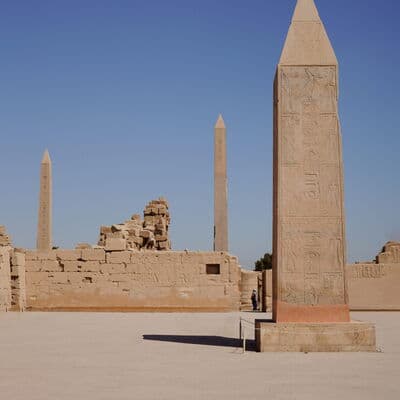
- Obelisks of Hatshepsut and Thutmose I - one of Hatshepsut's obelisks weighs 320 tons
- Temple of Khonsu - well-preserved temple of the moon god
- Ram-headed Sphinx Avenue - symbol of the god Amun
- Open Air Museum - fragments of destroyed shrines
Practical information:
- Ticket: 600 EGP (~$12), students 300 EGP
- Hours: 6:00 AM-5:00 PM (year-round)
- Sound and Light show: $24 adults, $13 children ages 6-11
- Allow at least 2-3 hours, better 4
- Arrive at 6:00 AM opening - in 2025 the temple is packed with tourists during peak hours
Luxor Temple
Luxor Temple is smaller than Karnak but no less impressive. It stands right in the center of the modern city, and in the evening when the lights come on, the view from the corniche becomes magical. The temple is dedicated to Amun, Mut, and Khonsu - the Theban triad of gods.
At the entrance stand two colossi of Ramesses II and one obelisk (the other has been in Paris's Place de la Concorde since 1836). Inside are courts, colonnades, and sanctuaries built by Amenhotep III and expanded by Ramesses II. A unique feature: inside the temple stands the 13th-century Mosque of Abu el-Haggag - literally built into the ancient walls.
Practical information:
- Ticket: 500 EGP (~$10), students 250 EGP
- Hours: 6:00 AM-7:00 PM
- Best time to visit - evening, when the temple is illuminated
- Allow 1-2 hours
Avenue of Sphinxes
The ancient processional road between Karnak and Luxor Temples. 2.7 kilometers, 1,350 sphinxes. Religious festivals once processed along here - statues of gods were carried from one temple to the other. Now you can walk the entire route (40-50 minutes) or take a calèche ride.
Entry is free. Evening illumination is especially beautiful at twilight.
Luxor Museum
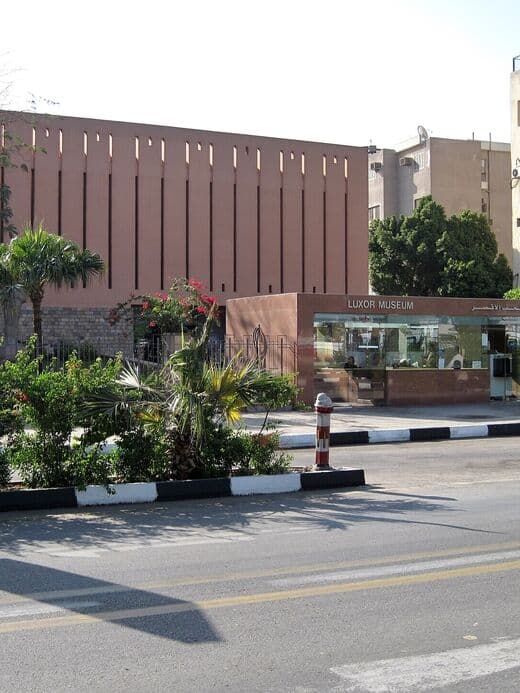
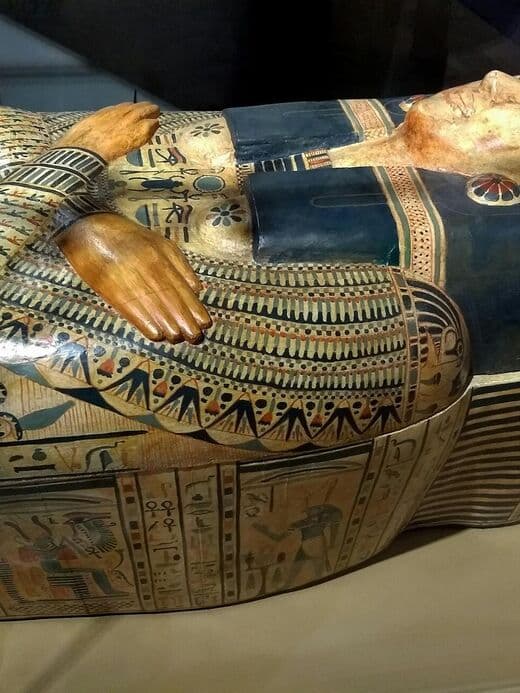
A small but excellent museum on the corniche between the two temples. The collection is carefully curated: mummies of pharaohs Ahmose I and Ramesses I, statues from Karnak, objects from Tutankhamun's tomb. Everything is displayed in modern galleries with good lighting and English explanations.
Ticket: 400 EGP (~$8), students 200 EGP. Hours: 9:00 AM-2:00 PM and 4:00 PM-9:00 PM. Allow 1-1.5 hours.
West Bank: Realm of the Dead
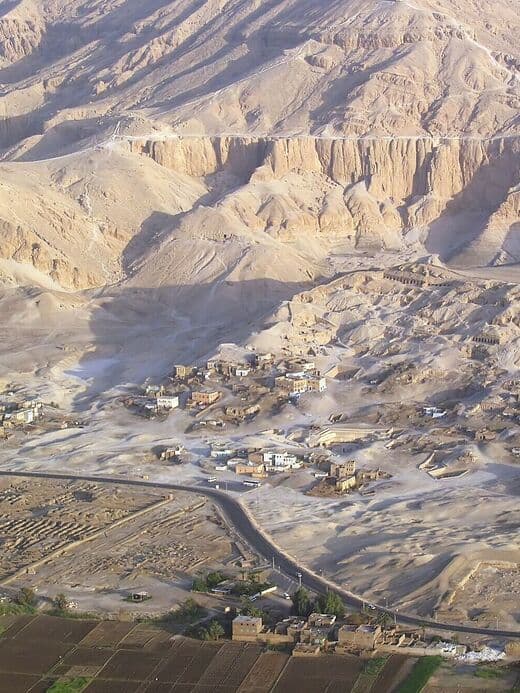
For ancient Egyptians, the west, where the sun set, was associated with the afterlife. That's why all necropolises were located on the Nile's west bank. There are no hotels here and almost no residences - only monuments, ticket booths, and villages whose inhabitants have lived off archaeology for centuries.
Valley of the Kings
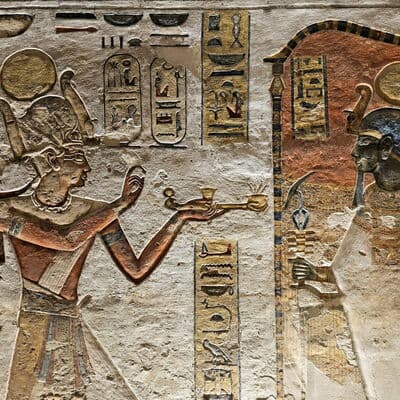
Luxor's main attraction and one of the most impressive places on Earth. In this desert valley, 63 tombs of New Kingdom pharaohs are carved into the rock, including those of Tutankhamun, Ramesses II, and Seti I. Most tombs were robbed in antiquity, but the wall paintings have survived magnificently.
What the standard ticket includes (750 EGP / ~$15):
- Visit to any 3 tombs from those open (usually 8-10 tombs available)
- Popular choices: Ramesses I, IV, VII, IX, Seti II, Thutmose III, IV, Horemheb
Separate tickets:
- Tomb of Tutankhamun (KV62) - 700 EGP (~$14). Small but famous. The pharaoh's mummy is still here
- Tomb of Seti I (KV17) - 2,000 EGP (~$40). The most beautiful, with incredible paintings
- Tomb of Ramesses V/VI (KV9) - 220 EGP (~$4.50). Stunning astronomical ceiling
- Tomb of Ay (KV23) - 200 EGP (~$4)
Practical tips:
- Hours: 6:00 AM-5:00 PM
- Photography inside tombs is FORBIDDEN (fines). Cameras are checked at entrance
- Arrive at opening - after 9:00 AM tour groups arrive and it gets crowded
- From entrance to tombs is 500 meters uphill. Electric tram available for those who find walking difficult
- No shade in the valley - bring water, hat, sunscreen
Temple of Hatshepsut (Deir el-Bahari)
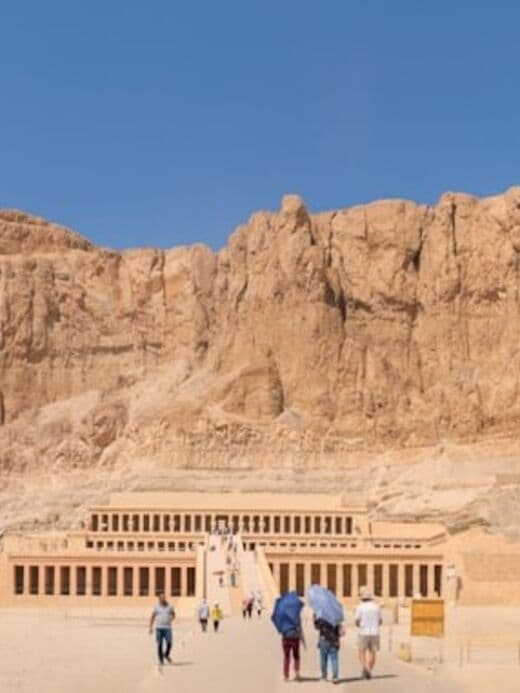
The mortuary temple of Queen Hatshepsut is one of Egypt's most unusual monuments. Three terraces cut into sheer cliffs, creating an effect that seems modern even today. Hatshepsut was one of the few female pharaohs, and she clearly wanted to be remembered.
The temple was built in the 15th century BCE by the architect Senenmut. Reliefs depict the trading expedition to the land of Punt and Hatshepsut's divine birth. In 2025, new tombs with vibrant paintings were discovered here.
Ticket: 440 EGP (~$9), students 220 EGP. Hours: 6:00 AM-5:00 PM.
Valley of the Queens
Here lie the wives and children of pharaohs. The star attraction is the Tomb of Nefertari (QV66), wife of Ramesses II. It's the most beautiful tomb in Egypt: vivid paintings on a perfectly white background. Access is strictly limited - only 150 people per day.
Tickets:
- Standard (3 tombs) - 120 EGP (~$2.50)
- Tomb of Nefertari - 1,400 EGP (~$28), advance booking required
Colossi of Memnon
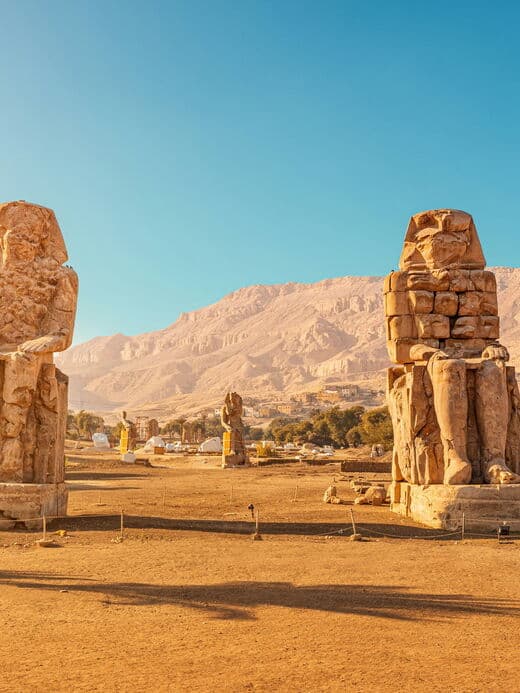
Two giant statues of Amenhotep III, 18 meters tall - all that remains of his mortuary temple. The statues stand right by the road; entry is free.
Other West Bank Monuments
- Ramesseum - mortuary temple of Ramesses II with giant fallen statue. 120 EGP
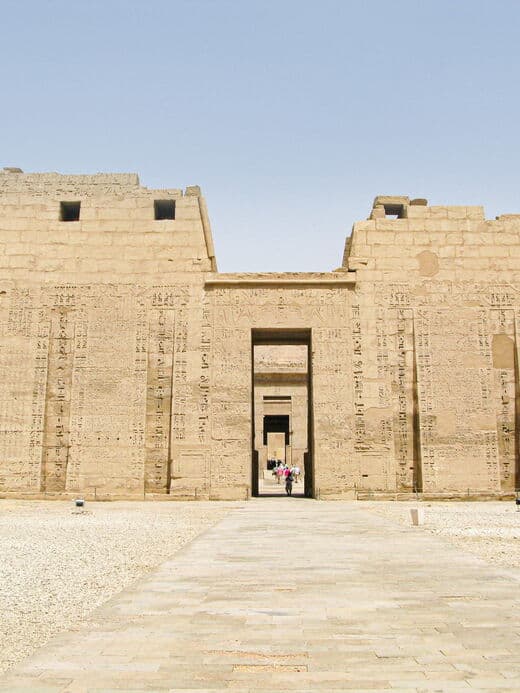
- Medinet Habu - temple of Ramesses III with battle scenes. 140 EGP
- Tombs of the Nobles - daily life scenes instead of religious texts. 80-120 EGP
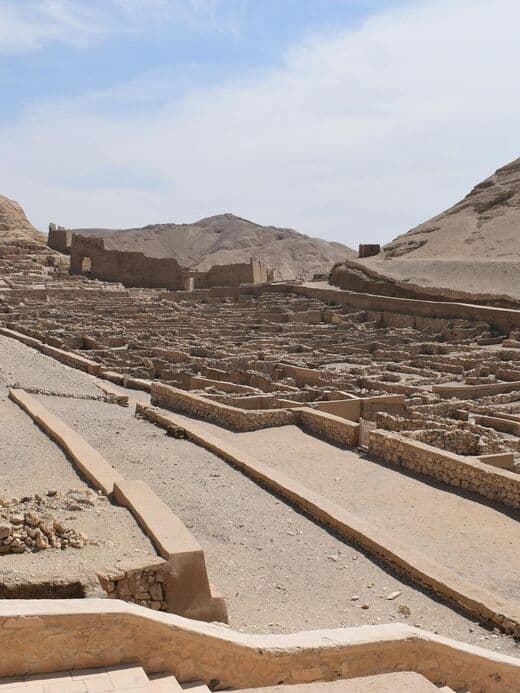
- Deir el-Medina - village of workers who built the royal tombs. 120 EGP
Luxor Pass - Is It Worth It?
The Luxor Pass costs $130 (students $70) and is valid for 5 days. It includes all West and East Bank sites except the tombs of Seti I and Nefertari. At the current exchange rate (50 EGP per $1), it may be cheaper to buy individual tickets in Egyptian pounds - calculate in advance based on what you plan to visit.
Where to Stay
East Bank - For Most Tourists
Hotels of all categories, restaurants, and shops are concentrated here. Convenient for evening walks along the corniche and visiting temples.
Budget ($12-40):
- Budget hotels from $12/night with basic amenities within walking distance of Luxor Temple
- Bob Marley House, Nefertiti Hotel, Happy Land Hotel
Mid-range ($50-150):
- Steigenberger Resort Achti - from $50
- Sonesta St. George - from $150, excellent Nile views
Luxury ($200+):
- Sofitel Winter Palace - legendary 1886 hotel where Agatha Christie and Howard Carter stayed. From $200
- Hilton Luxor Resort & Spa - modern 5-star with infinity pool
West Bank - For Those Seeking Quiet
A few guesthouses and boutique hotels. Advantage: proximity to monuments and no hustle.
- Djorff Palace - $115-225/night
- Nile Valley Hotel - 13 minutes to Valley of the Kings
Tip: In 2025, Luxor hotels are often at capacity. Book in advance, especially for December-February. Saturday is the cheapest day, Thursday the most expensive.
Transportation
Getting to Luxor
By air:
- Luxor International Airport (LXR) receives flights from Cairo (1 hour, $65-230), European cities, and Sharm el-Sheikh
- Taxi to center - 150-200 EGP
By train:
- Day train from Cairo: 9-10 hours, from 90 EGP (3rd class) to 800 EGP (1st class AC)
- Overnight sleeper train: $80-130 depending on cabin type, includes meals
- From Aswan: 3 hours, from 80 EGP
By bus:
- From Cairo: 10-11 hours, $4-14 (Go Bus, Upper Egypt Bus)
- From Hurghada: 4 hours, from 100 EGP
By Nile cruise:
- Classic Luxor-Aswan route - 3-4 nights, from $300
- In 2025, cruises are experiencing record bookings
Getting Around Town
Taxi: Bargain. Around East Bank - 30-50 EGP. To West Bank - 100-150 EGP. Uber doesn't work in Luxor.
Ferry: Nile crossing - 5-10 EGP for locals, tourists pay 20-50 EGP. Runs 6:00 AM-10:00 PM.
Bicycle: Excellent way to explore West Bank. Rental - 50-100 EGP per day.
Hot air balloon: Dawn flights over West Bank are an iconic attraction. 1,500-2,000 EGP (~$30-40). Incredible views: tombs, temples, the green Nile valley.
Money and Prices 2025
Exchange rate December 2025: ~50 EGP per $1, ~53 EGP per €1.
ATMs: Banque Misr, CIB, QNB. Fee 50-100 EGP per withdrawal.
Cards: Accepted at hotels and restaurants. Museum tickets - cash only.
Approximate Daily Costs:
- Budget: $30-50 (hostel $12, street food, 2-3 sites)
- Comfortable: $80-150 (3-4 star hotel, restaurants, taxis, 4-5 sites)
- Luxury: $250+ (5-star, private guide, hot air balloon)
When to Go
Best season: October - April. Temperature 68-86°F (20-30°C).
Summer (May - September): 104-113°F (40-45°C), unbearable. If visiting in summer - start at 6 AM.
Peak season: December - February. Many tourists, higher prices. Book one month ahead.
Budget tip: July-September - lower hotel prices, but brutal heat.
How Many Days to Spend
2 days (minimum):
- Day 1: Karnak, Luxor Temple, Avenue of Sphinxes
- Day 2: Valley of the Kings, Temple of Hatshepsut, Colossi of Memnon
3-4 days (optimal):
- Add Valley of the Queens, Medinet Habu, Luxor Museum, hot air balloon
5-7 days:
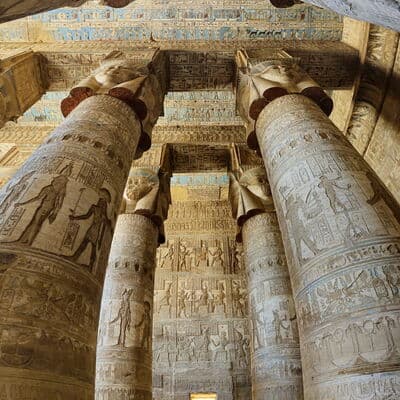
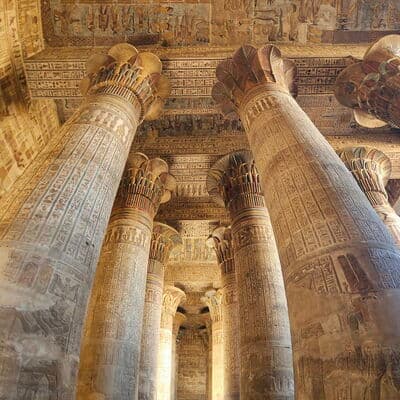
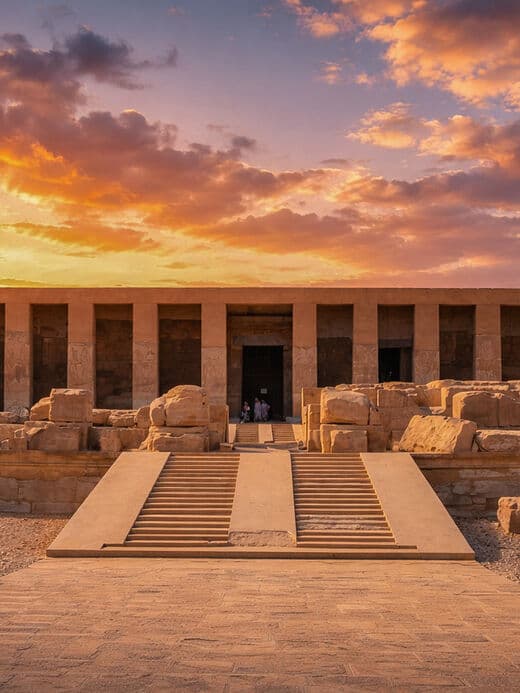
- All monuments without rushing + day trip to Dendera and Abydos
Safety
Luxor is safe for tourists - there's significant tourist police presence at all sites. The city's economy depends entirely on tourism.
Common scams: "free" felucca ride followed by demands for money, inflated bazaar prices (bargain!), calèche drivers quoting per-person instead of per-carriage prices.
Tip: A firm "la, shukran" (no, thank you) works better than polite refusals.
Luxor is a place that can never be exhausted. Here you stand where pharaohs stood three thousand years ago - and the stones beneath your feet remember their footsteps.