Karnak Temple
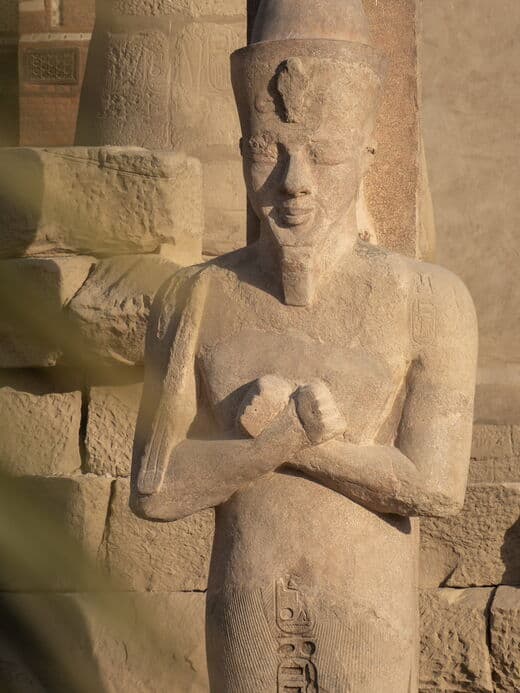
Karnak Temple is the largest temple complex of the ancient world. Twenty football fields of sanctuaries, columns, obelisks, and statues, built over 2,000 years. Each pharaoh added something of their own, competing with predecessors in grandeur. The result is a place that overwhelms with its scale even today.
Temple History
Karnak was the main sanctuary of Amun—"king of the gods" in the Egyptian pantheon. Construction began around 2000 BCE and continued until the Ptolemaic era. Thirty pharaohs participated in expanding the complex, each striving to outdo their predecessors.
During the New Kingdom (1550–1070 BCE), Karnak was the wealthiest temple in Egypt. It owned lands, mines, and ships; thousands of priests served the god. The Opet Festival, when Amun's statue was carried from Karnak to Luxor Temple, was the main event of the year.
What to See
Great Hypostyle Hall
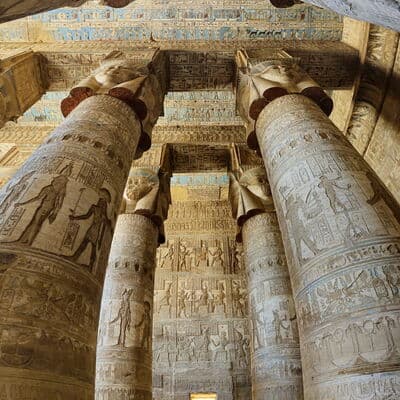
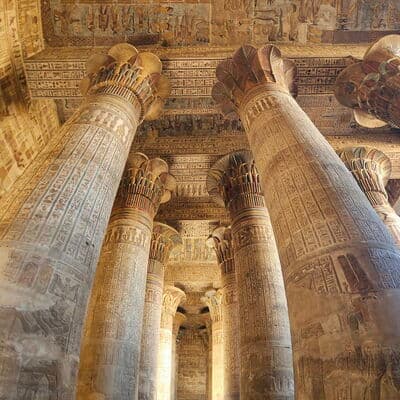
The main wonder of Karnak—a hall with 134 columns. The central columns stand 23 meters tall with a diameter of 3.5 meters. They once supported a roof, with light falling only through narrow windows near the ceiling. The roof is gone now, and the columns stand under open sky—but they still take your breath away.
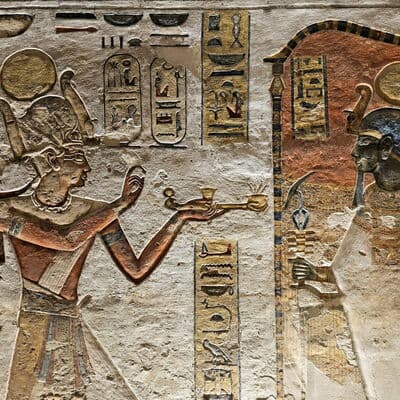
Every column is covered with reliefs: gods, pharaohs, ritual scenes. Paint survives in places—especially under the capitals, where the sun couldn't reach.
Obelisks
Several obelisks once stood in Karnak. Queen Hatshepsut's obelisk survives—30 meters tall, carved from a single piece of pink granite. Its tip was once covered in gold.
Sacred Lake
A large artificial lake (80x40 meters) where priests performed purification rituals. On the shore stands a giant granite scarab: legend says if you walk around it seven times counterclockwise, your wish will come true.
Temple of Khonsu
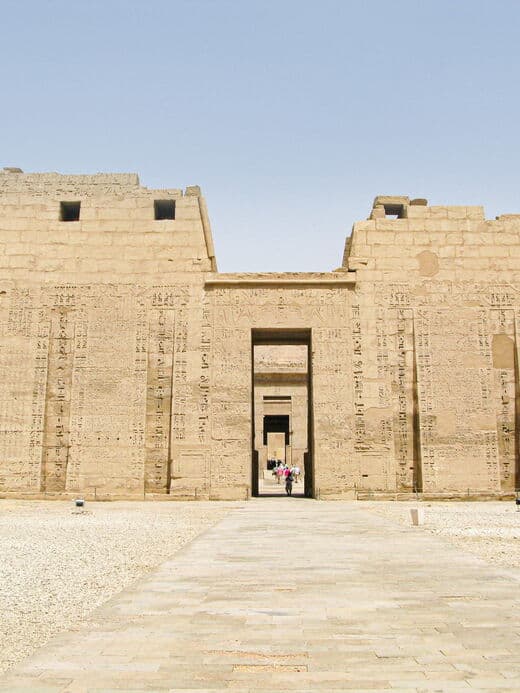
A well-preserved temple to Amun's son—the moon god Khonsu. Here you can see what a complete Egyptian temple looked like: pylons, courtyard, hypostyle hall, and sanctuary.
Sound and Light Show
In the evening, Karnak hosts a sound and light show—the temple's history told to music, with illuminated columns and walls. Visitors walk through the complex and finish at the sacred lake. The show runs in several languages, including English.
Practical Tips
When to Visit
The temple is open from 6:00 to 17:30. Best times are early morning (cooler, fewer crowds) or late afternoon (beautiful light, then the show). Avoid midday—it's scorching hot in the open plaza.
How Much Time
Minimum—2 hours. For a detailed visit—3-4 hours. The complex is enormous, and trying to see everything in an hour means seeing nothing at all.
Getting There
Karnak is 3 km from central Luxor. Take a taxi, horse carriage, or walk along the corniche (a pleasant stroll).
What's Nearby
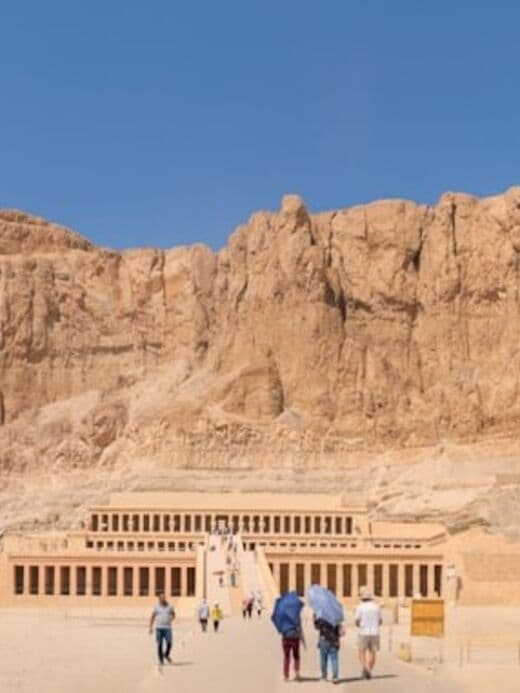
In Luxor itself—Luxor Temple, connected to Karnak by the Avenue of Sphinxes. On the west bank—the Valley of the Kings and Hatshepsut's Temple.
Atmosphere and Tips
Karnak isn't a museum—it's an experience. Walking between the columns of the hypostyle hall, craning your neck to see their tops. Touching stones that are three thousand years old. Reading pharaohs' names carved in granite. Feeling the scale of what humans could accomplish without machines or computers.
The temple is especially stunning at sunrise, when the first rays paint the columns pink. Or at sunset, when long shadows transform the ruins into a labyrinth of light and darkness. This is a place to explore slowly, absorbing the atmosphere—and it will reward you with discoveries at every turn.