Aswan 2025: Gateway to Nubia and Jewel of Upper Egypt
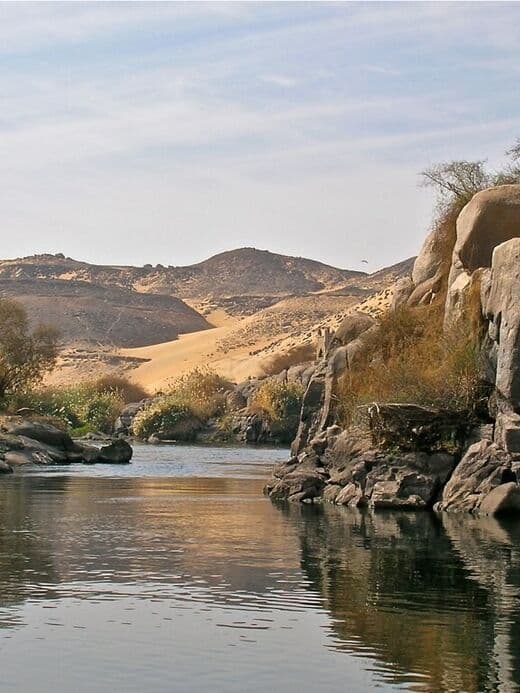
Aswan, Egypt's southernmost major city perched on the First Cataract of the Nile, is where Africa meets the ancient pharaonic civilization. Here the Nile is especially picturesque: the river is dotted with granite islands, while palm groves and colorful Nubian villages line the banks. Unlike bustling Cairo or tourist-heavy Luxor, Aswan offers a more relaxed and authentic Egyptian experience. This comprehensive 2025 guide will help you plan the perfect trip to this remarkable city.
Why Visit Aswan
Aswan is not just a transit point on the way to Abu Simbel. It's a destination in its own right, with a unique atmosphere, rich history, and welcoming inhabitants. The city served as ancient Egypt's southern frontier and was a crucial trading hub on the route to Nubia and Central Africa.
This is where the famous pink granite was quarried, used to build obelisks and colossi throughout Egypt. The Nubian culture preserved in local villages adds special character to Aswan - bright houses, traditional music and cuisine, and friendly locals who are genuinely happy to meet visitors.
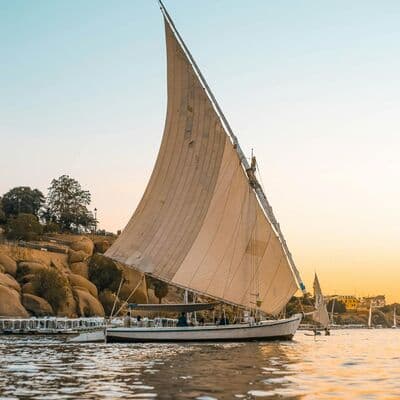
Aswan's climate is one of the driest in the world: rain falls perhaps once every few years. Winter (November to February) offers perfect weather for sightseeing, and evening felucca rides on the Nile at sunset are among the most romantic experiences in Egypt.
Philae Temple: Pearl of Agilkia Island
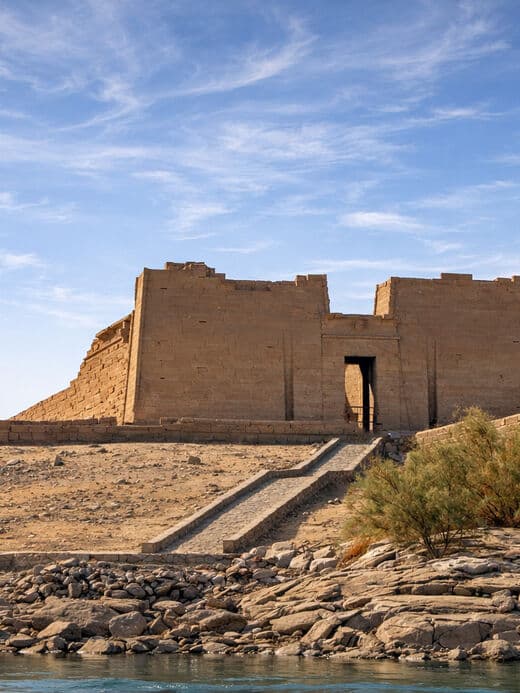
The Philae Temple complex, dedicated to the goddess Isis, is one of Aswan's main attractions and one of Egypt's best-preserved temples. Originally located on Philae Island, the temple was relocated to neighboring Agilkia Island during a massive UNESCO operation in the 1960s-1980s after the construction of the Aswan Dam threatened to submerge it.
Temple History
Construction began under the Ptolemies in the 3rd century BC and continued under Roman emperors. The temple was one of the last functioning pagan sanctuaries in Egypt - the cult of Isis persisted here until the 6th century AD, when Emperor Justinian ordered it closed.
Legend holds that Philae Island was where Isis found the heart of her murdered husband Osiris and resurrected him. This made the island a sacred pilgrimage site for millennia.
What to See
First Pylon: Massive entrance gates decorated with reliefs showing the pharaoh smiting enemies before the gods.
Courtyard and Colonnades: Elegant columns with capitals shaped like various plants create an atmosphere of temple harmony.
Sanctuary of Isis: The most sacred part of the temple, where the goddess's statue was kept.
Temple of Hathor: A small shrine with charming reliefs of musicians and dancers.
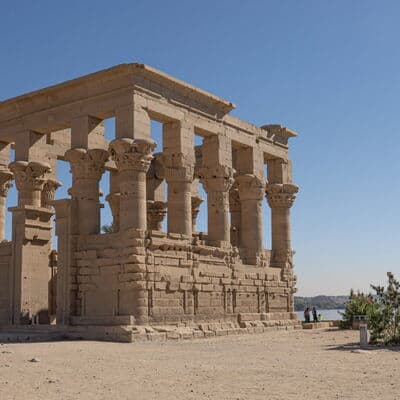
Kiosk of Trajan: An elegant colonnade that has become Philae's symbol - one of Egypt's most photographed structures.
Practical Information 2025
Entrance fee: 550 Egyptian pounds (approximately $11 USD). Students with international student cards receive a 50% discount.
The temple is only accessible by boat from a dock near the Aswan Dam. Boat cost is about 200-300 pounds per boat (can be shared with other tourists). Opening hours: 7:00 AM to 4:00 PM.
Sound and Light Show
Every evening, a sound and light show is held at Philae in several languages (including English nightly). The show narrates the temple's history and the myths of Isis and Osiris. Cost is about 400 pounds. It's a magical spectacle, especially beautiful with the illumination reflecting in the Nile's waters.
Abu Simbel: The Colossi of Ramesses II
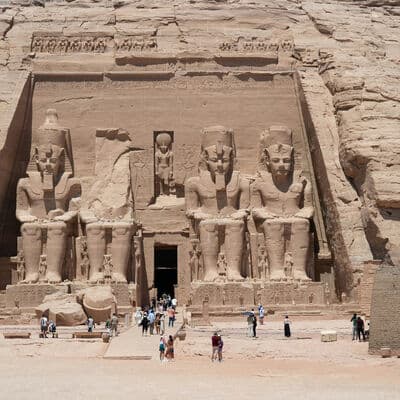
The Abu Simbel temples are perhaps the most impressive monuments of ancient Egypt after the Giza pyramids. Carved into rock by order of Ramesses II in the 13th century BC, they astound visitors with their scale and perfection.
Great Temple of Ramesses II
The temple facade features four colossal seated statues of Ramesses II, each 20 meters (66 feet) tall. At the pharaoh's feet are statues of family members - they appear tiny next to the giant effigies of the ruler.
Inside are halls with columns shaped as Osiris statues, walls covered with reliefs glorifying Ramesses' military victories, especially the Battle of Kadesh against the Hittites.
Sun Festival: The temple is designed so that twice a year - February 22 and October 22 - the rays of the rising sun penetrate through the entire temple and illuminate the statues of gods in the sanctuary. This astronomical wonder attracts thousands of tourists.
Small Temple of Nefertari
Next to the main temple, Ramesses built a temple for his beloved wife Nefertari, dedicated to the goddess Hathor. This is a rare case of a temple dedicated to a queen - Nefertari's statues on the facade are the same size as the pharaoh's, indicating her special status.
Saving the Temples
In the 1960s, when construction of the High Dam threatened to flood Abu Simbel, UNESCO organized an unprecedented rescue operation. The temples were cut into blocks and relocated 65 meters (213 feet) higher than their original location. The operation cost $40 million and took four years.
Getting There from Aswan
Abu Simbel is located 280 km (174 miles) south of Aswan, near the Sudanese border. Options include:
Bus Tour: The most popular option. Buses depart from Aswan around 4 AM to arrive at the temples at dawn. Tour cost with guide is $75-100 per person, including transport and usually breakfast. Travel time is about 3 hours each way.
Flight: The flight from Aswan takes 45 minutes. Round-trip ticket cost is $140-325 depending on season. EgyptAir provides free transfer from the airport to the temples.
Local Bus: Budget option - bus for 100 pounds (about $2), but it departs at 8 AM and returns at 1 PM, giving only 30 minutes for viewing. Not recommended.
Entrance Fees 2025
Standard ticket: 750 Egyptian pounds (about $15 USD). Students pay 375 pounds. On Sun Festival days (February 22 and October 22), the price doubles to 1200 pounds.
Important: payment is accepted by credit/debit card only - cash is not accepted.
The Aswan High Dam
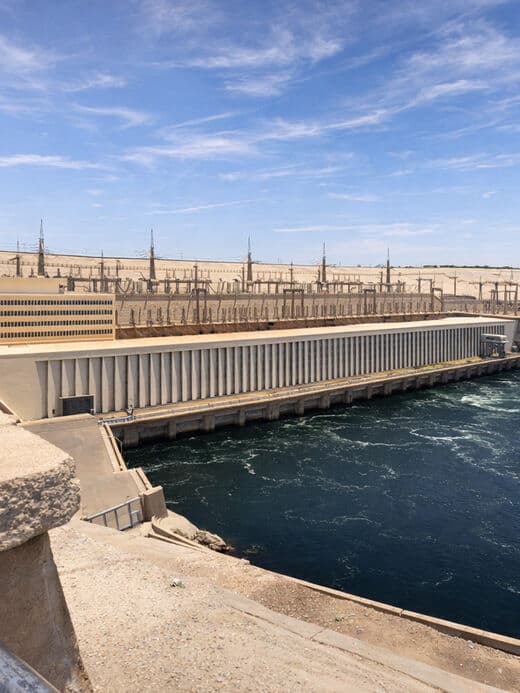
The Aswan High Dam (Sadd el-Ali) is one of the largest engineering projects of the 20th century. Built in 1960-1970 with Soviet technical and financial assistance, the dam tamed the Nile and created Lake Nasser - one of the world's largest artificial reservoirs.
Significance of the Dam
The dam protects Egypt from destructive floods and droughts, provides the country with electricity, and supplies water for irrigation. Modern Egyptian agriculture would be impossible without it.
However, dam construction also had negative consequences: ancient Nubian lands were flooded, thousands of people relocated, and the temples of Abu Simbel and Philae had to be moved.
Visiting the Dam
Tourists can climb to an observation platform atop the dam, offering panoramic views of Lake Nasser on one side and the Nile on the other. Here you'll also find the Soviet-Egyptian Friendship Monument in the shape of a lotus flower.
Entrance fee: about 130 Egyptian pounds (approximately $2.50). The visit takes 30-45 minutes and is usually combined with Philae Temple and the Unfinished Obelisk.
The Unfinished Obelisk
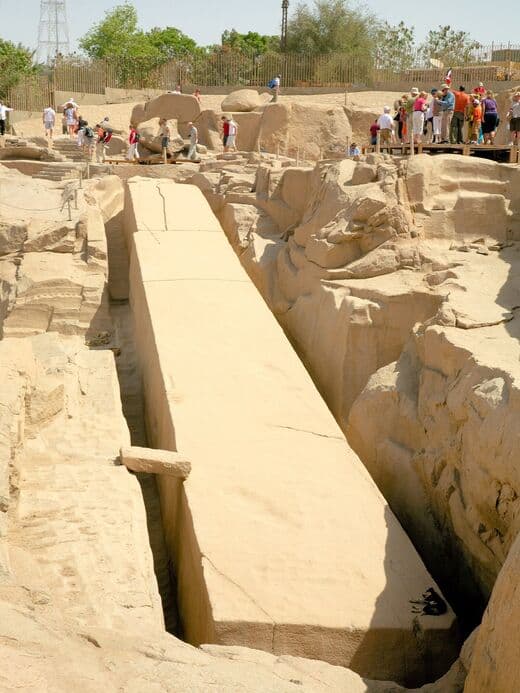
In Aswan's northern quarries lies a giant unfinished obelisk - the largest ever conceived in ancient Egypt. Had it been completed, it would have weighed about 1,200 tons and reached 42 meters (138 feet) in height.
Why the Obelisk Was Never Finished
During the carving process, cracks appeared in the granite, and work was abandoned. The obelisk remained in the quarry, but precisely because of this, modern archaeologists have been able to study ancient Egyptian stone-working techniques.
What You'll See
The obelisk lies in a depression, partially separated from the bedrock. Around it, you can see tool marks and dolerite balls that Egyptians used to pound the granite. Information boards explain the obelisk-making process.
Entrance fee: about 200 Egyptian pounds. The visit takes about 30-45 minutes.
Elephantine Island
Elephantine is the largest island in the Nile near Aswan, inhabited since ancient times. Its name derives either from the island's shape resembling an elephant's tusk or from the ivory trade that was conducted here.
Island Attractions
Nilometer: An ancient measuring device for tracking the Nile's water level. Nilometer readings determined tax rates: high water levels meant rich harvests and higher taxes.
Temple of Khnum Ruins: The creator god Khnum was depicted with a ram's head and considered the guardian of the Nile's sources. Foundation stones and fragments remain.
Aswan Museum: A small museum with finds from the region, including animal mummies and Nubian cultural artifacts.
Nubian Villages: The island's southern end features picturesque Nubian villages with traditional houses and hospitable residents.
Getting There
The island is accessible via free ferry from Aswan's waterfront (departures every 15-20 minutes) or by private boat/felucca.
Nubian Villages: Immersion in Local Culture
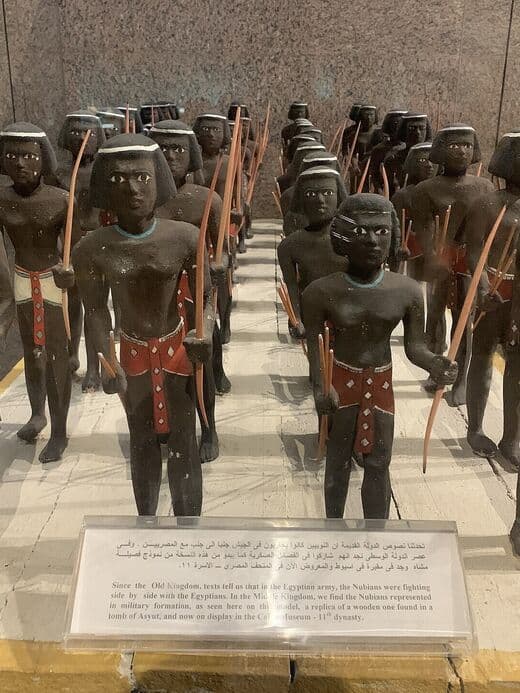
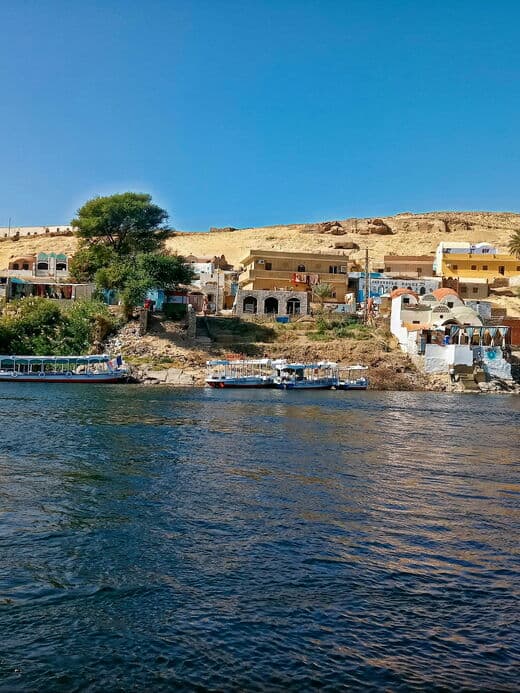
Nubians are the indigenous people of the region between Aswan and Sudan, with their own language, culture, and traditions. After the High Dam was built, many Nubians were relocated, but they've preserved their identity.
What Makes Nubian Villages Special
Colorful Houses: Nubian homes are painted in bright colors - blue, yellow, orange - with traditional patterns and images. Each house is a work of art.
Hospitality: Nubians are known for their warmth. You might be invited for tea or shown around a home. This is genuine hospitality, though a small gift is appreciated.
Crocodiles: Many Nubian homes keep small crocodiles - a tradition dating back to the ancient cult of the god Sobek. You can take photos with a crocodile for a small fee.
Henna: Nubian women are famous for their henna art. You can get a traditional design on your hand.
How to Visit
The most atmospheric way is a sunset felucca ride with a stop at a Nubian village. Tour cost is $45-70 per person, including boat, guide, and often dinner in the village.
You can get there independently by taxi or local transport - a recently built bridge now connects the villages to the main part of town. But the felucca experience is much richer.
Felucca Rides
A felucca is a traditional Egyptian sailing boat used on the Nile for thousands of years. A felucca ride is essential in Aswan, and it's especially beautiful here thanks to the islands and rocks dotting the river.
Ride Options
One-Hour Ride: Sailing around Elephantine Island and the botanical garden. Cost: 200-400 pounds per boat (can be shared).
Sunset Ride: The most popular option - 2-3 hours with a stop at a Nubian village. Cost: 400-700 pounds per boat.
Multi-Day Cruise: A felucca journey from Aswan to Luxor (3-4 days) is an unforgettable experience with nights on the riverbank and temple visits along the way. Cost: from $100 per person for the entire cruise.
Tips
Negotiate the price before boarding and clarify exactly what's included. The best time is at sunset when the heat subsides and the light turns golden. Bring warm clothes - it can be cool on the water, especially in winter.
Kitchener's Island (Botanical Garden)
Kitchener's Island (also called the Island of Plants) is a small island on the Nile transformed into a botanical garden in the late 19th century by British General Lord Kitchener, who collected plants from around the world here.
What You'll See
The garden covers the entire island and includes palms, tropical trees, and exotic flowers from Africa, Asia, and the Americas. Shaded alleys provide pleasant refuge from the heat. Abundant birdlife makes the island popular among nature lovers.
Practical Information
Accessible by felucca or motorboat from the waterfront. Entrance fee: about 100 pounds. A visit takes 1-2 hours. It's an ideal spot for a picnic or rest between sightseeing.
Monastery of St. Simeon
On the Nile's west bank, amid the desert, stand the ruins of a 7th-century Coptic monastery - one of Egypt's largest and best-preserved Christian monasteries.
History
The monastery was founded in the 7th century and housed up to 300 monks. It was destroyed by Saladin in the 12th century and has been abandoned since. The thick mud-brick walls have survived remarkably well thanks to the dry climate.
Getting There
You can sail by felucca to the west bank, then walk or ride a camel up (about 1 km through the desert). Some tours offer camel rides from the riverbank to the monastery.
Tombs of the Nobles (Qubbet el-Hawa)
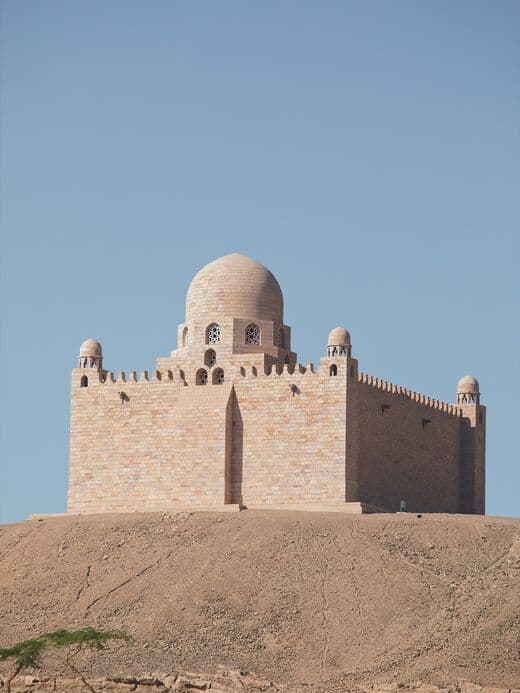
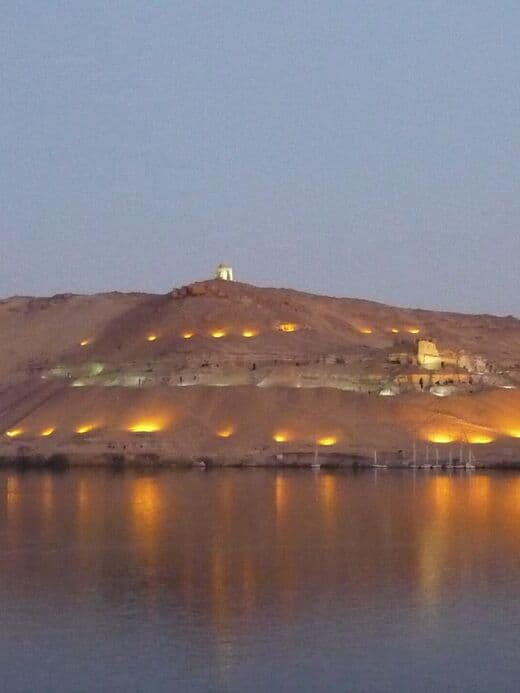
On the west bank of the Nile, opposite Aswan, rock-cut tombs of nobles from the Old and Middle Kingdoms offer stunning views of the city and river.
Main Tombs
Tomb of Sirenput II: The best preserved, with vibrant paintings.
Tombs of Harkhuf and Pepinakht: Contain interesting texts about expeditions to Nubia.
Visiting
Reach the west bank by boat, then climb the stairs (about 100 steps). Entrance fee: about 200 pounds. Best visited in the morning or near sunset for better lighting and pleasant viewing.
Kom Ombo and Edfu Temples
Between Aswan and Luxor lie two magnificent temples, conveniently visited en route or as day trips.
Kom Ombo Temple
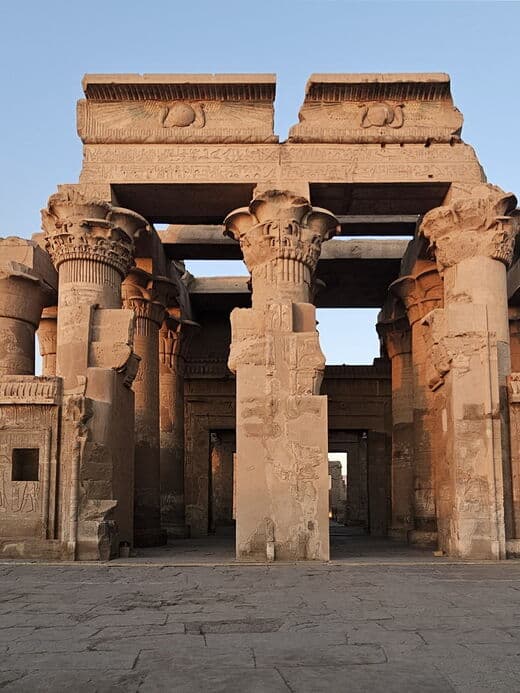
A unique temple dedicated to two gods: Sobek (crocodile-headed) and Haroeris (Horus the Elder). The temple is symmetrically divided into two halves - one for each god. Nearby is a museum of mummified crocodiles.
Entrance fee: about 570 pounds (approximately $11.40). Located 45 km north of Aswan.
Edfu Temple
The Temple of Horus at Edfu is the best-preserved temple in ancient Egypt. Built under the Ptolemies, it gives a complete picture of what Egyptian temples looked like in antiquity - with roofs, halls, and nearly undamaged reliefs.
Entrance fee: about 700 pounds (approximately $14). Located 110 km north of Aswan.
How to Visit
Both temples are typically visited during a Nile cruise. You can book a day trip from Aswan (about $50-80) or from Luxor. By car from Aswan to Edfu takes about 2 hours.
Accommodation in Aswan
Luxury Hotels
Sofitel Legend Old Cataract: The legendary hotel where Agatha Christie wrote "Death on the Nile." Churchill, Princess Diana, and many celebrities have stayed here. Luxurious rooms with Nile views, historic atmosphere. From $300 per night.
Mövenpick Resort Aswan: A modern resort on Elephantine Island with beautiful gardens, multiple pools, and spa. From $150 per night.
Mid-Range Hotels
Basma Hotel Aswan: Perched on a hill with panoramic Nile views. Good pool, convenient location. From $80 per night.
Pyramisa Isis Island: Resort hotel on Isis Island with large grounds. From $70 per night.
Kato Dool: Boutique hotel in Nubian style on a hillside above the Nile. Authentic atmosphere, beautiful interiors. From $50 per night.
Budget Accommodation
Aswan has many guesthouses and hostels from $14-25 per night. Popular options: Go Inn Backpackers, Kafana Guest House. On the west bank in Nubian villages, you can find authentic guesthouses with homey atmosphere.
Where to Stay
The Corniche (waterfront) is convenient for walks and restaurants. Elephantine Island is quiet and scenic. The west bank suits those seeking authentic experiences in Nubian villages.
Best Time to Visit
Aswan is one of the world's hottest cities. Timing your trip is crucial.
Best Season (October - March)
Ideal visiting time. Daytime temperatures 20-30°C (68-86°F), nights can be cool (10-15°C / 50-59°F). This is high season with higher prices, but the weather is comfortable for sightseeing.
Shoulder Season (April, September)
Hot (35-40°C / 95-104°F) but tolerable with an early start. Fewer tourists, lower prices. Plan activities for morning hours.
Summer (May - August)
Extreme heat - up to 45-50°C (113-122°F). Not recommended unless you're prepared for serious challenges. If visiting in summer, schedule all excursions at dawn, spend midday by the hotel pool.
Special Dates
February 22 and October 22 - the Sun Festival at Abu Simbel. Arrive a day before, tickets are more expensive, but the spectacle is unique.
Getting to Aswan
By Air
Aswan International Airport receives flights from Cairo (1 hour 20 minutes) and some international charters. Cairo-Aswan ticket prices start from $50 one way. The airport is 25 km from the city center.
By Train
Comfortable trains from Cairo (12-14 hours) and Luxor (3 hours). The Cairo-Aswan sleeper train is an excellent option: sleep en route and save on hotel costs. First class with air conditioning costs about $30-50.
By Nile Cruise
Many tourists arrive in Aswan by Nile cruise from Luxor (3-4 days). This is a luxurious and comfortable way to travel with stops at Edfu and Kom Ombo.
By Bus
Buses from Cairo (about 12 hours), Luxor (4 hours), Hurghada (6 hours). A budget option but tiring.
Practical Tips
Safety
Aswan is a safe city with friendly residents. Take normal precautions: don't display valuables, watch your belongings at markets.
Clothing
Due to the heat, wear light, loose clothing from natural fabrics. A hat and sunscreen are essential. Cover shoulders and knees at religious sites.
Bargaining
Bargain everywhere except supermarkets and restaurants with menus. Start at half or a third of the asking price. Bargaining is part of the culture - don't be shy.
Tipping
Baksheesh is an important part of Egyptian culture. Give 10-20 pounds for small services, 50-100 pounds for half-day guides, 100-200 pounds for full-day guides.
Currency
Egyptian pound. December 2025 exchange rate: about 50 pounds per dollar. Many tourist sites accept cards only - keep some cash for markets and taxis.
How Many Days to Spend
Minimum: 2 days - one for Abu Simbel, one for Aswan attractions. Optimal: 3-4 days for leisurely exploration. Extend by adding a Nile cruise to Luxor.
Nubian Cuisine
In Aswan, you can try dishes not found in other parts of Egypt:
Shorbet Ads: Thick lentil soup with Nubian spices.
Fattah: Layered dish of bread, rice, meat, and tomato sauce.
Fresh Fish: Nile perch, tilapia - fried or grilled.
Karkade: Cold hibiscus tea - a refreshing drink in the heat.
Dates: Aswan dates are considered Egypt's best.
Where to Eat
The waterfront has many restaurants with Nile views. Nubian villages offer home-cooked meals. Floating restaurants provide dinner with a river cruise.
Conclusion
Aswan is a different Egypt: more peaceful, more authentic, more beautiful in its simplicity. There are no tourist crowds like in Giza or Luxor, but there are incredible temples, the most picturesque stretch of the Nile with its granite islands, unique Nubian culture, and unforgettable Abu Simbel.
Include Aswan in your Egyptian journey - for at least a couple of days. Take a sunset felucca ride, share tea in a Nubian village, greet dawn at the colossi of Ramesses. These experiences will stay with you for a long time.
Happy travels to the land of Nubia!