Hurghada
Hurghada 2026: What You Need to Know Before You Go
Hurghada is the kind of place that divides opinion. Some travelers dismiss it as a package-holiday factory on the Red Sea coast, while others discover a genuinely affordable gateway to some of the best diving and snorkeling on the planet. The truth, as usual, sits somewhere in between - and knowing what to expect before you land at HRG airport makes all the difference.
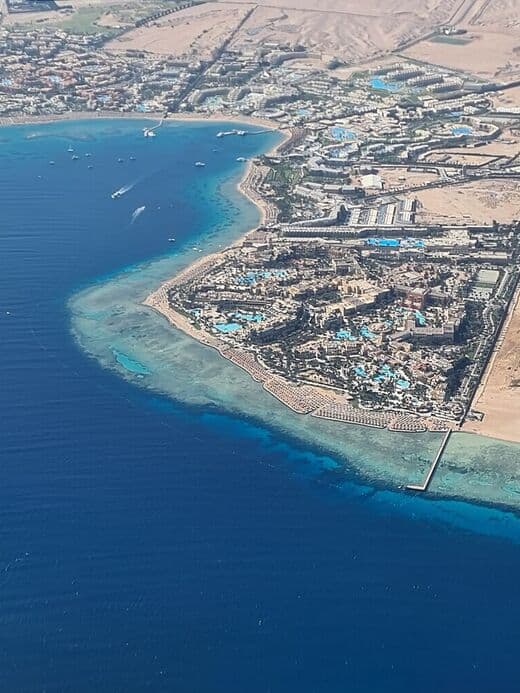
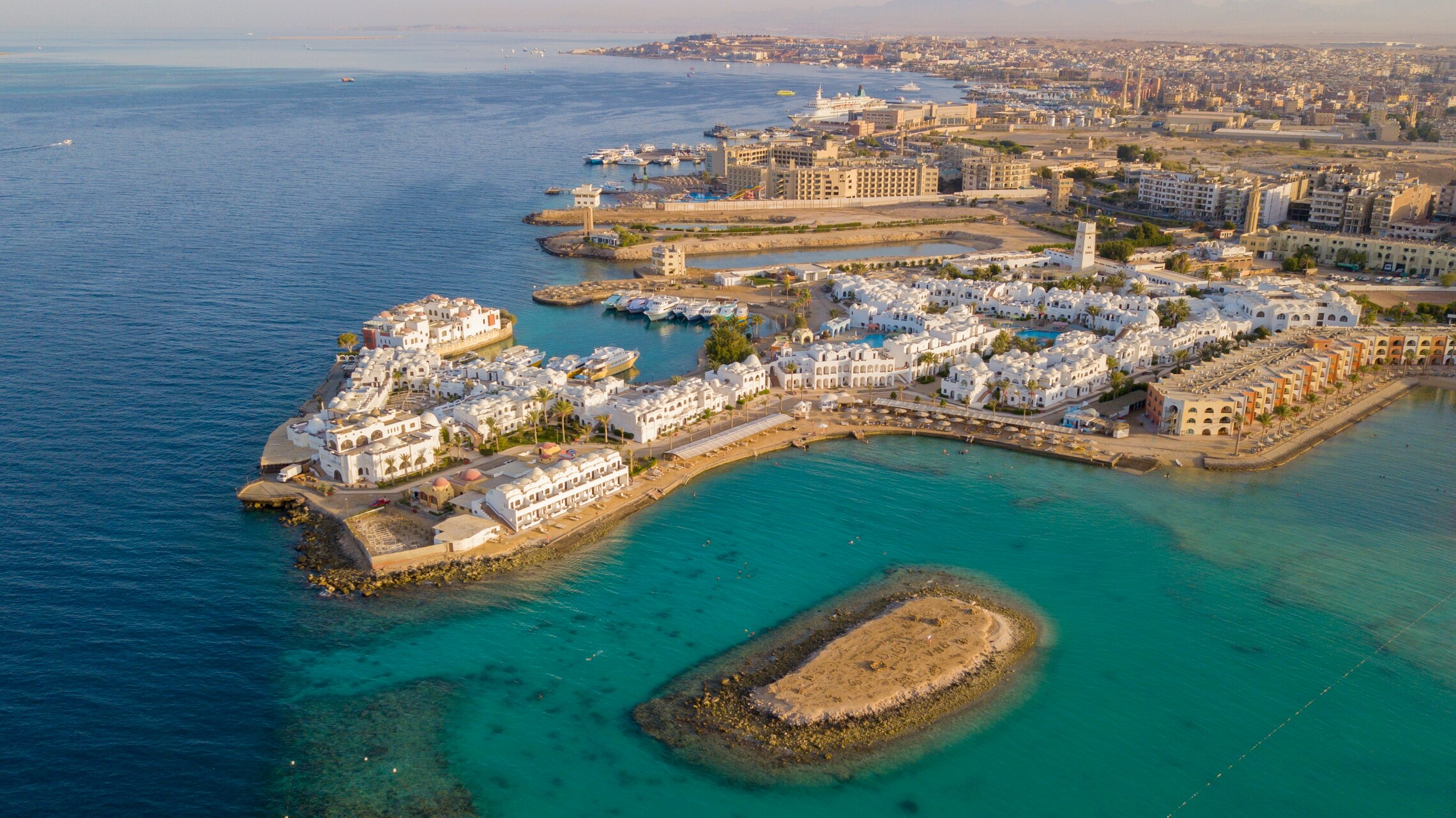
Here is the short version: Hurghada is a sprawling Egyptian resort city stretching about 35 kilometers along the western shore of the Red Sea. It offers warm water year-round, coral reefs within a short boat ride, desert adventures, and a surprisingly decent food scene once you know where to look. It is not Sharm el-Sheikh's polished cousin, nor is it a cultural destination like Luxor. It is its own thing - a beach town with Egyptian character, Russian signage, and sunburns that last for weeks.
Who is Hurghada for? Budget-conscious beach lovers, diving enthusiasts, families looking for an affordable all-inclusive week, and anyone who wants Red Sea marine life without Sharm's price tag. Couples seeking a romantic getaway will do better in El Gouna or Sahl Hasheesh, which are technically separate areas but reachable from Hurghada in 20-40 minutes.
Honest pros: Unbeatable value for money, world-class snorkeling and diving, warm winters (25-28C in January), easy international flights, friendly locals. Honest cons: Aggressive touts in tourist areas, the main strip looks dated, tap water is not drinkable, summer heat is brutal, and some all-inclusive resorts feel isolated from real Egyptian life. If you only stay inside your resort compound, you will miss everything that makes this place worthwhile.
Hurghada Neighborhoods: Where to Stay
Hurghada is not one place - it is a string of distinct neighborhoods and satellite resort areas spread along the coast. Picking the right base changes your entire trip. Here is the breakdown, from budget to luxury.
El Dahar (Old Town) - The Authentic Core
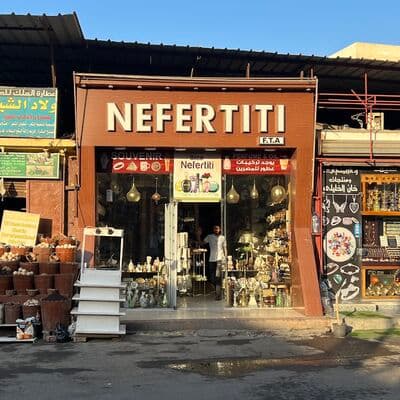
El Dahar is where Hurghada existed before tourism arrived. Narrow streets, a traditional souk, local coffee shops, fruit stalls, and mosques. This is where Egyptians actually live and shop. Hotels here cost $15-35 per night for a decent double room. You will not find beach access or fancy pools, but you will find the cheapest restaurants in town (full meals for $3-5), genuine street food, and a market where a kilo of mangoes costs $1. The trade-off: it is noisy, a bit chaotic, and about a 10-minute taxi ride to the nearest good beach. Best for budget travelers, solo backpackers, and anyone who finds resort bubbles suffocating.
Sakkala (City Center)
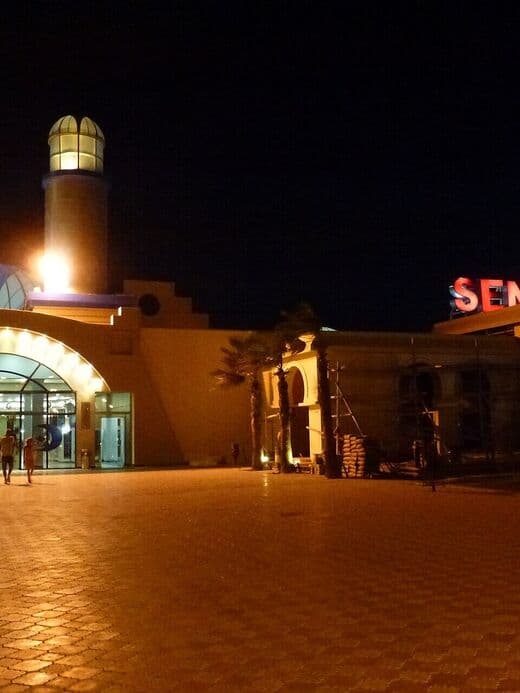
Sakkala sits between El Dahar and the tourist strip. It has banks, pharmacies, a few malls including Senzo Mall, and a mix of mid-range hotels. Sheraton Road runs through it with restaurants, cafes, and shops catering to both locals and tourists. Hotels range from $30-80 per night. Sakkala works well as a base if you want walkable access to restaurants and services without being stuck in either the old town chaos or the resort bubble. The public beach at Sakkala is free but basic.
El Mamsha (New Hurghada / Tourist Promenade)
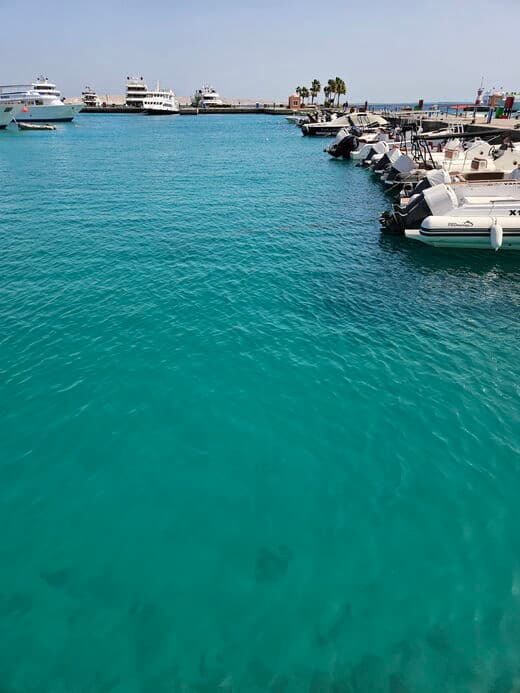
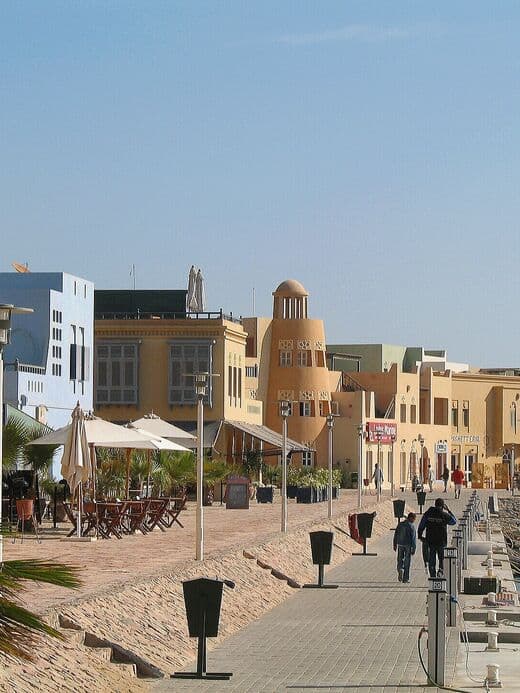
El Mamsha is a purpose-built pedestrian promenade stretching several kilometers along the coast. Think restaurants, souvenir shops, ice cream stands, and resort entrances. This is where most mid-range tourists end up, and it is perfectly fine for that. Hotels along El Mamsha run $40-120 per night. The vibe is touristy but functional - you can walk to dinner, grab a drink, and get back to your hotel without needing a taxi. Hurghada Marina sits at the northern end, offering a more upscale promenade with yacht views and better restaurants.
Sahl Hasheesh - Luxury on the Bay
Sahl Hasheesh is about 20 kilometers south of Hurghada center. This is a planned luxury resort community with its own bay, pristine beaches, and an underwater sunken city you can snorkel over. Hotels here are in the $120-350 per night range (Oberoi, Baron Palace, Premier Le Reve). The beach is genuinely beautiful - calm turquoise water, clean sand, no hawkers. The downside: you are isolated. Getting to Hurghada's restaurants or old town requires a taxi ($8-12 each way). If your plan is beach, pool, spa, and maybe one snorkeling trip, Sahl Hasheesh is excellent. If you want to explore, it feels like a gilded cage.
Makadi Bay - Families and Divers
Makadi Bay is another satellite area about 30 kilometers south of central Hurghada. It is dominated by large all-inclusive resorts (Sunrise, Jaz, TUI) and is a favorite with European families. The house reef at several Makadi hotels is surprisingly good for snorkeling - you can see parrotfish, pufferfish, and occasionally small reef sharks right off the beach. Hotels cost $70-200 per night all-inclusive. Like Sahl Hasheesh, you are far from town. But if you are traveling with kids and want a self-contained holiday with good diving nearby, Makadi delivers.
El Gouna - The Venice of the Red Sea
El Gouna is 25 kilometers north of Hurghada and feels like a different country. This private resort town has canals, color-coded neighborhoods (Downtown, Abu Tig Marina, Tamr Henna), a golf course, kitesurfing spots, and an international crowd of long-stay expats. It is considerably more expensive than Hurghada proper: hotel rooms run $100-400, dinner for two costs $40-80, and even coffee is pricier. But the quality is noticeably higher - better restaurants, cleaner streets, less hassle. El Gouna is where you go when you want Red Sea weather without Red Sea chaos. Downsides: it can feel sterile and manufactured, and you will barely interact with Egyptian culture.
Magawish / Village Road - The Middle Ground
This stretch between Sakkala and Makadi Bay has a mix of mid-range resorts and newer developments. It is less touristy than El Mamsha and cheaper than Sahl Hasheesh. Hotels here run $40-100 per night. You get decent beach access, some house reefs, and enough nearby restaurants to avoid eating every meal at the hotel buffet. It works well for couples and small groups who want beach access without premium pricing. The area around Village Road is where many longer-stay visitors settle because the cost-to-comfort ratio is the best in Hurghada.
Best Time to Visit Hurghada
Hurghada has sunshine roughly 360 days a year, but there is a big difference between comfortable sunshine and punishing heat that keeps you locked in air-conditioned rooms.
October to April (Best Season): This is peak season for good reason. Air temperatures range from 22-30C (72-86F), water temperature stays at 22-26C, and the wind is manageable. December through February is busiest (and priciest), with European and Russian tourists escaping winter. January and February can feel cool in the evenings - bring a light jacket. March and April bring warmer weather and excellent visibility for diving, plus fewer crowds than the Christmas peak.
May and September (Shoulder Season): Temperatures climb to 32-36C (90-97F). Still perfectly manageable if you are comfortable with heat. Hotels drop prices by 20-40%, beaches are less crowded, and the diving is good. May is particularly nice - warm enough to swim all day, not yet scorching. September is when the worst of summer begins to break, and you might catch discounted rates meant to fill rooms during the slow period.
June to August (Hot Season): Temperatures regularly exceed 40C (104F) and can hit 45C. The sun is fierce, the wind is dry and hot, and you will go through three liters of water before lunch. Many outdoor activities become genuinely unpleasant between 11am and 4pm. That said, hotels are cheapest (sometimes 50-60% off peak rates), the Red Sea water is bath-warm at 28-30C, and the diving remains good if you can handle the boat ride. If you are heat-tolerant and budget-focused, summer works. Everyone else should avoid it.
Key dates to know: Ramadan (dates shift yearly - check before booking) means many local restaurants close during daylight hours, though tourist-area venues operate normally. Eid al-Fitr and Eid al-Adha bring domestic Egyptian tourists, which means busy beaches and booked-up hotels. The kitesurfing season runs roughly April through October, when consistent north winds make El Gouna and Soma Bay world-class kite spots.
Hurghada Itinerary: 3 to 7 Days
Most visitors to Hurghada have between three and seven days. Here is how to structure your time depending on your trip length.
3-Day Itinerary: The Essentials
Day 1: Beach and Old Town
Morning: Arrive and settle into your hotel. If you landed early, head straight to the beach - do not waste your first Red Sea day unpacking. Spend the morning swimming and snorkeling off the hotel reef or at a nearby beach. Afternoon (around 3pm when the heat softens): Take a taxi to El Dahar Old Town. Walk through the souk, haggle for spices or a cotton scarf (start at 40% of the asking price), drink a fresh mango juice ($1), and visit the old mosque area. Evening: Dinner at a local restaurant in Sakkala - try GAD for Egyptian street food classics or walk to Hurghada Marina for waterfront dining. Budget for the day: $25-50.
Day 2: Island Hopping and Snorkeling
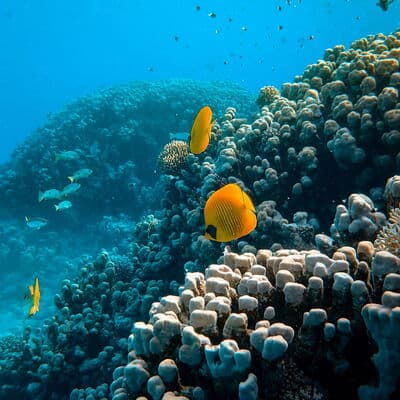
Book a boat trip to Giftun Island or Orange Bay Island. Most tours depart from Hurghada Marina between 8:30-9:30am and return by 4-5pm. Expect to pay $25-40 per person for a full-day trip including lunch, snorkeling stops, and island beach time. The coral at Giftun's snorkeling spots is excellent - you will likely see lionfish, moray eels, and clouds of anthias. Orange Bay is better if you want a picture-perfect beach with white sand and turquoise water. Bring reef-safe sunscreen, a waterproof phone case, and reef shoes. Evening: You will be tired and sunburned. Grab shawarma near your hotel and rest. Budget for the day: $35-55.
Day 3: Desert Safari
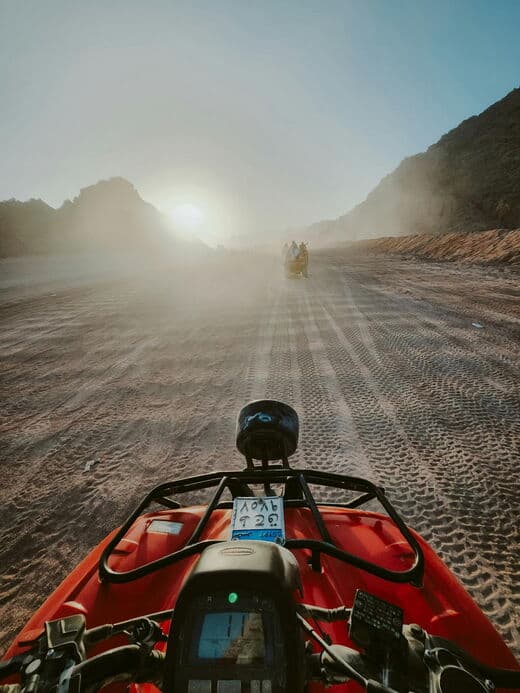
Morning: Sleep in and enjoy the hotel pool. Late morning: Head out for a desert quad biking and safari experience. Most tours run from 2-3pm until sunset and include quad biking across the Eastern Desert, a visit to a Bedouin village (touristy but fun), camel riding, tea, and watching the sunset over the mountains. Cost: $25-45 per person. The quad biking is genuinely exciting - the desert landscape is vast and dramatic, and the sunset views are remarkable. Evening: Final dinner at a nice restaurant. Try Starfish in Sakkala or Al Halaka for fresh seafood. Budget for the day: $40-65.
5-Day Itinerary: Adding Depth
Follow the 3-day plan above, then add:
Day 4: Diving Introduction or El Gouna Day Trip
Option A (Diving): If you have never dived, book an introductory dive (Discover Scuba) through a PADI-certified center. Cost: $50-70 for a two-dive day including equipment. Hurghada's Red Sea diving is world-renowned - even on a basic intro dive, you will see healthy coral gardens and abundant marine life. If you are already certified, a two-tank boat dive costs $45-65. Option B (El Gouna): Take a taxi or minibus to El Gouna ($10-15 each way). Spend the day exploring Abu Tig Marina, swimming at the beach clubs ($15-25 entry), browsing the boutiques in Downtown, and having lunch at one of the waterfront restaurants. The contrast with Hurghada proper is striking. Budget for the day: $50-90.
Day 5: Makadi Bay or Sahl Hasheesh Beach Day
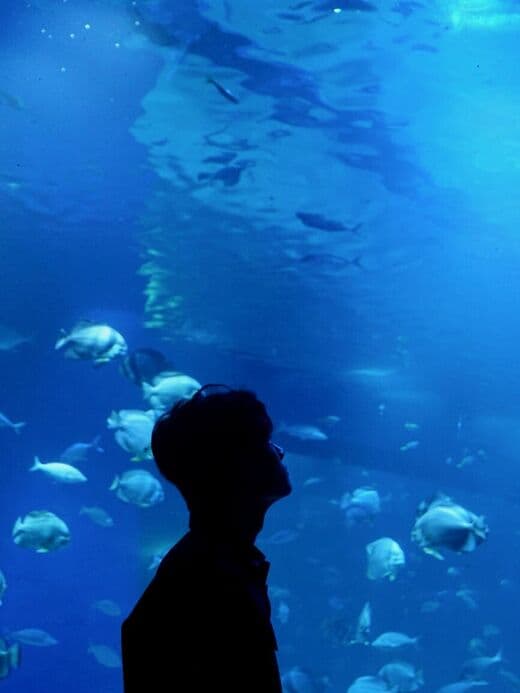
Spend a day at one of the premium beach areas outside central Hurghada. Makadi Bay offers excellent house-reef snorkeling - some of the best you can do without a boat. Sahl Hasheesh has the famous sunken city ruins you can snorkel over in shallow water. If your hotel is not in these areas, you can arrange day-use access at many resorts for $20-40 including pool and beach use. Alternatively, visit the Hurghada Grand Aquarium ($20 entry) to see Red Sea marine life up close, including a walk-through tunnel with sharks and rays overhead. Budget for the day: $30-60.
7-Day Itinerary: The Complete Experience
Follow the 5-day plan, then add:
Day 6: Luxor Day Trip
This is a long day (4-5 hours each way by bus, or 45 minutes by a $180-250 private car) but absolutely worth it if you have never seen the Pharaonic temples. Most tours depart at 5-6am and return by 8-9pm. They typically include the Valley of the Kings, Hatshepsut Temple, Colossi of Memnon, and Karnak Temple. Cost: $60-90 per person for a bus tour with guide, or $180-280 for a private car with guide. The alternative is a domestic flight (EgyptAir runs the route, about $80-120 round trip, 30 minutes each way), which makes for a much more comfortable day. If Pharaonic history interests you even slightly, do not skip this. Budget for the day: $80-150.
Day 7: Mahmya Island - The Grand Finale
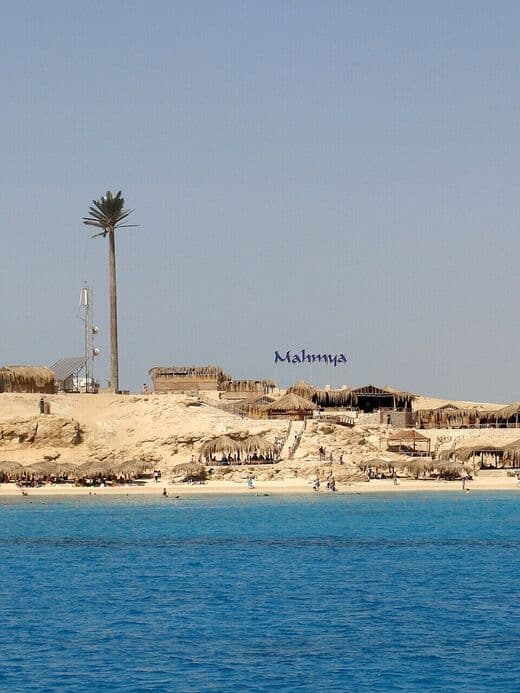
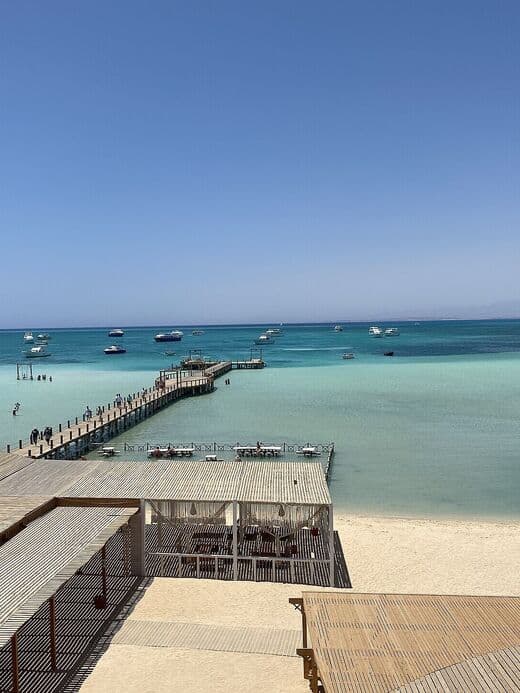
Mahmya Island is the premium island experience near Hurghada. Located on Giftun Island's protected southern shore, Mahmya Island Beach is a pristine stretch of white sand with a beach club, restaurant, and excellent snorkeling right offshore. The boat ride takes about 45 minutes and passes through beautiful turquoise lagoons. Cost: $50-70 per person including boat transfer, lunch, and beach access. This is the most scenic beach day you can have from Hurghada and the perfect way to end your trip. Spend the morning snorkeling the reef (the coral here is among the healthiest near Hurghada), the afternoon on a beach lounger, and sail back into the marina as the sun begins to set. Budget for the day: $60-85.
Where to Eat in Hurghada
Hurghada's food scene is better than its reputation suggests. Yes, there are tourist-trap restaurants serving overpriced, mediocre international food. But there are also excellent local spots, hidden gems, and a few genuinely good fine-dining options. Here is how to eat well at every budget level.
Street Food ($1-3 per meal)
Egyptian street food is cheap, filling, and delicious. In El Dahar and Sakkala, look for stands and small shops selling taamiya (Egyptian falafel made with fava beans, not chickpeas - crunchier and greener than the Levantine version, $0.30-0.50 per sandwich), shawarma (chicken or mixed, $1.50-2.50 for a big wrap), koshari (Egypt's national dish - rice, lentils, pasta, chickpeas, and tomato sauce, $1.50-2 for a large portion), and fuul (slow-cooked fava beans, $0.50-1). Freshly squeezed juice stands are everywhere: mango, guava, strawberry, or sugar cane juice for $0.50-1.50. Street food quality is generally safe - look for busy stalls with high turnover. The busier the stand, the fresher the food.
Local Restaurants ($5-12 per person)
GAD is the go-to chain for reliable Egyptian food. Multiple locations in Hurghada, open late, clean, consistent. Their mixed grill plate with rice and salad costs about $5-7. El Esraa near the old town serves grilled chicken and kofta that locals swear by - a full meal with sides runs $4-6. Seagull Restaurant on Sheraton Road does solid seafood at local prices: grilled shrimp plate for $8-10, fish by weight (ask the price before ordering). For breakfast, find a fuul and taamiya shop in Sakkala - a full Egyptian breakfast with bread, fuul, taamiya, cheese, and tea costs $2-3 and will keep you going until late afternoon.
Mid-Range ($15-30 per person)
Starfish on El Mamsha promenade serves decent international and Egyptian dishes in a comfortable setting. Expect to pay $15-20 per person with a drink. Al Halaka is popular for seafood - you pick your fish from the display, they grill it. A fish dinner for two with sides and drinks runs about $35-45. Granada near the marina area offers a mix of Egyptian and international cuisine with good service and fair prices. Moby Dick near the marina is reliable for seafood pasta and grilled catch of the day. For pizza and Italian food (a common craving after several days of Egyptian food), several decent pizzerias along El Mamsha offer pies for $8-12.
Fine Dining ($40-80 per person)
The best fine dining near Hurghada is concentrated in El Gouna, particularly around Abu Tig Marina. Saigon serves excellent Asian fusion, Pier 88 offers seafood with marina views, and Kitchen does modern Mediterranean. Expect to spend $40-80 per person with drinks. In Hurghada proper, the restaurants at Hurghada Marina offer the closest thing to upscale dining: waterfront tables, decent wine lists, and plates that are more carefully prepared than the tourist-strip norm. Not Michelin-level, but a pleasant step up from the all-you-can-eat buffet.
Cafes and Coffee
Egyptian coffee culture is real and worth exploring. Traditional ahwa (coffee shops) serve thick Turkish-style coffee, shisha, and tea in convivial settings - mostly male-dominated but tourists of any gender are welcome. A coffee or tea costs $0.50-1. For Western-style coffee, Boska has several locations and serves decent cappuccinos and lattes for $3-5 along with pastries and light meals. Many hotels and resorts have their own cafes, but you will pay resort markup (easily double the street price for a similar drink).
Must-Try Food in Hurghada
Egyptian cuisine does not get the international recognition it deserves. Here are ten dishes you should seek out during your stay, along with what to skip.
- Koshari (kushary) - The undisputed national dish. Rice, macaroni, lentils, chickpeas, crispy fried onions, and a tomato-vinegar sauce. Sounds like a carb bomb, tastes like comfort food perfection. $1.50-2.50 at a local shop.
- Taamiya - Egyptian falafel, but better. Made from fava beans (not chickpeas), bright green inside, crispy outside. Served in baladi bread with tahini, salad, and pickles. $0.30-0.50 per sandwich.
- Fuul medames - Slow-cooked fava beans mashed with olive oil, lemon, cumin, and garlic. Eaten for breakfast with warm bread. Simple, filling, surprisingly addictive. $0.50-1.50.
- Grilled kofta - Spiced minced meat shaped onto skewers and grilled over charcoal. Served with bread, tahini, and a tomato-cucumber salad. Look for spots with visible charcoal grills. $3-5 for a plate.
- Feteer meshaltet - Egyptian layered pastry, sometimes called Egyptian pizza. Can be savory (cheese, meat) or sweet (honey, cream, Nutella). Flaky, buttery, and enormous. $3-6 depending on toppings.
- Grilled Red Sea fish - Whole fish (typically sea bream, red snapper, or grouper) grilled with garlic, lemon, and cumin. Best at seafood restaurants where you choose the fish yourself. $8-15 depending on size and type.
- Molokhia - A thick green soup made from jute leaves, cooked with garlic and coriander, served over rice with chicken or rabbit. The texture takes some getting used to (slightly slimy), but the flavor is deep and herbal. $3-5.
- Shawarma - Spit-roasted meat (usually chicken in Hurghada) sliced thin, stuffed into flatbread with pickles, garlic sauce, and sometimes fries inside the wrap. The late-night go-to meal. $1.50-3.
- Om Ali - Egypt's answer to bread pudding. Layers of puff pastry soaked in sweetened milk with raisins, coconut, and nuts, baked until golden and bubbly. Served warm. Rich, sweet, and impossible to resist. $2-4.
- Hawawshi - Spiced minced meat stuffed inside baladi bread and baked in a wood oven until crispy. Essentially an Egyptian meat pie. Cheap, portable, and deeply satisfying. $1-2.
What NOT to order: Avoid the tourist-strip restaurants advertising "fish and chips" or "full English breakfast" - the execution is always disappointing and the price is triple what you would pay for better Egyptian food. Skip sushi in Hurghada (it exists, but why?). Be cautious with buffet seafood that has been sitting under heat lamps - choose restaurants where fish is cooked to order. And beware of tourist-menu prices: some restaurants have dual pricing. If the menu seems expensive compared to what you have seen elsewhere, ask a local for recommendations instead.
Vegetarian options: Egyptian cuisine is naturally vegetarian-friendly. Fuul, taamiya, koshari, fried eggplant, baba ghanoush, tahini salads, and stuffed vine leaves (warak enab) are all meat-free. Most restaurants can prepare a mezze spread of small vegetarian dishes. Just be clear about wanting no meat - "bedoun lahma" (without meat) is the key phrase.
Hurghada Insider Tips
These are the things nobody tells you in the brochure. Learn them before you go and you will have a significantly better trip.
- Bargaining is expected, not rude. In the souk, on the street, and with taxi drivers (if no meter), the first price is a starting point. Offer 30-40% of the asking price and work toward 50-60%. Do it with a smile. If they say no, walk away - they will often call you back. This does NOT apply to restaurants, supermarkets, or businesses with posted prices.
- Book excursions on the street, not at the hotel. Your hotel will charge $60-80 for a desert safari that costs $25-35 if you book through a local agency on El Mamsha or in Sakkala. For island trips, walk to the marina area the evening before and compare prices from different operators. Even better, ask your hotel staff privately (not at the front desk) - they often know the best deals and get a small commission, making everyone happy.
- Baksheesh (tipping) is a way of life. Small tips are expected for almost every service: $1 for hotel porters, $0.50-1 for bathroom attendants, 10-15% at restaurants (check if service charge is already included), $5-10 per day for boat trip crew, $2-3 for taxi drivers on longer rides. Keep a pocket full of small bills - 10, 20, and 50 Egyptian pound notes. Not tipping is considered rude, but overtipping inflates expectations for the next tourist.
- Sunscreen is non-negotiable, and bring your own. The Egyptian sun at this latitude will burn you in 20 minutes, even on cloudy days. SPF 50 is the minimum. Buy sunscreen before you arrive - it costs 2-3x more in Hurghada's tourist shops. Reapply after every swim. The worst sunburns happen on boat trips when the sea breeze makes you feel cool while the UV destroys your skin. Trust the number, not the sensation.
- Reef shoes save feet and coral. The Red Sea coast has rocky entries in many spots, and sea urchin spines are no joke (stepping on one means a painful afternoon with a needle and vinegar). Invest in a pair of reef shoes before your trip - $10-15 well spent. They also let you walk comfortably on hot sand and rocky beaches.
- Do not touch or stand on the coral. This is not just about environmentalism (though the reef is genuinely fragile). It is also Egyptian law. Damaging coral can result in fines. Do not touch, do not stand on it, do not take pieces home. Use a life vest if you are not a strong swimmer - flailing near the reef does as much damage as deliberately touching it. The reef is what makes Hurghada special; killing it kills the entire reason to visit.
- Carry cash in EGP. While tourist areas accept USD and EUR, you will get a terrible exchange rate. Withdraw Egyptian pounds from ATMs (CIB and QNB are reliable, avoid airports ATMs - bad rates). Most ATMs dispense up to 5,000-8,000 EGP per transaction. Credit cards work at hotels and upscale restaurants but not at local shops, taxis, or markets.
- Tap water is not drinkable. Stick to bottled water (about $0.30-0.50 for 1.5 liters at convenience stores). Use bottled water for brushing teeth too, especially in your first few days. Ice in tourist restaurants is usually fine (made from filtered water), but if in doubt, skip it.
- Learn five Arabic phrases. "Shukran" (thank you), "La shukran" (no thank you - essential for dealing with touts), "Bikam?" (how much?), "Salaam aleikum" (hello/peace be upon you), and "Khalas" (enough/finished). Even basic attempts at Arabic earn respect and better prices.
- Dress respectfully in town. At the beach and in resorts, wear whatever you want. But when visiting El Dahar or the souk, cover shoulders and knees. This is practical as well as respectful - the sun will destroy exposed skin during a long market walk. Women may experience less hassle with modest clothing in local areas.
- Avoid Mondays for excursions. Many popular boat trips and desert tours are least crowded midweek (Tuesday to Thursday). Monday and Saturday often attract the biggest groups because of hotel changeover days. If you have flexibility, book your island trip for a Wednesday.
- Pharmacy prices are unbeatable. Egyptian pharmacies sell many medications over the counter at a fraction of Western prices. Ibuprofen, antihistamines, anti-diarrheal meds, sunburn cream - stock up if needed. Most pharmacists speak basic English. A box of Imodium that costs $12 in the US is under $1 here.
Getting Around and Connectivity
Airport Transfers (HRG)
Hurghada International Airport (HRG) is about 5 kilometers from the city center. If your hotel does not include a transfer (many all-inclusive packages do), here are your options: A regular taxi from the airport should cost 150-250 EGP ($3-5) to central Hurghada, 300-500 EGP ($6-10) to Sahl Hasheesh or Makadi Bay, and 400-600 EGP ($8-12) to El Gouna. Use the Careem app to book in advance for a fixed price, or negotiate firmly with taxi drivers at the airport exit. Do NOT accept the first price offered - airport taxis routinely ask 3-5x the fair rate from arriving tourists. If you book through Careem, the price is locked in and you avoid the negotiation entirely.
Getting Around Town
Taxis: The primary way to get around. Most taxis in Hurghada do not use meters, so agree on the price before getting in. Short rides within Sakkala or along El Mamsha should cost 30-60 EGP ($1-2). Longer trips (Sakkala to Marina, or to El Dahar) run 50-100 EGP ($1-3). Use Careem or InDriver apps for fair, fixed pricing - they work well in Hurghada and eliminate haggling. InDriver lets you set your own price, which the driver can accept or counter-offer.
Minibuses: The cheapest transport option. These small public buses run along the main coastal road and cost 5-10 EGP ($0.10-0.20) regardless of distance. They are not air-conditioned, have no fixed stops (wave one down, tell the driver where you want to get off), and can be crowded. But they are an adventure and absurdly cheap. The main route runs from El Dahar through Sakkala and along the coast toward Safaga Road.
Rental cars: Not recommended for most visitors. Egyptian driving is aggressive, road signs are minimal, and parking is chaotic. If you do rent, expect to pay $25-40 per day. International licenses are accepted. Drive defensively - lane markings are suggestions, not rules.
SIM Cards and Internet
Getting a local SIM card is highly recommended. Orange is the best option for tourists: their tourist SIM package offers 43GB of data for about $10-15 and is valid for 30 days. You can buy it at the Orange store in Sakkala or at the airport (airport prices are slightly higher). Bring your passport - it is required for registration. Most modern smartphones work on Egyptian networks without issues. If your phone is locked to a carrier, buy an eSIM before departure through services like Airalo or Holafly ($8-15 for 5-10GB).
Wi-Fi: Available at virtually all hotels and most restaurants along the tourist strip. Quality varies wildly - resort Wi-Fi is often slow and overloaded. If you need reliable internet for work or video calls, the Orange SIM's 4G connection is usually faster than hotel Wi-Fi. Many cafes along El Mamsha and at Hurghada Marina offer decent free Wi-Fi with your order.
Useful apps: Careem (ride-hailing, like Uber), InDriver (ride-hailing with price negotiation), Google Maps (works well for navigation, download offline maps for Hurghada), Google Translate (Arabic camera translation is a lifesaver in menus and signs), XE Currency (for quick EGP conversion). If you plan to visit Luxor, download Maps.me for detailed offline maps of archaeological sites.
Who Hurghada Is For: Final Verdict
Hurghada is not trying to be the Maldives, and it is not pretending to be Bali. It is an unpretentious Red Sea resort town that delivers exceptional value for beach holidays, world-class diving and snorkeling, and easy access to some of Egypt's most important historical sites. It is best for budget-conscious travelers, diving enthusiasts, families wanting affordable all-inclusive weeks, and anyone who values warm winter sunshine over polished perfection.
The key to enjoying Hurghada is managing expectations and getting outside the resort bubble. Explore El Dahar's old town, take a boat to Mahmya Island, eat koshari at a local shop, haggle in the souk, and dive the Red Sea reefs that Jacques Cousteau called some of the finest in the world. Do those things and you will understand why millions of visitors return year after year. Stay locked in your all-inclusive compound eating buffet pasta, and you will wonder what the fuss was about.
Hurghada rewards the curious. Be curious.