About
Tanzania Travel Guide: The Ultimate Safari and Beach Destination
Let me tell you something right off the bat: Tanzania changed the way I think about travel. This East African nation, roughly twice the size of California, packs more natural wonders per square mile than almost anywhere else on Earth. From watching two million wildebeest thunder across the Serengeti plains to sipping sundowners on a Zanzibar beach while dhows drift past in the golden light, Tanzania delivers experiences that stay with you forever. This is not a country you visit casually. This is a country that rewrites your travel bucket list while you are still there.
Why Visit Tanzania: A Land of Superlatives
Tanzania is not just another safari destination. It is THE safari destination, home to some of the most iconic wildlife spectacles on the planet. But reducing Tanzania to just safaris would be like saying Italy is only about pizza. Yes, the wildlife is extraordinary, but there is so much more waiting to be discovered.
First, consider the sheer diversity of landscapes. In a single trip, you can stand on the rim of a volcanic crater containing the densest population of predators in Africa, climb the highest freestanding mountain on Earth, watch millions of animals participate in the greatest migration show on the planet, and then recover on pristine white-sand beaches fringed by coral reefs. Very few countries offer this range of experiences within their borders.
The wildlife viewing in Tanzania is genuinely world-class. The Serengeti alone hosts over 1.5 million wildebeest, 500,000 zebras, and 300,000 Thomson's gazelles. Add to that the Big Five (lion, leopard, elephant, buffalo, and rhino), plus cheetahs, wild dogs, hippos, crocodiles, and over 500 bird species. The Ngorongoro Crater concentrates this wildlife into a 100-square-mile arena where you can spot all five of the Big Five in a single morning. I have done game drives in Botswana, Kenya, and South Africa, and while each has its merits, Tanzania consistently delivers the most reliable and spectacular sightings.
Then there is Kilimanjaro. At 19,341 feet (5,895 meters), this dormant volcano is Africa's highest peak and one of the Seven Summits. Unlike most peaks of this altitude, Kilimanjaro requires no technical climbing skills. You need determination, fitness, and the willingness to put one foot in front of the other for five to nine days, but you do not need ropes or ice axes. This accessibility makes it one of the most popular high-altitude treks in the world, with around 50,000 people attempting the summit each year.
The Zanzibar archipelago adds a completely different dimension to any Tanzania trip. This semi-autonomous region just off the mainland coast blends African, Arab, Indian, and European influences into something unique. Stone Town, a UNESCO World Heritage Site, is a labyrinth of narrow alleys, carved wooden doors, and crumbling palaces. The beaches, particularly around Nungwi in the north, rank among Africa's finest. The spice trade that made Zanzibar famous centuries ago lives on in tours through plantation farms where you can taste cinnamon, cardamom, vanilla, and cloves fresh from the source.
What often surprises first-time visitors is how friendly Tanzanians are. The national philosophy of ujamaa, emphasizing community and brotherhood, shapes daily interactions. You will be greeted with "Jambo!" (hello) or "Karibu!" (welcome) countless times. English is widely spoken, especially in tourist areas, making communication easier than in many other African destinations. Swahili phrases are appreciated but rarely necessary.
Tanzania also offers excellent value compared to some neighboring countries. While it is not cheap by any means, particularly for safari lodges, you get exceptional quality for your money. The guiding standards are among the highest in Africa, with drivers undergoing rigorous training and licensing. The national parks are well-managed, with strict vehicle limits and route controls that prevent the circus atmosphere you sometimes find at popular sightings in other countries.
Safety is another strong point. Tanzania has remained politically stable and peaceful, particularly compared to some regions of East Africa. Tourists rarely experience serious problems, and the tourism industry is professional and well-regulated. Petty theft exists, as it does everywhere, but violent crime against tourists is rare.
The infrastructure for tourism has improved dramatically over the past two decades. International airports in Dar es Salaam, Kilimanjaro, and Zanzibar handle flights from Europe and the Middle East. Domestic airlines connect all major destinations. Roads in the northern circuit are generally good, though some park tracks become challenging in the wet season. Accommodations range from ultra-luxury tented camps charging over $2,000 per night to budget camping options under $50.
Perhaps the most compelling reason to visit now is that Tanzania's wilderness areas remain genuinely wild. Unlike some safari destinations where development has hemmed in the animals, Tanzania protects vast ecosystems that allow natural migration patterns to continue. The Serengeti-Mara ecosystem covers over 12,000 square miles, roughly the size of Belgium. Animals can roam as they have for millennia, following the rains and the grass, largely undisturbed by fences or human encroachment.
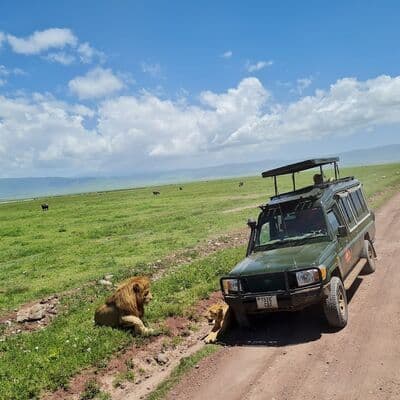
This is not a manufactured experience. When a lion walks past your vehicle close enough to touch, when you watch a cheetah hunt from ambush to kill in sixty seconds, when you hear the rumble of approaching wildebeest before seeing the dust cloud on the horizon, you are witnessing life as it has existed for millions of years. That connection to something ancient and unchanging is increasingly rare in our modern world, and Tanzania delivers it better than almost anywhere else.
Regions of Tanzania: Understanding the Geography
The Northern Safari Circuit
The northern circuit is Tanzania's crown jewel and the region most international visitors prioritize. It contains four major attractions within relatively close proximity, making it possible to combine them in a single trip. This circuit includes the Serengeti, Ngorongoro Conservation Area, Tarangire National Park, and Mount Kilimanjaro, plus several smaller reserves and Lake Manyara.
The Serengeti is simply put, one of the greatest wildlife destinations on Earth. Covering 5,700 square miles (14,763 square kilometers), it is larger than Connecticut and hosts the most spectacular concentration of large mammals anywhere in the world. The name comes from the Maasai word "siringet," meaning "endless plains," and when you stand on an elevated point watching the golden grassland stretch to the horizon in every direction, you understand why.
The Serengeti is most famous for hosting the Great Migration, an annual cycle where roughly two million wildebeest, zebras, and gazelles follow the rains in search of fresh grazing. This is not a single event but a year-round movement. The herds are always somewhere in the ecosystem, and timing your visit to coincide with their location is the key to witnessing this spectacle. From December to March, the southern Serengeti hosts the calving season, with up to 8,000 calves born daily. From June to October, the herds push north toward Kenya, and the dramatic Mara River crossings occur between July and September.
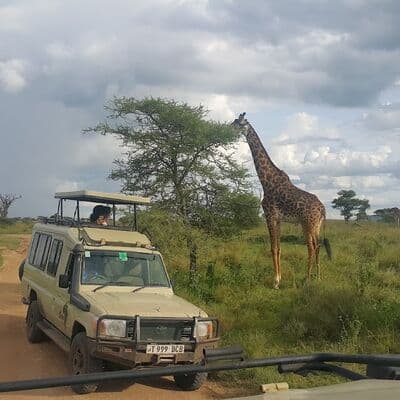
Beyond the migration, the Serengeti offers exceptional predator viewing year-round. The Seronera Valley in the central Serengeti has the highest concentration of leopards in Africa. The short-grass plains attract cheetahs who need open terrain for their high-speed hunts. Lion prides patrol every corner of the park. The Big Five safari experience here is unmatched, with sightings almost guaranteed over a few days.
Accommodations in the Serengeti range from basic public campsites to ultra-luxury mobile camps that follow the migration. Budget travelers can stay in lodges around Seronera for $150 to $300 per person per night including game drives and meals. Mid-range options run $400 to $800. The top camps, places like Singita Grumeti or Four Seasons Safari Lodge, charge $1,500 to $3,000 or more per person per night but deliver experiences that are hard to replicate elsewhere.
The Ngorongoro Conservation Area borders the Serengeti to the east and contains one of Africa's most remarkable natural wonders: the Ngorongoro Crater. This caldera, formed when a massive volcano collapsed around two to three million years ago, is roughly 12 miles wide and 2,000 feet deep. The floor covers about 100 square miles and hosts a permanent population of around 25,000 large animals, including the densest concentration of predators in Africa.
What makes the crater special is the concentration. Unlike the Serengeti where animals spread across vast distances, the crater walls contain the wildlife in a defined space. On a good morning drive, you might see lions, elephants, buffalo, and black rhinos (one of the best places in Tanzania to spot them) before lunch. Hippo pools dot the crater floor, and flamingos often congregate at the small soda lake in the center.
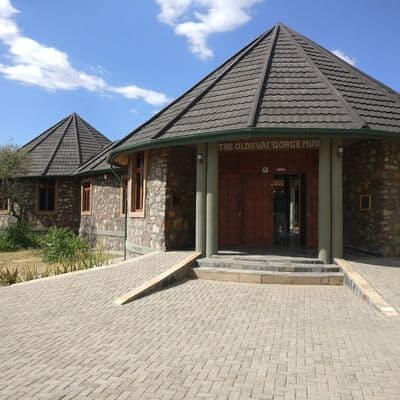
The crater is also significant archaeologically. Olduvai Gorge, located within the conservation area, is one of the most important paleoanthropological sites in the world. The Leakey family's discoveries here, including fossils of Homo habilis, revolutionized our understanding of human evolution. A small museum at the site provides context, and guides can walk you through the excavation areas.
Note that the Ngorongoro Conservation Area is not a national park but a multiple-use area where the Maasai people continue to live and graze their cattle alongside wildlife. This coexistence is unique in East Africa and adds cultural depth to the visit. You will see Maasai villages on the crater rim and sometimes cattle grazing on the crater floor in the early morning.
Crater floor access is limited and controlled. Only licensed vehicles can descend, and there is a $300 vehicle fee plus conservation fees of $82.60 per adult per 24 hours (as of 2024). Most visitors do a single morning or afternoon drive, which is enough to see the main attractions. Staying multiple nights allows you to descend on different days at different times, increasing your chances of unique sightings.
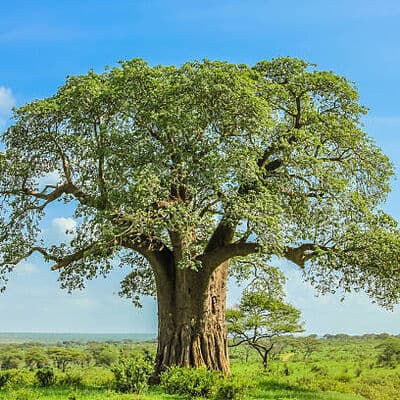
Tarangire National Park is the unsung hero of the northern circuit. Many visitors skip it in favor of the more famous parks, but this is a mistake. Tarangire offers a different landscape dominated by ancient baobab trees that create dramatic silhouettes against the African sky. During the dry season (June to October), the Tarangire River becomes the only permanent water source in the region, drawing enormous concentrations of wildlife.
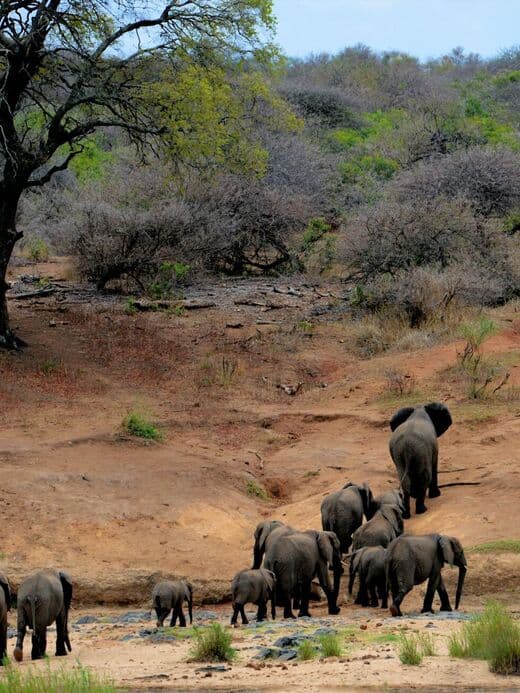
Tarangire is particularly famous for its elephants. The park hosts some of the largest elephant herds in East Africa, and watching the Tarangire Elephant Herds move through the baobab forests is a quintessential Tanzania experience. The dry season can see over 3,000 elephants in the park at once. Tree-climbing lions, similar to those in Lake Manyara, are occasionally spotted here as well.
Bird watchers love Tarangire. The swamps and wetlands attract over 550 species, including large flocks of yellow-collared lovebirds that you won't see anywhere else in the northern circuit. The vegetation is denser and more varied than the Serengeti, giving the park a distinct character.
Tarangire also tends to be less crowded than the Serengeti or Ngorongoro, offering a more exclusive experience. It is closer to Arusha than the Serengeti, making it an excellent option for shorter trips or for travelers arriving late from international flights. Park fees are lower than the Serengeti, providing good value for excellent game viewing.
Mount Kilimanjaro stands apart from the safari parks. At 19,341 feet, it is not only Africa's highest peak but also the tallest freestanding mountain in the world, rising directly from the surrounding plains without being part of a mountain range. The sight of its snow-capped summit floating above the clouds is iconic.
Kilimanjaro National Park protects the mountain and its unique ecological zones. Climbing from base to summit, you pass through five distinct zones: cultivated farmland, rainforest, heath and moorland, alpine desert, and finally the arctic summit zone. This ecological diversity means you experience multiple biomes in a single trek.
Most climbers choose one of seven established routes, each with different characteristics. The Marangu Route (nicknamed "Coca-Cola Route") is the only one with hut accommodations and is the shortest, taking five to six days. The Machame Route ("Whiskey Route") is the most popular, taking six to seven days and offering excellent scenery. The Lemosho Route, taking seven to eight days, is considered one of the most scenic and has good acclimatization. The Rongai Route approaches from the north and sees fewer crowds. The Umbwe Route is the most challenging and least crowded. The Northern Circuit Route is the longest at eight to nine days, circumnavigating the peak and offering the best acclimatization.
Success rates vary significantly by route and duration. Longer routes with better acclimatization profiles see success rates of 85 to 90 percent, while the shorter routes hover around 60 to 70 percent. The main reason for failure is altitude sickness, not physical exhaustion. Taking the extra days for acclimatization is worth both the higher cost and the increased chance of reaching Uhuru Peak, the highest point on the summit crater rim.
All climbers must use licensed guides and porters. This is non-negotiable and regulated by the park authority. Budget for roughly $2,000 to $3,000 for a basic climb on a shorter route, $4,000 to $6,000 for mid-range operators on longer routes, and $7,000 or more for premium operators with smaller group sizes and better equipment.
Lake Manyara National Park, though smaller than its neighbors, offers a unique landscape. The park is dominated by a soda lake that attracts flamingos and other waterbirds. The groundwater forest along the lake edge is lush and green even in the dry season, providing a dramatic contrast to the dry savanna just a few miles away. Tree-climbing lions made the park famous, though sightings are not guaranteed.
Manyara works well as a half-day stop between Tarangire and Ngorongoro. It is not essential for repeat visitors but provides variety for first-timers with limited time. The elevated boardwalk trail through the forest canopy is a pleasant diversion from vehicle-based game drives.
The Southern Safari Circuit
The southern parks receive a fraction of the visitors that flock to the northern circuit, yet they offer equally spectacular wildlife in more remote settings. If your priority is avoiding crowds and experiencing wilderness that feels truly untouched, the south deserves serious consideration.
Nyerere National Park (formerly the Selous Game Reserve) is Africa's largest protected area, covering over 19,000 square miles, roughly twice the size of Rwanda. In 2019, the northern portion was elevated to national park status and renamed after Tanzania's founding president, Julius Nyerere. The southern portion remains a game reserve where hunting is permitted.
The Rufiji River, Tanzania's largest, flows through the park, creating a maze of channels, lakes, and swamps that support massive hippo and crocodile populations. Boat safaris here are excellent, offering a completely different perspective from land-based game drives. You drift past basking crocodiles, watch elephants drinking at the water's edge, and observe colorful bee-eaters nesting in the river banks.
Nyerere hosts significant populations of wild dogs, one of Africa's most endangered predators. The packs here are more reliably spotted than almost anywhere else in East Africa. Elephants, lions, and leopards are all present in good numbers, along with large herds of buffalo. The park's size means you rarely see other vehicles.
Access to Nyerere is usually by scheduled or charter flight from Dar es Salaam (about 45 minutes) or from the Serengeti. Road access is possible but requires a full day of driving. Most lodges are concentrated along the Rufiji River in the northern section. Prices are generally lower than equivalent quality lodges in the Serengeti, providing excellent value for the experience.
Ruaha National Park is Tanzania's largest national park at over 7,800 square miles. It is remote, rugged, and spectacular. The Great Ruaha River provides the main water source, and during the dry season, wildlife concentrations along the river rival anything in East Africa.
Ruaha sits in a transition zone between East and Southern African ecosystems, resulting in species diversity you don't find elsewhere. Greater and lesser kudus, sable antelopes, and roan antelopes are present alongside the more common East African species. The park has a significant lion population, excellent leopard sightings, and healthy numbers of wild dogs.
The landscape differs from the northern parks, characterized by rocky outcrops, baobabs, and acacia woodland. Ancient rock art sites dot the area, evidence of human habitation stretching back millennia. The birding is exceptional, with over 570 species recorded.
Ruaha requires more effort to reach than the northern parks. Most visitors fly in from Dar es Salaam (about 90 minutes) or connect via Iringa. The limited access keeps visitor numbers low, enhancing the wilderness experience. Camps and lodges are fewer but uniformly excellent.
Katavi National Park is Tanzania's third-largest park and one of the most remote safari destinations in Africa. Getting there requires either a charter flight or a demanding drive from western Tanzania. The effort is rewarded with perhaps the most authentic bush experience available in East Africa.
During the dry season, Katavi's floodplains concentrate extraordinary numbers of hippos. Pods of over 200 individuals are not uncommon, and the competition for remaining water holes leads to dramatic territorial battles. Crocodiles reach exceptional sizes here. Large herds of buffalo, sometimes numbering in the thousands, attract lion prides. Leopards are regularly seen.
Visitor numbers in Katavi are measured in hundreds per year, not thousands. You can spend days without seeing another tourist. This is proper wilderness, demanding respect but offering rewards unavailable in more accessible destinations. Only a handful of camps operate here, and they cater to serious safari enthusiasts.
The Zanzibar Archipelago
Zanzibar is actually an archipelago of islands off the Tanzanian coast, though the name typically refers to the main island, Unguja. Pemba Island, smaller and less developed, lies to the north. Together, they form a semi-autonomous region with a unique culture, history, and character that feels distinctly different from mainland Tanzania.
The history of Zanzibar is layered and complex. For centuries, it was the center of the East African spice trade and, tragically, one of the main hubs of the Arab slave trade. Persian, Arab, and Indian traders established permanent settlements, intermarrying with local African populations and creating the Swahili culture that defines the coast to this day. The Portuguese arrived in the 16th century, followed by Omani Arabs who established the sultanate that ruled until British colonization. Independence came in 1963, followed by a violent revolution in 1964 and union with Tanganyika to form Tanzania.
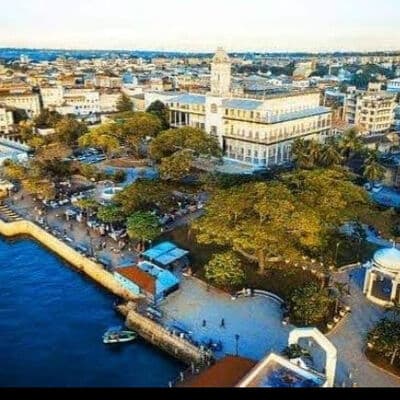
Stone Town, the historic heart of Zanzibar City, is a UNESCO World Heritage Site and one of the most atmospheric places in East Africa. The narrow streets, some barely wide enough for two people to pass, twist between coral stone buildings featuring ornate carved wooden doors that are the island's signature. Each door design has meaning: pointed brass studs originally protected against elephant attack (though elephants never lived on Zanzibar), chains indicated slave traders, and frangipanis signified doctors.
Key sites in Stone Town include the House of Wonders, a late 19th-century sultan's palace that was the first building in East Africa with electricity; the Old Fort, dating from 1700 and now hosting a cultural center and open-air amphitheater; the Anglican Cathedral built on the site of the former slave market; and the Forodhani Gardens night food market where you can sample Zanzibari cuisine and fresh-grilled seafood.
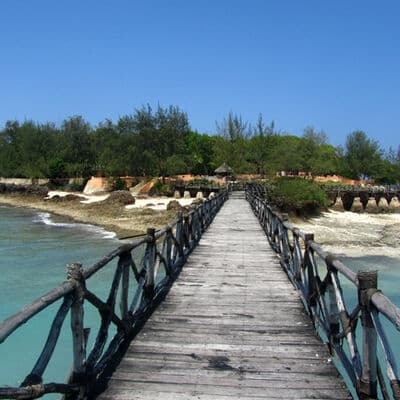
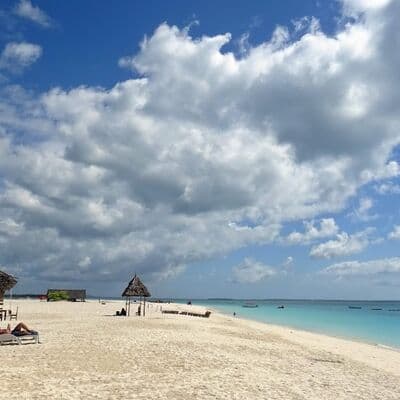
The beaches of Zanzibar rank among Africa's finest. Nungwi Beach on the northern tip offers white sand, clear turquoise water, and minimal tidal variation, making it ideal for swimming at any time of day. The village retains some traditional character despite heavy tourism development. The northwest beaches around Kendwa are similar but slightly less developed.
The east coast around Paje and Jambiani has more dramatic tidal swings, with the water receding hundreds of meters at low tide. This creates excellent kitesurfing conditions and allows you to walk out to the reef at low tide. The village atmosphere is more laid-back than the north, with fewer large resorts.
Marine life around Zanzibar is spectacular. Mnemba Atoll off the northeast coast is one of East Africa's best dive sites, with clear water, healthy coral, and abundant fish life including turtles, dolphins, and occasionally whale sharks. Pemba Island offers even better diving, with sheer walls dropping into deep channels and larger pelagic species.
Prison Island, a short boat ride from Stone Town, houses giant Aldabra tortoises brought from the Seychelles over a century ago. The island never actually served as a prison despite its name, though it was intended for that purpose. Today, visitors come to walk among the tortoises and snorkel in the surrounding waters.
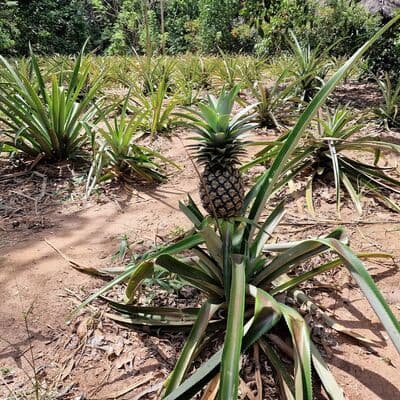
The Zanzibar Spice Tours visit working plantations where cloves, nutmeg, cinnamon, black pepper, vanilla, and dozens of other spices and fruits grow. Guides explain the history of each spice and its traditional uses, offering samples fresh from the plant. These tours provide insight into the agricultural economy that shaped Zanzibar's history and continues today.
Note that Zanzibar is predominantly Muslim, and visitors should dress modestly away from the beaches. Swimwear is fine at resorts and designated beach areas, but covering shoulders and knees is appropriate in Stone Town and villages. Alcohol is available in tourist areas but not in local establishments or during Ramadan in some places.
Dar es Salaam and the Coast
Dar es Salaam is Tanzania's largest city and commercial capital, home to over 6 million people in the metropolitan area. It is loud, chaotic, traffic-clogged, and genuinely fascinating. Most tourists pass through quickly on the way to somewhere else, but the city rewards those who give it more time.
The National Museum of Tanzania houses important collections including fossil casts from Olduvai Gorge, ethnographic displays of Tanzania's tribal cultures, and a sobering exhibition on the slave trade. The adjacent botanical gardens provide a green retreat from the urban intensity.
Kariakoo Market is one of East Africa's largest markets, a sprawling maze of stalls selling everything from fresh fish to fabric to motorcycle parts. It is not touristy in the least, which makes it both challenging and rewarding to explore. Go with a local guide if possible, keep valuables hidden, and enjoy the authentic urban African experience.
Coco Beach on the Msasani Peninsula is where Dar residents relax on weekends. Street food vendors, casual restaurants, and an easy atmosphere make it a pleasant spot to unwind. The beach itself is not pristine but offers a slice of local life.
The coast south of Dar es Salaam toward Kilwa has some of Tanzania's most significant historical sites. Kilwa Kisiwani, once one of the wealthiest cities in Africa and a key port on the Indian Ocean trade routes, contains ruins of a medieval Swahili civilization including the largest pre-colonial structure in sub-Saharan Africa. It is a UNESCO World Heritage Site and makes a fascinating day trip or overnight excursion from Dar.
The Lake Region
Western Tanzania is dominated by the Great Rift Valley lakes: Lake Victoria, Lake Tanganyika, and Lake Nyasa (also called Lake Malawi). This region sees very few international tourists but offers unique experiences for those willing to explore.
Lake Victoria is Africa's largest lake and the source of the White Nile. The Tanzanian shore, particularly around Mwanza, is less developed for tourism than the Kenyan or Ugandan sections. Rubondo Island National Park in the lake protects chimpanzees, elephants, and significant bird populations.
Lake Tanganyika is the world's longest freshwater lake and second deepest after Baikal. The Gombe Stream and Mahale Mountains national parks along its shore are Africa's premier chimpanzee viewing destinations. Jane Goodall began her groundbreaking research at Gombe in 1960, and the chimp communities she studied still live there. Mahale Mountains offers similar chimp tracking in a more remote setting, with luxury camps for those who can afford them.
These western destinations require significant effort and budget to reach. Charter flights from Arusha or Dar es Salaam are expensive, and the camps charge accordingly. But for travelers seeking a unique experience far from the standard safari circuit, the Great Lakes deliver encounters unavailable anywhere else.
Unique Experiences: What Makes Tanzania Special
The Great Migration
The Great Migration is often called the greatest wildlife show on Earth, and for once the hyperbole is justified. Approximately 1.5 million wildebeest, 500,000 zebras, and 300,000 Thomson's gazelles participate in an annual clockwise movement through the Serengeti-Mara ecosystem, following the rains and the grass they produce. This is not a migration in the sense of animals moving from point A to point B and back. It is a continuous circuit, with the herds always moving, always seeking fresh grazing.
Understanding the migration cycle helps with trip planning. From December through March, the herds concentrate on the southern Serengeti's short-grass plains. The mineral-rich grasses here support the calving season, and up to 8,000 wildebeest calves are born daily during the peak period in February. Predators follow the herds, and this is one of the best times to witness dramatic hunts as lions, cheetahs, and hyenas target the vulnerable newborns.
By April, as the southern grazing is exhausted and the rains shift north, the herds begin moving. They head northwest through the central Serengeti, passing through the Seronera Valley where the vegetation is denser and the landscape hillier. By May and June, the front of the migration reaches the western corridor, where the Grumeti River presents the first major water crossing.
The dramatic river crossings that define migration photography occur at the Grumeti in June and July, then at the Mara River from July through September. These crossings are triggered by the herds' need to reach grazing on the opposite bank, but the timing is unpredictable. Herds may approach the river, hesitate for days, then suddenly plunge in with little apparent reason. The chaos that follows, with thousands of animals fighting the current while crocodiles strike from below and predators wait on both banks, is nature at its most raw and spectacular.
By August and September, the bulk of the migration is in the northern Serengeti and into Kenya's Maasai Mara. They remain in the north until October or November, when the short rains begin pulling them south again. By December, the cycle restarts in the southern plains.
The key to witnessing the migration is flexibility. While general patterns hold, exact timing varies year to year depending on rainfall. Working with knowledgeable operators who can adjust plans based on current conditions is essential. Mobile camps that follow the herds maximize your chances of being in the right place. Fixed lodges work well if you time your visit to coincide with the herds' expected position, but you accept some risk if the migration is early or late.
For the river crossings specifically, patience is required. You might wait hours or even days at a crossing point before the action unfolds. When it does happen, it happens fast and intensely. The best approach is to spend several days in the northern Serengeti during the crossing season, maximizing your opportunities to be present when the herds decide to cross.
Ngorongoro Crater: Africa's Eden
The Ngorongoro Crater is often described as Africa's Eden, and the comparison is apt. This collapsed volcanic caldera, roughly 12 miles in diameter and 2,000 feet deep, contains a permanent population of approximately 25,000 large animals. The crater walls contain them in a space where almost everything is visible, where you can scan across the floor and see elephants, buffalo, zebras, wildebeest, flamingos, hippos, and predators in a single sweep.
What makes the crater unique is the concentration of wildlife in a defined, visible space. In the Serengeti, animals spread across thousands of square miles and require active searching. In the crater, the game viewing is almost effortless. A morning drive routinely produces multiple lion sightings, often with kills or cubs. Elephants, mostly mature bulls who have descended from the crater rim, browse in the Lerai Forest. The swamps and Lake Magadi attract flamingos, hippos, and a variety of waterbirds.
The crater is one of the best places in Tanzania to spot black rhinos. These critically endangered animals are heavily protected here, and the open terrain makes sightings more likely than in bushy habitats. Rangers monitor the rhinos constantly, and guides can often direct you to their general location. Seeing a black rhino in the wild, against the backdrop of the crater walls, is a privilege that fewer and fewer places can offer.
The archaeology of the crater area adds another dimension. Olduvai Gorge, located within the Ngorongoro Conservation Area about an hour's drive from the crater rim, is one of the most important paleoanthropological sites in the world. Mary Leakey's discovery of Homo habilis fossils here in 1959 pushed back the timeline of human evolution by over a million years. A small museum explains the discoveries and their significance, and guides can walk you through the excavation sites where some of the most important human ancestors were found.
Visiting the crater requires planning around the logistics. Only licensed vehicles can descend to the crater floor, and fees are substantial. The vehicle fee is $300 per vehicle per day (as of 2024), plus conservation fees of $82.60 per adult per 24 hours. These costs are typically included in lodge or tour packages, but budget travelers feel the pinch. Most visitors do a single morning or afternoon game drive, which is enough to cover the main areas. Serious wildlife enthusiasts who want to spend more time, particularly photographers waiting for specific light or behavior, should plan multiple descents over consecutive days.
The crater rim lodges offer spectacular views, and watching the sun rise or set over the caldera is memorable. However, temperatures are significantly cooler at 7,500 feet elevation than in the lowland parks. Nights can be genuinely cold, so pack layers even if traveling in the warm season.
Climbing Kilimanjaro: The Roof of Africa
Mount Kilimanjaro stands at 19,341 feet (5,895 meters), making it the highest point in Africa and one of the Seven Summits. What makes Kilimanjaro unique among high peaks is its accessibility: no technical climbing skills are required. You need determination, reasonable fitness, and the willingness to endure several days of increasingly challenging hiking at altitude, but you don't need ropes, crampons, or mountaineering experience.
This accessibility has made Kilimanjaro one of the world's most popular high-altitude treks. Approximately 50,000 people attempt the summit each year, with overall success rates around 65 percent. The main cause of failure is altitude sickness, not physical exhaustion. Your body's ability to acclimatize to decreasing oxygen levels determines whether you reach Uhuru Peak more than any other factor.
Choosing the right route significantly impacts your chances. The Marangu Route is the shortest and cheapest, typically taking five to six days. It is the only route with hut accommodations, which appeals to those uncomfortable with camping. However, the fast ascent profile means less time to acclimatize, and success rates are lower, around 60 percent. The Machame Route is the most popular, taking six to seven days with camping throughout. It is more scenic than Marangu and has better acclimatization due to its "climb high, sleep low" profile. The Lemosho Route takes seven to eight days and is considered one of the most scenic approaches, crossing the Shira Plateau before joining the Machame Route. Its length allows excellent acclimatization, and success rates approach 90 percent.
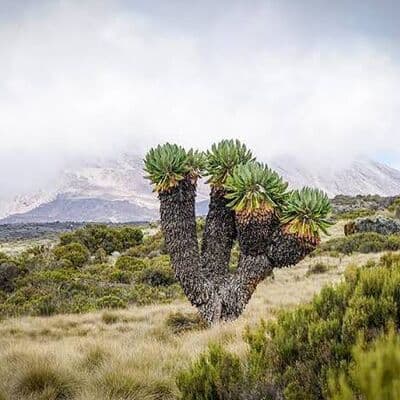
The climb itself passes through five distinct ecological zones. The lower slopes feature cultivated farmland and villages, giving way to lush rainforest thick with ferns, moss, and occasional colobus monkeys. Above 9,000 feet, the forest thins into heath and moorland dotted with giant lobelias and groundsels, plants unique to high African mountains. The alpine desert zone above 13,000 feet is barren and rocky, with extreme temperature swings between day and night. Finally, the arctic summit zone features ice fields and glaciers, though these are sadly retreating due to climate change and may disappear entirely within decades.
Summit night is the crux of the climb. Most routes approach the summit via the same final path from either Barafu or Kibo camps. You wake around midnight, don headlamps and every layer you brought, and begin the slow ascent to the crater rim. This six to eight hour push gains approximately 4,000 feet of elevation and is both physically and mentally demanding. The pre-dawn cold, the thin air, and the steep scree slopes test even fit hikers. Reaching Stella Point on the crater rim at sunrise, then continuing to Uhuru Peak, provides a sense of accomplishment that is hard to replicate.
All Kilimanjaro climbs must use licensed guides and porters. This is not optional; the park requires it. Operators handle logistics, provide tents and meals, and their porters carry everything except your daypack and personal gear. The porters' working conditions have improved in recent years following international attention, and reputable operators ensure fair wages, reasonable loads, and proper equipment for their staff. Budget for tips of approximately $20 per day per porter and $25 per day per guide, distributed at the end of the climb.
Total costs range from roughly $2,000 for budget climbs on shorter routes to $7,000 or more for premium operators on longer routes. The price difference reflects guide qualifications, group sizes, food quality, and equipment standards. This is not a place to cut corners. Your safety and summit chances depend directly on the quality of your operator.
The Great Rift Valley Lakes
The Great Rift Valley, a geological feature stretching from Lebanon to Mozambique, runs through the heart of Tanzania. The forces that created this continental tear also produced a series of lakes, volcanoes, and escarpments that define much of the country's landscape. Several of these lakes offer unique experiences unavailable elsewhere.
Lake Natron, in the far north near the Kenyan border, is one of Africa's most important flamingo breeding sites. The lake's extremely alkaline waters, caused by volcanic mineral deposits, support specialized algae that flamingos feed on. The sodium carbonate crust that forms on the lake surface protects nesting flamingos from most predators. Visiting Lake Natron is challenging: the access road is rough, temperatures are extreme, and facilities are basic. But watching hundreds of thousands of lesser flamingos against the backdrop of Ol Doinyo Lengai, an active volcano that is the only one on Earth erupting natrocarbonatite lava, is unforgettable.
Lake Manyara, more accessible in the northern circuit, supports large flamingo populations during the wet season when water levels rise. The lake is highly alkaline, preventing fishing but supporting the algae that flamingos require. Game drives along the lake shore offer close flamingo viewing, along with hippos, elephants, and the park's famous tree-climbing lions.
Lake Eyasi, south of Ngorongoro, provides cultural experiences rather than wildlife viewing. The lake shore is home to the Hadzabe, one of the last hunter-gatherer peoples in Africa. Tours with the Hadzabe offer insight into a lifestyle that has remained essentially unchanged for thousands of years. Participating in a morning hunt with bows and arrows, watching experts track and bring down game, is humbling and thought-provoking. The Datoga people, a pastoralist tribe, also live in the area and welcome visitors to their compounds to observe traditional blacksmithing and daily life.
Lake Tanganyika, the world's longest freshwater lake, offers completely different experiences. The chimpanzee populations of Gombe Stream and Mahale Mountains national parks represent some of the best great ape viewing in Africa. Jane Goodall's research at Gombe began in 1960 and continues today, and the habituated chimps allow remarkable close observation. Mahale's chimps, habituated more recently, live in a more dramatic mountain setting with luxury camps for those who can afford them.
When to Go: Understanding Tanzania's Seasons
Tanzania's climate varies significantly by region and elevation, but the country generally experiences two distinct wet seasons and two dry seasons. Understanding this pattern is crucial for planning your trip, though it is worth noting that climate patterns have become less predictable in recent years.
The long rains (masika) fall from mid-March through May. This is the main wet season when heavy afternoon thunderstorms are common, roads become muddy, and some parks or areas may be inaccessible. Many lodges close during April and May, both for maintenance and because visitor numbers drop. Wildlife viewing can be excellent when the rains ease, as the landscape is lush and photogenic, but the practical challenges make this the least popular time to visit.
The long dry season runs from June through October. This is peak safari season when wildlife concentrates around water sources, vegetation thins making animals easier to spot, and the weather is consistently pleasant. July through September sees the highest visitor numbers and accommodation prices. This period also coincides with the Mara River crossings if you are targeting the Great Migration in the northern Serengeti.
The short rains (vuli) fall from November through December, though they are generally less intense than the long rains and rarely disrupt travel significantly. The landscape begins greening again, migrating birds return, and visitor numbers drop from peak season levels, often with corresponding price reductions.
The short dry season runs from January through mid-March. This is an excellent time to visit, with good weather, fewer crowds than the July to September peak, and specific wildlife highlights including the wildebeest calving season in the southern Serengeti (February through March).
For Kilimanjaro climbers, the best months are January through mid-March and June through October when precipitation is lowest and skies are clearest. The climb is possible year-round, but expect more rain and potentially snow in the wet seasons.
Zanzibar follows a similar pattern but with its own variations. The beaches are at their best from June through October and December through February. The short rains rarely affect beach activities significantly, but the long rains in April and May can bring persistent downpours and rough seas.
For the overall best combination of wildlife, weather, and value, consider traveling in January through February or late June (just as high season begins). These shoulder periods offer excellent experiences with somewhat lower prices and fewer crowds than peak July through September.
How to Get There: Flights and Entry Requirements
Tanzania has three main international entry points: Julius Nyerere International Airport (DAR) in Dar es Salaam, Kilimanjaro International Airport (JRO) near Arusha, and Abeid Amani Karume International Airport (ZNZ) in Zanzibar. Your choice depends on your itinerary.
If your trip focuses on the northern safari circuit (Serengeti, Ngorongoro, Tarangire) and/or climbing Kilimanjaro, fly into Kilimanjaro International Airport. Arusha, the gateway city for northern safaris, is about an hour's drive from JRO. Direct flights from Europe serve JRO via KLM from Amsterdam, Qatar Airways from Doha, Ethiopian Airlines from Addis Ababa, Kenya Airways from Nairobi, and Turkish Airlines from Istanbul. From the United States, there are no direct flights; most travelers connect through Amsterdam, Doha, Addis Ababa, or Nairobi.
If your trip focuses on the southern parks (Nyerere, Ruaha) or you are connecting to Zanzibar, fly into Dar es Salaam. Julius Nyerere Airport is Tanzania's largest and busiest, with connections throughout Africa, the Middle East, and Europe. Turkish Airlines, Emirates, Qatar Airways, Ethiopian Airlines, and several African carriers serve DAR. Domestic flights connect to the southern parks and Zanzibar.
If your trip is primarily Zanzibar focused, you can fly directly into Zanzibar's airport. Some European charter flights, particularly from Italy and Eastern Europe, serve Zanzibar directly. Otherwise, connecting through Dar es Salaam or Nairobi is standard. The ferry from Dar es Salaam to Zanzibar takes about two hours and offers a scenic alternative if you have time.
Visa requirements for US, UK, Australian, and Canadian citizens are straightforward. All require visas, which can be obtained online in advance through the Tanzania Immigration Services website or on arrival at major airports. The e-visa costs $50 for most nationalities and is valid for 90 days. Processing typically takes a few business days. Visas on arrival are also available at major airports and some land borders but involve longer queues. Having the e-visa processed before arrival is recommended.
For visa applications, you need a passport valid for at least six months beyond your arrival date, a completed application form, proof of accommodation (hotel bookings or safari itinerary), proof of return or onward travel, and a passport-style photo. The e-visa system is reasonably efficient, and most applications are approved within 48 hours.
For American travelers specifically: flights from major US hubs connect through European or Middle Eastern cities. A typical routing from New York might be JFK to Amsterdam to Kilimanjaro on KLM, or JFK to Doha to Dar es Salaam on Qatar Airways. Total travel time is typically 18 to 24 hours depending on layover length. TSA regulations for international flights apply at departure, and all standard carry-on restrictions are enforced. If carrying photography equipment or other valuables, consider using TSA-approved locks and packing important items in carry-on luggage.
For British travelers: direct flights from London serve Kilimanjaro, Dar es Salaam, and occasionally Zanzibar. Kenya Airways via Nairobi is another common routing. Flight time from London to Kilimanjaro is approximately 9 hours direct.
Consider booking flights well in advance for peak season travel (July through September), as popular routes fill up and prices increase significantly. Shoulder season travelers have more flexibility. For multi-city itineraries (e.g., into Kilimanjaro, out of Zanzibar), open-jaw tickets often cost little more than round trips and save backtracking time.
Travel insurance is essential. Policies should include medical evacuation coverage, which is critical given the remote locations you may visit. Safari lodges and Kilimanjaro operators all strongly recommend comprehensive coverage, and some require proof of insurance before allowing participation. Companies like World Nomads, Allianz, and IMG offer suitable policies for adventure travel.
Getting Around: Transportation Within Tanzania
Moving around Tanzania requires understanding the options and their trade-offs. The country is large, infrastructure varies dramatically, and distances can be deceptive on a map.
Domestic flights are the most practical way to cover long distances and reach remote parks. Several airlines operate scheduled services connecting major destinations. Air Tanzania, the national carrier, has improved significantly in recent years and offers competitive prices. Coastal Aviation specializes in safari circuits with small aircraft reaching airstrips within or near parks. Auric Air, Regional Air, and others serve various routes. Precision Air connects major cities and Zanzibar. Flights are often on small aircraft (Cessna Caravans or similar) carrying 12 to 15 passengers, offering spectacular aerial views of the landscape.
For the northern circuit, domestic flights connect Kilimanjaro or Arusha airports to airstrips in the Serengeti (Seronera, Kogatende, Grumeti), Lake Manyara, and Manyara/Ngorongoro. Flight times are typically 45 minutes to an hour. Charter flights offer flexibility but at higher cost.
For the southern parks, scheduled flights connect Dar es Salaam to Nyerere (Selous) and Ruaha. Flight times are 45 minutes to Nyerere, 90 minutes to Ruaha. Charters serve more remote destinations including Katavi and the western parks.
Road transfers are standard for the northern circuit and offer advantages beyond cost savings. Driving allows stops at viewpoints, flexibility in timing, and the ability to game drive en route between parks. The main roads connecting Arusha to Lake Manyara, Ngorongoro, and the Serengeti are mostly paved or well-maintained gravel. Driving time from Arusha to the Serengeti's Seronera area is approximately 8 hours including stops.
Most safari operators include road transfers in their packages, with experienced driver-guides who know the roads and can spot wildlife during transit. Traveling by road also saves money compared to flying, which can be reallocated to additional nights or upgraded accommodations.
The main disadvantage of road travel is time. The drive from Arusha to the northern Serengeti (for migration river crossings) takes a full day. If your time is limited, flying makes sense. For trips of 10 days or more, a combination of road and air often works well: drive between closer parks, fly to distant ones.
Self-driving is possible but not recommended for first-time visitors. Roads in the parks can be challenging, signage is minimal, and getting stuck or lost wastes valuable time. Rental vehicles with drivers are available and offer more flexibility than joining group safaris while still providing local expertise. If you do self-drive, a 4x4 is essential for all parks, and previous experience with off-road driving is important.
Public transportation exists but is not practical for safari travel. Long-distance buses connect major cities and towns, often at uncomfortable speeds and with questionable safety records. "Dalla dalla" minibuses serve local routes and are crowded, slow, and authentic experiences in local life, but not useful for reaching parks. The train between Dar es Salaam and Kigoma (for Lake Tanganyika access) is scenic but very slow.
Zanzibar transportation differs from the mainland. The ferry between Dar es Salaam and Zanzibar takes approximately two hours on the fast boats (Azam and Kilimanjaro companies are most reliable) and costs $35 to $40 each way. Departures are frequent throughout the day. The ferry terminal in Dar es Salaam is chaotic; arrive early and keep your belongings secure.
On Zanzibar itself, taxis are the standard tourist transport. Prices are negotiable; agree on the fare before getting in. Typical rates from Stone Town are approximately $30 to $40 to northern beaches, $50 to $60 to eastern beaches. "Dala dalas" (minibuses) connect villages and are extremely cheap but slow and crowded. Renting a scooter is popular for independent exploration but requires comfort with local traffic patterns and road conditions. Car rentals with drivers are available for day trips to spice plantations or other attractions.
For most visitors, the practical approach is to book a comprehensive safari package that includes all transfers, park fees, accommodations, and game drives. This eliminates transportation stress and ensures smooth logistics. Adding flights for distant parks and ferries or flights for Zanzibar connections completes the picture.
Cultural Code: Engaging Respectfully With Tanzanian Society
Tanzania is a culturally diverse nation with over 120 ethnic groups, each with distinct traditions, languages, and social structures. The dominant cultural influence is Swahili, a blend of African, Arab, and Indian elements that developed along the coast over centuries of Indian Ocean trade. Understanding basic cultural norms will enrich your experience and help you engage respectfully with local people.
Greetings matter deeply in Tanzanian culture. Taking time for proper greetings is not just polite; it is essential. Rushing into a request or transaction without greeting first is considered rude. The standard Swahili greeting "Jambo" (hello) works, but "Habari" (how are you) followed by "Nzuri" (I'm fine) is more appropriate. In formal situations or with elders, "Shikamoo" (respectful greeting) with the response "Marahaba" is appreciated. Learning a few Swahili phrases earns genuine warmth from locals.
Dress codes vary by context. On safari, practical clothing in neutral colors (khaki, green, brown) is standard. Avoid bright white (reflects light, spooks animals) and blue (attracts tsetse flies in some areas). In cities and towns, casual Western dress is fine, but very revealing clothing is inappropriate. In Muslim areas, particularly Zanzibar and coastal towns, modest dress is expected outside resort areas. For women, this means covering shoulders and knees; for men, long shorts or trousers rather than short shorts. At beach resorts, normal beach attire is fine, but cover up when leaving the resort.
Photography requires sensitivity. Always ask before photographing people. Many Tanzanians, particularly in rural areas, are uncomfortable with having their photos taken, sometimes for cultural or religious reasons, sometimes because they are tired of being treated as tourist attractions. If someone declines, respect their wishes. In some cases, a small payment may be expected and is appropriate. Photographing military installations, government buildings, airports, and police is prohibited and can result in confiscation of equipment or worse.
The Maasai deserve special mention. These semi-nomadic pastoralists are Tanzania's most recognizable ethnic group, with their red shukas (blankets), beaded jewelry, and tall, lean builds. Maasai cultural visits are common in the northern circuit and can provide genuine cultural exchange or devolve into exploitative transactions depending on the operator. Choose visits arranged through responsible lodges that have established community relationships. Payment to the community is appropriate and expected. Many Maasai now photograph tourists photographing them and charge accordingly, which seems fair given the circumstances.
Tipping is expected in tourism contexts. Standard guidelines: safari driver-guides receive $15 to $25 per person per day, with $20 being typical. Camp or lodge staff receive $10 to $20 per person per day, usually placed in a communal tip box. For Kilimanjaro climbs, guides receive $25 to $30 per day, assistant guides $20 per day, and porters $5 to $7 per day. Distribute tips at the end of the safari or climb. Tipping in restaurants follows Western norms: 10 percent for good service, more if exceptional.
Bargaining is standard in markets and for informal services. Taxi fares, handicraft purchases, and market goods are all negotiable. Start by offering about half the initial price and work toward a middle ground. Keep the interaction friendly and good-natured; aggressive bargaining is considered bad form. In formal shops and supermarkets, prices are fixed.
Alcohol and religion intersect in Tanzania. The mainland is roughly evenly split between Christians and Muslims, with traditional beliefs also practiced. Alcohol is widely available in tourist areas and cities. However, showing respect by not drinking excessively in public, particularly in predominantly Muslim areas, is appropriate. During Ramadan (dates vary yearly), Muslim areas may have reduced services, and eating, drinking, or smoking in public during daylight hours is insensitive. Zanzibar is predominantly Muslim, and while tourist areas accommodate non-Muslim visitors, discretion is appreciated.
LGBTQ+ travelers should be aware that same-sex relationships are illegal in Tanzania, with penalties potentially including imprisonment. While enforcement against tourists is rare, public displays of affection between same-sex couples are inadvisable. The social atmosphere is conservative by Western standards, and discretion is strongly recommended.
Gift-giving and corruption are distinct concepts that can be confusing. Small gifts for children or communities you visit (school supplies, rather than sweets or money) are appreciated when culturally appropriate. Your operator can advise on what is helpful versus harmful. Bribes to officials are illegal and should not be paid, though persistent requests for "chai" (tea money) occasionally occur. Reputable tour operators will handle any such situations.
Wildlife and cultural attractions sometimes intersect problematically. Be wary of offers to visit "authentic" villages or experiences that seem exploitative. Good operators have established community partnerships that benefit local people fairly. Avoid attractions involving captive wildlife (except legitimate sanctuaries), walking with lions, or similar ethically questionable activities that unfortunately persist in some areas.
Safety: Practical Precautions for Travelers
Tanzania is generally safe for tourists, particularly within the safari circuit and established beach destinations. Serious crime against visitors is uncommon, and the tourism industry is well-regulated. However, sensible precautions are warranted, as they would be anywhere.
Petty crime is the most common concern. Pickpocketing and bag snatching occur in urban areas, particularly Dar es Salaam and around Stone Town's waterfront and market areas. Keep valuables secure and out of sight. Use hotel safes for passports and excess cash. Don't wear expensive jewelry or flash large amounts of money. Walk purposefully and confidently. Avoid isolated areas after dark, particularly on beaches.
Scams targeting tourists exist, though Tanzania is less notorious for them than some destinations. Common approaches include fake tour operators, overcharging for services, and unofficial "guides" attaching themselves to you in Stone Town or other tourist areas. Book with reputable, licensed operators. Politely decline unsolicited assistance. If someone's approach feels wrong, trust your instincts.
Road safety is a legitimate concern. Traffic accidents are a leading cause of death in Tanzania, and driving standards differ from Western norms. If traveling by road, use reputable operators with experienced drivers. Avoid overnight road travel if possible. Wear seatbelts when available, though many vehicles lack them. If self-driving, drive defensively and expect the unexpected.
Wildlife safety requires respecting animals as wild creatures, not theme park attractions. On safari, follow your guide's instructions absolutely. Don't stand up in open vehicles without permission. Don't make sudden movements or loud noises near animals. Never get out of the vehicle except at designated spots or when your guide approves. The animals you encounter are wild and potentially dangerous; treating them otherwise invites tragedy.
Kilimanjaro presents altitude-related risks. Acute mountain sickness (AMS) is common and can progress to life-threatening conditions if ignored. Know the symptoms (headache, nausea, fatigue, difficulty sleeping) and communicate honestly with your guide. Descending is always an option and sometimes necessary. The mountain will be there for another attempt; your health cannot be risked.
Water safety applies at beaches and lakes. Ocean currents can be strong, particularly on Zanzibar's east coast. Swim only where locals swim and heed any warnings. Lake Victoria and Lake Tanganyika have bilharzia (schistosomiasis), a parasitic disease transmitted by freshwater snails. Avoid swimming or wading in still or slow-moving fresh water.
Political stability in Tanzania is generally good. The country has avoided the conflicts affecting some neighbors and has experienced peaceful transitions of power. That said, avoid political gatherings and demonstrations as a matter of course. The area along the Mozambique border in the south has seen sporadic security issues and is best avoided. Zanzibar's political situation is stable but occasionally tense; follow local news if traveling during election periods.
Emergency services are limited outside major cities. Carry comprehensive travel insurance including medical evacuation coverage. Know your embassy contact information. Safari lodges and tour operators have emergency protocols and communication equipment. For serious medical emergencies, evacuation to Nairobi or Dar es Salaam for treatment is the norm.
Communication with home is important. Register your trip with your embassy's travel notification program (STEP for Americans, similar programs exist for UK, Australian, and Canadian citizens). Share your itinerary with family or friends. Check-in regularly. The peace of mind this provides is worth the minor effort.
Health: Staying Well Before, During, and After Your Trip
Health preparation for Tanzania requires attention before departure. Consulting a travel medicine specialist four to six weeks before your trip is essential for vaccines and preventive medications.
Required vaccinations: Yellow fever vaccination is required if arriving from a country with yellow fever risk (including Kenya if you transit through Nairobi and leave the airport). Carry your yellow vaccination certificate; you may be asked to show it on arrival.
Recommended vaccinations include: Hepatitis A (food and water exposure), Hepatitis B (if longer travel or potential medical treatment), Typhoid (food and water), and routine vaccines updated (measles-mumps-rubella, diphtheria-tetanus-pertussis, etc.). Rabies vaccination is recommended for longer stays, rural exposure, or activities involving animals. Meningitis vaccine may be recommended depending on season and travel plans.
Malaria is present throughout Tanzania except at elevations above 6,000 feet. Prophylaxis is strongly recommended for all visitors to lowland areas, including safaris, Zanzibar, and coastal regions. Options include Malarone (atovaquone-proguanil), doxycycline, and mefloquine, each with different dosing schedules and side effect profiles. Discuss with your doctor which is appropriate. In addition to medication, prevent bites by using DEET-based repellent, sleeping under treated mosquito nets, and wearing long sleeves and pants at dusk and dawn when mosquitoes are most active.
Traveler's diarrhea is common despite reasonable precautions. Drink only bottled or purified water. Avoid ice unless you know it was made with purified water. Eat food that is cooked thoroughly and served hot. Peel fruits yourself. Be cautious with salads and raw vegetables. Safari lodges and reputable hotels maintain high standards, but street food carries more risk. Carry rehydration salts and consider bringing a course of antibiotics (azithromycin or ciprofloxacin) with your doctor's guidance for self-treatment if needed.
Sun and heat exposure is intense, particularly on safari and at the coast. Use high-SPF sunscreen, wear hats and sunglasses, and stay hydrated. Heat exhaustion and heatstroke are real risks. On Kilimanjaro, the situation reverses at altitude with intense UV radiation (higher elevation means less atmospheric protection) combined with cold temperatures.
Altitude sickness affects Kilimanjaro climbers regardless of fitness level. Ascend slowly, stay hydrated, avoid alcohol, and consider acetazolamide (Diamox) for prophylaxis or treatment. Know the symptoms and take them seriously. There is no shame in descending if symptoms worsen.
Medical facilities in Tanzania range from adequate in Dar es Salaam and Arusha to very basic in rural areas. Carry a basic first aid kit and any prescription medications you require. For serious conditions, evacuation to Nairobi or South Africa may be necessary, which is why comprehensive insurance with evacuation coverage is essential.
Money: Costs, Currency, and Practical Financial Tips
Tanzania uses the Tanzanian Shilling (TZS), though US dollars are widely accepted and often preferred in tourism contexts. As of 2024, the exchange rate is approximately 2,500 TZS to 1 USD, though this fluctuates.
Cash versus cards: Bring US dollars in cash for safari tips, park fees, small purchases, and emergencies. Bills should be dated 2006 or later; older bills are often rejected. Bills should be in good condition without tears or marks. Larger denominations ($50 and $100 bills) typically get better exchange rates than smaller bills. Credit cards (Visa and Mastercard) are accepted at lodges, upscale hotels, and some restaurants and shops in tourist areas. American Express is rarely accepted. ATMs exist in cities and towns and dispense Tanzanian Shillings; withdrawal limits and fees vary. Notify your bank of travel dates to avoid card blocks.
Safari costs vary enormously depending on style and timing. Budget camping safaris start around $200 per person per day all-inclusive. Mid-range lodge safaris run $400 to $600 per person per day. Luxury camps range from $800 to $2,000 or more per person per day. Ultra-luxury properties (Singita, Four Seasons, etc.) exceed $2,500 per person per day. These prices typically include accommodations, meals, drinks (varying levels), game drives, park fees, and transfers within the itinerary. International flights are additional.
Park fees are substantial and usually included in package prices but worth understanding. As of 2024: Serengeti is $82.60 per adult per 24 hours, Ngorongoro Conservation Area is $82.60 per adult per 24 hours plus $300 vehicle fee per descent, Tarangire and Lake Manyara are $59.13 per adult per 24 hours, and Kilimanjaro National Park fees total approximately $1,200 to $1,500 for a climb depending on route and duration. These fees support conservation and park management.
Zanzibar costs are generally lower than safari destinations. Budget guesthouses start around $30 to $50 per night, mid-range hotels run $100 to $200, and luxury resorts range from $300 to $800 or more. Meals outside hotels cost $5 to $15 at local restaurants, $15 to $40 at tourist-oriented places. Activities like diving, snorkeling trips, and spice tours range from $30 to $100 depending on the activity and duration.
Tipping guidelines: Safari driver-guides receive $15 to $25 per person per day, camp or lodge staff receive $10 to $20 per person per day (shared tip box), Kilimanjaro guides receive $25 to $30 per day, Kilimanjaro porters receive $5 to $7 per day, and restaurants receive 10 percent for good service. Tips are typically given in US dollars, though local currency is also accepted. For safari staff, tips are given at the end of the trip. For Kilimanjaro, tips are distributed at the final briefing.
Bargaining is expected in markets and for informal services. Taxi fares, handicrafts, and market goods are negotiable. Hotel rates, organized tours, and formal shops have fixed prices. Approach bargaining as a friendly exchange rather than a confrontation.
Budgeting guidance: A 10-day trip combining northern circuit safari (5 days), Zanzibar (4 nights), and travel days typically costs $4,000 to $6,000 per person for mid-range experiences excluding international flights. Budget travelers can manage for less with camping safaris and guesthouse stays. Luxury travelers should budget $8,000 to $15,000 or more for the same itinerary with top-end lodges. International flights from the US typically run $1,500 to $2,500 depending on routing, timing, and class of service. From the UK, expect $800 to $1,500.
Sample Itineraries: Making the Most of Your Time
7-Day Northern Circuit Highlights
Seven days is the minimum for a satisfying Tanzania safari experience. This itinerary hits the major northern highlights without excessive rushing.
Day 1: Arrival in Arusha
Arrive at Kilimanjaro International Airport (JRO). Your operator or lodge representative meets you outside customs and transfers you to Arusha (approximately one hour drive). Depending on arrival time, you may have afternoon free time to rest, visit the small cultural museum, or stroll around town. Overnight in Arusha at a comfortable lodge or city hotel. Popular options include Arusha Coffee Lodge (upscale) or the African Tulip (mid-range). Use this time to adjust to the time zone and prepare for early starts ahead.
Day 2: Arusha to Tarangire National Park
Depart Arusha after breakfast for Tarangire (approximately 2.5 hours drive). Enter the park late morning and begin game driving. The park's ancient baobab trees and open acacia woodland create a distinctive landscape. The Tarangire Elephant Herds are a major highlight, particularly impressive in the dry season when hundreds may gather along the Tarangire River. Look for tree-climbing lions (less common than in Lake Manyara but possible), leopards, zebras, wildebeest, and giraffes. The birding is exceptional, with over 550 species recorded. Afternoon game drive continues until sunset. Overnight at a lodge or tented camp inside or near the park. Tarangire Sopa Lodge and Oliver's Camp are solid choices at different price points.
Day 3: Tarangire to Ngorongoro via Lake Manyara
Morning game drive in Tarangire, then depart for Ngorongoro Crater. En route, consider a brief stop at Lake Manyara National Park (optional, adds 2-3 hours) for the groundwater forest and lake shore with flamingos and hippos. Continue to the Ngorongoro Crater rim (approximately 3-4 hours from Tarangire). Arrive late afternoon and settle into your rim lodge. The Ngorongoro Crater views at sunset are spectacular. Overnight on the crater rim at lodges like Ngorongoro Serena or the legendary Ngorongoro Crater Lodge (ultra-luxury).
Day 4: Ngorongoro Crater Floor
Early morning descent into the crater for a full day of game viewing. The crater floor hosts approximately 25,000 large animals in a concentrated 100-square-mile area. Morning is typically best for predator activity: lions, spotted hyenas, and occasionally cheetahs hunt in the cooler hours. The crater is one of Tanzania's best locations for black rhino sightings. Watch for elephants (mostly mature bulls) in the Lerai Forest, hippos in the pools, and vast herds of wildebeest, zebras, and buffalo across the grasslands. Midday picnic lunch at designated sites overlooking the crater floor. Afternoon continues game viewing until ascending the crater wall. Optional visit to a Maasai village on the rim. Overnight again on the crater rim or nearby.
Day 5: Ngorongoro to Central Serengeti
After breakfast, optional visit to Olduvai Gorge museum and excavation sites (approximately 1.5 hours each way from the crater). Continue to the Serengeti via Naabi Hill gate (approximately 4-5 hours total from Ngorongoro). Enter the Serengeti and begin game driving through the iconic short-grass plains of the southeast. The landscape here epitomizes the "endless plains" the Serengeti is named for. Look for cheetahs who favor this open terrain. Continue to the central Seronera Valley for overnight. This area has the highest concentration of leopards in Africa, often seen draped in sausage trees. The varied terrain supports resident wildlife year-round. Overnight in Seronera area lodges or tented camps.
Day 6: Full Day in the Serengeti
Full day of game driving in the Serengeti. The Big Five safari experience here is unmatched: lions are common, leopards frequent the riverine forests, elephants browse the acacia woodland, buffalo herds number in the hundreds, and black rhinos (while rare) are present. Beyond the Big Five, the Serengeti hosts cheetahs, wild dogs (uncommon but possible), hippos, crocodiles, and an astonishing variety of antelope species. If traveling during the Great Migration season (December-March in the south, June-October in the north), your guide will position you for optimal viewing of the herds. Morning and afternoon game drives, with midday break at your lodge. Optional bush breakfast, sundowner drinks, or night game drive depending on your lodge's offerings. Overnight in the Serengeti.
Day 7: Serengeti and Departure
Early morning game drive in the Serengeti for final wildlife viewing. Mid-morning, transfer to Seronera Airstrip for your flight back to Arusha or Kilimanjaro (approximately 1 hour flight). Alternatively, begin the long drive back (7-8 hours). Connect with your international flight or continue to Zanzibar for beach extension. If time permits before departure, visit a coffee plantation near Arusha or browse the craft markets for souvenirs.
10-Day Safari and Beach Combination
Ten days allows for a comprehensive northern circuit safari plus meaningful beach time in Zanzibar.
Days 1-6: Follow the 7-day itinerary above through the Serengeti
The first six days follow the same pattern as the 7-day itinerary, taking you through Tarangire, Ngorongoro Crater, and the Serengeti with full game viewing.
Day 7: Serengeti to Zanzibar
Early morning game drive, then transfer to Seronera Airstrip for flight to Zanzibar (approximately 2 hours, usually via Arusha). Arrive in Zanzibar mid-afternoon and transfer to your beach hotel. The north coast around Nungwi or Kendwa offers the best swimming beaches with minimal tidal variation. The east coast around Paje and Jambiani has dramatic tides, excellent kitesurfing, and a more laid-back village atmosphere. Check into your hotel and decompress after six days of early mornings and bumpy roads. Sunset drinks on the beach, fresh seafood dinner, and early to bed. Overnight at your beach hotel.
Day 8: Stone Town Exploration
Transfer to Stone Town for a half or full day exploring this UNESCO World Heritage Site. Walking tour through the narrow streets, visiting key sites including the House of Wonders (now a museum, currently under restoration), the Old Fort, the Anglican Cathedral built on the site of the former slave market, and the Darajani Market where locals shop for spices, produce, and fish. The labyrinth of alleys, carved wooden doors, and crumbling palaces creates an atmosphere unlike anywhere else in East Africa. Lunch at a rooftop restaurant with Stone Town views. Afternoon, optional visit to Prison Island (30-minute boat ride) to see giant Aldabra tortoises and snorkel in clear waters. Return to Stone Town for the famous Forodhani Gardens night food market: grilled seafood, Zanzibar pizza, sugar cane juice, and local delicacies in a lively atmosphere. Overnight in Stone Town at a historic hotel like Emerson on Hurumzi or Serena Inn, or return to your beach hotel.
Day 9: Spice Tour and Beach
Morning spice tour visiting plantations where cloves, cinnamon, nutmeg, vanilla, cardamom, and dozens of other spices grow. Guides explain the history of each spice and demonstrate traditional uses, allowing you to taste and smell directly from the plants. Zanzibar's spice trade history shaped its culture and economy for centuries. Return to your beach hotel for a relaxed afternoon of swimming, snorkeling, or simply lounging with a book. For active options, consider diving at Mnemba Atoll (some of East Africa's best underwater scenery), kitesurfing on the east coast, or kayaking through the mangroves. Sunset and dinner at your hotel or a beachside restaurant.
Day 10: Final Beach Day and Departure
Morning at leisure: final swim, beach walk, or spa treatment. Transfer to Zanzibar airport for your departure flight. Depending on flight times, you may have time for additional shopping in Stone Town or a quick visit to Jozani Forest to see red colobus monkeys endemic to Zanzibar. International connections typically route through Dar es Salaam or Nairobi. Arrive home with memories of endless plains, remarkable wildlife, and Indian Ocean breezes.
14-Day Comprehensive Tanzania Experience
Two weeks allows for deeper exploration including lesser-visited areas and more relaxed pacing.
Days 1-2: Arrival and Arusha Area
Day 1: Arrive at Kilimanjaro International Airport. Transfer to Arusha and settle into your lodge. Depending on energy levels, explore Arusha town, visit the cultural heritage center, or simply rest and acclimate. Overnight in Arusha. Day 2: Visit a coffee plantation in the foothills of Mount Meru for insight into Tanzania's coffee culture. Alternatively, half-day hike in Arusha National Park: ascend to the crater rim of Mount Meru for views (weather permitting) of Kilimanjaro floating above the clouds. Return to Arusha for overnight.
Days 3-4: Tarangire National Park
Day 3: Transfer to Tarangire (2.5 hours). Afternoon game drive focusing on baobab-studded landscapes and the elephant herds that concentrate near the Tarangire River. Sunset in the park. Overnight at a lodge or tented camp. Day 4: Full day in Tarangire with morning and afternoon game drives. The extra time allows exploration of more remote sections of the park and increases chances of special sightings. Optional walking safari (where permitted) for a different perspective on the bush. Overnight in Tarangire.
Days 5-6: Lake Eyasi and Cultural Experiences
Day 5: Transfer to Lake Eyasi area (approximately 4 hours). This alkaline rift valley lake sits in a remote area home to the Hadzabe, one of Africa's last remaining hunter-gatherer peoples. Afternoon visit to a Datoga village to observe traditional blacksmithing and daily life. Overnight at a bush camp near the lake. Day 6: Pre-dawn departure to join the Hadzabe for a morning hunt. Track small game through the bush with Hadzabe hunters using traditional bows and arrows. This is not a show for tourists but actual hunting that has provided the Hadzabe food for millennia. The experience offers profound perspective on human history and adaptation. Return to camp for breakfast, then afternoon at leisure or additional cultural activities. Overnight at bush camp.
Days 7-8: Ngorongoro Conservation Area
Day 7: Transfer to Ngorongoro Crater rim (approximately 4 hours). En route, stop at Olduvai Gorge museum and viewpoint. Arrive at crater rim lodge late afternoon with time to enjoy the spectacular views before sunset. Optional Maasai village visit to learn about pastoralist life in the conservation area. Overnight on the crater rim. Day 8: Full day in the Ngorongoro Crater. Descend early morning when animal activity is highest. The concentrated wildlife, including excellent chances for black rhino sightings, makes the crater one of Africa's premier game viewing locations. Picnic lunch on the crater floor. Afternoon game driving until ascending the crater wall. Overnight on the crater rim.
Days 9-11: Serengeti National Park
Day 9: Transfer to the Serengeti (approximately 4-5 hours from crater rim). Game driving en route, particularly on the short-grass plains of the southern Serengeti. Position yourself based on season and migration patterns: southern Serengeti December-March, central year-round, northern June-October. Overnight in appropriate area. Day 10: Full day of game driving in the Serengeti. With three days, you can thoroughly explore your area and maximize chances for special sightings. The Big Five are all present: lion sightings are virtually guaranteed, leopards frequent the Seronera Valley, elephants browse throughout, buffalo herds number in the hundreds, and black rhinos can be found with patience and luck. Beyond these, watch for cheetahs on the plains, hippos in the rivers, and the enormous herds of the Great Migration if timing aligns. Day 11: Final morning game drive. If positioned in the northern Serengeti during crossing season (July-September), focus on the Mara River crossings. The drama of thousands of wildebeest plunging into crocodile-infested waters is nature at its most intense. Afternoon flight to Zanzibar (approximately 2 hours via Arusha).
Days 12-14: Zanzibar
Day 12: Arrive Zanzibar afternoon. Transfer to your beach hotel. Relax and recover from safari pace. Sunset beach walk, seafood dinner. Overnight at beach hotel. Day 13: Stone Town exploration: walking tour through historic streets, carved doors, slave market site, and local markets. Lunch at rooftop restaurant. Afternoon visit to Prison Island for giant tortoises and snorkeling. Evening at Forodhani Gardens food market. Overnight in Stone Town or return to beach. Day 14: Morning spice tour or Nungwi Beach relaxation. Afternoon departure for Zanzibar airport and connections home.
21-Day Ultimate Tanzania Adventure
Three weeks allows for the full Tanzania experience including Kilimanjaro, extensive safari, and beach time.
Days 1-8: Kilimanjaro Climb
Day 1: Arrive Kilimanjaro Airport. Transfer to Moshi or Arusha. Meet your climbing team, check equipment, and receive briefing. Overnight in town. Days 2-8: Seven-day Kilimanjaro climb via Lemosho or Machame route. The Lemosho Route offers exceptional scenery and good acclimatization, starting from the western Shira Gate and traversing the mountain before the final summit push.
Day 2 (Climb Day 1): Drive to Londorossi Gate, trek through rainforest to Big Tree Camp or similar. Day 3 (Climb Day 2): Cross the Shira Plateau, stunning views if weather permits. Day 4 (Climb Day 3): Continue across the plateau, optional side trip to Shira Cathedral. Day 5 (Climb Day 4): Climb to Lava Tower (15,000 feet) for acclimatization, descend to Barranco Camp. Day 6 (Climb Day 5): Climb the famous Barranco Wall, traverse to Karanga Camp. Day 7 (Climb Day 6): Short hike to Barafu base camp. Rest afternoon, early dinner, midnight start for summit. Day 8 (Climb Day 7): Summit Uhuru Peak (19,341 feet) at sunrise. Descend to Mweka Gate (approximately 10-12 hours total). Transfer to hotel in Moshi or Arusha. Celebrate your achievement.
Days 9-10: Recovery and Transfer
Day 9: Rest day in Arusha. Massage, pool time, leisurely meals. Your legs will thank you. Day 10: Transfer to Tarangire National Park. Afternoon game drive to reintroduce yourself to wildlife viewing at a gentler pace. Overnight in Tarangire.
Days 11-12: Tarangire and Lake Manyara
Day 11: Full day in Tarangire. The elephant herds and baobab landscapes provide excellent photography. Day 12: Morning game drive in Tarangire. Afternoon transfer to Lake Manyara National Park for late game drive. The groundwater forest and lake shore offer different scenery. Overnight near Lake Manyara or continue to Ngorongoro.
Days 13-14: Ngorongoro Conservation Area
Day 13: Morning visit to Olduvai Gorge. Continue to Ngorongoro Crater rim. Afternoon Maasai cultural visit. Day 14: Full day in the crater. Focus on black rhino tracking and predator activity.
Days 15-18: Serengeti National Park
Day 15: Transfer to the Serengeti. Afternoon game drive. Day 16: Full day game driving. Explore the Seronera Valley for leopards and the plains for cheetahs and lions. Day 17: Full day in the Serengeti. If migration timing aligns, position for Great Migration viewing or river crossings. Day 18: Morning game drive. Afternoon flight to Zanzibar.
Days 19-21: Zanzibar
Day 19: Stone Town exploration, Prison Island visit. Day 20: Spice tour morning. Afternoon at Nungwi Beach. Day 21: Final morning on the beach. Departure.
Connectivity: Staying in Touch
Staying connected in Tanzania is easier than you might expect, though coverage varies significantly by location.
Mobile networks cover most populated areas. Vodacom, Airtel, and Tigo are the main providers. SIM cards are inexpensive (under $1) and available at airports and phone shops in every town. Registration requires a passport. Data packages are affordable: approximately $10 to $20 for a generous monthly data allowance. 4G coverage exists in Dar es Salaam, Arusha, Stone Town, and other urban areas. Rural areas typically have 3G or 2G coverage.
Safari lodge connectivity varies enormously. Many lodges now offer WiFi, though speeds range from adequate for email to unusable for video calls. Expect to pay for WiFi at some lodges or have limited daily data allowances. The most remote camps may have no internet access at all, which many guests consider a feature rather than a bug. Check with your lodge in advance if connectivity is important to you.
Serengeti connectivity is limited. Some areas have weak mobile signal that allows basic messaging. WiFi at lodges is often satellite-based and slow. Consider this an opportunity to disconnect and immerse yourself in the safari experience.
Kilimanjaro connectivity is essentially non-existent above the lower slopes. Some routes have patches of cell coverage at certain points, but do not count on it. Your guide will have emergency communication equipment.
Zanzibar connectivity is generally good. Stone Town and beach resorts have reliable WiFi and mobile data. Many visitors find Zanzibar a good place to catch up on work or communication after being off-grid on safari.
Power and charging use UK-style three-pin plugs (Type G), the same as used in Kenya, Uganda, and the UK. Voltage is 230V/50Hz. Bring appropriate adapters and consider a portable battery pack for charging devices when outlets are unavailable. Safari vehicles often have USB charging ports. Lodge rooms typically have outlets, though some tented camps only have power at certain hours when generators run.
Practical advice: Purchase a local SIM at Kilimanjaro or Dar es Salaam airport immediately on arrival. The convenience of local calls and data far outweighs the minimal cost. Use messaging apps (WhatsApp is nearly universal in Tanzania) rather than international SMS. Download offline maps (Google Maps, Maps.me) before traveling to areas with limited coverage. Consider a portable WiFi hotspot if your trip requires more reliable connectivity than lodges typically provide.
Food: Eating Your Way Through Tanzania
Tanzanian cuisine reflects the country's diverse influences: African traditions, Arab traders, Indian immigrants, and European colonizers have all left their mark. The result is a varied food culture that rewards adventurous eaters while offering familiar options for conservative palates.
Mainland staples center on starch: ugali (stiff maize porridge), rice, and chipsi (chips/fries) accompany most meals. Ugali is eaten with the hands, pinched into balls and dipped in sauce or used to scoop up accompaniments. The technique takes practice but is satisfying once mastered. Nyama choma (grilled meat, usually goat or beef) is the quintessential Tanzanian dish, found everywhere from roadside stands to upscale restaurants. The meat is typically served dry with salt and chili, alongside ugali and kachumbari (tomato and onion salad).
Common dishes include pilau and biryani (spiced rice dishes reflecting Indian influence), mishkaki (grilled meat skewers), samosas, chapati (flatbread), and various stews (mchuzi) featuring chicken, beef, or vegetables. Beans, cooked many ways, provide protein for those eating less meat. Fresh fruits are abundant: mangoes, papayas, bananas (many varieties), oranges, pineapples, and passion fruit are all widely available and delicious.
Zanzibar cuisine stands apart, reflecting the island's unique history. Swahili cooking here incorporates coconut milk, tamarind, and complex spice blends into dishes you won't find on the mainland. Urojo (Zanzibar mix) is a tangy soup with bhajias, potatoes, coconut meat, and various chutneys. Zanzibar pizza (more like a stuffed pancake) combines thin dough with minced meat, vegetables, egg, and sometimes mayonnaise or cheese. Octopus is prepared many ways, and the fresh seafood generally is exceptional. The Forodhani Gardens night market in Stone Town offers the best introduction to Zanzibari street food: grilled lobster, calamari, prawns, and various local specialties prepared before your eyes.
Safari lodge dining typically caters to international tastes. Expect multi-course meals featuring a mix of international and local dishes, usually of surprisingly high quality given the remote locations. Breakfast buffets include eggs, fresh fruit, pastries, and sometimes local options. Lunches are often lighter, with salads, soups, and grilled items. Dinners are multi-course affairs, sometimes served communally to encourage conversation among guests. Dietary restrictions can usually be accommodated with advance notice. Vegetarians will find options, though variety may be limited at simpler camps. Vegans and those with allergies should communicate clearly with their operator before arrival.
Street food is delicious and cheap, but carries more risk than restaurant food. Use your judgment: busy stalls with high turnover and food cooked fresh before you are safest. Samosas, mishkaki, roasted maize, and fresh fruit are generally safe choices. The grilled meat vendors you see everywhere produce tasty results, but quality and hygiene vary. If your stomach is sensitive, stick to hotel restaurants initially and graduate to street food as you acclimate.
Drinks include Safari and Kilimanjaro lagers, locally produced and quite drinkable. Imported wines are available at lodges and restaurants but expensive due to import duties. Coffee from the Kilimanjaro and Mbeya regions is excellent, often better than what gets exported. Fresh fruit juices are abundant and refreshing. Soft drinks are universally available. Tap water is not safe to drink anywhere; stick to bottled or purified water. Ice in tourist-oriented establishments is usually made with purified water, but ask if unsure.
Vegetarian and special diets require advance planning. Traditional Tanzanian cuisine is meat-heavy, and vegetarian options beyond beans and vegetables may be limited in local restaurants. Safari lodges and tourist-oriented restaurants can accommodate dietary needs with notice. Gluten-free travelers will find rice and maize products available, though cross-contamination is possible in kitchens not accustomed to such restrictions. Bring specialty foods if you have strict requirements.
Food costs range widely. A local restaurant meal might cost $3 to $5. Tourist restaurant meals run $10 to $25. Upscale dining in Dar es Salaam or at beach resorts can reach $50 or more. Street food costs cents. Bottled water is typically $0.50 to $1 in shops, more at hotels. Beers are $2 to $5 depending on venue.
Top food experiences to seek out: Forodhani night market in Stone Town for street food immersion; nyama choma at any popular local spot for authentic Tanzanian barbecue; spice tour on Zanzibar for fresh spice tasting and cooking demonstrations; a private bush dinner arranged by your safari lodge, often set up in a scenic location with lanterns and full service in the wilderness; coffee plantation visit near Kilimanjaro to taste Tanzania's excellent beans at source.
Shopping: What to Buy and Where
Tanzania offers excellent shopping for handicrafts, art, and unique souvenirs, though navigating quality and fair pricing requires some knowledge.
Tanzanite is Tanzania's signature gemstone, found only in the Merelani Hills near Arusha and nowhere else on Earth. The blue-violet stone ranges from light to deep saturation, with the deepest blues commanding highest prices. Quality tanzanite is a legitimate investment-grade gem. The problem is distinguishing genuine articles from fakes or treated stones, and ensuring fair pricing. Buy only from reputable dealers who provide certificates of authenticity. The Tanzanite Experience in Arusha offers educational exhibits and certified sales. Expect to pay hundreds to thousands of dollars for quality pieces. Cheap "tanzanite" offered by street vendors is almost certainly fake.
Maasai handicrafts include beaded jewelry, traditional shukas (blankets), and carved wooden items. The beadwork is particularly distinctive, with specific color combinations carrying cultural meaning. Buying directly from Maasai women at villages or from community cooperatives ensures your money reaches the makers. Quality varies; examine items carefully for consistent beadwork and secure fastenings. Prices range from a few dollars for simple bracelets to $50 or more for elaborate necklaces.
Tingatinga paintings are a distinctly Tanzanian art style featuring bright colors and stylized animals, named after founder Edward Saidi Tingatinga. The original cooperative in Dar es Salaam sells authentic works, though the style has been widely copied. Prices range from $20 for small pieces to several hundred for larger, more detailed works. The quality varies enormously; take time to examine brushwork and composition rather than buying the first piece you see.
Makonde carvings come from the Makonde people of southeastern Tanzania and northern Mozambique. Traditional pieces feature family trees (ujamaa) or spirit figures (shetani) carved from dark ebony or lighter woods. Authentic Makonde work is increasingly valuable as genuine ebony becomes scarce. High-quality pieces command hundreds or thousands of dollars from collectors. Simpler tourist-oriented carvings are more affordable but may use substitute woods stained to resemble ebony.
Zanzibar specialties include spices (naturally), carved wooden chests and furniture inspired by traditional designs, antique doors or door fragments (verify export legality), kanga and kitenge fabrics, and brass-studded items. The spices make excellent gifts and are best purchased at the source during a spice tour. Stone Town's shops offer endless browsing opportunities, though prices are often inflated for tourists.
Fabrics deserve special mention. Kanga are colorful cotton wraps printed with Swahili proverbs, worn by women throughout coastal East Africa. Kitenge are similar but with wax-print patterns and no text. Both can be tailored into clothing, used as beach wraps, or displayed as wall hangings. Markets sell fabric by the piece at low prices; quality varies, so examine weave and print registration. Having garments custom-made by local tailors is affordable and produces unique souvenirs.
Where to shop: In Arusha, the Cultural Heritage Centre offers quality goods at fixed prices, useful for understanding fair value before bargaining elsewhere. The Maasai Market (location rotates) sells handicrafts at negotiable prices. In Dar es Salaam, Mwenge Carvers' Market is the main handicraft destination. Kariakoo Market is authentic but overwhelming. In Zanzibar, Stone Town's shops require patience and bargaining skill; start at Hurumzi Street and wander. For fixed prices, visit the Zanzibar Gallery or the Memories of Zanzibar shop.
Bargaining tips: Expect to pay 50 to 70 percent of the first quoted price after negotiating. Start lower and work upward. Keep the interaction friendly. Walking away often produces better offers. Don't bargain if you're not prepared to buy at the price you've offered. Compare prices at several shops before purchasing significant items.
Useful Apps for Tanzania Travel
Technology can significantly enhance your Tanzania experience. Download these before departure when you have reliable WiFi.
Maps.me provides offline maps that work without cell coverage. Download the Tanzania map before your trip. The app includes hiking trails, points of interest, and basic navigation. Essential for any areas where Google Maps coverage is limited or you may lack data.
WhatsApp is the primary communication app in Tanzania. Your safari operator, hotel, and local contacts will likely use it. Ensure you have it installed and working before arrival.
Google Translate with offline Swahili language pack allows basic translation when communication is needed. Most tourism workers speak English, but the app can help in local markets or remote areas.
XE Currency provides real-time exchange rates for Tanzanian Shillings. Useful for understanding prices and ensuring fair exchange when using money changers.
iOverlander is useful for independent travelers, with crowd-sourced information on campsites, fuel stations, and services throughout Tanzania.
Safari Guides apps like ParkMeApp (for Tanzania specifically) or general African wildlife guides help identify species you encounter. Particularly useful for birding, where Tanzania's 1,100-plus species can overwhelm even experienced watchers.
Travel safety apps like TripWhistle Global SOS provide emergency contact numbers for your location. While hopefully unnecessary, having quick access to embassy contacts and emergency services provides peace of mind.
Conclusion: Making Your Tanzania Trip Unforgettable
Tanzania is not merely a destination; it is an experience that reshapes your understanding of the natural world. Standing on the rim of Ngorongoro Crater as the sun rises, watching the shadow creep across the caldera floor while elephants and zebras begin their morning grazing below, you understand viscerally why humans have been captivated by Africa for millennia. Witnessing a lion pride rouse itself for a night hunt in the Serengeti, or watching wildebeest plunge into the crocodile-filled Mara River driven by instincts hardwired over millions of years, you connect with something ancient and profound.
But Tanzania also challenges you. The distances are vast. The roads are rough. The costs are substantial. Nothing happens quickly, and plans change without notice. Embracing the African pace, understanding that "hakuna matata" (no worries) is not just a tourist slogan but a genuine philosophy, makes the experience richer. Fighting against it produces only frustration.
The key to a successful Tanzania trip is realistic expectations matched with thorough preparation. Understand what you want to prioritize. Accept that you cannot see everything in a single trip. Choose quality experiences over quantity of checkboxes. Work with reputable operators who know the country intimately. Budget adequately; trying to do Tanzania cheaply usually means compromised experiences rather than savings.
If the northern circuit calls, give it the time it deserves. The Serengeti alone could occupy weeks of exploration without exhausting its wonders. Add the Ngorongoro Crater, Tarangire's elephants, and perhaps Kilimanjaro's summit, and you have a trip that will rank among your life's most memorable experiences.
If the less-traveled paths appeal, the southern parks and western lakes offer wildlife and wilderness that few visitors ever see. Nyerere's boat safaris, Ruaha's remote beauty, Mahale's chimpanzees, these experiences require more effort and expense but reward those who make the commitment.
And do not neglect Zanzibar. After the intensity of safari, the island's beaches and Stone Town's labyrinthine streets provide perfect decompression. The cultural layering of African, Arab, and Indian influences creates an atmosphere unlike anywhere else. A few days here rounds out any Tanzania itinerary and leaves you physically rested even as your mind processes the experiences of the preceding days.
Tanzania awaits. The Serengeti's lions still hunt as they have for millennia. Kilimanjaro's glaciers still gleam in the equatorial sun, though for how much longer no one knows. The Great Migration still thunders across the plains following rains and grass. Stone Town's narrow alleys still echo with centuries of history.
Go now. Experience it yourself. Join the ranks of travelers who return home changed, already planning their next visit to this extraordinary corner of our planet. Tanzania does not disappoint those who approach it with open eyes, open minds, and adequate preparation. It transforms them.
Safe travels, and karibu Tanzania. Welcome to Tanzania.