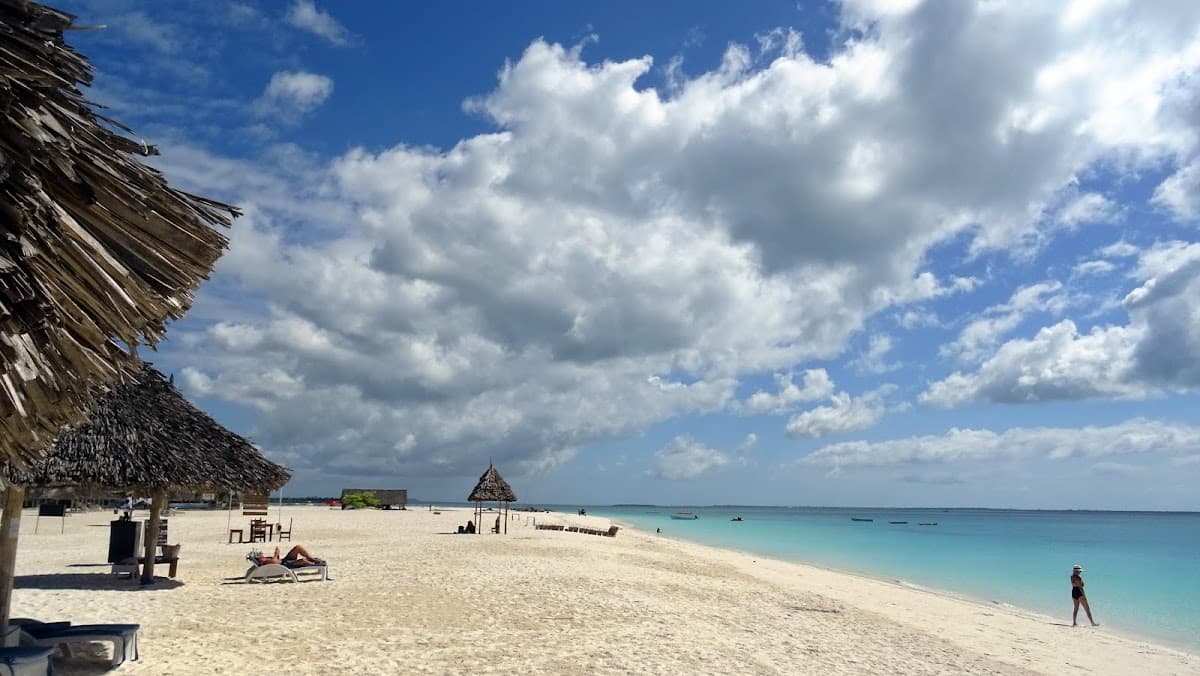
Zanzibar
Zanzibar 2026: What You Need to Know Before You Go
Zanzibar is not what most people expect. It is not a single beach resort, not a budget backpacker island, and definitely not just a side trip from a Serengeti safari. It is an archipelago off the coast of Tanzania with its own semi-autonomous government, its own history (it was once the center of the East African slave trade and the world's largest clove exporter), and its own rhythm of life that runs on a mixture of Swahili time, Muslim prayer calls, and tide schedules.
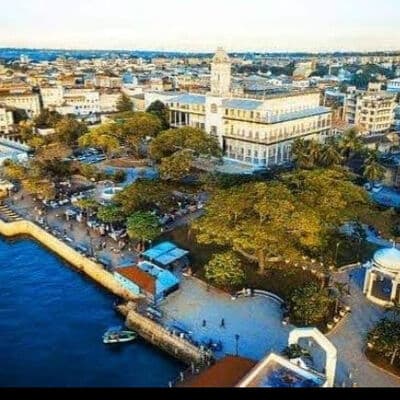
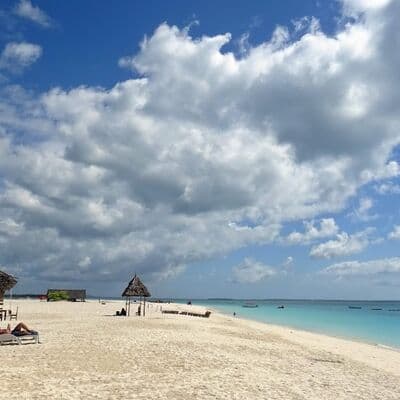
The main island, Unguja, is where almost all tourists go, and it is roughly the size of London. Stone Town on the west coast is the cultural heart - a UNESCO World Heritage labyrinth of coral stone buildings, carved doors, and rooftop restaurants. The north coast (Nungwi, Kendwa) has the classic postcard beaches where you can swim at any tide. The east coast (Paje, Jambiani) is raw, windswept, and dominated by kitesurfers and seaweed farmers. The southeast (Michamvi, Bwejuu) sits somewhere in between.
Here is the honest summary: Zanzibar is stunning, affordable by Western standards, and unlike anywhere else in East Africa. But it also has persistent touts in Stone Town, bumpy roads, unreliable Wi-Fi outside hotels, and a conservative Muslim culture that many visitors underestimate. If you come expecting a polished Maldives experience, you will be disappointed. If you come expecting an adventure with incredible food, genuine culture, and turquoise water that looks photoshopped, you will fall in love.
Average daily budget for a comfortable trip: $80-150 per person including accommodation, food, and activities. Backpackers can manage on $40-60. Luxury travelers will spend $200-500+. The sweet spot for most visitors is 5-7 days, splitting time between Stone Town and one or two beach areas.
Zanzibar Neighborhoods: Where to Stay
Choosing where to base yourself in Zanzibar matters more than in most destinations. The island is small but roads are slow (expect 60-90 minutes from Stone Town to the east coast), and each area has a genuinely different character. Here is an honest breakdown of seven main areas, what they are actually like, and what you will pay.
Stone Town
Stone Town is where you start and where you should spend at least two nights. The narrow alleys are disorienting in the best way - you will get lost within five minutes and find a spice shop, a rooftop bar, or a hidden courtyard restaurant around every corner. The Forodhani Gardens night market fires up every evening around 6pm with Zanzibar pizza, sugarcane juice, and grilled seafood. Downsides: touts near the port can be aggressive (a firm 'no thank you' works), some streets smell of drains, and the cheapest guesthouses have paper-thin walls. Accommodation ranges from $25-40 for basic guesthouses to $80-150 for boutique hotels in restored merchant houses to $300+ for places like Emerson on Hurumzi or Park Hyatt. Best for: culture lovers, foodies, first-time visitors.
Nungwi
Nungwi sits at the northern tip of the island, about 60 minutes by car from Stone Town. This is the busiest beach area and the only place on the island where the tide does not dramatically affect swimming - the water stays deep enough at low tide thanks to a natural reef formation. Sunsets here are spectacular, the beach bars have a lively atmosphere, and there is a good mix of budget and mid-range options. The village itself is still a working fishing community, and you will see dhow builders along the shore. Downsides: it is the most touristy area, beach vendors can be persistent, and some budget hotels are a 10-minute walk from the sand. Prices: $30-50 budget, $80-180 mid-range, $200-600 resort. Best for: beach lovers, social travelers, those who want nightlife.
Kendwa
Kendwa is a 10-minute drive south of Nungwi (or a 30-minute beach walk at low tide) and feels like Nungwi's calmer sibling. The beach is arguably the best on the island - wide, white, swimmable at all tides, with fewer vendors. It is famous for the Full Moon Party at Kendwa Rocks (a tamer version of Thailand's - think fire dancers and reggae, not raves). There are fewer restaurants and shops than Nungwi, so you are more dependent on your hotel. Prices: $50-80 budget, $120-250 mid-range, $300-800 luxury. Best for: couples, honeymooners, anyone who wants a beautiful beach without the Nungwi hustle.
Paje
Paje on the east coast is Zanzibar's kitesurfing capital and its most 'boho' area. The beach is enormous - at low tide, the water retreats hundreds of meters, exposing sandbars and seaweed farms. This means swimming is tide-dependent (check a tide chart app). When the tide is in, the water is shallow and warm, perfect for beginners. The village has the best concentration of hip cafes, smoothie bowls, and yoga studios outside Stone Town. Kite lessons run about $60-80 per hour, or $250-350 for a full course. Downsides: strong tides mean you cannot swim whenever you want, the constant wind (great for kiting) can be annoying for sunbathers, and it is a 90-minute drive from Stone Town. Prices: $20-40 budget, $60-150 mid-range, $200-400 boutique. Best for: kitesurfers, digital nomads, young travelers, fitness enthusiasts.
Jambiani
If Paje is the hipster east coast, Jambiani is the authentic one. This stretched-out fishing village runs for several kilometers along the coast and feels genuinely untouched by mass tourism. Women harvest seaweed at low tide, fishermen pull in nets at dawn, and the pace of life is slower than anywhere else on the island. Kuza Cave, a stunning natural swimming hole with impossibly blue water, is a 10-minute drive away ($5 entry). The tides here are even more dramatic than Paje. Accommodation is mostly small guesthouses run by locals or expats. Prices: $15-30 budget, $50-120 mid-range. Best for: those seeking authentic experiences, long-stay travelers, budget-conscious visitors who do not mind limited nightlife.
Matemwe
Matemwe on the northeast coast is quieter and more upscale than Paje or Jambiani. The beach is beautiful but very tide-dependent. The main draw is proximity to Mnemba Atoll, Zanzibar's best snorkeling and diving spot (boats leave from Matemwe beach, $35-50 for a snorkel trip). The village is small with few independent restaurants, so most visitors eat at their hotel. Prices: $40-80 budget, $100-250 mid-range, $400-1500 luxury (Matemwe Lodge, Sunshine Marine Lodge). Best for: divers, snorkelers, privacy seekers.
Michamvi
The Michamvi peninsula on the southeast coast is small and remote, known primarily for one thing: The Rock, Zanzibar's most photographed restaurant, perched on a tiny rock formation in the sea. Beyond The Rock, Michamvi is very quiet with only a handful of accommodations. The Bwejuu side has a long, empty beach. This is not an area with infrastructure - no ATMs, few shops, limited dining outside hotels. Prices: $30-60 budget, $80-200 mid-range. Best for: those who want total quiet and do not mind isolation.
Best Time to Visit Zanzibar
Zanzibar has a tropical climate with two rainy seasons and two dry seasons, and getting the timing right makes a real difference to your experience.
June to October (dry season): This is peak season and for good reason. Rain is rare, humidity drops to tolerable levels, temperatures hover around 25-28C (77-82F), and the southeast trade winds (known locally as Kusi) keep the east coast breezy. This is prime kitesurfing season in Paje. Hotel prices are at their highest, and popular spots like Nungwi get busy. Book accommodation at least 4-6 weeks ahead for this period.
January to February (short dry season): The hidden gem months. Weather is hot (30-33C / 86-91F) with occasional brief showers, but mostly sunny. Fewer tourists than June-October, lower prices, and the ocean is calm and warm. This is the best time for diving and snorkeling because visibility peaks. The Sauti za Busara music festival in Stone Town (usually mid-February) is East Africa's largest music event and absolutely worth timing your trip around.
March to May (long rains / Masika): The worst time to visit. April and May see heavy, sustained rainfall - not brief tropical showers but hours of grey skies and downpours. Some hotels close, boat trips get cancelled, and roads flood. March is borderline (the rains usually start mid-to-late March). If you must visit, expect discounts of 30-50% on accommodation. Honestly, there are better places to be in April-May.
November to December (short rains / Vuli): A mixed bag. November brings afternoon showers that usually clear by evening. December improves as the month goes on, and by late December it is mostly dry. Prices spike around Christmas and New Year (book months ahead), but early-to-mid December offers good value with decent weather.
Cultural calendar worth noting: Ramadan dates shift yearly (in 2026, expected around late February to late March). During Ramadan, many local restaurants close during daylight hours, though tourist-facing places stay open. It is respectful not to eat or drink in public during fasting hours. The Mwaka Kogwa festival (Zanzibar New Year, usually July) in the village of Makunduchi features traditional stick-fighting, bonfires, and celebrations - a fascinating cultural experience if your timing aligns.
Zanzibar Itinerary: 3 to 7 Days
This itinerary is designed to be modular. Doing 3 days? Follow Days 1-3. Have a full week? Do it all. I have included specific times, prices, and logistics because vague travel advice is useless travel advice.
Day 1: Stone Town Deep Dive
Morning (8:00-12:00): Start at the Old Fort (Ngome Kongwe), free entry, then walk to the House of Wonders (currently under renovation but the exterior is impressive). Wander through the narrow streets of Stone Town without a map - getting lost is the whole point. Stop at the Darajani Market (also called the Central Market) around 9am when it is busiest. The ground floor has fruits, spices, and vegetables; the upper level has fish and meat (not for the squeamish). A guided walking tour runs $15-25 per person and is worth it for the historical context. Try to get a guide through your hotel or a licensed operator, not someone who approaches you on the street.
Afternoon (12:00-17:00): Lunch at Lukmaan Restaurant (locals' favorite, massive portions of Swahili food for $3-5). Then join an afternoon spice tour ($15-25 per person, 2-3 hours). These take you to farms outside Stone Town where you will taste and smell cinnamon, vanilla, clove, nutmeg, lemongrass, and black pepper growing on trees and vines. It sounds like a tourist trap but it is genuinely interesting - you will never look at your spice rack the same way. Most tours include a fruit tasting and the chance to buy fresh spices ($1-3 per bag, much cheaper than Stone Town shops).
Evening (18:00-21:00): Head to Forodhani Gardens night market as the sun sets. This is non-negotiable - it is one of the best street food experiences in East Africa. Zanzibar pizza ($1-2), grilled octopus skewers ($1), fresh sugarcane juice ($0.50), urojo soup ($1). Budget $5-10 for a feast. Walk along the waterfront, grab a rooftop drink at one of the bars along Kenyatta Road, and call it a night. The sunset from the waterfront is spectacular and free.
Day 2: Prison Island and Stone Town Sundown
Morning (9:00-13:00): Take a boat from Stone Town to Prison Island (Changuu Island), about 30 minutes each way. A return boat with 1-2 hours on the island costs $15-20 per person if you join a group, or $30-40 for a private boat (negotiate at the waterfront). The island has giant Aldabra tortoises (some over 100 years old) that you can feed and photograph, a small beach for swimming, and the ruins of a never-used prison building. Snorkeling gear can be rented for $5-10. The reef around the island is decent but not spectacular - save your snorkeling expectations for Mnemba.
Afternoon (14:00-17:00): Back in Stone Town, explore what you missed yesterday. Visit the Old Dispensary (beautiful Indian-influenced architecture, free entry), the Anglican Cathedral built on the site of the old slave market (entry $5, includes a guide, deeply moving), and the Freddie Mercury House on Kenyatta Road (yes, the Queen frontman was born in Stone Town in 1946). Shop for souvenirs in the Hurumzi area - Tingatinga paintings, carved wooden doors, Zanzibari chests, kangas (colorful wraps, $5-10 each).
Evening: Splurge on dinner at Emerson Spice rooftop ($25-40 per person for a multi-course Swahili tasting menu). Reserve ahead - seating is limited and it fills up, especially in peak season. Alternatively, Tea House restaurant offers similar vibes at slightly lower prices.
Day 3: Transfer to the Beach (North or East Coast)
Morning (8:00-10:00): Arrange a transfer to your beach destination. Stone Town to Nungwi: 60-75 minutes, $25-35 by private taxi or $1-2 by dala-dala (local minibus, cramped but an experience). Stone Town to Paje: 60-90 minutes, $30-40 taxi or $1.50-2 by dala-dala. Your hotel can usually arrange transfers, but they charge $40-60 - negotiating directly with a taxi at the Stone Town taxi stand saves money.
If heading north (Nungwi/Kendwa): Spend the afternoon settling in, walking the beach, and swimming (remember, the north coast is swimmable at all tides). Visit the Nungwi Turtle Aquarium (technically a conservation pond, $3 entry) in late afternoon - the turtles are most active around feeding time. Watch the sunset from the beach - the west-facing coast means sunsets directly over the ocean.
If heading east (Paje/Jambiani): Check the tide chart immediately. Swimming on the east coast is only really comfortable at mid-to-high tide. Low tide exposes vast flats where local women farm seaweed - beautiful to photograph but not swimmable. Walk through the village, grab a smoothie bowl at Mr. Kahawa or Paje by Night, and plan your kitesurfing or stand-up paddleboard lesson for when conditions align.
Day 4: Water Adventures
Option A - Safari Blue (full day, $70-90): This is Zanzibar's most popular day trip and it lives up to the hype. You sail on a traditional dhow to a sandbank that appears at low tide in the middle of the Indian Ocean, snorkel over coral reefs, visit a mangrove lagoon, and end with a seafood feast on a deserted beach. It runs from about 8:30am to 4:30pm. Book through your hotel or a reputable operator in Stone Town or Nungwi. Includes lunch, snorkeling gear, and soft drinks. Tips for the crew ($5-10) are customary.
Option B - Mnemba Atoll snorkeling (half day, $35-50): If you are staying in Matemwe or the northeast coast, Mnemba is the better choice. This private island is surrounded by a marine conservation area with some of the best snorkeling in East Africa - expect to see dolphins (especially in the early morning), sea turtles, and spectacular coral. You cannot land on the island (it is a luxury resort) but boats circle the reef. Trips leave early morning (7:00-8:00am) for the calmest water.
Option C - Kitesurfing in Paje: A two-hour lesson costs $60-80, and most schools (Kite Centre Zanzibar, Airborne Kite Centre, Paje Kite Club) offer multi-day packages at a discount ($250-350 for a full course to get you up and riding). The conditions here are genuinely world-class: consistent wind, flat shallow water, and warm temperatures. Even if you have never tried it, this is one of the best places in the world to learn.
Day 5: Jozani Forest and the South
Morning (8:00-11:00): Visit Jozani Chwaka Bay National Park, the only national park on Zanzibar. Entry is $12 per person (paid at the gate, cash only - they accept USD or TZS). The main attraction is the endemic Zanzibar red colobus monkey, found nowhere else on earth. They are habituated to humans and you will get close - often within 2-3 meters. The guided walk through the mangrove boardwalk is peaceful and takes about 45 minutes. The forest itself takes 1-1.5 hours. Go early to avoid tour groups.
Afternoon: If you are on the east coast, drive south to Jambiani and visit Kuza Cave - a natural underground sinkhole filled with crystal-clear blue water where you can swim. Entry is $5. Continue to the village for lunch at a local spot (fish and rice for $3-5). If time allows, arrange a village walking tour through one of the community tourism initiatives - these support local families and give you a genuine look at daily life ($10-15 per person).
Day 6: Beach Day and The Rock
Relax day. You have earned it. Spend the morning on the beach, get a massage ($15-25 for an hour - beach massages are cheaper but the quality varies wildly), read your book, swim when the tide cooperates.
Lunch at The Rock ($25-40 per person): Zanzibar's most famous restaurant sits on a tiny rock in the ocean near Michamvi. At high tide, you reach it by boat (included). At low tide, you walk across the sand. The food is good (not extraordinary, but good) - it is really about the setting. Reservations are essential, especially for sunset tables. Book at least 2-3 days ahead via WhatsApp. Budget for a seafood platter and a cocktail. The lobster is $30-40 and is the signature dish, though the grilled barracuda is better value at $18-22.
Evening: If it is a full moon night and you are near Kendwa, the Full Moon Party at Kendwa Rocks is worth checking out. It draws a mix of travelers and locals, with fire dancing, live music, and DJs until late. Entry is free or $5-10 depending on the night. Otherwise, most beach areas have at least one bar with evening atmosphere - look for places with live taarab music for a more authentic experience.
Day 7: Final Morning and Departure
Morning: If you have a late flight, use the morning for last-minute shopping. The best spice prices are at Darajani Market in Stone Town (not the tourist shops). Zanzibar coffee is underrated and makes a great gift ($3-5 per bag). Kanga fabric wraps ($5-8) are the quintessential Zanzibar souvenir - they come with Swahili proverbs printed on them.
Airport logistics: Abeid Amani Karume International Airport (ZNZ) is about 15 minutes from Stone Town, 45-60 minutes from Nungwi, and 45-60 minutes from Paje. Always leave extra buffer time - Zanzibar roads have unexpected delays (goats, dala-dalas, wedding processions). Aim to arrive at the airport 2.5 hours before international flights. The airport has limited food options and no real lounge, so eat before you go.
Where to Eat in Zanzibar
Zanzibar's food scene is one of its strongest selling points, blending Swahili, Indian, Arabic, and Portuguese influences. Here is where to eat across every budget level.
Street Food and Markets
Forodhani Gardens Night Market (Stone Town): The essential Zanzibar food experience. Open nightly from about 6pm. Must-try: Zanzibar pizza (a thin dough parcel stuffed with meat, egg, and vegetables, cooked on a flat grill - $1-2), urojo soup (a tangy, complex broth that is Zanzibar's signature dish - $1), grilled octopus and squid skewers ($1-2), and fresh sugarcane juice ($0.50). Tip: Go to the stalls that locals are lining up at, not the ones where touts are pulling you in. Stall 1 (near the entrance) is consistently good for seafood. Bring small bills - vendors often claim to have no change for large denominations.
Darajani Market (Stone Town): Not a restaurant but an experience. The upstairs food stalls serve plate lunches of rice, beans, and fish for $1.50-3. It is chaotic, hot, and absolutely authentic. Go before 11am for the freshest options.
Local and Budget Restaurants
Lukmaan Restaurant (Stone Town): The locals' go-to. Buffet-style Swahili food - point at what looks good and they will plate it up. Expect pilau rice, biryani, grilled fish, octopus curry, spinach with coconut, lentil soup. A full plate is $3-5. The quality is consistently good, portions are generous, and it is packed with locals at lunchtime (a reliable sign). Two locations in Stone Town - the one on New Mkunazini Road is the original.
Mama Mia (Nungwi): Despite the name, this is not Italian. It is a beachside local spot where fishermen sell their morning catch directly to the kitchen. Grilled fish with chips and salad for $5-8. Simple, fresh, excellent. Cash only.
Paje by Night (Paje): A popular open-air spot on the main road through Paje. Good pizza ($7-10), Swahili dishes ($5-8), and a lively atmosphere. It is one of the few places in Paje where locals and tourists mix freely. Live music some evenings.
Mid-Range and Fine Dining
Emerson Spice Rooftop (Stone Town): Multi-course Swahili tasting menu served on a candlelit rooftop overlooking Stone Town. $25-40 per person. The menu changes nightly and features dishes you will not find elsewhere - think octopus in tamarind sauce, clove-infused rice, coconut bean soup. Reservations required. One seating per evening, usually at 7pm.
The Rock (Michamvi): Covered in the itinerary above. Go for the setting, stay for the seafood. $25-40 per person for a main course and drinks. Lunch is better than dinner in my opinion - the ocean views are more dramatic in daylight.
Zanzibari (Stone Town): A newer addition to the dining scene, offering modern takes on traditional Swahili cuisine. Beautiful setting in a restored Stone Town house. Mains $12-20. The octopus salad and coconut fish curry are standouts.
Tamu (Kendwa): Upscale beachfront dining with a good wine list (rare in Zanzibar). Seafood platters for two run $40-60 and are genuinely impressive in both quantity and quality. Reserve for sunset.
Cafes and Breakfast Spots
Zanzibar Coffee House (Stone Town): Excellent locally roasted coffee in a beautiful old building. Espresso $2-3, breakfast plates $5-8. A peaceful refuge from the Stone Town hustle.
Mr. Kahawa (Paje): The east coast's best cafe. Great coffee, smoothie bowls ($5-7), and a coworking-friendly atmosphere with decent Wi-Fi. Popular with the digital nomad crowd.
Jungle Cafe (Jambiani): Small, charming cafe on the road through Jambiani. Fresh juices, banana pancakes, and Zanzibari mandazi (doughnut-like pastries) for breakfast. $3-6 for a full breakfast.
What to Try: Zanzibar Food
Zanzibari cuisine is one of the most underrated in the world. These are the dishes you should actively seek out, not just stumble upon.
Urojo (Zanzibar mix): This is the dish that defines Zanzibar. It is a tangy, slightly sour soup made with mango, lentils, potatoes, and bhajia (fritters), topped with coconut chutney, chili sauce, and lime. Every cook has their own version. Best at Forodhani market ($1) or Lukmaan. Do not judge it by appearance - it looks like a mess but tastes extraordinary.
Zanzibar Pizza: Nothing like Italian pizza. It is a thin crepe-like dough folded around a filling of minced meat, egg, onion, peppers, and cheese, then fried on a flat griddle. Sweet versions with Nutella and banana exist. $1-2 at Forodhani, $3-5 at restaurants. Watch the vendors make them - the dough-tossing is genuinely skillful.
Octopus in coconut sauce (Pweza wa nazi): Zanzibar's waters are full of octopus, and this is the classic preparation: slow-cooked in coconut milk with turmeric, ginger, and garlic, served over rice. $5-8 at local restaurants, $12-18 at upscale ones. The tender texture depends entirely on the cook - when done right, it melts.
Pilau rice: Not unique to Zanzibar but the local version, spiced with cloves, cardamom, cinnamon, and cumin (all grown on the island), is aromatic and addictive. You will get it as a side with most Swahili meals. The best versions use meat broth and whole spices.
Biryani: The Zanzibar version reflects Indian and Omani influences - layers of spiced rice and meat (usually chicken or goat), slow-cooked in a sealed pot. Heavier than pilau and usually a weekend or celebration dish. $4-7 at local spots. Lukmaan does a reliable version.
Mishkaki: Swahili kebabs - marinated meat (usually beef or chicken) grilled over charcoal. Simple, smoky, and perfect with a cold Kilimanjaro beer. $1-2 per skewer at street stalls, $5-8 for a plate at restaurants. The marinade typically includes turmeric, cumin, and lime.
Mandazi: East African doughnuts - triangular, slightly sweet, fried, and dusted with sugar or plain. Eaten for breakfast with chai or as a snack. $0.10-0.25 each from street vendors. They are best fresh and hot in the morning.
Spiced tea (chai ya tangawizi): Zanzibar's version of chai is heavy on ginger and cardamom, made with creamy milk and plenty of sugar. $0.25-0.50 from street vendors, $1-2 at cafes. It is served in small cups and is the social lubricant of the island - accept when offered.
Sugarcane juice (maji ya muwa): Freshly pressed through a hand-cranked machine right in front of you, usually with a squeeze of lime and a pinch of ginger. $0.50. Incredibly refreshing in the heat. Available at Forodhani and from street carts throughout Stone Town. Watch them press it - it is mesmerizing.
Jackfruit and tropical fruits: Zanzibar grows jackfruit, rambutan, soursop, passion fruit, papaya, and dozens of banana varieties. Buy from market vendors ($0.50-2 per piece/portion). The small sweet bananas (ndizi) bear no resemblance to supermarket bananas - they are fragrant, creamy, and impossibly sweet. The fruit plate at any hotel breakfast will be the best fruit you have ever eaten.
Zanzibar Secrets: Local Tips
1. Your USD bills must be post-2013. This is not a suggestion - it is a hard rule. Banks, exchange bureaus, and hotels will refuse any US dollar bill printed before 2013. The old $100 bills (the ones without the blue security strip) are particularly problematic. Check your bills before you leave home. This catches people off guard constantly.
2. ZIC insurance is mandatory. As of recent years, all visitors must purchase Zanzibar Insurance Corporation (ZIC) travel insurance upon arrival. It costs $44 per person and is checked at immigration. You can buy it online before arrival to save time at the airport. It covers basic medical evacuation but is not a substitute for proper travel insurance.
3. Dress modestly away from the beach. Zanzibar is 95%+ Muslim. On the beach, swimwear is fine. In Stone Town, villages, and markets, cover your shoulders and knees. This applies to both men and women but is especially important for women. You will not get arrested for shorts, but you will get stares and it is disrespectful. A kanga wrap ($5-8 from any market) is the perfect solution - locals will appreciate the effort.
4. Bargaining is expected, not rude. In markets and with taxis, the first price quoted is almost always 2-3x the real price. Start at about 40% of the asking price and negotiate from there. Be friendly, smile, and be willing to walk away - the vendor will often call you back with a lower price. Fixed-price shops exist (they will tell you) and do not require bargaining. Taxi negotiations should happen before you get in.
5. Low tide on the east coast is not a problem - it is an experience. Instead of being disappointed that you cannot swim at low tide, walk out onto the exposed reef flats. You will see starfish, sea cucumbers, small octopus, and the seaweed farmers at work. It is beautiful and unique. Just wear water shoes (sharp coral) and bring sunscreen - the reflection off the wet sand is brutal.
6. Always carry small bills. Change for large denominations is a constant problem. Break big bills at hotels, supermarkets, or gas stations. Carry plenty of 1,000-2,000 TZS notes and $1-5 USD bills. Many places accept both currencies, but you will usually get a worse exchange rate paying in dollars at small shops.
7. Negotiate taxi prices with WhatsApp. Ask your hotel to connect you with a reliable driver via WhatsApp. Once you have a good driver, use them for the whole trip. A trusted driver will charge fair rates without the negotiation theater. Typical taxi rates: Stone Town to airport $10-15, Stone Town to Nungwi $25-35, Stone Town to Paje $30-40. Agree on the price before departure.
8. The power goes out. Load-shedding is a fact of life in Zanzibar. Most hotels have generators, but budget guesthouses might not. Keep your phone charged, carry a power bank, and do not rely on having electricity at all times. The outages are usually brief (1-3 hours) but can be longer in rural areas.
9. Do not photograph people without asking. This is both a cultural respect issue and a practical one - some locals will demand payment if you photograph them without permission. Simply asking 'picha?' (Swahili for photo) with a smile usually gets a yes. Around the port and military areas, do not photograph at all - it can cause real problems.
10. Malaria exists here. Zanzibar is in a malaria zone. Consult your doctor about antimalarial medication before your trip (doxycycline or Malarone are common choices). Use DEET insect repellent, especially at dusk and dawn. Sleep under a mosquito net (most accommodations provide them). The risk is lower than mainland Tanzania but it is not zero.
11. Seaweed farming is not pollution. Visitors sometimes complain about seaweed on east coast beaches. That seaweed is farmed by local women as their primary income source - it is harvested and exported for use in cosmetics and food products. It is not dirty, it is not a sign of poor beach maintenance, and it is a vital part of the local economy. Respect it.
12. Friday afternoon is quiet time. Most local shops and some restaurants close on Friday afternoons for Jumu'ah (Friday prayer). Stone Town gets very quiet from about noon to 2pm. Plan your shopping and eating around this. Tourist restaurants and hotels are unaffected, but if you want a local experience, eat before noon or after 3pm on Fridays.
Transport and Connectivity
Getting to Zanzibar
By air: Abeid Amani Karume International Airport (ZNZ) receives direct flights from Dar es Salaam (20 minutes, $60-100), Nairobi ($150-300), Dubai, and several European cities (especially during peak season). Most international visitors connect through Dar es Salaam or Nairobi. Budget airlines like Precision Air and Coastal Aviation serve the Dar-Zanzibar route frequently. The airport is small and immigration can take 30-60 minutes during peak arrivals - have your e-visa, ZIC insurance, and yellow fever certificate (required if coming from an endemic country) ready.
By ferry from Dar es Salaam: The fast ferry (Azam Marine) takes 1.5-2 hours and costs $35 for economy, $40 for business, and $50 for VIP/Royal class. Departures are roughly every 2 hours from 7am to 4pm. Buy tickets online in advance during peak season or at the terminal on the day. VIP is worth the $15 upgrade - air conditioning, assigned seats, and a quieter section. The ride can be rough in choppy conditions; take motion sickness medication if prone.
Getting Around the Island
Dala-dala (local minibus): The cheapest way to get around. These colorful, chronically overcrowded minibuses connect Stone Town to all major destinations. Fare is $1-2 regardless of distance. They leave when full (not on a schedule) and stop constantly. Stone Town to Nungwi takes 60-90 minutes by dala-dala. An authentic experience for at least one ride, but not comfortable for long journeys with luggage. The main terminal is at the Darajani Market area in Stone Town.
Private taxi: The most comfortable option. No meters - always agree on the price before getting in. Stone Town to Nungwi: $25-35. Stone Town to Paje: $30-40. Within Stone Town: $3-5 (though most of Stone Town is walkable). Drivers at the taxi stands near the port and major hotels will quote high - counter-offer at 50-60% of the first price. Once you find a reliable driver, save their WhatsApp number. Many drivers double as informal guides and will offer half-day or full-day hire ($60-100) for island exploration.
Scooter/motorbike rental: Available everywhere for $15-25 per day. An international driving permit is theoretically required but rarely checked. The roads are unpredictable - potholes, sand patches, wandering livestock, and no streetlights at night. Helmets are mandatory by law but enforcement is inconsistent. If you ride, go slow, use a helmet regardless, and avoid night riding. Accidents involving tourists on scooters are one of the most common medical emergencies on the island.
Bicycle rental: A great option for exploring the east coast villages where distances are short and traffic is minimal. $5-10 per day. The terrain is flat. Not practical for Stone Town (too narrow and hilly) or the Stone Town-to-beach route (too far on bad roads).
No ride-hailing apps: There is no Uber, Bolt, or equivalent in Zanzibar. WhatsApp is your ride-hailing app - save taxi driver contacts and message when you need a ride.
SIM Cards and Internet
Getting a SIM: Buy a local SIM at the airport arrivals hall or from small phone shops in Stone Town. Vodacom and Airtel are the main networks. A SIM with 10-15GB of data costs $5-10 and is valid for 30 days. You will need your passport for registration. Vodacom generally has better coverage on the east coast; Airtel is slightly better in remote areas. Both work fine in Stone Town and the north coast.
Wi-Fi: Hotels and restaurants in tourist areas generally offer free Wi-Fi, but speeds vary wildly. Stone Town and Nungwi have the most reliable connections. East coast hotels can be painfully slow, especially in budget places. If you are working remotely, choose accommodation carefully and ask about internet speed before booking. Mr. Kahawa in Paje and Zanzibar Coffee House in Stone Town are reliable for working with a laptop.
Useful apps: Maps.me or OsmAnd for offline maps (download before arrival - Google Maps is less detailed here). WhatsApp for everything (taxi bookings, restaurant reservations, hotel communication - Zanzibar runs on WhatsApp). XE Currency for exchange rate calculations. Tide charts app for the east coast.
Who Zanzibar is For: The Honest Summary
Come to Zanzibar if: You want a beach destination with genuine culture and history. You enjoy food as a travel experience. You are comfortable with a bit of chaos and imperfection. You want to kiteboard in warm water. You are looking for a honeymoon that is not a cookie-cutter resort experience. You want to combine beach time with a Serengeti or Kilimanjaro trip.
Skip Zanzibar if: You want an all-inclusive resort where everything is manicured and predictable. You get frustrated by persistent vendors and touts. You cannot handle heat and humidity. You need reliable high-speed internet for remote work. You expect Southeast Asia prices (Zanzibar is cheap but not that cheap).
The bottom line: Zanzibar is one of those rare places that delivers both relaxation and adventure, both beach time and cultural depth. It is not perfect - the infrastructure is developing, the touts can be exhausting, and the east coast tides require patience. But the combination of turquoise Indian Ocean water, centuries of layered history, world-class food for pocket change, and a pace of life that forces you to slow down makes it one of the most rewarding island destinations in the world. Five days is the minimum to do it justice. A week is ideal. And many visitors find themselves plotting a return before they have even left.