About
Myanmar Travel Guide: The Golden Land Awakens
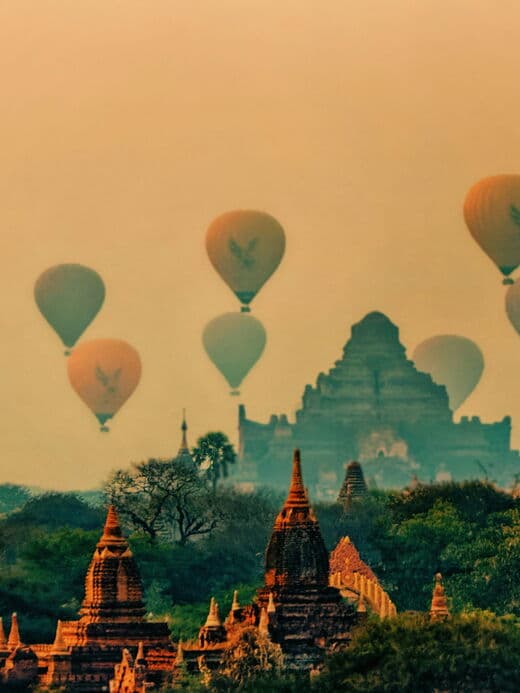
There is a moment that stays with every traveler who visits Myanmar. For me, it happened at dawn in Bagan, standing on a temple terrace as hot air balloons drifted silently over two thousand ancient stupas, their silhouettes emerging from the morning mist like ships on a golden sea. In that instant, I understood why Myanmar has captivated travelers for centuries, and why, despite everything this country has endured, it continues to call people back.
Myanmar, formerly known as Burma, occupies a unique space in the Southeast Asian travel circuit. It is not Thailand, with its polished tourist infrastructure and banana pancake trail. It is not Vietnam, with its motorcycle-filled cities and well-worn backpacker routes. Myanmar is something altogether different: a country where time seems to move at its own pace, where Buddhist traditions permeate every aspect of daily life, and where the genuine warmth of the people can leave you speechless.
But let me be honest with you from the start: traveling in Myanmar today is complicated. The military coup of February 2021 fundamentally changed the country, and the ongoing civil conflict means that some areas are off-limits, the economy has struggled, and the ethical questions around tourism are genuine and deserve consideration. I will address all of this in detail later in this guide. For now, know that if you do decide to visit Myanmar, you will find a country of extraordinary beauty, profound spirituality, and resilient people who, in my experience, deeply appreciate visitors who come with open hearts and open minds.
Why Visit Myanmar: The Case for the Golden Land
The question of why you should visit Myanmar deserves a thoughtful answer, especially given the current political situation. Let me give you both the practical and the profound reasons.
First, the temples. I have traveled extensively throughout Asia, from the Angkor complex in Cambodia to the ancient capitals of Japan, and I can tell you without hesitation that Bagan stands among the world's most awe-inspiring archaeological sites. Between the 9th and 13th centuries, the rulers of the Bagan Kingdom constructed over ten thousand Buddhist temples, pagodas, and monasteries across this forty-square-mile plain. Today, approximately two thousand structures remain standing, and the experience of exploring them, whether by bicycle, e-bike, or hot air balloon, is genuinely life-changing. Unlike Angkor Wat, where crowds can sometimes overwhelm the experience, Bagan still offers moments of solitude and discovery. You can still find temples where you are the only visitor, where the only sounds are birdsong and the distant bells of passing oxcarts.
Second, the people. Burmese hospitality is legendary among travelers, and for good reason. The concept of doing good deeds to accumulate merit for future lives runs deep in Theravada Buddhist culture, and this manifests in countless small acts of kindness toward strangers. I have been invited into homes for tea by people who had almost nothing. I have had strangers go miles out of their way to help me find my destination. I have watched monks share their meals with stray dogs because all beings deserve compassion. This warmth is not performed for tourists; it is simply how people live.
Third, the landscapes. Myanmar encompasses an astonishing variety of terrain within its borders: the Himalayan foothills in the north where snow-capped peaks exceed five thousand meters; the vast central dry zone where Bagan bakes under the tropical sun; the lush river valleys of the Irrawaddy and Chindwin; the floating gardens and stilted villages of Inle Lake; the pristine beaches of the Andaman coast; and the mist-shrouded mountains of Chin State where tattooed grandmothers still remember the old ways. In a single trip, you can move from tropical beaches to cool highland retreats, from ancient temple cities to some of the last truly wild places in mainland Southeast Asia.
Fourth, the culture. Myanmar's isolation during the decades of military rule meant that many traditions survived here that were swept away elsewhere in the region. Thanaka, the pale yellow cosmetic paste made from ground bark, still adorns the faces of women and children throughout the country. Men still wear the longyi, the traditional wrap-around skirt, even in Yangon's business districts. Puppetry, classical dance, and traditional music thrive not as museum pieces but as living arts. The morning alms round, when monks walk barefoot through the streets collecting food from devotees, occurs in every town and village, just as it has for centuries. You will witness in Myanmar daily rituals and customs that have largely vanished from the rest of Southeast Asia.
Fifth, the food. Burmese cuisine is a fascinating fusion of Indian, Chinese, and Southeast Asian influences, yet distinctly its own. The national dish, mohinga, a fish-based noodle soup eaten for breakfast, is a revelation of flavor and texture. Lahpet thoke, the famous fermented tea leaf salad, offers a taste sensation unlike anything else on earth. The curries are oil-rich and deeply satisfying, the street food is abundant and affordable, and in recent years a new generation of chefs has begun elevating traditional dishes in exciting ways.
Finally, the value. While Myanmar has become more expensive since the country opened to tourism in the 2010s, it remains remarkably affordable by Western standards. A comfortable midrange trip, including decent hotels, domestic flights, good restaurants, and guide services, can be accomplished for seventy to one hundred dollars per day. Budget travelers can manage on thirty to forty dollars daily without great difficulty. And for those who want luxury, the country's best hotels and experiences offer extraordinary quality at prices that would be multiples higher in Thailand or Vietnam.
Understanding Myanmar's Regions
Myanmar is a large country, roughly the size of Texas, and its geography divides naturally into distinct regions, each with its own character, attractions, and practical considerations for travelers.
Yangon Region: The Commercial Heart
Yangon, formerly known as Rangoon, is where most international travelers begin their Myanmar journey. The former capital and largest city sprawls across the Yangon River delta, a chaotic, charming, crumbling, rebuilding metropolis of over five million people. Yangon is not an immediately lovable city. The traffic is brutal, especially in the late afternoon heat. The infrastructure is strained. Many buildings wear their decades of neglect plainly on their facades. But give Yangon time, and the city reveals its considerable charms.
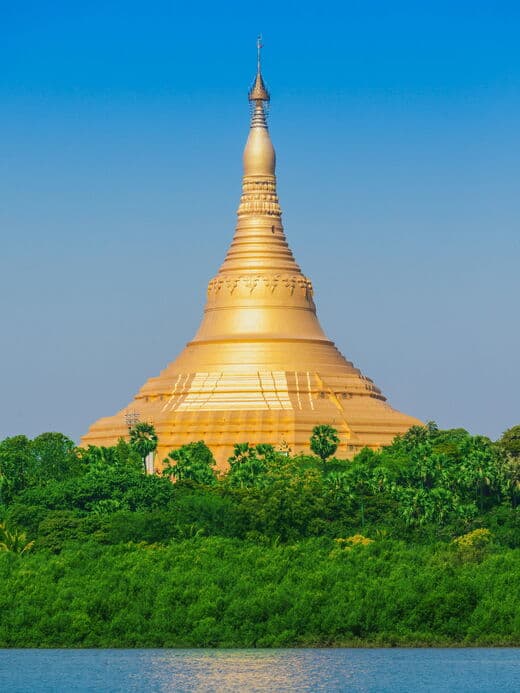
The Shwedagon Pagoda alone justifies several days in Yangon. This is not just a temple but the spiritual heart of Burmese Buddhism, a complex of golden spires and shrines atop a hill in the center of the city. The main stupa rises ninety-nine meters and is covered in genuine gold leaf, topped by a jewel-encrusted finial that includes a seventy-six carat diamond. Visit at dawn when the light is soft and the monks are making their morning prayers. Return at dusk when the gold catches fire in the setting sun. Stay into the evening when the local families come to socialize and the stupa glows against the darkening sky. Each visit reveals new details, new moments of beauty and devotion.
Beyond Shwedagon, Yangon rewards wandering. The downtown grid, laid out by British colonial planners, contains one of Southeast Asia's finest collections of colonial architecture. The Strand Hotel, the former Supreme Court, the Secretariat building where Aung San was assassinated in 1947, all tell the story of British Burma and its troubled end. The neighborhood around 19th Street comes alive at night with beer stations and barbecue smoke. Chinatown's morning markets overflow with produce and prepared foods. The circular railway, a forty-kilometer loop through the suburbs and surrounding countryside, offers a three-hour window into the daily lives of Yangon's working class.
Most travelers spend two to three days in Yangon before moving on, which is enough to see the highlights but leaves much undiscovered. If you have the time, consider a day trip to Twante, an old pottery town across the river, or to Bago, the former Mon capital with its reclining Buddha and ancient pagodas.
Bagan and the Central Dry Zone
If Yangon is Myanmar's commercial heart, Bagan is its soul. This ancient city on the banks of the Irrawaddy River represents one of humanity's great concentrations of religious architecture. When you first see the plain from above, whether from a hot air balloon, a temple terrace, or an approaching aircraft, the sheer density of structures takes your breath away. Two thousand temples spread across forty square miles of scrubland, their red brick forms ranging from intimate shrines to soaring monuments.
Bagan divides into three areas: Nyaung-U, the main town with most of the budget and midrange accommodation, the ferry port, and the bus station; Old Bagan, a smaller settlement within the archaeological zone where the luxury hotels cluster; and New Bagan, a purpose-built town about four kilometers south where many mid-range hotels are located. The temples themselves spread across the plain between and around these settlements.
The experience of exploring Bagan is unlike anything else in Southeast Asia. While the major temples like Ananda, Sulamani, and Thatbyinnyu see steady streams of visitors, many smaller temples stand empty except for the occasional monk or farmer passing through. The government has restricted climbing to a handful of designated viewing platforms, which is a reasonable conservation measure even if it limits some of the more adventurous exploration that was possible a decade ago. The best times to visit are dawn and dusk, when the light transforms the red brick to gold and the tour buses have mostly departed.
Rent an e-bike, which costs about eight to ten dollars per day and is the perfect way to explore at your own pace. Pack water, sunscreen, and a headlamp for exploring temple interiors. Wear clothes that cover your shoulders and knees, and be prepared to remove your shoes frequently. I recommend spending at least three full days in Bagan, though I have met travelers who stayed for weeks and never felt they had seen it all.
From Bagan, it is worth making the day trip to Mount Popa, an extinct volcano about fifty kilometers to the southeast. The mountaintop monastery of Taung Kalat, perched on a volcanic plug and reached by 777 steps lined with macaque monkeys, offers spectacular views and an insight into the nat spirit worship that coexists with Buddhism throughout Myanmar.
Mandalay and Upper Myanmar
Mandalay, Myanmar's second city and cultural capital, confuses many first-time visitors. The modern city is a sprawling grid of dusty streets with little apparent charm. But Mandalay is not really one place; it is the center of a region containing four ancient royal capitals and some of Myanmar's most important cultural sites.
Mandalay Hill, rising 240 meters above the city center, is crowned by a complex of pagodas and offers panoramic views, especially at sunset. At its base, the Kuthodaw Pagoda houses the world's largest book: 729 marble slabs inscribed with the entire Pali Canon of Theravada Buddhism. The Mahamuni Pagoda contains one of Myanmar's most revered Buddha images, a four-meter bronze figure so thickly covered in gold leaf applied by devotees over centuries that its features are nearly obscured. The surrounding streets host active workshops for gold leaf production, bronze casting, and marble carving, all traditional Mandalay crafts.
The ancient capitals require day trips from Mandalay. Amarapura, now essentially a suburb, contains the U Bein Bridge, a 1.2-kilometer teakwood span across Taungthaman Lake that is Myanmar's most photographed landmark. Arrive at dawn or dusk when the light is best and the fishermen are active. Inwa, accessible by boat and then horse cart, was the royal capital for nearly four hundred years and now lies in photogenic ruin, its stupas emerging from farmland and bamboo groves. Sagaing Hill, across the Irrawaddy, is covered with white and gold pagodas and active monasteries. Mingun, upriver by boat, contains the enormous unfinished stupa that would have been the world's largest, brought low by an earthquake in 1839, along with the Mingun Bell, one of the world's largest functioning bells.
Plan at least three days for Mandalay and its surroundings, though four or five allows for a more relaxed pace and time to explore the city's excellent food scene.
Shan State and Inle Lake
Shan State, the country's largest subdivision, occupies the eastern highlands along the Thai and Chinese borders. The Shan Plateau, averaging over one thousand meters in elevation, offers a refreshing escape from the heat of the central plains, with cool mornings, misty valleys, and a distinct cultural identity shaped by the Shan, Pa-O, Intha, Danu, and other ethnic groups.
Inle Lake is Shan State's primary attraction and one of Myanmar's essential experiences. This shallow freshwater lake, roughly twenty kilometers long and eleven kilometers wide, supports a unique ecosystem of floating gardens, stilted villages, and the famous leg-rowing fishermen who propel their boats by wrapping one leg around their oars. The lake's isolation preserved a distinctive culture, and the Intha people developed ingenious methods of agriculture and architecture adapted to their watery environment.
The main tourist base is Nyaungshwe, a small town at the northern end of the lake connected to the water by a canal. From here, most visitors book full-day boat trips that circle the lake, stopping at temples like Phaung Daw Oo with its five Buddha images so thickly gilded they resemble golden blobs, handicraft workshops demonstrating lotus-silk weaving and blacksmithing, floating markets (on a rotating schedule, so check the dates), and the Indein temple complex, a haunting collection of hundreds of ancient stupas slowly being consumed by the jungle.
The boat trips are worthwhile but can feel somewhat packaged. For a more authentic experience, rent a bicycle and explore the villages along the lake's western shore, attend the five-day rotating market on its local day, or arrange a trek to a Pa-O or Danu village in the surrounding hills. The most popular trekking route connects Inle Lake with Kalaw, a former British hill station about fifty kilometers to the west. The two or three-day trek crosses rolling farmland and minority villages, with nights spent in local homes or simple lodges. It is one of Southeast Asia's classic walks.
Hsipaw, further north in Shan State, offers another trekking base and a glimpse of life away from the main tourist trail. The local Shan palace, still occupied by the former royal family, can be visited, and the surrounding countryside rewards exploration by foot or motorcycle.
Rakhine State and the Western Coast
Rakhine State, along Myanmar's western coast, is one of the country's most complex and troubled regions. The northern part of the state was the site of the military's brutal campaign against the Rohingya population in 2017, and the humanitarian situation remains dire. Travel to northern Rakhine, including the former Rohingya areas around Sittwe and Mrauk U, is currently restricted and strongly discouraged.
The southern coast of Rakhine, however, remains accessible and offers some of Southeast Asia's most unspoiled beaches. Ngapali Beach, a three-kilometer stretch of white sand on the Bay of Bengal, has developed as Myanmar's premier beach destination. The vibe is relaxed and low-key compared to Thai beach resorts, with a mix of luxury properties and simple beachfront bungalows, excellent seafood, and relatively few other tourists. The beach is accessible by direct flight from Yangon, Bagan, or Mandalay, which is fortunate because the overland journey is long and arduous.
Further south, the Myeik Archipelago, an island chain of over eight hundred islands stretching along the Thai border, remains one of Asia's last frontier destinations. The islands are inhabited primarily by the Moken, an indigenous sea nomad people, and the diving is reported to be exceptional. Access is complicated and expensive, typically requiring a liveaboard boat from Kawthaung or charter flights, but for adventurous travelers seeking true isolation, few places in Southeast Asia can compare.
The Deep South: Mon and Tanintharyi
The southern states of Mon and Tanintharyi see relatively few international visitors but reward those who make the journey. Mawlamyine, the old British capital of Lower Burma and the setting for George Orwell's famous essay "Shooting an Elephant," is a gracious colonial city with excellent colonial architecture, hillside pagodas, and a relaxed atmosphere. Nearby, the Win Sein Taw Ya Buddha is the world's largest reclining Buddha image, stretching over 180 meters through a rice paddy.
Hpa-An, capital of Kayin State, has emerged as a minor backpacker destination thanks to its spectacular karst scenery. Limestone cliffs rise dramatically from the surrounding rice paddies, riddled with caves containing Buddha images, bats, and in some cases entire monastic communities. The Kyauk Kalap monastery, built atop a needle-like rock formation rising from a lake, is one of Myanmar's most photogenic sites.
The Far North: Kachin and Chin
The states of Kachin and Chin, in Myanmar's far north and northwest respectively, are the country's most remote and least visited regions. Both have been affected by ongoing ethnic conflicts, and travel may be restricted or require special permits.
Kachin State contains some of mainland Southeast Asia's most dramatic scenery, including the southern approaches to the Himalayan range and the sources of the Irrawaddy River. Putao, accessible only by air, is the gateway to the ice-capped peaks of the Hkakabo Razi range, including Southeast Asia's highest mountain. Trekking here is logistically challenging but offers genuine wilderness experiences impossible to find elsewhere in the region.
Chin State, in the mountainous northwest, is famous for its tattooed women, members of the last generation to bear the traditional facial tattoos that were banned by the government decades ago. The women, now in their seventies and eighties, have become something of a tourist attraction, which raises its own ethical questions. Beyond the tattoo tourism, Chin State offers challenging trekking through beautiful but impoverished mountain villages.
Unique Experiences You Cannot Find Elsewhere
Myanmar offers several experiences that are genuinely unique, either found only here or performed here in ways that differ fundamentally from other destinations.
Hot Air Ballooning Over Bagan
If your budget allows for one splurge in Myanmar, make it a dawn balloon flight over Bagan. The experience is expensive, approximately three hundred to four hundred dollars per person depending on the operator and season, but for many travelers, it represents the highlight of their entire Southeast Asian journey.
The flights launch before dawn, so you will be picked up from your hotel around five in the morning and driven to the launch site as the sky begins to lighten. As the balloon rises and the sun breaks over the distant mountains, the two thousand temples below emerge from the morning mist, their shadows lengthening across the red-brown plain. The silence is remarkable; you hear only the occasional blast of the burner and the distant sounds of village life beginning below. The flight lasts roughly forty-five minutes, covering perhaps fifteen kilometers as you drift with the prevailing winds, and concludes with a champagne toast in a farmer's field.
The main operators are Balloons Over Bagan and Oriental Ballooning, both with good safety records. The season runs from October through March, which corresponds with the dry season when weather conditions are suitable. Flights are weather-dependent and may be canceled for wind or rain, in which case you will be rebooked or refunded. Book well in advance, especially for the peak months of December and January.
The Leg-Rowing Fishermen of Inle Lake
The Intha people of Inle Lake developed a distinctive fishing technique found nowhere else on earth. Standing on the stern of their narrow wooden boats, they wrap one leg around the oar and row with a graceful circular motion that looks impossibly difficult but allows them to keep both hands free for managing their conical fish traps. The technique evolved as a practical response to the lake's shallow, weed-choked waters, where sitting and using a conventional paddle would limit visibility and maneuverability.
Today, the leg-rowers are as much tourist attraction as working fishermen; many pose for cameras in exchange for tips rather than actually fishing. But you can still witness the technique in practical use if you venture out early in the morning, before the tourist boats begin their rounds, or explore the more remote southern reaches of the lake where tourism has been lighter.
Lotus Silk Weaving
Among Inle Lake's floating villages, a unique textile tradition survives. Lotus silk, made from fibers extracted from the stems of lotus plants, is one of the world's rarest and most expensive fabrics. The production is incredibly labor-intensive: it takes roughly forty thousand lotus stems, hand-harvested and processed within twenty-four hours to prevent the fibers from drying out, to produce enough material for a single robe. The resulting fabric has a distinctive texture, somewhere between silk and linen, and is primarily used to make robes offered to high-ranking monks.
Several workshops on Inle Lake demonstrate the production process and sell lotus-silk products to visitors. A small scarf might cost one hundred dollars; a full robe can run into the thousands. Even if you cannot afford the finished product, watching the skilled women extract the fibers and work the traditional looms is fascinating.
Traditional Puppet Theater
Burmese marionette theater, yoke the, was once the dominant form of entertainment at royal courts and popular festivals. The puppets, typically about two feet tall with fifteen to twenty strings controlling their movements, perform classical stories from the Jataka tales, the Ramayana, and Burmese history and legend. The art form declined sharply in the twentieth century with the rise of cinema and television, but in recent decades a revival has taken hold.
In Mandalay, the Mandalay Marionettes theater offers nightly performances in an intimate setting. The shows are tourist-oriented but the artistry is genuine, performed by puppeteers trained in the traditional methods. In Bagan, the small Htilominlo Puppet Theater near the temple of the same name offers similar performances. Beyond the shows themselves, the intricately carved puppets make excellent souvenirs; the workshops in Mandalay welcome visitors.
Novice Monk Ordinations
In Theravada Buddhist countries, boys traditionally spend time as novice monks, learning Buddhist teachings and generating merit for their families. In Myanmar, this tradition remains nearly universal, and the shinbyu ceremonies marking a boy's entry into monastic life are among the most important family celebrations, often more elaborate than weddings.
The ceremonies, which can last several days, involve dressing the boys in princely clothes to represent the Buddha's life before his renunciation, processing through the streets with music and dancing, and finally shaving the boys' heads and dressing them in monastic robes. If you are in Myanmar during the shinbyu season, typically March and April, you may encounter these processions in almost any town or village. Tourists are generally welcome to observe and photograph, though asking permission first is polite.
Elephant Camps
Myanmar has a long history of using elephants for logging, and many working elephants remained in the country even after the government banned most logging in 2016. Several elephant camps have opened to tourism, offering visitors the chance to observe and interact with these animals.
However, I urge caution here. The ethics of elephant tourism are complex, and not all camps meet acceptable welfare standards. Avoid any camp that offers elephant riding with chairs or saddles, elephant performances, or very close contact with chained animals. The better camps focus on observation, bathing with the elephants at their comfort level, and education about elephant welfare and conservation. Green Hill Valley near Kalaw is often cited as one of the more responsible operations.
When to Visit Myanmar
Myanmar's climate divides the year into three distinct seasons, and your timing will significantly affect your experience.
The Cool Season: November to February
This is the peak tourist season and for good reason. Temperatures are comfortable even in the central dry zone, ranging from lows around fifteen degrees Celsius at night to highs around thirty degrees during the day. The skies are clear, rain is rare, and the light is excellent for photography. The balloon flights in Bagan operate, the trekking routes are in prime condition, and travel is generally easy and pleasant.
The downside is that everyone else knows this, so hotels fill up and prices rise, especially around Christmas and New Year. If you plan to visit during the cool season, book accommodation and key experiences like balloon flights well in advance.
The Hot Season: March to May
The hot season is challenging but not impossible. Temperatures in the central dry zone can exceed forty degrees Celsius, making midday activities uncomfortable at best. However, the highlands of Shan State remain pleasant, and the beaches offer relief if you can handle the humidity. Prices drop significantly from peak season rates, and you will have major sites largely to yourself.
The Thingyan Water Festival, marking the Burmese New Year in mid-April, is the most important festival of the year and one of the most exuberant celebrations in Asia. For several days, the entire country engages in massive water fights, with trucks, hoses, and buckets drenching anyone in range. It is chaotic, joyful, and completely unforgettable. Just protect your electronics and embrace getting soaked.
The Rainy Season: June to October
The southwest monsoon brings heavy rain to most of Myanmar from June through October. The downpours are typically intense but brief, often occurring in the afternoon and leaving mornings clear. The landscape turns lush and green, Inle Lake fills to its highest levels, and the lack of tourists means you can experience major sites in near-solitude.
Travel during the rains requires flexibility. Roads may be flooded or washed out, especially in remote areas. Flights may be canceled or delayed. The balloon flights in Bagan do not operate. But if you can handle the inconveniences, the rainy season offers its own beauty and the most authentic experience of local life, as Myanmar is not a country that stops for rain.
Festivals to Consider
Beyond Thingyan, several festivals may influence your timing. The Thadingyut Festival in October marks the end of Buddhist Lent with three nights of illuminations and celebrations. The Tazaungdaing Festival in November features similar celebrations plus hot air balloon competitions. The Ananda Temple Festival in Bagan, held in January, is one of Myanmar's largest pagoda festivals, with thousands of pilgrims camping around the temple. Regional festivals, including ethnic minority celebrations in Shan and Chin States, occur throughout the year and can be the highlights of a trip if you can time your visit appropriately.
Getting to Myanmar
International access to Myanmar has improved significantly since the country opened to tourism, though options remain more limited than in neighboring Thailand or Vietnam.
By Air
Yangon International Airport is the main gateway, with direct flights from Bangkok, Singapore, Kuala Lumpur, Hong Kong, Taipei, several Chinese cities, and various regional destinations. Thai Airways, Singapore Airlines, Malaysia Airlines, and several regional carriers operate these routes. The budget carriers AirAsia and Scoot offer competitive fares from their respective hubs.
Mandalay International Airport receives fewer international flights but has direct service from Bangkok, Singapore, Kunming, and other Chinese cities. Flying into Mandalay makes sense if your itinerary focuses on Upper Myanmar and you want to avoid backtracking through Yangon.
From North America, Europe, or Australia, you will almost certainly need to connect through a regional hub. Bangkok is the most convenient connection point for most travelers, with excellent frequency and competition keeping prices reasonable. Singapore is another strong option, especially for travelers from Australia. Expect total travel times of eighteen to thirty hours from North America or Europe, depending on your routing and connection times.
By Land
Several land border crossings connect Myanmar with Thailand, and these have become increasingly popular with overland travelers. The crossing at Mae Sot into Myawaddy and onward to Yangon is the most commonly used, though the journey takes considerably longer than flying and the quality of the road on the Myanmar side has historically been poor.
The Three Pagodas Pass crossing from Kanchanaburi Province into Kayin State was long closed but has reopened for foreign tourists. Crossings in the north, at Mae Sai into Tachileik, primarily serve day-trippers and those continuing into Shan State.
Land crossings from India and China are generally not available for foreign tourists, though this may change in the future.
Visa Requirements
Most visitors to Myanmar require a visa. The e-Visa system, when operational, allows citizens of most Western countries to apply online and receive approval within a few days. The tourist e-Visa is valid for twenty-eight days and costs fifty dollars. Check the official e-Visa website for current availability and processing times, as the system has experienced interruptions following the 2021 coup.
Citizens of several ASEAN countries can enter Myanmar without a visa for limited periods. Citizens of Japan and South Korea have historically received visa-free access, though policies may change.
Visa on arrival is theoretically available at Yangon and Mandalay airports for citizens of some countries, but the e-Visa is more reliable and avoids potential delays on arrival.
If you plan to enter overland from Thailand, ensure your visa specifically permits land entry, as some e-Visas may be restricted to air arrival. The safest option is to obtain a visa through a Myanmar embassy before your trip if you plan any overland crossings.
Getting Around Myanmar
Transportation within Myanmar has improved significantly since the country opened to tourism, but it remains challenging compared to more developed Southeast Asian destinations. Patience and flexibility are essential.
Domestic Flights
Given Myanmar's size and the state of its road and rail network, domestic flights are often the practical choice for covering longer distances. Several airlines operate domestic routes, including Myanmar National Airlines, the flag carrier with the largest network, and private carriers like Air KBZ, Myanmar Airways International, and Yangon Airways. Flight prices are reasonable by international standards, typically fifty to one hundred fifty dollars for major routes, and flying saves enormous amounts of time compared to overland alternatives.
The most common tourist routes connect Yangon with Mandalay, Bagan (Nyaung-U Airport), Heho (for Inle Lake), and Ngapali Beach (Thandwe Airport). Less frequent flights serve Myitkyina, Putao, Sittwe, and other regional centers.
Book flights through airline websites where possible, or through local travel agencies. Flight schedules can change with little notice, especially during the monsoon season, and it is wise to build buffer days into your itinerary around important connections.
Long-Distance Buses
The bus network connects virtually every significant town in Myanmar, with multiple companies competing on major routes. Quality ranges from basic to quite comfortable, with the best buses featuring reclining seats, air conditioning, onboard meals, and even entertainment systems. The major operators, including JJ Express, Mandalar Minn, and Elite, maintain good reputations and relatively modern fleets.
On the Yangon to Mandalay route, premium bus service takes approximately nine hours overnight, departing in the early evening and arriving the following morning. The Yangon to Bagan run takes similar time. Yangon to Inle Lake (Nyaungshwe) takes ten to twelve hours. The buses are generally safe and reliable, though the driving style can be alarming for those unaccustomed to Southeast Asian roads.
Book tickets through your hotel, a travel agency, or online through services like 12Go Asia. For busy routes during peak season, book at least a day in advance.
Trains
Myanmar's rail network, much of it built during the colonial period, offers an experience rather than efficient transport. The trains are slow, often late, and the infrastructure is showing its age. However, for travelers with time and a sense of adventure, certain train journeys are worth the inconvenience.
The overnight train from Yangon to Mandalay takes approximately fifteen hours, compared to nine by bus, but offers sleeping berths and the experience of watching the countryside pass at a leisurely pace. The train to Hsipaw from Mandalay crosses the famous Gokteik Viaduct, a soaring iron bridge over a deep gorge that was once the largest railway bridge in the world. The Yangon Circular Railway, a local commuter train, offers a three-hour loop through the city's suburbs and is one of Yangon's best cheap attractions.
Train tickets can be purchased at stations or through travel agencies. Book sleeping berths at least a few days in advance.
Boats
River travel on the Irrawaddy was once Myanmar's primary means of long-distance transport, and while roads and flights have supplanted most routes, several options remain for travelers.
The slow boat from Bagan to Mandalay, running on alternate days, takes nine to ten hours and offers a peaceful float past temples, villages, and rural landscapes. The fast boat covers the same distance in four hours but is essentially a bus on water. Both options provide scenic alternatives to the dusty overland route.
Several luxury cruise companies operate multi-day voyages on the Irrawaddy, typically between Mandalay and Bagan or continuing further upriver. These cruises, on vessels ranging from converted colonial steamers to purpose-built boutique ships, offer a leisurely and comfortable way to see the heartland of Myanmar. Prices range from several hundred to several thousand dollars depending on the operator and duration.
On Inle Lake, the standard transport is long-tail motorboats, hired individually or shared among several travelers. Full-day tours typically cost around fifteen to twenty thousand kyats, negotiable depending on itinerary.
Local Transport
Within cities and towns, options vary. Yangon has metered taxis, though drivers may be reluctant to use the meter for tourist destinations; agree on a price before departing. Grab operates in Yangon and Mandalay, offering app-based ride-hailing similar to Uber. Motorcycle taxis are common in smaller towns. Trishaws, bicycle rickshaws, remain popular in Bagan, Mandalay, and other traditional towns.
For independent exploration, renting an e-bike is popular in Bagan and works well given the flat terrain and spread-out temples. Bicycle rental is available throughout the country for the physically fit. Motorcycle rental, common in neighboring countries, is more difficult in Myanmar and may not be legal for foreigners in all areas.
Cultural Code: Understanding Myanmar's Society
Myanmar's culture is deeply influenced by Theravada Buddhism, which shapes everything from daily routines to social hierarchies to appropriate behavior for visitors. Understanding some basics will enrich your experience and help you avoid inadvertent offense.
Buddhism and Monks
Buddhism pervades every aspect of Burmese life. The morning alms round, when monks walk barefoot through the streets collecting food from devotees, is a daily occurrence in every town and village. Pagodas and monasteries are social centers as much as religious sites, hosting festivals, education, and community gatherings. The concept of merit, accumulated through good deeds and offerings, motivates much of daily behavior.
Monks occupy the highest position in Burmese social hierarchy. On buses and trains, they receive the best seats. In conversations, they are addressed with honorific language. Physical contact between monks and women is forbidden; women should never touch a monk or hand objects directly to them.
When visiting temples and pagodas, you must remove your shoes and socks. Dress modestly, covering shoulders and knees; many sites will turn away visitors in shorts or sleeveless tops. Walk clockwise around stupas, keeping the sacred structure on your right. Never point your feet toward a Buddha image or monk, and avoid sitting higher than a Buddha image. Photography is usually permitted in open areas but often forbidden inside the most sacred shrines.
Respect and Social Norms
The head is considered sacred in Burmese culture, the feet profane. Never touch anyone's head, including children, and avoid pointing with your feet or showing the soles of your feet toward people or Buddha images.
Public displays of affection are frowned upon. Holding hands may be acceptable for foreign couples, but kissing or more intimate contact will attract disapproval.
Anger is considered deeply shameful in Burmese culture, and losing your temper publicly, even when frustrated, will result in a severe loss of face. The Burmese handle conflict through indirectness and mediation; direct confrontation is avoided.
The concept of ahnade, roughly translating as a reluctance to impose on others or cause inconvenience, shapes much social interaction. Burmese people may say yes to requests they cannot fulfill rather than cause disappointment by saying no. Read between the lines and do not press when you sense hesitation.
Thanaka and Longyi
You will notice that many Burmese women and children have pale yellow patterns painted on their cheeks and foreheads. This is thanaka, a cosmetic paste made from ground bark that serves as sun protection, skin care, and decoration. It has been used in Myanmar for over two thousand years and remains nearly universal.
The longyi, a wrap-around skirt worn by both men and women, is the standard garment throughout Myanmar. Men's longyis are tied differently than women's, and the patterns and fabrics carry social meaning. Foreigners wearing longyis are generally viewed with approval, and purchasing one early in your trip is worthwhile both for practical comfort and for the positive reception you will receive.
Tipping
Tipping is not traditionally part of Burmese culture, but exposure to international tourism has changed expectations in tourist areas. A small tip of a few thousand kyats is appreciated by guides, drivers, and hotel staff. In local restaurants, tipping is not expected. In tourist-oriented restaurants, rounding up the bill or leaving five to ten percent is becoming common.
Politics: The Elephant in the Room
Myanmar's political situation is complex and painful, and requires careful navigation by visitors. The military coup of February 2021 ended a decade of democratic opening and plunged the country into civil conflict. Many Burmese people lost friends and family in the protests and subsequent crackdowns. The economy has struggled. Ethnic conflicts in border regions have intensified.
Burmese people may or may not want to discuss these topics with foreigners. Some will be eager to share their experiences and perspectives; others will be reluctant for fear of surveillance or simply because the topic is too painful. Let your hosts lead these conversations and be a respectful listener if they choose to open up.
The ethics of tourism to Myanmar are genuinely debatable. Some argue that visiting supports the military regime financially and provides legitimacy. Others counter that tourism supports ordinary people directly, that isolation has never advanced democracy in Myanmar, and that bearing witness to the country's situation has value. I do not have easy answers here; each visitor must make their own moral calculations.
If you do visit, try to ensure your money reaches local people rather than state or military-connected enterprises. Stay in independent hotels rather than government-owned chains. Eat at local restaurants. Hire local guides. Buy crafts directly from artisans. The impact of these choices is modest, but it is something.
Safety in Myanmar
Safety considerations in Myanmar have become more complex since 2021, and current information is essential before travel.
The Current Situation
As of my knowledge cutoff, active conflict continues in several parts of Myanmar, including northern Shan State, Kayin State, Kachin State, Chin State, and parts of Sagaing and Magway Regions. The situation is fluid, and areas considered safe can change quickly. Before traveling, consult recent reports from reliable sources, including government travel advisories from your home country and reports from independent sources like Myanmar Now, The Irrawaddy, or Frontier Myanmar.
The main tourist areas, including Yangon, Bagan, Mandalay, Inle Lake, and Ngapali Beach, have generally remained accessible and safe for tourists, though circumstances can change. Curfews may be in effect in some areas; confirm local regulations on arrival.
Crime and Common Sense
Violent crime against tourists in Myanmar has historically been rare, and this appears to remain the case in areas open to tourism. Common-sense precautions apply: avoid displaying expensive jewelry or electronics, be aware of your surroundings, keep valuables secure. The same advice you would follow in any unfamiliar place.
Petty theft can occur, particularly in crowded areas and on public transportation. Keep bags closed and valuables in inside pockets. Hotel safes are generally reliable for passports and extra cash.
Scams
Myanmar has historically had fewer scams targeting tourists than some neighboring countries, perhaps because tourism developed more recently and less intensively. However, some classics do occur.
In Yangon, be cautious of friendly strangers who approach you near major tourist sites wanting to practice English or show you their favorite local restaurant. While some of these encounters are genuine, others lead to overpriced meals or gem shop visits.
Speaking of gems: Myanmar is famous for rubies and jade, and the country does produce some of the world's finest stones. However, the gem trade is extremely difficult for non-experts to navigate, and stories of tourists paying thousands for worthless stones are common. Unless you have genuine expertise, avoid large purchases.
Taxis without meters or drivers who refuse to use them can quote inflated prices. Ask your hotel for approximate costs before setting out, or use Grab where available.
Natural Hazards
Myanmar experiences significant seismic activity, and earthquakes occur regularly. Major earthquakes have damaged Bagan's temples several times in recent decades. Building codes are not consistently enforced. If an earthquake occurs, follow standard safety protocols: drop, cover, and hold on.
During the monsoon season, flooding and landslides affect many areas, particularly in the hills. Road travel becomes more hazardous, and some routes may be closed entirely.
Traffic is a serious hazard, especially in Yangon. Driving standards differ from Western norms, pedestrian infrastructure is limited, and accidents are common. Take care when crossing streets and consider avoiding motorcycle travel if you are not experienced.
Emergency Numbers
The emergency number in Myanmar is 199, though response times and English capability vary. In practice, many visitors find it more effective to contact their hotel or a local guide for assistance with emergencies. Keep your embassy's emergency contact number saved in your phone.
Health Considerations
Health infrastructure in Myanmar is limited by regional standards, and preparation before your trip is important.
Vaccinations
Consult a travel medicine specialist at least four to six weeks before your trip. Standard recommendations typically include hepatitis A and B, typhoid, and tetanus. Japanese encephalitis vaccination may be recommended if you will spend significant time in rural areas. Rabies vaccination is worth considering given the presence of stray dogs throughout the country.
Yellow fever vaccination is required if you are arriving from a country with yellow fever risk.
Malaria and Dengue
Malaria exists in some parts of Myanmar, particularly in remote border areas and during the rainy season. The main tourist areas, including Yangon, Bagan, Mandalay, Inle Lake, and Ngapali, are generally considered low risk, though not zero risk. Discuss prophylaxis options with your doctor; the right choice depends on your itinerary, duration, and individual health factors.
Dengue fever, transmitted by day-biting mosquitoes, occurs throughout Myanmar and has no vaccine or prophylaxis. Use insect repellent consistently, especially during early morning and late afternoon hours.
For both diseases, personal protection measures are important: use DEET-based repellent, sleep under mosquito nets or in air-conditioned rooms, and wear long sleeves and pants during peak mosquito hours.
Food and Water Safety
Tap water is not safe to drink anywhere in Myanmar. Stick to bottled water, checking that seals are intact. Avoid ice in drinks at smaller establishments, though upscale restaurants typically use safe ice.
Street food is one of Myanmar's great pleasures but requires some caution. Eat at busy stalls with high turnover, where food is fresh. Watch that food is cooked thoroughly and served hot. Be cautious with salads and raw vegetables, which may have been washed in unsafe water. When in doubt, the standard advice applies: boil it, cook it, peel it, or forget it.
Medical Facilities
Medical facilities in Myanmar are limited. Yangon has the best options, including some private hospitals and clinics with international standards. Outside the capital, facilities become progressively more basic. For serious illness or injury, medical evacuation to Bangkok or Singapore may be necessary.
Ensure you have comprehensive travel insurance that covers medical evacuation. Carry a basic first aid kit and any medications you require, as specific drugs may not be available locally.
Money Matters
Myanmar's currency is the kyat, pronounced "chat," with the currency code MMK. At the time of writing, the official exchange rate is significantly different from the parallel market rate, a situation that has worsened since 2021. This creates complexities for travelers that require careful navigation.
Cash is King
Myanmar remains a heavily cash-based economy. ATMs exist in major cities and tourist areas, but they may have limited amounts available and charge significant fees. International credit cards are accepted at upscale hotels and some tourist-oriented restaurants in major cities, but you cannot rely on them.
US dollars are widely accepted in the tourism industry, and many hotels and tour operators quote prices in dollars. Bring plenty of clean, unmarked, recent-issue US bills. Older bills, bills with any writing or stamps, bills with even minor tears, and bills in denominations smaller than fifty dollars often face worse exchange rates or outright rejection.
Exchange money at banks or licensed money changers rather than on the street. The parallel market rate may be tempting, but illegal exchanges carry risks including confiscation, counterfeit notes, and legal consequences.
What Things Cost
Prices in Myanmar vary dramatically between the local economy and the tourist economy. In local restaurants and markets, a full meal might cost one to three dollars. In tourist restaurants, expect five to fifteen dollars for a meal. Local guesthouses start around fifteen to twenty dollars per night; mid-range hotels run forty to eighty dollars; and luxury properties can exceed two hundred dollars.
Entrance fees for major sites range from ten to twenty-five dollars. Bagan charges a twenty-five dollar archaeological zone fee, valid for multiple days. Guide services typically run thirty to fifty dollars per day. Domestic flights average eighty to one hundred fifty dollars depending on the route.
A mid-range budget, staying in comfortable hotels, eating mostly in tourist restaurants, taking some domestic flights, and hiring guides for key sites, runs roughly seventy to one hundred dollars per day. Budget travelers staying in guesthouses, eating locally, and traveling by bus can manage on thirty to forty dollars daily. Luxury travel, with top hotels and private guides, starts at two hundred dollars per day and goes up from there.
Bargaining
Bargaining is expected in markets and with transport drivers, though Myanmar is not as intensively negotiation-focused as some other Southeast Asian countries. Prices in shops with marked prices are typically fixed. For unmarked items, offer sixty to seventy percent of the initial ask and work toward a mutually acceptable price. Keep negotiations friendly; aggressive bargaining is culturally inappropriate.
Sample Itineraries
Myanmar rewards both focused exploration and extended travel. Here are some itineraries for different time frames, designed to balance the major attractions with some off-the-beaten-path experiences.
One Week: The Classic Triangle
With one week, focus on Myanmar's three essential destinations: Yangon, Bagan, and Inle Lake. This is a busy itinerary but manageable with domestic flights.
Days 1-2: Yangon. Arrive and rest. Visit the Shwedagon Pagoda at sunset on your first evening. On day two, explore downtown Yangon, including the colonial district, Sule Pagoda, and Bogyoke Market. Take the circular railway in the afternoon for a glimpse of local life.
Days 3-5: Bagan. Fly from Yangon to Nyaung-U, the Bagan airport. Spend the afternoon orienting yourself, perhaps visiting the Shwezigon Pagoda and the area around Nyaung-U. On day four, rent an e-bike and explore the temples from dawn to dusk, stopping at the major sites like Ananda, Sulamani, and Thatbyinnyu, but also wandering off the main routes to find smaller temples. On day five, consider the hot air balloon flight at dawn if budget allows, or return to the temple plain for more exploration. In the afternoon, take a day trip to Mount Popa.
Days 6-7: Inle Lake. Fly from Bagan to Heho and transfer to Nyaungshwe on the lake's northern shore. Take a full-day boat trip on day six, visiting the major sights: Phaung Daw Oo Pagoda, the floating gardens, the leg-rowing fishermen, handicraft workshops, and the Indein temple complex. On day seven, rent a bicycle and explore the villages along the western shore, or simply relax in one of Nyaungshwe's pleasant cafes before your evening flight back to Yangon and onward connection home.
Ten Days: Adding Mandalay
With ten days, you can add Mandalay and its surrounding ancient capitals without rushing the other destinations.
Days 1-2: Yangon. As above.
Days 3-4: Mandalay. Fly from Yangon to Mandalay. On day three, explore the city: Mandalay Hill at sunset, the Kuthodaw Pagoda, the Mahamuni Pagoda, and the craft workshops. On day four, take a full-day excursion to the ancient capitals: Amarapura with U Bein Bridge, Sagaing Hill with its white and gold pagodas, and Inwa with its atmospheric ruins. Alternatively, take a boat upriver to Mingun to see the enormous unfinished stupa and the Mingun Bell.
Days 5-7: Bagan. Travel from Mandalay to Bagan, either by road, by the slow boat down the Irrawaddy, or by flight. Three full days allows thorough exploration of the temple plain.
Days 8-10: Inle Lake. Travel from Bagan to Heho by air. Three days at Inle Lake allows a day for the standard boat trip, a day for cycling or trekking, and a day for relaxation or a visit to the Kakku pagodas with their thousands of ancient stupas.
Fly back to Yangon for your international connection.
Two Weeks: The Full Circuit with Trekking
Two weeks allows you to add trekking and a more relaxed pace throughout.
Days 1-2: Yangon. As above, but with more time to explore neighborhoods like Chinatown and the waterfront.
Days 3-5: Mandalay and Surroundings. Three days allows time for both day trips to the ancient capitals and exploration of the city itself.
Days 6-9: Bagan. Four days provides time to explore the temple plain thoroughly, take the hot air balloon flight, visit Mount Popa, and perhaps take a sunrise boat trip on the Irrawaddy.
Days 10-11: Kalaw Trekking. Fly or travel overland from Bagan to Heho, then continue to Kalaw. Rest and prepare for the trek.
Days 12-13: Trek to Inle Lake. The two-day trek from Kalaw to Inle Lake passes through rolling farmland and minority villages, with overnight accommodation in a local home. Arrive at Inle Lake in the afternoon of day thirteen.
Day 14: Inle Lake and Departure. Take a morning boat trip on the lake before flying back to Yangon for your international connection. Alternatively, if your flight timing allows, spend an additional night at Inle Lake.
Three Weeks: Off the Beaten Path
Three weeks allows you to venture beyond the classic destinations into areas that few tourists reach.
Days 1-3: Yangon and Day Trips. Explore Yangon thoroughly, including day trips to Twante, the pottery town across the river, and Bago, the former Mon capital.
Days 4-5: Hpa-An. Travel overland to Hpa-An, the capital of Kayin State, with its spectacular karst scenery. Explore the caves containing Buddha images, the Kyauk Kalap monastery on its needle rock, and the surrounding countryside.
Days 6-7: Mawlamyine. Continue to Mawlamyine, the colonial capital of Lower Burma and setting for George Orwell's writing. Visit the colonial buildings, hillside pagodas, and the nearby Win Sein Taw Ya Buddha, the world's largest reclining Buddha image.
Days 8-11: Bagan. Fly or travel overland to Bagan. Four full days allows thorough exploration.
Days 12-14: Mandalay and Hsipaw. Travel to Mandalay and explore for one day, then take the train to Hsipaw, crossing the famous Gokteik Viaduct. Spend a day in Hsipaw exploring the town and trekking to nearby Shan villages.
Days 15-17: Inle Lake and Trekking. Travel to Inle Lake via Kalaw. Consider the two or three-day trek from Kalaw to Inle Lake for an immersive experience of rural Shan State.
Days 18-20: Ngapali Beach. Fly from Heho to Thandwe and transfer to Ngapali Beach for three days of relaxation on Myanmar's premier beach. Recover from your travels, enjoy fresh seafood, and watch spectacular sunsets over the Bay of Bengal.
Day 21: Return. Fly from Ngapali to Yangon for your international departure.
Staying Connected
Internet access in Myanmar has improved dramatically since the country opened to tourism, though service can be unreliable and speeds vary.
SIM Cards
The easiest solution for most travelers is to purchase a local SIM card on arrival. MPT, Ooredoo, Mytel, and Telenor are the main carriers, with varying coverage and reliability. SIM cards are available at the airport, in mobile shops throughout the country, and often through hotels. Prices are modest: a few dollars for a SIM card with data package sufficient for a two-week trip.
You will need to show your passport for SIM card registration. Top-up cards are widely available.
eSIM
For phones with eSIM capability, purchasing an eSIM before arrival offers convenience. Several international eSIM providers offer Myanmar data packages, though coverage may be more limited than local SIM cards. Research your options before departure.
WiFi
Most hotels and guesthouses offer WiFi, though speeds vary from adequate to frustratingly slow. Many restaurants and cafes in tourist areas also provide WiFi. Connectivity tends to be best in Yangon and progressively more limited in smaller towns and rural areas.
VPN
Internet censorship exists in Myanmar, and some websites and social media platforms may be blocked or throttled. A VPN is recommended for reliable access to your usual apps and services. Download and set up your VPN before arriving, as VPN websites themselves may be blocked.
Be aware that using a VPN to access blocked content exists in a legal gray area. Exercise discretion.
Eating Your Way Through Myanmar
Burmese cuisine is one of Southeast Asia's undiscovered treasures, a complex fusion of Indian, Chinese, and indigenous influences that creates something entirely its own. The flavors are bold, the textures varied, and the dishes often challenging for newcomers but deeply rewarding for the adventurous eater.
The Essential Dishes
Mohinga: If there is a national dish of Myanmar, it is mohinga, a fish-based noodle soup eaten primarily for breakfast but available throughout the day. The soup base, made from catfish simmered with lemongrass, ginger, garlic, and other aromatics, has a distinctive murky appearance and complex flavor. Thin rice noodles swim in the broth, topped with fish cake, boiled egg, crispy fritters, cilantro, and a squeeze of lime. The dish is ubiquitous, served from dawn by street vendors, in market stalls, and in restaurants across the country. Finding your favorite mohinga vendor is a rite of passage for any visitor.
Lahpet Thoke: Fermented tea leaf salad is arguably Myanmar's most famous dish abroad, and for good reason. The fermented tea leaves, mixed with shredded cabbage, tomatoes, a variety of crunchy beans and nuts, fried garlic, dried shrimp, sesame seeds, and dressed with peanut oil and lime juice, create a taste and texture sensation unlike anything else. The combination of earthy, tangy, salty, and nutty, all with varying degrees of crunch, is addictive. Lahpet thoke is eaten as a snack, served after meals to aid digestion, and offered to guests as a sign of welcome.
Curries: Burmese curries bear some resemblance to Indian curries but differ in key ways. The oil is the thing: proper Burmese curry floats in a generous layer of oil, often several centimeters deep, which serves to seal in the flavor and preserve the dish in the tropical heat. Beneath the oil, the meat or fish has been simmered in a paste of onions, garlic, ginger, and turmeric until falling-apart tender. The curries are served with a vast array of accompaniments: steamed rice, a sour soup, a plate of raw and blanched vegetables, various dips and relishes, and often several other curry dishes to allow mixing and matching of flavors.
Shan Noodles: The cuisine of Shan State differs significantly from lowland Burmese cooking, influenced by Chinese and Thai neighbors. Shan noodles, available in soup or dry versions, feature rice noodles topped with a tomato-based pork sauce, pickled vegetables, and various condiments. The dish is lighter and more immediately accessible than mohinga, and Shan noodle shops are found throughout the country.
Mont Lin Maya: These tiny crispy pancakes, cooked in special molds over charcoal, are filled with quail eggs, green onions, and chickpea flour. They are a popular snack food, often sold from carts in markets and busy streets, and the small size makes them perfect for grazing.
Samosa Thoke: Indian samosas, smashed and mixed into a salad with onions, cilantro, lime, and tamarind sauce, demonstrate the creative fusion that characterizes much Burmese cooking. The dish appears on most restaurant menus and varies from place to place.
Street Food Culture
Street food is central to Burmese eating culture, and some of the best meals you will have in Myanmar will cost less than a dollar from a plastic stool on the sidewalk. Morning markets are the best places to explore street food: mohinga vendors steam alongside naan and samosa sellers, Chinese dumpling steamers compete with Shan noodle stalls, and sweets vendors display sticky rice creations and fried treats.
Follow the crowds to find the best stalls. Look for high turnover, where food is not sitting around. Watch that food is cooked fresh and served hot. If your stomach is sensitive, start slowly and build up your tolerance rather than diving immediately into the most adventurous options.
Restaurant Scene
Beyond street food, Myanmar's restaurant scene ranges from basic local eateries to sophisticated establishments that would hold their own in any major city.
The traditional Burmese restaurant experience involves ordering rice and choosing from a selection of curries, which arrive with numerous accompaniments. Some places allow you to taste everything; others charge by the curry. Either way, the communal style of eating, mixing curries with rice and sharing dishes around the table, makes dining a social experience.
In Yangon, the restaurant scene has developed significantly in recent years, with talented chefs creating modern interpretations of Burmese classics and exploring international cuisines. Neighborhoods like Chinatown, Bahan, and Sanchaung offer diverse dining options at all price points.
Drinks
Tea is the social lubricant of Myanmar. Teahouses are everywhere, serving sweet milky tea alongside fried snacks and simple meals. Sitting in a teahouse, watching the world pass, is one of the essential Myanmar experiences. The tea itself, brewed strong and served with condensed milk, is an acquired taste for those accustomed to lighter preparations, but give it time.
Myanmar Beer is the most common local brew, a perfectly acceptable lager that accompanies most meals. Mandalay Beer, Dagon Beer, and various other local and imported options are also available. Beer stations, informal outdoor drinking establishments, are popular evening gathering spots in cities and towns.
Palm wine, made from fermented palm tree sap, is consumed in rural areas and can be found in some restaurants. Toddy, the fresh unfermented sap, is sold by roadside vendors, particularly around Bagan. Both are worth trying for the adventurous.
Fresh fruit juices and smoothies are widely available, made from the abundant tropical fruits. Sugarcane juice, pressed from stalks on the spot, is refreshing in the heat. Avocado smoothies, made with condensed milk in the local style, are a particular treat.
Vegetarian and Special Diets
Buddhism's influence means that vegetarian options are more available in Myanmar than in some other Southeast Asian countries. Most restaurant menus include vegetable curries and tofu dishes. The salads are often naturally vegetarian. In more tourist-oriented areas, vegetarian menus have become common.
However, hidden ingredients can trip up vegetarians and vegans. Fish paste and shrimp paste appear in many dishes. Curries may be cooked in meat-based oil. Clarify ingredients when ordering, and be prepared for some miscommunication.
For those with food allergies, communication can be challenging. Carry cards explaining your restrictions in Burmese, and be cautious in local restaurants where cross-contamination is likely.
Shopping: What to Bring Home
Myanmar produces some exceptional crafts that make meaningful souvenirs and gifts. Knowing what to look for, and what to avoid, will help you shop wisely.
Lacquerware
Bagan is the historic center of Burmese lacquerware production, and the craft remains active today. The best lacquerware involves multiple layers of lacquer applied over a bamboo or wood base, each layer dried, sanded, and incised with designs before the next is applied. The process can take months for high-quality pieces.
Visit workshops to understand the production process and distinguish quality pieces from tourist-oriented shortcuts. Good lacquerware is flexible (you can bend it slightly without cracking), lightweight, and shows no gaps between layers when examined closely. Prices range from a few dollars for simple items to hundreds for museum-quality pieces.
Marionettes
The traditional puppets of Burmese marionette theater make distinctive souvenirs, and Mandalay remains the production center. The puppets, typically about two feet tall with elaborate costumes and up to twenty strings, range from simple decorative versions to fully functional performance pieces. The major workshops welcome visitors and sell directly.
Textiles
Myanmar produces several distinctive textile traditions. The lotus silk of Inle Lake, discussed earlier, is among the world's rarest and most expensive fabrics, but even small pieces make exceptional souvenirs. More affordable are the woven cottons and silks produced throughout the country, with regional patterns that vary from area to area. Longyis are practical purchases; good quality versions last for years and can be worn as beach wraps or loungewear back home.
Gems: A Warning
Myanmar is famous for rubies and jade, and the gem markets of Mandalay and other cities display dazzling arrays of stones. The quality of Burmese rubies, in particular, is considered among the world's finest.
However, I strongly advise against purchasing gems in Myanmar unless you are a genuine expert or are working with one. The gem trade is notoriously full of scams, and distinguishing genuine high-quality stones from treated stones, synthetic stones, or outright fakes requires specialized knowledge and equipment. Stories of tourists paying thousands of dollars for worthless stones are common. The reputable dealers sell primarily to trade buyers who know what they are looking at.
If you still want to purchase gems, work only with established dealers who can provide proper certification. Have any significant purchase examined by an independent gemologist before paying. Understand that if a deal seems too good to be true, it almost certainly is.
Where to Shop
Bogyoke Aung San Market in Yangon, commonly known by its colonial name Scott Market, is the country's best-known souvenir shopping destination. The covered market contains hundreds of shops selling gems, jewelry, textiles, lacquerware, puppets, and every other conceivable souvenir. Quality varies wildly, and bargaining is expected.
For more upscale shopping, several boutiques in Yangon and at major hotels curate selections of high-quality Burmese crafts at fixed prices.
The best places to buy specific crafts are often their production centers: lacquerware in Bagan, puppets in Mandalay, textiles in Inle Lake. Workshop visits allow you to understand the production process and purchase directly from artisans.
Essential Apps and Technology
A few apps will significantly improve your Myanmar travel experience.
Maps.me: Download offline maps before arriving. Google Maps coverage in Myanmar is decent for major areas but limited in rural regions. Maps.me tends to have better detail for remote areas and works entirely offline.
Grab: The ride-hailing app operates in Yangon and Mandalay, offering metered rides and avoiding the negotiation that can be frustrating with street taxis. Payment can be made in cash.
Google Translate: Download the Burmese language pack for offline use. The camera translation feature can help with signs and menus, though results are imperfect.
VPN: As discussed earlier, download and configure a VPN before arrival. ExpressVPN, NordVPN, and Surfshark are popular options, but test that your chosen VPN works in Myanmar before relying on it.
Currency Converter: Given the complexities of Myanmar's exchange rates, a currency converter app helps with quick calculations. XE Currency and similar apps allow offline rate storage.
Accommodation and Transport: Agoda and Booking.com cover many Myanmar hotels, though some properties book only through direct contact. For bus tickets, 12Go Asia provides online booking for major routes.
Final Thoughts: Should You Visit Myanmar?
I want to return to the question I raised at the beginning of this guide: should you visit Myanmar?
There is no simple answer. The country is extraordinarily beautiful, culturally rich, and populated by some of the most genuinely warm people you will encounter anywhere. The temples of Bagan, the floating gardens of Inle Lake, the golden spires of Shwedagon, the taste of mohinga on a Yangon morning: these experiences stay with you forever.
But Myanmar is also a country in crisis. The military regime that seized power in 2021 has brought suffering to millions. The economy has contracted. Ethnic conflicts have intensified. Visiting inevitably means navigating ethical complexities around where your money goes and what your presence signifies.
I do not think there is a universally right answer here. Some travelers will conclude that visiting now is impossible to justify. Others will decide that supporting ordinary people through tourism, bearing witness to the country's situation, and spreading awareness of what you find there has value that outweighs the concerns. Both positions are defensible.
If you do decide to visit, do so with your eyes open. Spend consciously, directing your money toward independent businesses and local people rather than state or military-connected enterprises. Listen to what Burmese people want to share with you, and be respectful when they do not want to discuss difficult topics. Share what you learn when you return home. And appreciate the privilege of experiencing one of Southeast Asia's most remarkable countries during one of its most challenging periods.
Myanmar will stay with you. The golden light of dawn over Bagan's temples, the gentle splash of a leg-rowing fisherman's oar on Inle Lake, the warmth in a stranger's smile as they invite you to share their meal: these moments become part of you. And perhaps that alone, the human connections and expanded understanding that travel provides, justifies the journey.
The golden land awaits. Whether you choose to answer its call is a decision only you can make.
Practical Quick Reference
At a Glance
- Capital: Naypyidaw (administrative); Yangon (commercial)
- Population: Approximately 55 million
- Languages: Burmese (official); English spoken in tourist areas
- Currency: Kyat (MMK)
- Time Zone: UTC+6:30
- Electricity: 230V, 50Hz; various plug types (bring adapters)
- Emergency Number: 199
Visa Summary
- Most nationalities require a visa
- E-visa available (when system operational): $50, valid 28 days
- Some ASEAN nationals visa-exempt for limited periods
- Confirm current requirements before travel
Best Time to Visit
- Peak season: November to February (cool, dry)
- Hot season: March to May (very hot, but fewer tourists)
- Monsoon: June to October (rain, but green landscapes)
Budget Ranges (per day)
- Budget: $30-40 (guesthouses, local food, buses)
- Mid-range: $70-100 (comfortable hotels, restaurants, some flights)
- Luxury: $200+ (top hotels, private guides, all flights)
Essential Phrases
- Hello: Mingalaba
- Thank you: Kyay zu tin ba deh
- Yes: Ho keh
- No: Ma ho bu
- How much?: Beh laut leh?
- Delicious: Sa kaung deh
- Sorry: Taw ban ba deh
Key Distances
- Yangon to Mandalay: 620 km (9 hours by bus, 1.5 hours by air)
- Yangon to Bagan: 600 km (9 hours by bus, 1.5 hours by air)
- Mandalay to Bagan: 190 km (4-5 hours by road, 9 hours by slow boat)
- Bagan to Inle Lake: 280 km (7-8 hours by road via Meiktila)
Packing Essentials
- Modest clothing for temples (shoulders and knees covered)
- Slip-on shoes for frequent temple visits
- Sunscreen and insect repellent
- Basic medications and first aid supplies
- Power adapter
- Cash in clean US dollars
- VPN app (download before arrival)
- Offline maps
Safe travels, and may your journey through Myanmar be filled with wonder, connection, and the kind of moments that stay with you for a lifetime.