About
Chile: The Ultimate Travel Guide for Adventurous Souls
Why Visit Chile
Chile is the country that defies every expectation you might have about what a single nation can offer. Picture this: you wake up watching geysers erupt in the driest desert on Earth, spend your afternoon sipping world-class Carmenere in the vineyards of the Central Valley, and by evening you are boarding a flight to witness massive glaciers calving into turquoise lakes in Patagonia. This is not a fantasy itinerary requiring months of planning across multiple countries. This is Chile, a nation stretching 2,670 miles from north to south, compressed into a strip of land averaging just 110 miles wide, sandwiched between the Andes and the Pacific Ocean.
Let me be honest with you from the start: Chile is not the cheapest destination in South America. If your primary goal is stretching every dollar as far as possible, Bolivia or Peru will treat your wallet more gently. A decent meal in Santiago costs $15-25, compared to $5-8 in La Paz. Hostels average $20-35 per night versus $8-15 in neighboring countries. But what Chile offers in return is something increasingly rare in adventure travel: infrastructure that actually works, safety you can rely on, and service quality that matches developed nations. ATMs dispense cash without swallowing your card. Buses depart on schedule. Police officers genuinely help tourists rather than fishing for bribes. For travelers who want authentic South American experiences without the chaos, uncertainty, and logistical nightmares, Chile delivers that sweet spot.
Here is what really sets Chile apart for American and British travelers: you already speak the language of tourism here. While Spanish is essential for deep cultural immersion, Chile has invested heavily in English-language tourism infrastructure. Major attractions have English signage, tour operators in tourist areas are fluent, and the country actively courts international visitors. Unlike some destinations where you feel like an afterthought, Chile makes you feel genuinely welcome while maintaining its authentic character.
The diversity crammed into this narrow nation is genuinely staggering. In the far north, the Atacama Desert contains areas where no rainfall has been recorded in human history. The Atacama is considered the closest analog to Mars that exists on Earth, and NASA literally tests Mars rovers here. Some weather stations have never recorded a single drop of rain. Yet the same country contains the Lake District, which receives over 150 inches of rainfall annually and looks like a greener version of Switzerland transplanted to the Southern Hemisphere. Further south, Patagonia delivers landscapes that make even jaded travelers gasp: granite towers rising thousands of feet into the sky, glaciers larger than cities, and wind so powerful it becomes a character in your journey rather than mere weather.
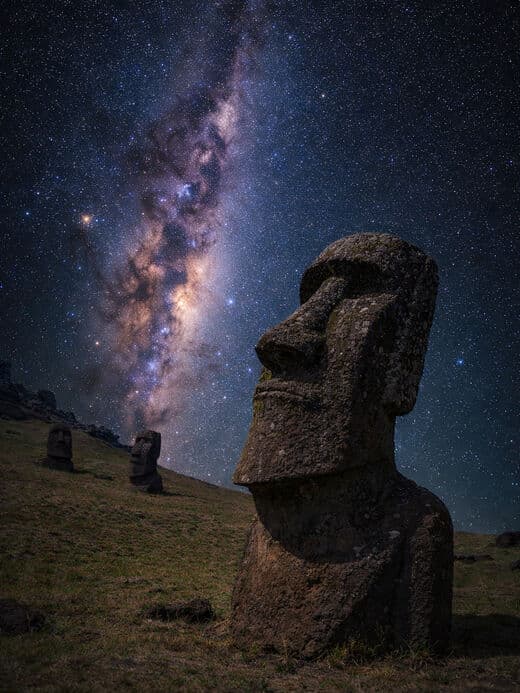
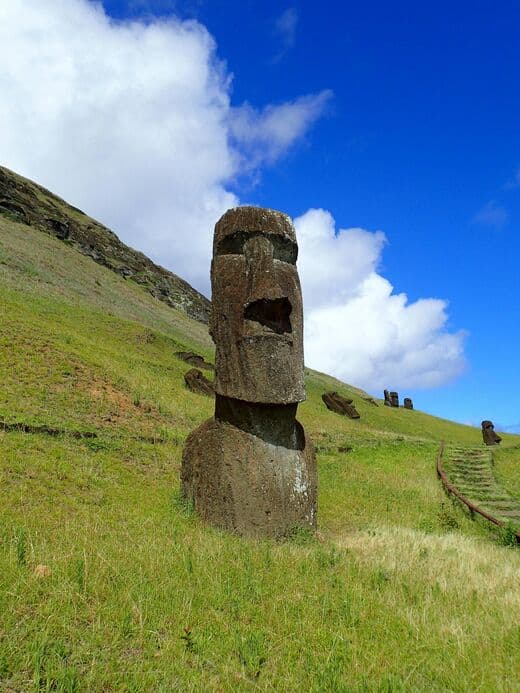
And then there is Easter Island. Those mysterious moai statues you have seen in National Geographic documentaries and history textbooks, they exist in only one place on Earth, and that place belongs to Chile. Located 2,300 miles off the Chilean coast, Easter Island requires a five-hour flight from Santiago, but standing before the fifteen restored moai of Ahu Tongariki at sunrise, watching the first light illuminate these enigmatic giants, you understand why people travel halfway around the world for this moment. No photograph captures the scale, the mystery, or the profound sense of human achievement and tragedy that these statues embody.
For stargazers, Chile offers something truly unique. The Atacama hosts the clearest skies on the planet, which is why nearly every major astronomical observatory has set up shop here. The ALMA Observatory, the largest ground-based astronomical project in existence, chose Atacama for a reason. But you do not need a PhD to appreciate these skies. On a moonless night in San Pedro de Atacama, you will see the Milky Way with a clarity that makes you question whether you have ever actually seen stars before. The galactic core blazes across the sky, satellites trace their paths among countless stars, and suddenly those astronomy posters in your childhood bedroom become real. For visitors from light-polluted cities, this experience alone justifies the journey.
Chile also offers something increasingly valuable: predictability without boredom. You can plan a trip with reasonable confidence that reservations will be honored, transportation will function, and your safety will not require constant vigilance. This is not the wild west of backpacking; it is adventure travel for people who have responsibilities back home and cannot afford a trip derailed by preventable disasters. Yet within this framework of reliability, the experiences available are genuinely world-class. You can hike through Torres del Paine, one of the planet's most spectacular national parks. You can kayak alongside penguins and sea lions. You can ski the Andes in July while it is summer back home, or surf Pacific swells that have traveled thousands of miles uninterrupted.
The wine deserves its own mention. Chile produces exceptional wines at prices that would be impossible in France or California. A bottle that would cost $50 in the United States sells for $12 at Chilean bodegas. Carmenere, a grape variety nearly extinct in its French homeland, has found its true expression in Chilean soil. Wine tourism here rivals Napa Valley in quality while costing a fraction of the price. You can tour historic estates, taste in underground cellars, and enjoy gourmet lunches paired with wines you cannot find abroad, all for what a single tasting room visit might cost in Sonoma.
Finally, consider the practical advantages for English-speaking travelers. Chile is in a similar time zone to the US East Coast, making communication with home straightforward. The country uses standard electrical outlets that work with most universal adapters. Credit cards are accepted widely in tourist areas. Healthcare standards are high, with private clinics offering excellent care at reasonable prices. The Santiago airport is modern and efficient, with good connections throughout the Americas. These details matter when you are thousands of miles from home and want the peace of mind that comes with functioning infrastructure.
Regions of Chile: Choosing Your Adventure
The Great North (Norte Grande): Atacama and Beyond
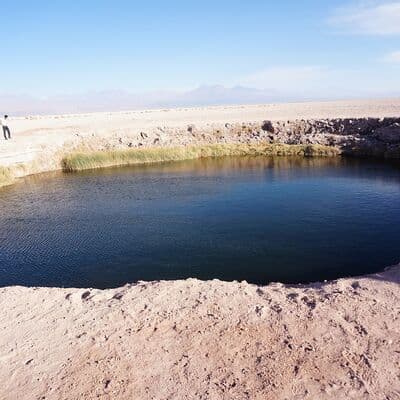
The Atacama Desert dominates northern Chile, and it is unlike any desert you have experienced. Forget images of sand dunes stretching to the horizon; Atacama is a landscape of salt flats, volcanic peaks, geothermal fields, and valleys so alien that the term otherworldly feels inadequate. The hyperarid core of the Atacama has not seen significant rainfall in over a million years. Some sections are so devoid of life that they are considered sterile even by microbial standards. This is where NASA came to test the Viking Mars landers before sending them to the Red Planet.
San Pedro de Atacama serves as the hub for exploring this region. This adobe village of around 10,000 permanent residents swells with tourists year-round, and the infrastructure reflects this demand. You will find excellent restaurants serving international cuisine, comfortable hotels ranging from backpacker hostels to luxury eco-lodges, and tour agencies offering every imaginable excursion. The town itself is charming in a dusty, authentic way, with mud-brick buildings, narrow streets, and a genuine sense of place despite the tourism.
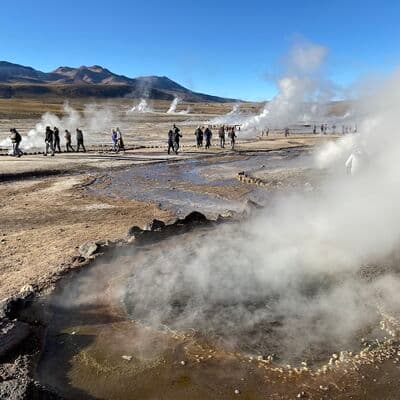
The must-see experiences in Atacama include the El Tatio Geysers, the third-largest geyser field in the world. Tours depart around 4:30 AM to arrive at sunrise, when the cold air makes the steam columns most dramatic. Watching dozens of geysers erupt against the backdrop of snow-capped volcanoes while temperatures hover near freezing is surreal. After the main show, many tours include a swim in natural hot springs and breakfast cooked using geothermal heat.
The Moon Valley (Valle de la Luna) and Death Valley (Valle de la Muerte) offer landscapes that justify their dramatic names. Salt formations, wind-sculpted rock, and sand dunes combine into scenery that genuinely looks extraterrestrial. Sunset tours are popular, and watching the light transform these valleys through shades of orange, red, and purple is unforgettable. The Atacama salt flat (Salar de Atacama) hosts flamingo colonies that seem impossibly out of place in this harsh environment, their pink bodies reflected in shallow lagoons against a backdrop of volcanic peaks.
High-altitude lagoons like Miscanti and Miniques sit at over 14,000 feet elevation, their impossibly blue waters contrasting with the brown volcanic landscape. These excursions require acclimatization; spend at least two days in San Pedro (7,900 feet) before attempting the higher altitudes. Altitude sickness is a real concern here, and the combination of thin air, cold temperatures, and remote locations means preparation matters.
Astronomy tours in Atacama range from basic telescope viewing to professional observatory visits. The ALMA Observatory offers free Saturday tours that must be booked months in advance. Private observatories like SPACE and Atacama Lodge offer excellent experiences for general audiences, with knowledgeable guides explaining both the science and mythology of the southern sky. If you have never seen the Magellanic Clouds, the Southern Cross, or Omega Centauri through a telescope, Atacama will change your understanding of the night sky.
Practical considerations for Atacama: the climate is extreme. Daytime temperatures can exceed 90 degrees Fahrenheit while nights drop below freezing. The sun is intense at this altitude and latitude; sunscreen and lip protection are essential. Altitude affects everyone differently, and what feels like mild dehydration might actually be the beginning of altitude sickness. Drink constantly, avoid alcohol for the first day or two, and take it easy. Many visitors arrive from sea-level Santiago and immediately book high-altitude tours, only to spend their trip feeling miserable. Acclimatize properly.
The Small North (Norte Chico): Deserts in Bloom
Between Atacama and the Central Valley lies a transitional zone that most tourists skip, which is precisely why you might want to visit. The Norte Chico offers the Elqui Valley, famous for pisco production and stargazing. The town of Vicuna and surrounding villages provide a more laid-back alternative to San Pedro, with excellent observatories, artisanal pisco distilleries, and a New Age community that has established meditation centers and alternative healing retreats.
The Elqui Valley produces most of Chile's pisco, the grape brandy that forms the base of pisco sours. Distillery tours explain the production process and include generous tastings. Capel and Mistral are the large commercial operations, but smaller artisanal producers offer more intimate experiences. The valley's dry, sunny climate also produces excellent table grapes and papayas, and the food scene reflects this agricultural abundance.
Every seven to ten years, usually following El Nino rains, the Norte Chico desert erupts in the desierto florido, the flowering desert. Dormant seeds that have waited decades suddenly germinate, carpeting normally barren hillsides with purple, white, and yellow wildflowers. This phenomenon typically occurs between September and November, but predicting the exact timing is difficult. When it happens, the transformation is extraordinary, and photographers travel from around the world to document it.
The coastal city of La Serena offers beautiful beaches, colonial architecture, and a more relaxed atmosphere than Santiago. The adjacent Coquimbo provides a grittier port-city contrast. Together they make a good base for exploring the region, with domestic flights from Santiago taking just over an hour.
Central Chile: Wine, Culture, and the Andes
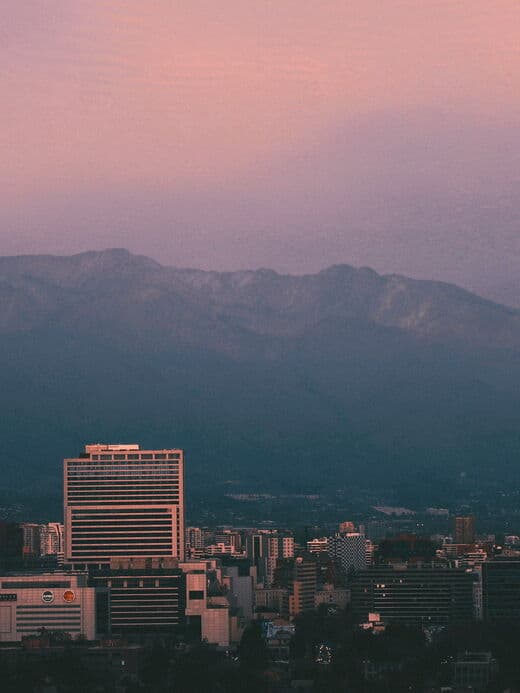
Most international flights arrive in Santiago, and the capital region deserves more than the quick transit many travelers give it. Santiago is a genuine metropolis of seven million people, with world-class museums, innovative restaurants, vibrant nightlife, and the snow-capped Andes visible from almost anywhere in the city. The contrast of skyscrapers against 20,000-foot peaks never stops being impressive.
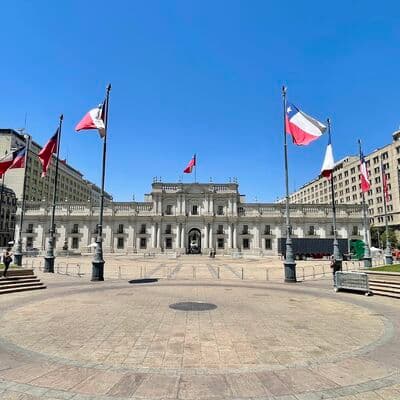
The historic center offers the Plaza de Armas, the neo-classical La Moneda presidential palace, and excellent museums including the Pre-Columbian Art Museum, which houses the finest collection of indigenous American artifacts in South America. The Bellavista neighborhood provides bohemian charm, street art, and La Chascona, the eclectic home of poet Pablo Neruda, now a museum dedicated to his life and work.
Cerro San Cristobal rises in the middle of the city, offering panoramic views and a funicular railway that has operated since 1925. On clear days, the snow-covered Andes stretch across the entire eastern horizon. The hill also contains a zoo, botanical gardens, and swimming pools, making it a favorite weekend escape for Santiaguinos.
The wine regions surrounding Santiago are world-class and remarkably accessible. The Maipo Valley lies just 45 minutes south, producing exceptional Cabernet Sauvignon. The Casablanca Valley, on the road to Valparaiso, specializes in cool-climate whites like Sauvignon Blanc and Chardonnay. The Colchagua Valley, about two hours south, has emerged as perhaps Chile's finest wine region, with elaborate estates offering tours, tastings, and gourmet restaurants. Do not miss Carmenere, Chile's signature grape variety, which produces a distinctive peppery red that pairs perfectly with local cuisine.
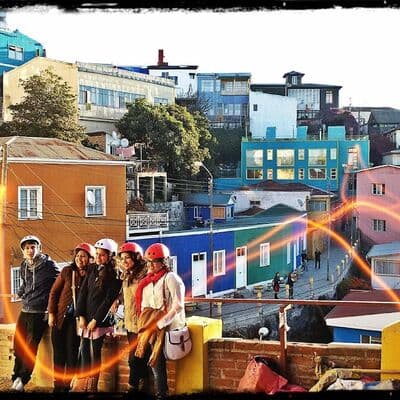
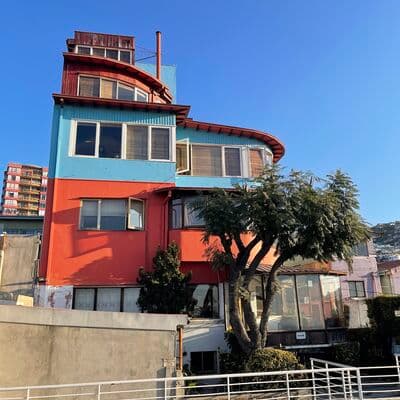
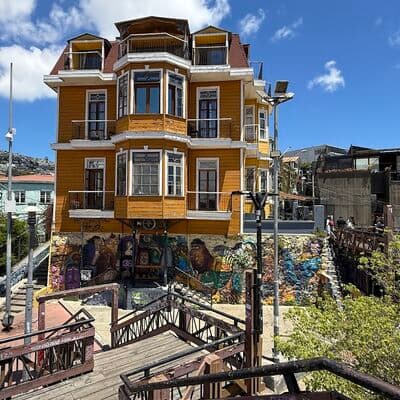
Valparaiso, the port city about 90 minutes from Santiago, is a UNESCO World Heritage Site and Chile's cultural capital. The city cascades down hillsides in a jumble of colorful houses, connected by historic funiculars called ascensores. Street art covers nearly every surface, transforming the city into an open-air gallery. The bohemian atmosphere, excellent seafood restaurants, and Pablo Neruda's other house (La Sebastiana) make Valparaiso worth at least two days. The nearby beach town of Vina del Mar provides a more manicured contrast, with parks, beaches, and the famous flower clock.
Skiing in the Central Andes operates from June through September, with several resorts within two hours of Santiago. Valle Nevado, Portillo, and La Parva offer excellent conditions, though prices have risen considerably in recent years. The combination of skiing and wine tasting in a single day represents a uniquely Chilean experience.
The Lake District: Chilean Switzerland
Between the city of Temuco and the island of Chiloe lies Chile's Lake District, a region of snow-capped volcanoes, pristine lakes, ancient forests, and strong German cultural influence. German immigrants arrived in the mid-1800s, and their legacy persists in the architecture, the kuchen (German-style cakes) served at every cafe, and the surnames of local families.
Pucon is the adventure capital of the Lake District, a bustling town on the shores of Lake Villarrica dominated by the smoking Villarrica volcano. On clear days, you can climb to the crater rim and peer into the lava lake below, one of only a handful of places on Earth where active lava is visible. The climb is strenuous but non-technical, requiring crampons and ice axes provided by guide services. Summit day starts around 6 AM and finishes with a surreal descent sliding down snow slopes on your backside.
Beyond volcano climbing, Pucon offers whitewater rafting, hot springs, hiking, horseback riding, and skiing at Villarrica ski resort. The town has excellent restaurants, comfortable accommodations ranging from hostels to luxury lodges, and a youthful energy fueled by adventure seekers. It can feel touristy in high season, but the activities justify the crowds.
Puerto Varas is the Lake District's more refined alternative, a town of German-influenced architecture on the shores of Lake Llanquihue. The perfectly conical Osorno volcano rises across the lake, providing one of Chile's most iconic views. The nearby Vicente Perez Rosales National Park contains Petrohue Falls, stunning green-water rapids flowing through volcanic rock, and access to various hiking trails.
Chiloe Island deserves special attention. This large island has developed its own distinct culture over centuries of isolation, with unique architecture (palafitos, or stilt houses, line the waterfront in Castro), distinctive cuisine (curanto, a traditional feast cooked in an underground pit), and mythology featuring forest spirits and ghost ships. The wooden churches of Chiloe, sixteen of which are UNESCO World Heritage Sites, represent a remarkable fusion of European religious traditions and indigenous building techniques. The island's wet, mystical atmosphere feels completely different from mainland Chile.
The Carretera Austral, the Southern Highway, begins near Puerto Montt and winds through some of Earth's most dramatic scenery. This gravel road, only completed in the 1980s, passes glaciers, fjords, temperate rainforests, and tiny villages accessible only by ferry. Driving the Carretera is a bucket-list adventure, though it requires careful planning, a sturdy vehicle (4WD recommended), and flexibility for weather and ferry schedules. The road eventually reaches the town of Villa O'Higgins, beyond which lies only wilderness until Argentina.
Patagonia: The End of the World
Chilean Patagonia represents the ultimate destination for wilderness travelers, a land of extremes where human presence feels incidental to the vast natural forces at work. The region divides roughly into two accessible areas: Aysen (the northern section, accessed via the Carretera Austral) and Magallanes (the southern section, centered on Punta Arenas and Torres del Paine).
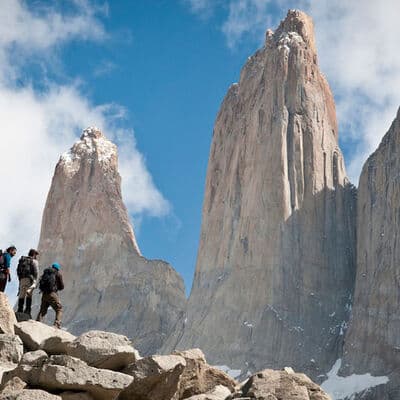
Torres del Paine National Park is the crown jewel of Chilean Patagonia and one of the world's great trekking destinations. The park's granite spires, the Torres themselves, rise dramatically above turquoise lakes and vast glaciers. The full circuit trek (the O Circuit) takes 8-10 days and circumnavigates the entire Paine massif. The shorter W Trek takes 4-5 days and hits the major highlights: the Torres viewpoint, the French Valley, and Grey Glacier. Both treks require reservations for campsites and refugios well in advance, often months ahead for peak season (December-February).
But Torres del Paine is not just for hardcore trekkers. Day hikes to the Torres base, Grey Glacier, and various viewpoints offer world-class experiences without multi-day camping. Luxury lodges around the park perimeter provide five-star accommodations with guided excursions, allowing visitors to experience Patagonia's wilderness while sleeping in comfortable beds. The park is also excellent for wildlife viewing, with guanacos (wild relatives of llamas), condors, flamingos, and the elusive puma all resident.
Patagonian weather deserves serious respect. Wind is the defining characteristic, with gusts routinely exceeding 60 mph. Bring robust rain gear, secure your tent thoroughly, and accept that some days will be spent hunkering down rather than hiking. The flip side is that weather changes rapidly; a morning storm might clear to spectacular afternoon sunshine. Four seasons in one day is not a cliche here but literal reality.
Punta Arenas, the southernmost city in continental Chile, serves as the gateway to Patagonia. Founded in the late 1800s, the city retains ornate mansions built during the sheep-ranching boom before the Panama Canal diverted shipping traffic. The Municipal Cemetery alone is worth visiting, with elaborate mausoleums reflecting the wealth of the early settlers. From Punta Arenas, you can visit penguin colonies on Magdalena Island (Magellanic penguins from November to March) and even fly to Antarctica on expedition cruises departing from nearby ports.
Puerto Natales is the practical base for Torres del Paine, a small town three hours from Punta Arenas with numerous hostels, outfitters, and restaurants catering to trekkers. The waterfront offers excellent seafood restaurants where you can plan your trek while watching the sun set over the fjord. Most people spend a night or two here before and after their park visit.
Easter Island (Rapa Nui): Mystery in the Pacific
Easter Island exists in a category of its own. Located 2,300 miles from the Chilean mainland, this volcanic speck in the Pacific Ocean is the most remote inhabited island on Earth. The Polynesian culture that developed here in isolation created the moai, those enigmatic stone statues that have captivated the world's imagination for centuries. There are 887 moai on the island, carved from volcanic tuff at the Rano Raraku quarry and somehow transported miles to platforms around the coast.
LATAM operates the only commercial flights to Easter Island, departing from Santiago. The flight takes about five hours and arrives at Mataveri Airport, one of the world's most remote airstrips. Upon arrival, you must pay a park entrance fee of $80 for foreign visitors, which covers access to all archaeological sites for up to two weeks.
Hanga Roa is the island's only town, home to nearly all 8,000 residents and all tourist services. The town is small enough to walk across in 20 minutes but offers surprising diversity in restaurants, from traditional Polynesian cuisine to sushi. Accommodation ranges from campsites to luxury hotels, though everything costs significantly more than the mainland due to the isolation.
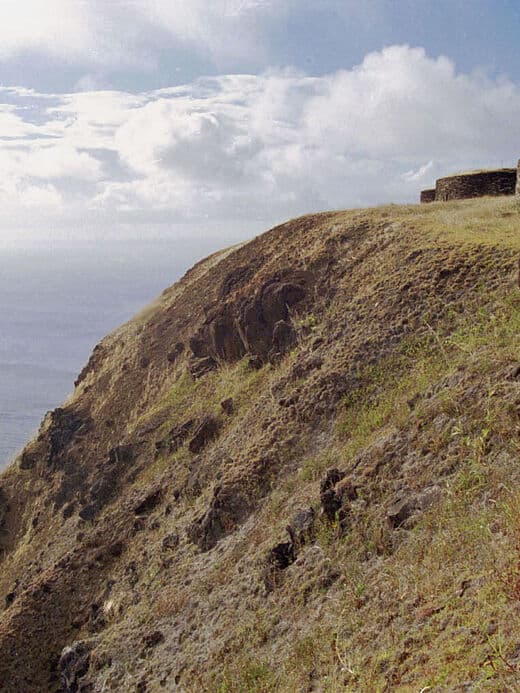
The archaeological sites demand at least three full days to explore properly, though a week allows for deeper immersion and the opportunity to witness special lighting conditions. Ahu Tongariki, with its fifteen restored moai watching the sunrise, is the most photographed site. Rano Raraku, the quarry where moai were carved, contains nearly 400 statues in various stages of completion, providing fascinating insight into the carving process. Orongo, a ceremonial village on the rim of Rano Kau crater, hosted the birdman cult that replaced moai worship. The beaches at Anakena and Ovahe offer some of the only sand swimming on an island dominated by volcanic rock coastline.
Understanding Easter Island requires engaging with both its archaeological mysteries and its troubled history. The Rapa Nui civilization collapsed dramatically, with evidence suggesting environmental destruction, resource depletion, and possible warfare. Later, European contact brought disease, slave raids (over 1,500 islanders were taken to Peruvian mines), and cultural devastation. The modern renaissance of Rapa Nui culture, with language revitalization and traditional practices, represents an inspiring story of resilience. Hire local guides whenever possible; their knowledge transforms the experience from sightseeing to genuine cultural exchange.
Unique Experiences You Cannot Have Anywhere Else
Stargazing in the World's Clearest Skies
The Atacama Desert is not merely good for stargazing; it is definitively the best place on Earth to observe the universe. Over 330 clear nights per year, extremely low humidity, minimal light pollution, and high altitude combine to create conditions that professional astronomers describe as unmatched anywhere on the planet. This is why over half of the world's astronomical infrastructure is located here or will be soon, including the European Southern Observatory's Very Large Telescope and the forthcoming Extremely Large Telescope.
For visitors, numerous astronomy lodges and tour operators offer experiences ranging from basic telescope viewing to multi-night programs. The SPACE Observatory near San Pedro uses powerful telescopes to show deep-sky objects: nebulae, galaxies, star clusters that most people only know from Hubble photographs. Seeing the Orion Nebula's swirling gases or the rings of Saturn with your own eyes creates a visceral connection to the cosmos that images cannot replicate.
The southern hemisphere sky offers treasures invisible from North America or Europe. The Magellanic Clouds, dwarf galaxies orbiting the Milky Way, appear as fuzzy patches visible to the naked eye. The Southern Cross points toward the celestial south pole. Omega Centauri, the largest globular cluster visible from Earth, resolves into hundreds of thousands of individual stars through a telescope. Even casual observers will notice the Milky Way's galactic core, which hangs overhead in southern winter and appears so bright it casts shadows.
Climbing an Active Volcano
Villarrica volcano near Pucon offers one of the world's most accessible opportunities to peer into a genuine lava lake. The mountain, one of South America's most active volcanoes, has a permanent crater lake of molten lava that glows against the night sky. Climbing to the 9,380-foot summit takes 4-6 hours and requires no technical mountaineering experience, though physical fitness matters considerably.
Guide services provide crampons, ice axes, helmets, and gas masks (the sulfur fumes at the top are intense). The climb begins early morning, ascending snowfields that become increasingly steep as you approach the crater rim. At the top, you stand mere feet from the edge, peering into a pit where molten rock bubbles and churns. The sound, a deep rumbling punctuated by explosive bursts, stays with you long after descent.
The descent is perhaps even more memorable: sitting on your backside, you slide down snow channels at exhilarating speed, braking with your ice axe when necessary. This natural toboggan ride covers ground in minutes that took hours to climb. The entire experience, from predawn departure to afternoon return, represents adventure travel at its most visceral.
Trekking Torres del Paine
The W Trek in Torres del Paine consistently ranks among the world's top hiking experiences, and having completed it I can confirm the reputation is deserved. The route takes 4-5 days and passes through terrain so varied it feels like multiple national parks compressed into one: temperate rainforest, glacial valleys, lakeside beaches, windswept ridges, and those incomparable granite towers.
The trek's highlights include the sunrise viewpoint beneath the Torres themselves, reached via a steep dawn hike from the base camp. The French Valley pushes into the heart of the massif, surrounded by hanging glaciers and peaks. Grey Glacier, a massive river of ice calving into a lake dotted with icebergs, provides a reminder of climate forces still shaping this landscape. Throughout, guanacos graze indifferently, condors circle overhead, and the weather shifts constantly between sunshine, rain, wind, and sometimes snow regardless of season.
Logistics require advance planning. Campsites and refugios along the route must be reserved well ahead, particularly for December through February. The park limits daily entries to prevent overcrowding, and popular sites book months in advance. CONAF, the national park service, enforces regulations strictly, and hiking without valid reservations results in being turned back. Plan ahead or join an organized trek that handles logistics.
Watching Penguins and Whales
Chile offers numerous opportunities to observe marine wildlife. Magdalena Island, a two-hour boat ride from Punta Arenas, hosts a Magellanic penguin colony of over 100,000 birds during the breeding season (November through March). Walking among thousands of penguins as they waddle past, call to mates, and tend nests provides constant entertainment. The penguins show remarkably little concern for human visitors, going about their business while you photograph from mere feet away.
Chiloe Island offers opportunities to spot blue whales, the largest animals ever to exist, during their summer feeding season (December through April). The waters around Chiloe support one of the most important blue whale feeding grounds in the Southern Hemisphere. Tours depart from the town of Quellon, and while sightings are not guaranteed, the chances are excellent. Seeing a creature larger than any dinosaur surface and blow just yards from your boat recalibrates your sense of scale.
Humboldt penguins can be observed year-round at several coastal locations in northern Chile, particularly around La Serena and the Pan de Azucar National Park. These colonies are smaller and less dramatic than Patagonia's, but they allow penguin viewing without traveling to the far south. Sea lions, dolphins, and various seabirds accompany most coastal excursions throughout the country.
Soaking in Natural Hot Springs
Chile's volcanic activity creates an abundance of natural hot springs, from primitive riverside pools to developed resort complexes. In the Atacama, the Puritama Hot Springs offer terraced pools fed by a desert stream, a surreal contrast of water and stone. Near Pucon, the Geometricas hot springs feature seventeen interconnected pools set in a native forest, designed by a minimalist architect who somehow improved on nature. Cochamoo in the Lake District has rustic riverside pools accessible only by boat or horseback, while Chiloe offers the Llancahue hot springs with views across sheltered fjords.
The experience varies dramatically depending on the site. Some springs maintain developed facilities with changing rooms, cafes, and admission fees around $15-30. Others are completely undeveloped, requiring local knowledge to locate and providing nothing beyond the natural pools themselves. Both have their appeal; the developed springs offer convenience and consistent temperatures, while the wild springs provide adventure and solitude. In either case, soaking in naturally heated water surrounded by Chilean wilderness feels like the reward at the end of any long travel day.
Driving the Carretera Austral
The Carretera Austral runs roughly 770 miles through some of Earth's most spectacular and least accessible scenery. This gravel highway was completed only in the 1980s, carved through terrain that includes temperate rainforest, glaciers, volcanoes, and fjords. Even now, several sections require ferry crossings, the road is sometimes closed by landslides or weather, and services are sparse between small villages. This is not a drive to rush.
The landscapes along the Carretera are consistently breathtaking. The Queulat Hanging Glacier dangles above a valley like a frozen waterfall. The turquoise waters of the General Carrera Lake rival any in the world for color intensity. The Marble Caves, accessible by boat from Puerto Rio Tranquilo, feature swirling blue and white mineral patterns carved by millennia of wave action. Tiny villages like Futalefu, Puyuhuapi, and Villa Santa Lucia provide glimpses of frontier life in one of the world's most remote inhabited regions.
Practical requirements include a reliable vehicle (4WD recommended though high-clearance 2WD can manage in dry conditions), spare fuel and tire, flexibility in scheduling, and realistic expectations about distances and road quality. A hundred miles might take four hours. Ferries run on their own schedules and fill up quickly in summer. Accommodation options are limited and should be booked ahead in high season. The payoff for this effort is experiencing landscapes that feel genuinely undiscovered, where you might drive an hour without seeing another vehicle and wildlife outnumbers tourists dramatically.
When to Visit Chile
Chile's extreme length means that optimal timing varies dramatically by region, and the southern hemisphere seasons are reversed from North America and Europe. December through February is summer, June through August is winter. Understanding these patterns is essential for planning.
For Patagonia and the Lake District, the clear choice is December through February. This southern summer brings the warmest temperatures (still cold by most standards, with highs around 60 degrees Fahrenheit), the longest days (sunset after 10 PM at southern latitudes), and the most stable weather. Even in summer, expect wind, rain, and rapid weather changes. Torres del Paine is hikeable November through March, with December and January offering the best conditions. The shoulder months of November and March see fewer crowds but more variable weather. Winter closes many trails and facilities entirely.
Santiago and the Central Valley enjoy Mediterranean climate with distinct seasons. Summer (December-February) is hot and dry, with temperatures regularly exceeding 90 degrees Fahrenheit. Winter (June-August) is mild and rainy, with highs around 55 degrees and frequent overcast skies. For wine tourism, March through May offers excellent conditions: harvest season brings activity to vineyards, temperatures are comfortable, and summer crowds have departed. Spring (September-November) sees the vineyards green and flowering, another pleasant window.
The Atacama Desert can be visited year-round, as rain is essentially nonexistent. However, winter nights are extremely cold (temperatures can drop below freezing even as daytime highs reach 70 degrees), and high-altitude excursions become more challenging. Summer offers warmer nights but can bring occasional thunderstorms to high elevations, which ironically make for spectacular photography. The best stargazing occurs during the new moon phase regardless of season; check lunar calendars when planning.
Easter Island enjoys subtropical climate, pleasant year-round but slightly cooler and wetter from May through October. The Tapati festival in February brings traditional competitions, music, and dance, offering the most culturally immersive time to visit though also the most crowded. December through March sees the warmest temperatures and calmest seas for diving and snorkeling.
For skiing, Chile offers the inverse season to Northern Hemisphere resorts, with the season running June through September. This attracts professional athletes training during their off-season and skiers seeking endless winter. Snow conditions peak in July and August, though some years see excellent skiing into October.
Getting to Chile
Santiago's Arturo Merino Benitez International Airport (SCL) serves as Chile's primary gateway. Direct flights connect Santiago with major hubs including Miami (8.5 hours), Los Angeles (11 hours), Dallas (10 hours), New York JFK (10.5 hours), and Atlanta (10 hours) in the United States. From London Heathrow, connecting flights via Madrid, Miami, or Sao Paulo take 14-17 hours total. From Australia, connections typically route through Auckland or Santiago-bound flights from Sydney taking approximately 14 hours with one stop.
LATAM Airlines, Chile's flag carrier and the largest airline in South America, operates the most extensive network of flights into Santiago and dominates domestic routes including the only flights to Easter Island. American Airlines, Delta, and United provide the primary US connections. Iberia offers the main direct link from Europe via Madrid. Budget carriers have limited presence on international routes, though Sky Airline and JetSmart offer competitive fares on some routes to neighboring countries.
From the United States, the best fares typically appear on flights connecting through Lima, Bogota, or Panama City, though direct flights save considerable time. Expect to pay $800-1500 for roundtrip economy class from major US cities, with prices varying significantly by season and booking timing. Sign up for fare alerts; prices to Santiago fluctuate considerably, and patient travelers can find excellent deals.
American and British citizens do not require visas for tourist visits to Chile. Upon arrival, you will receive a tourist card (Tarjeta de Turismo) valid for 90 days, which you must retain and surrender upon departure. Lose this card and you face a $100 replacement fee and potential delays at the airport. The entry process is straightforward: immigration officers rarely ask questions beyond confirming the purpose and duration of your visit, and the tourism infrastructure means English is often spoken at immigration.
Note that a reciprocity fee previously charged to US citizens has been eliminated, making arrival simpler than in years past. Australian, Canadian, and Mexican citizens also previously paid reciprocity fees that have since been removed. Entry is now simply passport and tourist card.
Chile does enforce agricultural inspection strictly. Do not attempt to bring fresh fruits, vegetables, meat, or dairy products into the country. Declare any food items on your customs form. Violations result in confiscation at minimum and potential fines. Bring snacks for the flight but dispose of them before arrival.
Overland entry is possible from Argentina at numerous crossing points, from Bolivia at a few high-altitude passes, and from Peru in the far north. The most popular land crossing connects Mendoza, Argentina with Santiago via the Cristo Redentor pass, taking about six hours by bus through spectacular Andean scenery. Winter snow occasionally closes this route. Bus services like Pullman and Turbus operate these international routes.
Getting Around Chile
Domestic flights are essential for covering Chile's extreme length efficiently. LATAM dominates the market, with Sky Airline and JetSmart providing lower-cost alternatives. Santiago to Calama (for Atacama) takes about two hours. Santiago to Punta Arenas (for Patagonia) takes 3.5 hours. Santiago to Easter Island takes five hours and is served exclusively by LATAM. Book domestic flights in advance, particularly for popular routes in high season; last-minute fares can be shockingly expensive.
Long-distance buses represent the primary ground transportation and are genuinely excellent. Companies like Pullman Bus, Turbus, and Buses Arica operate modern coaches with semi-cama (reclining seats), salon cama (fully flat beds), and various intermediate configurations. An overnight bus from Santiago to Puerto Montt, covering roughly 600 miles, costs $40-80 depending on seat class and takes about 12 hours. The beds are comfortable enough for actual sleep, and premium services include meals, wine, and entertainment. Bus terminals in major cities are well-organized with ticket offices, waiting areas, and security. Buying tickets online in advance is straightforward and often cheaper than walk-up fares.
Car rental makes sense for certain itineraries, particularly the wine regions around Santiago, the Carretera Austral, and Patagonia day trips. International licenses are technically required but rarely checked; your home country license usually suffices in practice. Roads in the Central Valley and north are generally excellent. Patagonia features more gravel roads and requires careful driving. The Carretera Austral demands experience with unpaved roads and isolated conditions. Rental rates run $30-50 per day for basic vehicles, significantly more for 4WD trucks suited to rough roads. Watch for toll roads, particularly the autopistas around Santiago.
Within cities, Uber operates in Santiago and some other urban areas. The Santiago Metro is modern, clean, and efficient, covering most tourist-relevant areas of the capital. Public buses (Transantiago) require a rechargeable BIP card that can be purchased at Metro stations. Taxis are metered in Santiago; agree on fares in advance elsewhere. Colectivos, shared taxis that follow fixed routes, are common in smaller cities and offer cheap point-to-point transport once you understand the routes.
For Patagonia, logistics require attention. Torres del Paine is not accessible by regular bus; you either join a tour, rent a car, or take transfer services between Puerto Natales and the park. These transfers run approximately $30 each way. Ferries connect various points along the Carretera Austral and in Patagonia; schedules are limited and booking ahead is essential in high season. The Navimag ferry from Puerto Montt to Puerto Natales is a popular journey, taking four days through spectacular fjords, though services run only a few times monthly.
Cultural Insights: Understanding Chileans
Chileans have a reputation among other South Americans for being reserved and formal, the British of South America as the joke goes. This characterization contains some truth. Greetings involve cheek kisses even between strangers (one kiss for casual meetings, though this decreased post-pandemic), but beyond the greeting, Chileans take time to warm up. Do not interpret initial reserve as unfriendliness; it simply reflects cultural norms around personal space and privacy. Once you have established a relationship, Chilean hospitality is genuine and generous.
The concept of once, the late-afternoon tea tradition, illustrates Chilean culture well. Between 5 and 8 PM, families gather for this light meal of bread, cheese, cold cuts, and tea or coffee. It is not quite dinner but more substantial than afternoon tea. Being invited to once signals genuine welcome; it is a family ritual extended to trusted guests. If invited, bring a small gift for the host, perhaps kuchen or chocolates from a reputable bakery.
Chileans speak Spanish with distinctive characteristics that confuse even fluent Spanish speakers. They drop terminal s sounds (buenos becomes bueno), speak rapidly, and use extensive slang that differs from other Latin American countries. Po is the most distinctive Chilean speech marker, a word derived from pues that serves as verbal punctuation without clear meaning (si po, no po, ya po). Huevon (roughly meaning dude, though literally referring to testicles) punctuates casual speech constantly. Learning a few Chilean expressions signals respect for local culture and reliably generates warmth.
The Chilean relationship with time is more relaxed than North Americans might expect. Social gatherings start 30 minutes to an hour later than stated. Meetings may begin without all participants present. This flexibility reflects cultural values around relationships over schedules. Business contexts follow more punctual norms, and tourist services generally run on time, but understanding the cultural context helps manage expectations.
Class consciousness remains significant in Chilean society. The country experienced economic transformation over recent decades, creating new wealth alongside persistent inequality. Santiago's neighborhoods vary dramatically in character and income level; compare the shopping malls of Las Condes with the markets of La Vega. Discussions of politics and economics engage many Chileans passionately, particularly surrounding the 2019-2020 social uprising that preceded the pandemic. Listen more than you speak on these topics; the issues are complex and emotional.
Indigenous cultures persist and are experiencing revival. The Mapuche people of southern Chile represent the largest indigenous group, with ongoing land rights disputes and cultural preservation efforts. Rapa Nui culture on Easter Island has distinct Polynesian roots and separate recognition. Aymara communities in the far north maintain traditions connected to Bolivian and Peruvian highland cultures. The relationship between indigenous groups and the Chilean state involves historical wounds and contemporary tensions. Visiting indigenous communities respectfully means engaging with guides from those communities and understanding you are witnessing living cultures, not historical exhibits.
Football (soccer) generates passionate allegiance, with the Colo-Colo versus Universidad de Chile rivalry dividing the nation. La Roja, the national team, unites the country during international competitions. If you have even passing interest in football, attending a match offers unfiltered cultural immersion, though be aware that stadium security protocols exist for reasons. Asking someone their football allegiance is a perfectly acceptable conversation starter.
Safety in Chile
Chile is generally the safest country in South America for travelers, with crime rates comparable to Western Europe. That said, petty theft occurs in tourist areas, and common-sense precautions apply. Do not flash expensive electronics or jewelry. Use hotel safes for valuables. Be aware of your surroundings in crowded markets and transportation hubs. The Metro in Santiago sees occasional pickpocketing; keep wallets in front pockets and bags secured.
Violent crime against tourists is rare but not unknown. Santiago's Bellavista neighborhood, popular for nightlife, sees occasional muggings late at night; stay in groups and avoid poorly lit areas. The area around Cerro Santa Lucia in the evening hours requires caution. In general, the precautions you would take in any major city apply.
Scams are less common than in some South American countries, but remain alert. The most common involves informal money changers offering favorable rates, then shortchanging or passing counterfeit bills. Use official exchange offices or ATMs. Fake police officers occasionally approach tourists, asking to inspect money for counterfeits; real police do not operate this way. Taxi drivers in Santiago sometimes take circuitous routes; using Uber or negotiating a fixed price avoids this.
Natural hazards deserve serious attention. Chile sits on the Pacific Ring of Fire, experiencing frequent earthquakes. Building codes are strict and modern structures are designed to survive major quakes, but know the drill: drop, cover, and hold during shaking; move away from windows; exit the building after shaking stops if damage is apparent. Hotels provide earthquake information; take it seriously.
Altitude sickness affects visitors to Atacama and other high-elevation areas. Symptoms include headache, fatigue, nausea, and difficulty sleeping. Ascend gradually, stay hydrated, avoid alcohol, and descend if symptoms worsen. The Atacama sits at 8,000 feet with excursions reaching 15,000 feet or higher; this elevation change over short periods genuinely stresses the body.
Patagonian weather creates genuine wilderness risk. The wind, rain, and rapid temperature changes can cause hypothermia even in summer. Hikers in Torres del Paine should carry waterproof layers, warm clothing, and emergency supplies regardless of the forecast. Every year, unprepared hikers require rescue. Take the environment seriously.
For emergencies, 131 reaches ambulance services, 132 fire, and 133 police. The Carabineros (national police) maintain a tourist assistance program in Santiago and major cities. Hospitals in Santiago and regional capitals provide good care; travel insurance covering medical evacuation is essential for remote areas like Patagonia or Easter Island.
Health Considerations
No vaccinations are legally required for entry to Chile from the United States, UK, Australia, or Canada. The CDC recommends routine vaccinations be current and suggests hepatitis A and typhoid vaccines for most travelers. Rabies vaccination may be recommended for extended stays in rural areas. Yellow fever vaccination is required only if arriving from endemic countries. Consult a travel medicine clinic six to eight weeks before departure for personalized advice.
Altitude sickness is the primary health concern for Atacama visitors. San Pedro sits at 7,900 feet, comparable to ski resorts. Excursions reach 14,000 to 15,000 feet. Symptoms typically appear within 6-12 hours of arrival at altitude and can range from mild headache to serious illness. Acetazolamide (Diamox) can prevent or reduce symptoms; discuss with your doctor before travel. Coca tea, widely available and legal in northern Chile, provides mild relief. The key is acclimatization: spend two nights in San Pedro before high-altitude excursions and ascend gradually.
Tap water is safe to drink throughout Chile, one of few South American countries where this applies. Santiago's water comes from Andean snowmelt and tastes excellent. In remote areas, particularly along the Carretera Austral, verify local conditions, but generally, you can drink tap water without treatment.
Healthcare quality is high by regional standards. Santiago has excellent private hospitals including Clinica Las Condes and Clinica Alemana, where English-speaking doctors are available. Regional hospitals provide good care for emergencies. Medical costs are lower than the US but not negligible; travel insurance is essential. Pharmacies (farmacias) are widespread and can provide many medications that would require prescription in the US.
Sun protection matters throughout Chile. The Atacama's high altitude and thin atmosphere allow intense UV radiation. The ozone hole's proximity affects southern Chile. Use strong sunscreen (SPF 50+), reapply frequently, wear hats and sunglasses, and cover exposed skin during extended outdoor activities. Sunburn at these latitudes can be severe and rapid.
Money Matters
Chile uses the Chilean peso (CLP), with the exchange rate hovering around 900-950 pesos per US dollar in recent years. For quick mental conversion, divide by 1000 and adjust slightly; 10,000 pesos is roughly $11. Bills come in 1000, 2000, 5000, 10000, and 20000 peso denominations. Coins include 1, 5, 10, 50, 100, and 500 pesos, though the smallest coins are rarely seen in practice.
ATMs (called Redbanc or Banco Estado) are widespread in cities and tourist towns. Most accept international debit and credit cards with Visa and Mastercard networks. Withdrawal limits typically range from 200,000 to 400,000 pesos per transaction. Fees apply: your home bank likely charges foreign transaction fees, and Chilean banks sometimes add their own charges. Withdrawing larger amounts less frequently minimizes fees. Notify your bank of travel dates to avoid fraud blocks.
Credit cards are accepted widely in tourist areas, hotels, restaurants, and shops. Visa and Mastercard work nearly everywhere that accepts cards. American Express has more limited acceptance. Small businesses, markets, and rural areas operate on cash. Always carry some pesos for transportation, tips, and situations where cards fail.
Changing foreign currency is straightforward at casas de cambio (exchange offices) in city centers. Rates vary, so compare a few before transacting. Dollars and Euros exchange most favorably. Chilean banks also exchange currency but with worse rates and more paperwork. Avoid airport exchange booths except for small amounts needed immediately. Never exchange money with unofficial street changers; counterfeit bills circulate and you have no recourse.
Tipping is customary but not as aggressive as in the United States. In restaurants, 10% is standard and often added automatically (check the bill for propina incluida). Tip tour guides $5-10 per day depending on service quality. Taxi drivers do not expect tips, but rounding up is appreciated. Hotel porters receive $1-2 per bag. In all cases, tip in pesos rather than dollars.
Budget considerations: Chile is not a budget destination by South American standards. Daily costs for mid-range travelers (comfortable hotels, restaurant meals, tours) run $100-150 per person. Budget travelers staying in hostels, cooking some meals, and using public transportation can manage on $50-75. Luxury travelers will find plenty of opportunities to spend $300+ daily. Patagonia and Easter Island add significant premiums due to their remoteness; expect costs 30-50% higher than Santiago.
Sample Itineraries
7 Days: Santiago, Wine Country, and Valparaiso
A week in Chile allows a thorough exploration of the Central Valley without exhausting overland travel. This itinerary works well as a first visit or for travelers with limited time who want quality over quantity.
Days 1-2: Santiago
Arrive at Santiago airport and transfer to your hotel in the Lastarria or Providencia neighborhoods. These central locations provide easy access to attractions and excellent dining options. On day one, recover from travel by exploring your immediate neighborhood, sampling your first pisco sour, and adjusting to the time zone.
Day two dives into Santiago properly. Morning at the Pre-Columbian Art Museum, which houses an extraordinary collection of indigenous artifacts from throughout the Americas. The gold room alone justifies the visit. Walk through the Plaza de Armas and observe the Presidential Palace at La Moneda, then take the funicular up Cerro San Cristobal for panoramic city views. Lunch in the Bellavista neighborhood, perhaps at one of the Peruvian-Chilean fusion restaurants that have become trendy. Afternoon at La Chascona, Pablo Neruda's eccentric Santiago home, where guided tours reveal the poet's collections and personality. Evening in Lastarria for pisco cocktails and dinner.
Days 3-4: Wine Country
Rent a car or join a tour to explore the wine valleys. The Maipo Valley, 45 minutes from Santiago, produces exceptional Cabernet Sauvignon; Concha y Toro offers accessible tours while smaller estates like Perez Cruz provide more intimate experiences. Drive or tour to the Colchagua Valley for day four, Chile's emerging premier region. The Colchagua Valley wine train offers a scenic journey from Santa Cruz with tastings at multiple estates. Carmenere shines here; taste it at Lapostolle or Montes. Overnight in Santa Cruz, where the excellent Colchagua Museum provides context on regional history and pre-Columbian cultures.
Days 5-6: Valparaiso and the Coast
Drive to Valparaiso via the Casablanca Valley, stopping for white wine tastings at estates like Casas del Bosque or Emiliana (the latter organic and biodynamic). Arrive in Valparaiso for lunch at one of the port city's excellent seafood restaurants. Afternoon exploring the hillside neighborhoods, riding the historic ascensores (funiculars), and admiring the street art that covers nearly every surface. Visit La Sebastiana, Neruda's Valparaiso home, perched on a hillside with bay views.
Day six continues exploring Valparaiso's quirky charms before visiting Vina del Mar in the afternoon. The contrast between bohemian Valparaiso and manicured Vina illustrates Chilean coastal diversity. Walk the beaches, see the famous flower clock, and enjoy the resort atmosphere before returning to Santiago.
Day 7: Departure
Final morning in Santiago for any missed sights or souvenir shopping before airport transfer. The Costanera Center, South America's tallest building, offers viewing platform and shopping if time permits.
10 Days: Add the Atacama
Ten days allows adding Chile's most otherworldly region while maintaining reasonable pace. This itinerary combines the Santiago region with full Atacama immersion.
Days 1-3: Santiago and Wine Country
Follow the first three days of the 7-day itinerary, condensing slightly. Day one for Santiago sightseeing, day two for wine tasting (choose either Maipo or Colchagua, not both), day three for a quick morning in Valparaiso before returning to Santiago for an evening flight north.
Days 4-7: Atacama Desert
Fly to Calama and transfer to San Pedro de Atacama (1.5 hours). Settle into your accommodation and spend the first afternoon gently acclimatizing. A sunset tour to Moon Valley makes a perfect introduction: dramatic landscapes, reasonable altitude, and spectacular lighting as the sun sets over salt formations.
Day five hits the major highlights. The El Tatio Geysers tour departs at 4:30 AM to reach the geyser field at sunrise, when steam columns are most dramatic against cold morning air. After returning to San Pedro for rest, afternoon visits the Salar de Atacama and the flamingo lagoons of Chaxa. The day is long but unforgettable.
Day six ventures to high altitude: the Miscanti and Miniques lagoons at 14,000 feet, or the Piedras Rojas (Red Rocks) route. These excursions require proper acclimatization; by day three in San Pedro, most visitors have adjusted. The high desert landscapes are genuinely surreal, with impossibly blue waters set against volcanic peaks.
Day seven offers astronomy. After days of desert touring, spend a slower daytime exploring San Pedro's town center, visiting the archaeological museum, and resting. Evening brings the astronomy tour, spending several hours observing through telescopes with expert guides. The southern sky reveals itself fully.
Days 8-9: Return to Santiago
Morning flight back to Santiago. Use these days for anything missed from the initial stay: the Mercado Central for seafood lunch, the La Vega market for local produce and street food, the Barrio Italia for antiques and design, or simply relaxing at a rooftop bar with Andes views.
Day 10: Departure
Final departure with comprehensive memories of both Chile's cosmopolitan heart and its desert extremity.
14 Days: Santiago, Atacama, and Patagonia
Two weeks allows experiencing Chile's full geographic diversity: desert, wine country, and glacial wilderness. This itinerary requires multiple flights but covers the essential highlights.
Days 1-2: Santiago
Arrival and city exploration as described above. Two days provides sufficient time for major sights without rushing.
Days 3-6: Atacama Desert
Fly to Calama and transfer to San Pedro. Four full days in Atacama covers all major excursions: Moon Valley, El Tatio Geysers, salt flats and lagoons, high-altitude landscapes, and astronomy. This timing allows for one slow day to manage altitude effects and enjoy San Pedro's atmosphere.
Day 7: Transit to Patagonia
Fly from Calama to Santiago, then connect to Punta Arenas. This is a long travel day; book comfortable layover timing and consider premium economy for the southern leg. Arrive Punta Arenas in evening.
Days 8-12: Torres del Paine
Day eight transfers from Punta Arenas to Puerto Natales (3 hours by bus), with afternoon for gear sorting and final preparations. Days 9-12 tackle the W Trek: four days of hiking through Patagonia's most spectacular scenery. The route typically runs Grey Glacier to French Valley to the Torres, though direction depends on campsite availability. This timing allows the full W experience without rushing.
For non-hikers, these days can instead feature day excursions into Torres del Paine, wildlife viewing, and luxury lodge stays. The park offers excellent experiences without multi-day trekking, including boat trips to Grey Glacier, shorter hikes to viewpoints, and horseback riding.
Day 13: Puerto Natales Recovery
Post-trek recovery day in Puerto Natales. Enjoy seafood dinner overlooking the fjord, resupply on souvenir shopping, and rest tired muscles. Those with energy can visit the Mylodon Cave, a prehistoric ground sloth site outside town.
Day 14: Return and Departure
Transfer to Punta Arenas airport for flight to Santiago and international connection, or overnight in Santiago before next-day departure.
21 Days: The Comprehensive Chile Experience
Three weeks allows adding Easter Island to the itinerary while maintaining comfortable pace throughout. This is the trip for travelers who want the complete Chilean experience.
Days 1-3: Santiago and Valparaiso
Arrive Santiago and explore thoroughly: museums, neighborhoods, markets, and nightlife. Day trip to Valparaiso for street art, funiculars, and seafood. Take time to adjust to the hemisphere and begin the journey properly.
Days 4-5: Wine Country
Rent a car for independent wine touring through Maipo and Colchagua valleys. Overnight in Santa Cruz for full immersion in Chilean wine culture, including the excellent Colchagua Museum.
Days 6-9: Atacama Desert
Fly to Calama for four days in San Pedro. Complete coverage of all major attractions: Moon Valley, El Tatio Geysers, salt flats, high lagoons, and astronomy. The extra day compared to shorter itineraries allows for genuine relaxation between excursions.
Days 10-14: Easter Island
Fly from Calama to Santiago, then continue to Easter Island (5 hours). Five days on Rapa Nui allows thorough exploration of this remote island. Day one for orientation and Hanga Roa town. Day two visits Rano Raraku quarry and Ahu Tongariki at sunrise. Day three explores the northern coast: Anakena beach, Ahu Nau Nau, and the inland moai. Day four ventures to Orongo and the Rano Kau crater for birdman cult history and dramatic volcanic scenery. Day five allows beach time, diving or snorkeling, or revisiting favorite sites in different light.
Day 15: Transit Day
Return flight from Easter Island to Santiago. Rest and recover from island time.
Days 16-20: Patagonia
Fly to Punta Arenas and transfer to Puerto Natales. Days 17-19 for the W Trek or equivalent park exploration for non-hikers. Day 20 in Puerto Natales for recovery and final Patagonia experiences. Consider adding a penguin colony visit at Magdalena Island if scheduling permits.
Day 21: Departure
Fly from Punta Arenas to Santiago and connect to international departure, or overnight in Santiago for final exploration before next-day flight.
Staying Connected
Chile has excellent mobile and internet infrastructure by South American standards. 4G LTE coverage extends throughout populated areas, including smaller towns and tourist destinations. Only the most remote Carretera Austral sections and wilderness areas lack signal. WiFi is standard at hotels, hostels, and many restaurants and cafes.
For mobile service, purchasing a local SIM card is straightforward and affordable. Entel, Movistar, and Claro are the main carriers. SIM cards are available at airport shops, electronics stores, and carrier retail locations. Bring your passport for registration. Prepaid plans cost roughly $10-20 for a month of data adequate for tourist use (5-10 GB). Ensure your phone is unlocked before travel.
Alternatively, international roaming has become more reasonable. US carriers like T-Mobile include Chile in some international plans. Check your carrier's options before departure; roaming might be easier than dealing with local SIMs for short trips, though costs add up for longer stays.
WiFi calling and messaging work reliably in Chile, making WhatsApp the communication platform of choice. Most Chilean businesses, from tour operators to restaurants, communicate via WhatsApp; having the app installed and functional greatly simplifies logistics. Download offline maps in Google Maps or Maps.me before arrival for navigation in areas with spotty signal.
Power outlets in Chile use Type C and Type L plugs (the standard European two-round-pin configuration). US travelers need adapters; the universal travel adapters available at any electronics store work perfectly. Voltage is 220V, so check that your devices (particularly hair dryers and straighteners) support this voltage before plugging in.
Chilean Food and Drink
Traditional Dishes
Chilean cuisine reflects the country's geography: abundant seafood, agricultural valleys, and pastoral traditions. The food is hearty, satisfying, and often deceptively simple, relying on quality ingredients rather than complex preparations.
Seafood dominates coastal and central Chile. Ceviche appears on nearly every menu, though Chilean preparations tend toward simpler presentations than Peruvian versions. Curanto, the traditional Chiloe dish, involves cooking seafood, meat, potatoes, and dumplings in an underground pit lined with hot stones. The modern variation, curanto en olla, cooks the same ingredients in a pot but maintains the distinctive flavors. Machas a la parmesana (razor clams baked with parmesan) represent comfort food elevated to restaurant presentation. Caldillo de congrio, the fish stew celebrated by Neruda in his poetry, appears throughout coastal restaurants.
Empanadas are ubiquitous, with the classic empanada de pino containing ground beef, onions, olives, hard-boiled egg, and raisins in a baked pastry shell. Every Chilean has strong opinions about the correct empanada composition and preparation. Pastel de choclo, a corn casserole topping meat similar to shepherd's pie, appears on traditional menus throughout the country. Cazuela, a clear broth soup with large pieces of meat, corn, potatoes, and vegetables, functions as comfort food and hangover cure.
Completo is Chile's answer to the hot dog, and it is a production. The sausage is topped with mashed avocado, tomatoes, mayonnaise, and sauerkraut, creating a messy but delicious street food experience. Choripan, grilled chorizo in bread with pebre (Chilean salsa), appears at every market and sports event.
German influence from southern Chile contributes kuchen (fruit-topped cakes), strudels, and excellent bread. The once tradition features pan amasado, hand-shaped bread often baked in wood-fired ovens, accompanied by various toppings.
Drinks
Pisco sour is the national cocktail, a blend of pisco (grape brandy), lime juice, sugar, and egg white. Chile and Peru both claim pisco's origin, and discussing this topic with locals can generate passionate responses. Order one anywhere and expect quality; bartenders take their pisco sours seriously.
Chilean wine needs little introduction. Carmenere, the signature grape, produces medium-bodied reds with distinctive green pepper notes that pair excellently with local cuisine. Cabernet Sauvignon from Maipo and Colchagua rivals excellent Napa offerings at a fraction of the price. Cool-climate whites from Casablanca and Leyda, particularly Sauvignon Blanc and Chardonnay, offer excellent value. Wine is inexpensive by international standards; decent bottles start around $5 in supermarkets, and even premium wines rarely exceed $25.
Beer culture has exploded in Chile, with craft breweries appearing throughout the country. Kunstmann from Valdivia, Kross from Curacavi, and numerous Santiago microbreweries produce excellent offerings. Traditional mainstream beers like Escudo and Cristal are acceptable but unremarkable.
Mote con huesillo, a traditional summer drink of wheat berries and dried peaches in sweet syrup, appears at street stalls throughout Santiago. It sounds strange but refreshes perfectly on hot afternoons. Coffee culture has improved dramatically, with quality espresso available in cities, though filter coffee still trends weak by American standards.
Where to Eat
Mercado Central in Santiago offers the classic seafood market experience: vendors hawking fresh catches, restaurants surrounding the iron-and-glass hall, and atmosphere that has attracted locals since the 1870s. The restaurants inside are tourist-oriented but still good; the tiny stalls at Mercado Tirso de Molina nearby offer more authentic experiences at lower prices.
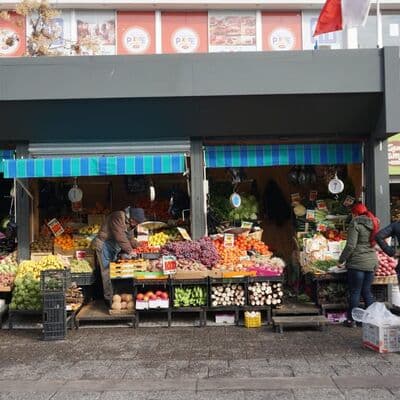
La Vega market, across the river from Mercado Central, provides Santiago's best value eating. Comedores (small eateries) serve heaping plates of traditional food for $3-5. The produce section overflows with fruits and vegetables at prices far below supermarkets. This is where Santiaguinos actually shop.
For upscale dining, Santiago's restaurant scene has matured considerably. Borago, consistently ranked among Latin America's best restaurants, showcases Chilean ingredients in modernist preparations. Aqui Esta Coco specializes in seafood. Liguria serves traditional Chilean fare in a beloved institution. Reservations are essential for popular restaurants, particularly on weekends.
Outside Santiago, quality varies widely but delightful discoveries await. Coastal towns like Valparaiso, Vina del Mar, and La Serena feature excellent seafood restaurants overlooking the Pacific. Wine valley restaurants pair local wines with gourmet meals. Patagonia specializes in lamb, prepared in various traditional methods including cooking vertically beside open fires. Chiloe offers unique preparations found nowhere else.
Shopping in Chile
Chilean shopping ranges from high-end malls rivaling anything in North America to traditional markets selling handcrafted goods. What you seek determines where you shop.
Lapis lazuli, the deep blue semi-precious stone, is a Chilean specialty. The country produces some of the world's finest lapis, and jewelry ranges from tourist trinkets to museum-quality pieces. Purchase from established jewelers rather than street vendors to ensure quality. The Bellavista neighborhood in Santiago concentrates lapis shops.
Mapuche crafts from southern Chile include woven textiles, silver jewelry with distinctive designs, and carved wooden items. Quality varies enormously; the best pieces come from cooperatives working directly with indigenous artisans. Temuco and the Lake District offer the best selection.
Copper crafts reflect Chile's mining heritage, with decorative items, jewelry, and household goods available throughout the country. The Atacama region, home to major copper mines, offers local production.
Wine is the obvious souvenir, though weight limits and customs regulations constrain quantities. Purchase directly from vineyards for the best selection; wines not exported to your home country become genuine discoveries. Wine shops in Santiago (La Cav, El Mundo del Vino) offer excellent selections and can arrange shipping.
Pisco and artisanal spirits make excellent gifts. The Elqui Valley produces Chile's finest pisco, with varieties ranging from mass-produced to small-batch artisanal. Chilean rums and local digestifs offer alternatives.
For general shopping, Santiago's malls (Costanera Center, Parque Arauco, Alto Las Condes) house international and local brands. Prices for imported goods are often higher than in the US or Europe, but Chilean brands offer good value. The Pueblito Los Dominicos craft market offers quality handmade items in a pleasant setting.
Useful Apps
Download these apps before arrival to simplify Chilean travel:
- WhatsApp: Essential for communication with businesses, tour operators, and locals. More important than regular SMS in Chile.
- Uber: Works in Santiago and some other cities for reliable transportation.
- Google Maps: Download offline maps for areas you will visit; coverage is comprehensive throughout Chile.
- Google Translate: Download the Spanish language pack for offline translation.
- Recorrido.cl: Santiago public transportation planning, including Metro and buses.
- XE Currency: Real-time exchange rate conversion.
- iOverlander: For Carretera Austral road trippers, information on camping, gas stations, and services.
- Sky Airline and LATAM: Domestic flight booking and check-in.
Conclusion
Chile offers something increasingly rare in modern travel: genuine diversity within a single destination, delivered with infrastructure that actually functions. You can experience some of Earth's most extreme environments, the driest desert, active volcanoes, massive glaciers, remote Polynesian islands, without the logistical nightmares that plague adventure travel in many regions. The country respects your time and your safety while still delivering experiences that challenge your assumptions about what is possible.
This is not a budget destination, and honesty requires acknowledging that. Compared to Peru, Bolivia, or Ecuador, Chile costs significantly more. The backpacker stretching every dollar will find the peso exchange rate unforgiving. But for travelers willing to invest in quality experiences, Chile returns exceptional value. The infrastructure works. The wine is world-class and affordable. The natural wonders rival anywhere on the planet. The safety and stability allow genuine relaxation between adventures.
Start with Santiago and the wine country if time is limited. Add Atacama for truly otherworldly landscapes and the clearest night skies on Earth. Include Patagonia for wilderness that redefines your sense of scale. Easter Island, if you can manage the logistics, provides a genuinely unique experience found nowhere else on the planet. Each region delivers distinct character while remaining recognizably Chilean.
The Chileans themselves, reserved at first but genuinely warm once connections form, add human dimension to natural spectacle. Sharing a pisco sour with locals, learning Chilean slang that confuses other Spanish speakers, experiencing the once tea tradition in a family home, these moments transform tourism into travel. Chile invites you to engage, not just observe.
Practical considerations favor English-speaking travelers. The time zone aligns with the US East Coast. The electrical system works with standard adapters. Credit cards function throughout tourist areas. Healthcare meets developed-world standards. English is spoken in tourism contexts while Spanish remains essential for deeper connection. The Santiago airport is efficient and well-connected. These details matter when you are planning a trip from thousands of miles away.
Chile rewards planning. Book Torres del Paine campsites months in advance. Reserve observatory visits early. Secure domestic flights before they fill. But Chile also rewards spontaneity. The road trip that detours to an unmarked hot spring. The wine tasting that extends into dinner with the winemaker. The conversation with a stranger that leads to a local's favorite restaurant. Leave space for both approaches.
The country has changed rapidly in recent decades, economically and socially. The Chile of today differs substantially from even ten years ago, with new restaurants, improved infrastructure, and evolving cultural attitudes. The 2019 social uprising revealed tensions beneath the surface, and conversations about inequality, opportunity, and national identity continue. Travel here with curiosity about this complexity, not just the landscapes.
Ultimately, Chile delivers on its promise of geographic superlatives while providing the comfort and safety that make ambitious itineraries actually achievable. It is adventure travel for grown-ups, wilderness with wine, extremity with infrastructure. For travelers ready to explore the southern hemisphere seriously, Chile offers the complete package.