São Paulo
São Paulo 2026: What to Know Before You Go
São Paulo is not a city that tries to charm you. There are no postcard-perfect beaches, no colonial squares bathed in golden light. And yet, this concrete sprawl of 22 million people has a way of getting under your skin. It is the largest city in the Southern Hemisphere - a place where you eat world-class Japanese food for lunch, dance to samba in a century-old boteco at night, and wake up to some of the best coffee on the planet. If you come expecting Rio, you will be disappointed. If you come expecting a city that rewards curiosity, you will not want to leave.
The honest downsides: traffic is legendary, the weather swings from blazing heat to sudden downpours within an hour, and some neighborhoods require street smarts after dark. The city is enormous and you will spend time in transit. São Paulo is also Brazil's most expensive city - not European prices, but noticeably pricier than Salvador or Recife.
Who is São Paulo for? Foodies, culture addicts, nightlife seekers, art lovers, and anyone who wants to understand what a megacity of 22 million actually feels like. If your ideal trip involves eating your way through a dozen cuisines in a single day and discovering places no guidebook has cataloged - this is your city.
São Paulo Neighborhoods: Where to Stay
Choosing where to stay in São Paulo matters more than in most cities. The distances are vast, traffic is punishing, and each neighborhood has a completely different personality. Here is an honest breakdown of the seven best areas for visitors.
Avenida Paulista
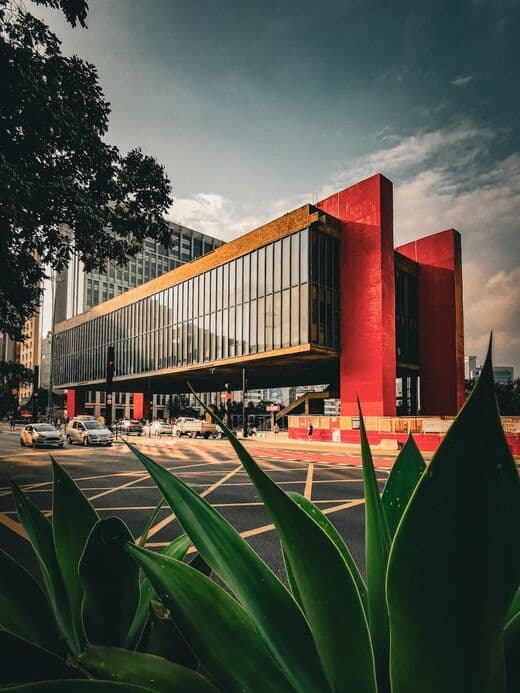
The spine of modern São Paulo. This 2.8-kilometer avenue puts you walking distance from São Paulo Museum of Art and dozens of restaurants. On Sundays the avenue closes to cars and fills with street performers and food vendors. Hotels: R$250-600 (~$50-120 USD). Downside: noisy and business-district feel on weekdays. Best for first-timers.
Jardins
São Paulo's most upscale area. Tree-lined streets, designer boutiques on Rua Oscar Freire, excellent restaurants everywhere. Safe to walk at night, well-maintained, expensive. Hotels from R$400 (~$80 USD). Restaurants R$80-150 (~$16-30 USD) per person. Downside: can feel sanitized and removed from the real city. Best for comfort-first travelers and couples.
Vila Madalena
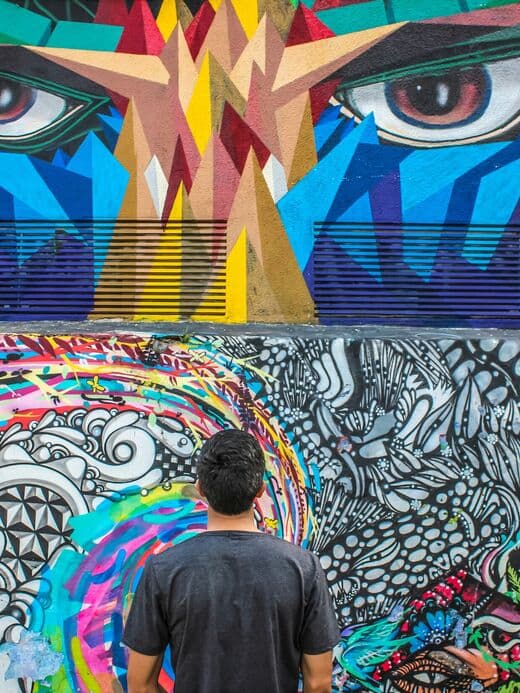
The bohemian heart. Street art covers every surface - Batman Alley is famous, but the whole neighborhood is an open-air gallery. Craft beer bars, vinyl shops, and some of the city's best nightlife. Hotels and hostels: R$100-350 (~$20-70 USD). Downside: extremely loud on weekend nights and hilly terrain. Best for younger travelers, creatives, and solo visitors.
Pinheiros
Vila Madalena's grown-up neighbor. Same creative energy, better restaurants, more polished bars, and a thriving Saturday farmers market. The food scene here is arguably the city's best. Hotels: R$200-500 (~$40-100 USD). Downside: noisy on weekends, metro station at the neighborhood edge. Best for foodies and travelers in their 30s-40s.
Liberdade
The largest Japanese community outside Japan. Red lanterns, Buddhist temples between sushi restaurants, and a legendary Sunday street market. Also has Chinese and Korean communities. Accommodations: R$80-200 (~$16-40 USD). Street food for R$20-30 (~$4-6 USD). Downside: area near the metro feels sketchy after dark. Best for budget travelers and food explorers.
Itaim Bibi
Financial district by day, upscale dining hub by night. Home to acclaimed restaurants like A Casa do Porco. Hotels: R$350-800 (~$70-160 USD). Downside: no cultural attractions, feels corporate during the day. Best for business travelers and food-obsessed visitors with bigger budgets.
Moema
Residential neighborhood bordering Ibirapuera Park - rare combination of green space and city convenience. Safe, walkable, good local restaurants. Hotels: R$250-500 (~$50-100 USD). Downside: quieter, limited nightlife. Metro Line 5 connects to the center. Best for families and longer stays.
Best Time to Visit São Paulo
São Paulo sits at around 760 meters (2,500 feet) elevation on a plateau, which means it does not get as brutally hot as Rio or Salvador. But "not as hot" still means warm, humid summers and genuinely chilly winters by Brazilian standards.
Best months: April to June and August to October. These shoulder seasons bring mild temperatures (18-25°C / 64-77°F), less rain, and lower hotel prices. May is particularly good - pleasant weather, no major holiday crowds, and the city is in full swing after Carnival season.
Summer (December to February) is hot and wet - 30-32°C (86-90°F) with almost daily thunderstorms. The upside: Carnival (usually February/March) transforms the city with hundreds of street parties called "blocos." Hotel prices spike 30-50% during Carnival week.
Winter (June to August) surprises visitors. Temperatures drop to 8-12°C (46-54°F) at night. Pack layers. The upside: low season with hotel prices 20-30% cheaper, and indoor attractions - museums, restaurants, theaters - are at their best. The Winter Festival in July-August brings food events citywide.
Worst time: January, specifically the first two weeks. Many restaurants and shops close for vacation, the heat is oppressive, and the city empties as Paulistanos flee to the coast. You will find a surprisingly dead city if you visit between New Year's and mid-January.
Festival highlights: Carnival (Feb/Mar) for street parties, Virada Cultural (May) for a 24-hour arts marathon, São Paulo Pride (June) - one of the world's largest with over 3 million people, and the São Paulo Art Biennial (even years, Sep-Dec) at Ibirapuera Park.
Budget tip: The cheapest time to fly and stay is May through mid-June. Avoid the weeks around Carnival, Christmas, and Brazilian national holidays (September 7, November 15) when prices surge.
São Paulo Itinerary: 3 to 7 Days
3 Days: The Highlights
Day 1: Avenida Paulista and the Art Core
Start at São Paulo Museum of Art (MASP) at 10am - Latin America's most important art museum, allow 2 hours. Walk south along Paulista to Farol Santander for panoramic views from the 26th floor (R$35 / ~$7 USD). Lunch on Rua Augusta, just off Paulista. Afternoon at Pinacoteca de São Paulo, the city's oldest art museum with outstanding Brazilian art (free Saturdays). Dinner in Jardins - Rua Haddock Lobo has options at every price point.
Day 2: History, Markets, and Street Art
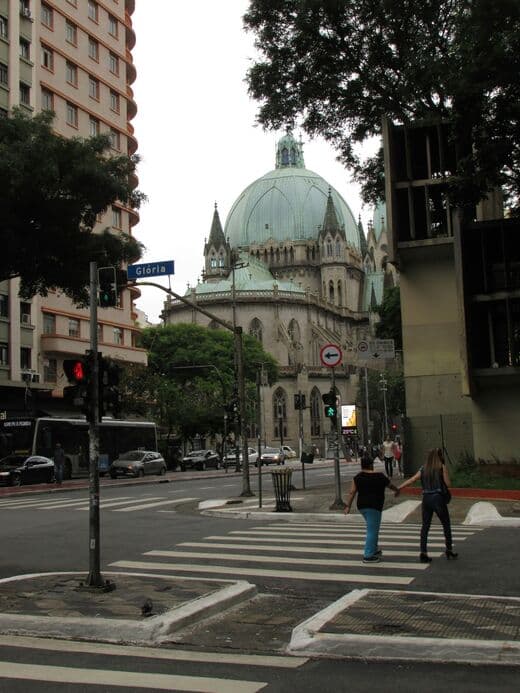
Metro to São Bento, walk to Municipal Market (Mercadão) - arrive by 9am. Try the mortadella sandwich at Hocca Bar (R$45 / ~$9 USD) and pastel de bacalhau. Walk 15 minutes to São Paulo Cathedral at Praça da Sé, the city's geographic heart. Explore the historic center - Pátio do Colégio (where São Paulo was founded in 1554). After lunch, ride to Vila Madalena for Batman Alley and surrounding mural-covered streets. Stay for dinner and drinks on Rua Aspicuelta.
Day 3: Ibirapuera and Museums
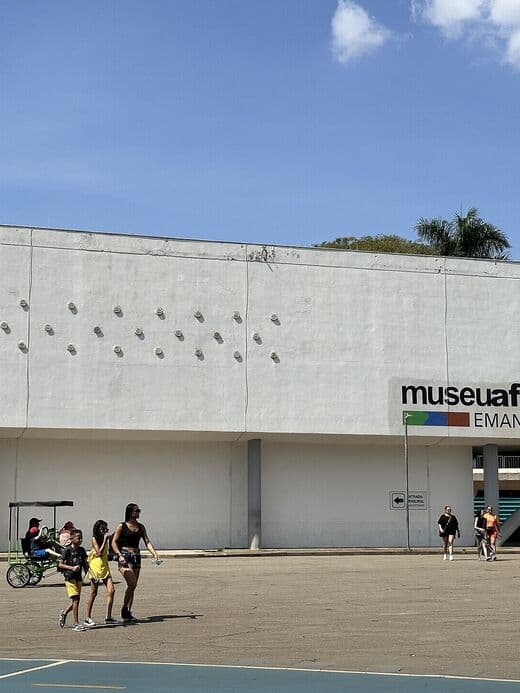
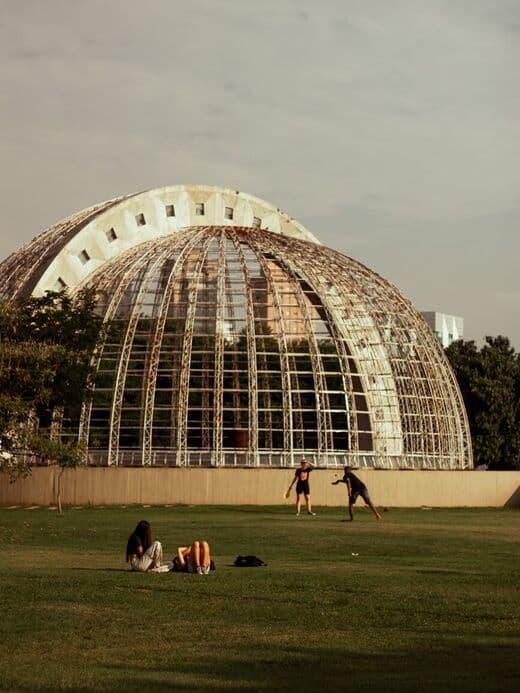
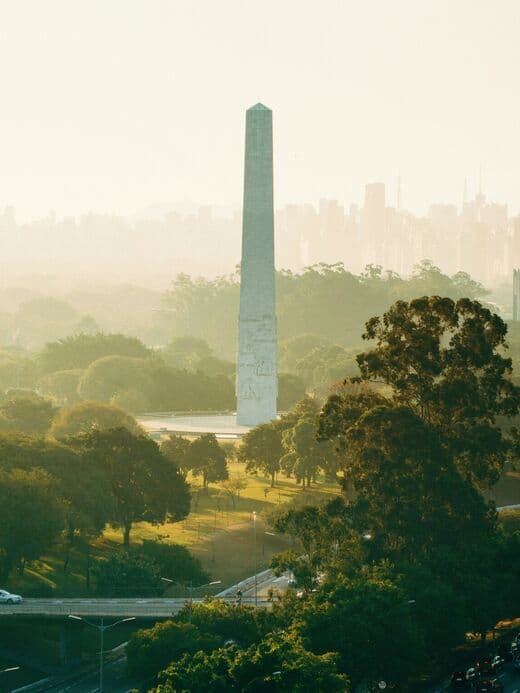
Morning at Ibirapuera Park - São Paulo's Central Park but with better architecture. Visit Afro Brasil Museum (R$15 / ~$3 USD, free Saturdays) and walk past the Niemeyer-designed buildings. Lunch near the park's southern exit in Moema. Afternoon at Museum of Modern Art (MAM), also inside Ibirapuera - the sculpture garden alone is worth the visit. Dinner in Pinheiros or Itaim Bibi.
5 Days: The Relaxed Exploration
Days 1-3: Follow the 3-day itinerary at a slower pace. Add Instituto Tomie Ohtake on Day 1 (free entry, rotating exhibitions). On Day 2, explore Edifício Copan - Oscar Niemeyer's residential masterpiece with ground-floor shops and restaurants.
Day 4: Liberdade and Ipiranga
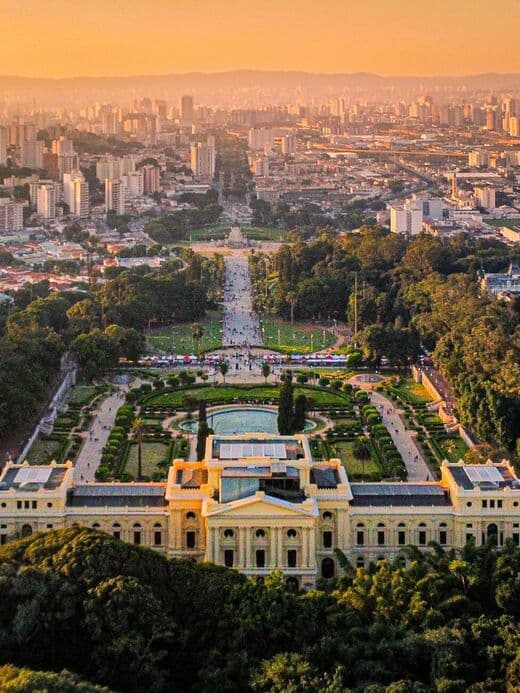
Morning in Liberdade - the Sunday street market is essential. Eat your way through the food stalls. After lunch, ride to Ipiranga Museum (20 minutes from center). This restored palace overlooking manicured gardens tells the story of Brazilian independence. Allow 2-3 hours. Relaxed dinner back in your neighborhood.
Day 5: Football, Parks, and Nightlife
Morning at Football Museum in Pacaembu Stadium - even non-fans find the interactive exhibits moving (R$20 / ~$4 USD). Try getting tickets to a live match (Corinthians, Palmeiras, or São Paulo FC). Afternoon at Villa-Lobos Park, popular with locals for cycling. Evening: commit to a proper São Paulo night - dinner in Pinheiros at 9pm, bars in Vila Madalena at 11pm, clubs in Barra Funda or Augusta after 1am. The nightlife does not peak until 2-3am.
7 Days: Deep Dive with Day Trips
Days 1-5: Follow the 5-day itinerary above.
Day 6: Day Trip to Santos or Campos do Jordão
Santos (1.5 hours by bus from Jabaquara, R$50-70 / ~$10-14 USD round trip): beaches, the Pelé Museum, Monte Serrat funicular. Best in warm months. Campos do Jordão (3 hours by bus, R$80-120 / ~$16-24 USD round trip): mountain town at 1,600m with alpine feel, chocolate shops, craft breweries. Best in winter (June-August). Book at Rodoviária do Tietê.
Day 7: Neighborhoods You Missed
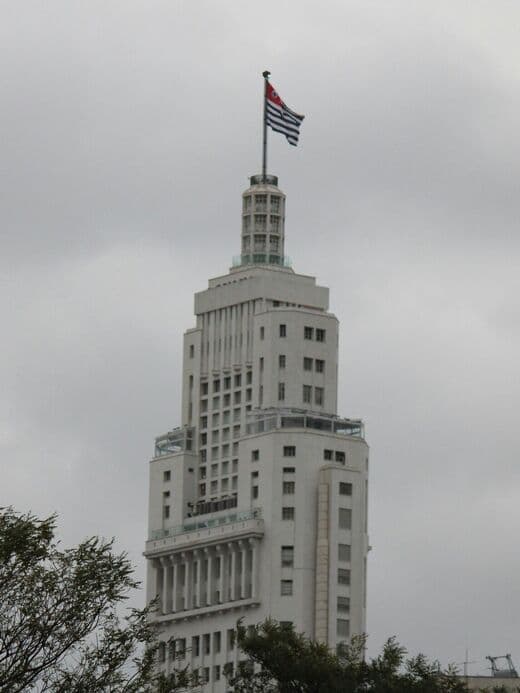
Explore Bom Retiro (Korean neighborhood, incredible street food), visit Terraço Itália for sunset cocktails with 360-degree views from 46 floors up (R$60-80 minimum spend / ~$12-16 USD), and have a farewell dinner at a restaurant you have been eyeing all week.
Where to Eat in São Paulo
São Paulo is, without exaggeration, one of the best food cities on Earth. The city has more restaurants than any other in the Southern Hemisphere, and the range - from R$5 street snacks to R$500 tasting menus - is staggering. Here is how to navigate it.
Street Food and Markets
Start at Mercadão (Municipal Market) for the classics: mortadella sandwich, pastel de bacalhau, and tropical fruits you have never seen before. The market is touristy but the food is genuinely good. For more authentic street food, hit the food stalls in Liberdade (especially on Sundays), the feira livre (street markets) that pop up in every neighborhood on different days, and the pastelarias scattered across the city. A proper pastel - deep-fried pastry filled with cheese, meat, or palm heart - costs R$8-15 (~$2-3 USD) and is the essential São Paulo street eat.
Botecos (Neighborhood Bars)
The boteco is São Paulo's soul. These are no-frills neighborhood bars where you sit at plastic tables, order draft chopps (cold beer, R$8-12 / ~$2 USD), and share petiscos (bar snacks). Every boteco has its specialty. Bar do Luiz on Rua da Consolação does outstanding bolinhos de bacalhau (salt cod croquettes). Bar Veloso in Vila Madalena claims to have invented the coxinha. The carne seca com aipim (dried beef with cassava) at any decent boteco is comfort food perfection. Budget: R$40-70 (~$8-14 USD) per person with drinks.
Mid-Range Restaurants
This is where São Paulo truly shines. For R$60-120 (~$12-24 USD) per person, you can eat extraordinarily well. Mocotó in Vila Medeiros serves Northeastern Brazilian cuisine that earned a spot on Latin America's 50 Best - try the baião de dois and the dadinhos de tapioca. Aoyama in Liberdade does Japanese-Brazilian fusion that exists nowhere else. Consulado Mineiro in Pinheiros serves comida mineira (food from Minas Gerais) - the feijão tropeiro is outstanding. For pizza, São Paulo rivals (and some argue surpasses) New York and Naples. Bráz Pizzaria has multiple locations and consistently excellent wood-fired pies (R$50-80 / ~$10-16 USD for a whole pizza).
Fine Dining
A Casa do Porco specializes in pork and ranks among the world's top 50 restaurants. Tasting menu: R$250-350 / ~$50-70 USD. D.O.M. by Alex Atala pioneered modern Brazilian cuisine with Amazonian ingredients (R$600+ / ~$120+ USD with wine). Maní in Jardins: refined Brazilian, R$200-300 / ~$40-60 USD. Book all 2-3 weeks ahead.
Cafes and Coffee
São Paulo takes coffee seriously. The city is the capital of Brazil's coffee-producing heartland, and the specialty coffee scene has exploded in recent years. Coffee Lab in Vila Madalena was a pioneer - single-origin beans, precise brewing methods, and baristas who can talk for hours about altitude and processing. Um Coffee Co. in Pinheiros is consistently excellent. A specialty espresso runs R$10-18 (~$2-4 USD), and a pour-over R$15-25 (~$3-5 USD). For a sweet pairing, order a pão de queijo (cheese bread) - they are everywhere and they are always good.
Must-Try Food in São Paulo
You cannot leave São Paulo without trying these. I am not being polite - if you skip the coxinha, you have not really been here.
Coxinha - The king of Brazilian snacks. A teardrop-shaped croquette filled with shredded chicken and cream cheese, coated in dough, and deep-fried until golden. Every bakery, bar, and gas station sells them. A good one has a thin, crispy shell and a creamy, well-seasoned filling. R$6-12 (~$1-2.50 USD). Eat them fresh and hot - a cold coxinha is a sad coxinha.
Pastel - Thin, crispy, deep-fried pastry pockets filled with everything from cheese and ground meat to palm heart and shrimp. The best ones come from feira livre street markets, fried to order in enormous vats of oil. The cheese version (pastel de queijo) is the classic. R$8-15 (~$2-3 USD).
Mortadella Sandwich (Sanduíche de Mortadela) - A São Paulo institution. A soft Italian roll stacked with an absurd amount of thinly sliced mortadella, often with melted provolone. The most famous version is at Mercadão, but every traditional bakery has its take. R$30-45 (~$6-9 USD) at the market, R$15-25 (~$3-5 USD) elsewhere.
Feijoada - Brazil's national dish: a rich, slow-cooked black bean stew with various cuts of pork (ears, tail, sausage, ribs). Traditionally served on Wednesdays and Saturdays. Comes with rice, farofa (toasted cassava flour), collard greens, and orange slices. A proper feijoada lunch will leave you needing a nap. R$40-80 (~$8-16 USD) at a restaurant.
Pão de Queijo - Chewy, warm cheese bread balls made from tapioca flour and Minas cheese. Addictively good, especially fresh from the oven. Found at every bakery and cafe for R$3-8 (~$0.60-1.60 USD) each. Buy a bag of frozen ones from any supermarket to take home - they bake from frozen in 20 minutes.
Tapioca - Flat, flexible crepes made from tapioca starch, filled with sweet or savory ingredients. The coconut and condensed milk version is a popular breakfast or snack. Look for tapioca stands in street fairs and food courts. R$10-20 (~$2-4 USD).
Acarajé - A Bahian street food that has found a loyal following in São Paulo. Deep-fried black-eyed pea fritters split open and stuffed with vatapá (shrimp paste), caruru (okra stew), and dried shrimp. Spicy, complex, and utterly delicious. Find them from Bahian street vendors, especially in Liberdade and around major metro stations. R$15-25 (~$3-5 USD).
Churrasco - Rodízio-style barbecue where servers bring an endless parade of meat skewers to your table - picanha (top sirloin cap), fraldinha (flank), linguiça (sausage), chicken hearts, and more. Fogo de Chão started here before going global, but locals prefer Templo da Carne or NB Steak. Expect to pay R$80-150 (~$16-30 USD) per person for all-you-can-eat rodízio, including the buffet of sides.
Caipirinha - Brazil's national cocktail: cachaça (sugarcane spirit), muddled lime, sugar, and ice. Simple, dangerous, and absolutely everywhere. A good boteco makes it fresh and strong for R$15-25 (~$3-5 USD). Variations with passion fruit (maracujá), kiwi, or strawberry are popular but purists stick to lime. Warning: they go down very easily and the hangover is brutal.
What to avoid: All-you-can-eat sushi under R$50 - quality drops sharply. Also skip touristy per-kilo buffets near Paulista with dried-out heat lamp food. Long lines at lunch are a reliable quality signal.
São Paulo Secrets: Local Tips
These are the things I wish someone had told me before my first trip to São Paulo. They will save you time, money, and frustration.
- Sunday on Paulista is non-negotiable. Every Sunday from 9am to 5pm, Avenida Paulista closes to traffic and becomes a massive pedestrian boulevard. Live music, food trucks, street performers, dogs in costumes - it is São Paulo at its absolute best. Even if you plan nothing else, be on Paulista on a Sunday.
- Lunch is the best-value meal. Most restaurants offer "prato feito" (set plate) or "executivo" (business lunch) specials between 11:30am and 2pm. A full meal with drink for R$25-40 (~$5-8 USD) at places that charge double at dinner. This is how Paulistanos eat well without going broke.
- Traffic is not a joke - plan around it. Rush hour (7-10am and 5-8pm on weekdays) can turn a 15-minute trip into 90 minutes. Use the metro whenever possible during these hours. Friday evenings are the absolute worst - avoid crossing the city by car after 4pm on Fridays.
- Learn "Bom dia" and "Obrigado/Obrigada." Even basic Portuguese pleasantries make a difference. Most people in tourist areas speak some English, but outside Jardins and Paulista, English is rare. Download Google Translate offline Portuguese before you arrive.
- The metro closes at midnight. São Paulo's nightlife starts after midnight. This means you will need 99 (ride-hailing app, like Uber) or Uber to get home from a night out. Budget R$25-50 (~$5-10 USD) per late-night ride. Always check the license plate matches the app.
- Do not flash expensive phones on the street. Phone theft is common. Use your phone discreetly, keep it in your front pocket, especially near metro stations. Standard big-city awareness, similar to London or Barcelona.
- Bakeries (padarias) are the secret weapon. São Paulo's padarias are not just bakeries - they are full-service delis, cafes, and snack bars. Every neighborhood has at least three. They open early (6am), serve excellent espresso, fresh pão de queijo, and full meals at reasonable prices. Padaria Bela Paulista on Rua Haddock Lobo is open 24 hours.
- Check museum free days. Many major museums offer free entry on specific days: Pinacoteca on Saturdays, MASP on Tuesdays, and Afro Brasil Museum on Saturdays. Plan your museum days around these to save R$50-100 (~$10-20 USD) per person.
- Rain gear is not optional from October to March. Afternoon thunderstorms are sudden and intense. Carry a compact umbrella or lightweight rain jacket at all times during the wet season. The rain usually passes within 30-60 minutes - duck into a padaria and wait it out with coffee.
- Ibirapuera on weekday mornings is a different experience. Ibirapuera Park on weekends is packed. Visit on a Tuesday or Wednesday morning and you will have the paths, gardens, and museums practically to yourself. The light through the trees around 8-9am is beautiful.
- São Paulo has the best Japanese food outside Japan. This is not hyperbole. The city's 1.5 million Japanese-Brazilians have created a food scene that includes everything from traditional sushi to unique fusion dishes. Liberdade is the obvious starting point, but the best Japanese restaurants are scattered across Pinheiros, Itaim Bibi, and Jardins.
- The "Sampa" playlist. Listen to Adoniran Barbosa (the voice of São Paulo), Racionais MC's (hip-hop legends), Tim Maia (funk and soul), and Criolo (modern São Paulo). Knowing the city's music enriches every neighborhood walk.
Transport and Connectivity
Getting There
Guarulhos International Airport (GRU) is the main international gateway, 25km northeast. Airport Express bus to Paulista: R$55 / ~$11 USD, every 30 minutes, 60-90 minutes. Uber/99: R$80-130 (~$16-26 USD), 40-90 minutes - avoid rush hour arrivals. CPTM Line 13 train exists but is slow with transfers.
Congonhas Airport (CGH) handles most domestic flights, only 8km south. Ride to Paulista: R$25-45 (~$5-9 USD), 15-30 minutes. If connecting international to domestic, check which airport - many domestic flights use Congonhas, requiring a cross-city transfer (allow 3+ hours).
Getting Around
Metro: Clean, efficient, 6 lines covering most tourist areas. Single trip: R$5.00 (~$1 USD). Buy a Bilhete Unico card (R$4.40) - works on buses too with transfer discounts. Runs 4:40am to midnight (1am Saturdays). Lines 1-4 cover most tourist spots; Line 4 (Yellow) connects Paulista to Pinheiros.
Buses: Extensive but confusing. Google Maps handles routing well. Same R$5.00 fare with Bilhete Unico. Night buses run after midnight on major routes - useful when metro closes.
Ride-sharing: Uber and 99 are widely used and cheaper than taxis. Central rides: R$15-35 (~$3-7 USD). Surge pricing during rain, rush hour, and late weekends can double prices. 99 is Brazilian-owned and sometimes cheaper than Uber.
Connectivity
SIM cards: Major carriers: Claro (best coverage), TIM, Vivo. Buy prepaid at Guarulhos airport arrivals or electronics stores. Passport required. 15-20GB for 30 days: R$30-50 (~$6-10 USD). Ensure your phone is unlocked before arriving.
eSIM: Airalo or Holafly let you set up data before arrival. Around $8-15 USD for 5-10GB - avoids the airport queue.
WiFi: Available in hotels, cafes, restaurants, and malls. "WiFi Livre SP" provides free municipal WiFi in parks and public spaces, though speeds are basic.
Essential apps: Uber and 99 (rides), Google Maps (navigation + transit), iFood (food delivery), Google Translate (download offline Portuguese), and WhatsApp - used universally in Brazil for restaurant reservations, hotel communication, and everything else.
Who São Paulo is For: Summary
São Paulo is not for everyone. It is not a beach destination, not a relaxation destination, and not the city for checking landmarks off a list. It rewards depth over breadth, curiosity over comfort, and taste over aesthetics.
Come if you want some of the best food in the Americas, world-class art, and nightlife that starts when other cities sleep. Come if you want to understand modern Brazil - not the postcard version, but the real, messy, vibrant, complicated one. São Paulo will exhaust you, overstimulate you, and make you want to come back.