Alexandria
Alexandria 2026: What You Need to Know Before You Go
Alexandria is not Cairo. That is the first thing you need to understand, and it is the reason many travelers fall in love with this city. Where Cairo overwhelms with its relentless energy and traffic, Alexandria breathes. The Mediterranean breeze softens everything here, from the summer heat to the pace of daily life. This is Egypt's second city, but in terms of livability and charm, many would argue it deserves first place.
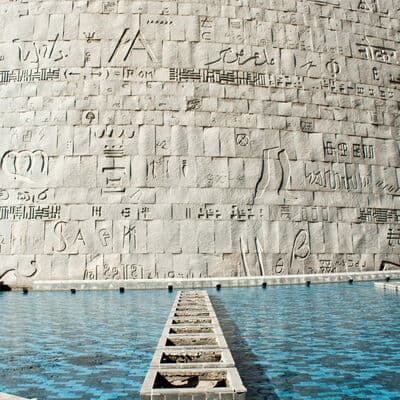
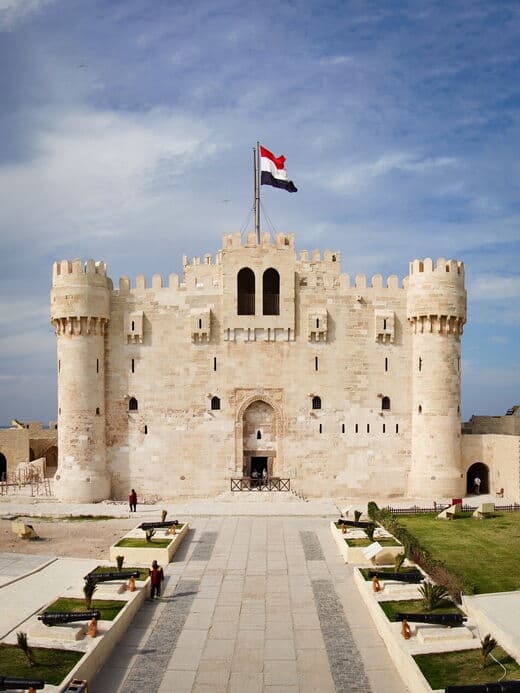
Founded by Alexander the Great in 331 BC, Alexandria was once home to one of the Seven Wonders of the Ancient World and the greatest library humanity had ever built. Today, the ancient lighthouse is gone, but its spirit lives on in the Qaitbay Citadel that stands in its place. The legendary library has been reborn as the stunning Bibliotheca Alexandrina, a modern architectural marvel that anchors the city's intellectual life.
What makes Alexandria special in 2026 is the contrast between its faded grandeur and genuine Mediterranean soul. You will find crumbling belle epoque mansions next to busy fish restaurants, ancient Roman ruins steps from modern cafes, and a 15-mile waterfront that locals actually use, not just for tourism but for evening strolls, fishing, and family gatherings. The city feels lived-in rather than preserved for visitors, which is precisely its appeal.
Expect to spend between $40 and $80 per day depending on your style. Budget travelers can manage on less, while those seeking comfort will find excellent value at mid-range hotels and restaurants. English is less common here than in Cairo's tourist zones, but younger Alexandrians often speak it well, and the city is navigable with basic Arabic phrases and translation apps.
Neighborhoods: Where to Stay and What to Expect
Alexandria stretches along the Mediterranean coast in a narrow band, making neighborhood choice primarily about which part of the waterfront you want to call home. Each area has distinct character, and choosing wisely can significantly improve your experience.
Downtown and the Corniche (El Raml District)
This is the heart of historic Alexandria, centered on Saad Zaghloul Square and stretching along the famous Alexandria Corniche. Stay here if you want to walk everywhere and immerse yourself in the city's faded elegance. The grand hotels from Alexandria's cosmopolitan past line the waterfront, including the Steigenberger Cecil Hotel, which has hosted everyone from Winston Churchill to Somerset Maugham. Budget options cluster on the side streets, ranging from genuinely charming to decidedly worn.
The advantages are unbeatable location and atmosphere. You can walk to the Bibliotheca Alexandrina, most museums, and dozens of restaurants without ever needing transport. The Roman Amphitheater is a short stroll away. Evenings on the Corniche are magical, with families, fishermen, and couples all sharing the sea breeze.
The downsides are noise and age. Many downtown buildings are showing their years, and sound insulation is not a strong point. Traffic along the Corniche can be heavy during rush hours, though it calms considerably after dark. Expect to pay $50-120 per night for decent hotels, with budget options starting around $25.
Kafr Abdu and Smouha
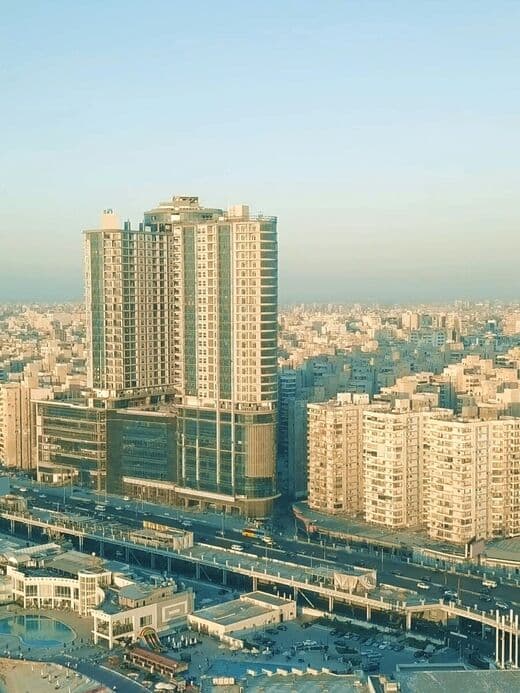
These residential neighborhoods south of downtown offer a different Alexandria experience. Smouha in particular has developed into a modern commercial district with shopping malls, international restaurants, and newer apartment buildings. This is where middle-class Alexandrians actually live, giving you a glimpse of daily life beyond the tourist zones.
Stay here if you value comfort over atmosphere and plan to use taxis or ride-shares anyway. Hotels are newer but lack character, and you will need 15-20 minutes to reach the waterfront. Prices are often 20-30% lower than downtown for equivalent quality. This is also where you will find supermarkets, pharmacies, and practical amenities that can be harder to locate in the historic center.
Montazah and Eastern Beaches
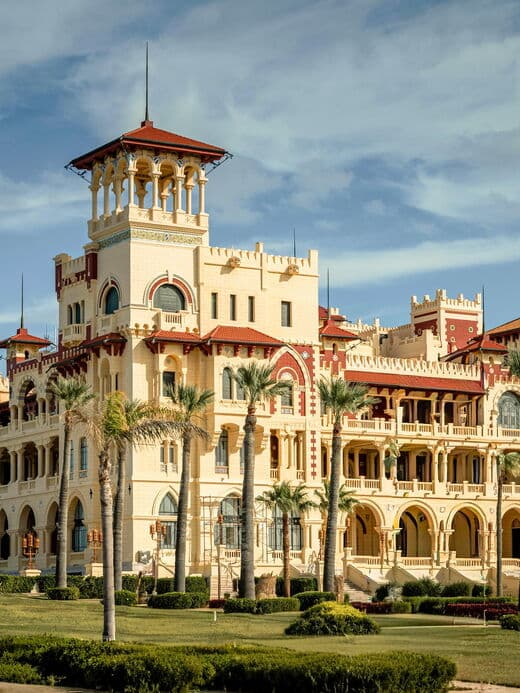
The eastern end of Alexandria is anchored by the stunning Montazah Palace and Gardens, a royal retreat turned public park that represents Alexandria at its most beautiful. The neighborhoods here are quieter and more upscale, with better beaches than you will find closer to downtown.
Several resort-style hotels operate along this stretch, offering pools and beach access that downtown properties cannot match. The Hilton Alexandria Green Plaza and similar properties cater to families and those wanting a more relaxed base. The trade-off is distance, as you will need 30-40 minutes to reach downtown attractions, though the coastal tram makes the journey scenic and affordable.
This area works best for longer stays, families with children, or visitors who prioritize beach time over historical exploration. Summer weekends can be crowded with domestic tourists, but weekdays are pleasant even in high season.
Anfushi and Western Harbor
This working-class neighborhood near the Qaitbay Citadel offers the most authentic local experience. Few tourists stay here, but those who do discover the best seafood restaurants in the city, genuine neighborhood life, and atmospheric streets that recall Alexandria's Ottoman past.
Accommodation options are limited to basic hotels and occasionally available apartments. The area can feel rough to visitors unfamiliar with Egyptian cities, though actual safety concerns are minimal. If you choose Anfushi, you are trading comfort for authenticity, and for some travelers, that exchange is worth making.
Practical Recommendations
For first-time visitors spending 2-4 days, downtown is the obvious choice. The walkability and proximity to attractions outweigh the sometimes-tired facilities. For longer stays or repeat visits, consider Montazah for relaxation or Smouha for a glimpse of modern Egyptian life. Solo female travelers may find downtown's bustle more comfortable than quieter neighborhoods, particularly after dark.
Best Time to Visit: Seasons and Timing
Alexandria's Mediterranean climate makes it far more pleasant than inland Egypt for much of the year, but timing still matters significantly for your experience.
Spring: March through May
This is arguably the ideal window for visiting Alexandria. Temperatures range from 65-80F (18-27C), the sea begins warming for swimming by May, and the city is not yet overwhelmed by summer crowds. Late March and April can bring occasional sandstorms called khamsin, which typically last only a day or two but can make outdoor activities unpleasant. The upside of spring is that hotel rates remain moderate and attractions feel unhurried.
Summer: June through August
Egyptians flock to Alexandria to escape Cairo's brutal heat, and while temperatures here stay 10-15 degrees cooler than the capital, summer brings its own challenges. Expect 85-95F (29-35C) temperatures, high humidity, and crowded beaches. Hotels fill quickly and prices spike, sometimes doubling from spring rates. The Corniche becomes packed on evenings and weekends.
If you must visit in summer, come on weekdays and book accommodation well in advance. The silver lining is that the city is at its most vibrant, with outdoor cafes packed until late and a genuine vacation atmosphere throughout.
Autumn: September through November
September remains warm and somewhat crowded, but October and November offer excellent conditions. Temperatures moderate to comfortable levels, crowds thin after Egyptian school starts, and the sea remains swimmable through early November. This shoulder season represents excellent value, with summer hotel rates dropping but weather remaining pleasant.
Winter: December through February
Alexandria winters are mild by northern standards but can feel surprisingly cold to travelers expecting endless Egyptian sunshine. Temperatures range from 50-65F (10-18C), and rain is common, sometimes heavy. The city receives about 8 inches of rain annually, almost all of it between November and February.
Winter visits offer the lowest prices and smallest crowds, and attractions like the Catacombs of Kom El Shoqafa and museums are easily explored without waiting. However, beach activities are limited, and some outdoor restaurants close or reduce hours. Pack layers and a rain jacket if visiting in winter months.
Ramadan Considerations
Ramadan dates shift annually based on the Islamic lunar calendar. During this holy month, daytime dining options become limited as many restaurants close until sunset. The atmosphere changes after iftar (the evening meal breaking the fast), when streets come alive and cafes fill with families. Alexandria during Ramadan offers a unique cultural experience but requires some planning around meal times.
Itinerary: How to Spend 2 to 5 Days in Alexandria
Alexandria rewards both quick visits and extended stays, but it is not a city you can rush through. The attractions are spread along the waterfront, and part of the experience is simply absorbing the Mediterranean atmosphere between sites.
Day 1: The Historic Core
Start your first morning at the Bibliotheca Alexandrina, which opens at 10 AM (closed Fridays). This is not optional; it is the essential Alexandria experience. Budget at least two hours, more if you explore the museums within the complex. The architecture alone justifies the $3 entry fee, but the collections, particularly the antiquities museum in the basement, add depth to everything else you will see.
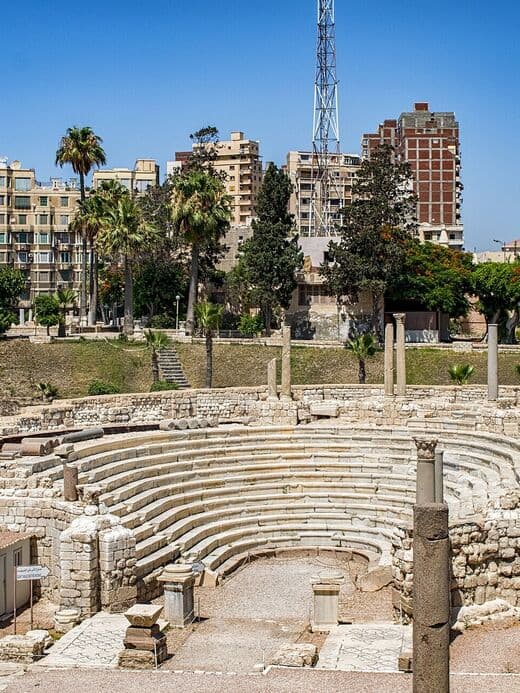
From the library, walk east along the Corniche toward the Roman Amphitheater at Kom El Dikka, about 15 minutes on foot. This excavated site reveals Alexandria's Roman past and includes well-preserved mosaic floors. The small on-site museum provides context for what you are seeing. Allow 45 minutes to an hour.
Lunch should be seafood, and the downtown area offers several options. Kadoura on the Corniche is reliable if not exceptional, or venture slightly inland to find smaller places with better value. Expect to pay $10-15 for a filling fish lunch with sides.
Afternoon options depend on your energy. The Alexandria National Museum on Tariq El Horreya Street houses an excellent collection spanning from pharaonic times to modern Egypt, arranged chronologically across three floors. Two hours is sufficient for most visitors. Alternatively, simply walk the downtown streets, ducking into cafes and shops as the spirit moves you.
Evening on the Corniche is essential. Join the families and couples strolling along the waterfront, stop for tea or a juice, and watch the sun set over the Mediterranean. Dinner in one of the waterfront restaurants completes the day.
Day 2: Qaitbay and Anfushi
Your second day focuses on the western end of the city center. Take a taxi or the tram to the Qaitbay Citadel, the 15th-century fortress built on the site of the ancient Lighthouse of Alexandria. Arrive early, ideally by 9 AM, to explore before tour groups arrive. The fortress itself takes 45 minutes to walk through, but the views across the harbor deserve lingering.
The surrounding Anfushi district is Alexandria's best neighborhood for aimless wandering. The old fishing harbor below the citadel remains active, with small boats heading out each morning and returning with fresh catch. The narrow streets behind the waterfront contain some of the city's best seafood restaurants, which begin serving lunch around noon.
This is where to have your most memorable meal in Alexandria. Fish Market restaurant lets you choose your fish from the display, priced by weight, then prepares it however you prefer. A generous lunch for two with drinks runs $25-35. The simpler places along the harbor charge less and deliver equally fresh seafood, though with fewer creature comforts.
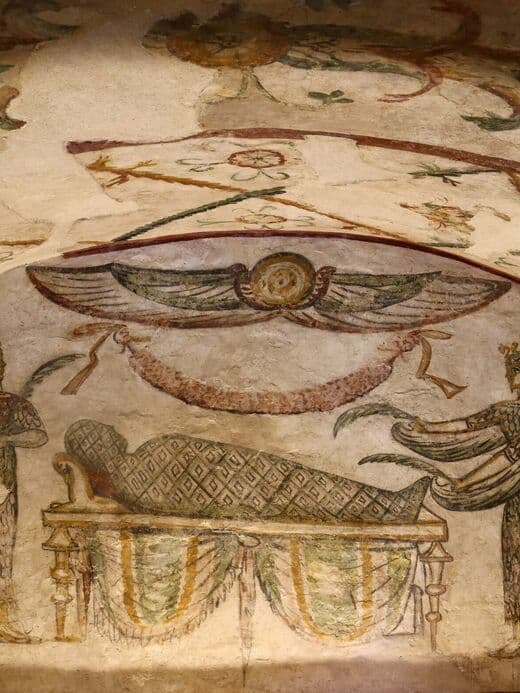
After lunch, walk or taxi to the Catacombs of Kom El Shoqafa, one of Alexandria's most remarkable ancient sites. These Roman-era burial chambers blend Egyptian, Greek, and Roman artistic styles in ways you will not see anywhere else. The descent underground reveals surprisingly elaborate decoration and architecture. One hour is sufficient for most visitors.
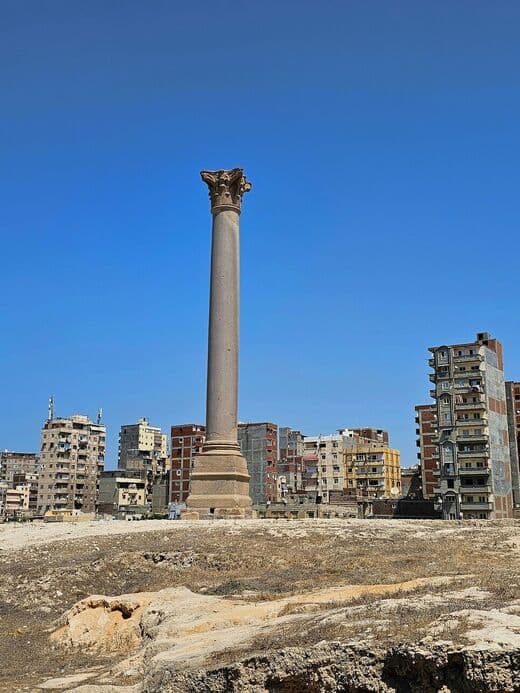
Continue to Pompey's Pillar, a massive Roman column that has dominated this hill for nearly 2,000 years. The site itself takes only 20-30 minutes, but the views across the city reward a longer visit, particularly as afternoon light softens.
Day 3: Montazah and Eastern Alexandria
A third day allows you to explore beyond the historic center. Head east to the Montazah Palace and Gardens, either by the scenic coastal tram (takes 45 minutes from downtown, costs under $1) or by taxi (20-25 minutes, around $5-7).
The royal gardens are genuinely beautiful, with palm-lined paths, ornamental bridges, and views of the former royal beach. The palace itself is not open to visitors, but the grounds merit a leisurely morning. Bring a picnic or find snacks at the small cafes inside the park.
The beaches east of Montazah are among Alexandria's best, if you are visiting in swimming season. Maamoura Beach and others offer cleaner water and less crowded sand than downtown options. Beach clubs charge admission (typically $5-10) but provide chairs, umbrellas, and changing facilities.
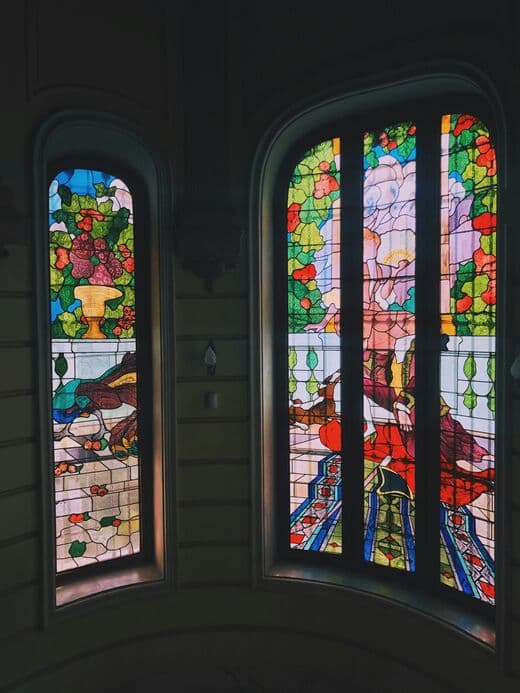
On your return, stop at the Royal Jewelry Museum in the Zizinia district. Housed in a former royal palace, this museum displays the extravagant jewelry collection of Egypt's last royal family. The building itself, with its ornate interiors, is as impressive as the displays. Allow 1-2 hours.
Days 4-5: Deeper Exploration
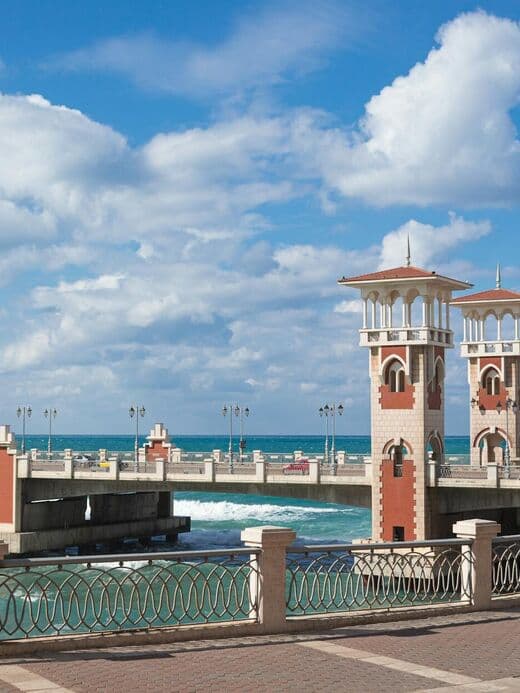
Additional days allow you to go beyond standard itineraries. The Stanley Bridge area, about halfway between downtown and Montazah, offers a more local beach scene and several excellent restaurants. The bridge itself, lit at night, makes for atmospheric evening photos.
Consider a day trip to El Alamein, site of the famous World War II battle, about 90 minutes west of Alexandria. The Commonwealth War Cemetery and military museum provide sobering historical context. Tours run around $50-70 per person, or you can hire a taxi for approximately $80 round-trip.
Alternatively, use extra days to revisit favorite spots, linger in cafes, and simply experience daily Alexandrian life. The city reveals itself gradually, and rushing produces diminishing returns. A morning spent reading in a Corniche cafe may prove more memorable than another museum.
Rainy Day Alternatives
Winter visitors should have backup plans for wet days. The Bibliotheca Alexandrina can easily absorb an entire day if you explore all its museums and galleries. The Catacombs are underground and weather-proof. Shopping malls like City Centre Alexandria or San Stefano Grand Plaza offer modern amenities and dining options when outdoor activities become unpleasant.
Where to Eat: Restaurants and Dining
Alexandria's food scene revolves around seafood, and rightly so. The Mediterranean provides daily catches that appear on restaurant tables within hours. While you can find international cuisine and Egyptian standards, focusing on seafood makes the most of your visit.
Seafood Restaurants
The Anfushi area near the Qaitbay Citadel contains Alexandria's highest concentration of quality seafood restaurants. Fish Market is the most famous, offering a choose-your-own-fish format where you select from the display case and specify your preparation method. Grilled is traditional, but fried and baked preparations are equally good. Expect $15-25 per person for a full meal with fish, sides, and drinks.
Balbaa Village in the same area offers similar quality with more elaborate preparations and a slightly higher price point. The setting, in a converted warehouse-style space, adds atmosphere. Reservations are wise on weekends, particularly in summer.
For a more local experience, the small restaurants directly on the fishing harbor charge less and deliver equally fresh fish, though with simpler preparations and fewer amenities. Point and gesture if your Arabic is limited; the staff are accustomed to this and will guide you through ordering. Budget $8-12 per person.
Along the Corniche downtown, Kadoura has served Alexandrians for decades. The quality remains consistent if not exceptional, and the location makes it convenient for visitors. White and Blue Fish Restaurant nearby offers comparable fare. These places are reliable rather than remarkable.
Egyptian and Middle Eastern
Mohamed Ahmed on Shakour Street downtown is legendary for its ful (fava bean stew) and falafel. This is breakfast food for Egyptians, but the restaurant serves all day. The price is almost comically low, with a filling meal costing $2-3. Expect crowds and quick turnover.
For Egyptian home cooking in more comfortable surroundings, try restaurants in the Smouha district. Shawermer and similar places serve kebabs, kofta, and grilled meats at reasonable prices ($8-12 per person). These are where families celebrate occasions and friends gather for long meals.
Cafes and Casual Dining
Coffee culture runs deep in Alexandria, a legacy of its cosmopolitan past. Downtown cafes range from simple streetside establishments to more elaborate affairs with Mediterranean views. Brazilian Coffee Stores on Saad Zaghloul Square has operated since the 1920s and remains a gathering place for intellectuals and chess players. Sit long enough and you will understand how Alexandrians use cafes as extended living rooms.
Trianon, also downtown, represents the belle epoque cafe at its finest. The pastries are not exceptional, but the atmosphere is unmatched, with faded elegance and waiters who have served here for decades. Go for coffee and atmosphere rather than cutting-edge cuisine.
Modern cafes catering to younger Alexandrians cluster in Smouha and around the Stanley Bridge area. These offer international coffee standards, wifi, and air conditioning, trading character for comfort.
Budget Eating
Street food in Alexandria is excellent and safe if you choose busy stalls. Koshari, Egypt's national dish of rice, pasta, lentils, and spiced tomato sauce, costs $1-2 at dedicated shops. Sandwiches of falafel, shawarma, or liver are equally affordable and filling. The area around Mansheya Square downtown has numerous options.
Bakeries sell fresh bread, pastries, and pizza slices at minimal cost. Supermarkets like Carrefour in City Centre Alexandria stock familiar items for self-catering. Fruit juice stands along the Corniche offer freshly squeezed mango, strawberry, guava, and other options for under $1.
What to Try: Essential Alexandria Foods
Beyond the obvious seafood, Alexandria has specific dishes and food experiences you should not miss.
Sayadeya
This traditional fish and rice dish represents Alexandria's culinary heritage. The rice is cooked in fish stock with fried onions, resulting in a deep caramelized flavor unlike typical rice preparations. A whole fried fish tops the dish. Sayadeya is substantial enough to share between two people and costs $12-18 at most restaurants.
Fried Calamari
Simple but exceptional when fresh, Alexandrian calamari arrives crispy and tender within minutes of ordering. The squid come from local waters, and quality varies significantly based on freshness. Order at busy restaurants where turnover ensures you get today's catch, not yesterday's.
Grilled Prawns
Large Mediterranean prawns grilled over charcoal with garlic butter are a specialty of the Anfushi restaurants. Priced by weight, a generous portion for one person runs $15-20. Eat them with fresh bread to soak up the garlicky butter.
Molokheya with Seafood
This traditional green soup, made from jute leaves and typically served with rabbit or chicken elsewhere in Egypt, takes a coastal twist in Alexandria. Served over rice with shrimp or fish, it offers rich, earthy flavors that complement the seafood sweetness. Not all restaurants offer this version; ask specifically for molokheya bil gandofli (with shrimp).
Liver Alexandria Style
Kibda Iskandarani is Alexandria's signature street food: chopped liver sauteed with garlic, hot peppers, and spices, served in fresh bread. The combination of textures and the heat from the peppers make it addictive. Find it at dedicated sandwich shops or street carts, particularly in the downtown area. Cost is typically $1-2.
Baladi Bread
Egyptian flatbread fresh from the oven appears at every meal, used to scoop dips, wrap grilled meats, and accompany seafood. The bread in Alexandria seems particularly good, perhaps due to the slightly cooler climate affecting the bake. Watch for local bakeries pulling fresh loaves from wood-fired ovens.
Fresh Juices
Juice stands line the Corniche and appear throughout the city, offering freshly squeezed options. Mango season (summer) produces particularly memorable drinks. Sugar cane juice, pressed on the spot, provides natural sweetness and hydration. Avoid ice if you are cautious about water; the fruit itself is safe.
Om Ali
This traditional Egyptian dessert of bread pudding with nuts, raisins, and hot milk makes an excellent end to a seafood dinner. Restaurants near the Corniche serve versions ranging from authentic to tourist-oriented. The Trianon cafe downtown prepares a respectable version in atmospheric surroundings.
Local Secrets: Insider Tips for a Better Visit
Beyond standard guidebook advice, these insights come from extended time in the city and conversations with residents.
Timing Your Citadel Visit
The Qaitbay Citadel opens at 9 AM, and arriving at opening avoids both tour buses and the harsh midday light. However, the real secret is returning at sunset. The fortress closes at 5 PM in winter and 6 PM in summer, but the exterior area remains accessible. Watching the sun drop into the Mediterranean from the rocks below the fortress, with fishing boats returning to harbor, ranks among Alexandria's finest experiences.
Library Beyond the Main Hall
Most visitors to the Bibliotheca Alexandrina admire the main reading room and leave. The complex contains multiple museums, including an antiquities collection that rivals some of Cairo's museums and a manuscript collection rarely visited by tourists. The planetarium and science center appeal to families. Your entry ticket covers everything; use it fully.
Corniche at Dawn
The Corniche is famous for evening strolls, but early risers discover a different city. Fishermen prepare boats, joggers have the waterfront to themselves, and the light is spectacular. Coffee shops open early, allowing you to watch the city wake with an Egyptian breakfast before you.
The Real Fish Market
The tourist restaurants of Anfushi are excellent, but the actual fish market operates nearby each morning. Watching the auction of the night's catch offers authentic local color. You cannot cook here, but understanding where your lunch originates adds appreciation. The market is busiest around 6-8 AM.
Tram Line 25
Alexandria's vintage trams are often mentioned, but tourists rarely ride them. Tram line 25 runs the full length of the Corniche from Raml Station downtown to San Stefano and beyond, offering scenic views at minimal cost. The trams are slow and crowded at rush hour, but midday trips provide charming urban transport. Tickets cost around 25 cents.
Avoiding Peak Hours
Museums and attractions are least crowded immediately at opening and during the 1-3 PM lunch period when tour groups break for meals. Late afternoon brings renewed crowds. If you can handle early mornings, you will often have sites nearly to yourself.
Photography Etiquette
Alexandrians are generally relaxed about photography, but asking before photographing people directly shows respect. At the fish market and working harbor, most people appreciate a nod of acknowledgment before you point your camera. Women rarely want to be photographed; men are usually happy to oblige.
Currency and Payment
Cash remains king in Alexandria. While major hotels and upscale restaurants accept cards, most establishments prefer Egyptian pounds. ATMs are common downtown and in malls. Bring some small notes for tips and small purchases; breaking large bills at small establishments can be challenging.
Haggling Expectations
Alexandria is less aggressive about tourist pricing than Cairo or Luxor. Souvenir shops still expect negotiation, but taxi drivers and restaurants generally quote fair prices. The exceptions are tourist-heavy spots near major attractions, where normal caution applies.
Transport and Connectivity
Moving around Alexandria and staying connected requires some planning, though the city is more manageable than Cairo.
Getting to Alexandria
Most international visitors arrive via Cairo and continue to Alexandria by road or rail. The train journey takes approximately 2.5 hours and costs $10-20 depending on class. First-class air-conditioned trains depart Cairo's Ramses Station roughly every hour and arrive at Alexandria's Misr Station downtown. This is the most comfortable option.
Buses from Cairo run more frequently and cost less ($5-8) but take longer and are less comfortable. The trip can stretch to 4 hours with traffic. Go Bus and similar companies operate from various Cairo locations.
Private cars with drivers can be hired for approximately $50-80 one way, offering door-to-door service and flexibility. This makes sense for groups or those with heavy luggage.
Alexandria has an airport (Borg El Arab) about 25 miles southwest of the city, with limited domestic flights and occasional regional connections. Most travelers find the Cairo connection more practical.
Getting Around the City
Walking covers most of central Alexandria's attractions. The Corniche waterfront path stretches for miles, and downtown distances are manageable on foot. This is the best way to absorb the city's atmosphere.
The tram system, dating to the 1860s and among Africa's oldest, runs from Raml Station downtown east toward Victoria and west toward other neighborhoods. It is slow but cheap (tickets under $1) and scenic. Use it for the Corniche route to Stanley Bridge or Montazah areas.
Taxis are plentiful and affordable. The distinctive black and yellow vehicles cruise constantly; simply flag one down. Negotiate the fare before entering, or insist on the meter and expect to pay what it shows. Typical fares within downtown run $2-4; longer trips to Montazah or the catacombs cost $5-8. Apps like Uber and Careem function in Alexandria and remove negotiation hassles; prices are comparable to metered taxis.
Microbuses (minibuses) provide the cheapest transport but require familiarity with routes and Arabic to use effectively. Stick to taxis and trams unless you have local guidance.
Internet and Phone
Egyptian SIM cards work throughout Alexandria and cost approximately $10-15 for a tourist package with data. Vodafone, Orange, and Etisalat all have shops in malls and downtown. International roaming rates vary; check with your carrier before arrival.
Wifi is available at most hotels and many cafes, though speeds vary. Modern cafes in Smouha and the Stanley area typically offer faster connections than historic downtown establishments. For reliable connectivity, a local SIM with data is the best solution.
Most international apps work normally in Egypt, including Google Maps (essential for navigation), Uber, and messaging services. Some VoIP services have restrictions; download alternatives like WhatsApp before arrival.
Essential Apps
Google Maps works well for navigation and includes public transit directions. Google Translate handles Arabic-English text and voice reasonably well. Uber and Careem provide reliable transport with fixed pricing. Currency conversion apps help with quick calculations at markets and restaurants.
Day Trip Logistics
El Alamein, the Rosetta (Rashid) town, and the desert monasteries of Wadi Natrun all make possible day trips from Alexandria. For El Alamein and Rosetta, hiring a taxi for the day ($60-100) provides the most flexibility. Organized tours eliminate logistics but constrain your schedule. The monasteries require longer travel and are better suited as a stop between Alexandria and Cairo.
Who Alexandria Is For: Summary and Final Thoughts
Alexandria rewards travelers who appreciate atmosphere over spectacle. If you want grand pharaonic monuments, the Valley of the Kings and Giza deliver more dramatically. If you seek resort-style beaches, the Red Sea resorts excel. But if you want to understand modern Egypt, experience Mediterranean culture with Egyptian character, and eat exceptional seafood while watching the sun set over waters that Alexander the Great once sailed, Alexandria has no equal.
The city works particularly well for history enthusiasts who appreciate layered civilizations, food-focused travelers willing to explore beyond familiar cuisines, and anyone seeking respite from Cairo's intensity. Couples find romance in the faded grandeur and waterfront evenings. Solo travelers discover a city safe and navigable for independent exploration.
Alexandria is not polished or easy in the way that European Mediterranean cities have become. It demands patience, tolerance for imperfection, and willingness to see beauty in decay. Those who approach it with open minds discover one of the Mediterranean's most rewarding destinations, a city that earns affection rather than demanding it.
Come with realistic expectations and leave time for unplanned wandering. Alexandria reveals itself gradually, and the best moments often arrive when you stop trying to see everything and simply let the city show you what matters.