About
Vietnam: The Complete Guide to Southeast Asia's Most Captivating Country
Why Visit Vietnam
Vietnam is a country that gets under your skin from the first sip of pho at a plastic-stool sidewalk stall in Hanoi. It is not the sanitized version of Asia you might find in Singapore or the tourist-polished beaches of Thailand. Instead, it is the real deal: motorbikes weaving through impossible traffic, the intoxicating smell of grilled meats and fresh herbs wafting through narrow alleys, emerald rice paddies stretching to misty mountains, and people whose warmth feels genuine rather than transactional.
Geography is Vietnam's greatest asset. The country stretches 1,000 miles along the South China Sea coast, from the fog-shrouded mountains of the north where hill tribes maintain ancient traditions, to the tropical islands of the south with coconut palms and turquoise waters. In between lies the Mekong Delta's floating markets, the imperial grandeur of Hue, the lantern-lit streets of Hoi An, and cave systems large enough to contain skyscrapers. One country, endless variety.
For American, British, and Australian travelers, Vietnam offers exceptional value. Citizens of most Western countries can visit visa-free for up to 45 days, or obtain an e-visa for longer stays. Direct flights from the US West Coast take around 15 hours, while connections through Tokyo, Seoul, or Singapore are plentiful. Once there, your dollars go remarkably far: a satisfying street food meal costs $2-3, a one-hour massage runs $10-15, and a comfortable hotel room is $40-60. Yet service quality often exceeds expectations, especially in tourist areas.
But beyond the practical appeal, Vietnam rewards curiosity like few other destinations. Whether you have traveled extensively in Asia or this is your first trip east, Vietnam will surprise you. Perhaps it will be the sunrise over Ha Long Bay as limestone karsts emerge from morning mist. Or the night train journey from Hanoi to Hue along the coast. Or simply an evening on a plastic stool with a $0.25 bia hoi (fresh beer) watching life unfold around you. Vietnam is not just a vacation destination - it is an experience that reshapes how you think about travel.
Regions: Choosing Your Vietnam
Northern Vietnam: Mountains, Tribes, and Authentic Asia
The north feels like a different country compared to the tourist-friendly south. It is colder, poorer, more traditional. Hanoi, the thousand-year-old capital, is where French colonial villas share streets with 11th-century temples, and the Old Quarter still operates on medieval guild logic - Tin Street, Silk Street, Bamboo Ladder Street. Chaotic, noisy, utterly atmospheric.
Ha Long Bay is the north's crown jewel: 1,969 limestone karst islands rising from emerald waters. Yes, it can be crowded. Yes, cruises are not cheap. But when morning fog lifts and those impossible jungle-covered peaks emerge from the sea, you understand why it is a UNESCO World Heritage Site. Pro tip: instead of overcrowded Ha Long, try neighboring Lan Ha Bay or Bai Tu Long Bay - same scenery, half the boats.
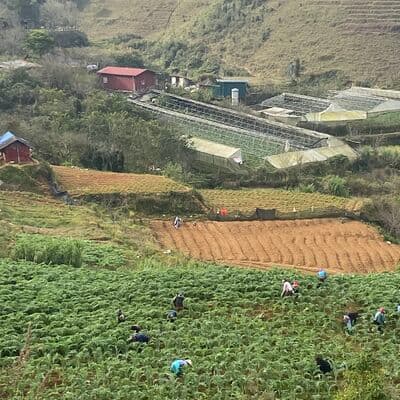
The mountain town of Sapa offers a complete change of pace: rice terraces cascading down hillsides like giant stairs, villages where Hmong and Dao women still wear traditional indigo clothing as everyday dress rather than tourist costume. Trekking between villages with homestays is one of Vietnam's most authentic experiences. But come prepared for cold - winter temperatures drop to 40F (5C), and mountain homes lack heating.
For adventurous travelers, Ha Giang province near the Chinese border is the road less traveled. Winding passes through karst landscapes, villages where foreigners are still a novelty, and some of the most spectacular mountain scenery in Southeast Asia. Not for package tourists - you will need a motorbike or a good driver, tolerance for basic accommodations, and at least 4-5 days. But if you seek Vietnam without Instagram crowds, this is it.
Central Vietnam: History, Beaches, and the Best Food
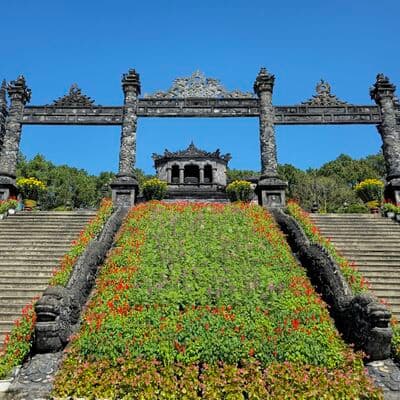
Central Vietnam is the sweet spot between north and south, and many travelers find their favorite Vietnam here. Hue was the imperial capital where the Nguyen dynasty ruled until 1945. The Imperial Citadel, royal tombs scattered through pine-covered hills, pagodas along the Perfume River - this is a city for those who appreciate history and can feel its weight. Not just looking at old walls, but imagining the lives of Vietnam's last emperors.
Hoi An is the tourist favorite, and deservedly so. The UNESCO-listed Ancient Town features Chinese merchant houses, a Japanese covered bridge, and hundreds of silk lanterns that glow at dusk. Yes, it is crowded. Yes, prices are higher than average. But Hoi An maintains its magic despite the tourists - just visit the old town early morning or late evening. Plus, it is home to Vietnam's best tailors: custom suits in 24-48 hours at a fraction of Western prices.
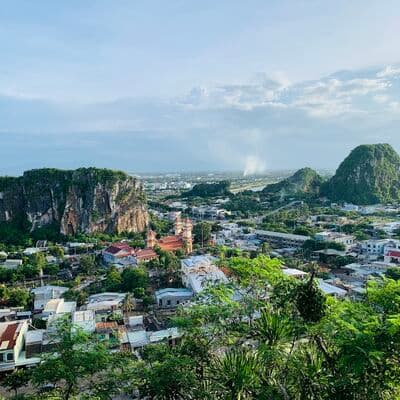
Da Nang represents modern Vietnam. The country's third-largest city is clean, organized, and lacks the chaos of Ho Chi Minh City. Excellent city beaches, the famous Dragon Bridge that breathes fire on weekends, and the Marble Mountains with their cave temples. Da Nang works well as a base: 30 minutes to Hoi An, 2 hours to Hue, and the Hai Van Pass with its spectacular coastal views is nearby.
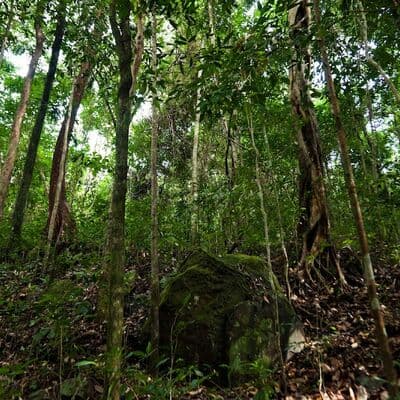
Between Da Nang and Hue lies Bach Ma National Park, a rare place where tropical rainforest reaches nearly to the sea. French colonial villas, waterfalls, endemic bird species. Not mass tourism, but worth a day if you love nature.
South-Central Coast: Beach Paradise
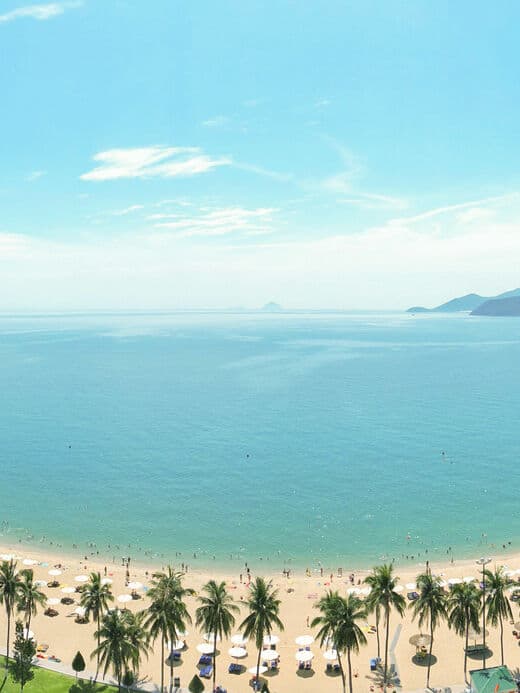
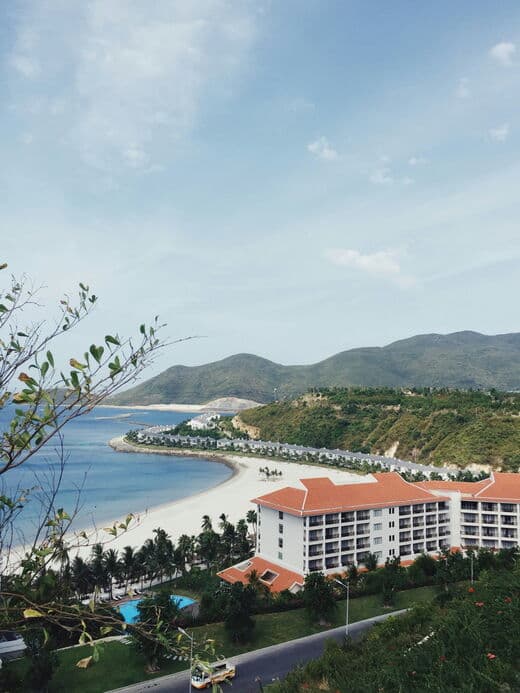
Nha Trang is Vietnam's main beach resort - a long crescent bay with good swimming, developed infrastructure, and islands ideal for boat trips. The town itself is touristy but functional, with plentiful restaurants, bars, and hotels at every price point. Expect Russian signage alongside English - Nha Trang has been popular with Russian tourists for years.
Mui Ne is the second most popular beach destination, famous for its red and white sand dunes. Consistent wind makes it Southeast Asia's kitesurfing and windsurfing capital. November through March is prime season for water sports. The beach is long, though swimming conditions vary due to waves and currents.
For those seeking solitude, Quy Nhon and Phu Yen are where beach tourism is still emerging. Empty beaches, local fishing villages, prices like Nha Trang a decade ago. Less infrastructure means more self-reliance, but for independent travelers, these are discoveries waiting to happen.
Central Highlands: Mountains, Coffee, and Elephants
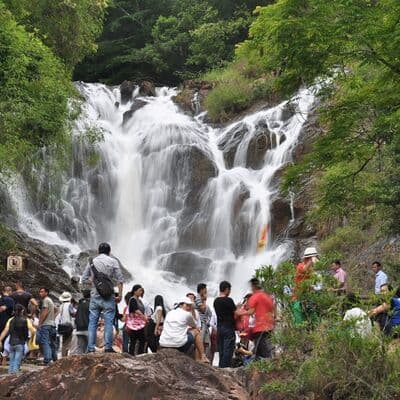
Dalat is the city of eternal spring, perched at 5,000 feet elevation. The French built it as a hill station to escape tropical heat, and today it remains Vietnam's most romantic destination: pine forests, lakes, waterfalls, strawberry farms, flower plantations. Vietnamese couples come for honeymoons, while foreign travelers come to escape coastal humidity. Nights are genuinely cool - pack warm layers.
Surrounding Dalat are Vietnam's coffee plantations. The country is the world's second-largest coffee exporter after Brazil, and most robusta beans grow here. Visit plantations, try the famous ca phe trung (egg coffee), and buy beans at producer prices.
Deeper in the highlands, Buon Ma Thuot is the capital of Dak Lak province. This is the territory of the Ede people with their traditional longhouses, elephant festivals, and crater lakes from extinct volcanoes. Few tourists venture here, which is part of the appeal - the Central Highlands shows a Vietnam that foreigners rarely see.
The South: Megacity and Mekong Delta
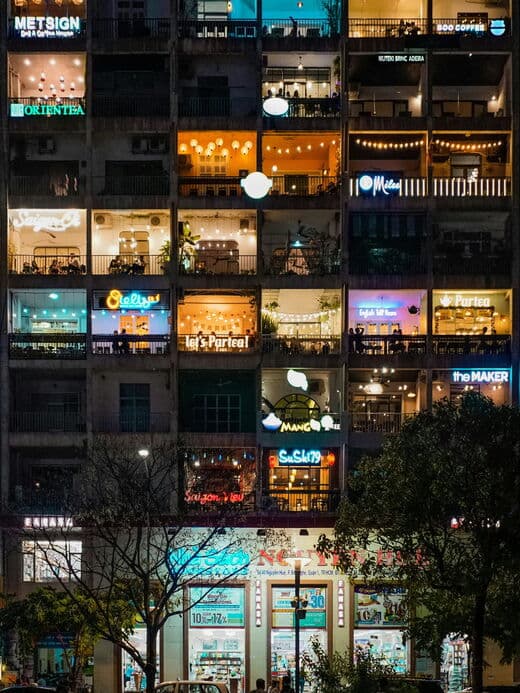
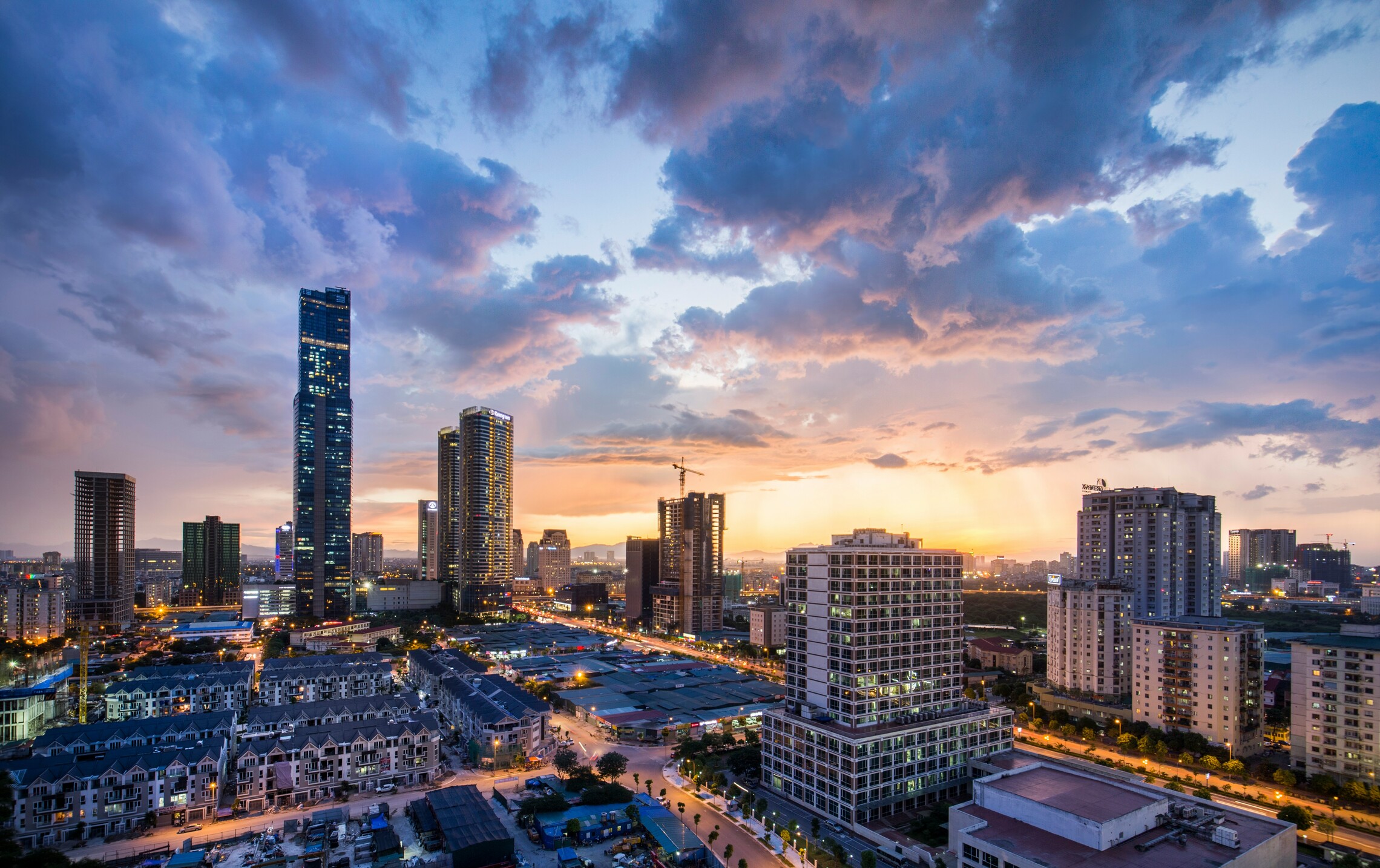
Ho Chi Minh City (still called Saigon by locals) is Vietnam's economic engine - 10 million people and 8 million motorbikes creating a symphony of controlled chaos. It is loud, frenetic, sometimes overwhelming, and completely addictive. Skyscrapers tower over French colonial architecture, street food competes with Michelin-starred restaurants, and the nightlife on Bui Vien Street pulses until dawn.
History is present here too, but different from the north. The War Remnants Museum, the Cu Chi Tunnels where Viet Cong fighters hid, the Reunification Palace - these are difficult places, but they help you understand what this country endured and why it is what it is today.
The Mekong Delta south of Ho Chi Minh City is another world entirely. The river splits into nine tributaries, creating a labyrinth of canals, floating markets, fruit orchards, and rice paddies. Can Tho with its Cai Rang floating market, My Tho, Ben Tre - these places show rural Vietnam living on the water. Day trips from Ho Chi Minh City are possible, but staying overnight to catch the floating market at dawn is worth the extra time.
Islands: Tropical Escapes
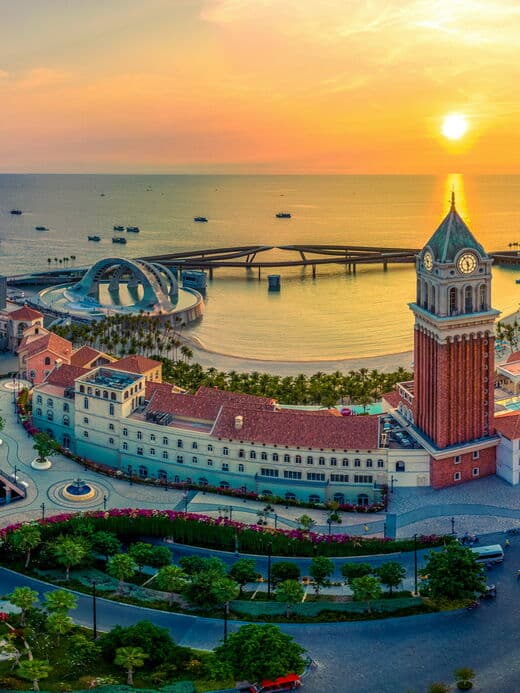
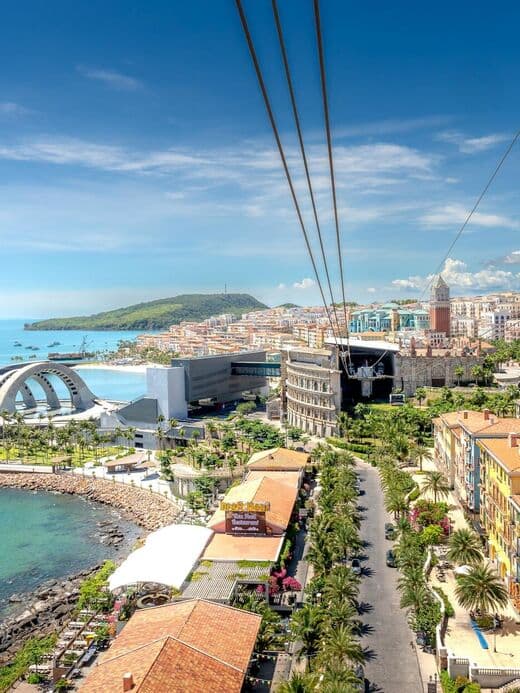
Phu Quoc is Vietnam's largest island, now developed into an international-standard resort destination. Long beaches, jungle interiors, a national park, fishing villages. Recent additions include the world's longest over-sea cable car (to Hon Thom island), a waterpark, and a safari park. Phu Quoc balances development with nature preservation - the northern part of the island remains relatively untouched.
The Con Dao archipelago is for those seeking seclusion. A former French prison island is now a nature reserve with sea turtles, dugongs, and pristine beaches. Getting there takes more effort and infrastructure is limited, but crowds are nonexistent. This is premium Vietnam beach experience.
Islands near Nha Trang - Hon Mun, Hon Tam, Hon Tre - are excellent for diving and snorkeling. Coral reefs here are better preserved than in Thailand, and dive prices are among the lowest in the region.
Natural Wonders of Vietnam
Ha Long Bay and Karst Landscapes
Ha Long Bay is Vietnam's postcard image and a UNESCO World Heritage Site. Nearly 2,000 limestone islands and karsts rise from the emerald waters of the Gulf of Tonkin. The name translates as 'where the dragon descended into the sea' - legend says a dragon carved the valleys and gorges that later filled with water.
The standard way to experience Ha Long is a junk boat cruise. Day trips are cheaper but show only a small portion and put you among many other boats. A 2-day/1-night cruise is optimal: sunrise over the bay, kayaking in empty lagoons, visiting floating villages. Three days/two nights gets you to remoter islands away from crowds.
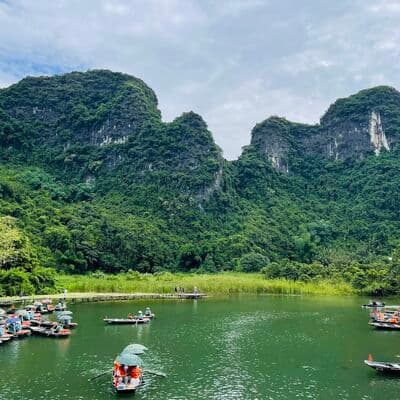
Alternatives to Ha Long: Bai Tu Long Bay to the north has the same karsts with fewer tourists. Lan Ha Bay is quieter still, with private boats possible. Ninh Binh on land is called 'Ha Long on land' - karst peaks rising from rice paddies. The boat trip through Tam Coc with its tunnel caves is one of Vietnam's most photogenic routes.
Phong Nha-Ke Bang Caves
Phong Nha-Ke Bang National Park contains Asia's largest karst cave system. Here you find Son Doong, the world's biggest cave - a 40-story building could fit inside, and it has its own weather system with clouds and jungle. An expedition to Son Doong costs around $3,000 and requires booking six months ahead - this is a genuine 4-day adventure with underground camping.
For regular tourists, more accessible caves include Phong Nha with its underground river, Paradise Cave (Thien Duong) with 7 kilometers of stalactites, and Tu Lan cave with a zipline inside. Base yourself in Phong Nha town for 2-3 days - that is enough to see the highlights.
Rice Terraces
The rice terraces of Sapa and Mu Cang Chai are engineering marvels created by generations of mountain peoples. Terraces carved into mountainsides fill with water during planting season (May-June), creating a mirror effect. In September-October, before harvest, they turn golden. Winter terraces are brown and less impressive, but tourist crowds thin considerably.
Mu Cang Chai is the less-touristed alternative to Sapa. It takes longer to reach and infrastructure is minimal, but the terraces are equally beautiful with far fewer visitors. This is for travelers willing to sacrifice comfort for authenticity.
National Parks
Vietnam ranks among the world's most biodiverse countries. Cuc Phuong is the oldest national park, with 1,000-year-old trees and a primate rescue center. Cat Tien in the south offers a chance to see the last Javan rhinos (extremely rare). Bach Ma in the center has wet tropical forests with endemic bird species. Most parks require guides, and this is sensible - without a guide, you will see little in the jungle.
When to Visit Vietnam
Climate by Region
Vietnam's elongated geography means there is no single 'best time' for the whole country. When the north is cold and damp, the south enjoys perfect weather, and vice versa.
North (Hanoi, Ha Long, Sapa): Best from October to December and March to April. Winter (December-February) is cold and foggy, especially in the mountains. Summer (May-September) is hot, humid, and rainy. Typhoon season runs July to November and can affect the coast.
Central (Hue, Da Nang, Hoi An): Ideal from February through August. Rainy season runs September to January, with potential flooding in October-November. Hoi An floods regularly - picturesque in photos but inconvenient for walking around.
South (Ho Chi Minh City, Nha Trang, Phu Quoc, Mekong): Dry season from November to April is best. Wet season (May-October) brings daily short downpours, usually afternoon. Temperature stays 77-95F (25-35C) year-round.
Dalat and highlands: Comfortable year-round thanks to elevation. Avoid peak rainy season (July-September).
Festivals and Holidays
Tet (Vietnamese New Year) falls in late January or February by the lunar calendar. This is the country's biggest celebration, but for tourists it is a mixed blessing. On one hand: decorated cities, fireworks, festive atmosphere. On the other: everything closes for 3-5 days, transport is packed, prices spike. If you want to experience Tet, book everything far in advance and accept limitations.
Hoi An Lantern Festival occurs on the 14th day of each lunar month. The old town is lit only by lanterns, candles float down the river. Beautiful but crowded.
Mid-Autumn Festival in September is especially colorful in Hanoi: mooncakes, children's lantern processions, lion dances.
When Not to Visit
Avoid central Vietnam in October-November - typhoon and flood risk is real. The Tet period (7-10 days around Vietnamese New Year) is challenging: expensive, crowded, many things closed. July-August is peak season for Vietnamese domestic tourists, meaning packed beaches and resorts.
Getting to Vietnam
International Airports
Vietnam has three major international hubs: Hanoi (Noi Bai, HAN) in the north, Ho Chi Minh City (Tan Son Nhat, SGN) in the south, and Da Nang (DAD) in the center. Which to fly into depends on your itinerary. If you plan to traverse the country, consider flying into one city and out of another (open jaw) to avoid backtracking.
From the United States, direct flights operate from San Francisco and Los Angeles to Ho Chi Minh City on Vietnam Airlines and United, taking around 15-16 hours. Most US travelers connect through Tokyo (ANA, Japan Airlines), Seoul (Korean Air, Asiana), Hong Kong (Cathay Pacific), or Singapore. Expect 18-24 hours total travel time with connections. Prices vary widely: $600-1,200 round trip depending on season and advance booking.
From the UK and Europe, Vietnam Airlines offers direct London-Hanoi and London-Ho Chi Minh City flights (around 11-12 hours). Alternatives include connecting through Middle Eastern hubs (Emirates via Dubai, Qatar via Doha) or Asian cities (Bangkok, Singapore). Budget around 400-800 GBP round trip.
From Australia, direct flights operate from Sydney and Melbourne to Ho Chi Minh City (8-9 hours) on Vietnam Airlines, Jetstar, and occasionally Qantas. Budget airlines like VietJet and Bamboo Airways offer cheap connections via regional hubs.
Budget carriers are worth considering for regional travel. VietJet Air and Bamboo Airways offer cheap tickets within Asia, though baggage and meals cost extra. From Bangkok, Kuala Lumpur, or Singapore, flights can cost as little as $30-50 on sale.
Visa Requirements
Citizens of the US, UK, Australia, Canada, and most EU countries can enter Vietnam visa-free for up to 45 days. This applies to tourism; a valid passport with at least 6 months validity and proof of onward travel (theoretically required, rarely checked) is needed.
For stays longer than 45 days, options include an e-visa (90 days, single entry, $25 online) or a visa on arrival (requires pre-arranged approval letter through an agency). Multiple-entry visas for 90 days can be obtained through Vietnamese embassies.
Important note: the visa-free policy is for single entry. If you exit Vietnam (say, to Cambodia or Laos) and want to return, you technically need a visa. In practice, border officials often allow re-entry, but there is risk of denial. Safer to arrange an e-visa in advance if you plan to exit and return.
Land Borders
Vietnam shares borders with China, Laos, and Cambodia. All are open to tourists with appropriate visas.
From Cambodia: Buses run from Phnom Penh or Siem Reap to Ho Chi Minh City. The Moc Bai / Bavet border crossing is straightforward. Travel time from Phnom Penh is 6-7 hours. Cambodian visas are available on arrival for $30.
From Laos: Several crossings exist. The most popular is Lao Bao / Dansavanh, with access to Hue. Buses operate from Vientiane or Savannakhet. Laos also offers visas on arrival.
From China: Border crossings at Lao Cai (near Sapa) and Lang Son (near Hanoi). A scenic train runs from Nanning to Hanoi. Chinese visas must be obtained in advance - no visa on arrival.
Getting Around Vietnam
Domestic Flights
Given Vietnam's length, flying makes sense for covering distance quickly. Hanoi to Ho Chi Minh City is 2 hours by air versus 30+ hours by train. Vietnam Airlines, VietJet Air, and Bamboo Airways operate dozens of daily flights between major cities.
Domestic flight prices start around $20-30 on budget carriers (no luggage included). Vietnam Airlines costs more but includes baggage and meals. Book in advance - fares are 2-3x lower when purchased 2-3 weeks ahead rather than day-of.
Airports serve all major cities: Nha Trang (Cam Ranh, 25 miles from town), Dalat (Lien Khuong, 20 miles), Phu Quoc, Hue (Phu Bai). Smaller destinations may require connections through Hanoi or Ho Chi Minh City.
Trains
Vietnam Railways is not about speed - it is about experience. The North-South line (Reunification Express) connects Hanoi and Ho Chi Minh City, passing through Hue, Da Nang, and Nha Trang. The full journey takes 30-35 hours. Sounds long, but this is one of Asia's most scenic rail routes: sea, mountains, rice paddies, villages.
Rather than riding the whole line at once, break it into segments. Hanoi to Hue: overnight train, 13 hours, sleeper car. Wake up in a new city, save on a hotel night. Hue to Da Nang: 2.5 hours, the coastal stretch with views of Hai Van Pass - stay awake for this one.
Carriage classes: hard seat is for masochists only. Soft seat is tolerable for short distances. Hard sleeper (6 bunks per cabin, like hostel dorms) works for one night. Soft sleeper (4 bunks, air conditioning) approaches comfortable. Book at baolau.com or vietnam-railway.com a few days ahead.
Buses
Vietnam's intercity bus network is extensive. You can reach virtually anywhere by bus, from basic local services to tourist-oriented sleeping buses with semi-reclined beds. Sleeping buses are quintessentially Vietnamese: instead of seats, semi-reclined beds in two or three tiers. You cannot fully stretch out, but sleep is possible.
Quality varies dramatically. Companies like The Sinh Tourist, Futa Bus, and Hoang Long are reliable with air conditioning, Wi-Fi, and proper rest stops. Local companies can be unpredictable: aging vehicles, middle-of-night stops, drivers unfamiliar with the concept of smooth.
Open bus tickets suit backpackers: one ticket for an entire route (e.g., Ho Chi Minh City to Hanoi) with freedom to hop off at any city along the way. Cheap ($40-60 for the whole route), flexible, but basic bus quality.
Renting Vehicles
Motorbikes are how Vietnamese travel, and for experienced riders, the best way to explore the country. Rentals range from $5-10/day for 110-125cc scooters to $15-25 for semi-automatic or proper motorcycles. International driver's licenses with motorcycle endorsement are technically required but rarely checked. Rental insurance typically covers little of substance - read the fine print.
Critical warning: Vietnamese traffic is controlled chaos. If you have never ridden a motorbike in Asia, do not start in Ho Chi Minh City or Hanoi. Practice in Hoi An, Dalat, or Phu Quoc where traffic is calmer. Always wear a helmet - fines are real, and head injuries are realer.
Cars with drivers are sensible for those who prefer four wheels. Expect $50-80/day including driver, fuel, and parking. Drivers rarely speak English, but Google Translate bridges the gap. Self-drive car rental is effectively unavailable to foreigners - international licenses are not recognized.
Urban Transport
Grab is Vietnam's Uber equivalent and works nationwide. Cars, motorbikes (GrabBike - 3x cheaper than taxis), food delivery. Linking US/UK/Australian cards usually works, or pay cash. This is your best friend in cities: no haggling with taxi drivers, transparent pricing, route on your phone.
Metro service currently exists only in Ho Chi Minh City, with one line still being completed. Hanoi's metro is under construction. City buses exist but are challenging without language skills and route knowledge.
Traditional taxis - use only reputable companies: Vinasun and Mai Linh. They have meters and published rates. Avoid taxis offering 'special prices' - overcharging is guaranteed.
Cultural Code
Communication and Behavior
Vietnamese people are reserved and polite. Raising your voice, showing irritation, or publicly criticizing means 'losing face' - and this applies to both parties. If something goes wrong, stay calm. A smile and patience work better than demands and threats.
Time concepts are flexible here. 'I'll be there in 5 minutes' might mean 30. 'Tomorrow' sometimes means 'eventually.' If you have an appointment, build in buffer time and do not stress about delays.
Personal questions that seem intrusive to Westerners are normal here: how old are you, are you married, how much do you earn? This is not nosiness but a way to determine how to address you - as an elder or younger person, what level of respect to apply. Feel free to deflect with humor or vague answers.
Religion and Temples
Vietnam is predominantly Buddhist with elements of Confucianism, Taoism, and ancestor worship. In temples, remove shoes before entering, dress modestly (covered shoulders and knees), and do not point at Buddha statues. Photography is usually allowed, but ask permission, especially during ceremonies.
Do not step on temple thresholds - spirits are believed to dwell there. Do not turn your back to altars. You can light incense, but if you do not know the ritual, simply observe.
Tipping
Tipping culture is not traditional in Vietnam, though tourism is changing things. In local eateries, tips are not expected and might even cause embarrassment. In tourist-oriented restaurants, rounding up or leaving 5-10% is appreciated. International hotel chains follow Western norms.
For tour guides and drivers, tips are appropriate: $2-4 per person for a day tour, more for multi-day excursions. Massage therapists appreciate 10-20% if service was good.
Bargaining
In markets and non-tourist shops, bargaining is expected and part of the culture. Initial prices for foreigners are typically marked up 2-5x. Bargain with a smile, not aggression. If you cannot agree on price, walk away - often the vendor will call you back.
Where not to bargain: supermarkets, restaurants with menus, transport tickets, museum entry fees. Where bargaining is appropriate: street markets, souvenir shops, taxis without meters (though Grab is better), long-term motorbike rentals.
Taboos and Sensitive Topics
Do not criticize the government, the Communist Party, or Ho Chi Minh. Vietnam is a one-party state, and political discussions can create problems. The war with America (here called the 'American War') is a sensitive topic, but Vietnamese generally do not hold grudges against tourists and often share family stories willingly.
Do not touch people on the head - it is considered sacred in Buddhist culture. Do not hand things over with your left hand - it is considered unclean. Do not point the soles of your feet at people or Buddha images.
Safety in Vietnam
Overall Situation
Vietnam is one of the safest countries in Southeast Asia. Violent crime against tourists is extremely rare. You can walk most areas safely at night, and solo female travelers generally feel secure. Police are neutral toward foreigners, though language barriers can complicate interactions.
Petty Crime
The main issues are pickpocketing and bag snatching from passing motorbikes, especially in Ho Chi Minh City and tourist areas. Simple rules: do not carry bags on your street-side shoulder, do not pull out your phone near the curb, keep valuables out of backpack external pockets. Use hotel safes for passports and excess cash.
Tourist scams are classic: fake 'police officers' checking documents and 'finding' problems, shoe shiners insisting on repairs then demanding outrageous payment, 'students' practicing English who lead you to expensive cafes. If something feels suspicious, simply walk away.
Traffic
This is the real risk. Traffic in Vietnamese cities is chaotic, with rules serving more as suggestions. Cross streets slowly and predictably - motorbikes will flow around you. Do not make sudden moves, do not run, do not stop mid-stream. It sounds terrifying, but after a few days you will adapt.
If you rent a motorbike, know that tourists are disproportionately represented in traffic accidents. Helmets are mandatory, drunk driving carries serious penalties up to arrest, and travel insurance is highly advisable.
Natural Hazards
Typhoons affect the central and northern coast from July through November. Monitor forecasts if traveling during this period. Flooding in Hoi An and Hue occurs regularly in October-November.
Jellyfish and sea urchins are common on Vietnamese beaches. Watch your step when entering the water. Some beaches post jellyfish warnings - take them seriously.
Emergency Contacts
Police: 113. Ambulance: 115. Fire: 114. General emergency: 111. English is not always understood - ask your hotel or locals for help.
US Embassy in Hanoi: +84-24-3850-5000. US Consulate in Ho Chi Minh City: +84-28-3520-4200. British Embassy: +84-24-3936-0500. Australian Embassy: +84-24-3774-0100.
Health and Medical Care
Pre-Trip Preparation
No vaccinations are mandatory for entering Vietnam (unless arriving from a yellow fever endemic country). Recommended immunizations include Hepatitis A and B, typhoid, and tetanus. For extended stays in rural areas, discuss Japanese encephalitis and rabies vaccines with your doctor.
Malaria is effectively eliminated in tourist areas. Risk remains in remote mountain regions along the Laos and Cambodia borders. For standard itineraries, prophylaxis is unnecessary, but bring mosquito repellent - dengue fever is transmitted by daytime mosquitoes and occurs throughout the country.
Medical Services
Major cities have international clinics with English-speaking staff: Family Medical Practice, Vinmec, FV Hospital. Quality is good and prices are lower than Western standards, but serious cases should have insurance with evacuation coverage.
Local hospitals vary in quality and language capability. If you end up in a government hospital with an emergency, ask your hotel or local contacts to help with translation. Pharmacies sell most medications without prescription, including antibiotics (though this does not mean you should take them without medical advice).
Common Tourist Health Issues
Traveler's stomach is an Asian travel classic. Do not drink tap water, avoid ice in questionable establishments (reputable places use purified ice), wash fruits. If something goes wrong: Imodium, electrolytes, bland diet for a day or two.
Heat exhaustion is underrated. Humidity of 80-90% means sweat does not cool you. Drink lots of water (2-3 liters daily), wear a hat, take breaks in air-conditioned spaces.
Travel insurance is essential. Verify coverage for: motorbike accidents (many policies exclude them), adventure activities, medical evacuation. Keep all clinic receipts for reimbursement.
Money and Budget
Currency and Exchange
The Vietnamese dong (VND) is one of the world's 'largest' currencies. One US dollar equals roughly 24,000-25,000 dong. You will count in thousands and millions: lunch for 80,000 dong, hotel room for 500,000, motorbike rental for 150,000 per day. Locals often drop the last three zeros: 'eighty' means 80,000.
Cash dominates the economy. Cards are accepted at hotels, upscale restaurants, and shopping malls, but street food, markets, and small cafes require cash. ATMs are everywhere and dispense dong. Typical withdrawal fees are 30,000-50,000 VND per transaction.
For currency exchange, jewelry shops (look for 'Gold Shop' signs) offer better rates than banks. Airport exchange rates are terrible - change only enough to reach the city.
Budget Categories
Budget travelers ($25-40/day): Hostels or guesthouses ($5-10), street food and local cafes ($3-5 for food), public transport or cheap buses, free attractions and nature.
Mid-range ($50-80/day): 3-star hotels ($20-35), mid-level restaurants ($15-20 for food), Grab and domestic flights, tours and entrance fees.
Comfortable ($100-150/day): 4-5 star hotels ($50-80), restaurants at all levels, private tours, spa treatments and massages.
Luxury ($200+/day): Boutique hotels and villas ($100-200+), tasting menus, private guides, helicopter tours over Ha Long, yachts in Phu Quoc.
Specific Prices (2025-2026)
Food: Street pho - 40,000-60,000 ($1.50-2.50), banh mi - 20,000-35,000, iced coffee - 25,000-40,000, tourist restaurant lunch - 150,000-250,000, nice dinner - 400,000-800,000.
Transport: City Grab ride - 30,000-80,000, intercity bus - 150,000-400,000, Hanoi-Hue train (hard sleeper) - 600,000-800,000, domestic flight - 500,000-1,500,000, motorbike rental - 120,000-200,000 per day.
Accommodation: Hostel bed - 150,000-250,000, guesthouse room - 300,000-500,000, 3-star hotel - 500,000-900,000, 4-5 star hotel - 1,000,000-3,000,000.
Activities: Ha Long Bay cruise (2 days/1 night) - 2,500,000-6,000,000, Hue Imperial Citadel entry - 200,000, massage - 200,000-400,000 per hour, diving - 1,500,000-2,500,000 for two dives.
Top Vietnam Itineraries
7 Days: Classic Central
An ideal first taste of Vietnam, especially if time is limited. Focus on the central region - the most attraction-dense area.
Day 1: Arrive Da Nang. Transfer to Hoi An (30 minutes). Check into a hotel in or near the Ancient Town. Evening stroll along the riverfront as lanterns light up. Dinner at a Bach Dang street restaurant with river views.
Day 2: Hoi An. Morning in the Ancient Town: Japanese Bridge, Chinese merchant houses, Phuc Kien Assembly Hall. Afternoon at An Bang Beach (2.5 miles from center) or a Vietnamese cooking class. Evening fitting if you ordered custom clothes. Night market exploration.
Day 3: Hoi An surroundings. Bicycle ride through rice paddies to Tra Que vegetable village. Or day trip to My Son - 10th-century Cham temple ruins (UNESCO). Evening street food tour.
Day 4: Hoi An to Hue. Morning transfer to Hue via Hai Van Pass - one of Vietnam's most scenic roads. Stop at the pass for photos. Option to rent a motorbike and ride it yourself if experienced. In Hue, check in and stroll along the Perfume River.
Day 5: Hue. Full day at the Imperial Citadel (allow 3-4 hours). Afternoon visit to one or two royal tombs: Minh Mang (most scenic), Tu Duc (most romantic), Khai Dinh (most unusual, blending European and Asian styles). Evening dinner featuring Hue cuisine, known for being spicier than northern or southern food.
Day 6: Hue to Da Nang. Morning at Thien Mu Pagoda on the riverbank. Transfer to Da Nang. Marble Mountains - caves with Buddhist shrines and viewpoints. Evening at Dragon Bridge (breathes fire at 9pm on weekends).
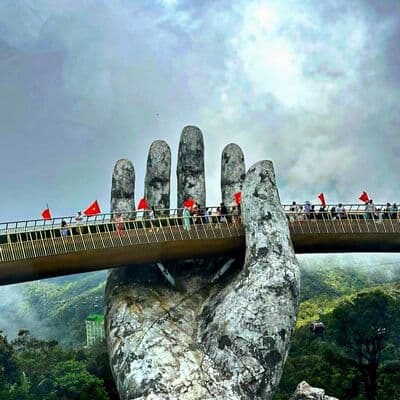
Day 7: Da Nang departure. Morning at My Khe Beach or Ba Na Hills with its Golden Bridge. Depart or continue your journey.
10 Days: North and Central
An expanded route adding Hanoi and Ha Long Bay to central Vietnam.
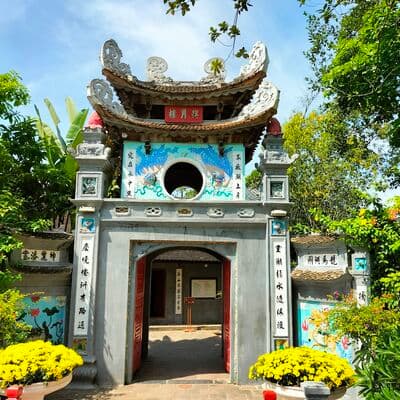
Days 1-2: Hanoi. Arrive, settle into the Old Quarter. Day one: acclimate and explore - Hoan Kiem Lake, Ngoc Son Temple, the 36 guild streets. Evening water puppet theater. Day two: Ho Chi Minh Mausoleum (mornings only, closed Mondays and Fridays), Temple of Literature, West Lake pagodas.
Days 3-4: Ha Long Bay. Morning departure for cruise (3-4 hours from Hanoi). Board junk boat, lunch on board. Afternoon kayaking in lagoons, cave visit. Sunset on deck. Night on the boat. Day two: sunrise over the bay, tai chi on deck, visit floating village. Return to Hanoi by evening.
Day 5: Hanoi to Hue. Morning for anything missed (Ethnography Museum if interested in tribal cultures). Afternoon flight to Hue, or overnight train (depart evening, arrive morning - saves a hotel night).
Days 6-7: Hue. Two full days for the former capital: Citadel, tombs, pagodas, Dong Ba Market. Option to add a boat trip on the Perfume River visiting pagodas and tombs.
Days 8-9: Hoi An. Transfer via Hai Van Pass. Two days in Hoi An: Ancient Town, beaches, cooking classes, My Son, cycling.
Day 10: Depart Da Nang.
14 Days: Vietnam North to South
The classic journey through the entire country. Fly into Hanoi, out of Ho Chi Minh City (or reverse).
Days 1-3: Hanoi and Ha Long. As in the 10-day itinerary.
Days 4-5: Hue. Fly from Hanoi. Two days exploring the imperial capital.
Days 6-7: Hoi An. Transfer via Hai Van Pass, two days in Hoi An.
Day 8: Da Nang to Nha Trang. Morning flight. Beach day, evening seafood on the waterfront.
Day 9: Nha Trang. Island hopping boat tour: snorkeling, beaches, seafood lunch. Or a relaxed pool day.
Day 10: Nha Trang to Dalat. Bus or taxi (4 hours via scenic mountain roads). Check in, explore the lake and town center.
Day 11: Dalat. Waterfalls (Datanla, Pongour), coffee plantations, Crazy House (an eccentric guesthouse by a local architect). Evening at the night market for street food.
Day 12: Dalat to Ho Chi Minh City. Fly or bus (7-8 hours). Check into District 1 or District 3. Evening on Bui Vien Street (backpacker party zone) or rooftop bars with city views.
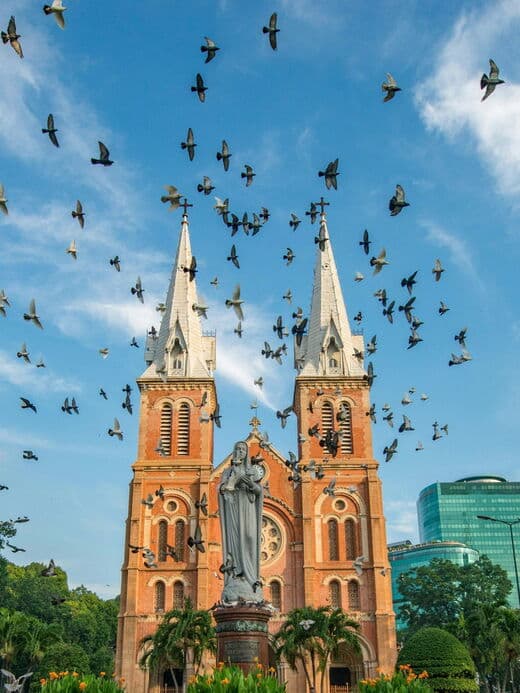
Day 13: Ho Chi Minh City. Morning Cu Chi Tunnels tour (half day). Afternoon in the city center: Notre Dame Cathedral, Central Post Office, Ben Thanh Market, War Remnants Museum (heavy but important).
Day 14: Ho Chi Minh City departure. Morning for what you missed: Reunification Palace, Chinatown (Cholon), shopping. Depart.
21 Days: Deep Dive
Three weeks allow adding either the northern mountains (Sapa), islands (Phu Quoc), or the Mekong Delta to the standard route.
Option A: With Mountains
Days 1-2: Hanoi. Days 3-4: Overnight train to Sapa, village trekking, rice terraces. Day 5: Return to Hanoi. Days 6-7: Ha Long. Then standard southbound route with extra days in Hoi An, Nha Trang, or Ho Chi Minh City.
Option B: With Islands
Standard 14-day route plus 5-6 days on Phu Quoc at the end. Beach relaxation, snorkeling, sunsets, fishing villages. Direct flights from Ho Chi Minh City or even Hanoi.
Option C: With Mekong
After Ho Chi Minh City, add 3 days in the Mekong Delta. My Tho and Ben Tre - day one. Can Tho with Cai Rang floating market (go at dawn!) - day two. Return to Ho Chi Minh City and depart.
Connectivity and Internet
Mobile Service
A Vietnamese SIM card is essential. Internet is fast and cheap. Major carriers: Viettel (best coverage), Mobifone, Vinaphone. Tourist SIMs are sold at airport arrival halls - kiosks right after customs. Cost: 150,000-300,000 dong ($6-12) for 10-30 GB monthly with unlimited calls within network.
Purchase requires a passport - a formality, the vendor photographs your ID page. The SIM activates immediately with automatic configuration. If settings do not work, ask the vendor to set it up.
Wi-Fi
Free Wi-Fi is nearly universal: hotels, cafes, restaurants, even many street food stalls. Quality varies - hotels are usually good, cafes can be hit or miss. For work, rely on mobile data.
VPN and Blocks
Vietnam periodically blocks certain websites (Facebook sometimes works unreliably). Installing a VPN before arrival is recommended. Most popular services work: ExpressVPN, NordVPN, Surfshark.
What to Eat: Vietnamese Cuisine
Essential Dishes
Pho is the national soup and symbol of Vietnamese cuisine. Rice noodles swim in aromatic broth that simmers for 10-24 hours with beef bones, spices, ginger, and star anise. Topped with thin slices of beef (pho bo) or chicken (pho ga), fresh herbs, and bean sprouts. Eaten for breakfast, lunch, dinner, at 3 AM - pho is always appropriate. The best pho comes not from restaurants but from street stalls where families have perfected one dish across generations.
Banh mi is the Vietnamese baguette, a legacy of French colonization. Crispy outside, airy inside, filled with pate, pork prepared various ways, pickled carrots and daikon, fresh cilantro, and chili. Costs 20,000-35,000 dong (under $1.50) and might be the best sandwich of your life. In Hoi An, Banh Mi Phuong made international 'best street food' lists.
Bun cha is Hanoi's signature dish. Rice vermicelli with grilled pork patties in sweet-sour broth with herbs. This is what Obama ate with Anthony Bourdain in that famous Parts Unknown episode - the restaurant (Bun Cha Huong Lien) now calls itself 'Obama Bun Cha.'
Banh cuon are steamed rice crepes, paper-thin, filled with minced pork and mushrooms. Served with nem chua (fermented pork sausage), fresh herbs, and fish sauce. A typical northern Vietnamese breakfast.
Com tam - 'broken rice' - is a southern staple. Rice grains that broke during processing (historically food for the poor) served with grilled pork chop, egg omelet, and pickled vegetables. Filling, cheap, delicious.
Regional Specialties
Hue is the birthplace of imperial cuisine and Vietnam's spiciest food. Bun bo Hue is a fiery soup with beef and pork knuckles, completely different from pho. Banh beo are tiny steamed rice cakes with shrimp powder. Nem lui is meat on lemongrass sticks, eaten wrapped in rice paper with herbs.
Hoi An is central Vietnam's culinary capital. Cao lau is thick noodles made only here, with water from specific local wells. Banh mi Hoi An adds extra ingredients to the standard formula. White rose dumplings (banh bao vac) are rose-shaped rice dumplings with shrimp.
The South features sweeter flavors and abundant herbs and vegetables. Banh xeo are crispy pancakes with shrimp, pork, and sprouts. Hu tieu is clear soup with noodles and pork. Goi cuon are fresh spring rolls you wrap yourself in rice paper.
Seafood is everywhere along the coast. In Nha Trang, on Phu Quoc, in Da Nang - fresh shrimp, crab, lobster, scallops. Choose from the tank, pay by weight, they cook it for you. Cheaper than anywhere in the West, and freshness is guaranteed.
Drinks
Coffee - Vietnam is the world's number two exporter, and local coffee culture is unique. Ca phe sua da is iced coffee with sweetened condensed milk, the basic version. Ca phe trung is coffee with whipped egg yolk, creamy like tiramisu, originating in Hanoi. Ca phe cot dua is coconut coffee. Coffee is served through small metal filters (phin) that slowly drip into your glass - a contemplative ritual.
Beer - bia hoi is 'fresh beer,' brewed without preservatives and sold the same day. Costs 5,000-10,000 dong per glass ($0.20-0.40), drunk on low plastic stools right on the sidewalk. This is a social ritual: office workers, laborers, tourists - everyone sits together. Saigon Beer, Hanoi Beer, and 333 are the main bottled brands.
Tea - tra da (iced green tea) is served free almost everywhere. Tra sen is lotus tea, fragrant and expensive. Tra atiso is artichoke tea from Dalat, believed to be good for the liver.
Street Food Safety
Street food in Vietnam is not a risk - it is the main attraction. But a few rules: choose places with lines of locals - turnover means freshness. Avoid stalls where food sits in the sun. Meat and seafood should be cooked in front of you. Greens and vegetables are washed in tap water - if your stomach is sensitive, ask for them to be left off. And do not be afraid to try: Vietnamese street food is cleaner and higher quality than in many neighboring countries.
Shopping and Souvenirs
What to Buy
Coffee is the obvious choice. Weasel coffee (ca phe chon) - the famous 'civet poop coffee' - is expensive and often faked. Regular robusta and arabica from Dalat or Buon Ma Thuot is excellent and honest. Buy from specialty stores or directly from plantations.
Silk - Vietnam produces quality silk, especially in Van Phuc village near Hanoi and in Hoi An. Buy fabric or finished products. In Hoi An, tailors will custom-make dresses, suits, or coats in 24-48 hours based on your measurements and Pinterest photos.
Custom clothing is the main reason to shop in Hoi An. Hundreds of tailor shops create everything from men's suits (from $80) to wedding dresses. Quality varies - read TripAdvisor reviews, budget time for fittings and alterations.
Lacquerware is a traditional Vietnamese craft. Boxes, vases, and paintings with multilayer lacquer and mother-of-pearl inlay. Quality pieces are not cheap; cheap pieces show their quality.
Ceramics, especially from Bat Trang village near Hanoi. Blue and white porcelain, vases, figurines. You can visit workshops and create something yourself.
Conical hats (non la) are tourist classics, but quality palm leaf hats are genuinely beautiful. Versions with poems woven in (non bai tho) from Hue are especially elegant.
Where to Shop
Markets: Ben Thanh in Ho Chi Minh City (touristy, inflated prices), Dong Xuan in Hanoi (more local), Hoi An night market (souvenirs and lanterns), Han Market in Da Nang. Bargain at markets - opening prices are typically 2-3x the real value.
Shopping malls: Vincom, Lotte Mart, Aeon Mall in major cities. Fixed prices, air conditioning, quality guarantees. Good for electronics, cosmetics, branded clothing.
Specialty shops: For quality coffee - Trung Nguyen stores. For silk - official showrooms. For handmade crafts - look for shops at craft villages.
Tax Refunds
VAT refunds are theoretically available on purchases over 2,000,000 dong at shops displaying the Tax Free sticker. In practice, it does not always work and requires airport time. If making a significant purchase, ask in advance and save receipts.
Useful Apps
Transport and Navigation
Grab - the essential app for taxis and motorbike taxis. Shows prices upfront, card or cash payment, no language barrier with drivers.
Google Maps - works well, though for public transport local apps are better. Download offline maps for areas you will visit in case of connectivity issues.
Rome2Rio - for planning intercity routes: shows all options (bus, train, plane) with prices and travel times.
12Go Asia - online booking for buses, trains, ferries. Small markup, but convenient and reliable.
Translation and Communication
Google Translate - camera mode for translating signs and menus. Download the Vietnamese language pack for offline use.
Papago - alternative translator, some find it more accurate for Asian languages.
Money and Payments
XE Currency - currency converter, works offline after downloading rates.
Splitwise - if traveling with a group, useful for splitting expenses.
Local Apps
Foody - Vietnam's Yelp equivalent, restaurant and cafe ratings. Interface is in Vietnamese, but photos and ratings are understandable.
Now (Shopee Food) - food delivery if you are tired of going out.
Agoda, Booking - for accommodation bookings. In Asia, Agoda sometimes offers better prices.
Planning Your Trip: Final Thoughts
Vietnam for Different Travelers
History and culture lovers: Hanoi and Hue are your priorities. A thousand-year-old capital with temples and an imperial city with citadel and tombs. Add Hoi An for atmosphere and My Son for Cham ruins. Ho Chi Minh City covers 20th-century history, war, and reunification.
Beach seekers: Phu Quoc is the top choice for classic beach vacation. Nha Trang if you want developed infrastructure. Mui Ne for kitesurfing. Con Dao for seclusion and premium experience. Da Nang beaches combine well with cultural sightseeing.
Food enthusiasts: Start in Hanoi for pho and bun cha, traverse through Hue (spicy imperial cuisine) and Hoi An (cao lau and white rose), finish in Ho Chi Minh City with southern dishes and seafood. Take cooking classes and street food tours everywhere.
Adventure and nature lovers: Sapa and Ha Giang for trekking, Phong Nha for caving, Dalat for cycling and waterfalls, Nha Trang and Phu Quoc for diving and snorkeling. Ha Long for kayaking among karst formations.
Budget travelers: Vietnam is one of the cheapest countries for quality travel. Open bus tickets, hostels, street food - you can manage on $25-30/day without sacrificing experiences. Night trains save on hotels, local cafes beat tourist restaurants.
What to Expect
Vietnam is not about comfort in the Western sense. It is loud, chaotic, sometimes dirty. Traffic is terrifying, vendors are pushy, the language barrier is real. But this is what makes travel here an adventure rather than just moving between hotels and attractions.
Vietnamese people are among the friendliest and most hardworking in Asia. They survived a century of wars and occupation and built a dynamically developing country. Treat them with respect, and they will respond with genuine hospitality.
Food is the revelation for most travelers. Even if you think you know Vietnamese cuisine from restaurants back home, you do not. Real pho in a Hanoi shack, real banh mi in Hoi An, real coffee at a streetside stall - this is another level. Stay open, try everything.
Vietnam is changing faster than most Asian countries. Cities grow, infrastructure improves, prices creep up. What was 'undiscovered' five years ago may be lined with hotels today. This is not a reason to rush - the country is vast and varied - but do not postpone indefinitely.
Final Recommendations
Do not try to see everything in one trip. Vietnam stretches 1,000 miles, and each region deserves time. Better to spend a week in the center than to sprint from Hanoi to Ho Chi Minh City. You will return - most people do.
Build in buffer days. Something will not go according to plan: a delayed flight, a missed bus, a place you want to linger longer. Flexibility is your friend.
Learn basic phrases. 'Xin chao' (hello), 'Cam on' (thank you), 'Bao nhieu?' (how much?) - this is enough to generate smiles and goodwill.
Vietnam rewards the curious. Wander off tourist trails, try what locals eat, sit on plastic stools on the sidewalk, strike up conversations with people who are not selling you tours. The best memories come not from guidebook attractions but from unexpected encounters and chance discoveries.
Welcome to Vietnam. This country will change how you think about travel.
Information current as of 2026. Verify visa requirements and prices before your trip.