Ho Chi Minh City 2025: The Ultimate Guide to Vietnam's Electric Metropolis
Welcome to Ho Chi Minh City, formerly known as Saigon - a city that pulses with unstoppable energy from the crack of dawn until the early hours of morning. This is Vietnam's largest metropolis, where French colonial grandeur stands shoulder to shoulder with gleaming skyscrapers, where the aroma of phở mingles with the scent of fresh-roasted coffee, and where millions of motorbikes create a symphony of controlled chaos that somehow, magically, works. In 2025, Ho Chi Minh City is more exciting than ever: the long-awaited Metro Line 1 has finally transformed urban transportation, new rooftop bars offer breathtaking views from dizzying heights, and the city continues to cement its reputation as Southeast Asia's most dynamic destination. Whether you're here to explore the profound history of the Vietnam War, indulge in what many consider the world's best street food, or simply lose yourself in the intoxicating rhythm of Vietnamese life, this comprehensive guide will ensure you experience the very best of this remarkable city.
Best Time to Visit Ho Chi Minh City
Ho Chi Minh City enjoys a tropical climate with two distinct seasons, and understanding them is key to planning your perfect trip. The dry season runs from December to April, making these months the most popular time for tourists. You'll experience sunny skies, lower humidity levels (though it's still tropical!), and very little rainfall. January and February are particularly pleasant, with temperatures hovering around 25-32°C (77-90°F) and comfortable humidity levels.
The wet season spans from May to November, with the heaviest rainfall typically occurring between June and September. But don't let this scare you away - "wet season" in Ho Chi Minh City doesn't mean all-day rain. Instead, expect short but intense afternoon downpours that clear the air and offer relief from the heat. The city actually has a unique charm during this period: fewer tourists, lower hotel rates, and spectacular thunderstorm displays. Just pack a compact umbrella or poncho, and you'll be fine.
The hottest months are March and April, when temperatures can reach 35-40°C (95-104°F). If you're sensitive to heat, you might want to avoid these scorching weeks unless you plan to spend most of your time in air-conditioned spaces. The Tet holiday (Vietnamese Lunar New Year, usually late January or early February) brings the city to life with celebrations, but many businesses close for up to a week, and domestic tourists flood in - book everything well in advance.
For 2025, Tet falls on January 29th. The weeks leading up to this date showcase the city at its most festive, with flower markets, decorations, and a palpable sense of excitement. If you can handle the crowds, it's an unforgettable time to visit.
How to Get to Ho Chi Minh City
By Air
Tan Son Nhat International Airport (SGN) serves as the main gateway to Ho Chi Minh City and is Vietnam's busiest airport. Located just 7 kilometers from the city center in Tan Binh District, it handles over 40 million passengers annually. The airport has undergone recent upgrades, though the new Long Thanh International Airport (currently under construction about 40 km east of the city) will eventually become the main hub when completed.
From the United States, major carriers including United, Delta, and various Asian airlines offer connections through Tokyo, Seoul, Hong Kong, or Singapore. The total journey typically takes 18-24 hours depending on your connection. From Europe, direct flights are available from London (Vietnam Airlines, 11.5 hours), Paris (Air France, 11 hours), and Frankfurt (Lufthansa via Singapore). From Australia, direct flights from Sydney and Melbourne take around 8-9 hours with Jetstar, Vietnam Airlines, or VietJet Air.
Regional connections are excellent: Singapore is just 2 hours away, Bangkok 1.5 hours, Kuala Lumpur 2 hours, and Hong Kong 2.5 hours. Budget carriers like VietJet Air, AirAsia, and Scoot offer incredibly affordable fares throughout Southeast Asia - during sales, you can find flights for under $50.
From the Airport to the City
Getting from Tan Son Nhat to your hotel is straightforward with several options. Taxis are readily available; use the official Vinasun (white/green) or Mai Linh (green) taxi stands to avoid scams. The journey to District 1 costs approximately 150,000-200,000 VND ($6-8 USD) and takes 20-40 minutes depending on traffic. Grab (Southeast Asia's Uber equivalent) is extremely popular and often slightly cheaper - just download the app and order a GrabCar from the designated pickup area.
The airport bus (Route 109) runs to the city center for just 20,000 VND ($0.80), stopping at major locations including Ben Thanh Market. Buses run every 20-30 minutes from 5:30am to 1:30am. In 2025, with the new Metro Line 1 operational, there's also discussion of an airport metro connection, though for now, buses remain the cheapest option.
By Train
Vietnam Railways operates the Reunification Express, a legendary train journey connecting Ho Chi Minh City with Hanoi (1,726 km, 30-35 hours) and all cities in between. Saigon Railway Station is located about 3 km from the city center in District 3. Popular routes include Da Nang (16-19 hours) and Nha Trang (7-9 hours). While slow compared to flying, the train offers stunning coastal scenery and a uniquely Vietnamese travel experience. Soft sleeper berths are comfortable and affordable - book at least a few days ahead during peak season.
By Bus
Long-distance buses connect Ho Chi Minh City with destinations throughout Vietnam and even Cambodia (Phnom Penh is just 6-7 hours away by bus). The main bus stations are Mien Dong (for northern destinations) and Mien Tay (for the Mekong Delta). Sleeper buses with reclining beds offer comfortable overnight journeys. Futa Bus, Phuong Trang, and The Sinh Tourist are reliable operators.
Getting Around Ho Chi Minh City
Metro - The Game Changer of 2025
After years of delays that became almost legendary among expats and locals alike, Metro Line 1 (Ben Thanh - Suoi Tien) finally opened in late 2024 and is now fully operational in 2025. This 19.7-kilometer line runs from Ben Thanh Market in the heart of District 1 to the Suoi Tien Theme Park in Thu Duc City, with 14 stations including 3 underground. Trains run every 5-7 minutes during peak hours (6am-9am and 4pm-8pm) and every 10 minutes at other times. Operating hours are 5:30am to 10:30pm.
For tourists, the metro is a revelation. It connects you directly to District 1 attractions, the Ba Son Wharf area (great restaurants and cafés), and the sprawling Thu Duc City (home to major shopping malls and entertainment venues). A single journey costs 7,000-20,000 VND depending on distance ($0.30-0.80). Purchase single-journey tokens from automated machines at stations, or get a rechargeable card for convenience.
Grab - Your Daily Companion
If you only download one app in Vietnam, make it Grab. This ride-hailing service is ubiquitous and incredibly cheap by Western standards. GrabCar (regular car) costs roughly 12,000 VND/km ($0.50), while GrabBike (motorbike taxi) is about half that. The app shows the fare upfront, so no haggling required. It's particularly useful for navigating the maze-like alleys where taxis can't go.
Traditional Taxis
Stick to Vinasun (white with green) or Mai Linh (all green) - these are reputable companies with meters. Starting fare is around 12,000 VND with 15,000-18,000 VND per kilometer. Always ensure the meter is running and carry small bills as drivers often claim they have no change.
Motorbike Rentals
If you're an experienced rider with nerves of steel, renting a motorbike offers ultimate freedom. Daily rentals cost 100,000-200,000 VND ($4-8) for a semi-automatic scooter. An international driving permit with motorcycle endorsement is technically required. Be warned: Ho Chi Minh City traffic is not for the faint-hearted. The first few intersections will be terrifying, but you'll soon learn the flow. Key rules: go with the flow, avoid sudden movements, and make eye contact with other drivers.
Walking
The city center (District 1, especially around Ben Thanh Market and the walking street area) is quite walkable. The pedestrian street Nguyen Hue is perfect for evening strolls. However, crossing the street in Ho Chi Minh City is an experience in itself. The secret? Walk slowly and steadily, maintain a predictable pace, and the motorbikes will flow around you like water around a rock. Stop or run, and you'll cause confusion.
Districts & Neighborhoods
District 1 - The Heart of Saigon
This is where most tourists spend the majority of their time, and for good reason. District 1 encompasses the city's historic core, including the magnificent Notre-Dame Cathedral, Central Post Office, Independence Palace, and the vibrant Ben Thanh Market. The neighborhood around Dong Khoi Street is Ho Chi Minh City's most upscale area, home to luxury hotels (Park Hyatt, Caravelle), designer boutiques, and fine dining restaurants. Nguyen Hue Walking Street, transformed into a pedestrian boulevard, comes alive each evening with street performers, families, and young couples enjoying the relatively car-free space.
For budget travelers, the Bui Vien area (also known as the "Backpacker District") offers cheap hostels, $1 beers, and a 24/7 party atmosphere. It can be overwhelming, but it's a must-see for the experience, even if you stay elsewhere.
District 3 - Local Flavor with Colonial Charm
Adjacent to District 1 but far less touristy, District 3 is where many expats choose to live. Tree-lined streets, crumbling French villas, excellent local restaurants, and a more authentic neighborhood vibe make this area increasingly popular with travelers seeking a genuine experience. The area around Vo Van Tan and Nguyen Dinh Chieu streets has great coffee shops and hidden gems. Tao Dan Park, one of the city's oldest and loveliest green spaces, provides respite from the urban chaos.
Binh Thanh District - Landmark 81 Territory
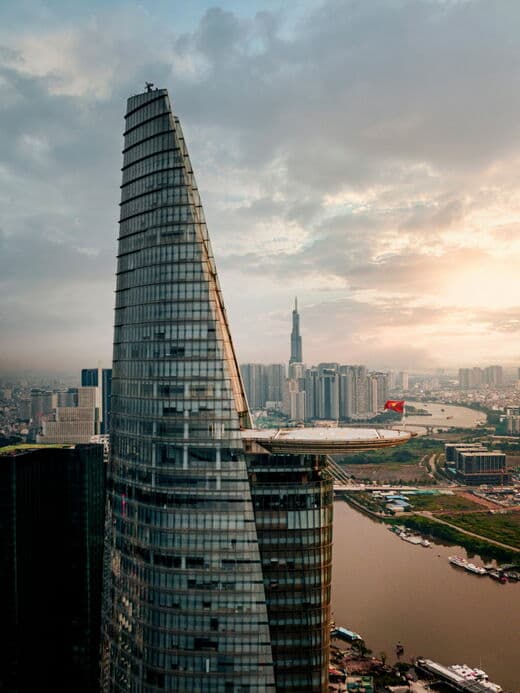
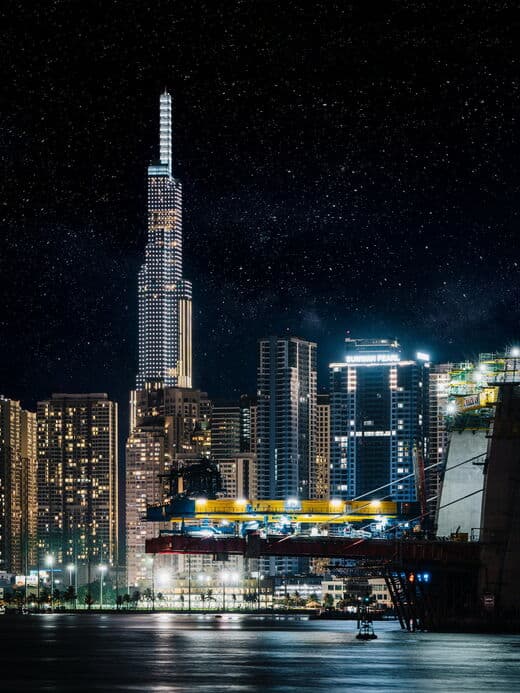
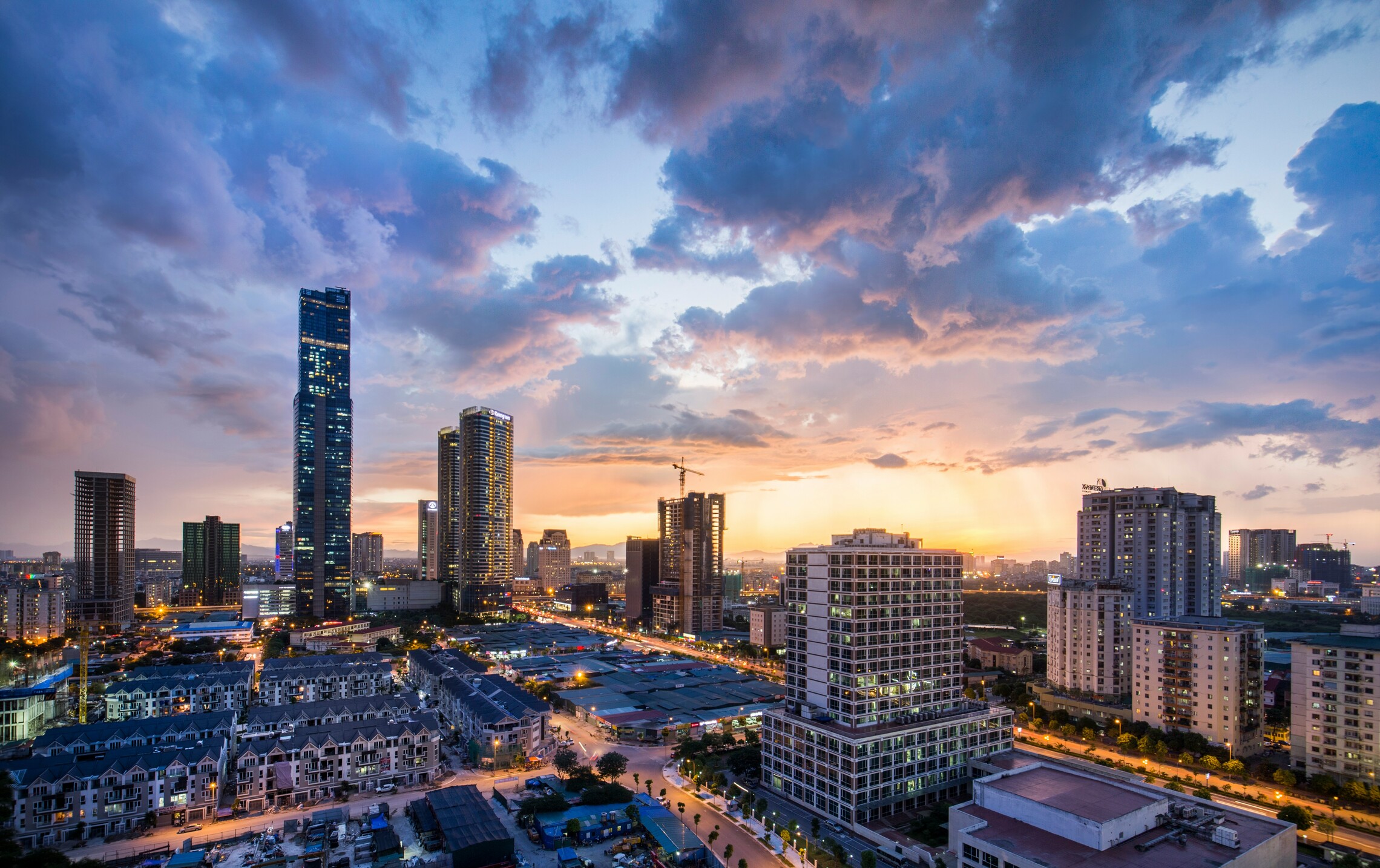
Home to Landmark 81, the tallest building in Southeast Asia (461 meters), Binh Thanh is an increasingly developed district that attracts younger Vietnamese professionals. The Vinhomes Central Park development around Landmark 81 offers luxury living, riverside parks, and some of the city's best views. The Saigon Pearl and other high-rise developments have transformed the skyline here. For tourists, it's worth visiting for the Landmark 81 observation deck and the surrounding restaurants.
Thu Duc City - The New Urban Frontier
Formerly Districts 2, 9, and Thu Duc, this area was consolidated into "Thu Duc City" in 2021 as part of plans to create a new economic hub. It's home to the massive AEON Mall, the Suoi Tien Theme Park (where Metro Line 1 terminates), universities, and tech parks. The Thao Dien ward, often called "Little Korea" or "Expat Central," features tree-lined streets, international schools, and a concentration of Western restaurants and cafés.
District 5 (Cholon) - Chinatown
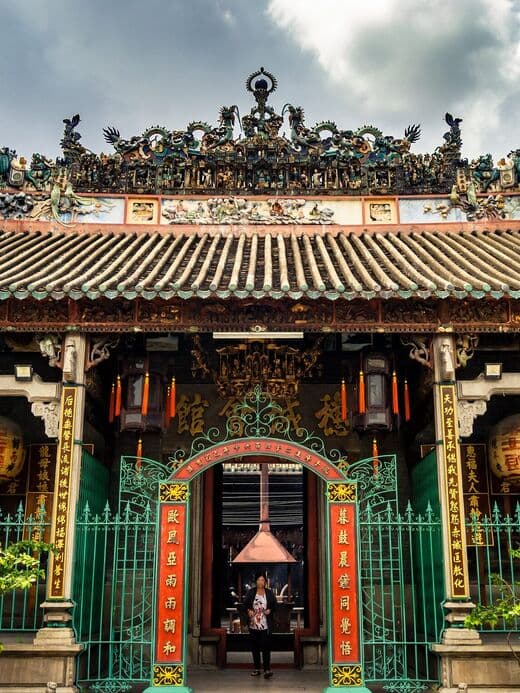
Ho Chi Minh City's Chinatown is one of the largest in the world and offers a completely different atmosphere from the rest of the city. The labyrinthine Binh Tay Market is the wholesale heart of the area, while stunning temples like Thien Hau (dedicated to the sea goddess Mazu) showcase Chinese-Vietnamese religious traditions. The food here is exceptional - this is where you'll find the best dim sum, roast duck, and Chinese-Vietnamese fusion cuisine in the city.
District 7 (Phu My Hung) - Planned Modernity
Built from scratch on reclaimed swampland, Phu My Hung is the opposite of old Saigon - wide boulevards, manicured parks, modern shopping centers, and a Korean/Japanese expat community that has influenced the dining scene. SC VivoCity mall and Crescent Mall cater to the middle-class families here. It feels almost like a different city and offers an interesting glimpse into Vietnam's urban future.
Top Attractions in Ho Chi Minh City
Notre-Dame Cathedral Basilica of Saigon
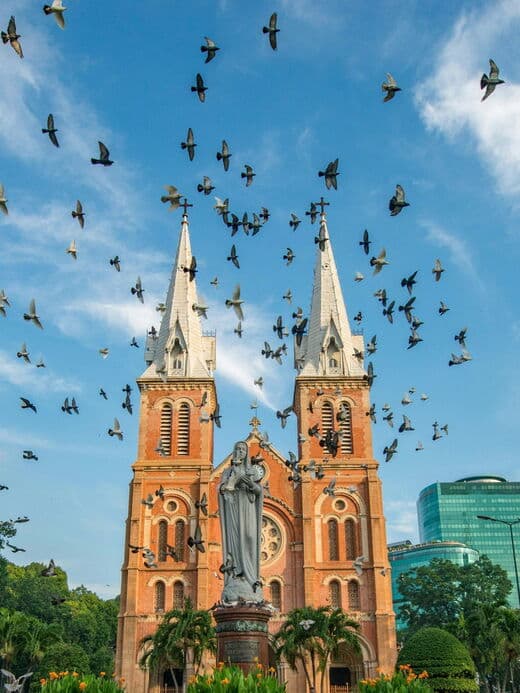
Rising majestically in the heart of District 1, this neo-Romanesque cathedral was built between 1863 and 1880 using materials entirely imported from France - red bricks from Toulouse, stained glass from Chartres. The cathedral has been under restoration since 2017 and remains partially scaffolded in 2025, but even in its current state, it's an impressive sight. The plaza in front is a popular gathering spot and photo location. Mass is still held for the active Catholic community.
Central Post Office
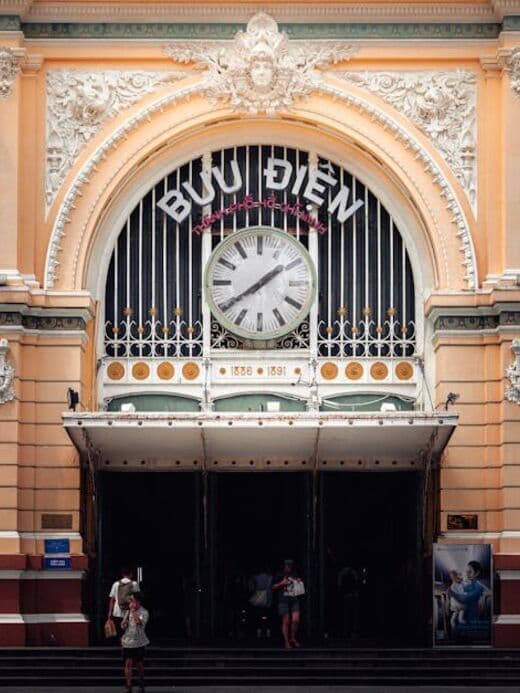
Designed by Gustave Eiffel (yes, that Eiffel) and completed in 1891, the Central Post Office is a functioning postal building that doubles as a major tourist attraction. The stunning interior features vaulted ceilings, intricate ironwork, and two hand-painted maps on the walls dating from the French colonial era. You can actually send postcards from here - a wonderfully nostalgic experience in the digital age. Don't miss the portrait of Ho Chi Minh at the far end of the main hall.
Independence Palace (Reunification Palace)
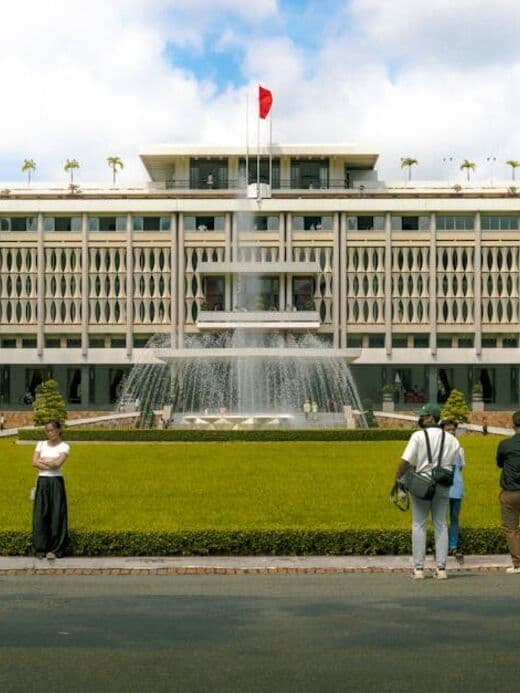
This 1960s modernist building was the seat of the South Vietnamese government until April 30, 1975, when a North Vietnamese tank crashed through its gates, ending the Vietnam War. The palace has been preserved almost exactly as it was on that historic day. Exploring the vast complex reveals a time capsule of 1960s décor, including the war command room in the basement, the rooftop helicopter pad (a helicopter from the era remains on display), and the president's private quarters. It's a moving and thought-provoking experience that puts the war in tangible perspective.
War Remnants Museum
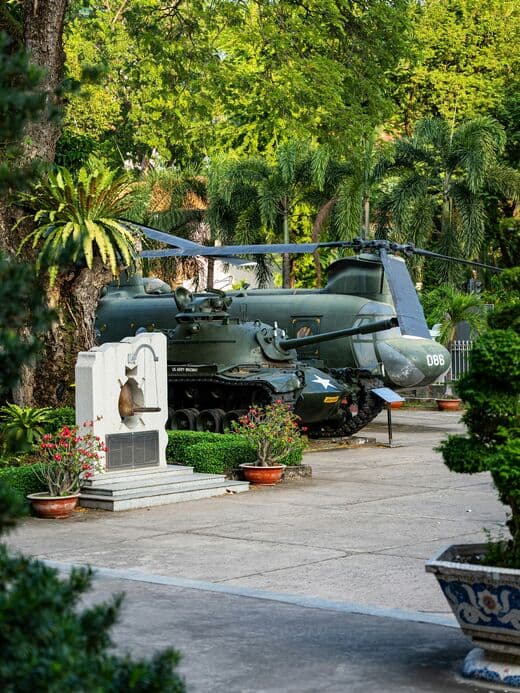
This is not an easy museum to visit, but it's arguably the most important. The War Remnants Museum documents the Vietnam War (known locally as the American War) from the Vietnamese perspective, with unflinching exhibits on the effects of Agent Orange, the My Lai massacre, and the anti-war movement. The outdoor collection of American military hardware - tanks, helicopters, bombs - is sobering. Most visitors spend 2-3 hours here and leave deeply affected. Photography is generally allowed but feels inappropriate in some sections.
Cu Chi Tunnels
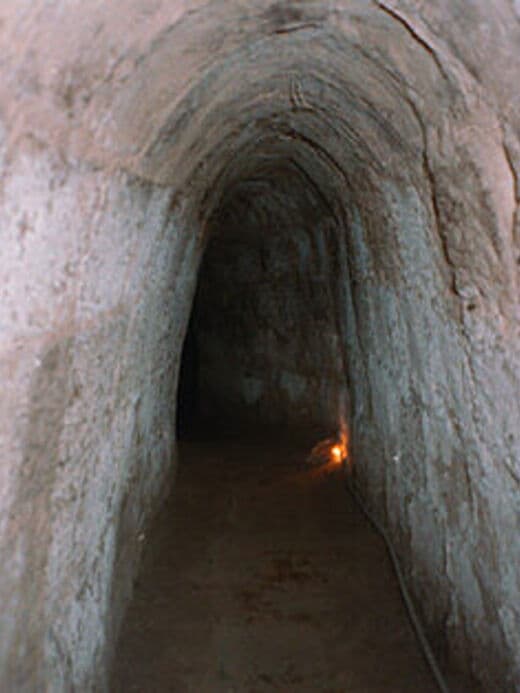
About 70 kilometers northwest of the city, the Cu Chi Tunnels are an incredible underground network used by the Viet Cong during the war. More than 250 kilometers of tunnels on multiple levels housed living quarters, hospitals, kitchens, and weapons storage. Today, some tunnels have been widened for tourists to crawl through - a claustrophobic but memorable experience. Half-day and full-day tours from Ho Chi Minh City are widely available, typically costing $15-35 depending on inclusions. The site also offers (somewhat controversially) the opportunity to fire authentic Vietnam War-era weapons for an additional fee.
Ben Thanh Market
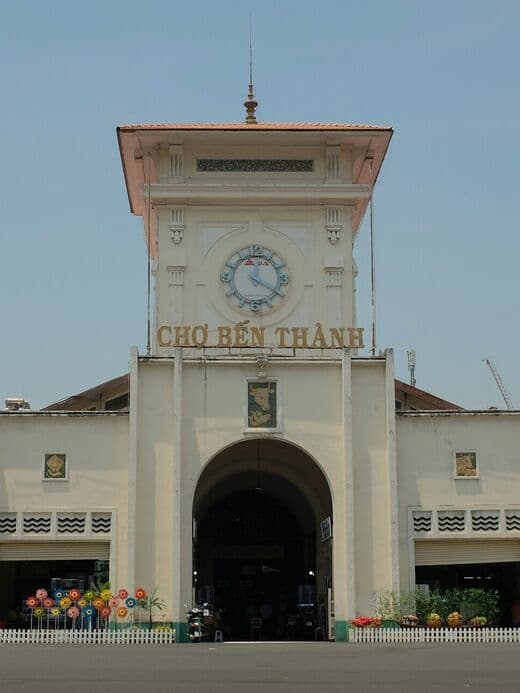
This iconic market, recognizable by its clock tower, has been a city landmark since 1914. During the day, it's a bustling maze of stalls selling everything from lacquerware and textiles to dried seafood and coffee. Prices are typically inflated for tourists - bargaining is expected and part of the fun. After 5pm, the vendors spill onto the surrounding streets as a night market takes over, with food stalls serving local specialties. While some find it overwhelming and touristy, it remains a quintessential Saigon experience.
Landmark 81
Southeast Asia's tallest building (461 meters, 81 floors) dominates the skyline from Vinhomes Central Park. The Landmark 81 SkyView observation deck on floors 79-81 offers stunning 360-degree panoramas. Entry costs 810,000 VND ($33) for adults, including a drink. For the best experience, visit around 5pm to catch both daylight views and the spectacular sunset. The building also houses a Vincom shopping center, luxury condos, and several restaurants.
Jade Emperor Pagoda
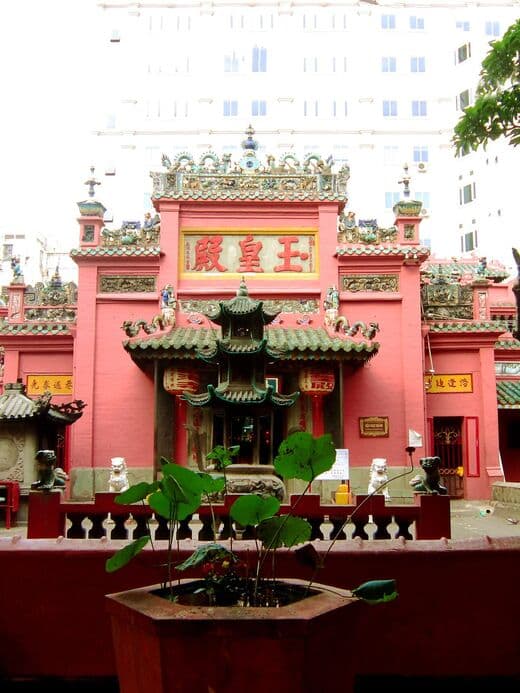
Built by Cantonese immigrants in 1909, this atmospheric temple is a sensory wonderland of incense smoke, intricate carvings, and Taoist imagery. The main hall houses the Jade Emperor, ruler of heaven, while surrounding halls feature representations of Buddhist and Taoist deities, heaven and hell, and the various incarnations of souls. It's one of the city's most beautiful and spiritually significant temples, yet often overlooked by tourists rushing to more famous sites.
Mekong Delta Day Trip
The vast Mekong Delta, Vietnam's "rice bowl," begins just two hours from Ho Chi Minh City. Day trips typically include boat rides through floating markets (Cai Be or Cai Rang), visits to fruit orchards and candy workshops, and authentic local meals. While rushing through in a day only scratches the surface, it's enough to experience the unique water-based lifestyle of this region. For a deeper experience, consider a 2-3 day tour with overnight stays in homestays.
What's New in Ho Chi Minh City in 2025
Metro Line 1 - Fully Operational
The biggest news of 2025 is that Metro Line 1 (Ben Thanh - Suoi Tien) is now fully operational after years of construction and delays. This 19.7 km line with 14 stations has transformed transportation in the city, providing a fast, reliable, and air-conditioned alternative to the chaotic streets above. For tourists, it's particularly useful for reaching the city center from areas along the line, and for experiencing a glimpse of Ho Chi Minh City's future infrastructure.
New Terminal at Tan Son Nhat
Expansion work at Tan Son Nhat International Airport continues in 2025, with a new terminal (T3) under construction to handle the airport's growing passenger numbers. While construction may cause some temporary inconveniences, the upgraded facilities will eventually offer a smoother arrival experience. Meanwhile, work on the massive Long Thanh International Airport (east of the city) progresses toward its planned 2026 partial opening.
District 1 Pedestrianization
The pedestrianization of more streets in District 1 continues, building on the success of Nguyen Hue Walking Street. More areas around the cathedral and surrounding streets are becoming car-free zones on weekends, creating a more walkable, livable city center. Street festivals and cultural events have increased, particularly around the book street (Nguyen Van Binh) and the creative hub developing around the old Ba Son shipyard area.
New Rooftop Bars and Restaurants
The rooftop bar scene continues to expand, with several new high-rise venues opening in 2025. The Landmark 81 area has seen particular growth, with new dining concepts taking advantage of the stunning views. Sustainable and farm-to-table dining concepts are gaining popularity, reflecting global trends and a growing Vietnamese middle class increasingly concerned with food provenance.
Art and Culture Revival
Ho Chi Minh City's art scene is flourishing in 2025. The Factory Contemporary Arts Centre (now in a new location) continues to champion Vietnamese contemporary art. More street art projects have transformed industrial spaces, and the annual street festival calendars have expanded. The Saigon South area has seen new gallery openings, and the integration of art into new commercial developments reflects growing cultural sophistication.
Food & Cuisine
Ho Chi Minh City is arguably Vietnam's best eating city, and possibly one of the best food destinations on Earth. The range spans from $0.50 street food breakfasts to Michelin-worthy fine dining, with incredible quality at every price point. Here's what you must try:
Phở
Vietnam's national soup comes in two major styles: the cleaner, more subtle northern version (Phở Bắc) and the sweeter, more intensely flavored southern version (Phở Sài Gòn). In Ho Chi Minh City, you'll primarily find the southern style. A steaming bowl of rice noodles in hours-simmered beef broth, topped with your choice of meat (rare sliced beef, brisket, tendon, tripe, meatballs), and served with a plate of fresh herbs (Thai basil, bean sprouts, lime, chili) is the quintessential Saigon breakfast. Phở Hòa (District 3) and Phở Lệ (District 5) are legendary names, though every neighborhood has its loyalists.
Bánh Mì
The Vietnamese baguette sandwich is a legacy of French colonialism perfected by Vietnamese ingenuity. A crispy yet airy baguette is stuffed with combinations of pâté, mayonnaise, pickled carrots and daikon, fresh cucumber, cilantro, chili, and your choice of protein - grilled pork, cold cuts, or even fried eggs. The most famous purveyor is Bánh Mì Huỳnh Hoa (District 1), where queues can stretch down the block. A loaded bánh mì costs about 40,000-50,000 VND ($1.60-2).
Cơm Tấm (Broken Rice)
This southern Vietnamese specialty uses "broken" rice grains (originally cheaper castoffs) topped with grilled pork chop (sườn), shredded pork skin (bì), steamed egg meatloaf (chả), and served with pickled vegetables and fish sauce. It's a perfect example of Vietnamese culinary alchemy - humble ingredients transformed into something delicious. Cơm Tấm Bụi (multiple locations) is reliable, but the best plates often come from unassuming sidewalk stalls.
Bún Thịt Nướng
Cool vermicelli noodles topped with grilled pork, fresh vegetables, herbs, crushed peanuts, and fish sauce make this a refreshing lunch option in the heat. The variations include nem nướng (grilled pork sausage) and chả giò (crispy spring rolls). It's the perfect DIY meal - mix everything together with the sauce to taste.
Gỏi Cuốn (Fresh Spring Rolls)
Not to be confused with fried spring rolls, gỏi cuốn are translucent rice paper rolls filled with shrimp, pork, rice noodles, and herbs. They're dipped in either peanut sauce (hoisin-based) or nước mắm (fish sauce). Light, fresh, and healthy, they're perfect as a starter or snack.
Vietnamese Coffee
Strong, dark, and usually sweet, Vietnamese coffee is brewed slowly through a metal drip filter (phin) directly into your cup. The classic version (cà phê sữa đá) comes with sweetened condensed milk over ice - essentially coffee dessert. For the adventurous, try cà phê trứng (egg coffee) where the condensed milk is replaced with a frothy egg yolk mixture. Legendary coffee shops include The Workshop (specialty coffee), Trung Nguyên Legend (Vietnamese chain), and countless sidewalk stalls with tiny plastic stools.
Street Food Etiquette
Embrace the tiny plastic stools. Point at what you want if language is a barrier. Cash only at most street stalls. Morning (6-9am) and evening (5-8pm) are prime eating hours. Don't be afraid of crowded stalls - crowds indicate freshness and quality. And remember: the dirtier the plastic stool, the better the food (usually).
Nightlife & Entertainment
Bui Vien Street - Backpacker Central
This is where the party never stops. Bui Vien and the surrounding alleys in the backpacker area transform after dark into a neon-lit carnival of cheap beer, loud music, and international crowds. Bars spill onto the street, promoters hand out drink specials, and the energy is infectious. It's touristy, it's chaotic, it's not authentically Vietnamese - and it's also undeniably fun if you're in the mood. Beer can be as cheap as 10,000 VND ($0.40) during happy hours.
Rooftop Bars
For a more sophisticated evening, Ho Chi Minh City's rooftop bar scene is excellent. The Social Club Rooftop at Hotel des Arts has a spectacular terrace overlooking the city. Chill Skybar at AB Tower offers iconic views at premium prices. Air 360 at the Ben Thanh Tower provides panoramic vistas. The newest additions at Landmark 81 offer the highest vantage points in the city. Expect cocktails in the 200,000-400,000 VND range ($8-16), dress codes at nicer venues, and the best views around sunset.
Live Music & Jazz
Saigon has a thriving live music scene. Sax n' Art Jazz Club in District 1 is the legendary jazz venue, hosting local and international musicians. Carmen Bar near the Opera House has live Spanish music and flamenco. Various venues around District 1 and 3 host rock, blues, and Vietnamese traditional music performances. Check local listings or ask your hotel for current happenings.
Nightclubs
The club scene caters to both locals and tourists. Lush in District 1 is an established venue with international DJs. Republic Club and Charlotte draw younger Vietnamese crowds. Dress codes apply at the more upscale venues. Most clubs get going after midnight and continue until 3-4am or later. Cover charges range from free to 500,000 VND ($20) for special events.
Cultural Performances
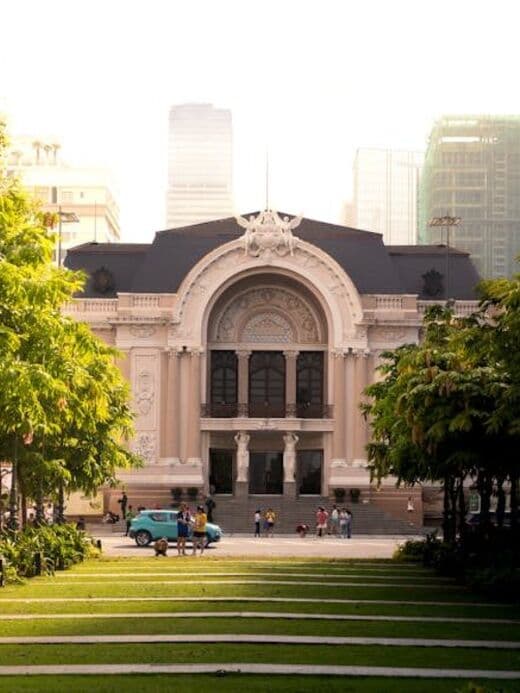
For something different, catch a show at the Saigon Opera House (Municipal Theatre), where everything from classical concerts to Vietnamese traditional performances take place. A Ơ Show at the Grand Theatre offers a spectacular visual journey through Vietnamese culture using bamboo circus and contemporary dance. Water puppet shows, though more associated with Hanoi, are also performed in various venues.
Shopping in Ho Chi Minh City
Ben Thanh Market
The city's most famous market is a maze of over 1,500 stalls. While prices are tourist-inflated, bargaining is expected and can be fun. Start at about 40-50% of the asking price and meet somewhere in the middle. Best buys include lacquerware, silk items, tailored clothing, coffee, dried fruits, and souvenirs. The night market surrounding the building (after 5pm) is less hassle-intensive and good for food.
Saigon Square
Near Ben Thanh, Saigon Square (two locations) is where locals go for bargain clothing, bags, and accessories. You'll find knockoffs alongside genuine Vietnamese brands at fixed but negotiable prices. It's less chaotic than Ben Thanh and a good option for budget shopping.
Cho Lon Markets
Binh Tay Market in District 5 is the wholesale heart of Chinatown. Fabrics, dried goods, traditional medicines, and general merchandise are traded in massive quantities. It's not set up for tourists but offers a fascinating look at the commercial engine of the city. Nearby An Dong Market is slightly more accessible.
Modern Malls
Ho Chi Minh City has embraced mall culture enthusiastically. The major venues include Vincom Center Dong Khoi (District 1, luxury), Takashimaya at Saigon Centre (Japanese department store), Diamond Plaza, SC VivoCity (District 7), and AEON Mall (Thu Duc City, massive and very popular with locals). These offer air-conditioned respite, international brands, food courts, and cinema complexes.
Specialty Streets
The city has traditional specialty streets where certain trades cluster. Le Cong Kieu Street is "Antiques Street" - though finding genuine antiques is rare, decorative items and curiosities abound. Nguyen Van Binh is "Book Street" - a pedestrianized lane lined with bookstores and cafés. Hai Trung Street has electronics, and various streets in District 3 cluster with textiles, tailors, and fabrics.
Tailoring
Custom tailoring is less renowned here than in Hoi An, but several excellent tailors in Ho Chi Minh City can create suits, dresses, and áo dài (traditional Vietnamese dress) at reasonable prices. Allow 2-3 days for a suit with fittings, more for complex items. Ask your hotel for recommendations and check recent reviews.
Budget & Costs in Ho Chi Minh City
Ho Chi Minh City remains excellent value for international visitors, though costs have risen in recent years. The Vietnamese Dong (VND) is the local currency. As of early 2025, approximately 24,500 VND = 1 USD. ATMs are everywhere and dispense up to 3,000,000-6,000,000 VND per transaction. Credit cards are accepted at hotels, restaurants, and shops, but cash remains king for street food and small purchases.
Budget Traveler ($30-50/day)
- Dormitory bed: 150,000-250,000 VND ($6-10)
- Budget hotel room: 300,000-500,000 VND ($12-20)
- Street food meal: 30,000-60,000 VND ($1.20-2.50)
- Local restaurant meal: 60,000-100,000 VND ($2.50-4)
- Local beer (Saigon, 333, Tiger): 15,000-30,000 VND ($0.60-1.20)
- Public bus: 6,000-7,000 VND ($0.25)
- Metro ticket: 7,000-20,000 VND ($0.30-0.80)
- Museum entrance: 40,000-100,000 VND ($1.60-4)
Mid-Range Traveler ($70-120/day)
- 3-star hotel: 800,000-1,500,000 VND ($35-60)
- Restaurant meal with beer: 200,000-400,000 VND ($8-16)
- Grab rides (daily average): 100,000-200,000 VND ($4-8)
- Rooftop bar cocktail: 200,000-350,000 VND ($8-14)
- Day tour (Cu Chi or Mekong): 500,000-1,000,000 VND ($20-40)
Luxury Traveler ($200+/day)
- 5-star hotel: 4,000,000-10,000,000 VND ($160-400)
- Fine dining meal: 1,500,000-3,000,000 VND ($60-120)
- Private tours: 2,500,000-5,000,000 VND ($100-200)
- Spa treatments: 1,000,000-3,000,000 VND ($40-120)
Tipping
Tipping is not traditionally expected in Vietnam, but it's increasingly appreciated in tourist areas. Rounding up taxi fares, leaving 5-10% at upscale restaurants, and tipping tour guides and hotel staff (50,000-100,000 VND) is appropriate. Street food vendors don't expect tips.
Culture & Etiquette
Temple and Pagoda Etiquette
Remove shoes before entering temple buildings. Dress modestly - shoulders and knees covered. Photography is usually allowed but avoid using flash and don't photograph people without permission. Walk around sacred objects clockwise. When incense is offered, use both hands. Making a small donation is appreciated.
Dress Code
Ho Chi Minh City is tropical and casual, but Vietnamese people generally dress more conservatively than Westerners. While shorts and tank tops are fine for tourists in tourist areas, you'll be more respected (and get better treatment) if you dress a bit more modestly, especially outside of backpacker zones. For temples and government buildings, long pants and covered shoulders are required.
Crossing the Street
This deserves its own cultural section because it's a learned skill. Do NOT wait for traffic to stop - it won't. Instead: step into the street, walk slowly and steadily at a constant pace, make eye contact with drivers, trust that they will flow around you (they will), and never run, stop suddenly, or move unpredictably. It looks insane from the sidewalk, but there's a beautiful logic to it once you understand.
Face and Respect
Concept of "face" (thể diện) is important. Avoid causing embarrassment, don't publicly criticize, and be patient if things don't go as planned. Raising your voice or displaying anger causes loss of face for everyone involved and is counterproductive.
The Vietnam War
For Vietnamese, the war ended 50 years ago and most of the population was born after it. While Americans sometimes feel awkward about the topic, Vietnamese people are generally pragmatic and friendly toward Americans. The war is history, not a grudge. However, respect is appropriate when visiting war sites and memorials.
Vietnamese Language
English is widely spoken in tourist areas, but attempting Vietnamese, even basic phrases, is deeply appreciated. "Xin chào" (sin chow) = hello. "Cảm ơn" (gam un) = thank you. "Bao nhiêu?" (bow nyew) = how much? Vietnamese is tonal - don't worry about getting the tones right, locals appreciate the effort regardless.
Practical Tips
Visas
Citizens of many countries (including the UK, Germany, France, Italy, Spain, Japan, South Korea, and more) can enter Vietnam visa-free for 15-45 days depending on nationality. US citizens require a visa but can easily apply for an e-Visa online ($25, valid for 90 days). Check current requirements at Vietnam's immigration website or your nearest Vietnamese embassy, as policies have been changing recently. Make sure your passport is valid for at least 6 months beyond your planned departure.
SIM Cards & Internet
Get a local SIM card at the airport or any mobile phone shop for about 150,000-300,000 VND ($6-12) with generous data allowances (10-30GB). Viettel, Mobifone, and Vinaphone are the main carriers. WiFi is ubiquitous - nearly every café, restaurant, and hotel offers free WiFi.
Health & Safety
Tap water is not safe to drink - stick to bottled or filtered water (widely available). Street food is generally safe if it looks freshly cooked and busy. Motorbike traffic is the biggest safety risk - stay alert when crossing streets. Petty theft (bag snatching from passing motorbikes) occurs, especially in District 1 - keep bags on the side away from the street. Hospitals in Ho Chi Minh City are good; for serious issues, FV Hospital and Vinmec are recommended private options.
Electricity
Vietnam uses 220V electricity with Type A (two flat parallel pins) and Type C (two round pins) outlets. If you're coming from the US or other 110V countries, make sure your devices are dual-voltage compatible. Universal adapters are sold cheaply everywhere.
Scams to Avoid
- Cyclo (rickshaw) drivers who quote prices then claim it was "per person" or for a different distance
- Shoe shiners who "accidentally" get polish on your shoes then charge exorbitant cleaning fees
- Money changers in tourist areas offering "better rates" - use ATMs or authorized exchange counters
- Friendly strangers who guide you to shops for commissions
- Taxi meters that run suspiciously fast - use Grab or stick to Vinasun/Mai Linh
Useful Apps
- Grab - essential for transportation and food delivery
- Google Maps - works well for navigation, though Vietnamese addresses can be confusing
- Foody - local restaurant reviews and delivery (in Vietnamese but usable)
- XE Currency - for quick currency conversions
- Google Translate - the camera function helps with menus and signs
Sample Itineraries
3 Days - Saigon Essentials
Day 1: Historic Center
Morning: Notre-Dame Cathedral and Central Post Office (start early for fewer crowds). Walk to Independence Palace and take the full tour (2 hours). Lunch at one of the many phở restaurants in District 1. Afternoon: War Remnants Museum (allow 2-3 hours). Late afternoon coffee break at a rooftop café. Evening: Explore Ben Thanh Night Market for dinner and souvenirs. End at a rooftop bar for sunset views.
Day 2: Cu Chi Tunnels + Evening in the City
Full morning: Cu Chi Tunnels tour (book ahead, usually includes hotel pickup around 8am, return by 2pm). Late lunch: Bánh mì and Vietnamese coffee. Afternoon rest or explore District 3's local scene. Evening: Bui Vien area for street food and nightlife.
Day 3: Local Experiences
Morning: Early start at Jade Emperor Pagoda before crowds. Explore Chinatown (District 5) and Binh Tay Market. Lunch: Dim sum or Chinese-Vietnamese fusion. Afternoon: Landmark 81 SkyView for panoramic photos. Final dinner at a nice restaurant for Vietnamese fine dining.
5-7 Days - Extended Exploration
Add the above plus:
Day 4: Mekong Delta day trip (Cai Be or My Tho route). Full day excursion with lunch included.
Day 5: Day trip to Can Gio Mangrove Biosphere Reserve or relaxed exploration of Thu Duc City, AEON Mall, and modern Saigon. Take the new Metro Line 1 for the experience.
Day 6-7: Slower pace - cooking class, spa day, café hopping in District 3, explore the art scene, revisit favorites, day trip to Vung Tau beach town (2 hours), or simply wander and eat.
Family-Friendly Itinerary
Focus on the less intense attractions: Suoi Tien Theme Park (wild and wonderfully weird Vietnamese theme park), Landmark 81 observation deck, water puppet show, boat trip on the Saigon River, cooking class, and less graphic sections of the history museums. The metro ride itself is an attraction for kids. Many malls have excellent family entertainment including ice skating, bowling, and indoor playgrounds.
Frequently Asked Questions
Is Ho Chi Minh City safe for tourists?
Yes, Ho Chi Minh City is generally very safe for tourists. Violent crime against visitors is rare. The main concerns are petty theft (bag snatching, pickpockets in crowded areas) and traffic - always be aware of your surroundings and extremely cautious when crossing streets. Use common sense as you would in any major city.
How many days do I need in Ho Chi Minh City?
Three days allows you to cover the main historical sites, experience the food scene, and take a day trip to either Cu Chi Tunnels or the Mekong Delta. Five to seven days gives you a more relaxed pace with time for deeper exploration, day trips, and simply soaking in the atmosphere.
Is it called Ho Chi Minh City or Saigon?
Officially, it's Ho Chi Minh City (since 1976). Locally, many people still call it Saigon, especially for the central districts. Both names are used interchangeably and understood by everyone. Even the airport code is SGN (Saigon).
Do I need vaccinations?
Consult your doctor, but common recommendations include Hepatitis A, Typhoid, and ensuring routine vaccinations are up to date. Malaria is not a concern in Ho Chi Minh City. COVID-19 requirements have been lifted, but check current status before travel.
What's the best area to stay?
District 1 is the most convenient for tourists, with options ranging from backpacker hostels near Bui Vien to luxury hotels along Dong Khoi. District 3 offers a more local experience at lower prices but still within easy reach of attractions. Binh Thanh near Landmark 81 is good for those wanting modern apartments and stunning views.
Can I drink the tap water?
No. Stick to bottled water (available everywhere for about 10,000 VND), or bring a water bottle with a filter. Ice in established restaurants is generally made from filtered water and safe.
Is Ho Chi Minh City good for vegetarians?
Yes! Buddhist vegetarian restaurants (look for "Chay" in the name) are everywhere and offer delicious, cheap meals. Many regular Vietnamese dishes can be made vegetarian. Just note that fish sauce is in almost everything unless you specify otherwise. Learning "Tôi ăn chay" (I eat vegetarian) is helpful.
What's the currency situation?
Vietnamese Dong (VND) only. US dollars are not generally accepted anymore (despite what some old travel guides say). ATMs are plentiful and most accept international cards. Notify your bank before travel. Credit cards work at larger establishments.
Is Uber available?
No, Uber exited the Southeast Asian market in 2018. Grab is the dominant ride-hailing app and works almost identically. Download it before you arrive.
How do I get to the Mekong Delta?
Day tours are the easiest option (from $20-50), available through countless agencies and hotels. For independent travel, buses leave from Mien Tay bus station to various delta towns. The most common destinations are My Tho, Ben Tre, Can Tho, and Chau Doc.