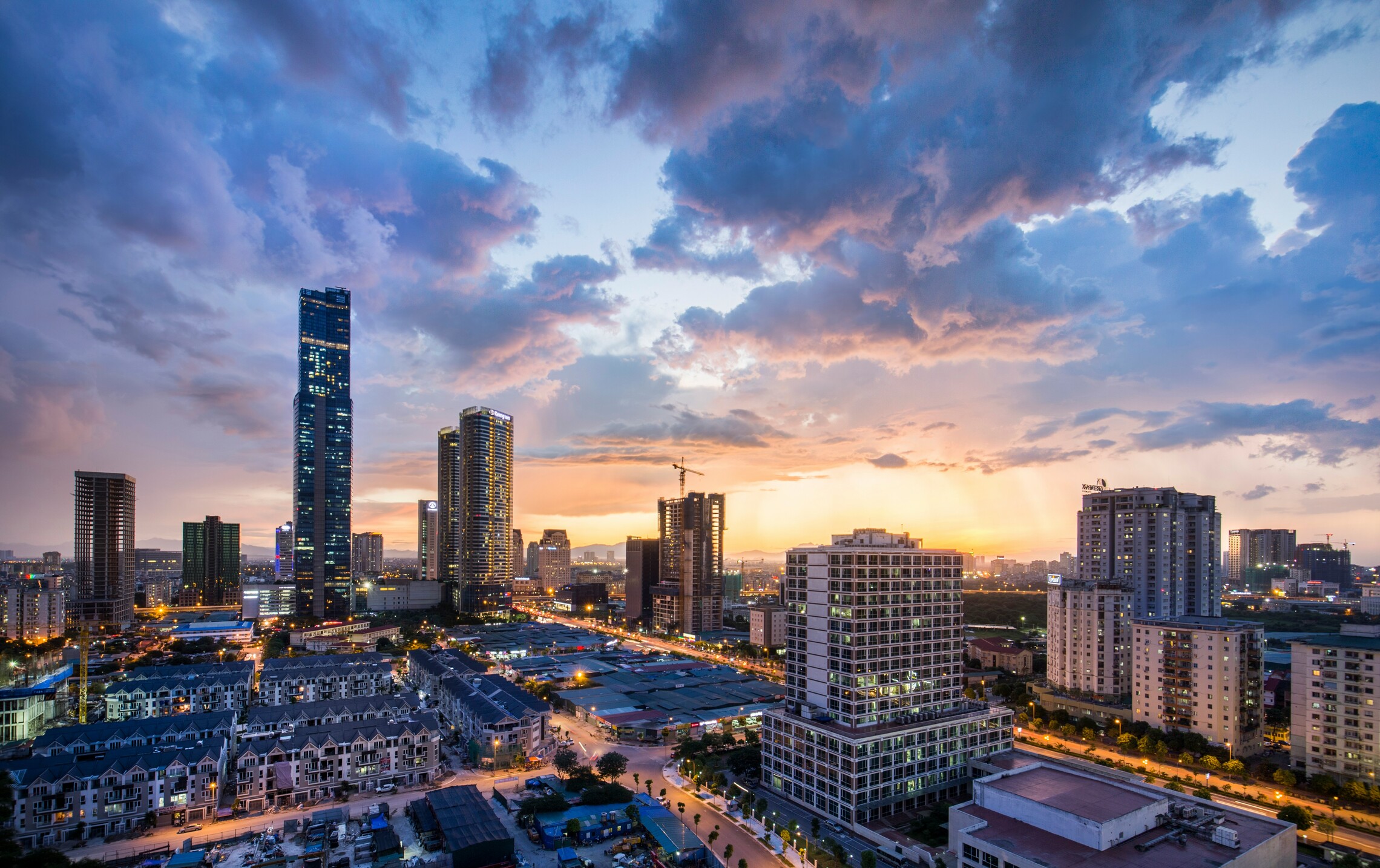
About Hanoi
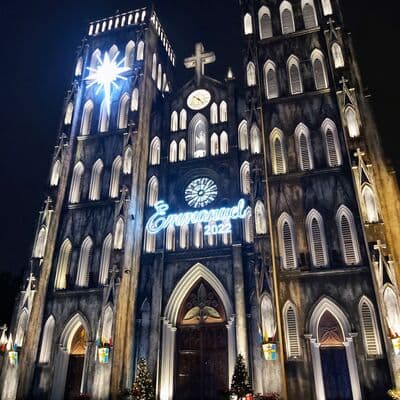
Hanoi, the capital of Vietnam, is one of Southeast Asia's most atmospheric cities. With a population of around 8 million, this ancient city with over a thousand years of history remarkably blends French colonial architecture, ancient pagodas, chaotic traffic, and incredible street food. Hanoi is a city you don't just see - you experience it with all your senses.
Unlike the modern and cosmopolitan Ho Chi Minh City in the south, Hanoi has preserved its unique character - time moves slower here, traditions run deeper, and authenticity awaits around every corner. The Old Quarter with its 36 streets, each historically specializing in a particular craft, remains the city's beating heart. Here you can get lost in a labyrinth of narrow alleys where motorbikes weave between pedestrians, and the aroma of pho mingles with the scent of roasting coffee.
2025 is an excellent time to visit Hanoi. Vietnam is actively developing its tourist infrastructure while maintaining its unique charm. The new international airport terminal, expanding metro network, and increasing number of English-speaking staff make the city more accessible to travelers without losing its authenticity.
Best Time to Visit
Hanoi has a subtropical monsoon climate with distinct seasons. Your choice of when to visit significantly affects your trip experience.
| Season | Months | Temperature | Characteristics |
|---|---|---|---|
| Spring | February-April | 17-25°C (63-77°F) | Best season, blooming flowers, comfortable |
| Summer | May-August | 27-35°C (81-95°F) | Hot, humid, monsoon rains |
| Autumn | September-November | 22-30°C (72-86°F) | Excellent season, less rain |
| Winter | December-January | 13-20°C (55-68°F) | Cool, sometimes foggy, fewer tourists |
Peak Season
October through December and March through April are ideal periods to visit Hanoi. In autumn (especially October-November), the weather is dry and comfortable, skies are clear, and temperatures are pleasant for walking. In spring, the city blooms, though light drizzle is possible. Hanoi is particularly photogenic during these times.
What to Consider
Tet (Vietnamese New Year): Usually falls in late January to early February. Many establishments close for 3-5 days, but it's a unique opportunity to witness holiday traditions. Book accommodation well in advance - prices skyrocket.
Summer (June-August): Hot and humid with frequent downpours. If visiting during this time, plan activities for the morning, hide in air-conditioned museums and cafes during the day, and enjoy street life in the evening.
Winter: Hanoi is one of the few Southeast Asian cities where winter is actually cool. Temperatures can drop to 10°C (50°F), and combined with high humidity, it feels colder. Bring warm clothing!
Getting There
By Air
Noi Bai International Airport (HAN) is located 25 km north of the city center. It's the main gateway to northern Vietnam with flights from most Asian hubs and several European cities.
From the US/UK: There are no direct flights from the US or UK to Hanoi. Convenient connections via:
- Hong Kong (Cathay Pacific): 16-18 hours total
- Bangkok (Thai Airways, Vietnam Airlines): 17-20 hours total
- Tokyo/Seoul (Japan Airlines, Korean Air): 16-19 hours total
- Dubai (Emirates): 18-22 hours total
- Singapore (Singapore Airlines): 18-20 hours total
From Airport to City:
- Bus 86: Express to city center (Hanoi Station), 45-60 min, 45,000 VND (~$1.8)
- Bus 07: To Old Quarter, 60-80 min, 9,000 VND (~$0.35)
- Taxi: 350,000-450,000 VND (~$14-18), 40-60 min. Use only official Mai Linh (green) or Vinasun (white)
- Grab: Ride-hailing app, usually cheaper than regular taxi, ~300,000 VND
- Hotel Transfer: $15-25, convenient with luggage
By Train
Hanoi Railway Station (Ga Hà Nội) is centrally located. Trains run to:
- Ho Chi Minh City: 30-35 hours, from $35-65 (hard/soft sleeper)
- Hue: 13-14 hours, from $25-45
- Da Nang: 16-17 hours, from $30-50
- Sapa (Lao Cai): 8-9 hours overnight, from $20-40
Trains are comfortable, especially soft sleeper cabins. Book through 12go.asia or baolau.com.
By Bus
Buses connect Hanoi to all major Vietnamese cities and even Laos. Main bus stations:
- Giáp Bát: Southern destinations (Ho Chi Minh City, Hue)
- Mỹ Đình: West and northwest (Sapa, Mai Chau)
- Gia Lâm: East (Halong)
Sleeping buses are a popular budget option for long routes.
Getting Around
Grab
The ride-hailing app for taxis and motorbikes is the most convenient way to get around. Grab works excellently, prices are fixed, payment by cash or card. GrabBike (motorbike taxi) is fast and cheap, though exhilarating!
Taxi
Use only trusted companies:
- Mai Linh (green): Most reliable
- Vinasun (white): Good reputation
- Avoid: Unmarked taxis or those with suspiciously low prices
Flag fall ~12,000 VND, then ~15,000 VND/km. Always insist the meter is running!
Motorbike
Renting a motorbike is popular among experienced riders. Cost $5-10/day. Important: Traffic in Hanoi is chaotic, international licenses are technically required, and insurance usually doesn't cover motorcycle accidents. Not recommended for beginners.
Metro
Hanoi's first metro line (Cát Linh - Hà Đông) opened in 2021. It's not particularly useful for tourists yet as it doesn't pass through major attractions, but network expansion is planned.
Buses
Extensive city bus network, very cheap (7,000-9,000 VND), but routes are complex and signs are only in Vietnamese. Google Maps shows bus routes.
Cyclos
Traditional three-wheeled cycle rickshaws are a tourist attraction. Negotiate the price beforehand (typically 100,000-150,000 VND for a 30-minute ride through the Old Quarter). A pleasant, leisurely way to see the city.
Walking
The Old Quarter and city center are best explored on foot. The main rule for crossing streets in Hanoi: walk slowly and confidently, don't stop, and don't make sudden movements - motorbikes will go around you!
Neighborhoods
Old Quarter (Hoàn Kiếm)
The heart of tourist Hanoi. Thirty-six streets, each historically specializing in a particular product: Hàng Bạc (silver), Hàng Gai (silk), Hàng Đường (sugar). Today it's a labyrinth of narrow alleys with shops, cafes, street food, and an endless stream of motorbikes. Hoan Kiem Lake - the spiritual center of the city - is also here.
Best for: First-time visitors, atmosphere lovers, foodies, shoppers
French Quarter (Hai Bà Trưng)
Elegant boulevards, colonial villas, the Opera House, embassies, and upscale hotels. Quieter and calmer than the Old Quarter. Many fine dining restaurants and trendy bars.
Best for: Architecture lovers, those seeking comfort, romantic trips
West Lake (Tây Hồ)
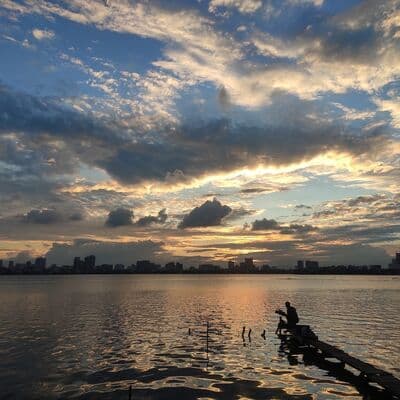
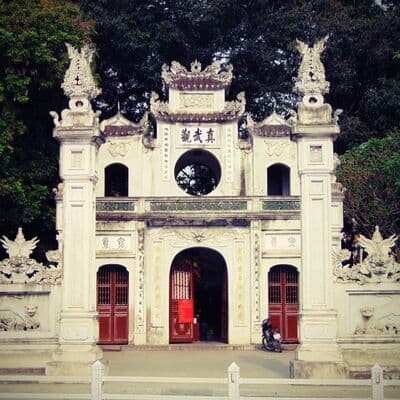
Hanoi's largest lake is surrounded by parks, cafes, and upscale residences. The area is popular with expats. Here you'll find Hanoi's oldest pagoda - Tran Quoc. Great place for morning jogs and evening walks.
Best for: Extended stays, families, those seeking tranquility
Ba Đình
Government district with Ho Chi Minh's Mausoleum, the Presidential Palace, and important historical monuments. Wide avenues and official atmosphere.
Best for: Those interested in Vietnam's history and politics
Đống Đa
University district with a youthful atmosphere, affordable cafes, and local life without tourist polish. The Temple of Literature is on the border with Ba Đình.
Best for: Budget travelers wanting to see non-touristy Hanoi
Top Attractions
Hoan Kiem Lake & Ngoc Son Temple
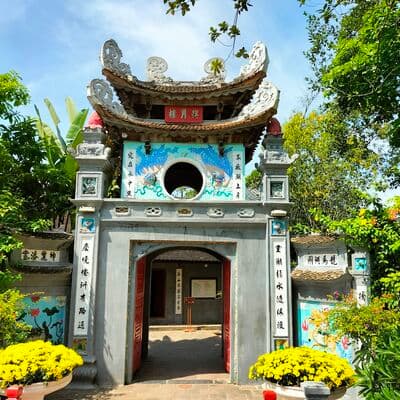
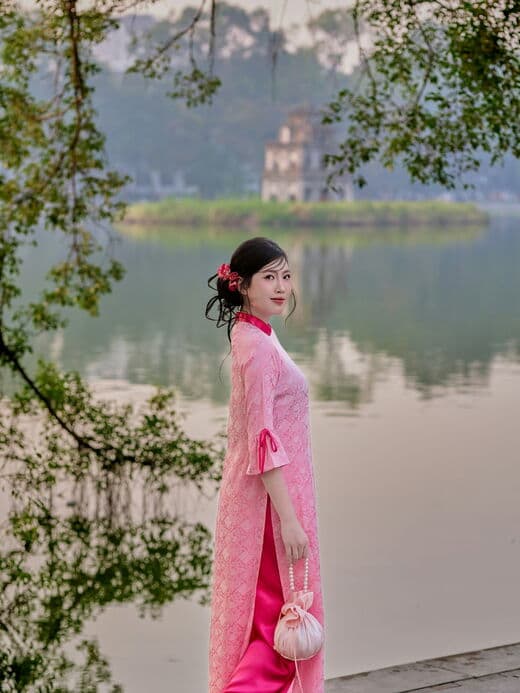
The legendary lake in the very center of the city is Hanoi's spiritual heart. According to legend, a magical turtle here presented Emperor Le Loi with a sword to drive out Chinese invaders. On an island in the middle of the lake stands Ngoc Son Temple (Temple of the Jade Mountain), reached by the picturesque red The Huc Bridge. The lake is lit up at night, and on weekends the surrounding streets become pedestrian zones.
Hours: 7:00-18:00 | Entry: 30,000 VND
Old Quarter (36 Streets)
This labyrinth of narrow alleys is a living open-air museum. Each street has its specialty: Hàng Mã (paper products for rituals), Hàng Thiếc (tin products), Hàng Bông (cotton). Get lost here intentionally - it's the best way to discover the real Hanoi. On Friday and Saturday evenings, streets become pedestrian zones with street musicians and fairs.
Ho Chi Minh Mausoleum
The final resting place of Ho Chi Minh - the father of Vietnamese independence. A massive granite structure in Soviet style. Admission is free, but queues are long. Strict dress code: knees and shoulders must be covered, no photography inside.
Hours: Tue-Thu 7:30-10:30, Sat-Sun 7:30-11:00 | Closed: Mon, Fri, October-November (maintenance) | Entry: Free
Temple of Literature (Văn Miếu)
Vietnam's first university, founded in 1070. A beautiful example of traditional Vietnamese architecture with five courtyards, pavilions, and stone steles on turtle backs bearing scholars' names. A peaceful place, especially early in the morning.
Hours: 8:00-17:00 | Entry: 30,000 VND
One Pillar Pagoda (Chùa Một Cột)
A unique wooden pagoda in the shape of a lotus flower, standing on a single stone pillar in the middle of a pond. Built in 1049 based on an emperor's dream. Small but very photogenic. Near Ho Chi Minh Mausoleum.
Entry: Free
Tran Quoc Pagoda
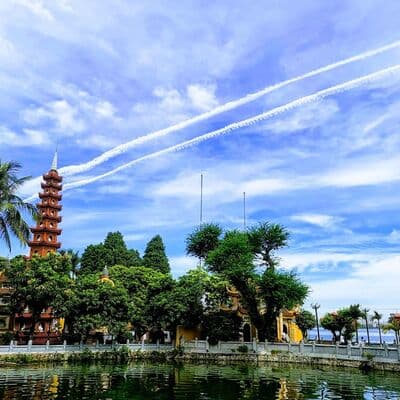
Hanoi's oldest pagoda (6th century) on a peninsula of West Lake. The red pagoda reflected in the lake is particularly beautiful at sunset. An active Buddhist temple.
Entry: Free
Imperial Citadel of Thang Long
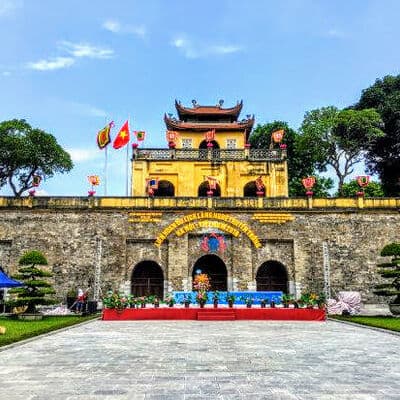
UNESCO World Heritage Site - the center of Vietnamese power for 13 centuries. Excavations continue, but you can see ancient gates, archaeological finds, and bunkers from wartime.
Hours: 8:00-17:00 | Entry: 30,000 VND
Train Street
The famous narrow alley where trains pass literally a meter from houses and cafes. Residents are used to it and continue drinking coffee as the train rushes by. Atmospheric place, but be careful and respect the residents. Trains pass several times daily - check schedules at nearby cafes.
Location: Trần Phú or Phùng Hưng streets near the station
Dong Xuan Market
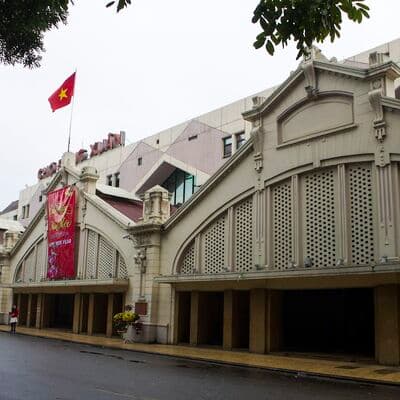
Hanoi's largest covered market. You can buy everything here - from clothes to food. Bargain! True Asian bazaar atmosphere.
Museums & Culture
Vietnam Museum of Ethnology
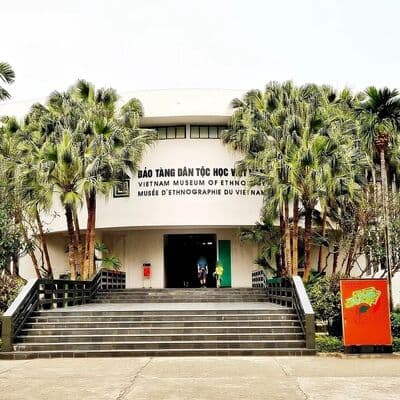
Hanoi's best museum and one of the best in all of Southeast Asia. It tells the story of Vietnam's 54 ethnic groups in detail. In the garden are full-size traditional houses from various peoples. Allow at least half a day.
Hours: 8:30-17:30, closed Monday | Entry: 40,000 VND
Vietnam Military History Museum
History of Vietnam's military conflicts from ancient times to the war with the US. In the courtyard are captured American military equipment: planes, tanks, helicopters. Impressive collection, but can be emotionally challenging.
Hours: 8:00-11:30, 13:00-16:30, closed Mon-Fri | Entry: 40,000 VND
Vietnam Fine Arts Museum
Collection of Vietnamese art from ancient times to contemporary. Beautiful colonial building. Lacquer paintings and Buddhist sculpture are particularly interesting.
Hours: 8:30-17:00 | Entry: 40,000 VND
Hoa Lo Prison (Hanoi Hilton)
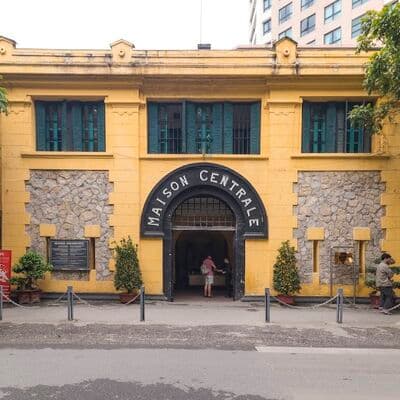
Former French prison, later used to hold American POWs (who nicknamed it the Hanoi Hilton). A grim but important historical site with dual perspective: suffering of Vietnamese revolutionaries under the French and conditions of American pilot captivity.
Hours: 8:00-17:00 | Entry: 30,000 VND
Water Puppet Theatre
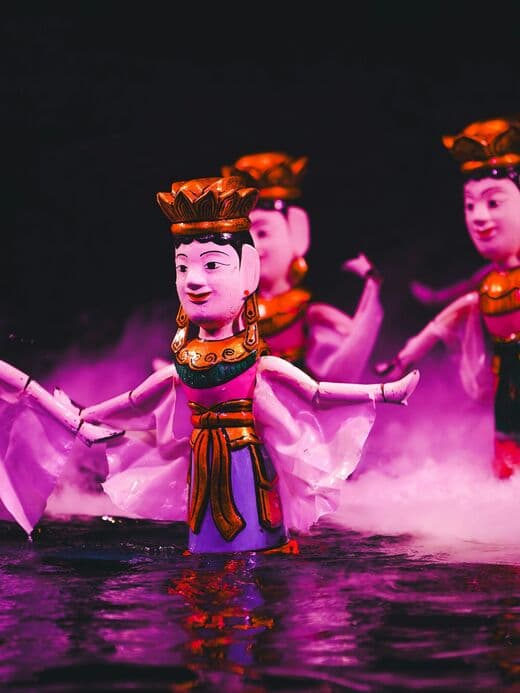
Unique Vietnamese art form - puppet performances on water accompanied by live folk music. Puppets are controlled from behind a bamboo curtain by masters standing waist-deep in water. Thang Long Theatre by Hoan Kiem Lake offers several shows daily. Best to buy tickets in advance.
Where: Thang Long Water Puppet Theatre | Tickets: 100,000-200,000 VND
Opera House
A beautiful example of French colonial architecture, built in 1911 modeled after the Paris Opera. You can attend a concert or simply admire the building from outside.
Food & Dining
Hanoi is Vietnam's culinary capital. Street food is elevated to a cult here, and some dishes can only be found in this city. Prepare to eat a lot and often - small portions encourage culinary adventures.
Pho (Phở)
The signature Vietnamese dish originated in Hanoi. Rice noodles in aromatic broth with beef (phở bò) or chicken (phở gà). Hanoi pho differs from southern versions - the broth is clearer, the flavor purer, fewer additions. Eaten for breakfast, but delicious any time.
Where to try: Phở Thìn (13 Lò Đúc) - legendary spot, Phở Gia Truyền (49 Bát Đàn)
Bun Cha (Bún chả)
The dish Obama ate with Anthony Bourdain. Rice vermicelli with grilled pork patties in sweet fish sauce. Served with herbs and pickled papaya. Eaten for lunch.
Where to try: Bún Chả Hương Liên (24 Lê Văn Hưu) - the Obama spot, Bún Chả Đắc Kim (1 Hàng Mành)
Banh Mi (Bánh mì)
Vietnamese sandwich in a French baguette. Inside: pâté, meat, vegetables, cilantro, chili. Quick and cheap snack. Hanoi version usually has fried egg (bánh mì trứng).
Where: Bánh Mì 25 (25 Hàng Cá), street vendors everywhere
Cha Ca (Chả cá)
Hanoi's signature dish - fish fried with dill and spring onions, served in a sizzling pan. So important that an entire street is named after it (Phố Chả Cá).
Where to try: Chả Cá Thăng Long (21-31 Đường Thành), Chả Cá Lã Vọng (14 Chả Cá)
Egg Coffee (Cà phê trứng)
A Hanoi invention - a rich, sweet drink made from whipped egg yolks with coffee. Similar to tiramisu. Served hot in a cup sitting in a bowl of hot water.
Where: Café Giảng (39 Nguyễn Hữu Huân) - birthplace of the drink, Café Đinh (13 Đinh Tiên Hoàng)
Bia Hoi
Fresh draft beer brewed daily. About 3% alcohol, price around 5,000 VND (~$0.20) per glass. A true Hanoi experience - sitting on plastic stools on the sidewalk drinking bia hoi with snacks.
Where: Corner of Tạ Hiện and Lương Ngọc Quyến (Beer Street), any Bia Hơi sign
Other Dishes Worth Trying
- Nem rán (Chả giò): Crispy spring rolls
- Gỏi cuốn: Fresh rice rolls with shrimp
- Bún riêu: Crab broth soup
- Bánh cuốn: Steamed rice pancakes
- Xôi: Sticky rice with various toppings
Street Food Tips
- Eat where locals eat - long queue = good sign
- Plastic stools on the sidewalk are normal, don't be shy
- Ice in establishments is usually safe (industrial production)
- Carry wet wipes
- Small portions - order multiple dishes
Shopping
Old Quarter
Best place for souvenirs and traditional goods:
- Hàng Gai: Silk, embroidery, custom clothing
- Hàng Bạc: Silver and jewelry
- Hàng Mã: Paper products, lanterns
- Hàng Đào: Clothing, fabrics
Bargain! Initial prices are typically inflated 2-3 times.
Dong Xuan Market
The city's largest covered market. Wholesale prices on clothing, accessories, food. Less touristy than the Old Quarter.
Night Market
Every Friday, Saturday, and Sunday from 18:00 to 23:00, Hàng Đào and Đồng Xuân streets transform into a pedestrian night market. Clothing, souvenirs, street food.
What to Buy in Hanoi
- Coffee: Vietnamese coffee (G7, Trung Nguyên) and drip filters
- Silk: Scarves, custom clothing
- Lacquerware: Boxes, paintings
- Conical hats (nón lá): Traditional souvenir
- Ceramics: From Bat Trang village (near Hanoi)
- Propaganda art: Soviet-style posters
Modern Shopping Malls
- Vincom Center: Mall chain with international brands
- Lotte Center: Skyscraper with mall and observation deck
- Tràng Tiền Plaza: Central, by the lake
Where to Stay
Old Quarter
Best choice for first-time visitors. In the heart of the action, near all attractions, restaurants, and entertainment. Downside - noisy, especially at night.
French Quarter
Quieter and more elegant. Good choice for those who value comfort and architecture. Slightly farther from the Old Quarter, but everything is within walking distance.
West Lake
Peaceful area for extended stays. Many expat cafes and restaurants. Farther from the tourist center.
Budget Options (under $30)
- Nexy Hostel: Excellent hostel in the Old Quarter
- Vietnam Backpacker Hostels: Chain for young travelers
- Little Charm Hanoi Hostel: Clean, cozy, good reviews
Mid-Range ($30-80)
- Hanoi La Siesta Hotel: Boutique hotel, excellent service
- Essence Hanoi Hotel: Stylish, central
- Silk Path Hotel: Modern, great breakfast
Luxury ($80-200+)
- Sofitel Legend Metropole: Legendary historic hotel, the best in the city
- Hotel de l'Opera: Opposite the Opera, French chic
- JW Marriott: Modern luxury by West Lake
- InterContinental Hanoi Westlake: On an island in the middle of the lake
Booking Tips
- Booking.com and Agoda work well
- During holidays (Tet, September 2) book well in advance
- Check reviews about noise - Old Quarter can be very loud
- Many hotels offer free airport transfers
Budget Planning
Daily Budget Estimate
| Category | Budget | Mid-Range | Comfort |
|---|---|---|---|
| Accommodation | $8-15 | $30-60 | $80-150 |
| Food | $5-10 | $15-30 | $40-70 |
| Transport | $2-5 | $5-15 | $15-30 |
| Activities | $3-5 | $10-20 | $20-40 |
| Total | $18-35 | $60-125 | $155-290 |
Sample Prices (2025)
- Street pho: 35,000-50,000 VND ($1.4-2)
- Bun cha: 40,000-60,000 VND ($1.6-2.4)
- Bia hoi (glass): 5,000-10,000 VND ($0.2-0.4)
- Coffee: 25,000-50,000 VND ($1-2)
- Grab across town: 30,000-60,000 VND ($1.2-2.4)
- Museum ticket: 30,000-40,000 VND ($1.2-1.6)
- Water puppet show: 100,000-200,000 VND ($4-8)
- Massage (1 hour): 200,000-400,000 VND ($8-16)
Money-Saving Tips
- Eat street food - delicious and cheap
- Use Grab instead of taxis
- Many attractions are free or very cheap
- Bargain in markets (except for food)
- Bia hoi - the cheapest beer in the world
Currency & Payment
- Currency: Vietnamese Dong (VND)
- $1 ≈ 25,000 VND (rate fluctuates)
- Cash predominates, especially for street food
- Cards accepted in hotels, malls, large restaurants
- ATMs everywhere, some banks have no fees
- Exchange money at jewelry shops - better rates than banks
Safety & Health
General Safety
Hanoi is a safe city for tourists. Violent crime is rare. Main risks:
- Pickpockets: In crowds, markets, buses
- Scams: Inflated prices, currency exchange fraud
- Traffic: The main danger! Be careful crossing streets
Safety Tips
- Watch your belongings in crowds
- Don't wear your bag on the road side (motorbike snatching occurs)
- Use only official taxis or Grab
- Negotiate prices beforehand (cyclos, non-fixed services)
- Check your change - VND bills are easy to confuse
Crossing Streets in Hanoi
It's an art! Main rules:
- Start walking slowly and confidently
- DON'T stop in the middle of the road
- DON'T make sudden movements
- Motorbikes will go around you - they're used to it
- Watch the flow, not individual motorbikes
Health
- Don't drink tap water
- Ice in establishments is usually safe
- Street food is safe if cooked in front of you
- Sunscreen and insect repellent in summer
- Vaccines: Hepatitis A, typhoid recommended
Emergency Numbers
- Police: 113
- Ambulance: 115
- Fire: 114
- Tourist hotline: 1800 599 920
Visa
Citizens of many countries can stay in Vietnam for up to 45 days visa-free. For longer stays, e-visa for 90 days is available. Check current requirements before travel.
Day Trips
Halong Bay
UNESCO World Heritage Site - thousands of limestone islands rising from emerald waters. The most popular excursion from Hanoi. Options:
- Day trip: 4-5 hours travel each way, 4-5 hours on the water. Exhausting but possible
- 2 days/1 night: Optimal option with overnight on a cruise boat
- 3 days/2 nights: For full immersion
Alternative: Lan Ha Bay - less touristy but equally beautiful
Cost: $35-50 (day), $100-300 (overnight cruise)
Ninh Binh
"Dry Halong" - karst mountains, rice paddies, rivers, and ancient temples. Fewer tourists than Halong. Includes:
- Tam Coc: Boat trip among the rocks
- Trang An: Caves and grottoes (UNESCO)
- Ancient capital Hoa Lu: 10th-century temples
- Bai Dinh Pagoda: Vietnam's largest Buddhist complex
Distance: 95 km, 2 hours
Tour cost: $30-50
Sapa
Mountain resort in the north with rice terraces and ethnic minority villages. Usually requires 2-3 days, but possible with overnight train each way.
Distance: 320 km, 5-6 hours by car or overnight train
Perfume Pagoda (Chùa Hương)
Buddhist temple complex in the mountains, reached only by boat along a scenic river. Popular pilgrimage site, especially during the festival (January-March).
Distance: 65 km, 2 hours
Bat Trang Village
Ancient pottery village (500+ years). You can watch craftsmen at work, buy ceramics, or try making something yourself.
Distance: 15 km, 30-40 minutes
Duong Lam
Ancient village with traditional houses, laterite walls, and temples. An opportunity to see rural Vietnam close to the capital.
Distance: 50 km, 1.5 hours
Practical Tips
Connectivity
- Buy a local SIM card (Viettel, Mobifone, Vinaphone) at the airport - $5-10 for a data package
- Wi-Fi in cafes and hotels is usually good
- Grab requires a Vietnamese number for registration
Useful Apps
- Grab: Taxis and motorbike taxis
- Google Maps: Works well
- Google Translate: Camera for menus and signs
- XE Currency: Currency converter
Cultural Etiquette
- Remove shoes when entering temples and some homes
- Dress modestly at religious sites
- Don't touch other people's heads (even children)
- A smile solves many problems
Basic Vietnamese Phrases
- Xin chào (sin chow) - Hello
- Cảm ơn (kahm uhn) - Thank you
- Bao nhiêu? (bow nyew) - How much?
- Ngon quá (ngon qua) - Very delicious!
- Không, cảm ơn (kohm, kahm uhn) - No, thank you
Common Tourist Mistakes
- Booking a day trip to Halong - it's exhausting
- Not bargaining - prices in Old Quarter are inflated
- Being afraid of street food - it's delicious and safe
- Ignoring pho for breakfast - it's a Hanoi tradition
- Not looking both ways when crossing the street
Hanoi is a city that doesn't make you fall in love at first sight. It's noisy, chaotic, humid, and endlessly alive. But spend a few days here, try morning pho, drink egg coffee, get lost in the Old Quarter - and you'll understand this place's magic. Hanoi doesn't reveal itself immediately; it opens up gradually to those willing to accept it as it is.