About
Tunisia Travel Guide: Your Complete Journey Through North Africa's Hidden Gem
Let me tell you about Tunisia - a country that somehow manages to pack ancient Carthaginian ruins, Star Wars film sets, pristine Mediterranean beaches, and endless Saharan dunes into a territory smaller than Wisconsin. I have spent considerable time exploring this North African nation, and I can confidently say it remains one of the most underrated destinations in the Mediterranean region. While tourists flock to Morocco and Egypt, Tunisia quietly offers everything those countries have - minus the overwhelming crowds and aggressive touts.
Why Visit Tunisia
Here is the honest truth about Tunisia: it is not a destination that screams for attention. You will not find it dominating Instagram feeds or trending on travel TikTok. And frankly, that is precisely what makes it special. When you walk through the labyrinthine alleys of the Medina of Tunis, you are not fighting through tour groups or dodging selfie sticks. You are experiencing an authentic UNESCO World Heritage site the way it was meant to be experienced - as a living, breathing community rather than an open-air museum.
Tunisia offers what I call the "three-hour rule" - from almost anywhere in the country, you can reach dramatically different landscapes within three hours. Wake up in a beachfront hotel in Hammamet, have lunch overlooking Roman mosaics in the Bardo National Museum, and watch the sunset over Saharan dunes near Douz. This geographic compression makes Tunisia ideal for travelers who want variety without exhausting transit times.
The value proposition is remarkable. Tunisia operates on a cost structure that feels almost anachronistic compared to European destinations. A full meal at a decent restaurant rarely exceeds $15. A night in a comfortable three-star hotel runs about $40-60. You can hire a private guide for an entire day for what you would pay for a two-hour walking tour in Paris. For American and British travelers watching their budgets stretch thin in an era of inflation, Tunisia offers genuine luxury at accessible prices.
But let me be direct about something: Tunisia is not a "finished" tourism product in the way that Spain or Greece might be. You will encounter moments of genuine confusion - signage that suddenly stops being translated, restaurants where pointing at other diners' plates becomes your ordering strategy, and roads that Google Maps insists exist but clearly surrendered to the desert years ago. These friction points are part of the adventure, but travelers seeking seamless, predictable experiences should calibrate their expectations accordingly.
The country is experiencing a genuine tourism renaissance. After challenging years following the 2015 security incidents and then the global pandemic, Tunisia welcomed over 11 million tourists in 2025 - a record-breaking figure that signals renewed international confidence. The British market alone surged by 40% following EasyJet's aggressive route expansion, adding direct flights from multiple UK airports to Enfidha and Djerba. TUI has committed to opening a new desert resort in Tozeur, betting heavily on the growing "desert luxury" market segment.
What draws people here varies enormously. History enthusiasts come for Carthage and the remarkably preserved El Jem Amphitheatre. Beach lovers discover that Tunisian Mediterranean waters rival anything in southern Europe at a fraction of the price. Adventure seekers head south for Saharan expeditions, where you can still experience genuine desert camping without the manicured "glamping" feel that has overtaken much of Morocco's tourist-oriented Sahara experiences. Film buffs make pilgrimages to Star Wars filming locations scattered across the southern desert and the distinctive troglodyte dwellings of Matmata.
The Tunisian people themselves constitute a major draw. Unlike some tourist-heavy destinations where locals have developed a transactional wariness toward visitors, Tunisians maintain a genuine hospitality that predates the modern tourism industry. Expect invitations for mint tea, impromptu history lessons from shopkeepers, and restaurant owners who seem personally offended if you do not try their grandmother's recipe. This warmth is not performed for tips - it reflects a cultural value system where hosting guests well reflects on family and community honor.
Tunisia also serves as an excellent "gateway" destination for travelers curious about the Arab world but uncertain about diving into more challenging environments. The French colonial influence means that Western-style cafes and restaurants are common. Alcohol is readily available. The dress code, while respectful, is considerably more relaxed than in Gulf states. English proficiency is growing, particularly among younger Tunisians and in tourist areas. You can ease into North African culture here before potentially venturing to Libya, Algeria, or other less-visited neighbors.
The archaeological density is staggering. Tunisia contains more UNESCO World Heritage sites per square kilometer than most countries - seven cultural sites and one natural site, plus numerous tentative list entries. But beyond the official designations, you will stumble upon Roman ruins, Punic tombs, and Ottoman-era architecture in seemingly every direction. The country functioned as a crossroads of Mediterranean civilizations for millennia, and each successive culture left its mark. Walking through Tunisia is walking through a physical timeline of human history.
For photographers, Tunisia presents endless opportunities. The distinctive blue-and-white architecture of Sidi Bou Said has graced countless magazine covers, but the real photographic treasures lie deeper - the ochre tones of southern kasbahs at golden hour, the geometric perfection of Islamic architecture in Kairouan, the surreal salt flats of Chott el Jerid reflecting endless sky. Unlike over-photographed destinations where every angle feels exhausted, Tunisia still offers genuine discovery.
Regions of Tunisia
Understanding Tunisia's regional diversity is essential for planning your trip effectively. The country naturally divides into several distinct zones, each offering completely different experiences, climates, and cultural flavors. Let me walk you through each region in detail so you can decide where to focus your time.
Greater Tunis and the Northern Coast
Tunis, the capital, serves as most travelers' introduction to the country and establishes an immediate first impression that can be both overwhelming and enchanting. The city sprawls across the western shore of the Lake of Tunis, connected to the Mediterranean by a canal that leads to the port suburb of La Goulette. Colonial-era French architecture along Avenue Habib Bourguiba gradually gives way to the dense, ancient warrens of the Medina as you move inland.
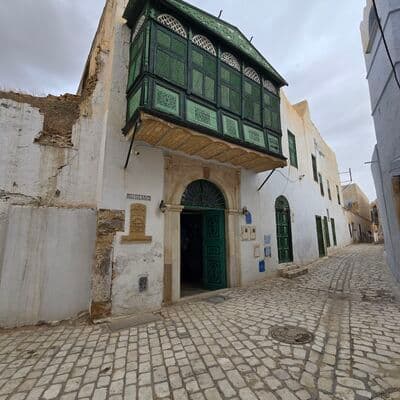
The Medina of Tunis represents the heart of the old city - a UNESCO World Heritage site dating to the seventh century that remains one of the best-preserved medieval Arab cities in existence. Unlike heavily touristed medinas elsewhere, this one functions primarily as a commercial and residential zone for actual Tunisians. You will find spice merchants, textile wholesalers, metalworkers, and woodcarvers operating businesses that have occupied the same stalls for generations. The souks are organized by trade - the perfume souk near the Zitouna Mosque, the wool merchants along a different passage, the leather workers in another quarter. Navigation requires abandoning GPS reliance and embracing intuitive exploration.
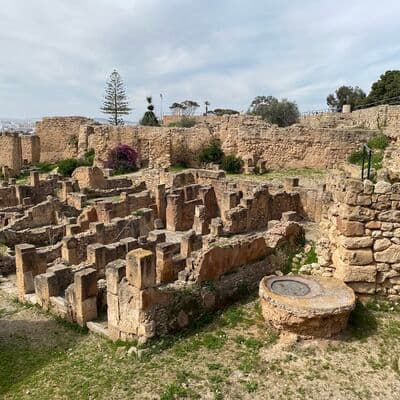
Just outside the city center, the ruins of Carthage sprawl across several disconnected archaeological zones. Once the capital of a maritime empire that rivaled Rome, Carthage was famously razed in 146 BCE after the Third Punic War. The Romans later rebuilt it as a provincial capital, and those Roman-era ruins constitute most of what remains today. The Antonine Baths, the Punic Ports, the Byrsa Hill archaeological site, and various scattered ruins can consume an entire day if you explore thoroughly. A shared ticket covers all sites, and hiring a guide at the main entrance significantly enhances understanding of what you are seeing.
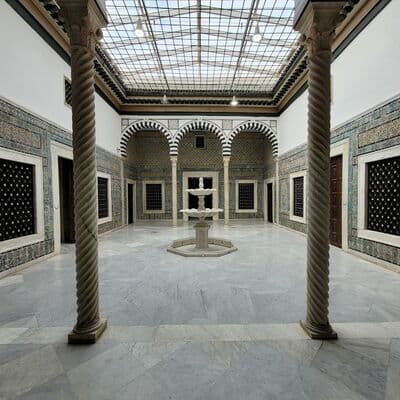
The Bardo National Museum, housed in a former Ottoman palace, contains the world's largest collection of Roman mosaics - many salvaged from archaeological sites across Tunisia. The quality and preservation of these works is genuinely astonishing. Plan at least two to three hours, and more if you have serious interest in Roman or Byzantine art. The museum underwent extensive security upgrades following a 2015 incident and now maintains airport-level screening upon entry.
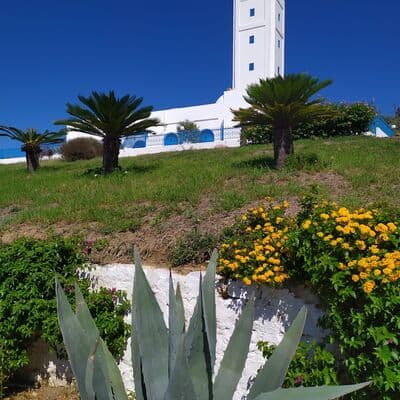
Perched on a cliff overlooking the Gulf of Tunis, the village of Sidi Bou Said has become Tunisia's most photographed destination. The entire village adheres to a strict blue-and-white color scheme - white walls, blue doors, blue window frames, cobalt ceramic accents. The effect is undeniably picturesque, though the village has tilted heavily toward tourism in recent decades. Expect art galleries, cafes charging premium prices, and crowds during peak hours. Visit early morning or late afternoon for the most pleasant experience. The Cafe des Delices terrace offers views that genuinely justify the markup on mint tea.
North of Tunis, the coastline extends toward the Coral Coast - named for the coral formerly harvested here, though that industry has largely ceased. Towns like Bizerte, Tabarka, and Ain Draham offer beach access, forested mountain landscapes, and far fewer tourists than southern regions. Tabarka in particular has developed a modest diving scene, with underwater caves and coral formations that attract European divers seeking alternatives to overcrowded Mediterranean sites.
Cap Bon Peninsula
Jutting into the Mediterranean northeast of Tunis, the Cap Bon Peninsula functions as Tunisia's agricultural heartland and beach getaway zone. The fertile plains produce citrus fruits, grapes, olives, and vegetables that supply much of the country. The peninsula's eastern coast features some of Tunisia's best beaches - though "best" is relative, as development here has often prioritized quantity over quality.
Hammamet, at the peninsula's base, established itself as Tunisia's first major beach resort destination in the mid-twentieth century. The old medina retains charm, but the hotel zone stretching north along the coast exemplifies mass tourism development at its most generic. Enormous all-inclusive resorts line the beach, catering primarily to European package tourists seeking sun, sand, and buffet meals. If that sounds appealing, Hammamet delivers reliably. If you seek authentic Tunisia, consider this a transit zone.
Nabeul, just north of Hammamet, produces the distinctive pottery that has become synonymous with Tunisian souvenirs - colorful ceramics with geometric and floral patterns. The Friday market here draws both tourists and Tunisians from across the region, offering everything from ceramics to produce to clothing to livestock. It is chaotic, crowded, and genuinely local in a way that tourist-oriented souks rarely achieve.
The peninsula's northern tip, around El Haouaria, offers dramatic cliff scenery, seasonal birdwatching during migration periods, and the caves where Carthaginians once quarried the stone that built their capital. This area sees far fewer visitors than the beach zones and provides a pleasant counterpoint to resort-heavy experiences.
The Sahel and Central Coast
The Sahel region - Tunisia's "coast" - stretches south from Hammamet through Sousse, Monastir, Mahdia, and eventually Sfax. This densely populated coastal strip has historically functioned as Tunisia's economic engine, combining port commerce, olive cultivation, and textile production. Today it also hosts significant tourism infrastructure.
Sousse claims the title of Tunisia's third-largest city and features a UNESCO-listed medina that rivals Tunis for historical significance if not for scale. The Ribat - a fortified monastery from the eighth century - dominates the medina's skyline and offers panoramic views from its tower. The archaeological museum, housed in a converted casbah, contains notable Roman mosaics and artifacts.
Nearby Port El Kantaoui represents the opposite extreme - a purpose-built resort complex designed from scratch to cater to European tourists. The marina, golf courses, and beach hotels here feel more Canary Islands than Tunisia. Some travelers appreciate the convenience and predictability; others find it soulless and disconnected from genuine Tunisian experience. Know what you are signing up for.
Monastir offers the Ribat of Harthema - another impressive fortified structure - and functions as the hometown of Habib Bourguiba, Tunisia's first president. The ornate mausoleum containing his remains sits adjacent to a cemetery holding other national figures. The atmosphere is more genuinely Tunisian than Sousse's tourist-heavy medina, though with fewer specific attractions.
Mahdia, further south, preserves a quieter, more traditional character. The narrow peninsula creating its geographic situation limited urban sprawl, maintaining a compact old town where fishing boats still land catches at the port and weavers produce the silk fabrics that once made Mahdia famous. The Friday market here sells directly from fishing boats - as fresh as seafood gets.
Sfax, Tunisia's second city, receives remarkably few tourists despite having a medina considered second only to Tunis in historical importance. The city's economic orientation toward industry and commerce rather than tourism means accommodations and English-language services are limited, but intrepid travelers find a genuinely authentic urban experience here. The Kerkennah Islands, accessible by ferry from Sfax, offer a glimpse of traditional Tunisian island life with minimal tourist development.
The Holy City: Kairouan
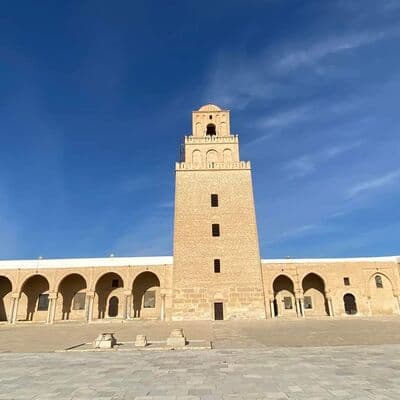
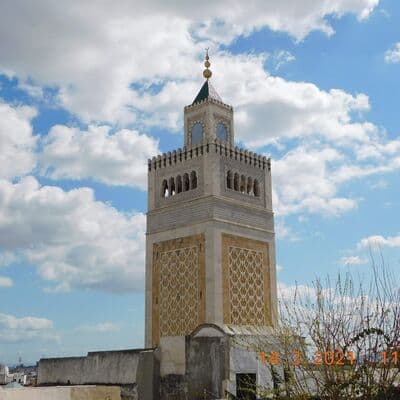
Kairouan stands apart from other Tunisian destinations - a city whose significance transcends tourism categories. As the fourth holiest city in Islam (after Mecca, Medina, and Jerusalem by some reckonings), Kairouan draws pilgrims and tourists alike to its remarkable religious architecture. The Great Mosque of Kairouan, founded in 670 CE, ranks among the oldest mosques in the Maghreb and served as an architectural template for mosques throughout western Islamic civilization.
Non-Muslims cannot enter the prayer hall but can access the magnificent courtyard, observing the forest of reused Roman columns, the distinctive minaret, and the overall architectural harmony. Other significant mosques and shrines dot the medina - the Mosque of the Three Doors with its elaborate facade, the Zaouia of Sidi Sahab containing relics attributed to a companion of the Prophet, and numerous smaller structures.
The Medina of Kairouan, another UNESCO site, maintains a more conservative character than coastal cities. Dress appropriately - women should cover shoulders and knees, and generally more modest attire shows respect. The carpet souks here are famous throughout Tunisia, with elaborate handwoven rugs fetching significant prices from collectors. Be extremely cautious of "special deals" offered to tourists; quality verification requires expertise, and scams targeting naive buyers are common.
Kairouan also claims to have invented makroudh - diamond-shaped semolina cookies filled with dates - and numerous shops sell freshly made versions. Whether this origin claim is historically accurate matters less than the fact that Kairouan makroudh does indeed taste exceptional.
The Roman Heartland
Between the coast and the western mountains, central Tunisia preserves some of the most significant Roman archaeological sites in North Africa - a region that once formed the breadbasket of the Roman Empire.
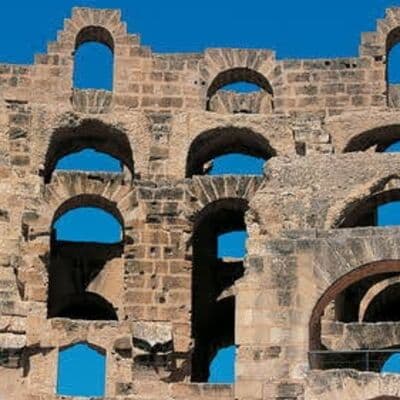
The El Jem Amphitheatre stands as the most visually impressive Roman monument in Tunisia - and arguably the most impressive anywhere outside Rome itself. This massive structure, capable of seating 35,000 spectators, rises from the otherwise unremarkable town of El Jem with startling grandeur. Unlike the Roman Colosseum, El Jem remains relatively intact, with much of its three-tiered arcade still standing. You can walk through the underground passages where gladiators and animals once waited, ascend to upper seating levels for panoramic views, and genuinely appreciate the scale of Roman entertainment infrastructure. The adjacent museum contains exceptional mosaics from nearby villas.
Dougga, northwest of Kairouan, may be Tunisia's most complete Roman urban site - a city that was never substantially built over in subsequent eras. The theater, capitol temple, forum, baths, and residential areas spread across a hillside, surrounded by olive groves rather than modern construction. You can spend hours wandering among structures that provide remarkably clear understanding of Roman urban planning. The site receives far fewer visitors than it deserves, making early morning exploration almost mystically peaceful.
Sbeitla (ancient Sufetula) features exceptionally well-preserved forum temples - three structures dedicated to Jupiter, Juno, and Minerva standing in a row. The Byzantine churches, Roman baths, and residential quarters round out a site that, like Dougga, benefits from comparative obscurity.
Bulla Regia offers something unique: underground Roman villas built to escape summer heat. You can descend into these subterranean structures and see intact mosaic floors in their original positions - an experience unlike typical archaeological site visits.
The Deep South: Gateway to the Sahara
Southern Tunisia is where the country transforms most dramatically - from Mediterranean landscapes to date palm oases to genuine Saharan desert. This region attracts travelers seeking adventure, Star Wars pilgrimage, and authentic desert experience.
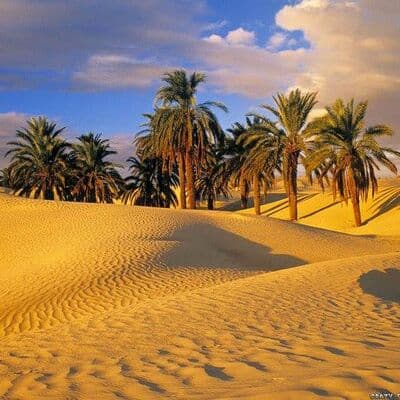
Tozeur functions as the main gateway to the Tunisian Sahara, a substantial oasis town with excellent tourist infrastructure positioned at the edge of the desert. The old quarter, Ouled el Hadef, features distinctive brickwork architecture - geometric patterns created using different brick orientations that cast complex shadows. The palm groves extending beyond the town contain over 200,000 date palms, producing the renowned Deglet Nour ("fingers of light") dates exported worldwide.
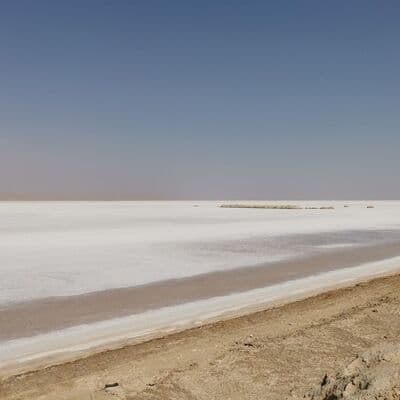
From Tozeur, the Chott el Jerid extends eastward - a vast salt flat that creates surreal landscapes of crystallized salt, mirage effects, and seemingly infinite flatness. The causeway crossing the chott connects Tozeur to southern destinations and offers otherworldly scenery particularly dramatic at sunrise and sunset. During rare wet periods, the chott floods shallowly, creating mirror-like reflections.
The Lezard Rouge (Red Lizard) tourist train resumed operations in May 2025 after pandemic-related suspension. This restored colonial-era train runs through the Selja Gorge from Metlaoui, passing dramatic canyon scenery over approximately 40 kilometers. The experience combines stunning landscapes with charming vintage rail travel - a highlight for many visitors.
Douz, positioned at the desert's edge, bills itself as the "Gateway to the Sahara" - a claim that is somewhat tourist-marketing but essentially accurate. From here, camel treks, 4x4 excursions, and overnight desert camping expeditions depart into the Grand Erg Oriental. The Thursday market draws nomadic and semi-nomadic peoples from surrounding desert areas, providing glimpses of traditional Saharan culture.
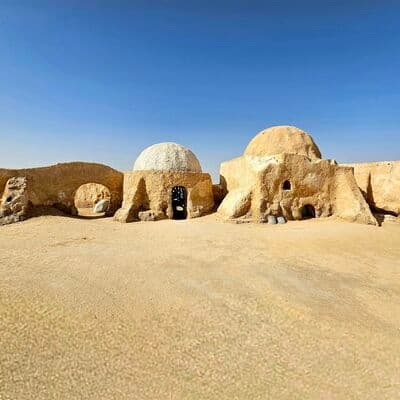
The Star Wars filming locations scattered across southern Tunisia constitute a unique attraction. The original 1976 film used Tunisian locations extensively - the Hotel Sidi Driss in Matmata served as Luke Skywalker's childhood home, the canyon near Tozeur became a Jedi training ground, and purpose-built sets in the desert created Mos Espa and other locations. Some sets remain intact as tourist attractions; others have been reclaimed by desert or require local guides to locate.
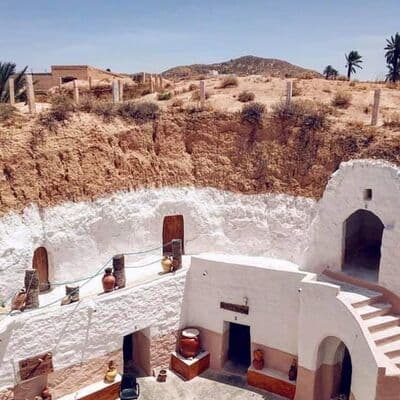
Matmata itself deserves attention beyond Star Wars connections. This Berber village features troglodyte dwellings - pit houses dug into soft rock, with rooms excavating outward from central courtyards. This architectural tradition provided natural climate control in a harsh environment. Several troglodyte homes now operate as guesthouses, offering the unusual experience of sleeping in an underground dwelling. The Hotel Sidi Driss continues operating and maintains some Star Wars props, though the current condition varies from visitor expectations formed by film imagery.
Djerba: The Island Apart
Djerba, connected to the mainland by an ancient causeway, functions almost as a separate destination within Tunisia. The island's combination of beaches, distinctive architecture, and significant Jewish heritage creates an atmosphere different from mainland regions.
Houmt Souk, the main town, features a compact medina, the Borj el Kebir fortress, and a pleasant harborfront. The town functions as the island's commercial center without overwhelming tourist development.
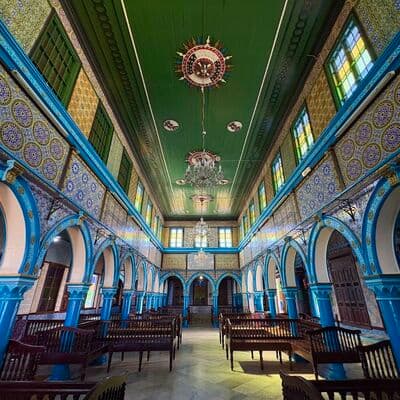
The El Ghriba Synagogue represents the most significant Jewish site in the Maghreb - a pilgrimage destination dating back over two millennia to the Babylonian exile. The annual Lag BaOmer pilgrimage draws Jewish visitors from around the world. Non-Jewish visitors can visit respectfully when services are not in progress; security is tight following past incidents.
Djerba's beaches, particularly along the northeastern coast, rival any in Tunisia - wide sandy stretches with relatively clear Mediterranean waters. Resort development here tends toward mid-range rather than mega-resort scale, though the zone de touristique does include substantial hotel complexes. The interior villages preserve traditional architecture and slower rhythms.
Unique Tunisia
Beyond the expected categories of beaches, ruins, and desert, Tunisia offers experiences that genuinely cannot be replicated elsewhere. These distinctive elements often become the most memorable aspects of a Tunisian journey.
Troglodyte Architecture
The underground and cave dwellings of southern Tunisia represent a building tradition found in few other places on Earth. In Matmata, entire communities lived in pit-houses excavated into soft rock - central courtyards open to the sky, with rooms tunneling outward into the earth. This architecture was not primitive desperation but sophisticated climate engineering, maintaining comfortable temperatures when exterior conditions reached brutal extremes.
You can stay overnight in converted troglodyte hotels, experiencing the strange sensation of sleeping in a cave while modern amenities like electricity and plumbing operate normally. The acoustics - dead silence from the surrounding earth - create sleep quality that urban hotels cannot match. Some structures have housed continuous habitation for centuries; others have been abandoned and can be explored with care.
Chenini and Douiret, in the southeast, feature cliffside Berber villages built into mountain slopes - a different architectural tradition from Matmata but equally distinctive. These villages were partially abandoned as residents relocated to modern housing, leaving haunting stone structures climbing steep hillsides. Local guides can explain the defensive logic, agricultural systems, and daily life patterns these structures enabled.
The Salt Lakes
Chott el Jerid and the connected salt flats of southern Tunisia create landscapes that challenge visual processing. During dry periods, crystallized salt creates white expanses stretching to every horizon, generating mirages that convince your brain of water that does not exist. During rare wet periods, thin sheets of water create perfect reflections of sky and clouds - natural mirrors spanning hundreds of square kilometers.
The causeway crossing Chott el Jerid provides easy access to this landscape, with multiple stopping points for photography and exploration. Rose-tinted salt crystals, abandoned salt collection equipment, and the sheer surrealism of the environment create genuinely unique imagery. Film crews have used these locations to simulate alien planets - an apt comparison to the visual experience.
The Star Wars Connection
Tunisia's extensive Star Wars filming history creates a pilgrimage destination for fans worldwide. The original 1976 film, its sequels, and prequels all utilized Tunisian locations - the country's desert landscapes providing economical access to "alien" environments.
The Hotel Sidi Driss in Matmata - Luke Skywalker's childhood home - continues operating as a hotel, with some filming props still in place. The experience of eating dinner in the same courtyard where Luke complained about power converters appeals powerfully to fans, though the site's current state requires adjusted expectations from those expecting pristine preservation.
Near Tozeur, the Onk Jemal area contains remnants of Mos Espa sets from Episode I - partially standing structures gradually being reclaimed by dunes. Various canyons used for filming can be visited with local guides who know the precise locations. The Sidi Bouhlel canyon (used for Jedi training scenes) remains accessible.
Tataouine - whose name inspired the fictional planet - features ksour (fortified granaries) that informed Tatooine's architectural aesthetic. These structures, originally built by Berber communities for grain storage, feature distinctive honeycomb patterns of individual storage cells that look genuinely extraterrestrial.
Kairouan's Spiritual Significance
As the fourth holiest city in Islam by some traditions, Kairouan offers spiritual atmosphere found in few other places. The Great Mosque's courtyard, surrounded by columns salvaged from Carthage and Roman sites, creates profound stillness even during busy periods. The city's numerous shrines, zaouias, and smaller mosques maintain active religious practice rather than existing solely as tourist attractions.
Seven visits to Kairouan traditionally substitute for the hajj to Mecca for those unable to make the journey - a doctrine giving the city exceptional status. Non-Muslim visitors can engage respectfully with this significance, observing (from permitted areas) a living religious tradition rather than museum artifacts.
Berber Heritage
Tunisia's indigenous Berber (Amazigh) population maintains distinct cultural traditions despite centuries of Arabization. Southern Tunisia, in particular, preserves Berber villages, languages, and customs. The mountain villages around Matmata, Chenini, and the Dahar Mountains provide windows into this heritage.
Berber tattoos, distinctive pottery traditions, specific architectural styles, and preserved languages differentiate these communities from Arab-majority regions. Engaging with Berber culture requires sensitivity - these are living communities, not theme parks - but respectful tourism provides economic support that helps preserve traditions under pressure from modernization.
Carthaginian Legacy
Before Rome, before the Arabs, before the French - Carthage dominated western Mediterranean civilization. Though Rome's systematic destruction limited physical remains, Tunisia preserves what survives of this remarkable maritime empire. The Punic Ports in Carthage - circular harbors that once sheltered the ancient world's most formidable navy - remain identifiable from aerial views. The Tophet sanctuary, containing thousands of urns with children's remains, raises unsettling questions about Carthaginian religious practice. The Bardo Museum contains Punic artifacts predating Roman conquest.
Beyond Carthage itself, sites like Kerkouane - a Punic town destroyed during the First Punic War and never rebuilt - preserve authentic Carthaginian urban layout untainted by Roman reconstruction. This UNESCO site near Cap Bon provides rare insight into pre-Roman North African civilization.
Jewish Heritage in the Maghreb
El Ghriba Synagogue on Djerba represents the most significant Jewish site in North Africa - a community claiming continuous presence since the Babylonian exile nearly three millennia ago. The synagogue itself, rebuilt in the nineteenth century after fire, houses what may be one of the oldest Torah scrolls in existence.
Djerba's Jewish community, though diminished from historical peaks, maintains active presence. Jewish neighborhoods, kosher food availability, and the annual Lag BaOmer pilgrimage connect this Tunisian island to global Jewish heritage. The community's persistence through various political changes demonstrates Tunisia's relative tolerance, though that tolerance has been tested at times.
Esparto Grass and Traditional Crafts
Tunisia maintains craft traditions that have largely disappeared elsewhere. Esparto grass weaving produces baskets, mats, and household items using techniques unchanged for centuries. Beja, in the northwest, serves as the center of this tradition - though finding practitioners requires effort and possibly guides.
Carpet weaving in Kairouan continues generating elaborate handmade rugs using traditional patterns and techniques. Watching weavers work - the physical labor, the pattern memorization, the quality control - provides appreciation for why genuine handmade carpets command substantial prices.
Pottery traditions vary by region - Nabeul's colorful glazed ceramics, Sejnane's distinctive hand-built terracotta figures, Guellala on Djerba maintaining different techniques. Each tradition reflects local clay qualities, historical influences, and aesthetic preferences.
The Saharan Sky
Spending a night in the Tunisian Sahara - far from light pollution, under a genuine desert sky - creates experiences impossible to replicate in developed regions. The Milky Way becomes not an abstract concept but a visible band spanning the heavens. Shooting stars appear with startling frequency. The silence, interrupted only by wind across dunes, achieves meditative quality.
Desert camping expeditions from Douz or Tozeur range from basic bivouac experiences to comfortable tented camps with amenities. Even brief overnight stays - accessible to travelers without extensive desert experience - provide exposure to this elemental environment.
When to Visit Tunisia
Tunisia's climate varies dramatically by region, making the "best time to visit" question more complex than a single answer can address. Your itinerary focus should guide timing decisions.
For coastal and northern regions - Tunis, the beaches, Cap Bon - April through June and September through November offer ideal conditions. Summer temperatures are certainly manageable (not as extreme as the interior), but beaches become crowded with European package tourists, particularly in July and August. Hotel prices peak, availability tightens, and the experience tilts toward mass tourism rather than exploration.
Spring brings wildflowers to northern hills and pleasant temperatures for archaeological site exploration. The shoulder season in September and October combines warm swimming weather with diminished crowds and softer light for photography.
For desert regions - Tozeur, Douz, Matmata - winter months from November through February provide the most comfortable conditions. Summer desert temperatures regularly exceed 45 degrees Celsius (113 degrees Fahrenheit), making outdoor activities genuinely dangerous without serious precautions. Even spring and fall can push 40 degrees during heat waves.
Winter in the south offers pleasant daytime temperatures in the mid-20s Celsius (70s Fahrenheit), though nights can be surprisingly cold - pack layers for desert camping. The flip side: winter in the north can be rainy and chilly, making combined itineraries challenging to optimize.
Ramadan dates shift annually (following the Islamic lunar calendar) and can affect travel experiences. Restaurants may close during daytime, operating hours shift, and the overall atmosphere changes. This is not necessarily negative - iftar meals breaking the fast offer unique cultural experiences - but requires adjusted expectations. Check Ramadan dates when planning.
The annual Douz Sahara Festival (typically December) celebrates desert culture with camel races, traditional music, and various competitions. If your travel dates align, this event provides concentrated exposure to Saharan traditions. Hotel availability becomes challenging, so book well ahead.
Practical summary: Plan northern and coastal itineraries for April through June or September through October. Plan southern desert itineraries for November through February. Attempting to combine both in a single trip requires accepting that one region will have suboptimal conditions.
How to Get There
Tunisia's air connectivity has improved significantly in recent years, with the 40% surge in British travelers reflecting expanded flight options. Understanding your arrival options helps optimize the journey.
From the United States
No direct flights currently connect US airports to Tunisia. Standard routing options include connections through major European hubs - Paris, Frankfurt, London, Rome, Madrid, or Istanbul offer frequent onward connections. Total journey times from East Coast cities run 12-16 hours depending on connection efficiency; West Coast departures add several more hours.
Air France via Paris, Lufthansa via Frankfurt, and Turkish Airlines via Istanbul are common routing choices. Turkish Airlines often provides competitive pricing and positions Istanbul conveniently for Mediterranean connections. Royal Air Maroc via Casablanca occasionally offers compelling fares, though connection timing can be less convenient.
Budget-conscious travelers sometimes find value in positioning flights to a European city (often London) combined with separate low-cost carrier tickets to Tunisia. EasyJet's expanded Tunisia service from multiple UK airports has created new options for this approach. However, booking separate tickets increases risk if delays cause missed connections - ensure adequate connection time and consider travel insurance.
From the United Kingdom
The UK market enjoys the best direct connectivity to Tunisia among English-speaking countries. EasyJet's route expansion now connects London Gatwick, Manchester, Bristol, and other airports to Enfidha (serving the beach resort zone) and Djerba. TUI and other charter carriers also operate seasonal service, particularly to resort destinations.
Flight times run approximately three hours to Tunisian airports - shorter than many Mediterranean alternatives. This accessibility, combined with favorable currency exchange (the pound stretches far in Tunisia), explains British visitors' growing numbers.
Tunis-Carthage Airport serves the capital and northern regions. Enfidha-Hammamet Airport serves the central coast resort zone. Monastir Airport provides additional central coast access. Djerba-Zarzis Airport serves the island and southern regions. Choose your arrival airport based on initial itinerary focus - domestic transportation between regions is manageable but consumes time.
From Canada and Australia
Canadian travelers face similar routing to Americans - European hub connections from Montreal, Toronto, or Vancouver. Air Canada's European codeshare partnerships can simplify booking through a single carrier.
Australian travelers undertake genuinely long journeys - 20-plus hours of flight time through Middle Eastern (Emirates via Dubai, Qatar via Doha) or European hubs. The silver lining: Tunisia's value proposition partially offsets the travel investment, and stopovers in transit cities can break the journey into more manageable segments.
Visa Requirements
Citizens of the United States, United Kingdom, Canada, Australia, and most European Union countries do not require advance visas for tourist visits up to 90 days. You receive a stamp upon arrival - ensure your passport has at least six months validity remaining and at least one blank page.
Immigration procedures are generally straightforward. Officials may ask about accommodation (having a hotel booking confirmation ready helps) and return tickets. Dress reasonably professionally - while shorts are fine for tourists, arriving looking extremely disheveled occasionally generates additional questions.
TSA rules for American travelers apply to departures - carry-on liquids restrictions, electronics screening, etc. Returning to the US, be aware of duty-free limits and agricultural restrictions on food items.
Airport Practicalities
Tunis-Carthage Airport, despite serving the capital, feels somewhat dated. Immigration can be slow during peak arrival periods - budget an hour minimum before assuming you have cleared arrivals. Currency exchange windows offer acceptable rates; ATMs provide better rates but may have withdrawal limits.
Official airport taxis use meters or fixed prices to city zones - establish the price before departing. Avoid anyone approaching in the arrivals hall offering "special" taxi deals; these are typically unlicensed operators charging inflated rates. The official taxi queue is outside the arrivals exit.
Enfidha Airport, purpose-built for the tourism industry, functions more efficiently but locates roughly an hour from Hammamet or Sousse. Many package tourists have pre-arranged transfers; independent travelers can arrange taxis or use louage (shared minibus) services.
Public transit from airports is limited. The TGM light rail connects Tunis-Carthage Airport area to the city center but requires a taxi or bus first to reach the station. For most travelers, taxis represent the practical choice despite cost premiums.
Getting Around Tunisia
Tunisia's compact geography makes internal travel feasible without excessive time investment, though options range widely in comfort, cost, and complexity. Understanding the transportation landscape helps set realistic expectations.
Domestic Flights
Tunisair and Tunisair Express operate limited domestic routes connecting Tunis to Djerba, Tozeur, and occasionally other destinations. Flight times are short (under an hour) and prices modest by international standards. During peak season or holiday periods, booking ahead is advisable.
For most itineraries, domestic flights make sense primarily for reaching Djerba or Tozeur quickly from Tunis. The time savings compared to ground transport (especially to Djerba, which requires lengthy routing around the Gulf of Gabes or ferry connections) can justify the modest expense.
Trains
SNCFT operates Tunisia's rail network, connecting Tunis to various destinations including Sousse, Monastir, Sfax, and some northern towns. Train travel provides comfortable, inexpensive transport with scenic views - and removes you from road traffic, which can be stressful.
The main trunk line runs along the coast from Tunis southward. Trains range from uncomfortable older stock to reasonably modern air-conditioned cars. First-class tickets offer significant comfort improvement at modest premium. Purchase tickets at stations - online booking is theoretically possible but often fails for foreign cards.
The TGM suburban line connects Tunis center to La Marsa via La Goulette and Sidi Bou Said - an inexpensive and efficient way to reach northern suburbs and Carthage archaeological sites.
The Lezard Rouge (Red Lizard) tourist train from Metlaoui through the Selja Gorge resumed operations in May 2025 and represents a highlight for many visitors. This restored historical train runs through dramatic canyon scenery - primarily a tourist experience rather than transport, but memorable.
Buses
SNTRI operates national bus services connecting major cities. Buses are inexpensive, reasonably comfortable on main routes, and reach destinations not served by rail. Air conditioning works most of the time. Schedules can be variable, and departures sometimes wait until vehicles fill rather than adhering strictly to timetables.
For routes not covered by SNTRI, regional bus companies fill gaps with varying quality levels. These services can be confusing for non-Arabic speakers - station staff generally try to help, but communication barriers exist.
Louages
Louages - shared minibuses or large taxis - represent the authentic Tunisian transport experience. These vehicles depart when full (typically 5-8 passengers) and run point-to-point between cities. Prices are fixed (ask locals or other passengers to verify you are paying correctly), and service covers routes not reached by trains or buses.
Louage stations exist in every significant town, though locating them can require asking locals. The system operates efficiently once you understand it - vehicles heading to various destinations line up in different areas, you find your destination, pay the driver, and depart when seats fill. Flexibility on timing helps; waiting times can range from minutes to over an hour depending on demand.
Comfort varies enormously. Some louages are modern minibuses with air conditioning; others are ancient vehicles that seem to operate through mechanical optimism alone. Sitting in the front passenger seat provides more legroom; middle seats can be cramped. Luggage goes in the back or on the roof.
Taxis
Tunisia uses several taxi categories. Urban taxis (typically yellow in Tunis, various colors elsewhere) operate on meters for city travel. Verify the meter runs; if drivers claim it is broken, negotiate a price before departing or find another cab.
Intercity "grand taxis" can be hired for journeys between cities - essentially private car service. Prices require negotiation and can be shared among multiple passengers to reduce individual costs. For reaching specific sites not on public transport routes, grand taxis provide practical solutions.
Ride-hailing apps have had a complicated trajectory in Tunisia. Bolt operated briefly but suspended service in March 2025. Current alternatives include Yassir and InDrive, which function in major cities but not universally. Download these apps before arrival and verify they operate in your specific locations. Traditional taxis remain the reliable backup.
Rental Cars
For maximum flexibility, rental cars open Tunisia completely. International agencies (Avis, Hertz, Europcar) and local companies operate at airports and in major cities. Prices are reasonable by international standards - budget around $30-50 per day for a basic vehicle, more for 4x4 capability needed for desert excursions.
Driving in Tunisia requires adjustment. Traffic laws exist but enforcement is inconsistent. Aggressive driving, unexpected maneuvers, and creative lane usage are common. Night driving presents additional hazards - unlit vehicles, pedestrians, animals, and road quality issues. Outside cities, highway conditions range from excellent to potholed depending on route and maintenance cycles.
An International Driving Permit is technically required alongside your home license - obtain one before departure as they cannot be issued in Tunisia. Some rental agencies overlook this requirement; others strictly enforce it.
For southern desert regions, standard vehicles work on paved roads to main towns. Venturing off-road into dunes or remote areas requires 4x4 vehicles and, realistically, experienced guides. Getting stuck in sand far from assistance creates serious problems; the desert environment does not forgive poor planning.
Organized Tours
Package tours and organized excursions solve transportation logistics while adding guiding value. Day trips from resort hotels reach major sites; multi-day tours cover broader itineraries. The trade-off involves reduced flexibility and sometimes rushed site visits.
For desert regions specifically, organized tours often make sense even for independent travelers. Vehicle requirements, navigation challenges, and safety considerations favor professional operators over DIY approaches for first-time visitors.
Cultural Code: Navigating Tunisian Society
Tunisia occupies interesting cultural territory - more liberal than Gulf states, more conservative than southern Europe, and distinctly its own blend of Arab, Mediterranean, Berber, and French influences. Understanding local expectations helps navigate social situations gracefully.
Dress Code
Tunisia does not enforce dress codes legally (unlike some Muslim-majority countries), but cultural sensitivity suggests moderate choices. In resort areas and beaches, Western beach attire is entirely normal. Topless sunbathing is not prohibited but generally not practiced and may attract unwanted attention.
In cities and towns, covering shoulders and knees shows respect - particularly in conservative areas like Kairouan or smaller villages. The Medina of Tunis sees enough tourists that shorts are tolerated, but you may receive warmer reception in modest attire.
Mosques have stricter requirements: long pants/skirts, covered shoulders, and head coverings for women. Some mosques provide coverings for visitors; others refuse entry to improperly dressed tourists. Non-Muslims cannot enter prayer halls in most mosques, though courtyards are often accessible.
For men, shorts are acceptable in tourist areas but long pants read as more respectful for mosque visits and conservative regions. Sleeveless shirts are fine at the beach but add a light overshirt for town exploration.
Religious Observance
Tunisia's population is overwhelmingly Muslim, and Islamic practice shapes daily rhythms. The call to prayer sounds five times daily from mosque minarets - a atmospheric element rather than obligation for visitors. Shops may close briefly during prayer times, particularly Friday noon prayers.
Ramadan (dates vary annually) significantly affects operations. Restaurants may close during daylight hours, though hotels serving international guests usually maintain service. Some Tunisians are more observant than others; do not assume everyone fasts. Eating, drinking, and smoking in public during Ramadan daylight hours, while not illegal, can be seen as disrespectful - exercising discretion shows cultural awareness.
Alcohol is available in Tunisia - hotels, restaurants catering to tourists, and dedicated shops sell beer, wine, and spirits. Public intoxication, however, is poorly received. Drink moderately and avoid being visibly drunk in conservative areas.
Gender Dynamics
Tunisia has one of the more progressive records on women's rights in the Arab world - the 1956 Personal Status Code banned polygamy, established women's divorce rights, and set minimum marriage ages. Women participate actively in public life, professions, and politics.
That said, gender dynamics differ from Western norms in some contexts. Foreign women traveling solo may experience more attention - usually just conversation attempts rather than anything threatening, but persistent. A clear "no thank you" and continuing walking works; escalating response can encourage escalation.
Women-only spaces exist in some contexts - certain cafe areas, hammam (traditional bath) times, and transit options in some cities. These are not restrictions but accommodations for those preferring single-gender environments.
For couples, public displays of affection should remain modest - hand-holding is fine, extended kissing is not. Unmarried couples generally have no issue sharing hotel rooms in tourist areas, though very conservative guesthouses may have restrictions.
Hospitality and Social Customs
Tunisian hospitality is genuine and sometimes overwhelming. Invitations for mint tea can appear within minutes of meeting someone. Shopkeepers offer refreshments before discussing merchandise. Restaurant owners personally ensure satisfaction.
Accepting hospitality graciously - even when you feel time pressure - shows respect. Refusing tea from someone who has engaged you in genuine conversation can cause offense. The rituals matter; rushing through them signals disrespect.
Haggling is expected in souks and markets; fixed prices are normal in restaurants and shops with price tags. The back-and-forth of negotiation is social as much as commercial - treating it as hostile or rushing through it misses the cultural function. Start at 40-50% of the asking price for items without fixed pricing; expect to land around 60-70% depending on your skill and the item.
Photography etiquette requires awareness. Ask permission before photographing people - most say yes, but the asking matters. In conservative areas, photographing women may be refused and insisting causes problems. Markets and shops often prohibit photography to prevent competitors from copying designs or using images commercially.
Language Situation
Arabic (Tunisian dialect, significantly different from Gulf or Egyptian Arabic) is the dominant language. French remains widely spoken - a colonial legacy that persists in education, business, and daily interaction. Signage is typically bilingual Arabic/French; menus often include French text.
English proficiency is growing, particularly among younger Tunisians, tourism workers, and educated professionals. In major tourist areas, hotels, and high-end restaurants, English communication is generally possible. In smaller towns, rural areas, and local establishments, French becomes the practical foreign language - any French phrases you can manage will help significantly.
Arabic greetings and pleasantries earn goodwill even when subsequent conversation switches to French or English. "Salam" (hello), "shukran" (thank you), "la" (no), and "naam" (yes) cover basic interactions. More elaborate Arabic phrases impress further.
Tipping Practices
Tunisia does not have a mandatory tipping culture, but service workers appreciate gratuities given their modest base wages. In restaurants, 10% of the bill is standard for good service; round up for smaller tabs. Porters and bellhops appreciate a few dinars per bag. Tour guides and drivers expect tips proportional to service quality and duration - daily guides might receive 20-30 dinars, drivers slightly less.
Small tips to bathroom attendants, parking helpers, and those who provide unexpected assistance smooth interactions. Keeping small bills and coins available for these situations prevents awkwardness.
Safety in Tunisia
Tunisia's security situation has stabilized significantly since incidents in 2015 led to travel warnings and tourism declines. Understanding the current reality - honestly assessing actual risks rather than outdated perceptions - helps travelers make informed decisions.
Current Assessment
Major tourist areas, cities, and established routes operate normally. The record-breaking 11 million tourists in 2025 reflects international confidence in the country's stability. Security presence at tourist sites, hotels, and public spaces is visible but not oppressive. The 2015 incidents at the Bardo Museum and Sousse beach led to comprehensive security upgrades that remain in place.
Border regions near Libya and Algeria carry elevated risk - travel advisories typically recommend avoiding within 30 kilometers of these borders. Unless you have specific reason to visit remote border areas, standard tourist itineraries do not approach these zones.
The interior mountain regions near the Algerian border (Jebel Chaambi and surrounding areas) have seen intermittent security operations. Again, these are not tourist routes and standard travel patterns avoid them.
Practical Safety
Crime exists but does not significantly threaten typical tourists exercising normal caution. Pickpocketing can occur in crowded souks and markets - standard precautions apply (front pockets, money belts, bag awareness). Violent crime against tourists is rare; Tunisia depends economically on tourism and takes visitor safety seriously.
Scams are more likely than crime. Carpet shop operators using high-pressure tactics, "guides" attached to tourists then demanding payment, taxi drivers running inflated meters or claiming fixed rates exist - but are not "official" - these annoyances can be avoided with awareness. Agreeing to prices before services, carrying small bills to pay exact amounts, and politely refusing unsolicited help reduce vulnerability.
Traffic accidents represent perhaps the biggest actual risk. Road safety culture differs from Western norms; defensive awareness helps whether you are driving or a passenger. Avoid driving at night when possible.
Solo Female Travel
Solo female travelers can visit Tunisia successfully, but experiences vary based on location, appearance, and comfort with attention. Harassment - usually verbal rather than physical - is reported more frequently by solo women, particularly those reading as clearly foreign. This ranges from annoying (persistent conversation attempts, following at distance) to uncomfortable (explicit comments, blocking paths).
Strategies that help: confident body language, sunglasses that prevent eye contact, claiming to be meeting a husband, wearing a simple ring suggesting marriage, responding to Arabic in French suggesting local familiarity. None of these should be necessary, but Tunisia has not fully resolved gender dynamics in public spaces.
Group travel, male companions, or organized tours reduce unwanted attention significantly. This is not about capability or fairness - it is about practical reality in a society still evolving on these issues.
LGBTQ+ Considerations
Tunisia criminalizes homosexual conduct, with penalties including imprisonment. While enforcement against tourists is rare, the legal framework creates risk. LGBTQ+ travelers should exercise significant discretion - public displays of affection between same-sex couples, discussing relationships openly, or LGBTQ+ activism are inadvisable.
Same-sex couples booking hotel rooms may encounter issues in conservative properties, though international chain hotels generally avoid problems. Discretion enables travel; Tunisia is not currently a destination where LGBTQ+ identity can be openly expressed.
Emergency Information
General emergency number: 197 (police) or 198 (civil protection/fire)
Tourist police exist in major areas and can assist with crime reports, lost documents, and other issues affecting visitors. Staff may have better English/French skills than regular police.
Embassy contact information should be carried separately from your passport. US Embassy Tunis operates at Zone Nord-Est des Berges du Lac Nord de Tunis; UK Embassy at Rue du Lac Windermere. Both maintain duty officers for emergencies outside business hours.
Health Considerations
Tunisia does not present exceptional health challenges for travelers from developed countries, but practical awareness helps ensure comfortable travel.
Pre-Travel Preparation
No vaccinations are legally required for entry to Tunisia from the US, UK, Canada, or Australia. However, the CDC recommends being current on routine vaccinations plus Hepatitis A and Typhoid for most travelers. Hepatitis B, Rabies, and other vaccinations may be recommended depending on activities - consult a travel medicine specialist for personalized advice.
Travel insurance covering medical evacuation is strongly recommended. Tunisia's medical facilities in major cities are adequate for routine issues but serious emergencies may require evacuation to Europe. Ensure your policy explicitly covers Tunisia and your planned activities.
Bring any prescription medications in original containers with documentation - pharmacies exist but specific medications may not be available. Pack a basic medical kit with pain relievers, antidiarrheal medication, antihistamines, bandages, and any personal health necessities.
Food and Water Safety
Tap water in Tunisia is technically treated but often causes digestive discomfort for unacclimated visitors. Bottled water is inexpensive and widely available - use it for drinking and teeth brushing. Ice in tourist-oriented establishments is usually made from filtered water and safe; street stalls and very local places present more uncertainty.
Food safety follows common-sense tropical travel rules: eat freshly cooked hot food, avoid raw salads unless in upscale establishments, be cautious with street food until your system adjusts. That said, Tunisian cuisine involves substantial cooking, and food poisoning is not exceptionally common among travelers.
Traveler's diarrhea affects some visitors regardless of precautions - bringing medication (loperamide, bismuth subsalicylate) provides relief while your system adapts.
Sun and Heat
Tunisia's sun, particularly in summer and southern regions, demands respect. Sunscreen (bring from home - local products may not match your preferred SPF), hats, and sunglasses are essential. Limit midday exposure during hot months; schedule outdoor activities for early morning and late afternoon.
Heat exhaustion and heatstroke are real risks during desert excursions and summer travel. Hydrate continuously - far more than feels necessary. Recognize warning signs: headache, nausea, cessation of sweating, confusion. These require immediate cooling and medical attention if severe.
Medical Facilities
Tunis and major cities have hospitals and clinics capable of handling routine medical issues. Private clinics generally offer better service than public hospitals. Pharmacies are common and pharmacists can advise on minor ailments, often dispensing medications that would require prescriptions elsewhere.
For serious medical emergencies, particularly trauma or complex conditions, evacuation to European medical facilities may be necessary. This underscores the importance of comprehensive travel insurance with evacuation coverage.
Desert-Specific Concerns
Saharan travel adds health dimensions beyond general Tunisia advice. Extreme temperature swings between day and night require layered clothing. Sand and dust irritate eyes and respiratory systems - bring eye drops and consider dust masks for extended desert exposure. Vehicle travel on rough terrain can exacerbate back problems.
Ensure any desert excursion carries substantial water reserves, first aid supplies, and communication capability. Reputable tour operators handle these logistics; independent travelers must plan thoroughly.
Money and Budget
Tunisia operates on the Tunisian Dinar (TND or DT), and understanding the financial landscape helps maximize your travel budget.
Currency Basics
The dinar is a "closed currency" - theoretically you cannot buy it before arrival or take it out when leaving. In practice, enforcement of export rules is inconsistent, but planning to spend or exchange remaining dinars before departure makes sense. Current exchange rates (as of early 2026) run approximately 3.0-3.2 TND per US dollar and 3.8-4.0 TND per British pound, though rates fluctuate.
Currency exchange is available at airports, banks, hotels, and dedicated exchange offices. Rates vary - airport and hotel exchanges typically offer worse rates than bank or exchange office transactions. ATMs provide competitive rates through your bank's network, though withdrawal limits and fees apply.
Keep exchange receipts - some hotels require them for paying in dinars, and reconverting dinars to foreign currency at departure technically requires proving you exchanged officially.
Cash vs. Cards
Tunisia remains significantly cash-dependent outside international hotels and upscale restaurants. Credit cards (Visa and MasterCard primarily) work in tourist-oriented establishments, some shops in major souks, and chain restaurants. But souks, local restaurants, louages, and smaller shops operate cash-only. Always carry sufficient dinars for daily expenses.
ATMs exist in cities and tourist areas; reliability decreases in rural regions and the deep south. Withdraw when you see ATMs rather than assuming one will appear when needed. Daily withdrawal limits (often 400-600 TND) mean multiple transactions may be necessary for longer trips. Notify your bank of travel plans to prevent fraud blocks.
Budgeting Guidelines
Budget travelers - staying in basic hotels, eating at local restaurants, using public transport - can manage on $40-60 per day excluding long-distance transport and paid attractions. This gets you simple but clean accommodation, filling meals, and basic transport.
Mid-range travelers - comfortable three-star hotels, mix of local and tourist restaurants, occasional taxis, guided excursions - should budget $80-120 per day. This provides substantial comfort without luxury.
Upscale travelers - boutique hotels, high-end restaurants, private guides and drivers, desert luxury camps - can spend $200-400+ per day. Tunisia's value proposition means this buys genuinely excellent experiences compared to European equivalents.
Specific costs for reference (approximate, in USD):
- Budget hotel room: $25-40
- Mid-range hotel room: $50-80
- Upscale hotel room: $100-200+
- Local restaurant meal: $5-10
- Tourist restaurant meal: $15-25
- Coffee at cafe: $1-2
- Bottle of water: $0.50
- Louage ride (city to city): $3-8
- City taxi ride: $2-5
- Museum admission: $3-8
- Day excursion with guide: $50-100
Tipping and Bargaining Economics
As noted in cultural sections, tipping is appreciated but not mandatory at Western percentage levels. Ten percent at restaurants satisfies expectations. Guides and drivers expect tips proportional to service duration and quality.
Bargaining in souks and markets can save significant money - or can become a time sink yielding marginal savings. Know approximate values of items you want (research online, ask hotel staff) to establish reasonable baselines. Paying asking price is never necessary; paying far below actual value insults sellers. The negotiation itself carries social meaning beyond pure economics.
Suggested Itineraries
Tunisia's compact geography enables varied itineraries depending on available time. These suggestions assume starting and ending in Tunis; adjust based on your arrival airport.
Seven Days: Tunisia Essentials
One week allows meaningful exploration of Tunisia's highlights without exhausting pace.
Day 1 - Arrival and Tunis Orientation
Arrive at Tunis-Carthage Airport and transfer to hotel in central Tunis. If arriving early, begin exploring Avenue Habib Bourguiba - the Champs-Elysees of Tunisia, lined with colonial-era buildings, cafes, and the landmark Cathedral of St. Vincent de Paul. Adjust to local time and rhythms with a leisurely first evening.
Day 2 - Tunis: Medina and Bardo
Morning at the Bardo National Museum, allowing two to three hours for the extraordinary mosaic collection. After lunch, dive into the Medina of Tunis. Navigate from Bab el Bhar (the Sea Gate) inward toward the Zitouna Mosque - the medina's spiritual center. Explore surrounding souks, allowing yourself to get pleasantly lost. Exit before dark as lighting is limited.
Day 3 - Carthage and Sidi Bou Said
Take the TGM train to Carthage for a half-day exploring archaeological sites - prioritize the Antonine Baths, Byrsa Hill, and Punic Ports. After lunch, continue to Sidi Bou Said for afternoon wandering through blue-and-white streets. Watch sunset from Cafe des Delices terrace overlooking the Gulf of Tunis. Return to Tunis by TGM.
Day 4 - To Kairouan and Sousse
Depart early for Kairouan (approximately two hours by car or bus). Explore the Great Mosque courtyard, the Medina with its carpet souks, and the atmospheric old city. Have lunch including local specialties. Mid-afternoon, continue to Sousse (one hour) and check into hotel. Evening exploration of Sousse medina and waterfront.
Day 5 - El Jem and Coastal Return
Morning excursion to El Jem Amphitheatre (one hour from Sousse) - arguably Tunisia's most impressive single monument. Explore the structure thoroughly, including underground passages. Visit the adjacent archaeological museum. Return to Sousse for afternoon beach time or further medina exploration. Alternatively, continue south to Sfax for a more off-the-beaten-path experience.
Day 6 - Djerba Day
Fly from Monastir or Sfax to Djerba (if available), or drive/bus (longer but scenic). Explore Houmt Souk and its small medina, visit the El Ghriba Synagogue, and enjoy beach time. The island's relaxed pace provides recovery from more intensive sightseeing. Overnight on Djerba.
Day 7 - Return to Tunis
Morning flight back to Tunis (or early departure if driving, which takes five-plus hours). Last-minute shopping or sightseeing in Tunis before international departure. If time allows, visit any Medina areas or neighborhoods missed earlier.
Ten Days: Adding the Desert
Ten days allows adding southern desert regions without excessive rushing.
Days 1-3: As Above
Follow the seven-day itinerary through Tunis, Carthage, and Sidi Bou Said.
Day 4 - Kairouan Focus
Rather than rushing through Kairouan, spend a full day. Morning at religious sites - the Great Mosque, Mosque of the Three Doors, Zaouia of Sidi Sahab. Afternoon exploring the medina's deeper reaches, carpet shopping (if interested), and experiencing the city's more conservative atmosphere. Overnight in Kairouan.
Day 5 - El Jem and to Tozeur
Morning at El Jem, then long drive (or louage) southwest toward Tozeur. The journey crosses the Chott el Jerid - stop for photographs of the surreal salt flat landscape. Arrive Tozeur late afternoon; evening exploration of the Ouled el Hadef old quarter with its distinctive brick architecture.
Day 6 - Desert Exploration
Full-day desert excursion from Tozeur. Options include: Lezard Rouge train through Selja Gorge (if running - confirm schedules), Star Wars filming locations near Onk Jemal, mountain oases like Chebika, Tamerza, and Mides. Return to Tozeur or overnight at desert camp for enhanced experience.
Day 7 - Douz and Matmata
Drive to Douz at the Sahara's edge for camel experience and desert market (if Thursday). Continue to Matmata for troglodyte dwellings - visit the Hotel Sidi Driss (Star Wars location) and traditional underground homes. Overnight in Matmata troglodyte hotel for unique experience, or continue toward coast.
Day 8 - Djerba
Morning drive to Djerba via the Roman causeway or ferry. Spend afternoon exploring Houmt Souk, El Ghriba Synagogue, and beaches. Relax after intensive desert travel. Overnight on Djerba.
Day 9 - Djerba and Return
Morning beach time or further Djerba exploration. Afternoon flight to Tunis (or early morning departure if driving/busing the long route). Evening in Tunis for final shopping and dining.
Day 10 - Departure
Final Tunis exploration if flight timing allows. International departure.
Fourteen Days: Comprehensive Tunisia
Two weeks allows thorough exploration without rushing, including less-visited regions.
Days 1-3: Greater Tunis Region
Follow the seven-day itinerary with additional time for deeper exploration. Add a day trip to Zaghouan (Roman aqueduct, mountain town atmosphere) or Thuburbo Majus (impressive Roman ruins without crowds). Alternatively, spend additional time in the Medina of Tunis exploring specific souks in depth.
Day 4 - North to Bizerte
Drive north to Bizerte, Tunisia's northernmost city. Explore the old port, Spanish fortress, and relaxed atmosphere of a genuinely local city with minimal tourism infrastructure. The beaches north of the city are among Tunisia's best-kept secrets. Overnight in Bizerte.
Day 5 - Coral Coast
Drive west along the Coral Coast to Tabarka. Stop at Cap Negro and other coastal points. Tabarka's relaxed beach town atmosphere, modest diving scene, and the Genoese fortress on its rock island provide pleasant contrast to more tourist-heavy destinations. Overnight in Tabarka.
Day 6 - Ain Draham and Bulla Regia
Morning in the forested hills around Ain Draham - surprisingly green and cool compared to the rest of Tunisia. Afternoon at Bulla Regia's remarkable underground Roman villas with intact mosaic floors. Continue to Jendouba area for overnight.
Day 7 - Dougga
Full morning at Dougga, perhaps Tunisia's most complete Roman urban site. The theater, capitol, and residential areas demand extended exploration. Afternoon drive to Kairouan, arriving in time for evening medina atmosphere.
Days 8-9: Kairouan and El Jem
Thorough exploration of Kairouan's religious and cultural significance. Day 9 includes El Jem and travel toward the south.
Days 10-12: Southern Desert Circuit
Three days in the south allows genuine immersion rather than rushed transit. Tozeur as a base, with excursions to Chott el Jerid, mountain oases, Star Wars locations, the Lezard Rouge train, Douz, and desert camping. The slower pace allows experiencing the Saharan environment rather than merely passing through it.
Day 13 - Matmata and Djerba
Matmata troglodyte villages in the morning, then to Djerba for afternoon and overnight.
Day 14 - Return and Departure
Morning on Djerba, flight to Tunis, and international departure.
Twenty-One Days: The Complete Experience
Three weeks allows incorporating everything above plus genuinely off-the-beaten-path exploration.
Days 1-4: Greater Tunis and North
Expand the northern itinerary to include Cap Bon Peninsula - Nabeul's pottery workshops, Kerkouane's Punic ruins, El Haouaria's dramatic northern cape. Multiple nights in Tunis area allow thorough museum and medina exploration without fatigue.
Days 5-7: Northwest Circuit
Bizerte, Tabarka, Ain Draham, and the forested regions rarely seen by tourists. Add Chemtou (ancient marble quarries) and additional Roman sites to the route.
Days 8-9: Dougga and Interior
Full Dougga exploration plus Sbeitla (Sufetula) with its exceptional forum temples. These interior sites see few visitors and reward thorough attention.
Days 10-11: Kairouan and Central Coast
Extended Kairouan time plus exploration of Sousse, Monastir, and Mahdia at relaxed pace.
Day 12: Sfax and Kerkennah Islands
Sfax's undervisited medina and ferry to Kerkennah Islands - a glimpse of traditional Tunisian island life with virtually no tourist infrastructure.
Days 13-17: Southern Desert Immersion
Five days in the south allows everything in shorter itineraries plus additional experiences: extended desert camping, exploration of Ksar Ouled Soltane and other ksour around Tataouine, the dramatic Berber villages of Chenini and Douiret, and genuinely remote desert experiences. This duration allows bad weather days without losing key experiences.
Days 18-20: Djerba and Return
Three nights on Djerba allows genuine relaxation rather than rushed sightseeing - beach time, interior village exploration, ceramic workshops at Guellala, and the El Ghriba Synagogue at leisure.
Day 21: Departure
Return to Tunis and international departure.
Thematic Itineraries
Roman Tunisia (7-10 days): Focus on Carthage, El Jem, Dougga, Sbeitla, Bulla Regia, Thuburbo Majus, and the Bardo Museum. This itinerary emphasizes archaeological depth over geographic coverage.
Star Wars Pilgrimage (5-7 days): Tunis arrival, direct to Tozeur and Matmata areas. Matmata (Hotel Sidi Driss), Mos Espa sets near Tozeur, canyon locations, Chott el Jerid (Tatooine landscapes), and the ksour of Tataouine region (architectural inspirations).
Beach and Relaxation (7-14 days): Djerba as primary base, with possible additions of Hammamet, Sousse beaches, or Tabarka depending on preferences. Minimal sightseeing, maximum relaxation.
Islamic Architecture and Spirituality (7-10 days): Kairouan (multiple days for deep exploration), Tunis Medina, Sousse Ribat, and religious sites throughout. Include El Ghriba Synagogue for Abrahamic tradition breadth.
Connectivity
Staying connected in Tunisia requires modest adjustment from home country norms but presents no major obstacles.
Mobile Networks
Tunisia has three mobile operators: Tunisie Telecom (government-owned, widest coverage), Ooredoo, and Orange. All offer prepaid SIM cards to tourists - bring your passport for required registration. SIM cards cost minimal amounts; data packages are inexpensive by Western standards.
Purchase SIM cards at airport kiosks (convenient but potentially marked up) or operator shops in cities (better prices, sometimes confusing process without Arabic). Staff can configure settings and add data packages during purchase.
Coverage is excellent in cities, along major highways, and in tourist areas. Coverage becomes spotty in remote desert regions and some mountain areas. Do not rely on connectivity for navigation in deep Sahara expeditions.
Alternatively, international roaming through home carriers works but at steep prices. Check your carrier's Tunisia rates before relying on roaming; purchasing local SIM is nearly always more economical for anything beyond emergency use.
WiFi Availability
Hotels at all levels typically offer WiFi - quality varies from excellent in upscale properties to frustratingly slow in budget options. Cafes in tourist areas increasingly offer WiFi, particularly chains and establishments catering to younger customers. Restaurants are less reliable; ask before assuming connectivity.
Airport WiFi exists but may require registration or payment. Download maps, translation apps, and essential information before arriving.
Power and Charging
Tunisia uses European-style Type C and Type E plugs (two round pins) with 230V current. American and UK travelers need adapters - bring them from home as airport shops charge premium prices. Universal adapters covering multiple standards are most practical.
Power outages occur occasionally, particularly during heat waves straining the electrical grid. Brief interruptions rarely affect travel significantly, but keeping devices charged provides buffer.
Internet Restrictions
Tunisia does not significantly restrict internet access. Social media platforms, news sites, and communication apps function normally. VPN services work but are rarely necessary for typical use.
Phone Calls
International calling from Tunisian SIM cards is possible but expensive. WiFi calling through apps like WhatsApp, Signal, or FaceTime provides economical alternatives when connected. Local calls within Tunisia are cheap.
Emergency numbers: 197 (police), 198 (civil protection/fire/medical emergency), 190 (national guard). Operators may not speak English; having a French-speaking person assist with emergency calls helps if needed.
Food and Cuisine
Tunisian cuisine offers one of North Africa's most distinctive culinary traditions - sharing Mediterranean foundations with Italian and French influences, Arab spicing, and unique local preparations. Understanding what and how to eat significantly enhances travel experience.
Foundational Dishes
Couscous: The national dish, served in countless variations. Tunisian couscous differs from Moroccan versions - often prepared with tomato-based stews (fish couscous on the coast, lamb or chicken inland), vegetables, and the essential harissa heat. Friday couscous lunch is a traditional family gathering; some restaurants offer special Friday preparations.
Brik: Perhaps Tunisia's most iconic appetizer - thin pastry (malsouka, similar to phyllo) folded around fillings and deep-fried until crispy. The classic brik a l'oeuf contains a runny egg, capers, and tuna; variations include meat, seafood, or cheese. Eating brik without spilling egg yolk is a local measure of skill. Found everywhere from street stalls to fine restaurants.
Lablabi: The breakfast of champions for working-class Tunisians - a hearty bowl of chickpeas in cumin-spiced broth, topped with torn bread, olive oil, harissa, and often a soft egg. Heavy, warming, and extremely inexpensive. Lablabi shops open early and serve until supplies exhaust.
Chorba: Soup ranging from light vegetable preparations to rich lamb-based versions. Often served as Ramadan fast-breakers or winter warming dishes.
Ojja: Scrambled eggs cooked with tomatoes, peppers, onions, and spices - similar to shakshuka but distinctly Tunisian. Versions include merguez sausage or shrimp. Commonly served at breakfast or as a simple dinner.
Tajine: Confusingly, Tunisian tajine differs completely from Moroccan tajine. In Tunisia, tajine is a baked egg-and-meat dish closer to Italian frittata - dense, sliceable, and often containing chicken, lamb, or seafood with vegetables. Served at room temperature as appetizer or main course.
Mechouia: Grilled vegetable salad - tomatoes, peppers, and onions charred over flame, peeled, chopped, and dressed with olive oil, lemon, and spices. Served as appetizer or side dish throughout the country. Quality varies with ingredient freshness and preparation care.
Street Food and Quick Eats
Fricassee: Small deep-fried sandwiches filled with tuna, harissa, olives, potato, and egg - Tunisia's answer to portable lunch. Cheap, filling, and found at street stalls everywhere.
Makloub: Folded flatbread sandwiches with various fillings - grilled meat, tuna, vegetables, and inevitably harissa.
Casse-croute: French influence evident in baguette sandwiches filled with tuna salad, merguez, or other combinations. Quick, cheap, omnipresent.
Kaak: Ring-shaped sesame bread eaten plain or filled - a breakfast staple and snack food.
Harissa: The Soul of Tunisian Cuisine
If Tunisia has a single defining ingredient, harissa is it. This chili paste - made from dried peppers, garlic, caraway, coriander, and olive oil - appears in, on, or alongside virtually every savory dish. Unlike some chili preparations that merely add heat, harissa provides complex flavor with its spice blend and the smokiness of sun-dried peppers.
Intensity varies: restaurant harissa may be tempered for tourist palates; homemade versions can approach dangerous heat levels. Ask about spice levels before generous application if uncertain about your tolerance. Having harissa in small amounts allows gradual acclimation.
Quality harissa makes excellent souvenirs - look for artisanal preparations sold by weight in souks rather than industrially produced tubes. Le Phare du Cap Bon brand represents quality commercial production.
Seafood
With extensive Mediterranean coastline, Tunisia offers excellent seafood - though quality depends on proximity to ports and supply chain efficiency. Coastal towns like Houmt Souk, Mahdia, and Bizerte feature fresh catches prepared simply or in regional preparations.
Fish couscous represents coastal cuisine's pinnacle - whole fish or portions served over couscous in tomato-based broth with vegetables. Grilled fish (poisson grille) is reliably good when fresh. Calamari, octopus, shrimp, and other seafood appear in various preparations.
The La Goulette port suburb of Tunis specializes in fried fish - waterfront restaurants serve simple preparations where freshness matters more than elaborate preparation.
Sweets and Pastries
Makroudh: Diamond-shaped semolina cookies filled with dates and soaked in honey syrup. Kairouan claims to have invented them; Kairouan makroudh is indeed exceptional. Found throughout Tunisia but quality varies.
Baklava variations: Tunisia has its own take on layered phyllo-and-nut pastries, often featuring almonds and rose or orange blossom water.
Bambalouni: Tunisian doughnuts - yeast-raised rings fried and dusted with sugar. Best eaten hot from street vendors.
Assidat: Date or carob-based pudding traditionally served at celebrations and special occasions.
Dates: Tunisia produces exceptional dates, particularly the Deglet Nour variety from Tozeur oases. Fresh dates in season (autumn) differ dramatically from dried versions available year-round. Purchase directly from oasis regions for best quality and prices.
Beverages
Mint tea: The social beverage of Tunisia - heavily sweetened green tea with fresh mint, often served with pine nuts floating on top. Accepting tea invitations is culturally expected; refusing can offend. The ritual of preparation and service carries significance beyond the drink itself.
Arabic coffee: Strong, sweet, often cardamom-scented. Served in small cups, designed for sipping slowly. Not the same as Turkish coffee or espresso, though espresso-style coffee is available in tourist areas.
Fresh juices: Seasonal fruit juices are exceptional - orange juice in winter, mixed fruit preparations year-round. Street juice vendors provide fresh-squeezed options; cleanliness varies.
Alcohol: Available in hotels, licensed restaurants, and dedicated shops (often called "Generale" from a major retailer). Celtia is the dominant local beer - light lager style, perfectly adequate if not exceptional. Tunisian wines, particularly from the Cap Bon and Mornag regions, can be surprisingly good; Chateau Mornag and Sidi Saad labels are widely available. International spirits are available but expensive.
Dining Customs
Lunch traditionally constitutes the main meal, often starting after 1 PM and extending into afternoon. Dinner tends lighter, though restaurants adapt to tourist expectations.
Restaurant service pace may feel slow by American standards - meals are not rushed. Multiple courses arrive in succession with built-in pauses. Signal clearly when you want the check; it will not arrive unsolicited.
Eating with right hand (when hands are used) follows traditional custom - the left hand is reserved for hygiene functions. Cutlery is normal in restaurants; hands are more common in home settings or with specific dishes like bread.
Bread accompanies every meal - used to scoop foods, clean plates, and consume independently. Leaving bread on the ground is considered disrespectful (bread carries religious significance).
Dietary Restrictions
Vegetarian travelers face challenges but can manage. Tunisian cuisine relies heavily on meat and seafood; however, dishes like mechouia, various salads, egg preparations, and couscous without meat are available. Communication can be difficult - learn "bidoun lahm" (without meat) and specify fish inclusion preferences.
Vegan travelers have significant difficulties. Dairy and eggs appear broadly; animal products are often not separately listed. Self-catering with market produce may be necessary.
Halal is not a concern - all meat is halal by default. Pork is unavailable outside international hotel contexts.
Gluten-free is very challenging. Wheat appears in bread, couscous, pastries, and as thickening in many preparations. Communicate needs clearly and accept limited options.
Shopping in Tunisia
Tunisia offers distinctive shopping opportunities - from traditional crafts to everyday goods at prices well below European equivalents. Understanding what to look for, where to find it, and how to buy enhances both experiences and purchases.
Traditional Crafts
Carpets and rugs: Kairouan is Tunisia's carpet capital - handwoven rugs in traditional patterns and natural dyes represent significant investments but genuine artisan products. Quality verification is challenging without expertise; established shops with good reputations (ask hotels for recommendations) reduce risk. Expect to spend hours over tea while examining options - the process is the experience. Handmade wool carpets start around $200 for small pieces; room-sized quality rugs reach thousands.
Pottery and ceramics: Nabeul produces Tunisia's most distinctive ceramics - colorful glazed pieces in traditional patterns. Watch for the difference between handpainted and printed designs; handpainted work commands premium prices but shows slight variations indicating authenticity. Guellala on Djerba specializes in different techniques - unglazed terracotta and distinctive styles. Sejnane pottery (primitive-style hand-built figures) has gained UNESCO recognition.
Leather goods: Bags, slippers, belts, and jackets in the medinas offer quality ranging from tourist trinkets to genuine craftsmanship. The leather smell throughout the souks indicates active production. Quality assessment: check stitching, examine construction, smell for genuine leather versus synthetic. Prices negotiate significantly.
Copper and brasswork: Trays, lamps, decorative items from metalworking souks - the hammered patterns require skilled labor and reflect traditional techniques. Distinguish between genuine antiques (rare, expensive, require export permits) and new production in traditional style.
Textiles: Embroidered fabrics, woven goods, and traditional clothing offer lighter souvenir options. The distinctive red chechia (fez hat) is produced in Tunis; quality versions last decades.
Souk Navigation
The Medina of Tunis offers the most comprehensive souk experience - organized loosely by trade, extending for many acres around the Zitouna Mosque. Getting lost is part of the experience; getting found again may require asking directions repeatedly.
Prices in tourist-heavy areas (near entrances, along main thoroughfares) are highest. Shops in deeper, less-visited sections often offer better prices - but also receive fewer browsers and may be more persistent in sales tactics.
Bargaining expectations vary by item. Fixed-price shops exist (look for signs or ask); traditional souk merchants expect negotiation. Starting at 40-50% of asking price is not insulting; settling at 60-70% represents reasonable outcome for both parties. The process matters - engaging seriously, expressing genuine interest, and allowing time shows respect for the ritual.
Walking away often produces better prices - if genuinely interested, accept being called back. If not genuinely interested, walking away can become awkward as sellers follow with increasingly desperate offers.
Food Products
Harissa: The essential Tunisian souvenir. Quality ranges from industrial production to artisanal small-batch preparations. Sidi Bou Said and Djerba offer premium versions; Cap Bon region (Nabeul area) is the traditional heartland. Check airline regulations regarding paste volumes in carry-on luggage.
Olive oil: Tunisia is a major producer; quality oil costs significantly less than in destination countries. Weight makes large quantities impractical as souvenirs, but premium bottles make excellent gifts. Check airport security rules - oil is typically fine in checked luggage, restricted in carry-on.
Dates: Tozeur area produces the prized Deglet Nour variety. Fresh dates in season are exceptional; dried versions travel well year-round. Purchase in oasis regions for best quality and price.
Spices: Cumin, caraway, coriander, dried peppers, and spice blends from souk merchants. Quality varies; smell before purchasing and buy from shops with high turnover.
Rose water and orange blossom water: Used in pastries and beverages, these fragrant waters make lightweight souvenirs.
Practical Considerations
Credit cards work in established shops; souks and markets are cash economies. Have small bills ready - breaking large notes creates problems.
Shipping from Tunisia is possible through postal services and some shops, but reliability varies. Valuable or fragile purchases are safer carried personally.
Antiques and significant archaeological items require export permits - reputable dealers handle paperwork for genuine pieces. Purchasing anything claiming to be ancient without proper documentation risks confiscation and legal issues.
Customs allowances vary by destination country. Research duty-free limits before extensive shopping; declare purchases exceeding limits to avoid penalties.
Useful Apps and Resources
Smartphone apps and digital resources enhance Tunisian travel, though complete offline capability remains important given connectivity variability.
Maps.me or OsmAnd: Offline maps essential for areas with spotty connectivity. Download Tunisia map data before arrival. OpenStreetMap-based apps often have better coverage of medina alleys and secondary roads than Google Maps.
Google Translate: Download Arabic and French language packs for offline translation. Camera translation helps with signs and menus. Voice translation bridges basic communication gaps.
Yassir/InDrive: Ride-hailing alternatives following Bolt's March 2025 suspension. Verify operation in your specific cities; functionality is not universal.
XE Currency: Real-time and offline currency conversion. Essential for calculating appropriate prices during bargaining and budgeting.
WhatsApp: Primary communication platform locally. Hotels, tour guides, and many businesses communicate via WhatsApp more readily than email.
Weather apps: Desert and coastal conditions differ dramatically; check regional forecasts rather than country-level averages.
Tunisian Railways (SNCFT) website: Train schedules and information, though booking typically requires station visits.
TripAdvisor/Google Reviews: Restaurant and hotel reviews help quality verification, particularly in tourist areas with many options.
Conclusion: Why Tunisia Rewards the Curious Traveler
Having explored Tunisia's regions, understood its practical realities, and appreciated its cultural dimensions, the question remains: who should actually go?
Tunisia rewards curious travelers - those who find value in imperfection, who appreciate authenticity over polish, who engage with complexity rather than demanding simplicity. If you need tourism infrastructure that anticipates every need, Tunisia may frustrate. If you find satisfaction in navigating challenges and discovering places that have not been optimized for Instagram, Tunisia delivers richly.
The country works exceptionally well for history enthusiasts. The concentration of Roman, Punic, Islamic, and modern heritage in a compact territory enables intensive archaeological exploration impossible in larger countries. You can visit world-class sites without extensive transit, building comprehensive understanding through comparative observation.
Beach travelers seeking value find excellent options. While Tunisia's beaches may not rival Caribbean or Pacific destinations for water clarity and reef diversity, the combination of Mediterranean climate, genuine hospitality, and European-fraction pricing creates compelling propositions for sun-seeking travelers. Adding cultural dimensions to beach holidays - medina exploration, archaeological visits, desert excursions - prevents the stagnation that pure resort experiences sometimes produce.
Adventure travelers, particularly those interested in Saharan experiences, find Tunisia accessible. Unlike more remote desert destinations requiring extensive expedition planning, the Tunisian Sahara edge provides authentic desert engagement with tourist infrastructure enabling relatively simple access. You can experience dune landscapes, overnight camping, and Saharan culture without committing to extreme expedition conditions.
Food-curious travelers discover a cuisine distinct from better-known North African traditions. The harissa-inflected, Mediterranean-influenced, French-touched Tunisian kitchen offers flavors not replicated elsewhere. Eating through Tunisia means encountering preparations that have not been globalized or homogenized.
Film enthusiasts - particularly Star Wars fans - find pilgrimage value. Nowhere else preserves this particular intersection of science fiction mythology and physical landscape. Walking where scenes were filmed, seeing structures that informed fictional architecture, creates tangible connections to beloved narratives.
Budget travelers stretch resources remarkably far. What costs $100 in southern Europe costs $30-50 in Tunisia at equivalent or superior quality. The mental freedom of not calculating every expenditure enables more generous travel - that extra museum, that dessert you would not order elsewhere, that carpet you would never buy at European prices.
Tunisia does not suit everyone. Travelers requiring extensive English-language infrastructure may struggle outside major tourist zones. Those uncomfortable with ambiguity, unexpected developments, or negotiated interactions may find the experience stressful rather than adventurous. Anyone expecting Moroccan levels of tourism development or Egyptian monument scale will be disappointed.
But for those who embrace what Tunisia actually is - a complex, historically layered, culturally rich, economically accessible, geographically compact country offering experiences from Mediterranean beaches to Saharan dunes - the rewards justify the effort. This is travel that engages rather than merely entertains, that leaves you genuinely changed rather than simply photographed.
The record-breaking visitor numbers in 2025 suggest the world is rediscovering what previous generations knew: Tunisia offers something genuine that increasingly homogenized tourism destinations cannot replicate. The question is not whether Tunisia merits your attention, but whether you are ready to give it the engagement it deserves.
Pack your curiosity, bring your patience, and prepare for a journey through one of the Mediterranean's most underappreciated treasures. Tunisia has waited long enough for its renaissance. Perhaps it is time for your first visit - or your return.
This guide was written based on conditions as of early 2026. Infrastructure, pricing, services, and political situations evolve continuously. Verify current conditions for any time-sensitive information before travel, and approach all travel with appropriate flexibility and awareness.
For location-specific information, explore our detailed guides to Tunis, Djerba, Kairouan, and Tozeur. Individual attraction guides provide deeper coverage of sites including the Medina of Tunis, Carthage, El Jem Amphitheatre, Bardo National Museum, and the remarkable Star Wars filming locations of the Tunisian Sahara.